Fukube Kaji
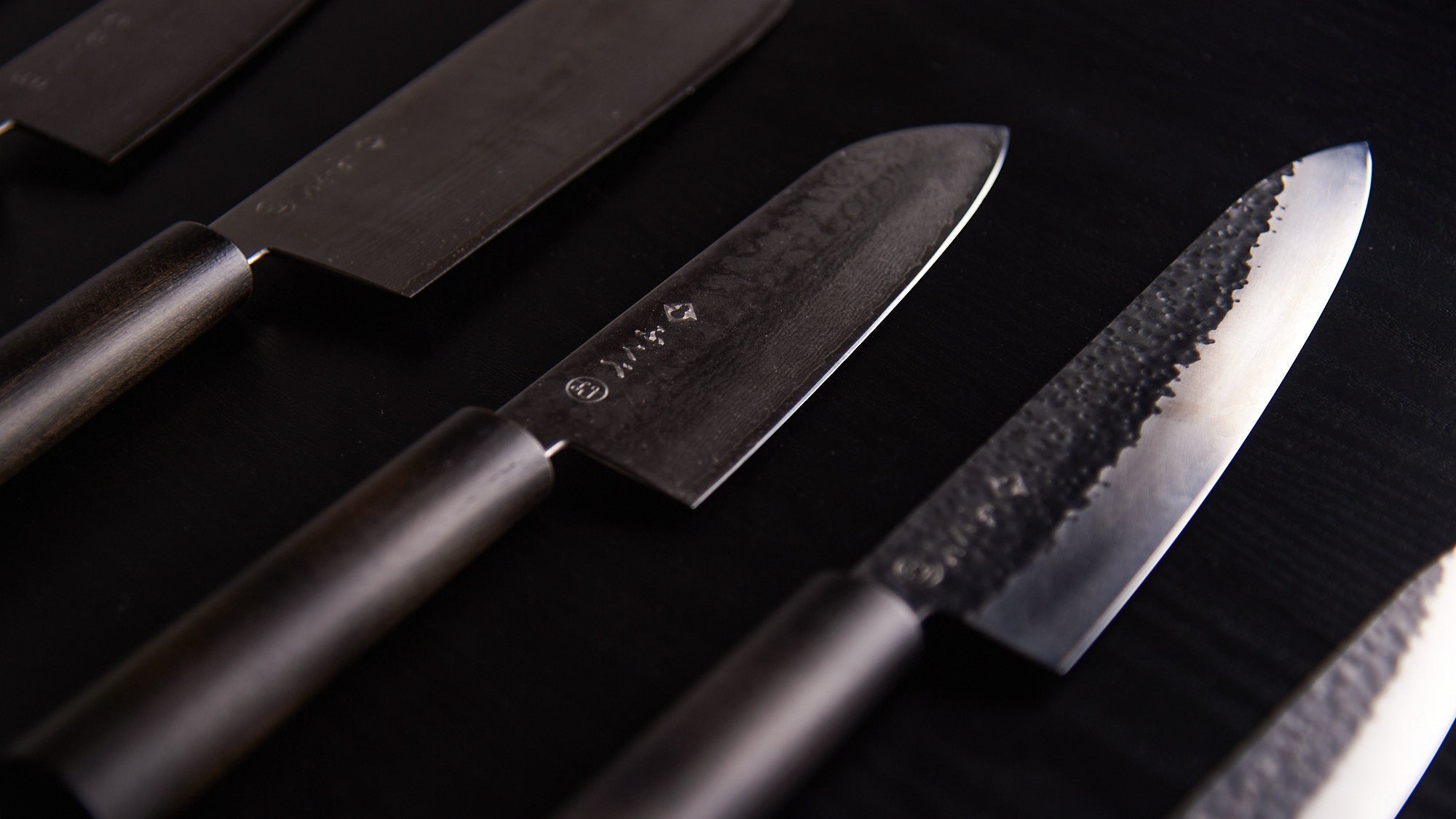
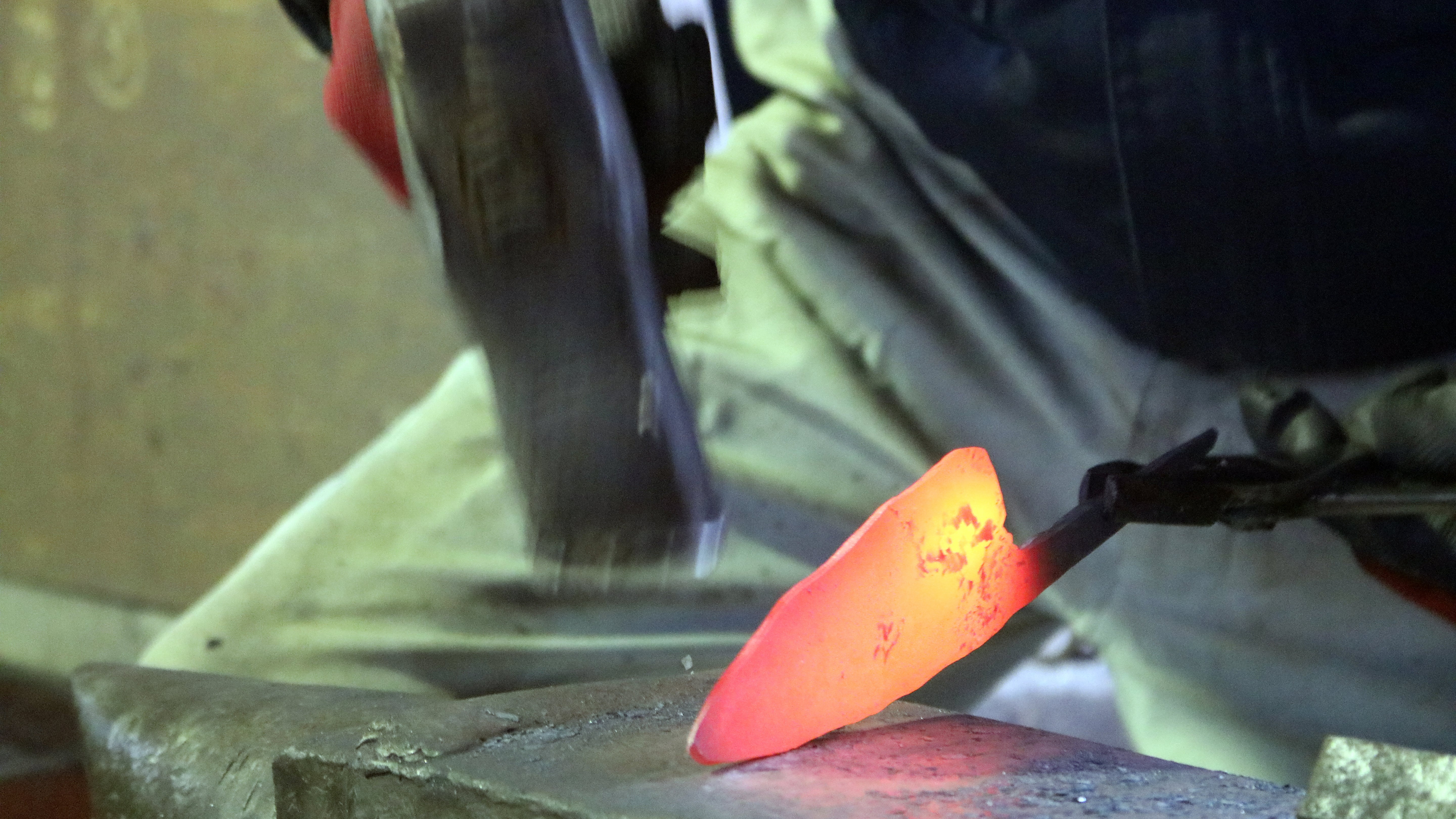
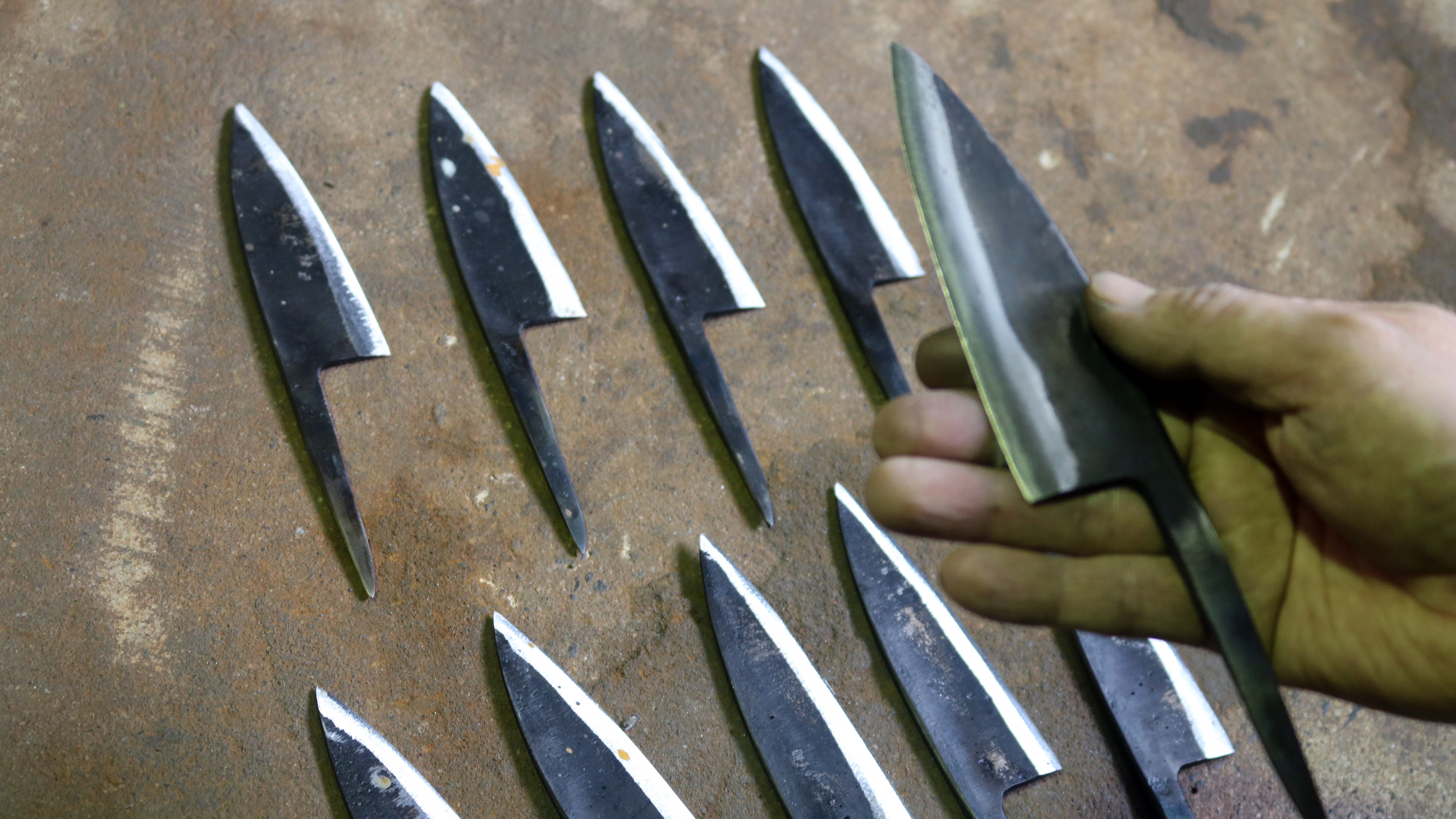
Fukube Kaji est un atelier de forge sur la péninsule de Noto, fondé en 1908. En tant que nokaji ancré à Noto—où la mer et les montagnes se côtoient—il fabrique depuis longtemps des outils durables et pratiques, notamment des couteaux de bûcheron, des outils de pêcheur et des couteaux de cuisine, en s'appuyant sur un savoir façonné par l'environnement et la vie quotidienne de la région. Au-delà des outils nécessaires localement, l'atelier travaille également au développement et à la restauration d'outils requis dans les domaines de la culture traditionnelle et de l'industrie à travers le Japon.
Fukube Kaji commence par comprendre les problèmes, puis fabrique l'outil pour les résoudre. Chaque pièce est conçue pour soutenir le travail et la vie quotidienne de l'utilisateur.
Fukube Kaji a été fondée en 1908 par son maître de première génération, Hoshiba Yusaku. Après s'être formé comme forgeron à Wajima, Hoshiba a ouvert sa forge dans la région de Fujinami à Noto Town et a commencé un travail ancré dans la communauté locale. À partir de 1913, il a voyagé en calèche à travers les villages d'Oku-Noto, réparant et produisant des lames ainsi que des outils pour l'agriculture et la pêche.
Avec le temps, l'activité a évolué. Au début de l'ère Showa (1926–1989), l'atelier a établi une boutique à Uzu, Noto Town. Après la guerre, la mécanisation et le déclin démographique ont conduit de plus en plus de personnes à dire qu'apporter les outils jusqu'à la boutique était devenu un fardeau. En réponse, Fukube Kaji a lancé un service de forgeron itinérant en 2015, visitant les hameaux pour travailler sur place. L'approche—se déplacer dans la région et fabriquer des outils près de ceux qui les utilisent—a été transmise inchangée depuis la fondation.
Les Objectifs de développement durable (ODD) constituent un ensemble d'objectifs mondiaux partagés visant à créer une société dans laquelle les personnes peuvent continuer à vivre en sécurité et en toute tranquillité. L'un de ces objectifs repose sur le principe de production responsable et de consommation responsable.
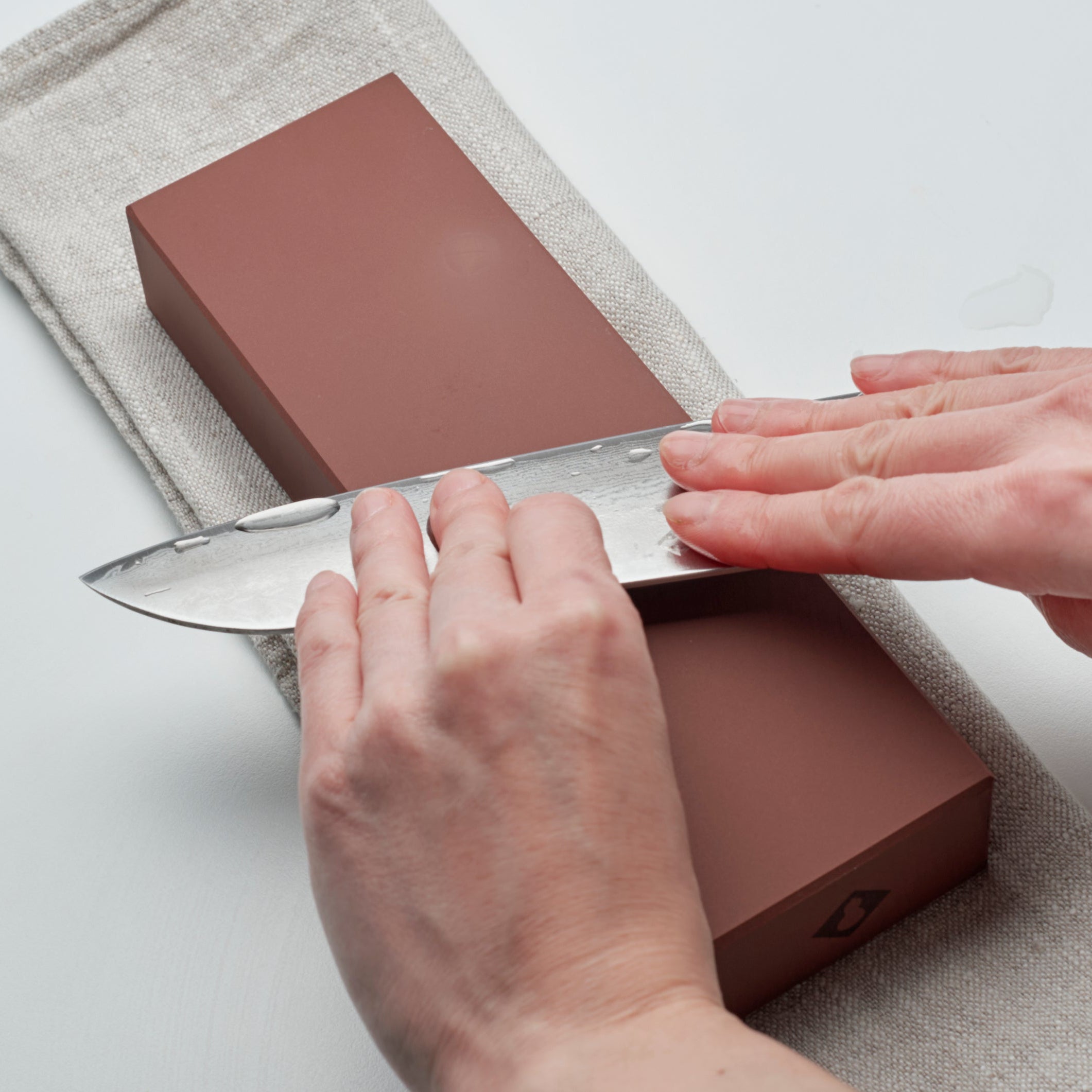
Au Japon, il n'est pas rare que des objets soient jetés une fois endommagés ou lorsqu'ils ne remplissent plus leur fonction initiale. Cette pratique conduit toutefois au gaspillage inutile de ressources précieuses. Chez Fukube Kaji, des efforts sont déployés pour prolonger la durée de vie des outils grâce à un service d'affûtage dans lequel les couteaux émoussés sont collectés, soigneusement réaffûtés, puis retournés pour une utilisation continue. Ce service soutient également les couteaux de cuisine utilisés dans les foyers à travers le Japon. À ce jour, plus de 600 000 couteaux ont été affûtés dans le cadre de ce programme, ce qui lui vaut d'être largement reconnu comme le principal service d'affûtage de couteaux du pays.
Fukube Kaji collabore également avec des entreprises d'autres domaines, notamment des fabricants de laque, pour développer de nouveaux couteaux. De plus, l'atelier s'efforce de devenir un espace où les visiteurs peuvent observer les artisans au travail, tout en promouvant l'attrait de la région de Noto. En valorisant les outils et en encourageant leur utilisation à long terme, Fukube Kaji continue de poursuivre un artisanat attentif aux personnes et à l'environnement.
Origine & Artisans


Filtres