Articles Yokkaichi Banko
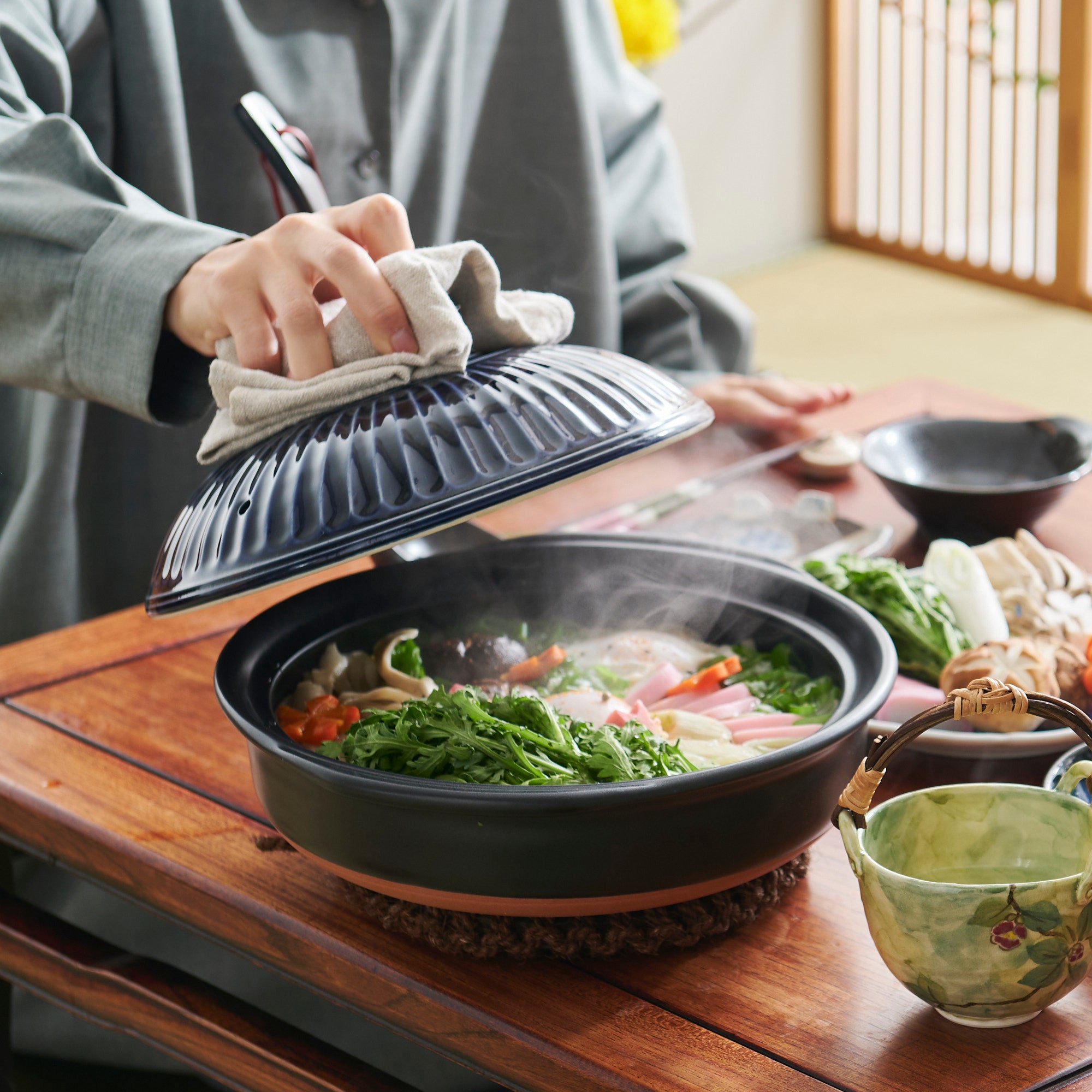
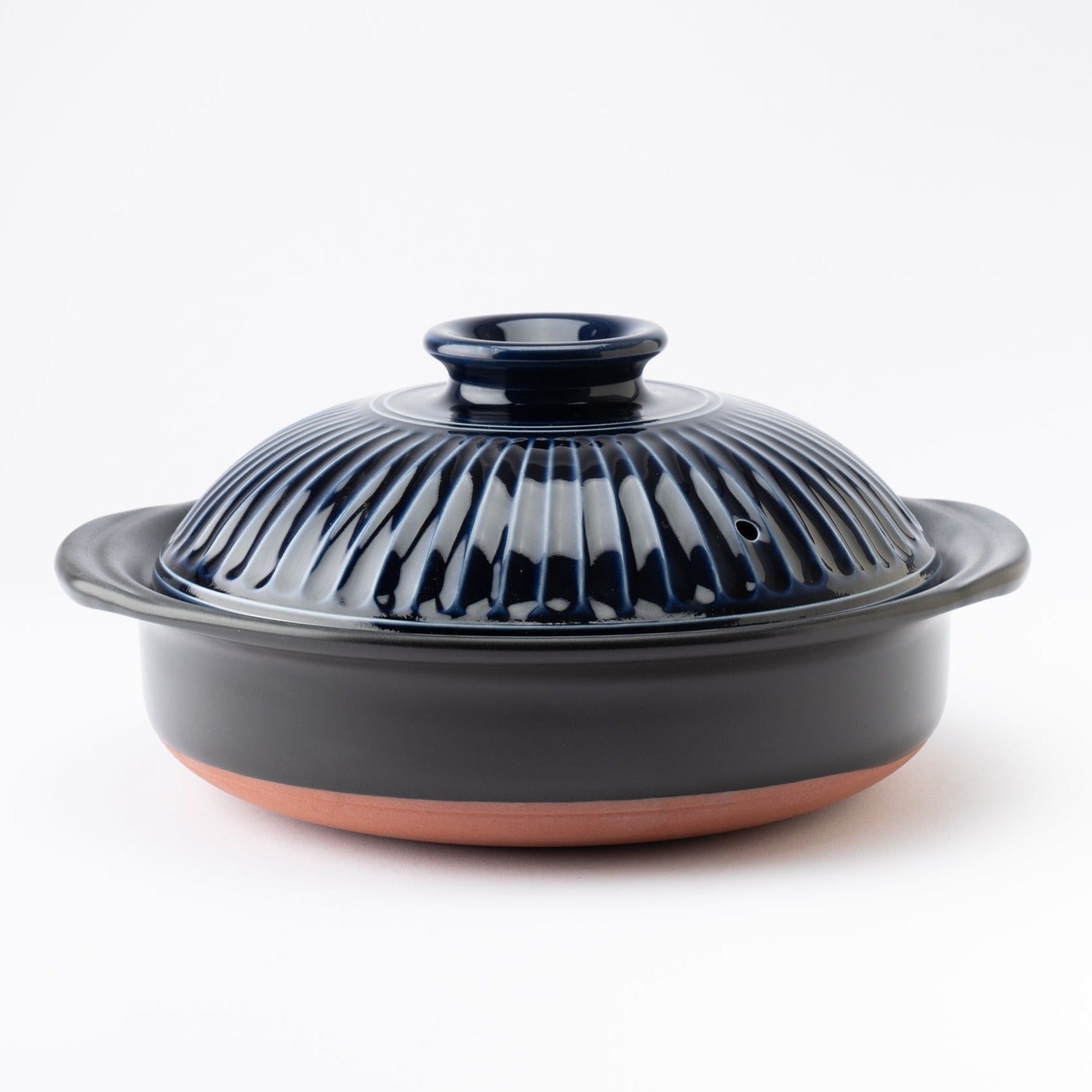
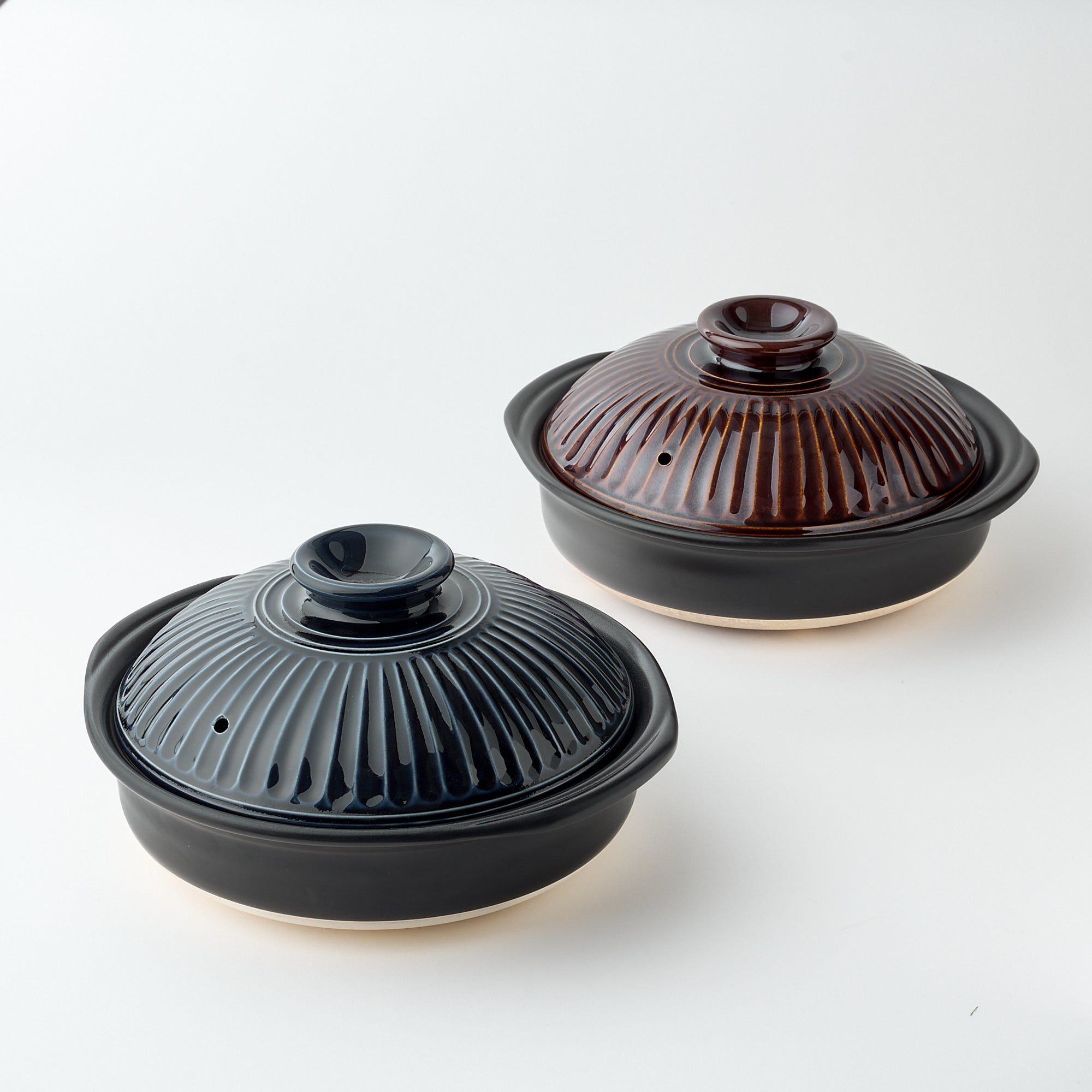
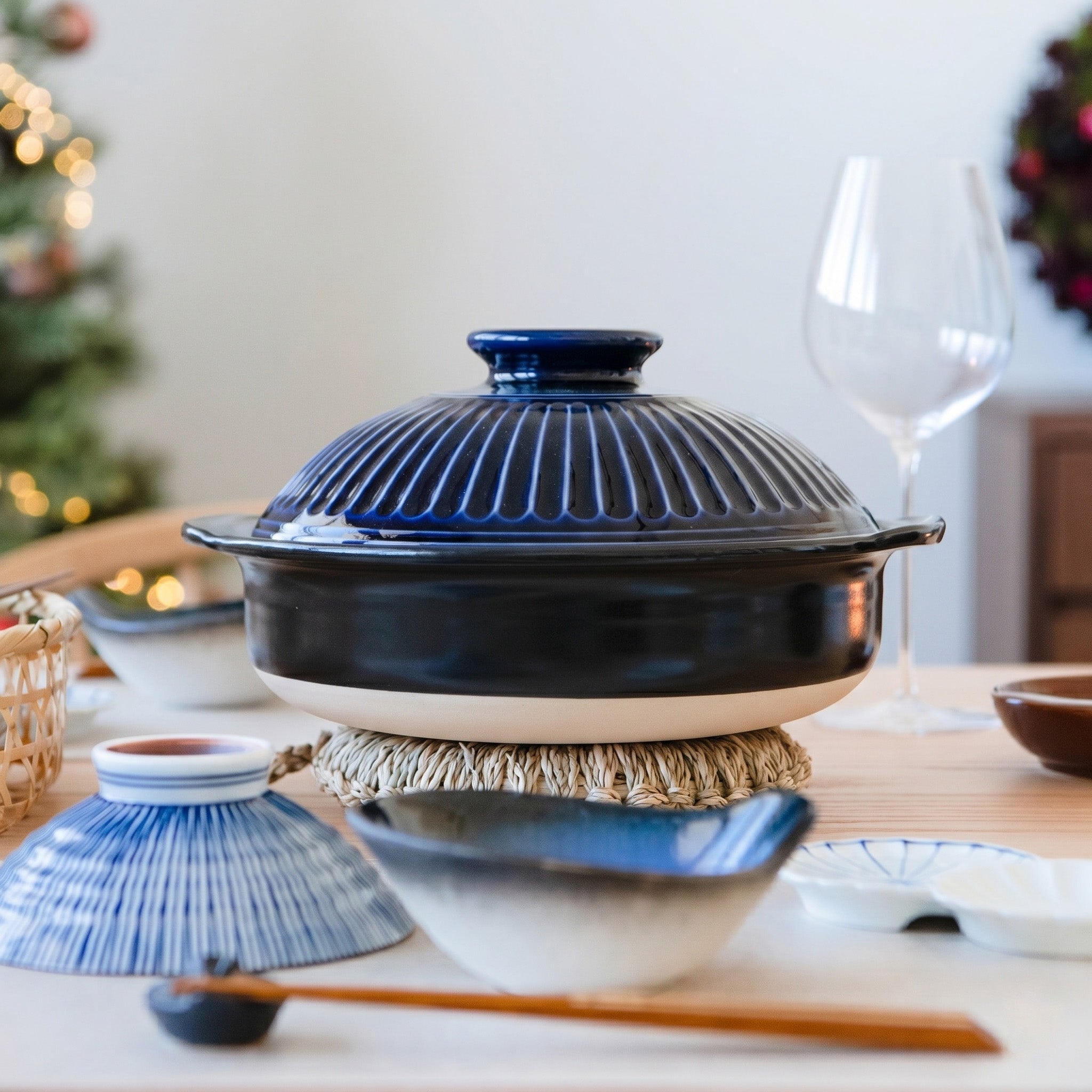
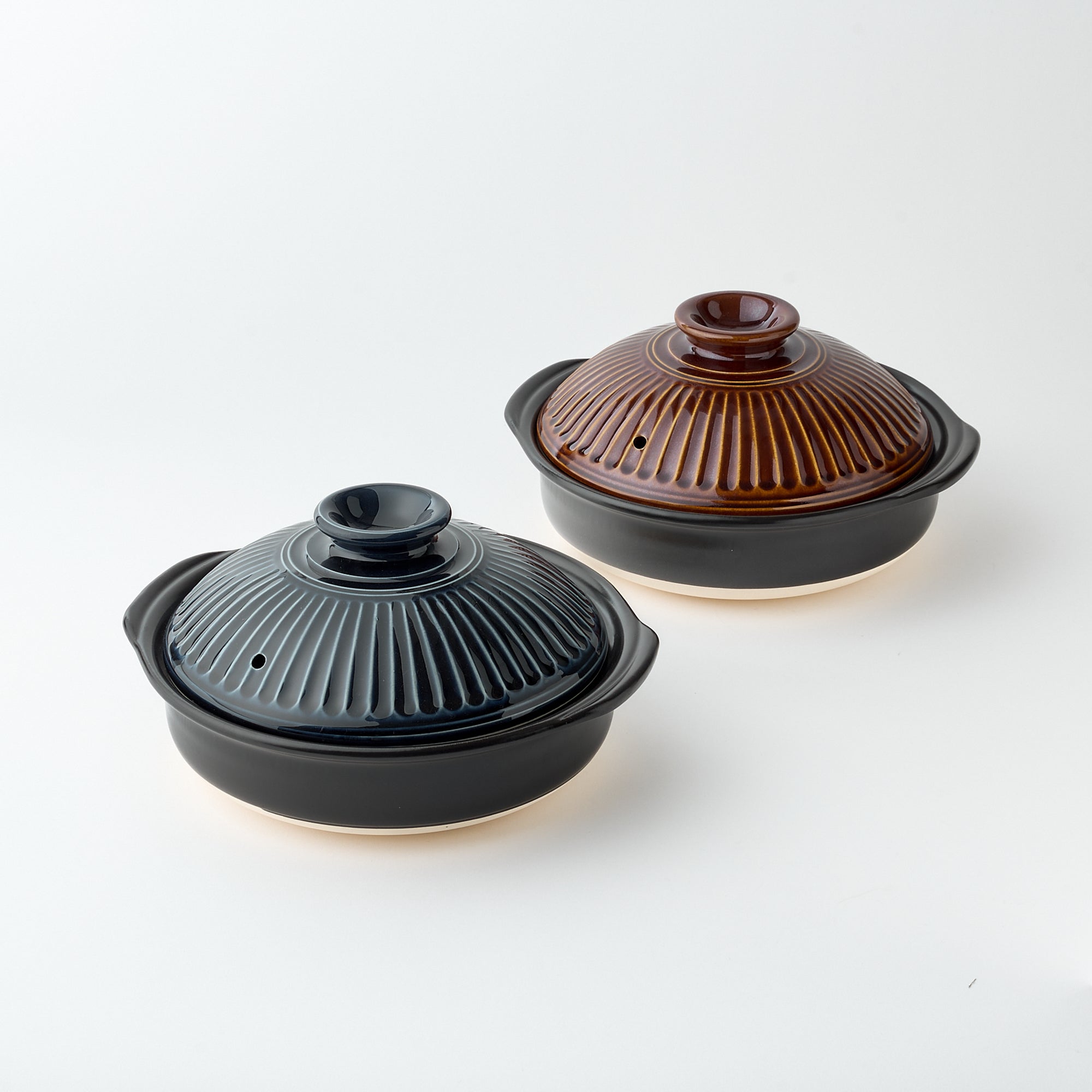
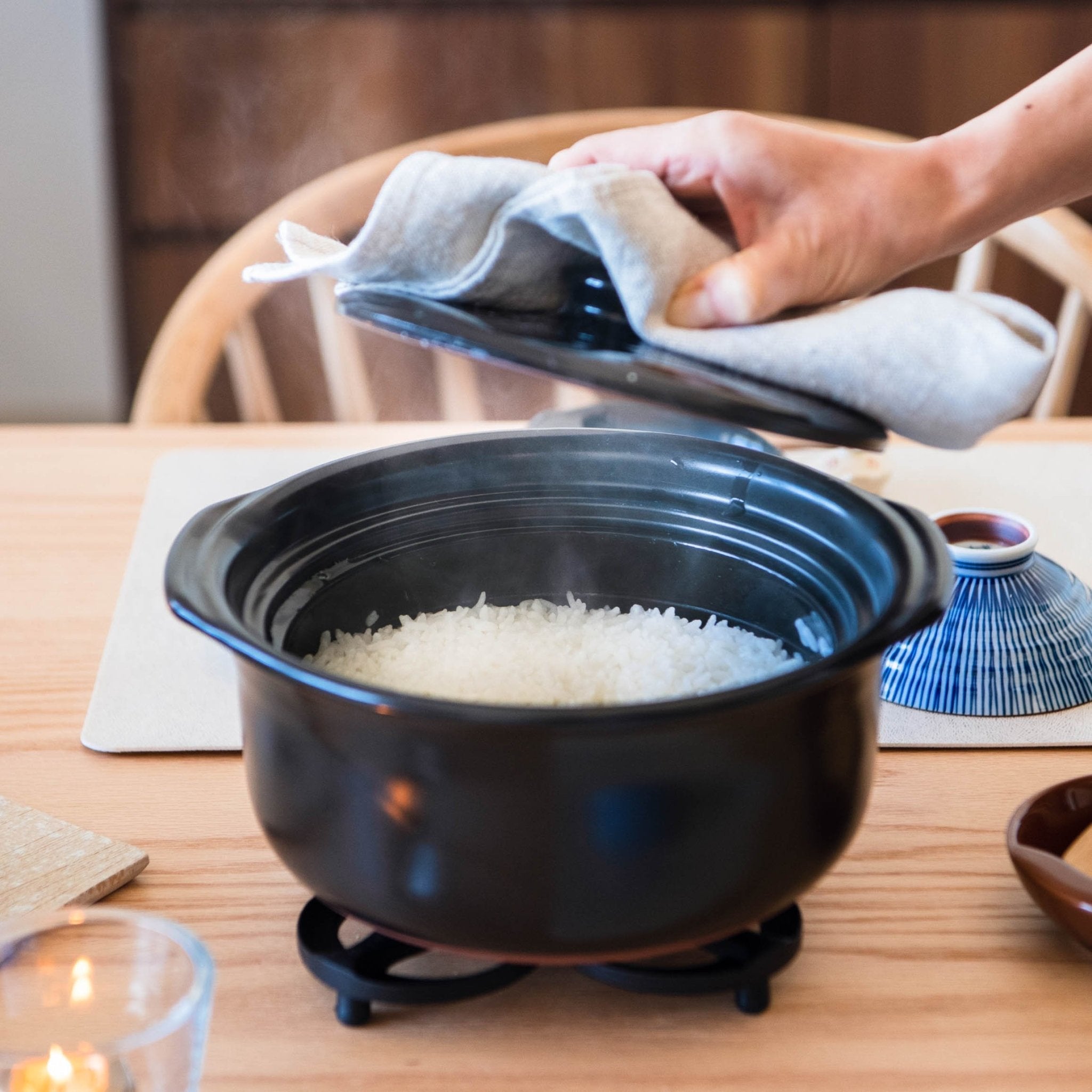
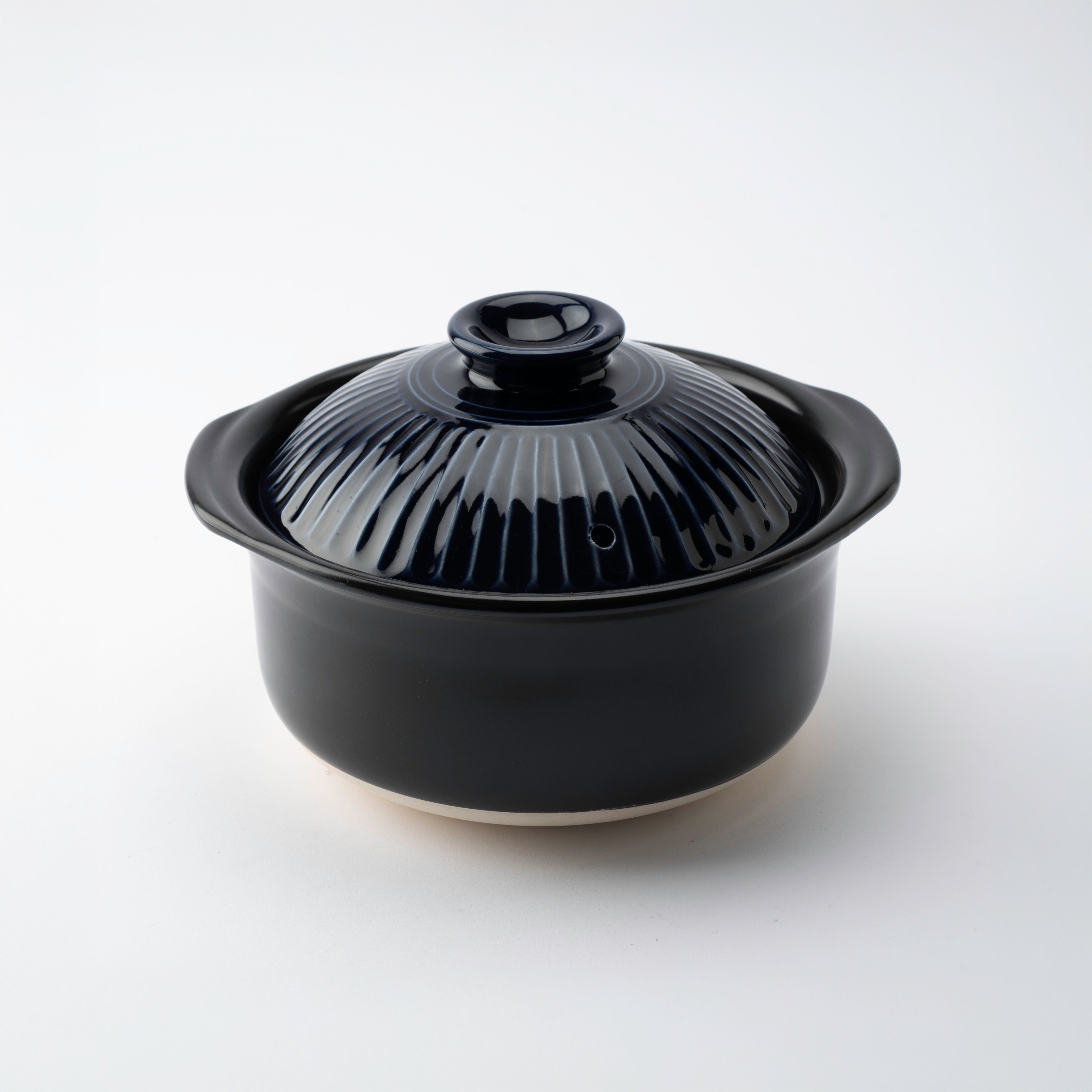
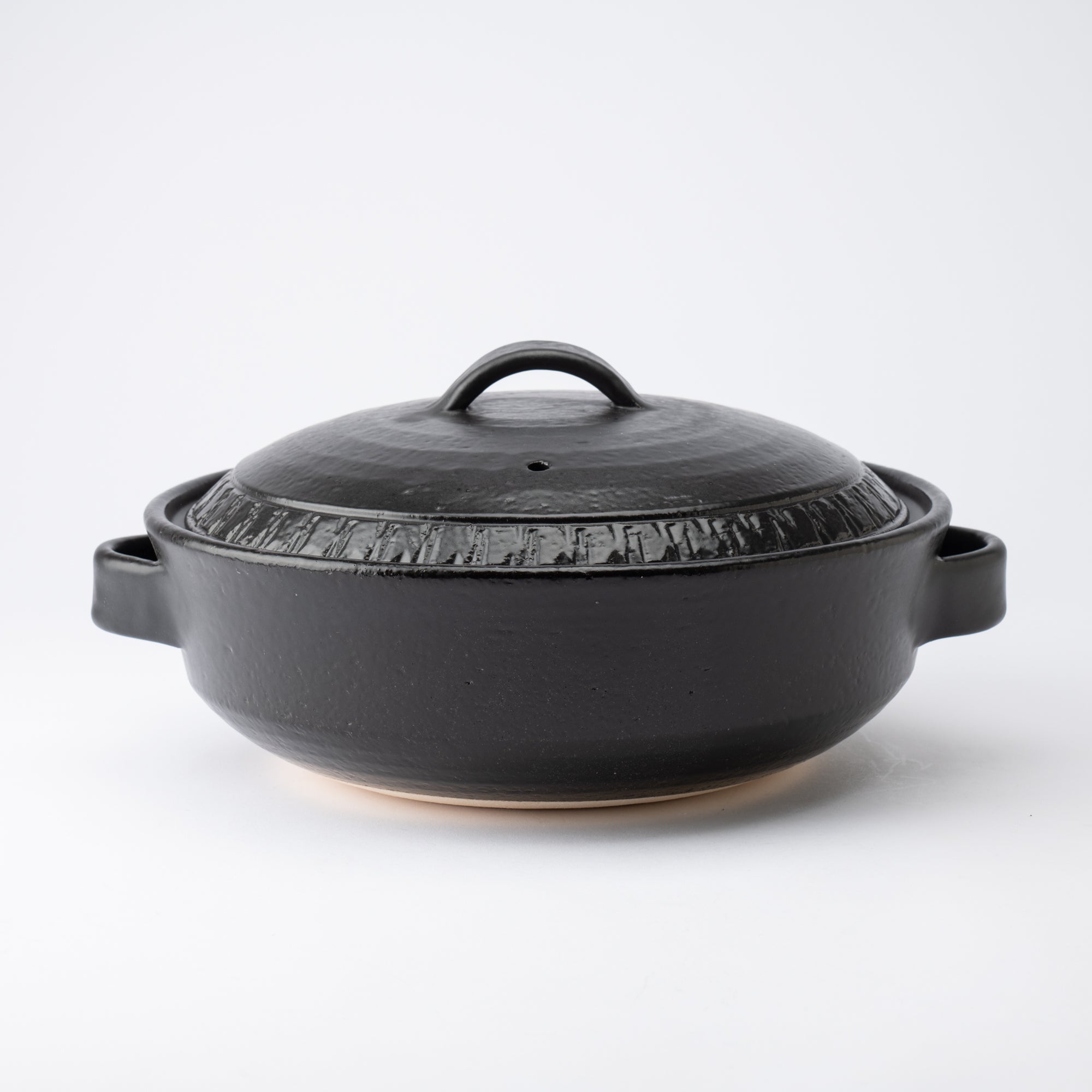
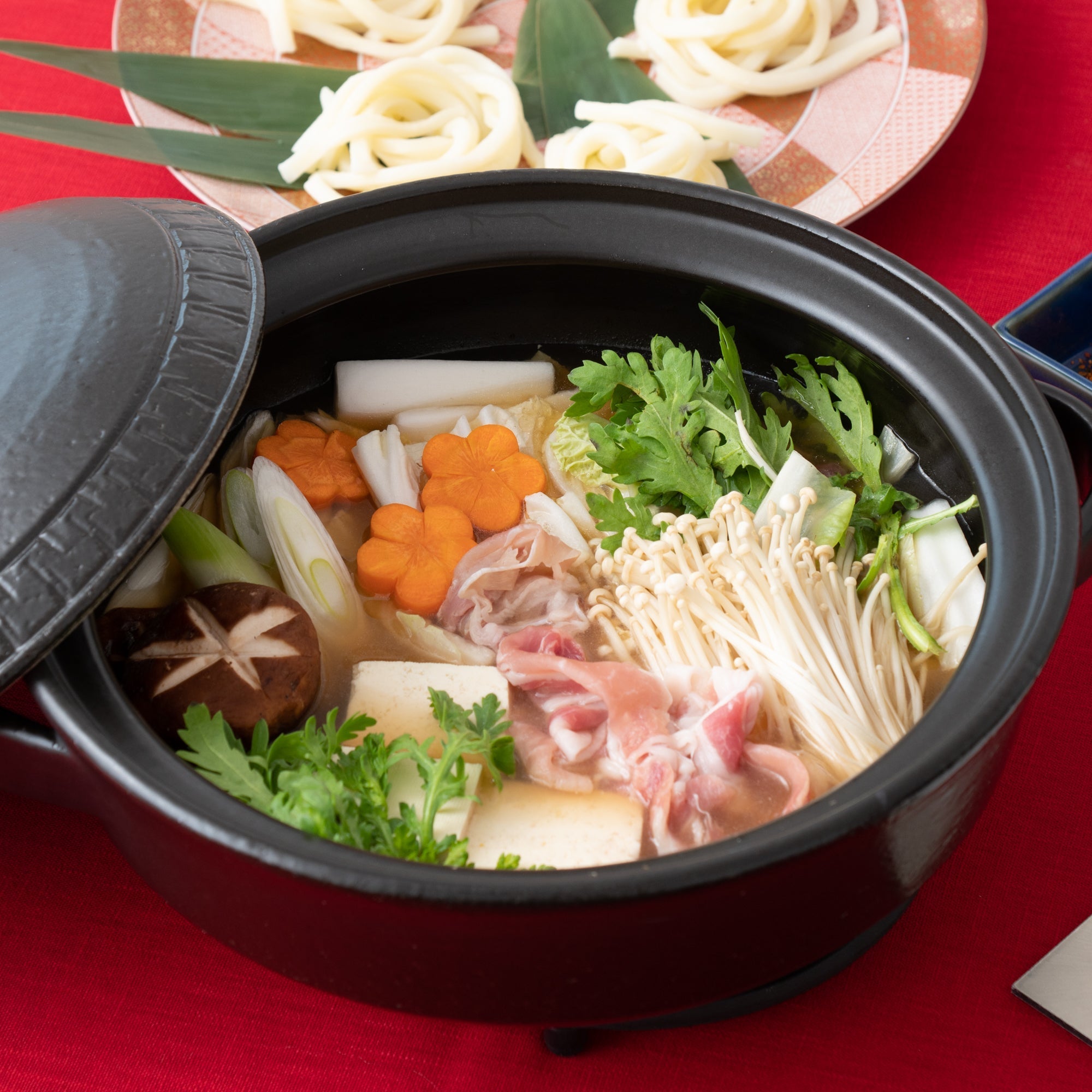
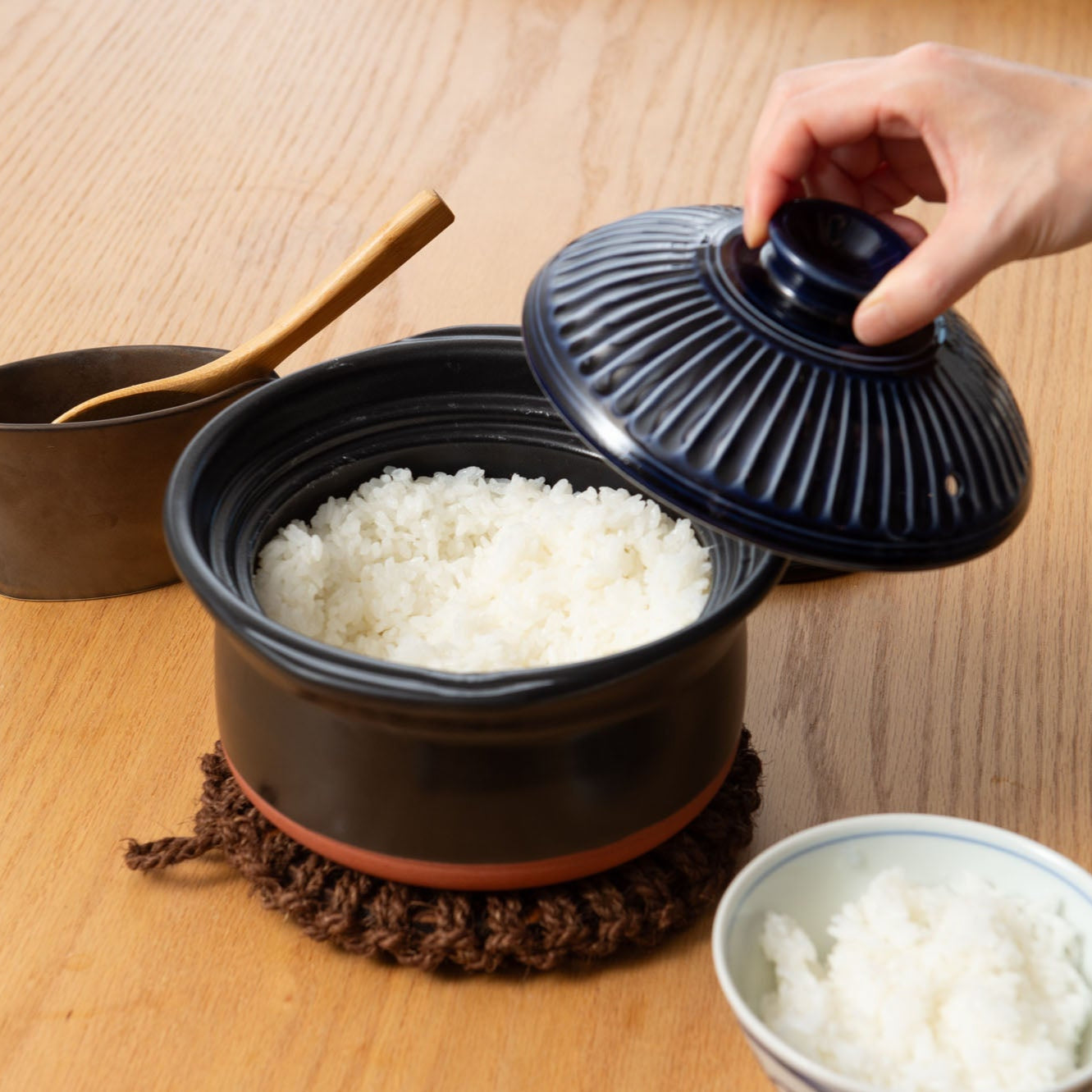
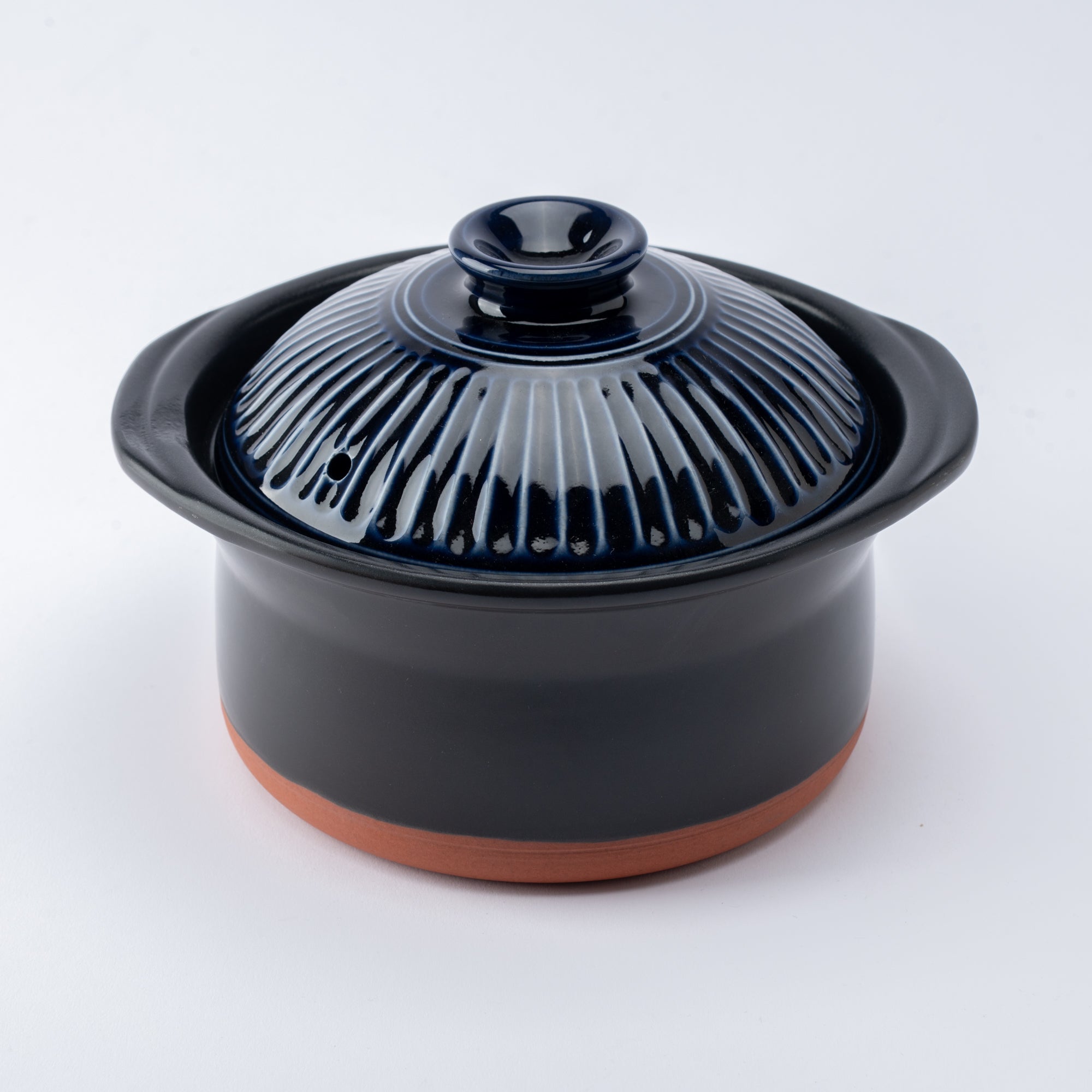
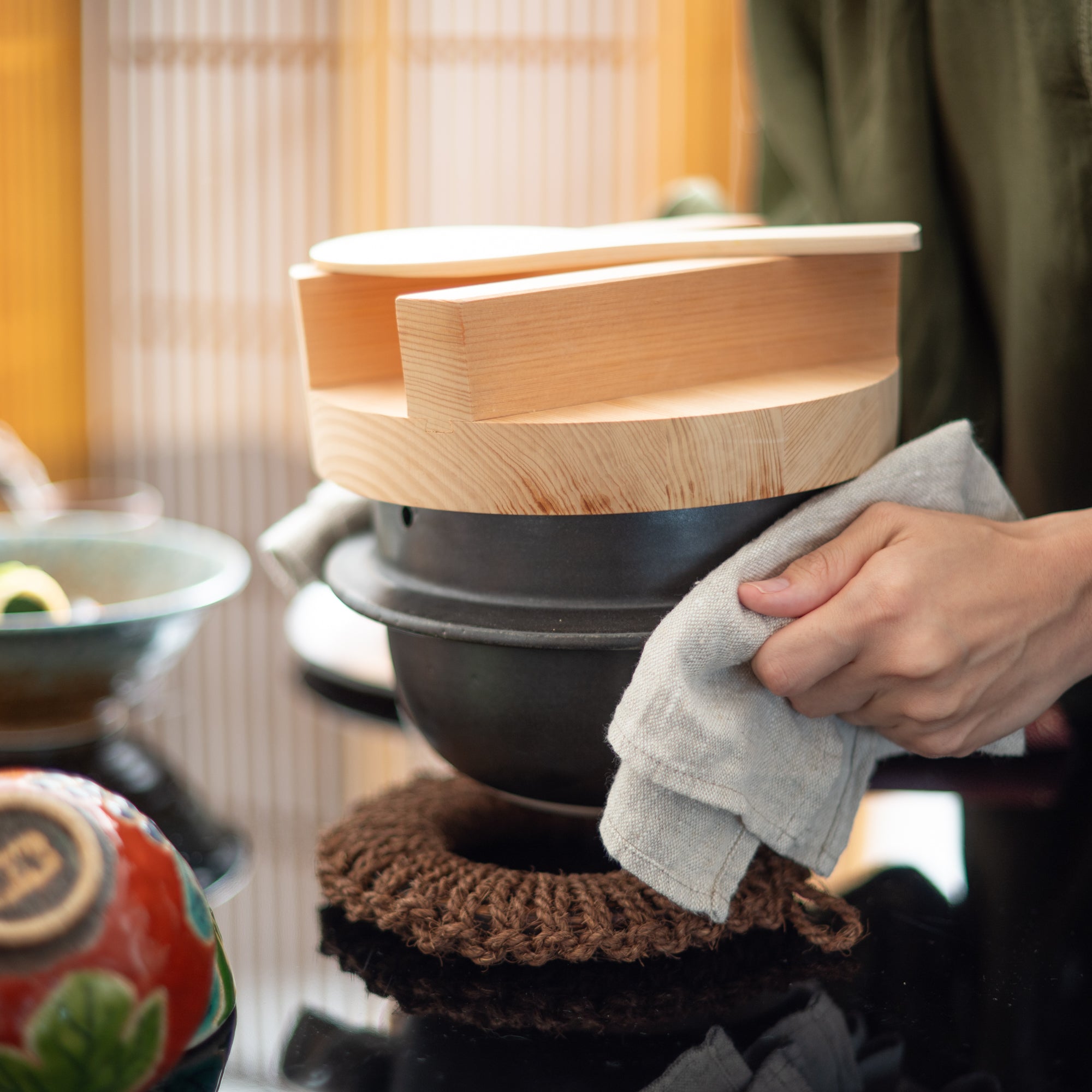
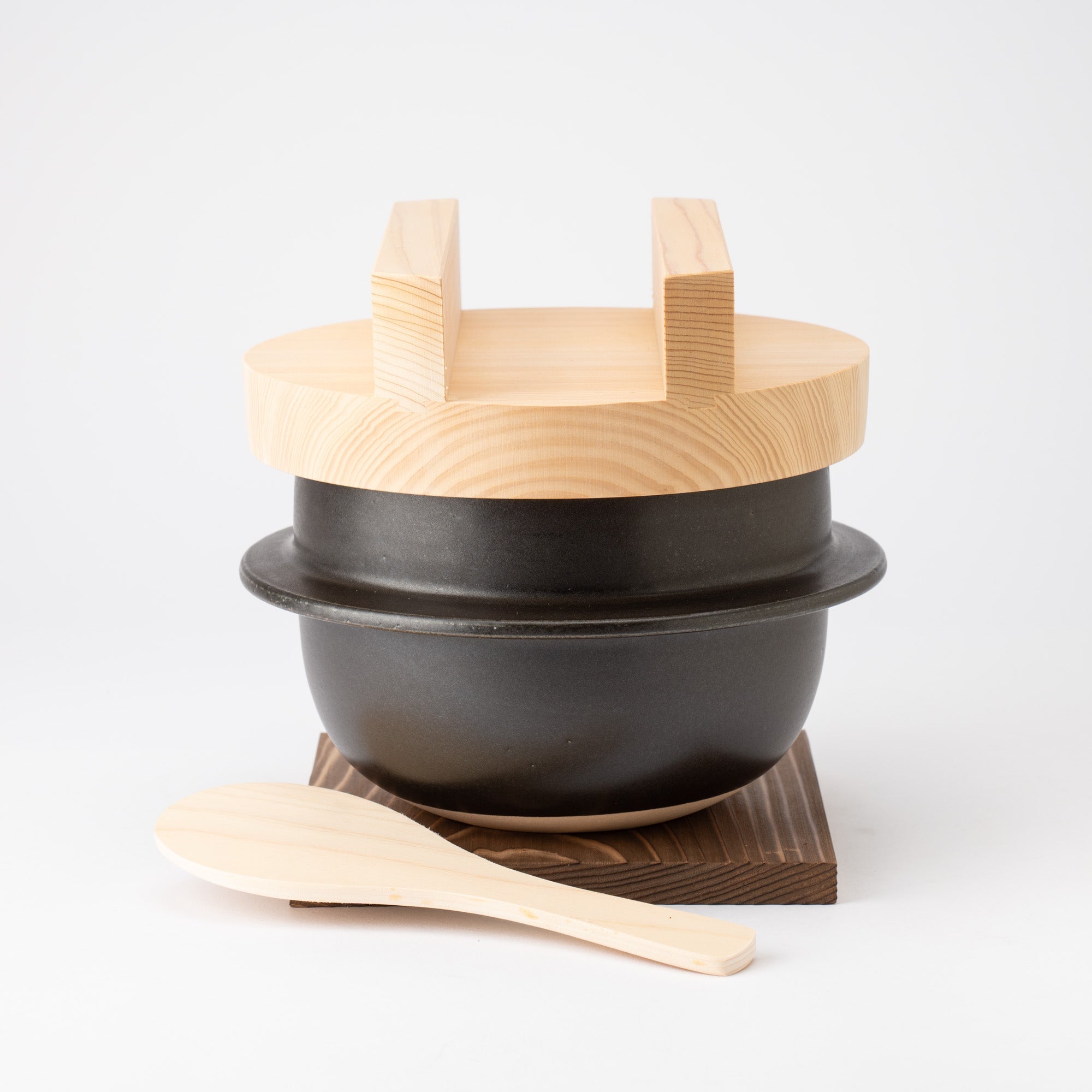
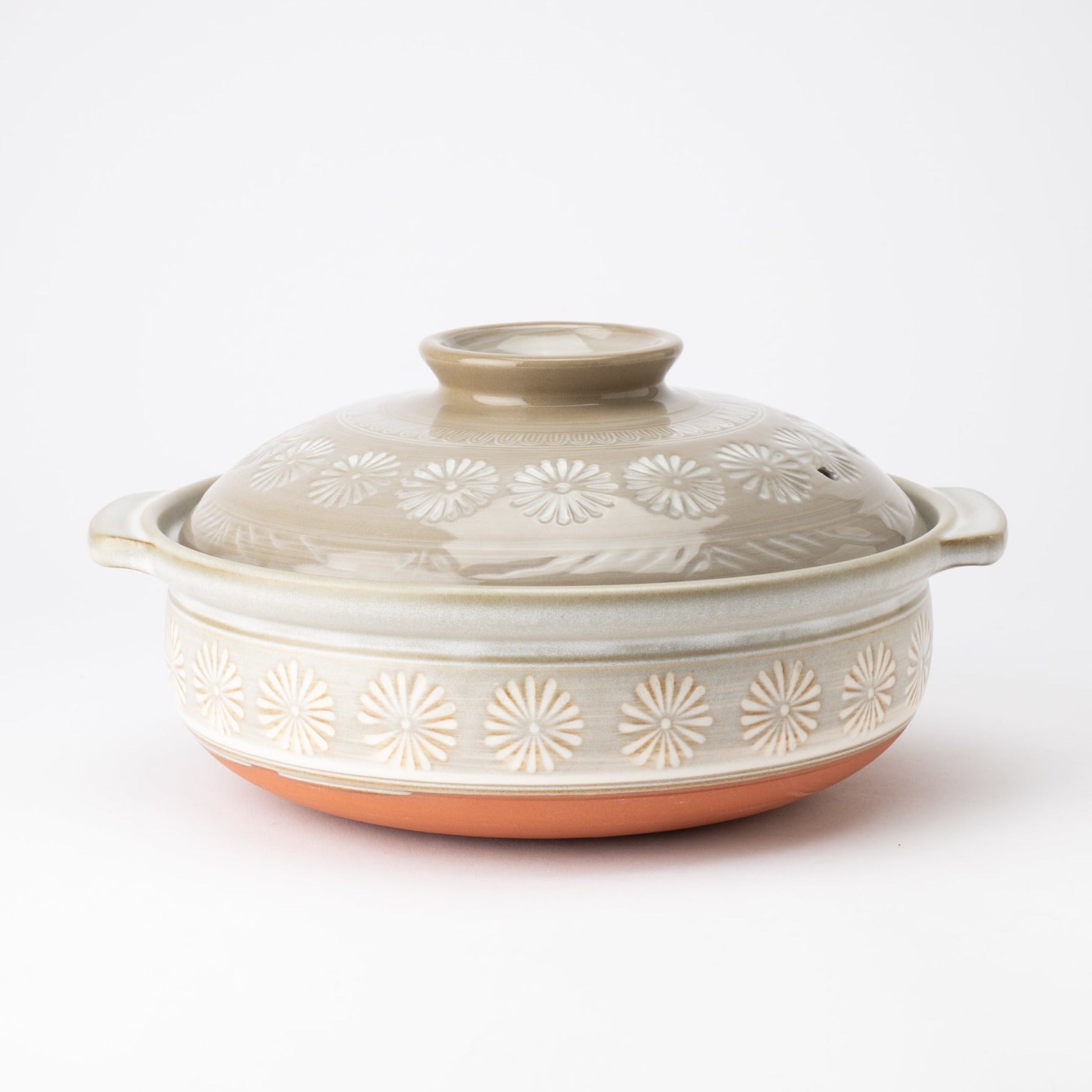
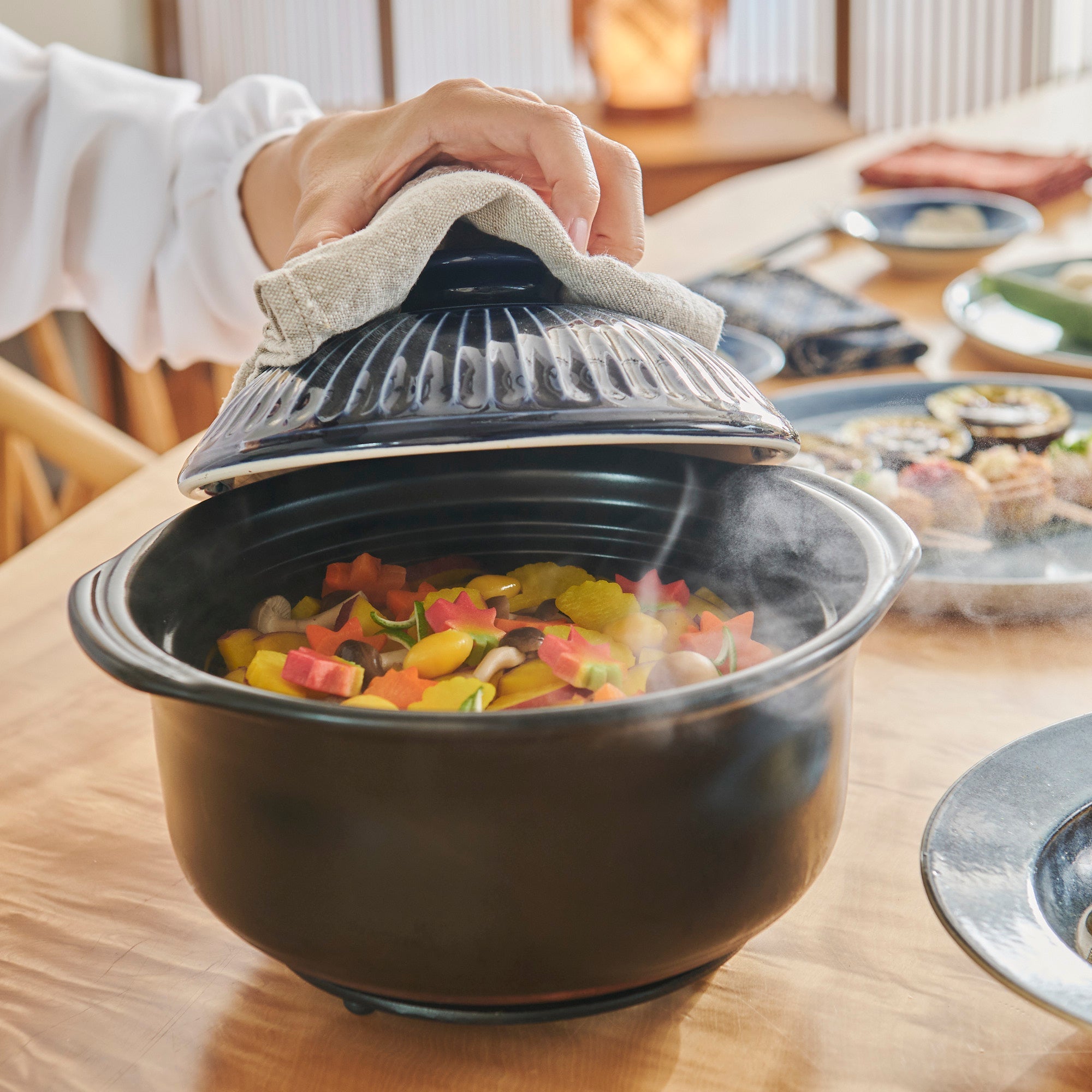
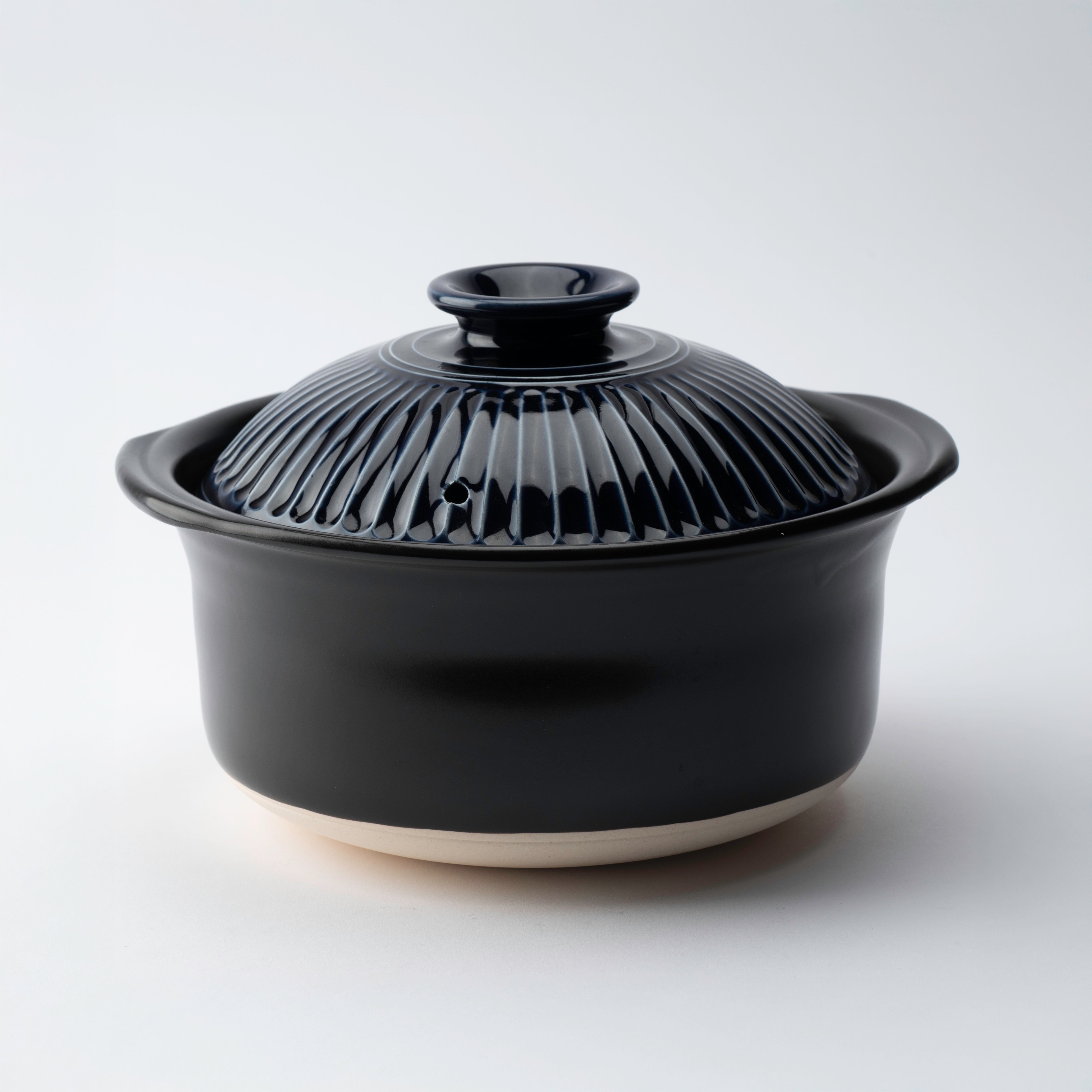
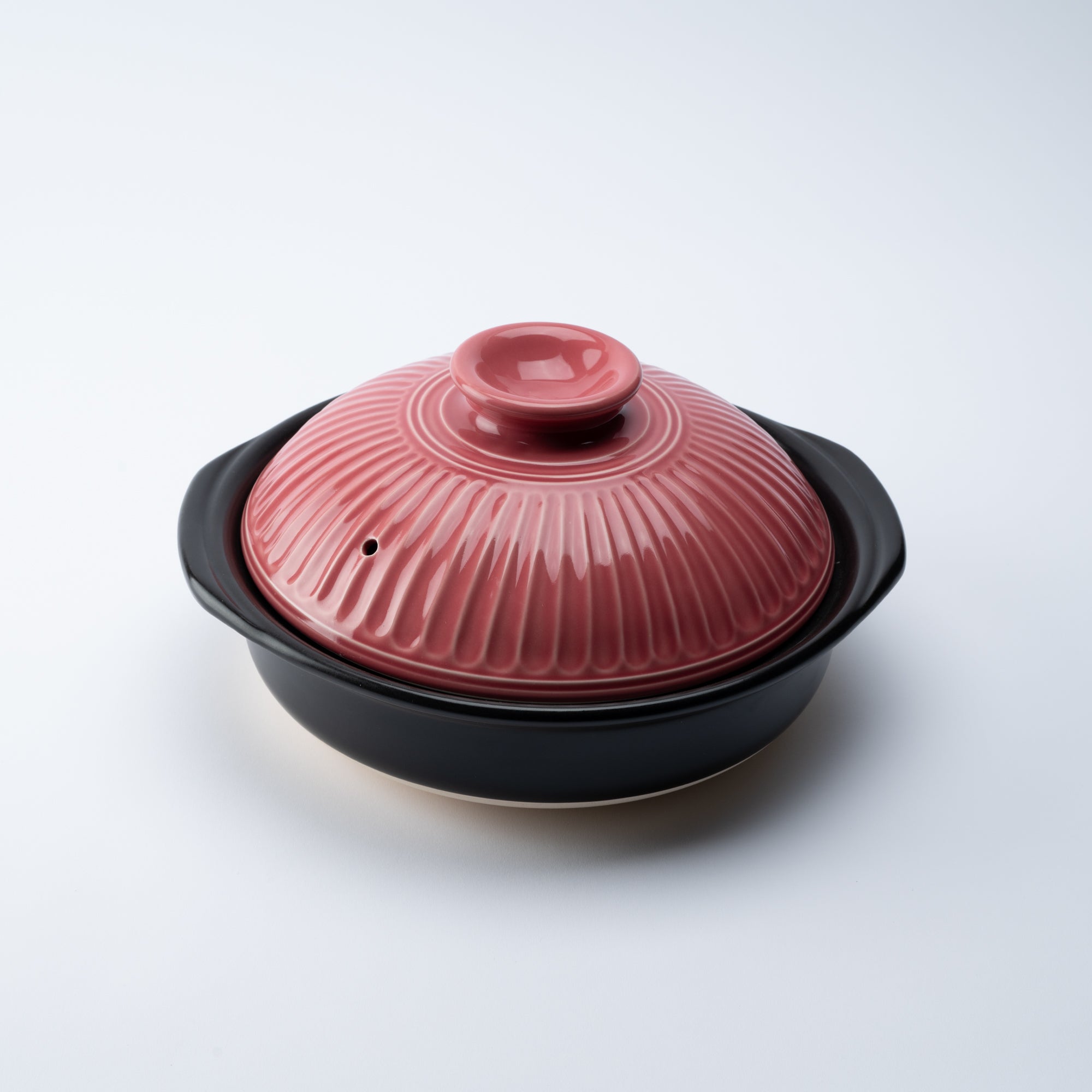
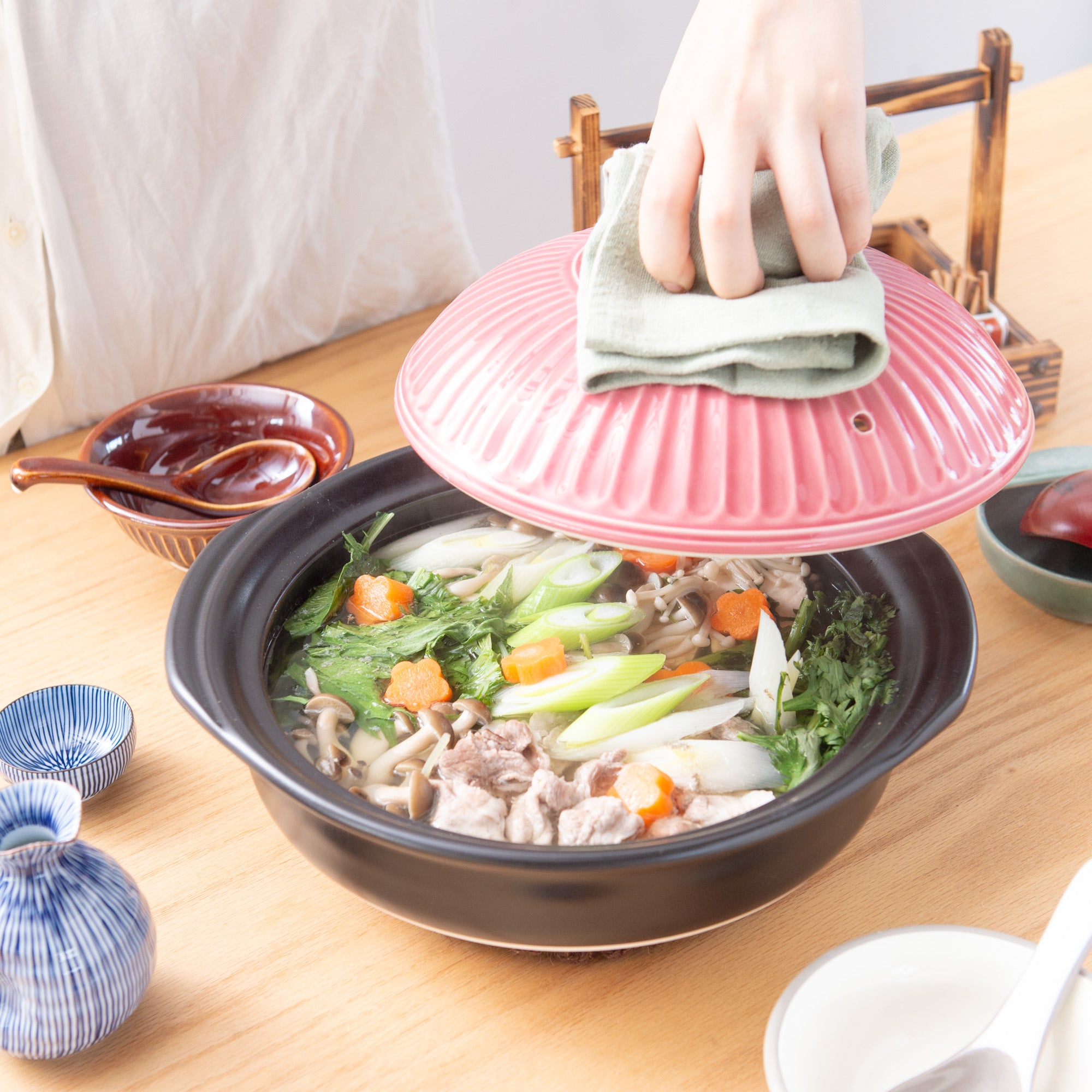
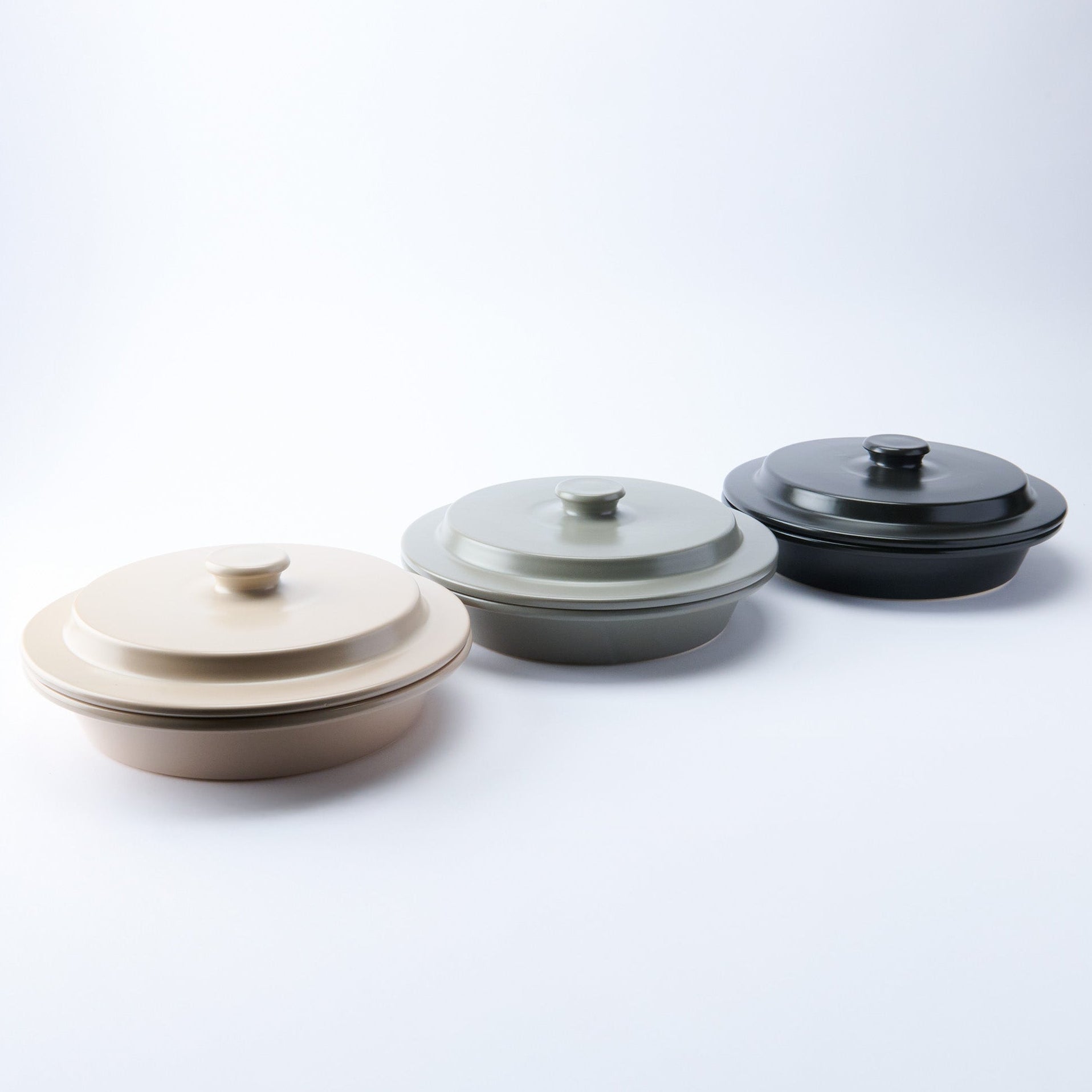
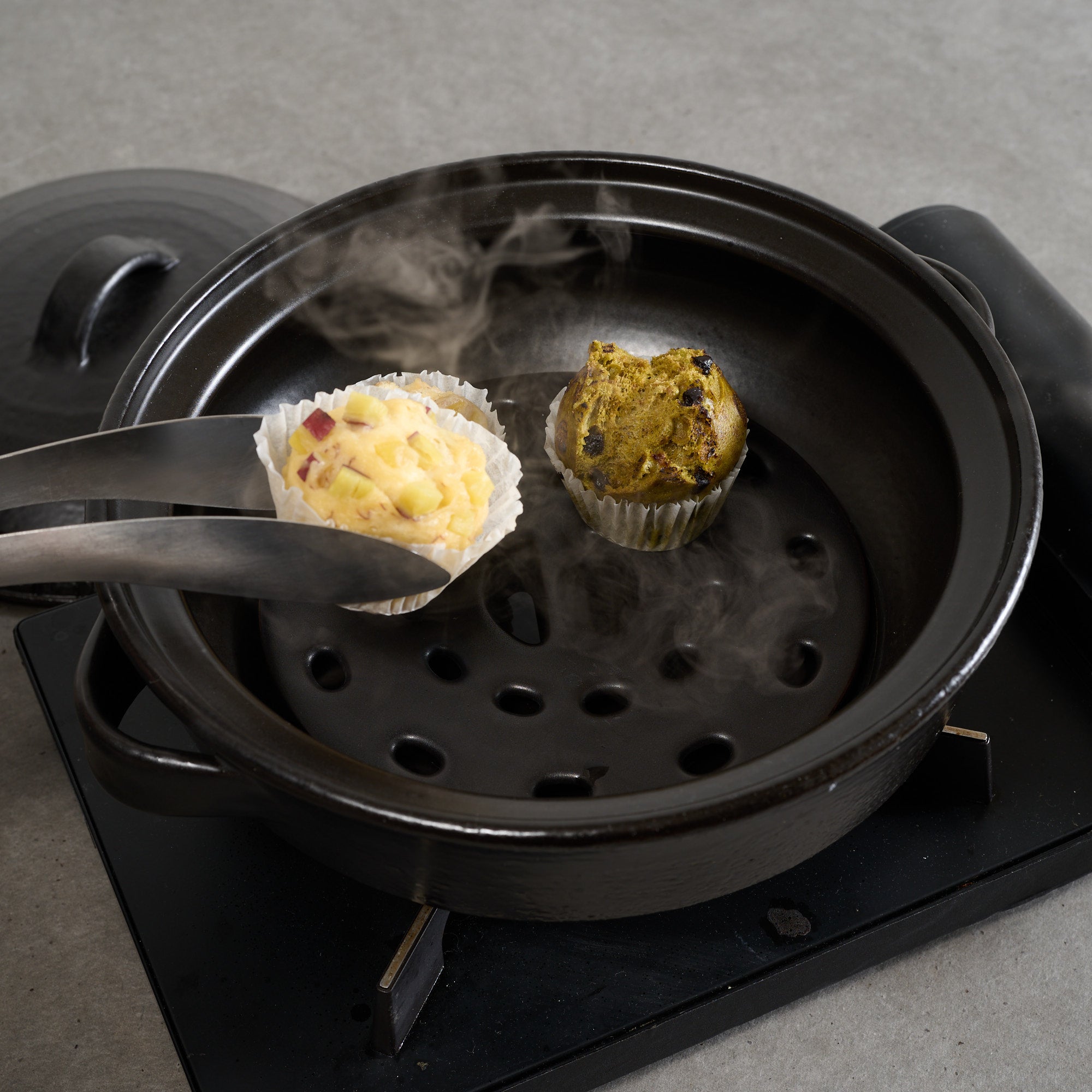
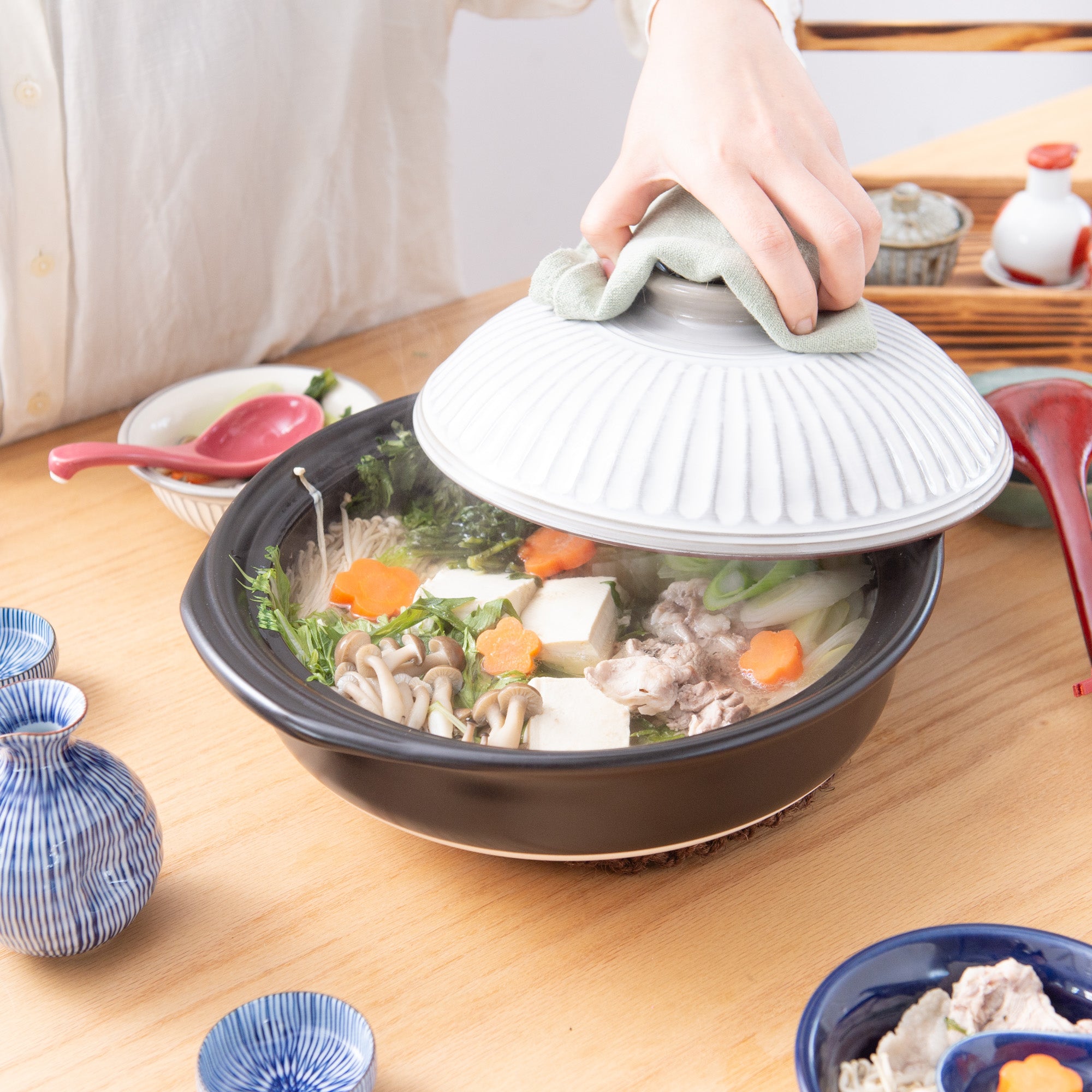
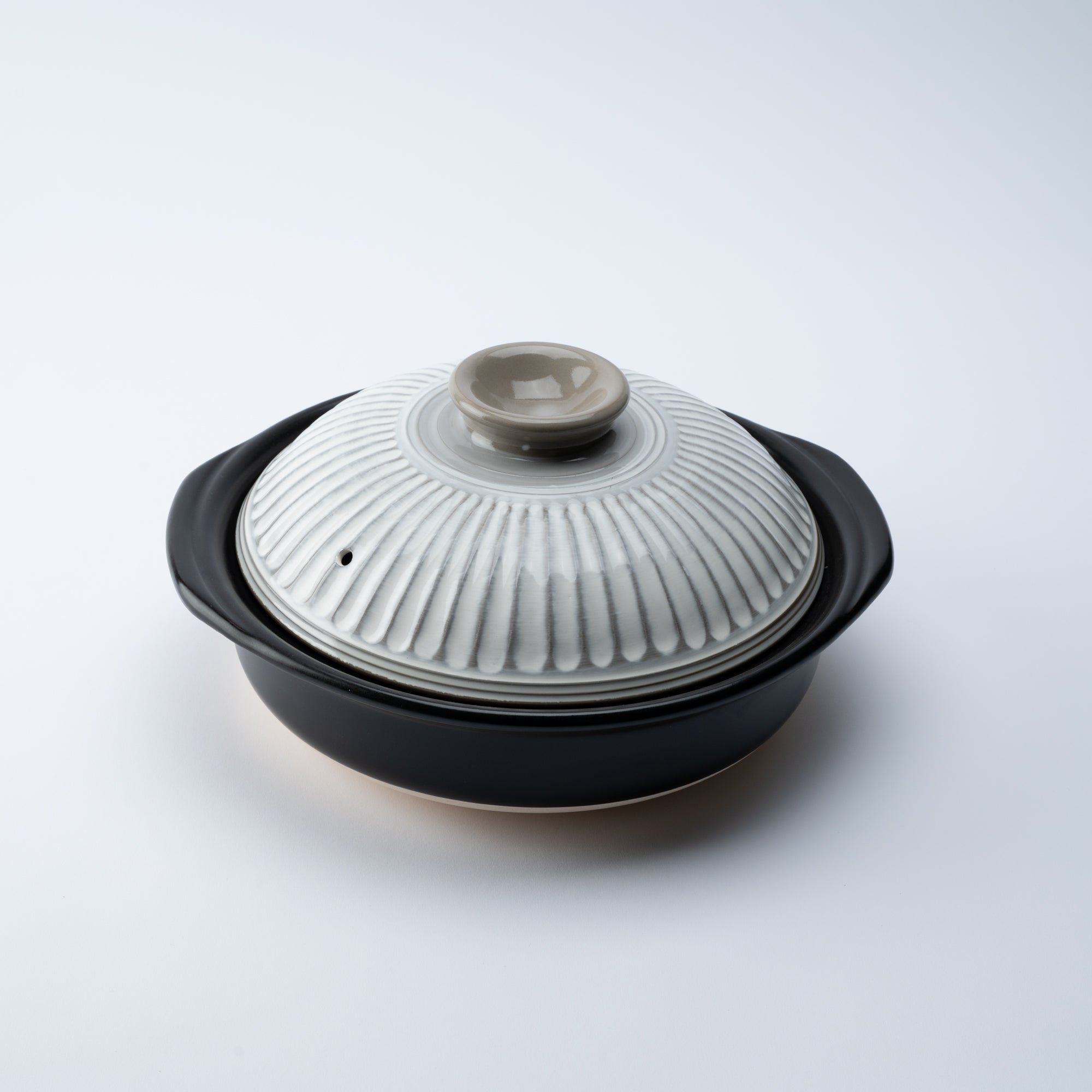
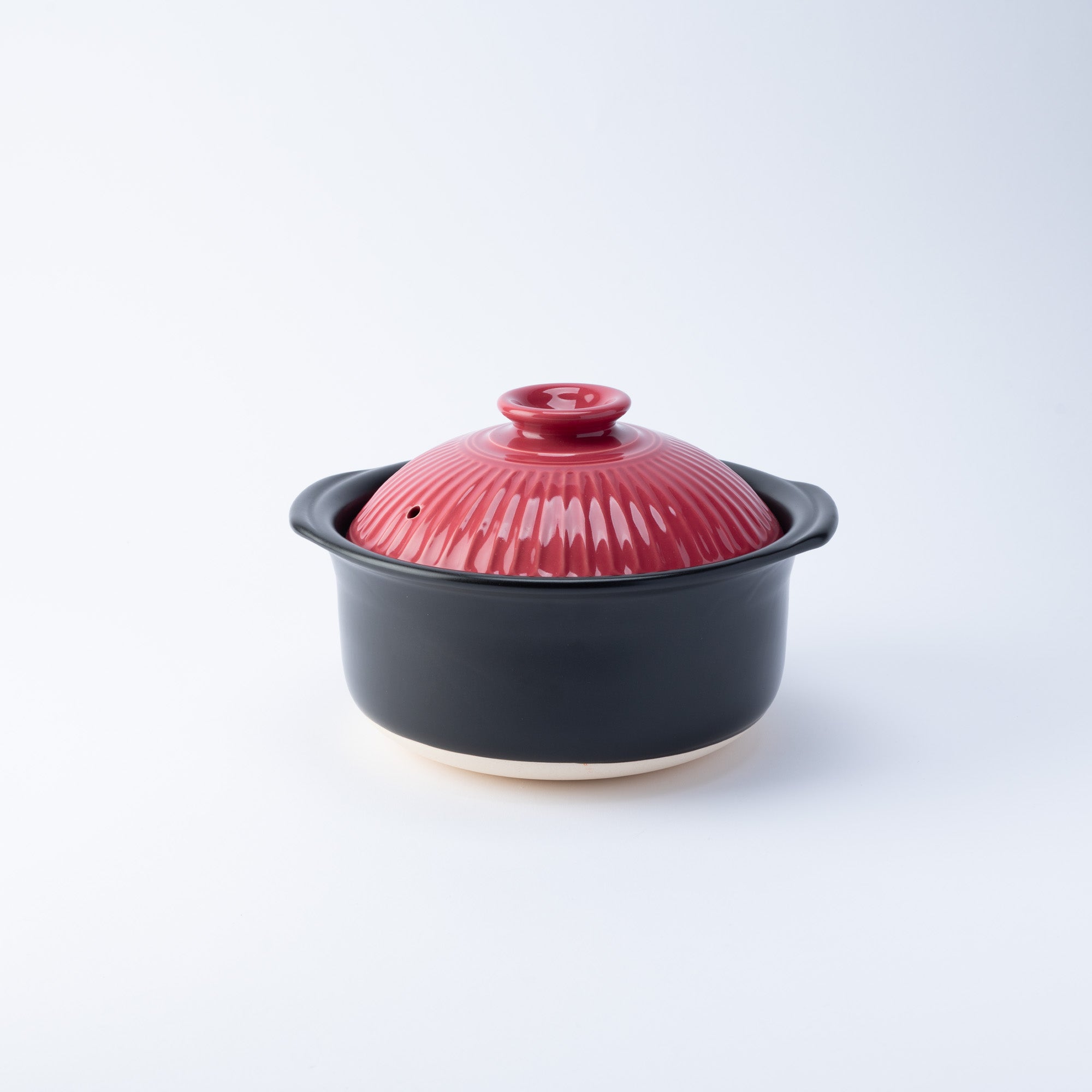
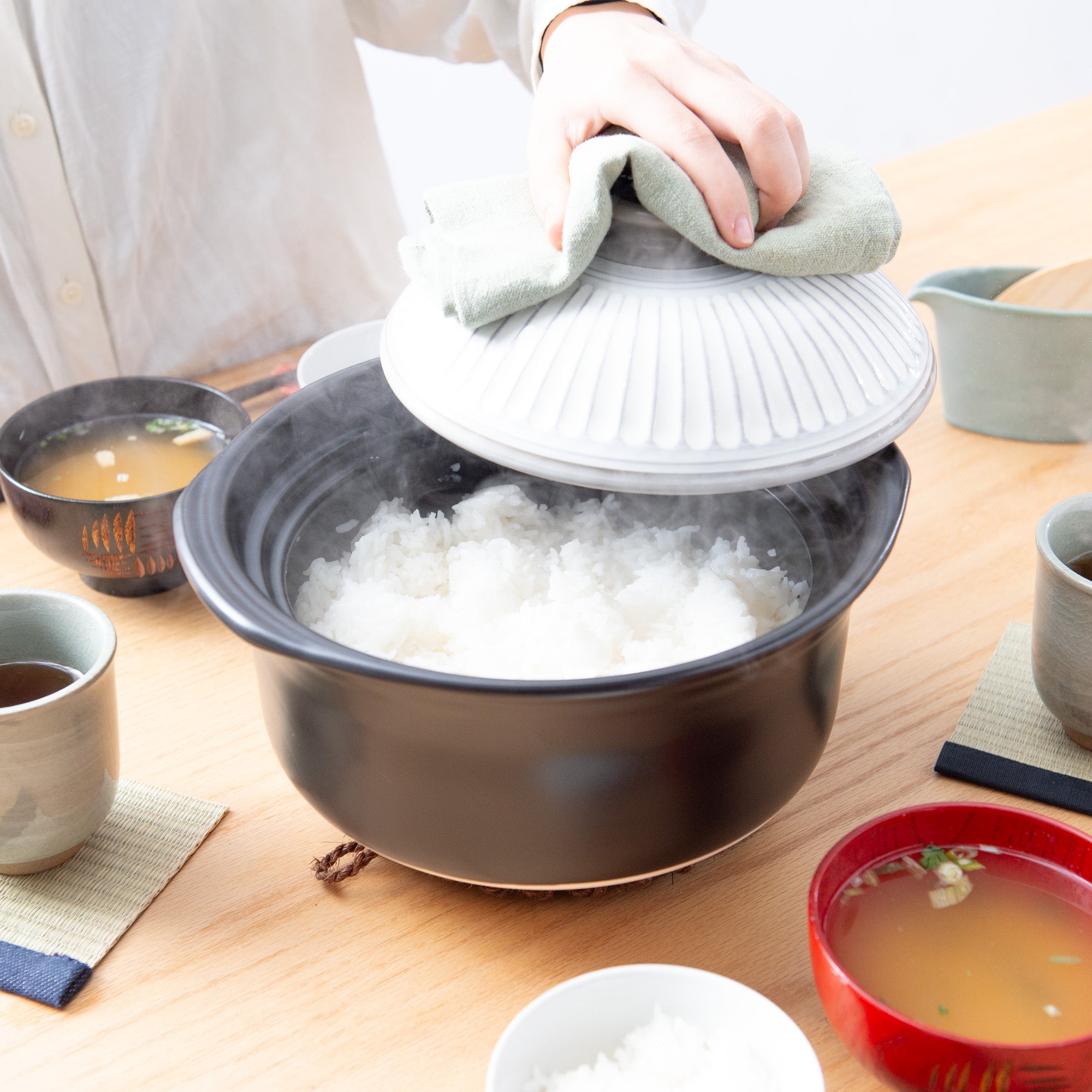
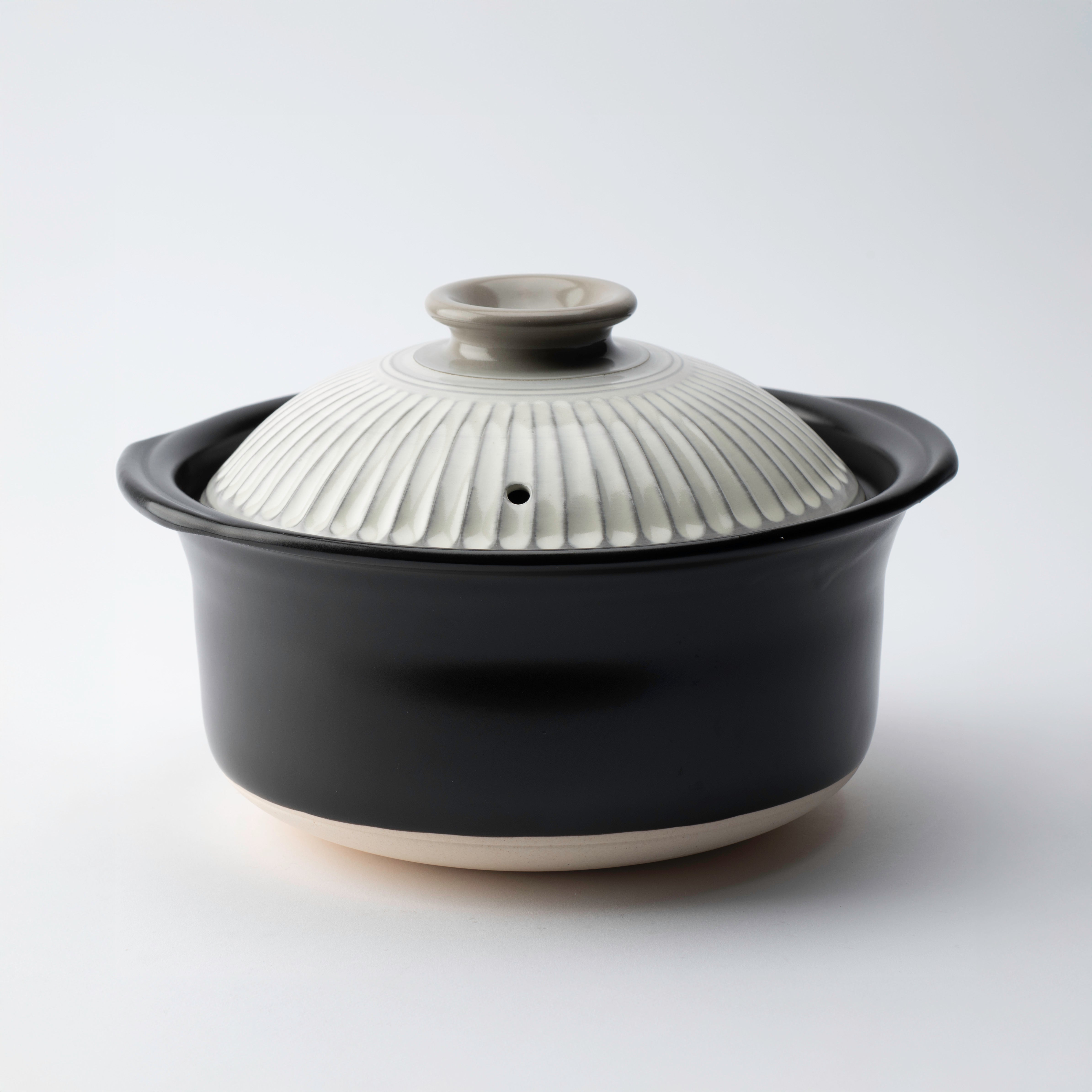
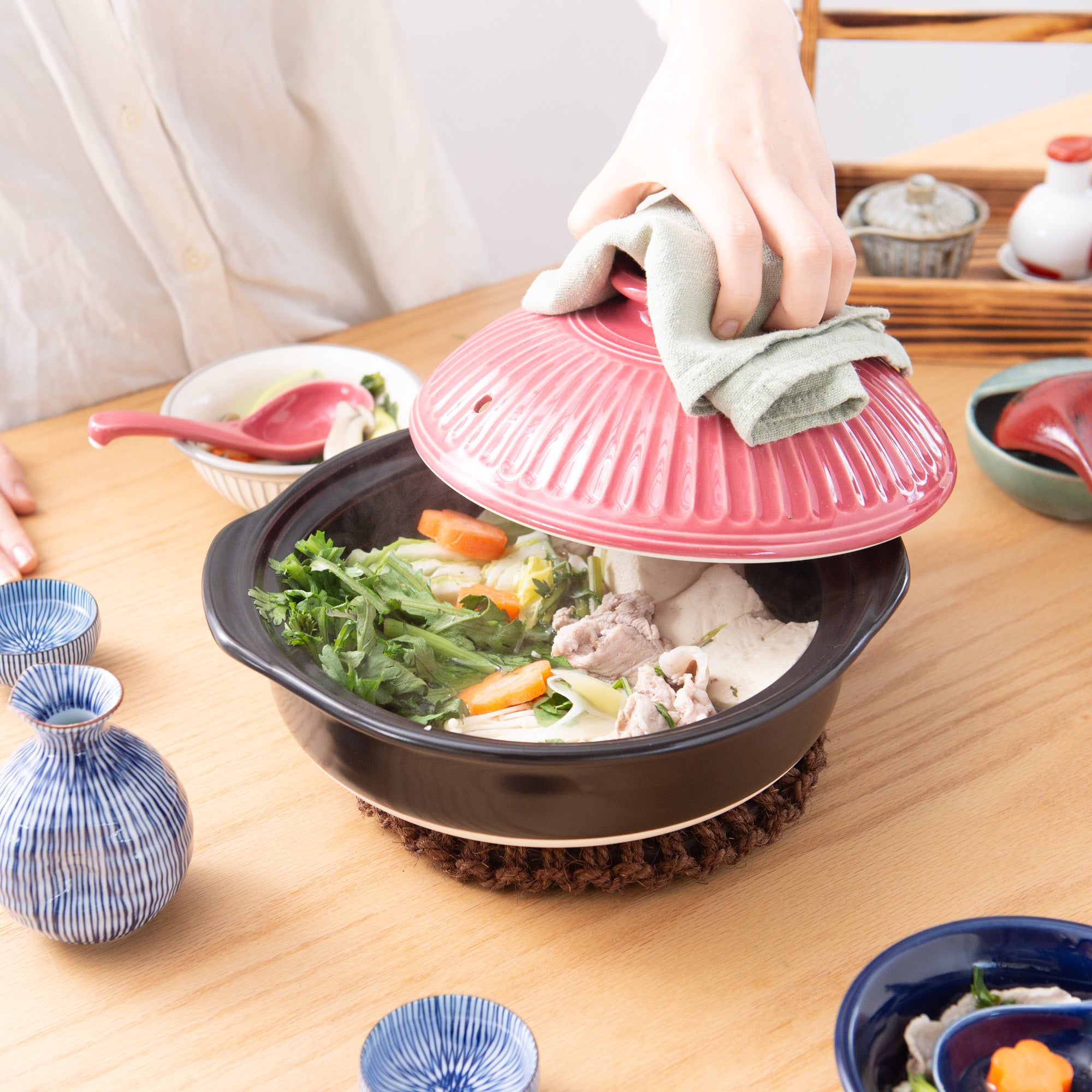
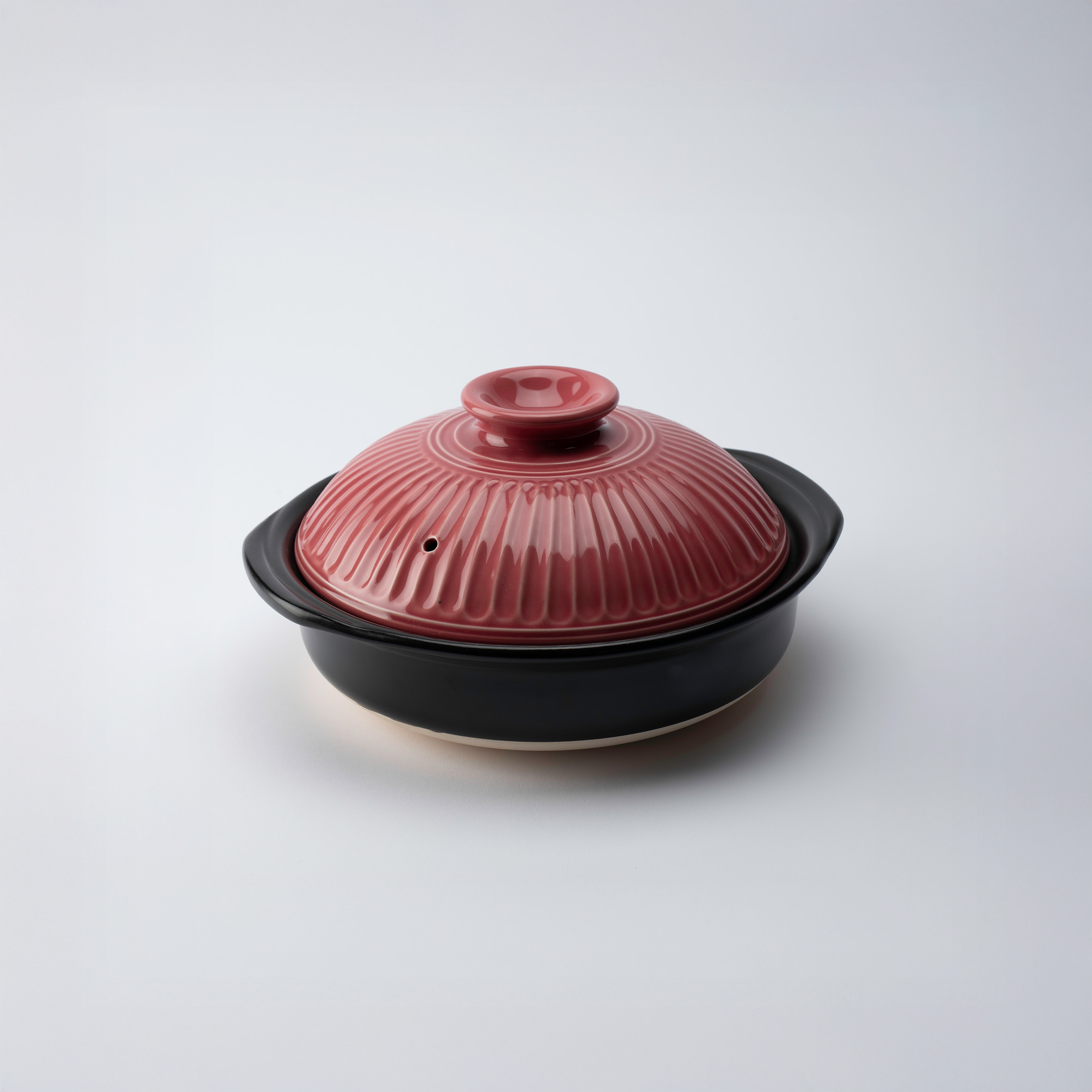
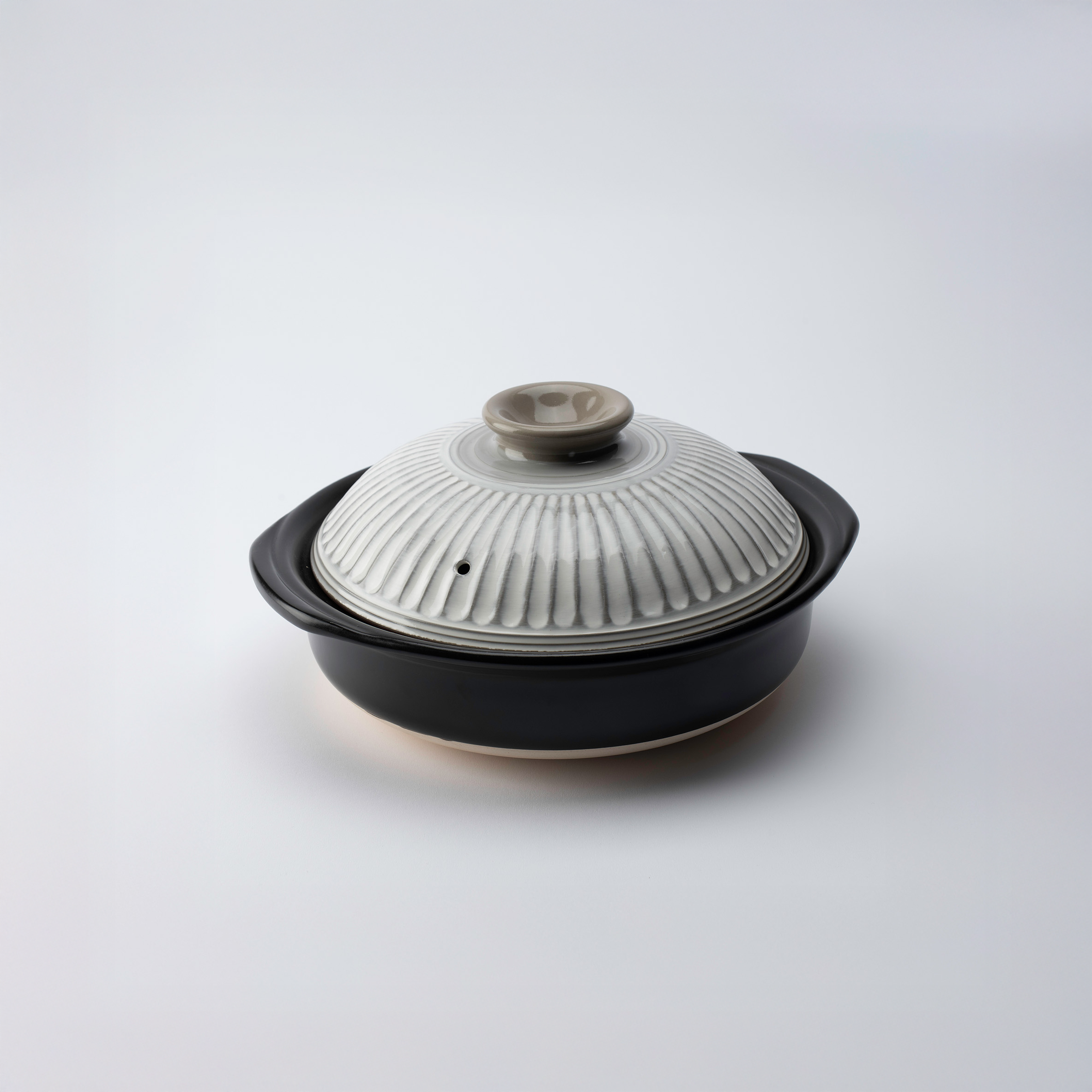
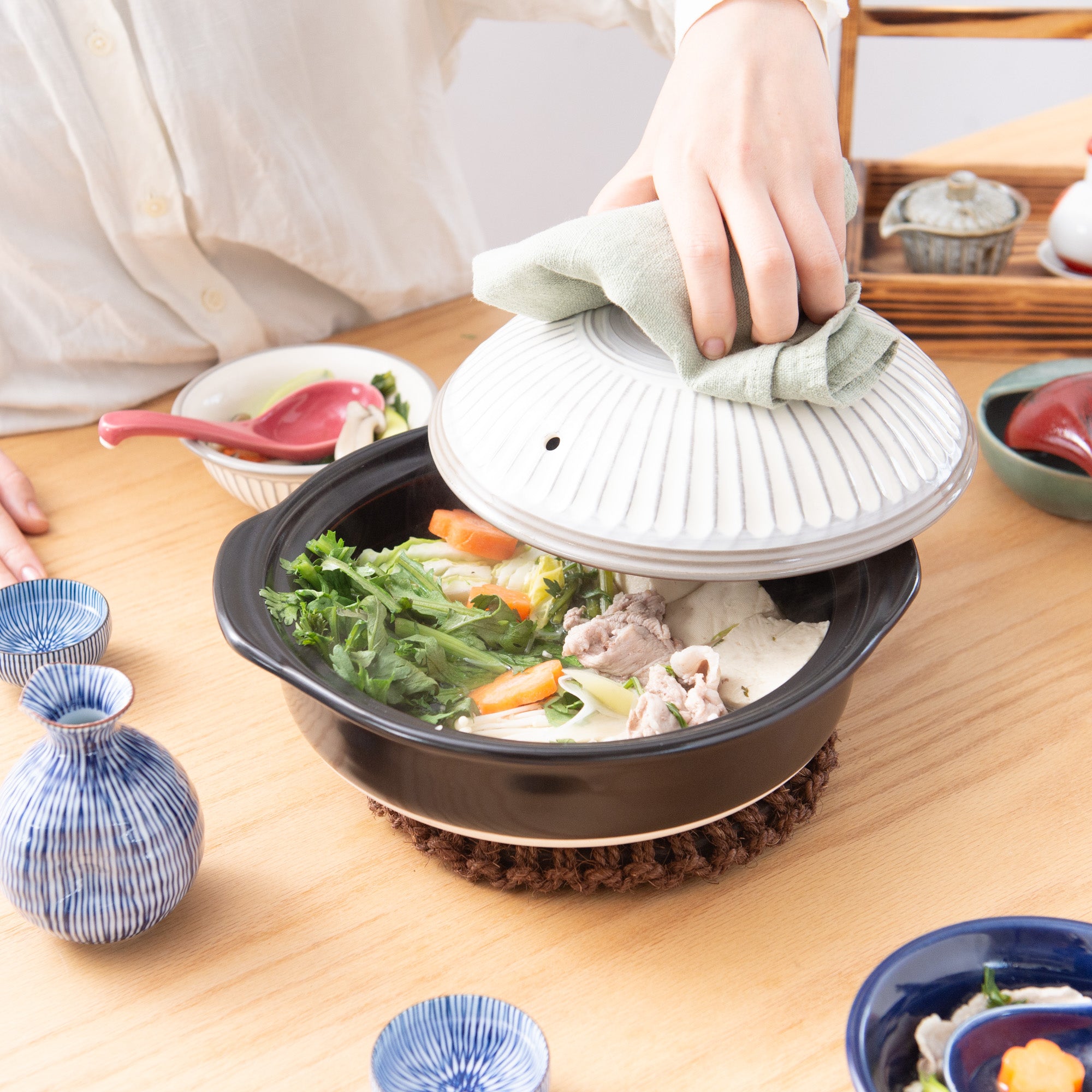
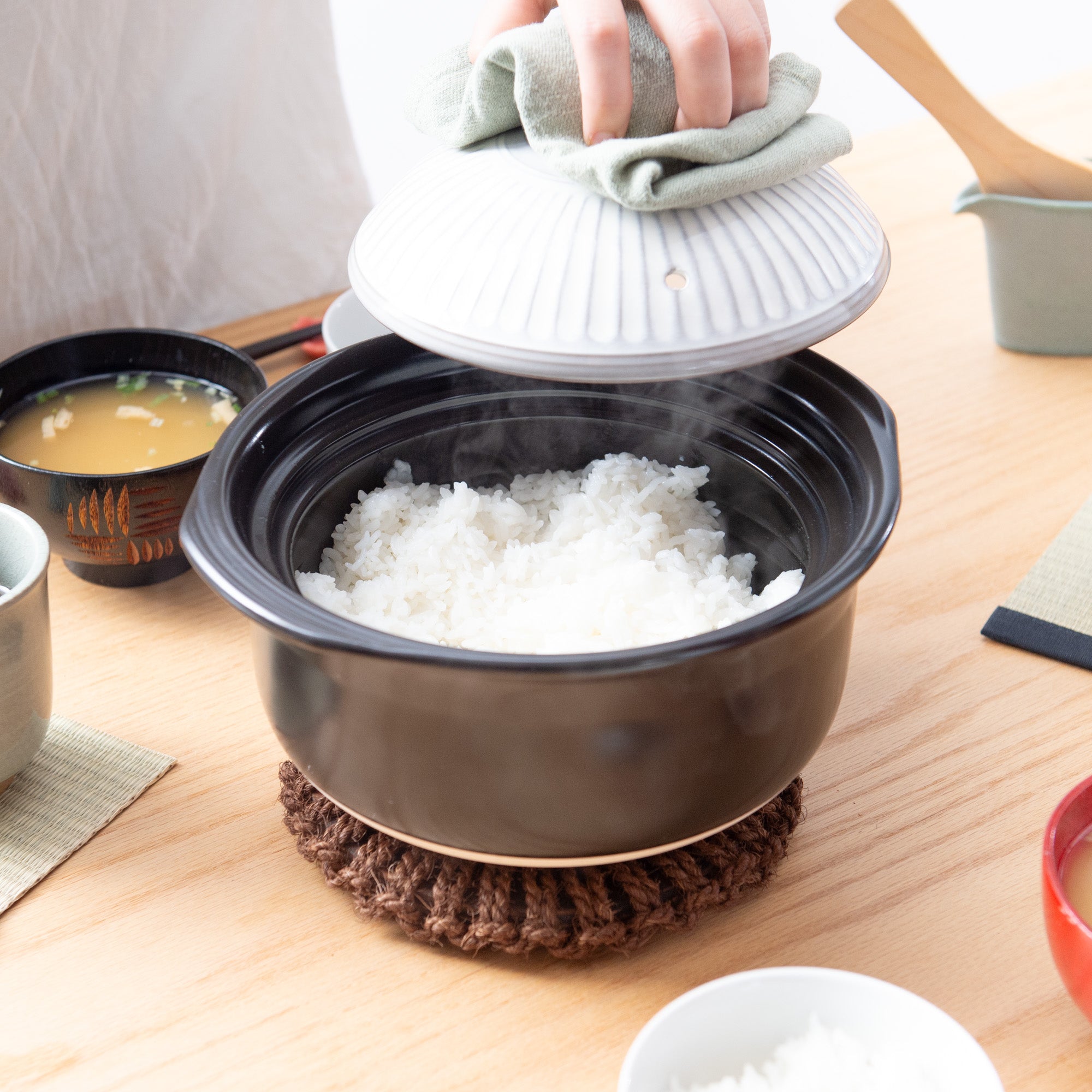
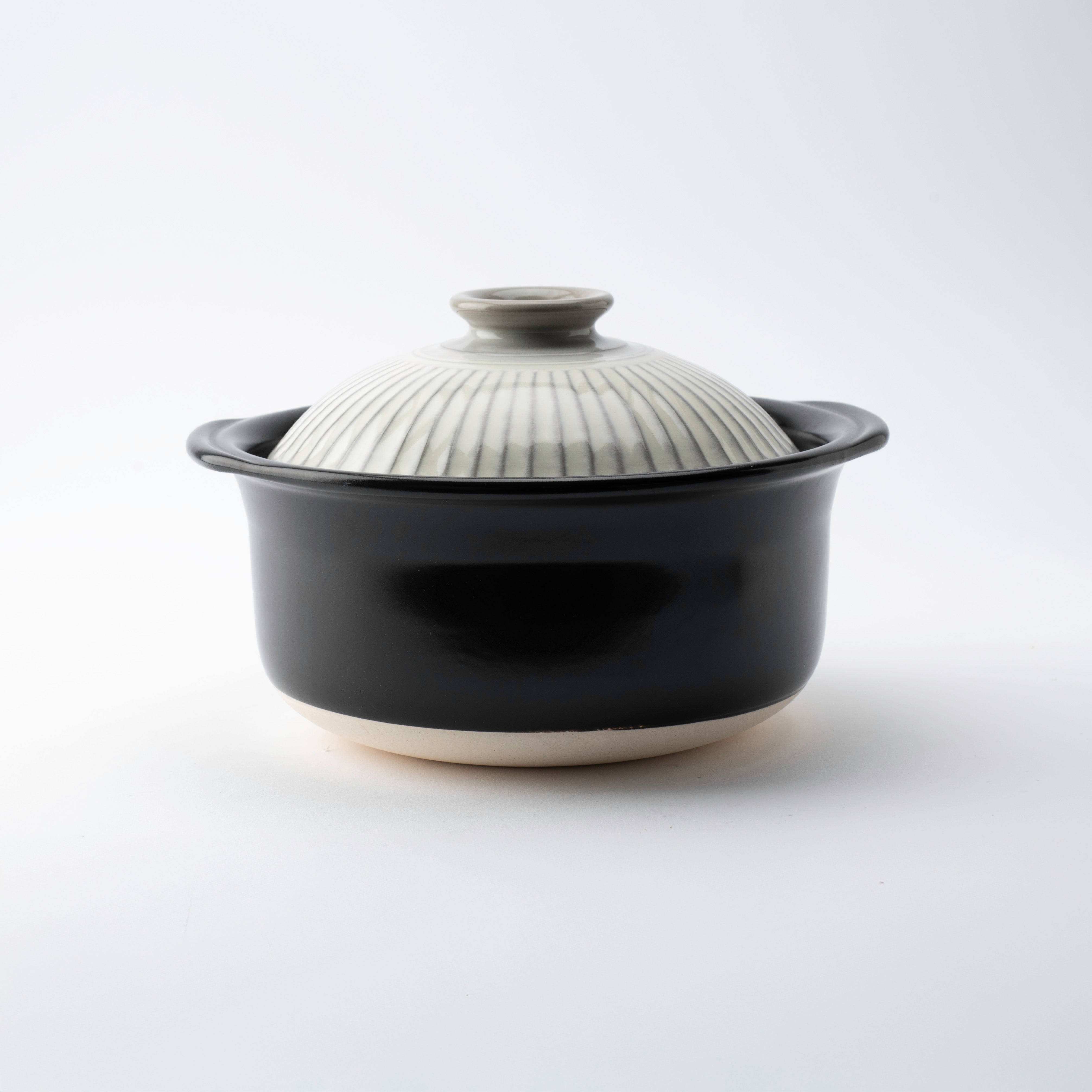
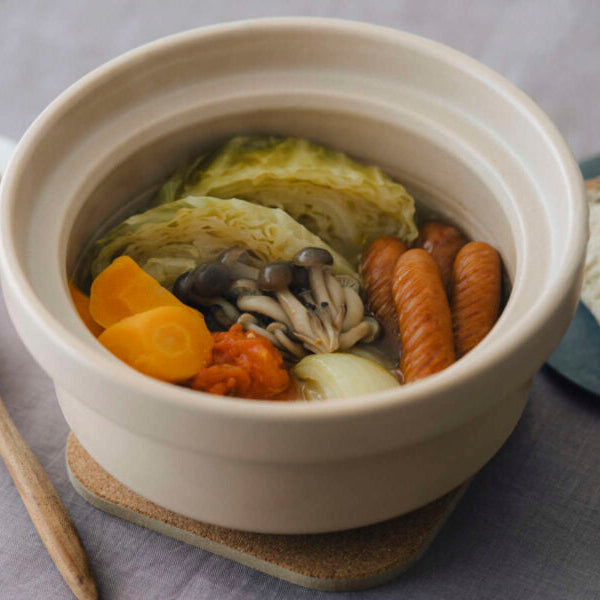
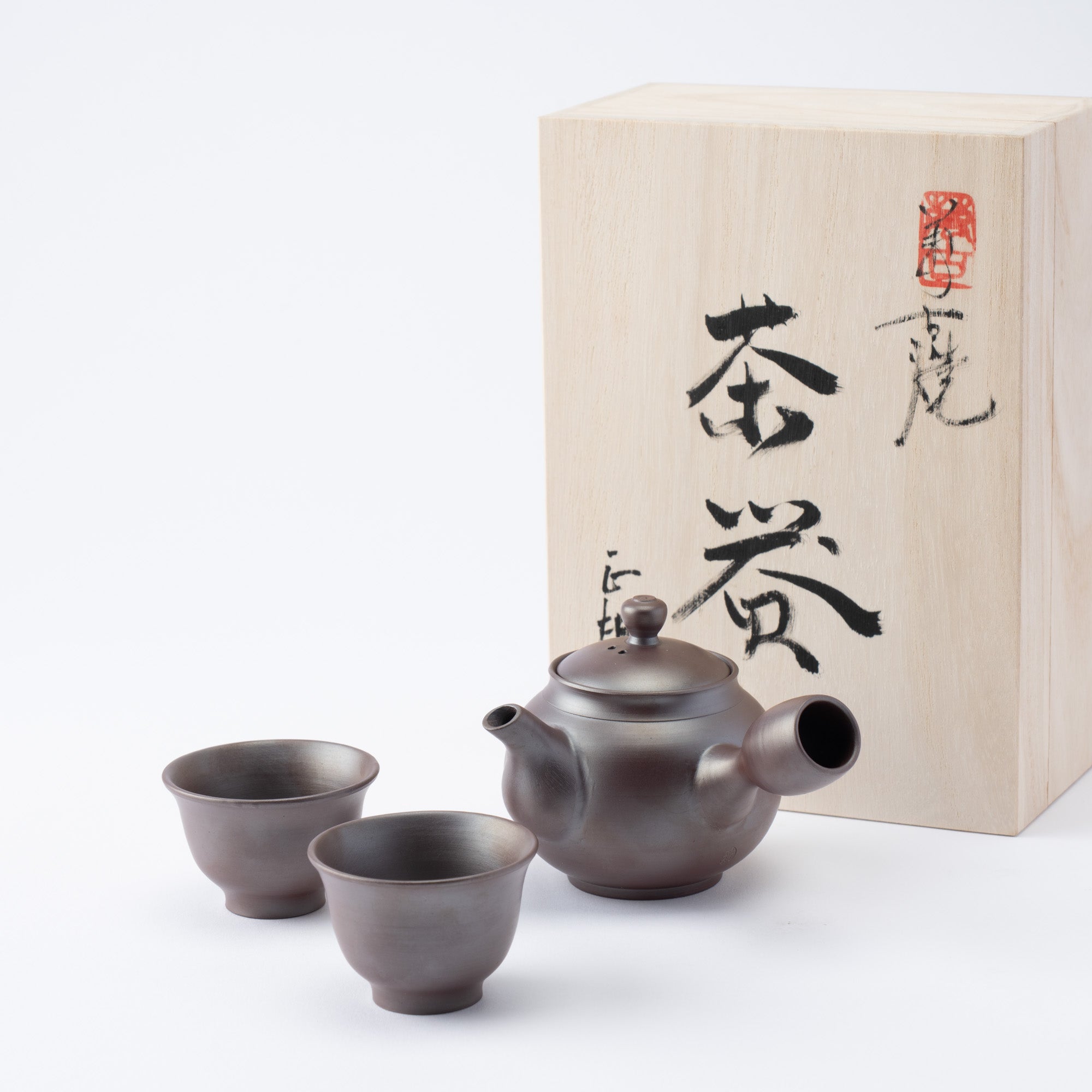
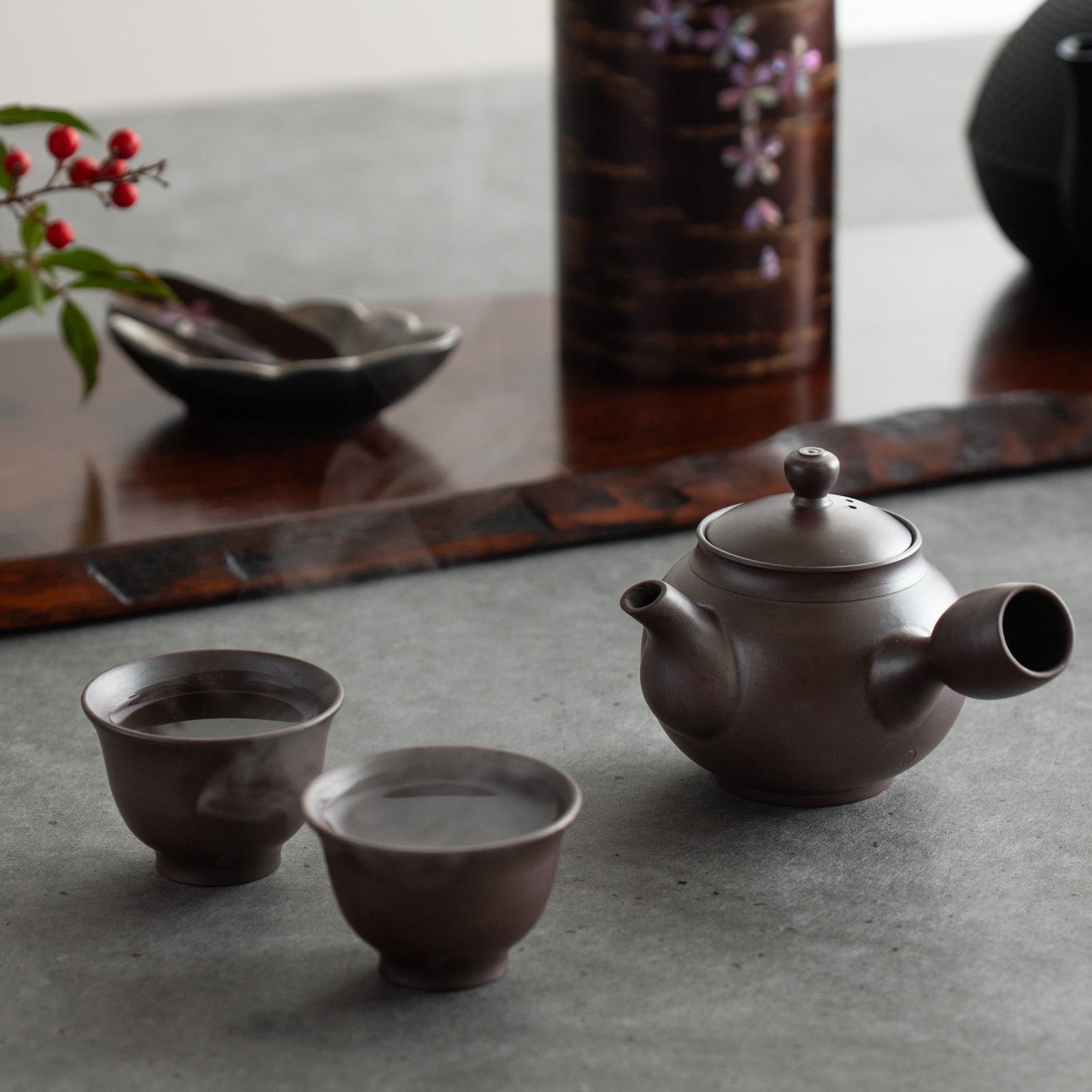
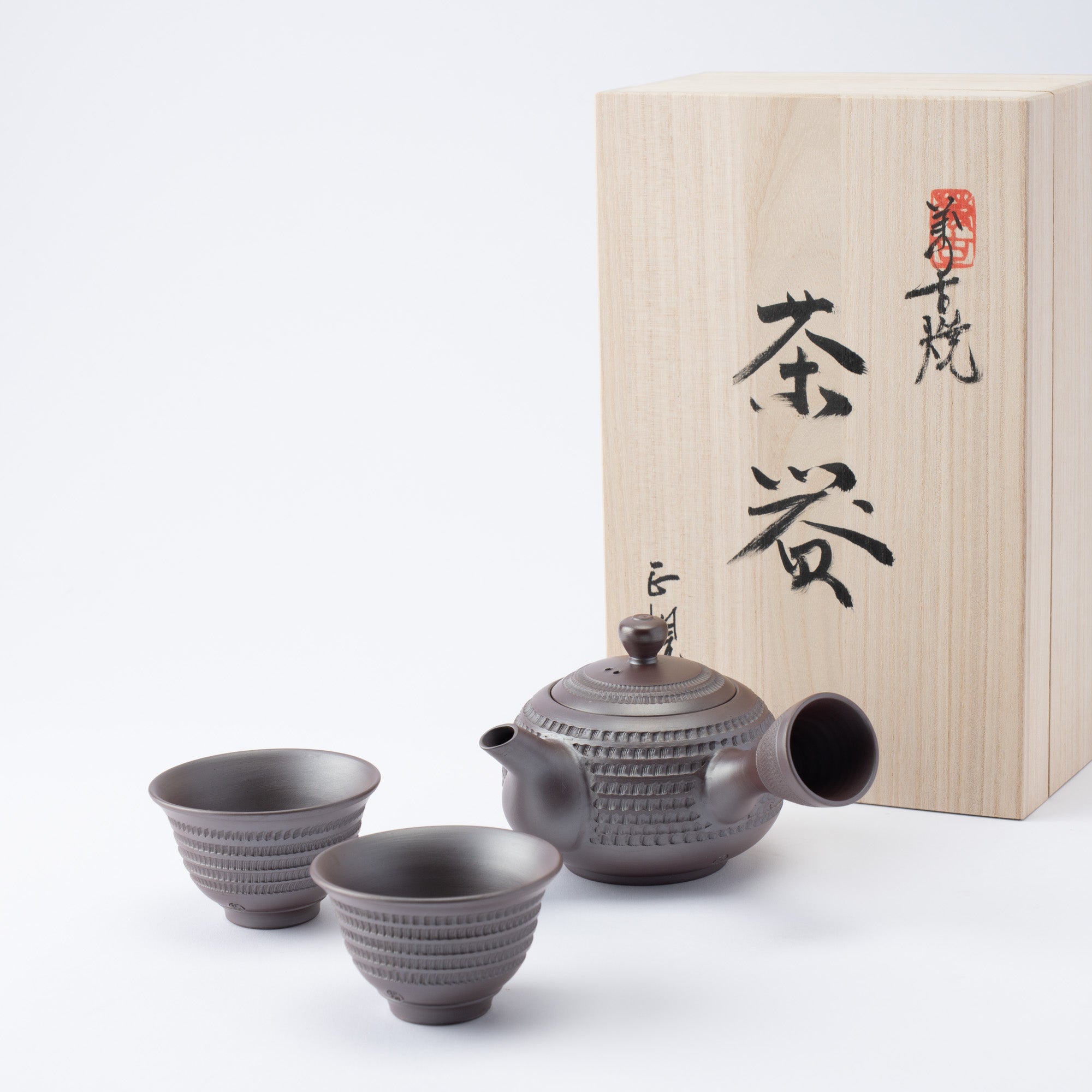
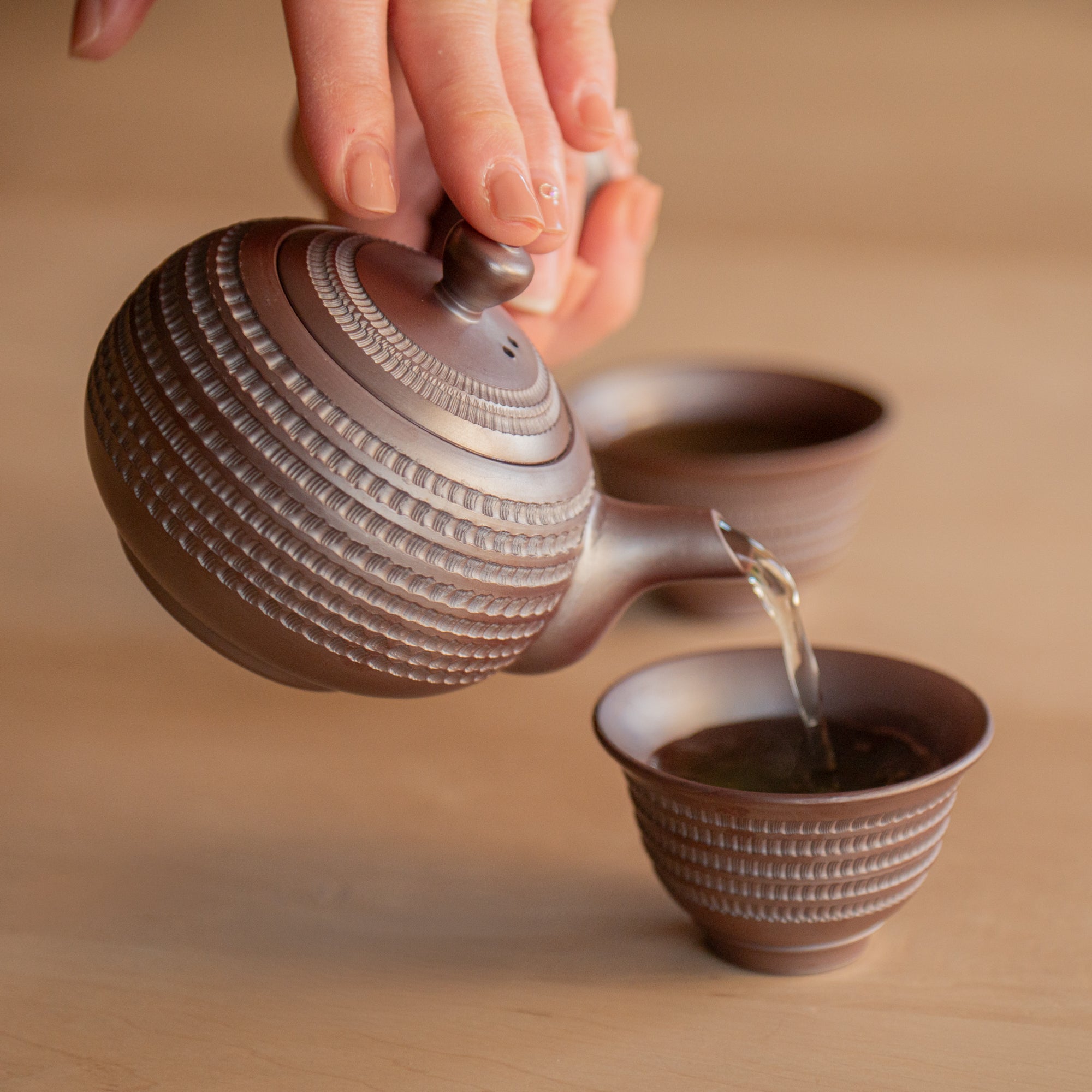
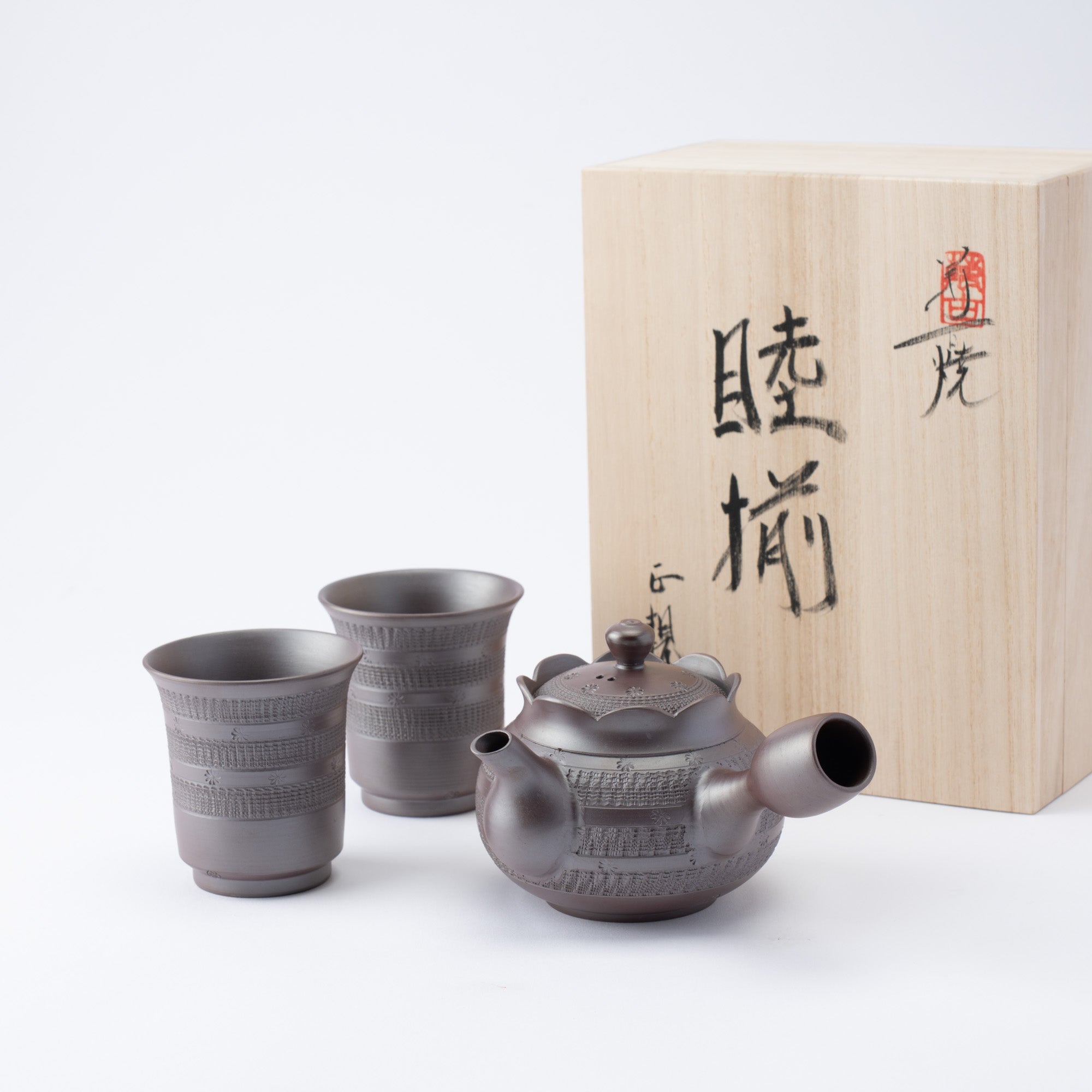
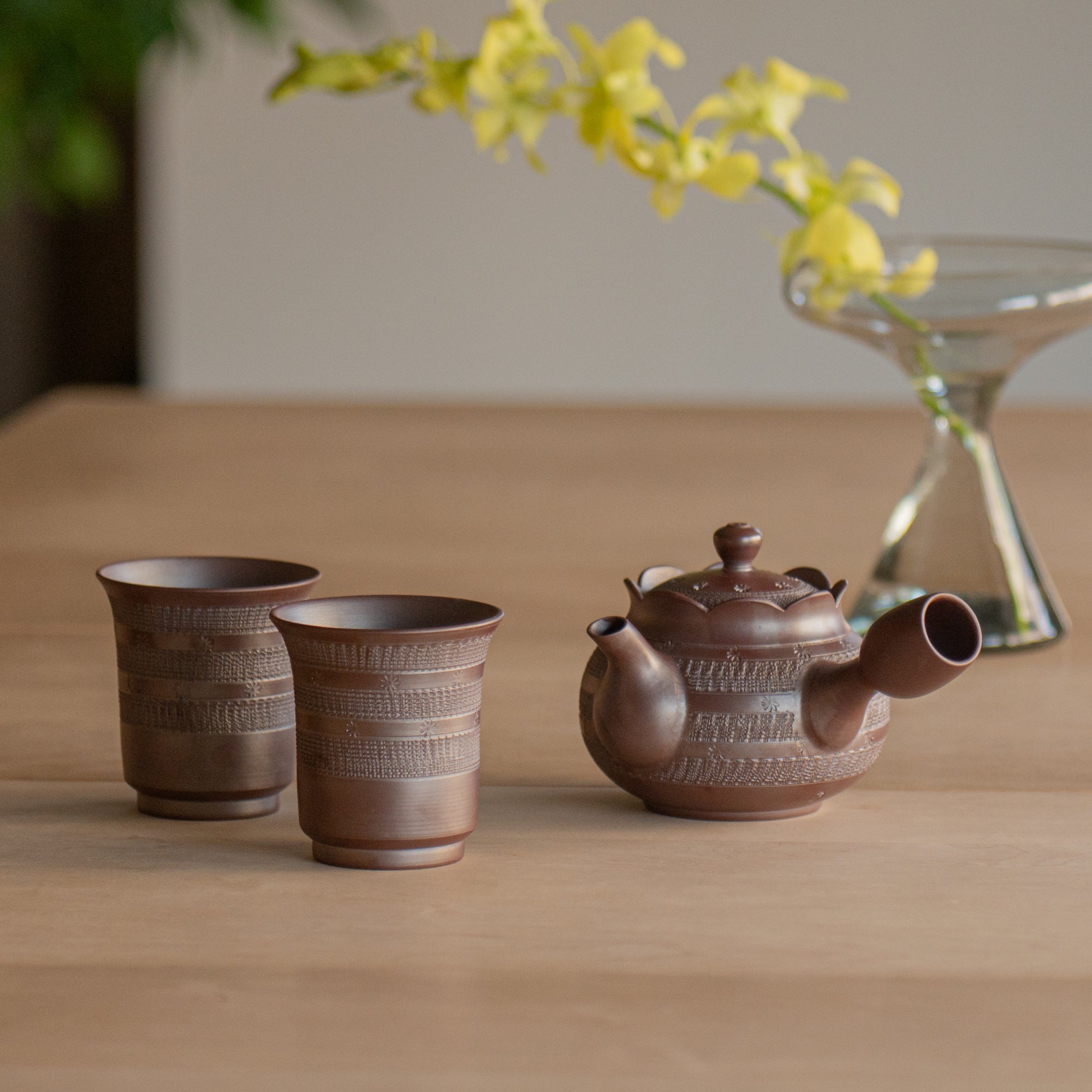
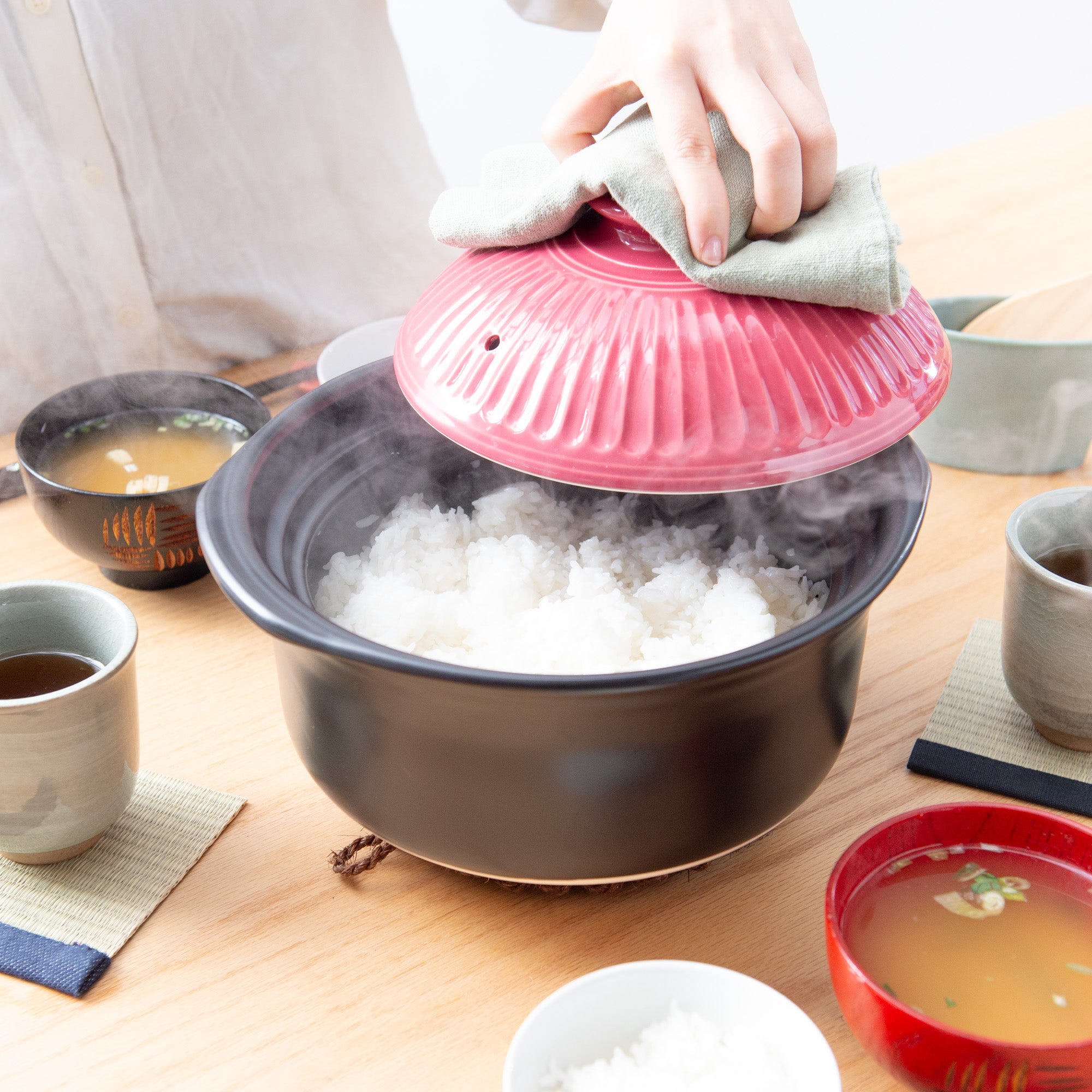
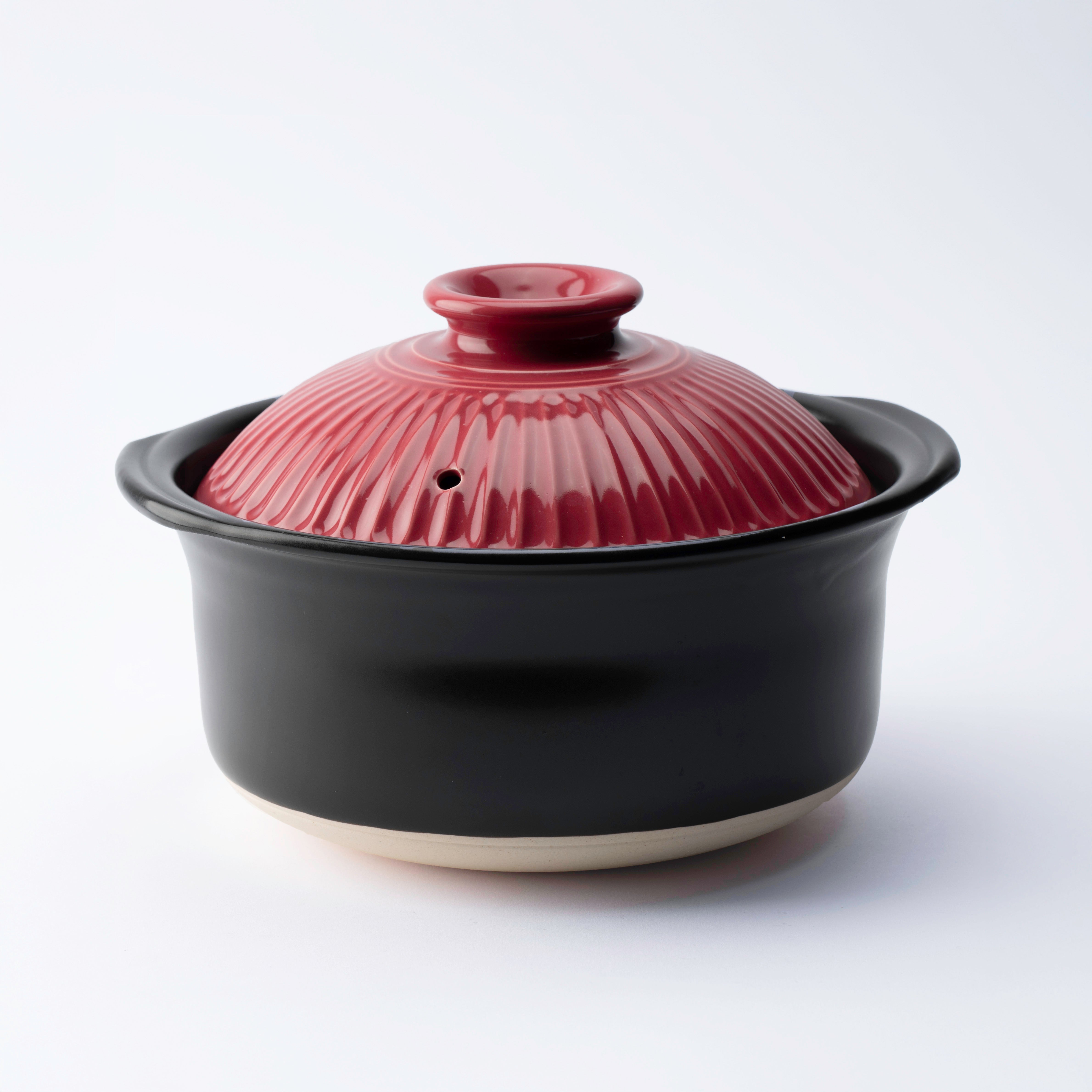
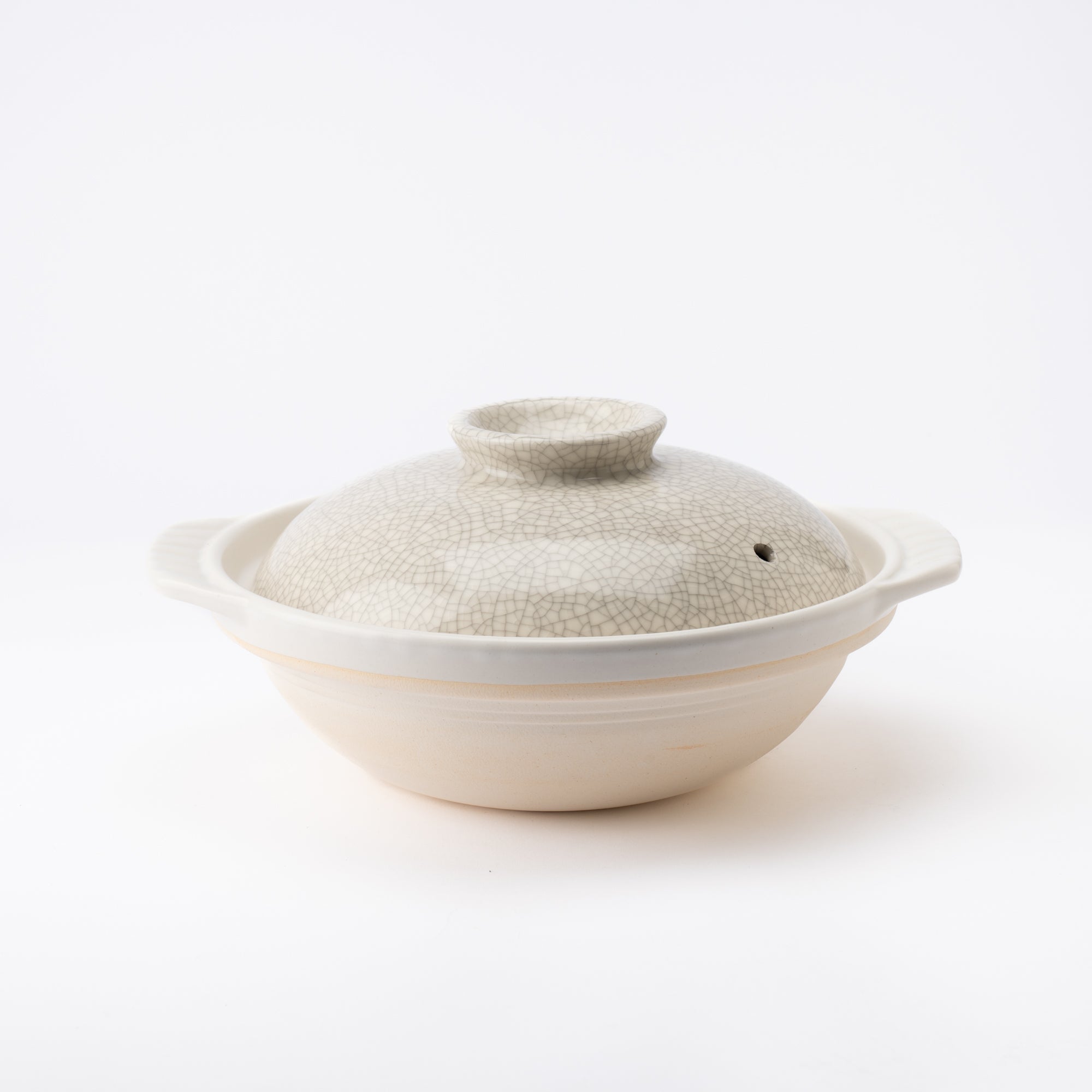
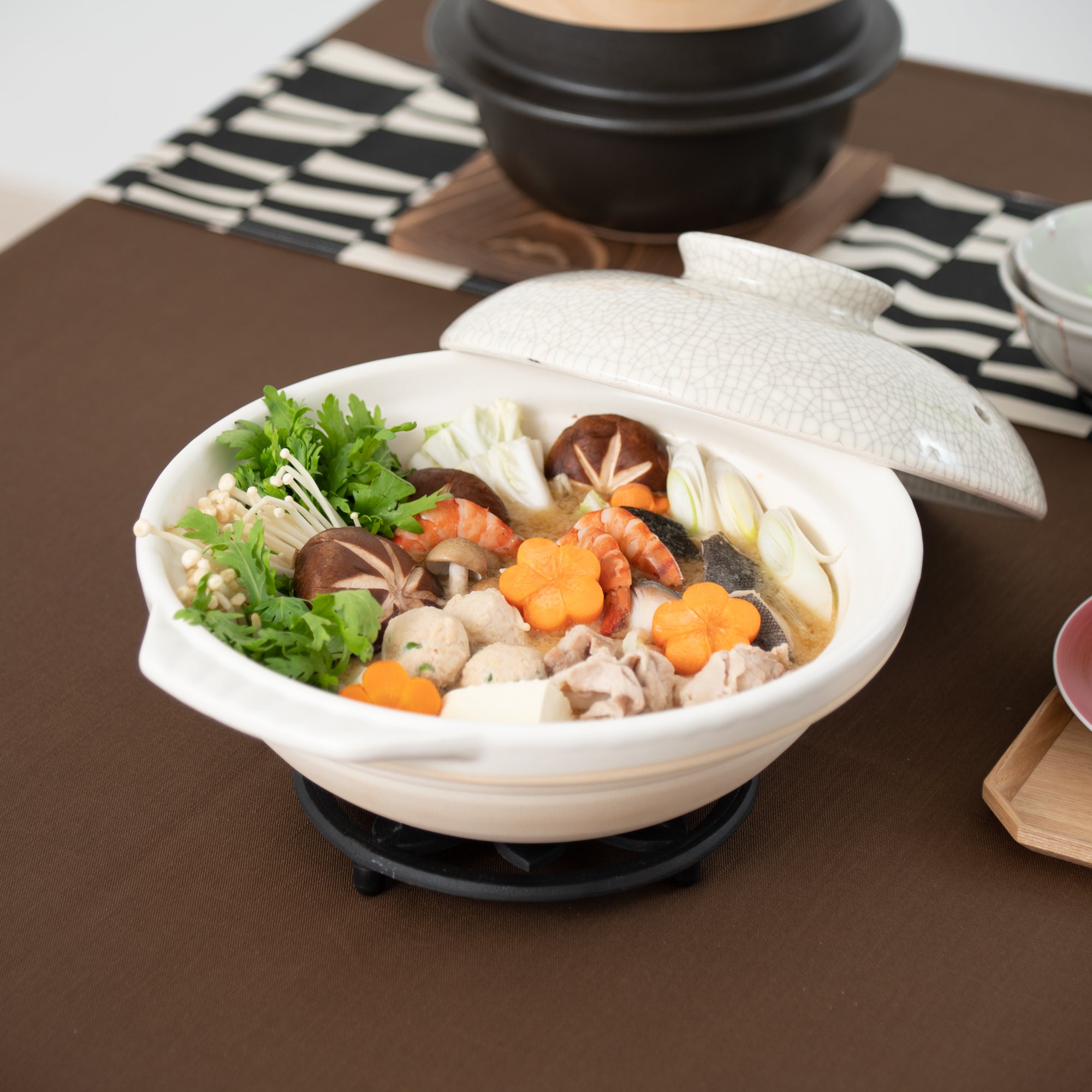
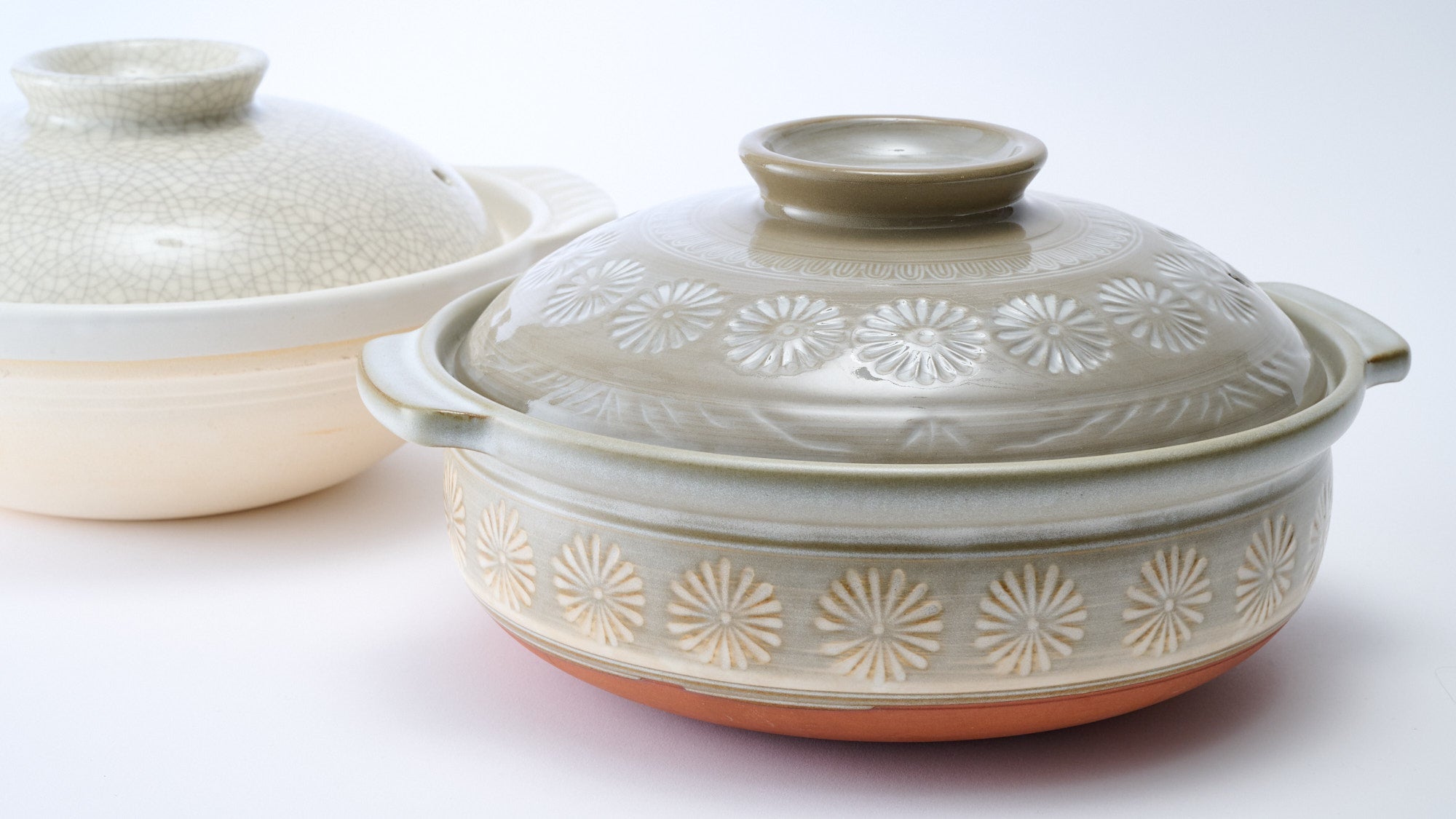
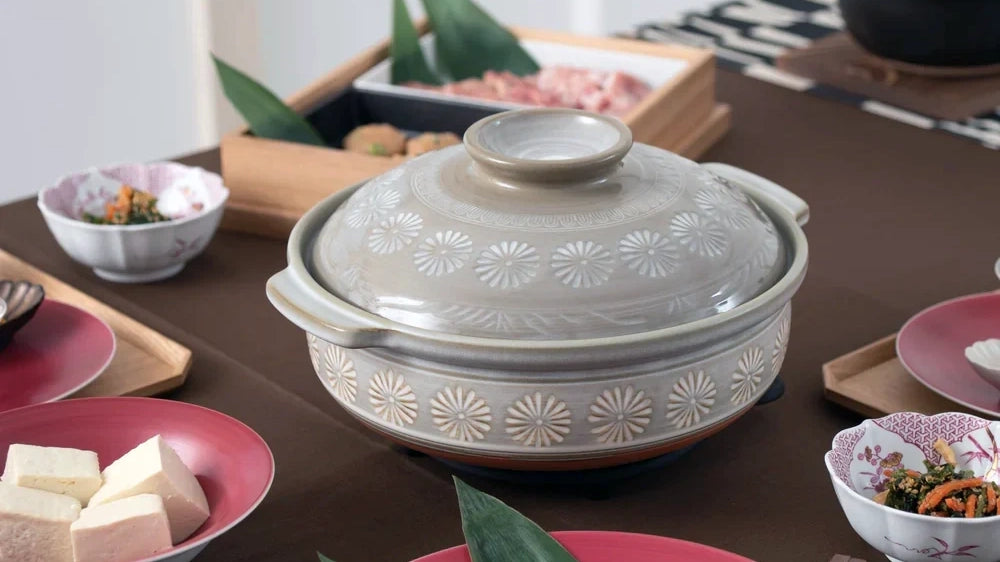
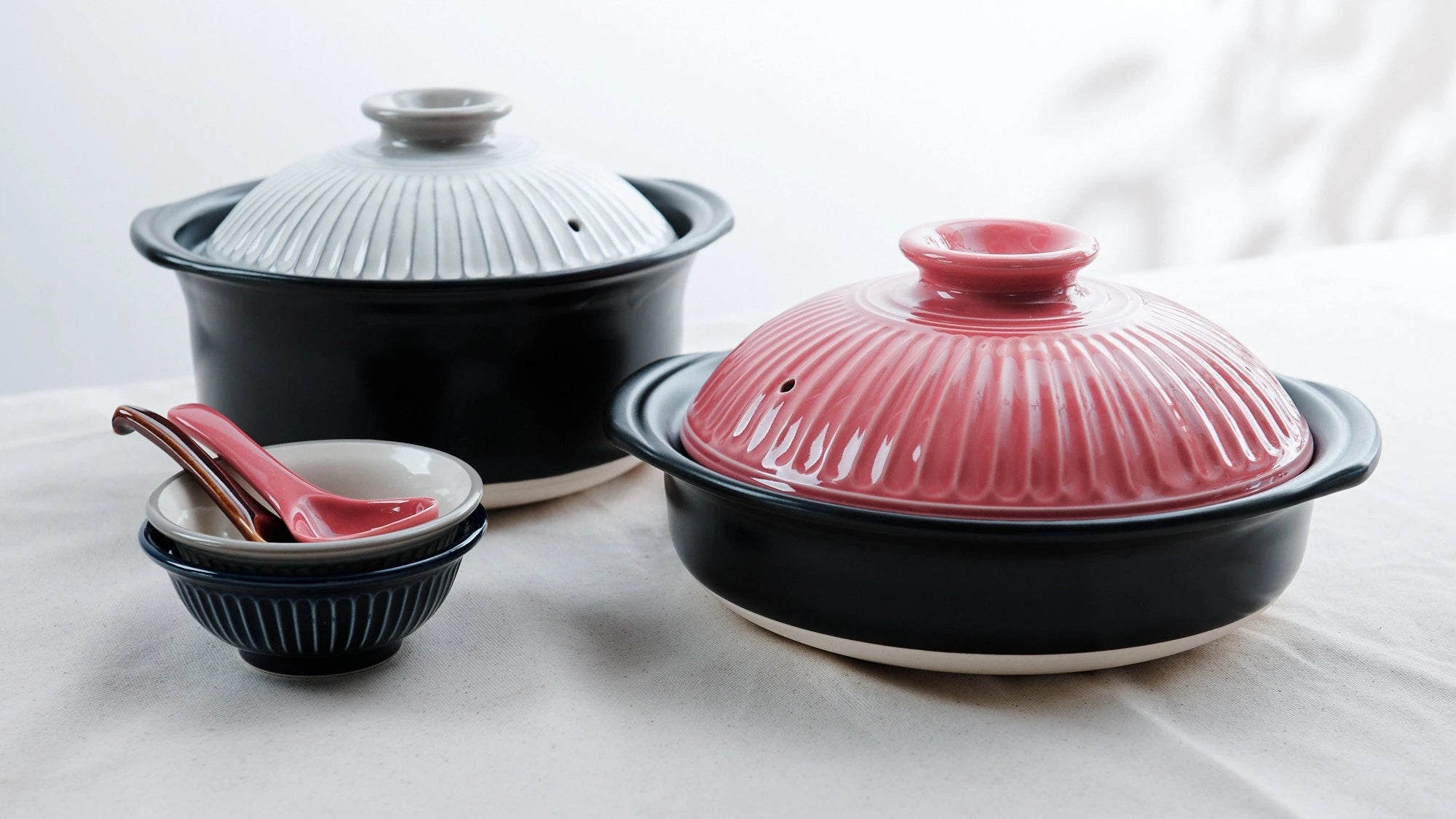
La céramique Yokkaichi Banko, plus communément appelée céramique Banko, trouve son origine dans la fabrication de céramiques allant de la vaisselle de tous les jours aux vases à fleurs. Aujourd'hui, elle est surtout connue pour ses donabeLes donabe, ou pots en argile japonais, sont appréciés pour leur durabilité et leur excellente conservation de la chaleur. Environ 80 % des donabe produits au Japon sont en argile Banko, ce qui en fait un ustensile indispensable pour la cuisine familiale.
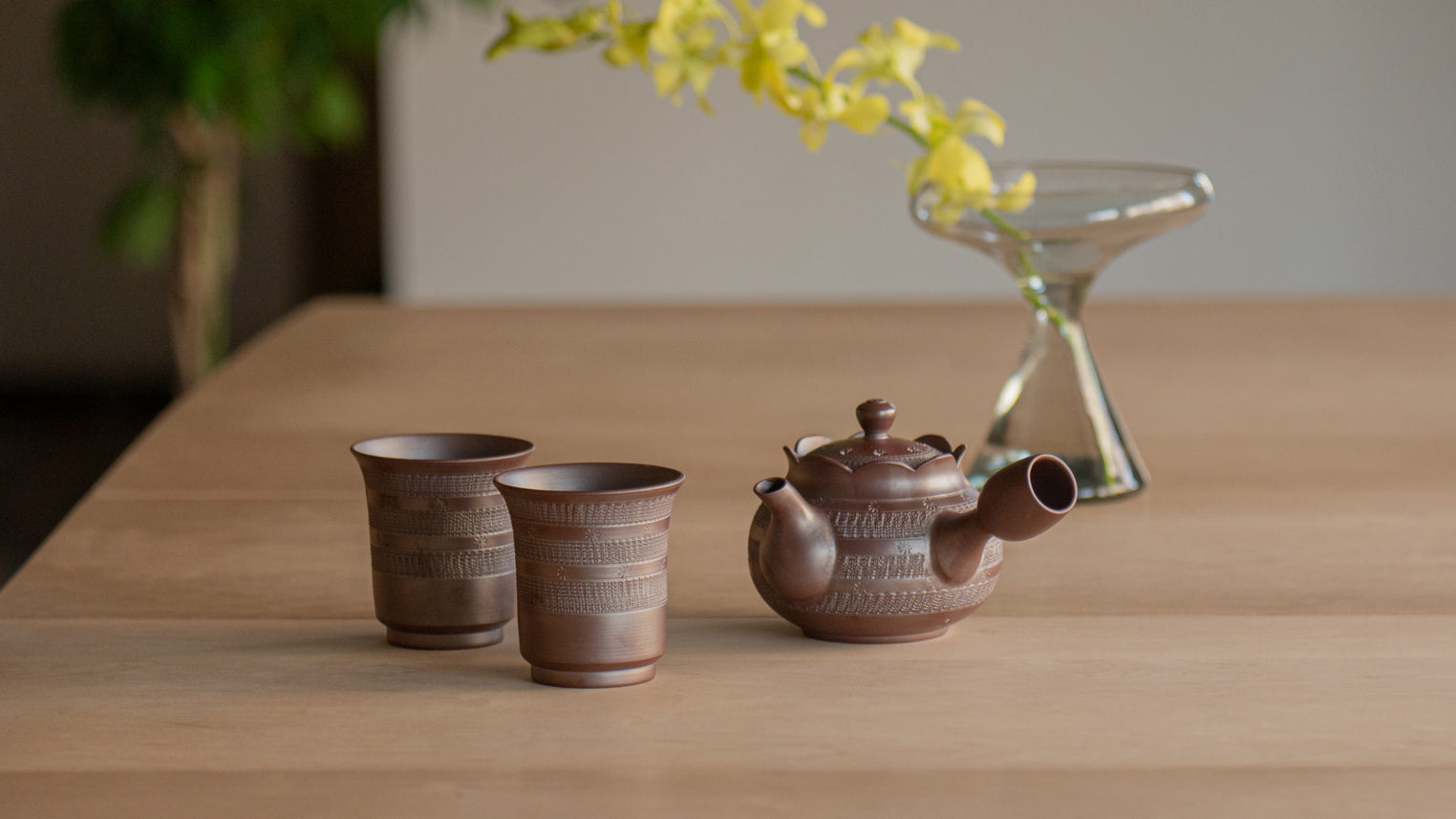
Banko ware trouve son origine au milieu de la période Edo (1603–1868), lorsqu'un amateur de thé cultivé nommé Nunami Rozan commença à façonner des ustensiles à thé dans l'actuelle ville de Kuwana, préfecture de Mie. Rozan marquait ses œuvres de la phrase banko fueki, signifiant « éternel et immuable.” Le mot Banko, dérivé de cette phrase, donna plus tard son nom à Banko ware.
Durant l'ère Meiji (1868–1912), la production se déplaça vers la ville portuaire de Yokkaichi, où l'accès facile au combustible et aux transports permit à l'industrie de prospérer. Cet esprit perdure aujourd'hui, et en reconnaissance de sa valeur culturelle et historique, Banko ware fut désigné Artisanat Traditionnel par le ministère japonais de l'Économie, du Commerce et de l'Industrie en 1979.
Une caractéristique déterminante de la céramique Yokkaichi Banko réside dans son argile, conçue pour une résistance thermique exceptionnelle. Utilisée dans les ustensiles de cuisson traditionnels japonais, cette argile contient environ 40 pour cent de pétalite, un minéral riche en lithium qui confère une durabilité et une stabilité remarquables.
Conçues pour fonctionner de manière fiable sur des sources de chaleur directe telles que les cuisinières à gaz et les feux de charbon, les marmites en argile Banko résistent aux températures élevées et aux changements brusques de chaleur sans se fissurer. Cette robustesse en a fait depuis longtemps un choix de confiance pour la cuisine quotidienne au Japon.
Articles connexes
Filtres