

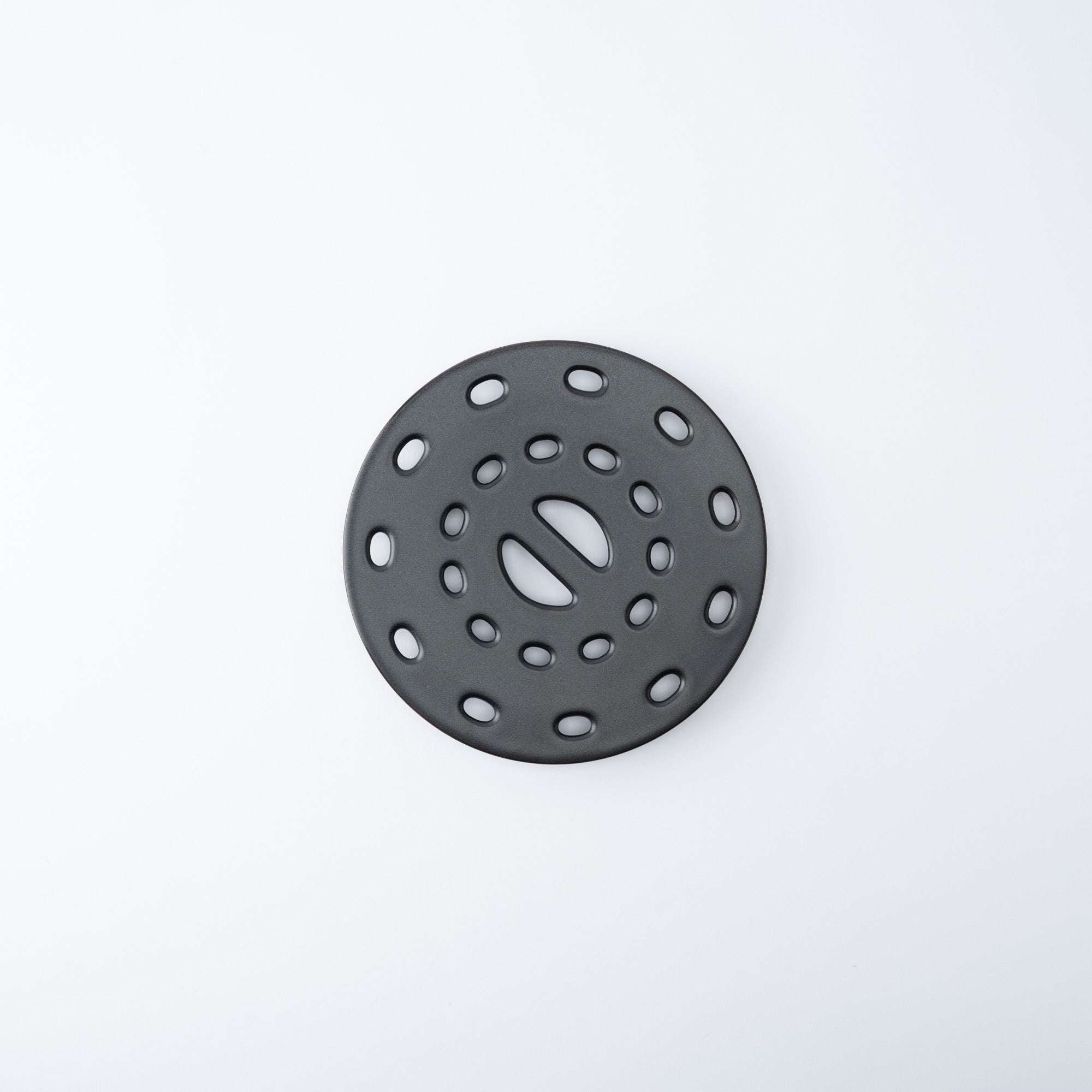
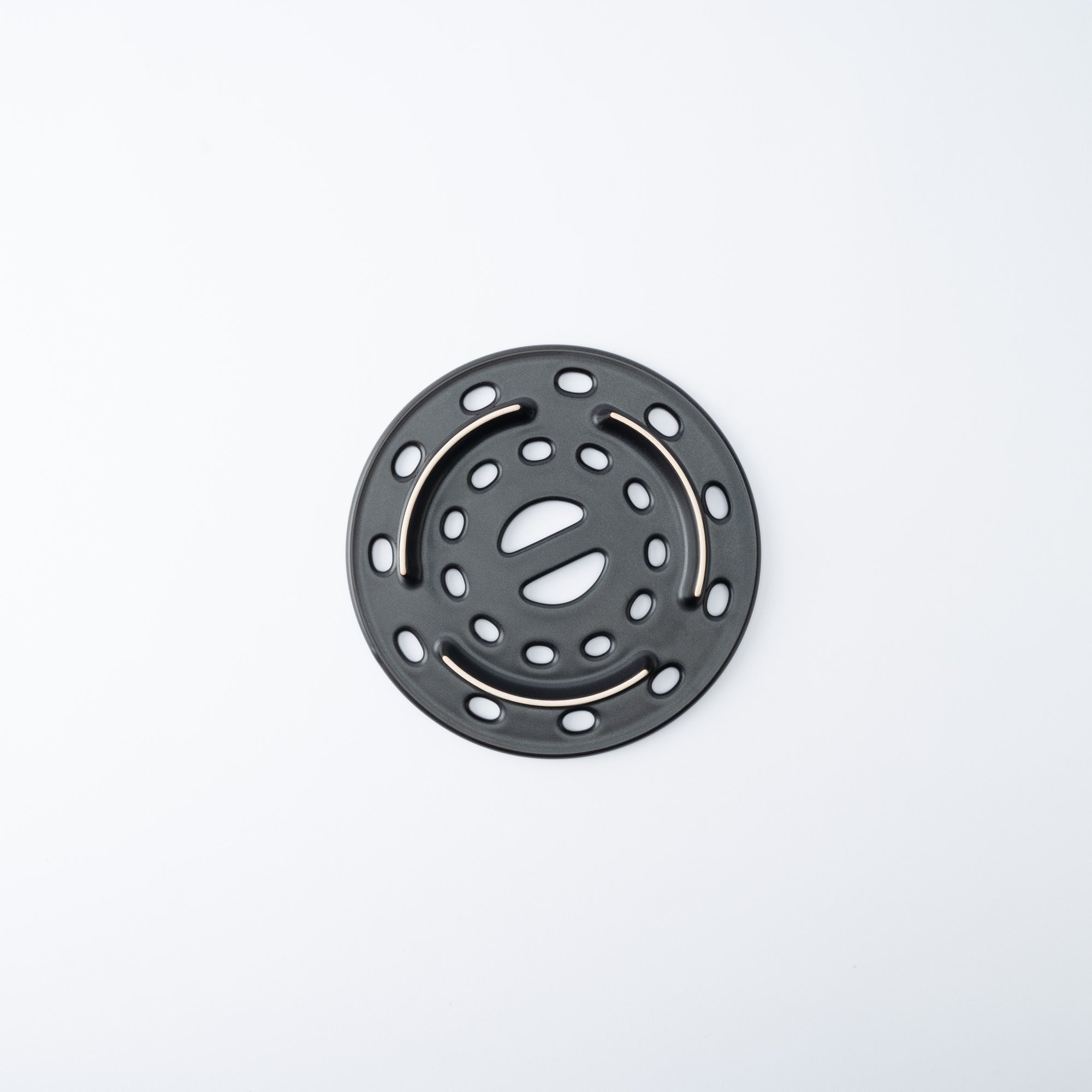
Insert vapeur en céramique
Ships from Japan · Free shipping on orders over $250 USD
Estimated Shipping Widget will be displayed here!
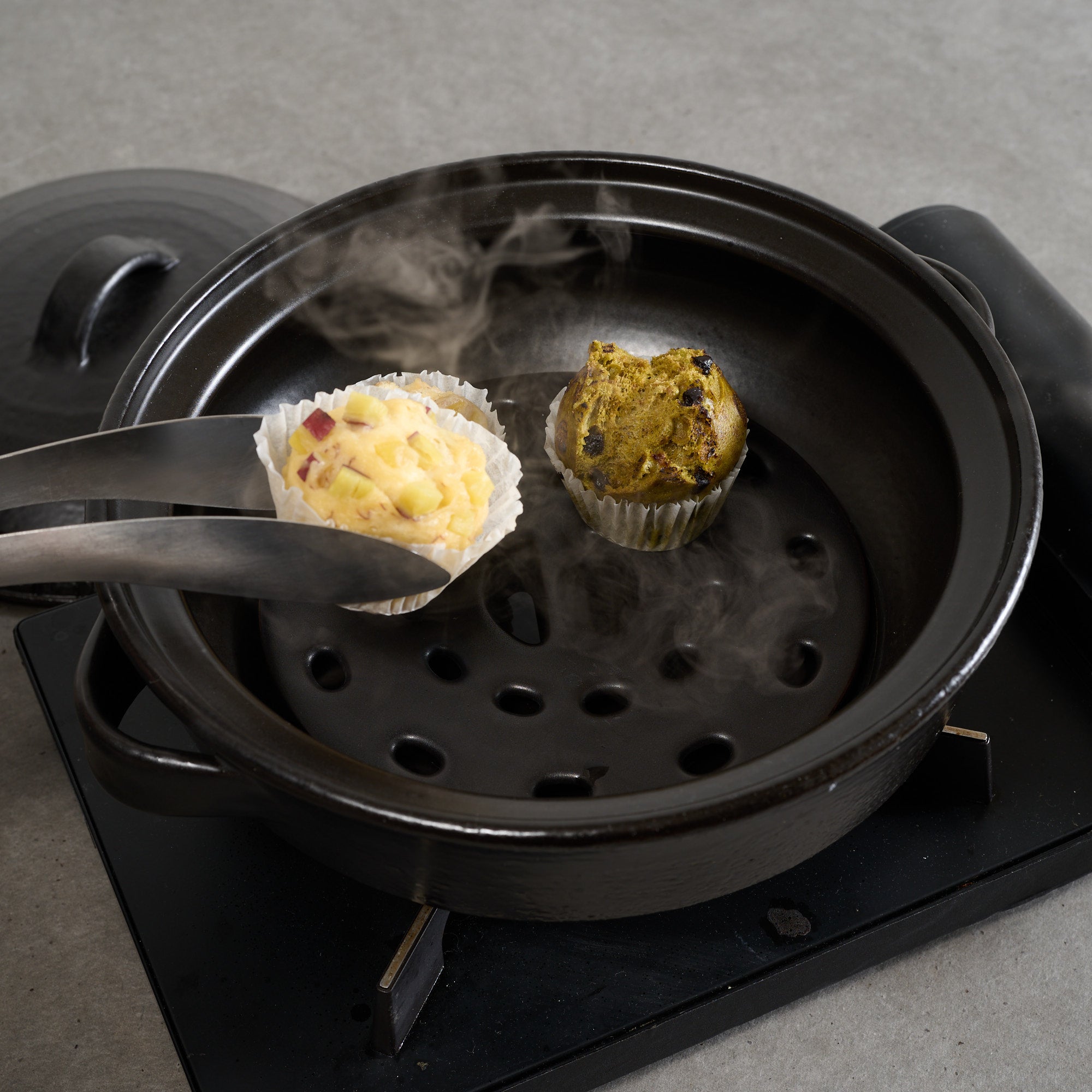
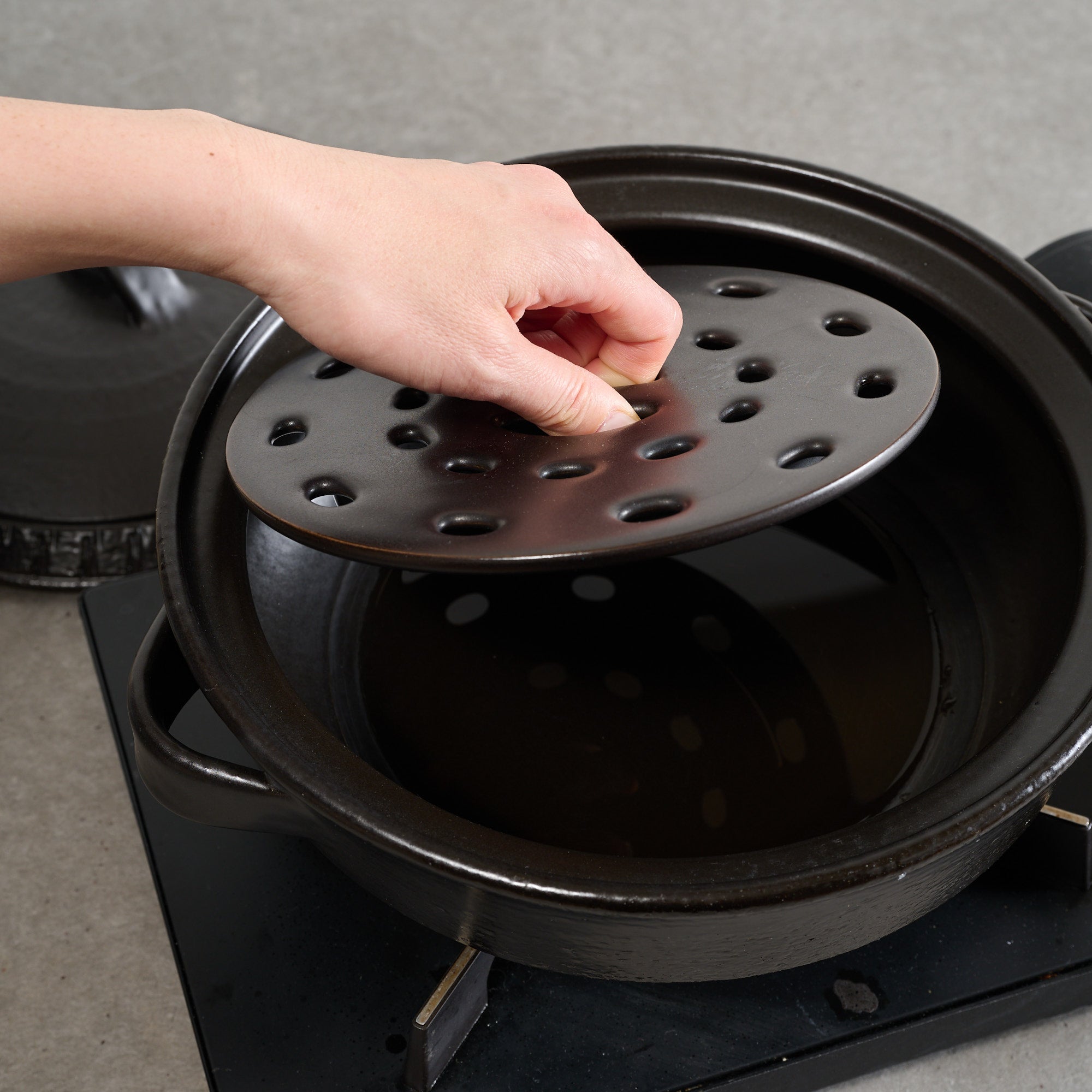
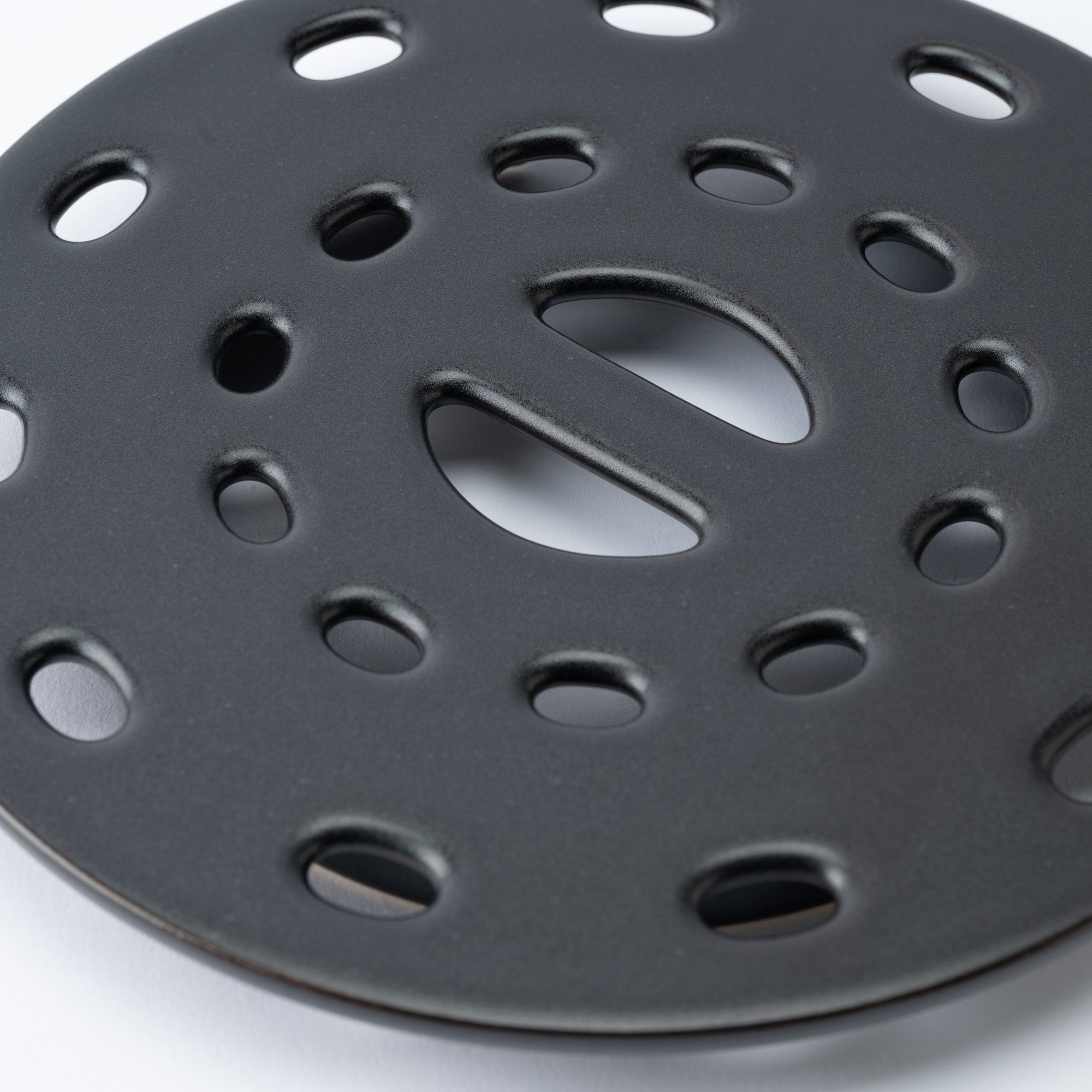
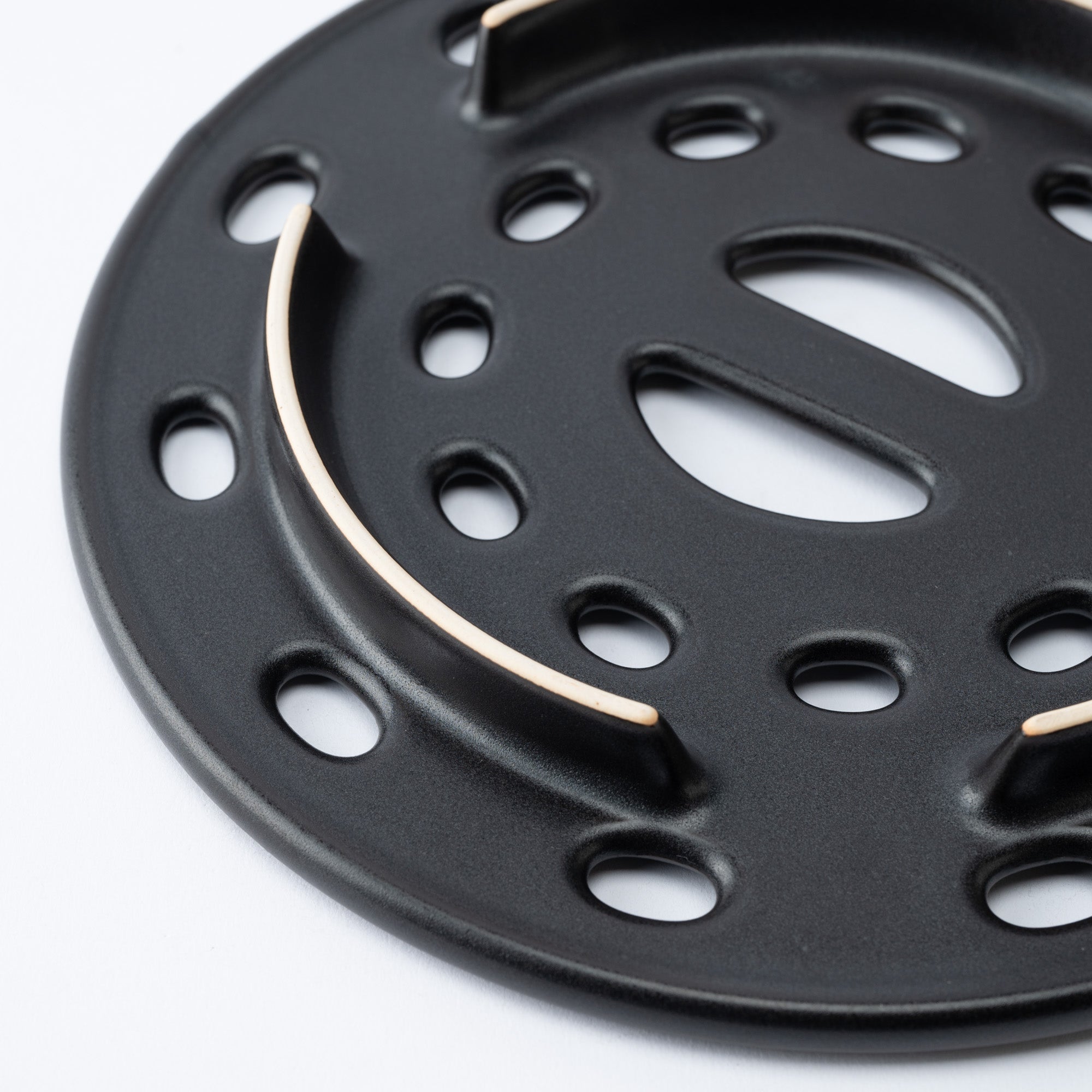
Conçu pour les ustensiles de cuisson d'un diamètre de 28 cm ou plus, ce sunoko (panier vapeur) fonctionne non seulement avec les donabe (marmites en terre) traditionnels, mais s'adapte également à d'autres récipients résistants à la chaleur. Fabriqué en céramique Banko, il offre une excellente résistance thermique et se lave entièrement après usage, ce qui simplifie l'entretien quotidien. Qu'il soit utilisé dans un donabe ou une marmite ordinaire, il suffit de placer le panier à l'intérieur pour cuire à la vapeur, élargissant ainsi considérablement les possibilités de vos ustensiles.
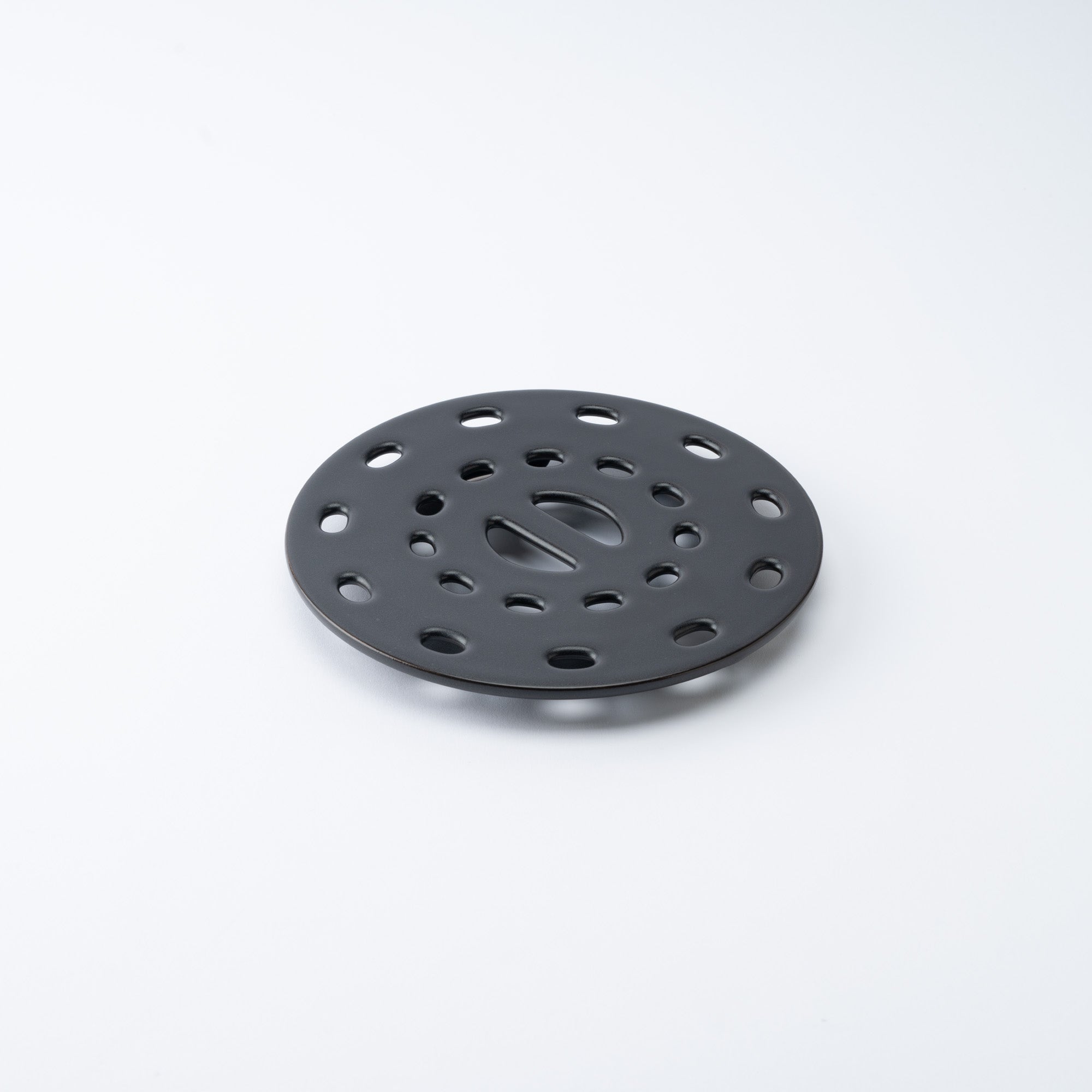
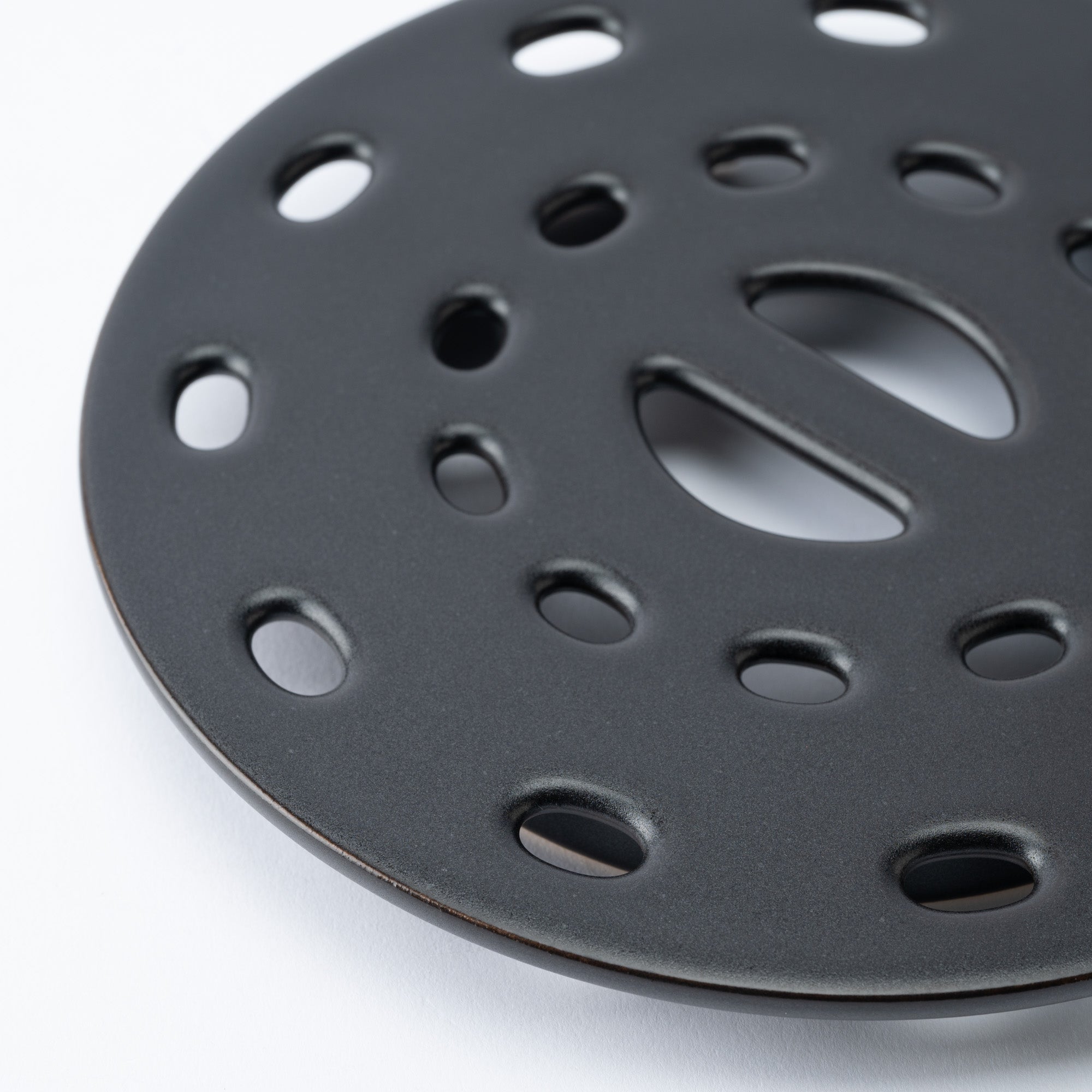
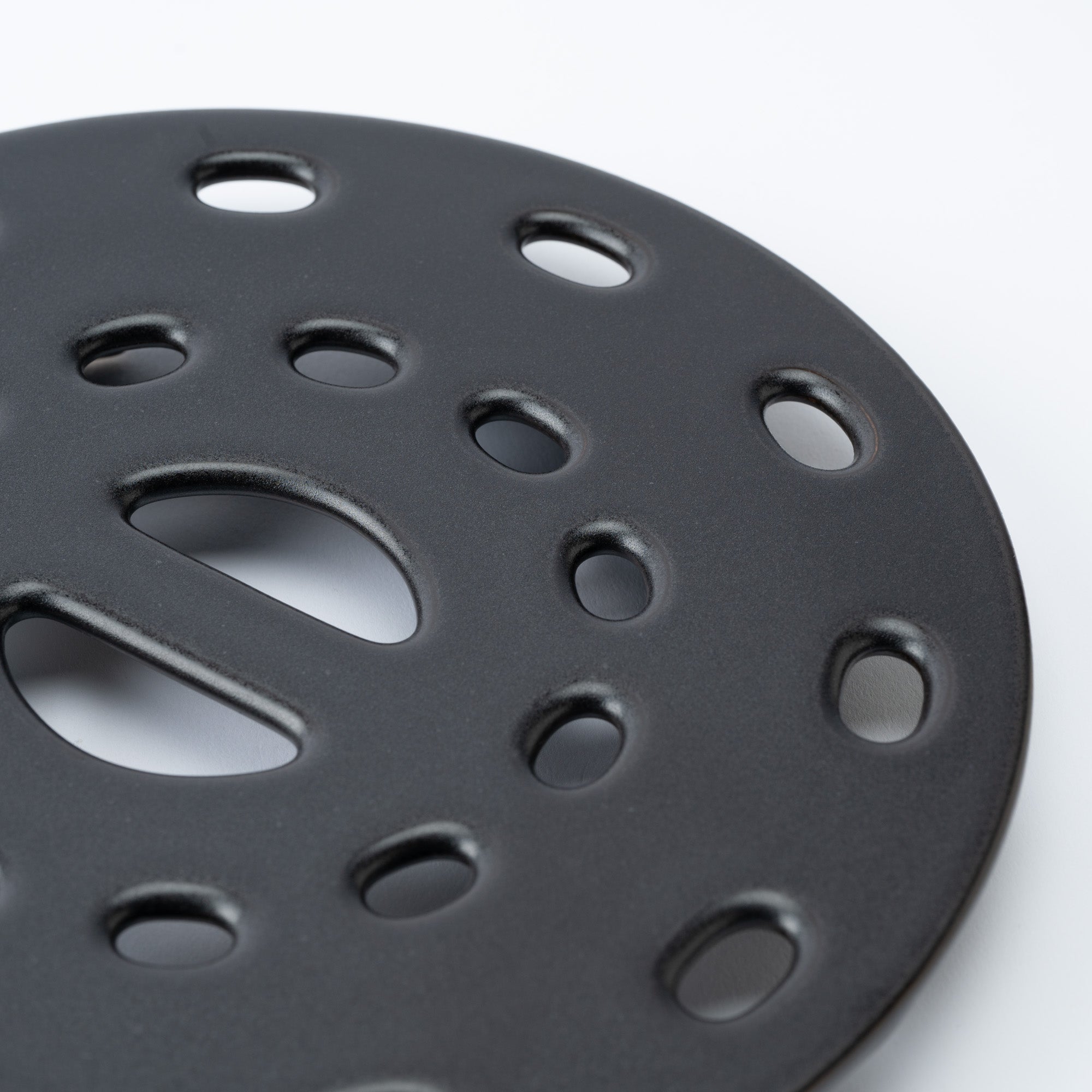
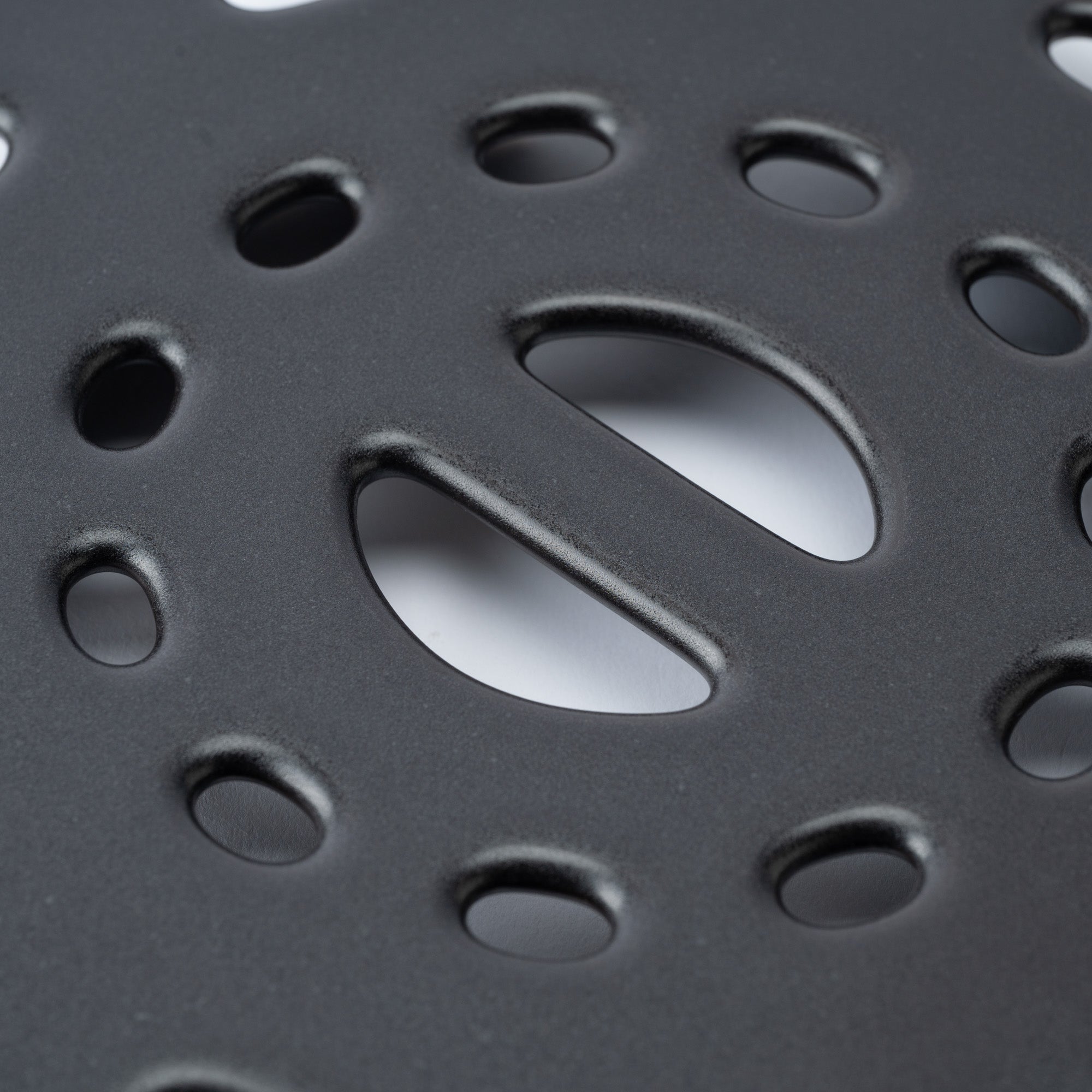
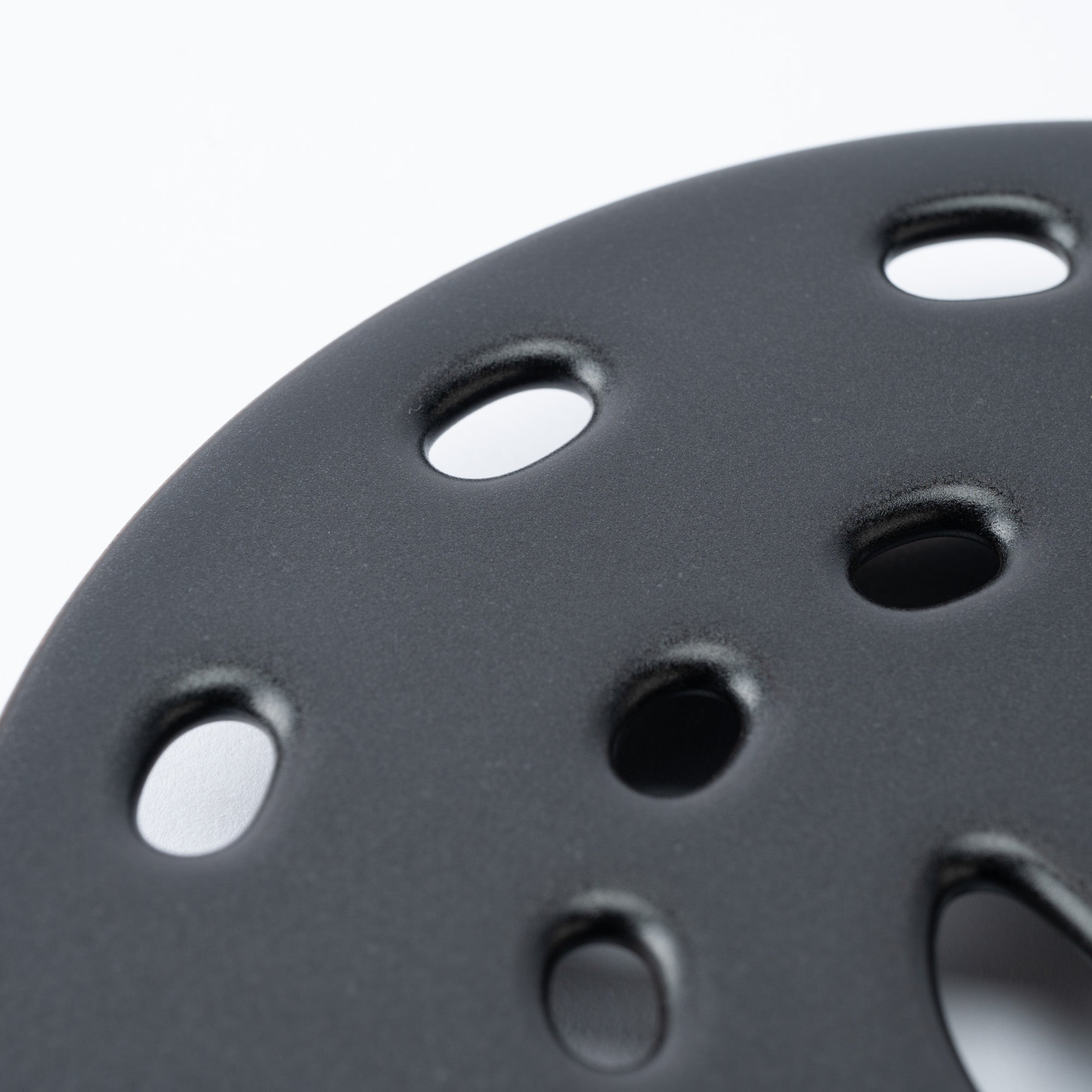
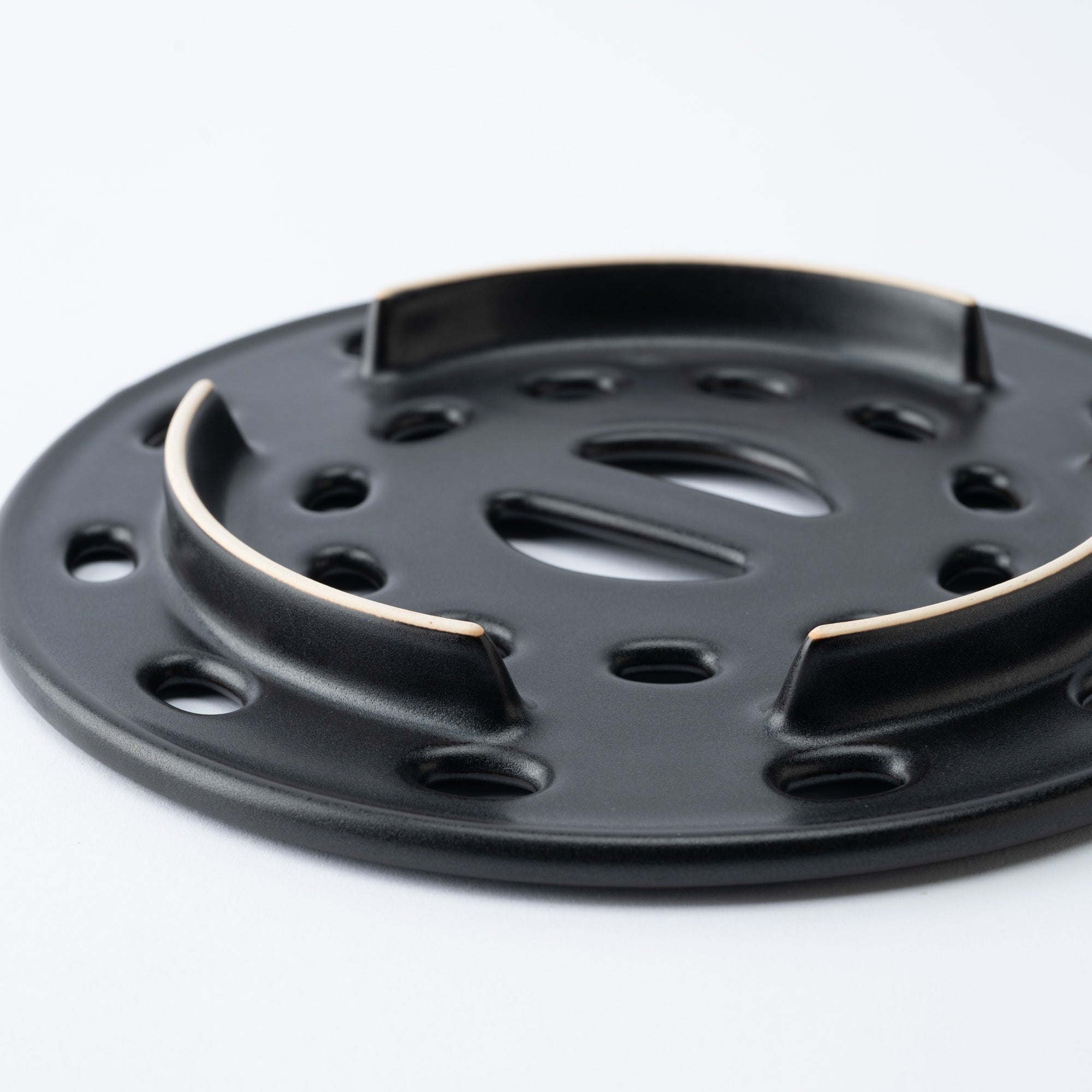
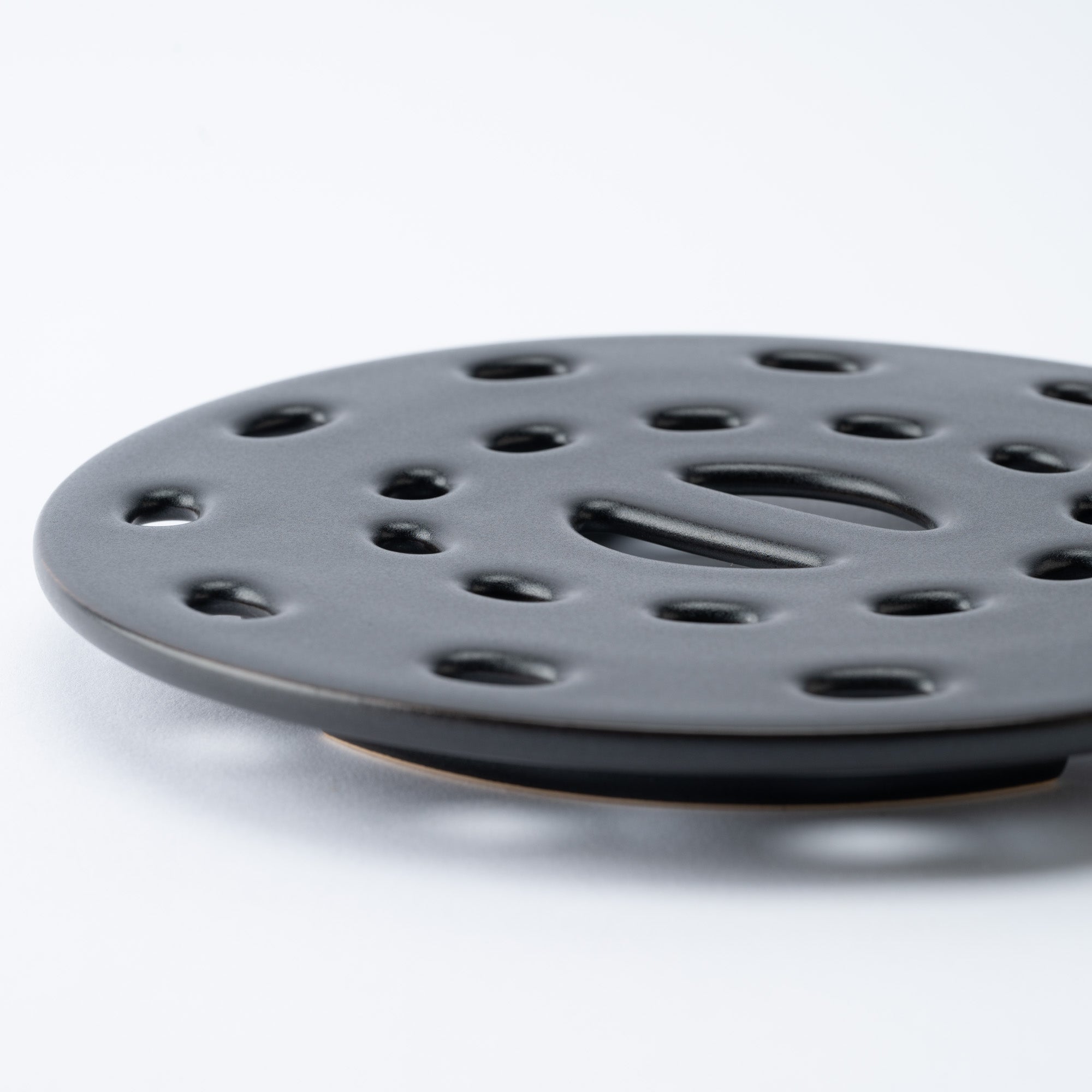
Les orifices de ventilation, répartis uniformément du centre vers l'extérieur, permettent à la vapeur de circuler doucement dans toute la marmite. Cela garantit une cuisson homogène des légumes, poissons et viandes. Le panier soulève légèrement les ingrédients au-dessus du fond, ce qui retient l'humidité pendant la cuisson et donne des légumes tendres et des plats juteux comme le poulet vapeur.
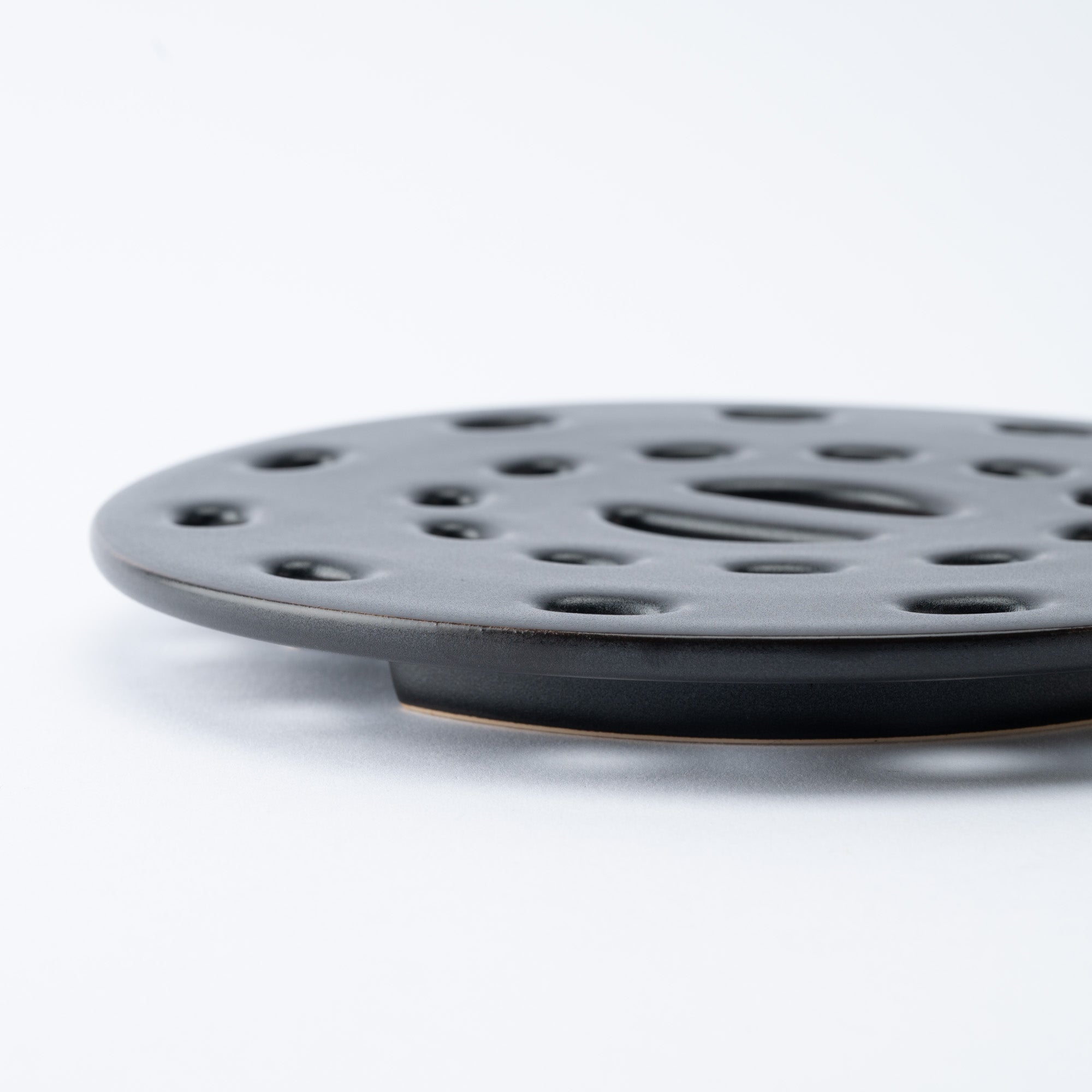
La structure surélevée aide à prévenir les brûlures et réduit le contact direct avec le fond de la marmite, minimisant ainsi l'usure du donabe. Une poignée centrale est conçue pour faciliter le retrait, même au milieu de la vapeur montante.
DES DÉTAILS
| Quantity | 1 pc |
| Size | D 22 cm (8.7 in) x H 2 cm (0.8 in) |
| Weight | 370 g (13.1 oz) |
| Material | Stoneware |
| Microwave | Yes |
| Dishwasher | No |
Artisanat
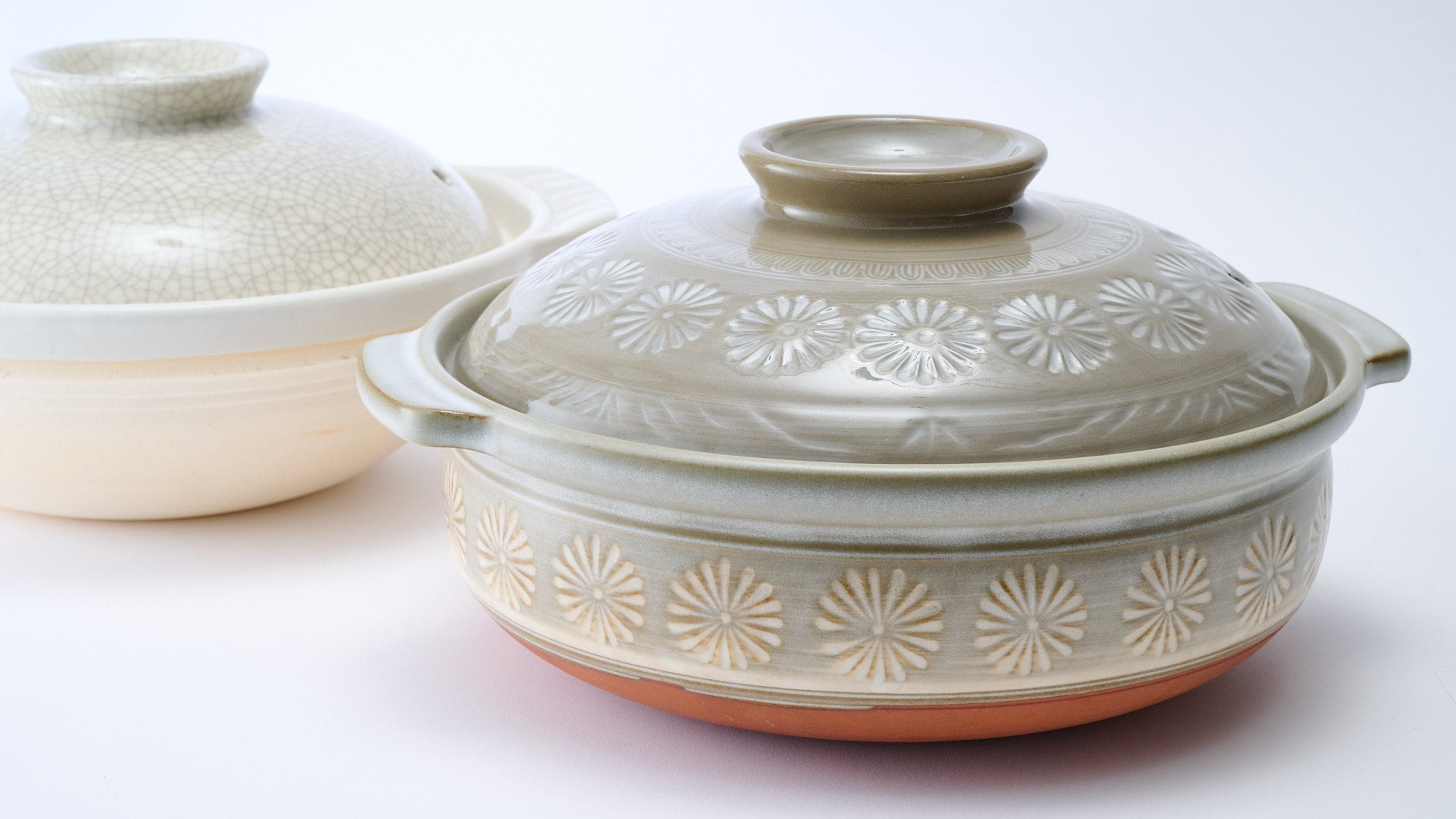
La céramique Yokkaichi Banko, plus communément appelée céramique Banko, trouve son origine dans la fabrication de céramiques allant de la vaisselle de tous les jours aux vases à fleurs. Aujourd'hui, elle est surtout connue pour ses donabeLes donabe, ou pots en argile japonais, sont appréciés pour leur durabilité et leur excellente conservation de la chaleur. Environ 80 % des donabe produits au Japon sont en argile Banko, ce qui en fait un ustensile indispensable pour la cuisine familiale.
Comment prendre soin
Notes
Choisir les options
Estimated Shipping Widget will be displayed here!
Ustensiles de cuisine
Simplifiez-vous la vie en cuisine avec notre collection d'ustensiles de cuisine japonais. Composée d'ustensiles essentiels comme des spatules, des spatules, des baguettes, des fouets et des louches, notre gamme d'ustensiles de cuisine japonais pratiques est soigneusement fabriquée par des artisans qualifiés.
