Petit bol Kobachi Oribe
Ships from Japan · Free shipping on orders over $250 USD
Estimated Shipping Widget will be displayed here!
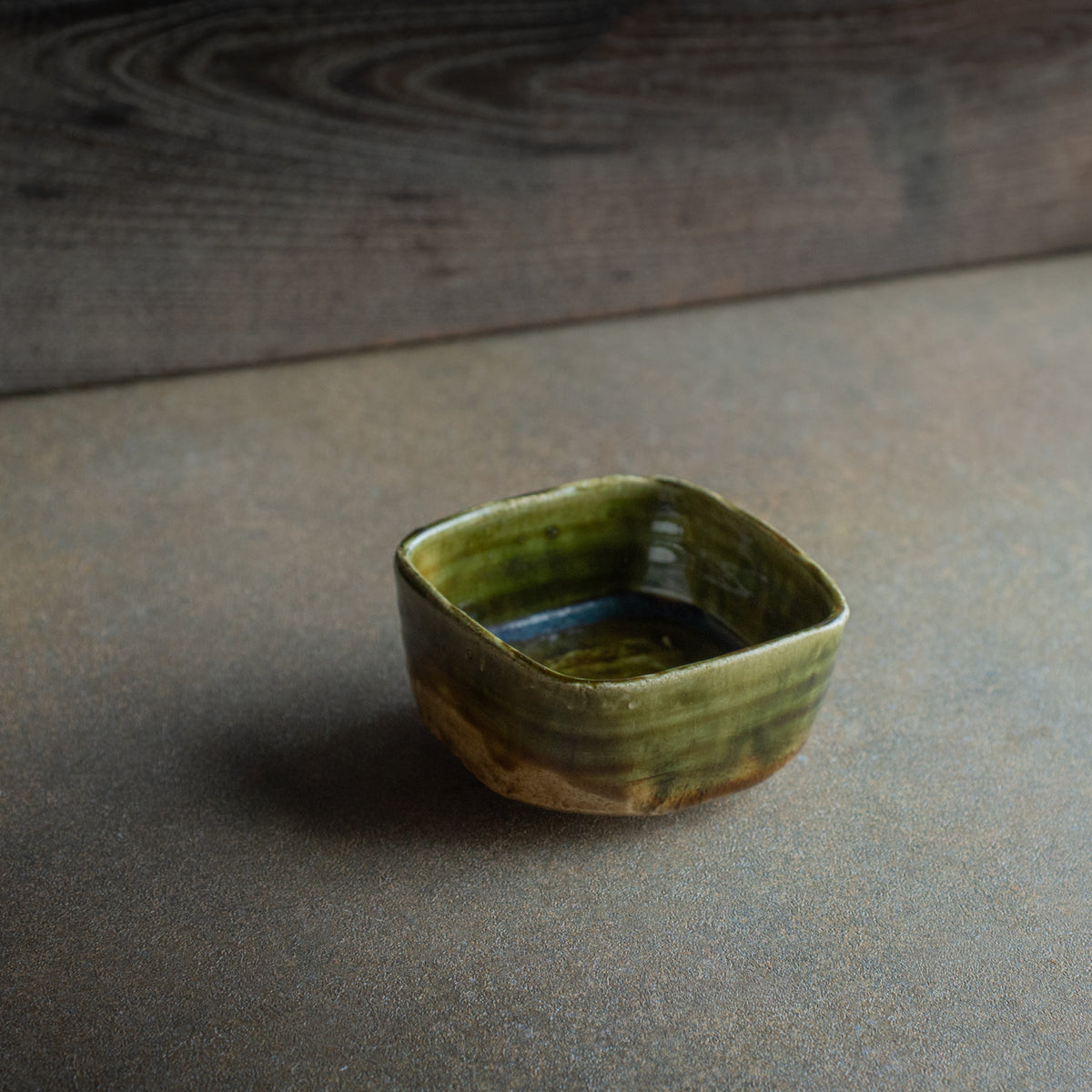
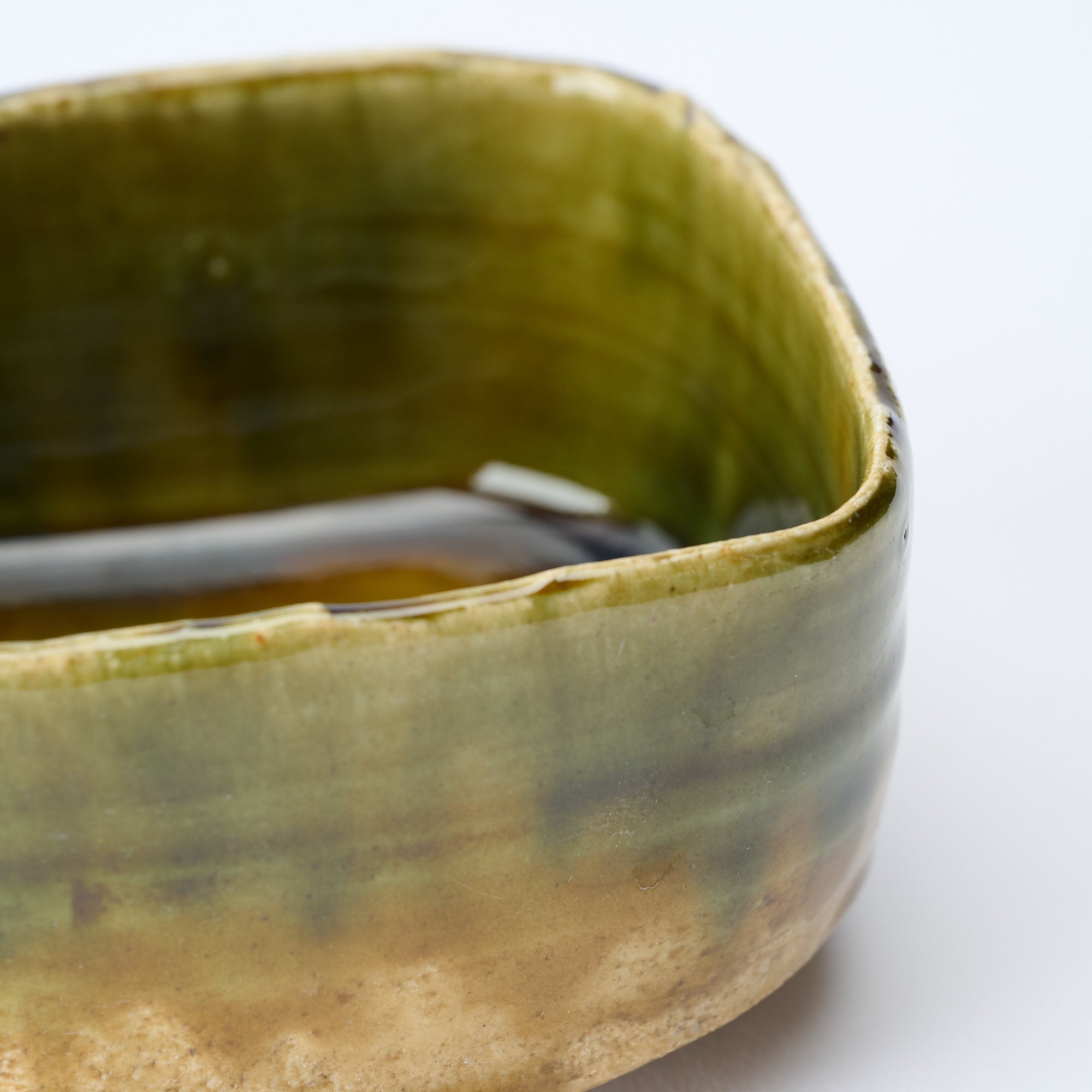
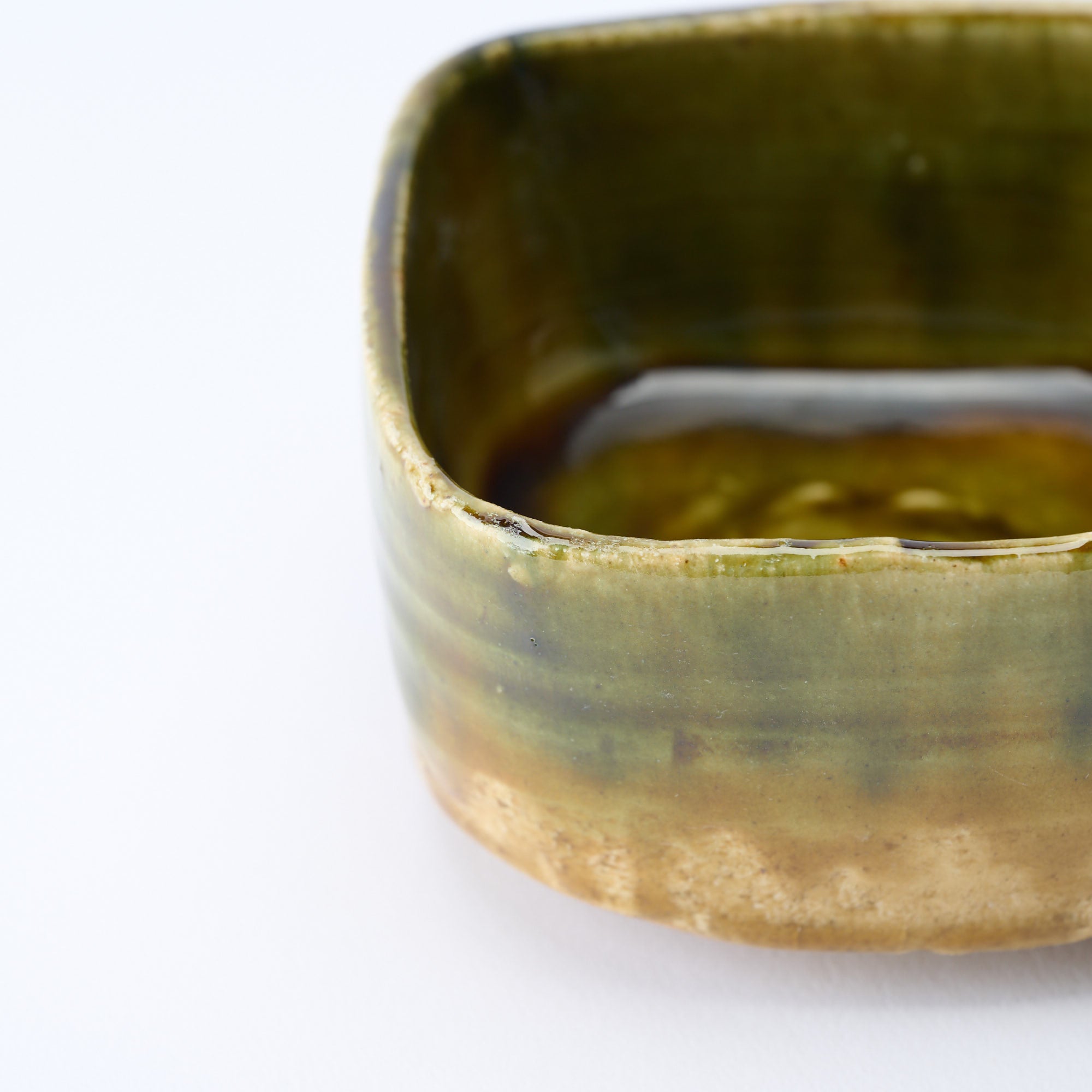
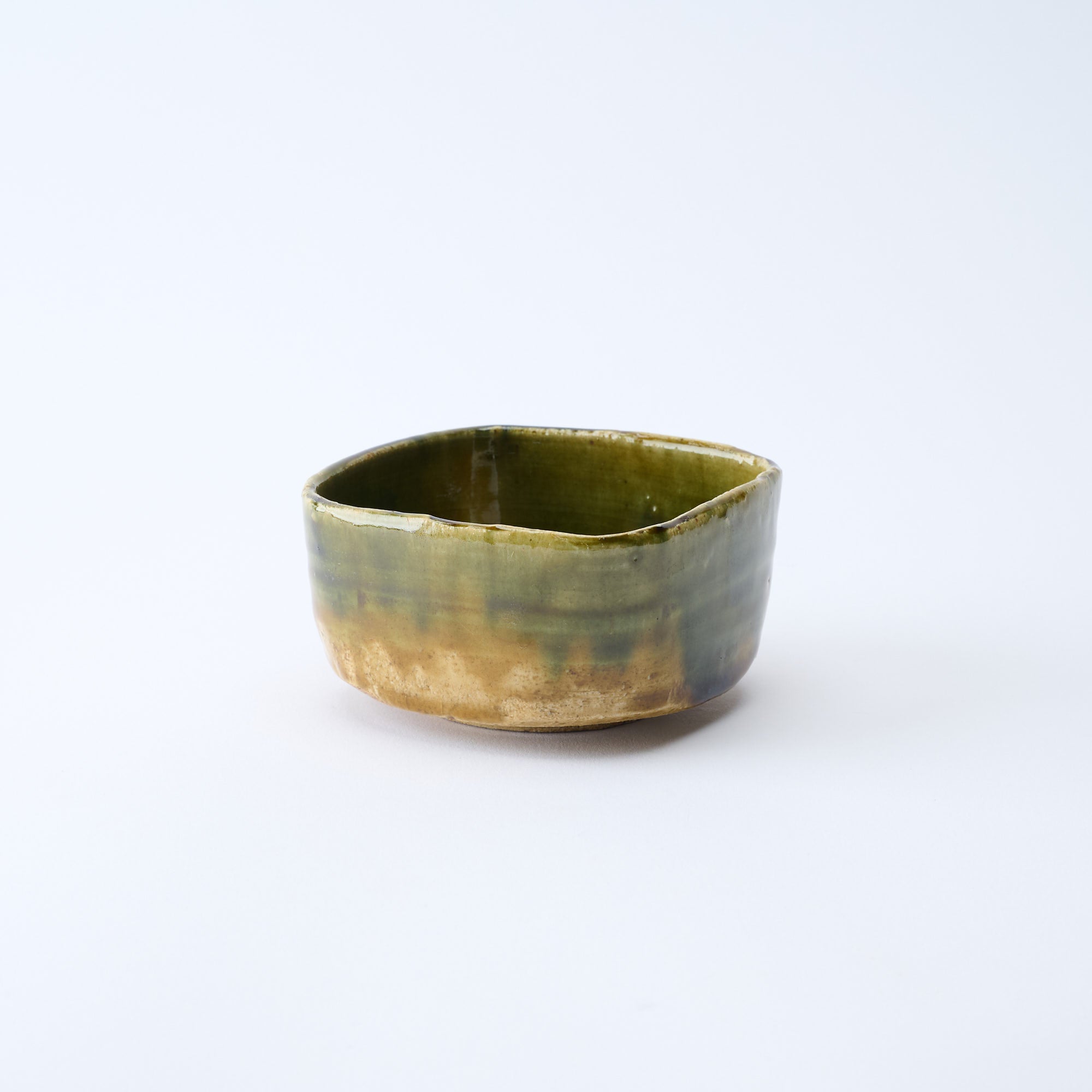
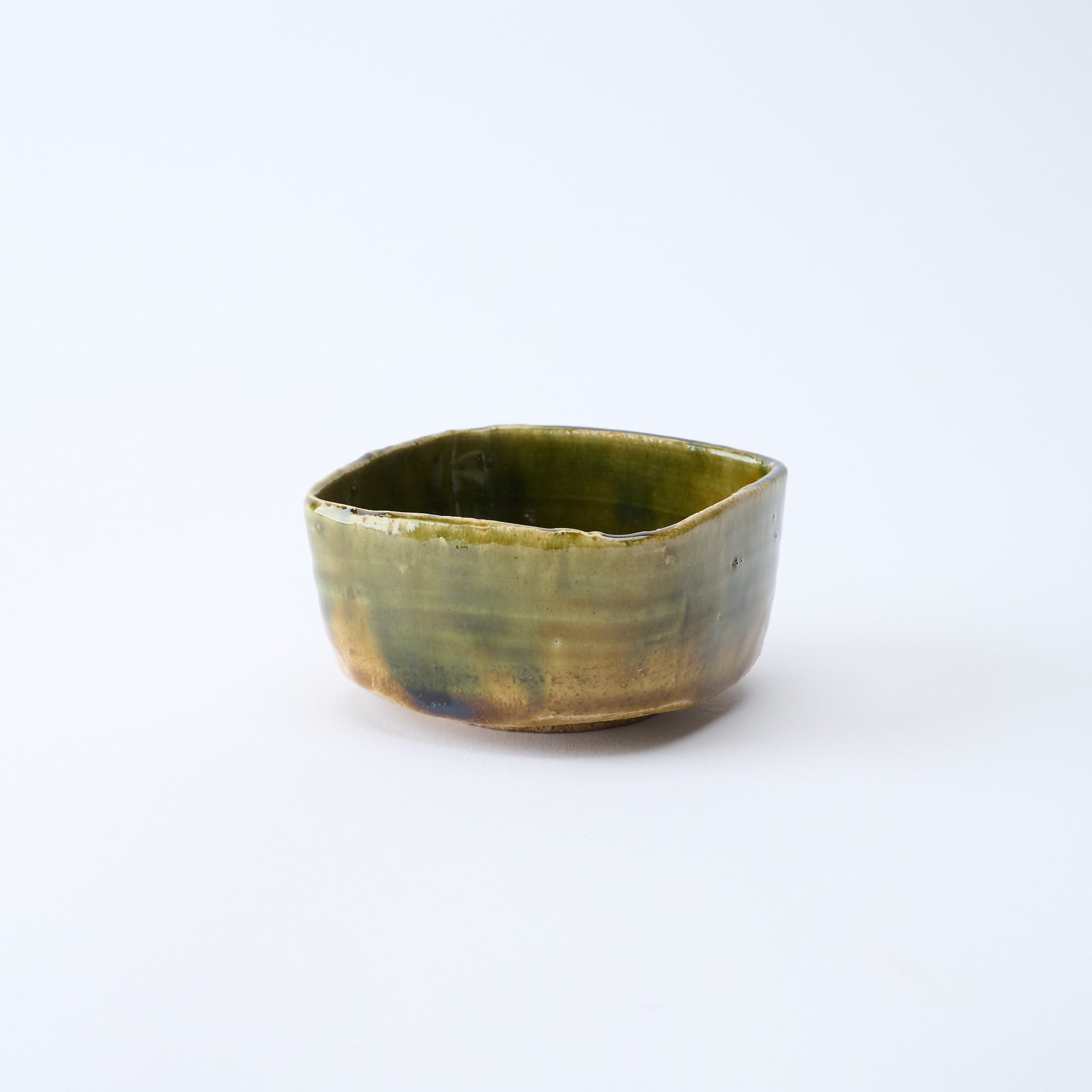
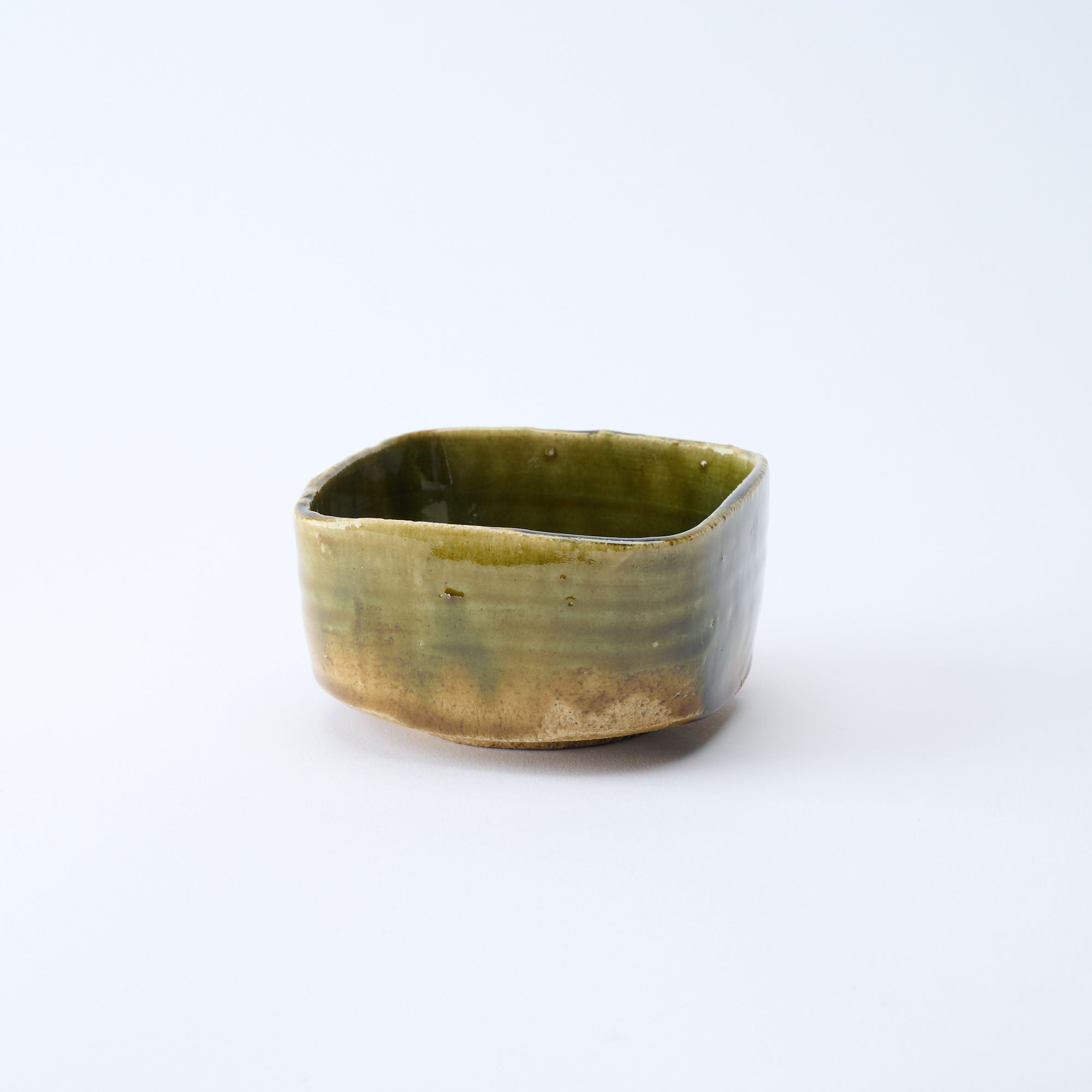
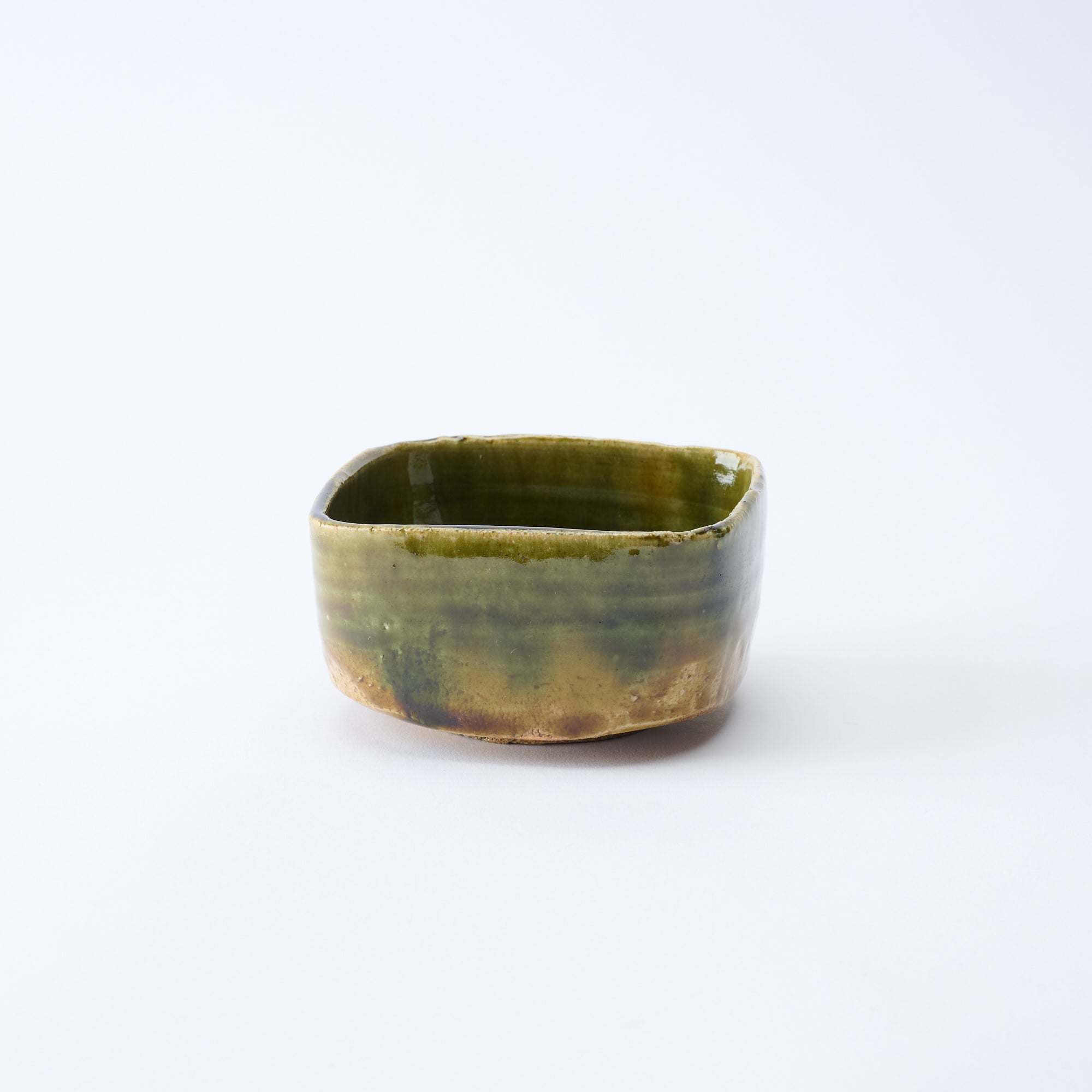
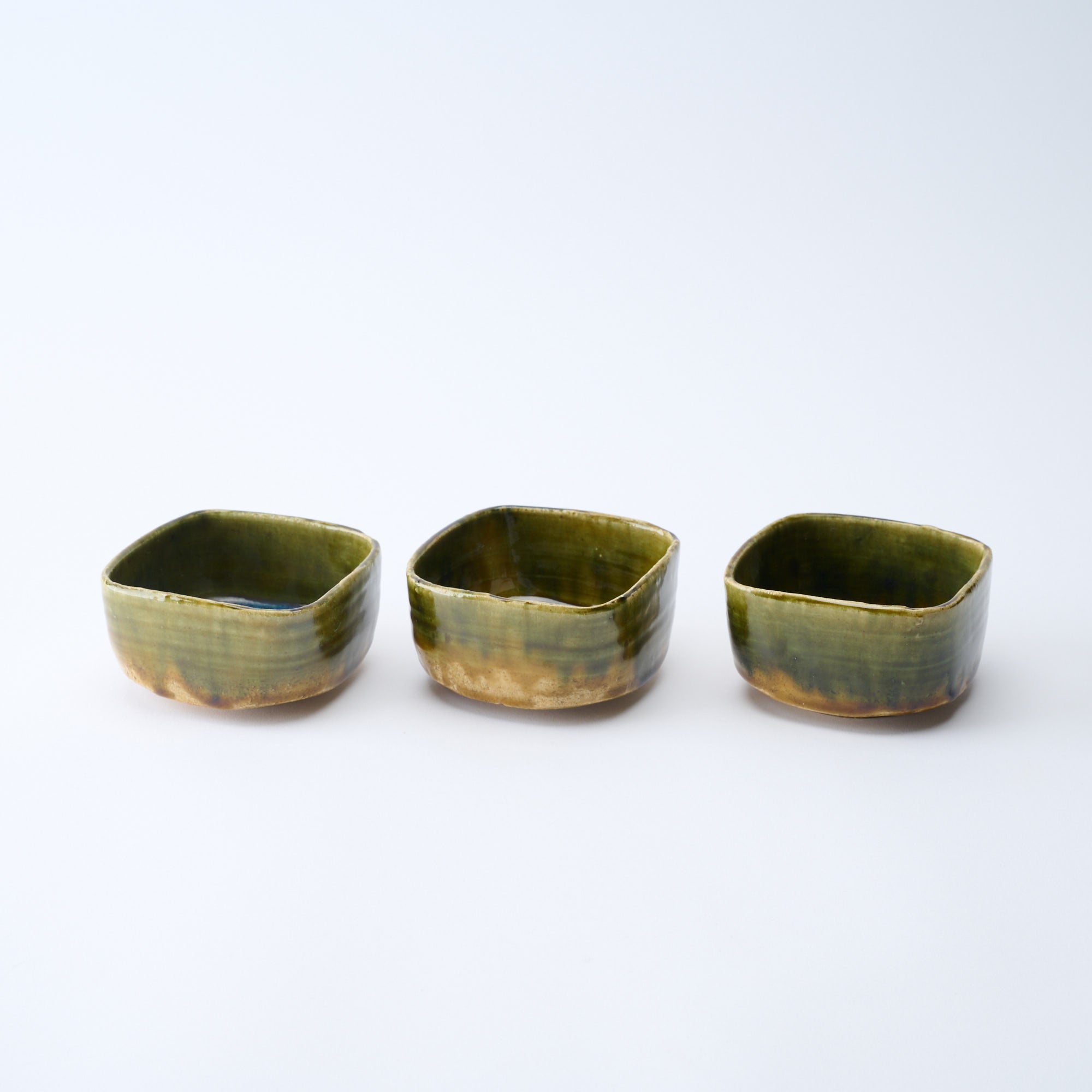
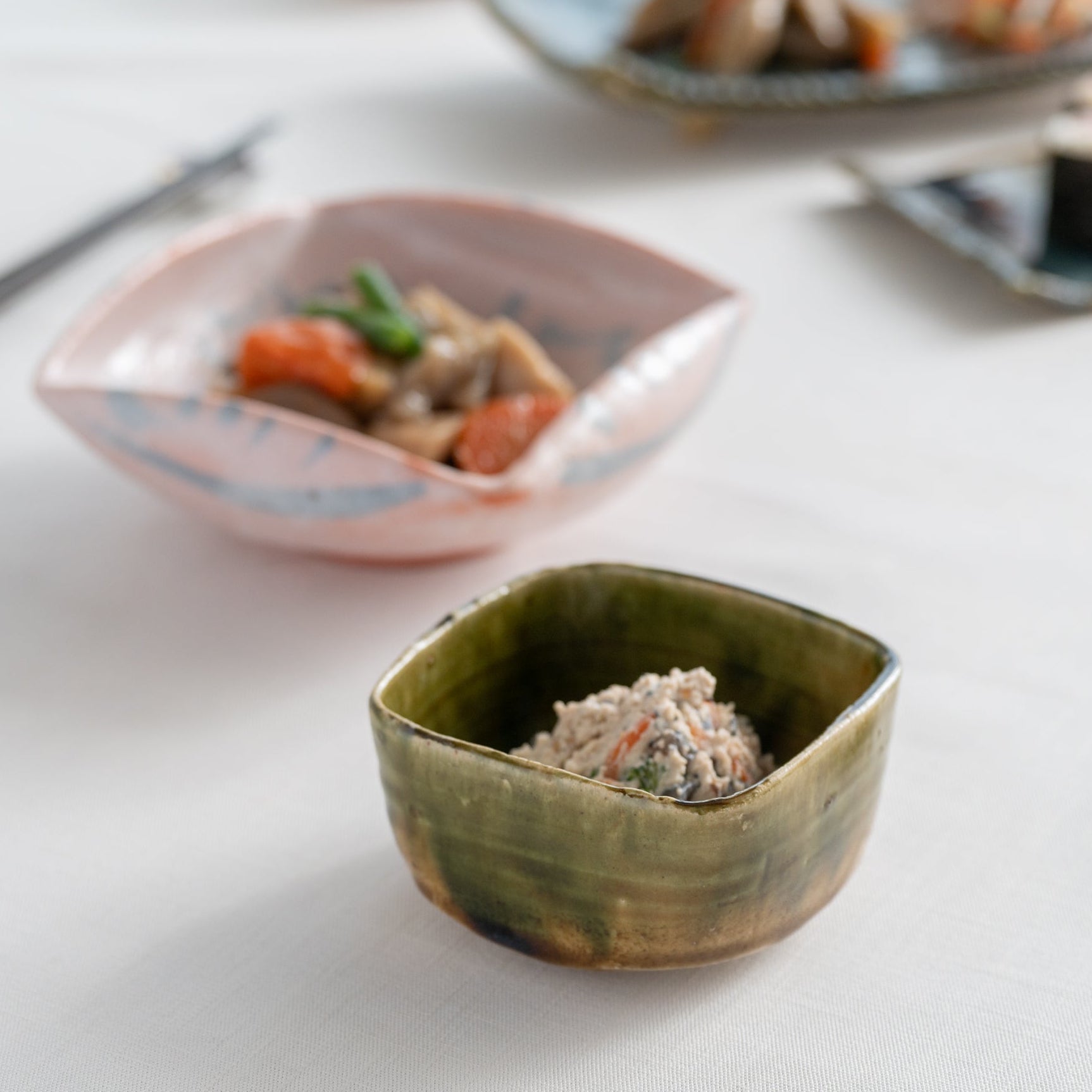
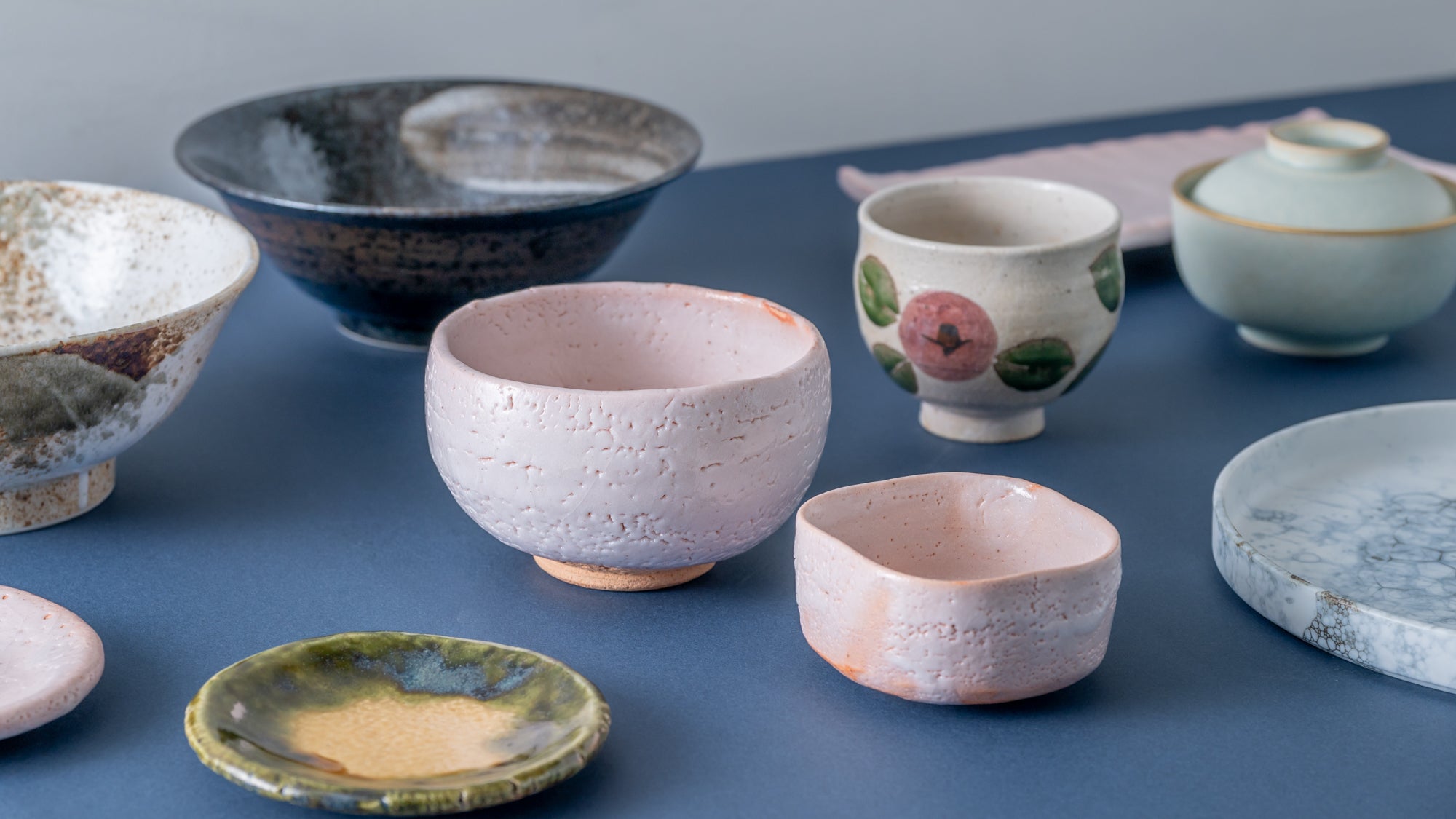
Fini avec un émail Oribe profond et lustré, ce kobachi façonné à la main reflète la sophistication discrète de la poterie japonaise tout en restant parfaitement adapté à l'usage quotidien.
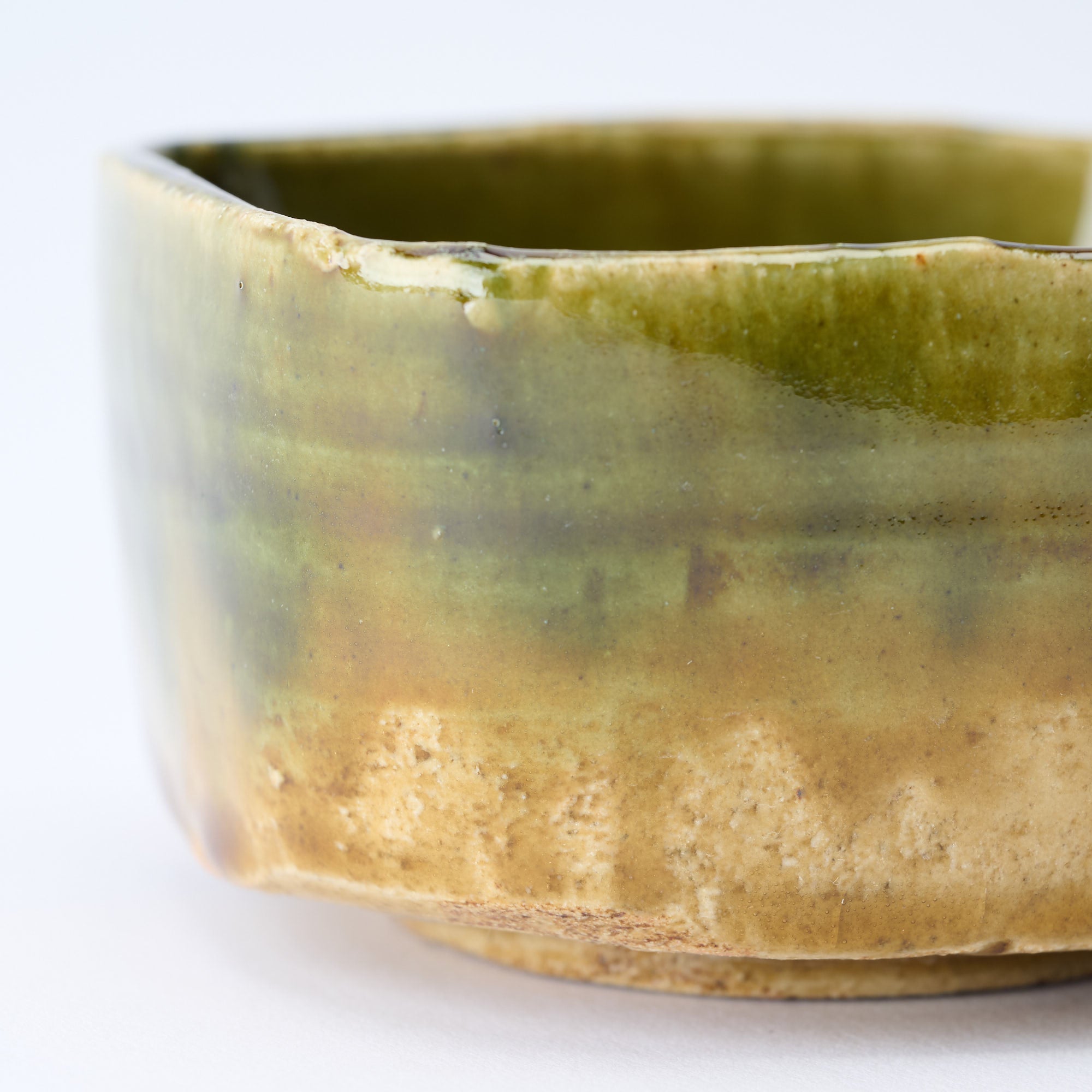
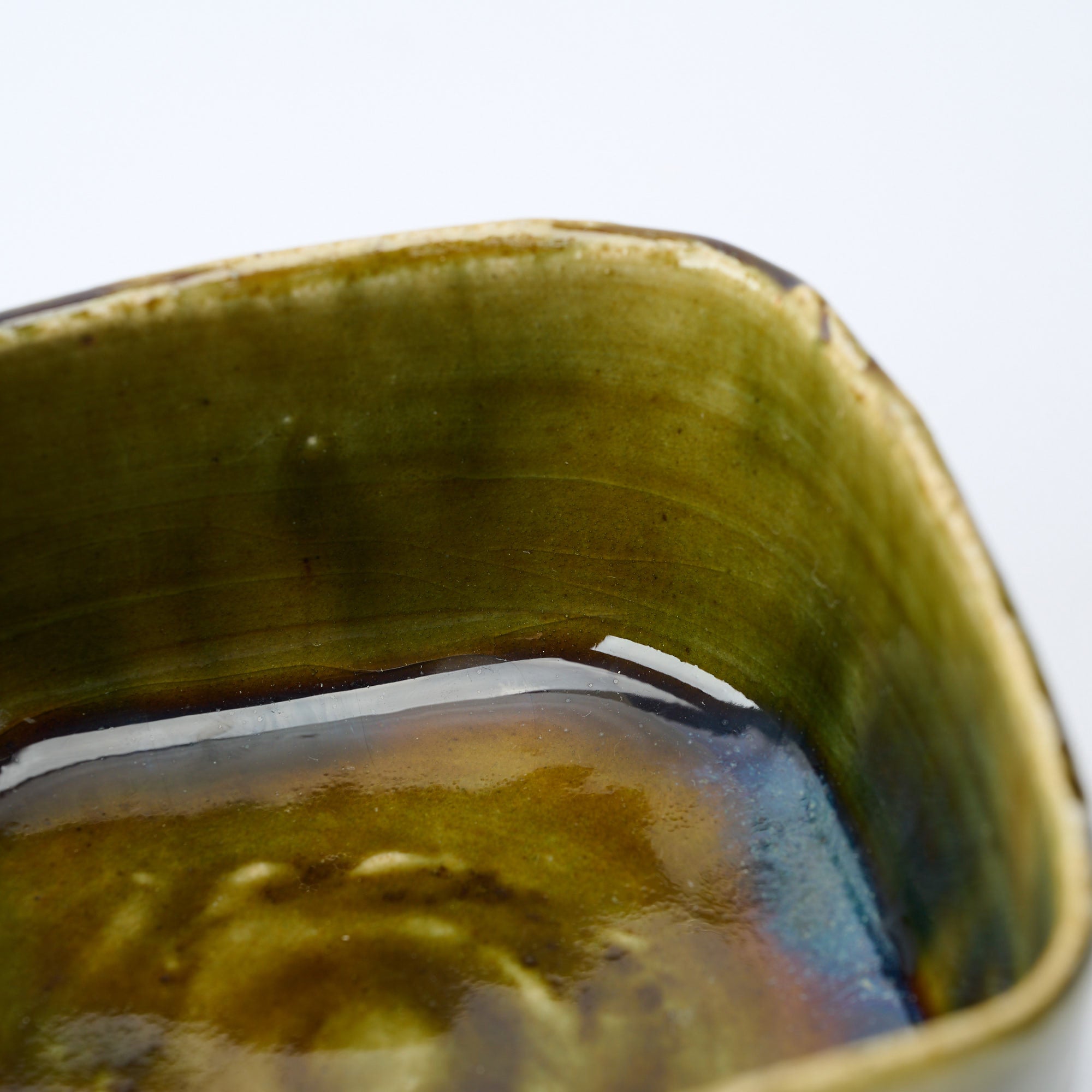
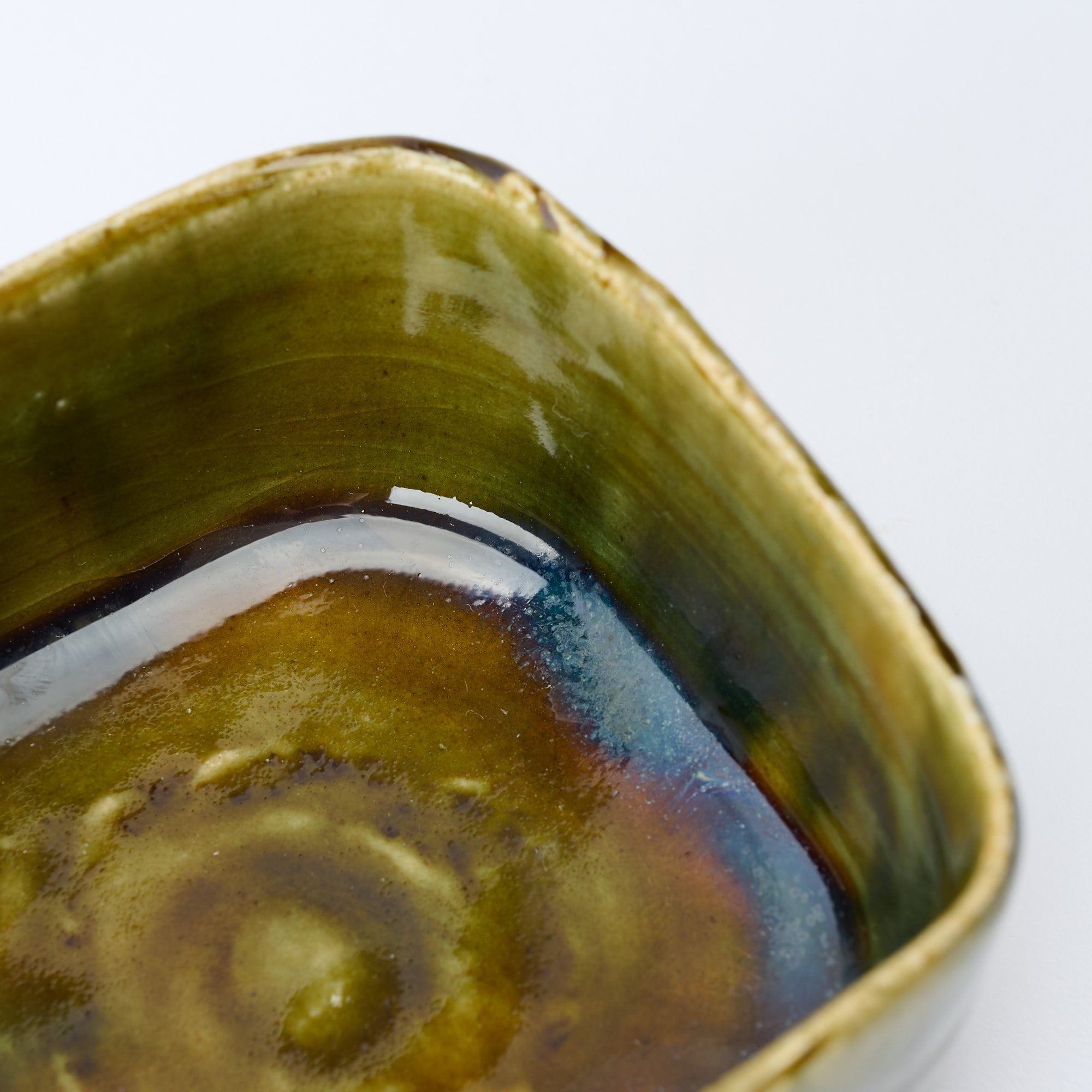
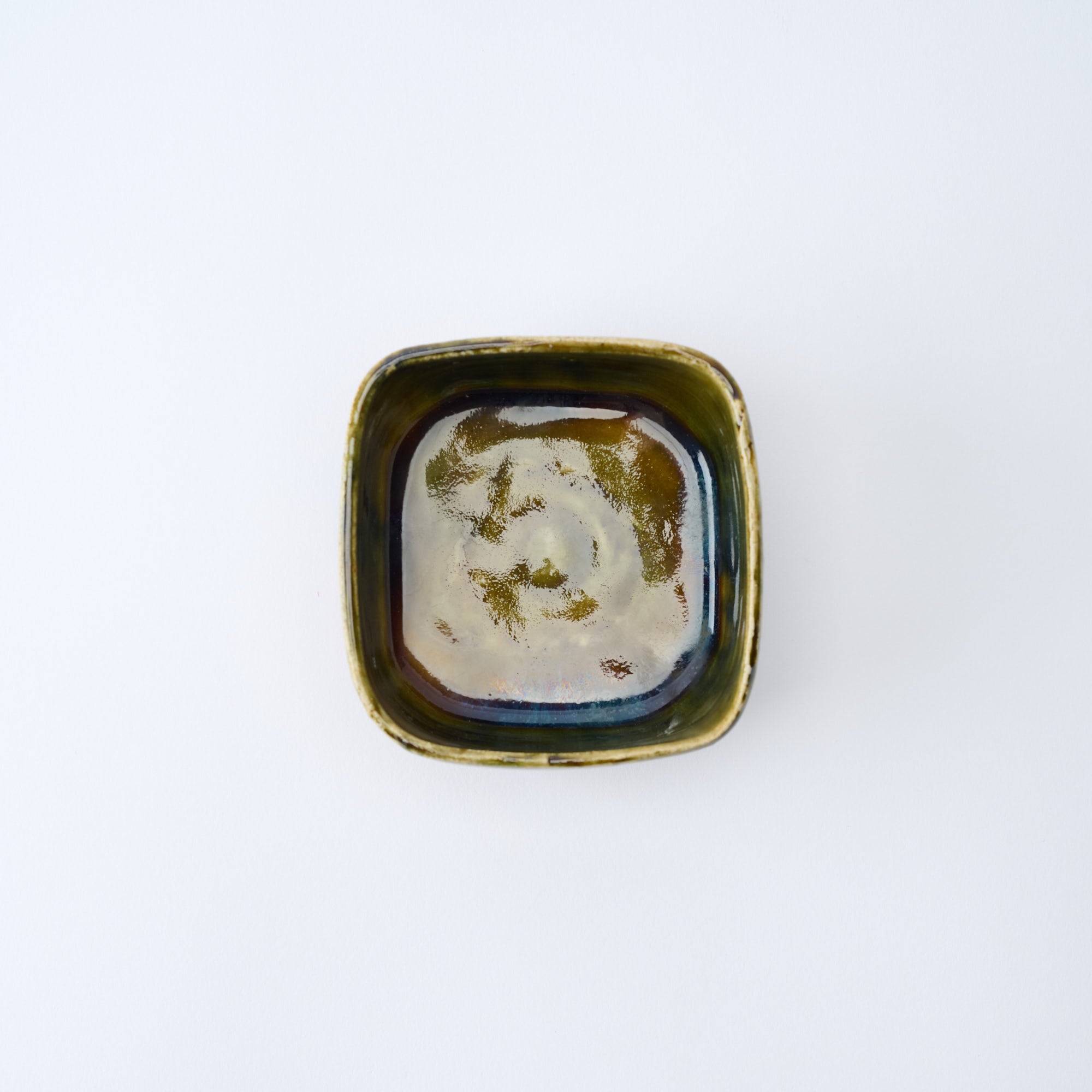
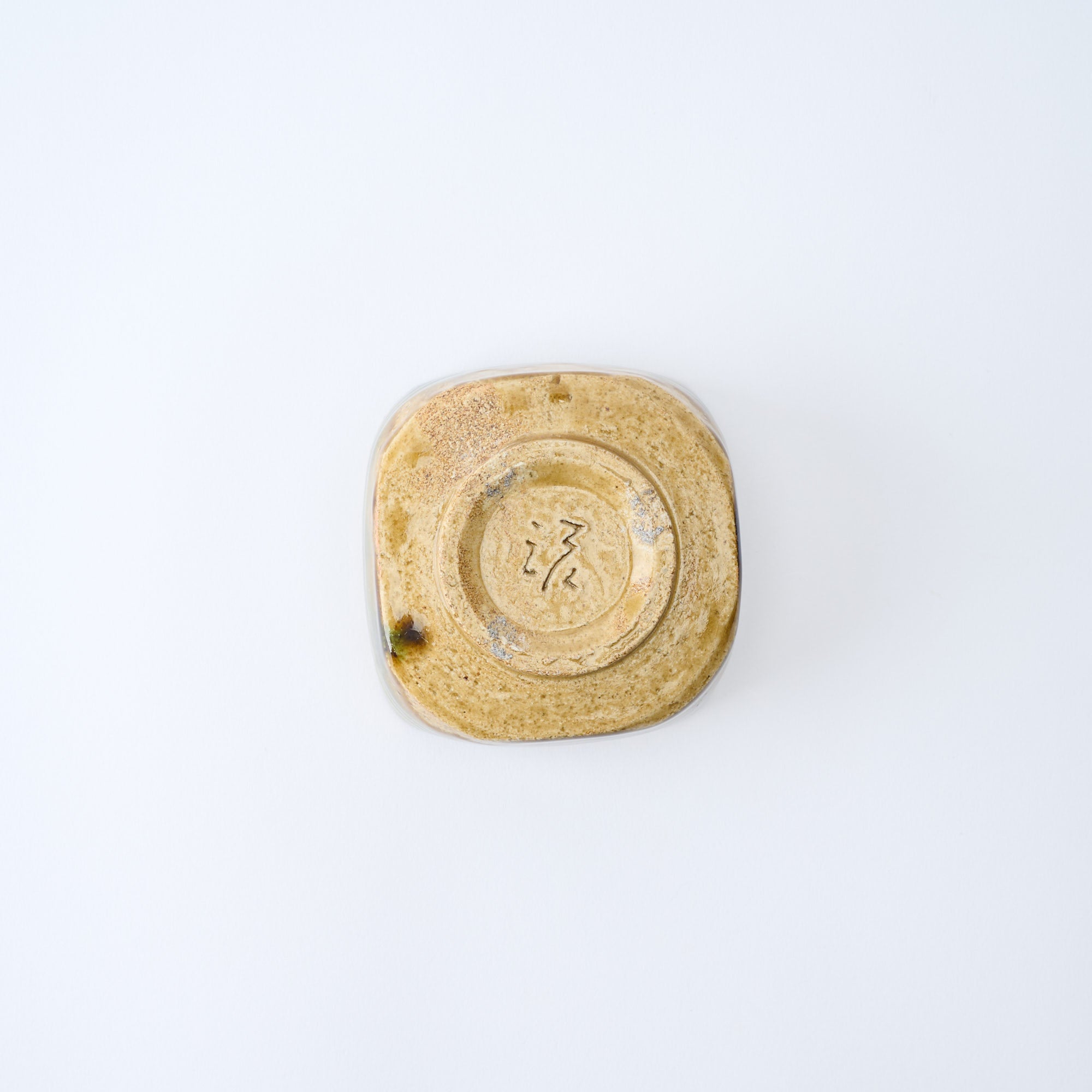
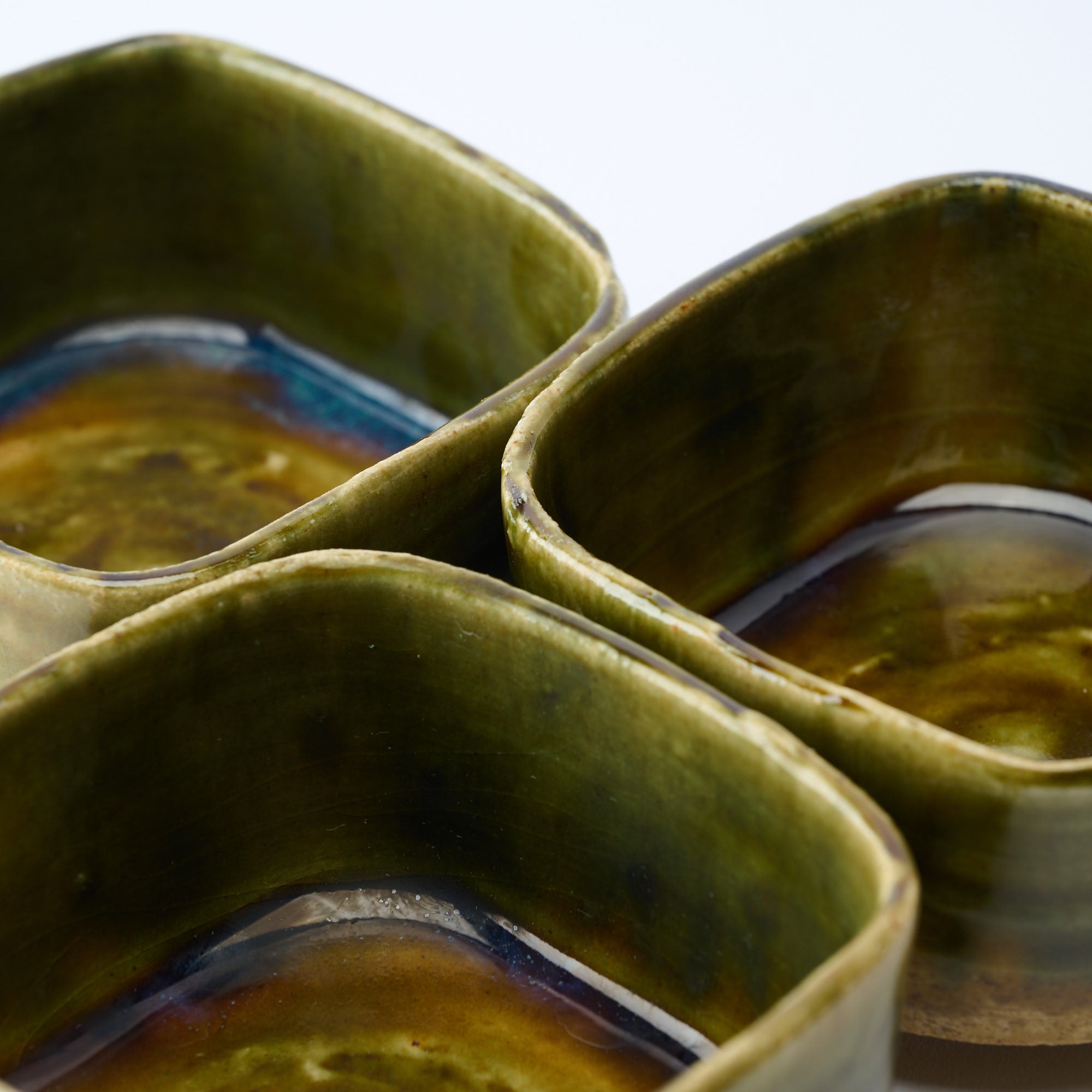
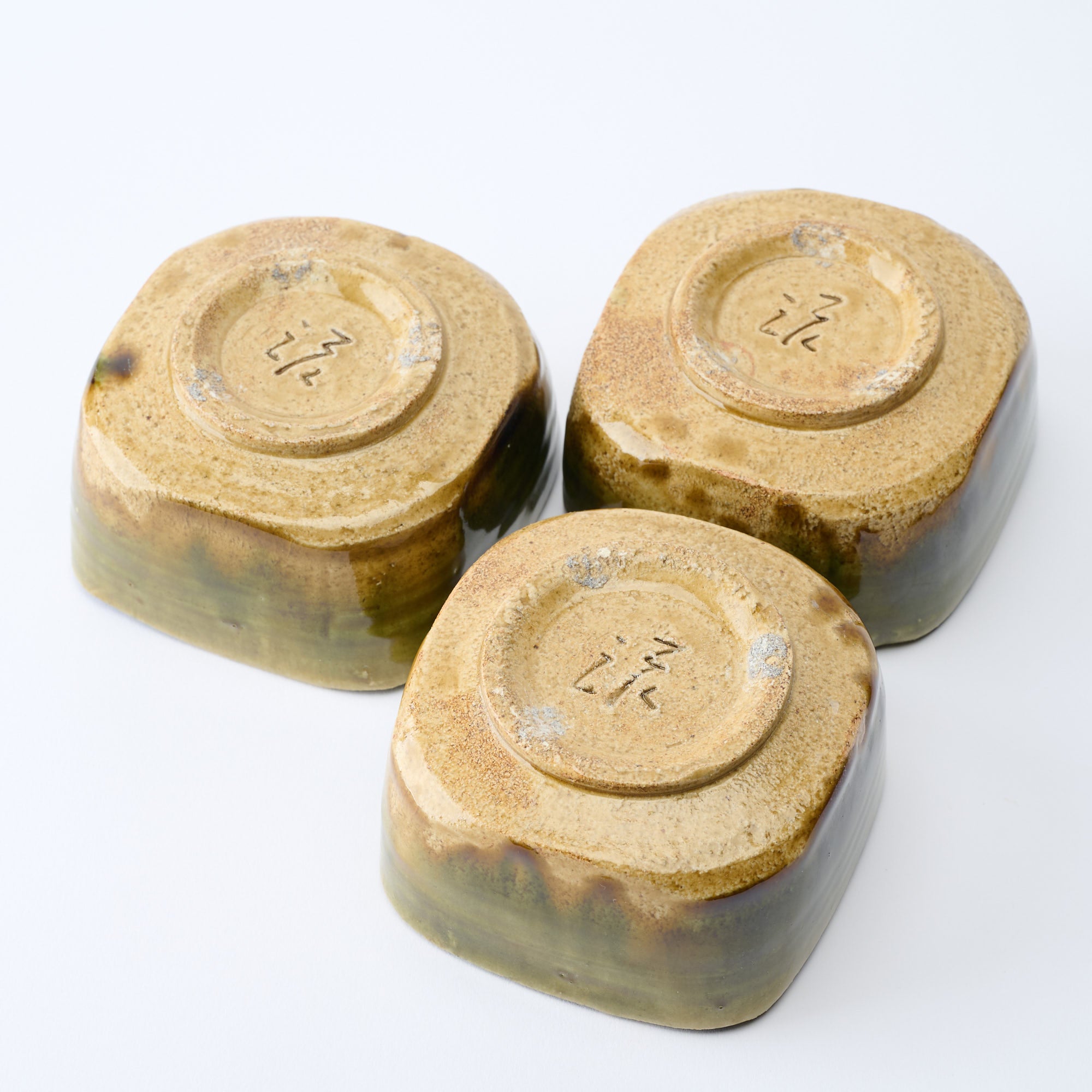
Une couche de base d'émail ki-Seto—un émail jaune pâle propre à Mino ware—est d'abord appliquée, suivie de couches d'émail Oribe brossées à la main, créant de douces gradations de vert, d'ambre et de bleu qui évoquent des paysages naturels. L'argile mogusa , connue pour son ton et sa texture subtils, répond de manière unique au feu, permettant à une beauté tranquille d'émerger à travers le processus et la forme. Les zones où l'émail est plus fin révèlent l'argile en dessous pour un contraste de texture agréable.
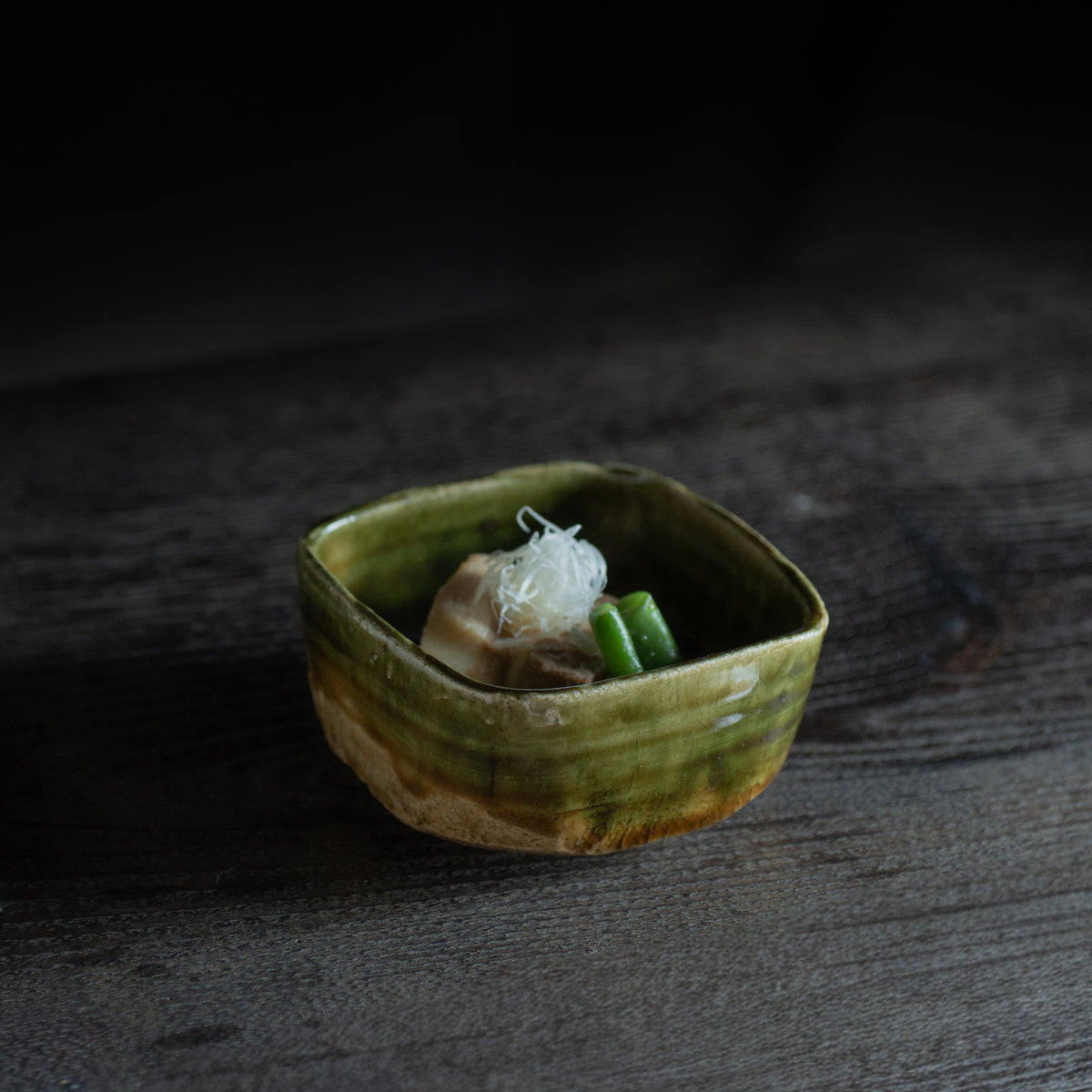
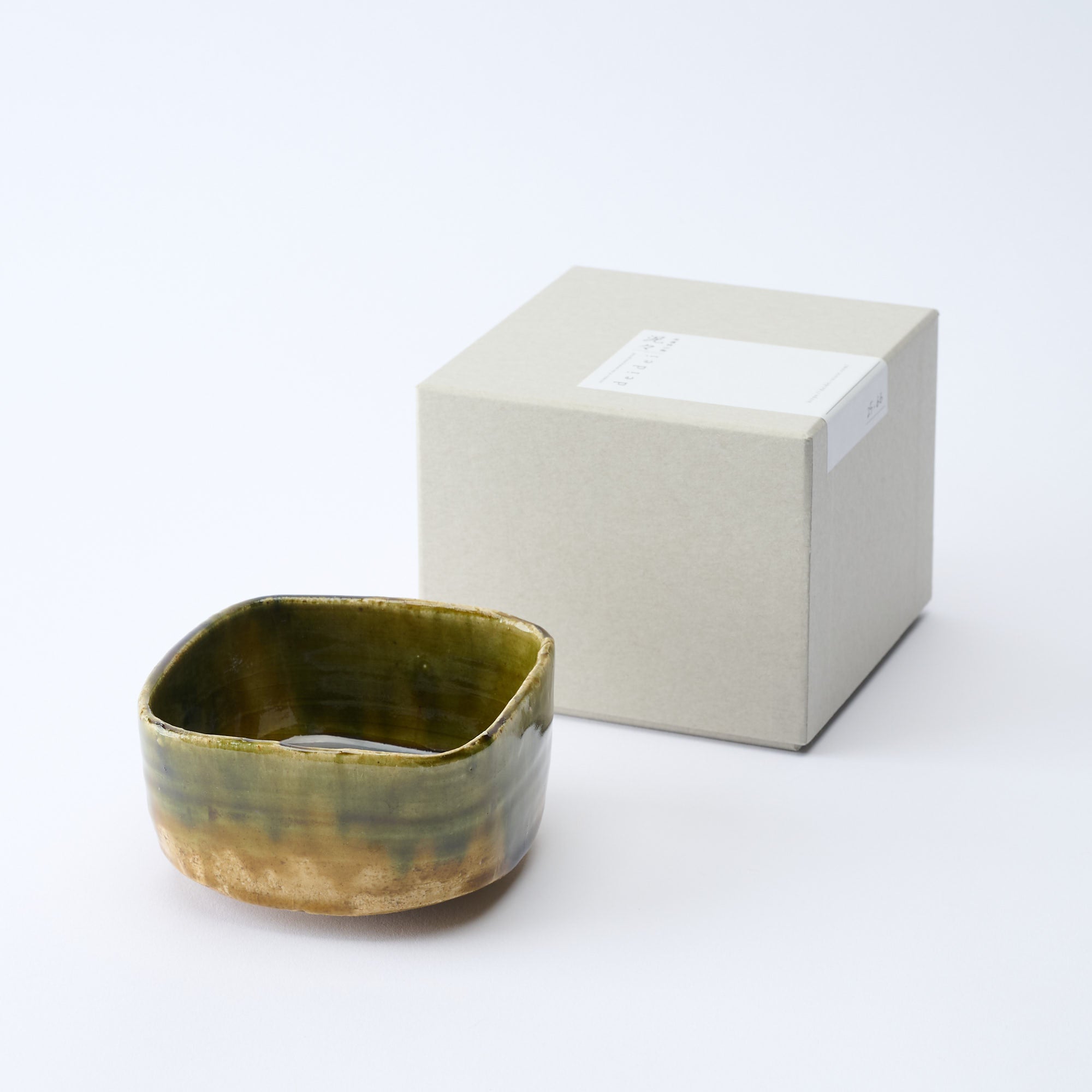
De taille idéale pour de petites portions, il convient aux accompagnements, aux pickles ou aux desserts délicats. Sa palette de couleurs terreuses complète toute table, qu'il soit utilisé seul ou combiné avec d'autres pièces Oribe pour une présentation cohérente. La boîte élégante en fait une belle option de cadeau.
DES DÉTAILS
| Quantity | 1 |
| Size |
D 10.0 cm (3.9 in) x H 5.5 cm (2.2 in) [Size of opening] D 9.0 cm (3.5 in) |
| Capacity | approx. 6.1 fl oz (180 ml) |
| Weight | approx. 8.1 oz (230 g) |
| Material | Stoneware |
| Package Type | Paper box |
| Microwave | No |
| Dishwasher | No |
Fabricant / Marque
Basé à Mitake, dans la préfecture de Gifu, l'atelier familial deidei fabrique de la vaisselle japonaise qui perpétue la sagesse et les techniques de Mino ware transmises de génération en génération. Utilisant une argile qui se transforme magnifiquement tant par sa forme que par sa couleur, chaque pièce est façonnée à la main pour apporter chaleur et expression artistique au quotidien. Des glaçures douces et épaisses de Shino aux glaçures vertes expressives d'Oribe, les créations de deidei incarnent la tradition vivante de la céramique japonaise.

Artisanat
La céramique Mino, fabriquée dans la région de Tono, dans la préfecture de Gifu, est réputée pour sa richesse patrimoniale et sa polyvalence. Elle présente plus de quinze styles distincts, ce qui la rend plus variée que de nombreuses autres céramiques japonaises.
Représentant aujourd'hui plus de 50 % de la production céramique japonaise, sa popularité est inégalée. Classée artisanat traditionnel en 1978, la céramique de Mino allie profondeur historique et modernité, illustrant un savoir-faire exceptionnel.
Notes
Choisir les options
Oribe
Oribe est un style distinctif de céramique japonaise apparu au début du XVIIe siècle au sein de la tradition Mino. Nommé d'après le maître de thé Furuta Oribe, il se caractérise par des formes libres et des motifs de surface expressifs qui transmettent mouvement et individualité. Les artisans façonnent souvent l'argile à la main, ajustant subtilement le rebord ou le contour pour incarner cette esthétique avant la cuisson. L'asymétrie, les lignes audacieuses et un émail vert cuivré profond révèlent un rythme au sein de sa silhouette organique.
Petits bols Kobachi
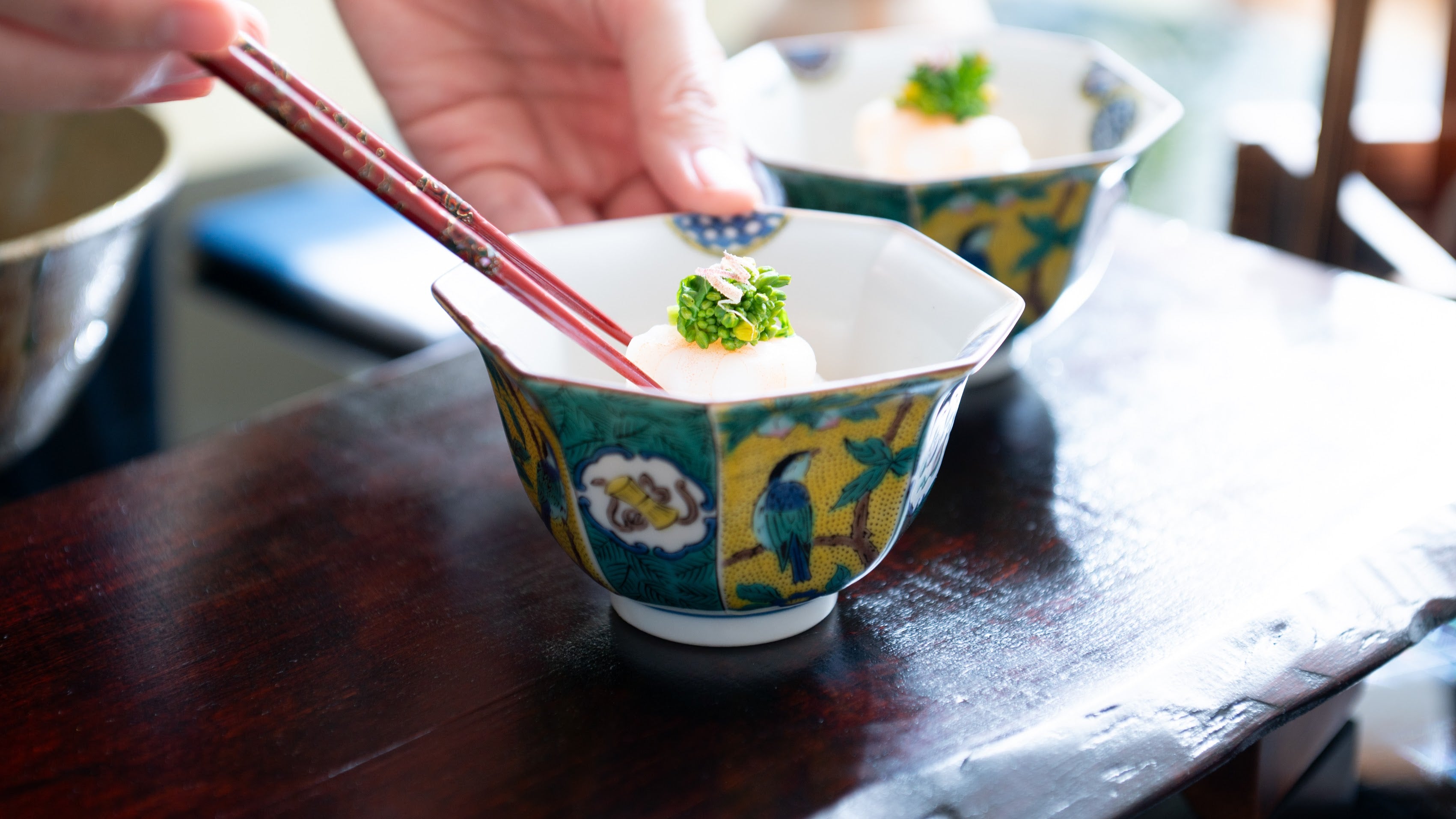
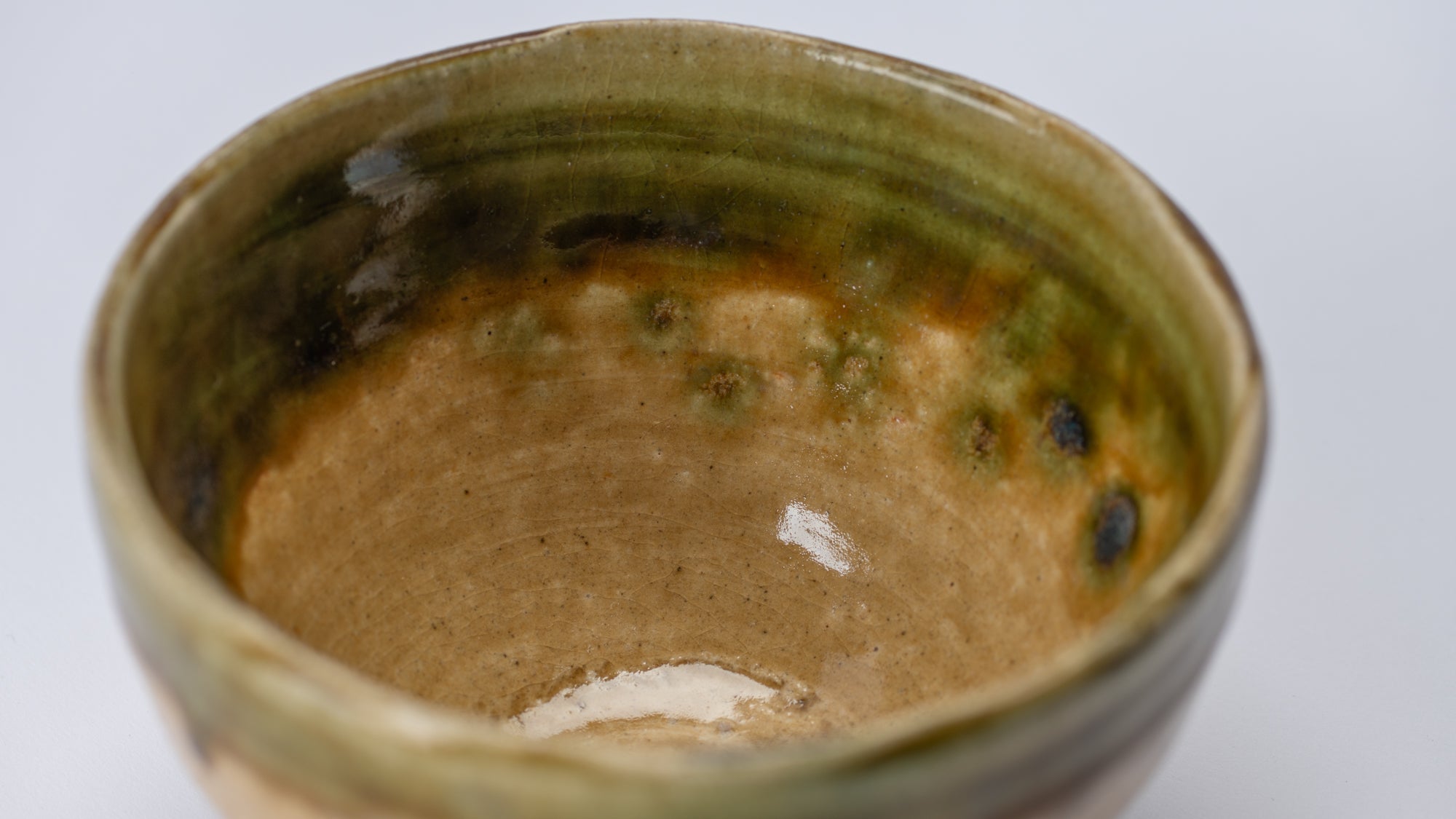
KobachiLes kobachi, littéralement « petits bols » en japonais, sont conçus pour servir entrées et accompagnements. Plus profonds qu'une petite assiette, mais plus petits qu'un plat principal ou un bol de ramen, les kobachi ont la taille idéale pour les ragoûts légers et les légumes mijotés. Intégrer un ou plusieurs kobachi à une table et disposer des plats de tailles et de couleurs différentes confère à votre repas une atmosphère japonaise authentique.
Cette catégorie comprend les bols dont le diamètre est inférieur à 12, 9 cm (5, 1 po) .