

Une fin calme et silencieuse — la fin de l'année au Japon
Découvrez les traditions paisibles du Nouvel An japonais, du grand nettoyage de fin d'année et de l'osechi aux visites de temples et aux sonneries de cloches.
Le premier réveillon du Nouvel An que j'ai vécu à Tokyo, je pensais passer un bon moment. Ne connaissant pas bien les coutumes, je me suis rendu à Ginza pour trouver un bar animé et un repas tardif. Je m'imaginais boire du champagne, danser et embrasser des inconnus à minuit. Des feux d'artifice !
Pourtant, à Ginza, un quartier habituellement vibrant de Tokyo, j'ai marché dans des rues désertes pour ne trouver qu'un seul restaurant ouvert. J'y suis entré pour un repas tranquille et solitaire, ayant appris que le Nouvel An au Japon et en Amérique ne pouvaient être plus différents.
Au fil des années, j'en suis venu à apprécier l'approche plus calme du Japon. De nos jours, les magasins, restaurants, distributeurs automatiques et même les bars festifs restent souvent ouverts pendant les fêtes du Nouvel An. Néanmoins, pour l'essentiel, les quelques jours avant et après le 31 décembre sont consacrés à des activités calmes, douces et belles.

Tokyo devient un peu agitée pendant la saison des bonenkai, ou « oublier l'année », du 1er décembre à juste après Noël. Durant ce mois, les réservations dans les restaurants sont limitées à deux heures (pour y faire entrer plus de clients), tandis que vieux amis, collègues, camarades de classe et amoureux envahissent les rues — le niveau sonore de la ville double.
Mais une fois que cela se calme, les derniers jours de l'année, les lieux de travail ferment, les gens rentrent chez eux, et l'effervescence et la précipitation habituelles de Tokyo deviennent quiétude et réflexion. Je ne sais jamais si ce calme de fin d'année est la vraie nature du Japon, ou si c'est l'agitation et le tumulte du reste de l'année qui le sont.
Vers le 28 décembre, les gens de mon quartier commencent à fixer des kadomatsu, décorations traditionnelles en pin et bambou, à leurs portes ou portails. Bien que la plupart les installent par habitude, les branches de pin symbolisent la longévité, et les coupes de bambou symbolisent les espoirs de prospérité. Ces décorations discrètes, vertes et brun clair, offrent une pause de réflexion lorsque les gens entrent et sortent des maisons et bâtiments, une sorte de seuil spirituel menant vers l'année suivante.

Le Japon possède de nombreux autres rituels simples et élégants. Osoji, ou « grand nettoyage » de fin d'année, figure en tête de liste et pourrait être le dernier éclat d'agitation de l'année. Ce n'est pas votre aspirateur, essuyage et dépoussiérage ordinaires. Mon quartier résonne des sons doux des futons battus, des salons aspirés, et des voitures lavées, rincées et essuyées. Lorsque mes voisins et moi croisons nos chemins de nettoyage, nous nous interpellons : « Vous nettoyez ? » même si c'est évident, avant d'échanger un doux salut de pré-Nouvel An.
Comme mon expérience à Ginza me l'a appris et comme je l'ai découvert plus tard, la plupart des gens ne sortent pas pour une célébration bruyante ou un repas somptueux ; ils restent chez eux et mangent des osechi, un festin traditionnel de petits plats servis et conservés dans des boîtes laquées. Personne ne cuisine vraiment pendant les trois premiers jours du Nouvel An ; on grignote ces délicieuses friandises colorées, toutes porteuses de significations propices. Récemment, cependant, la plupart des gens achètent leurs osechi dans les grands magasins ou en ligne plutôt que de passer des jours à préparer ces délicatesses complexes. La plus grande folie est généralement un verre ou deux de sake pour faire passer le tout.

Le seul jour de l'année où les trains circulent toute la nuit est le 31 décembre 31er. Ce n'est pas pour que les gens puissent aller à des fêtes toute la nuit ou faire la tournée des bars. Les trains circulent pour que les gens puissent visiter les temples pour Hatsumode, la première visite à un temple de la nouvelle année. L'idée est d'arriver au sanctuaire ou au temple exactement à minuit pour offrir la première prière de l'année. C'est plus facile à dire qu'à faire.
La première fois que j'ai essayé, je suis resté dans la file d'attente dans le froid pendant des heures au célèbre sanctuaire Meiji Jingu de Harajuku. Et par « file d'attente », j'entends vingt personnes de large, formant un vaste tapis humain s'étendant du torii extérieur jusqu'au sanctuaire intérieur. Des gardes sur des piédestaux tenaient des cordes pour empêcher la foule de se transformer en écrasement, et des lumières vertes et rouges suspendues au-dessus signalaient quand avancer ou rester immobile. Nous sommes arrivés tout devant vers deux heures du matin.


Heureusement, il y avait des toilettes le long du chemin et de petits stands vendant de l' amazake, du sake chaud, épais et sucré. La foule était calme, mais excitée d'être parmi les premiers, sinon les tout premiers, à offrir une prière silencieuse pour l'année suivante. Les seuls sons étaient le tintement des pièces jetées dans les boîtes de collecte, le claquement sourd d'une cloche et des applaudissements, avant que les gardes ne nous pressent vers la sortie.
J'évite les foules de nos jours en attendant calmement jusqu'au deuxième ou troisième jour de l'année avant de m'aventurer dehors. Le sanctuaire voisin, à quelques pas de chez moi, est trop petit pour accueillir une foule. Il ne comprend guère plus qu'un bâtiment de sanctuaire principal, quelques petits sanctuaires en bois et une fosse ouverte pour brûler les hamayade l'année précédente, ou flèches sacrées. Après avoir apporté l'ancienne flèche achetée l'année précédente pour la jeter dans le feu, les gens en achètent une nouvelle à rapporter chez eux et à exposer en hauteur pour éloigner les mauvais esprits et la malchance.
Traditionnellement, les toshikoshi soba sont le vrai plat à manger le dernier jour de l'année. On pense que les nouilles symbolisent la longue vie. Le sarrasin, essentiel aux soba, est une plante robuste qui survit par tous les temps, ajoutant une autre couche symbolique à l'ensemble des significations accompagnant le changement d'année.

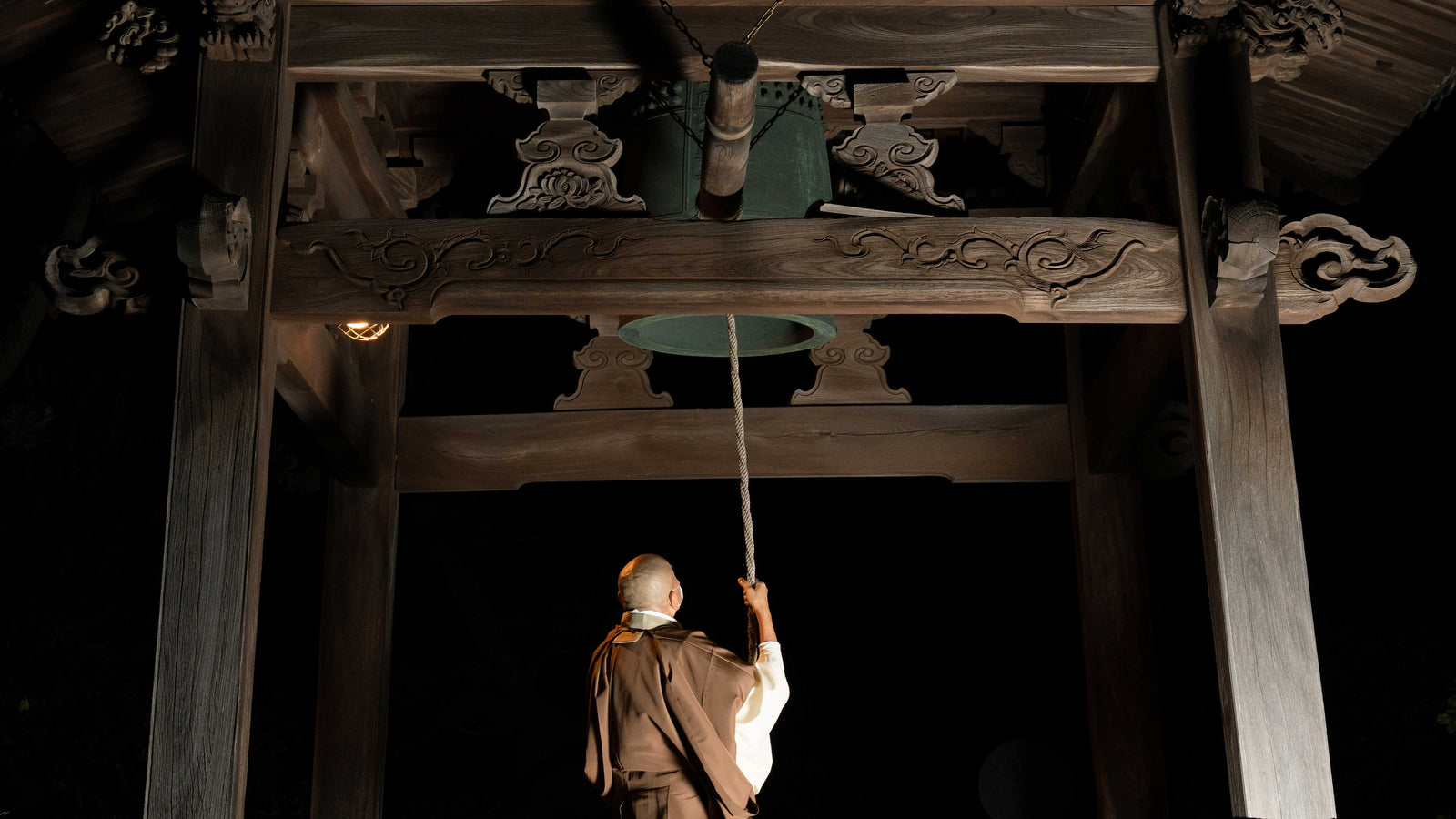
Mon rituel préféré du Nouvel An, cependant, est la sonnerie annuelle des Joya no Kane, ou « cloches de minuit ». Dans les temples de tout le pays, d'énormes cloches, certaines s'élevant à deux ou trois mètres de haut et pesant plusieurs tonnes métriques, sont frappées par des poteaux en bois façonnés à partir de troncs d'arbres. Les poteaux massifs sont suspendus à des cordes de balancement aériennes et tirés en arrière avec de longues et épaisses cordes de traction.
Il faut parfois plusieurs personnes, généralement de jeunes moines, pour saisir les cordes, balancer la poutre d'avant en arrière, puis se pencher dans un mouvement puissant qui frappe la cloche exactement au bon endroit pour obtenir une résonance maximale. Depuis le seuil arrière de ma maison, j'entends la cloche du temple le plus proche sonner précisément à minuit. Ses tonalités douces s'élèvent au-dessus des arbres et montent la falaise dans l'air glacé de minuit. Le reste de la ville est silencieux, comme si tout le monde écoutait les cloches.

Les cloches sonnent 108 fois, chaque coup dissipant l'un des désirs terrestres qui, selon la croyance bouddhiste, causent la souffrance humaine. Dans certains temples, les cloches et le maillet sont si grands qu'il faut un certain temps pour terminer les 108 coups. Mais il est difficile de le dire, car tout semble ralentir tandis que le mystère du temps lui-même écarte les divisions habituelles des calendriers et des horloges qui définissent nos vies. Nos pensées peuvent s'attarder sur les cloches.
Pour ceux qui n'habitent pas à portée d'oreille d'un sanctuaire ou d'un temple, la chaîne publique NHK propose un programme diffusé de 23h45 à 00h15. C'est mon émission préférée de l'année ! Diffusée en haute définition en direct depuis des temples partout au Japon, des climats les plus froids d'Hokkaido à la brise douce d'Okinawa, elle montre les cloches et les cérémonies des temples les plus célèbres du Japon. Pendant 108 coups, le Japon semble être une nation insulaire unie dans une harmonie résonnante.

Je ne suis pas certain que les cloches purgent toutes mes passions mauvaises, mais cela importe peu ; je suis toujours réinitialisé. Et de toute façon, au Japon, les feux d'artifice viennent en été. C'est une catharsis différente de mes fêtes du Nouvel An d'autrefois en Amérique, mais c'est devenu, pour moi, un marqueur poignant et délicat du passage du temps.

Présentateur : Michael Pronko
Michael Pronko est un écrivain basé à Tokyo, spécialisé dans les mémoires, les romans policiers et la musique. Il est reconnu pour ses écrits sur la vie à Tokyo et ses romans à suspense centrés sur les personnages, tels que « The Last Train », qui ont reçu des prix et des critiques cinq étoiles.
Stay close to the craft
Now and then, a quiet letter — new stories, seasonal notes, and the hands behind the work.
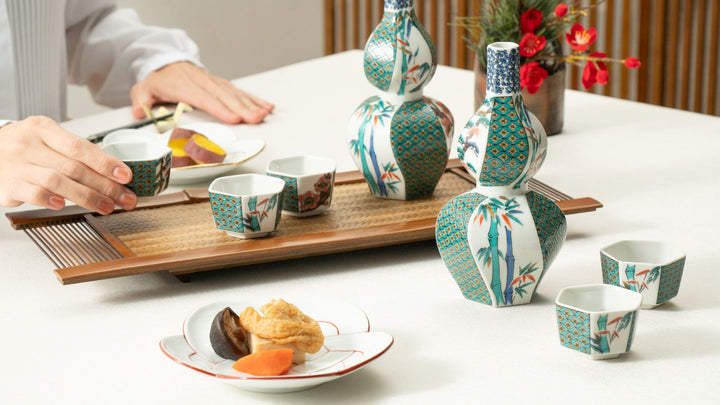
Accueillez une nouvelle année joyeuse avec les plantes porte-bonheur japonaises
Célébrez le Nouvel An avec les plantes symboliques du Japon. Pin, bambou, prunier et…
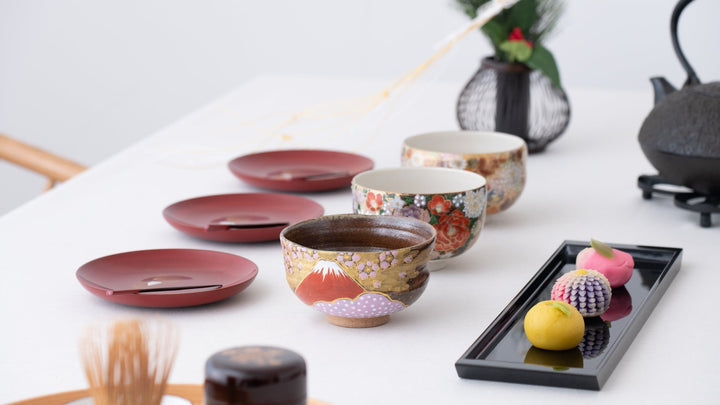
Accueillir la nouvelle année avec un bol de thé matcha
Savourez votre première tasse de thé matcha de la nouvelle année avec cette élégante…
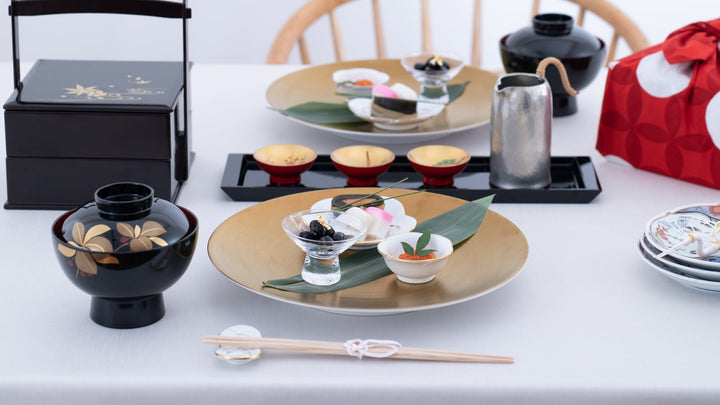
Une célébration du Nouvel An chaleureuse
Célébrez la nouvelle année avec une table dressée à la japonaise pour deux personnes,…
Leave a comment