
Petit bol Kobachi Kaiseki à relief floral
Ships from Japan · Free shipping on orders over $250 USD
Estimated Shipping Widget will be displayed here!
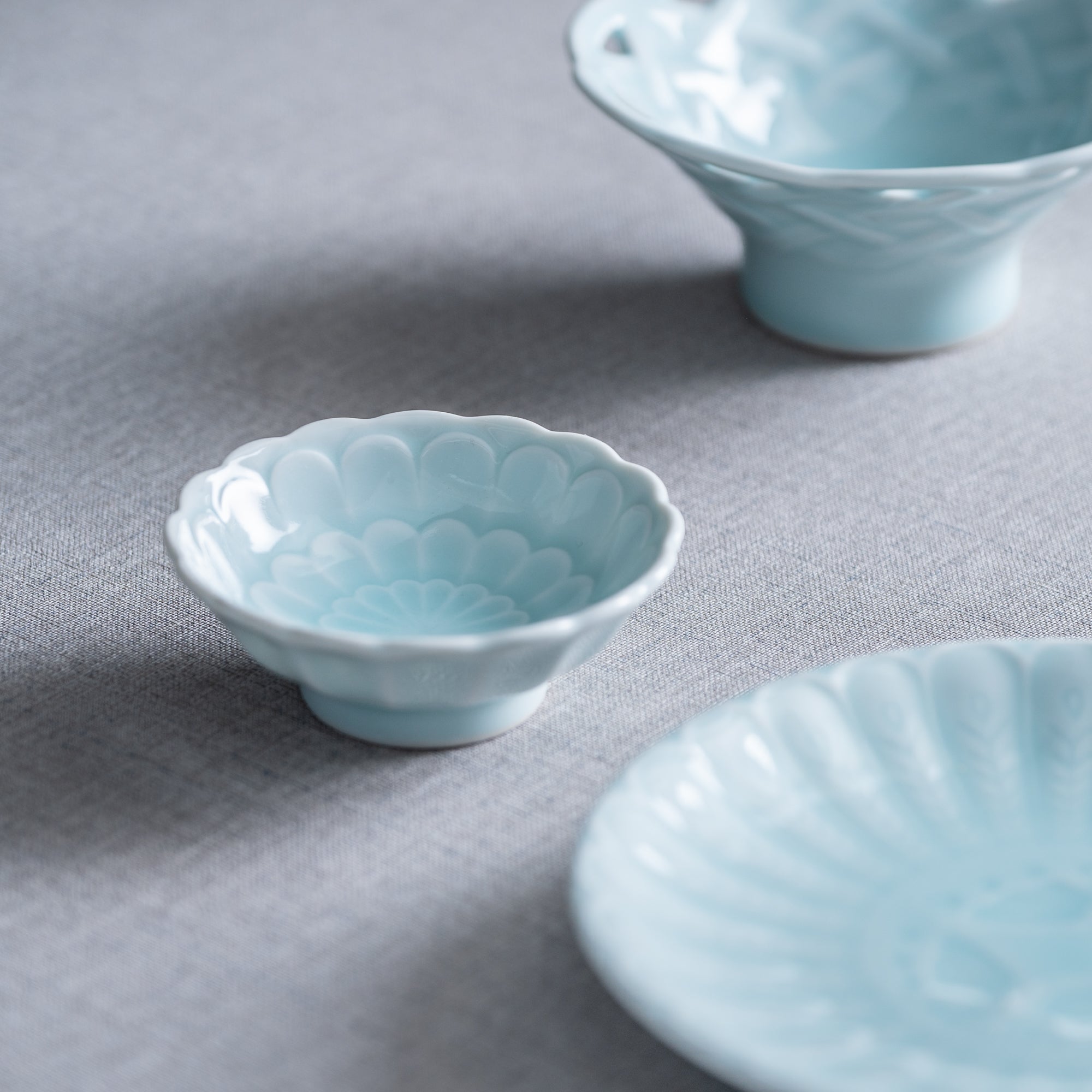
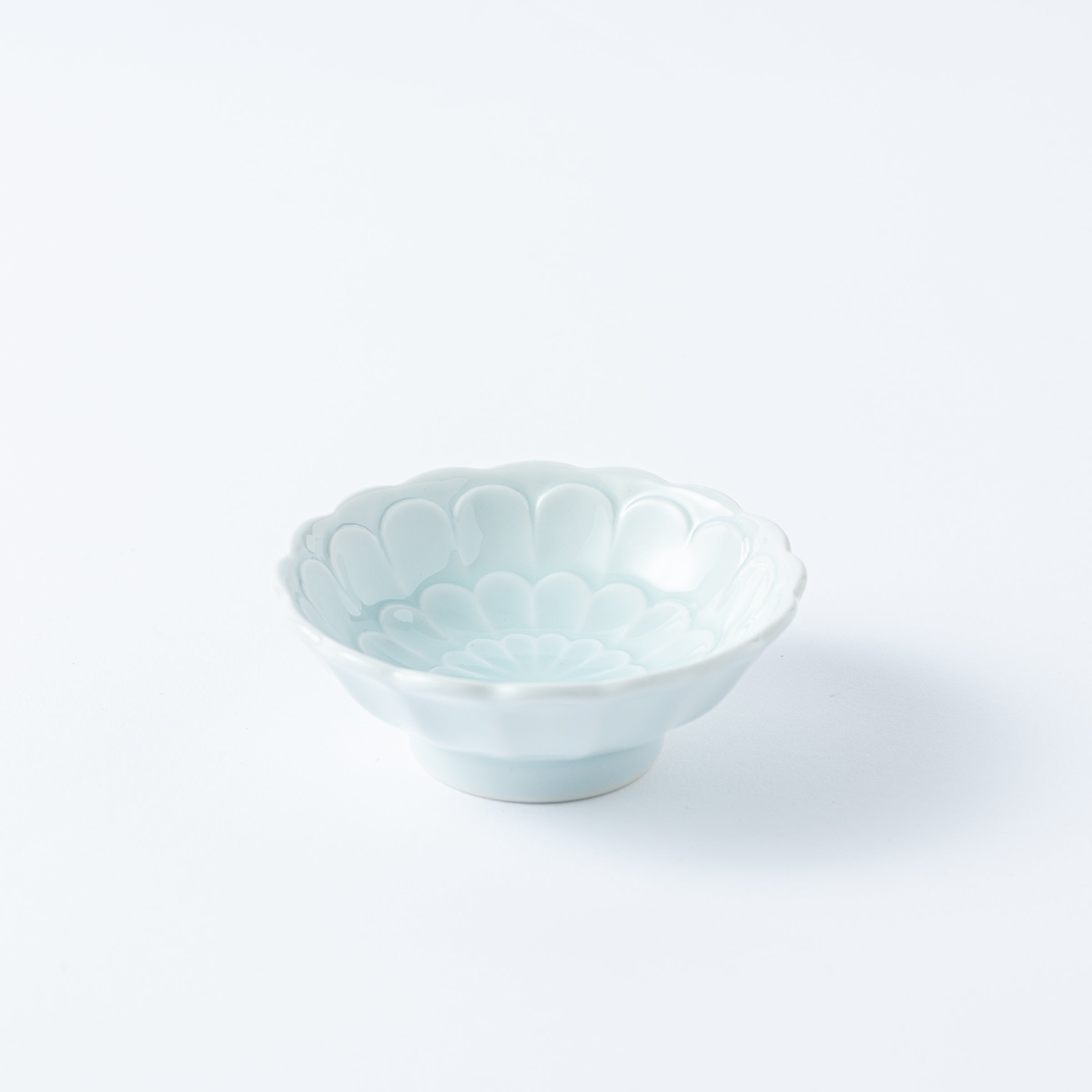
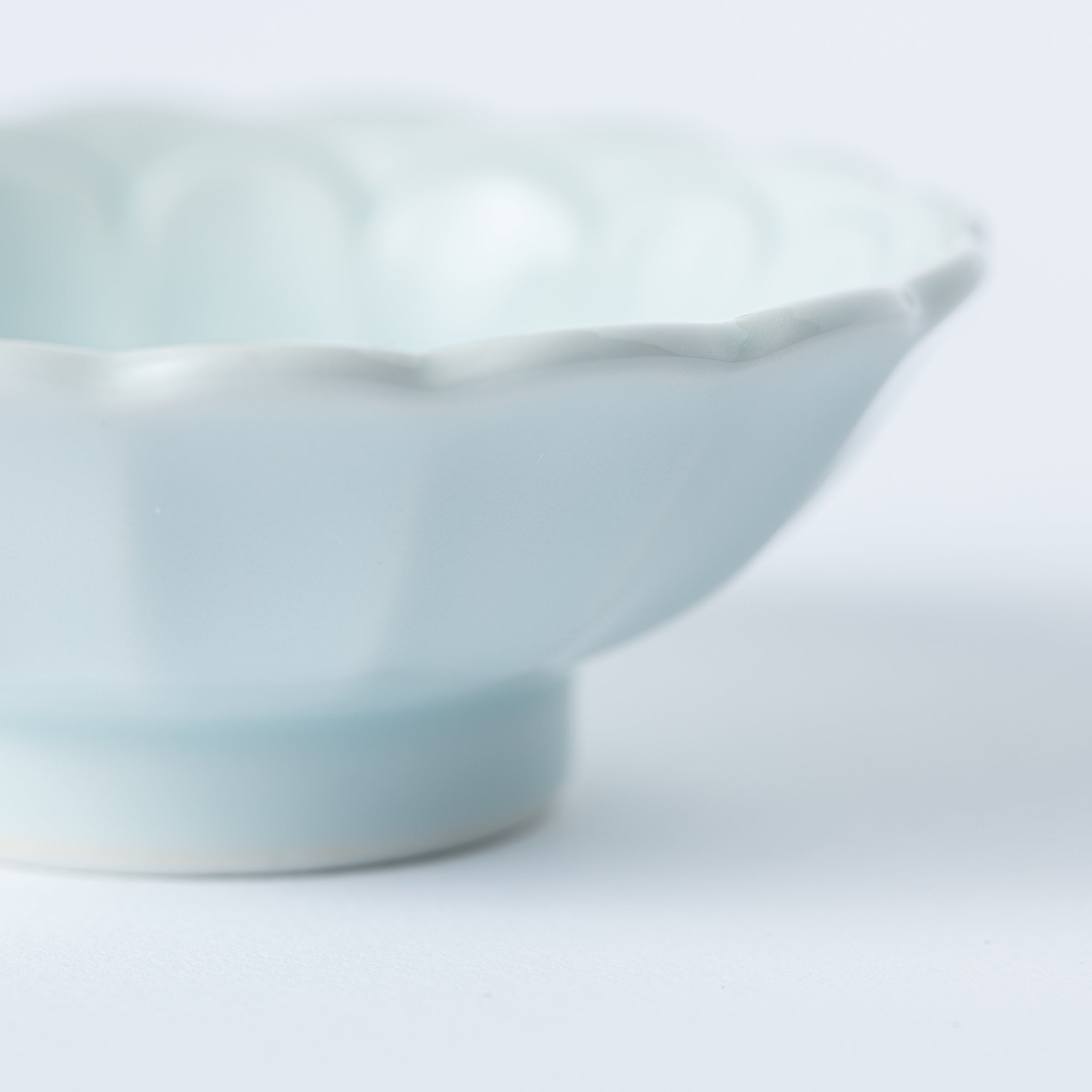
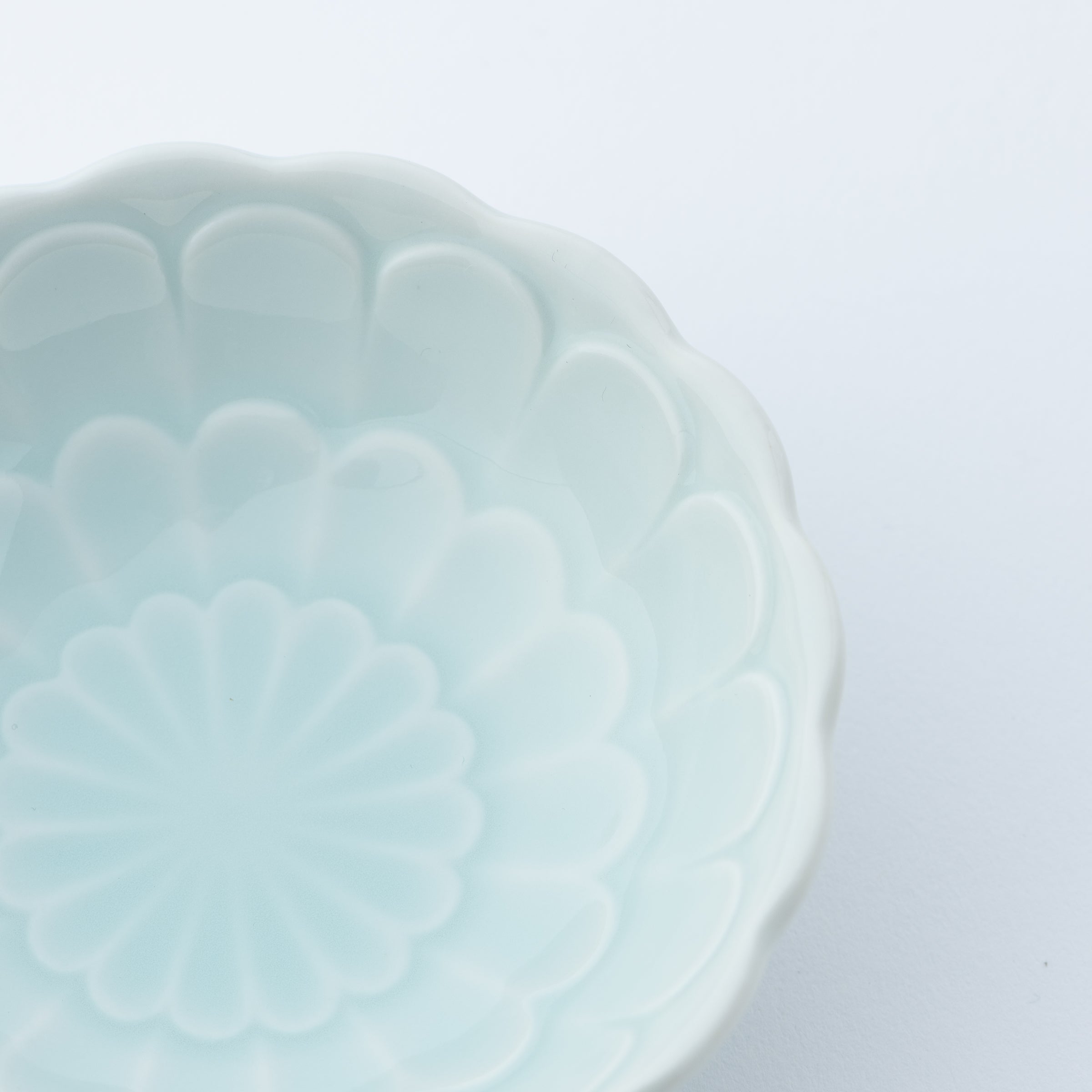
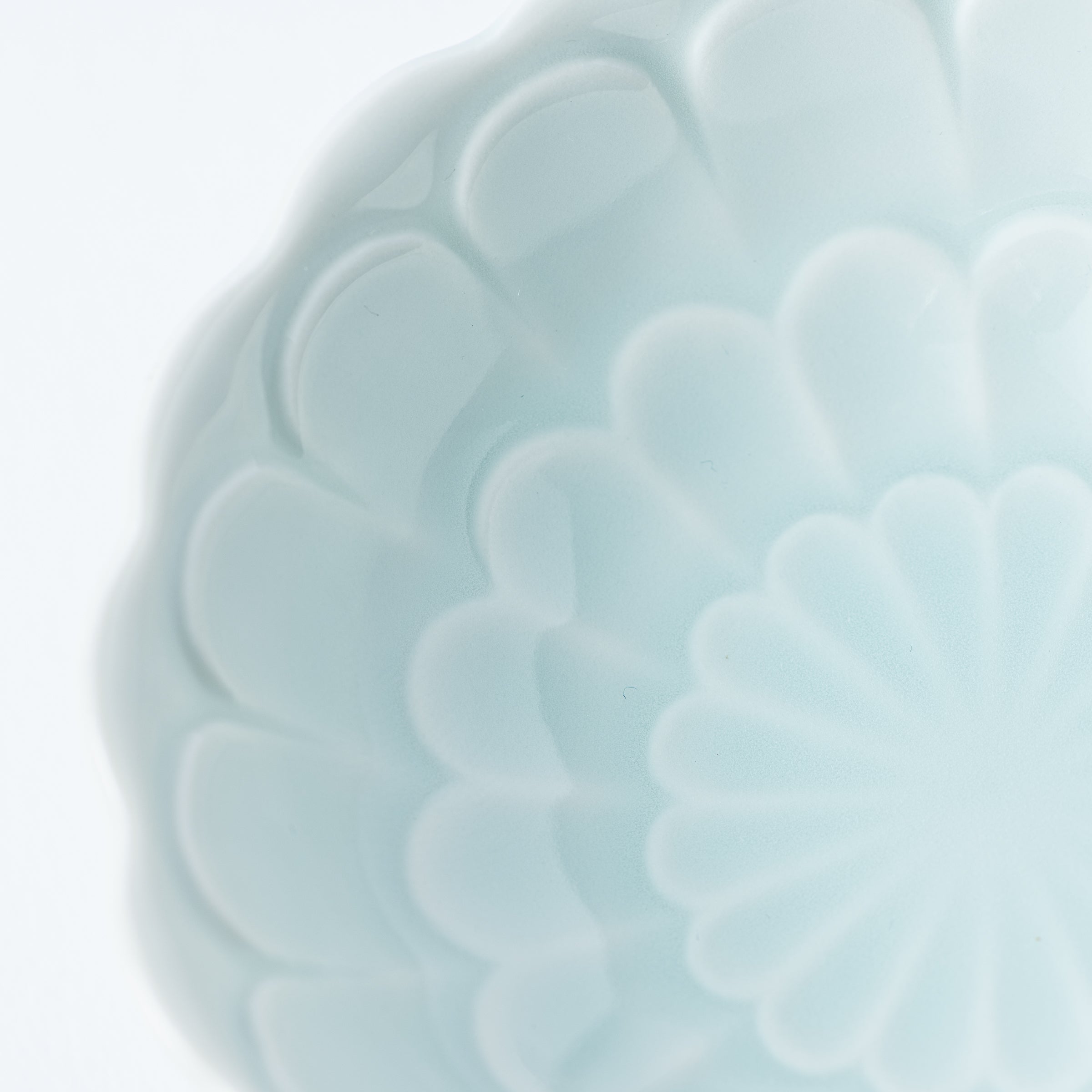
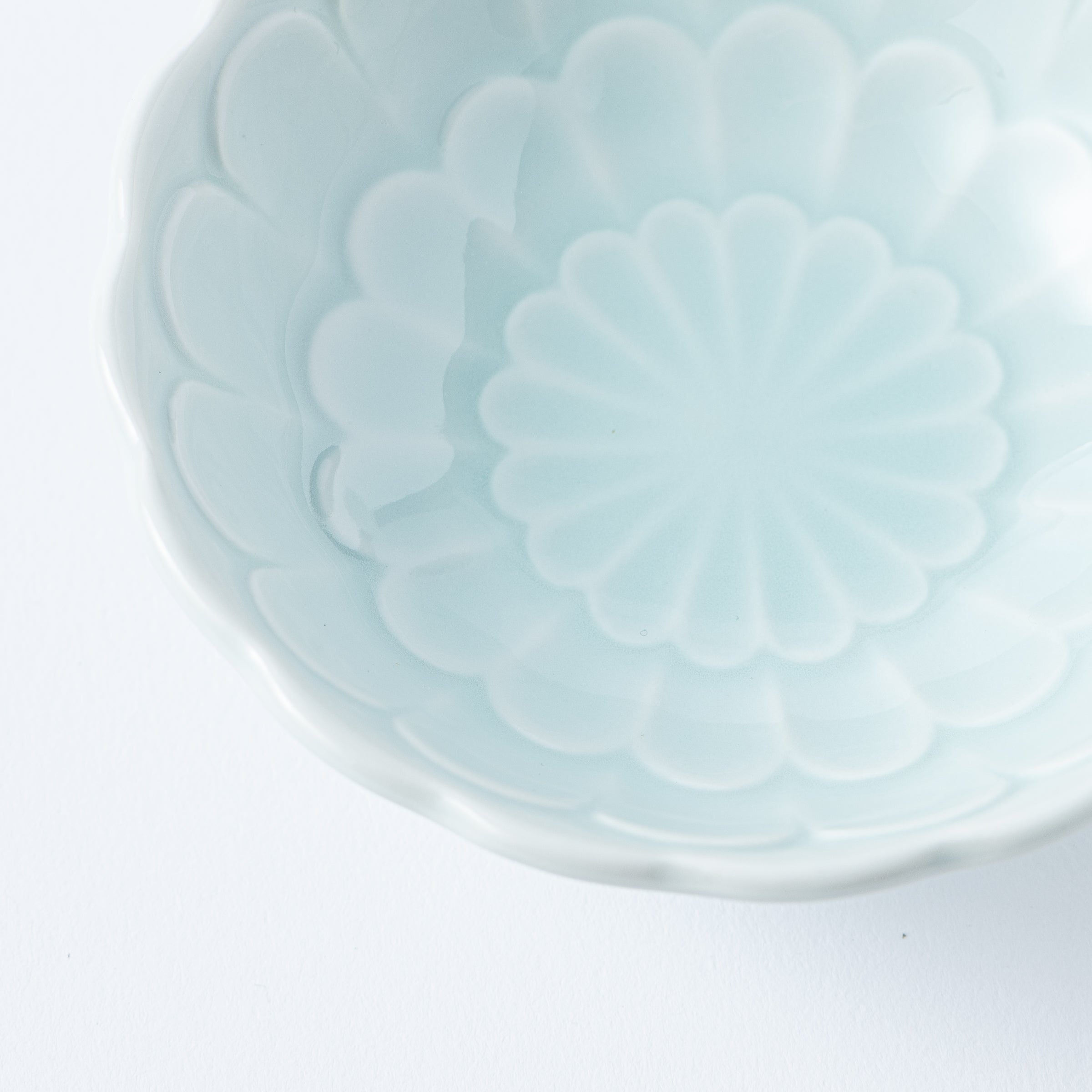
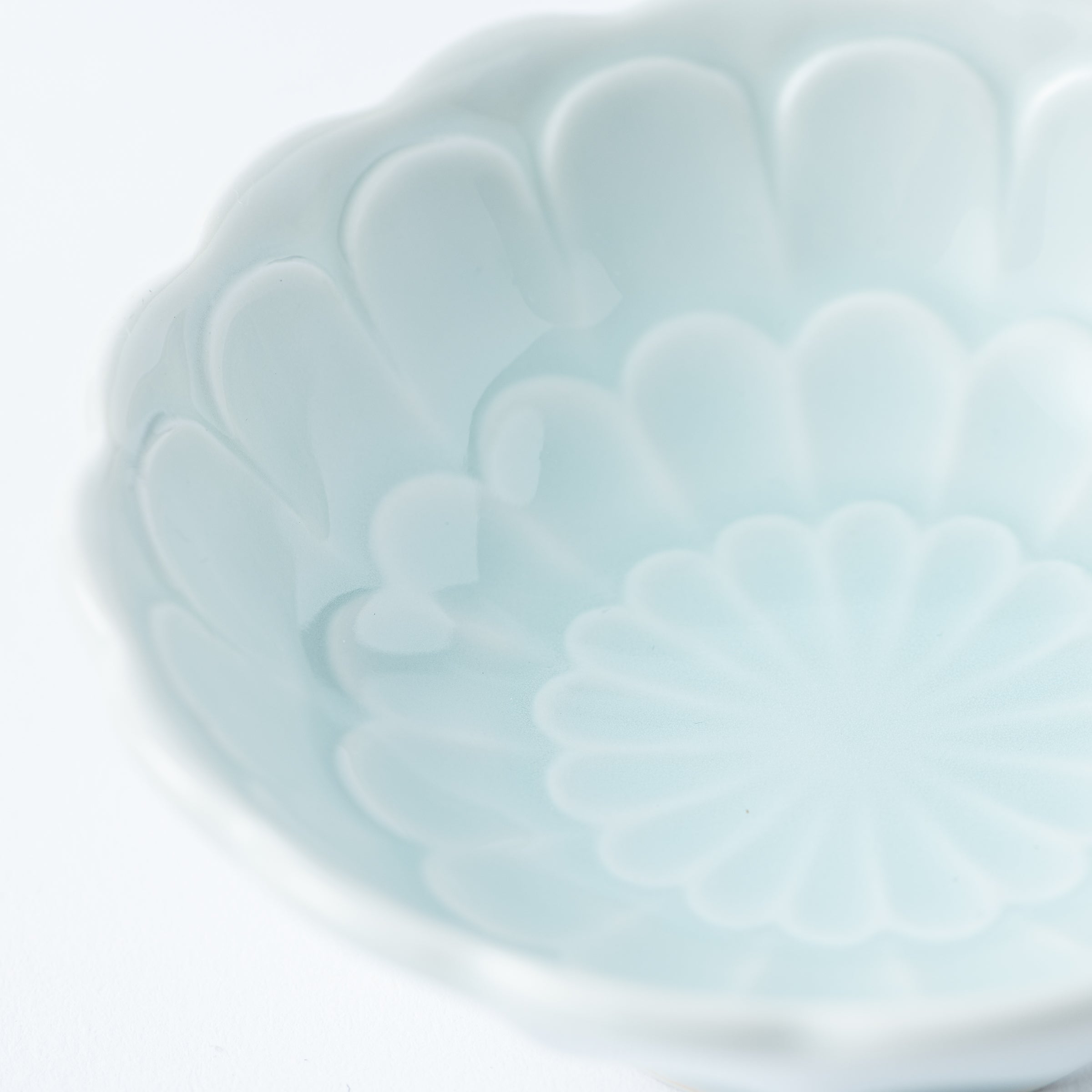
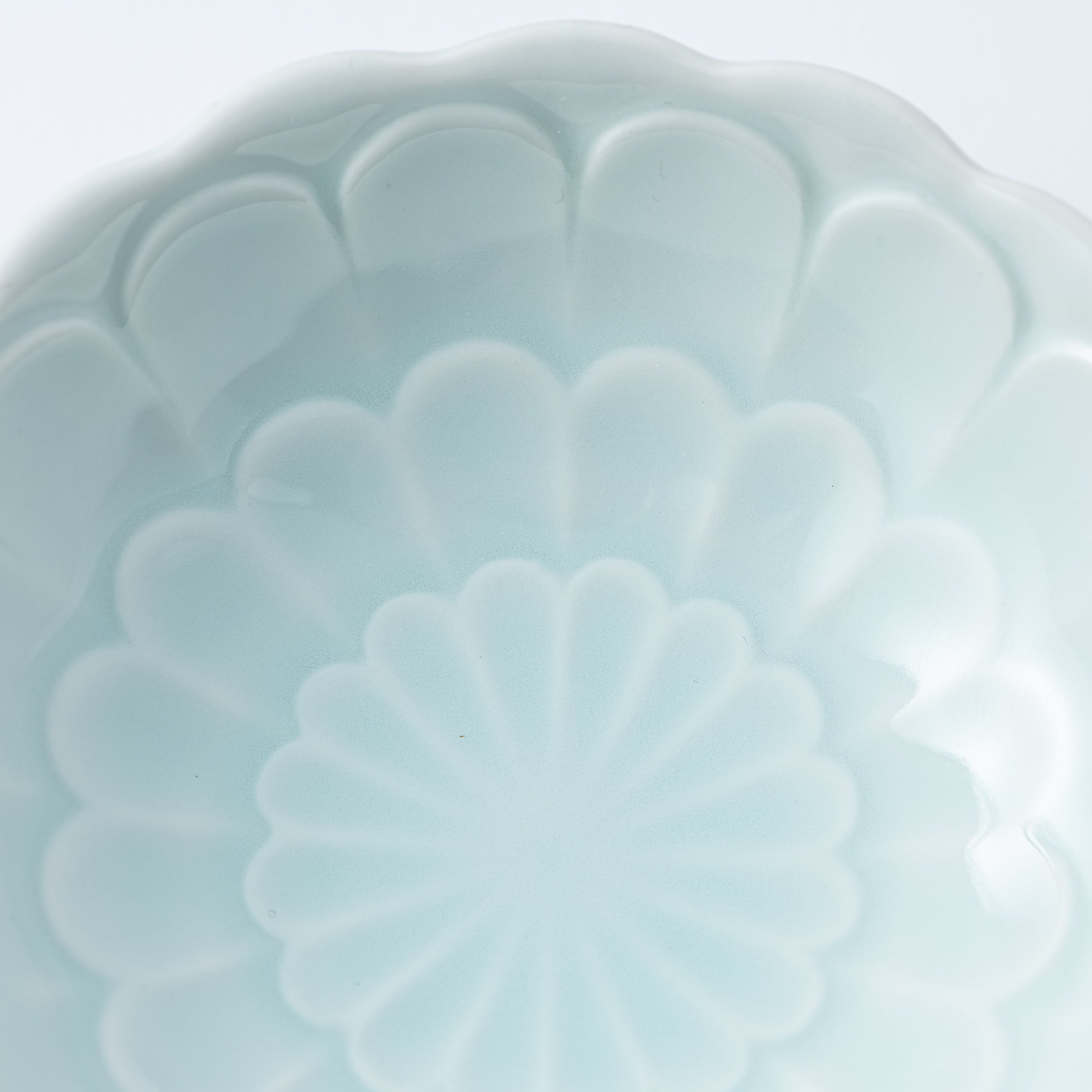
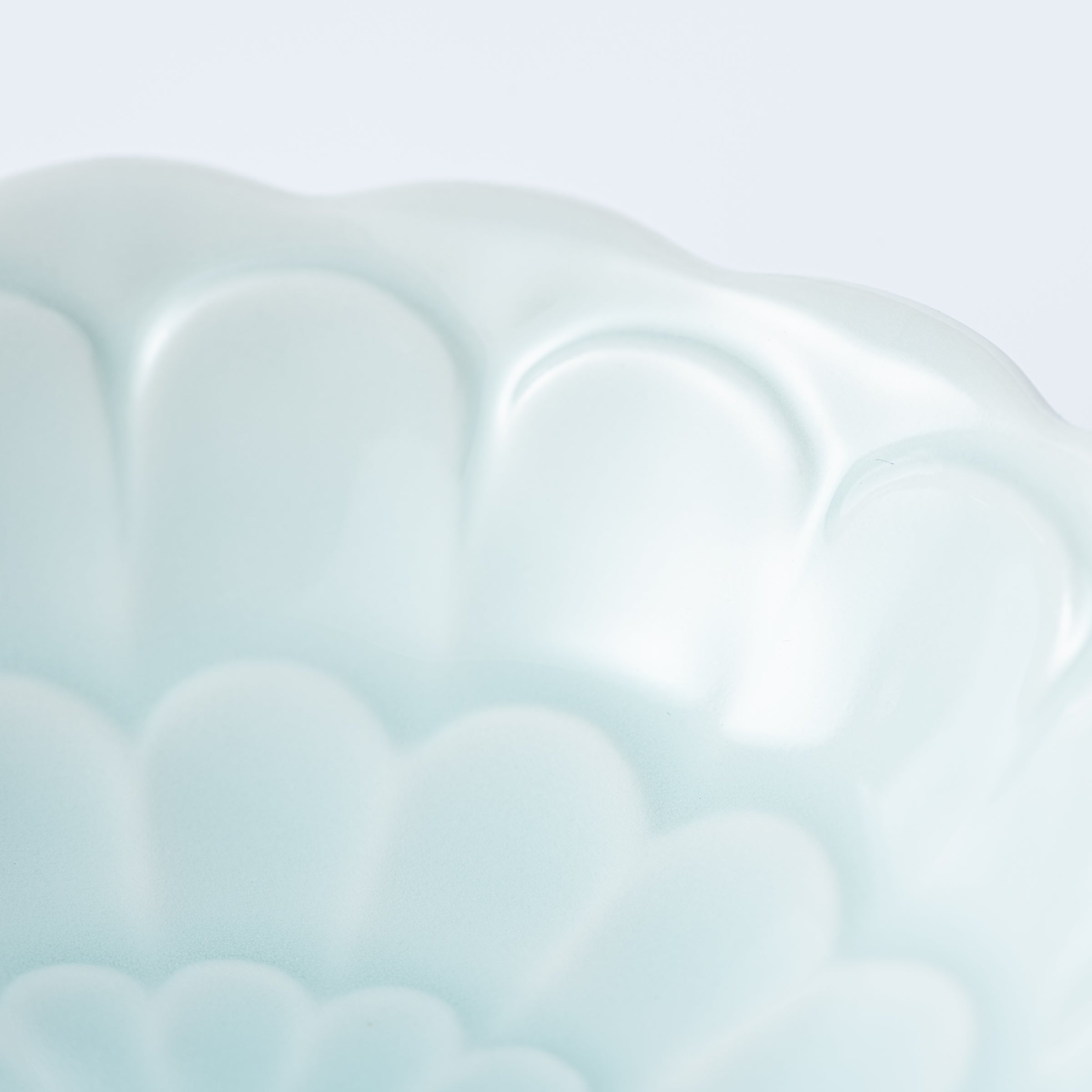
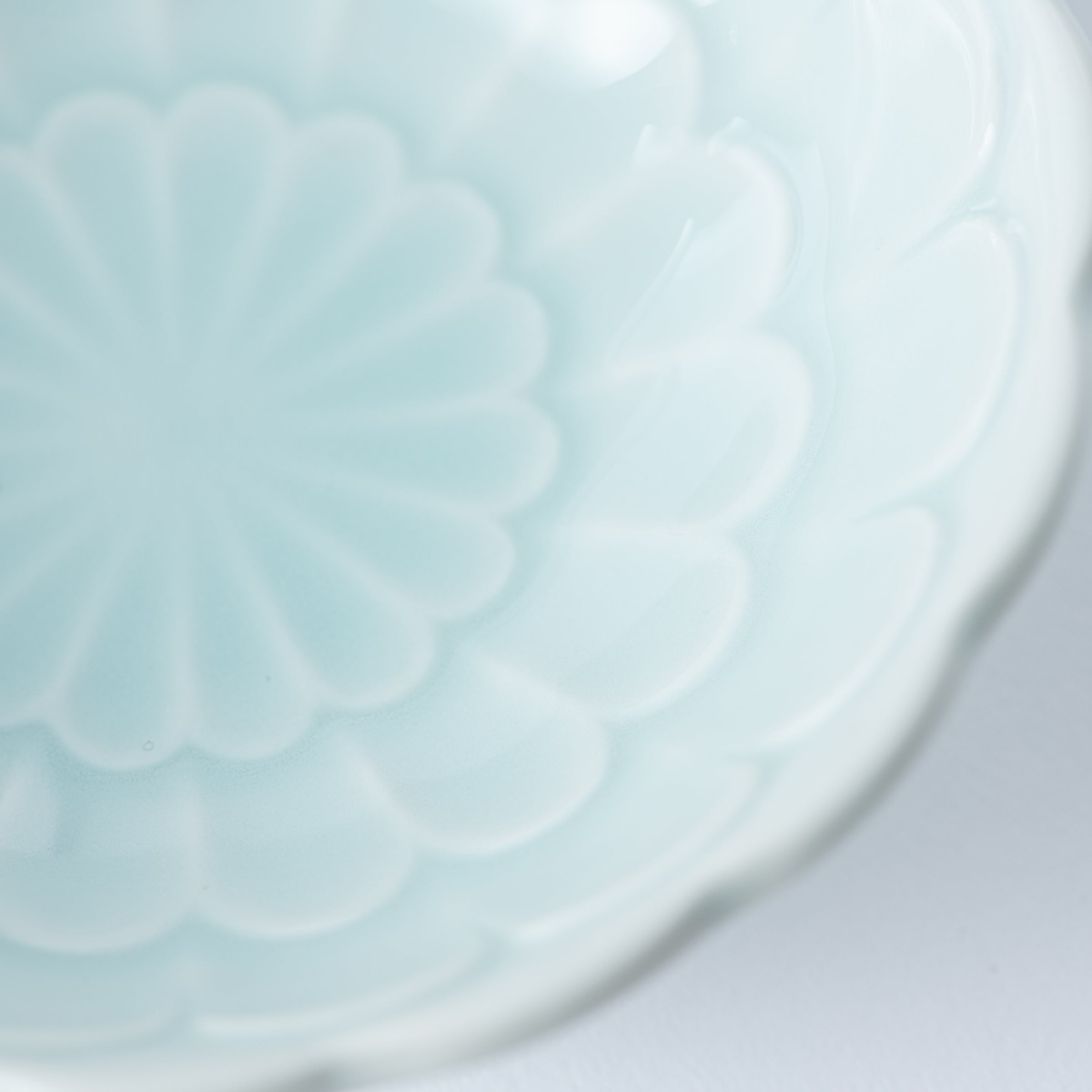
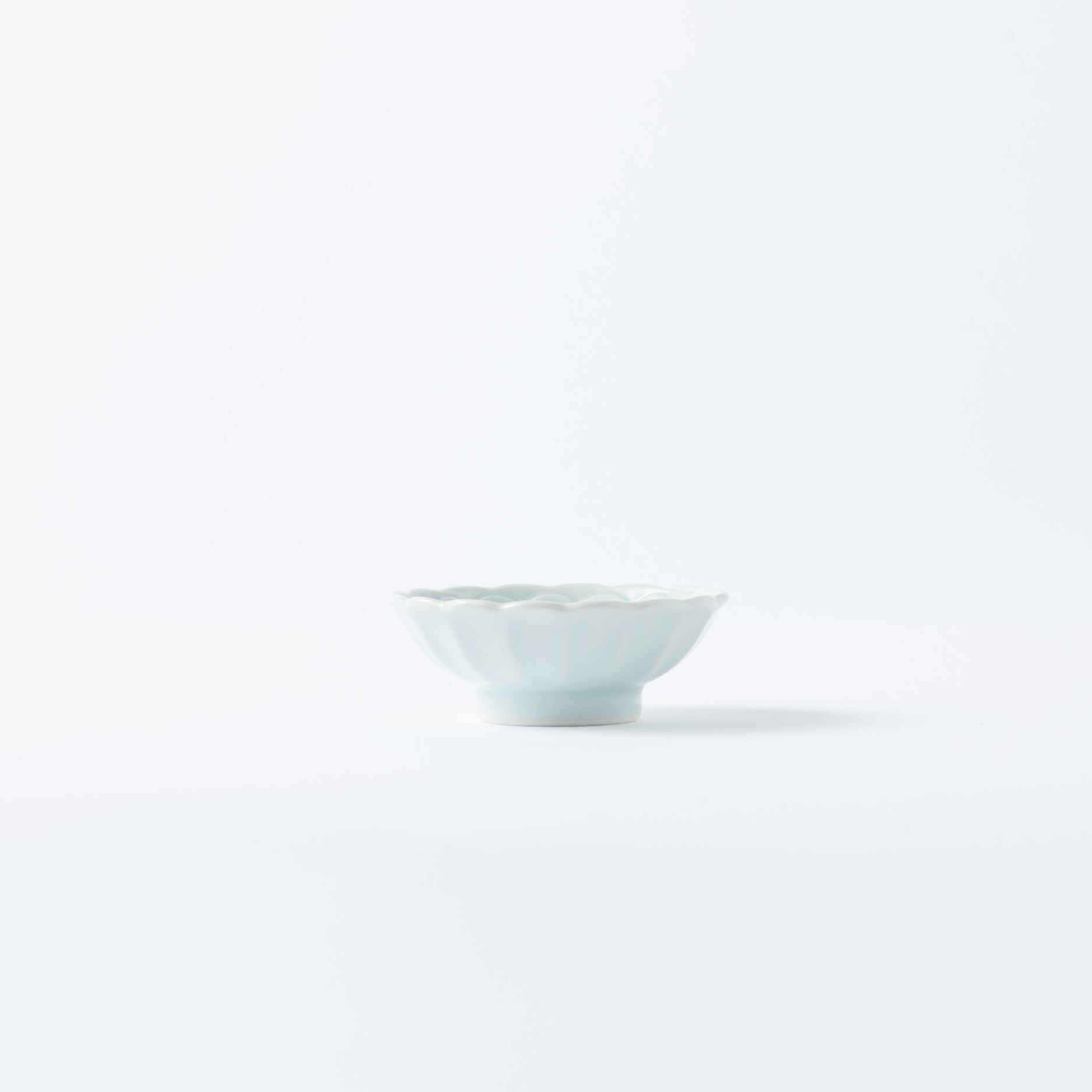
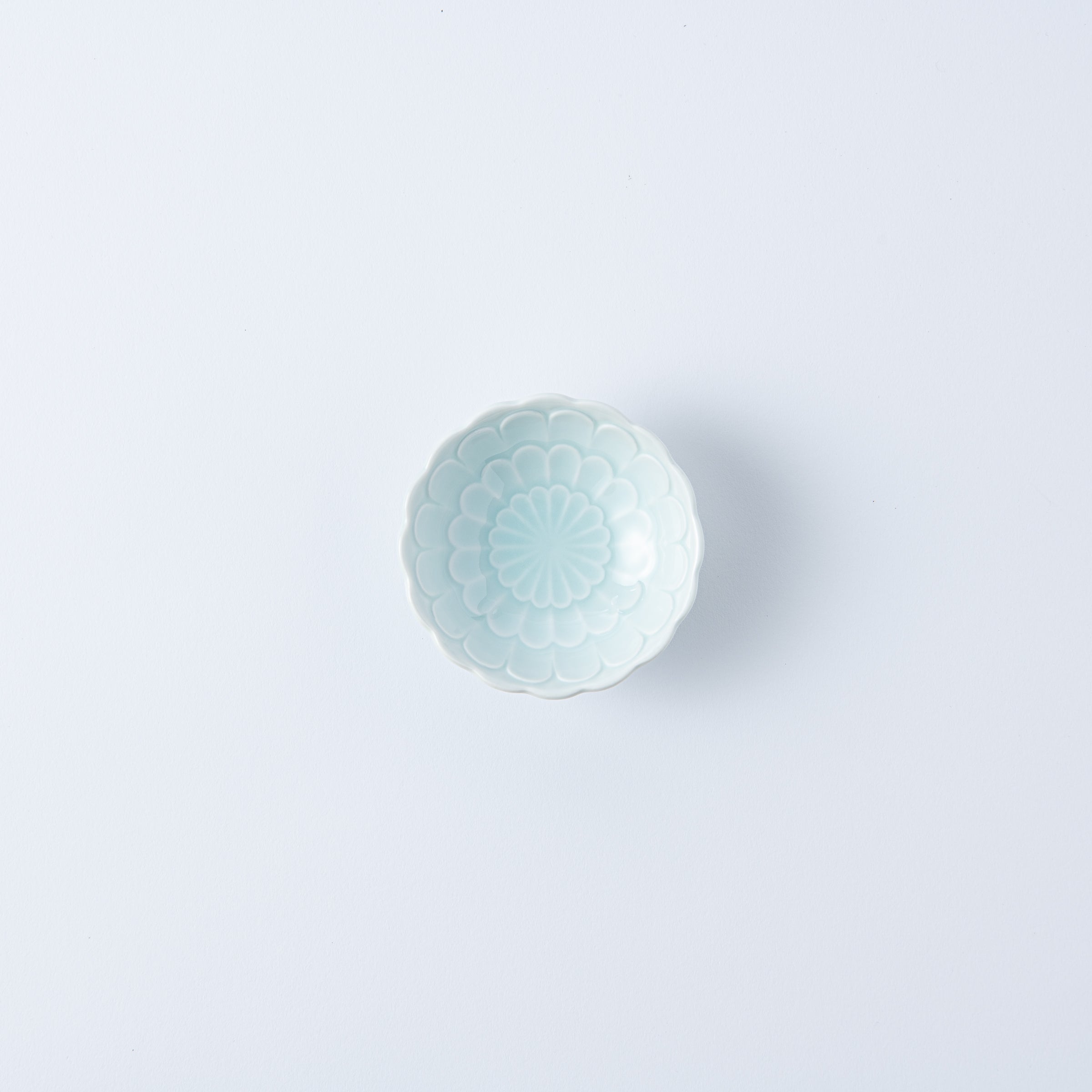
Un relief floral doux émerge sous la glaçure céladon translucide, capturant ombre et lumière à la surface. Les pétales sculptés semblent se fondre doucement dans la porcelaine elle-même, créant une expression calme qui se révèle progressivement dans la main.
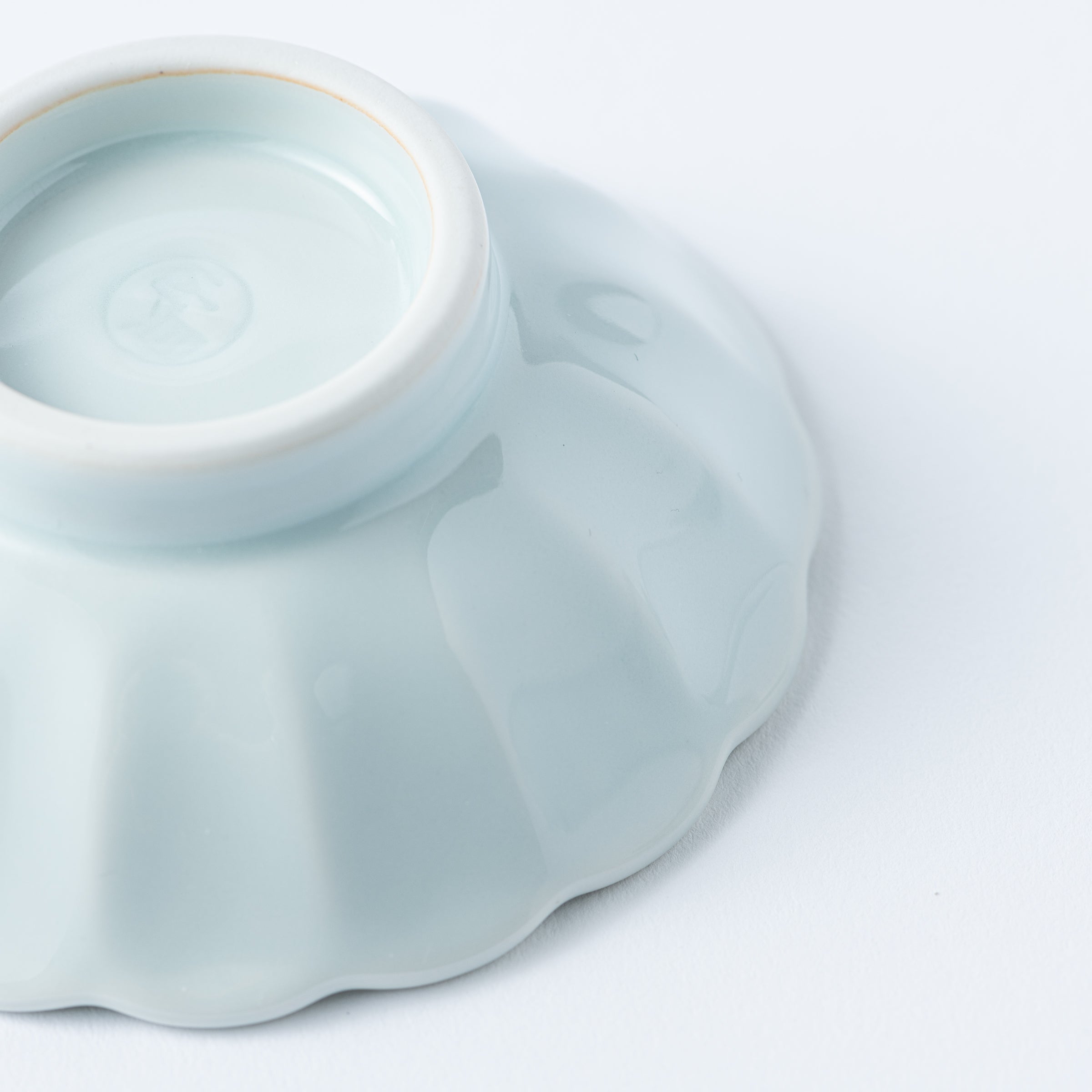
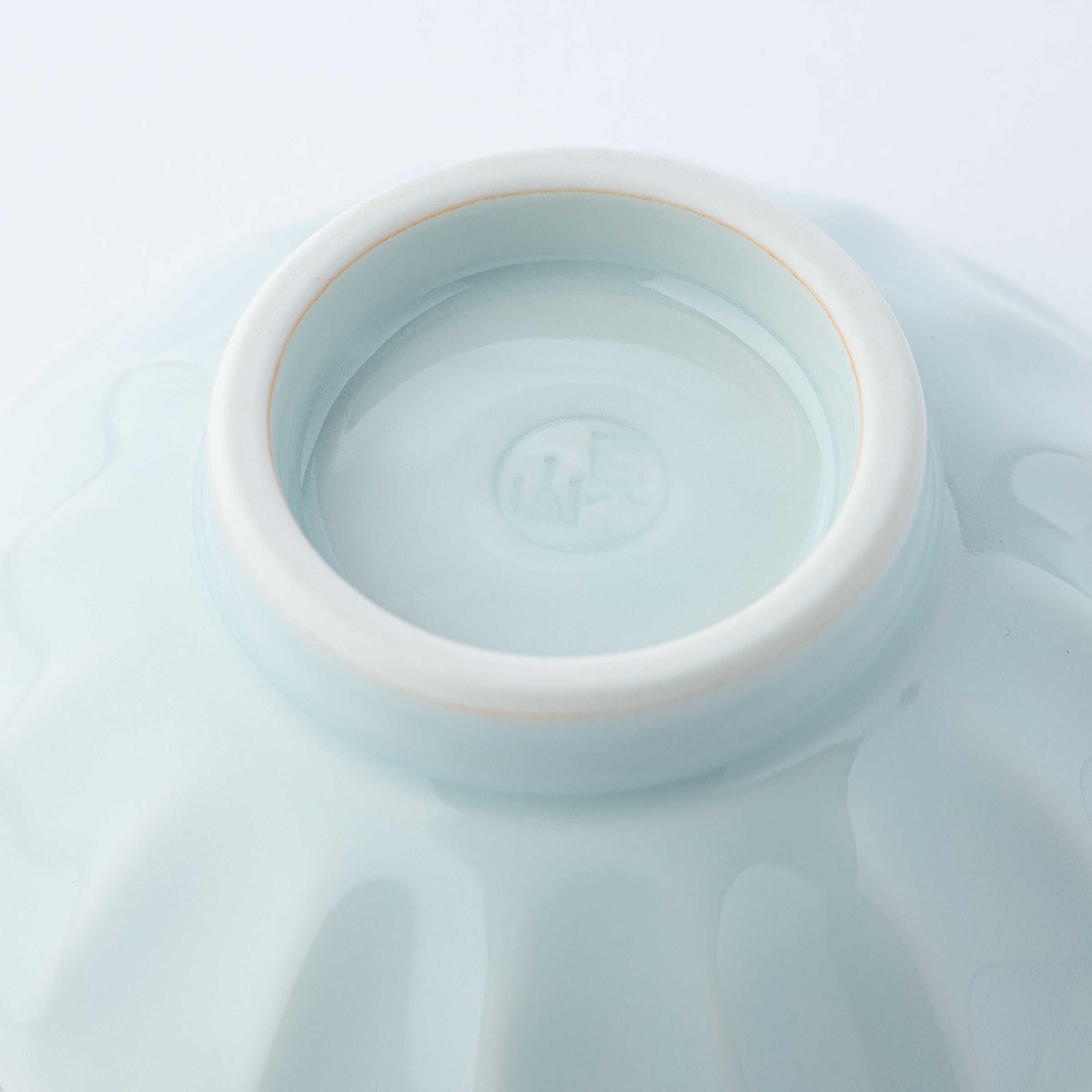
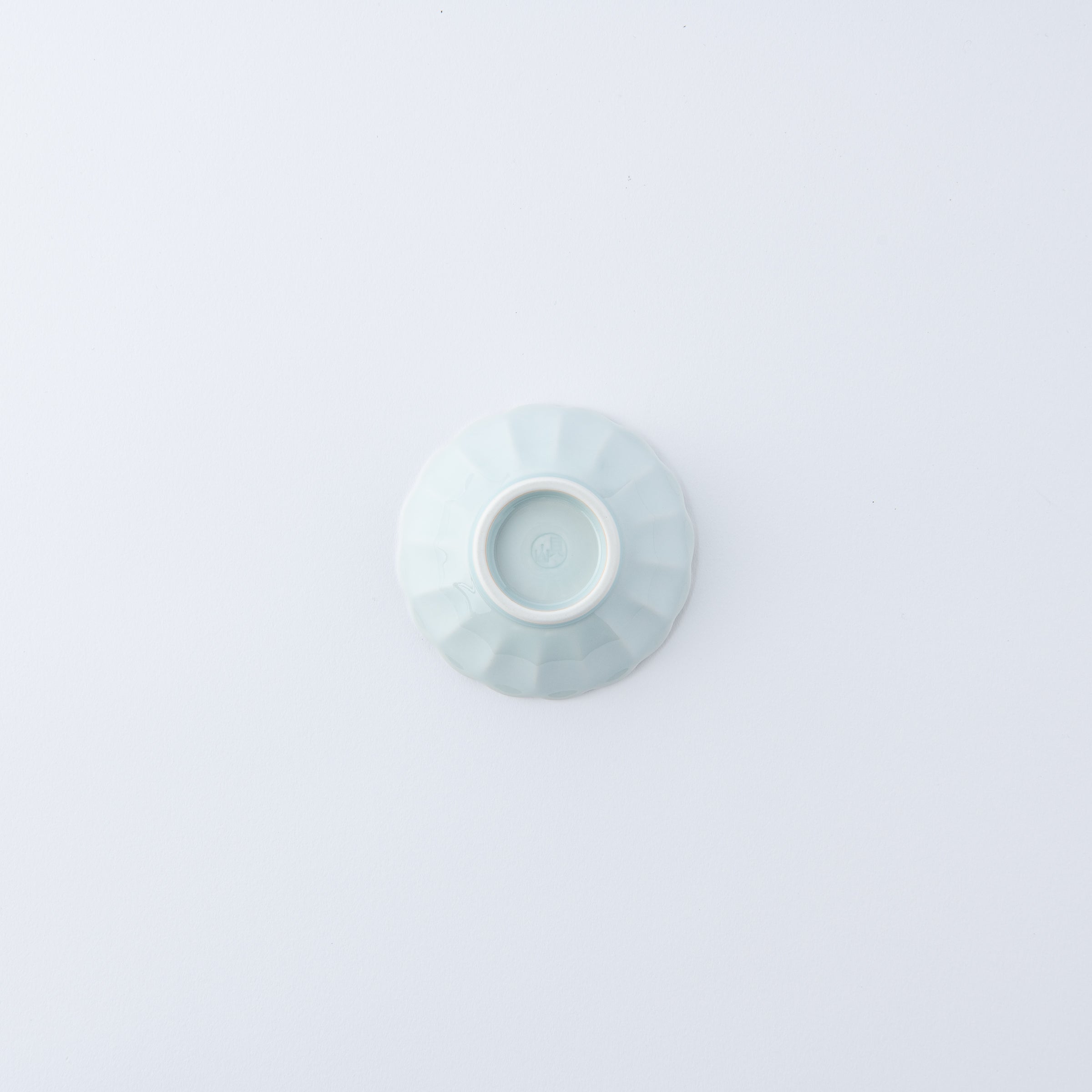
Chaque moule commence par un original en plâtre sculpté à la main par des artisans qualifiés. La profondeur subtile de la sculpture reflète un processus où le savoir-faire détermine non seulement l'apparence de la pièce mais aussi son atmosphère. La glaçure bleu-blanc pâle adoucit chaque contour, permettant au bol de conserver retenue et équilibre.
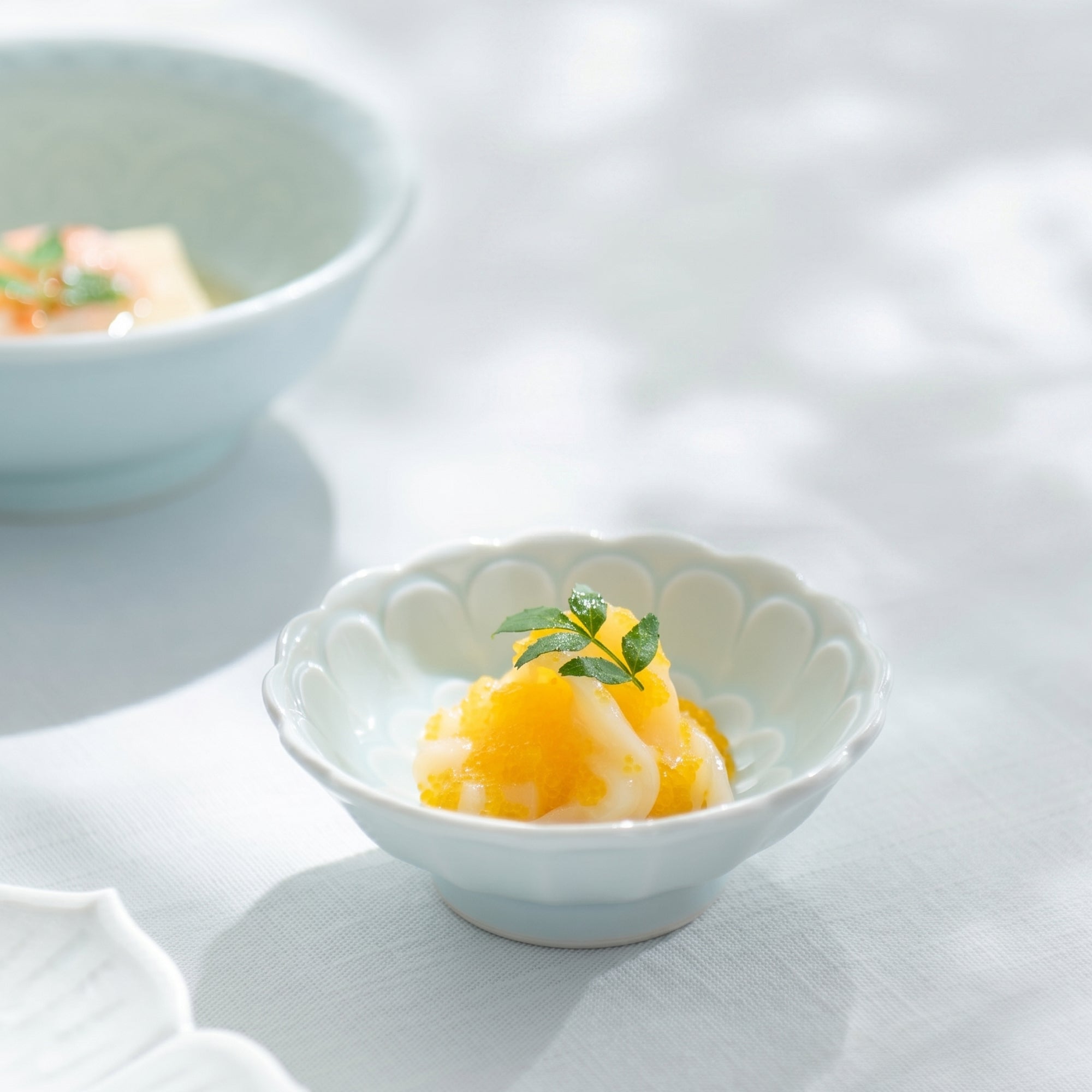
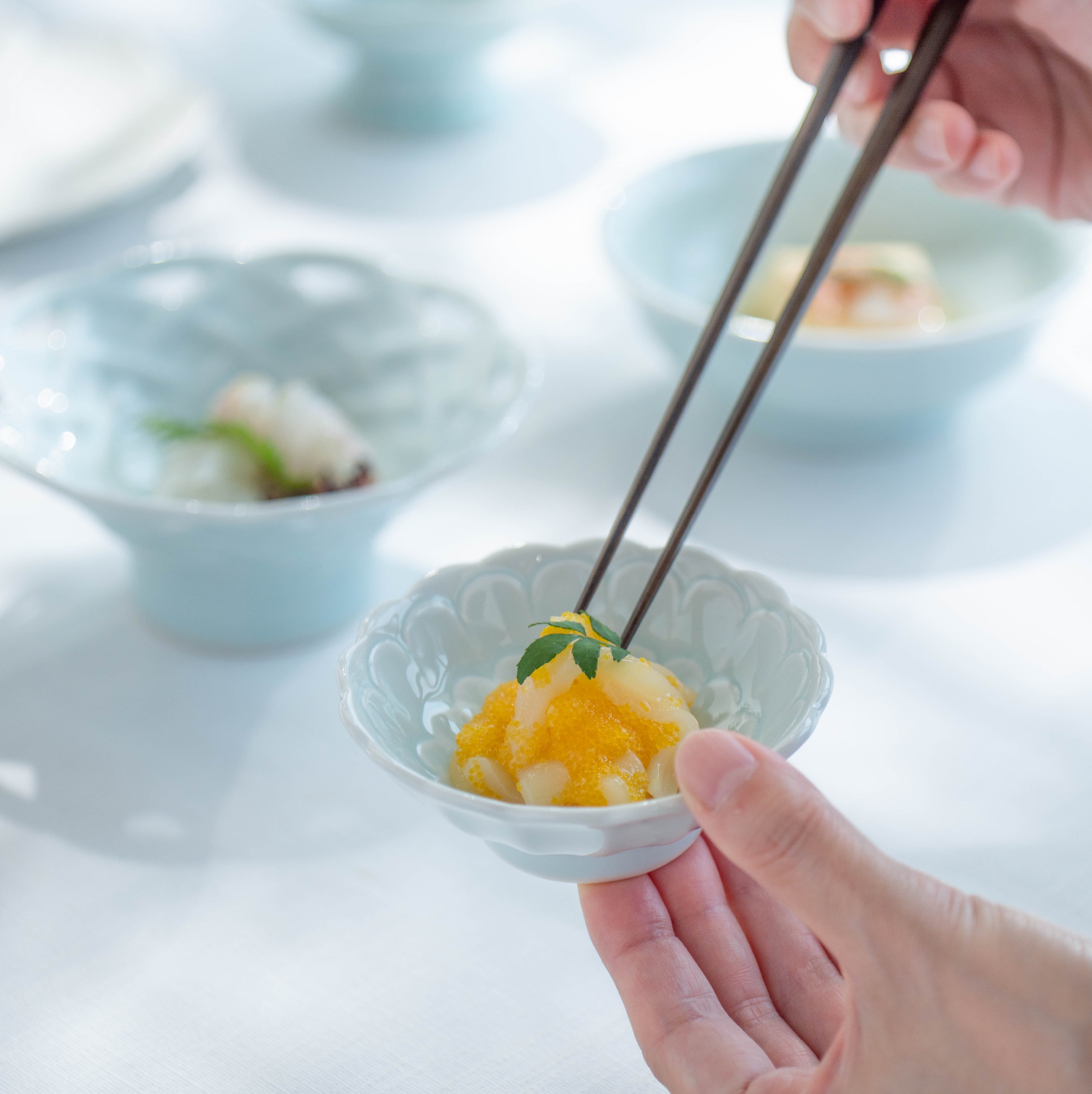
Créé à l'origine comme petit plat à sauce pour rehausser les présentations de sashimi, la forme a été conçue pour accompagner des récipients plus grands plutôt que de rivaliser avec eux. Qu'il soit placé seul ou parmi d'autres plats, ce petit bol apporte un rythme posé à l'ensemble qui l'entoure.
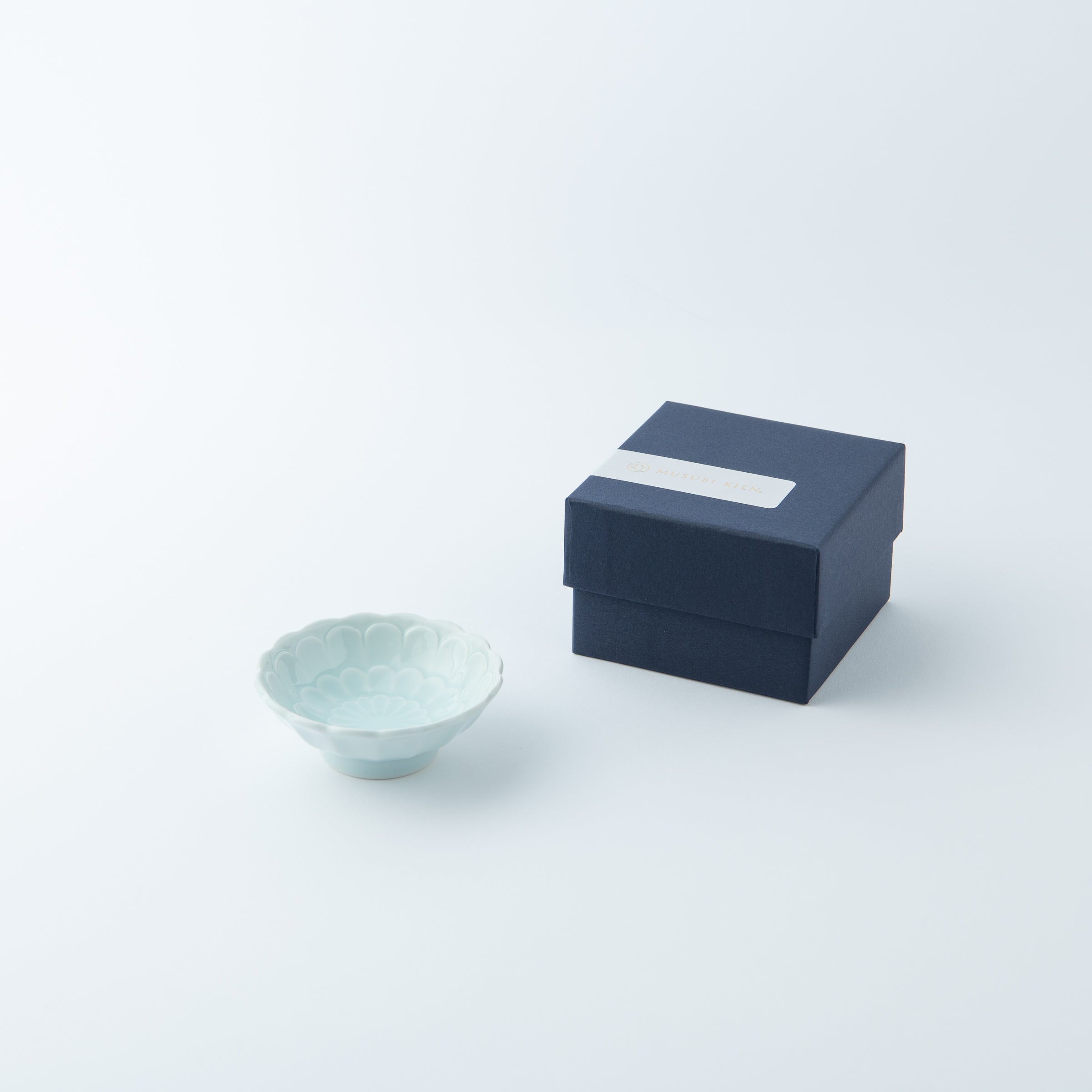
Emballé dans une boîte cadeau élégante, il constitue un présent parfait pour toute personne qui aime cuisiner et recevoir des amis et de la famille.
DES DÉTAILS
| Quantity | 1 |
| Size | D 9 cm (3.5 in) x H 3.4 cm (1.3 in) |
| Weight | approx. 2.8 oz (80 g) |
| Material | Porcelain |
| Package Type | Paper box |
| Microwave | Yes |
| Dishwasher | Yes |
Fabricant / Marque
Kaizan Kiln produit de la vaisselle de luxe utilisée dans les hôtels et les restaurants, qui apporte une touche d'extraordinaire et de gaieté aux repas. L'entreprise propose un style moderne et contemporain, avec une sensibilité nouvelle, tout en respectant les techniques traditionnelles de la vaisselle d'Arita.
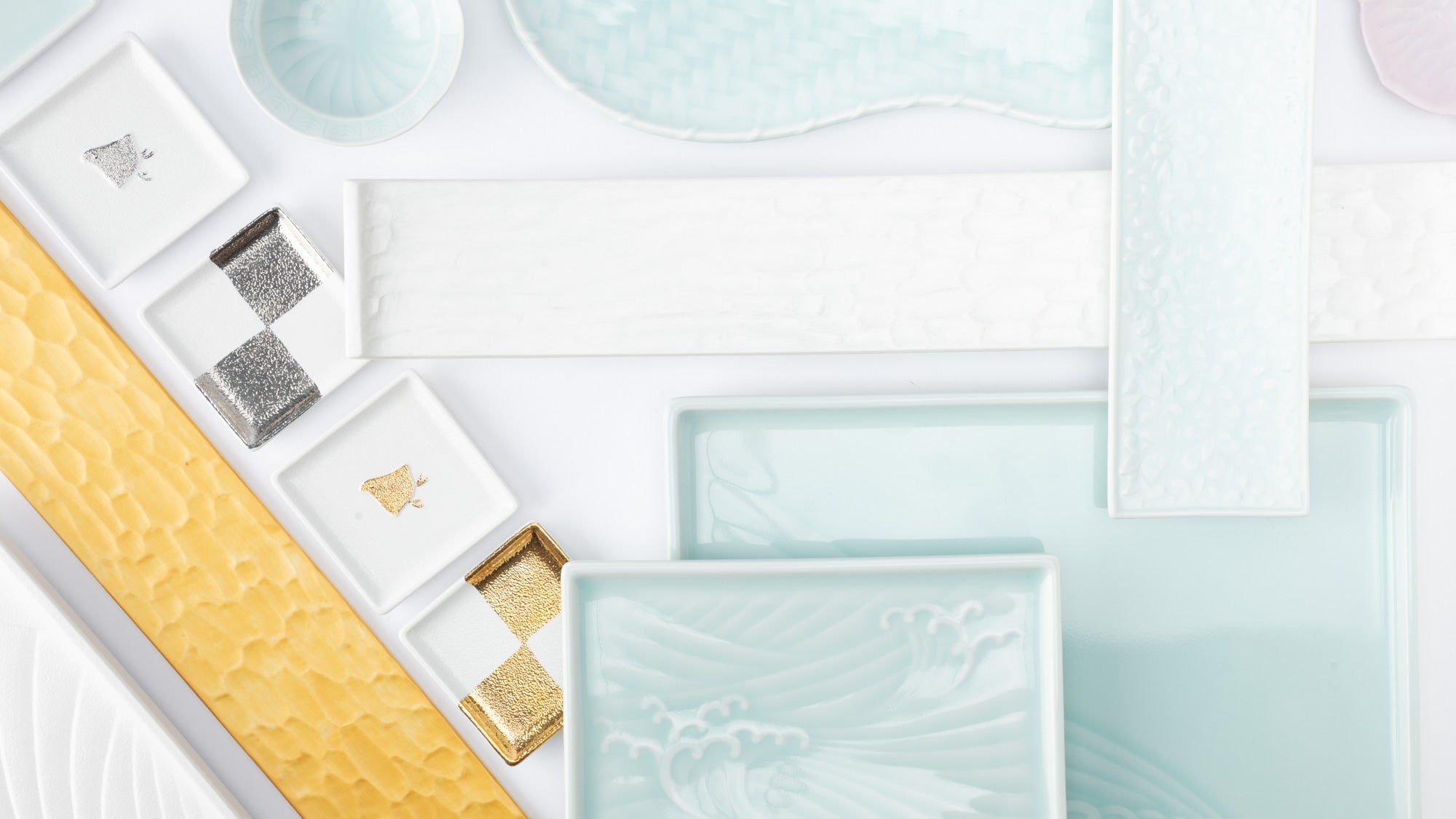
Artisanat
Fabriquée dans la ville historique d'Arita, dans la préfecture de Saga, la porcelaine d'Arita est considérée comme le centre de production de porcelaine le plus important de l'histoire japonaise. Caractérisée par sa surface blanche translucide et éthérée ornée de peintures éclatantes, elle a profondément influencé l'artisanat de la porcelaine en Europe.
Au Japon, les articles d'Arita sont considérés comme une marque prestigieuse, la ville d'Arita étant reconnue comme une zone de production par excellence.
Choisir les options
Estimated Shipping Widget will be displayed here!
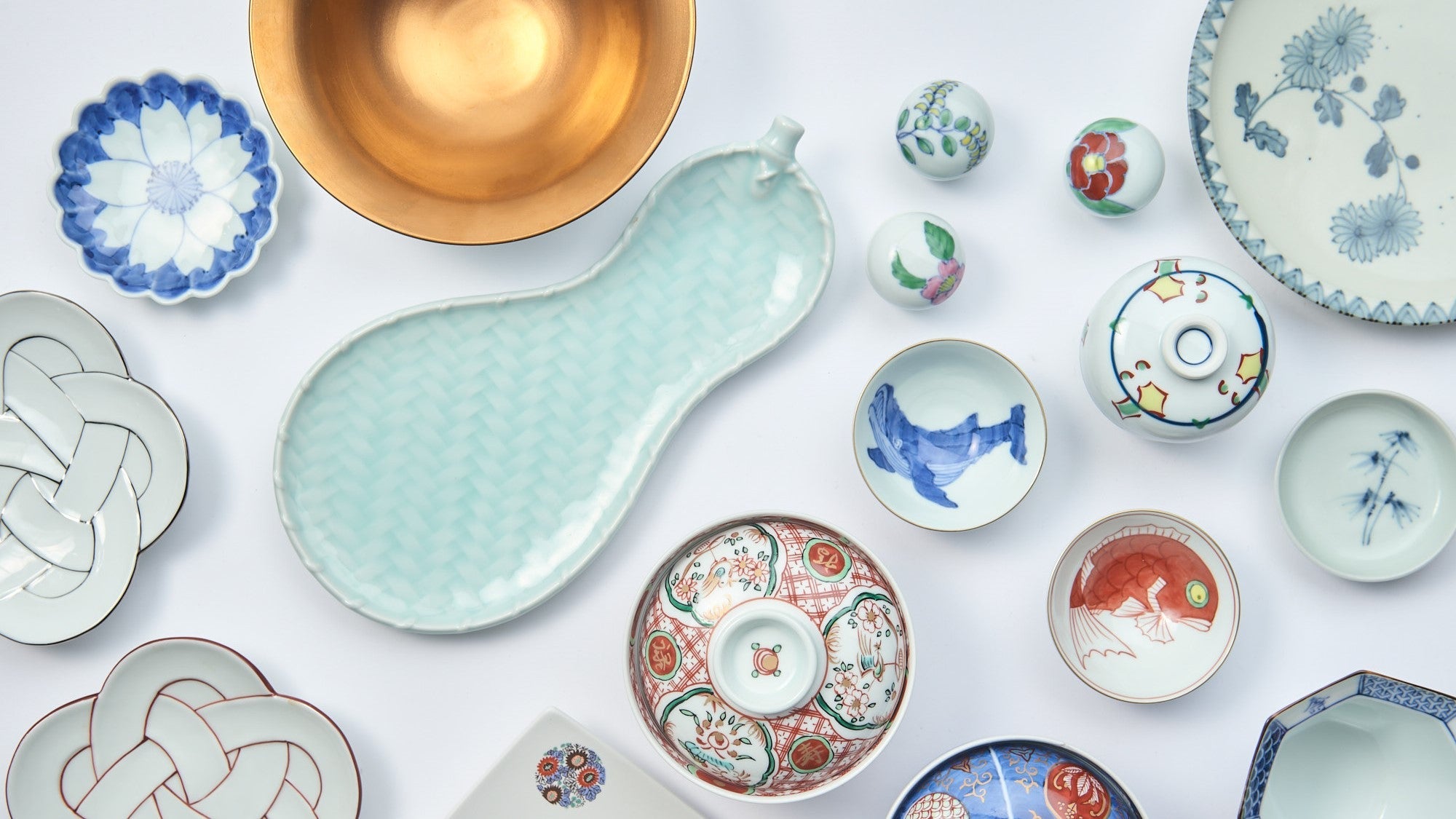
Petits bols Kobachi
KobachiLes kobachi, littéralement « petits bols » en japonais, sont conçus pour servir entrées et accompagnements. Plus profonds qu'une petite assiette, mais plus petits qu'un plat principal ou un bol de ramen, les kobachi ont la taille idéale pour les ragoûts légers et les légumes mijotés. Intégrer un ou plusieurs kobachi à une table et disposer des plats de tailles et de couleurs différentes confère à votre repas une atmosphère japonaise authentique.
Cette catégorie comprend les bols dont le diamètre est inférieur à 12, 9 cm (5, 1 po) .
Céladon
La porcelaine céladon est originaire de Chine et a été introduite au Japon au Xe siècle. À cette époque, les céladons chinois étaient considérés comme les produits d'importation les plus raffinés par les classes aristocratiques. Ils adoraient son bleu mystérieux et le surnommaient « couleur secrète » .
La production de céladon a débuté dans la région de Hizen, au nord-ouest de l'actuelle Kyushu, au début de l'époque d'Edo (1603-1868) , et la technique s'est ensuite transmise à Kyoto et ses environs. En 1957, cette technologie artisanale a été reconnue comme bien culturel immatériel national. Le céladon est toujours apprécié et travaillé par de nombreux potiers et artisans aujourd'hui.