

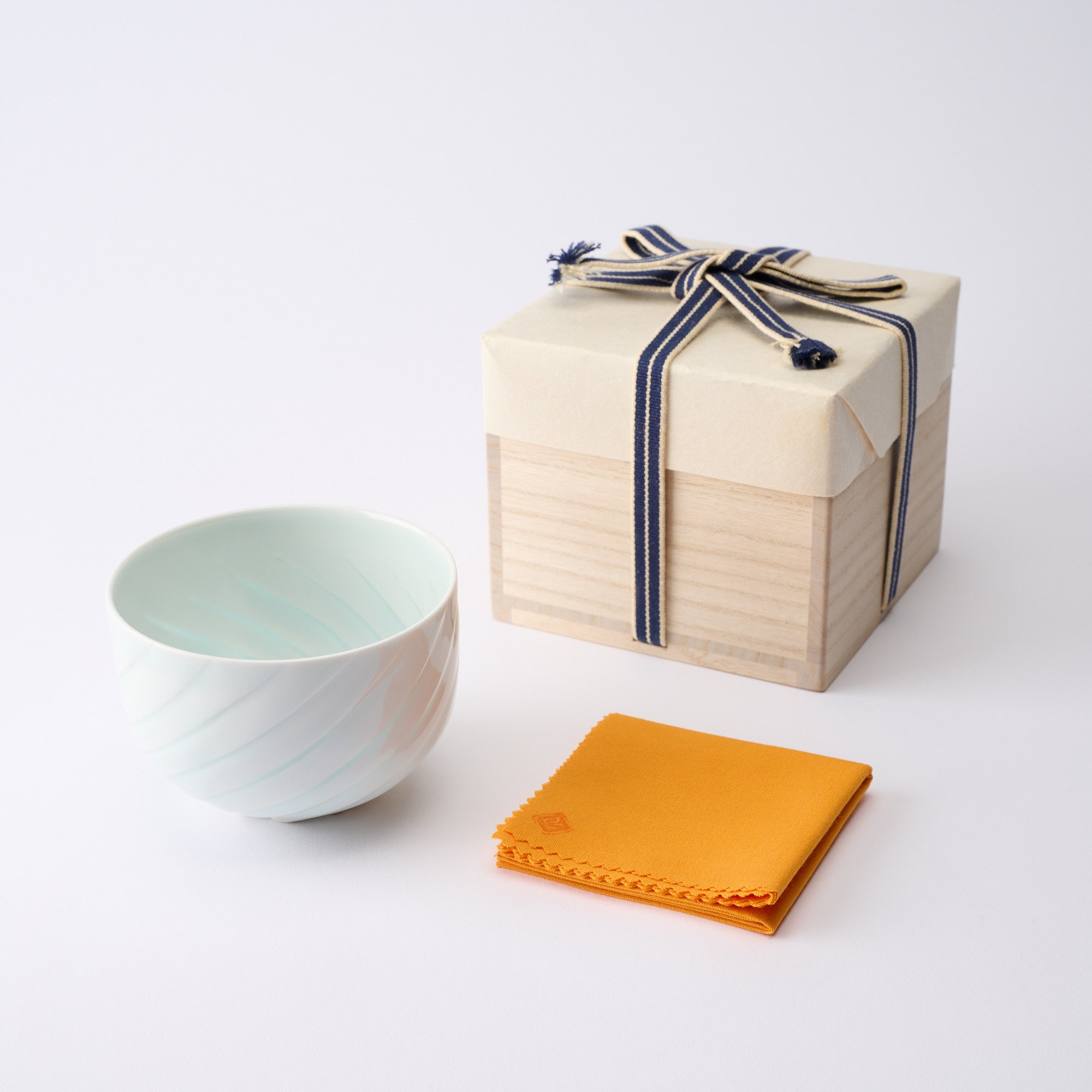
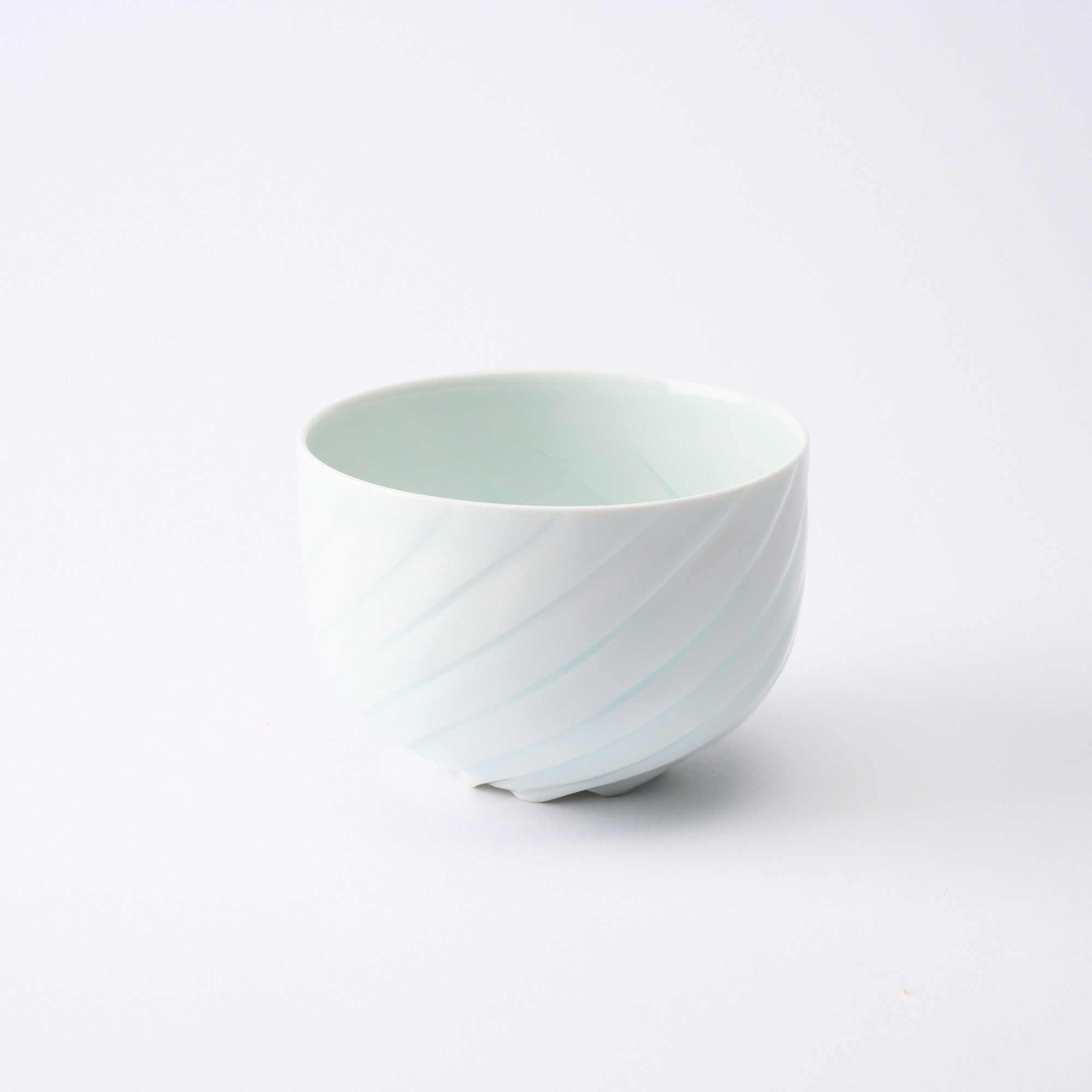

Bol à matcha Tourbillon de lumière
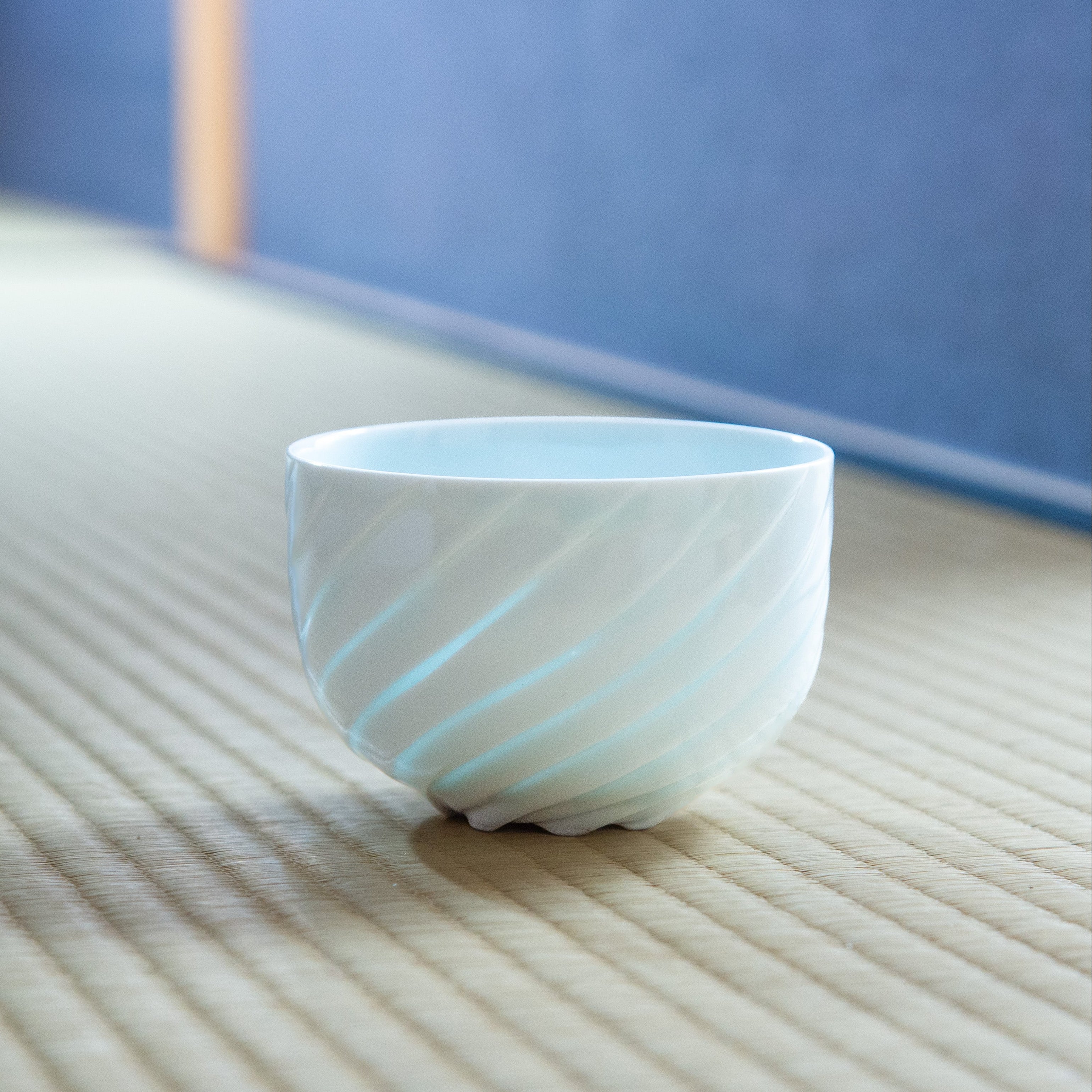
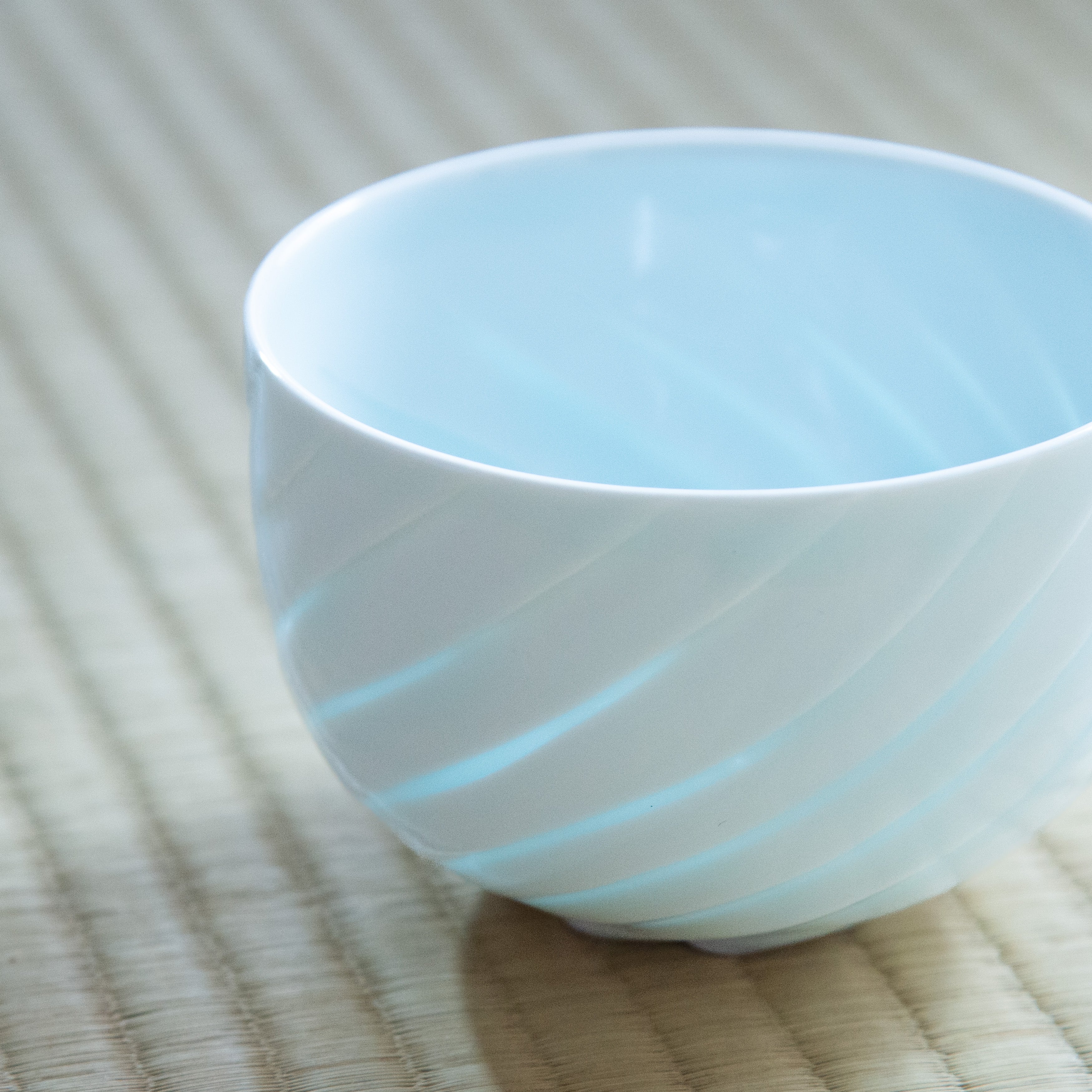
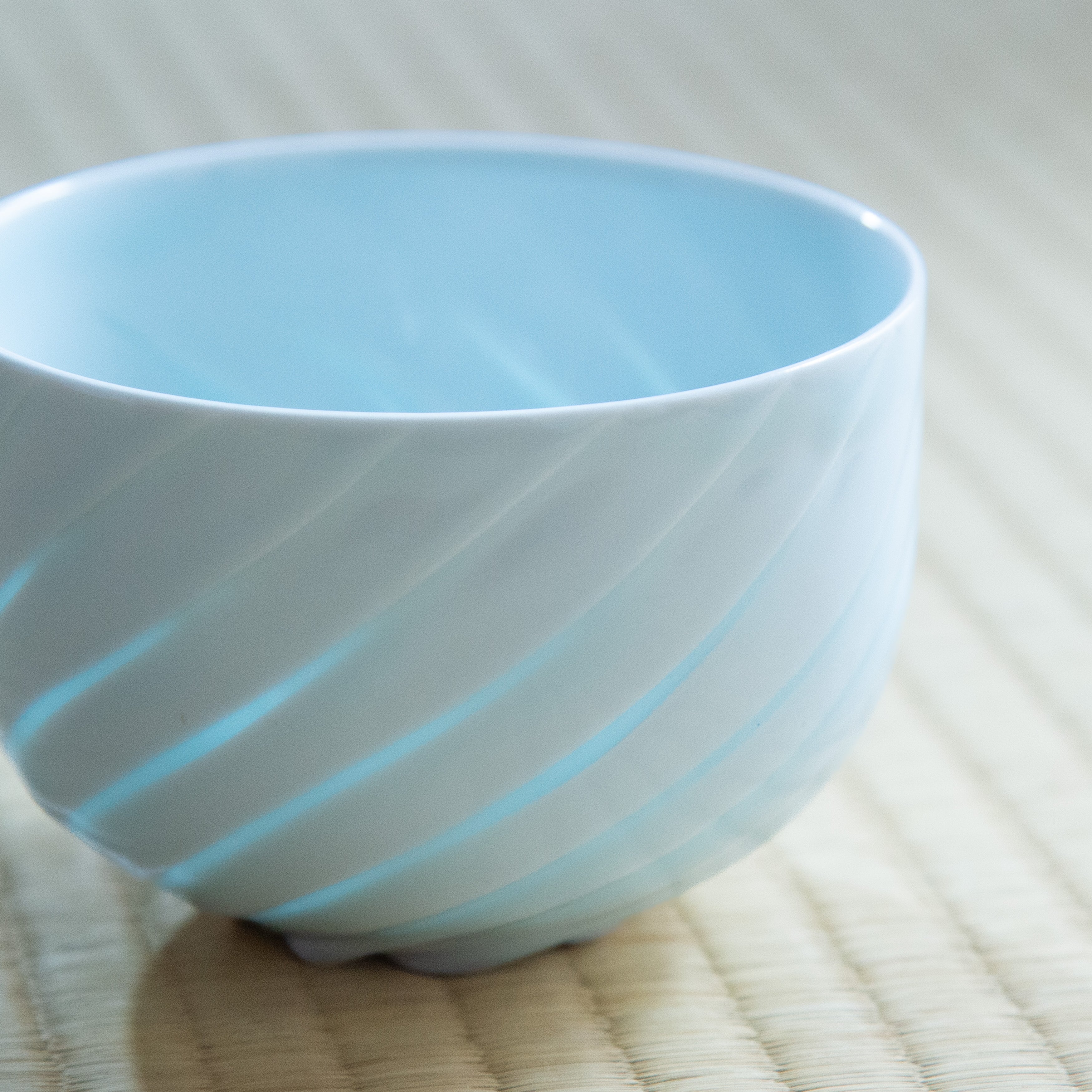
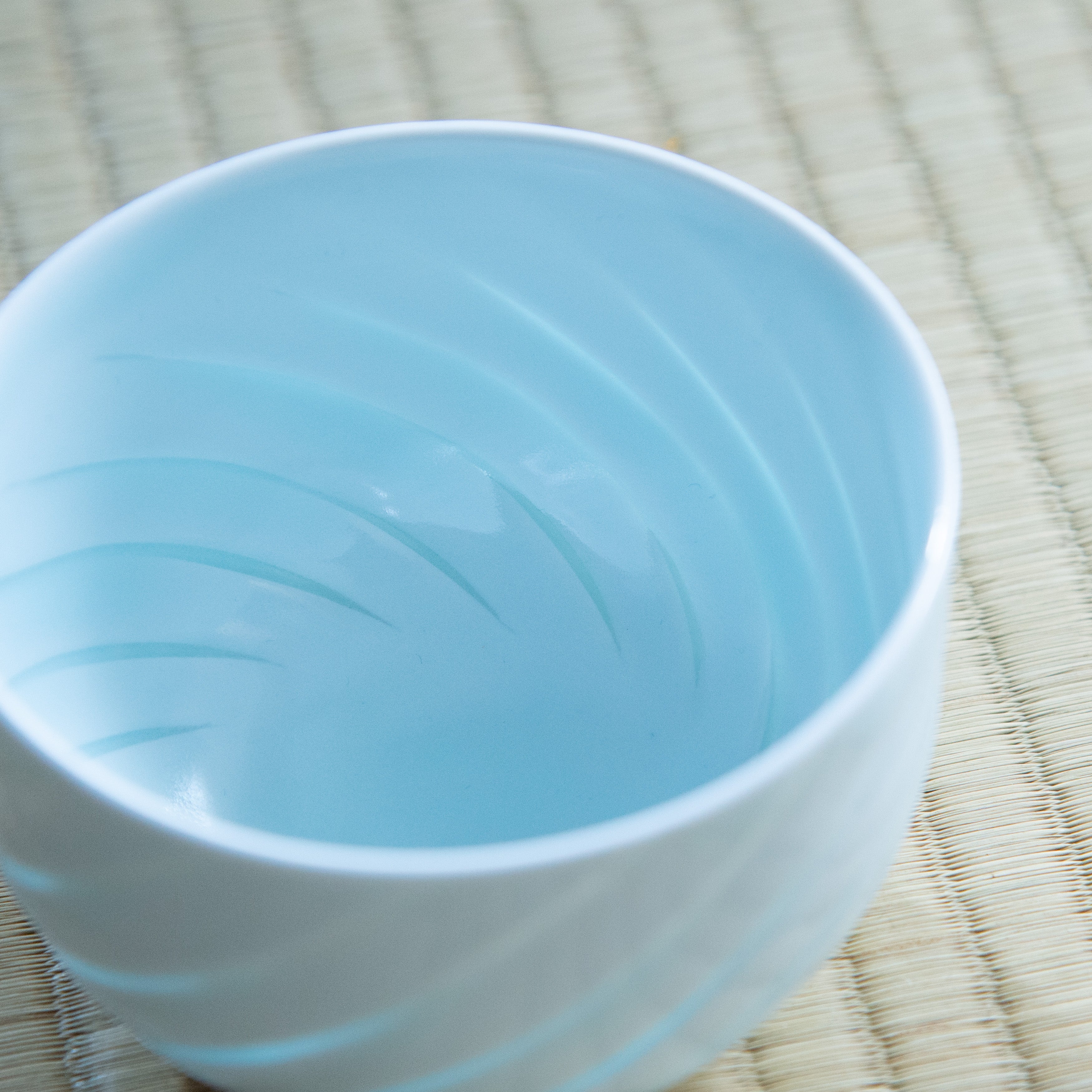
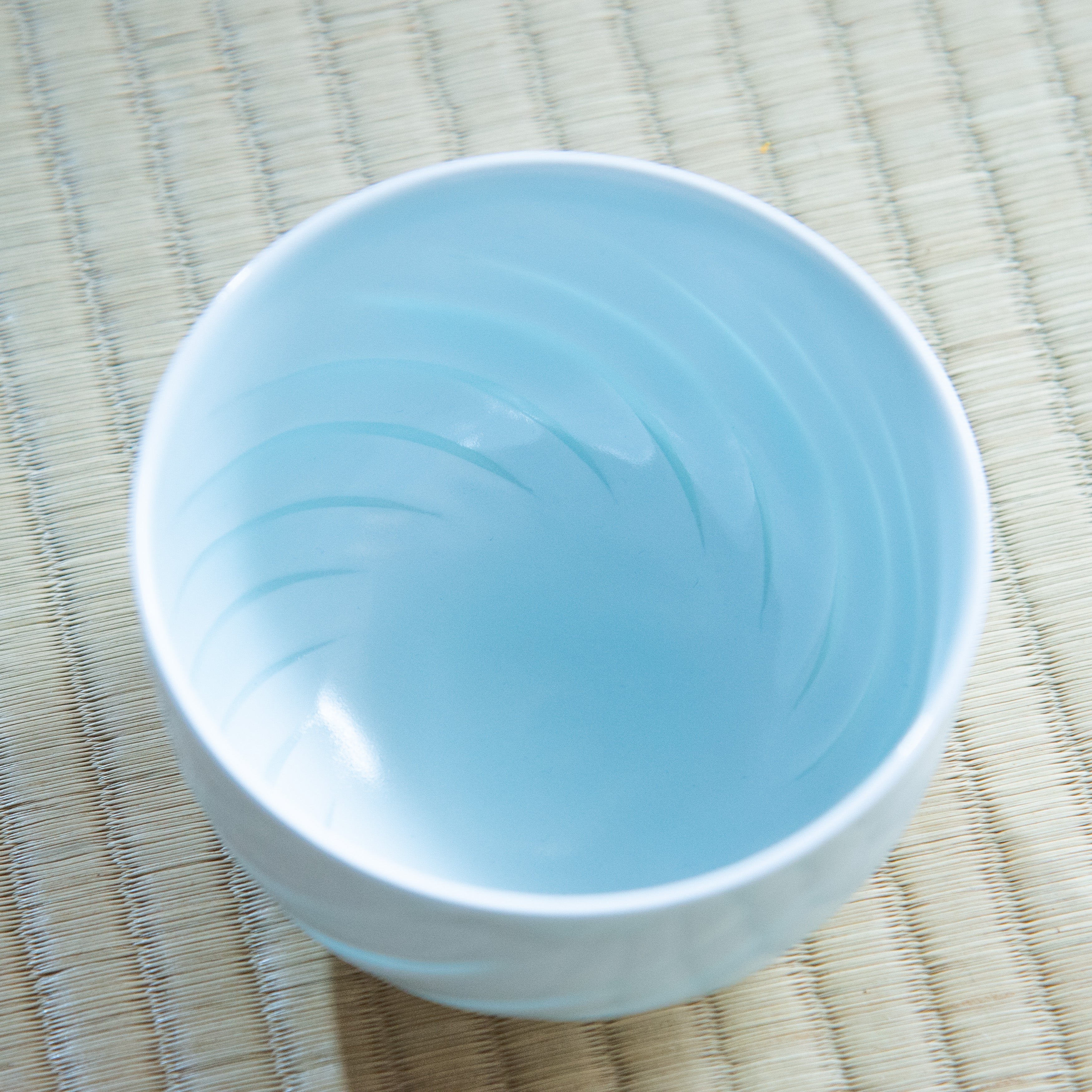
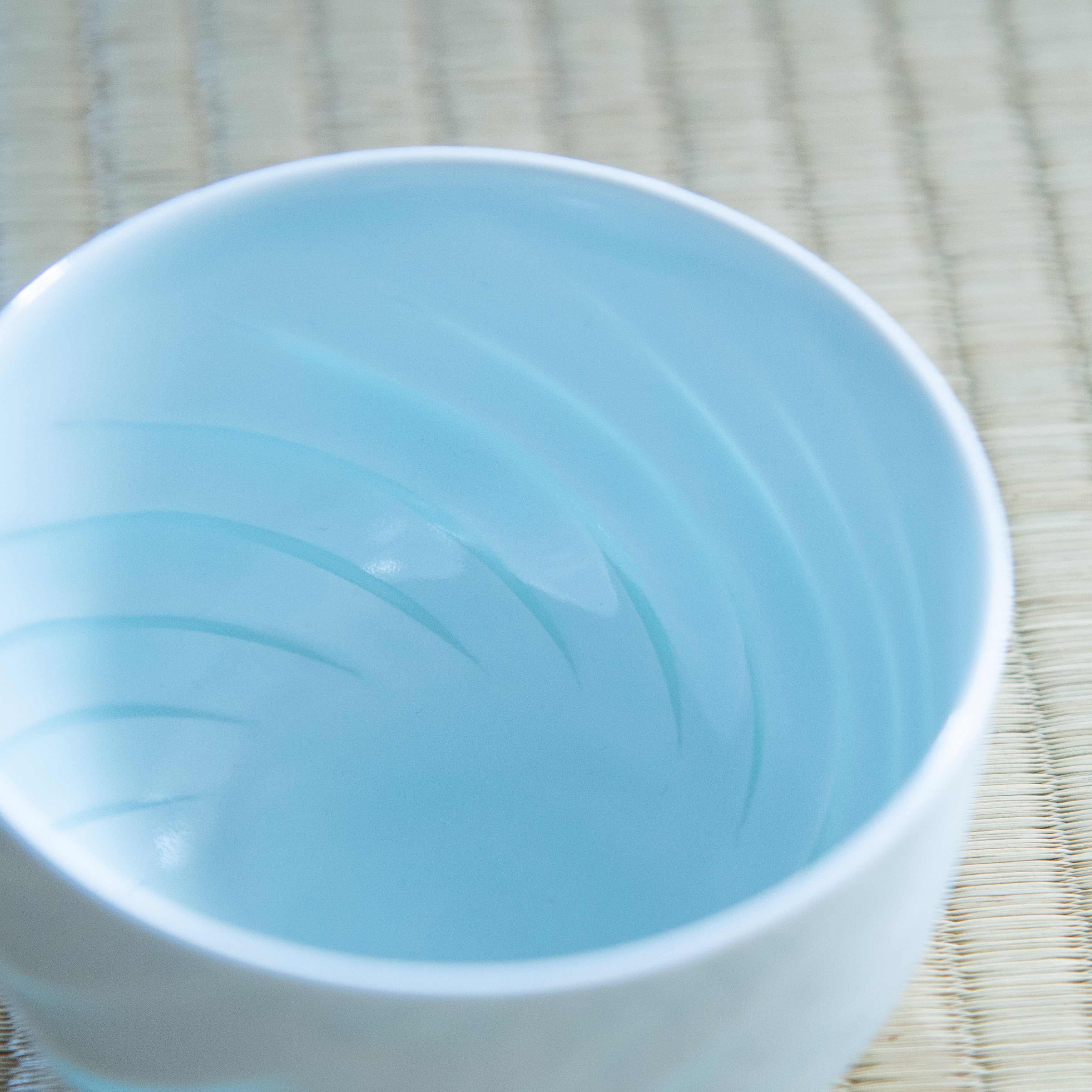
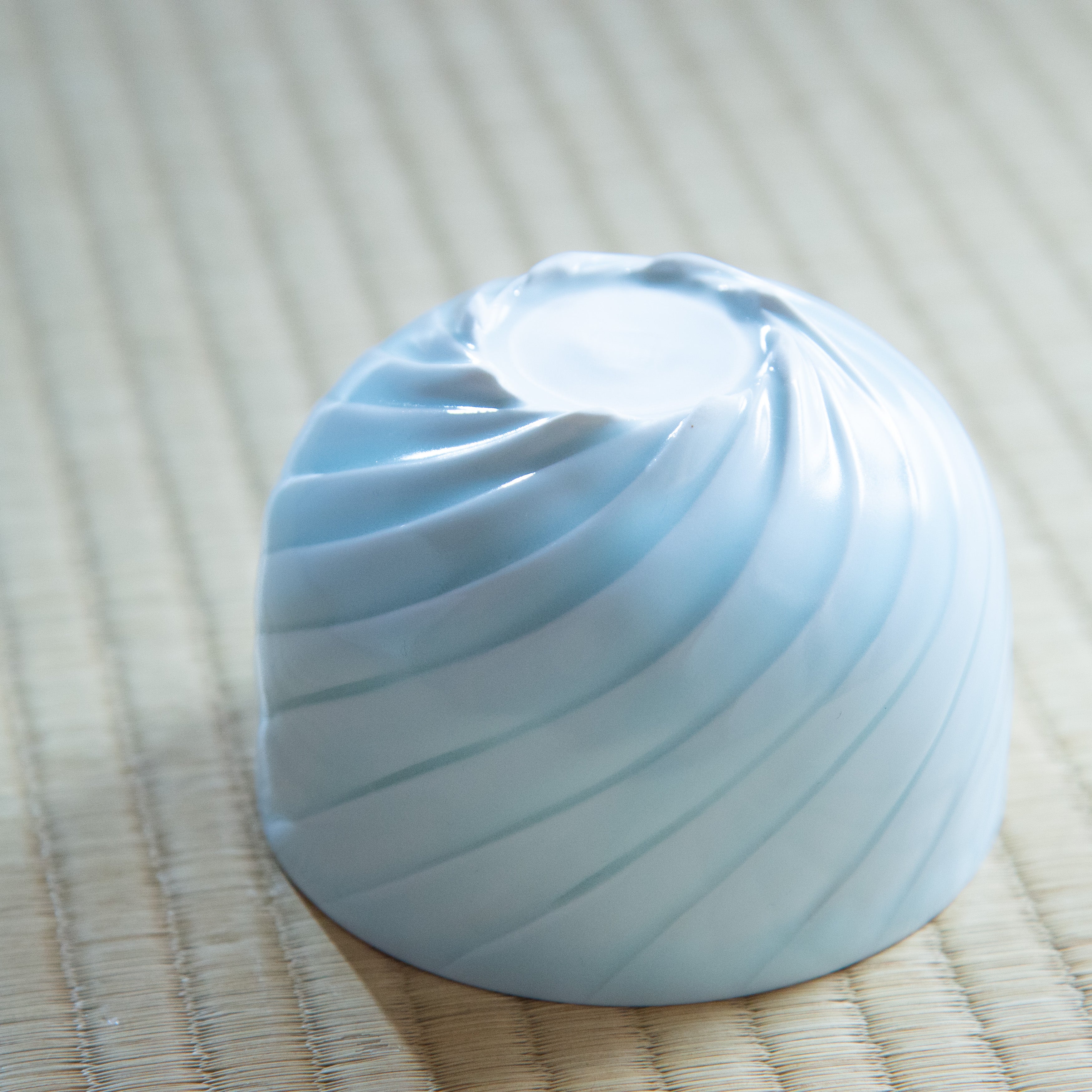
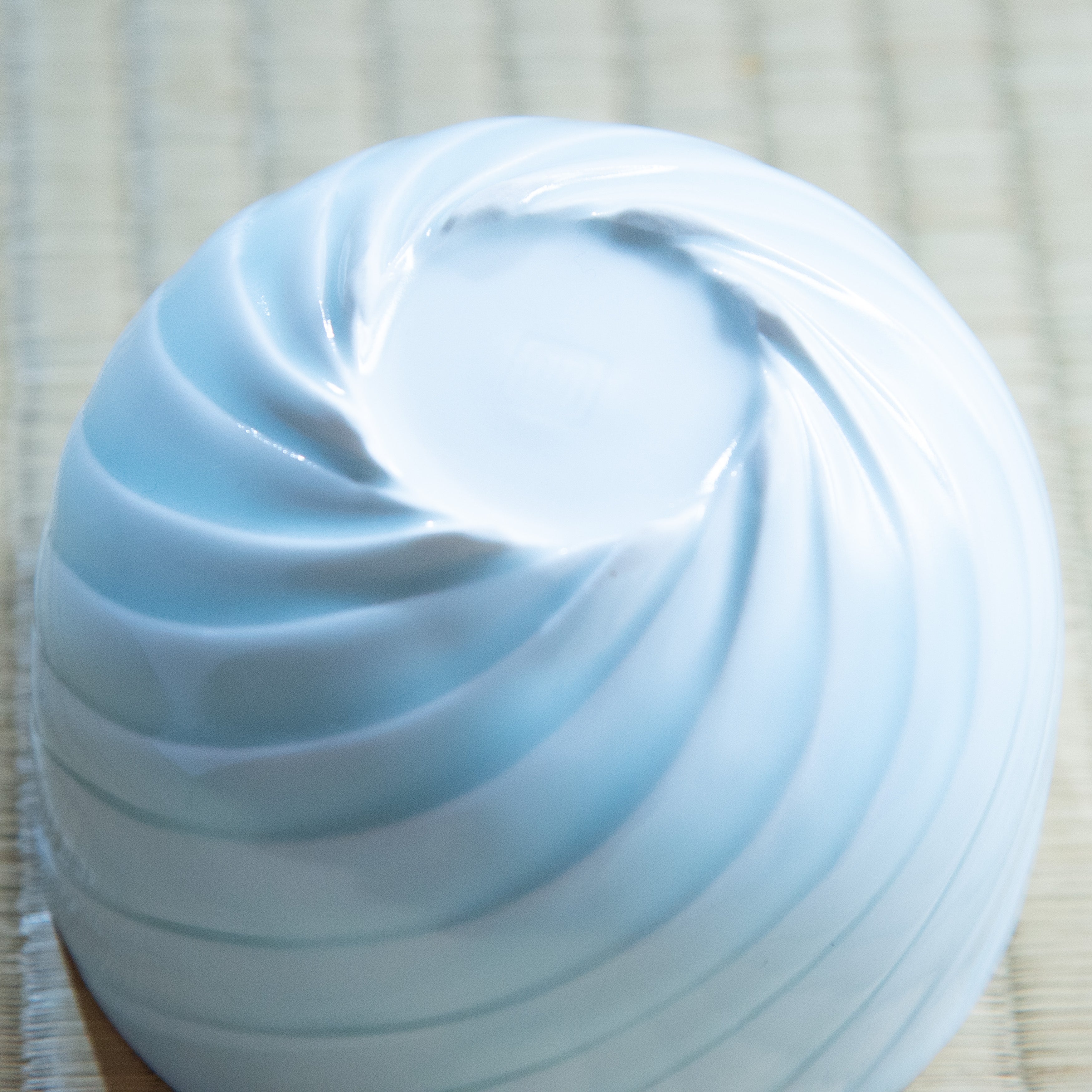
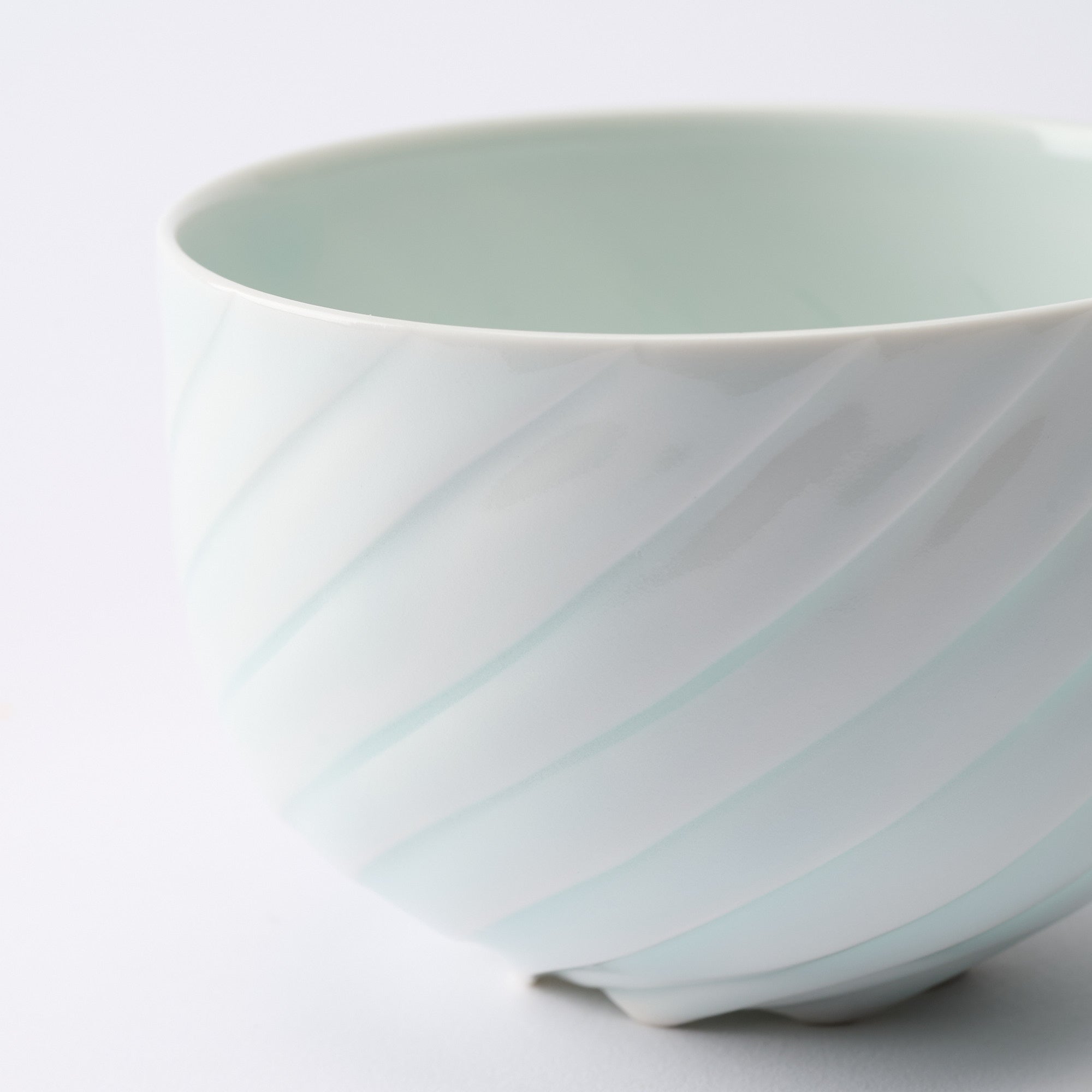
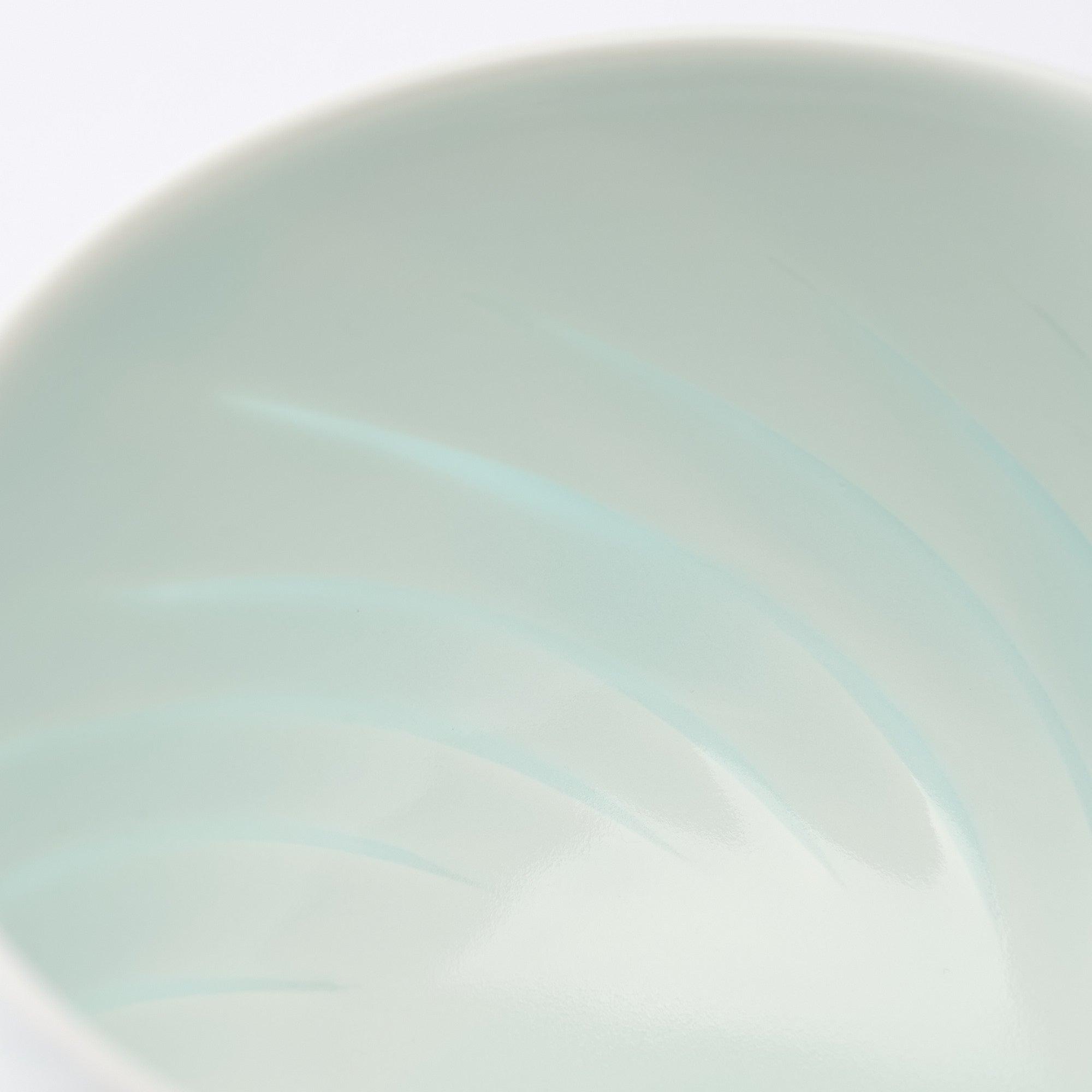
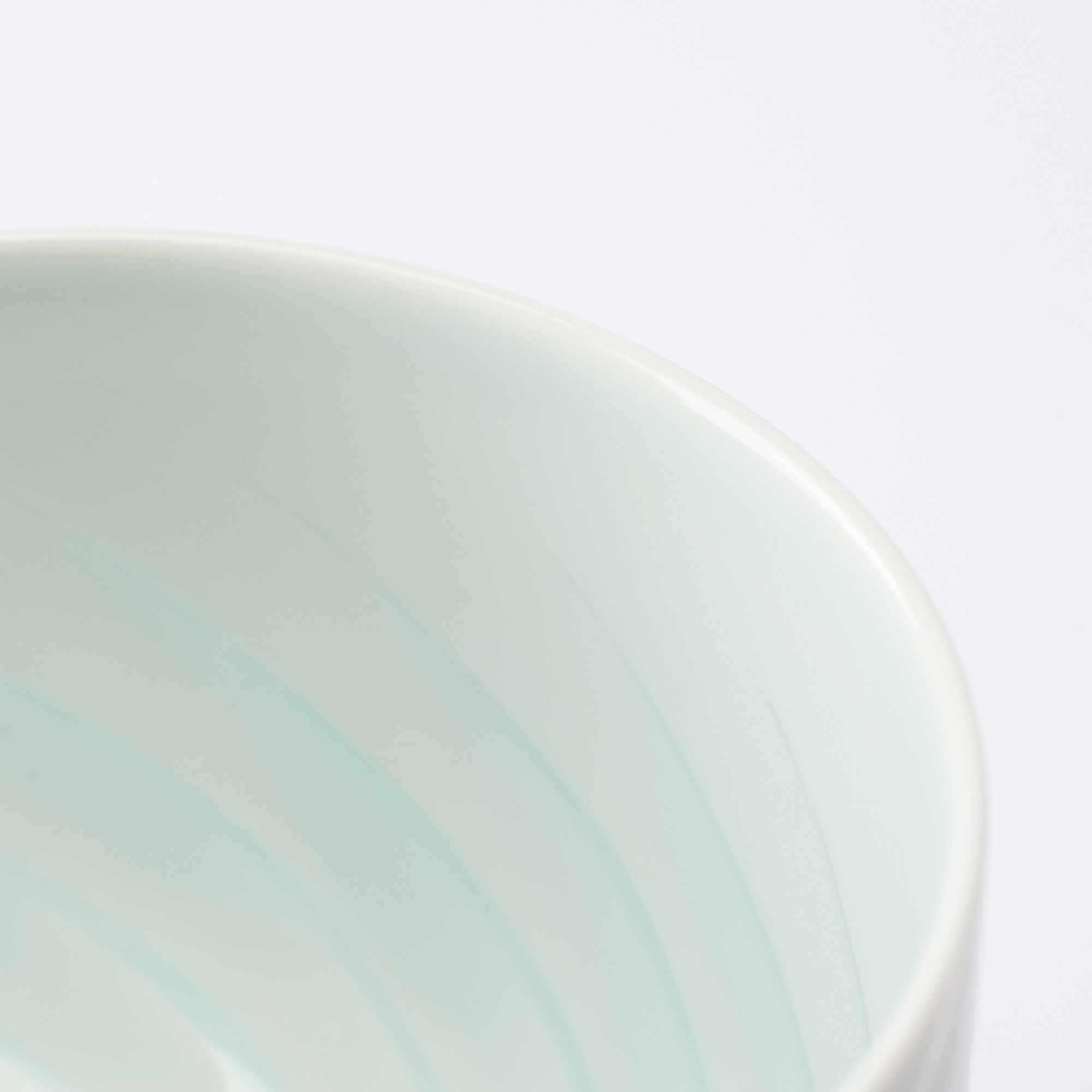
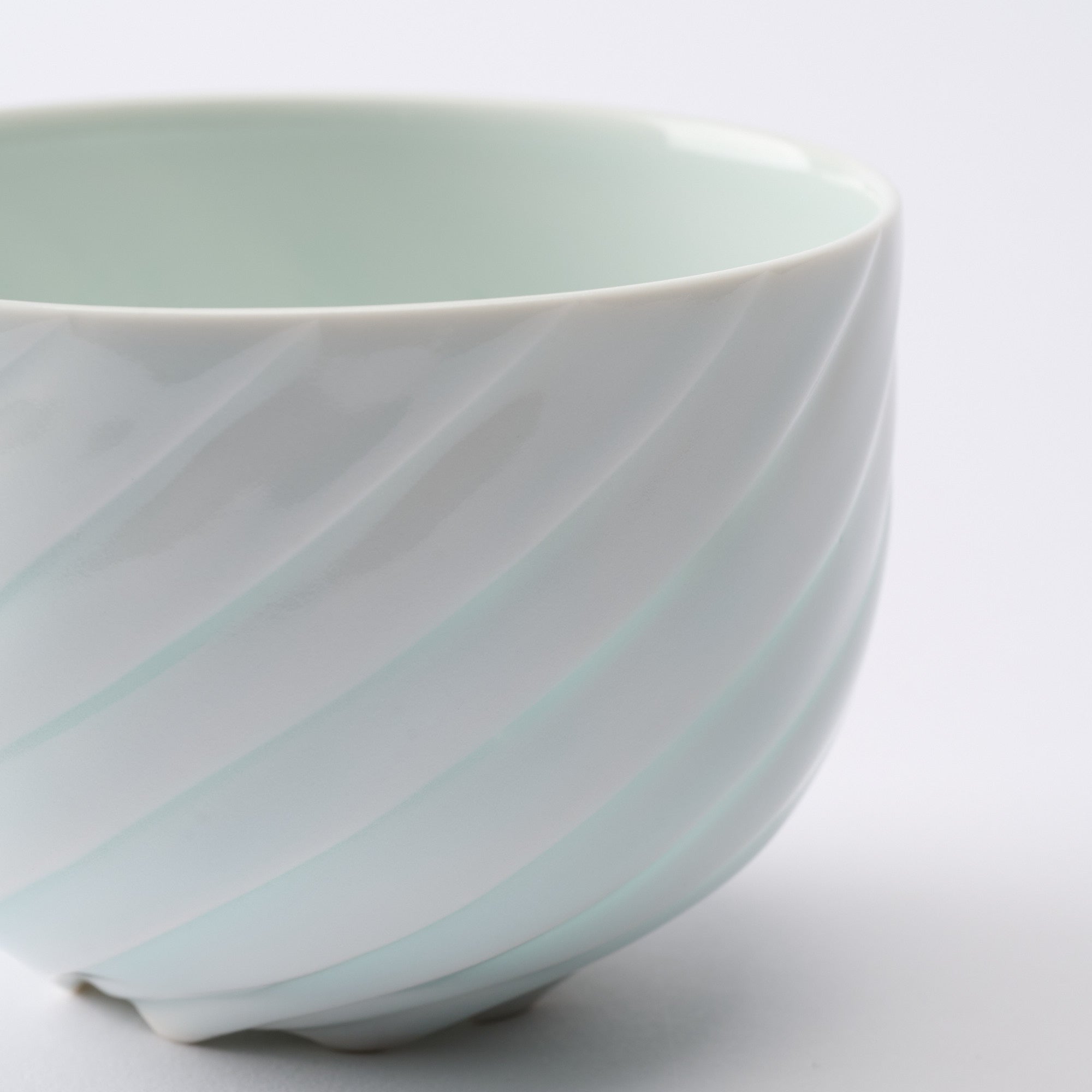
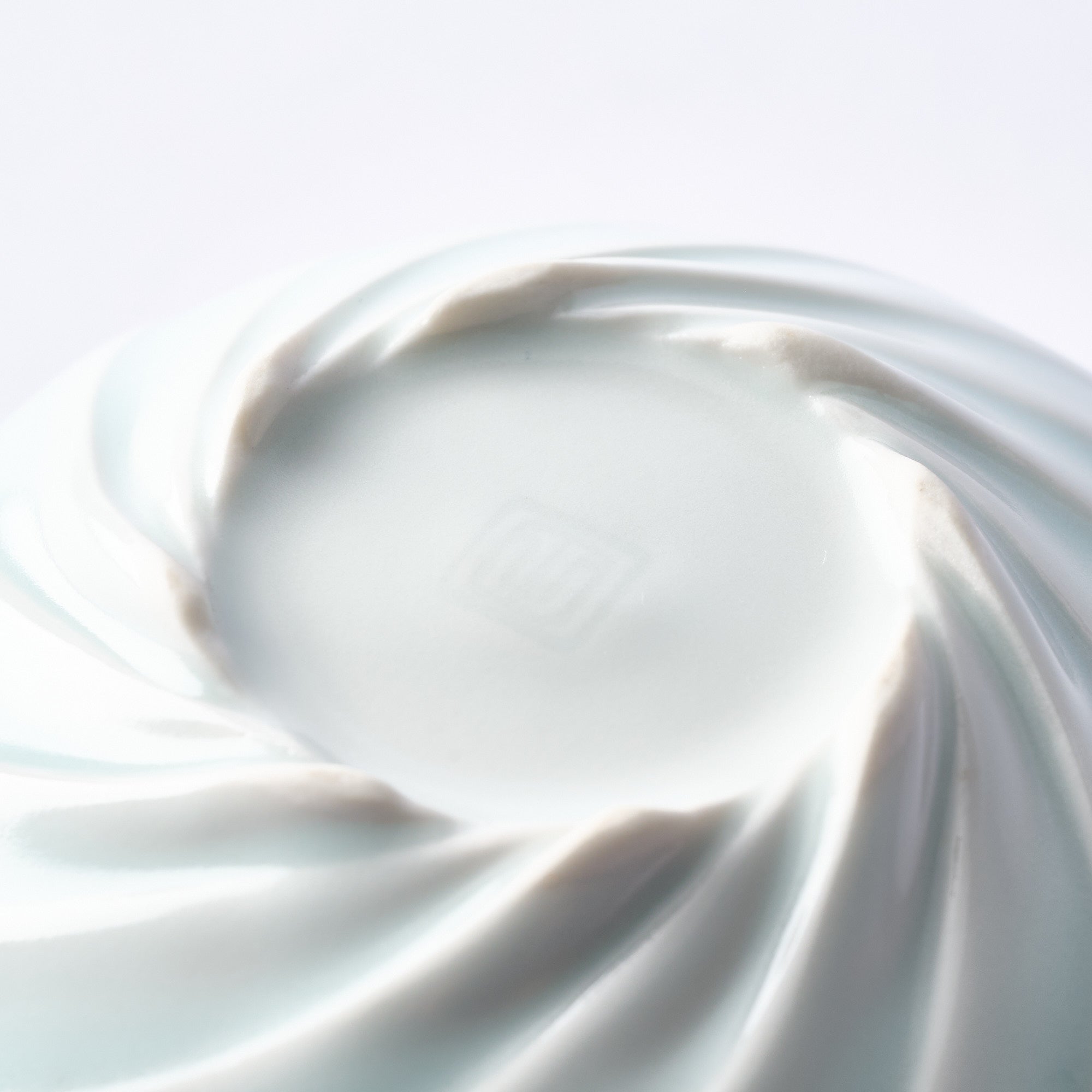
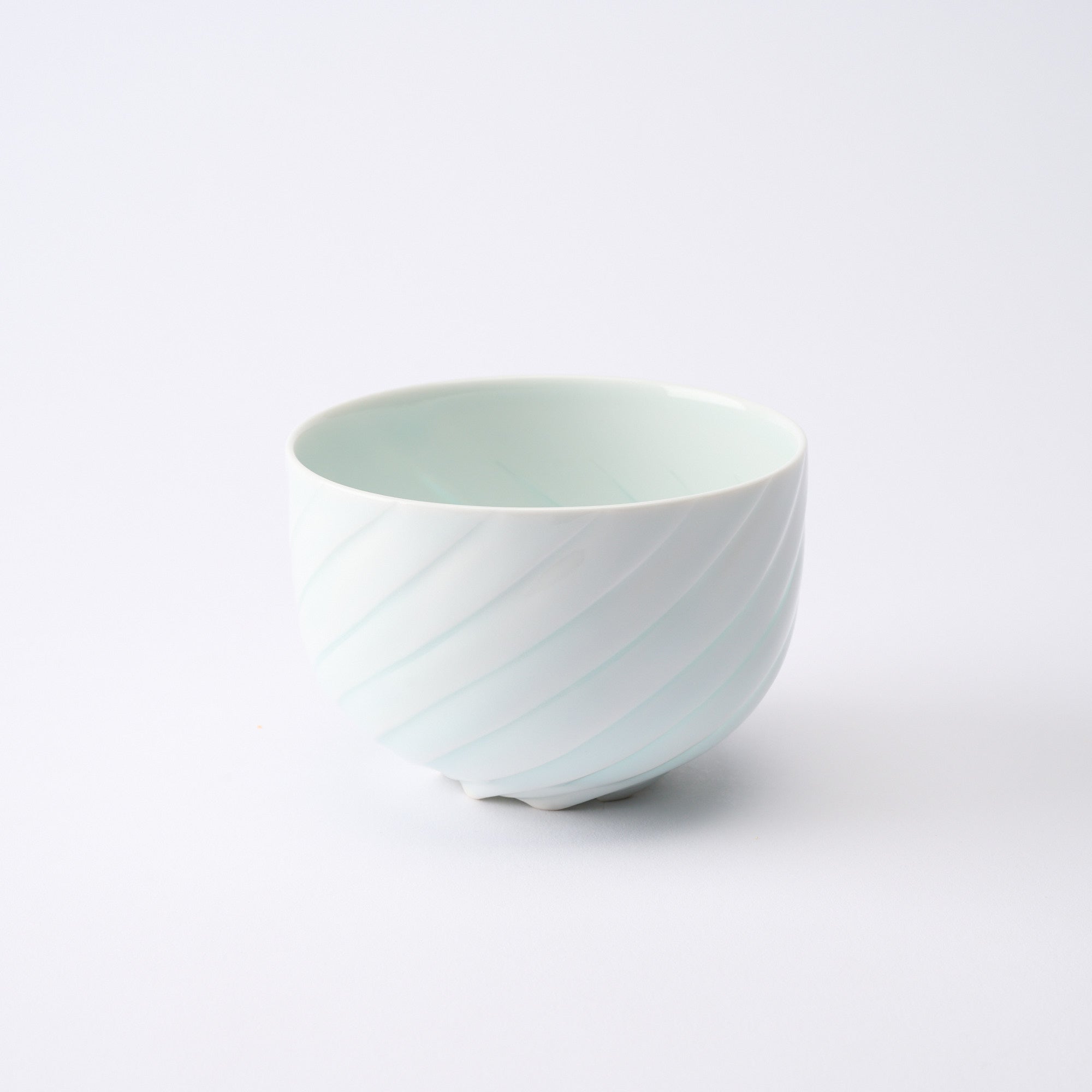
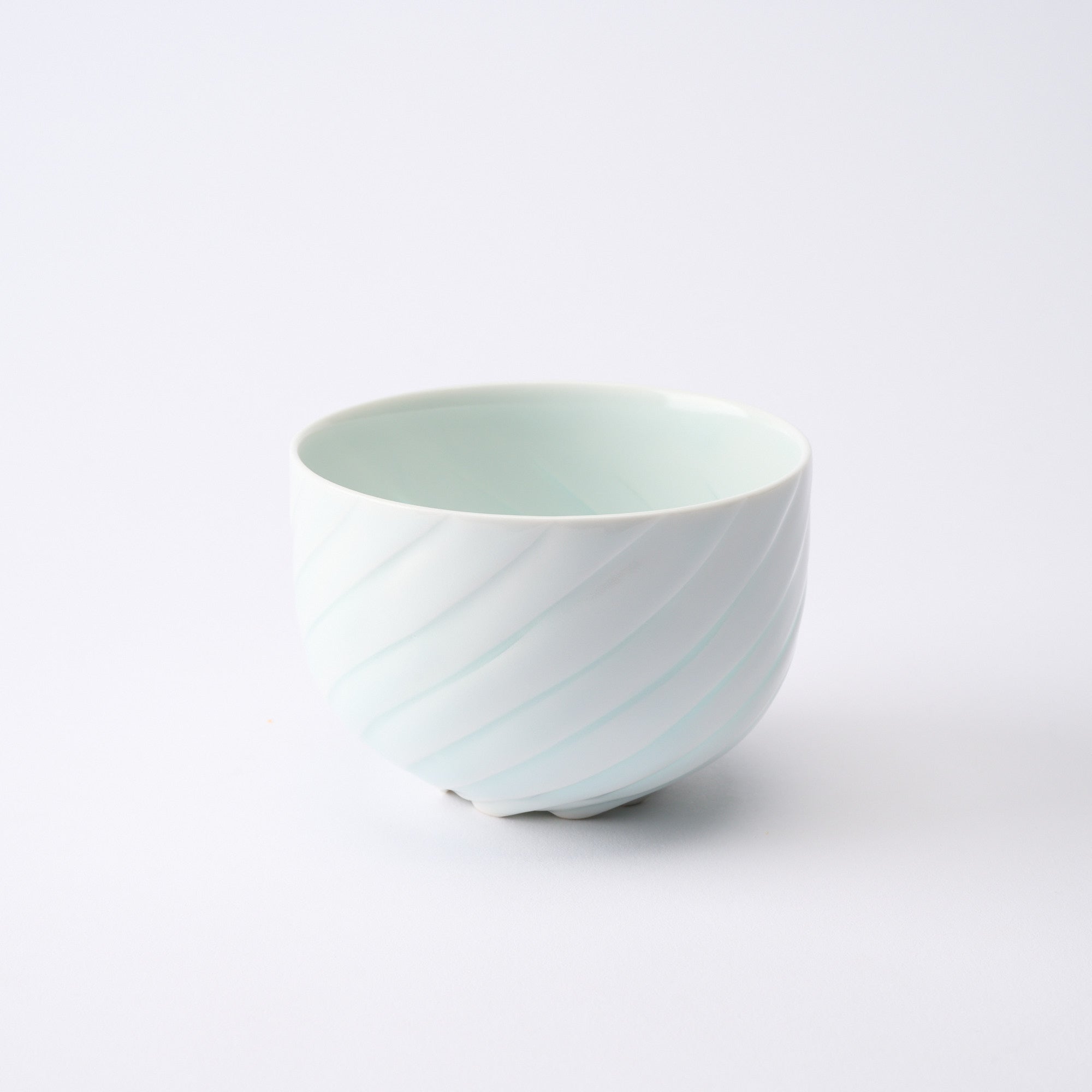
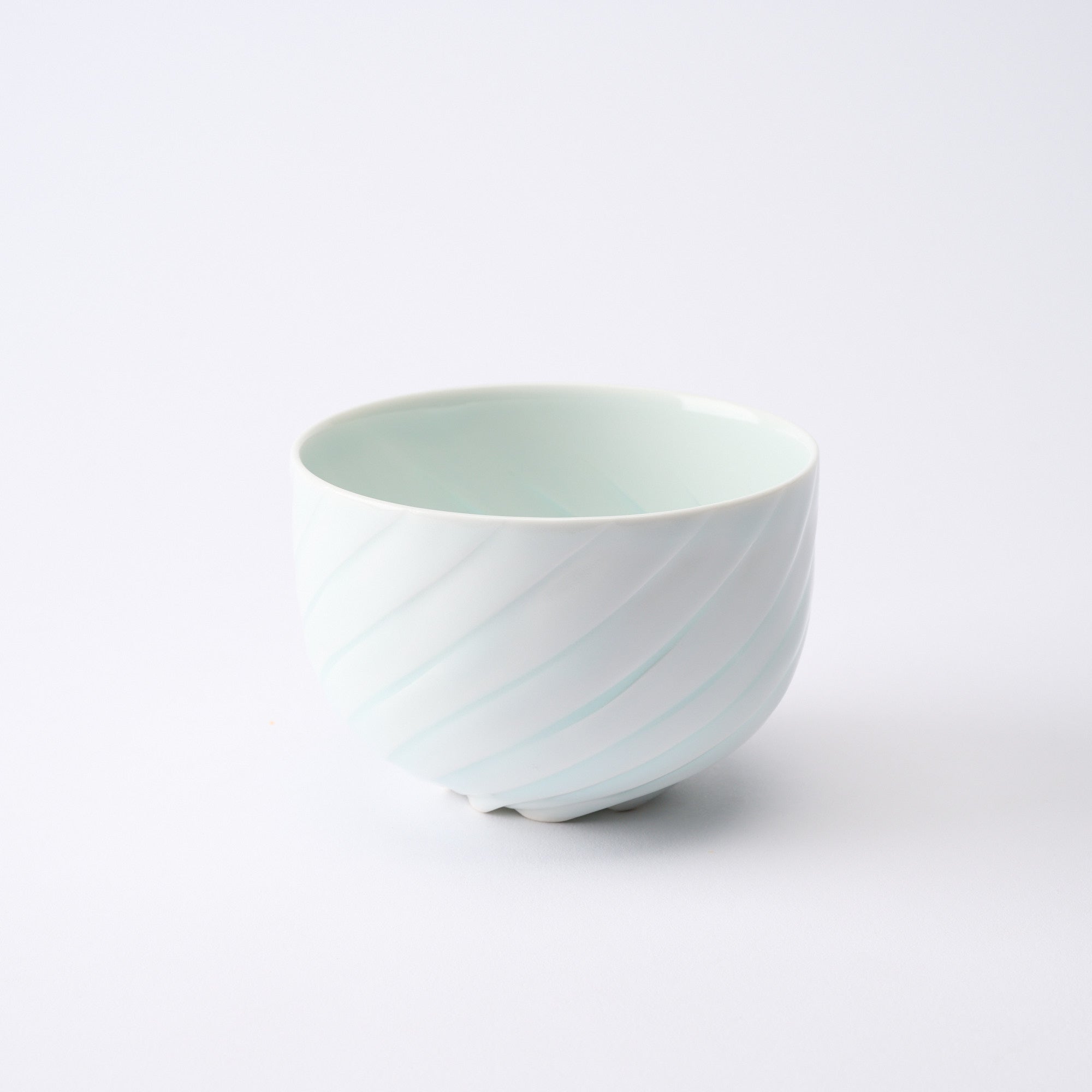
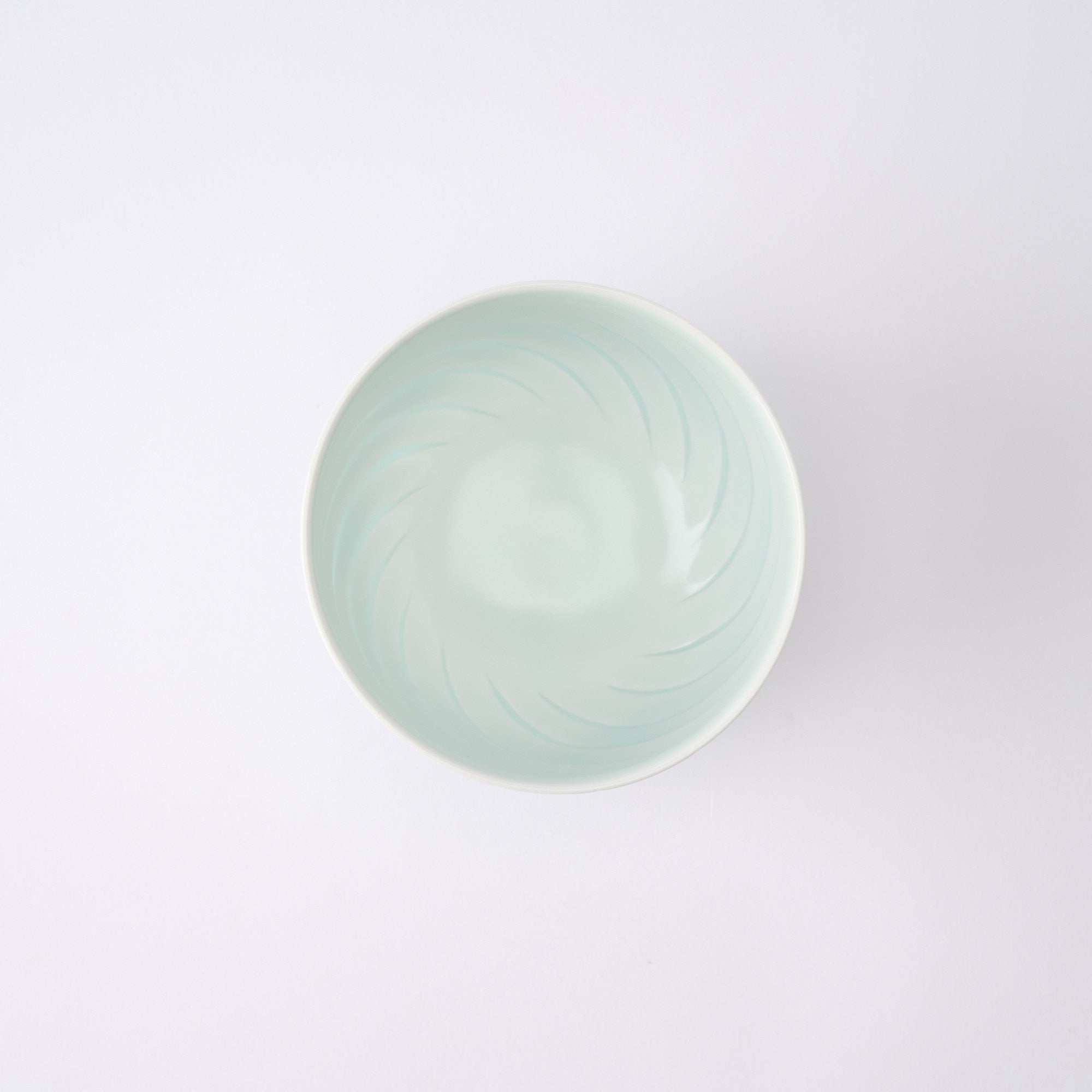
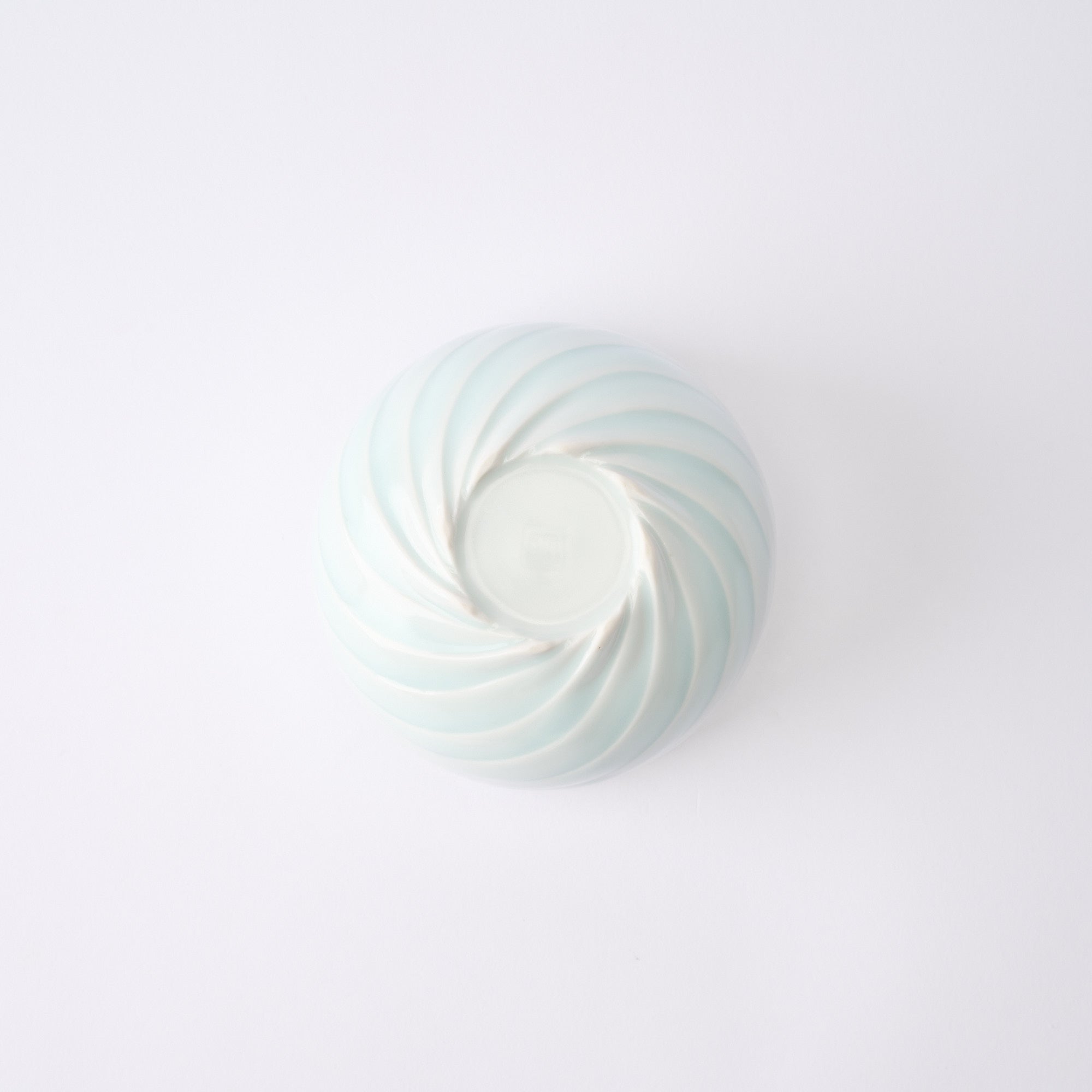
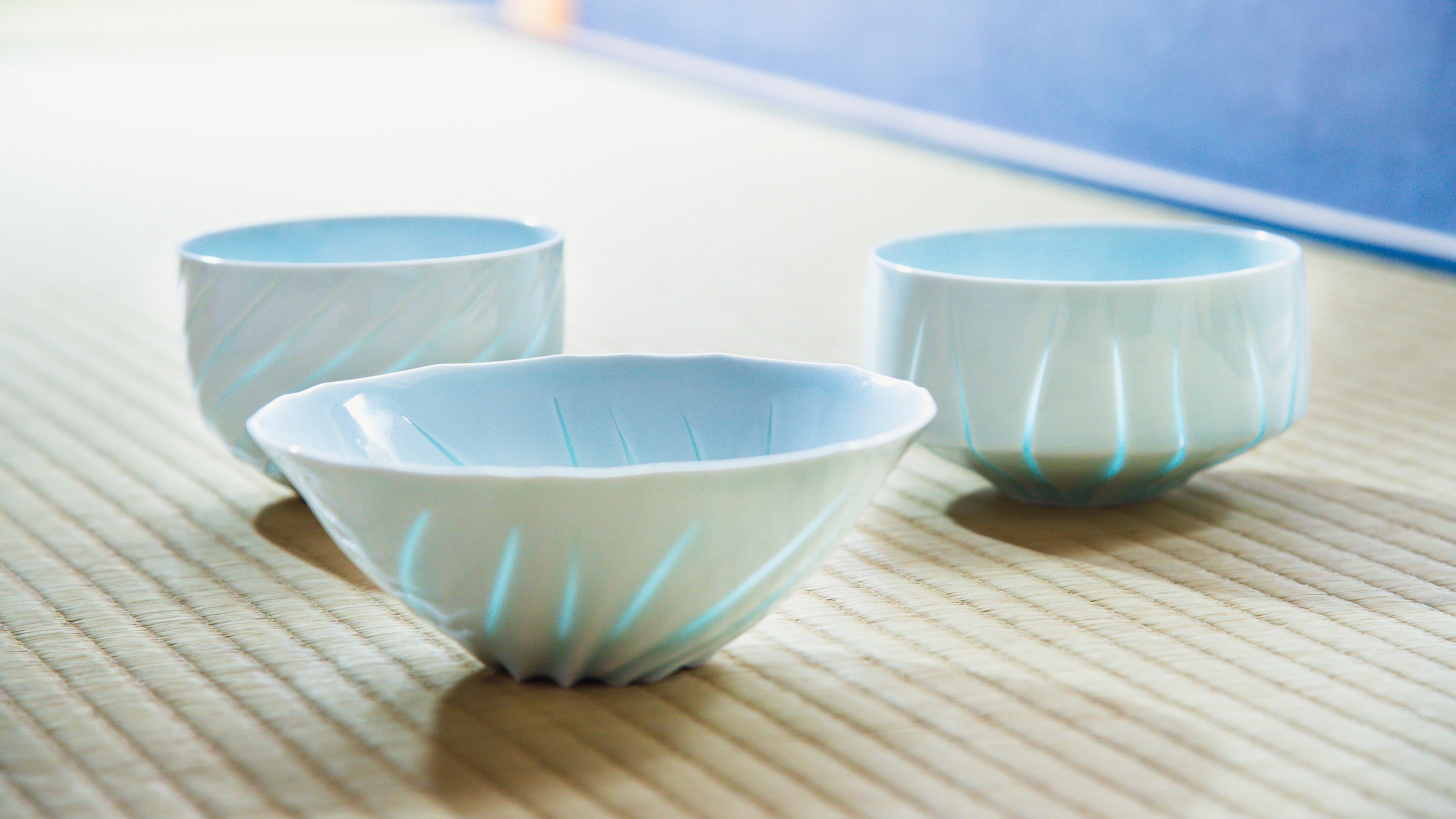
Le bol à matcha Whirl of Light de l'artiste Seto Taruta Hiroshi captive par un jeu de lumière onirique et d'ombre. Délicatement façonné et émaillé d'un céladon pâle, le bol porte une présence légère et gracieuse. Sa surface s'anime d'une séquence de spirales rythmées, chacune soigneusement espacée pour créer une cadence visuelle harmonieuse. Le motif tourbillonnant évoque l'ordre dynamique d'un tourbillon—une forme élégante où mouvement et structure se rencontrent. Lorsque la lumière touche le bol, les lignes courbes la captent et la libèrent par intervalles doux, produisant des reflets changeants qui confèrent au récipient une sensation de profondeur et de mouvement. Le résultat est un bol à matcha qui équilibre conception disciplinée et atmosphère poétique.
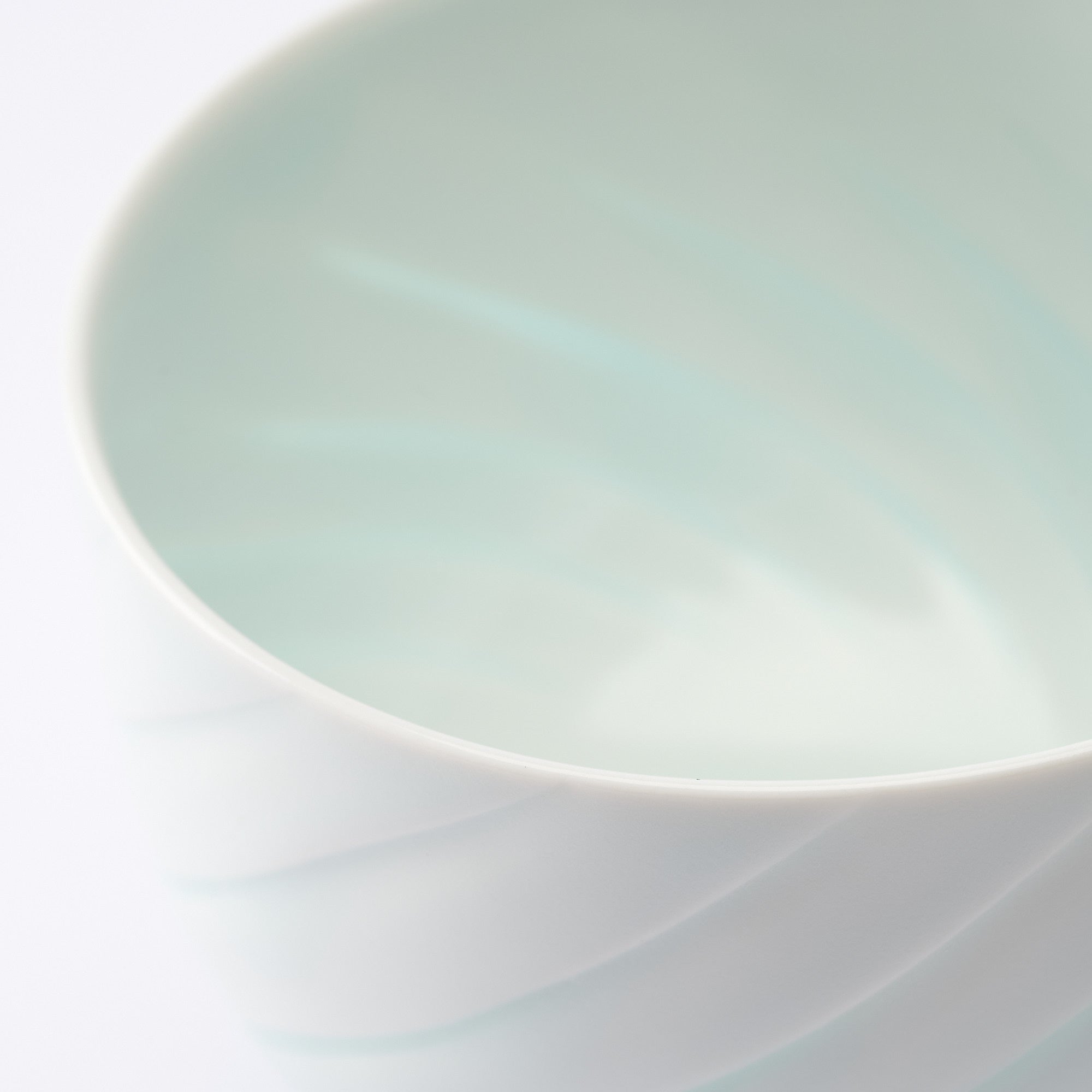
La technique appliquée par Taruta, connue sous le nom de hotarude—littéralement « technique de la luciole »—consiste traditionnellement à sculpter des ouvertures complexes dans la porcelaine et à les recouvrir d'un émail translucide. Cela permet à la lumière de traverser le récipient tout en maintenant une surface homogène, créant des points d'illumination qui rappellent les lucioles scintillant dans une nuit de soie sombre. Bien que les découpes hotarude soient généralement circulaires, Taruta se spécialise dans les gravures linéaires, apportant sa propre vision artistique unique à la forme.
Au-delà de la complexité de la gravure, l'émail joue un rôle essentiel dans la formation de son caractère lumineux. Taruta a commencé à travailler avec l'émail durant son apprentissage et a continué à affiner sa formulation en ajustant soigneusement la composition de l'émail et les conditions de cuisson, atteignant un équilibre de couleur et de translucidité. La porcelaine rayonne doucement tout en préservant la clarté des lignes gravées.
Lorsque le récipient est lentement tourné, la lumière glisse le long des lignes spiralées, se rassemblant et se dispersant à travers la surface en motifs doux et changeants. Le mouvement subtil de luminosité et d'ombre révèle de nouvelles facettes de la forme à chaque regard, invitant à un moment de réflexion calme.
DÉTAILS
| Quantity | 1 |
| Size |
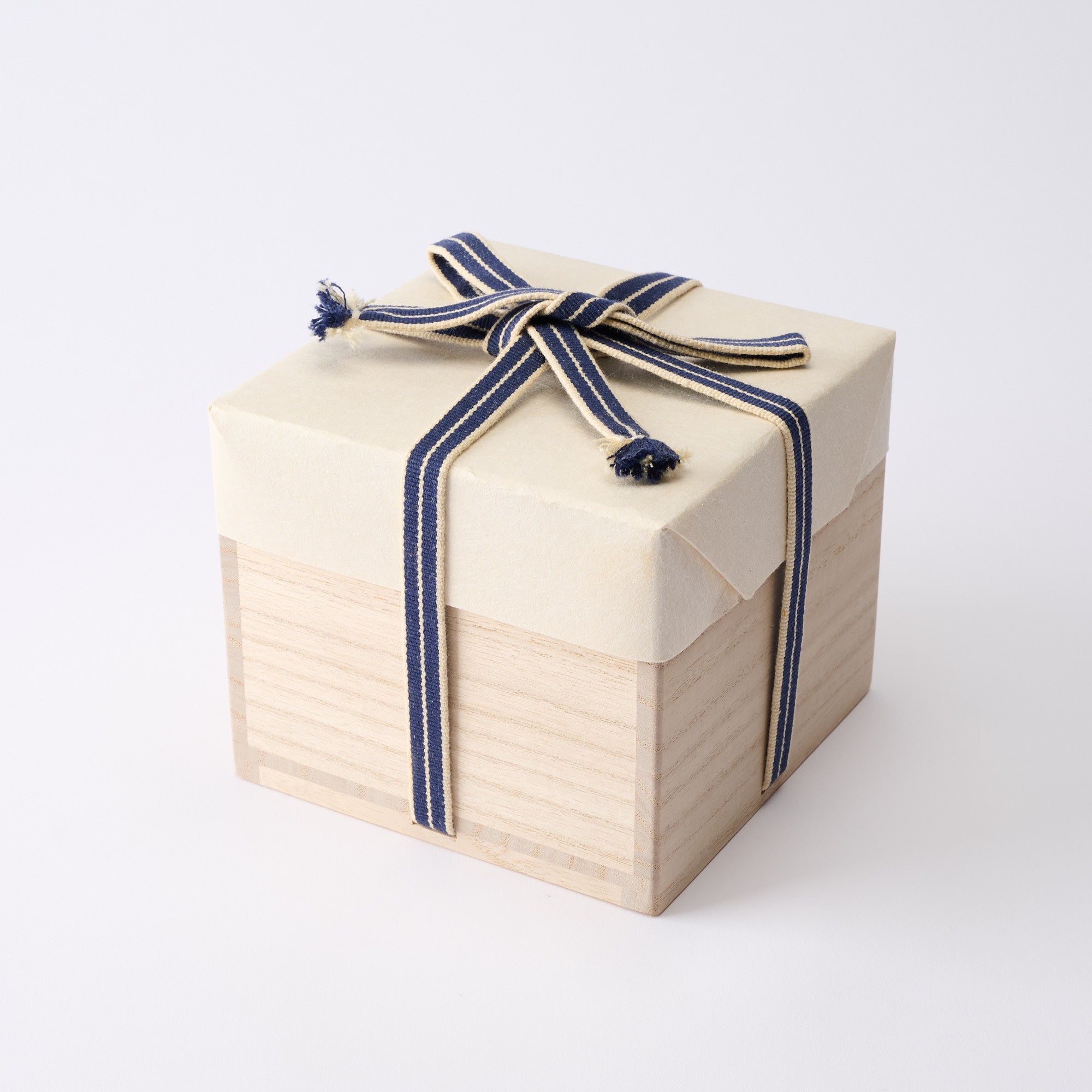
D 10.7 cm (4.2 in) x H 7.2 cm (2.8 in) [Wooden box] L 12.7 cm (5.0 in) x W 12.7 cm (5.0 in) x H 11 cm (4.3 in) |
| Capacity | 300 ml (10.1 fl oz) |
| Weight | 200 g (7.1 oz) |
| Material | Porcelain |
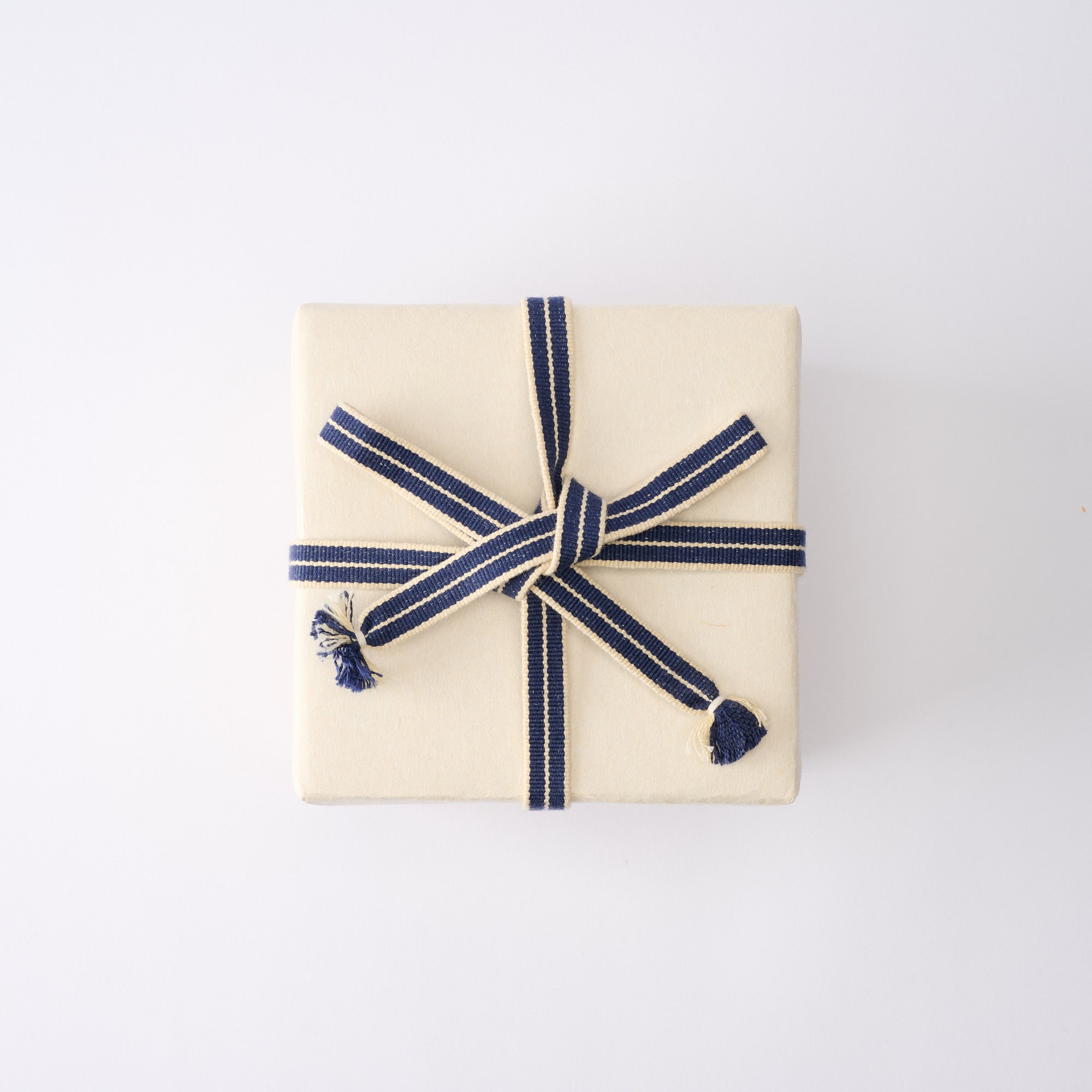
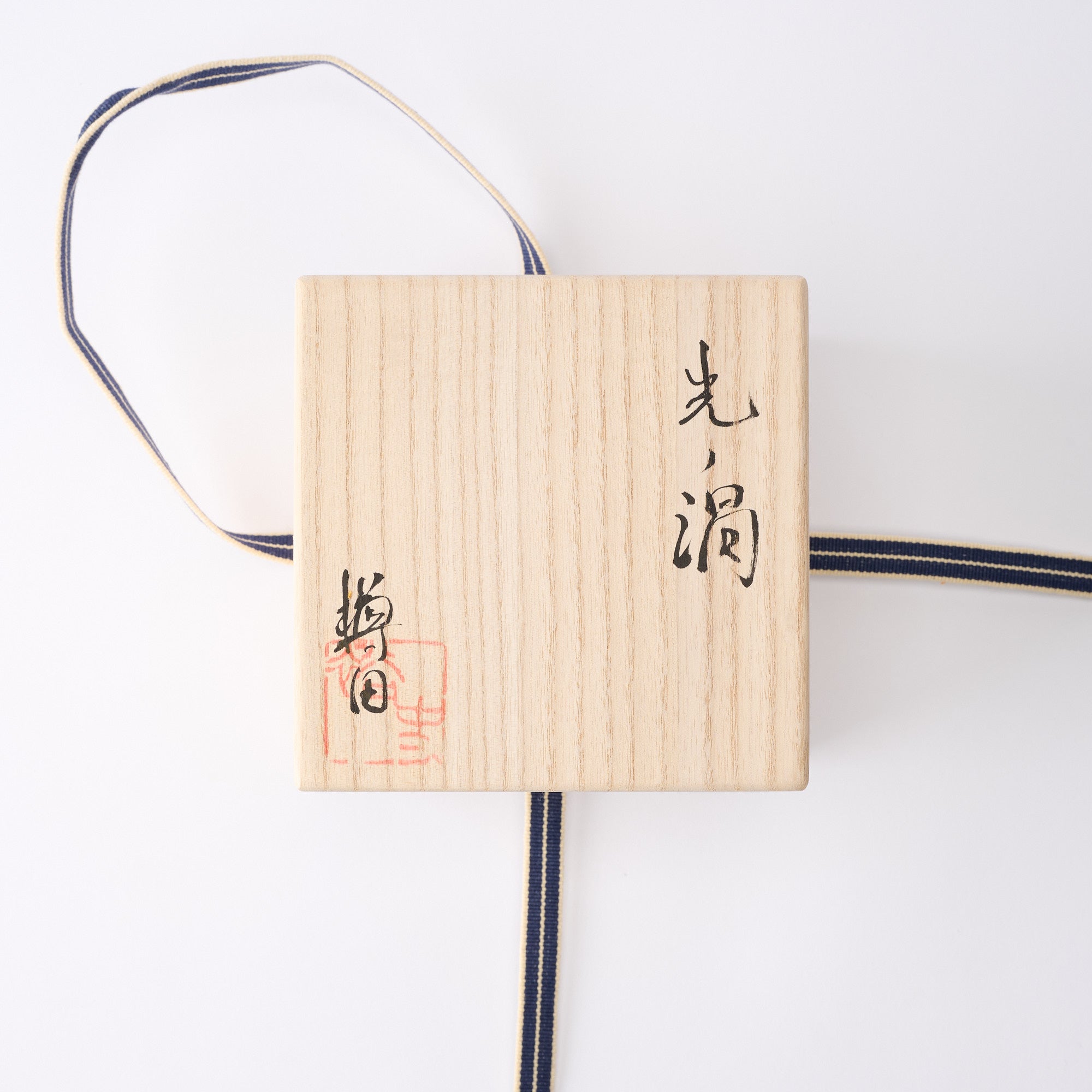
| Package Type | Wooden box |
| Microwave | No |
| Dishwasher | No |
Artisan / Marque
Taruta Hiroshi est un artiste de la céramique de Seto spécialisé dans le hotarude, une technique d'ajourage où des découpes de lignes gracieuses sont gravées dans l'argile, puis remplies d'émail translucide avant cuisson. Travaillant la porcelaine et l'émail céladon pâle, Taruta crée ainsi des paysages de lumière à chaque incision délicate. Il apporte une approche innovante à son travail, cherchant de nouveaux modes d'expression en repoussant les limites du hotarude. Ses pièces élégantes créent des interactions entre l'espace et la lumière qui suscitent émerveillement et mystère silencieux.
Artisanat
Fabriqué dans et autour de la ville de Seto dans la préfecture d'Aichi, la vaisselle de Seto englobe une large gamme de céramiques qui reflètent des siècles de savoir-faire et d'innovation. Figurant parmi les six fours anciens (Rokkoyo) du Japon, la région de Seto occupe une place de choix dans le patrimoine céramique du pays. Elle fut également pionnière dans la production de porcelaine en série, et son usage répandu a donné naissance au mot « soupe » . Setomono — terme encore utilisé aujourd'hui pour désigner la céramique en général.
Remarquable par son ampleur stylistique, Seto est l'une des rares régions du Japon où l'on fabrique à la fois du grès et de la porcelaine. De la simple vaisselle du quotidien aux pièces plus raffinées, la vaisselle de Seto continue de rythmer le quotidien avec des créations alliant tradition et créativité.
Notes
Choisir les options