Musubi 結び
結 to tie · to join · to bear fruit
Musubi signifie lier, attacher, joindre—le mot qui porte notre nom. Mais il est plus ancien que les nœuds. Sa racine, musu, est un verbe ancien qui signifie « venir à l'existence », le même mot utilisé pour la mousse qui croît lentement sur la pierre (koke musu). Hi signifie esprit : dans la plus ancienne chronique du Japon, le Kojiki, musuhi est la force génératrice qui fait naître la vie. Les mots courants pour fils (musuko) et fille (musume) porteraient la même racine—une âme née dans ce monde.
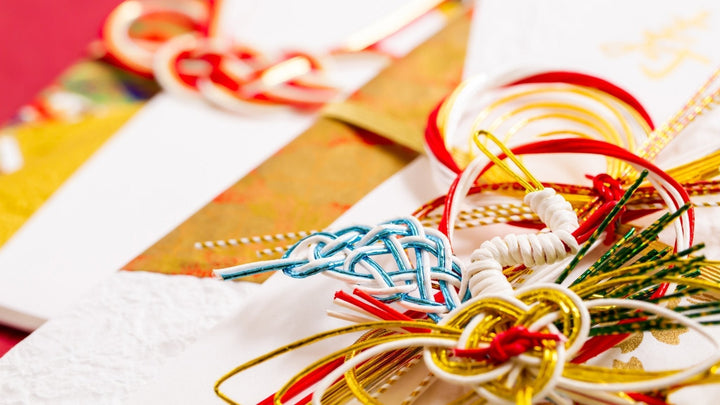
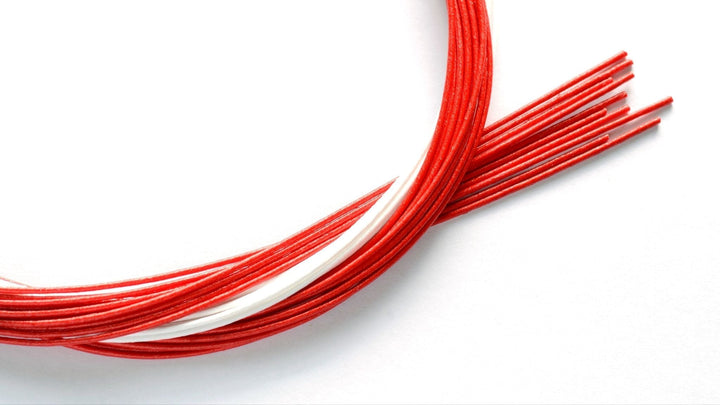
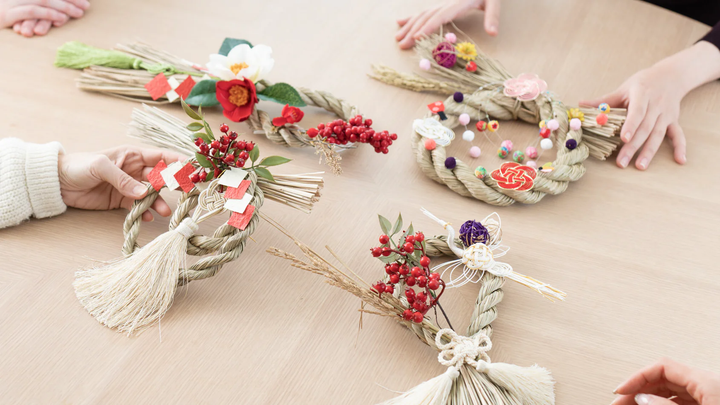
Faire un nœud n'a donc jamais été simplement pratique. On croyait qu'un nœud retenait l'âme venue y habiter, l'empêchant de s'égarer jusqu'au moment où le nœud serait défait. C'est pourquoi les nœuds apparaissent à chaque seuil de la vie japonaise—dans les cordons mizuhiki sur les cadeaux, dans les cordes shimenawa aux sanctuaires, dans la ceinture d'un kimono : chacun lie discrètement quelque chose de vivant.