

Découvrez les motifs traditionnels japonais pour l'hiver
Nous souhaitons vous présenter quelques motifs de bon augure d'hiver et leur signification.
Le Japon connaît quatre saisons distinctes. Chacune possède ses caractéristiques propres et ses motifs qui les symbolisent. Certains de ces motifs portent des significations de bon augure et s'intègrent dans divers aspects de la vie quotidienne.
Décembre marque le début de l'hiver véritable, et l'on commence à voir des motifs charmants dans de nombreux événements tels que Noël (le Père Noël), le Nouvel An (les signes du zodiaque japonais), et Setsubun (le démon). Si vous y prêtez attention, vous pouvez également découvrir des motifs de bon augure propres à l'hiver en divers lieux et occasions. On les trouve sur les kimonos portés pendant les fêtes du Nouvel An, sur les motifs des confiseries japonaises vendues en hiver dans les boutiques, et bien sûr, sur les articles de MUSUBI KILN ! Nous souhaitons vous présenter quelques-uns des motifs hivernaux de bon augure et leur signification.
Nandina
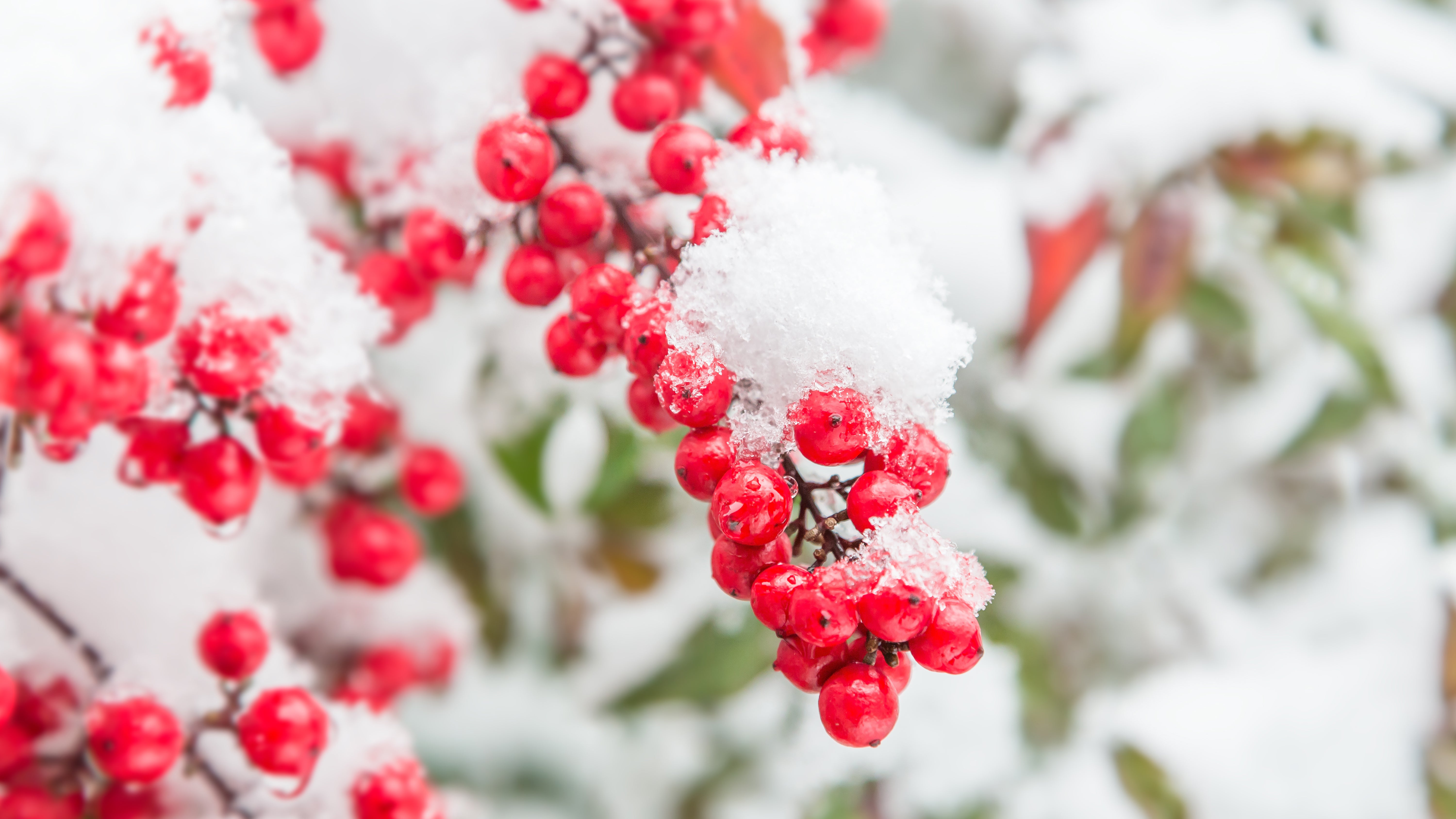
L'apparence charmante du nandina rappelle celle de la baie rouge utilisée dans les couronnes de Noël à l'étranger. On lui attribue le pouvoir de repousser les esprits maléfiques et le feu, et il était souvent planté devant les entrées pendant la période Edo (1603-1868). Le nandina se plante de préférence dans la direction sud-ouest, connue sous le nom de « porte du démon ». Depuis l'Antiquité, il est planté dans les jardins comme un arbre qui « renverse les situations difficiles et apporte la chance ». Le nandina est également utilisé pour prier pour un accouchement sans danger et comme fleur pour les décorations du Nouvel An.

Ce rouleau suspendu représente le nandina (bambou céleste) et le fukujuso (fleurs d'adonis). Les teintes vives de rouge et de jaune s'harmonisent magnifiquement, apportant une sensation de luminosité et de chaleur à quiconque le contemple.
Vu de près, la surface révèle un éclat délicat créé par l' eginu, une soie fine traditionnellement utilisée pour les peintures de haute qualité. Tissé à partir de fils tirés de cocons de vers à soie, ce textile délicat possède une fermeté subtile et un lustre blanc doux qui rehausse discrètement la beauté de l'œuvre.
Lorsqu'il est exposé dans votre pièce, les couleurs éclatantes du nandina et du fukujuso apportent un accent lumineux et vivifiant à l'espace, ajoutant chaleur et vitalité aux tons calmes de l'hiver. Grâce à ses motifs de bon augure, ce rouleau suspendu peut être apprécié non seulement en hiver mais tout au long de l'année.

Ne cherchez pas plus loin que le bol à soupe japonaistraditionnel. Avec son pied haut et son couvercle, il convient parfaitement aux occasions cérémonielles ou à l'usage quotidien. Le motif élégant et la peinture dorée de fleurs de lance lui confèrent un air de raffinement, tandis que la texture brillante ajoute une touche de beauté. Que vous serviez de la soupe miso ou un autre type de plat à base de bouillon, le bol à soupe japonais constitue un excellent choix.


Camélia

Les camélias fleurissent magnifiquement dans le froid de l'hiver. Le camélia est depuis longtemps aimé par le peuple japonais et constitue l'une des fleurs les plus représentatives du Japon. Son apparence digne a été largement acceptée à l'étranger comme une beauté orientale, et on l'a appelé la rose japonaise.
Le camélia est considéré comme une fleur de bon augure, symbolisant la « persévérance » et la « vitalité » en raison de sa floraison digne même au cœur de l'hiver le plus rigoureux. Le camélia est un arbre à feuilles persistantes qui conserve ses feuilles vertes sans se flétrir même pendant les mois d'hiver froids. Les arbres à feuilles persistantes ont été considérés comme possédant des pouvoirs magiques, des arbres sacrés dotés de pouvoirs mystérieux depuis l'Antiquité, raison pour laquelle ils sont souvent plantés dans les temples. C'est également un arbre qui a été chéri comme « arbre sacré » car on croit qu'il possède le pouvoir de repousser les esprits maléfiques.

Le sake se sert traditionnellement dans de petites coupes ou verres, et se boit souvent lors d'occasions spéciales telles que les mariages ou les célébrations de fêtes. Les motifs de camélia sur ce magnifique service à sake sont créés selon la technique ginsai , qui consiste à appliquer un émail cinq couleurs sur une feuille d'argent. Le résultat est une finition d'une transparence et d'un brillant remarquables, encore rehaussée par des couleurs en dégradé.
 Camellia Chopstick Rest Set
 Camellia Katakuchi Sake Carafe
 Green Camellia Kutani Sake Set
 Gold and Silver Camellia Japanese Tea Set
 Camellia Mug
 Ginsai Camellia Sake Set
 Camellia Blooms Ramen Bowl 7.5 in
 Ginsai Camellia Japanese Flower Vase
 Camellia Medium Bowl
Moineau

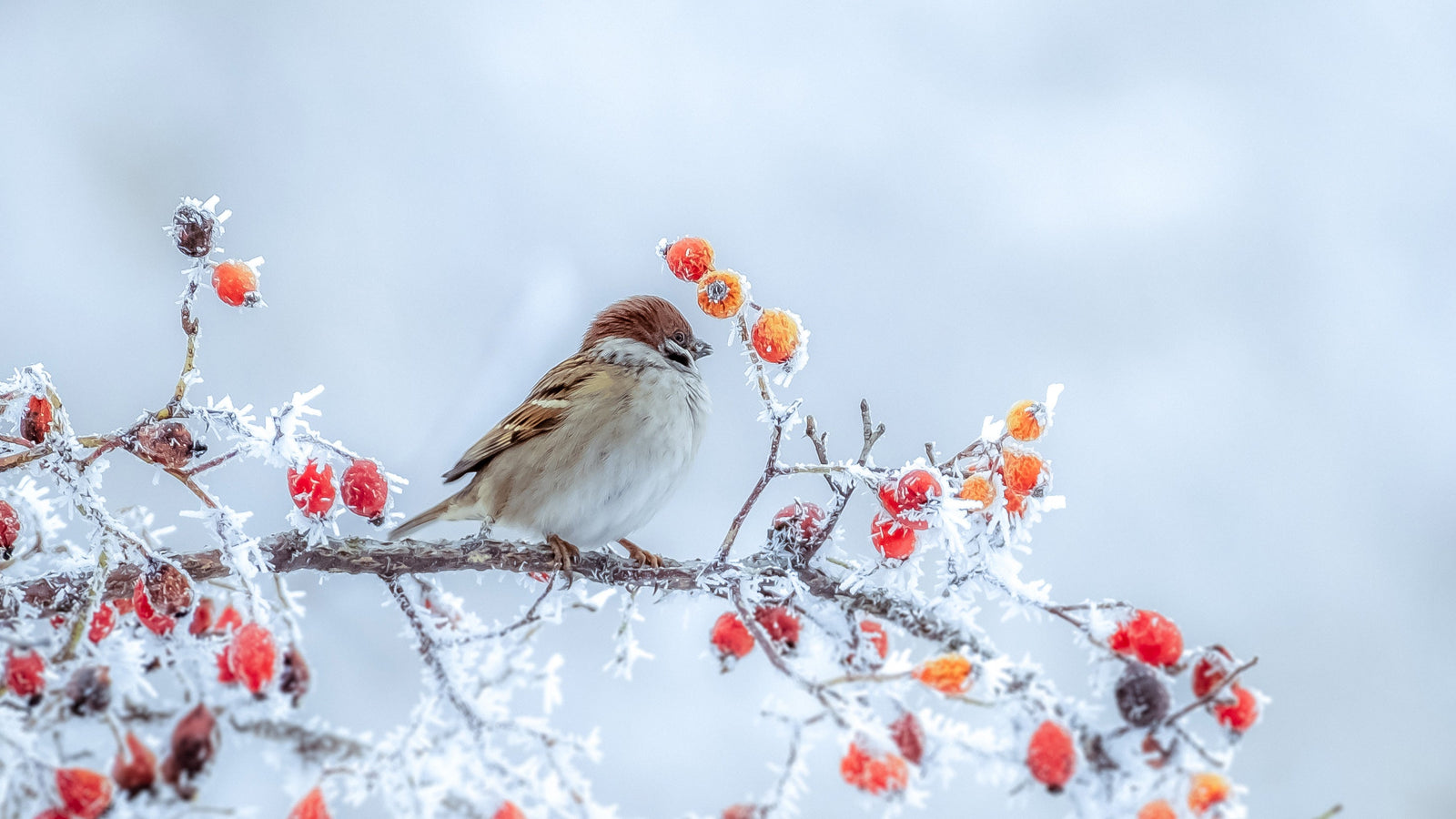
A Le moineau est très charmant par temps froid, se recroquevillant avec de l'air dans ses plumes pour se protéger du froid. C'est un petit oiseau commun que l'on trouve près des habitations au Japon. L'expression japonaise « bambou et moineau » illustre une bonne combinaison de choses. L'association du bambou à feuilles persistantes (herbe de bambou) avec ses racines profondes et larges et du moineau représenterait « la prospérité de la descendance » et « la prospérité de la famille ». Le motif du moineau signifie « repousser le mal », « sécurité du foyer » et « richesse et abondance ».

Ce bol à matcha Kutani ware présente deux moineaux dans un motif aux couleurs chaleureuses. Le moineau de gauche semble gazouiller à son compagnon de droite, et leur échange tendre et vivant apporte une sensation de réconfort à la table.
Au-delà de son motif charmant, ce bol à matcha est tourné à la main. Le corps en argile est substantiel mais doux au toucher, aidant le matcha fraîchement battu à rester chaud. Il repose solidement dans les paumes, avec un poids équilibré qui rend chaque gorgée facile et naturelle.
Fée des neiges japonaise

Une fée des neiges japonaise — mieux connue au Japon sous le nom de shimaenaga — est une minuscule mésange à longue queue qui semble sculptée dans la neige fraîche par l'hiver lui-même. Avec son visage rond et blanc, ses yeux noirs comme des perles et son corps semblable à une boule de coton, elle traverse les forêts d'Hokkaido en petites bandes joyeuses, survivant au froid glacial en emprisonnant l'air chaud dans ses plumes comme une doudoune. Les habitants l'adorent non seulement pour son charme de conte de fées, mais aussi pour ce qu'elle semble incarner : la résilience, la compagnie et une forme de joie humble qui illumine la saison silencieuse. L'apercevoir relève d'une chance fugace, l'oiseau se déplace vite, se fond dans les branches et ne laisse qu'une impression douce et aérienne, comme si vous aviez entrevu un flocon de neige vivant avant qu'il ne s'envole.

Ce mug de la série Sunny Spot évoque une petite scène d'hiver que vous pouvez tenir entre vos mains. Le motif présente la fée des neiges bien-aimée d'Hokkaido blottie près de ses compagnons, entourée d'accents saisonniers délicats — flocons de neige et motifs doux et flottants qui font écho à la présence aérienne de l'oiseau. Sa capacité généreuse convient à tout, du café du matin au latte réconfortant ou même à une soupe légère, tandis que le bord fin et l'anse spacieuse rendent la dégustation confortable et naturelle.
Grue

Chaque hiver, les grues viennent au Japon depuis la Russie et la Chine pour y passer l'hiver. Depuis l'Antiquité, on dit que « la grue vit mille ans et la tortue dix mille ans », symbolisant la longévité. Elles sont également un symbole d'amour conjugal, car on dit qu'elles forment des couples parfaits et restent ensemble toute leur vie. Pour ces raisons, elles sont prisées et intégrées à diverses occasions comme un symbole de bon augure indispensable aux cérémonies de félicitations.

Ce magnifique vase en Kutani ware présente une peinture de grues et de « sansui ». Le sansui est un type de peinture de paysage qui présente souvent des tons bleu-vert. Ces zones de couleur or clair créent une atmosphère élégante, évoquant une brume matinale. On a souvent l'impression de voir un véritable paysage plutôt qu'une peinture. Le sansui peut être utilisé pour ajouter simplement une touche élégante et raffinée à votre pièce, ou être mis en valeur avec des fleurs ou de la verdure.
 Vase à fleurs Feuille d'or et arbres
 Vase à fleurs japonais Deux grues et paysage
 Vase à fleurs japonais Ginsai Grue
 Paire de repose-baguettes Grue dorée
 Repose-baguettes Kutani Colors
 Ensemble d'assiettes latérales Yazaemon Grue et vague
 Ensemble de repose-baguettes Grue en origami
 Vase à fleurs avec support Fuji rouge et grue
Prunier
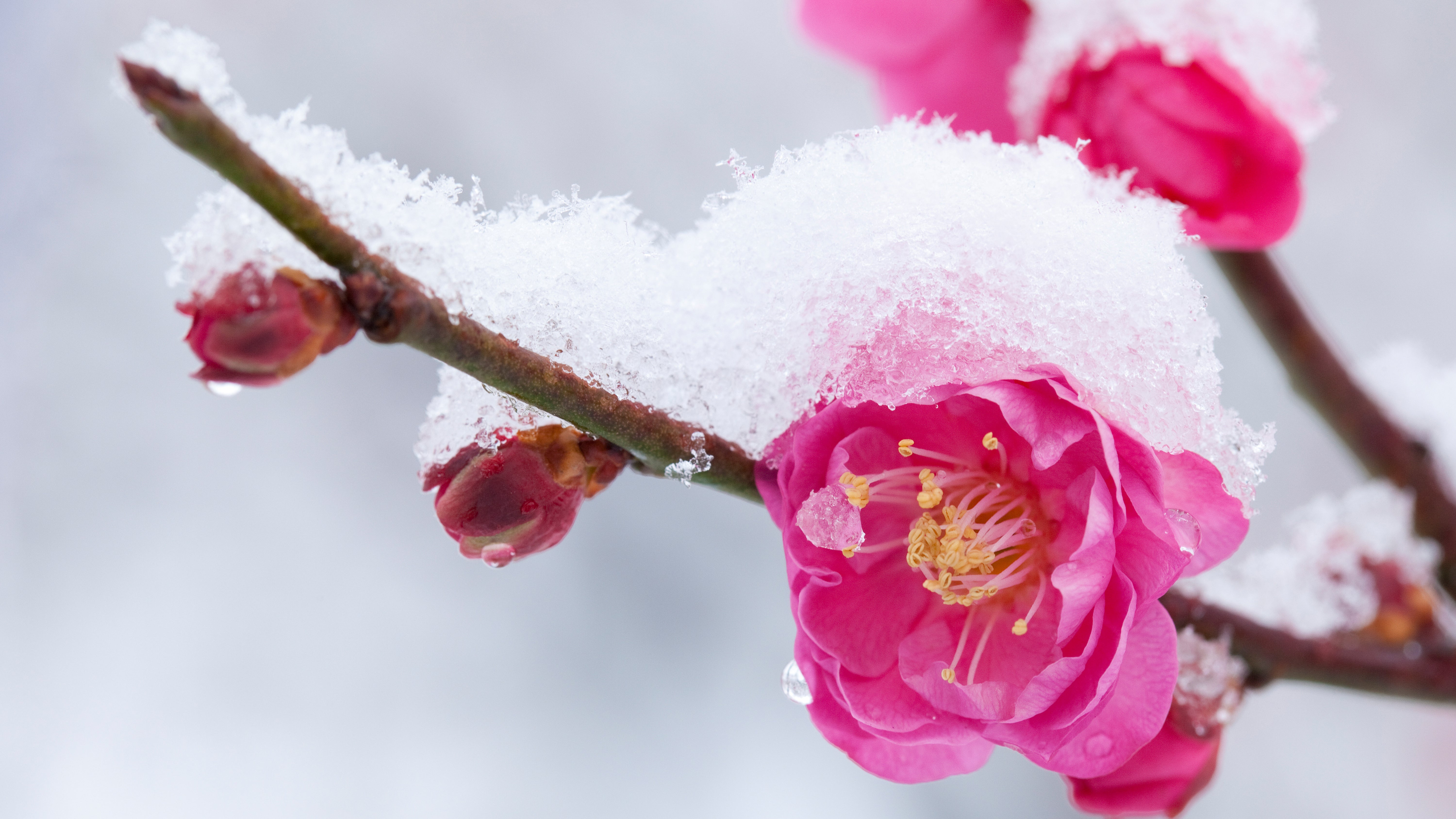
Le prunier est considéré comme un symbole de bonne fortune car ses feuilles ne se fanent pas même pendant les hivers froids. Au milieu du froid rigoureux, la fleur de prunier fleurit plus tôt que toutes les autres fleurs et produit un grand nombre de fruits. Pour cette raison, le motif du prunier est un symbole de persévérance, de vitalité et de prospérité de la descendance, et représente un motif de bon augure emblématique.

Cette petite boîte en Yamanaka lacquerware est idéale pour ranger des friandises, des condiments, des accessoires et ses trésors personnels. Cette charmante petite boîte est décorée d'une image complexe de fleurs de prunier, utilisant la technique traditionnelle japonaise de laque maki-e. La technique maki-e utilisée pour créer ce motif est véritablement artistique et fait de cette boîte un excellent ajout à toute table ou décoration intérieure.
Chacun de ces motifs, utilisés au Japon depuis l'Antiquité, possède une origine intéressante reflétant la culture, l'histoire et le climat japonais, ainsi qu'une signification utilisée pour exprimer des vœux de bonne fortune. Lorsque vous cherchez un cadeau pour un être cher, comprendre la signification et le contexte des motifs vous aidera à choisir un objet plus réfléchi et adapté à la situation dans la vie du destinataire. En connaissant l'origine et la signification des motifs japonais, il serait judicieux d'intégrer dans votre quotidien non seulement leurs merveilleux designs, mais aussi la sophistication culturelle japonaise et les vœux de bonne fortune transmis par nos prédécesseurs.
Stay close to the craft
Now and then, a quiet letter — new stories, seasonal notes, and the hands behind the work.
Comment décorer pour le Nouvel An à la japonaise
Découvrez les décorations japonaises du Nouvel An comme le shimekazari et le kadomatsu, ainsi…
Traditions de Noël au Japon
Découvrez comment le Japon célèbre Noël avec des traditions uniques, des marchés festifs, des…
Comment savourer l'oden à la maison
Réchauffez-vous avec l'oden, la spécialité réconfortante de l'hiver japonais. Découvrez son histoire, ses ingrédients…
Leave a comment