


All About the Japanese Zodiac Signs
Explore the twelve animals of the Japanese zodiac, the story behind their order, and what the Year of the Sheep brings.
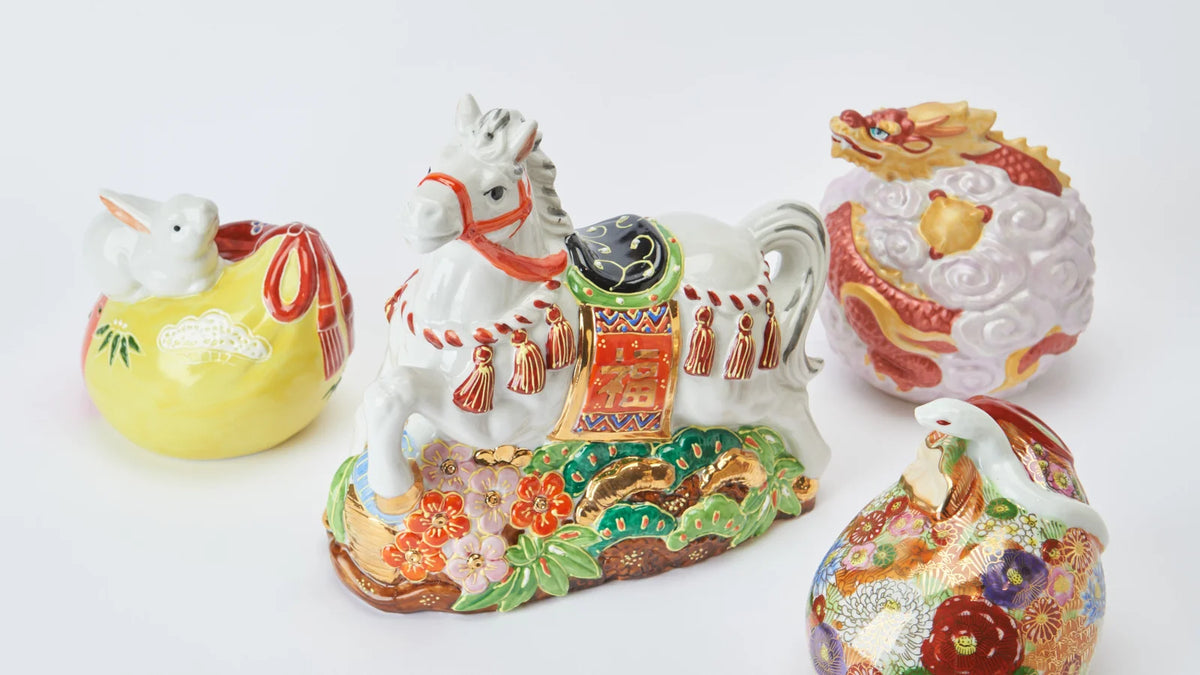
In Japan, the eto, or Japanese zodiac, for the coming year becomes a topic of conversation at the end of the year. Illustrations and photographs of the twelve animals appear on New Year’s cards, calendars, and various decorations. Fortune-tellers make predictions about the year’s events based on the eto, and some people think personalities are connected to the animal of their birth year.
This blog explores the history of the Japanese zodiac, the meaning of the upcoming Year of the Sheep, and how zodiac-themed items can bring good fortune and vitality into your home.
What Is the Japanese Zodiac (Eto)?
The Japanese zodiac has its origins in ancient China, rooted in astronomy and calendars. The Japanese zodiac is a combination of jikkan, the ten heavenly stems, with the junishi, the twelve earthly branches.
The ten heavenly stems began as names or symbols for counting days in order. Later, the ideas of yin and yang and the five elements were applied to them: wood, fire, earth, metal, and water. Each element has two stems, one yang and one yin, which makes ten. In Japan, the yang stem came to be called “e” and the yin stem “to,” which is where the word “eto” comes from.
The twelve earthly branches originated as a way to name months and hours in order, but over time, each became associated with a different animal. These are the zodiac animals we know today. One popular theory is that the twelve divisions were based on Jupiter’s roughly twelve-year orbit, but other explanations also exist, highlighting the system’s long history and cultural significance.
When used to count years, each of the five elements is paired once with each of the twelve zodiac animals, creating sixty unique combinations. This sixty-year cycle, also known as the sexagenary cycle, makes up the complete Japanese zodiac. In Japan, turning sixty years old is a major milestone known as kanreki, when a person has completed a full cycle of the zodiac.

As a final fun fact: “jikkan junishi” (十干十二支), when combined, makes the word kanshi (干支), which also gets the Japanese reading “eto.” So linguistically, too, the Japanese zodiac is a combination of the two counting systems.
2027: The Year of the Sheep—Symbolism and Meaning

The zodiac sign for 2027 is the sheep, which has been domesticated for over 10,000 years, sharing a deep connection with humans. They appear in classical Japanese texts such as the Nihon Shoki, an eighth-century historical account. Sheep are admired for their strong social bonds and flocking nature, which have led them to represent family harmony and enduring peace. In China, sheep are valued as important livestock animals, playing a significant role in agriculture and food culture.
The Story Behind the Twelve Zodiac Animals
The order of animals in the twelve signs of the Japanese zodiac is explained in a popular traditional legend. The sequence of the twelve animals is: rat, ox, tiger, rabbit, dragon, snake, horse, sheep, monkey, rooster, dog, and boar.
According to the legend, a god—the deity in charge of the zodiac—announced that the order of the zodiac would be decided by the order in which animals arrived at a gathering held on the first day of the New Year. Eager to secure the best spots, the animals set off for the gathering. The ox, diligent and early, set out before the others, but the clever rat secretly rode on the ox’s back and jumped ahead just before reaching the finish line, thus claiming first place. The other animals arrived in turn, with the dog and the monkey quarreling along the way, which slowed them down. The cat, having been tricked by the rat about the date of the gathering, arrived too late and was excluded from the zodiac.
This story not only explains the order of the animals, but also why the cat is absent among the twelve signs of the Japanese zodiac.
Discover Your Zodiac Animal Items
At MUSUBI KILN, you’ll find items decorated with animal motifs from the zodiac years. A figurine of the zodiac animal of your birth year is believed to bring you extra luck. Be sure to read the description for each motif and discover the ones that catch your interest.
View Japanese Zodiac Collection
Rat/Mouse

Mice have historically been regarded as bringers of good fortune in Japan. Mice were considered the messengers of Daikokuten, one of the Seven Lucky Gods, a link that became popular during the Edo period (1603–1868 CE). Additionally, because mice are known for having many offspring, they are also seen as symbols of prosperity and family growth.

Ox

The ox is one of the oldest companions of humankind and has played a vital role in agriculture and transportation throughout history. In Japan, oxen are also considered the messengers of Tenjin, the deity of learning. Statues of oxen can be found at many Tenmangu shrines, including the famous Dazaifu Tenmangu in Kyushu. Their hardworking and diligent nature makes them enduring symbols of sincerity and honesty.

Tiger

In Asian cultures, the tiger has long been seen as an emblem of power and dignity. Tigers are also known for their strong bond with their cubs, caring for them with great affection. Japanese people have traditionally given tiger-themed toys as gifts to children as charms wishing for their strong and healthy growth. Although tigers are not native to Japan, they have been a familiar and beloved motif in Japanese art and culture for centuries.

Rabbit

The rabbit has long been regarded as an auspicious animal, believed to bring good luck with its lively jumps and attract good fortune with its long ears. The rabbit is also considered a symbol of peace and safety in the home because of its gentle, calm appearance. Arranging your table with rabbit-themed items is a charming way to bring good fortune into your daily life and home.

Dragon

The dragon is the only mythical creature among the twelve zodiac animals. In Japan, the dragon has long been revered as a deity of water and the sea, with a belief that its appearance is a sign of auspicious events. Thought to be responsible for natural phenomena such as tornadoes, lightning, and rainbows, the dragon serves as a powerful emblem of the vibrant and awe-inspiring energy of the natural world.

Snake

The snake is a symbol of revival and renewal in Japan. The way it sheds its old skin to make way for new represents new beginnings, growth, and the emergence of life. Historically, the snake has been revered as a deity of fertility and weather, associated with longevity and a strong life force. It is also considered the messenger of the goddess Benzaiten. Bringing snake-themed items into your home is thought to invite renewal and good fortune.

Horse

The horse is a symbol of strength, vitality, and prosperity in Japan. Also associated with noon, it represents peak energy, abundance, and the flourishing of life. Horses have long shared a close bond with humans, serving as trusted helpers and companions. This connection has made them a symbol of success, recognition, and life force itself. Bringing horse designs into your home is thought to invite good fortune and success.

Monkey

Monkeys hold a significant place in Japanese culture, with the Three Wise Monkeys of Nikko Toshogu Shrine (“see no evil, hear no evil, speak no evil”) being particularly famous. Known for their intelligence, monkeys are traditionally regarded as messengers of the mountain gods.

Rooster

The rooster has been highly esteemed in Japan as a symbol of good fortune and wealth. Additionally, the rooster’s crow at dawn signals the arrival of a new day, leading people to view it as a sacred creature that guides the world from darkness into the light of the sun.
Dog

In Japan, dogs were depicted in the Choju Giga, a famous set of four picture scrolls from Kozan-ji temple in Kyoto. Their cuteness has charmed people for centuries, while trainability has made them valuable working companions. In recent years, Japanese breeds like Shiba Inu and Akita Inu have gained worldwide popularity. Why not bring a touch of their delightful charm to your dining table?

Boar

The boar has been highly valued in Japan for its fearless charge, symbolizing the power to overcome any obstacle or misfortune. Additionally, because boars are prolific breeders, they have been cherished as a good-luck charm for abundant harvests and prosperity.

A Japanese zodiac home decoration is a good-luck talisman believed to protect the family and ensure safety throughout the year. From traditional designs to modern styles, there are many options that suit contemporary interiors and tables. Why not decorate your home this year with zodiac-themed items to welcome good fortune?
View Japanese Zodiac Collection
This article was originally published on December 25, 2024, and updated on December 19, 2025, and November 19, 2026.
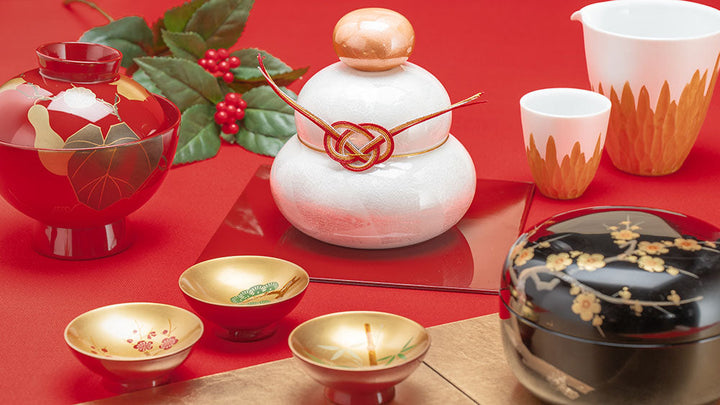
Celebrating a Japanese New Year
Explore Japanese New Year traditions from zodiac ornaments and kagami mochi to osechi, hatsumode,…
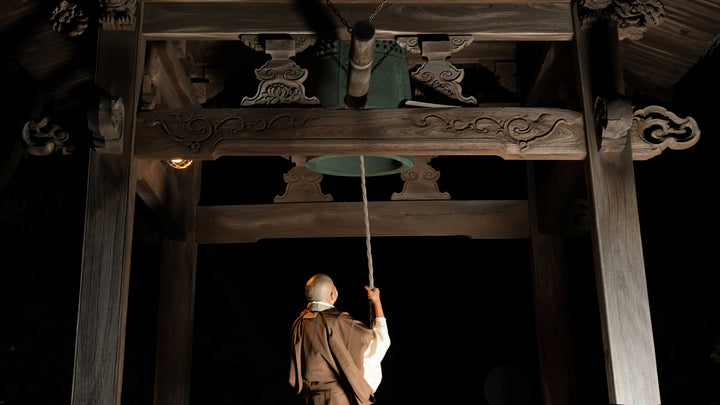
A Calm, Quiet Ending—the End of the Year in Japan
Explore Japan’s peaceful New Year traditions, from year-end cleaning and osechi to temple visits…
Michael Pronko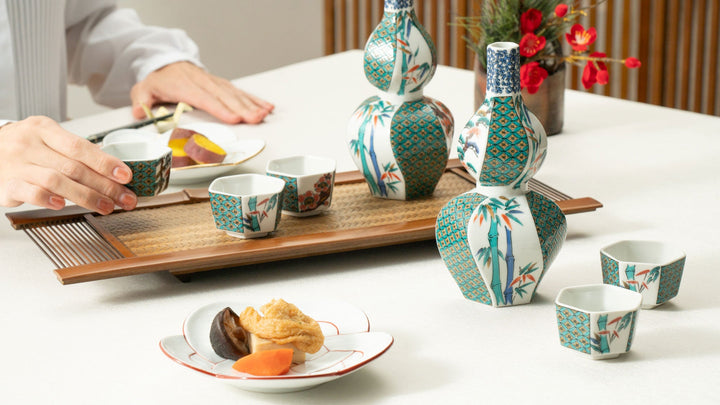
Welcome a Joyful New Year with Lucky Japanese Plants
Celebrate the New Year with Japan's cherished plant symbols. Pine, bamboo, plum, and more…
Stay close to the craft
Now and then, a quiet letter — new stories, seasonal notes, and the hands behind the work.

Leave a comment