

Mijoté dans la lumière du printemps : recette du nikujaga japonais
Découvrez la chaleur de la cuisine familiale japonaise avec cette recette de nikujaga, accompagnée de conseils sur les ustensiles et la vaisselle pour le servir.
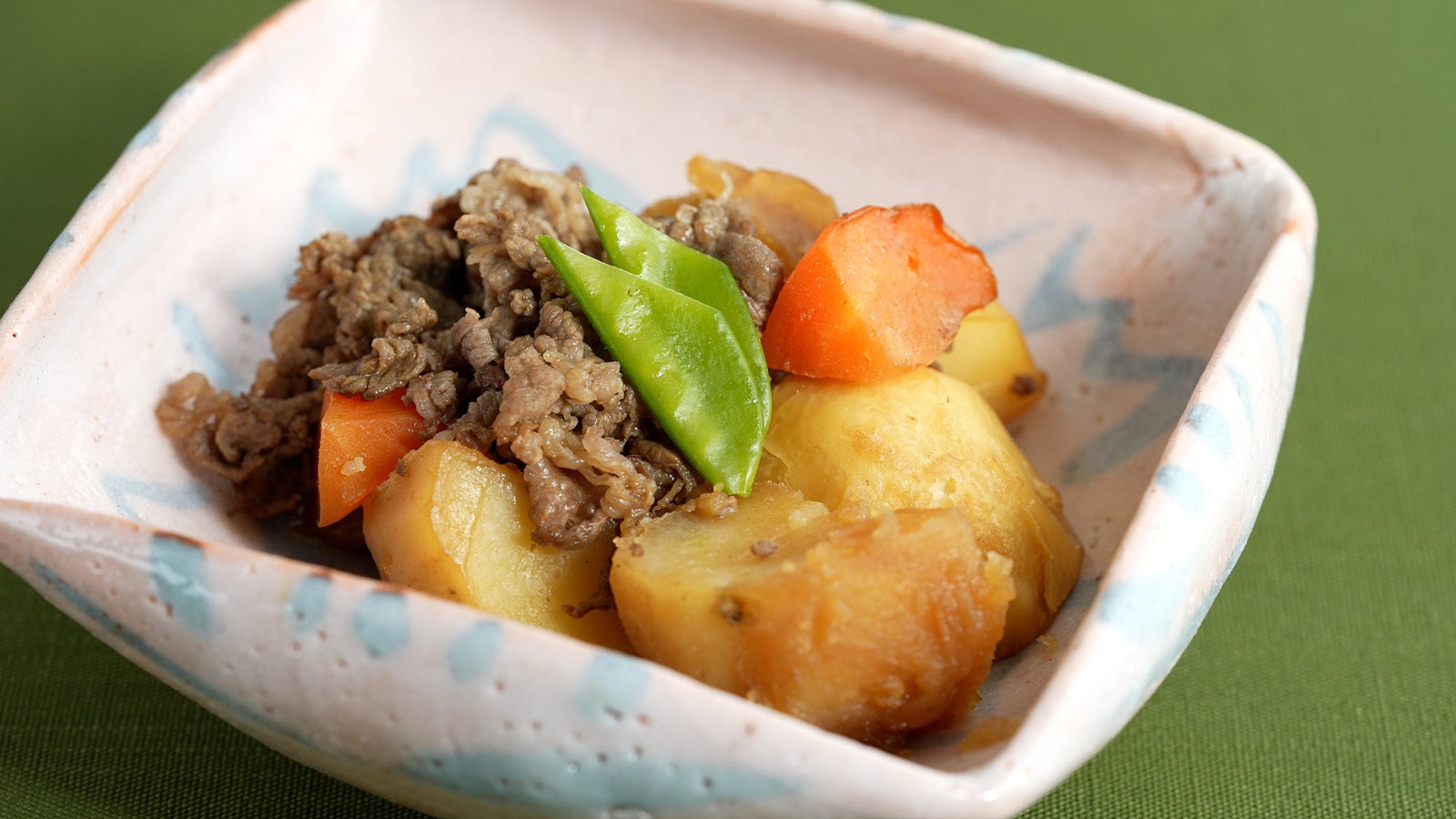
Aucun plat ne capture le réconfort d'un foyer japonais au printemps comme le nikujaga, un ragoût simple et chaleureux de viande, pommes de terre et légumes mijotés dans un bouillon délicat. Longtemps chéri comme un classique de la cuisine familiale, le nikujaga est un pilier des repas quotidiens japonais, souvent préparé avec de petites variations transmises au sein des familles.
Dans cet article, nous partageons non seulement une recette authentique appréciée dans les foyers japonais, mais présentons également les ustensiles essentiels utilisés pour sa préparation, ainsi que la manière de le servir avec élégance dans de la vaisselle japonaise soigneusement sélectionnée.
À travers cette recette, nous vous invitons à découvrir la chaleur, la simplicité et la joie tranquille de la cuisine familiale japonaise au printemps—un goût réconfortant qui apporte lumière, renouveau et connexion à travers les tables, les saisons et les cultures.
Comment préparer le nikujaga
Ingrédients (pour 2 personnes)
- 3 pommes de terre
- 150 g de bœuf finement tranché
- 1/2 oignon
- 1/2 carotte
- 1 c. à café d'huile végétale
- 200 ml d'eau
- 1 c. à soupe de sucre
- 2 c. à soupe de sake
- 2 c. à soupe de mirin
- 2 c. à soupe de sauce soja


Instructions
1. Préparer les ingrédients
Éplucher les pommes de terre et les couper en gros morceaux. Trancher l'oignon en quartiers et couper la carotte en morceaux irréguliers. Couper le bœuf en morceaux.


2. Faire revenir le bœuf
Chauffer l'huile végétale dans une casserole à feu moyen. Ajouter le bœuf et faire revenir brièvement jusqu'à ce qu'il soit doré. Retirer de la casserole et réserver.

3. Faire revenir les légumes
Dans la même casserole, ajouter les pommes de terre, les oignons et les carottes. Cuire légèrement en remuant pour que l'huile enrobe uniformément.

4. Ajouter l'eau et laisser mijoter
Verser l'eau et porter à frémissement doux à feu moyen.

5. Ajouter le sucre
Incorporer d'abord le sucre et laisser mijoter à feu moyen-doux pendant environ 3 à 4 minutes. Ajouter le sucre en premier permet aux pommes de terre d'absorber la douceur plus pleinement.

6. Ajouter le sake et le mirin
Verser le sake et le mirin, puis laisser mijoter encore 3 à 5 minutes.

7. Remettre le bœuf et ajouter la sauce soja
Remettre le bœuf dans la casserole, puis ajouter la sauce soja en dernier. Couvrir avec un couvercle tombant ou couvrir partiellement, et laisser mijoter à feu moyen-doux pendant 5 à 7 minutes.


8. Terminer et servir
Éteindre le feu et laisser reposer quelques minutes pour que les saveurs se mélangent. Servir dans un bol et déguster.


Conseils :
- Même sans dashi, la saveur riche du bœuf et des oignons suffit amplement.
- Laisser refroidir le plat aide l'assaisonnement à pénétrer plus profondément.
- Ajuster la douceur en ajoutant plus ou moins de sucre selon votre goût.
De la préparation à la table
Ustensiles de préparation

Ces baguettes de cuisine en bambou légères rendent chaque étape de la préparation du nikujaga intuitive et posée. Leurs pointes effilées et antidérapantes offrent un contrôle stable pour retourner les ingrédients qui mijotent ou dresser délicatement le plat fini, tandis que leur longueur confortable maintient les mains à distance de la chaleur. Inspirées par les paysages doux de la ville d'Obama dans la préfecture de Fukui, le jaune subtil apporte une joie tranquille à la cuisine—de petits détails qui rendent la cuisine quotidienne plus intentionnelle.

Avec sa lame Damascus finement stratifiée et son manche en bois à la finition douce, ce couteau Santoku Damascus apporte précision et calme à la préparation des repas. Il glisse sans effort à travers les pommes de terre, les oignons et les tranches tendres de viande. Équilibré et polyvalent, c'est le type de couteau que l'on saisit naturellement pour cuisiner le nikujaga—soutenant chaque coupe avec confiance et transformant des ingrédients simples en un repas préparé avec attention.

Fabriquée en cyprès hinoki parfumé, cette planche à découper rectangulaire Tono Hinoki offre une surface légère mais stable pour la cuisine quotidienne. Son grain de bois doux amortit le tranchant du couteau tout en offrant un espace propre et confortable pour préparer légumes et viande. Naturellement résistante à l'eau et facile à entretenir, cette planche à découper apporte une sensation de fraîcheur et de facilité à la cuisine.
Vaisselle de service

Avec sa forme carrée doucement arrondie et son émail Shino doux, ce bol moyen carré Shino à motifs offre une présence chaleureuse et ancrée à table, un récipient idéal pour servir le nikujaga. Les motifs rustiques peints à la main apportent un caractère subtil à chaque pièce, tandis que les tons d'argile chauds qui transparaissent à travers l'émail créent un contraste qui complète magnifiquement les plats mijotés.
Le rebord doucement incurvé met en valeur les légumes tendres et le bouillon savoureux du nikujaga. À mesure que le bol vieillit avec l'usage, sa texture et sa couleur s'approfondissent, ajoutant à son charme.
Le nikujaga est un plat généreux où des ingrédients simples brillent ensemble. Avec ses légumes tendres et son bouillon doux-salé, c'est le type de repas qui semble à la fois nourrissant et familier, parfait pour une soirée d'hiver.
Servez-le dans un bol bien choisi et savourez un goût de cuisine familiale japonaise qui apporte une douce chaleur à table. Nous espérons que cette recette deviendra une de celles vers lesquelles vous reviendrez, saison après saison.
Stay close to the craft
Now and then, a quiet letter — new stories, seasonal notes, and the hands behind the work.
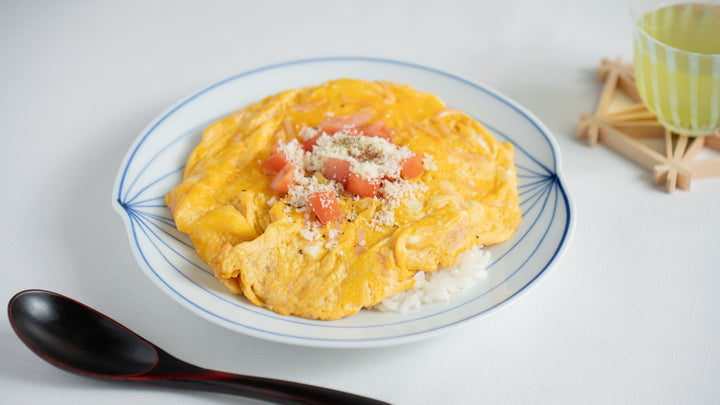
La recette d'Akari : Bol de riz à l'omelette moelleuse
Préparez la recette de bol de riz au jambon et œuf d'Akari Hasegawa avec…
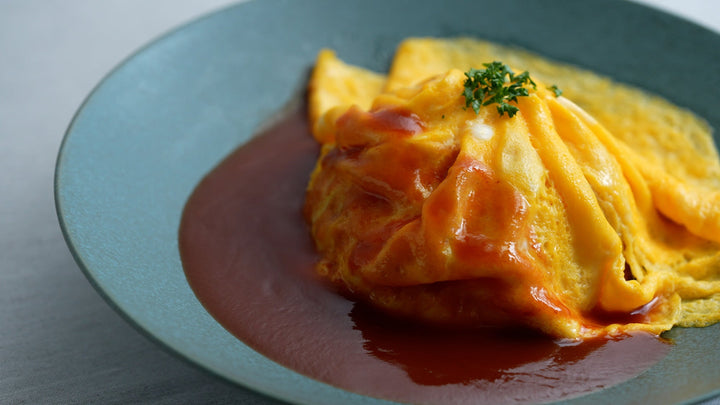
Omurice habillé : recette japonaise d'omelette au riz
Préparez un omurice habillé à la maison avec un œuf plié moelleux, du riz…
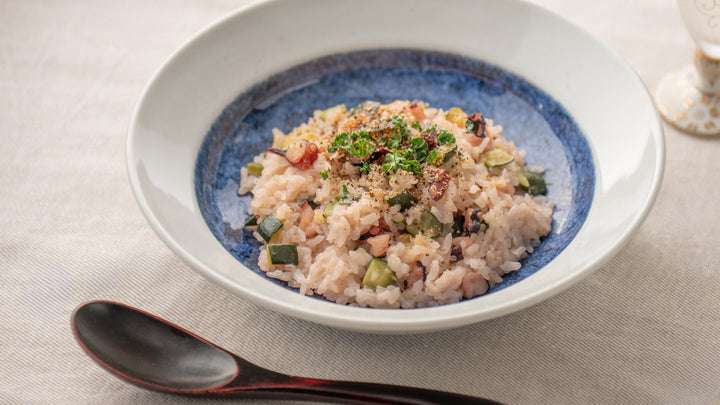
Recette d'Akari : Riz braisé au poulpe et à la courgette
Essayez cette recette de riz braisé au poulpe et à la courgette, où le…
Leave a comment