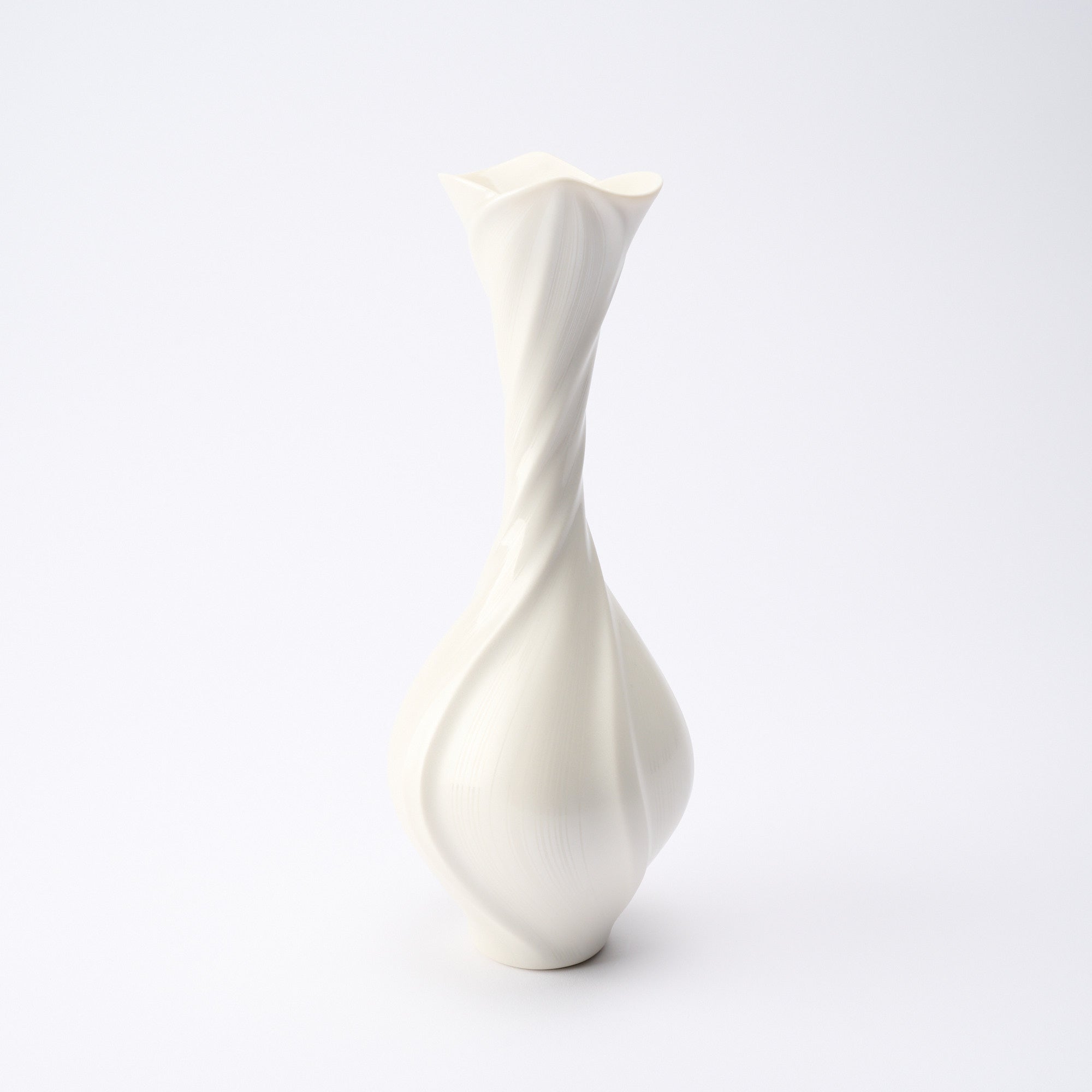
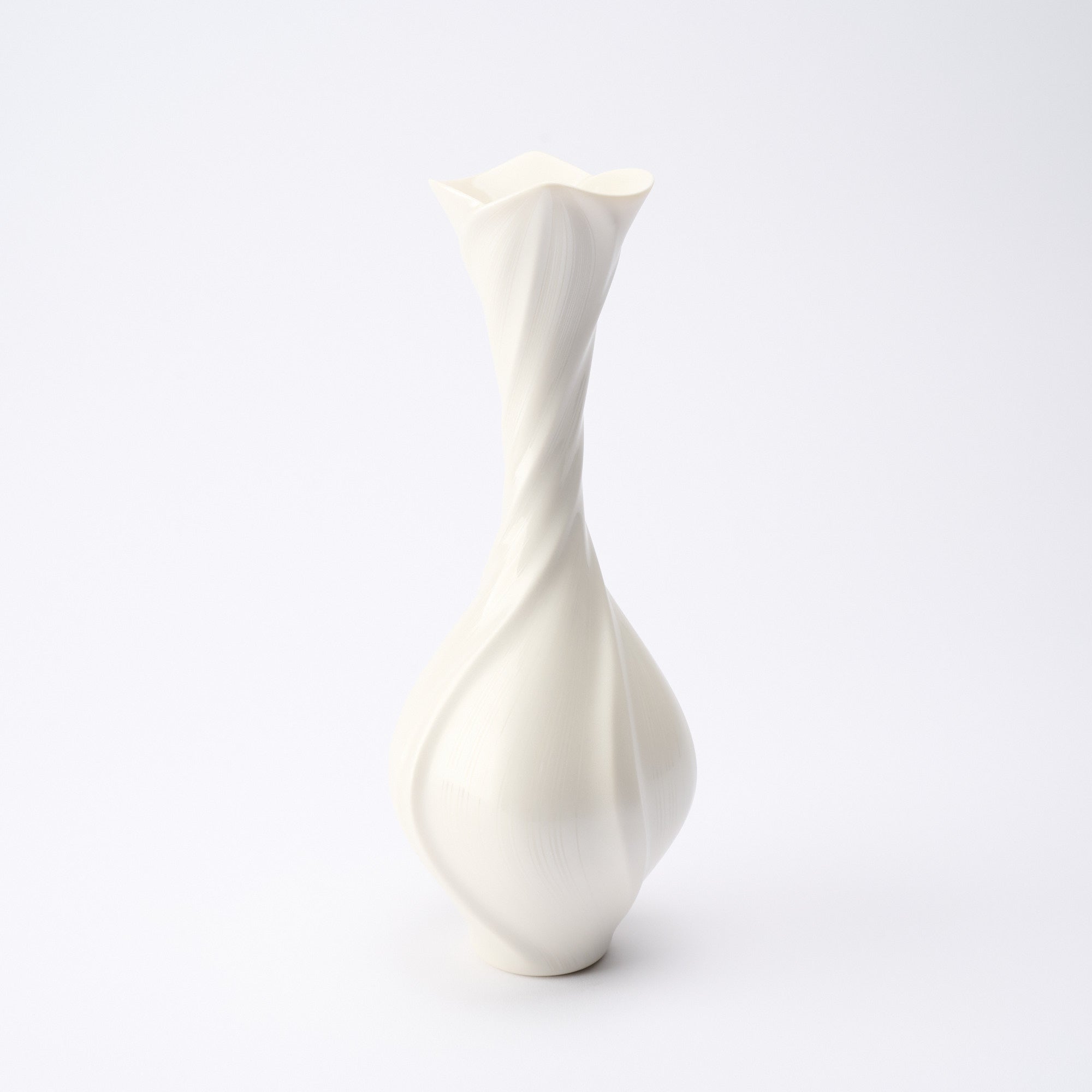
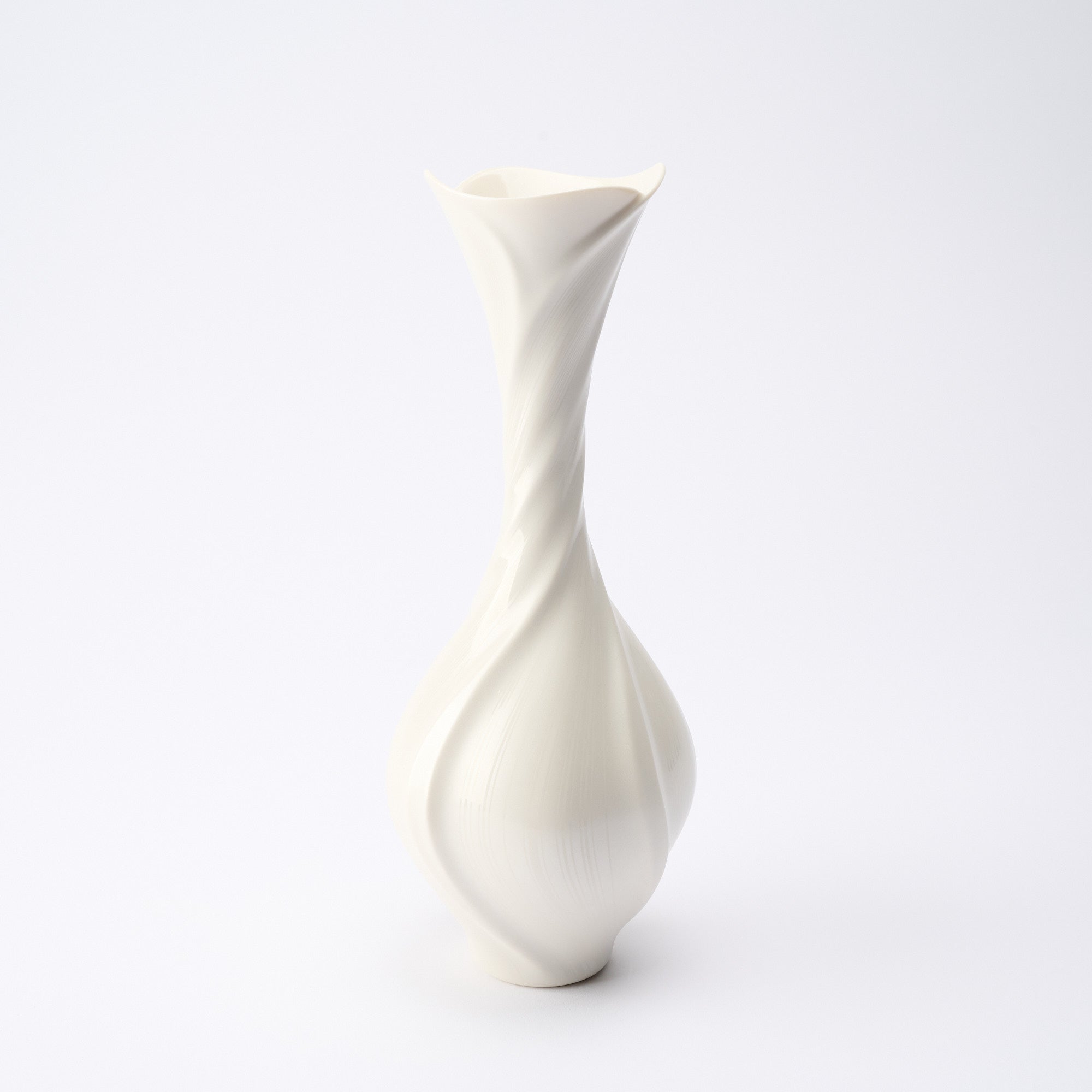
Vase col de grue Shinju Kosai
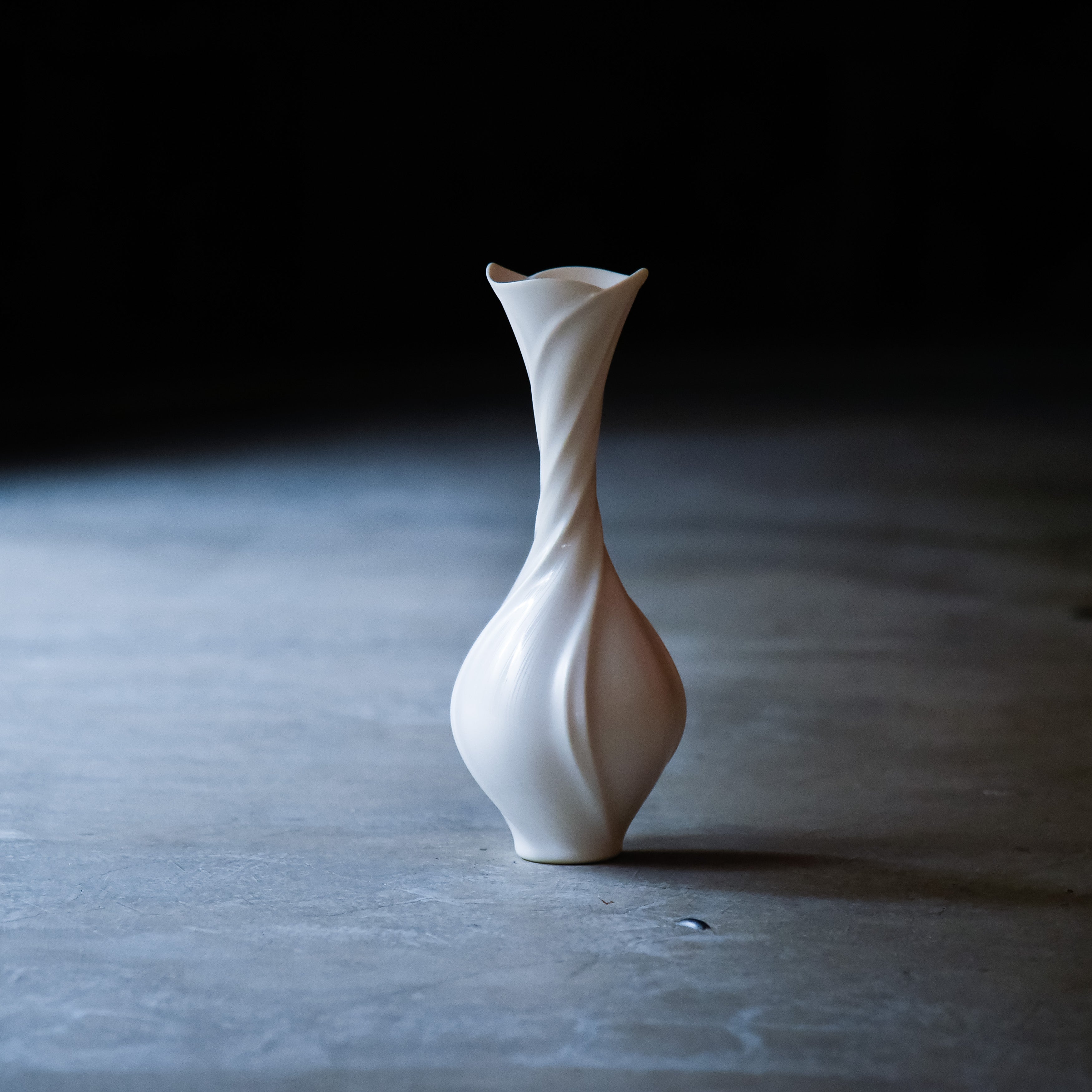
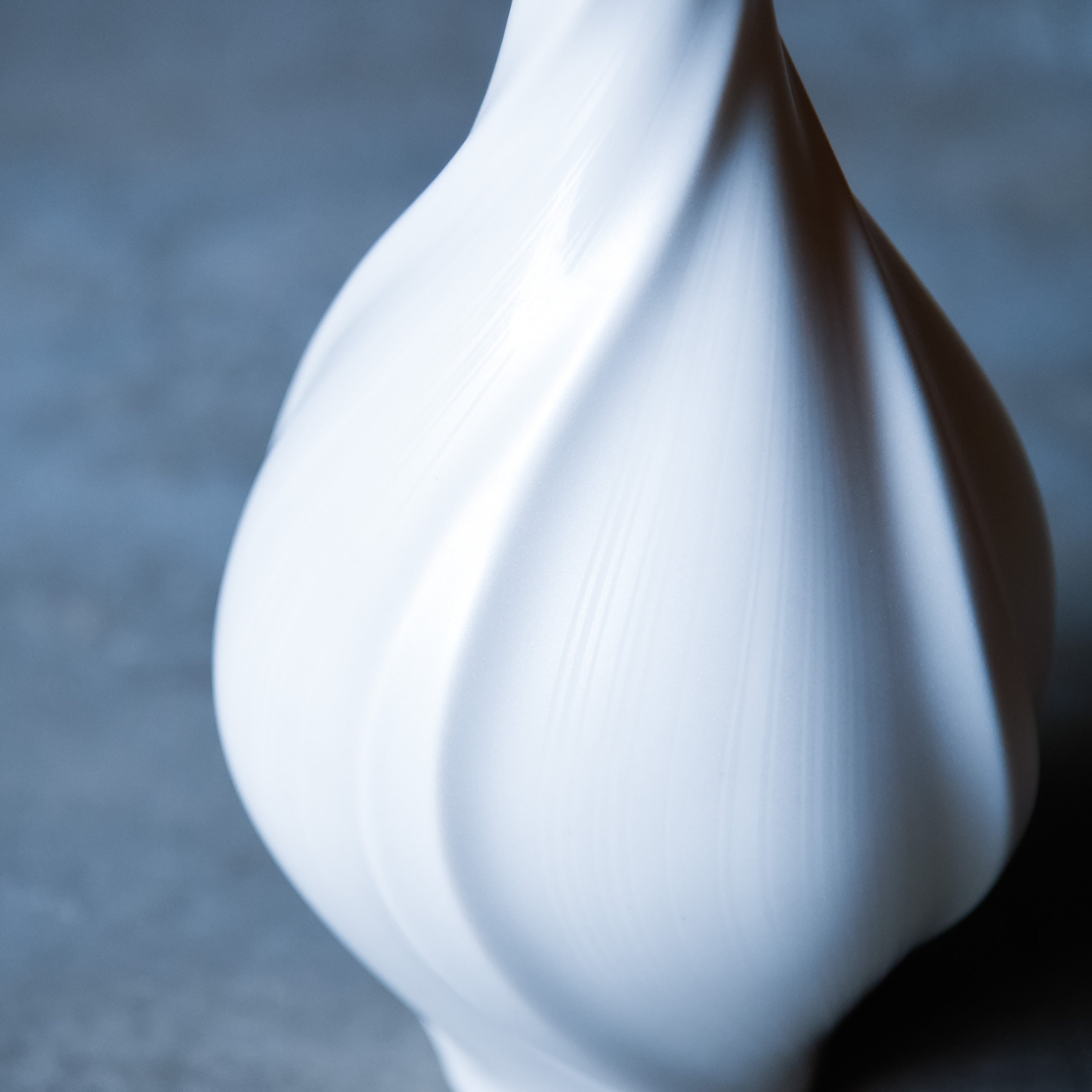
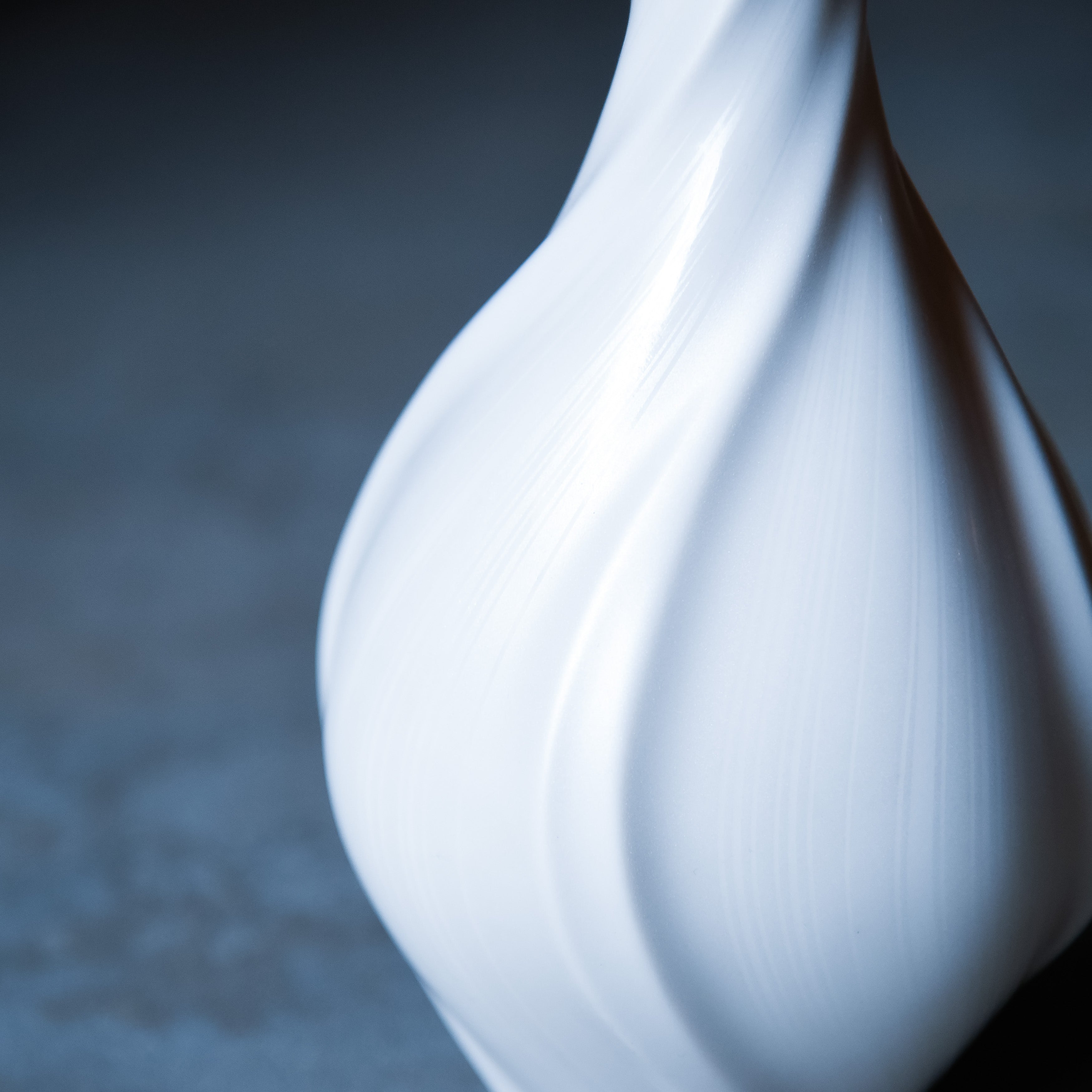
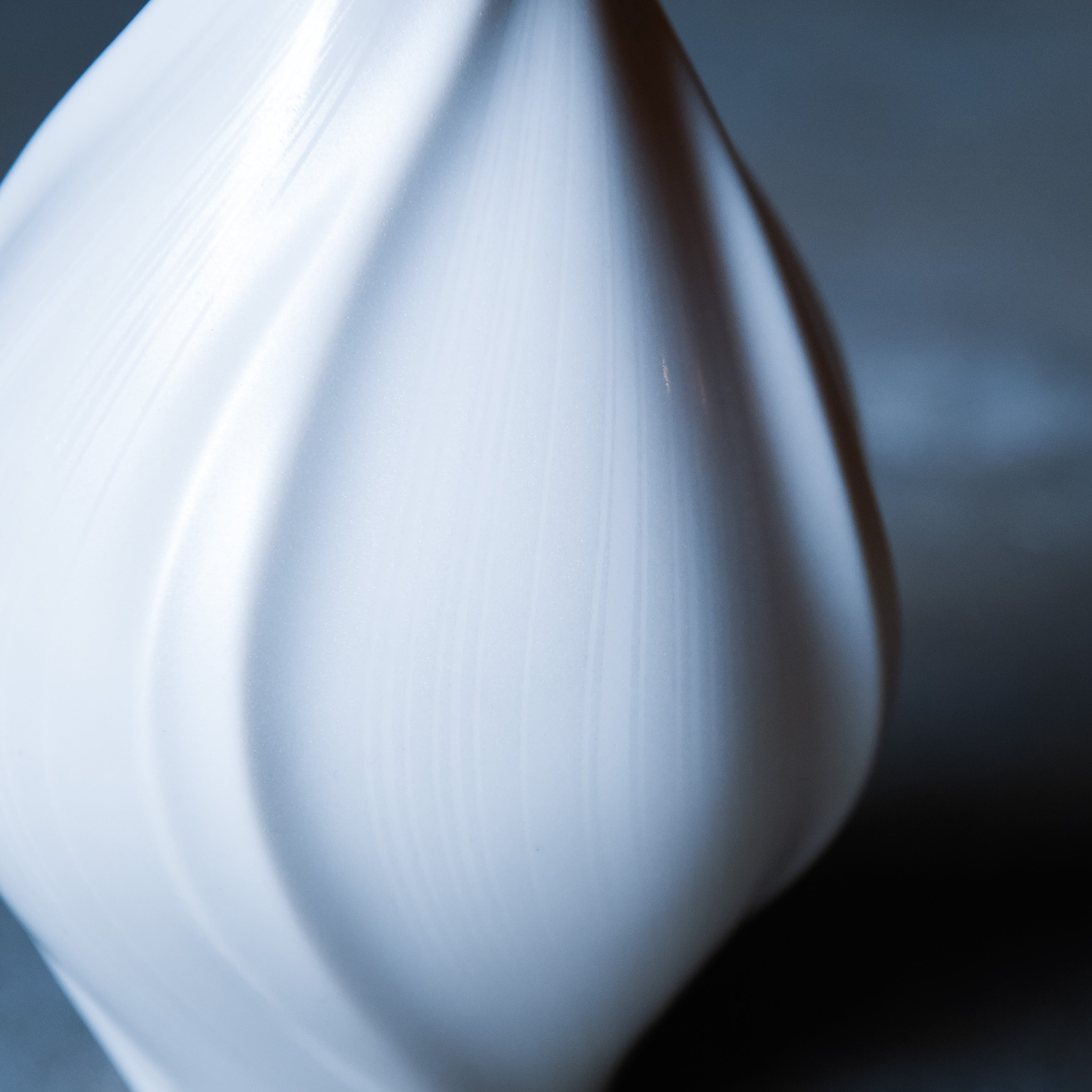
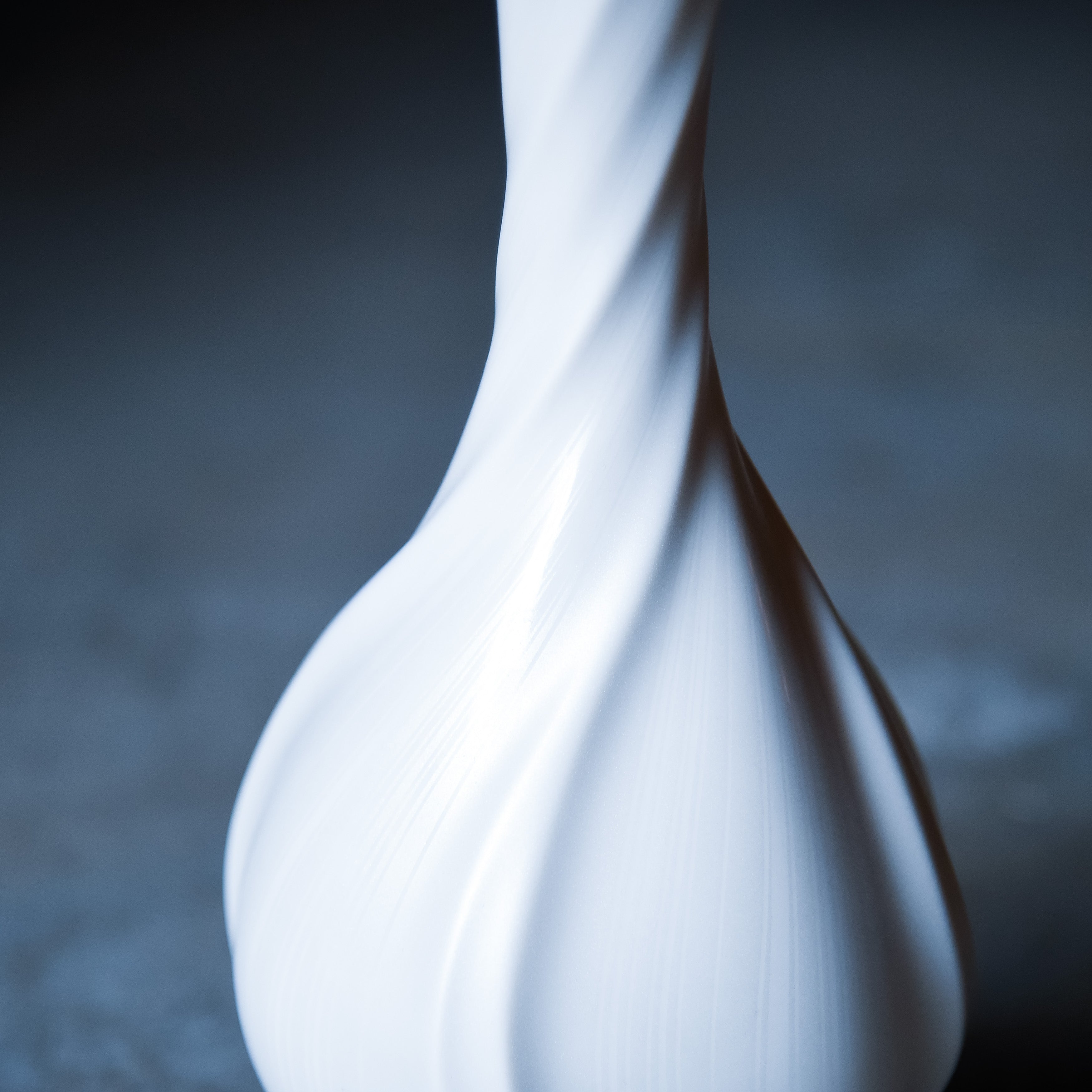
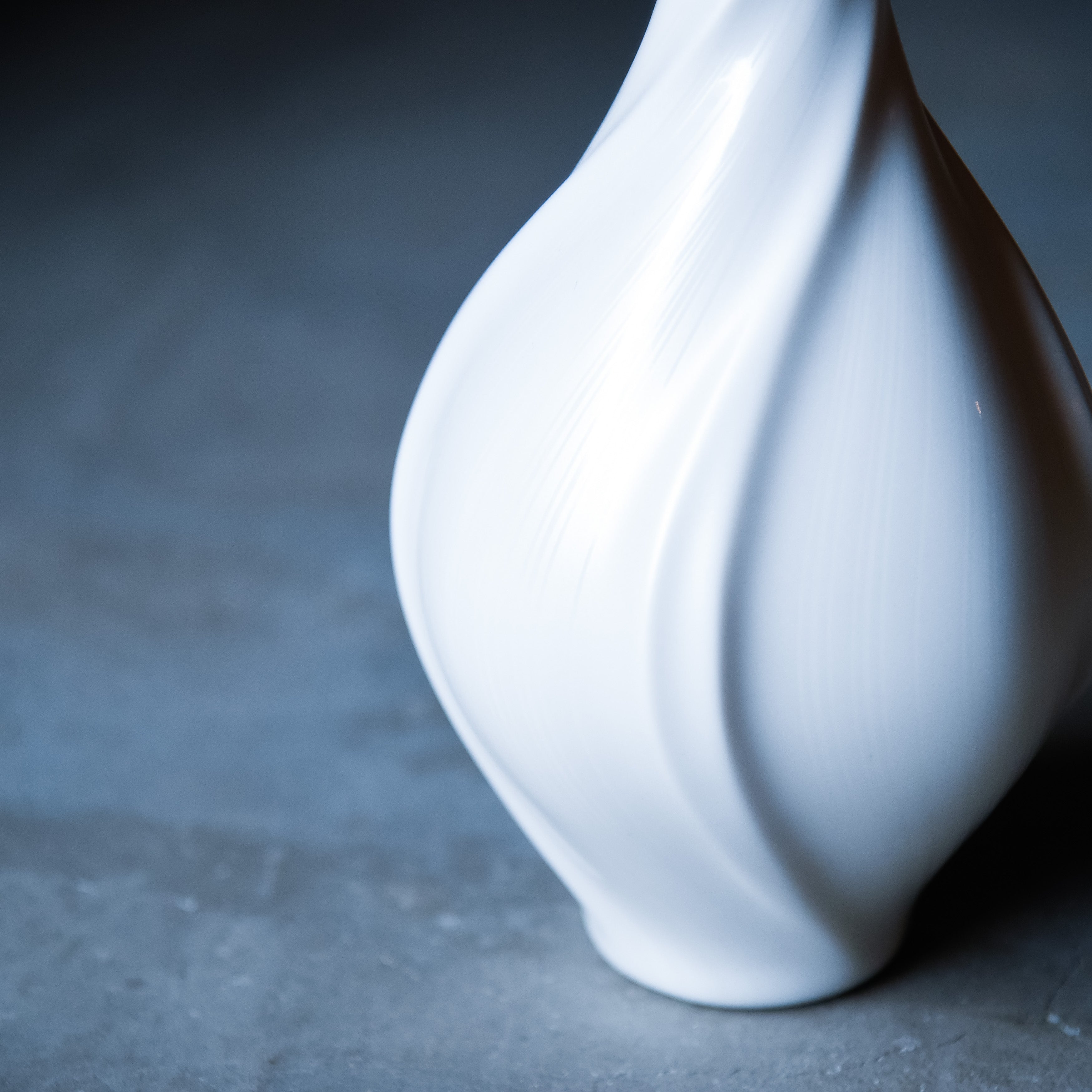
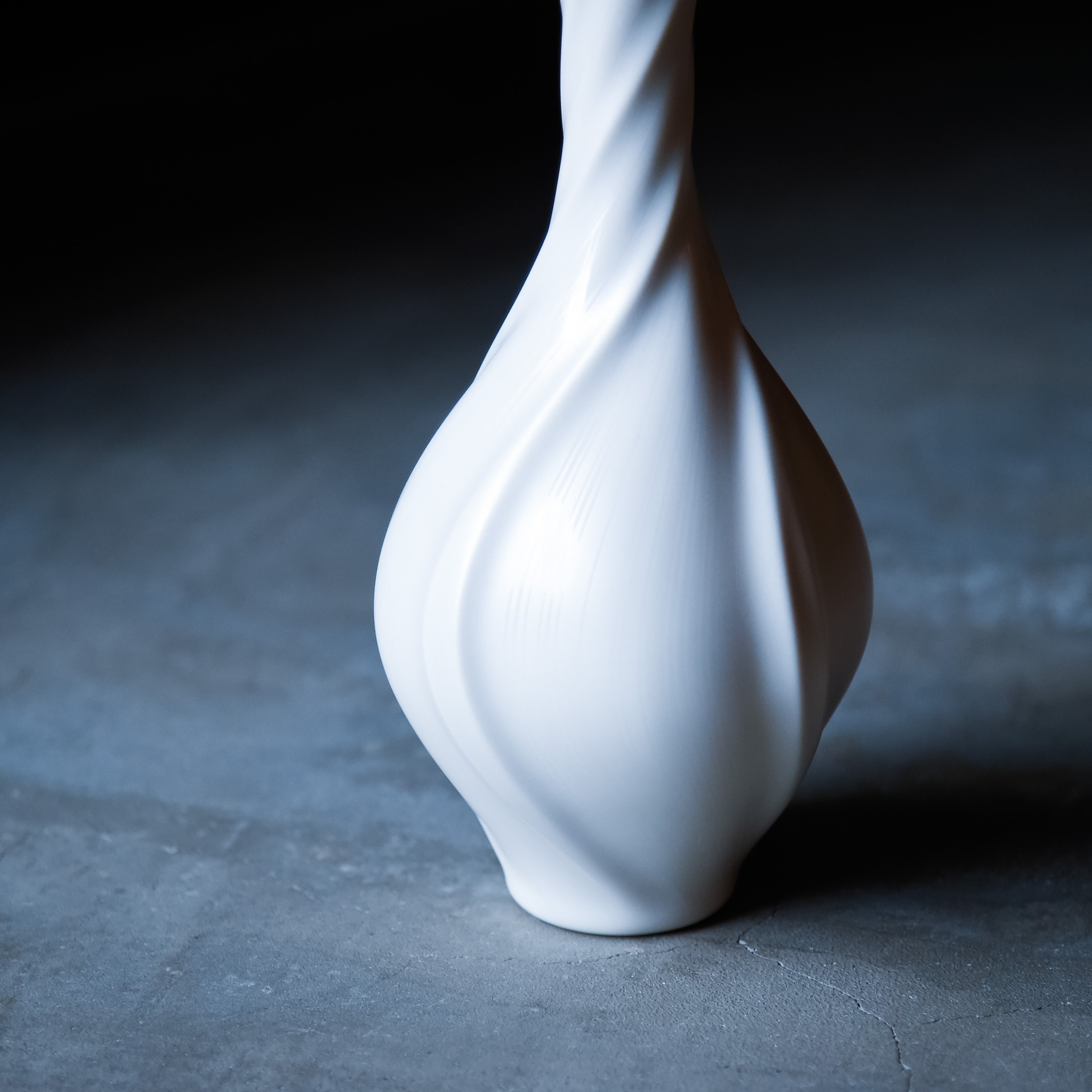
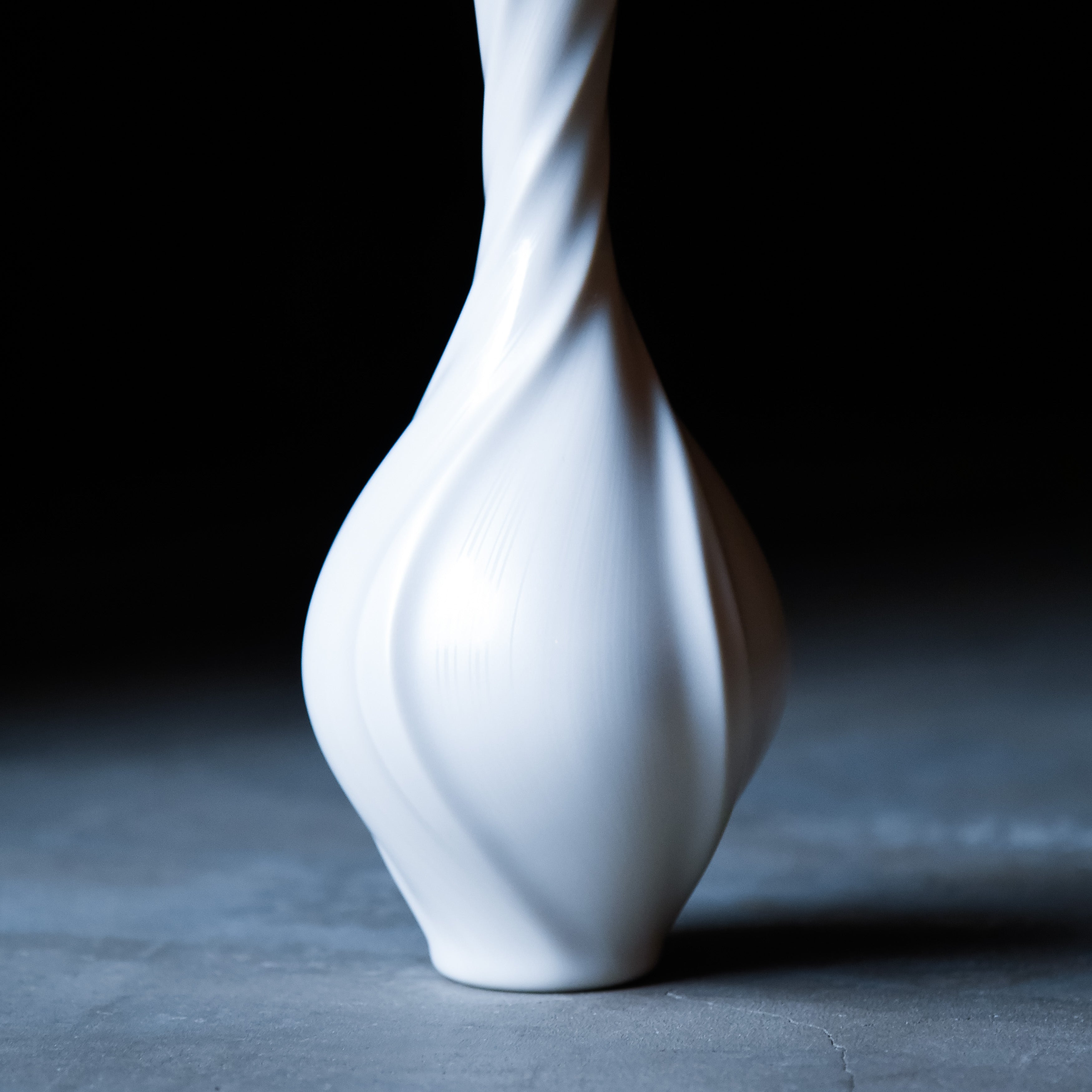
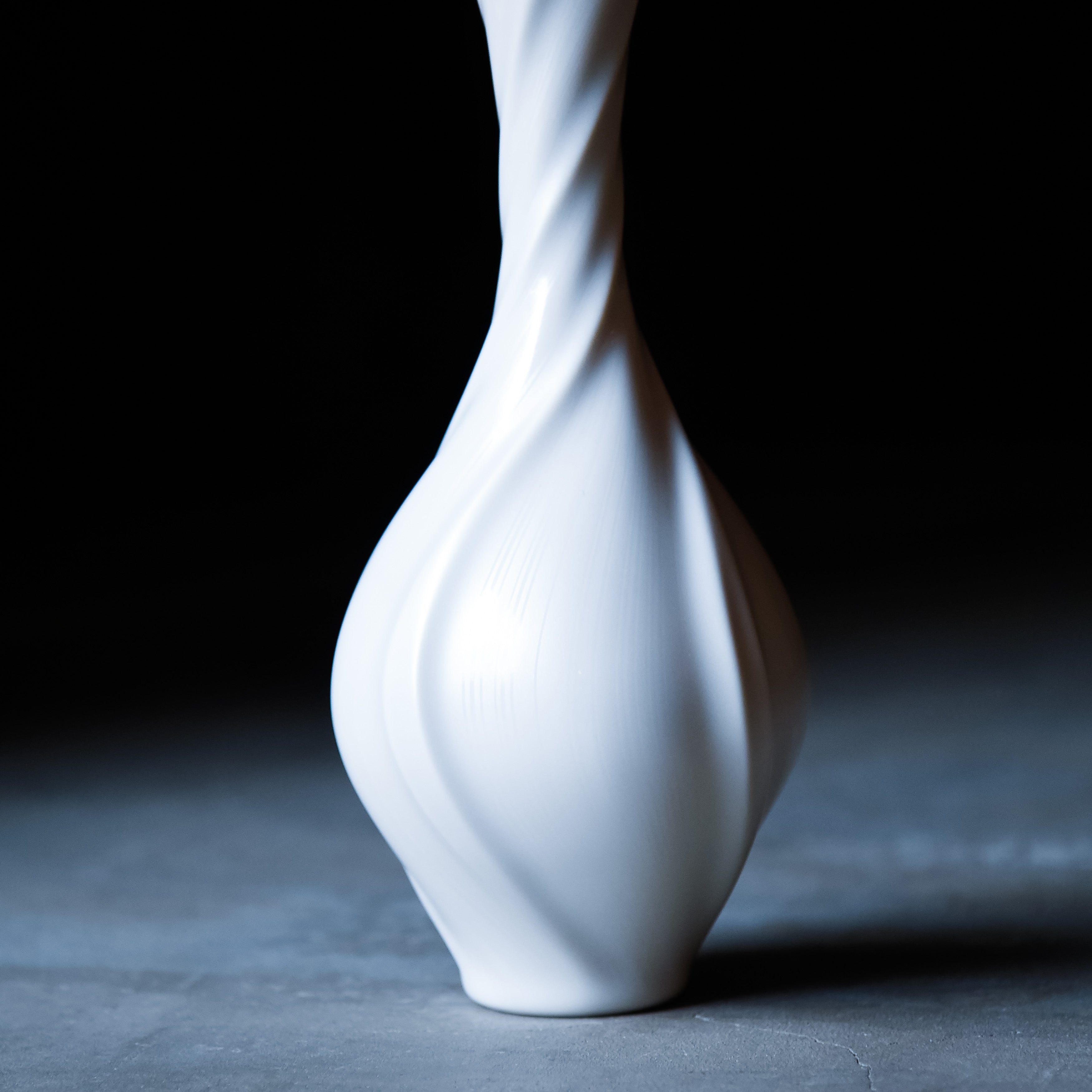
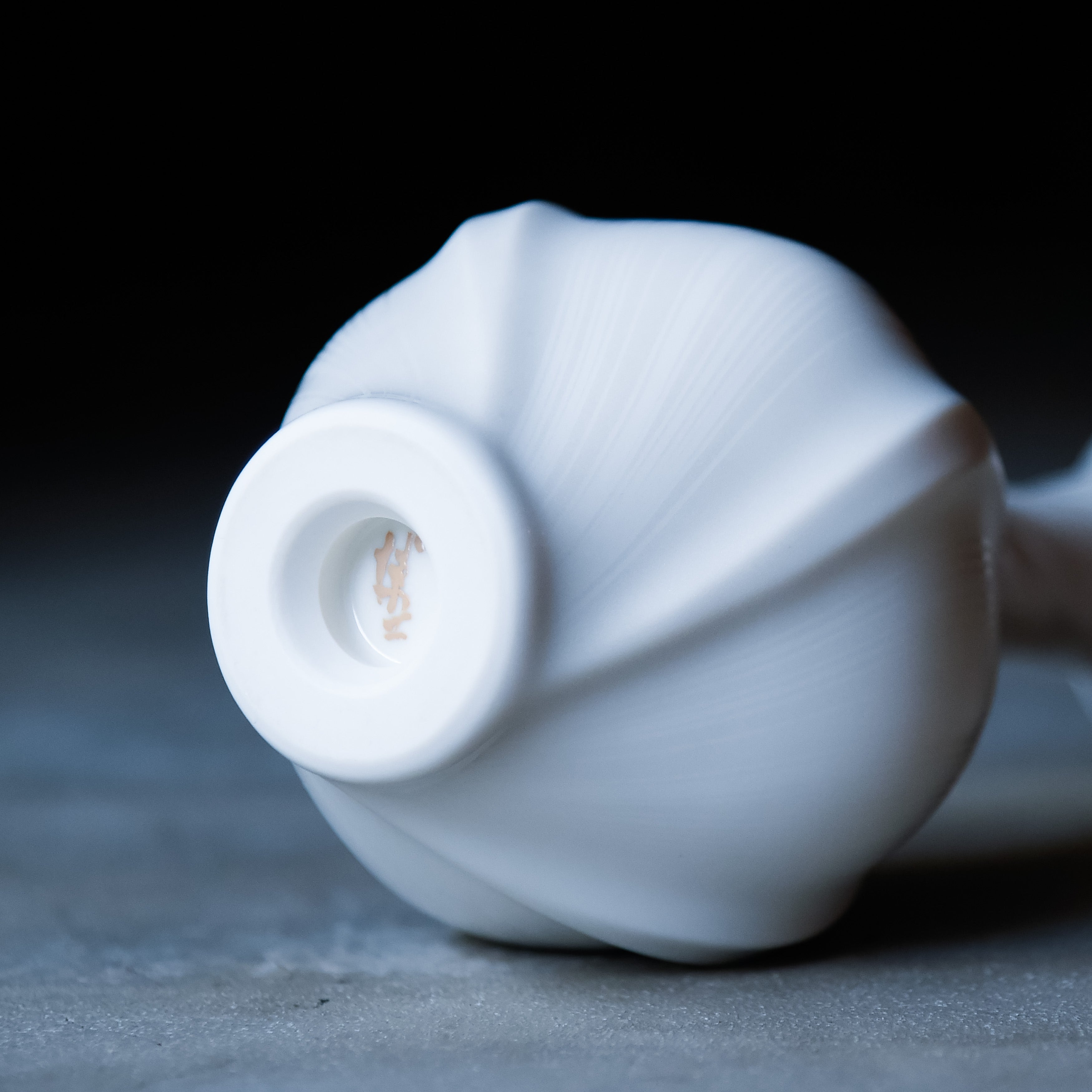
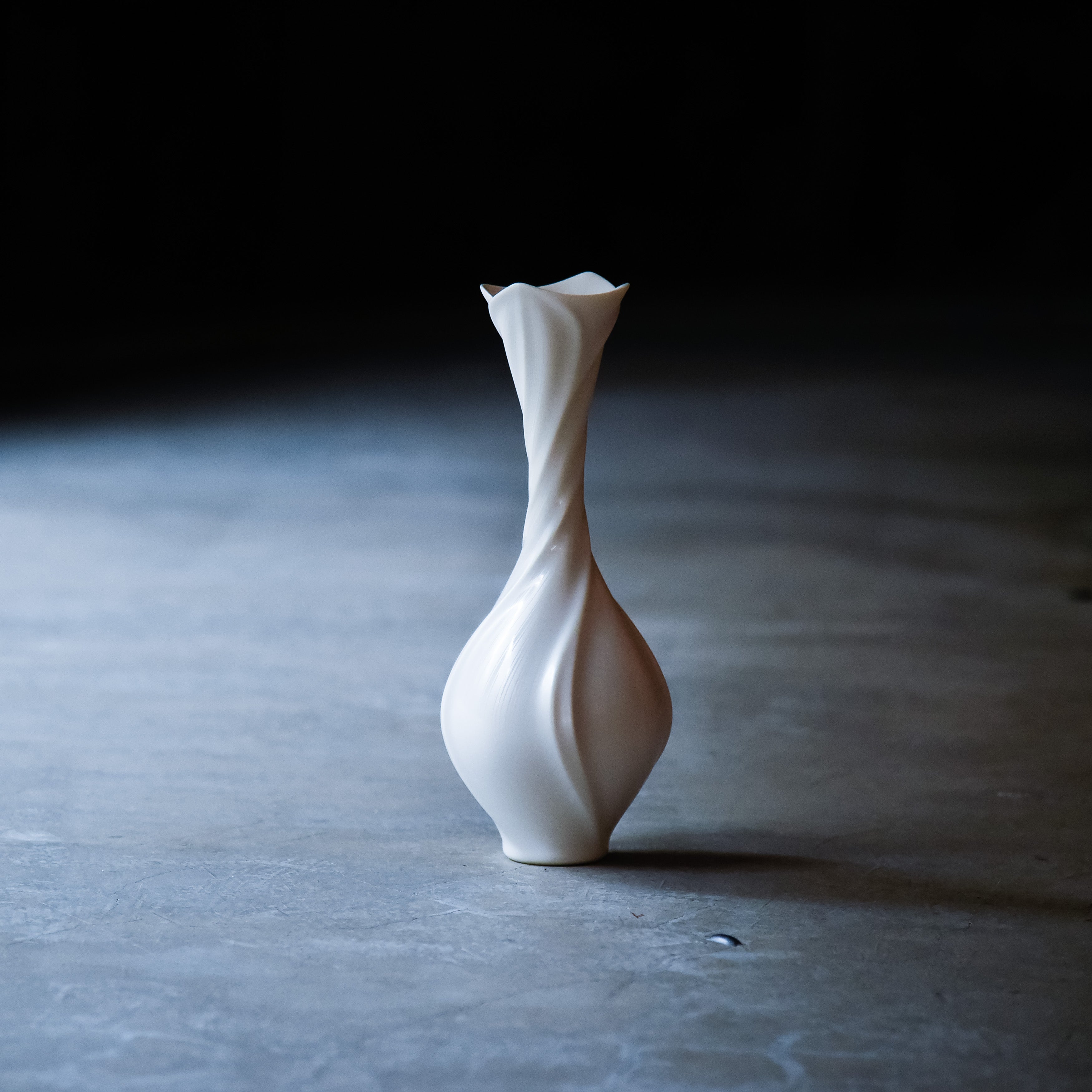
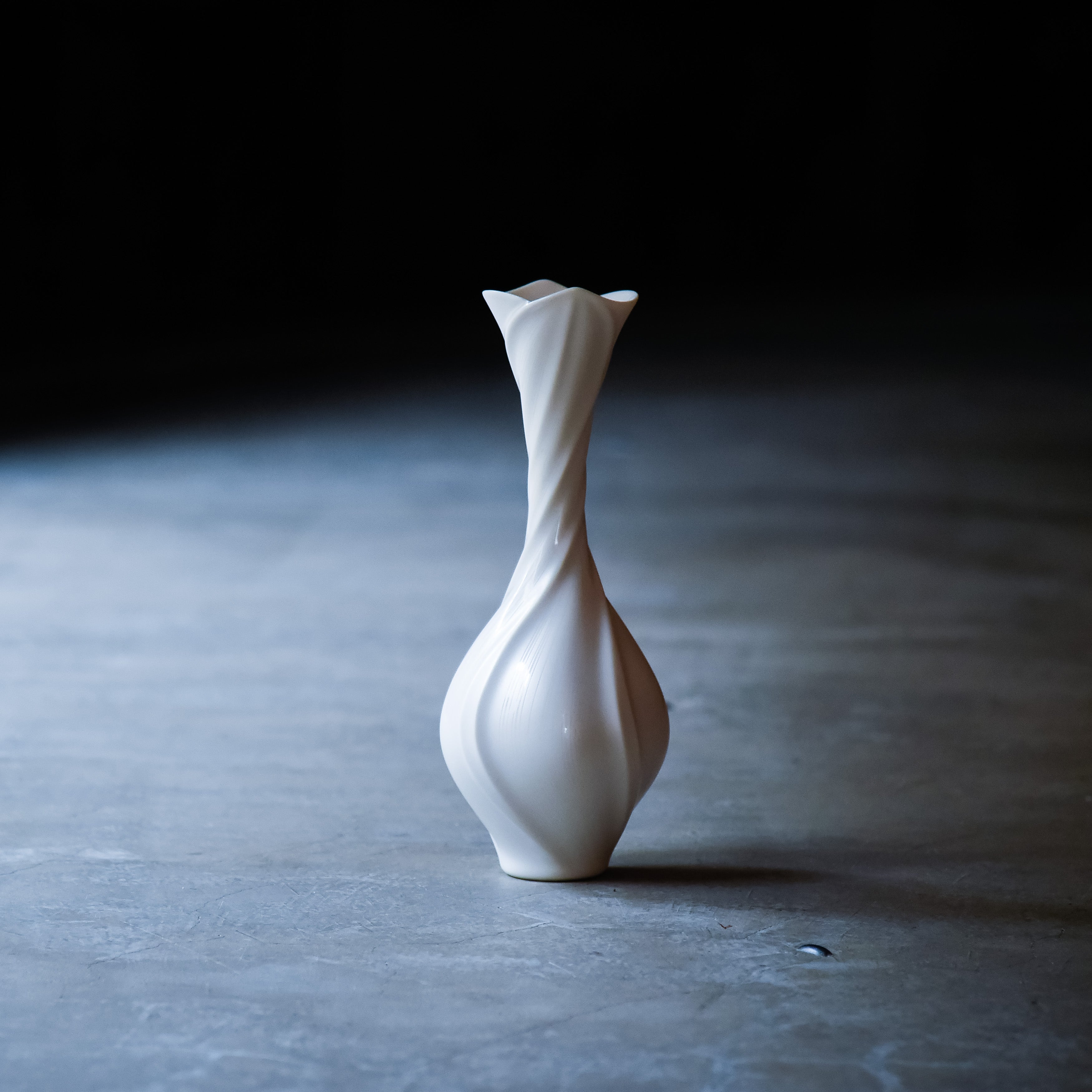
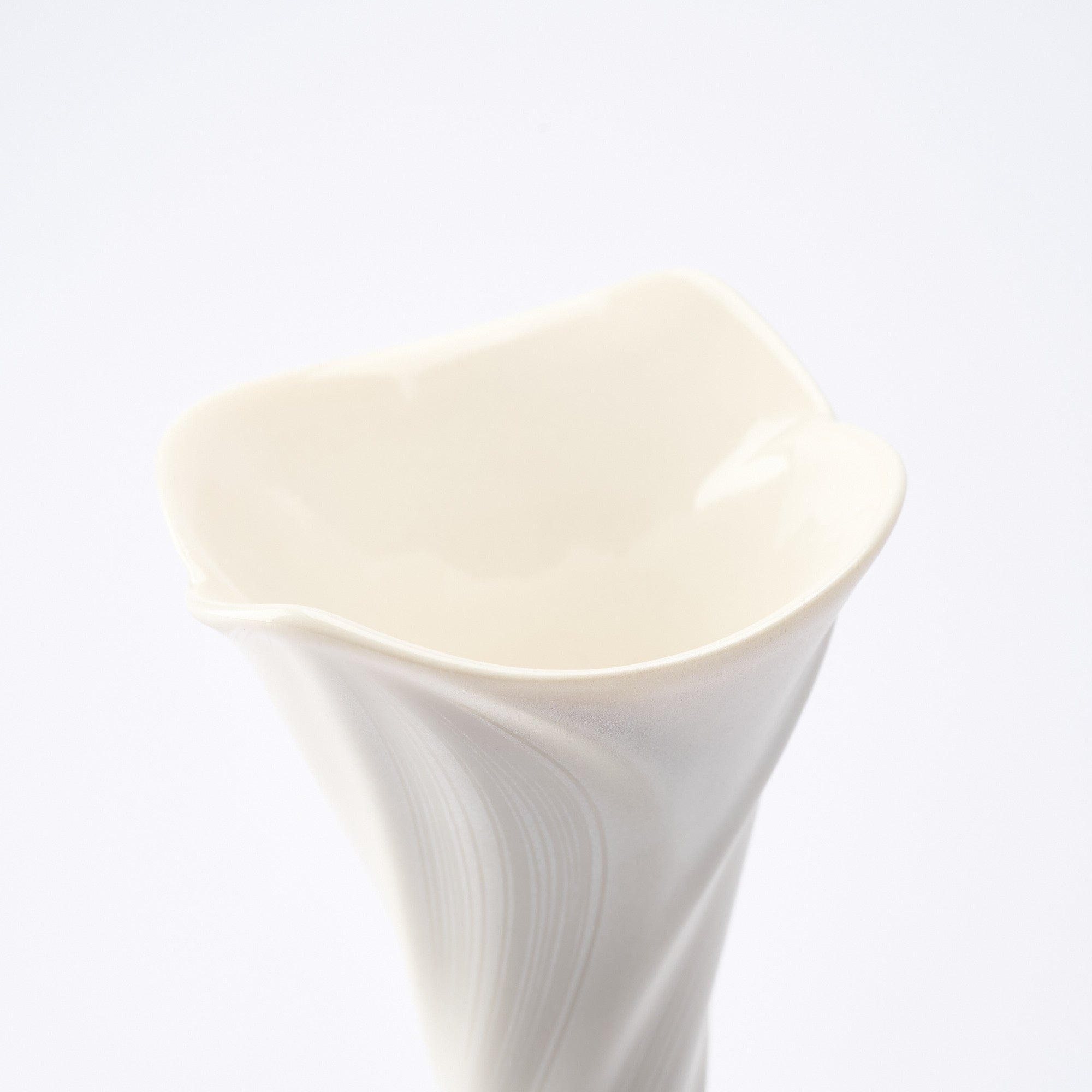
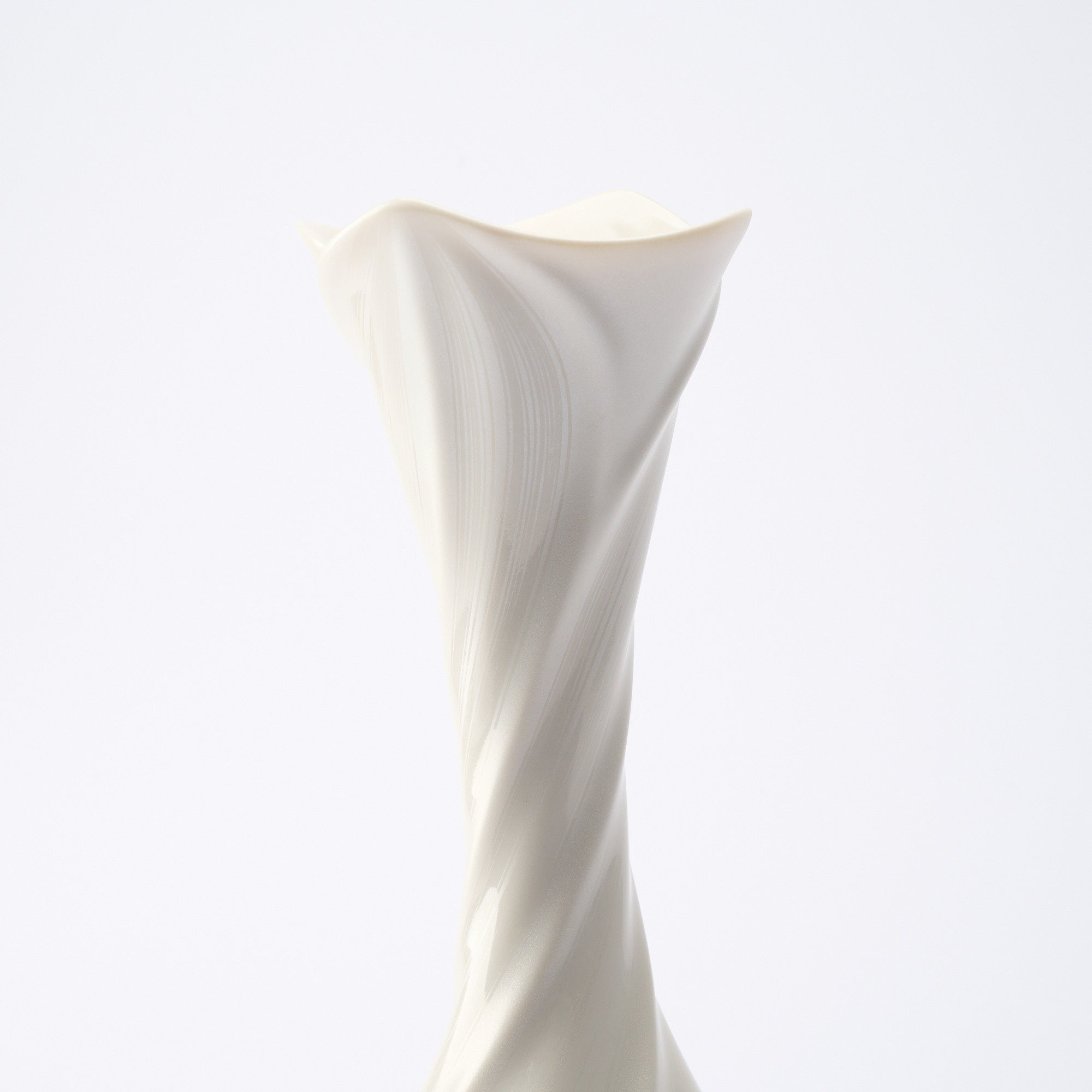
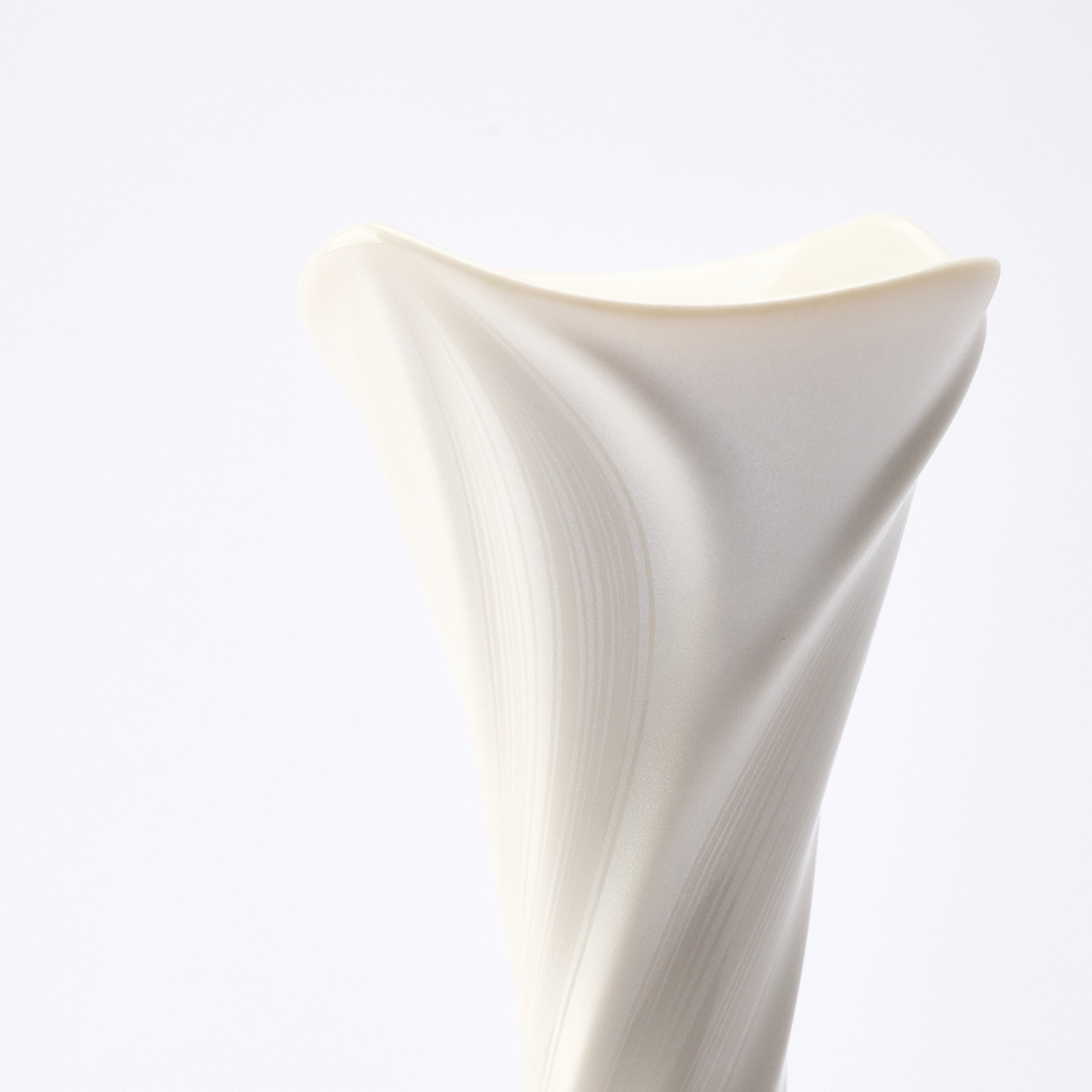
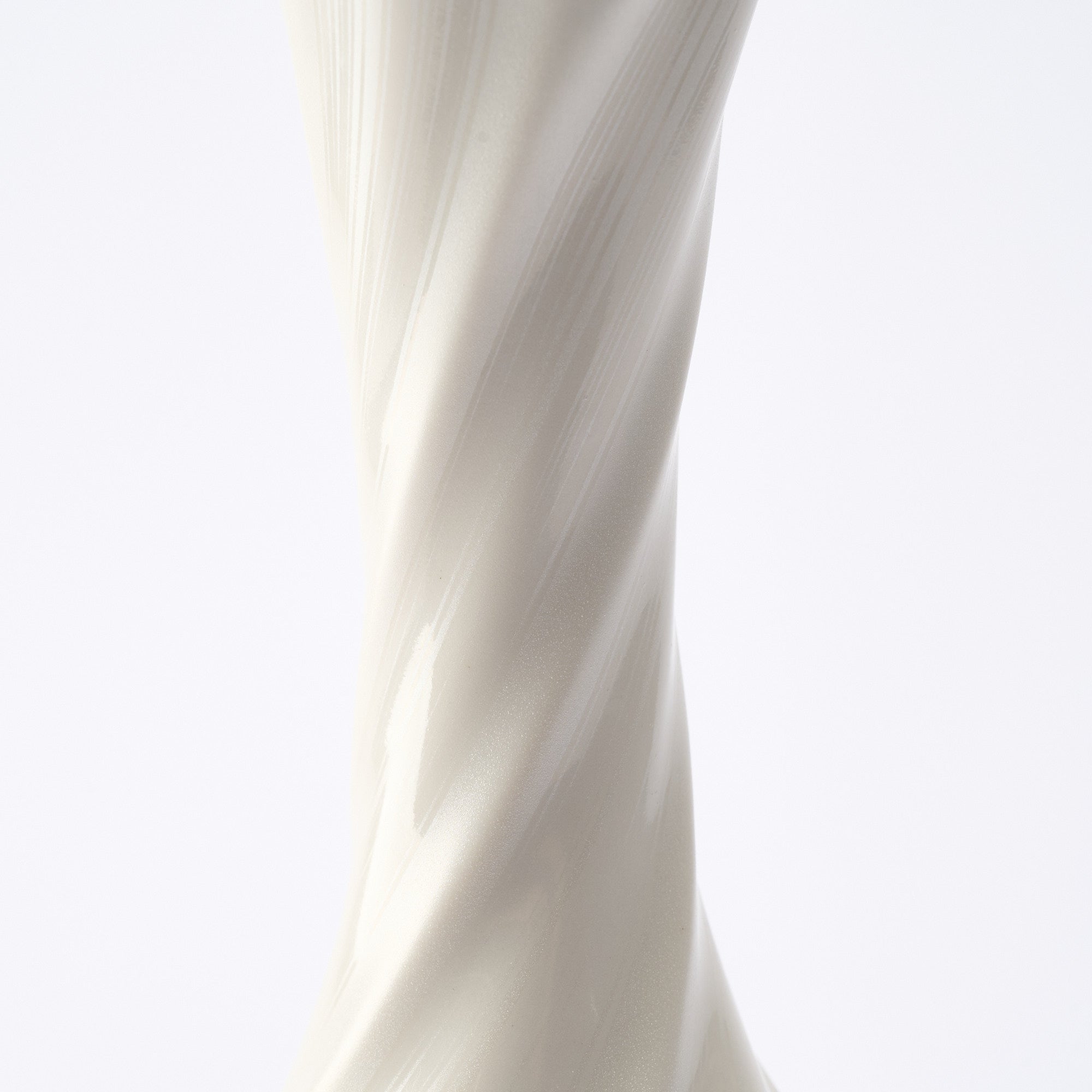
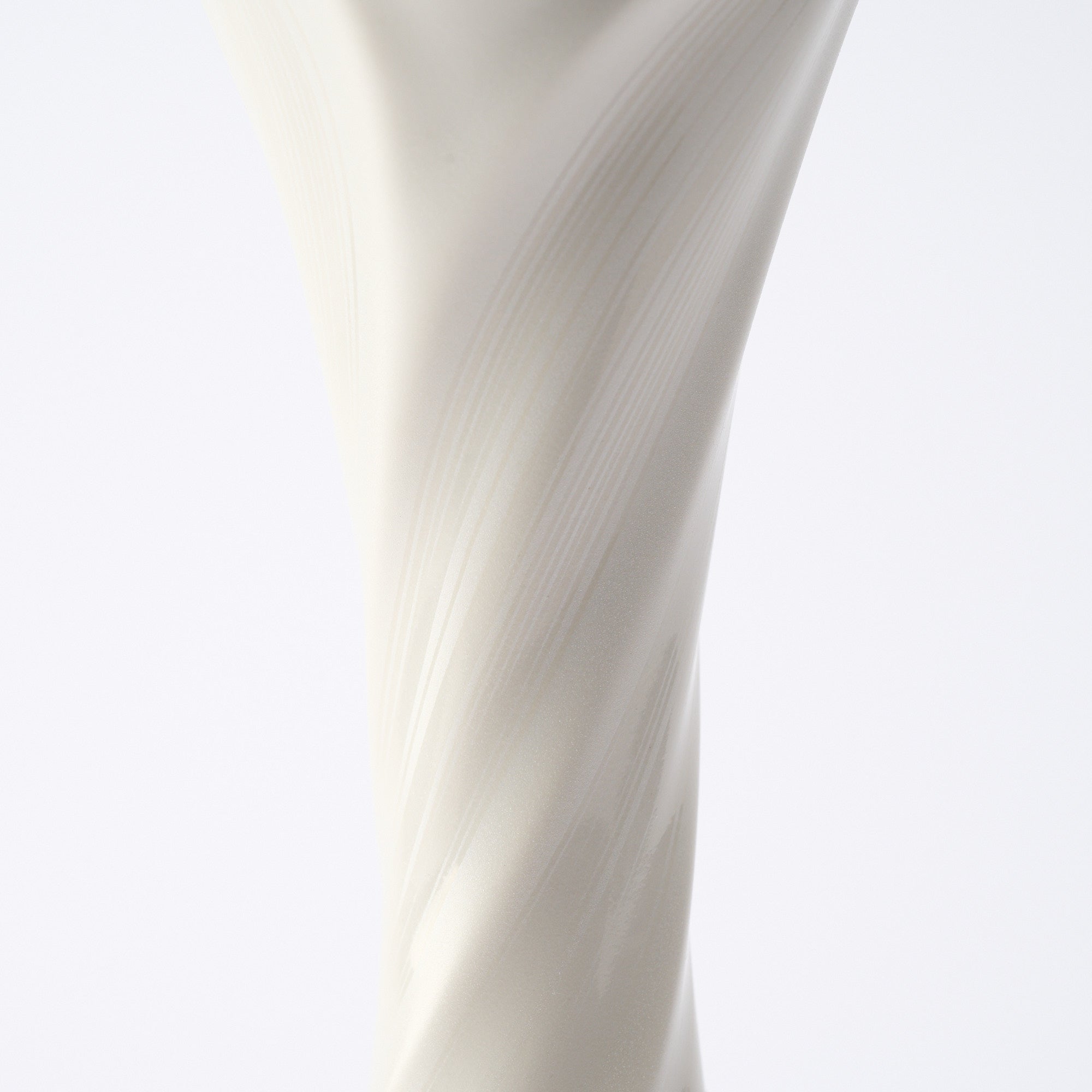
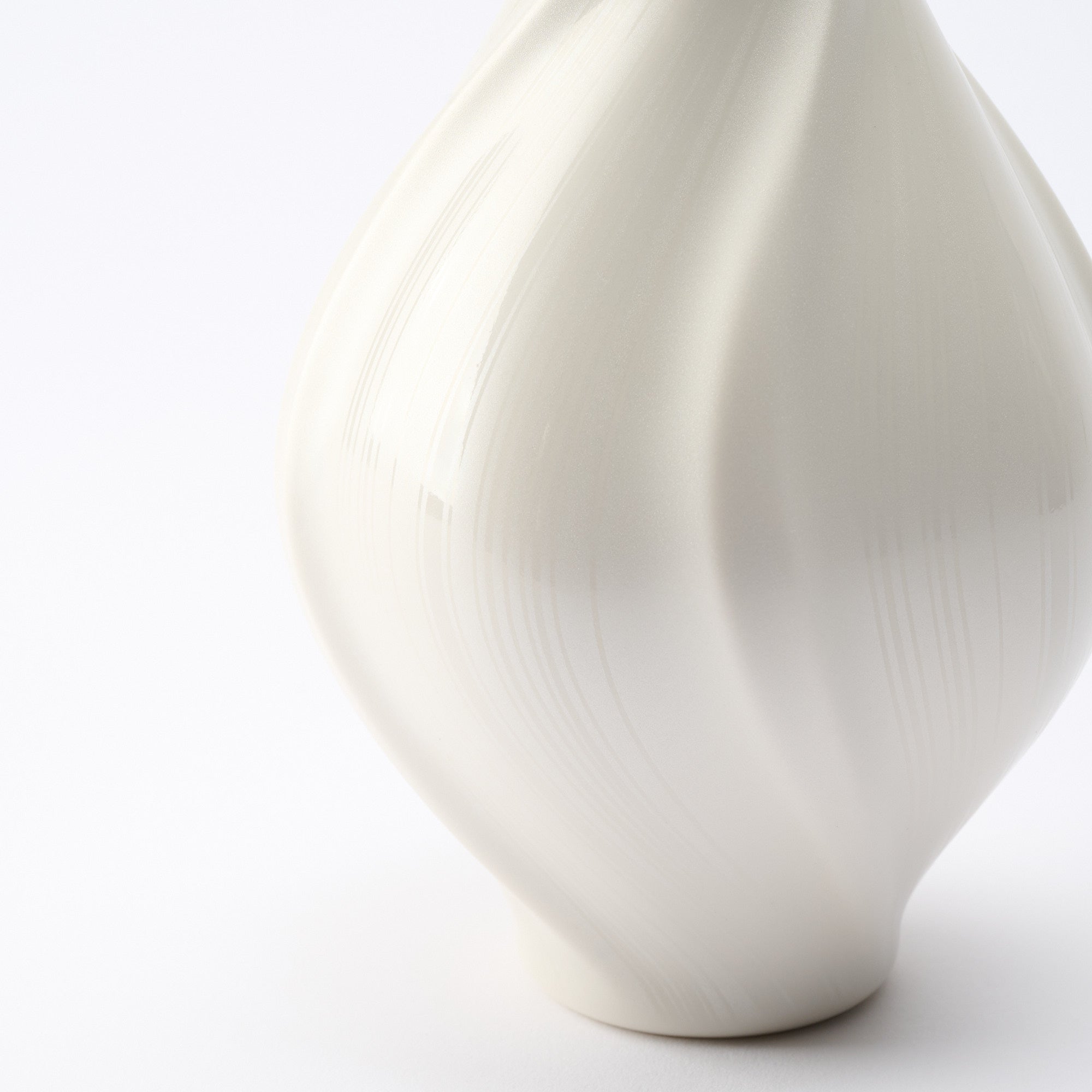
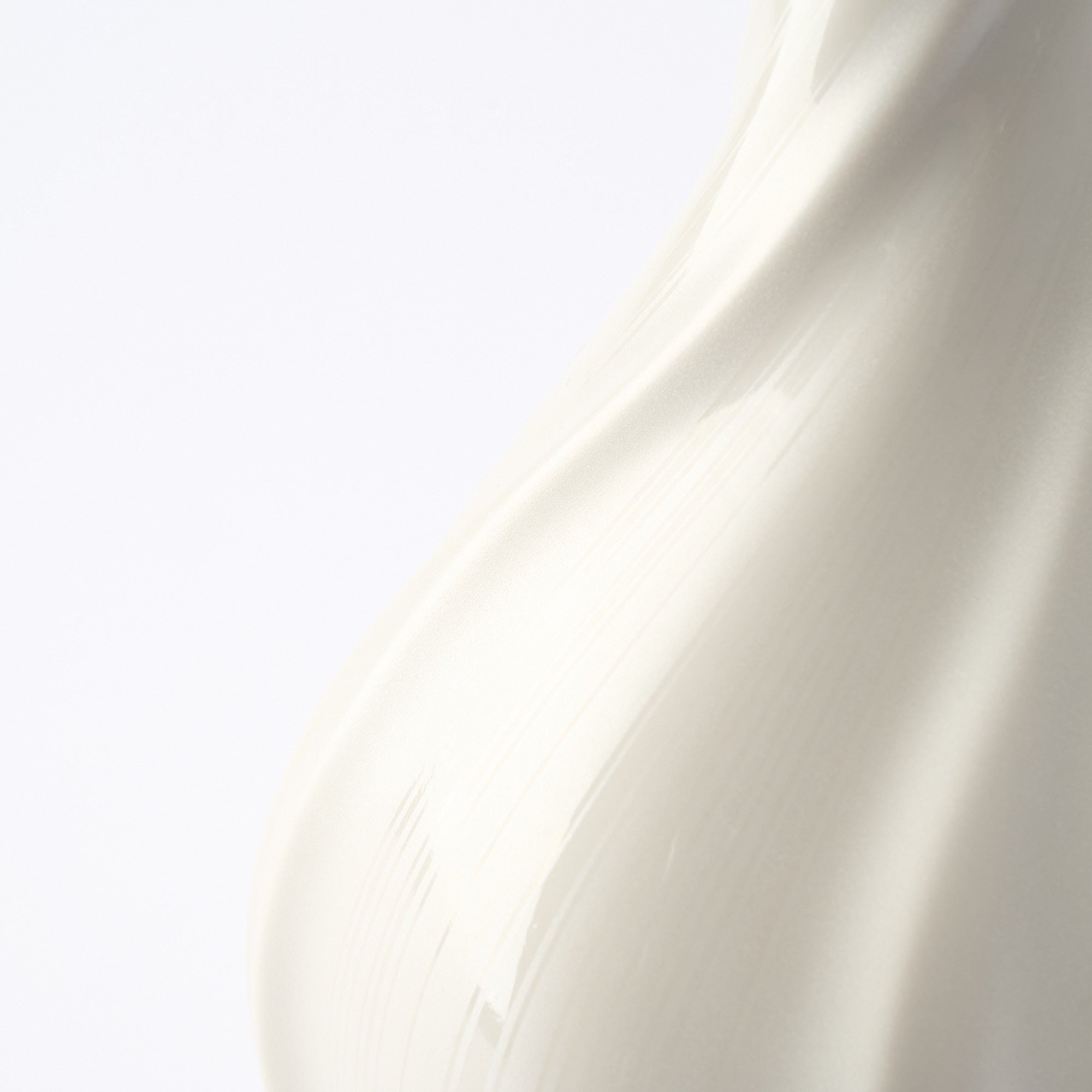
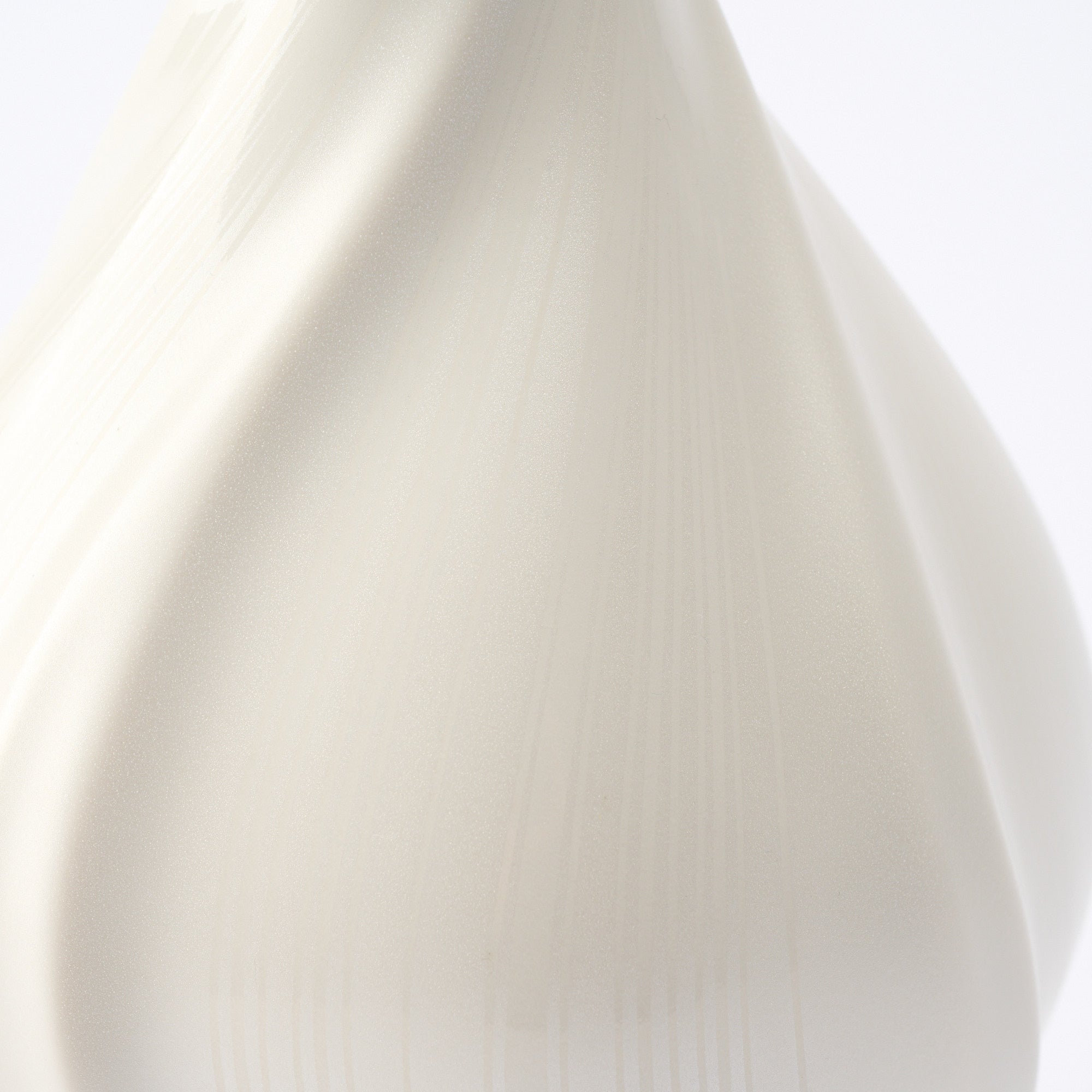
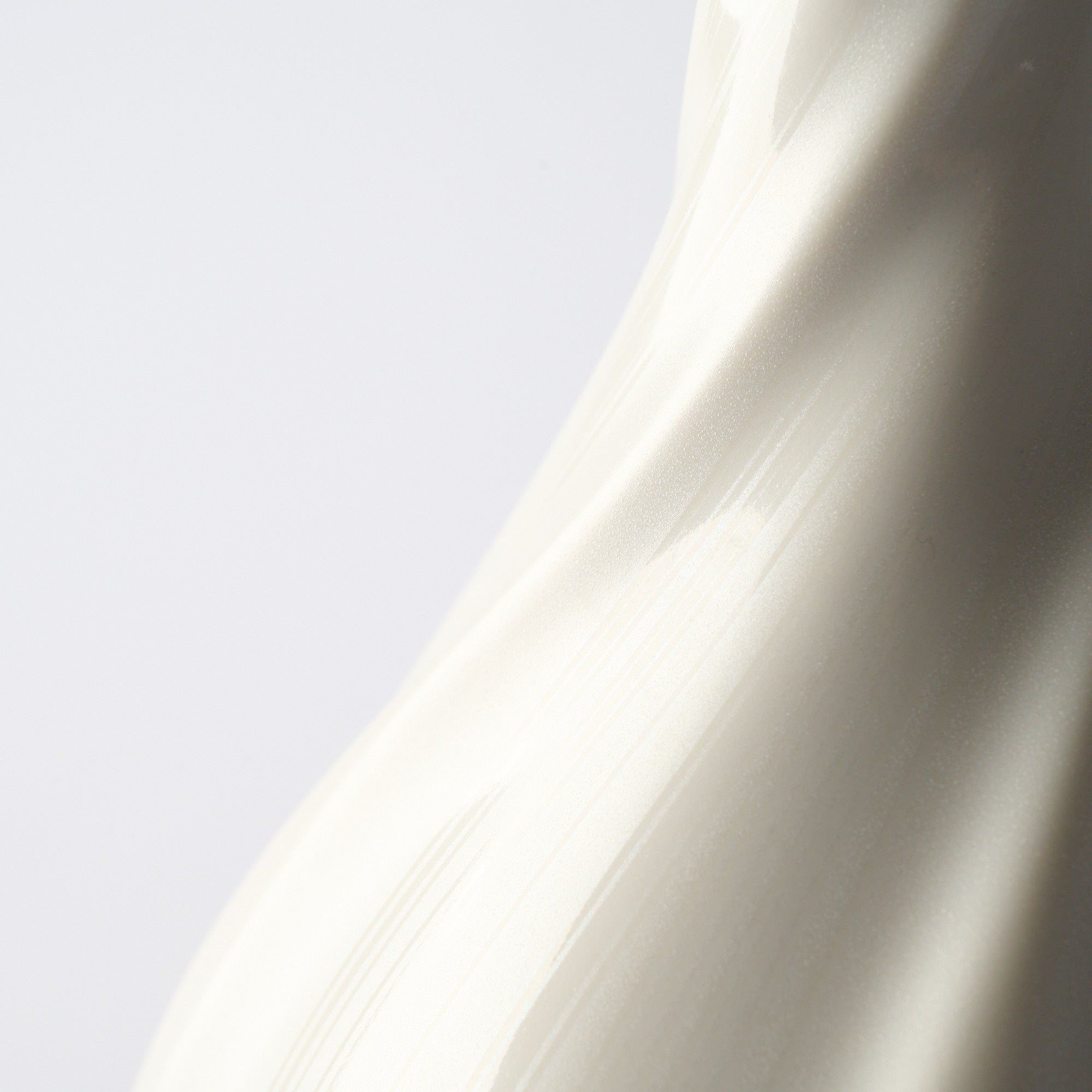
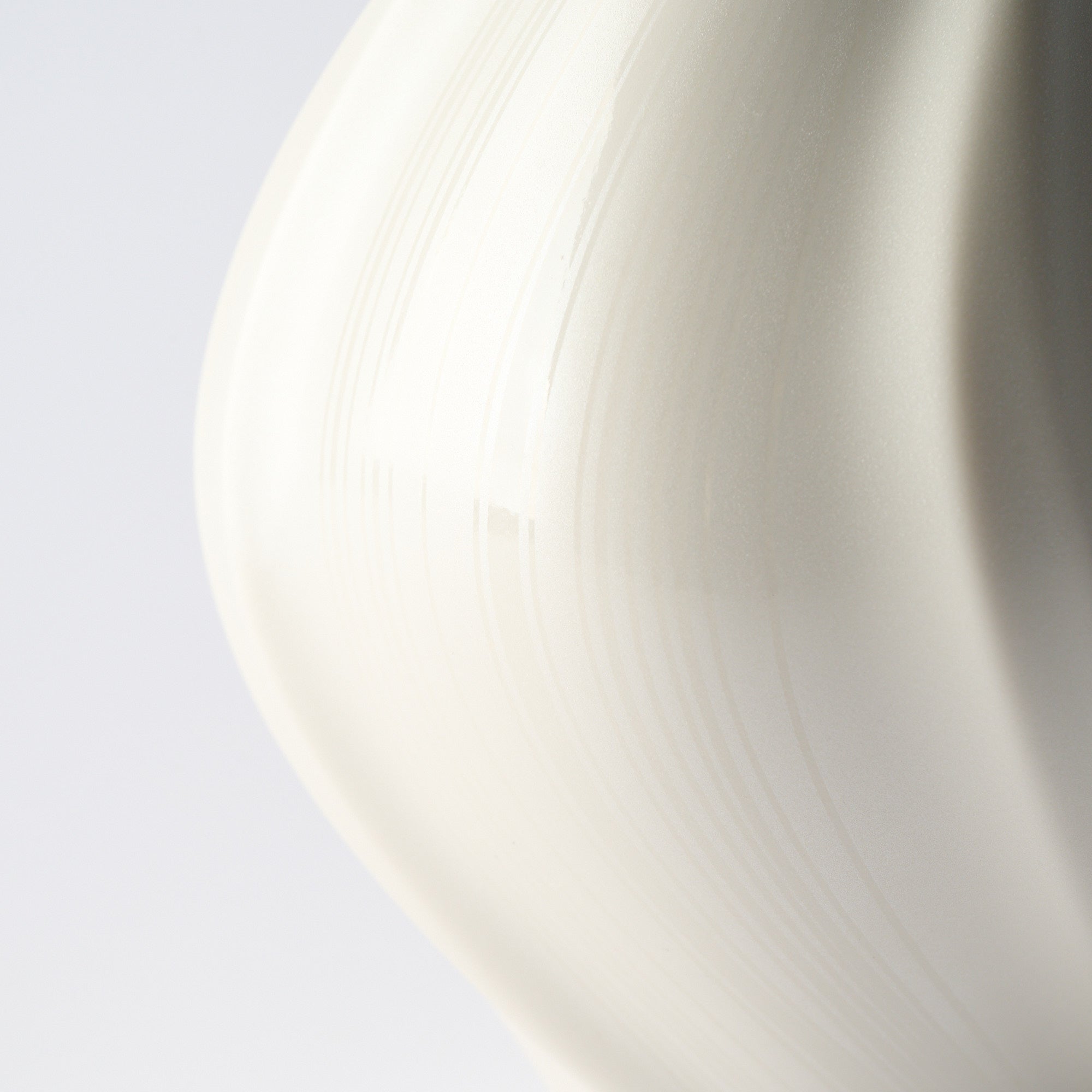
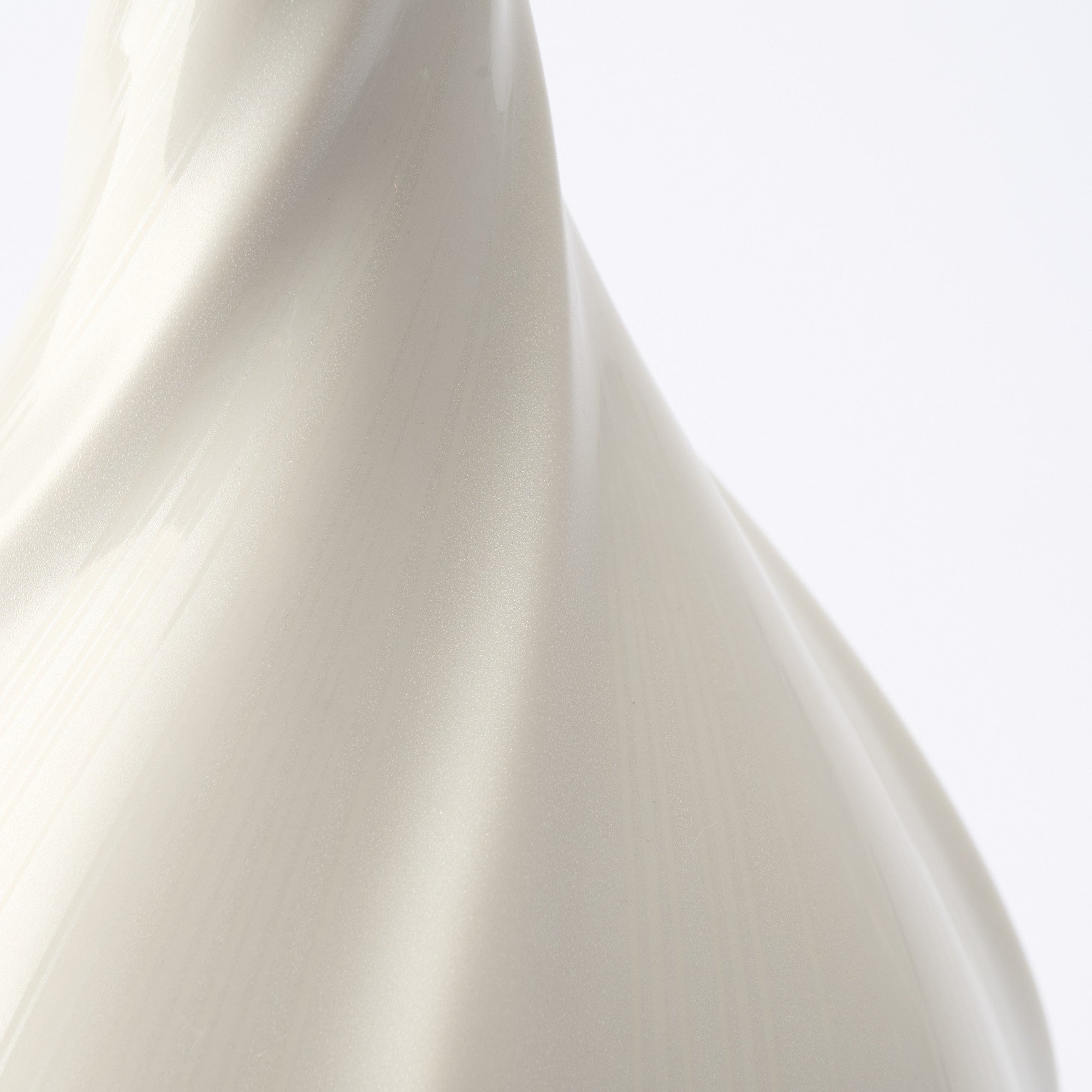
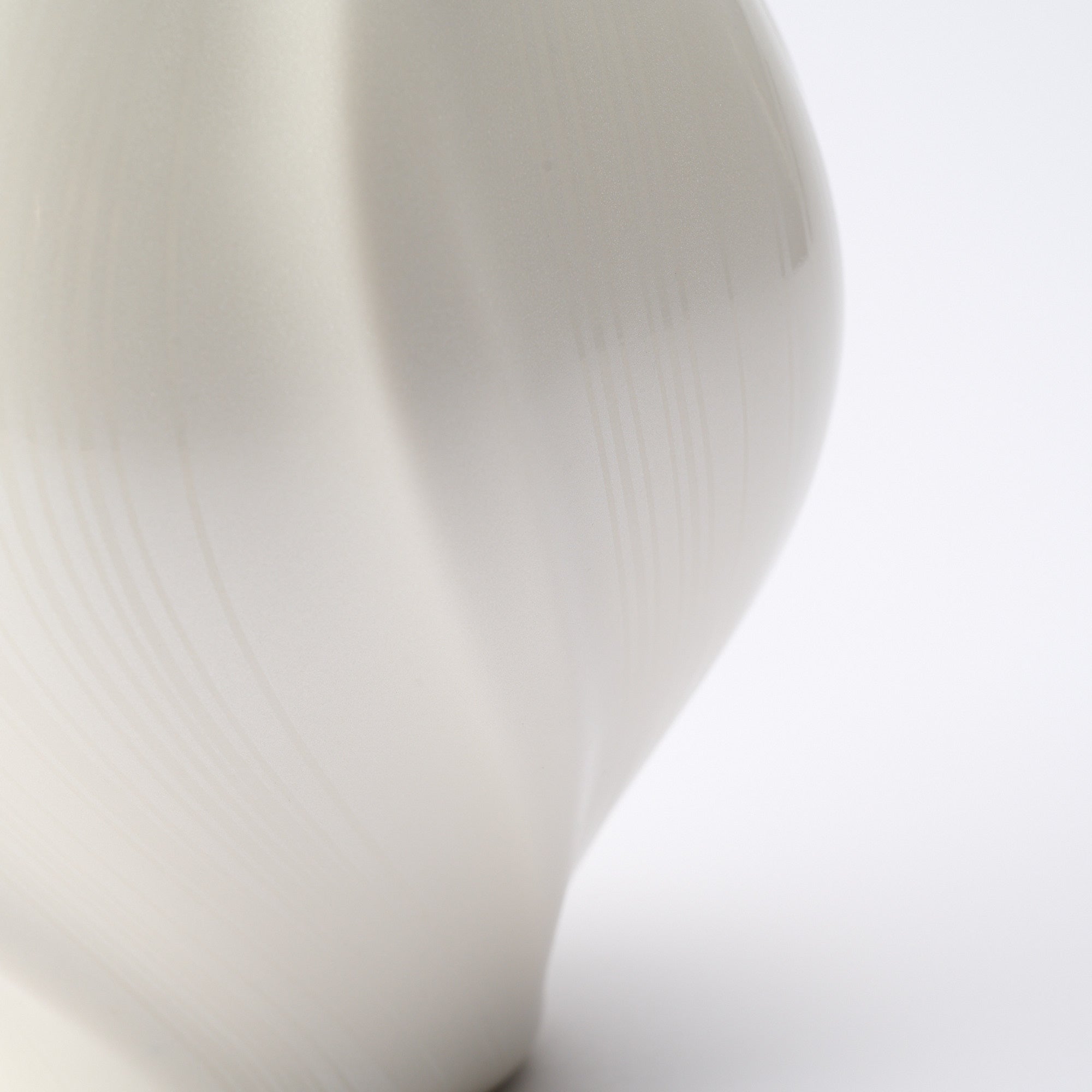
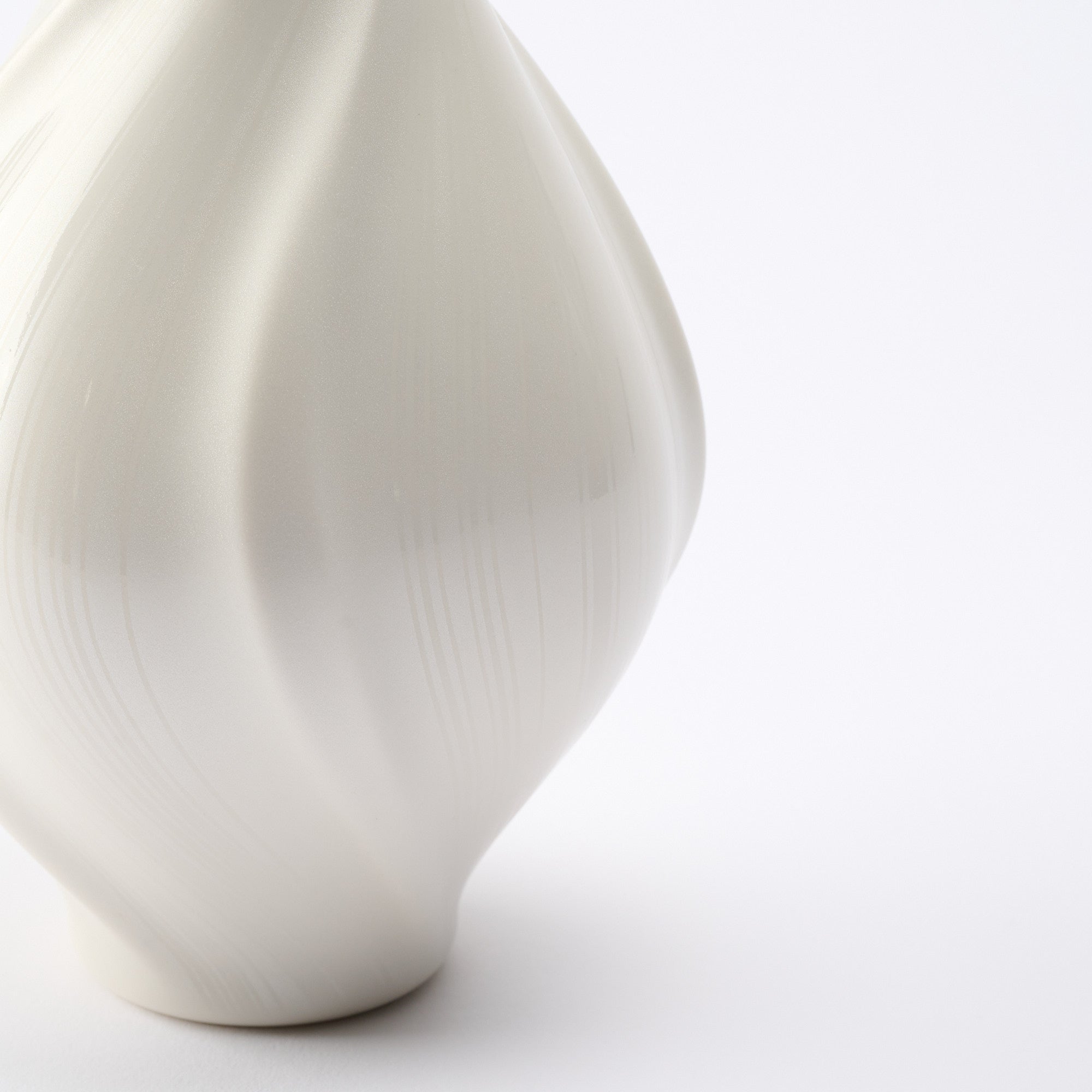
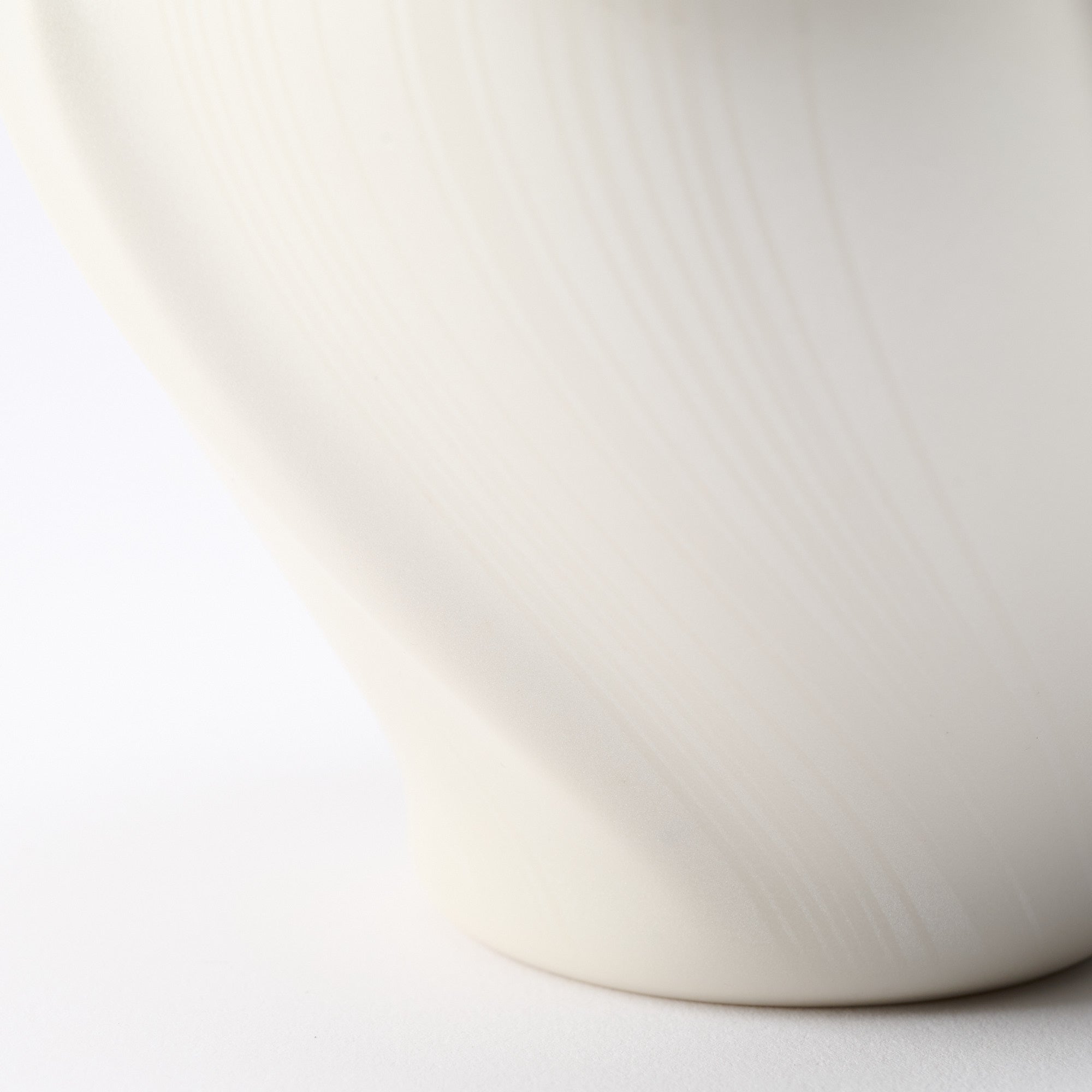
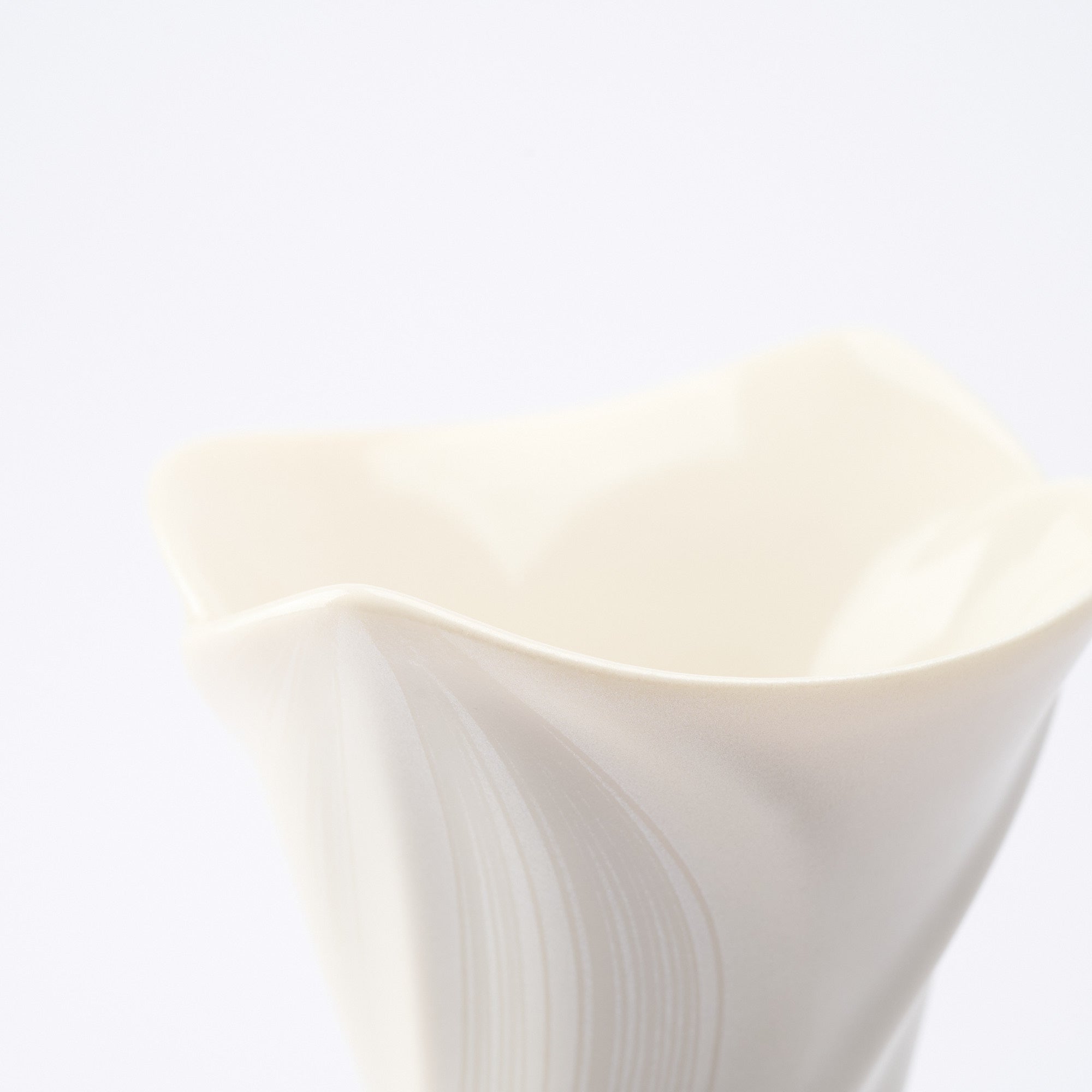
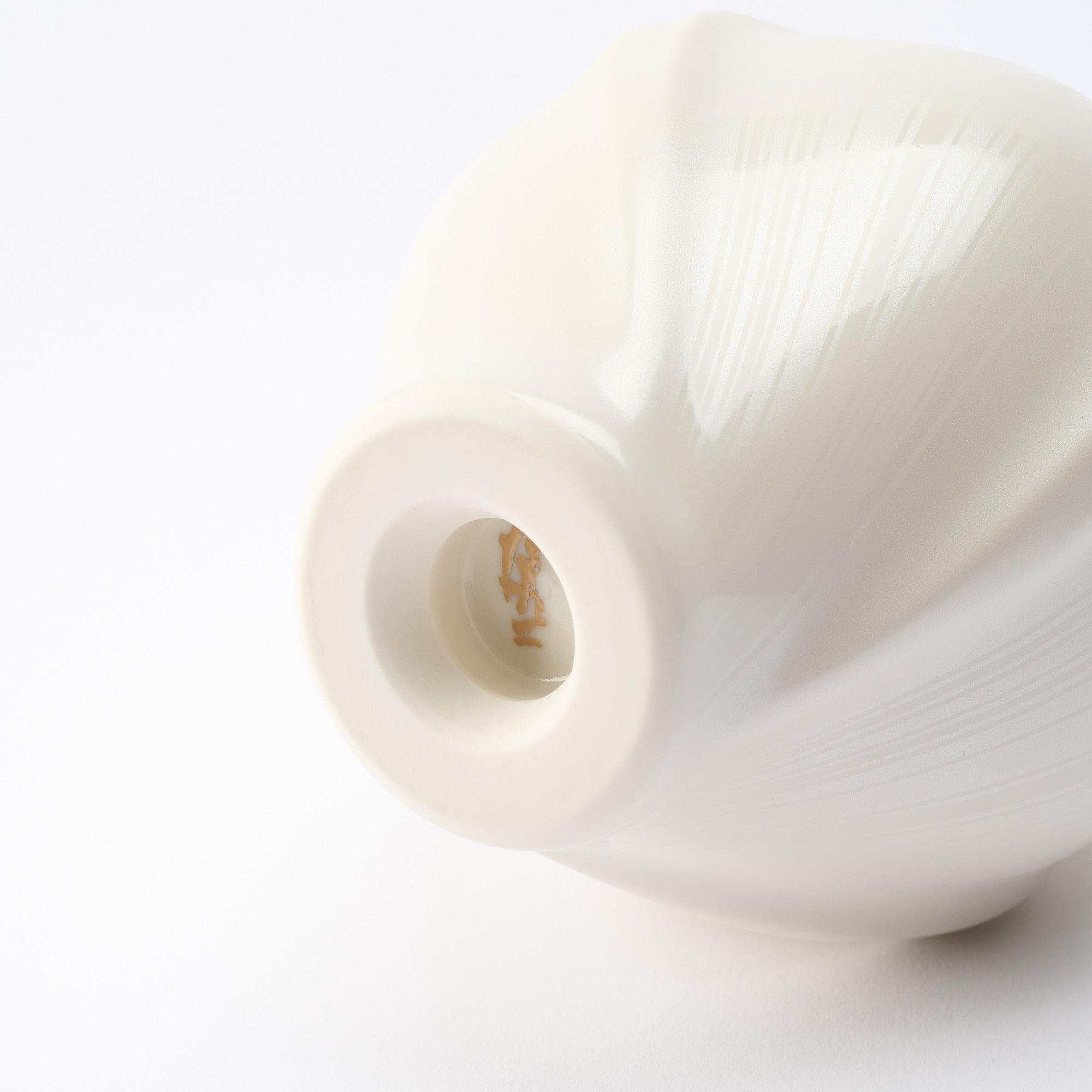
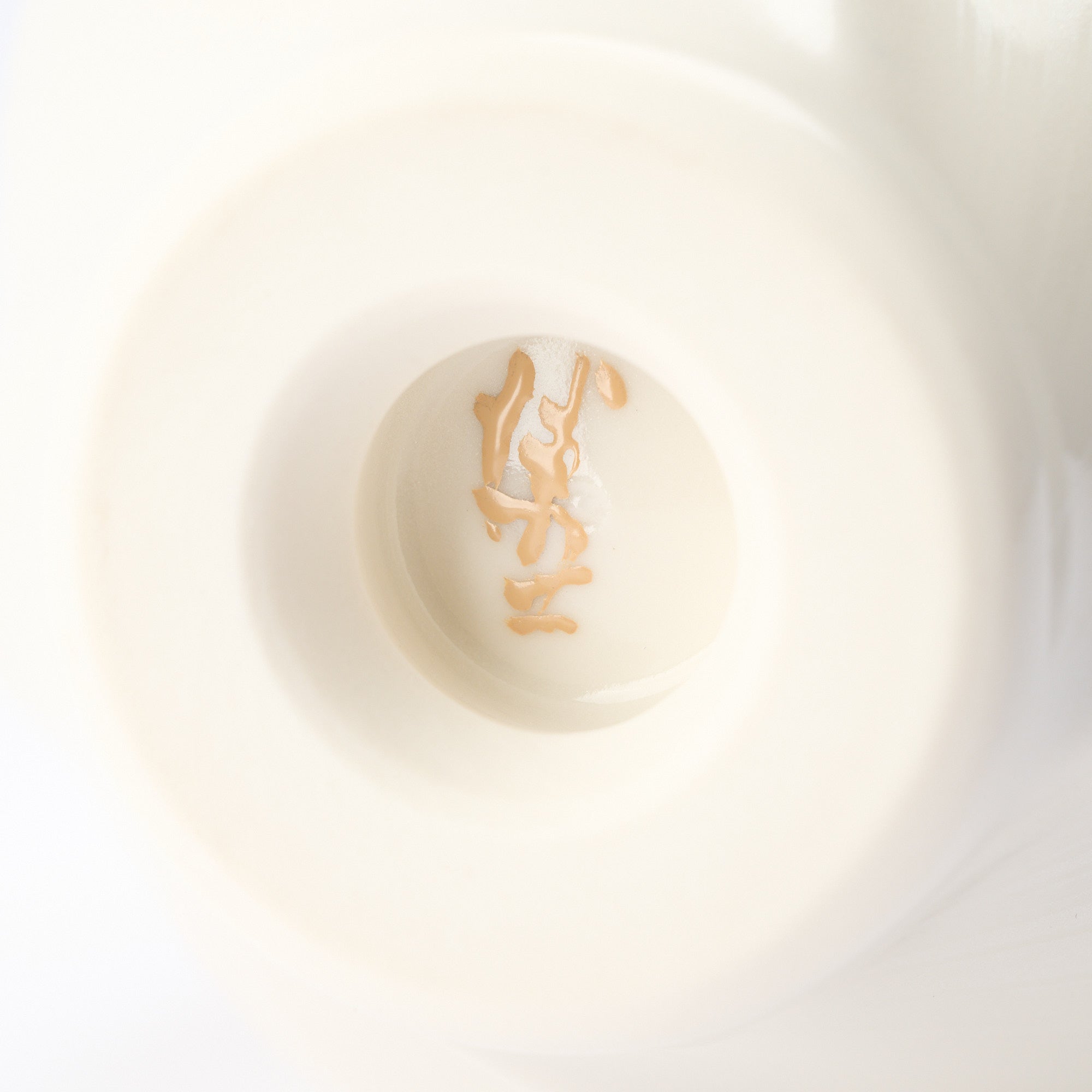
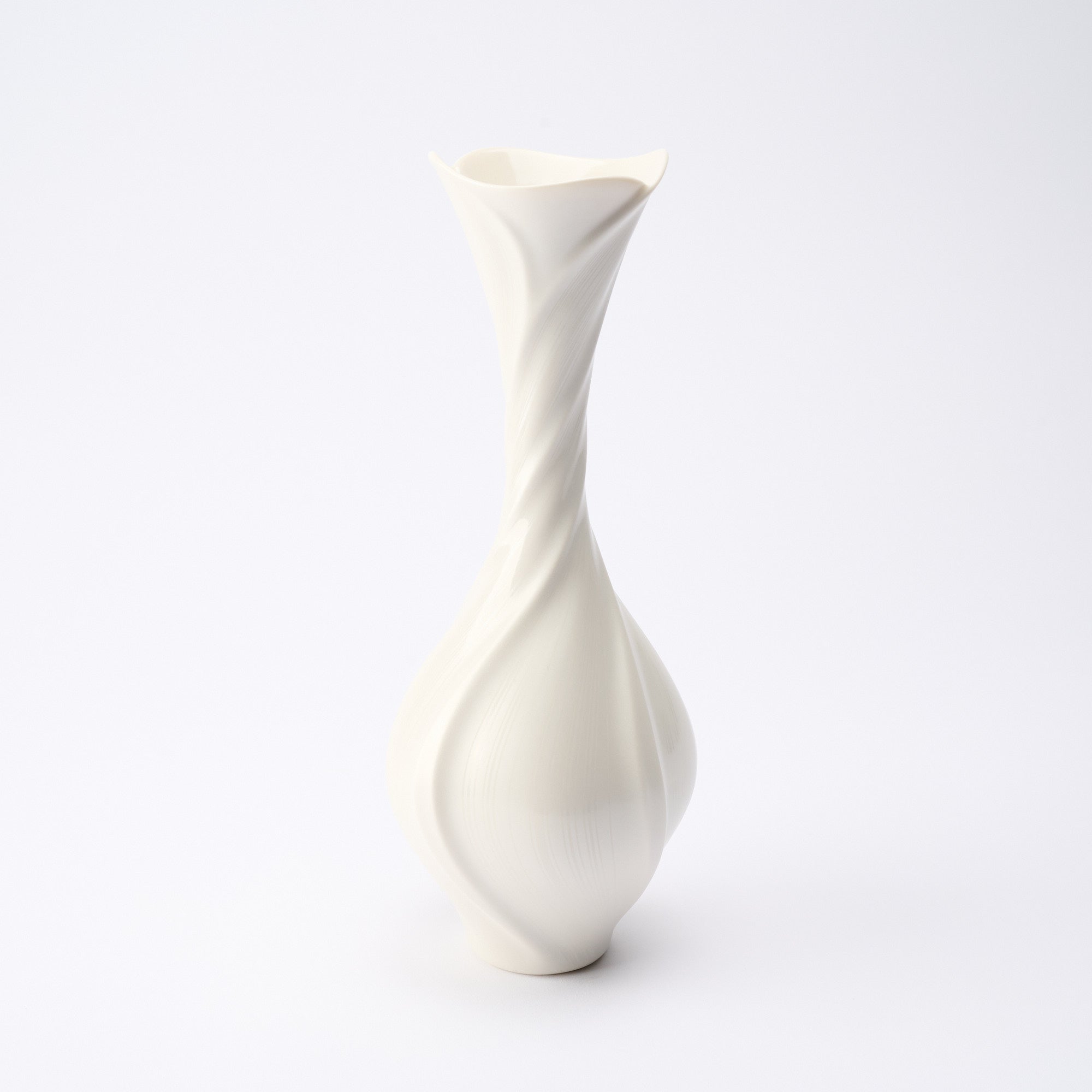
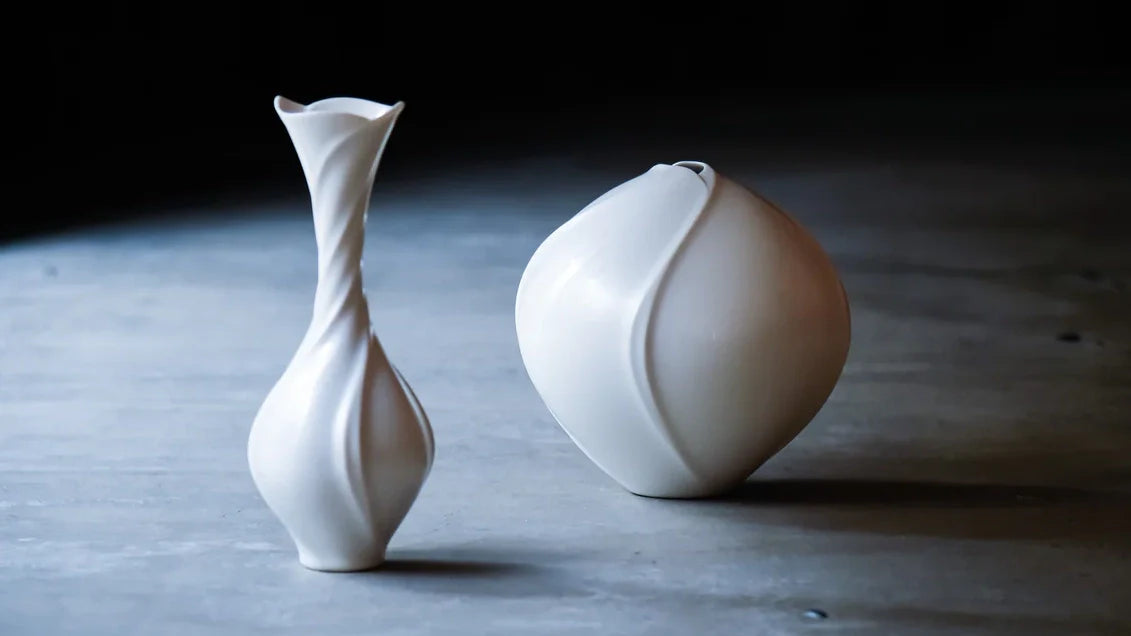
La technique décorative shinju kosai (lustre perlé) de Nakada Hiroshi apporte de la profondeur à une palette entièrement blanche par la superposition contrôlée de deux glaçures contrastées. Certaines zones de la surface restent intentionnellement visibles sous une glaçure transparente, révélant la pureté de la porcelaine en dessous, tandis qu'un éclat doux, semblable à une perle, émerge à côté. Ce contraste subtil entre brillant et mat crée un jeu de lumière nuancé, conférant à la finition une délicate sensation de dimension.
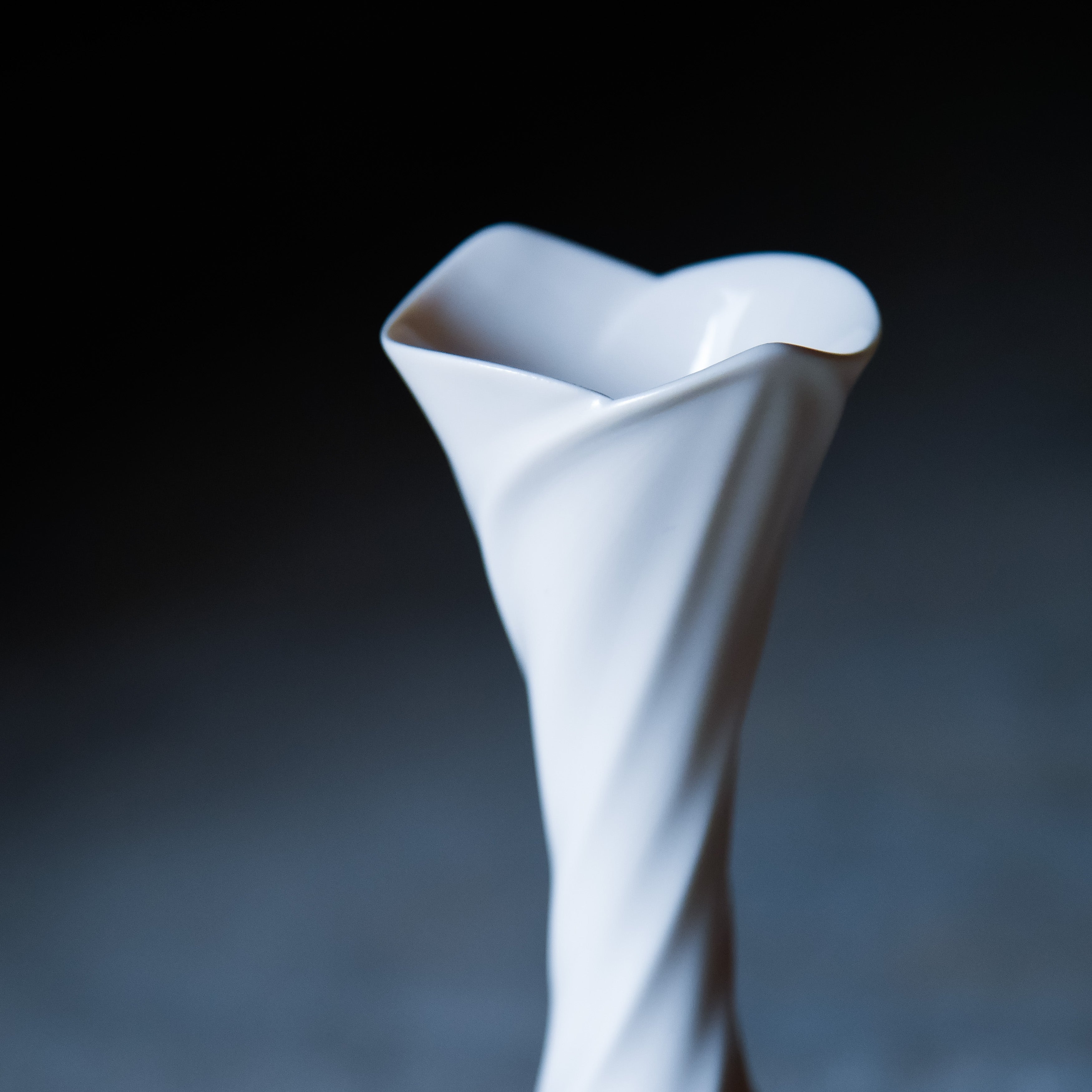
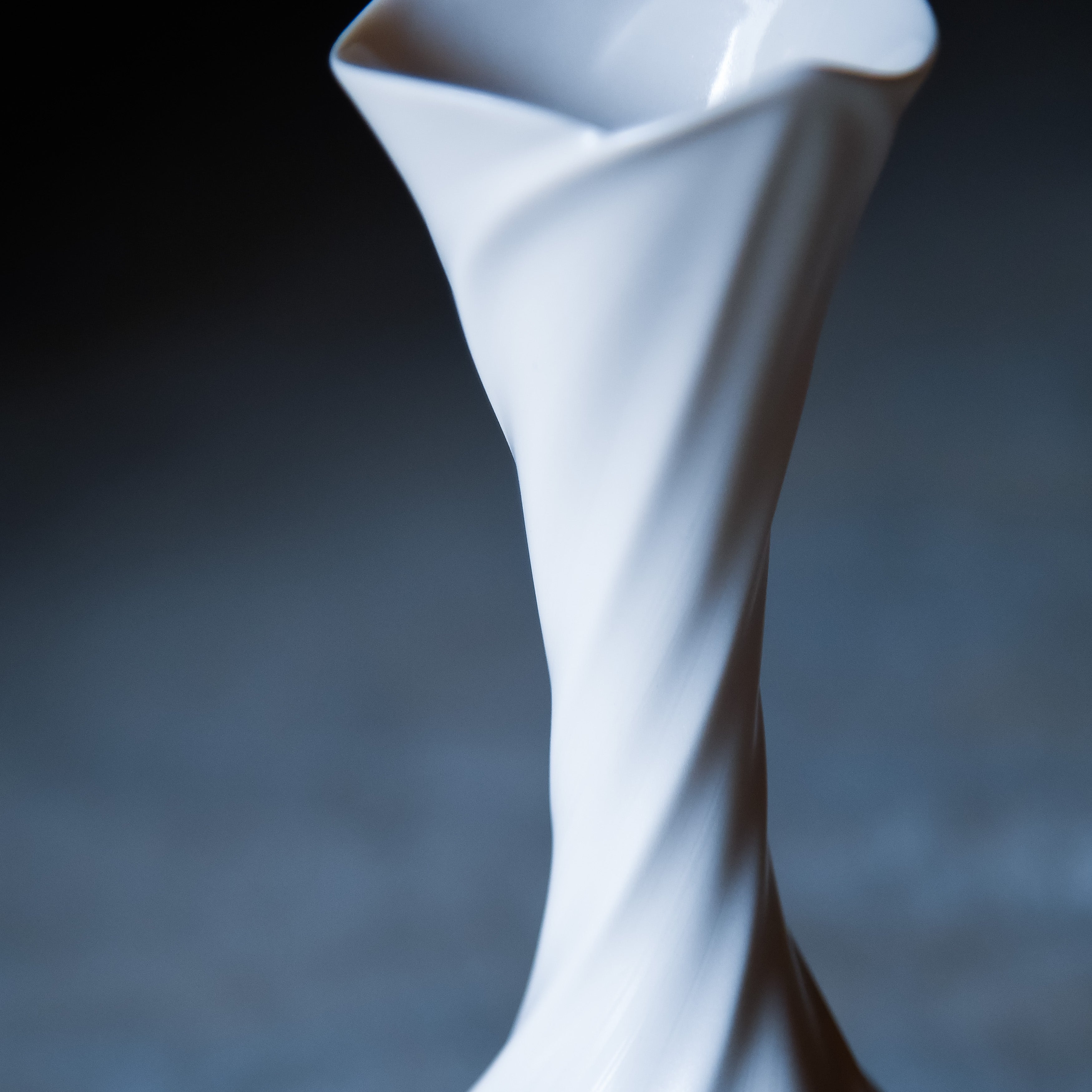
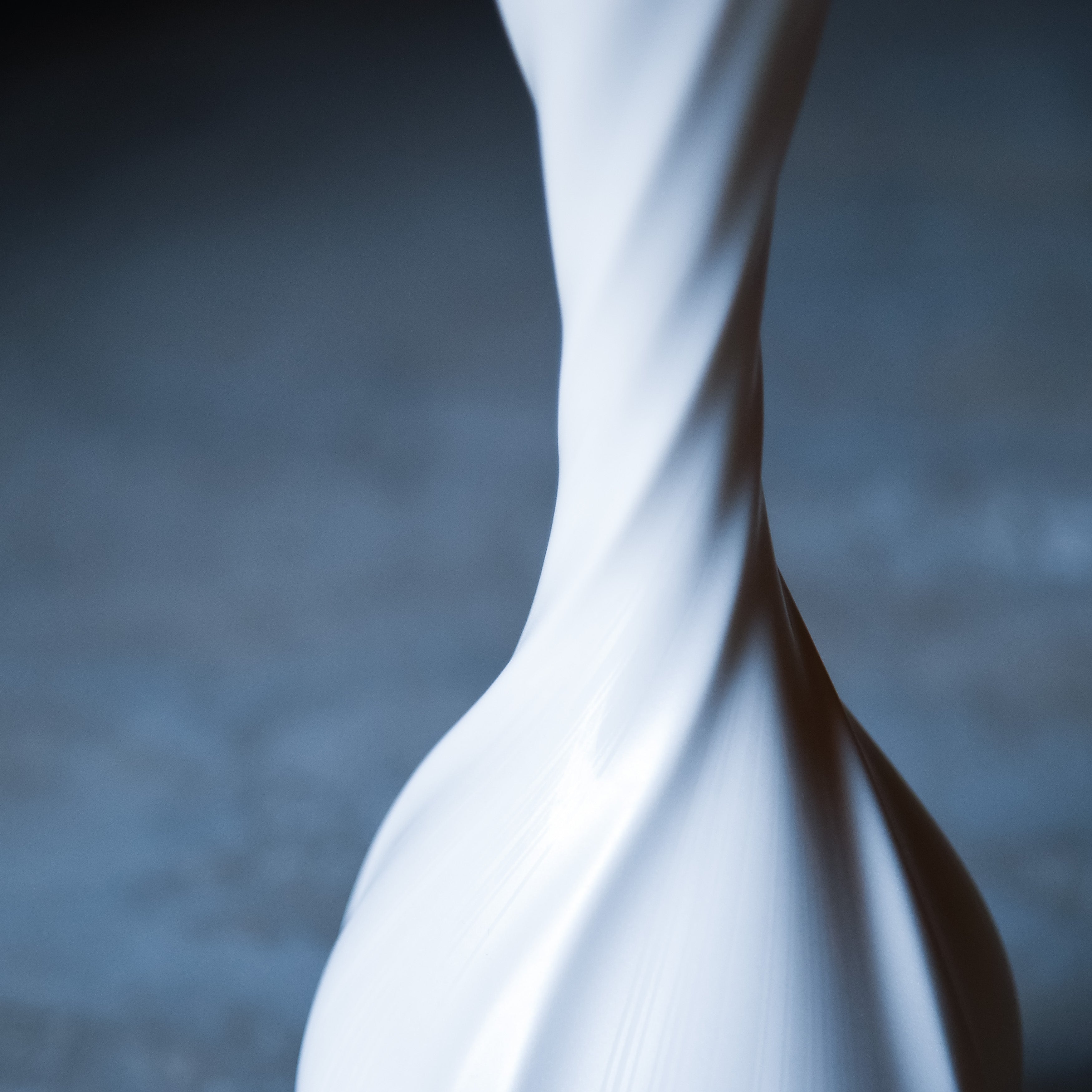
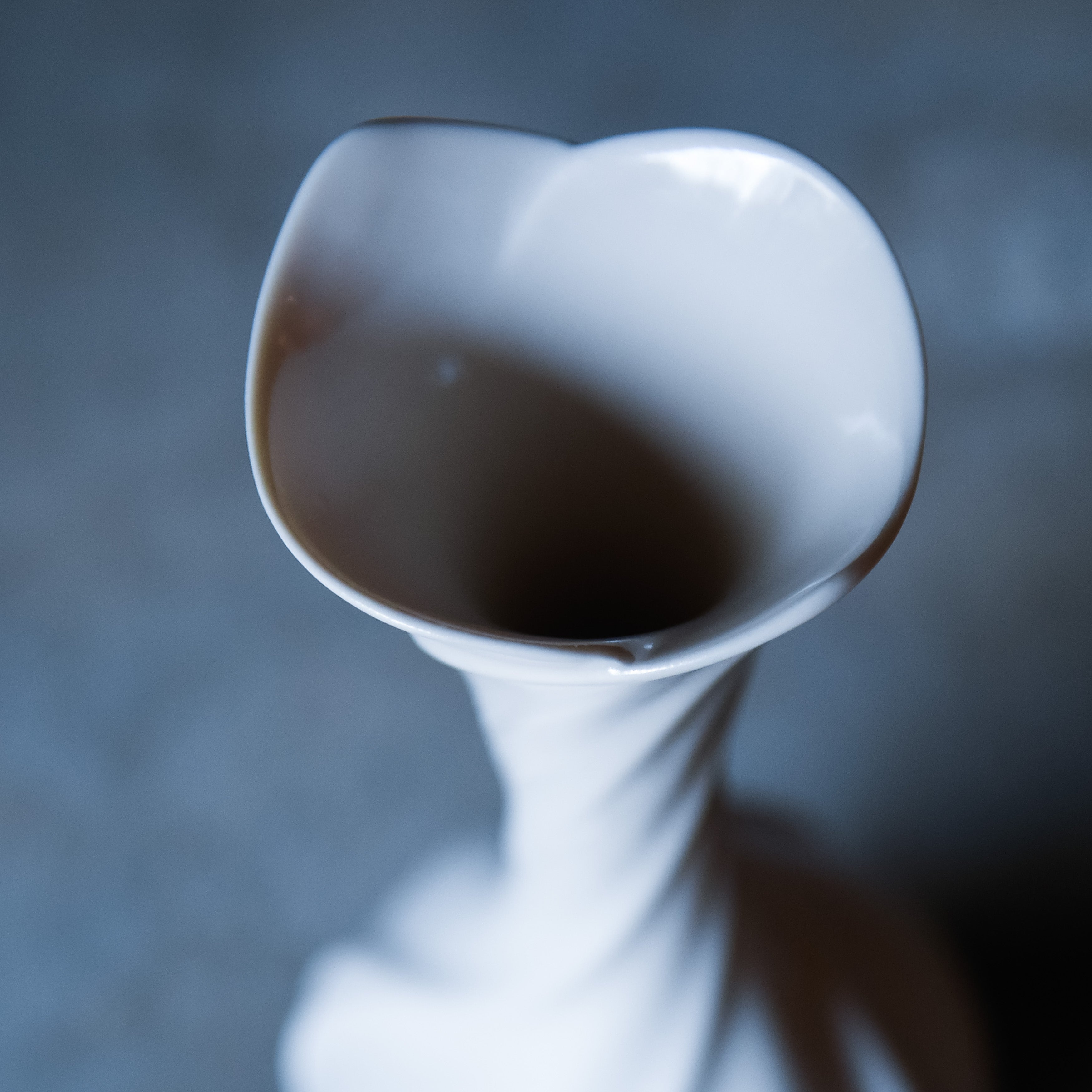
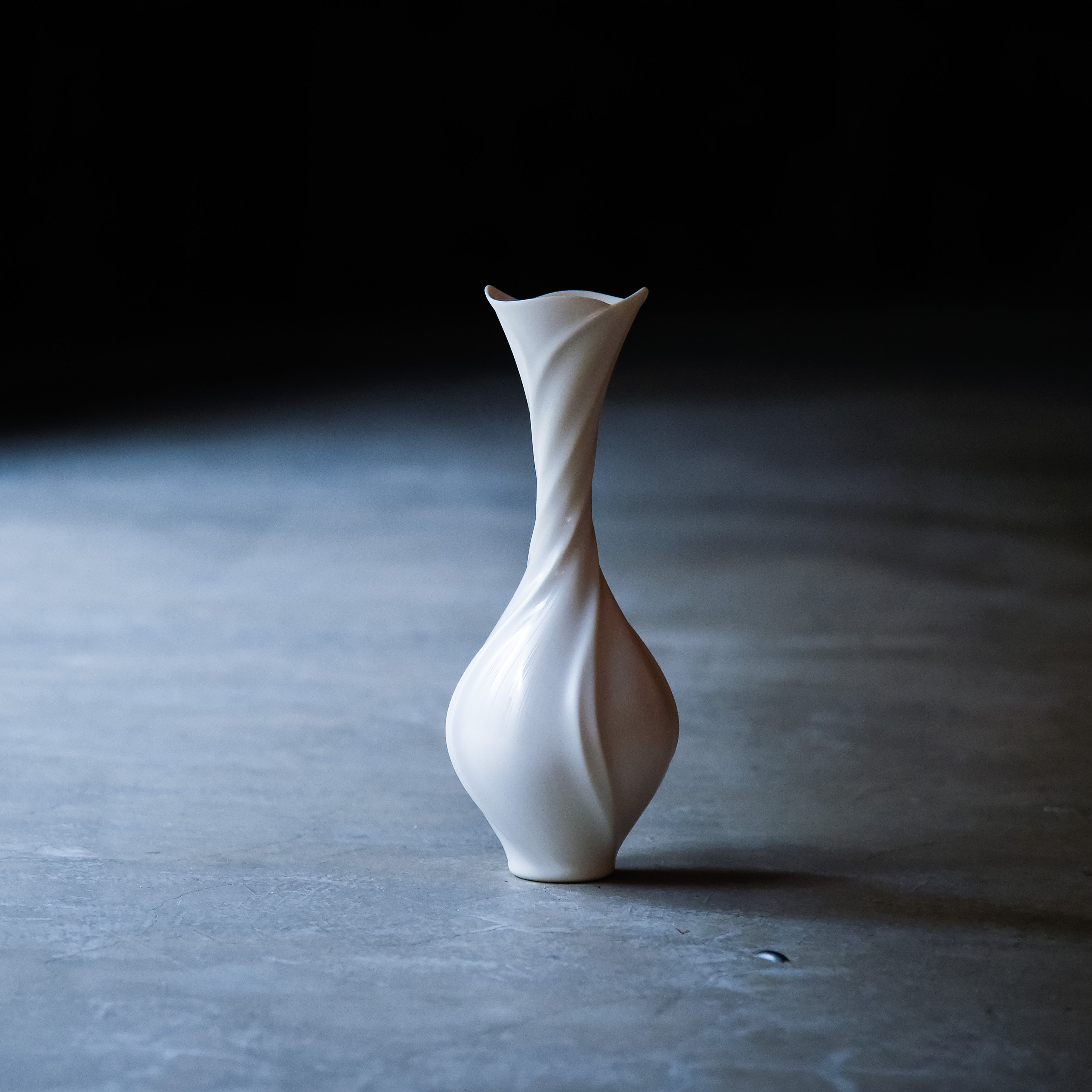
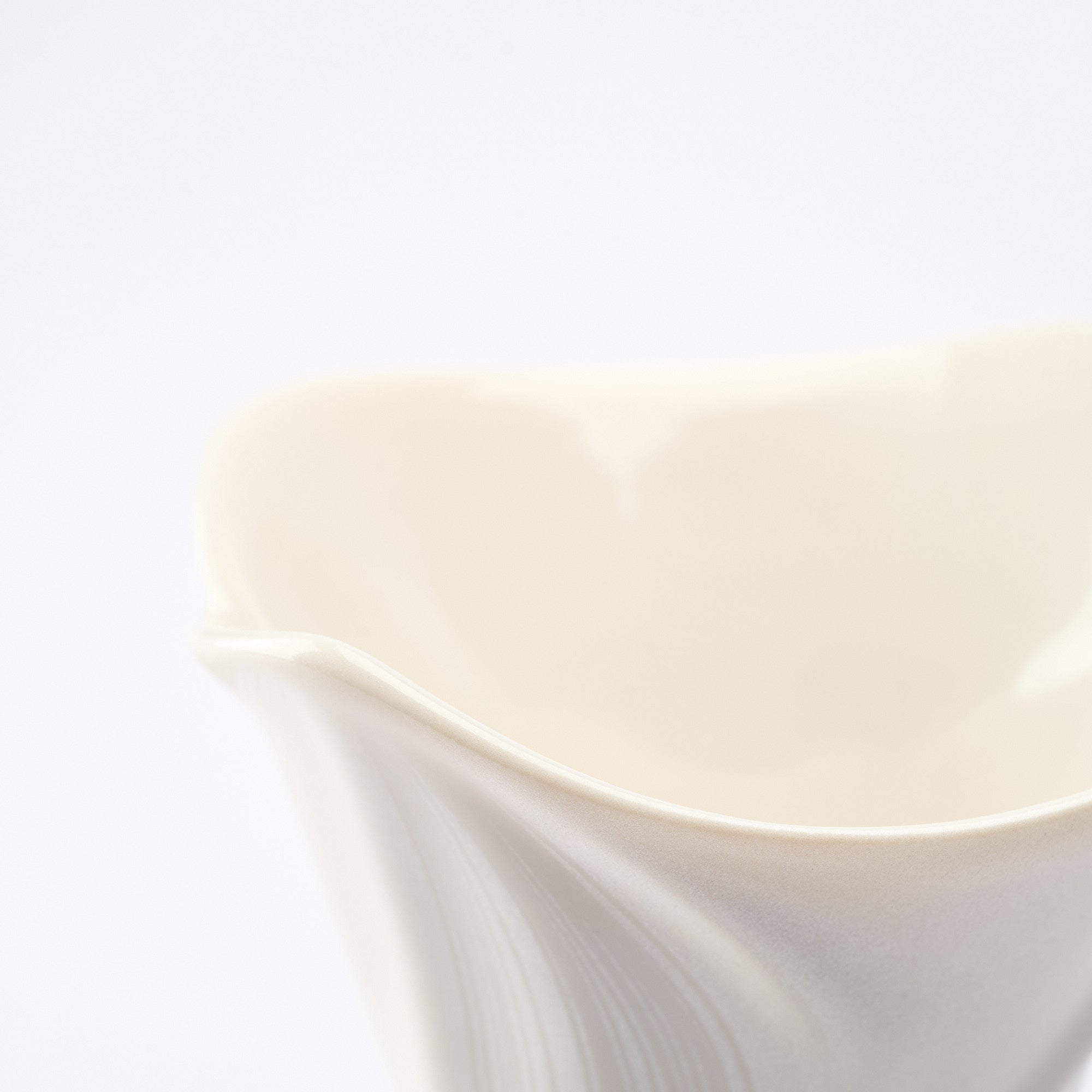
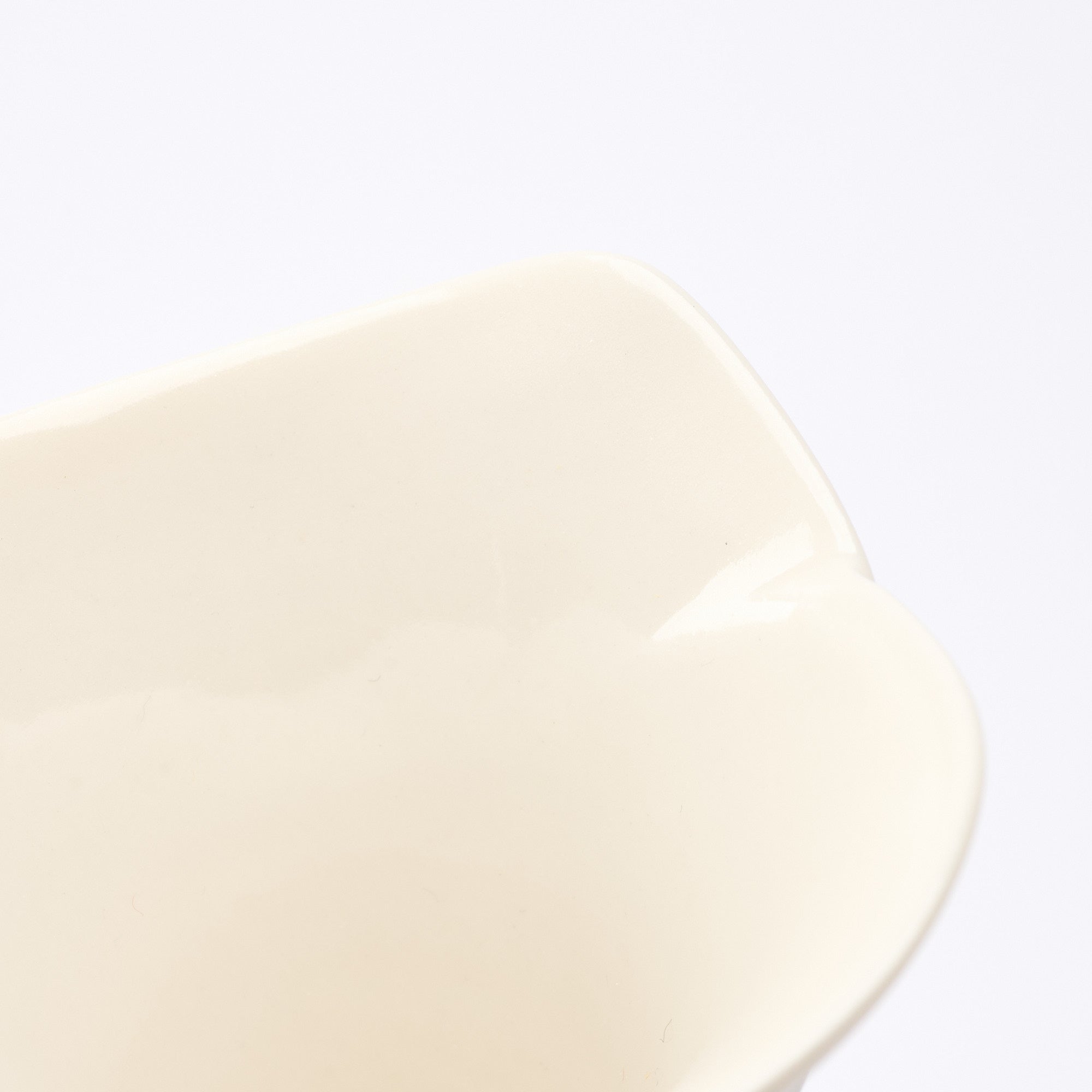
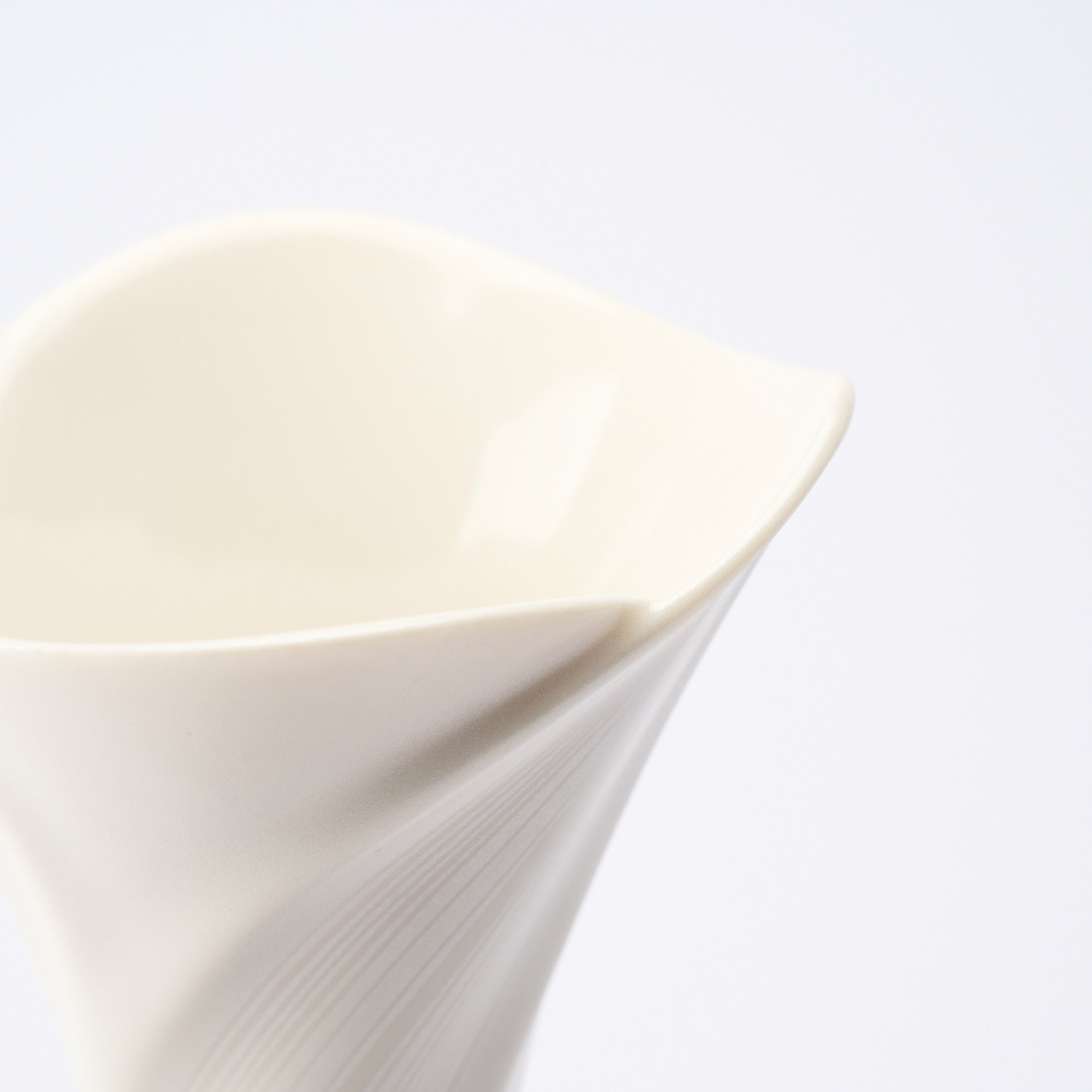
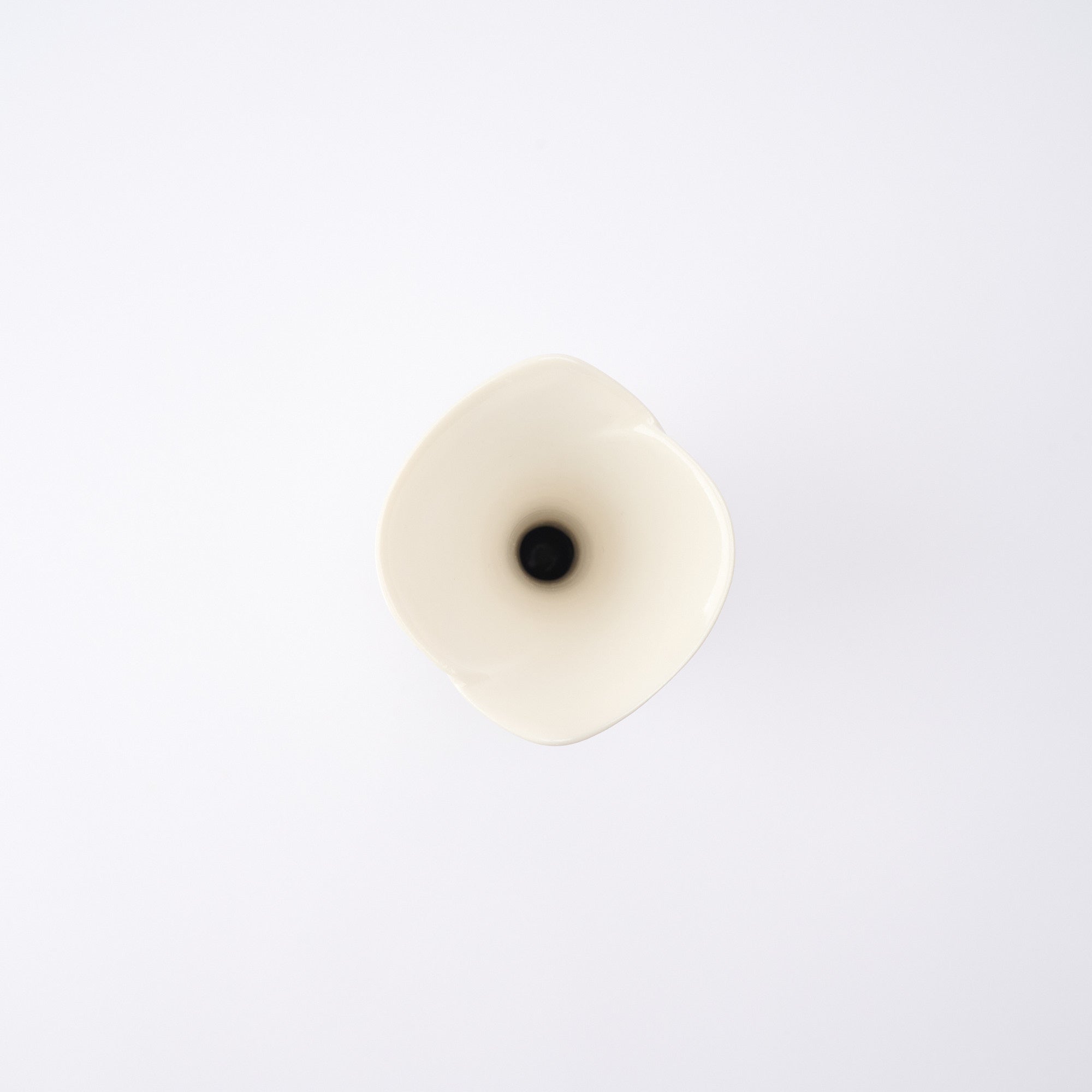
La forme est d'abord façonnée au tour, puis soigneusement affinée par sculpture pour définir ses contours fluides. Un col légèrement allongé s'élève du corps, son profil marqué par une ligne élégante et équilibrée. Le bord s'ouvre doucement comme un magnolia en fleur, rendu en blanc pur. Des proportions équilibrées et des transitions lisses confèrent à la pièce un air de retenue, tandis que la forme générale suggère un moment suspendu entre immobilité et mouvement.
À mesure que la lumière se déplace, les textures nuancées des glaçures superposées révèlent un rythme calme. Le contraste entre le corps blanc exposé et la surface rayonnante crée une tension subtile, rehaussant la pièce d'une sensation de calme et d'élégance discrète. Cette œuvre incarne un équilibre harmonieux entre maîtrise technique et expression poétique, offrant une présence sereine mais captivante dans tout espace.
DES DÉTAILS
| Quantity | 1 |
| Size |
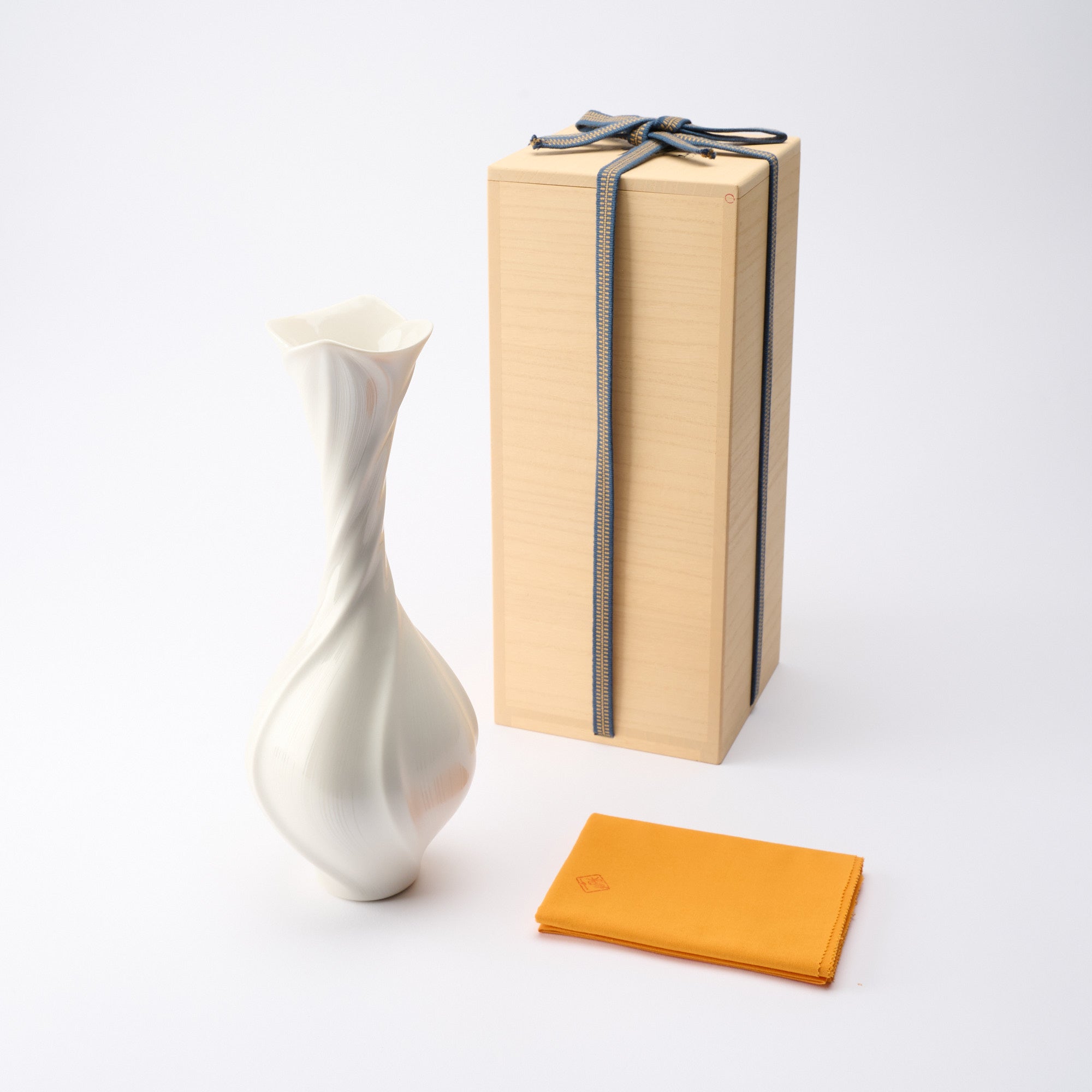
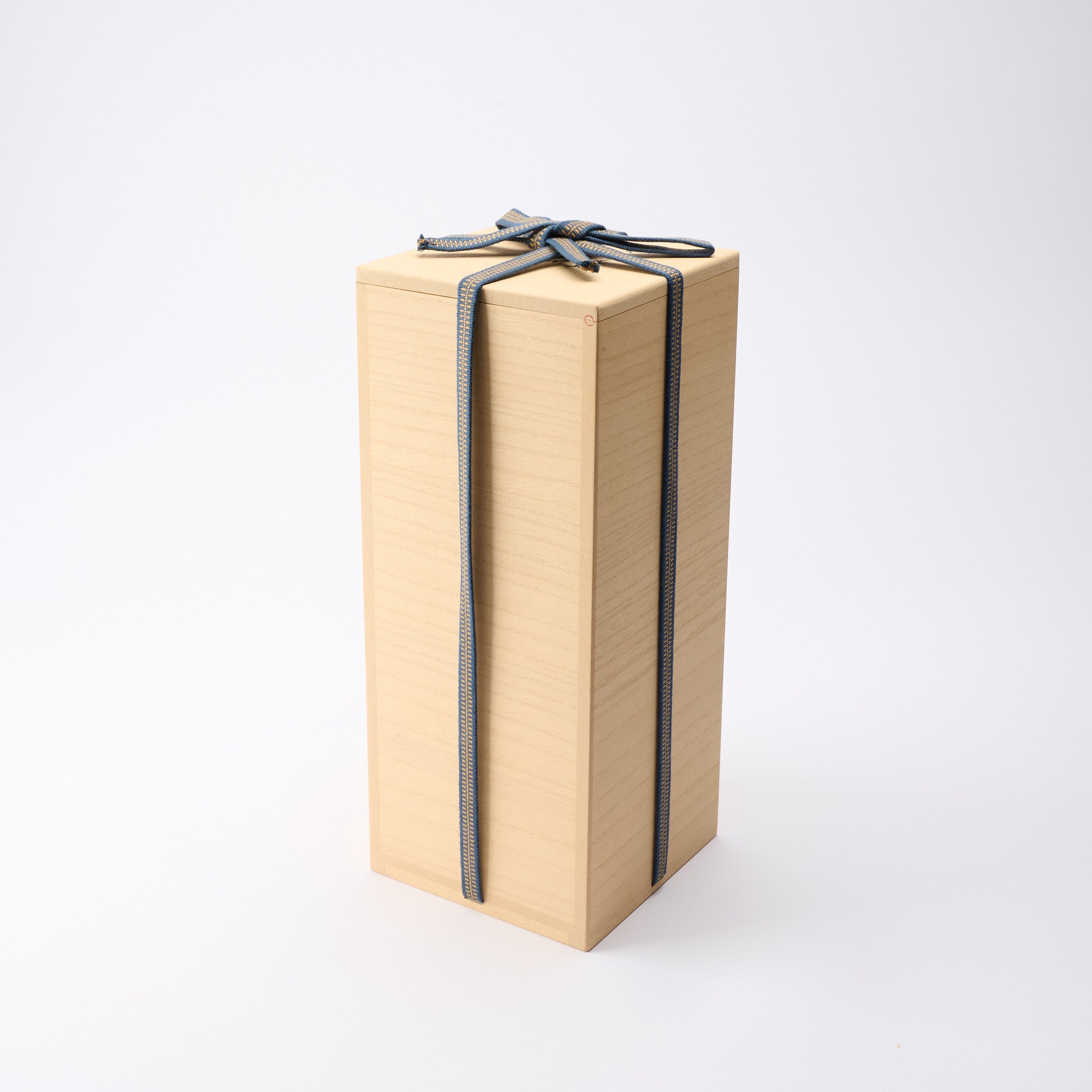
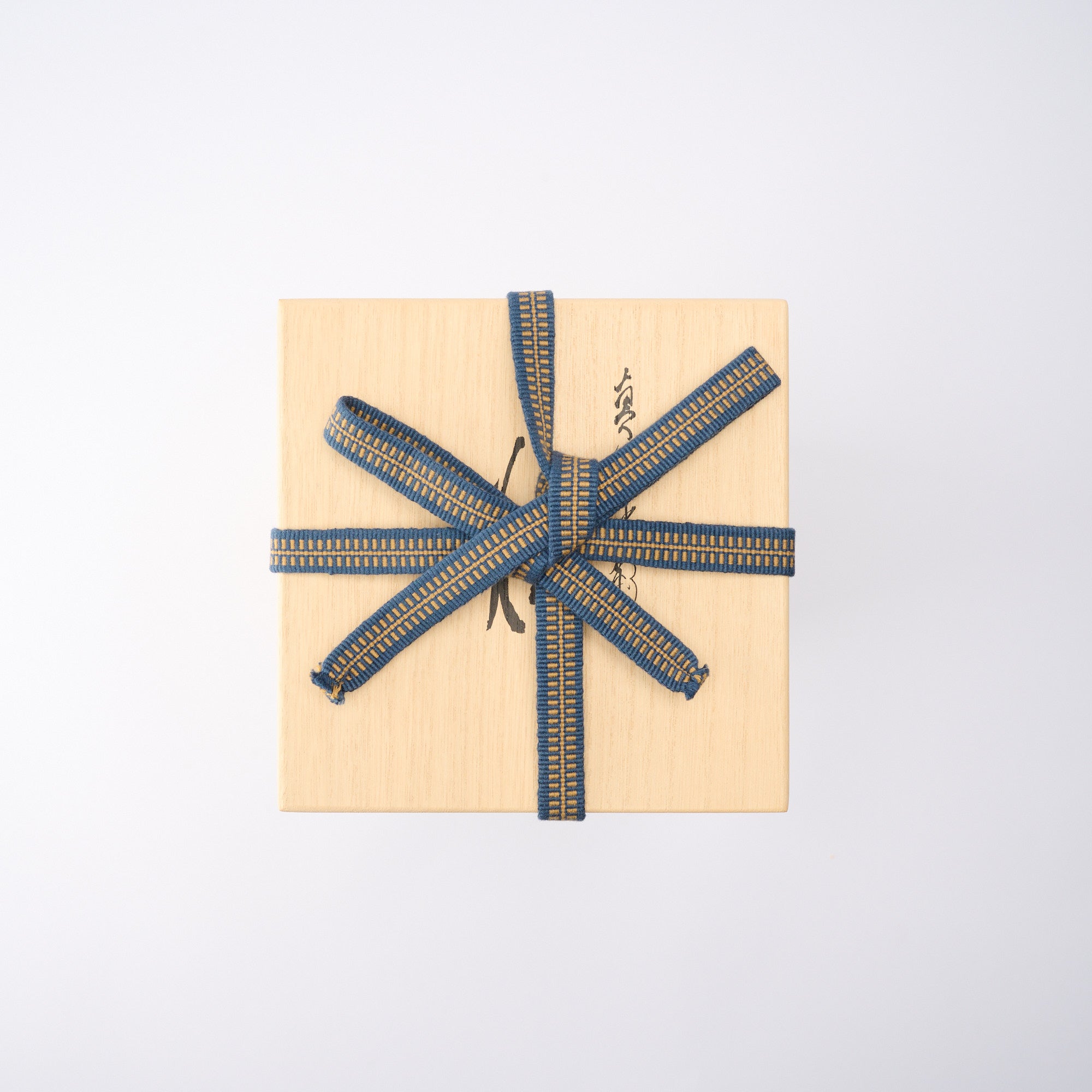
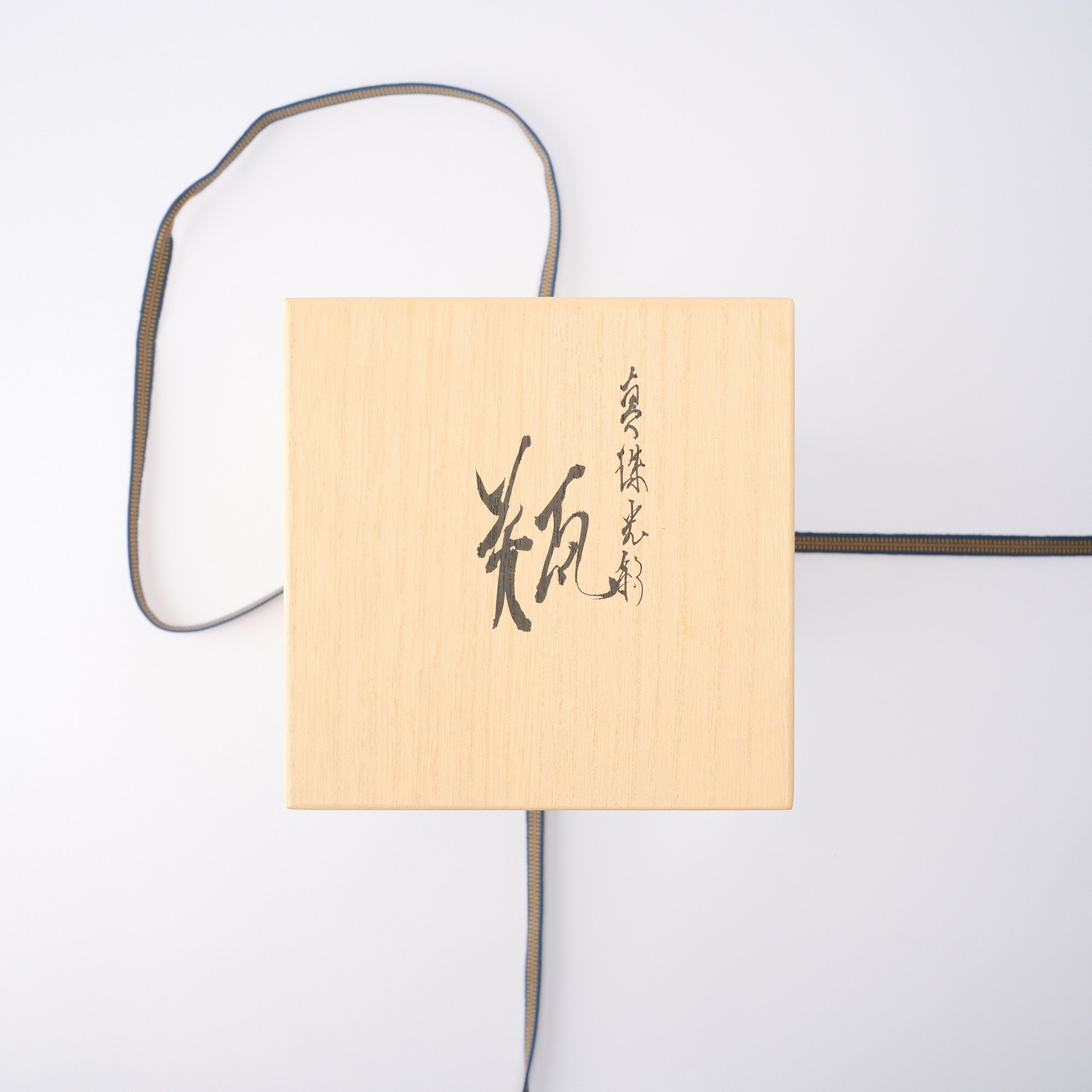
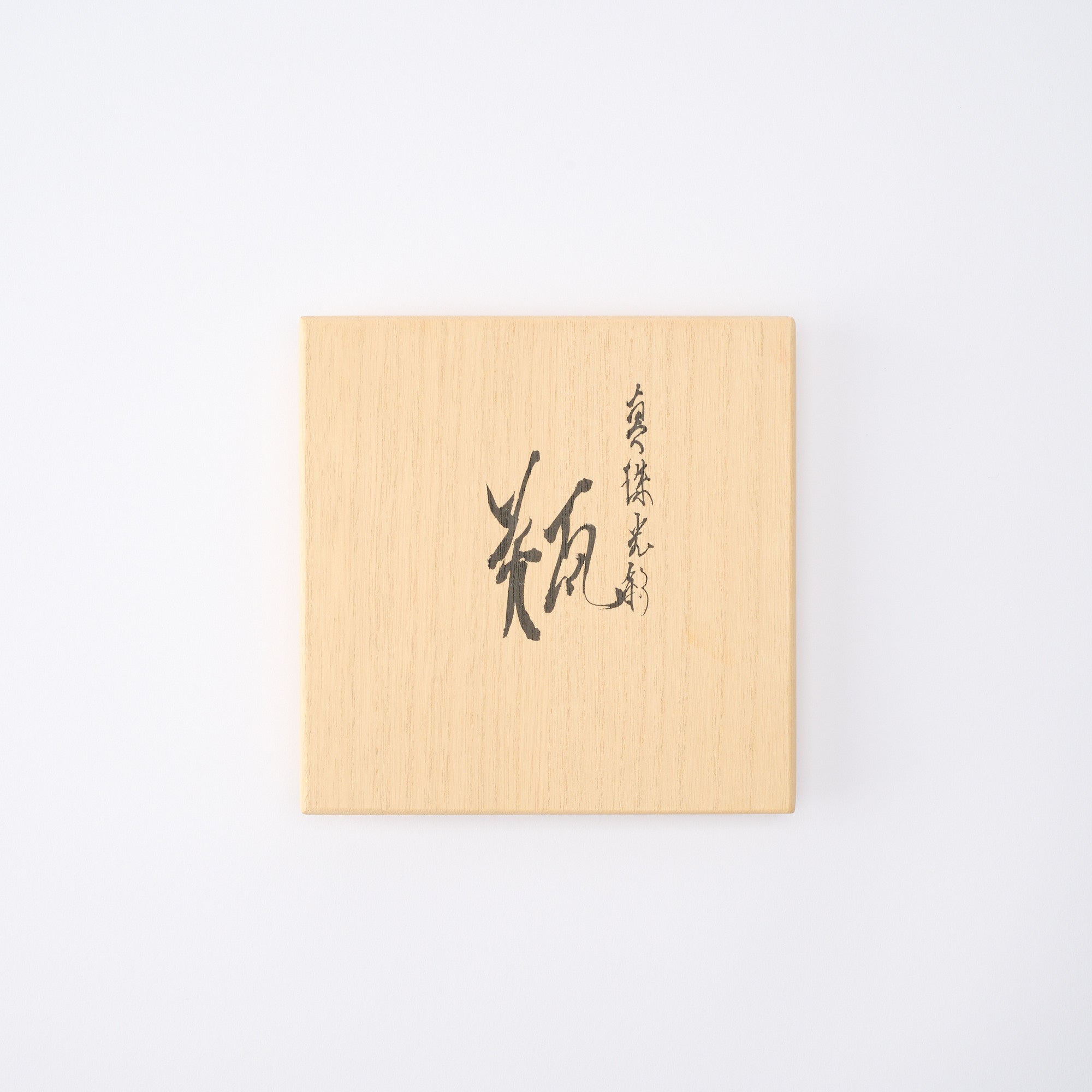
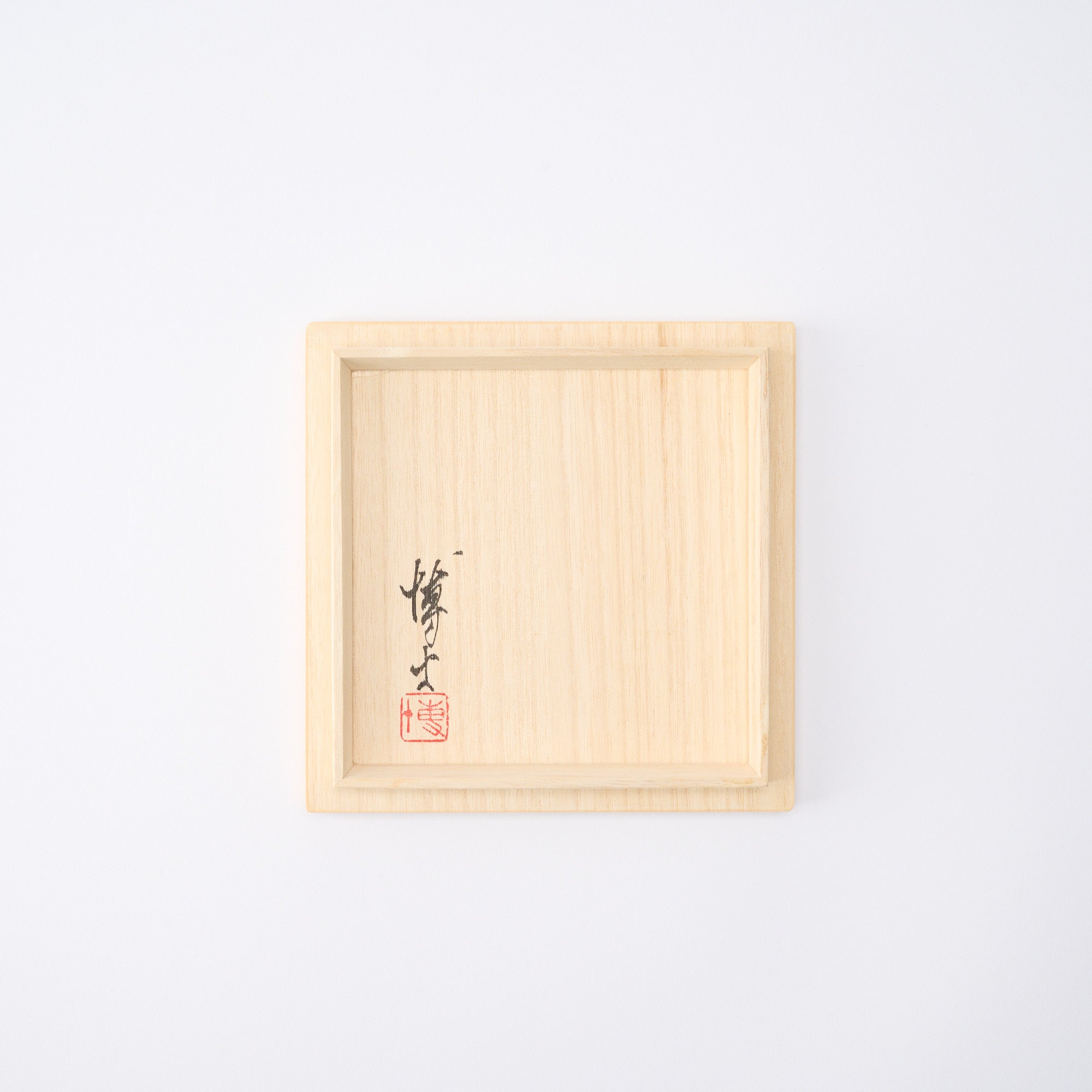
D 11 cm (4.3 in) x H 31 cm (12.2 in) [Size of opening] D 9 cm (3.5 in) [Wooden box] L 15 cm (5.9 in) x W 15 cm (5.9 in) x H 36 cm (14.2 in) |
| Weight | approx. 4 lb (1.8 kg) |
| Material | Porcelain |
| Package Type | Wooden box |
Fabricant / Marque
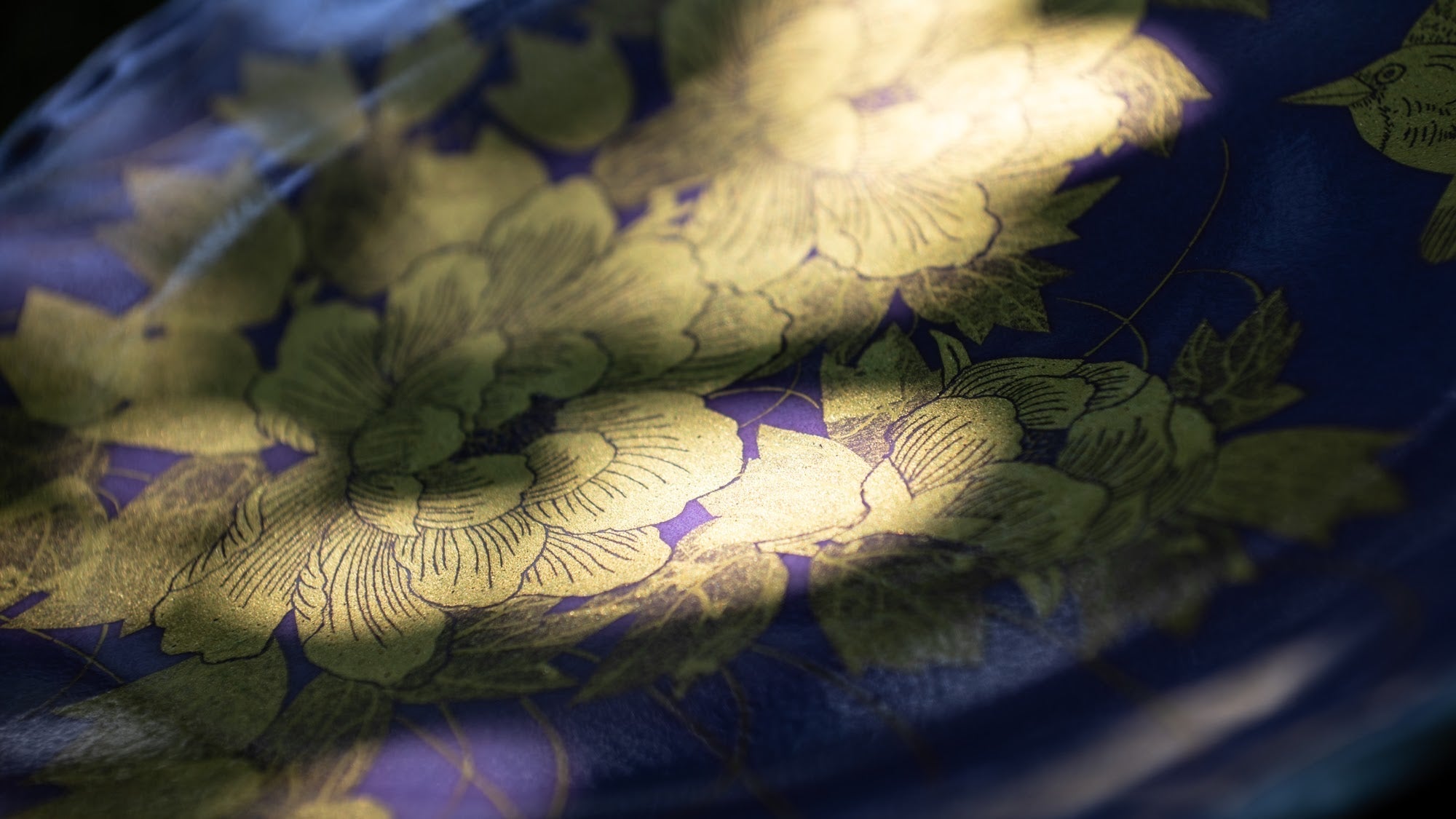
Dans l'univers de Kutani ware, réputé pour ses ornements vifs et complexes, la porcelaine de Nakada Hiroshi trace une présence singulière par une quête inébranlable du blanc. Sa force tranquille n'émane pas de la couleur mais de la forme elle-même—guidée par une profonde résonance avec les rythmes et l'ordre du monde naturel. Enraciné dans une tradition Kutani définie par son exigence rigoureuse de perfection, Nakada a retourné ce même esprit exigeant vers l'intérieur, dépouillant la décoration.
Artisanat
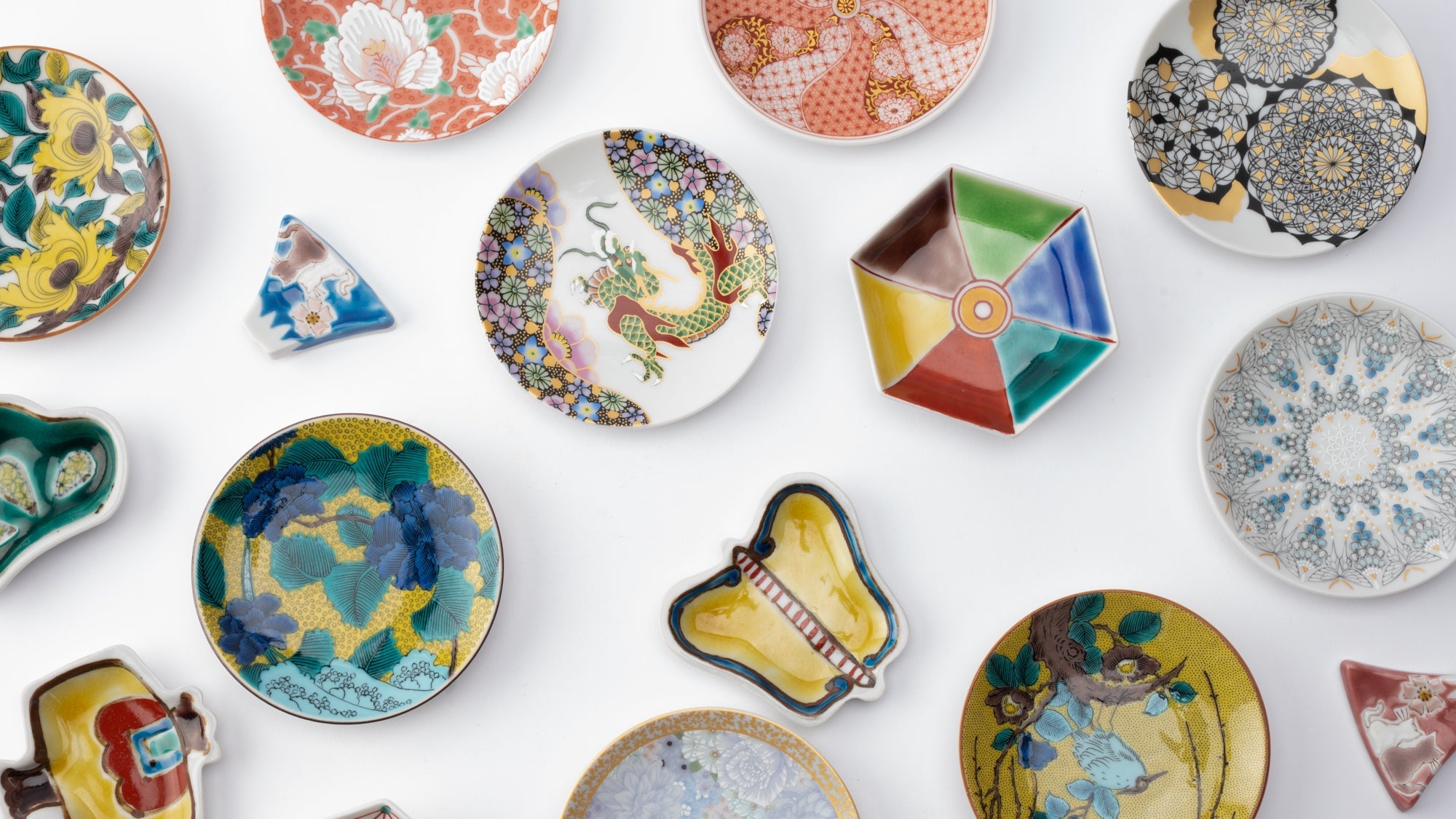
La céramique de Kutani est une poterie produite dans la région de Kaga, dans la préfecture d'Ishikawa, dont l'histoire remonte à plus de 350 ans. Elle se caractérise par l'éclat intense des cinq couleurs : bleu marine, rouge, violet, vert et jaune. qui s'appliquent aux lignes audacieuses et audacieuses. Sa longue histoire s'est développée grâce aux efforts inlassables et à l'enthousiasme de personnes qui ont recherché l'innovation tout en préservant la tradition.
Remarques
Choisir les options
About Artist
Galerie Musubi
Depuis sa création, Musubi Kiln s'est efforcée de faire découvrir au monde entier les plus beaux artisanats traditionnels de maîtres artisans de tout le Japon.
Ici, dans la galerie, nous mettons en valeur le summum des techniques traditionnelles transmises de génération en génération. Vous pourrez y découvrir les œuvres de maîtres qui ont non seulement perfectionné ces méthodes, mais y ont également insufflé leur imagination pour les réinventer.
Certains de ces maîtres ont même été nommés Détenteurs du patrimoine culturel immatériel important, un titre qui leur a été décerné par le gouvernement japonais pour reconnaître officiellement leur contribution à l'artisanat et à la culture, consolidant ainsi leur héritage et faisant d'eux une partie importante de l'histoire de l'art.
Chaque pièce est minutieusement confectionnée à la main pendant de longs mois pour créer un trésor intemporel et unique en son genre. Et lorsqu'elle trouvera sa place chez vous, vous aussi, vous ferez partie de cette histoire.
Bienvenue à la galerie. Prenez le temps de la parcourir.