

Qu'est-ce que le wabi-sabi ? Découvrir une esthétique japonaise essentielle
Explorez le wabi-sabi, l'esthétique japonaise de l'imperfection, du vieillissement et du soin, et apprenez à entretenir vos pièces de table au fil du temps.
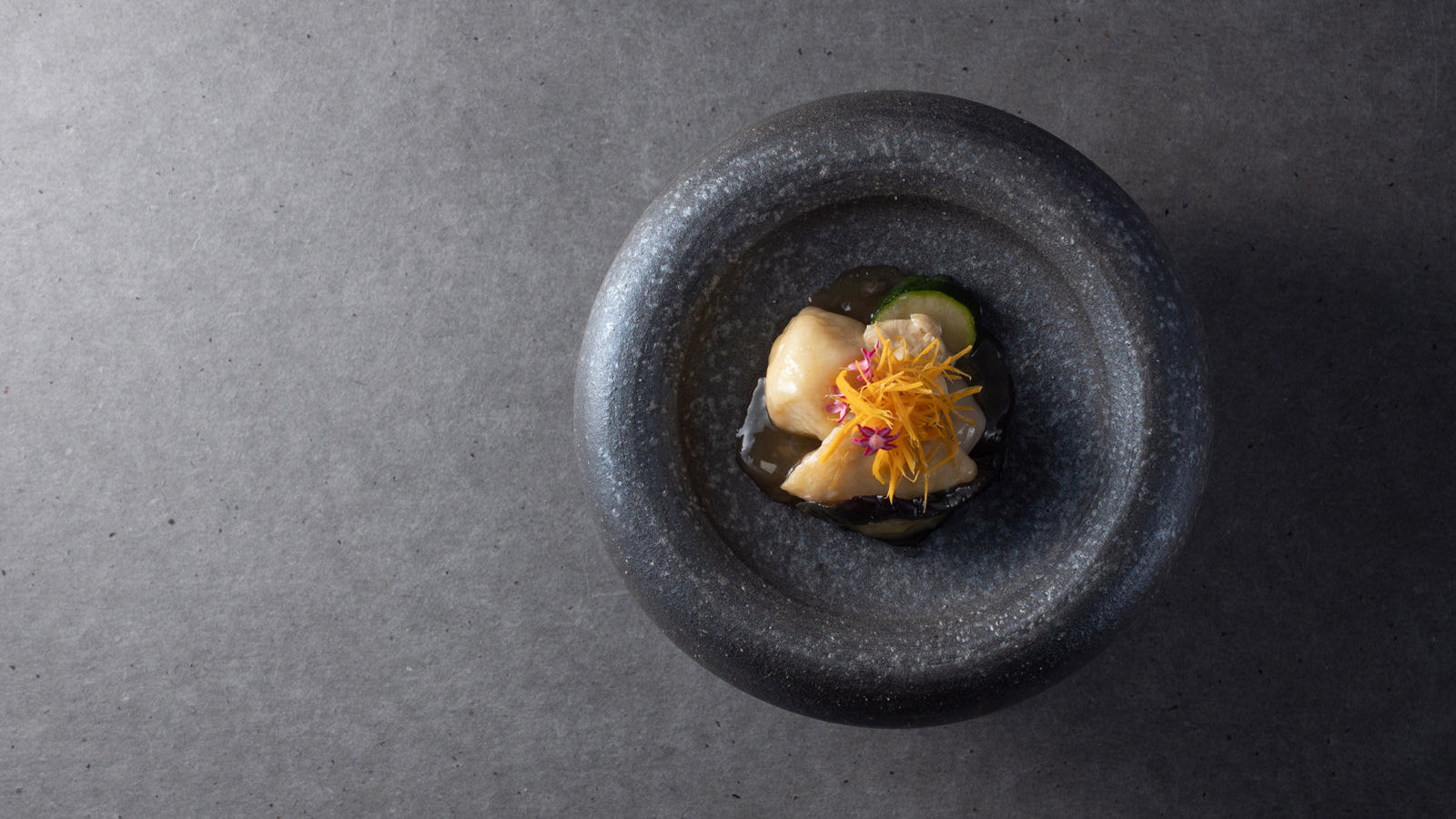
Qu'est-ce que l'esthétique du wabi-sabi, et comment sa philosophie façonne-t-elle l'univers de l'artisanat japonais ? Né il y a près de 450 ans de la cérémonie du thé japonaise, le wabi-sabi trouve la beauté dans l'imperfection, l'impermanence et le vieillissement. Dans le domaine de la vaisselle japonaise et de la céramique traditionnelle, ce concept transforme les objets du quotidien en art vivant. Au-delà du simple design, c'est une philosophie qui nous invite à « cultiver » nos objets — permettant à la poterie artisanale et à la laque d'évoluer et de gagner en caractère au fil des années d'usage. Aujourd'hui, le wabi-sabi offre une alternative rafraîchissante à la perfection produite en masse, privilégiant les textures organiques de l'artisanat fait main et trouvant la beauté dans l'usure qui vient avec l'âge.

Que vous soyez amateur de thé ou adepte du design japonais minimaliste, comprendre le wabi-sabi et comment cultiver votre vaisselle est essentiel pour embrasser cette esthétique profonde. Rejoignez-nous pour explorer ses origines et découvrir des conseils essentiels pour entretenir l'artisanat traditionnel japonais afin qu'il puisse vieillir avec grâce à vos côtés dans votre foyer.
Définir le Wabi-Sabi
Le wabi-sabi décrit une esthétique particulière ou un concept de beauté qui valorise l'austérité, la retenue, l'imperfection et l'impermanence. C'est la combinaison de deux termes distincts : wabi et sabi.
Wabi signifiait à l'origine « insuffisant » ou « incomplet », mais aux débuts de la cérémonie du thé durant la période Azuchi-Momoyama (1573–1603), il en est venu à décrire des caractéristiques telles que la simplicité, l'asymétrie, le naturel, la clarté et la sérénité. Sabi, quant à lui, vient du mot sabishii, ou « solitaire », mais dans l'art japonais, il décrit l'esthétique du raffinement retenu et le caractère ou le charme de ce qui est vieilli, flétri et discret.
Embrasser le wabi-sabi nous donne l'occasion de respecter la nature éphémère des choses et d'apprécier le type de beauté qui grandit avec l'âge et l'usage.
Le Wabi-Sabi dans la Cérémonie du Thé Japonaise

Une discussion sur le wabi-sabi ne serait pas complète sans évoquer la cérémonie du thé japonaise. La figure historique peut-être la plus influente en matière de cérémonie du thé est Sen no Rikyu (1522–1591).

Ce qui rend Sen no Rikyu si influent, c'est sa quête du wabi-cha comme forme idéale de la cérémonie du thé, ainsi que sa position de maître de thé auprès du puissant daimyo Toyotomi Hideyoshi. Le style wabi-cha de Rikyu était profondément influencé par la pensée zen. Il valorise l'impermanence, le naturel et l'absence d'ornement, tout en accordant de l'importance au spirituel. Cela contraste fortement avec les esthétiques antérieures qui valorisaient le luxe, l'opulence et les démonstrations de richesse. Le wabi-cha de Rikyu privilégiait les petites salons de thé rustiques ; les céramiques locales fabriquées au Japon plutôt que les luxueuses importations chinoises ; et les teintes sourdes ou sombres plutôt que l'or et l'ornementation.
Un exemple parfait de cette philosophie se trouve dans les bols à matcha en Raku ware . Conceptualisés et commandés pour la première fois par Rikyu, les bols Raku ware sont façonnés à la main plutôt que tournés au tour, créant des formes imparfaites qui reflètent les mains du créateur. Le Raku noir semble disparaître dans l'obscurité du salon de thé, donnant l'impression de tenir le thé directement dans la paume de sa main. Le Raku rouge, quant à lui, est marqué par l'imprévisibilité du four, rendant chaque pièce unique, quelque chose qui n'aurait pu être créé qu'à ce moment particulier. Ces aspects d'imperfection, l'influence de la main humaine et l'unicité du moment incarnent parfaitement le wabi-sabi. Pour en savoir plus sur les bols à thé Raku, consultez L'Univers du Raku Ware : Forme, Feu et Wabi.


Le wabi-sabi n'est pas seulement un élément important de l'artisanat, du design et de la culture du thé japonais, mais quelque chose auquel l'utilisateur participe également.
Tous les outils, y compris la vaisselle, changent avec le temps plus ils sont utilisés. Cette apparence usée ou vieillie peut être décrite de manière positive comme quelque chose qui a été « cultivé », plutôt que comme le produit d'une détérioration.

En fait, le Japon possède une forte culture d'appréciation des objets qui ont vieilli avec grâce, un phénomène connu sous le nom de keinen bika. Les patines, les reflets et les paysages de surface qui se développent avec le temps sont considérés comme quelque chose à chérir, un signe qu'un objet artisanal a vécu une belle vie aux côtés de l'utilisateur.
L'idée est qu'en cultivant les pièces de vaisselle avec lesquelles vous partagez votre vie — en les traitant avec soin quotidien — vous en venez à les admirer comme plus belles, les appréciant tandis qu'elles mûrissent à vos côtés.
Comment Cultiver la Vaisselle

La façon la plus importante de cultiver une belle vaisselle basée sur l'esthétique du wabi-sabi est de l'utiliser avec soin pendant longtemps. Voici quelques conseils pratiques sur la manière d'entretenir l'artisanat japonais de façon à l'aider à vieillir avec grâce.
Grès
Le grès est plus poreux que la porcelaine, ce qui signifie que certaines huiles et couleurs naturelles peuvent pénétrer la surface avec l'usage. Cela peut être embrassé comme faisant partie de l'esprit du wabi-sabi, mais pour réduire le risque de taches, vous pouvez également traiter une nouvelle pièce de grès en la rinçant ou en la trempant brièvement dans de l'eau propre avant usage. Lavez immédiatement après usage et laissez sécher complètement à l'air avant de ranger. Pour plus d'informations, consultez notre guide d'entretien, Comment Entretenir le Grès. Pour les pots en argile donabe , dont beaucoup doivent être préparés avant usage, apprenez-en plus sur Comment Entretenir Votre Pot en Argile Donabe. Le fond noirci et bien utilisé d'un pot donabe est un signe chéri de nombreux bons repas appréciés.

Laque
La laque naturelle durcit et gagne en lustre avec l'usage et le temps, récompensant ceux qui la traitent comme un outil vivant. Ce matériau prospère avec l'humidité, donc l'usage régulier et le lavage constituent en réalité la meilleure façon d'entretenir une pièce laquée. De même, la manipulation régulière par les mains humaines ajoute profondeur et éclat au fil du temps. Lavez directement après usage, essuyez avec un chiffon doux, et rangez à l'abri de la lumière directe du soleil pour une longévité optimale. Pour en savoir plus, consultez Comment entretenir la laque japonaise.

Bois et bambou
Le bois et le bambou sont également des matériaux qui deviennent plus confortables en main à chaque usage. Lavez la vaisselle en bois ou en bambou immédiatement après usage à l'eau tiède avec un détergent doux et séchez avec un chiffon propre et doux. Ces matériaux peuvent se déformer ou s'abîmer sous une humidité élevée, rangez-les donc dans un endroit frais et sec permettant une bonne circulation d'air. Pour plus d'informations, consultez Comment entretenir vos baguettes japonaises et Comment entretenir votre Chasen.

voir la collection Artisanat du bois

voir la collection Artisanat du bambou
Nambu ironware
Les bouilloires et théières Nambu ironware sont appréciées pour leurs formes sobres et robustes, tandis que leur teneur en fer améliorerait la saveur de l'eau pour le thé. Les bouilloires doivent être culottées avec de l'eau minérale ou de l'eau dure avant usage pour réduire le risque de rouille et adoucir le goût de l'eau bouillie. Bouilloires et théières doivent être vidées de tout excès d'eau après usage pour prévenir la rouille. Pour plus de détails, consultez Comment entretenir Nambu Ironware.

voir la collection Nambu Ironware
Ustensiles en cuivre
Les ustensiles en cuivre prennent rapidement une patine avec l'usage, particulièrement aux points où la chaleur du feu rencontre le métal. Loin d'être un défaut, cette transformation témoigne que votre outil est bien et souvent utilisé. Laissez refroidir avant de nettoyer pour éviter la déformation, et séchez soigneusement après lavage pour prévenir les traces d'eau ou le ternissement. Pour plus de détails, consultez Comment entretenir les ustensiles en cuivre japonais.
La beauté du wabi-sabi se trouve dans les objets chéris pendant de nombreuses années ou décennies, donc un entretien lent, régulier et attentif est essentiel pour nourrir votre vaisselle.

Voir la collection Marmites en cuivre

voir la collection Poêles en cuivre
Kintsugi et wabi-sabi
Le kintsugi est une technique japonaise traditionnelle de restauration pour réparer les fissures, éclats et cassures dans la céramique. La laque sert à joindre les morceaux brisés et combler les éclats. Une fois complètement sèche, la laque est inoffensive pour le corps humain, donc compatible avec les aliments, et possède un effet durcissant robuste. C'est essentiellement un adhésif naturel puissant. L'emplacement de la réparation est souvent décoré avec de la poudre métallique, comme l'or, l'argent ou le laiton. La laque colorée peut également servir de finition.

Dans le kintsugi, les cassures sont perçues comme faisant partie du keshiki, ou paysage, d'une pièce. Le principe du kintsugi consiste à accepter la cassure comme partie de l'histoire de l'objet, plutôt que de prétendre qu'elle n'a jamais eu lieu ou d'en cacher l'existence. Ainsi, l'histoire de l'objet est honorée tandis qu'une nouvelle vie lui est insufflée.
Le kintsugi est donc étroitement lié à l'esprit du wabi-sabi, avec son respect des cicatrices et son appréciation de l'âge.
Découvrez davantage la philosophie du kintsugi dans Expérience de réparation kintsugi : le sens derrière la restauration dorée, ou essayez-le vous-même avec le kit artisanal kintsugi MUSUBI.

Wabi-sabi et l'art de vieillir avec grâce
Pour revenir à la conversation sur le keinen-bika, ou l'art de vieillir avec grâce, la vaisselle japonaise ancienne est appréciée en partie pour sa beauté nourrie au fil du temps. Nous aborderons ici quelques qualités valorisées des antiquités japonaises qui représentent également l'esprit du wabi-sabi.
Kannyu (craquelures) : Certaines glaçures produisent le kannyu, également appelé craquelures, des motifs délicats de craquelures sur une surface céramique. Ces motifs aléatoires sont créés par le feu dans le four, produisant des finitions uniques qui ne peuvent être parfaitement reproduites. Le kannyu tend à mûrir avec l'usage lorsque des liquides comme le thé s'imprègnent et approfondissent la teinte. Les bols à matcha kannyu sont très valorisés dans la cérémonie du thé.

Kohiki (engobe blanc) : Une technique céramique japonaise dans laquelle un engobe blanc lisse et opaque est appliqué sur la surface à la place de la glaçure. La texture mate est magnifiquement humide et chaleureuse, ce qui en fait un choix populaire pour la céramique contemporaine. Le kohiki peut parfois aussi développer du kannyu, créant un nouveau motif agréable sur la base blanche.

Ibushi gin (argent vieilli) : L'argenterie ternie par l'âge est appelée argent vieilli ou argent oxydé, et est considérée comme désirable au Japon pour son caractère raffiné. L'argent sur des pièces comme celle montrée, où le métal repose sur la glaçure, s'oxyde naturellement au contact de l'air et fonce avec le temps.

Bois vieilli : La couleur du bois s'approfondit avec le temps lorsqu'il est poli à l'huile, prenant finalement un éclat semblable à la laque. Les objets en bois deviennent également plus arrondis avec l'usage, comme le bois flotté. Ce processus de vieillissement incarne la beauté du wabi-sabi. L'artisanat en bois massif pouvant être utilisé longtemps attire désormais l'attention dans les domaines de la vaisselle et de la décoration intérieure.

Les antiquités japonaises sont uniques en ce que même l'art populaire simple peut se transformer en trésors antiques haut de gamme. Avec des années d'entretien attentif, les vieux outils acquièrent un grand charme et une profondeur d'histoire qui ne peuvent être reproduits dans les objets neufs.
Vous pouvez acquérir des antiquités japonaises, mais la vaisselle que vous avez soigneusement entretenue vous-même devient un véritable trésor difficile à remplacer. Essayez d'imaginer à quoi pourrait ressembler une pièce de vaisselle que vous venez d'acheter dans quelques années ou décennies, alors qu'elle se moule à votre main et porte les signes de la vie que vous avez vécue ensemble. Essayez d'entretenir votre vaisselle japonaise préférée avec soin et voyez comment le wabi-sabi s'installe dans votre propre vie.
Stay close to the craft
Now and then, a quiet letter — new stories, seasonal notes, and the hands behind the work.
Qu'est-ce que l'ukiyo-e ? Un regard sur l'art emblématique de l'estampe japonaise
Découvrez la beauté de l'ukiyo-e, de l'histoire de l'art de l'époque Edo aux objets…
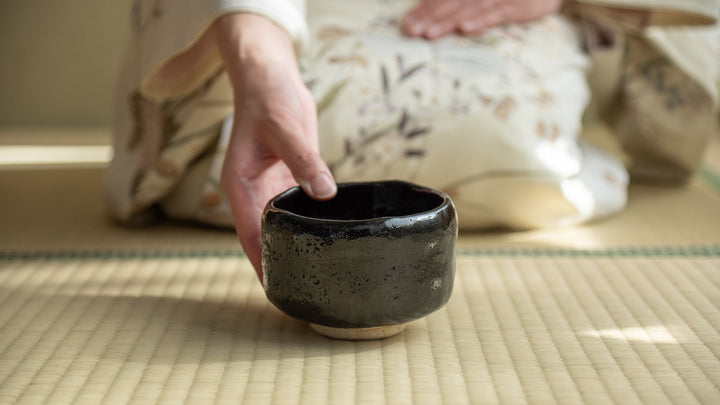
L'univers de la céramique Raku : forme, feu et wabi
Découvrez la céramique Raku, façonnée à la main et par le feu. Explorez son…
Iwata Mana
Nihonga : L'art de la peinture japonaise
Découvrez l'univers du nihonga, la peinture japonaise ancrée dans la nature et la tradition.
Leave a comment
We truly appreciate your kind words! We’re so glad the explanation resonated with you. Thank you for reading!
Terrific and clearly written explanation of the concept of
Wabi Sabi, thank you
Terrific and clearly written explanation of the concept of
Wabi Sabi, thank you