

Comment entretenir les objets en bambou
Conseils d'entretien simples pour les paniers en bambou, plateaux et ustensiles à thé, de l'usage quotidien aux habitudes saisonnières et au rangement à long terme.
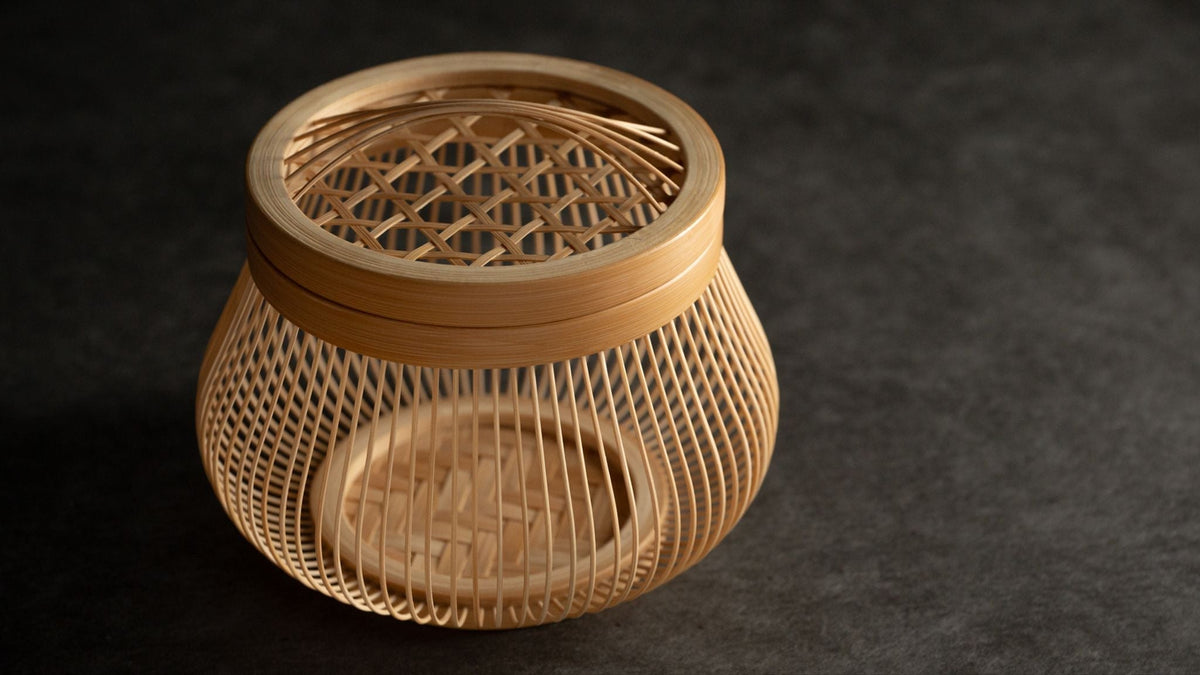
Un objet en bambou commence un nouveau chapitre lorsqu'il arrive chez vous. Au fil des années, sa surface pâle et fraîche se réchauffe progressivement en un ambre profond, transformée par la lumière du soleil et le contact de l'usage quotidien. Avec les soins appropriés, il peut continuer à vieillir naturellement, pour que vous puissiez en profiter pendant de nombreuses années.
Ce guide explique comment le bambou vieillit et les soins quotidiens qui aident à préserver sa beauté naturelle.
Pourquoi le bambou change avec le temps
Si votre panier ou plateau en bambou paraît légèrement plus foncé quelques années après son arrivée, il n'y a généralement pas lieu de s'inquiéter.
L'exposition à la lumière du soleil, en particulier aux rayons ultraviolets, approfondit lentement sa couleur, du jaune pâle aux tons chauds de miel et d'ambre. Avec le temps, la manipulation quotidienne crée un éclat doux dans les zones les plus souvent touchées, donnant à la surface une profondeur et un caractère supplémentaires.

Chaque pièce de bambou possède une densité de fibres légèrement différente, de sorte qu'aucune ne réagit de la même manière. Un panier à fleurs peut foncer plus rapidement qu'un autre, tandis qu'un plateau de service utilisé chaque jour mûrira différemment d'un plateau sorti uniquement pour les occasions spéciales. Les petits changements de couleur, de texture, ou même une fine fissure occasionnelle font tous partie du travail avec un matériau naturel.
Comprendre pourquoi ces changements se produisent facilite leur appréciation et permet de prendre soin du bambou de manière à ce qu'il vieillisse bien.
Entretien quotidien des objets en bambou
Prendre soin du bambou est étonnamment simple. La plupart des pièces ne nécessitent que des gestes simples qui deviennent partie intégrante de l'usage quotidien.
Choisir le bon emplacement
Les objets en bambou se conservent mieux à l'écart de la lumière directe du soleil prolongée et des sources de chaleur, telles que radiateurs, bouches de chauffage ou cheminées. Bien que la lumière du jour approfondisse sa couleur avec le temps, une lumière intense peut provoquer une décoloration inégale, et une humidité excessivement faible peut augmenter le risque de fissuration.
Qu'il soit exposé sur une étagère ou apporté à table chaque jour, le bambou bénéficie d'une bonne circulation d'air.
Après chaque utilisation
Les moments qui suivent l'utilisation ont la plus grande influence sur la manière dont le bambou vieillit.
-Retirez tout résidu alimentaire, puis essuyez l'humidité restante avec un chiffon sec ou bien essoré. Si un nettoyage plus approfondi est nécessaire, rincez brièvement la pièce à l'eau tiède ou lavez-la avec un savon doux à l'aide d'une éponge souple. Veillez à suivre les instructions d'entretien fournies sur la page produit de votre article.


-Les ustensiles à thé en bambou nécessitent un entretien différent. Chashaku les cuillères à thé ne doivent pas être rincées à l'eau. Essuyez plutôt la poudre de matcha avec un chiffon doux ou un mouchoir après usage. Chasen les fouets à matcha, en revanche, doivent être rincés à l'eau claire immédiatement après usage pour éliminer tout résidu de matcha. Laissez le fouet sécher complètement à l'air libre.


-Laissez toutes les pièces s'aérer avant de les ranger. Vérifiez que l'humidité ne s'est pas accumulée dans le tissage, car l'eau peut rester piégée entre les bandes tressées.

-Les paniers décoratifs et vases à fleurs ne nécessitent généralement guère plus qu'un dépoussiérage occasionnel.
Ce qu'il faut éviter
-Évitez le trempage prolongé, les lave-vaisselle, les sèche-vaisselle, les micro-ondes, les fours et la chaleur directe. Ceux-ci peuvent affaiblir les fibres, provoquer des déformations ou endommager la finition.
Remarque : Certaines baguettes en bambou, en particulier les baguettes de cuisine, peuvent passer au lave-vaisselle. Veuillez consulter la page produit individuelle pour les instructions d'entretien.
-Évitez de placer des aliments gras directement sur les plateaux ou boîtes bento en bambou, car les huiles peuvent tacher la surface. Les boîtes bento peuvent être tapissées de papier sulfurisé avant d'y placer les aliments. Cela aide à prévenir les taches d'huiles et de sauces à l'intérieur tout en facilitant grandement le nettoyage.


-Les nettoyants agressifs, les éponges métalliques et les poudres abrasives doivent également être évités.
Entretenir les objets en bambou au fil des saisons
Le bambou réagit aux variations d'humidité tout au long de l'année. Un peu d'attention saisonnière suffit souvent à prévenir les problèmes les plus courants.
Pendant la saison des pluies
L'humidité crée des conditions favorables aux moisissures.
Après avoir lavé ou essuyé un objet en bambou, assurez-vous qu'il est complètement sec. Rangez la pièce dans un espace bien ventilé. Les sacs en plastique et autres contenants hermétiques peuvent emprisonner l'humidité et ne sont donc pas recommandés.
Pendant les mois d'hiver
Le chauffage intérieur peut extraire l'humidité du bambou plus rapidement que les conditions hivernales seules. Ne placez pas les paniers, plateaux ou vases directement à côté des radiateurs ou dans le flux d'air chaud. Les changements rapides d'humidité peuvent exercer une pression inutile sur les fibres et peuvent entraîner des fissures.
Rangement de longue durée
Avant de ranger du bambou pour une période prolongée, nettoyez-le soigneusement et assurez-vous qu'il est complètement sec.

Enveloppez-le légèrement dans du papier ou un tissu respirant plutôt que de le sceller dans du plastique. Un lieu de rangement avec circulation d'air est idéal, de préférence sur une étagère où l'humidité a moins de chances de s'accumuler. Sortir occasionnellement les pièces en bambou vous donne l'occasion de vérifier leur état et aide à prévenir l'accumulation d'humidité.
Accueillir la beauté du vieillissement
Un plateau de service apporté à table chaque soir, un panier à fleurs qui suit les saisons changeantes, ou une boîte bento préparée pour les sorties du week-end peuvent chacun en venir à refléter la vie qui les entoure. La couleur devient plus riche, l'éclat s'adoucit, et les signes d'usage quotidien font partie de son apparence. Ce ne sont pas des changements à éviter. Ce sont des rappels que le bambou est fait pour être vécu.
Prendre soin du bambou est simplement une façon de lui offrir les meilleures conditions pour bien vieillir. Dans quelques années, la pièce que vous saisirez portera non seulement le travail de l'artisan qui l'a créée, mais aussi les marques du foyer dans lequel elle a été utilisée.

Stay close to the craft
Now and then, a quiet letter — new stories, seasonal notes, and the hands behind the work.
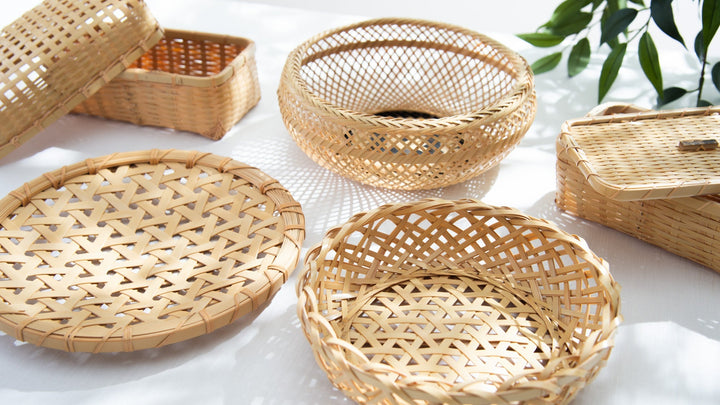
Guide des artisanats japonais en bambou
Découvrez l'histoire, la beauté et la durabilité de l'artisanat japonais du bambou.
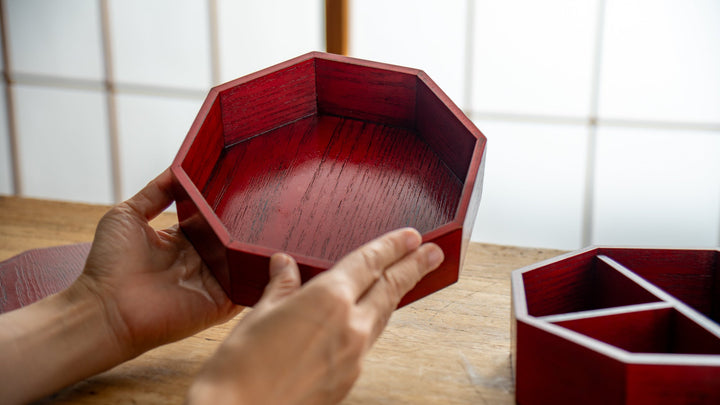
L'art du Keinen Bika : comment l'artisanat japonais vieillit avec grâce
Découvrez keinen bika, comment les objets artisanaux japonais comme la céramique et la laque…
Ito Ryo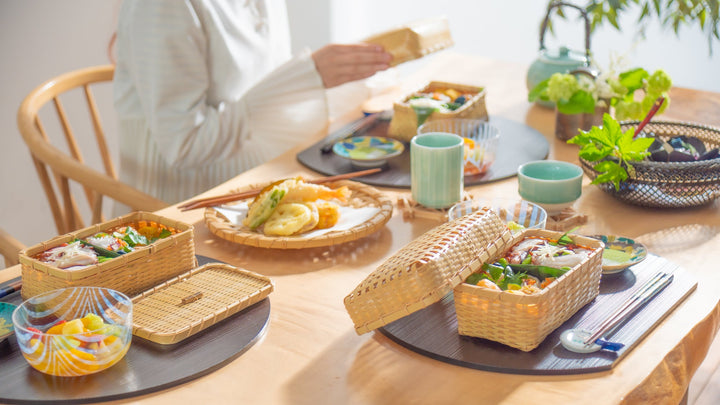
Empilés pour l'été : Bento en bambou
Préparez la table d'été avec des boîtes bento en bambou, de la verrerie légère…
Leave a comment