
Raku-Ware
Raku-Keramik verkörpert den Geist von Ichigo Ichie (Eine einmalige Begegnung) – jedes Stück wird von Hand und durch Feuer zu einer einzigartigen, unwiederholbaren Form geformt. Die Raku-Teeschalen, die vor über 450 Jahren aus der japanischen Teetradition entstanden sind, werden für ihre stille Präsenz, ihre sanfte Haptik und die intime Verbindung zum Augenblick geschätzt. Verwurzelt in Wabi Diese Kollektion lädt Sie ein, Tee nicht nur durch den Geschmack, sondern auch durch Berührung, Wärme und achtsame Begegnung zu erleben.
Die Raku-Keramik entstand während der japanischen Momoyama-Zeit (1573–1603 n. Chr.) und wurde von Chojiro (Geburtsjahr unbekannt – 1589 n. Chr.), dem ersten Meister der Raku-Familie, begründet. Von Anfang an wurde Raku-Keramik speziell für Tee hergestellt und entwickelte sich parallel zur Ästhetik der japanischen Küche. Chanoyu Die japanische Teezeremonie, geprägt von Sen no Rikyu (1522–1591 n. Chr.).

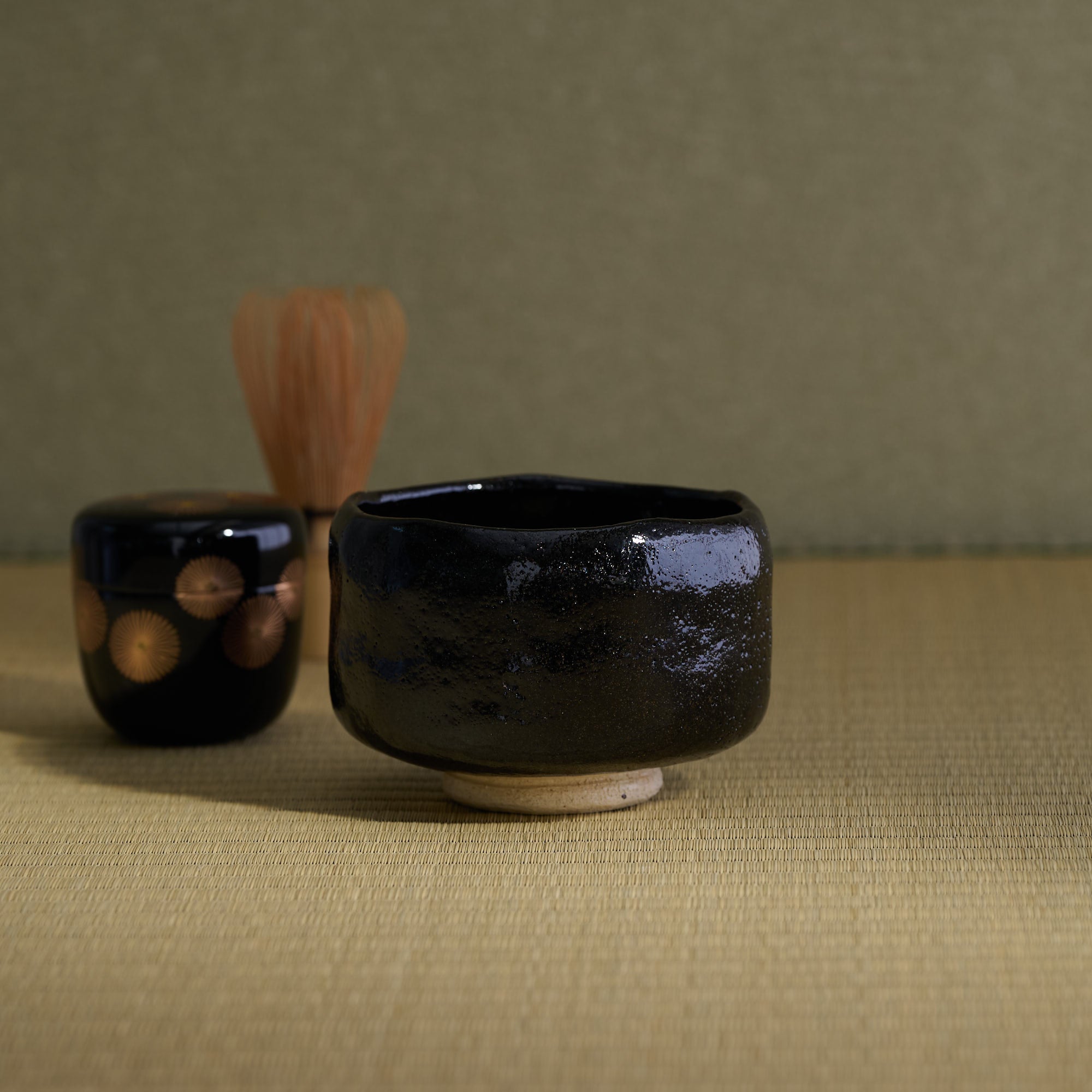
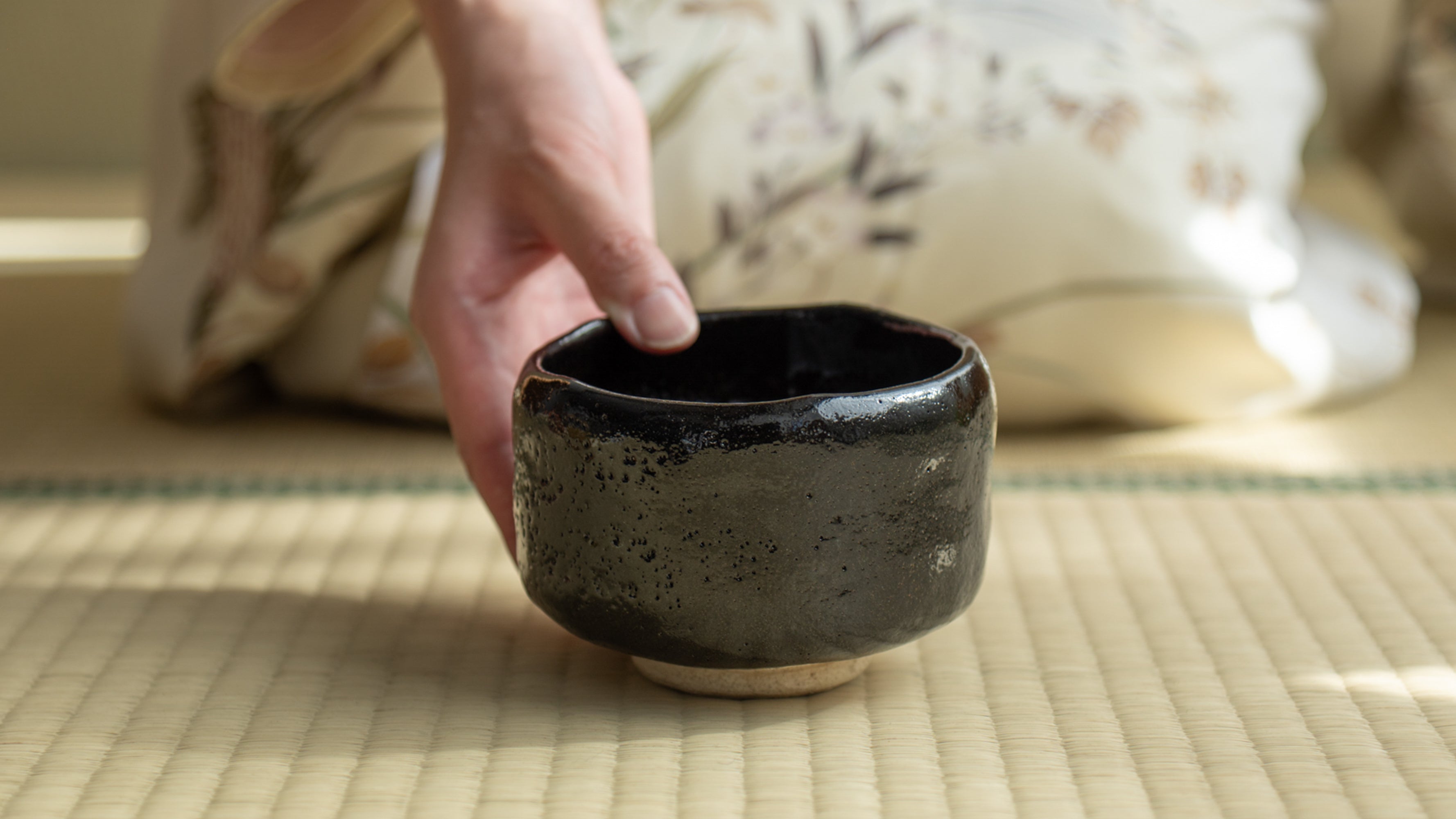
Schwarz Raku
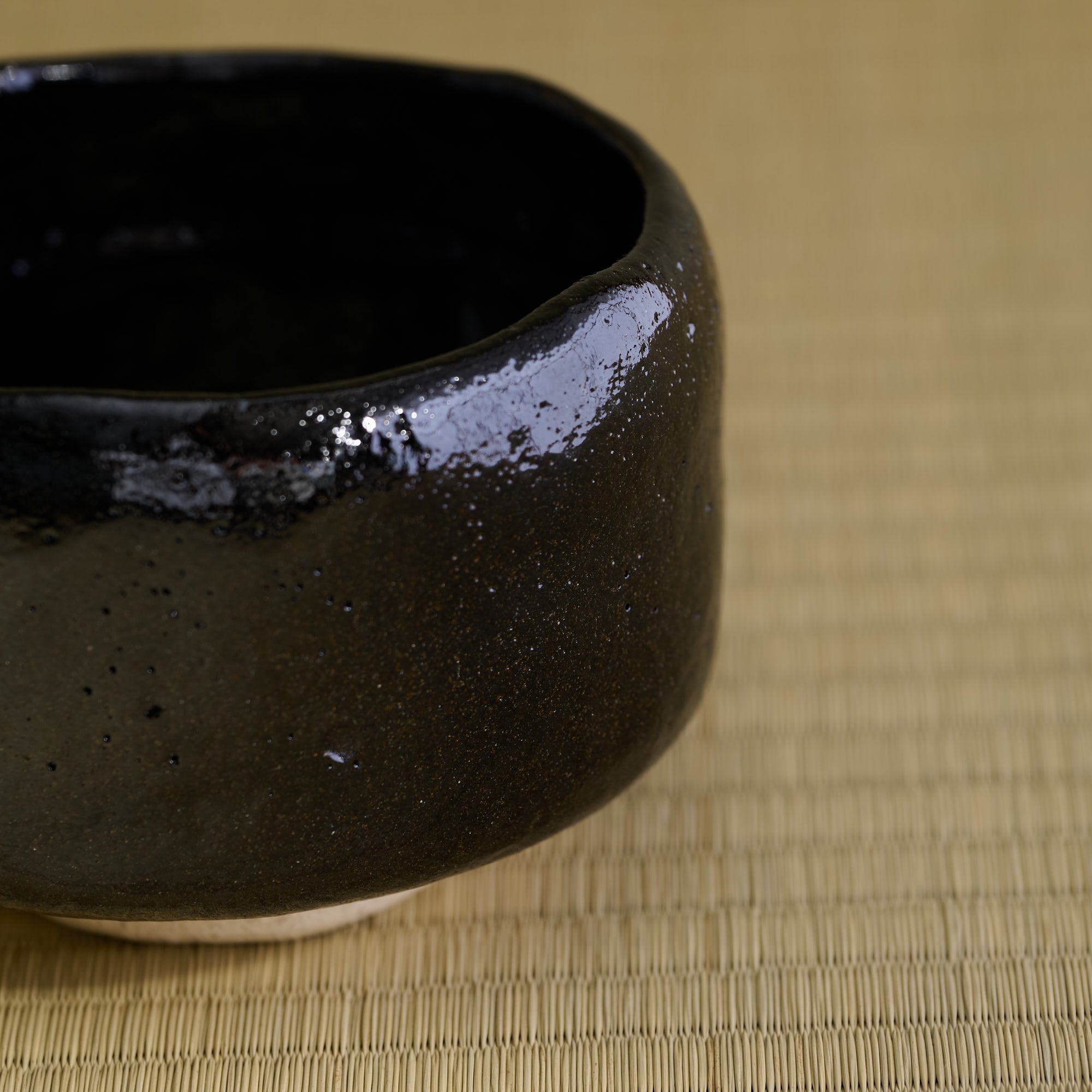
Schwarz Raku, auch bekannt als Kuro Raku. Die tiefschwarze Glasur entsteht durch das Mahlen und wiederholte Auftragen eisenhaltiger Steine, um ihre charakteristische Tiefe und ihren Glanz zu erzielen. Gebrannt wird sie nach traditioneller Art. hikidashi Verfahren, Schwarz Raku-Teeschalen werden in einen auf etwa 1200 °C erhitzten Ofen gestellt und nach nur 5 bis 10 Minuten wieder herausgenommen. Dieses besondere Raku-Brennverfahren verleiht jeder Schale ihre weiche Textur und ihre warme, behagliche Ausstrahlung.
Schwarz Raku-Teeschalen sind auch heute noch bei Teezeremonien weit verbreitet und werden oft dem Ehrengast vorbehalten. Jede Schale wird individuell von Hand geformt, so dass sie natürlich in der Hand liegt und ein harmonisches Gleichgewicht zwischen optischer Präsenz und physischer Ausstrahlung schafft. Geleitet von der Intuition des Herstellers, verleihen subtile Variationen beim Brennvorgang der Schale ihren unverwechselbaren Charakter. Schwarz Raku.

Rot Raku
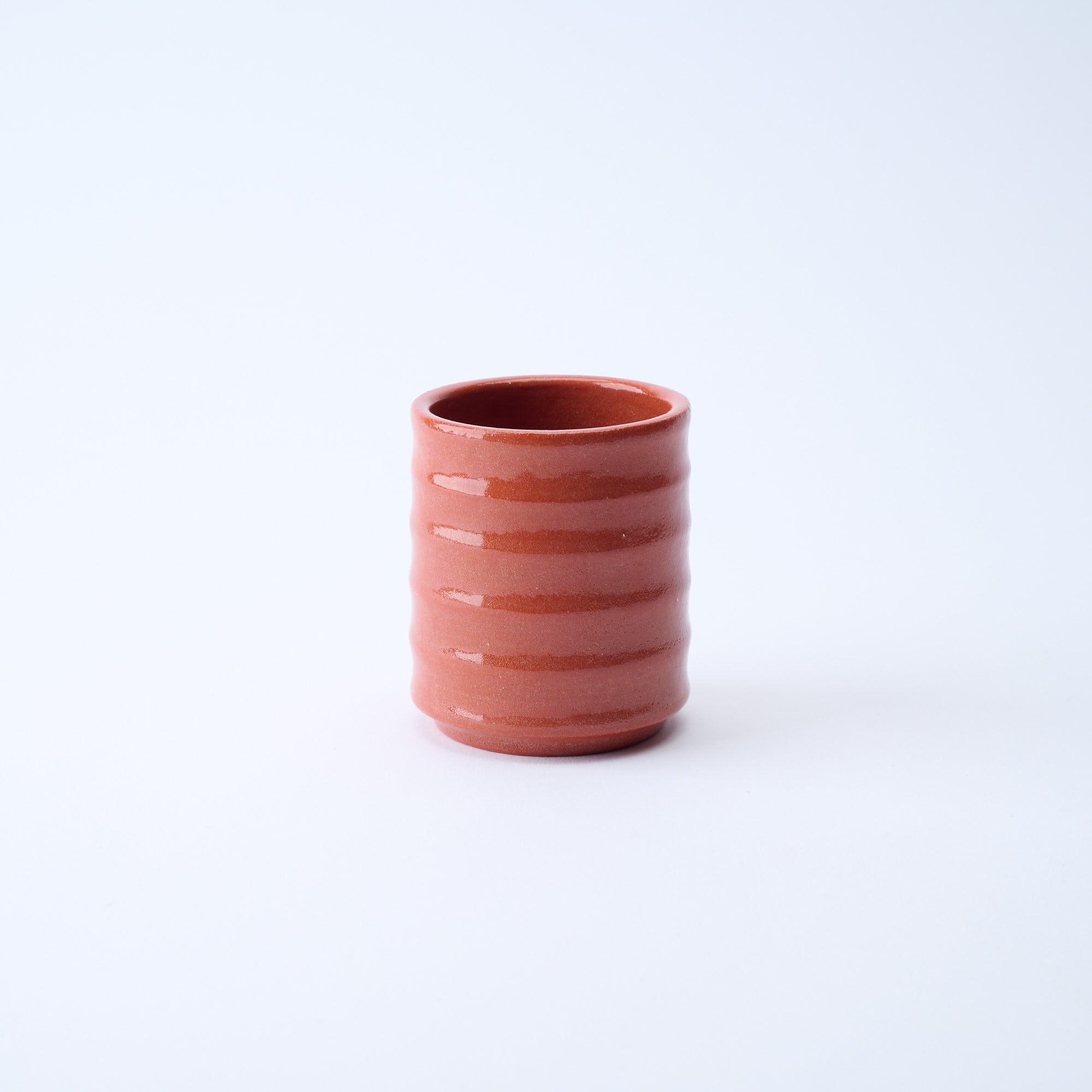
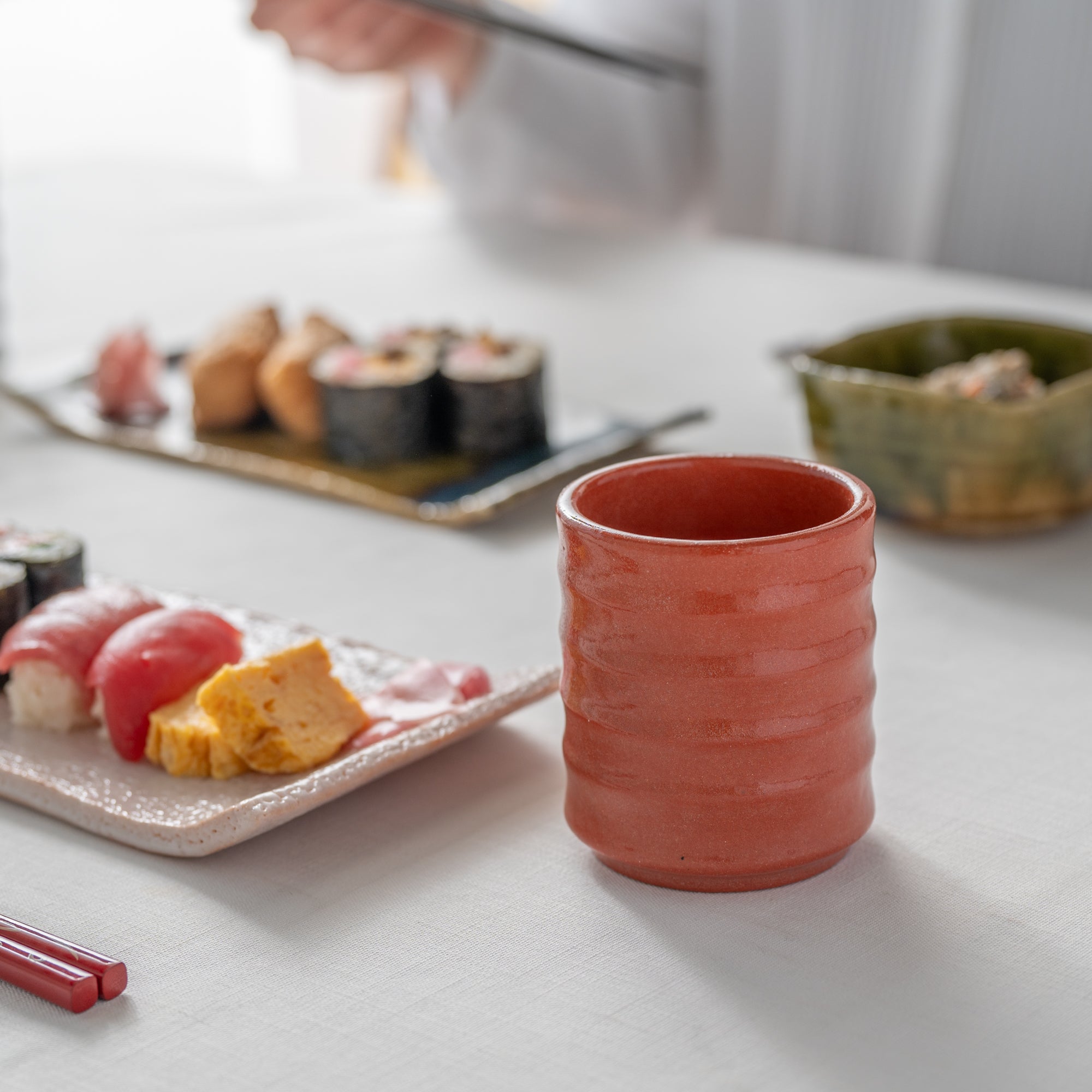
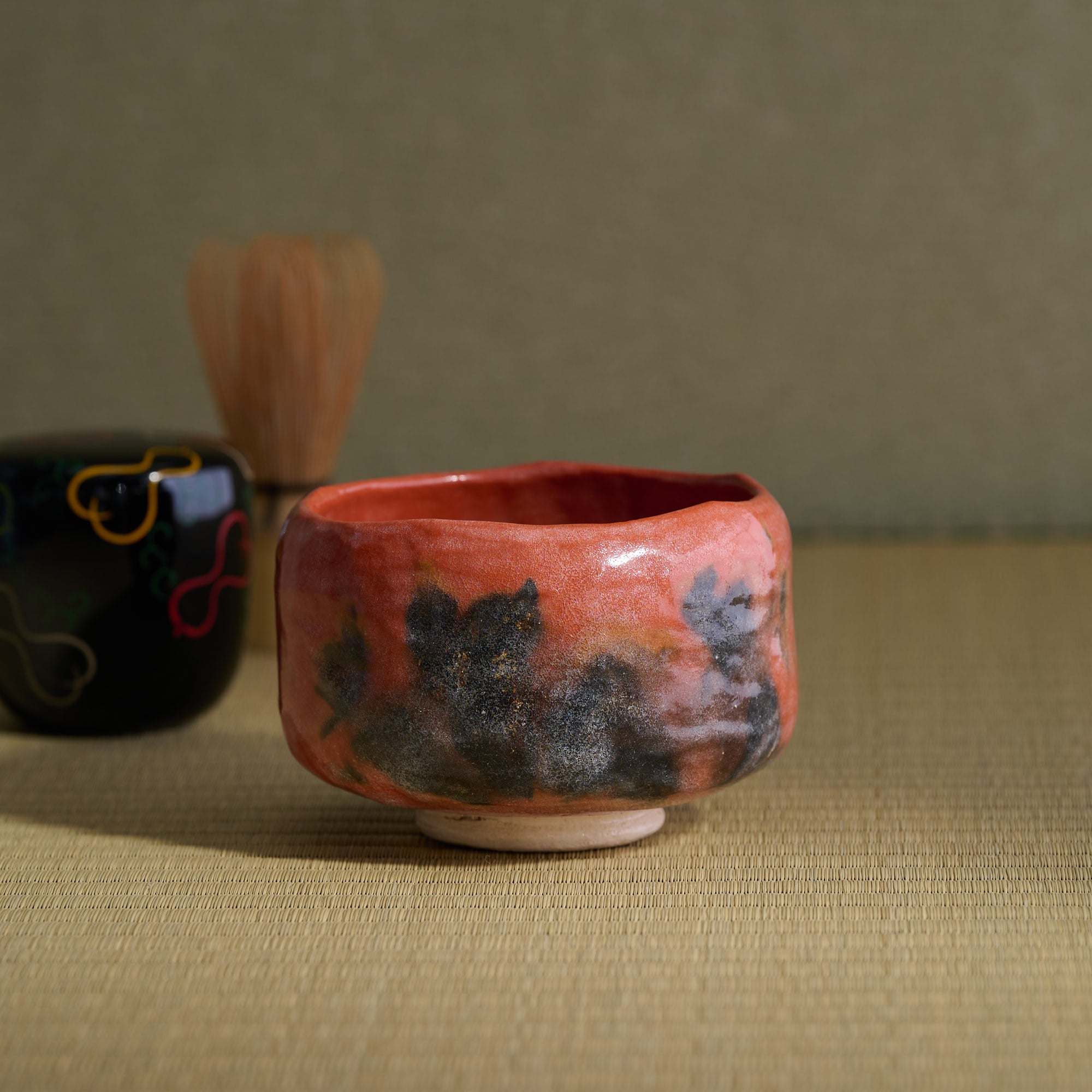
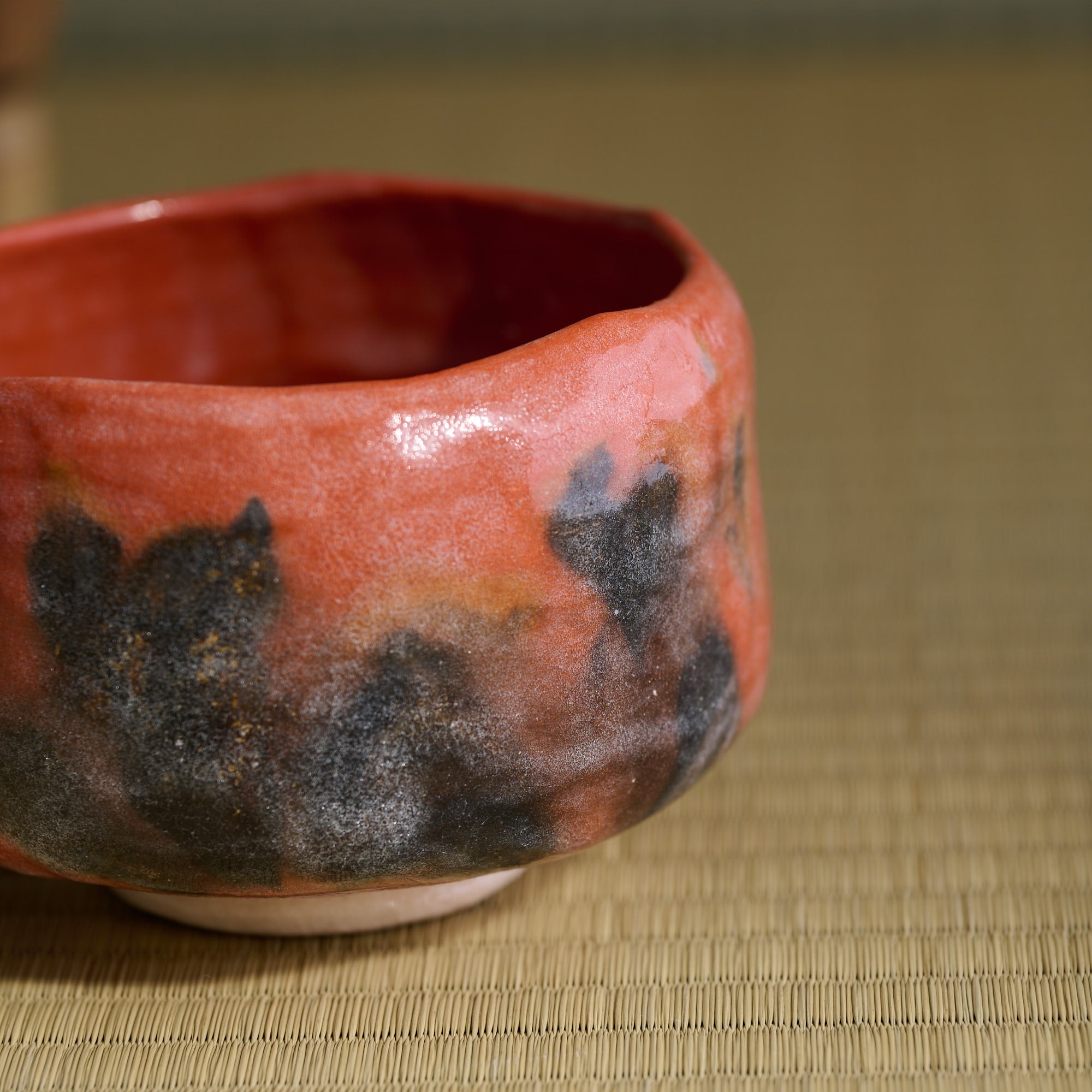
Rot Raku, auch bekannt als Aka Raku. Wie Schwarz Raku, Rot Raku-Keramik wird sorgfältig von Hand einzeln geformt und liegt angenehm in der Hand. Traditionell wird sie aus eisenhaltigem, rotem Ton hergestellt und mit einer klaren Glasur versehen. Rot Raku-Keramik wird bei etwa 800 °C gebrannt, wodurch die charakteristische, sanfte Wärme der Farben entsteht. Heutzutage tragen Kunsthandwerker oft eine Schicht ockerfarbenen Tons auf, um die Purpurtöne zu intensivieren. So können Flammen und Mineralien natürliche Landschaften auf der Oberfläche malen. Innerhalb dieser zurückhaltenden Palette aus Rot-, Braun- und Grautönen offenbart jede Schale ihre eigene, individuelle Maserung. keshiki—eine Landschaft, geformt von Feuer, Berührung und Zeit.

Hersteller
Verwandte Beiträge
Filter