

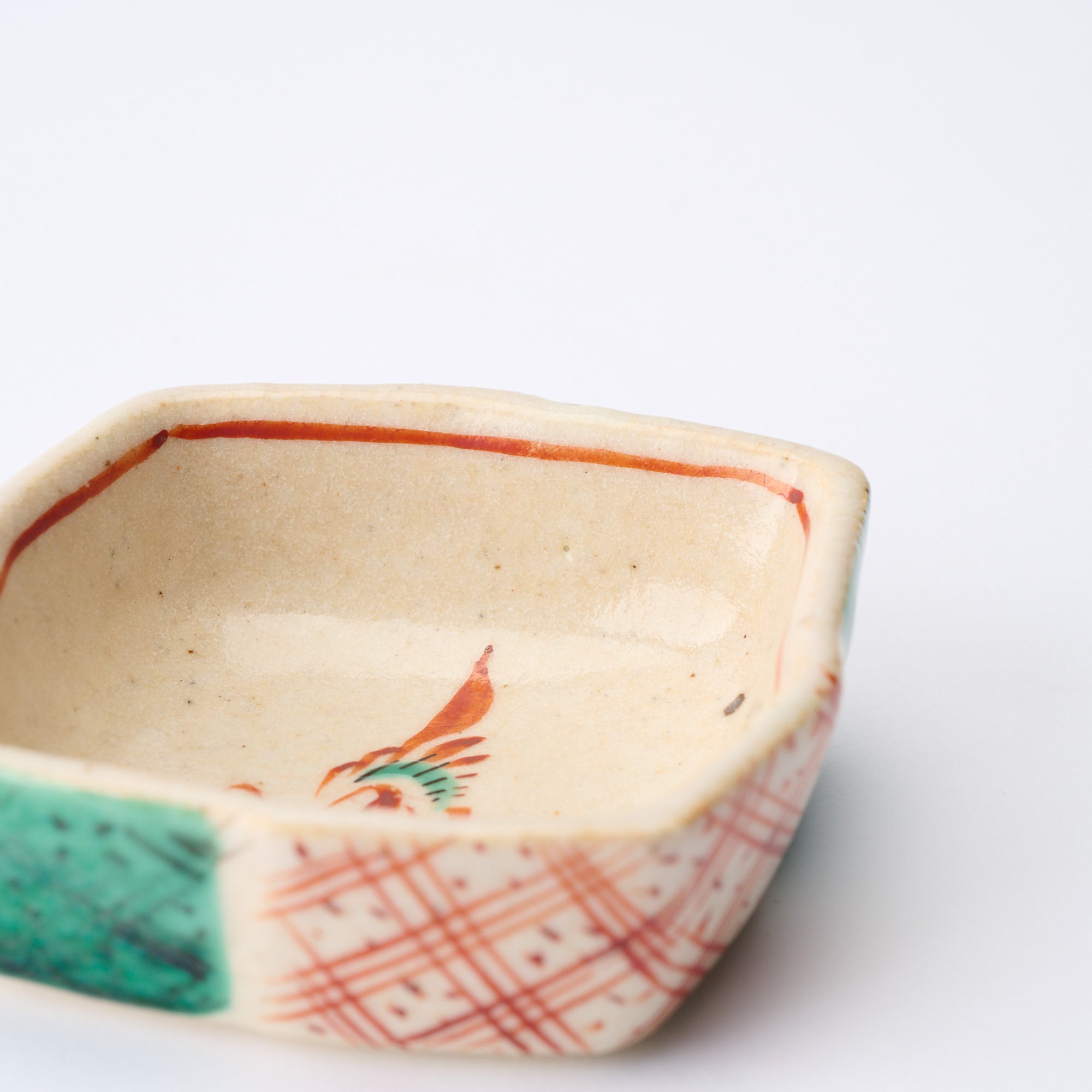
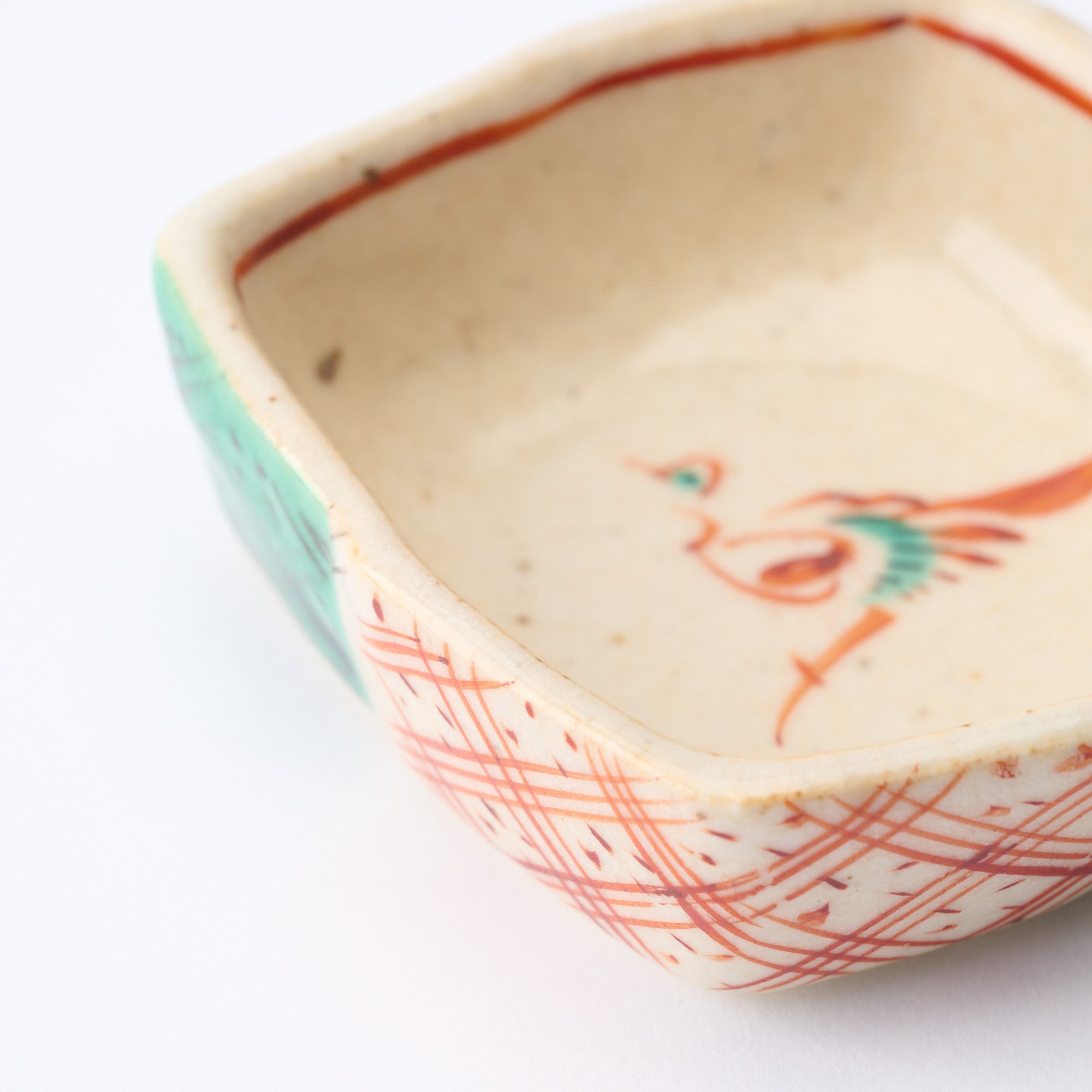
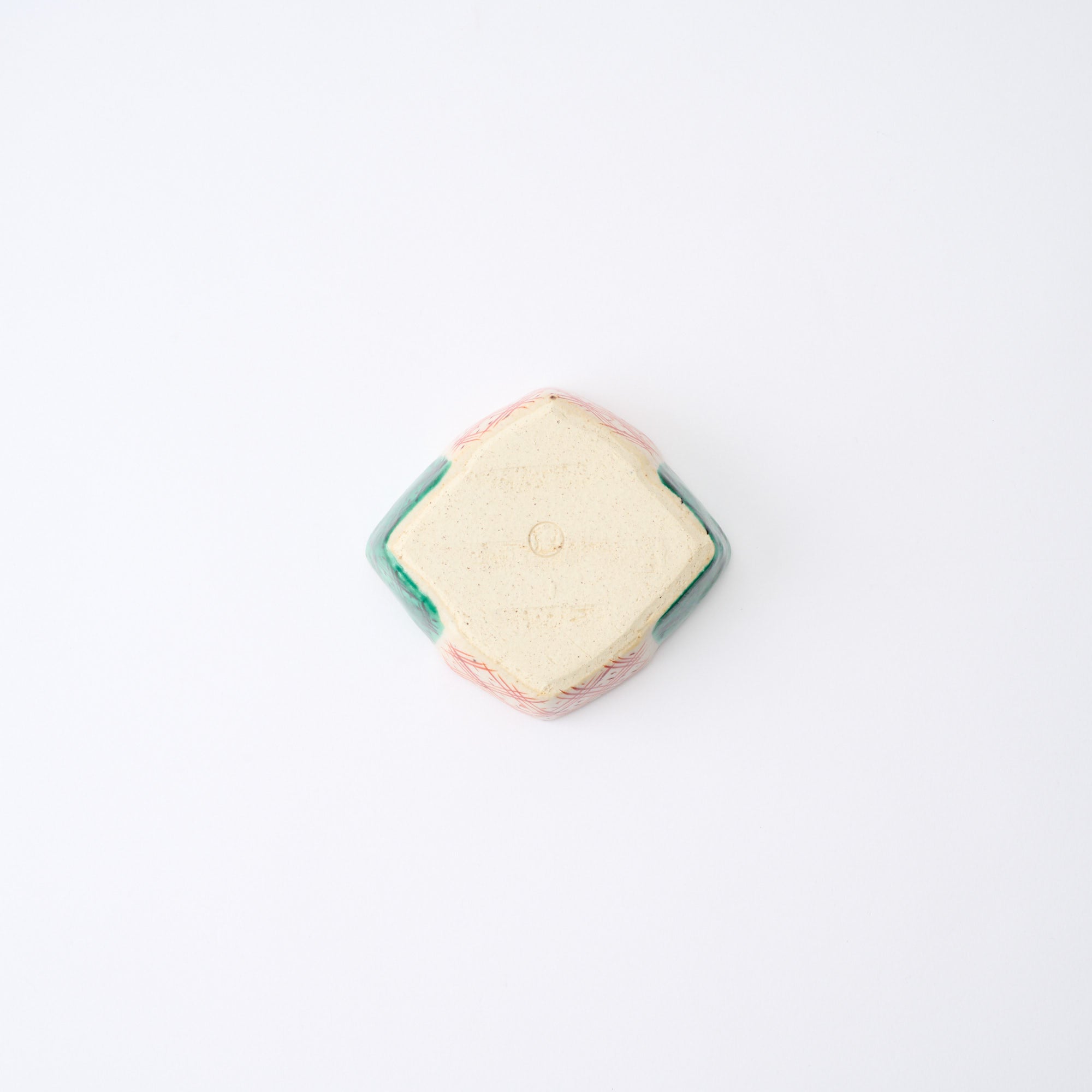
Akae Saucenteller mit Diamantmuster
Ships from Japan · Free shipping on orders over $250 USD
Estimated Shipping Widget will be displayed here!
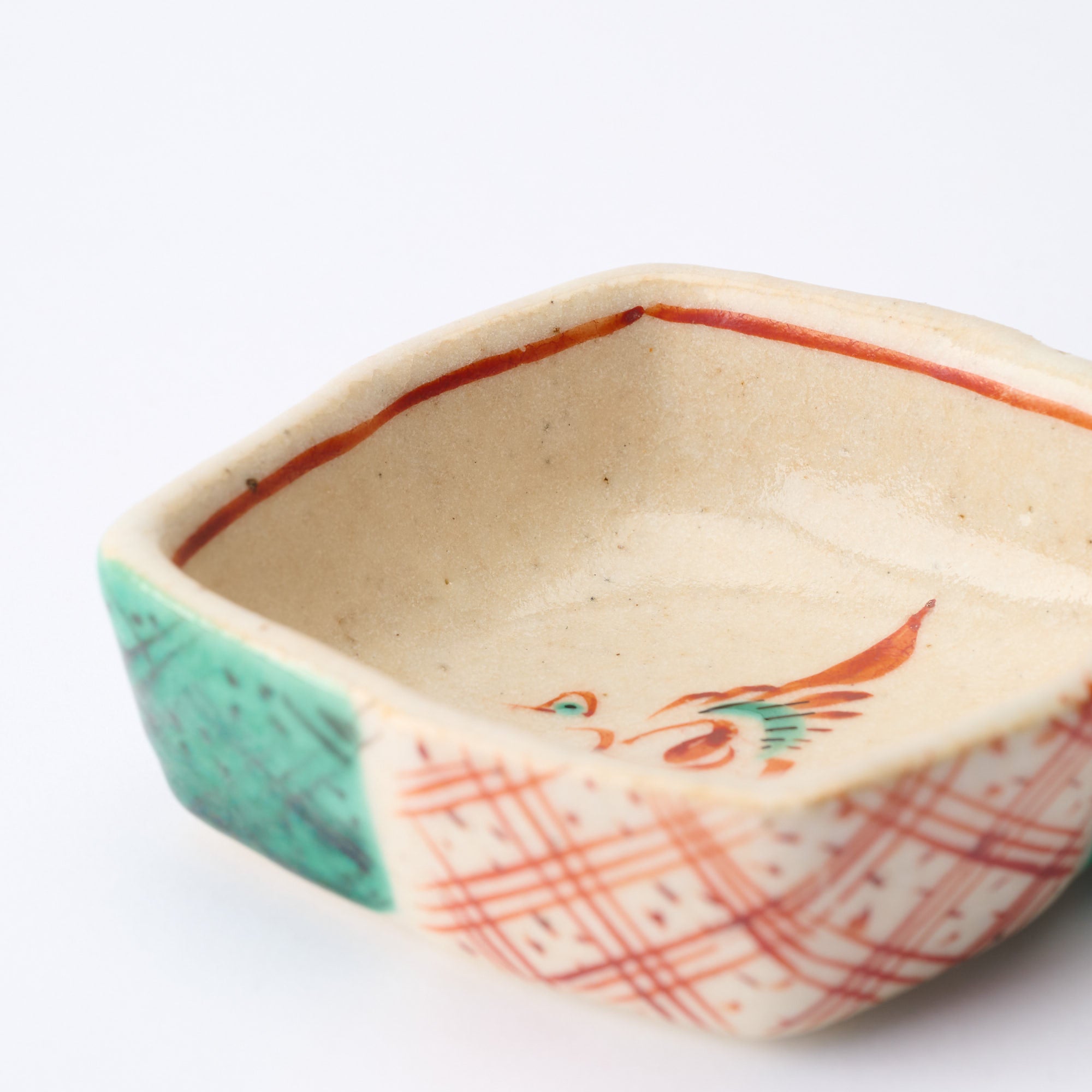
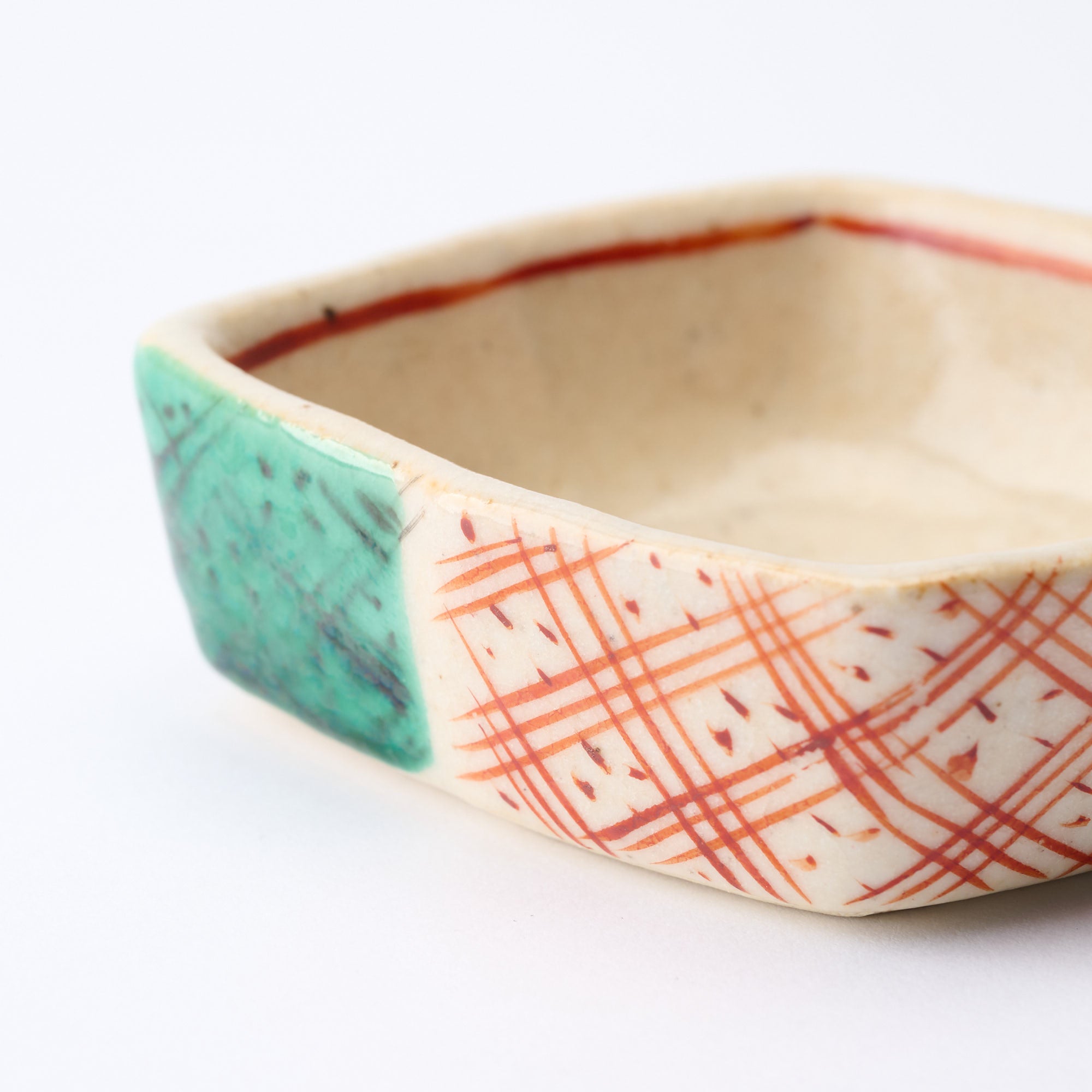
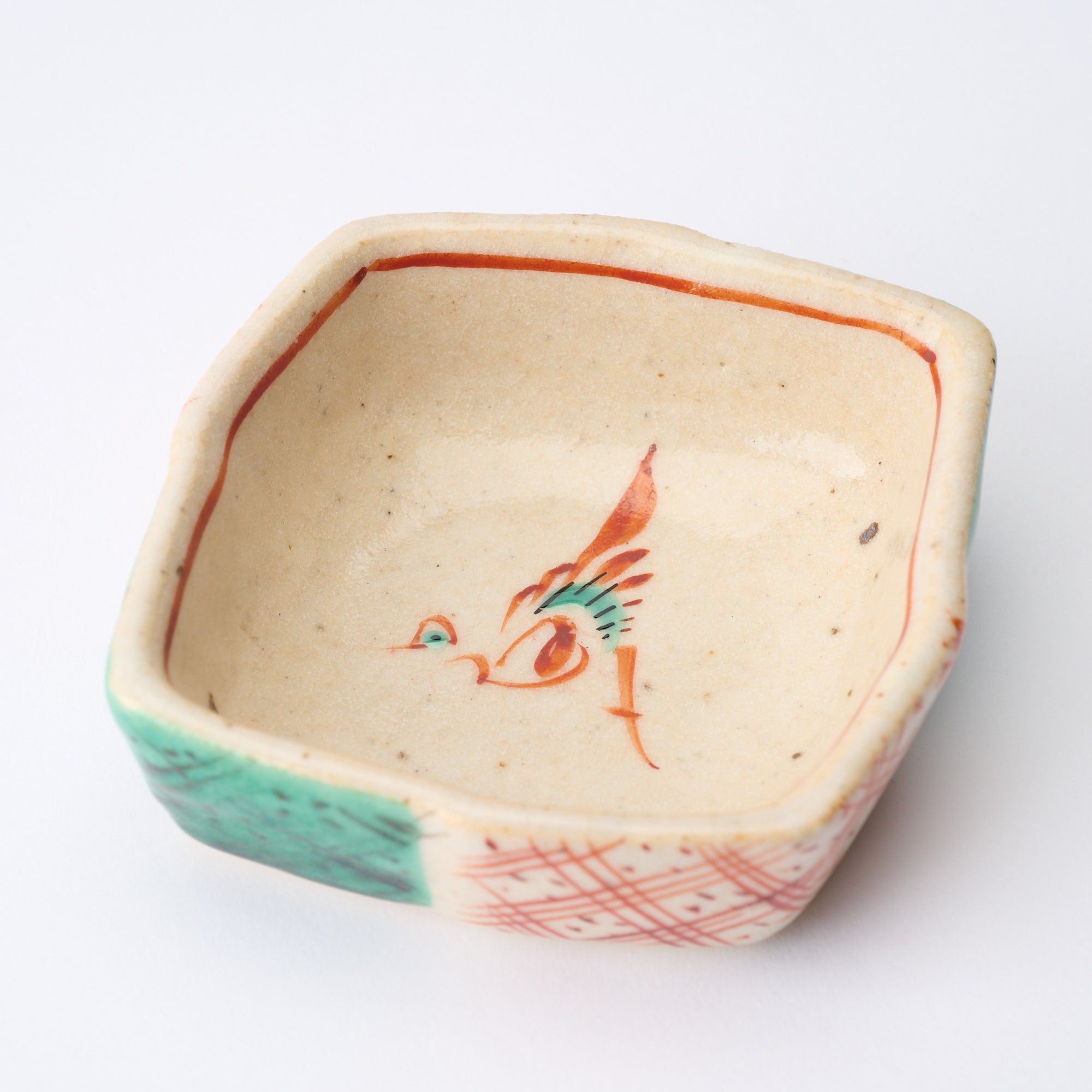
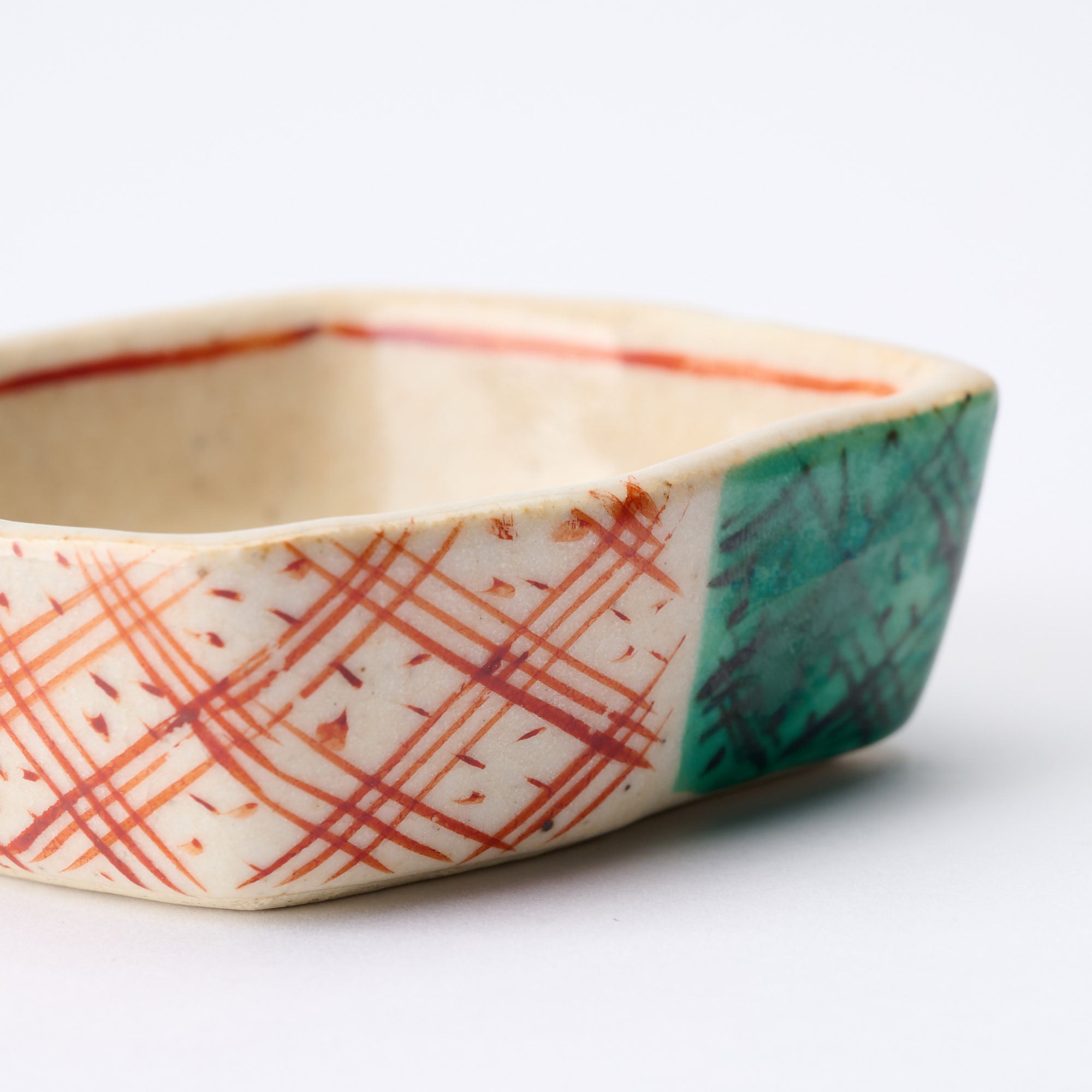
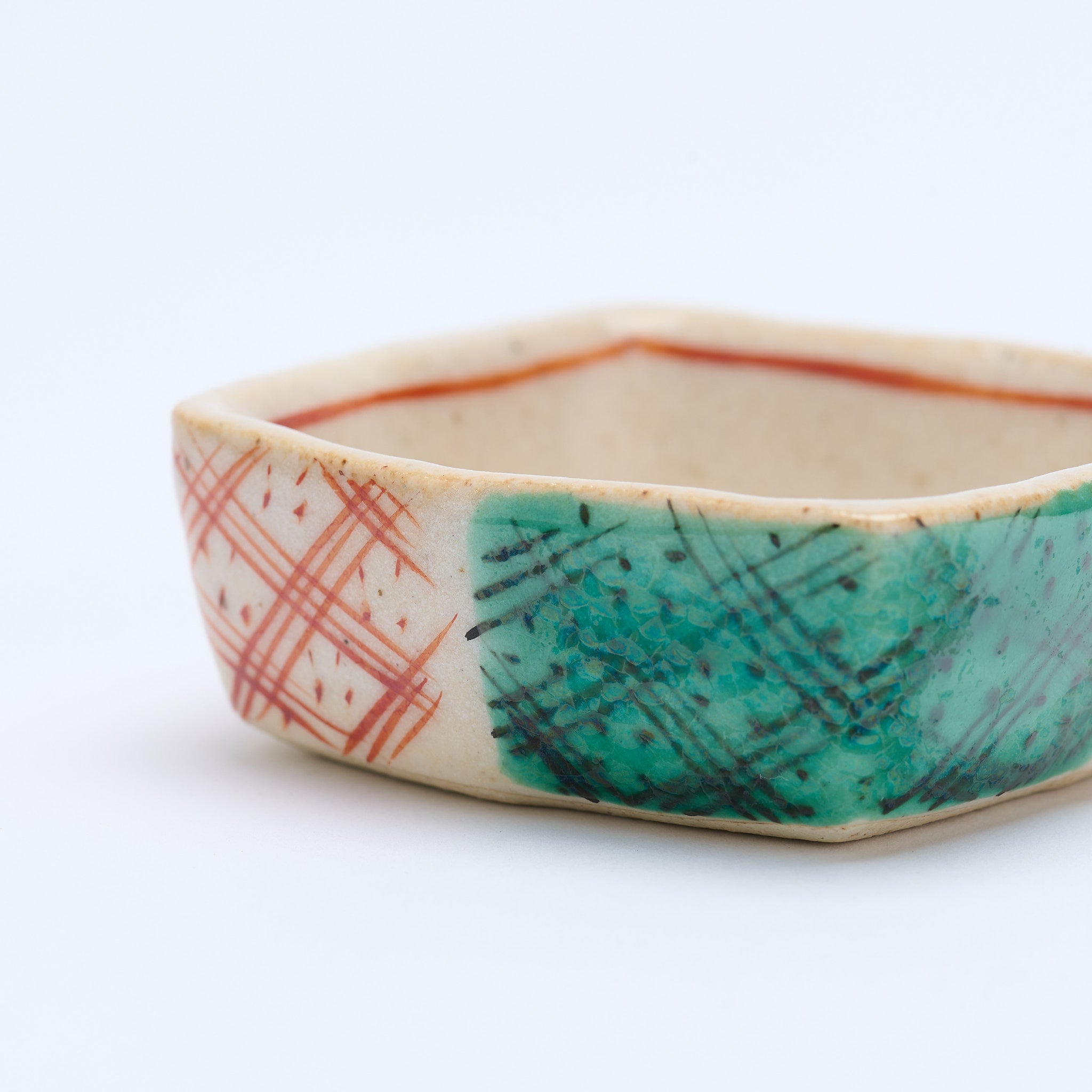
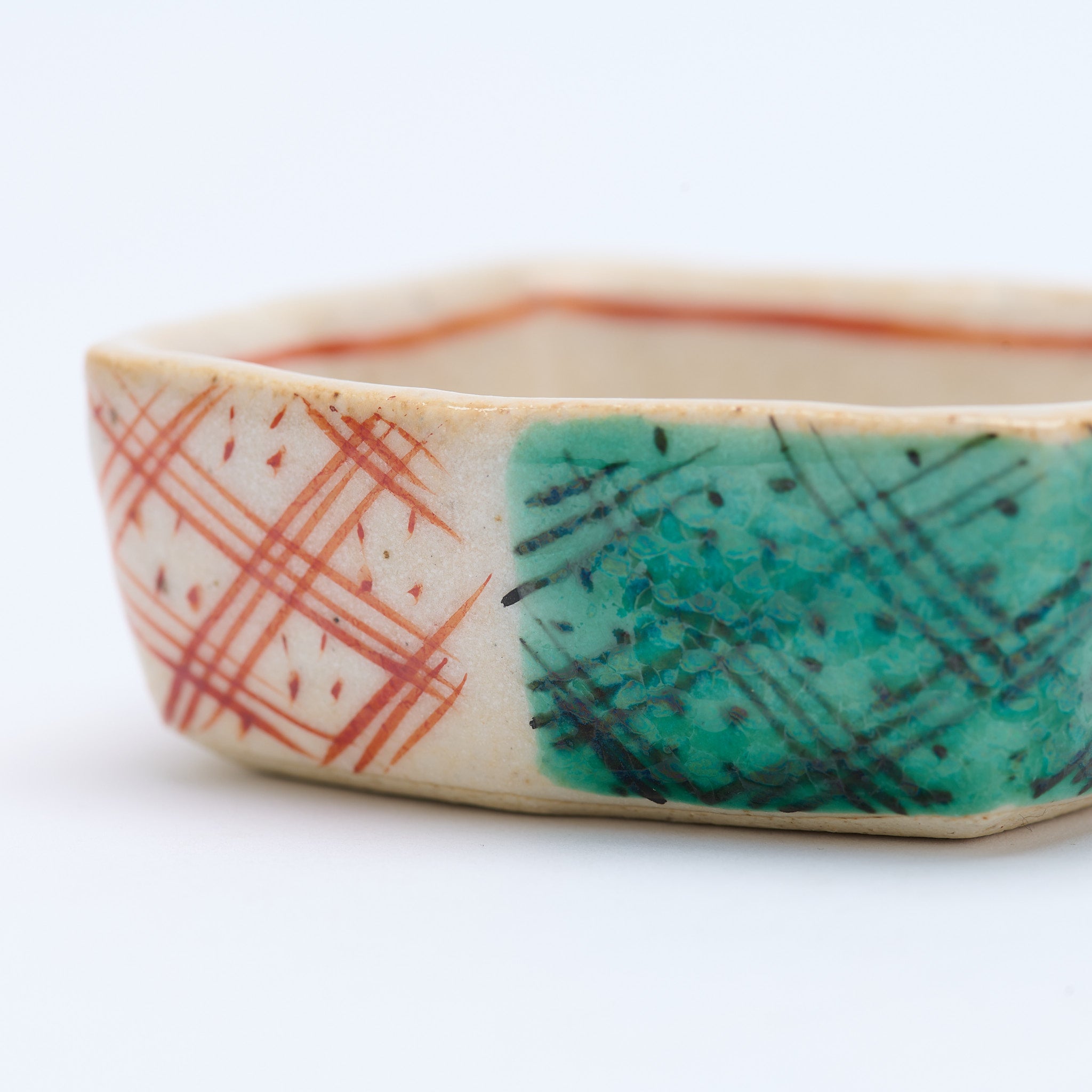
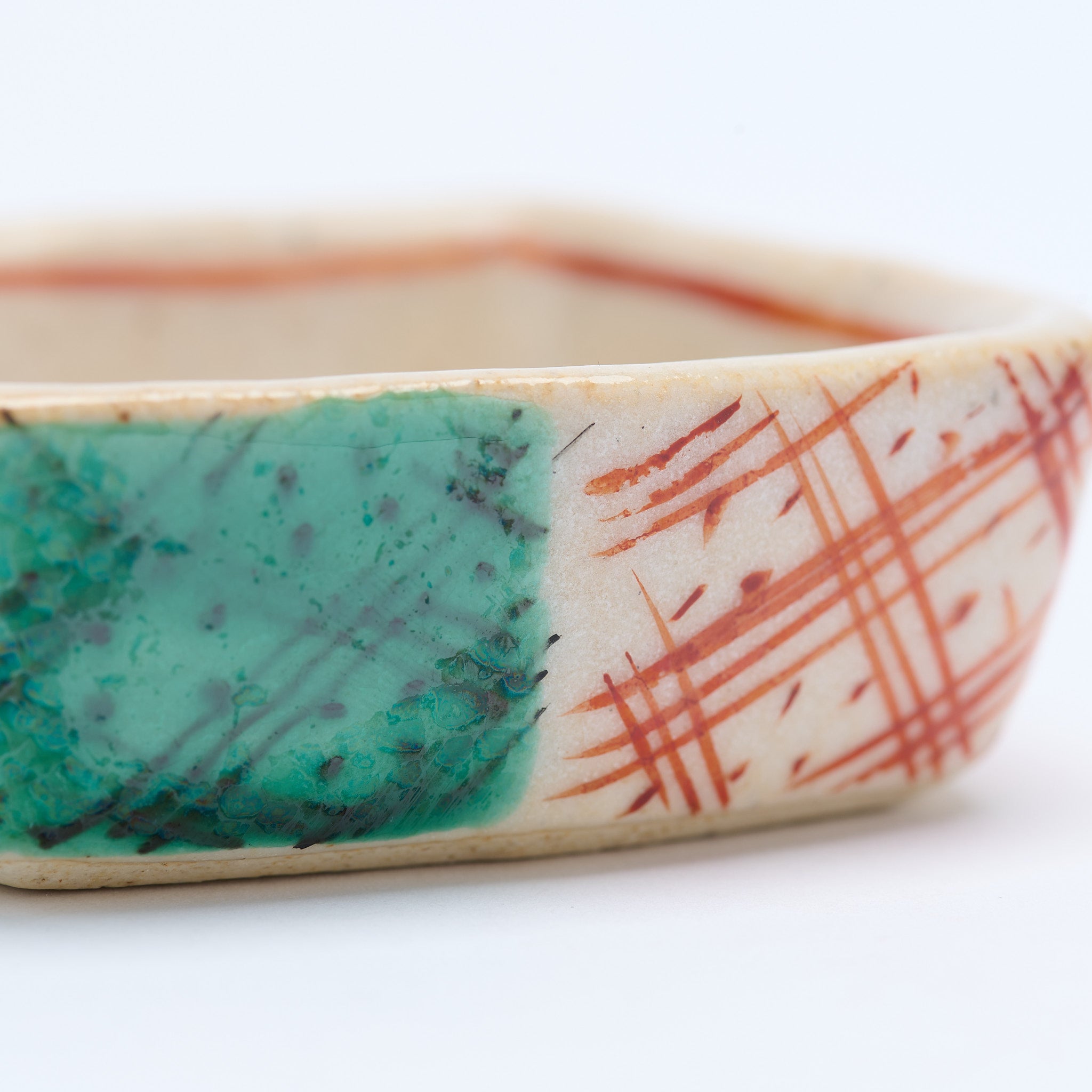
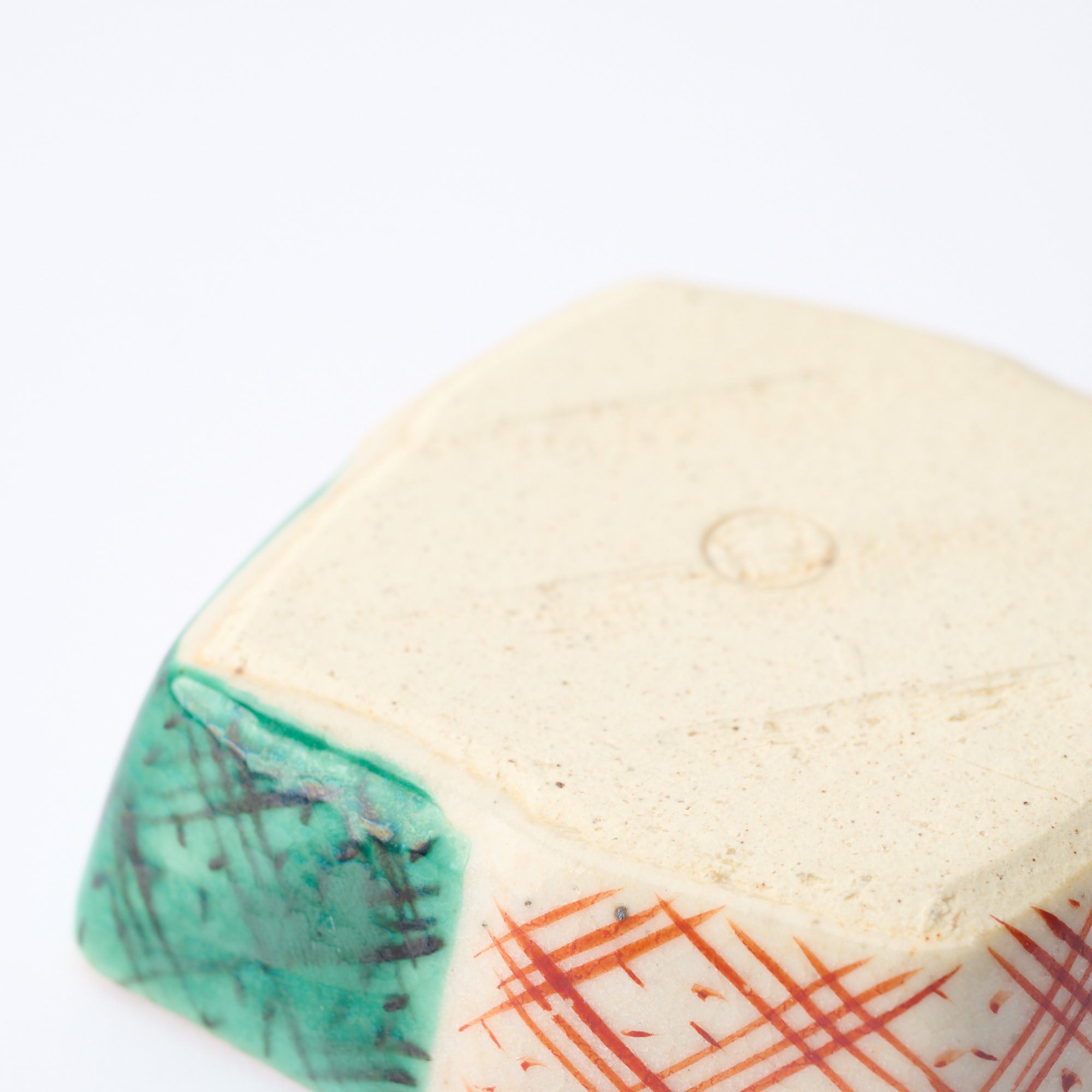
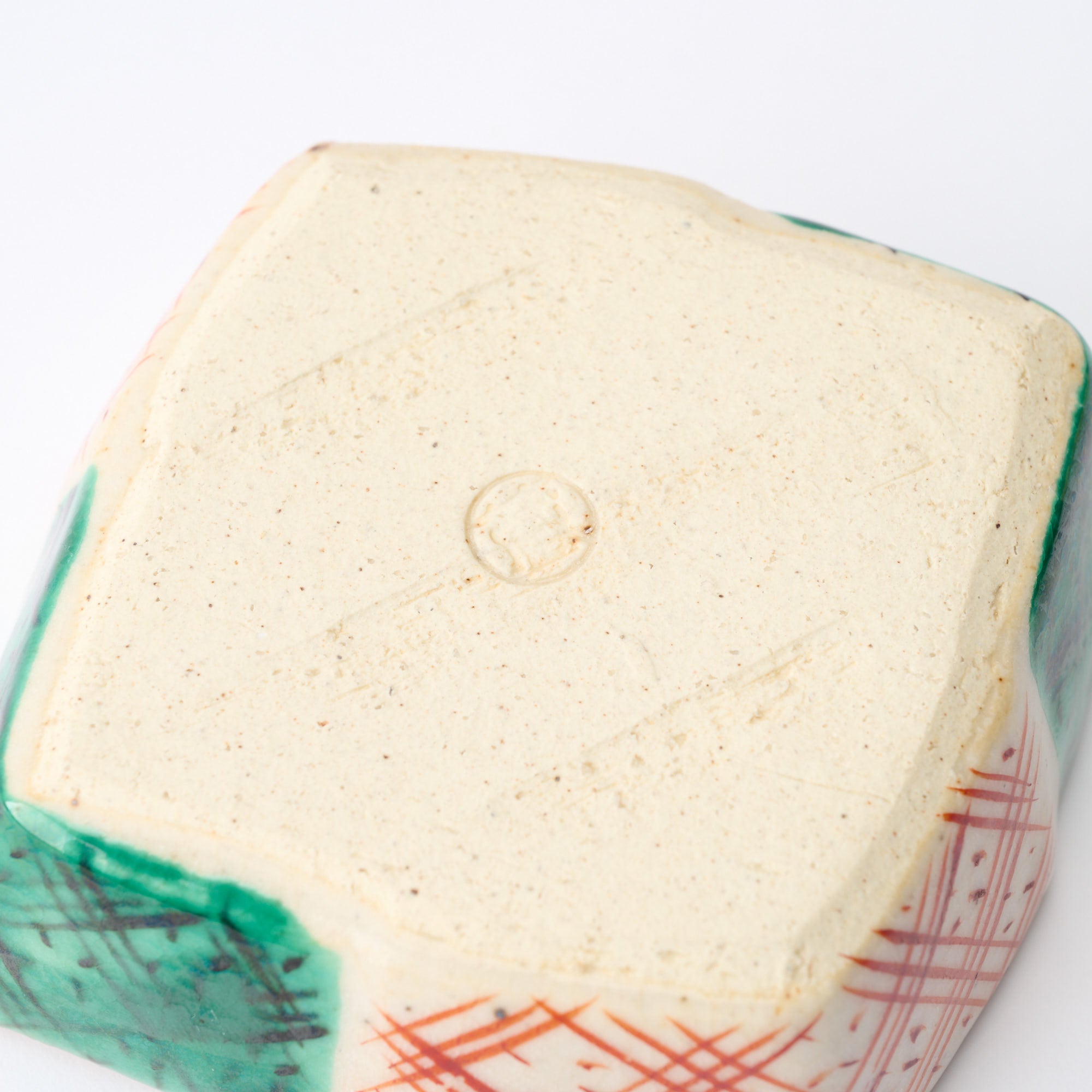
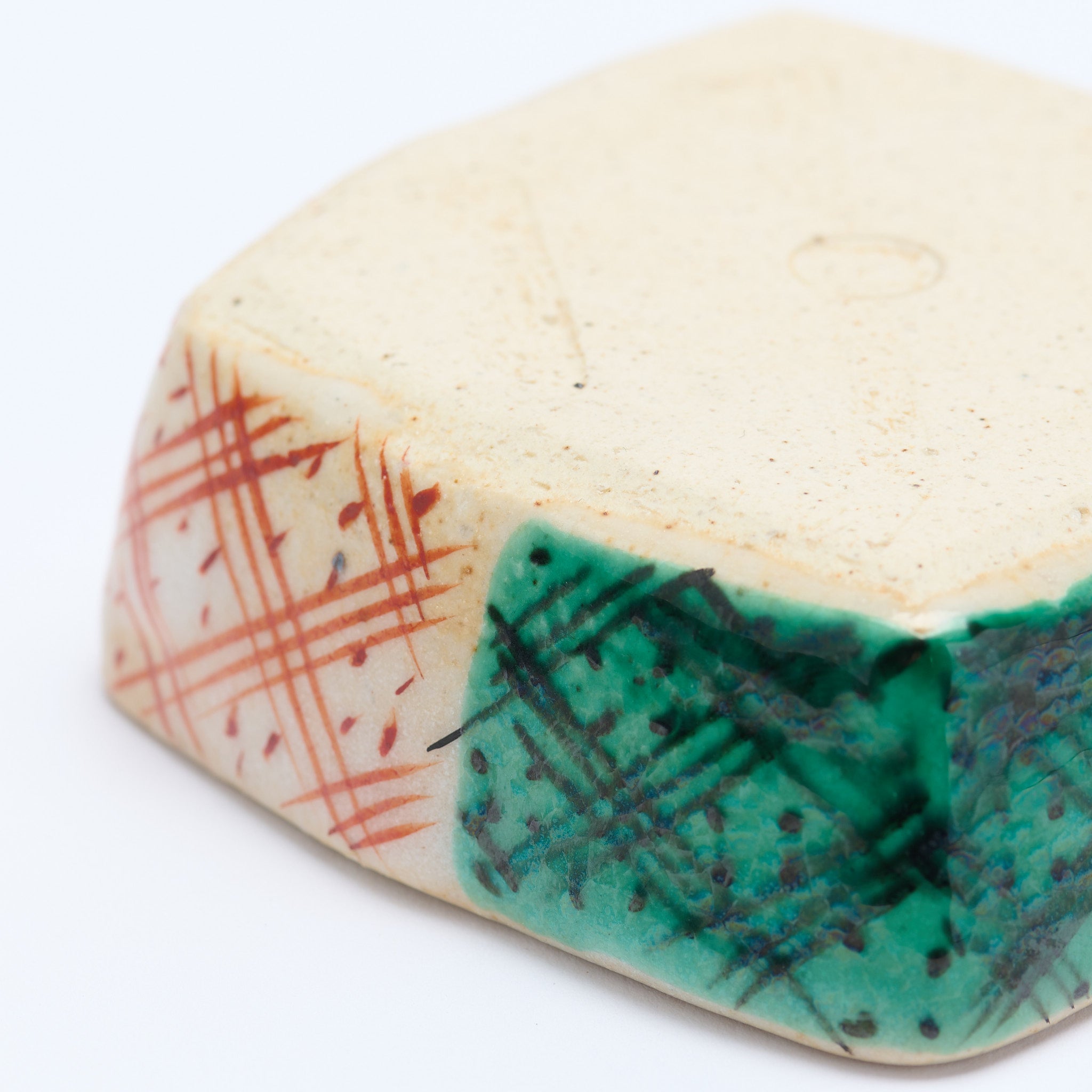
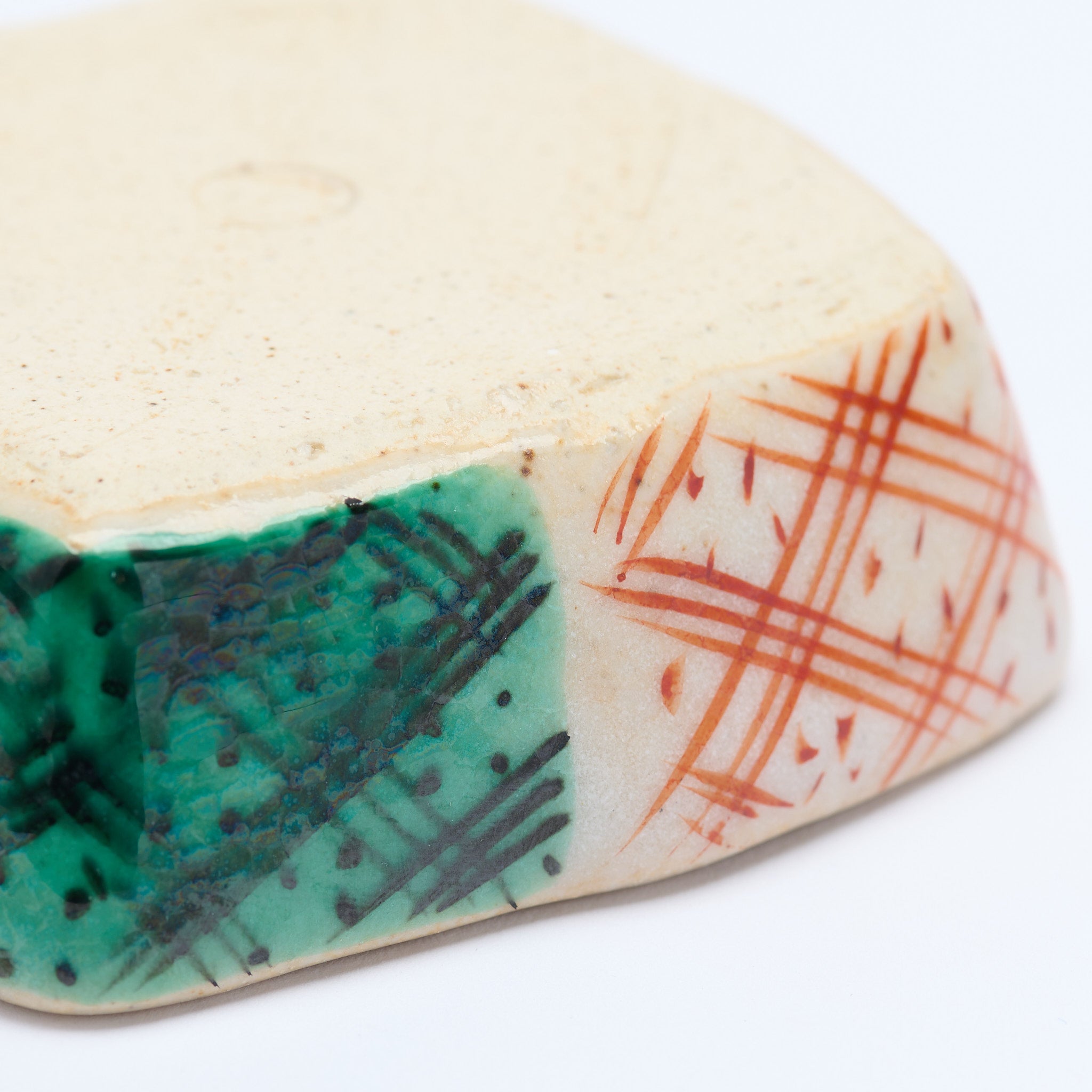
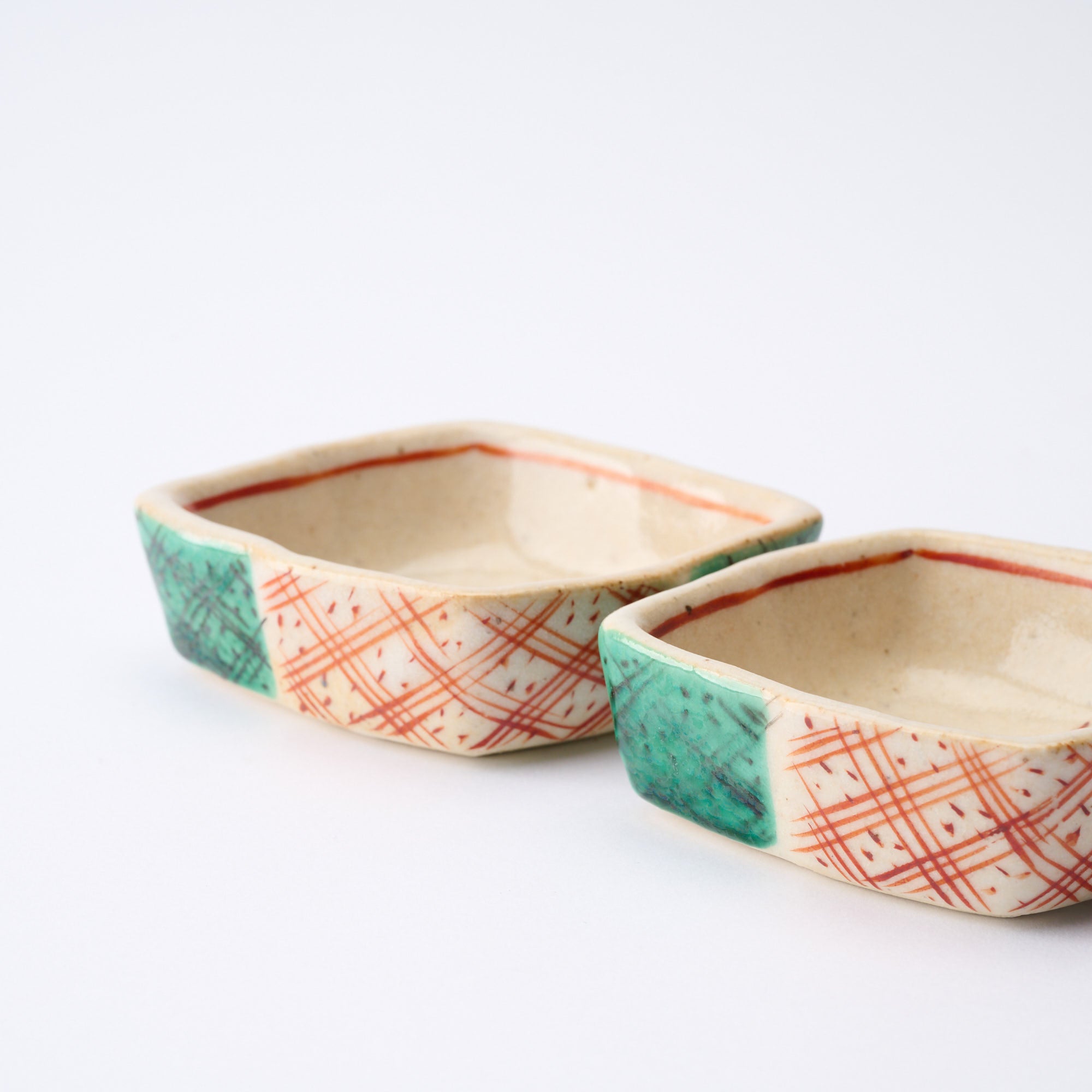
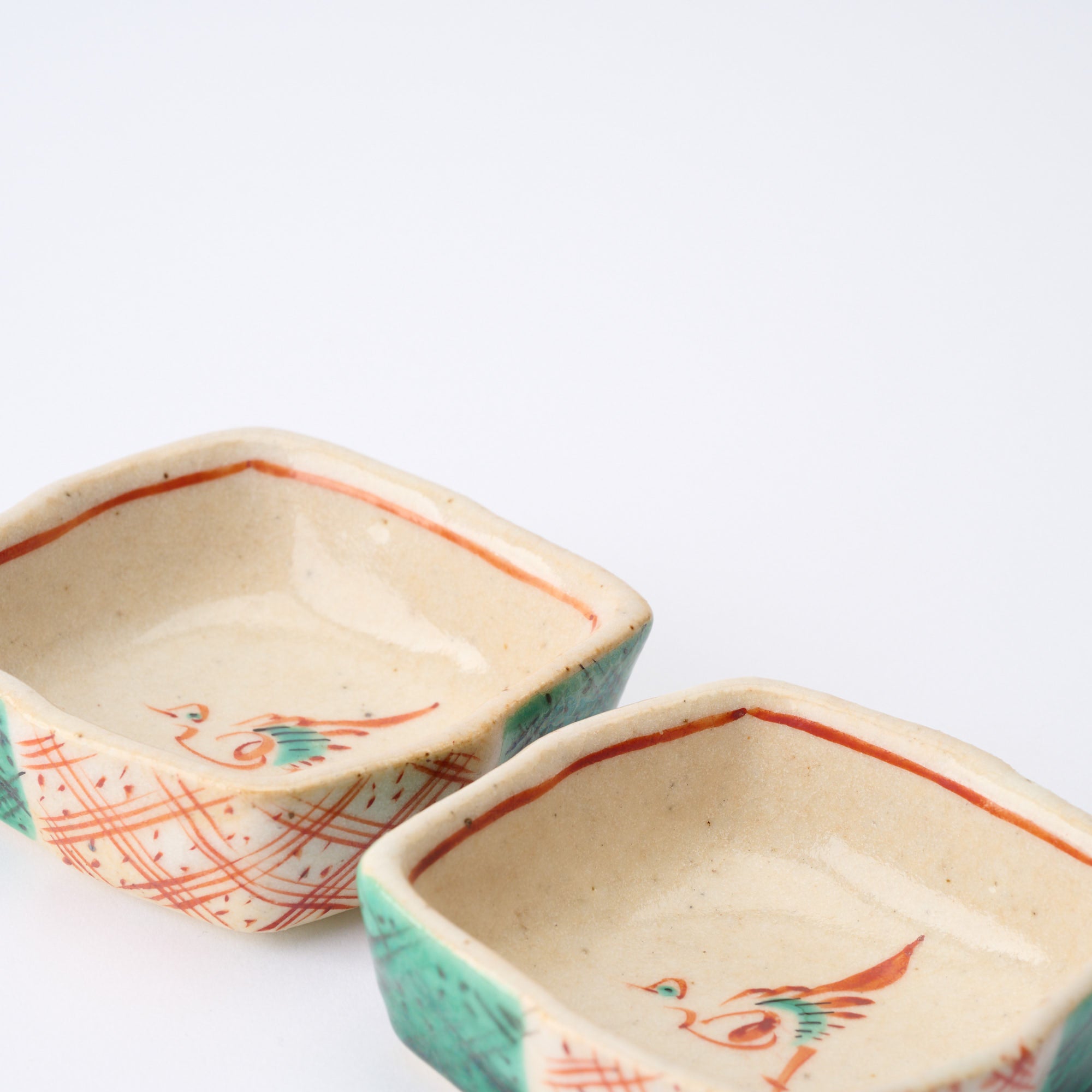
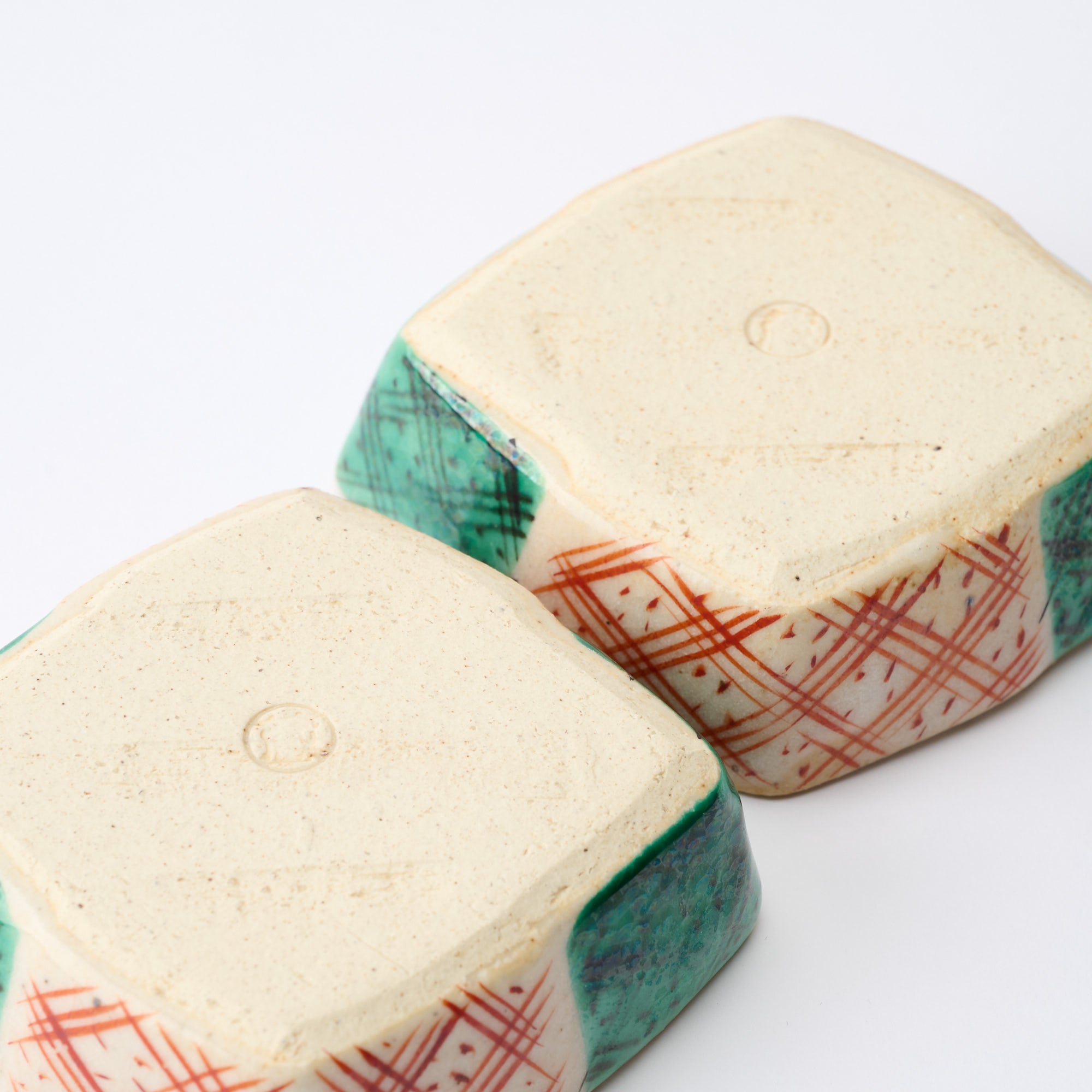
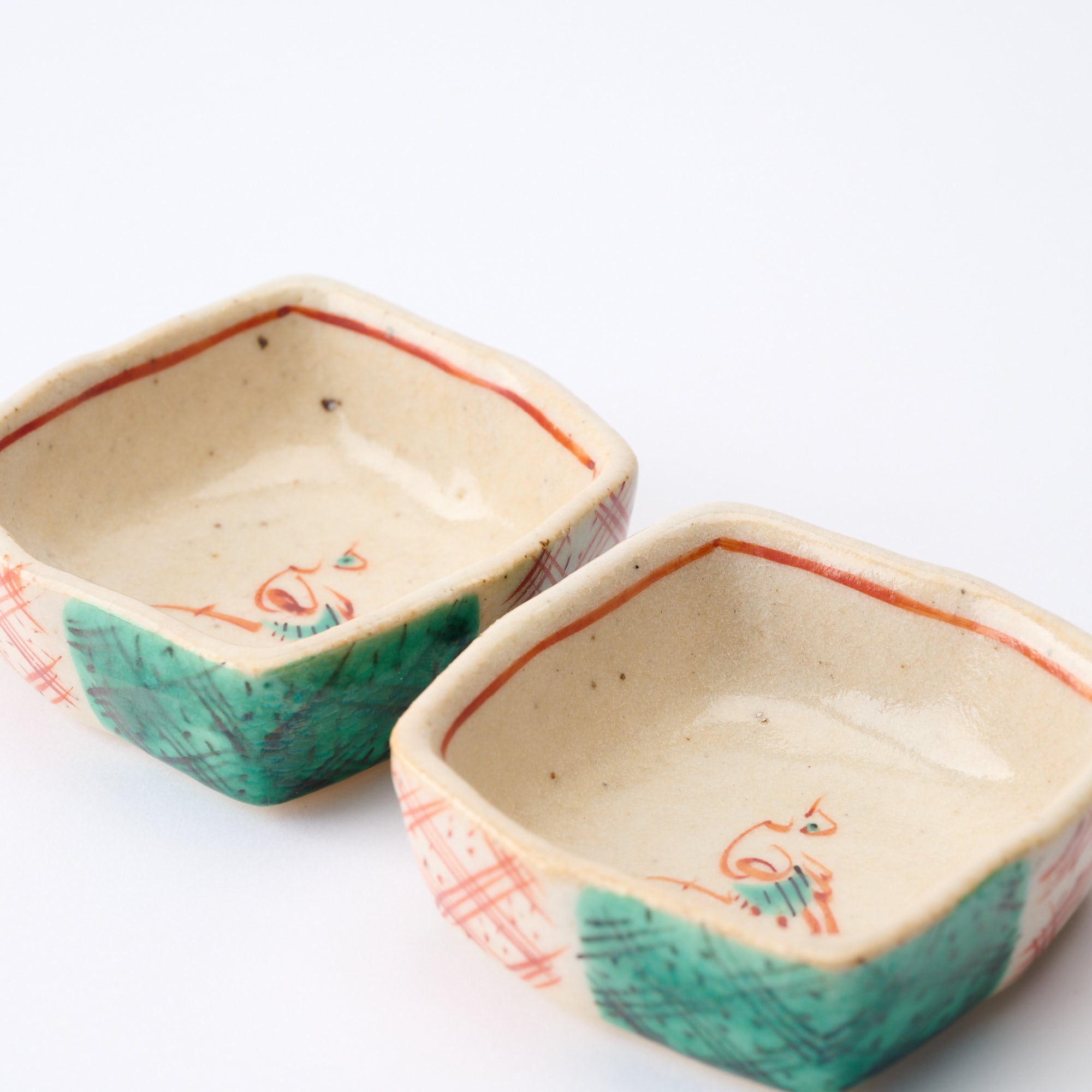
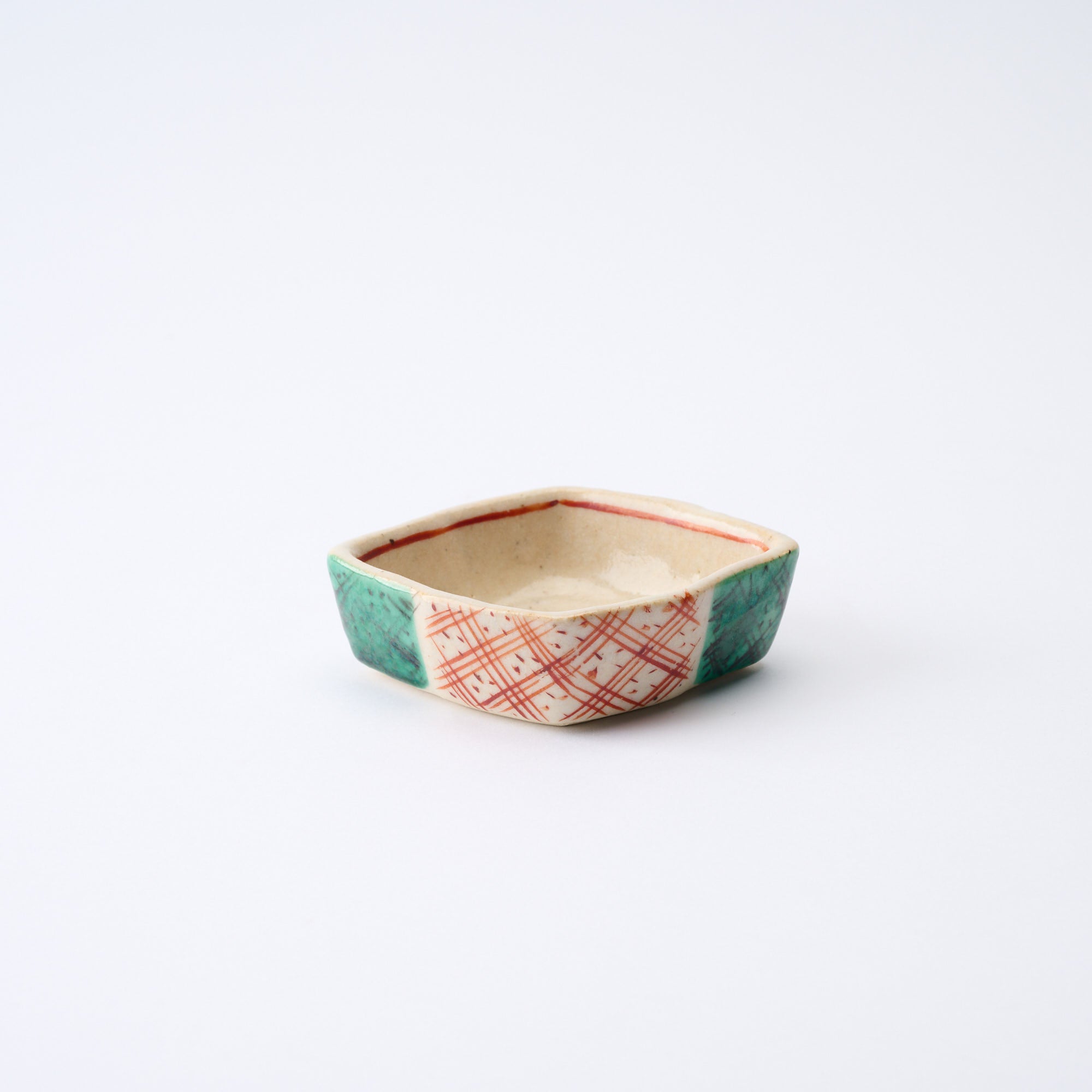
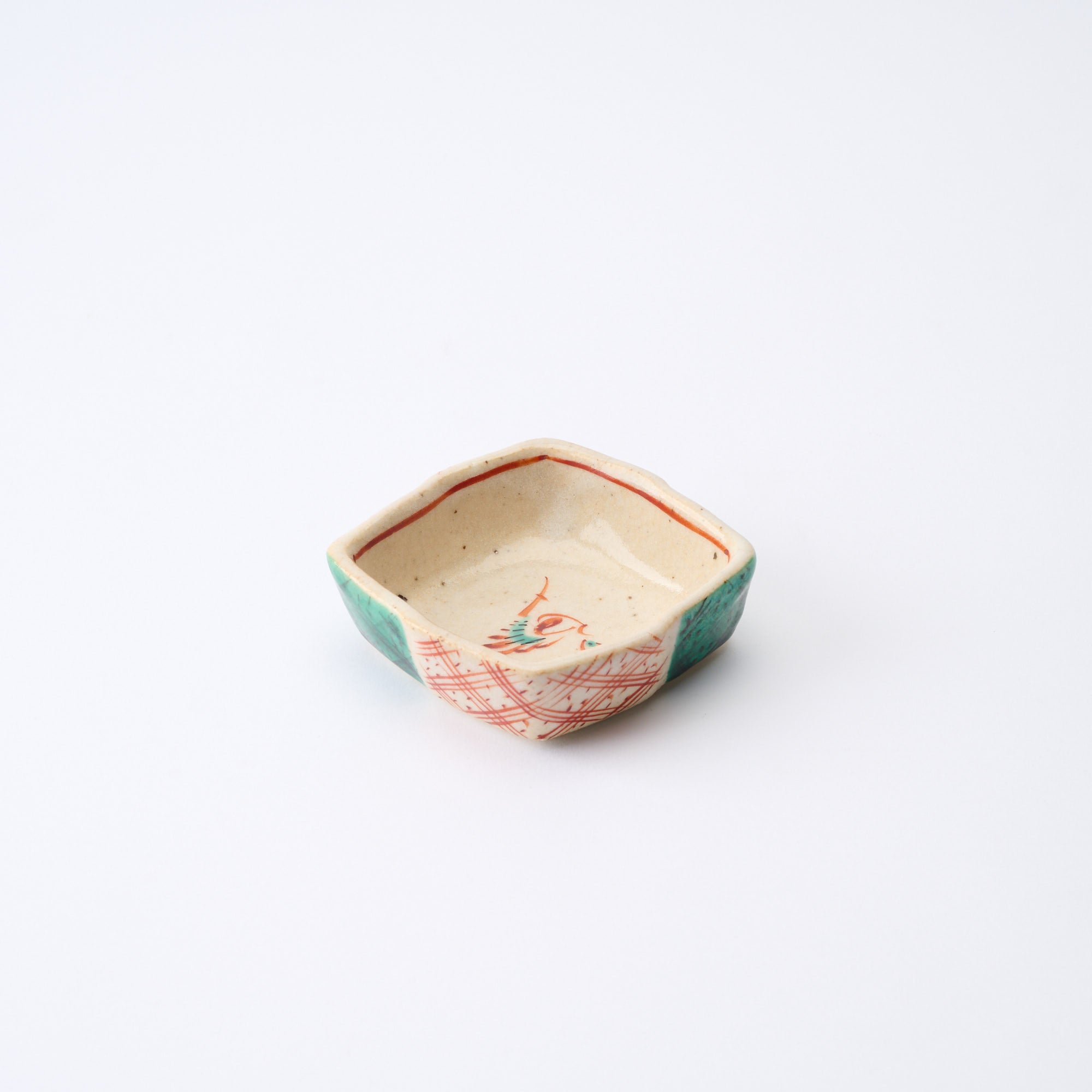
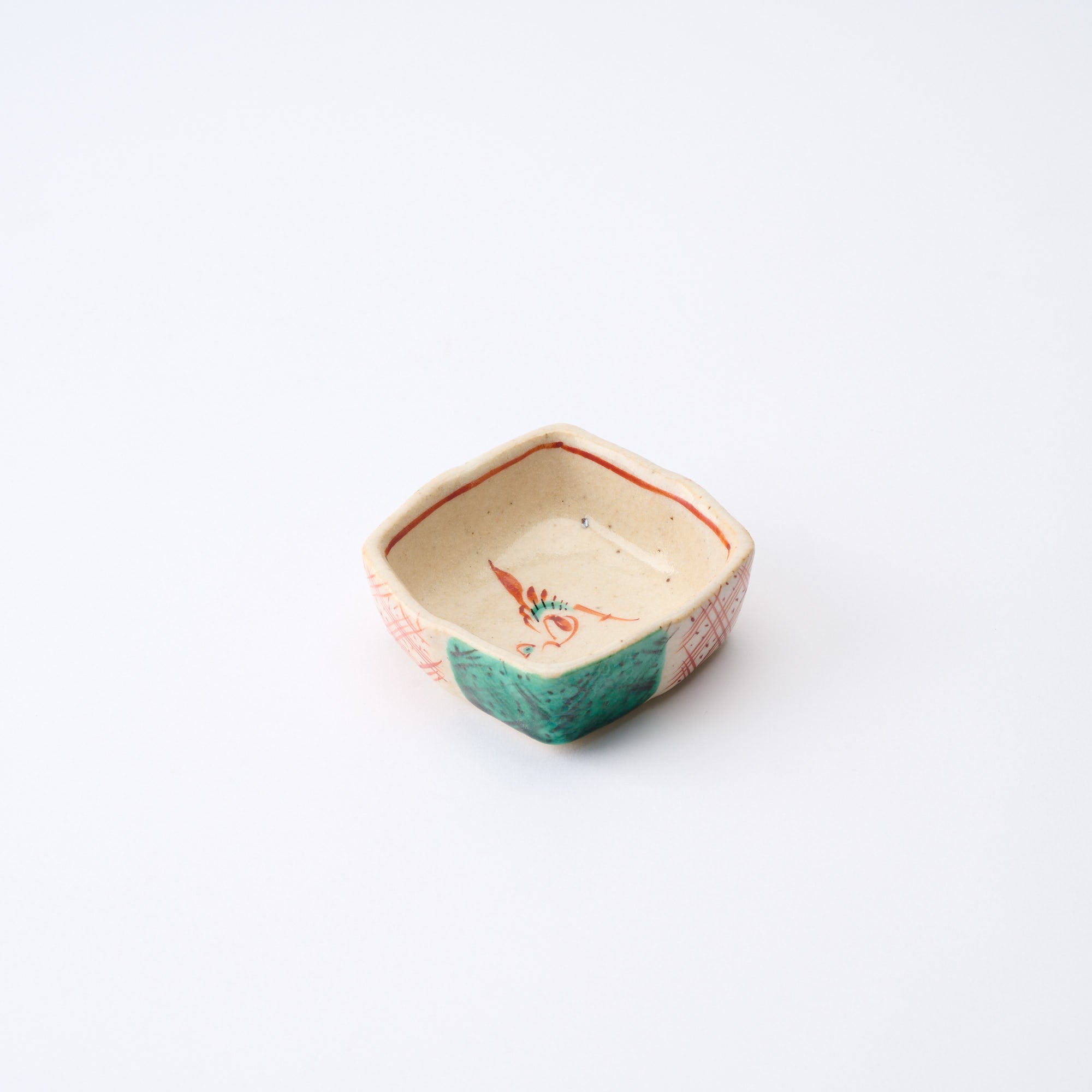
Ein lebhaftes rotes Gittermuster bildet detaillierte Rauten auf dem weichen, warmen Steinzeugkörper und verleiht diesem Saucenschälchen eine lebendige und zugleich erdverbundene Präsenz. Dieses traditionelle Rautenmotiv, bekannt als matsukawa-bishi und benannt nach seiner Ähnlichkeit mit Kiefernrinde, trägt eine glückverheißende Bedeutung. Die Kiefer, ein immergrüner Baum, gilt in Japan seit langem als Symbol für Langlebigkeit, weshalb dieses Muster seit Jahrhunderten in Textilien und dekorativen Künsten geschätzt wird.
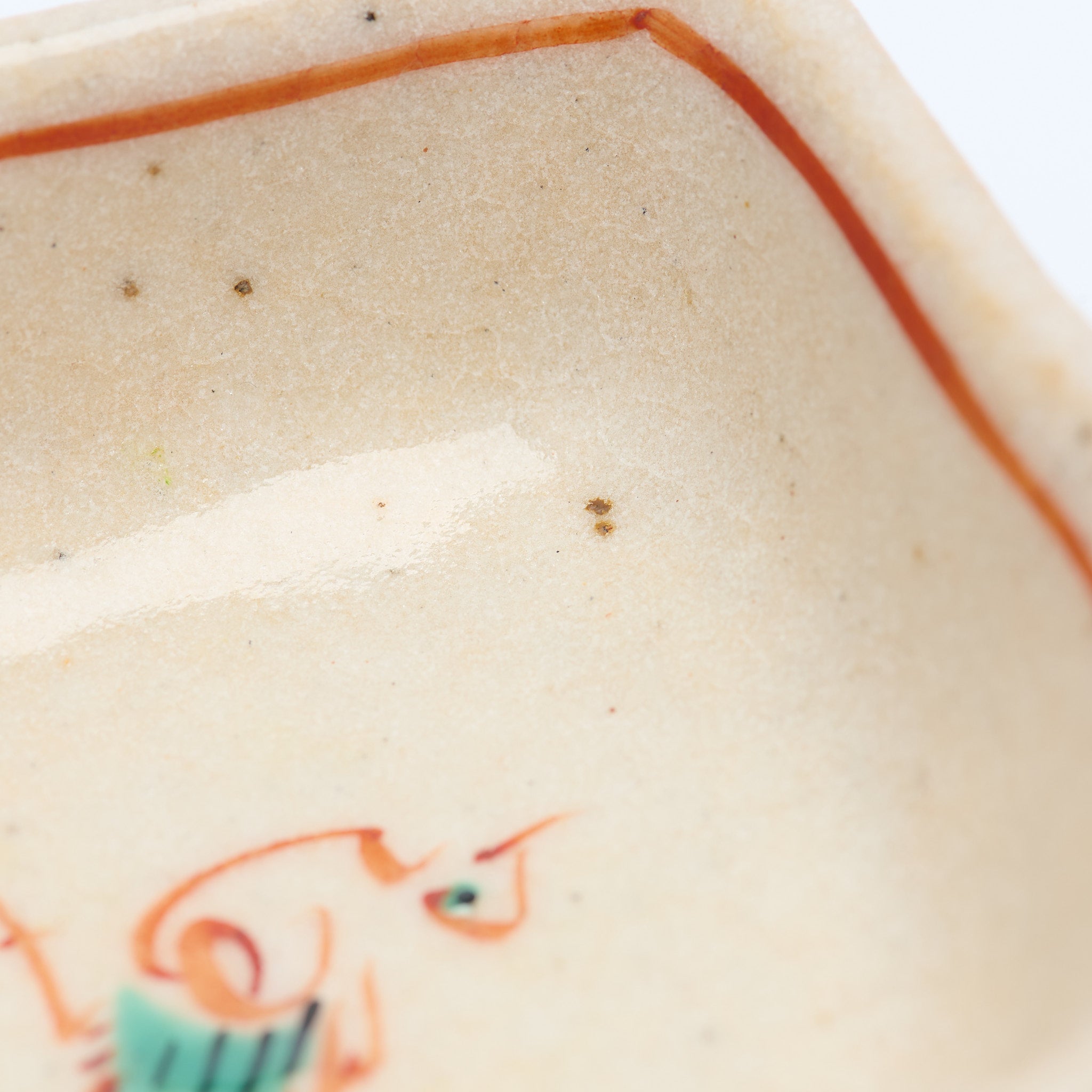
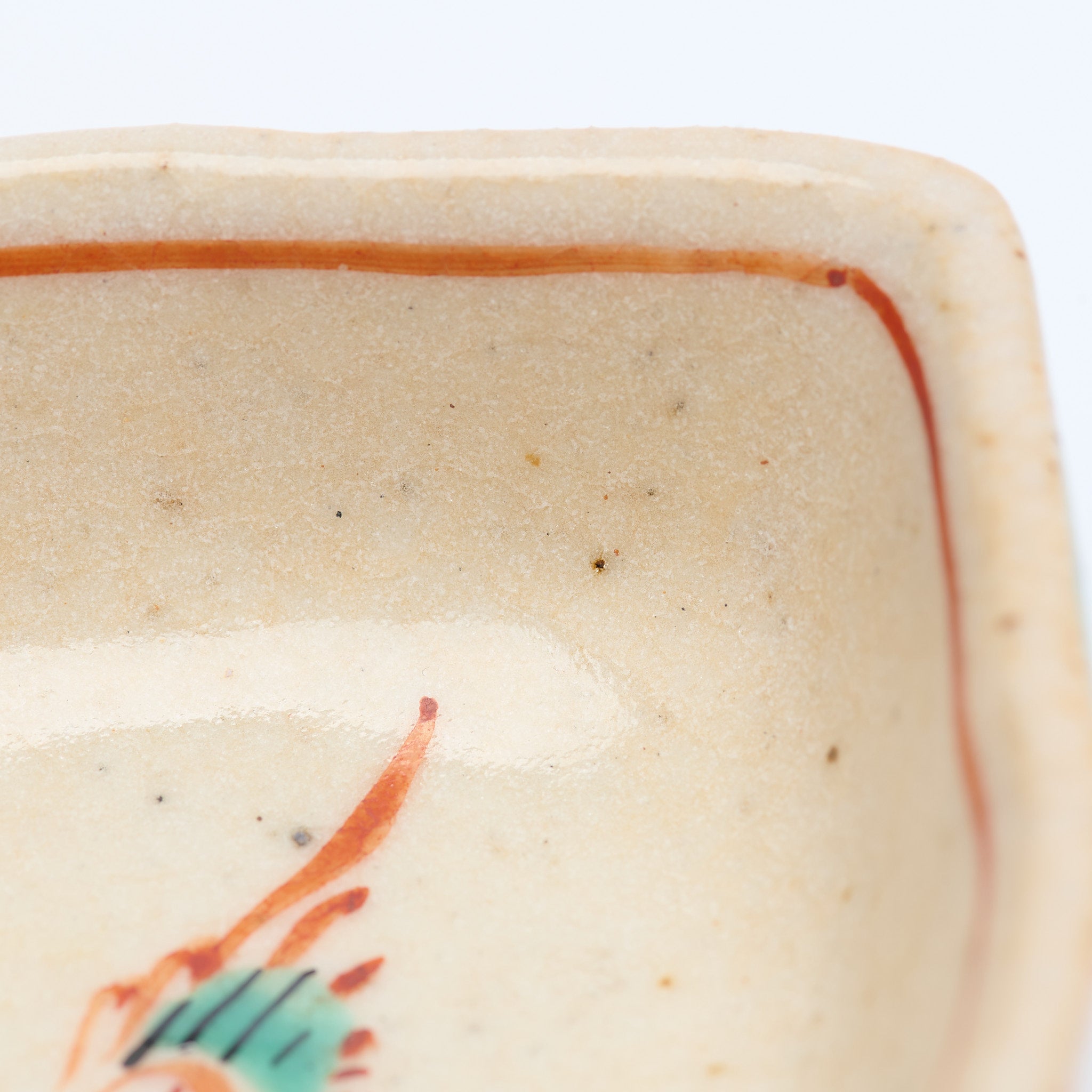
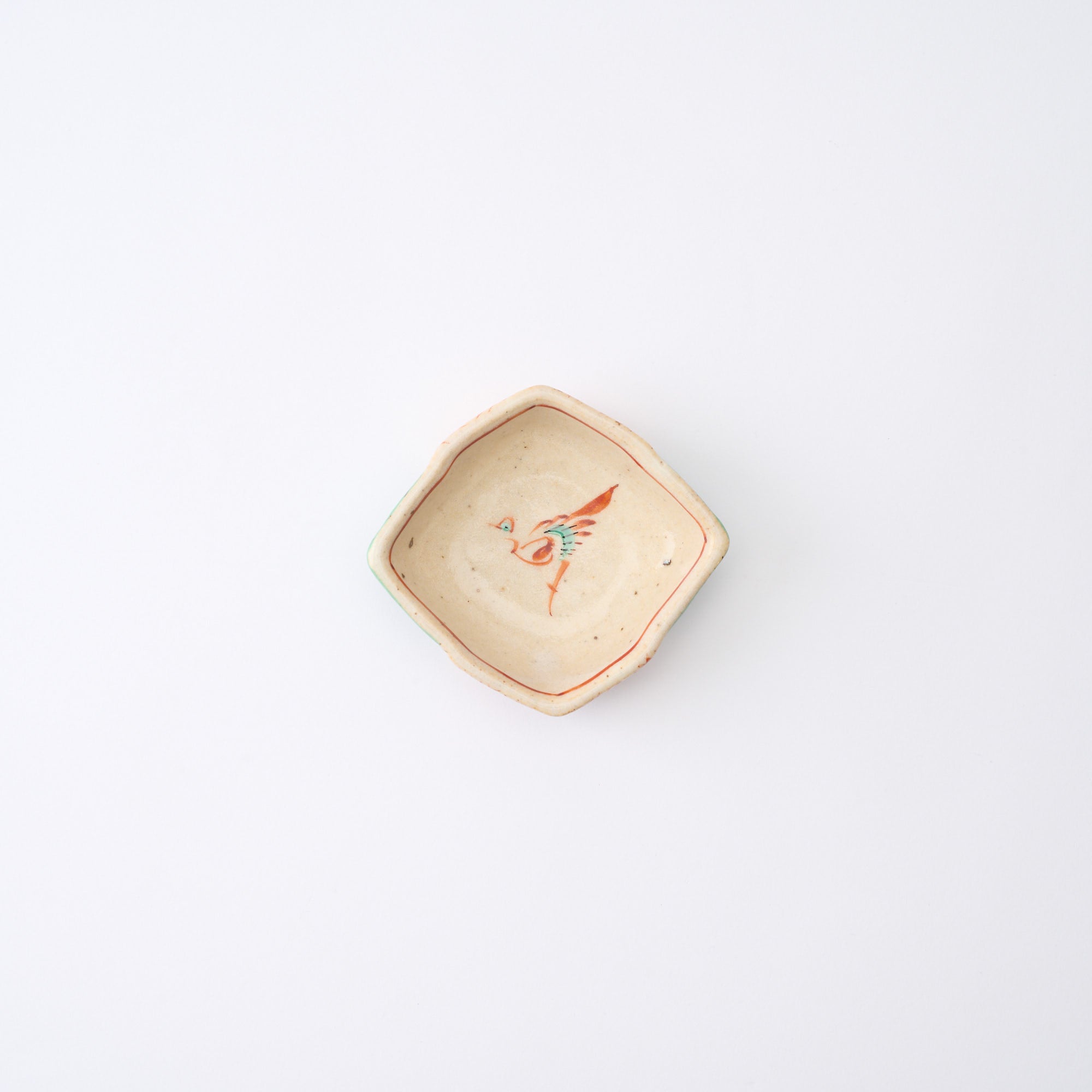
Die Dekoration wird in akaeausgeführt, unter Verwendung des von der Zoho-Brennerei speziell entwickelten natürlichen bengara -Pigments, das aus einem nicht mehr produzierten bengara-Material hergestellt und von der Brennerei sorgfältig bewahrt wird. In weicher, fließender Pinselführung ausgeführt, verleiht das Phönixmotiv der Tellermitte Vitalität und Raffinesse.
Obwohl klein in der Größe, trägt der Teller die sanfte Wärme, die für Steinzeug charakteristisch ist. Ideal für Beilagen wie ohitashi (gekochtes und gewürztes Gemüse) oder eingelegte Gerichte sowie saisonales Obst, bringt er einen Hauch von Handwerkskunst und zurückhaltender Eleganz auf den Tisch.
EINZELHEITEN
| Quantity | 1 pc |
| Size | L 8 cm (3.1 in) x W 7.5 cm (3.0 in) x H 2.5 cm (1.0 in) |
| Weight | 110 g (3.9 oz) |
| Material | Stoneware |
| Package Type | Paper box |
| Microwave | Yes |
| Dishwasher | Yes |
Hersteller / Marke
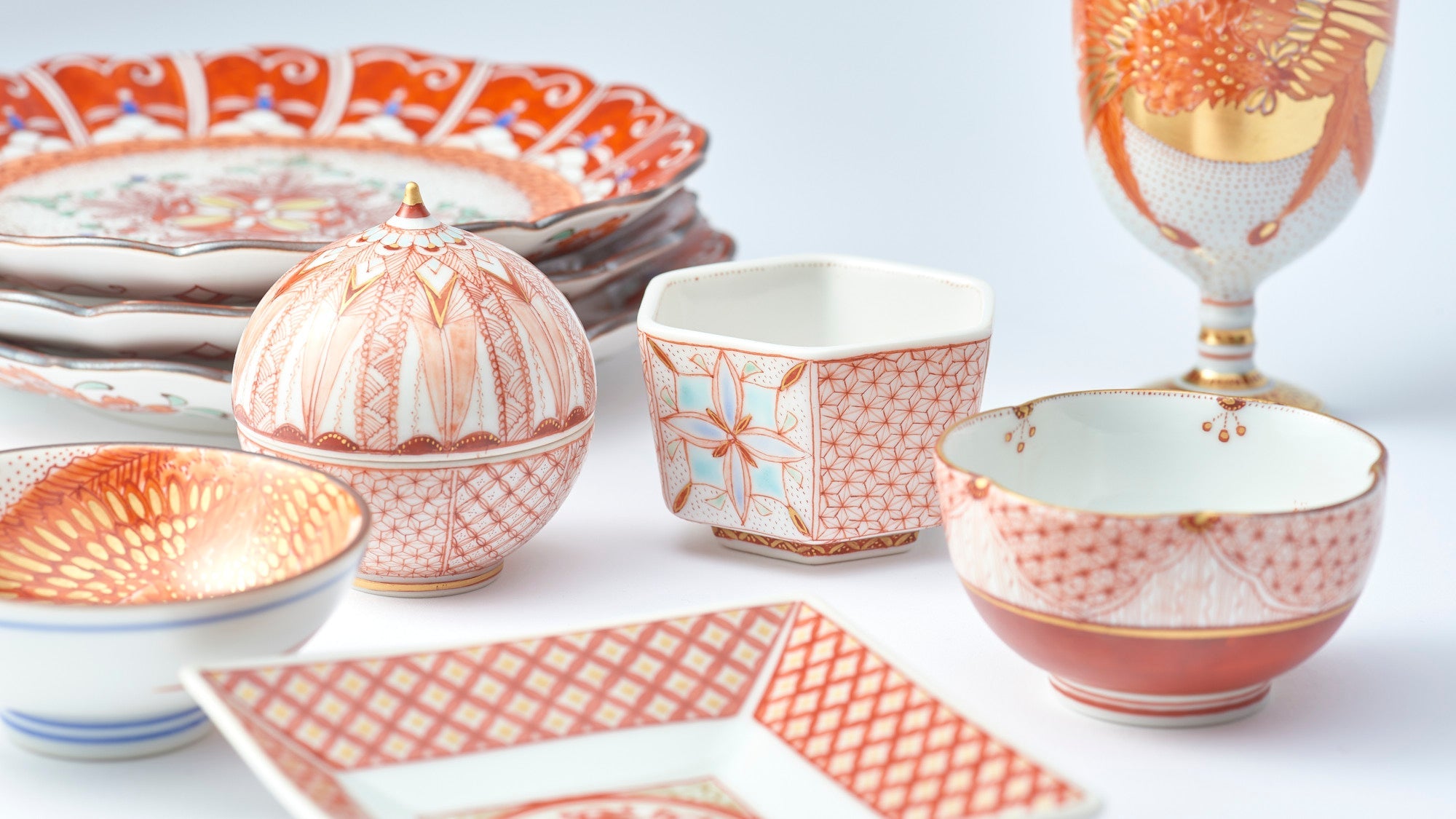
Die Zoho-Brennerei in Tajimi, Präfektur Gifu, stellt Mino-Ware her. Ihre Entwürfe orientieren sich an saisonalen Blüten und traditionellen Mustern, zugleich achten sie auf praktische Schönheit: Die Stücke liegen gut in der Hand und präsentieren Speisen mit Anmut.
Die Zoho-Brennerei legt besonderen Wert auf bengara, das charakteristische rote Pigment ihrer akae-Dekore, der Überglasur-Emailmalerei in Rot. Das satte Rot auf dem Porzellan gewinnt mit der Zeit und dem Gebrauch an Tiefe und wird schöner – die ästhetische Erfahrung wächst.
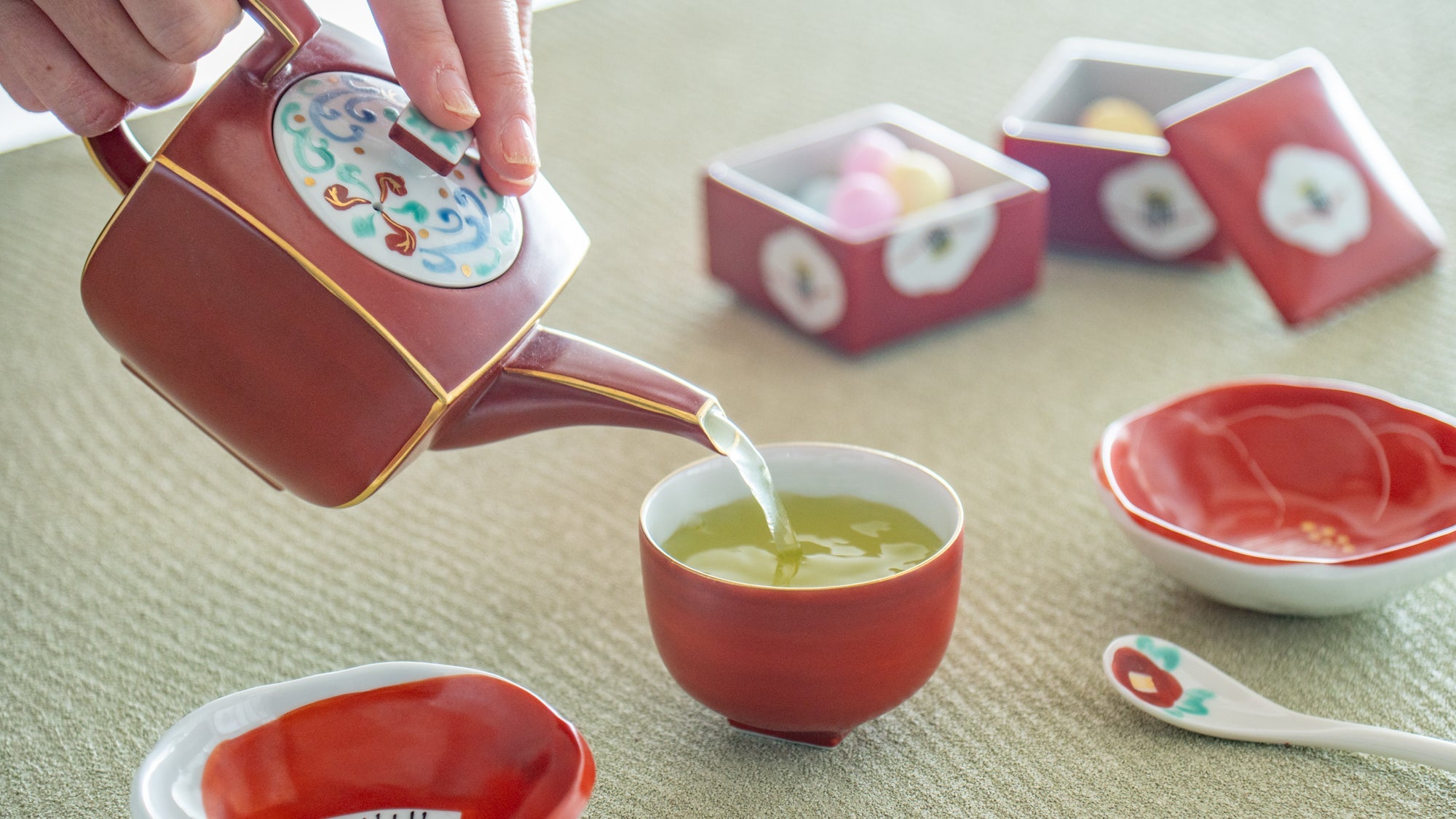
Kunsthandwerk
Mino-Ware, die in der Region Tono in der Präfektur Gifu hergestellt wird, ist in der japanischen Töpferei für ihr reiches Erbe und ihre Vielseitigkeit bekannt. Sie umfasst über fünfzehn verschiedene Stile und ist damit vielfältiger als viele andere japanische Keramiken.
Mittlerweile macht Mino-Keramik über 50 Prozent der japanischen Keramikproduktion aus und ist unübertroffen beliebt. Mino-Keramik wurde 1978 als traditionelles Handwerk anerkannt und spiegelt eine Mischung aus historischer Tiefe und moderner Relevanz wider – ein Beispiel für außergewöhnliche Handwerkskunst.
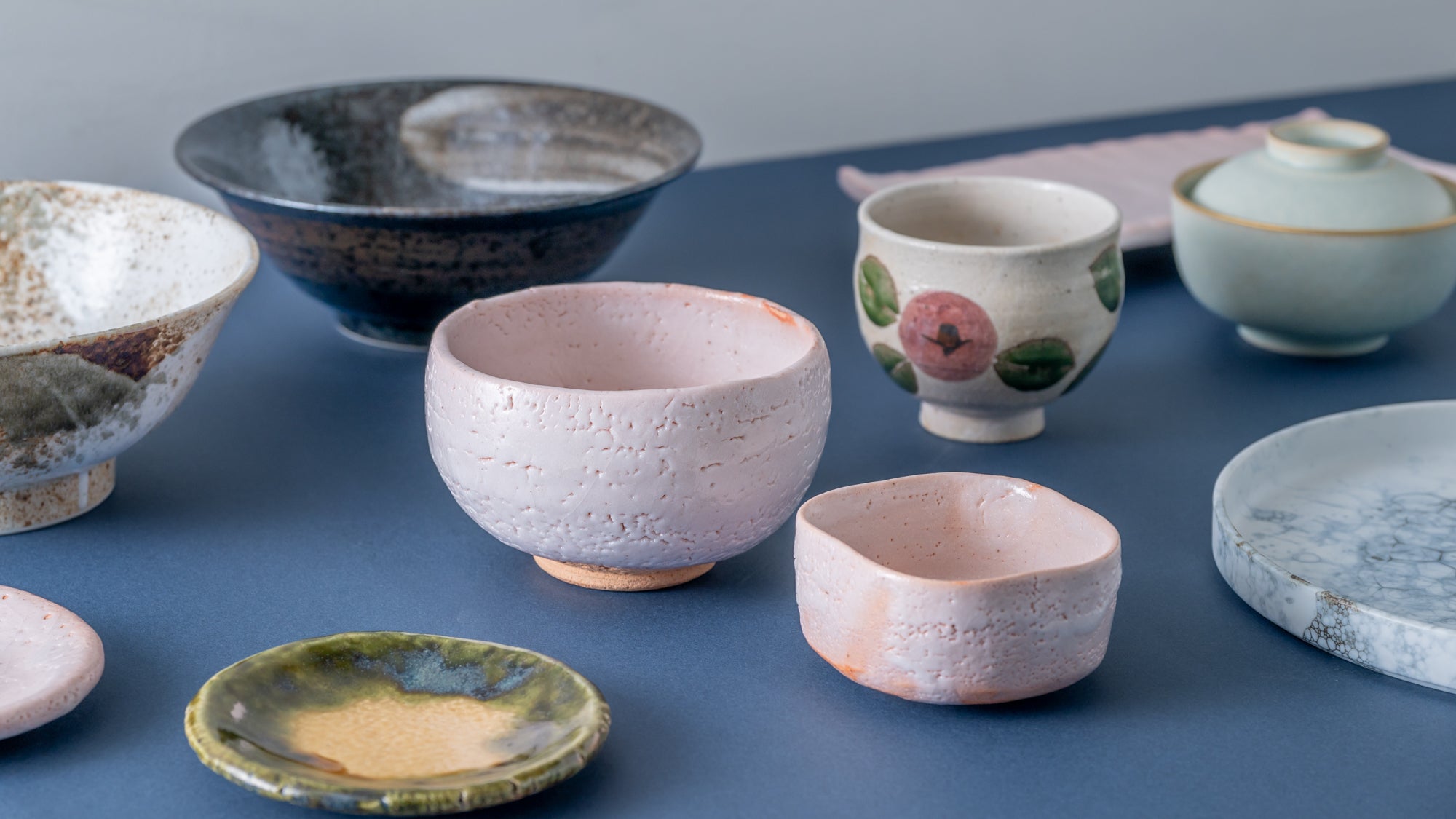
Wie man sich kümmert
Anmerkungen
Optionen auswählen
Estimated Shipping Widget will be displayed here!
Soßenteller
Unsere Kollektion japanischer Saucenteller reicht von elegant bis kawaii und ist perfekt, wenn Sie etwas Kleines, aber Vielseitiges für Ihren Esstisch suchen. Die Schalen haben die passende Größe für Sojasauce und andere Beilagen zu Sushi oder Nudeln und eignen sich auch perfekt für mundgerechte Käse-, Nuss- und Vorspeisenhäppchen. Ein Must-have für jede Mahlzeit.
In diese Kategorie fallen Teller mit einem Durchmesser unter 12,9 cm (5,1 Zoll).
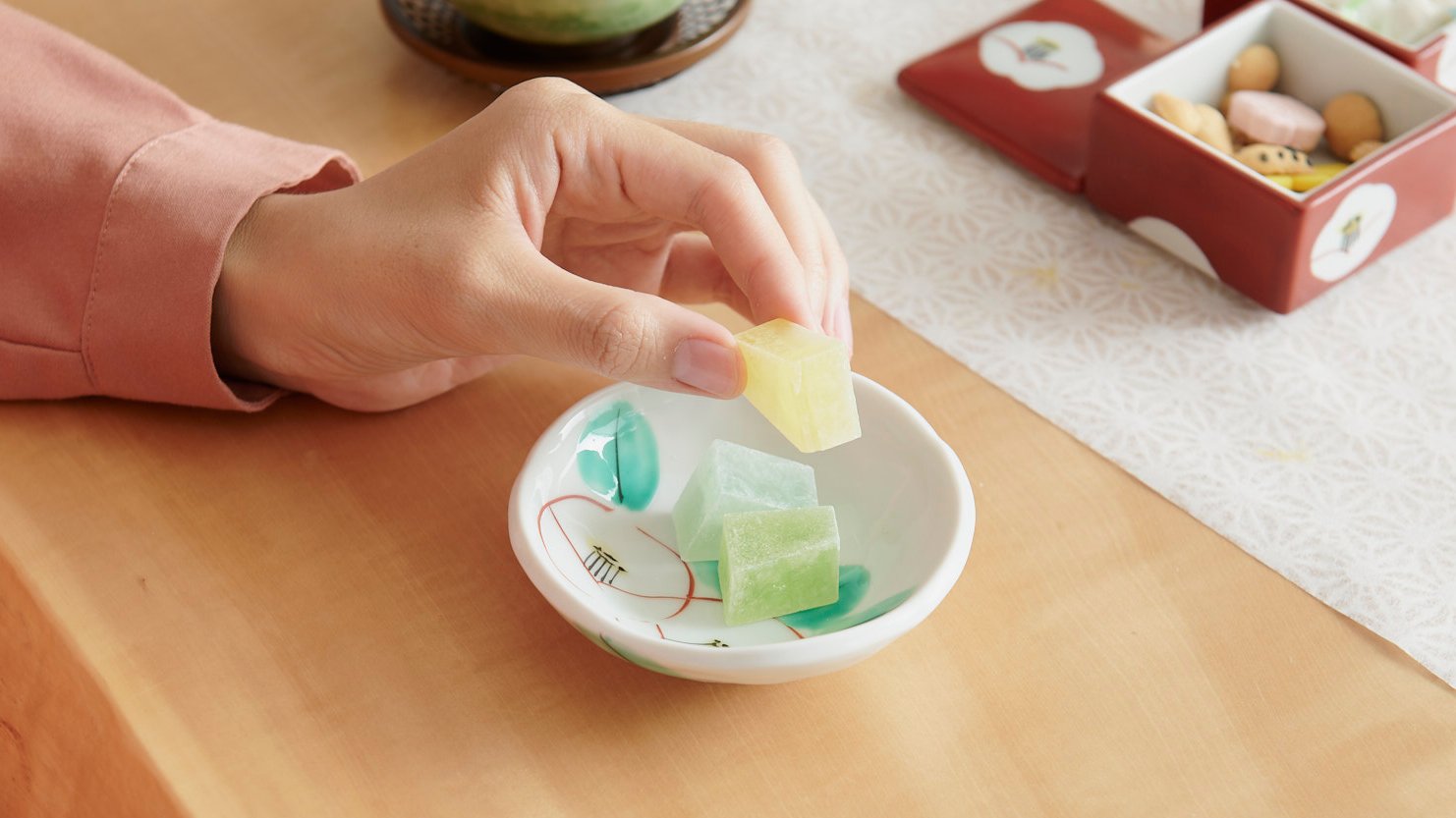
Akae
Akae, oder Rotmalerei, ist eine Aufglasurdekoration, bei der hauptsächlich Rot verwendet wird, ergänzt durch Farben wie Grün, Lila und Blau. In China entstand dieser Stil während der Song-Dynastie (960–1279 n. Chr.), während er in Japan während der Shoho-Ära (1644–1648 n. Chr.) von Sakaida Kakiemon eingeführt wurde und später seinen Platz in der Kutani-Ware fand.
Aus Kutani-Porzellan, akae-saibyo ist besonders berühmt. Akae-saibyo bedeutet wörtlich „feine Malerei in Rot“. Mit einem extrem feinen Pinsel wird jede Linie mit exquisiter Detailliertheit auf die Oberfläche des Gefäßes gezeichnet, wodurch atemberaubend komplizierte Muster entstehen.