

Verheißungsvoller Akae Guinomi Sake Cup
Ships from Japan · Free shipping on orders over $250 USD
Estimated Shipping Widget will be displayed here!
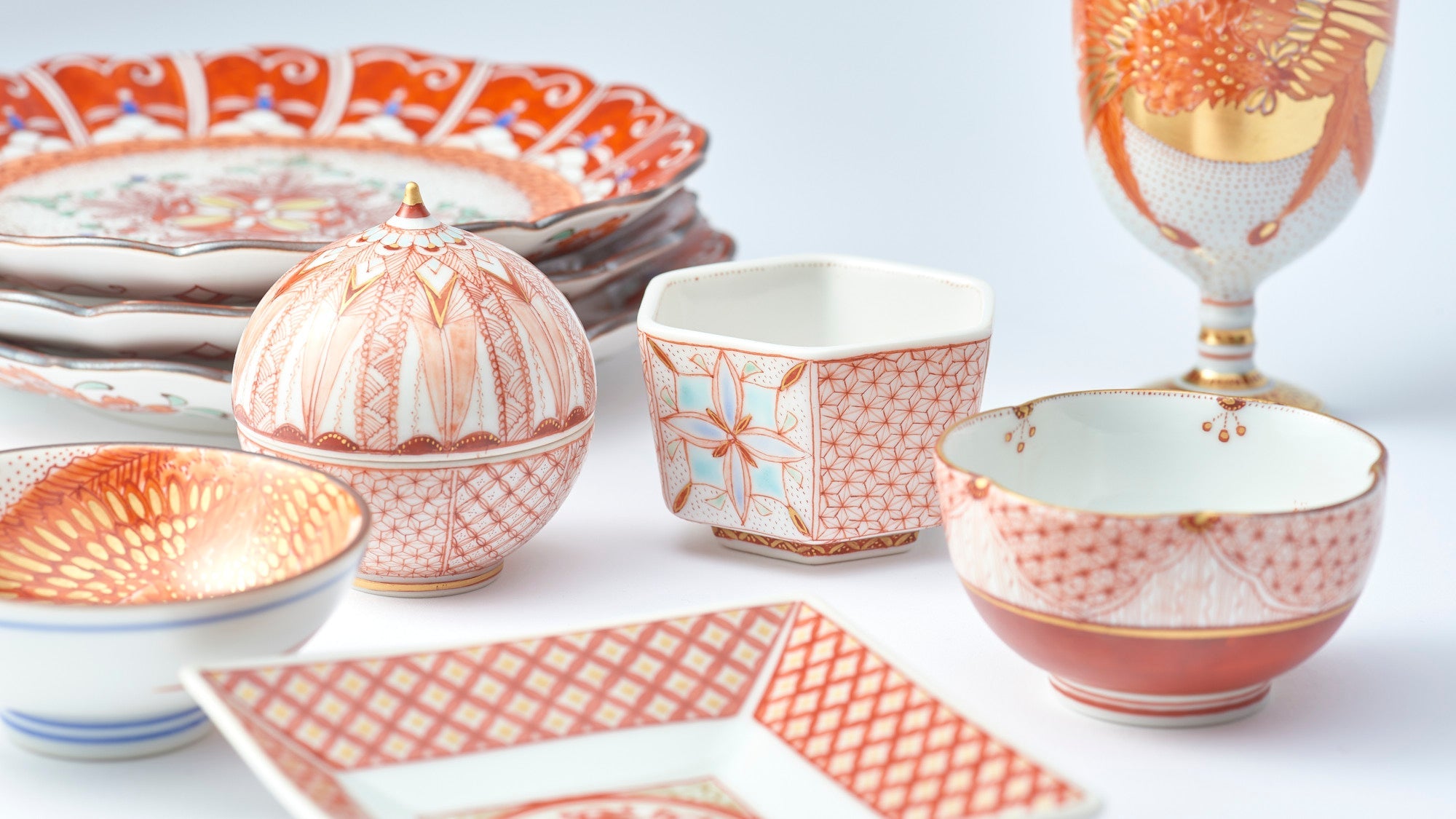
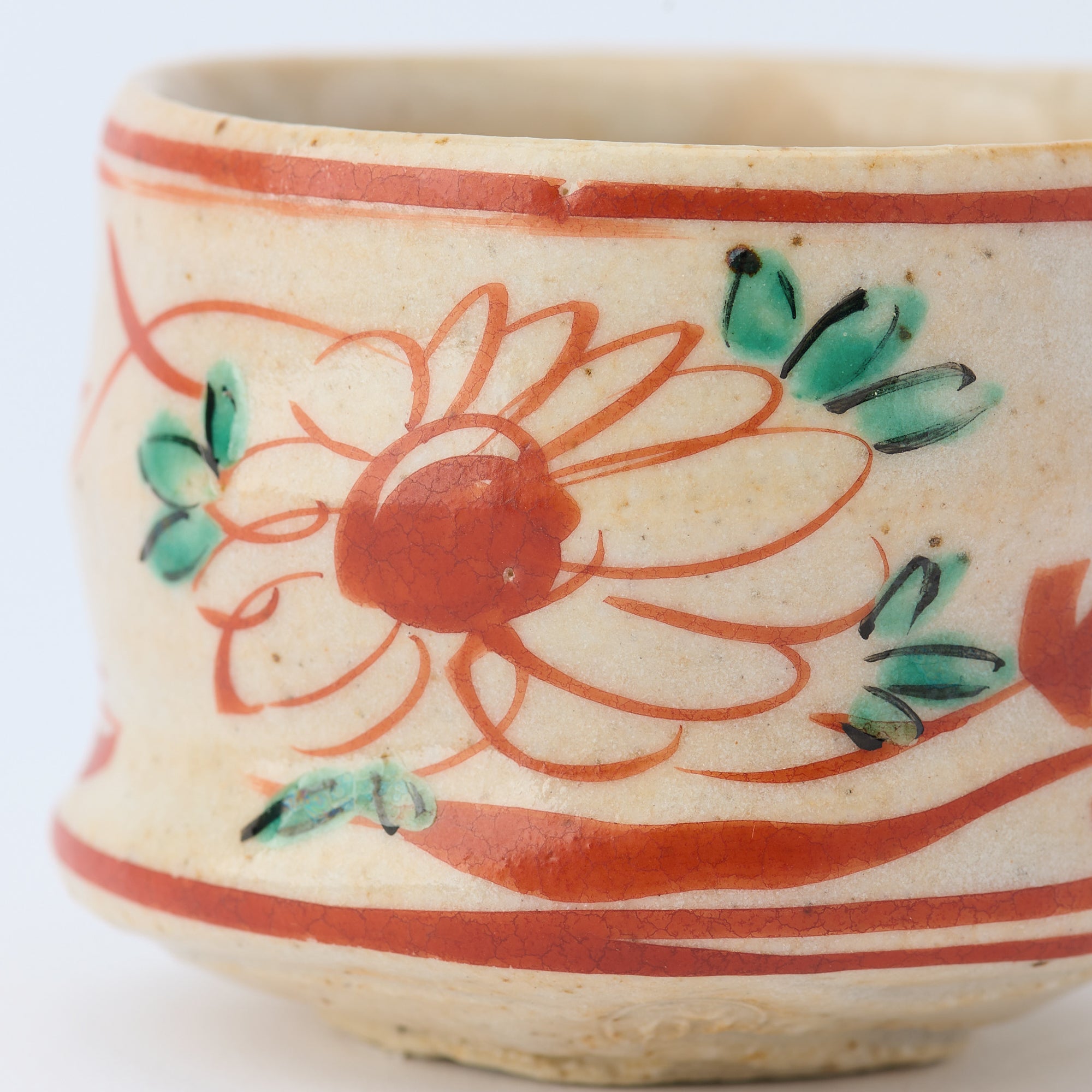
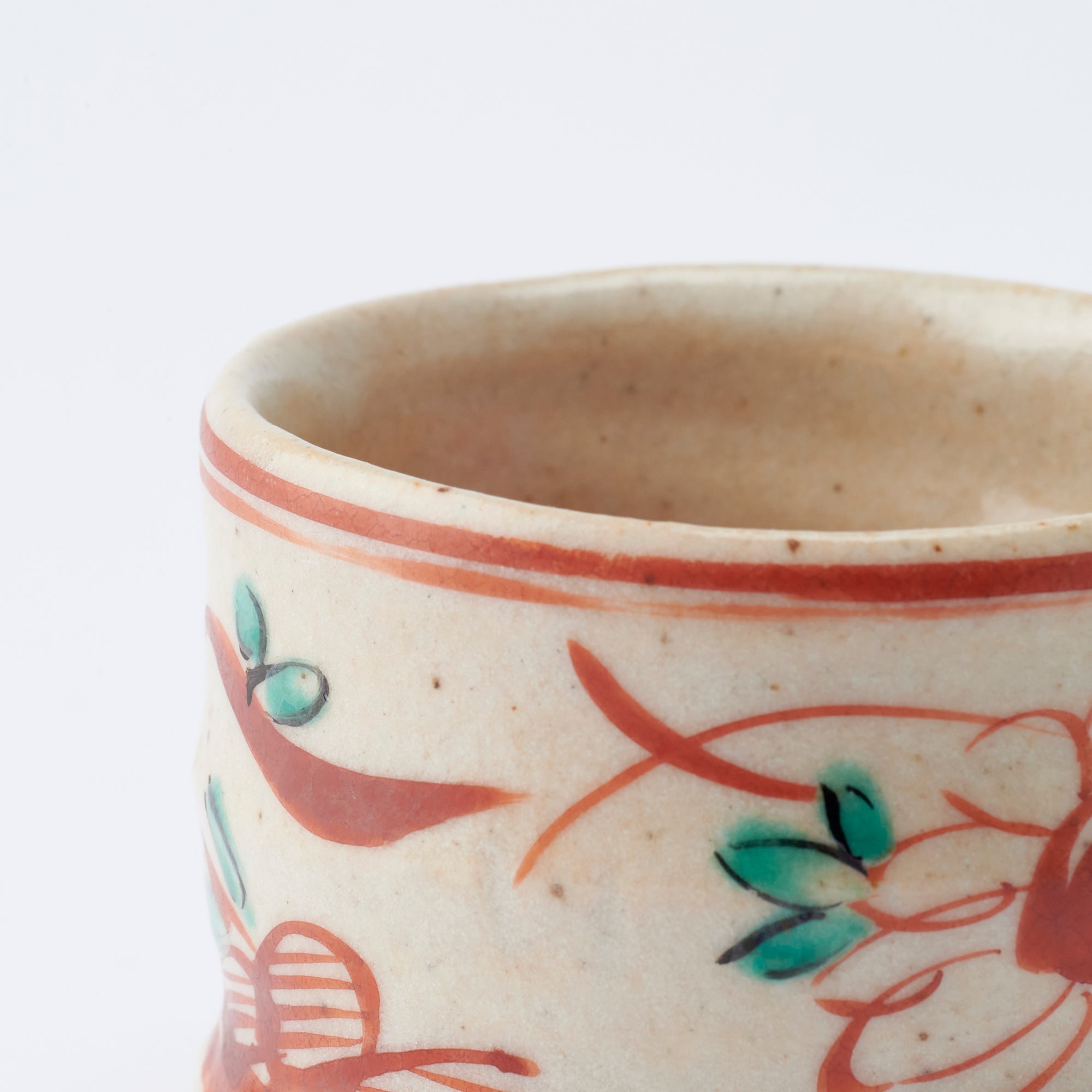
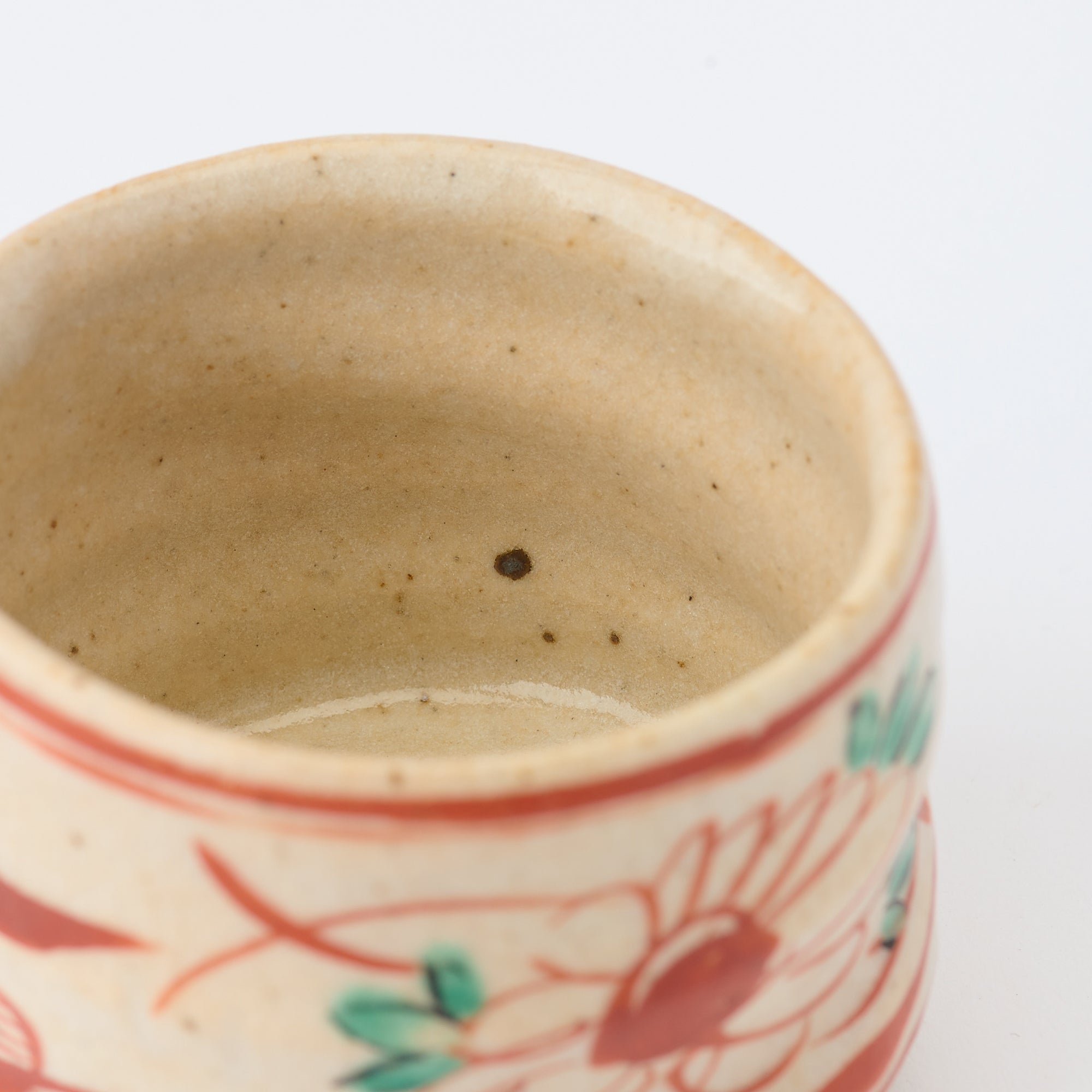
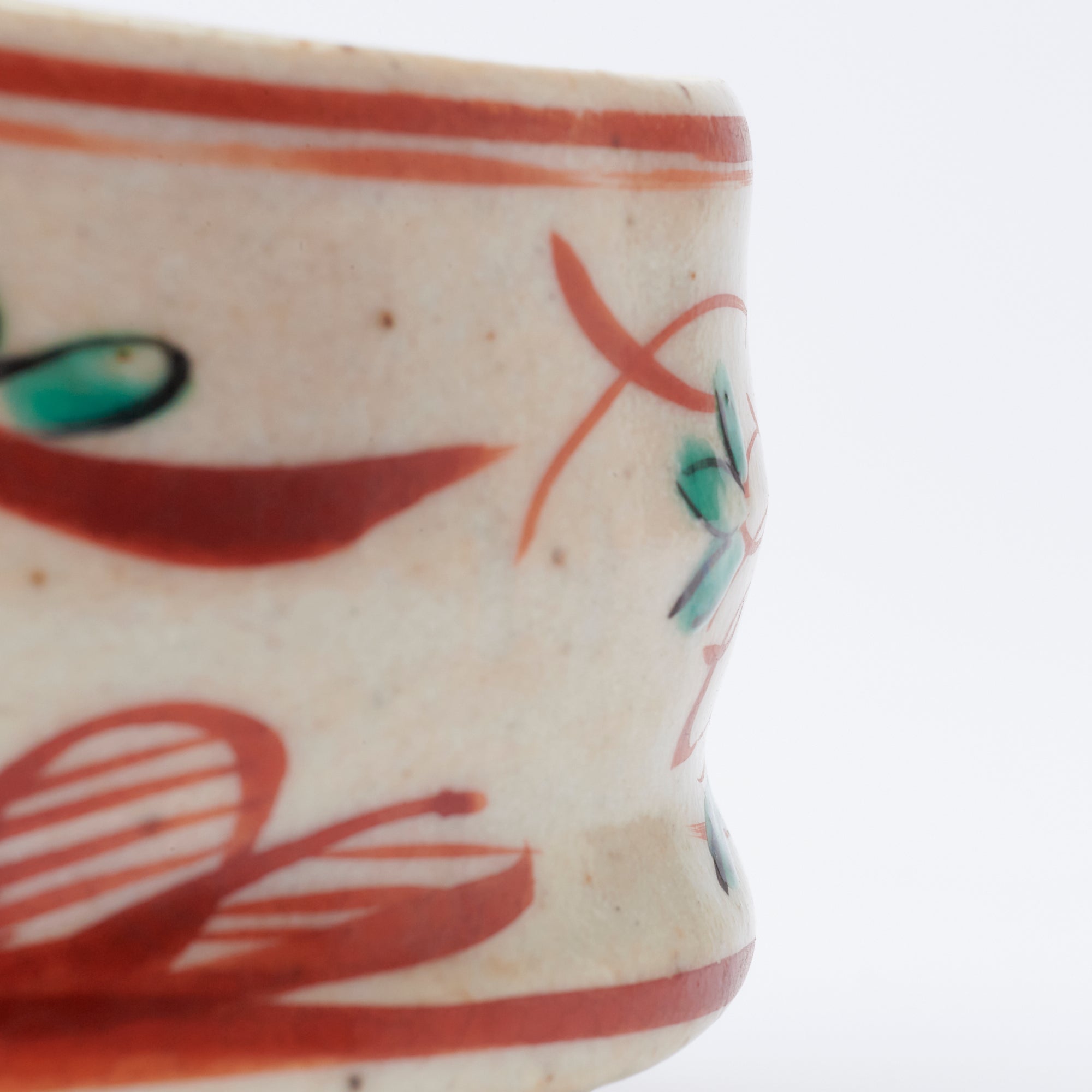
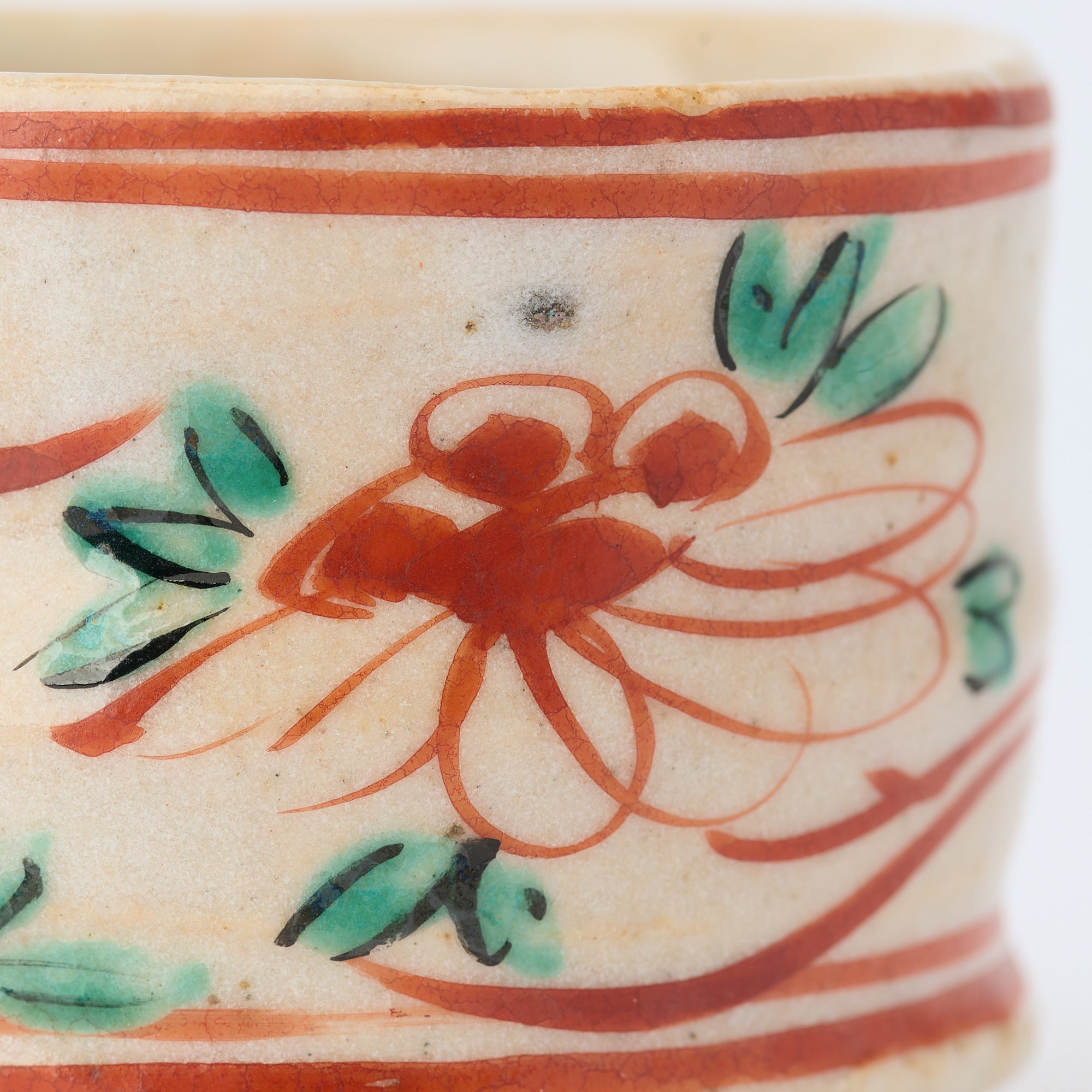
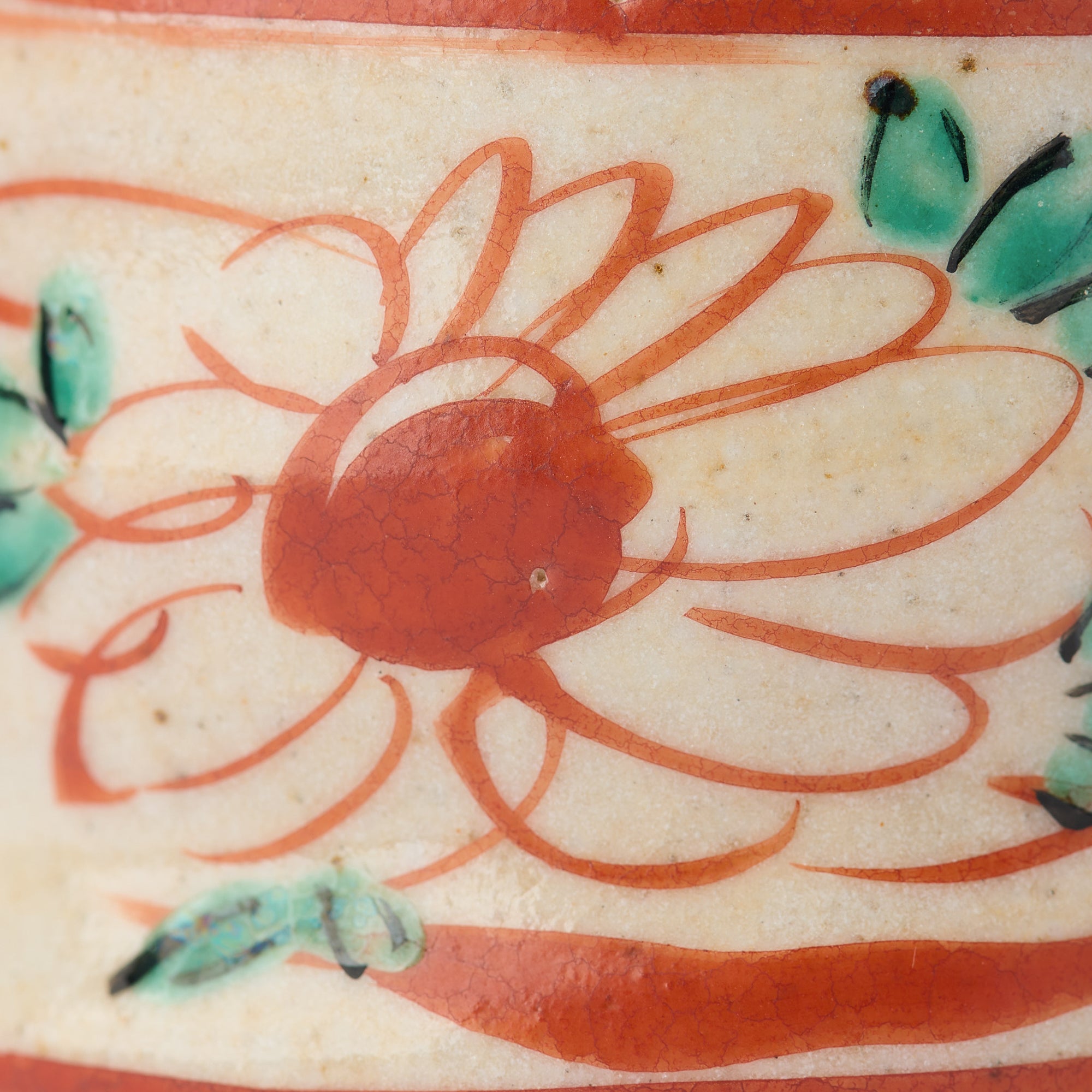
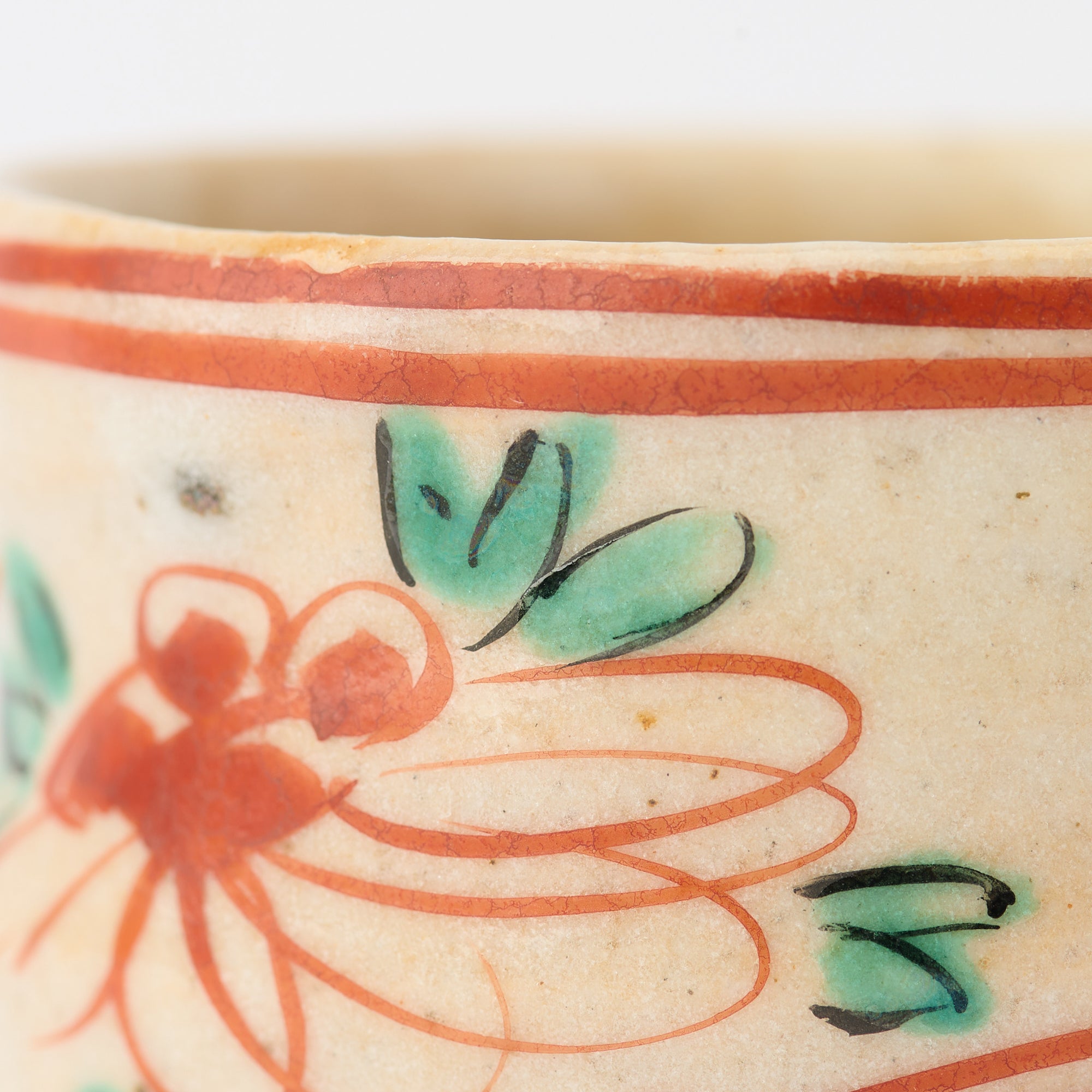
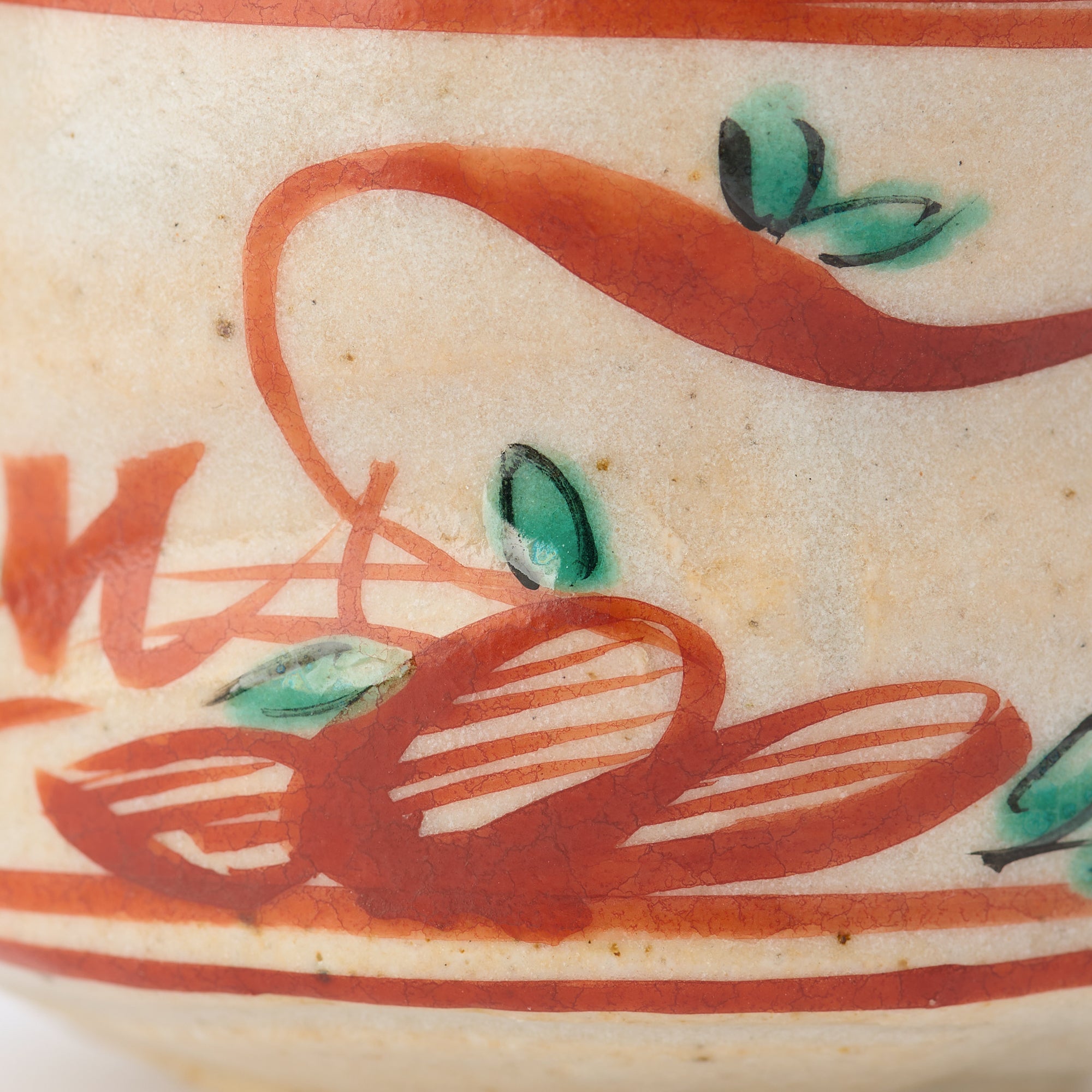
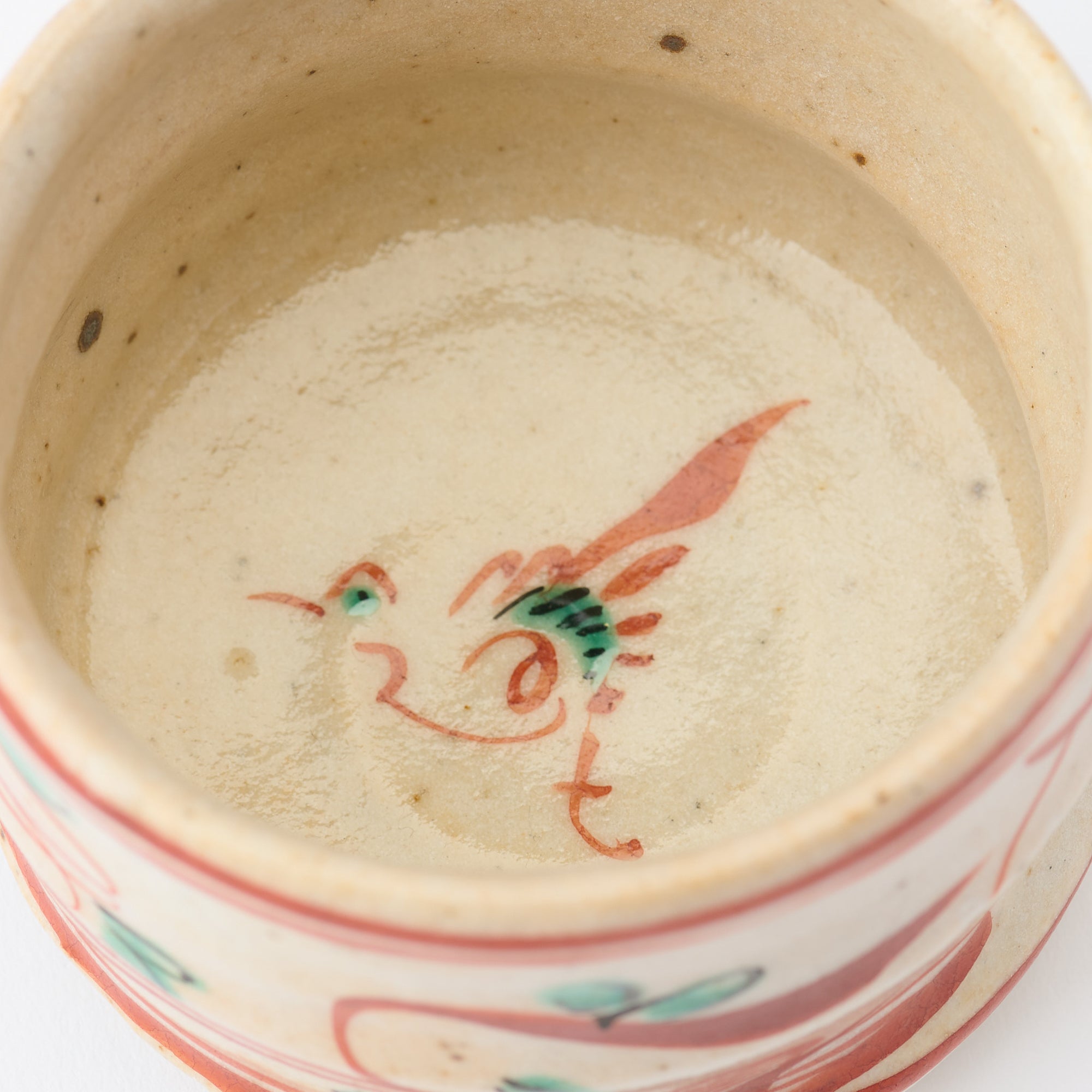
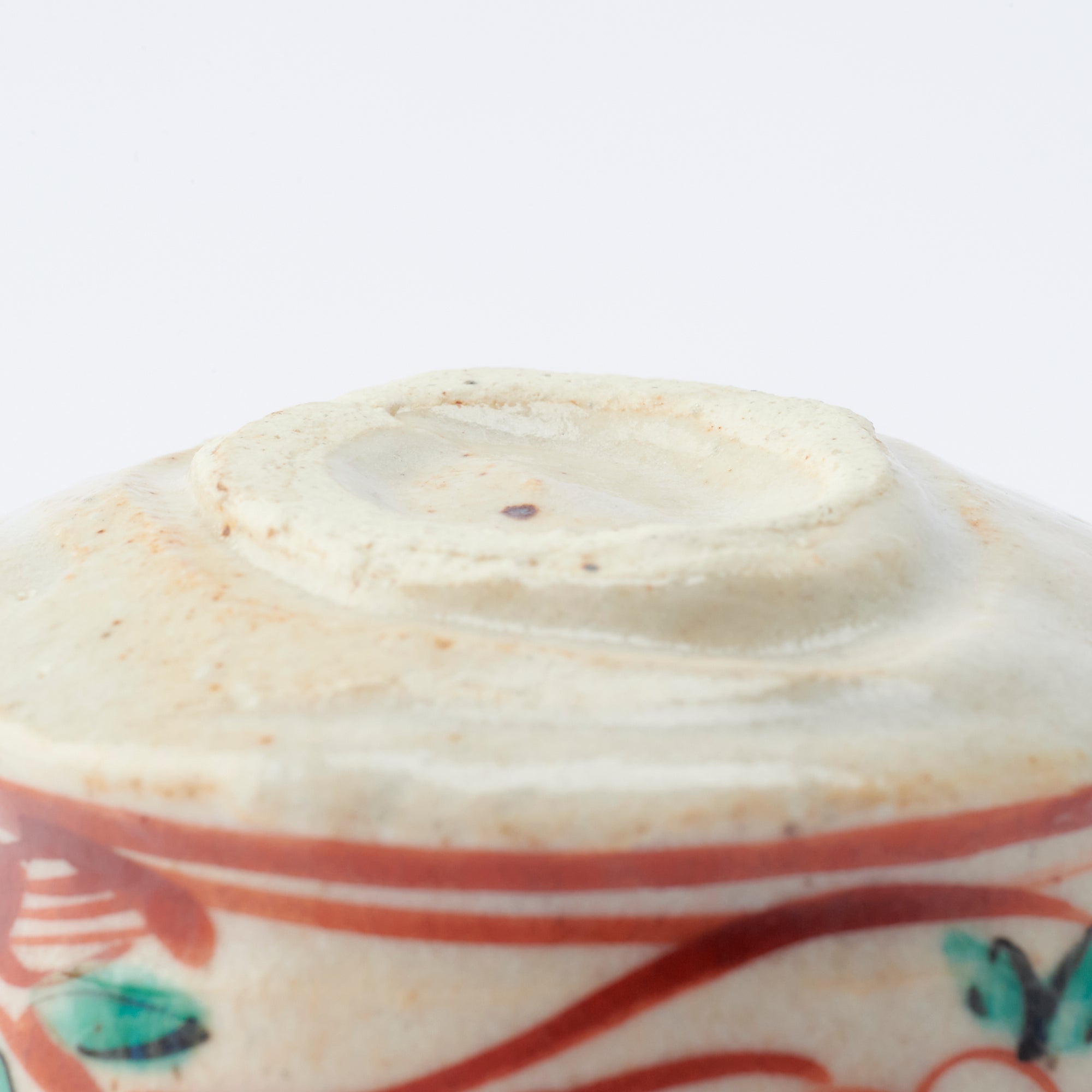
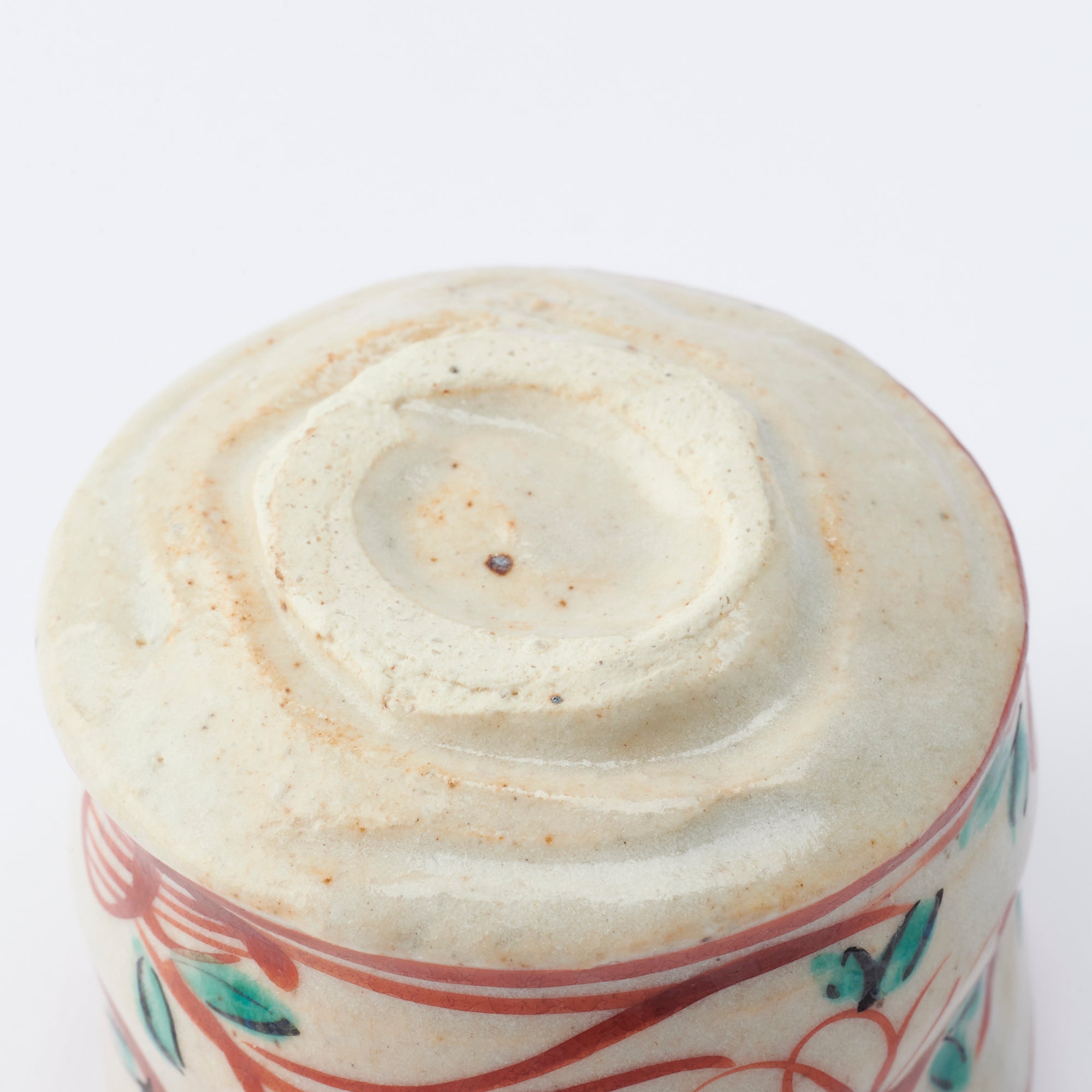
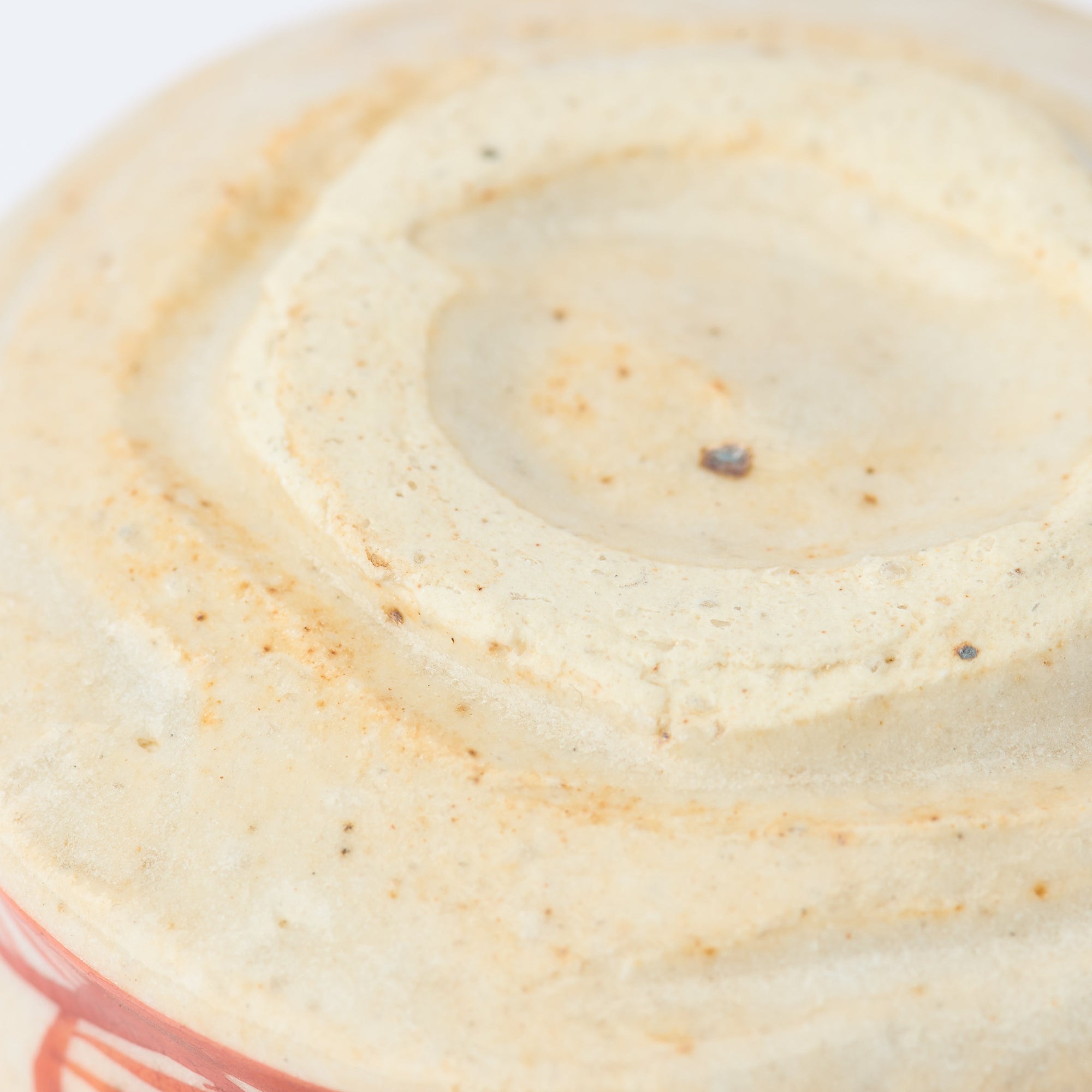
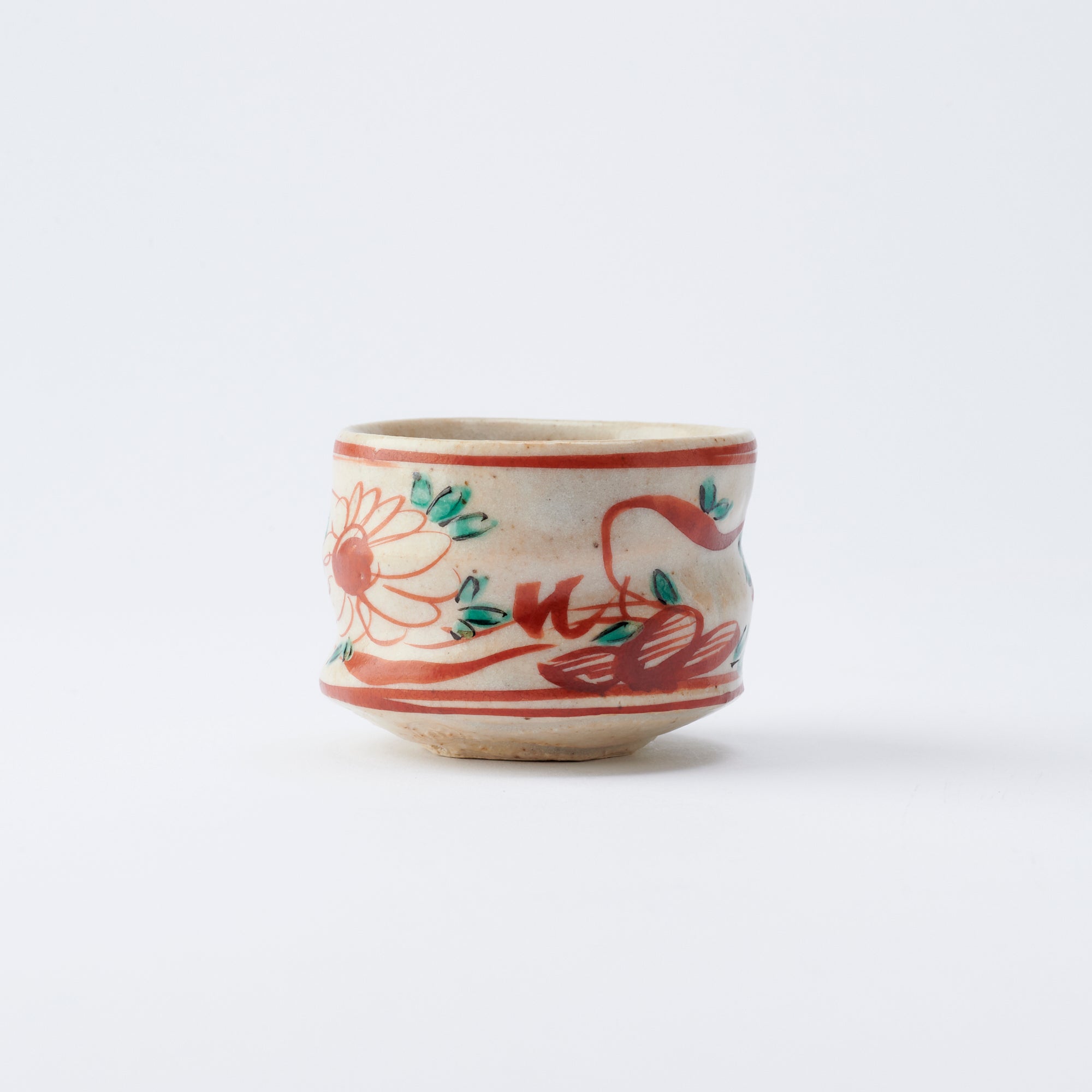
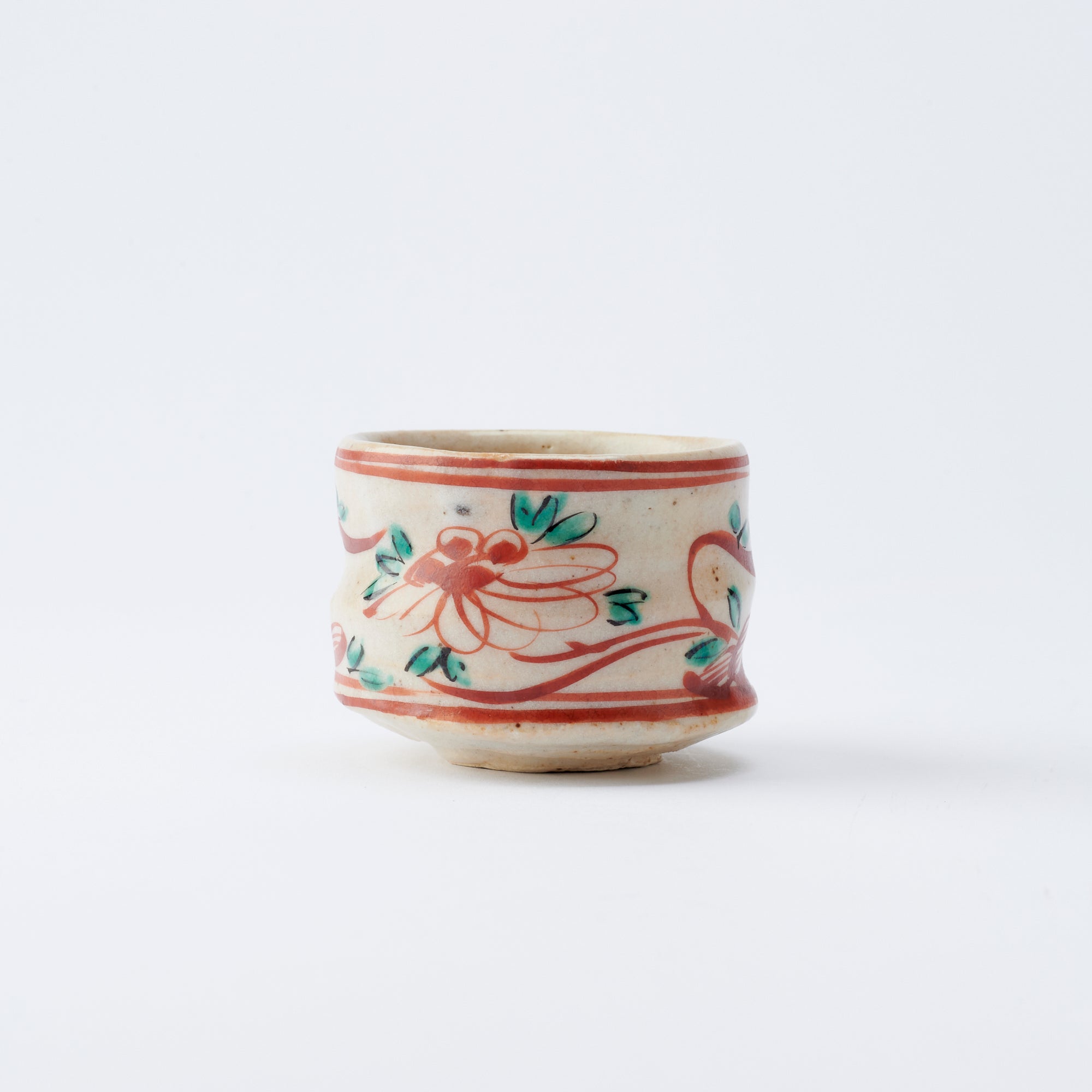
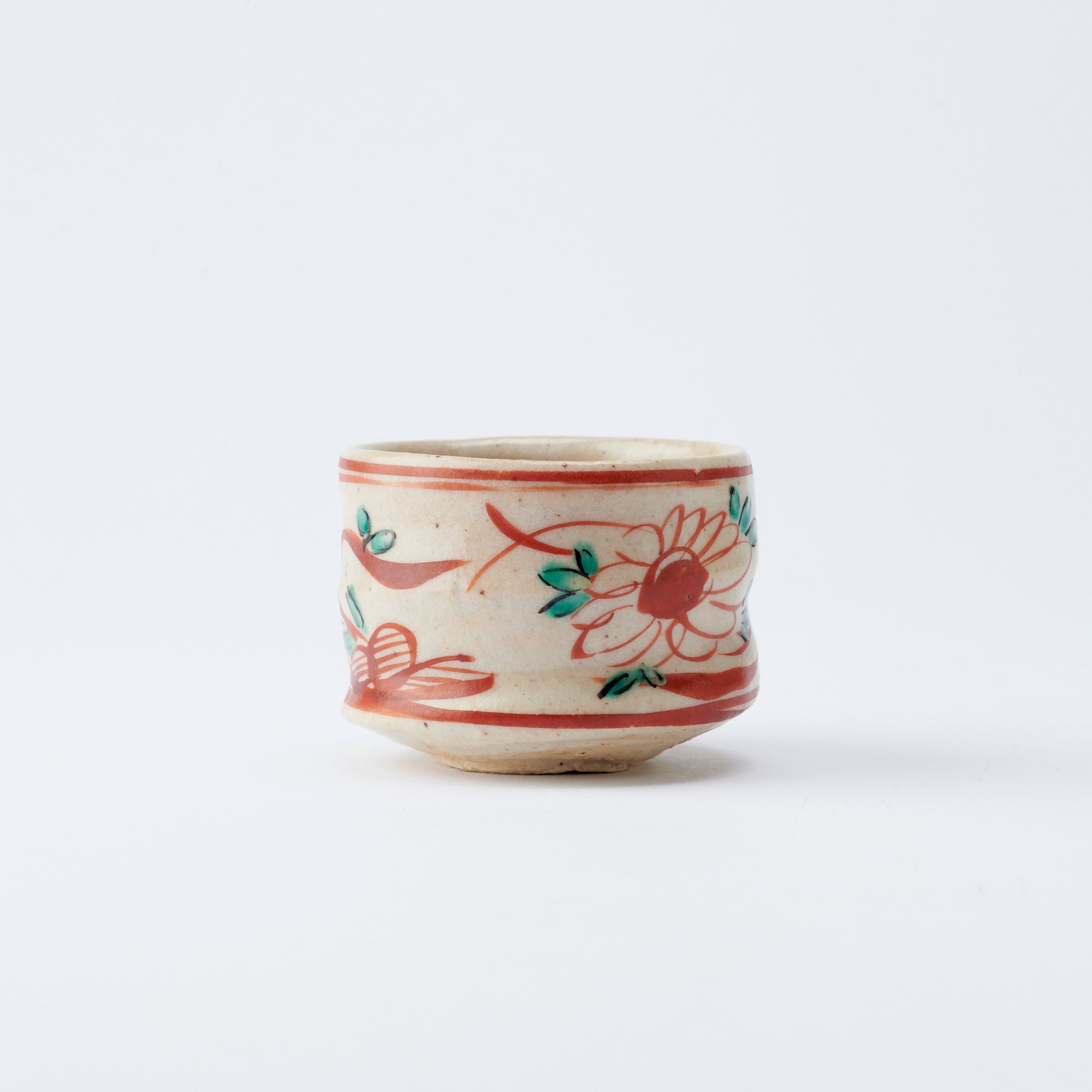
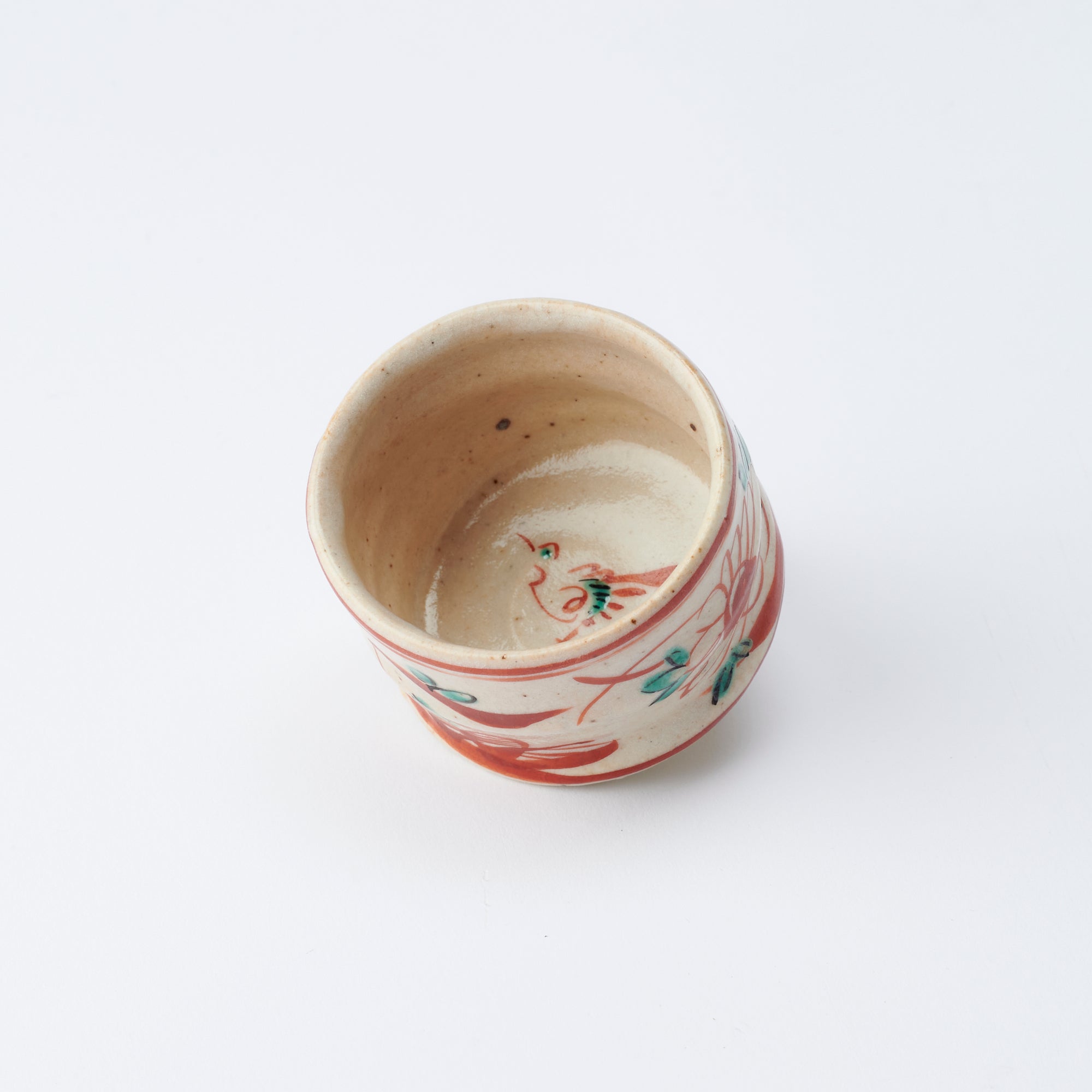
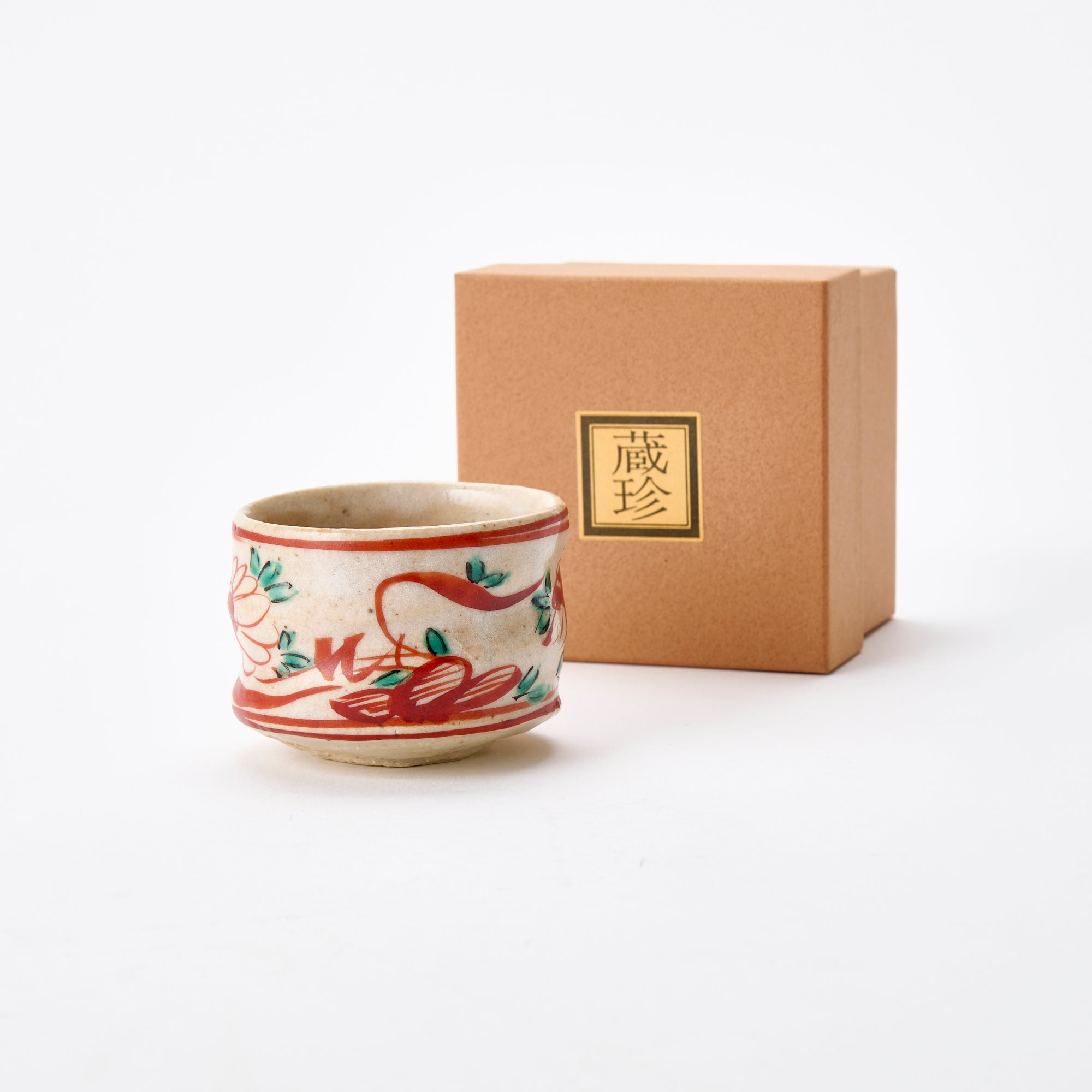
Lebendige Phönix- und Pfingstrosenmotive ziehen den Blick auf diesen sorgfältig gefertigten Guinomi Sake-Becher. Seine Form liegt natürlich in der Hand und lässt die Wärme des Steinzeugs und die Feinheit der detaillierten Pinselführung aus der Nähe erfahren.
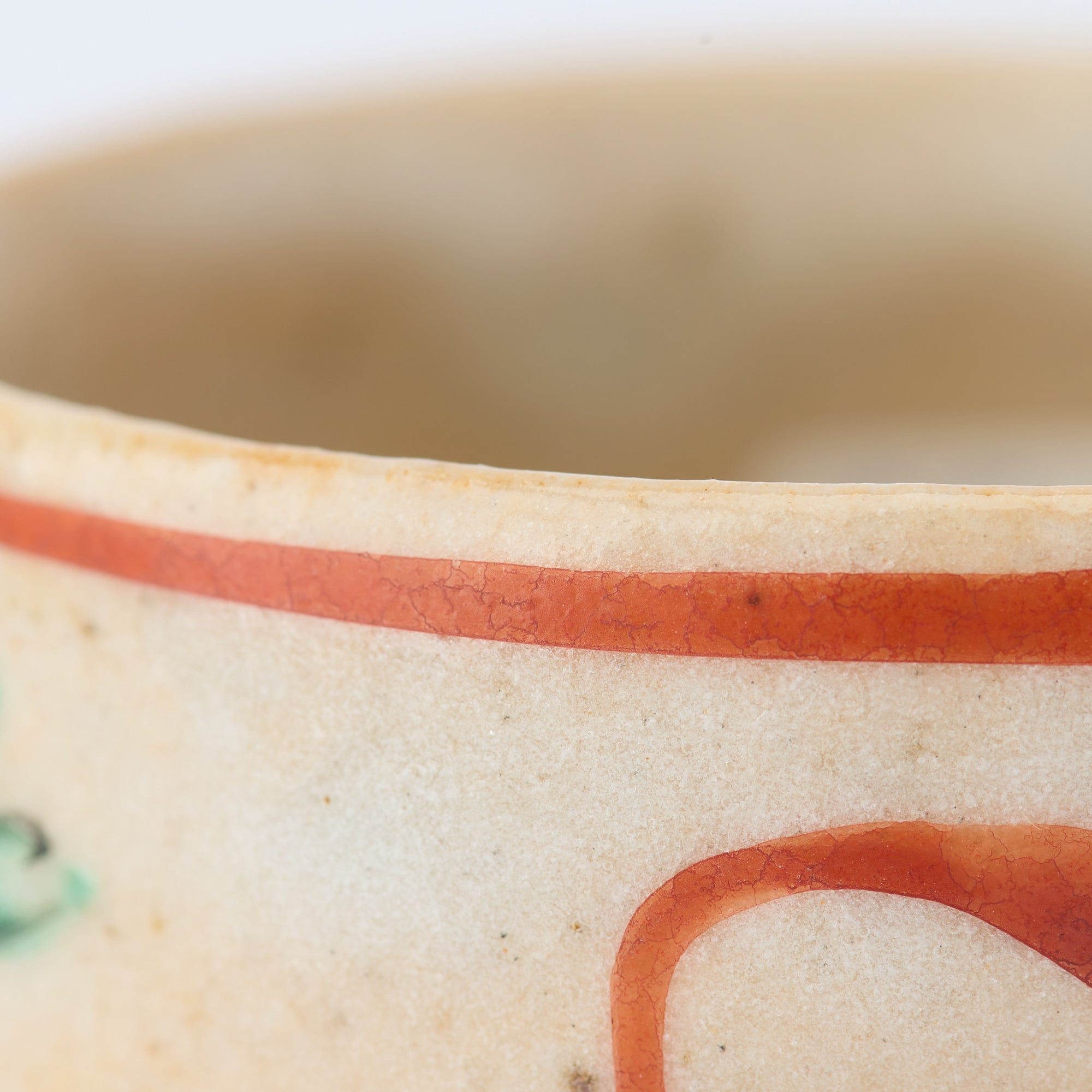
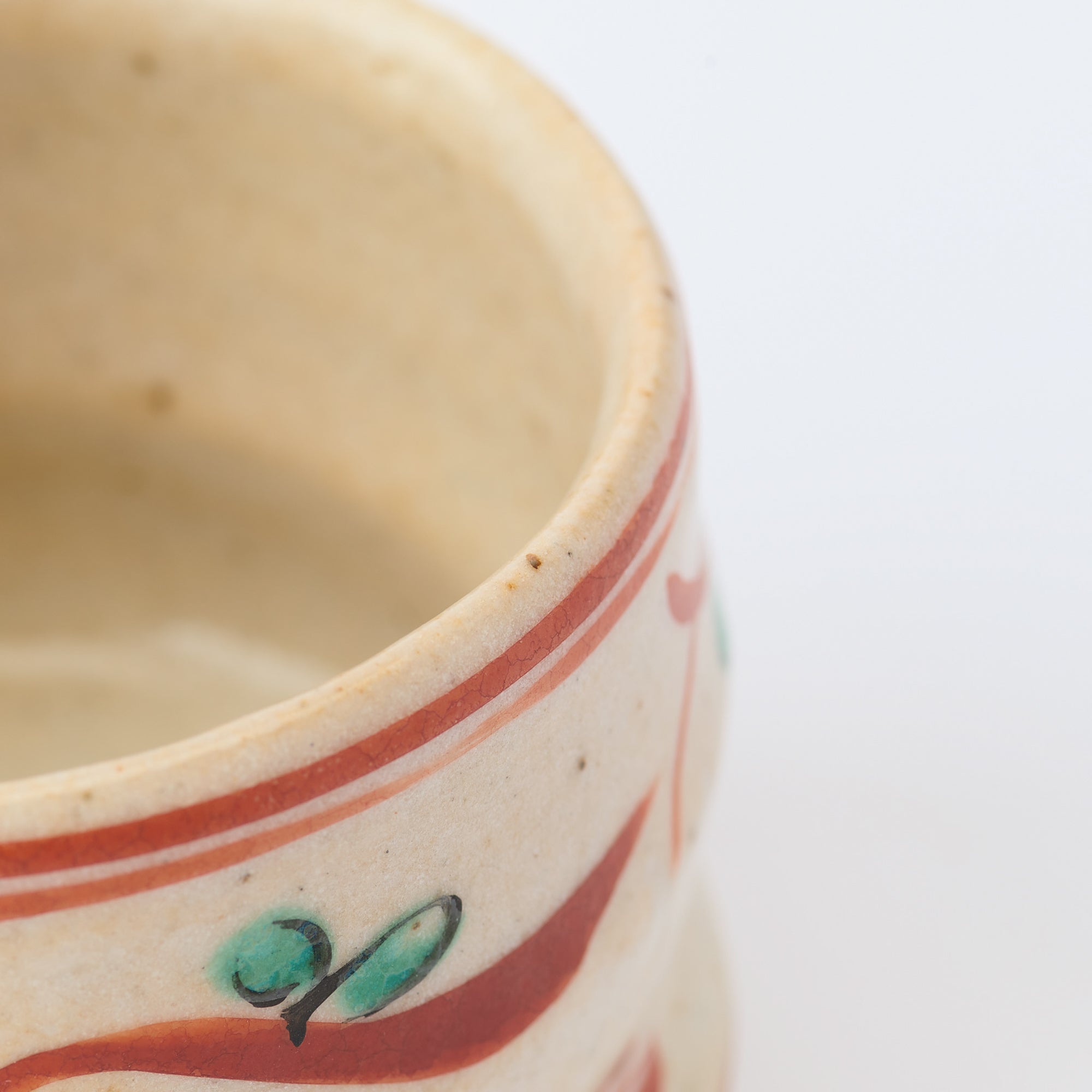
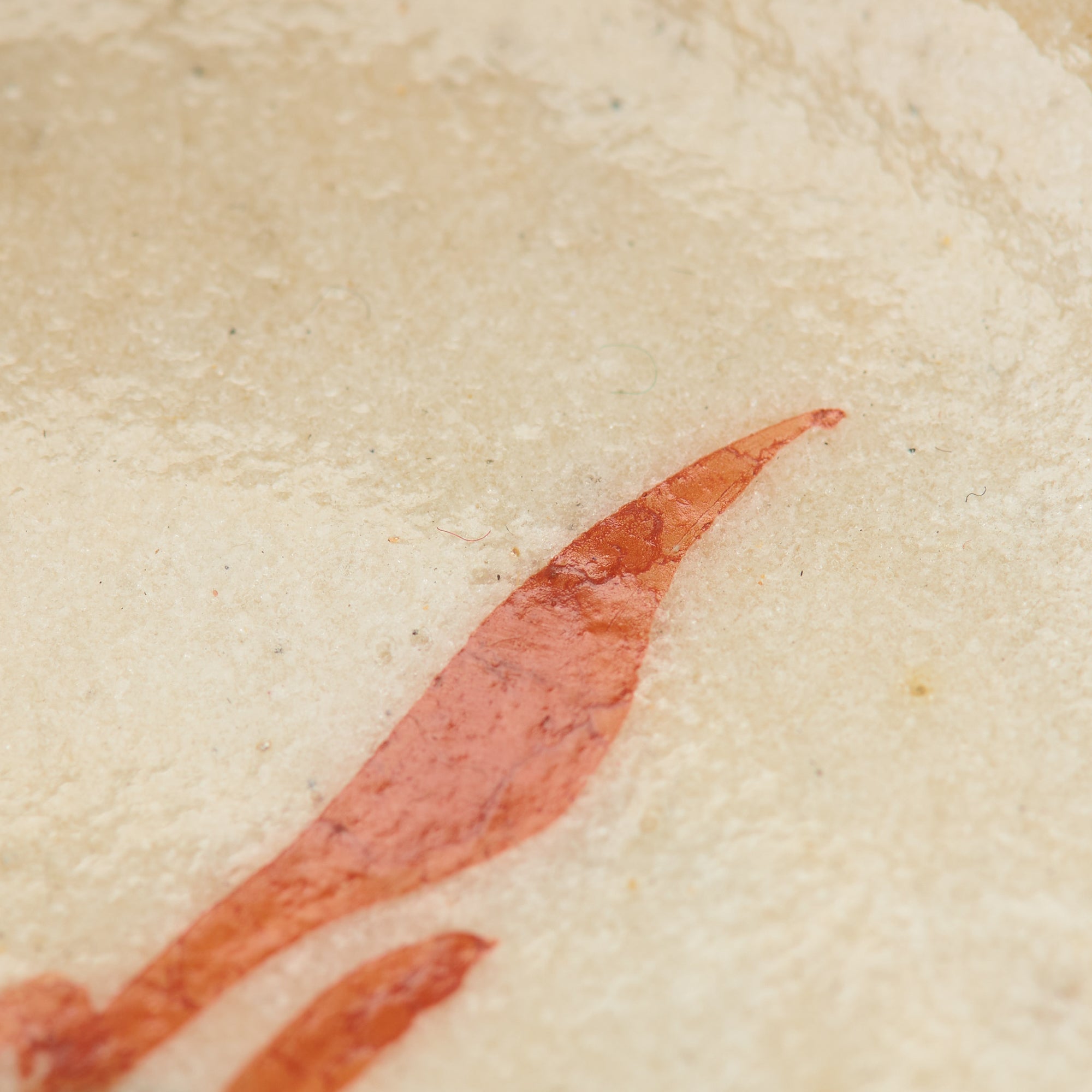
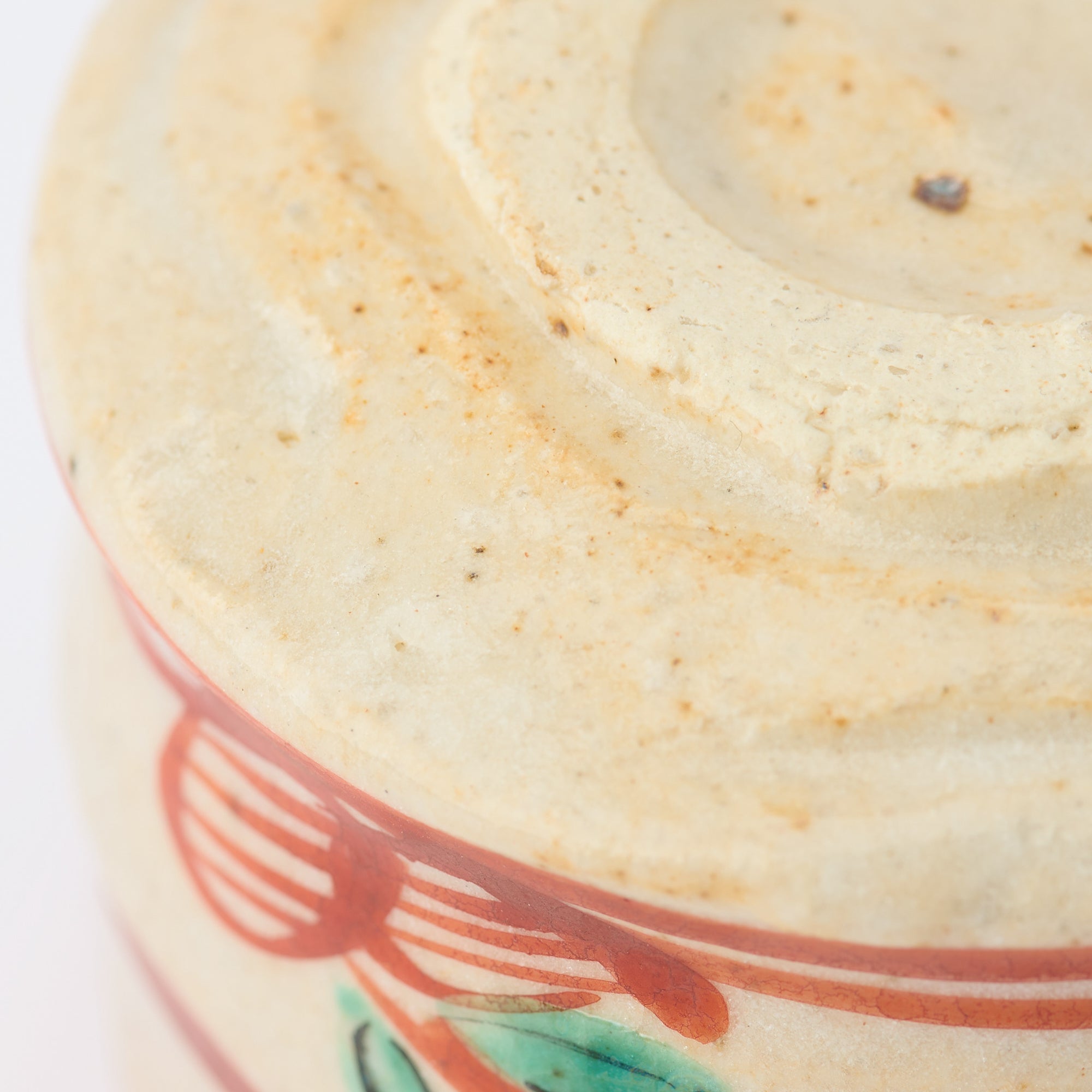
Die Dekoration ist in Akaeausgeführt, unter Verwendung des von Zoho Kiln speziell entwickelten natürlichen Bengara -Pigments, das aus einem nicht mehr produzierten Bengara-Material hergestellt und von der Brennerei sorgfältig bewahrt wird. Mit der Zeit reift das lebendige Rot sanft nach und gewinnt durch jahrelange Nutzung an Tiefe und Charakter.
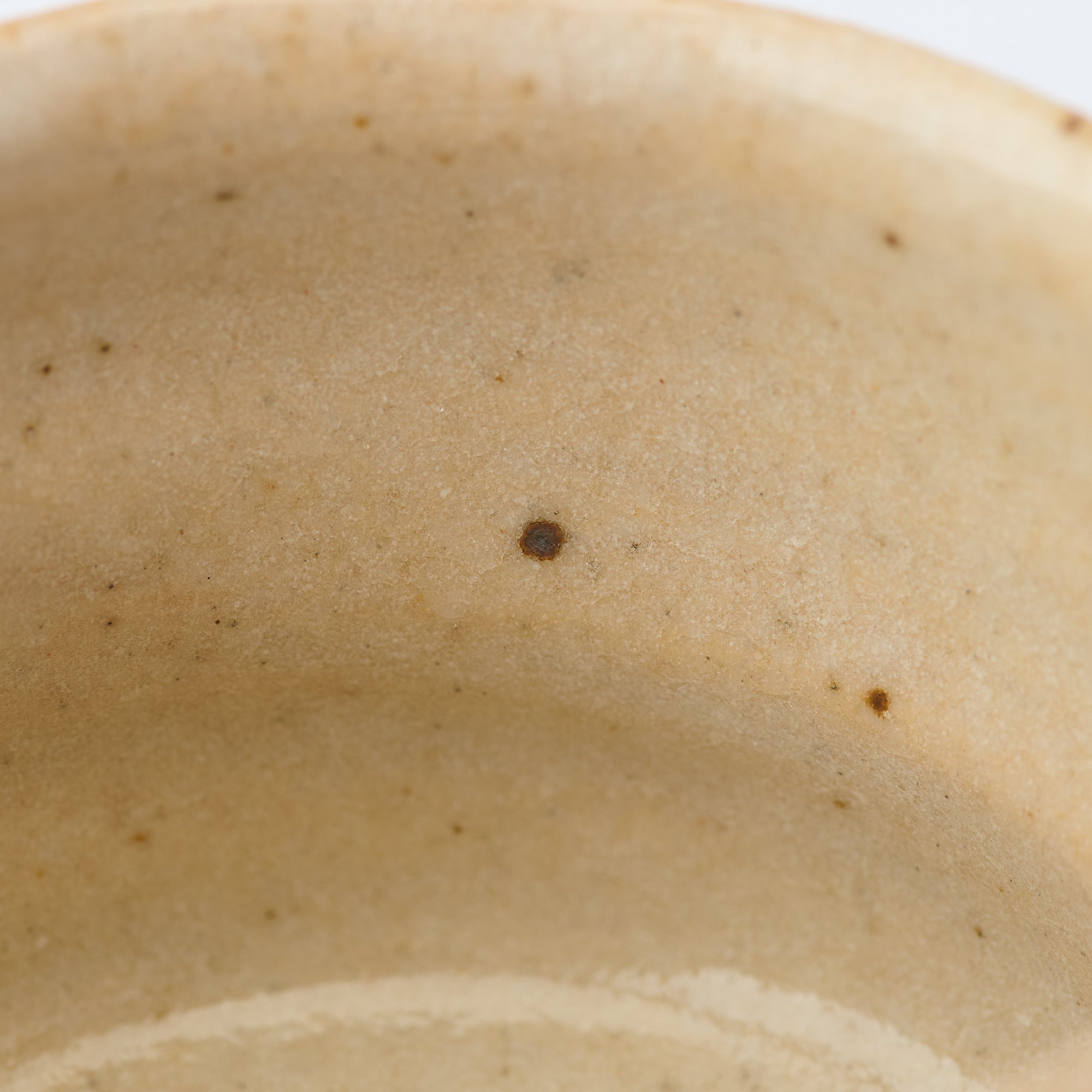
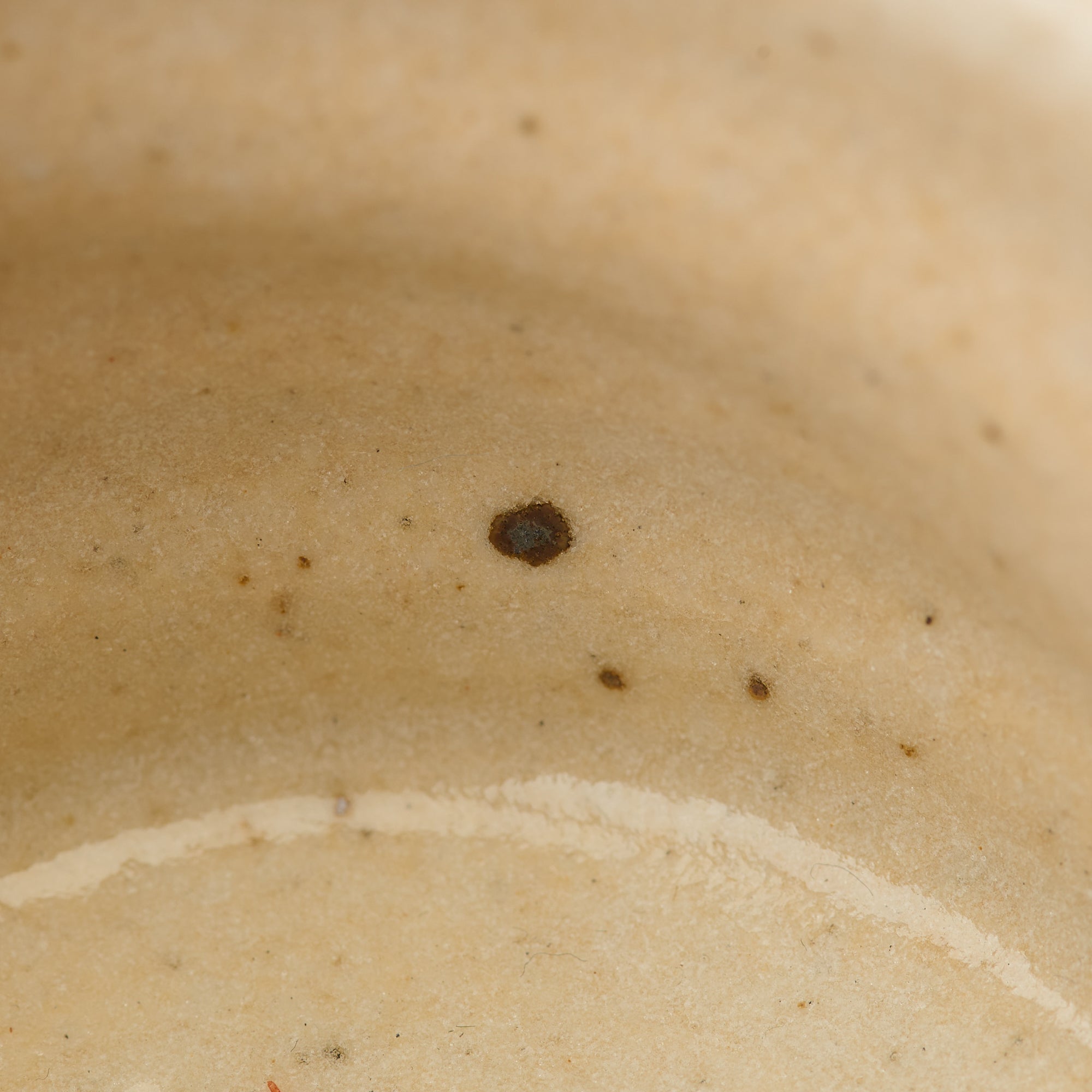
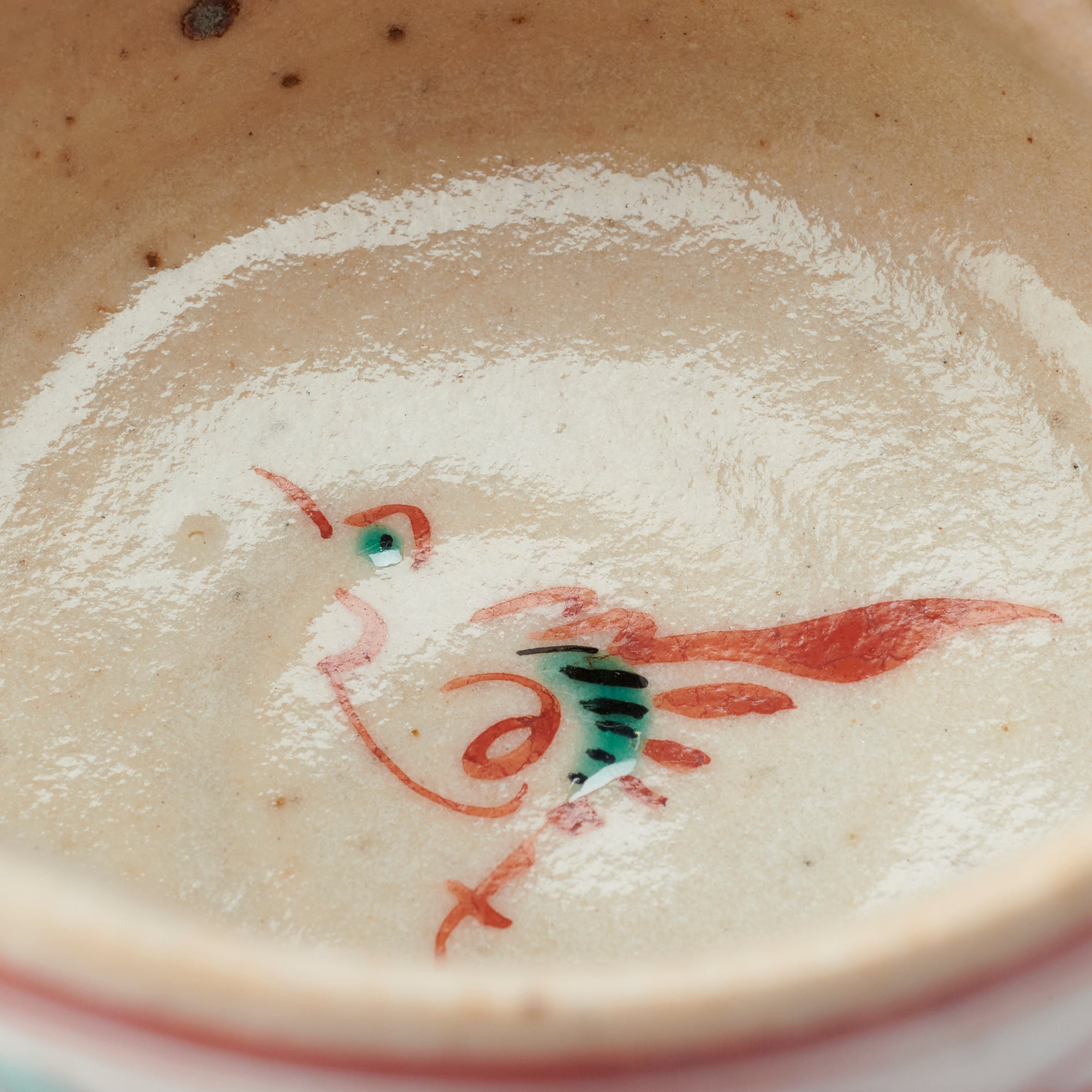
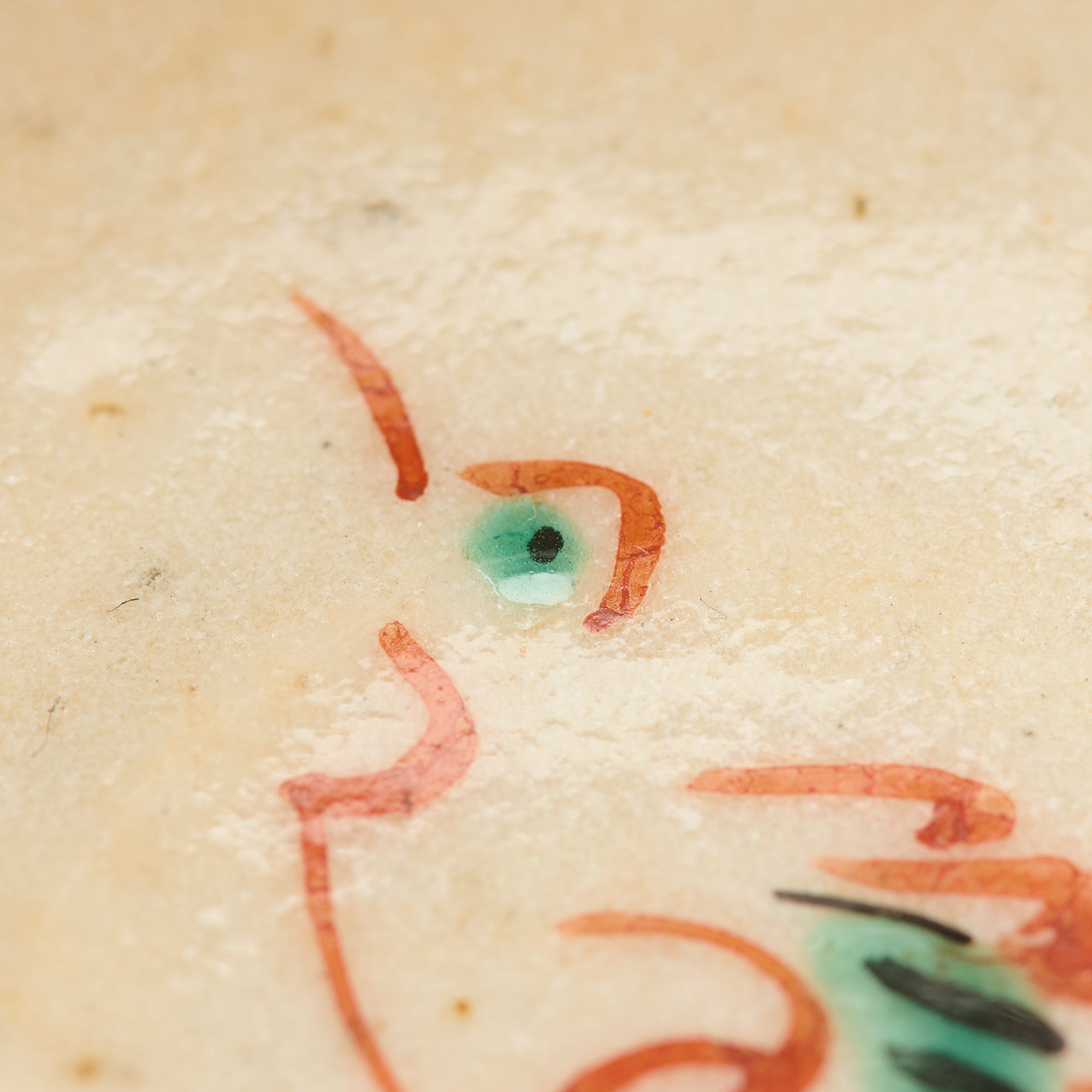
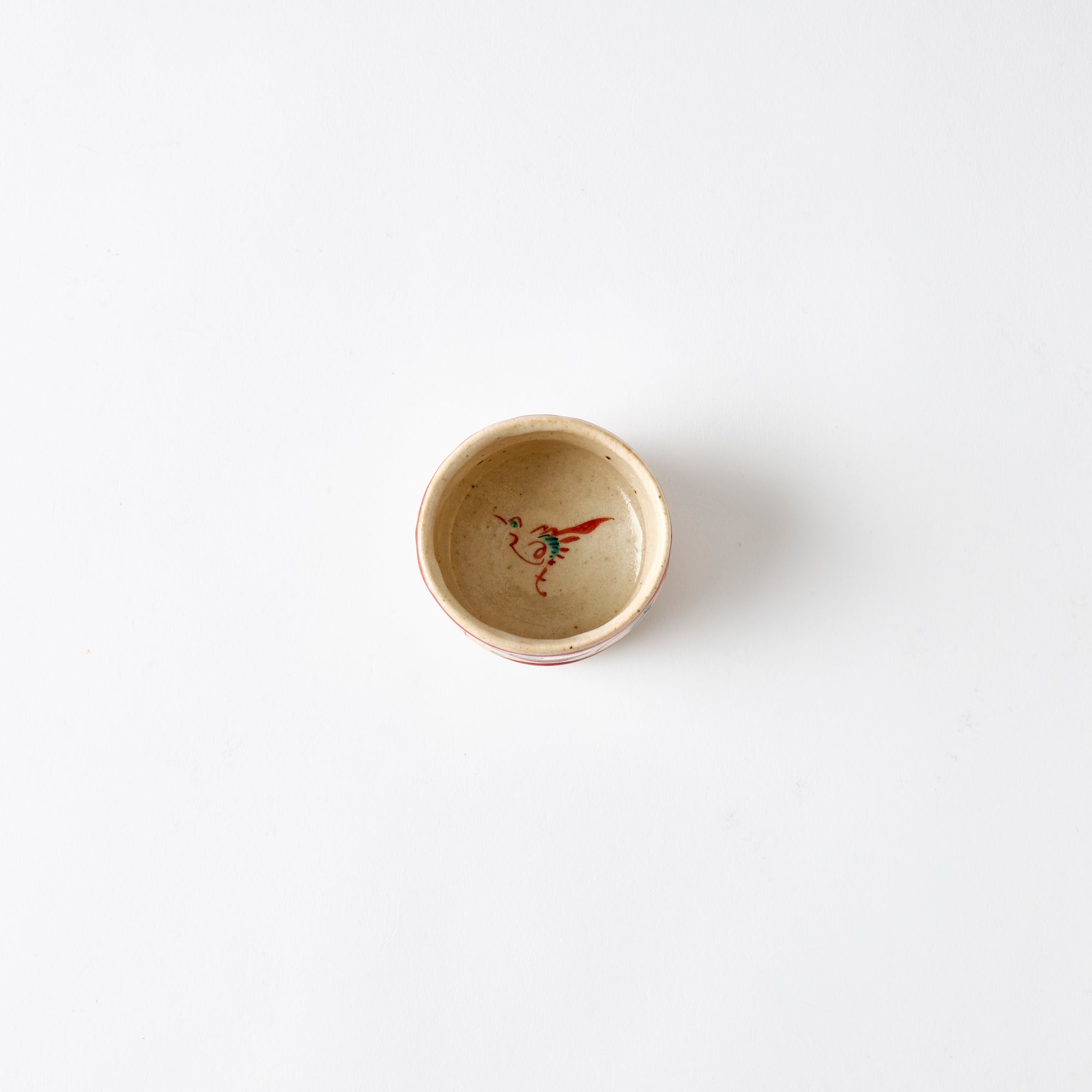
In weichen, fließenden Strichen ausgeführt, bringen die Phönix- und Pfingstrosenmotive Bewegung und Lebendigkeit auf die Oberfläche. Ein Phönix, Symbol des Glücks, schimmert sanft am Boden, jedes Mal wenn Sake eingeschenkt wird, während die Pfingstrose an der Außenseite dem Tisch einen festlichen Geist verleiht.
EINZELHEITEN
| Quantity | 1 pc |
| Size | D 6.5 cm (2.6 in) x H 5.5 cm (2.2 in), 110 ml (3.7 fl oz) |
| Weight | 110 g (3.9 oz) |
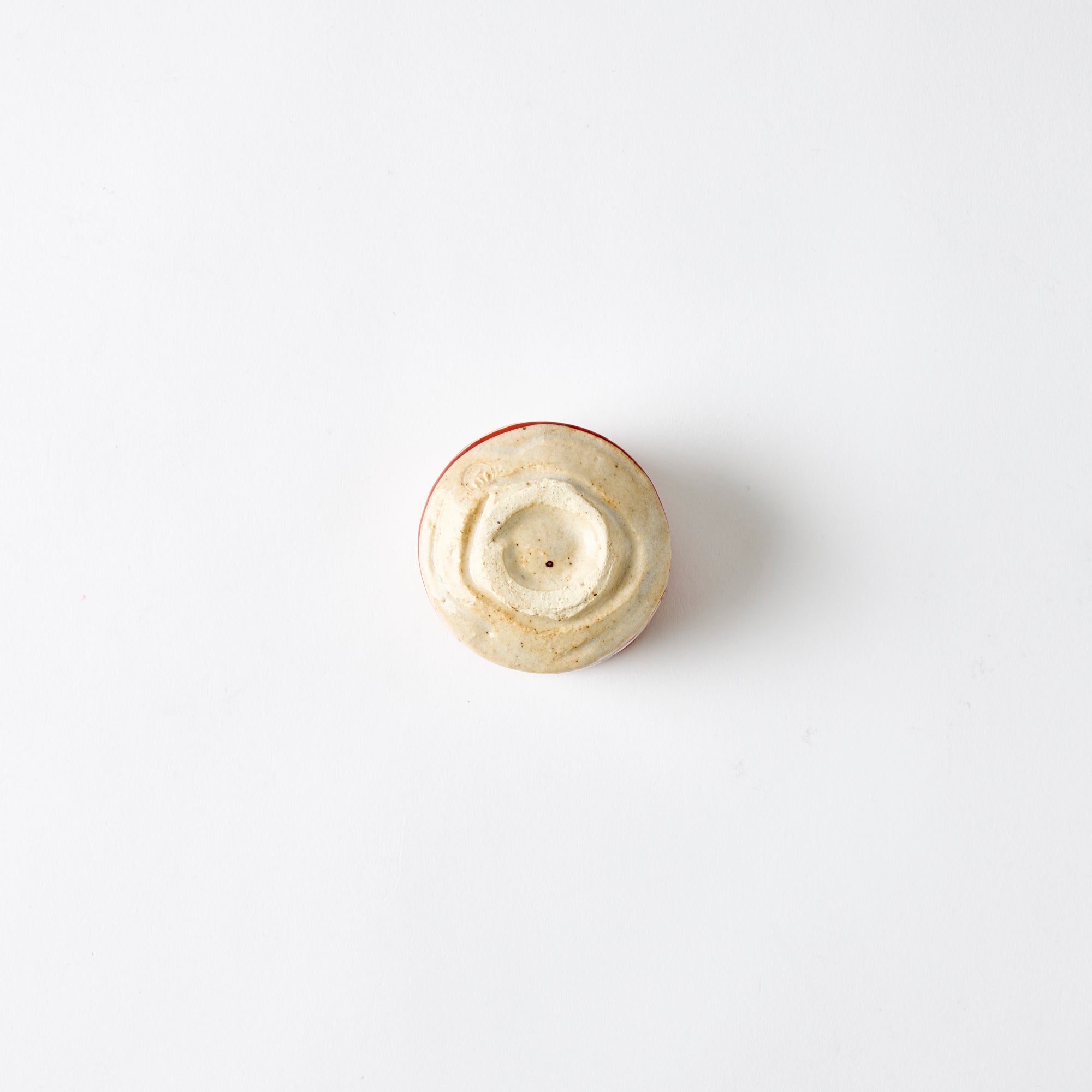
| Material | Stoneware |
| Package Type | Paper box |
| Microwave | Yes |
| Dishwasher | Yes |
Hersteller / Marke
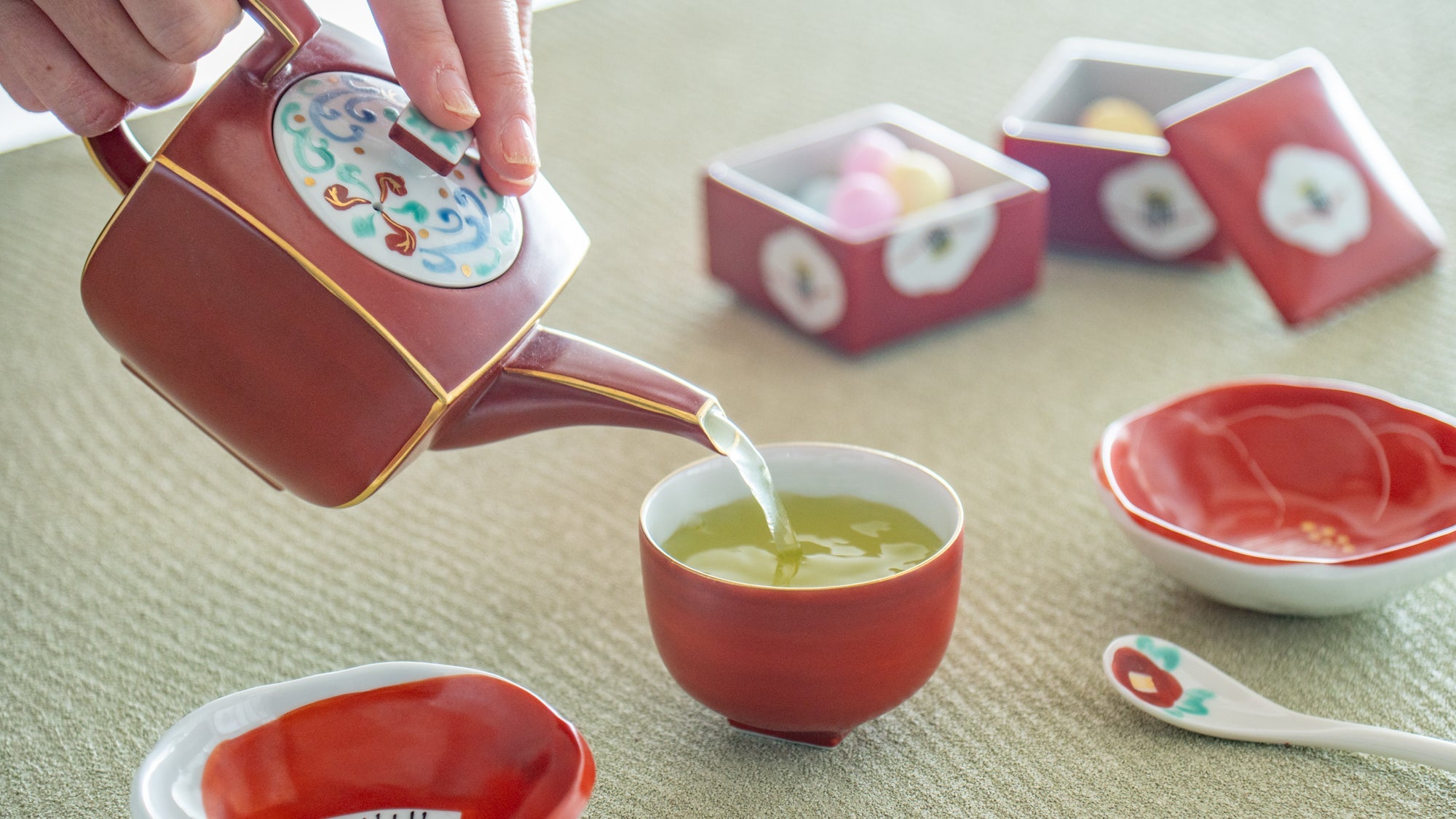
Die Zoho-Brennerei in Tajimi, Präfektur Gifu, stellt Mino-Ware her. Ihre Entwürfe orientieren sich an saisonalen Blüten und traditionellen Mustern, zugleich achten sie auf praktische Schönheit: Die Stücke liegen gut in der Hand und präsentieren Speisen mit Anmut.
Die Zoho-Brennerei legt besonderen Wert auf bengara, das charakteristische rote Pigment ihrer akae-Dekore, der Überglasur-Emailmalerei in Rot. Das satte Rot auf dem Porzellan gewinnt mit der Zeit und dem Gebrauch an Tiefe und wird schöner – die ästhetische Erfahrung wächst.
Kunsthandwerk
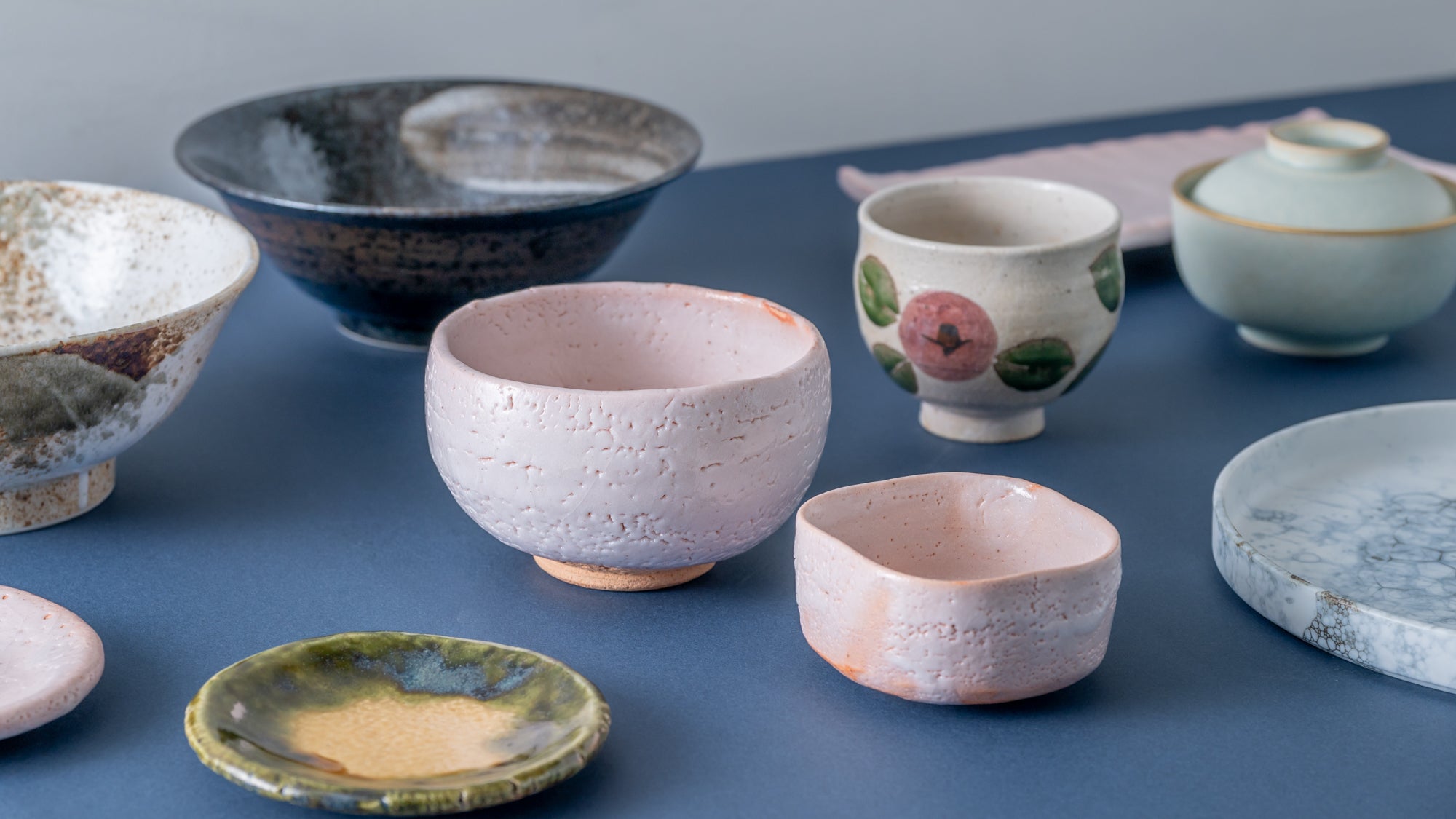
Mino-Ware, die in der Region Tono in der Präfektur Gifu hergestellt wird, ist in der japanischen Töpferei für ihr reiches Erbe und ihre Vielseitigkeit bekannt. Sie umfasst über fünfzehn verschiedene Stile und ist damit vielfältiger als viele andere japanische Keramiken.
Mittlerweile macht Mino-Keramik über 50 Prozent der japanischen Keramikproduktion aus und ist unübertroffen beliebt. Mino-Keramik wurde 1978 als traditionelles Handwerk anerkannt und spiegelt eine Mischung aus historischer Tiefe und moderner Relevanz wider – ein Beispiel für außergewöhnliche Handwerkskunst.
Wie man sich kümmert
Optionen auswählen
Estimated Shipping Widget will be displayed here!
Guinomi
Guinomi sind eine Art Sake-Becher, kleiner als eine typische japanische Teetasse, aber etwas größer als andere Sake-Becher. Sie werden oft ohne Sake-Karaffe verwendet, wobei der Sake direkt aus der Flasche eingeschenkt wird.
Guinomi dienten ursprünglich als Aufbewahrungsort für Köstlichkeiten bei japanischen Teezeremonien, wurden später aber auch zum Sake-Trinken verwendet. Sie haben sich daher parallel zur einzigartigen japanischen Teekultur entwickelt.
Akae
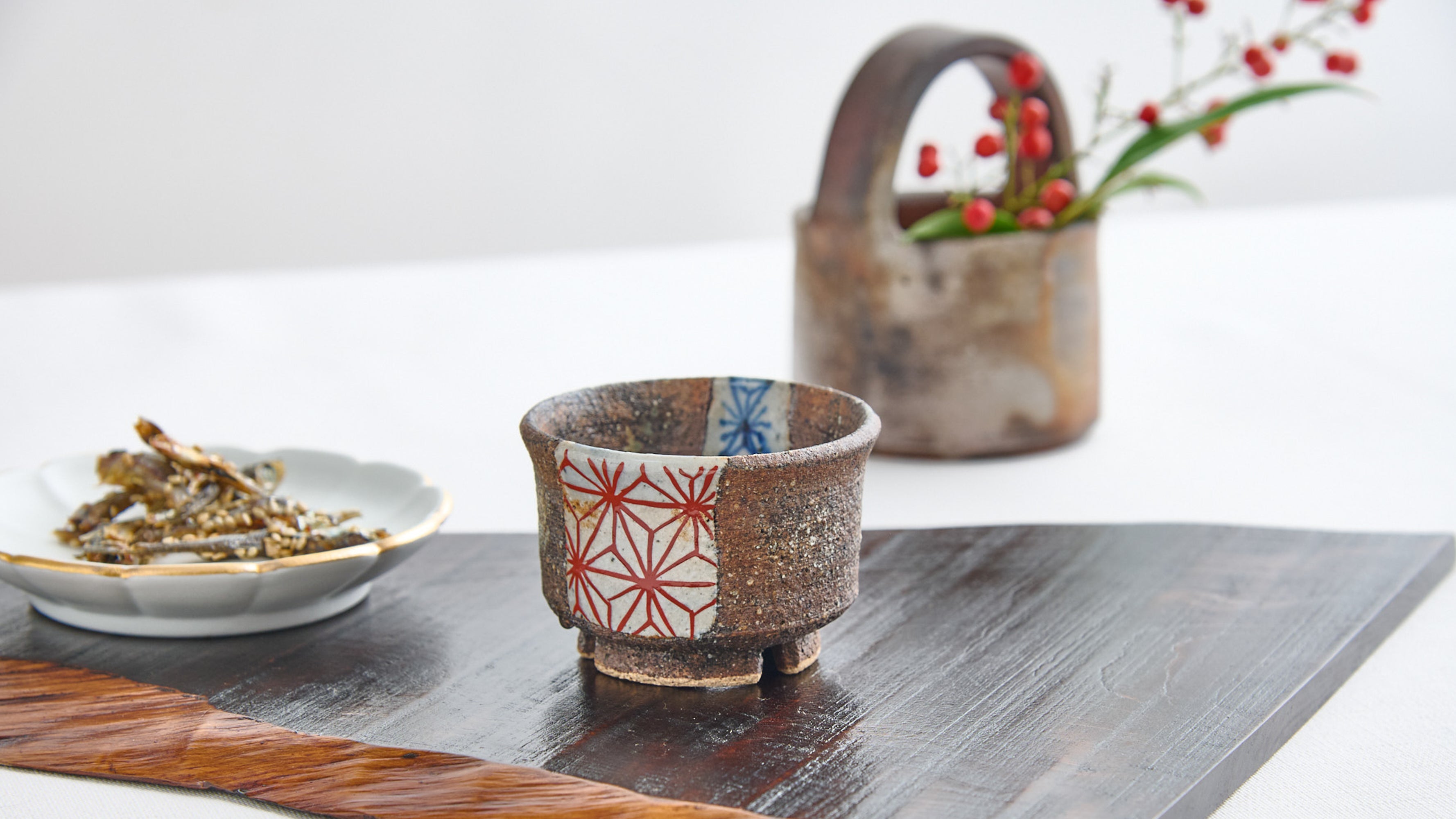
Akae, oder Rotmalerei, ist eine Aufglasurdekoration, bei der hauptsächlich Rot verwendet wird, ergänzt durch Farben wie Grün, Lila und Blau. In China entstand dieser Stil während der Song-Dynastie (960–1279 n. Chr.), während er in Japan während der Shoho-Ära (1644–1648 n. Chr.) von Sakaida Kakiemon eingeführt wurde und später seinen Platz in der Kutani-Ware fand.
Aus Kutani-Porzellan, akae-saibyo ist besonders berühmt. Akae-saibyo bedeutet wörtlich „feine Malerei in Rot“. Mit einem extrem feinen Pinsel wird jede Linie mit exquisiter Detailliertheit auf die Oberfläche des Gefäßes gezeichnet, wodurch atemberaubend komplizierte Muster entstehen.