



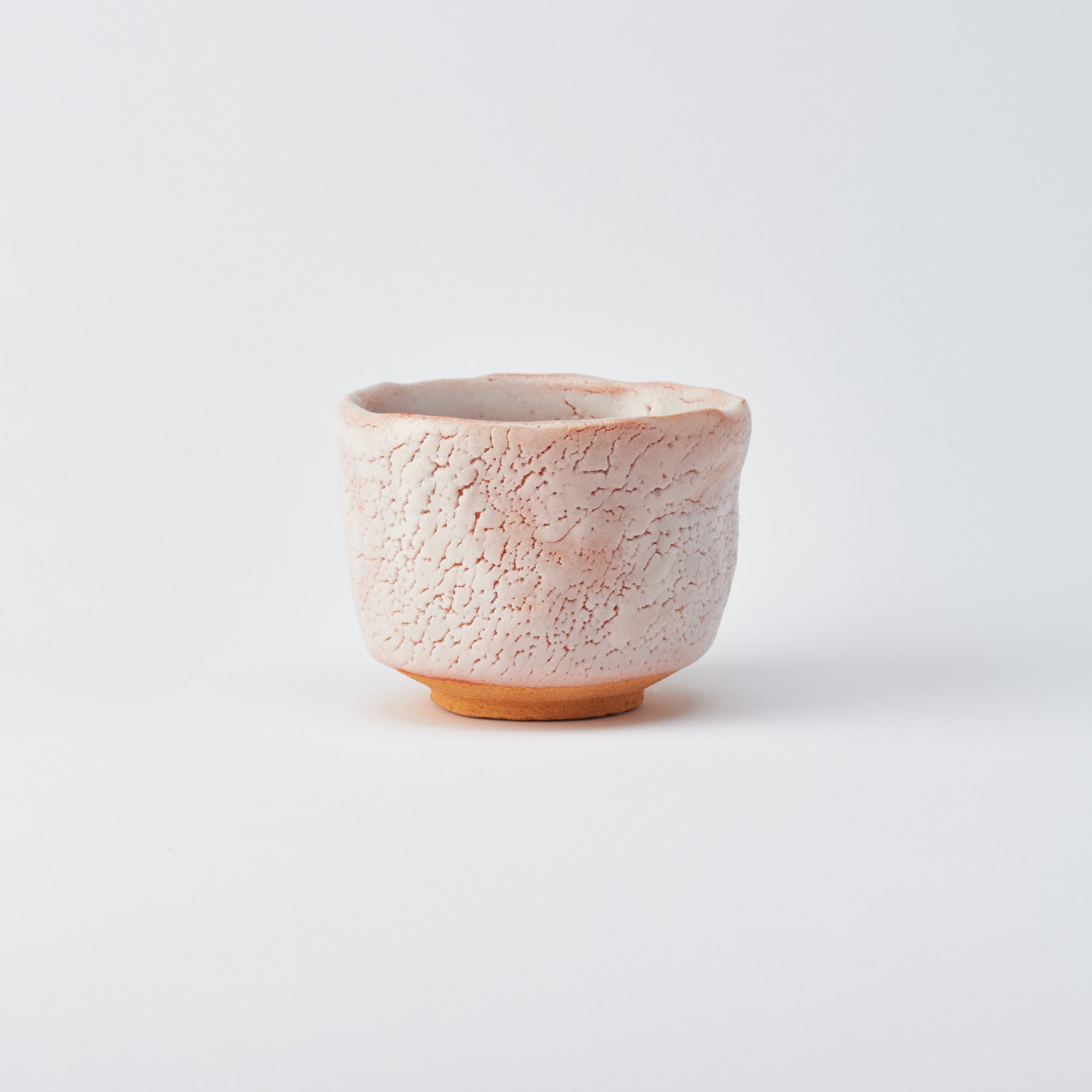
Hiiro Shino Matcha-Schüssel
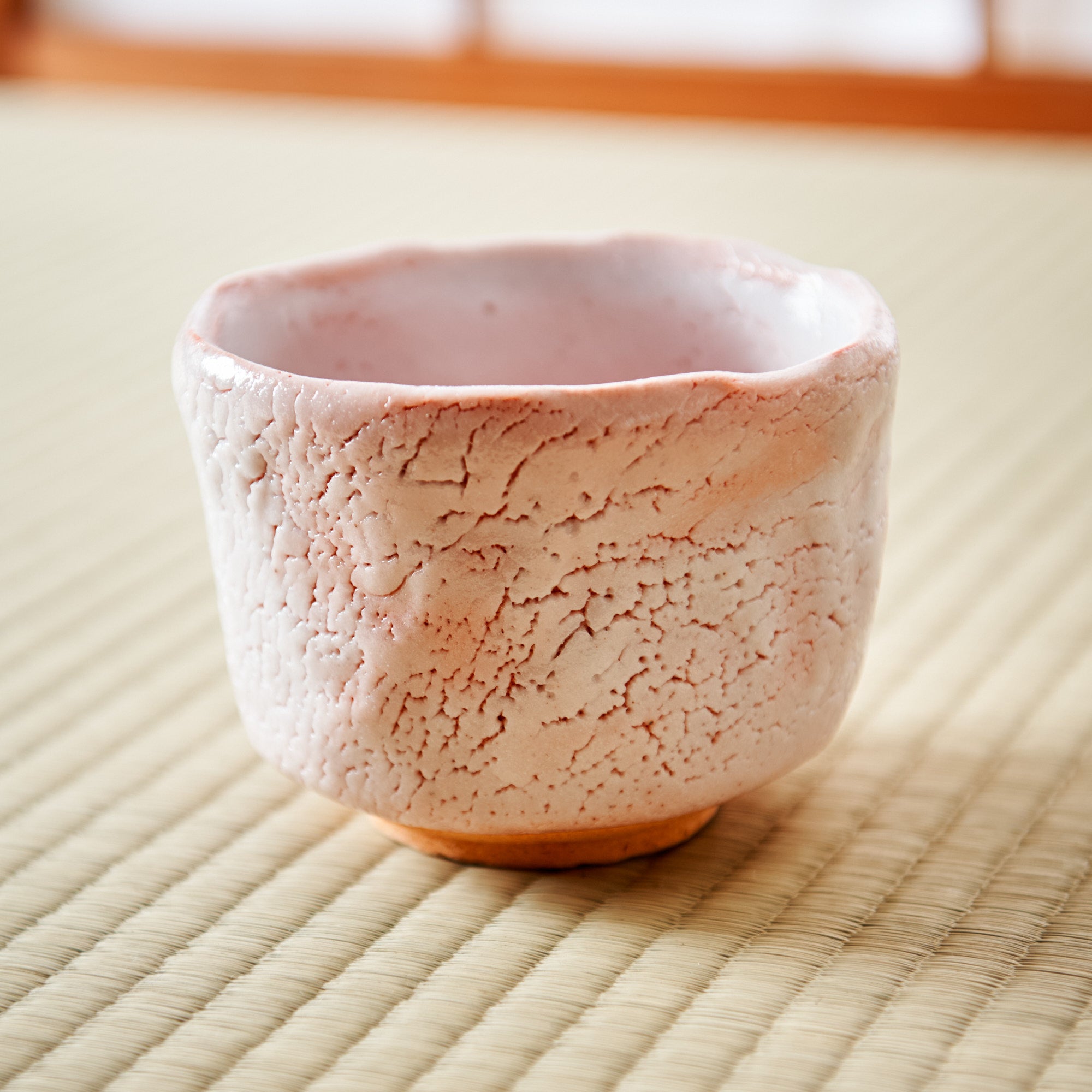
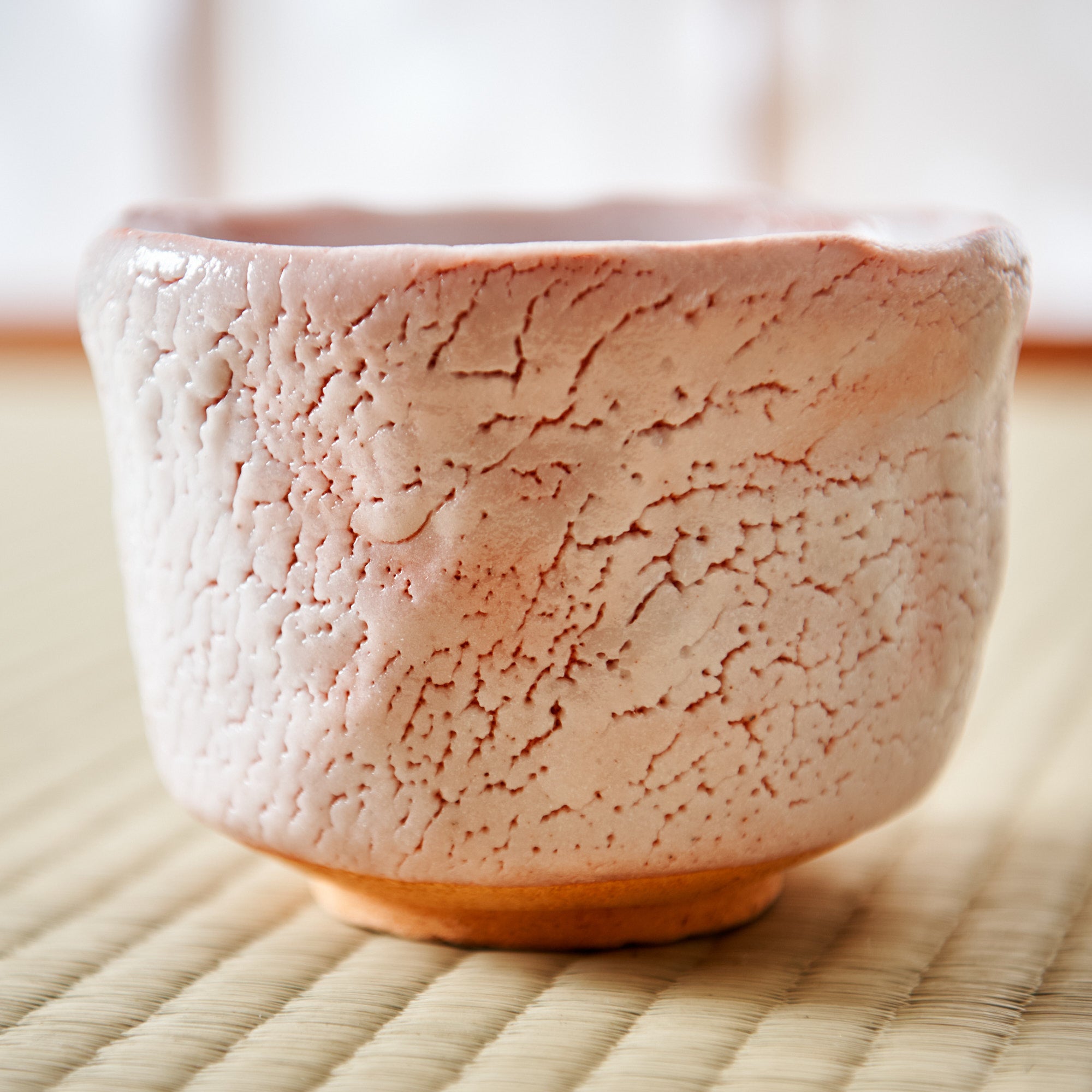
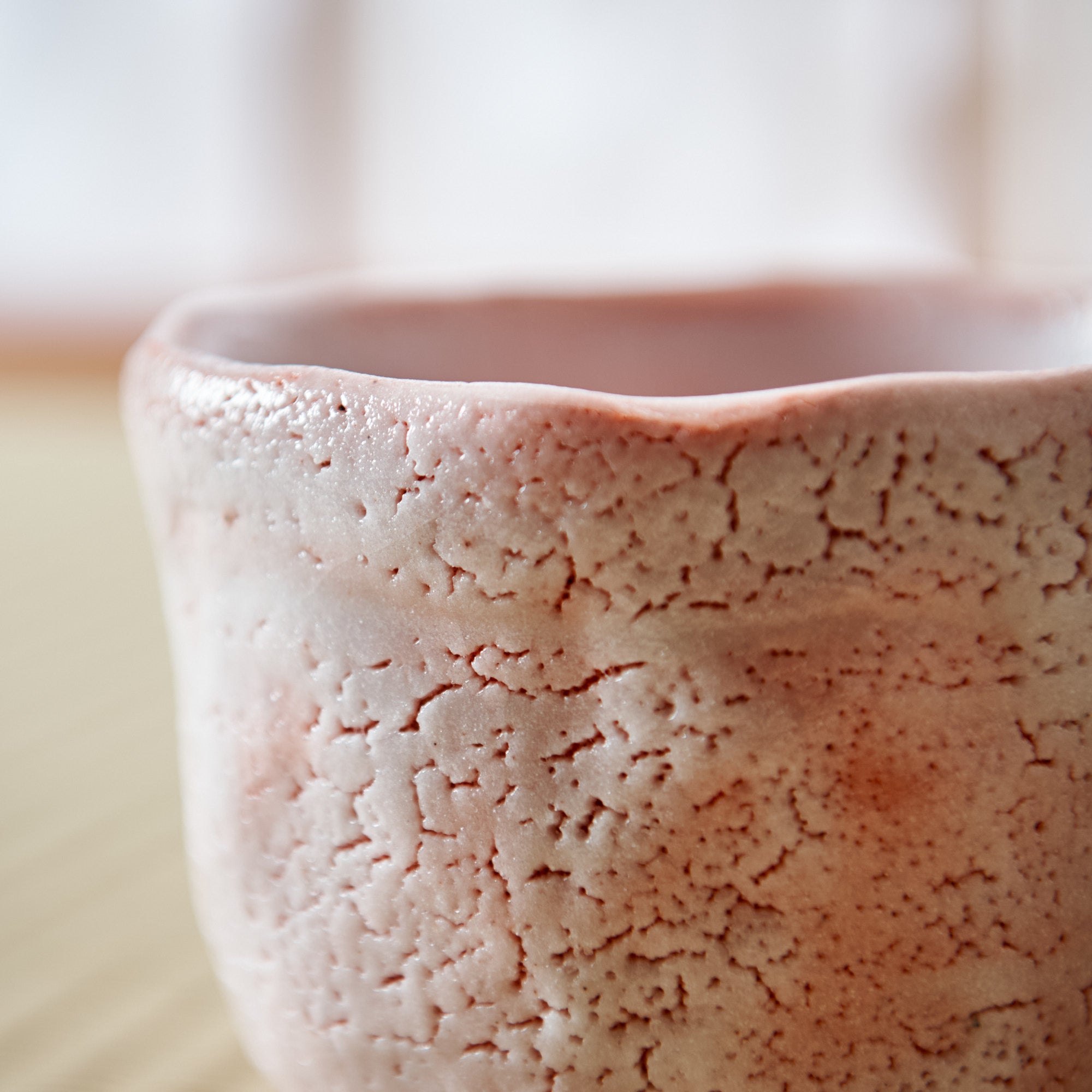
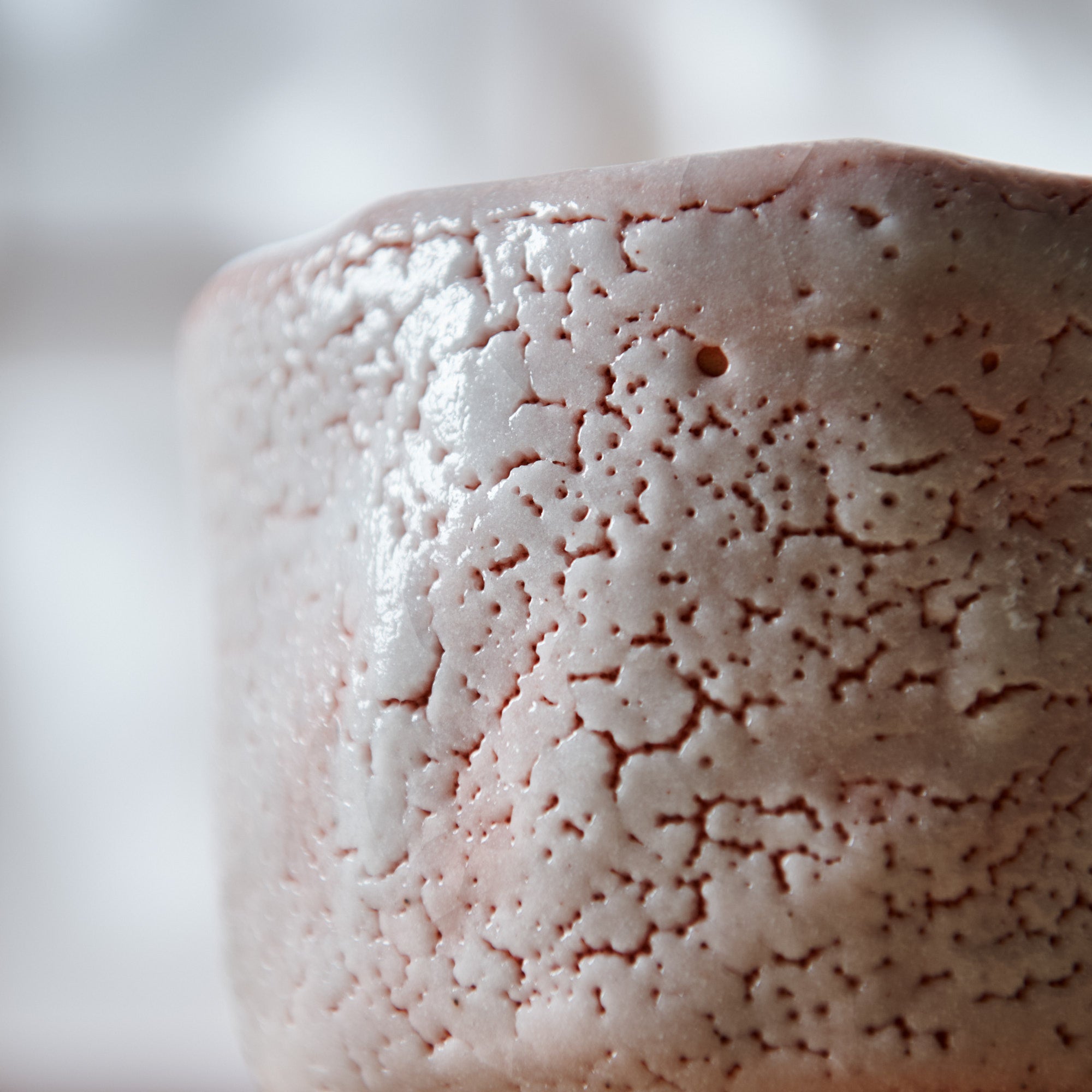
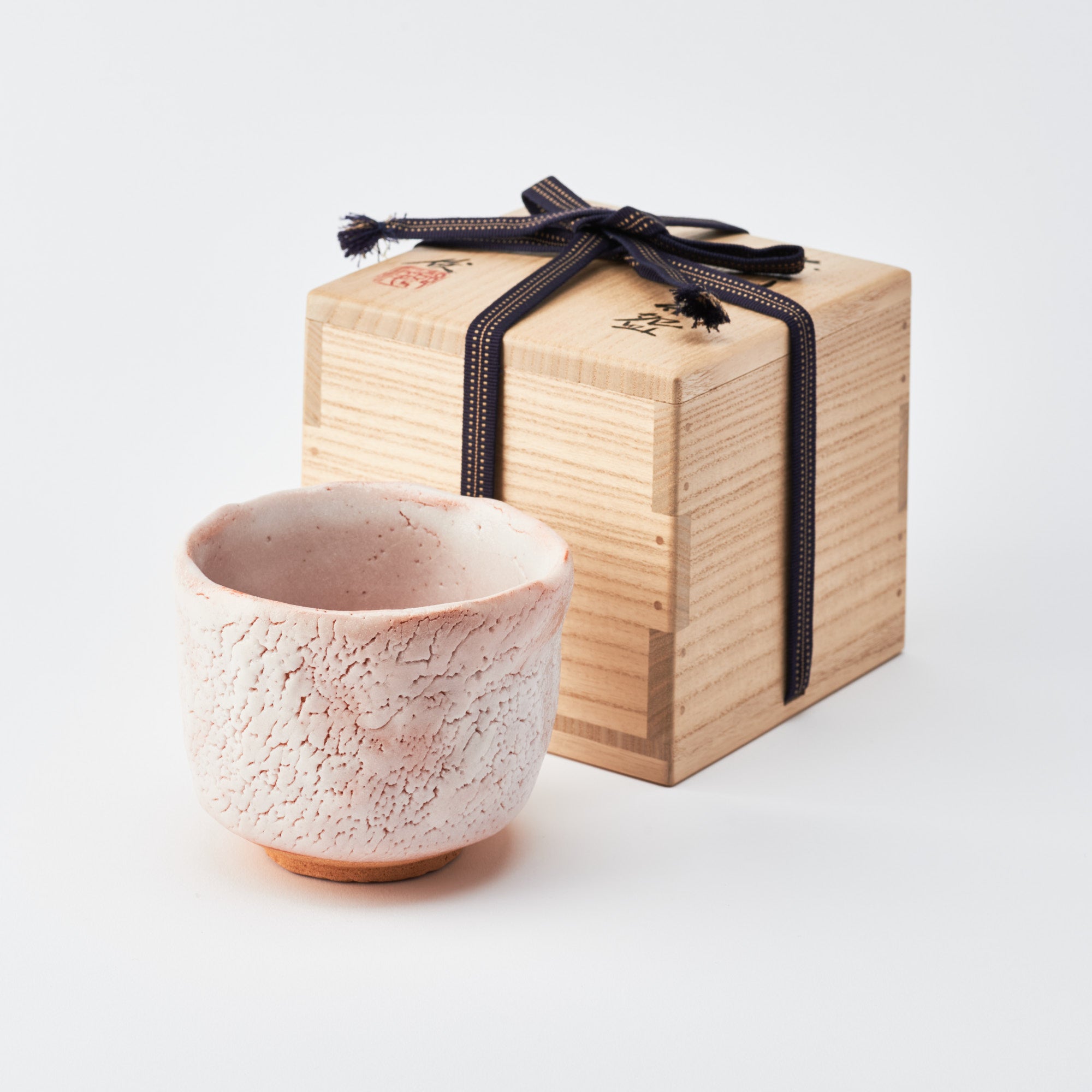
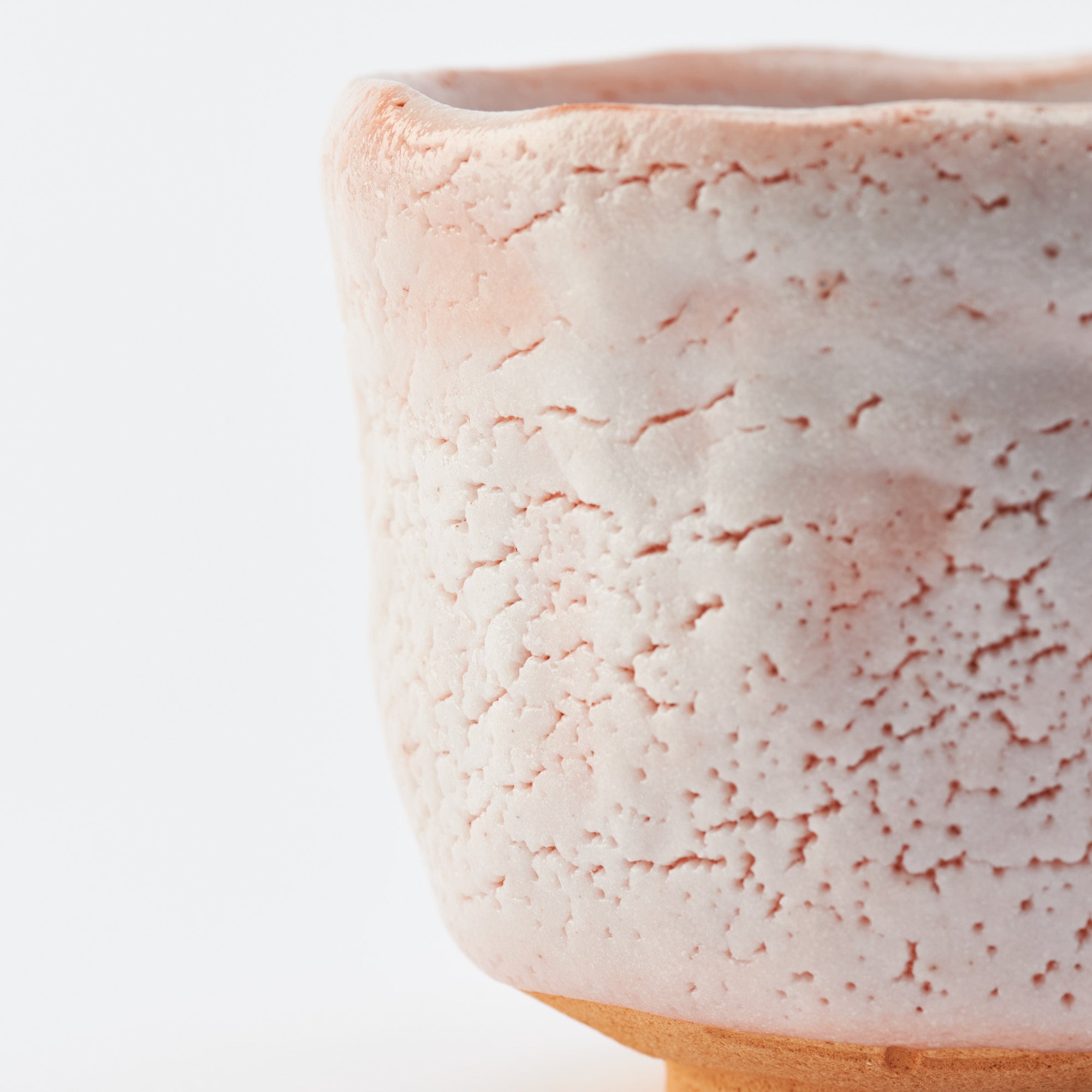
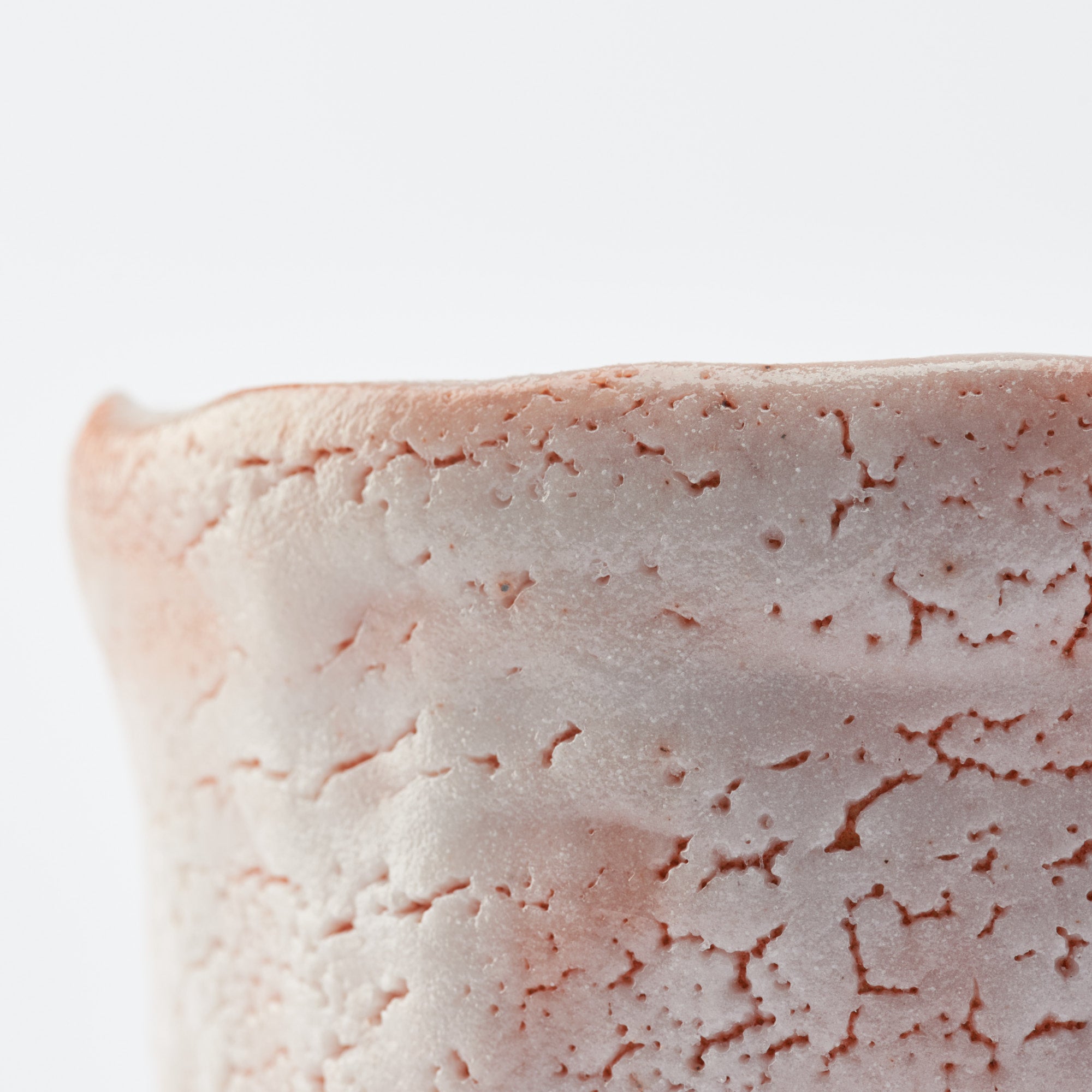
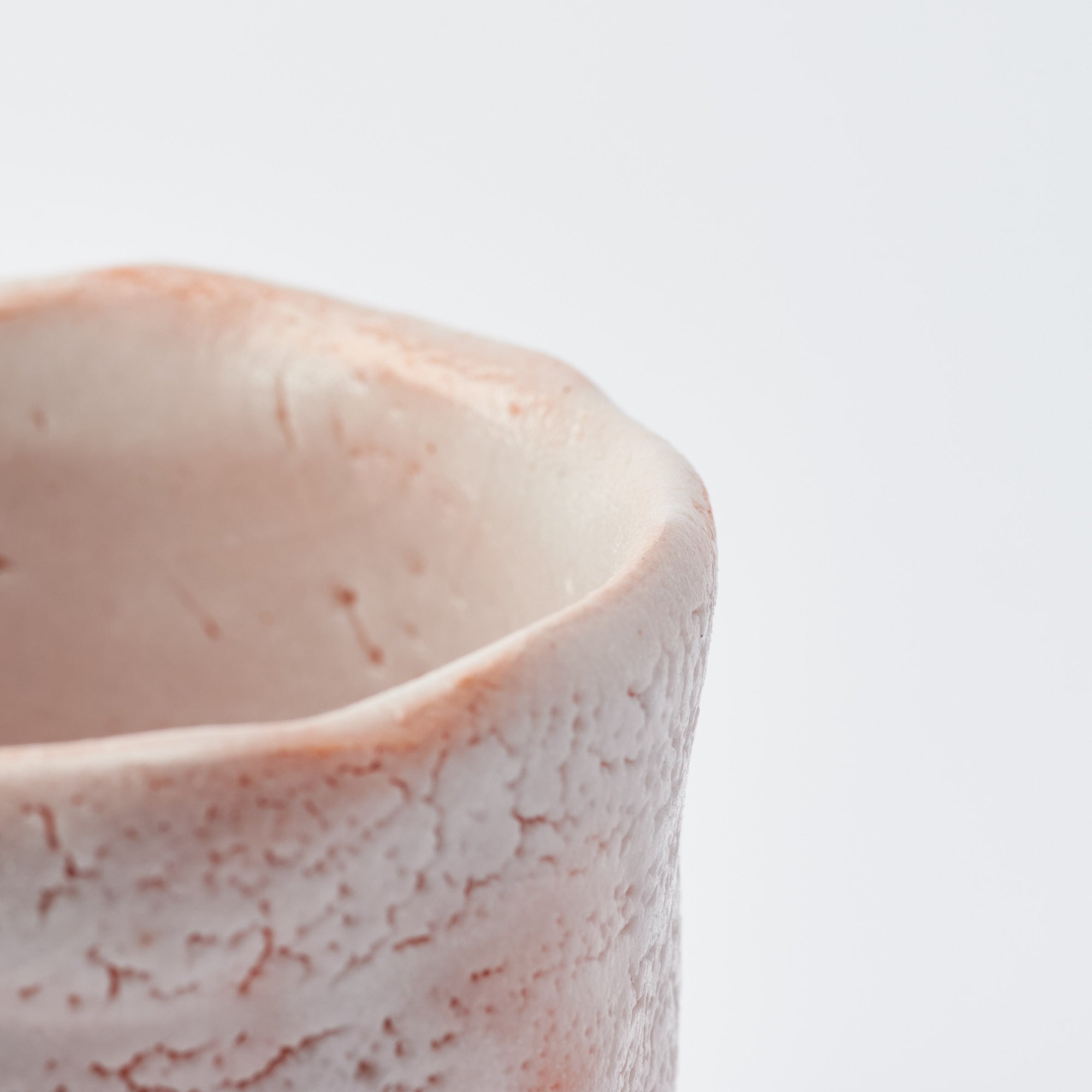
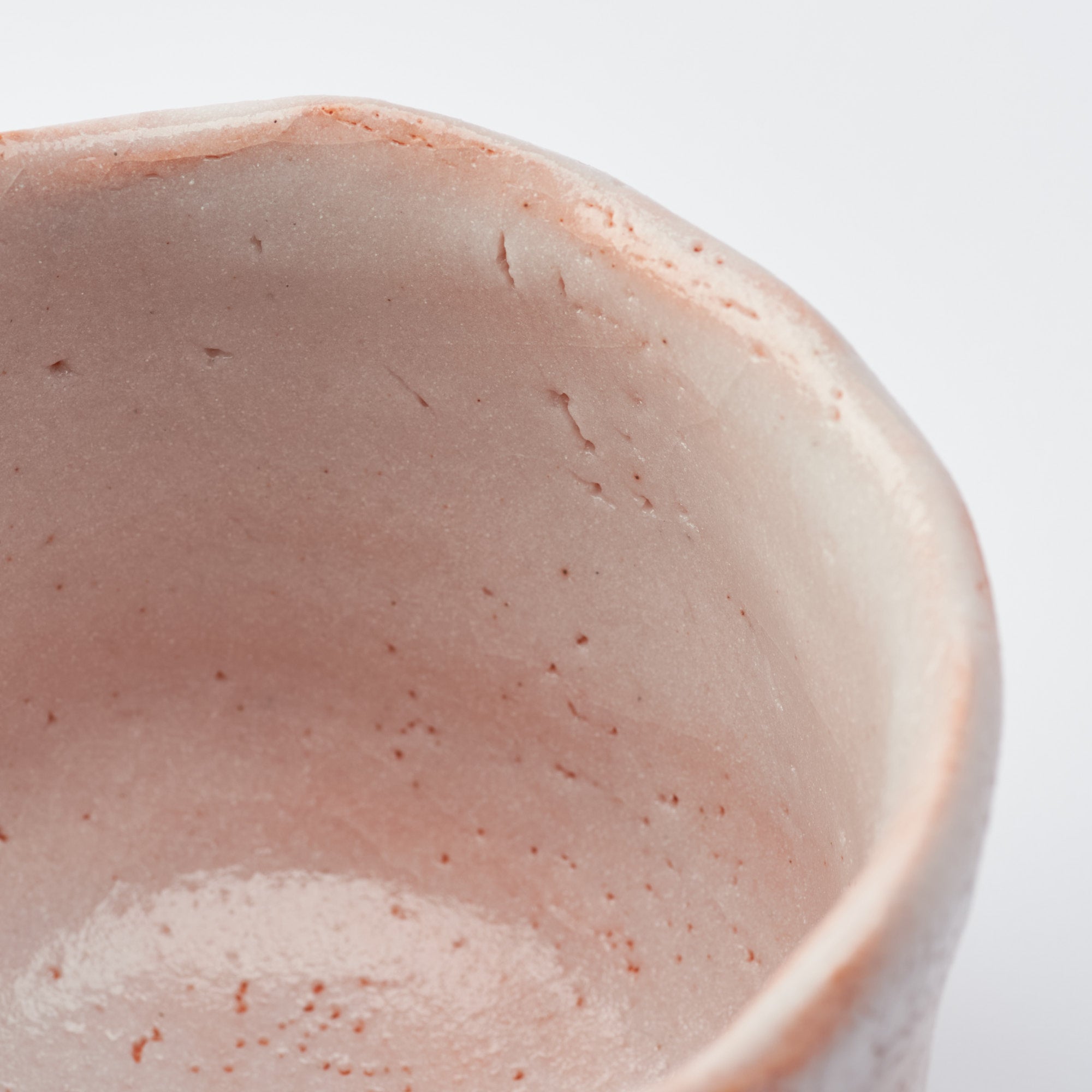
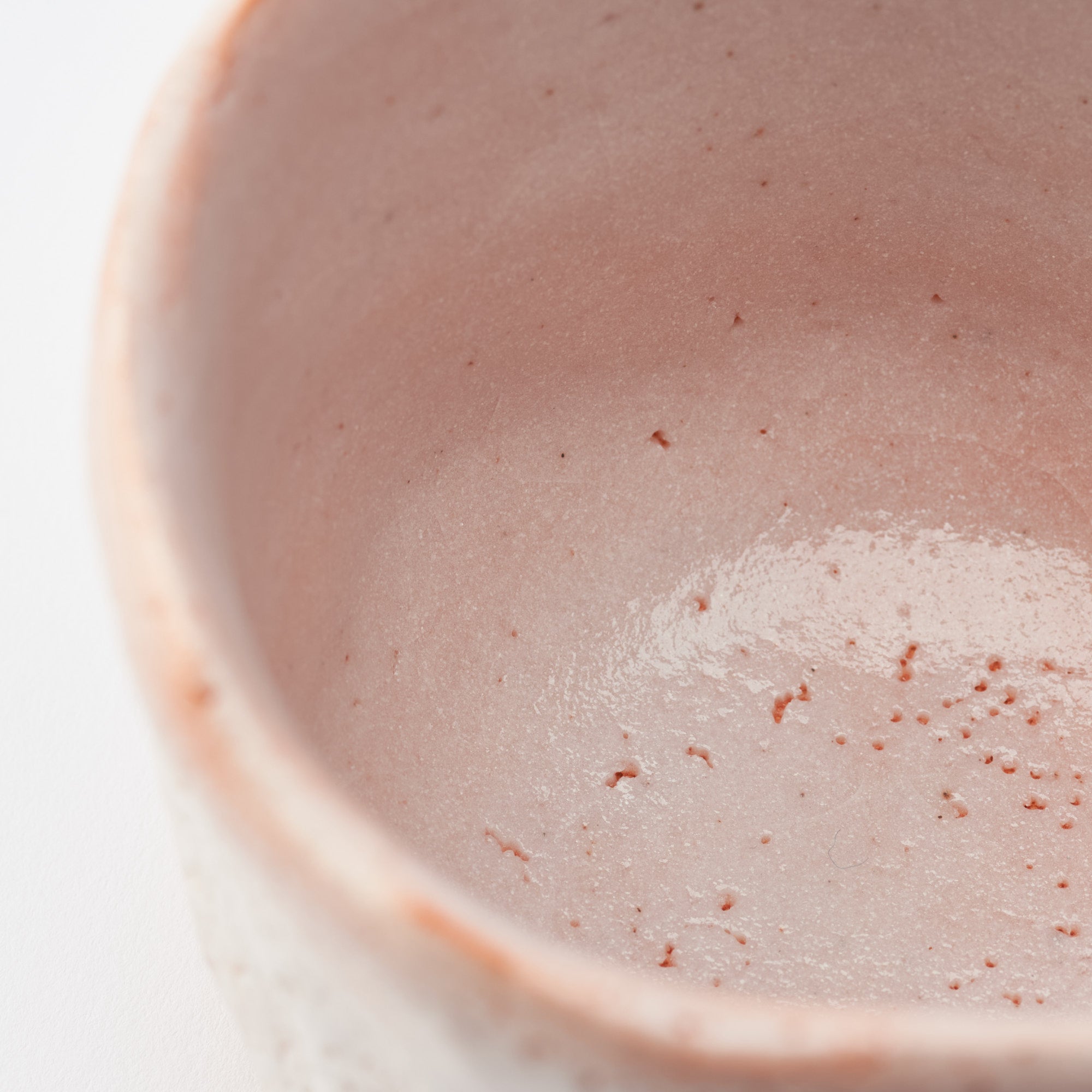
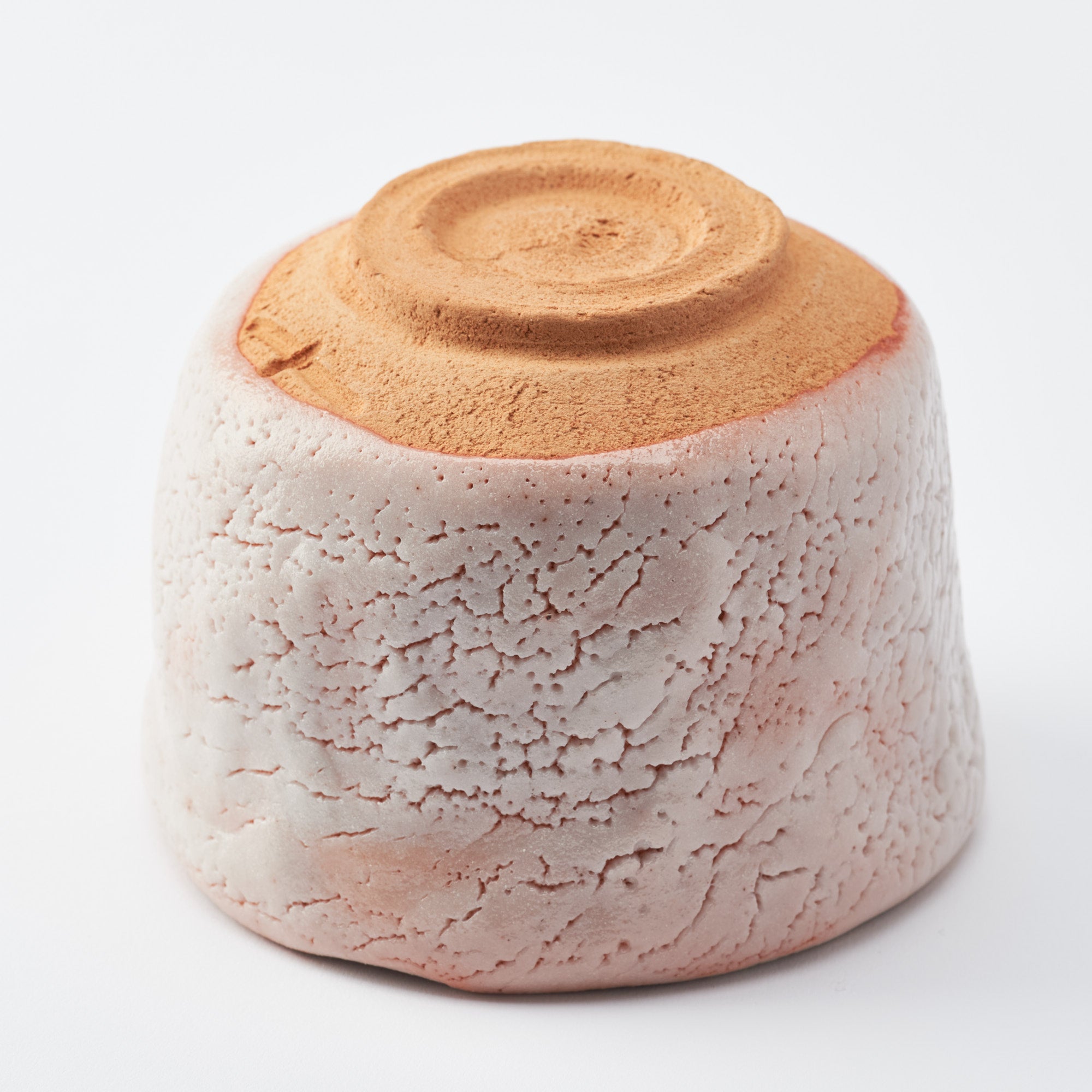
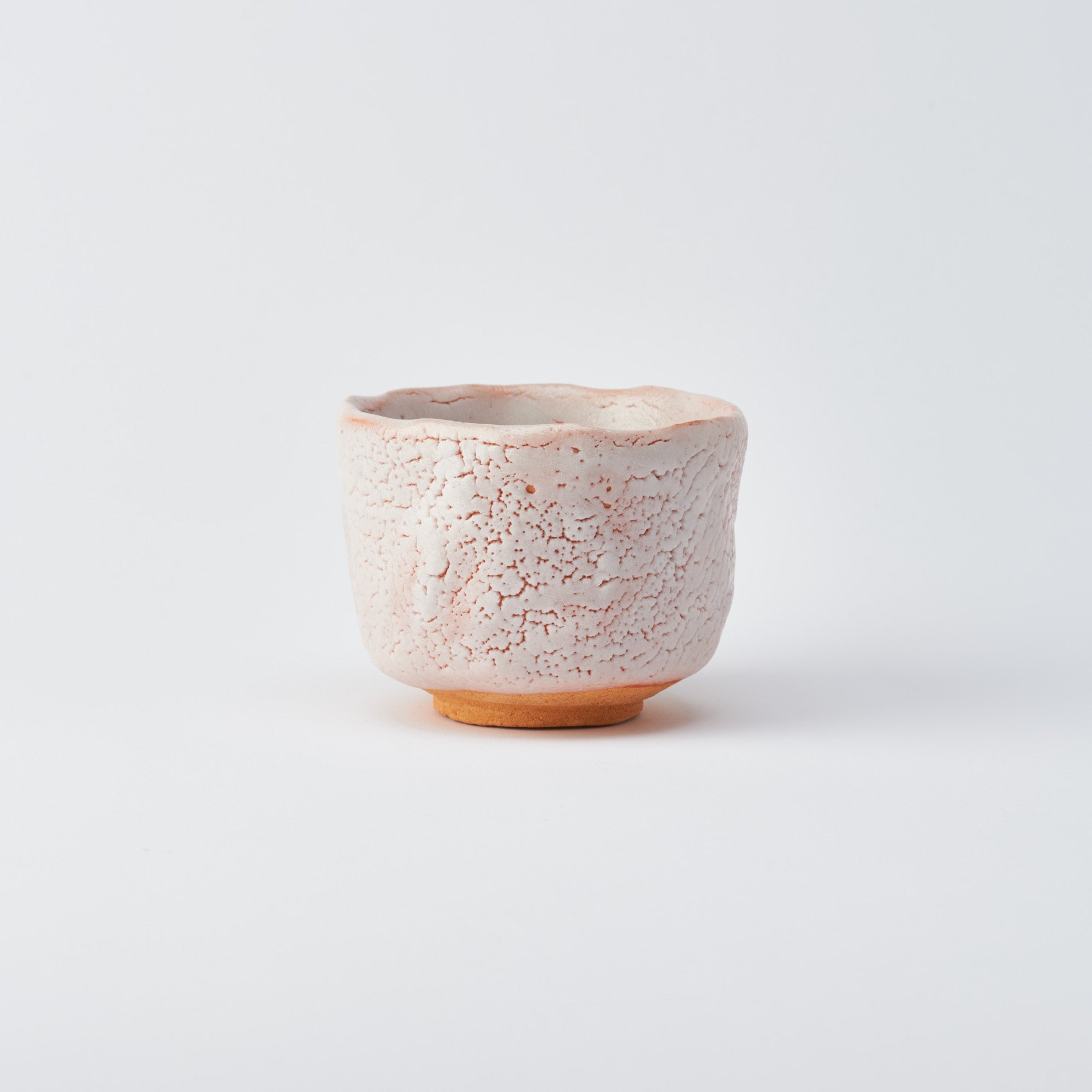
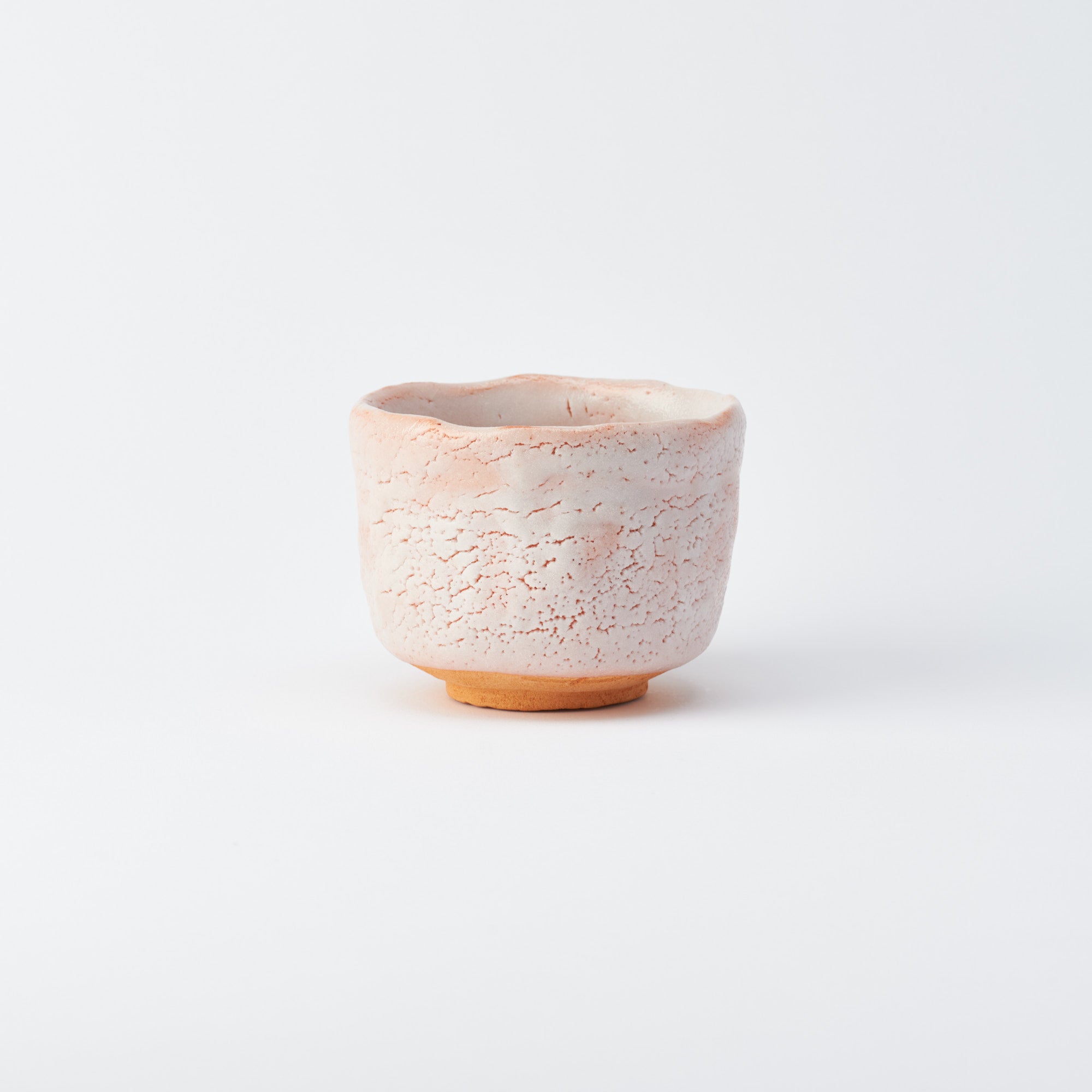
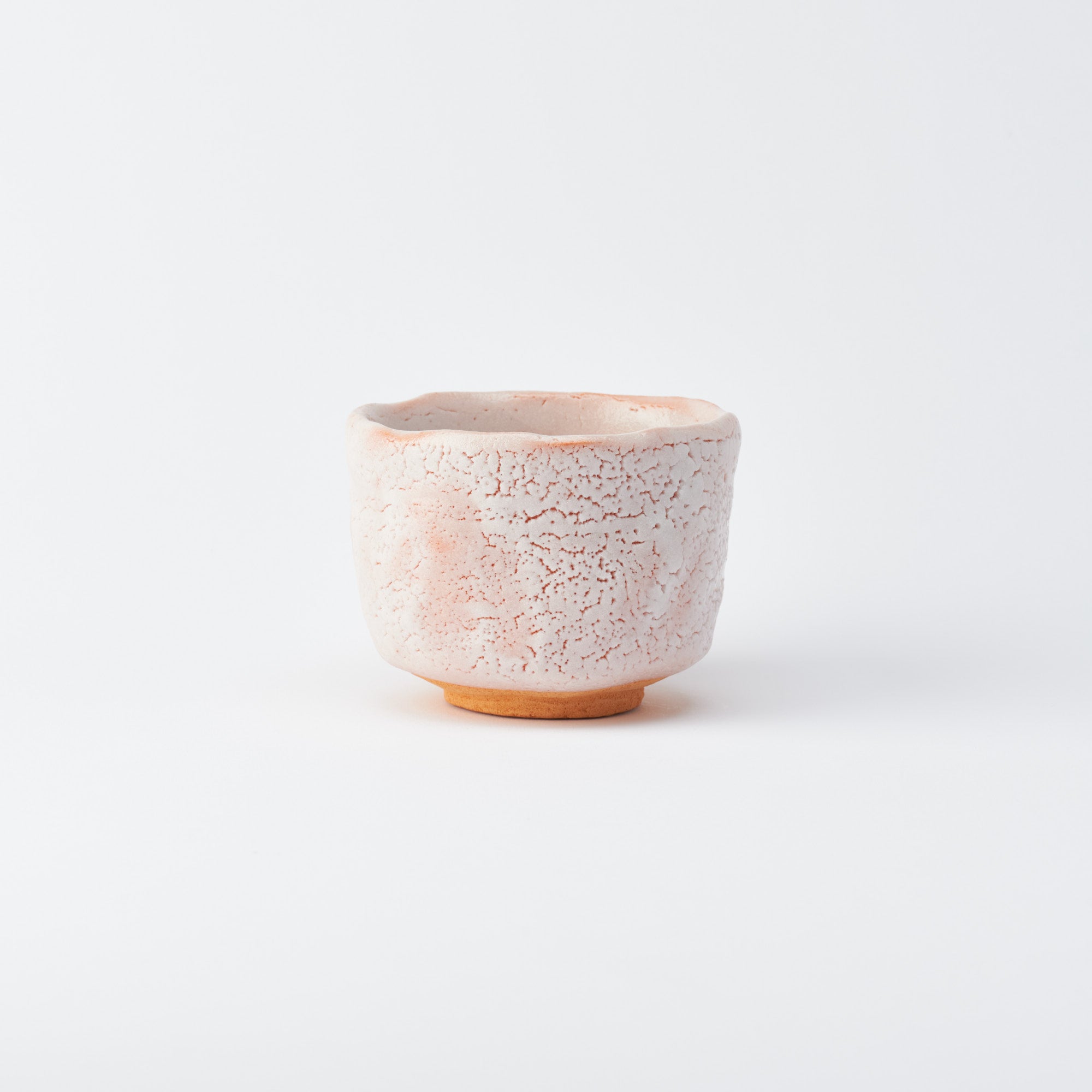
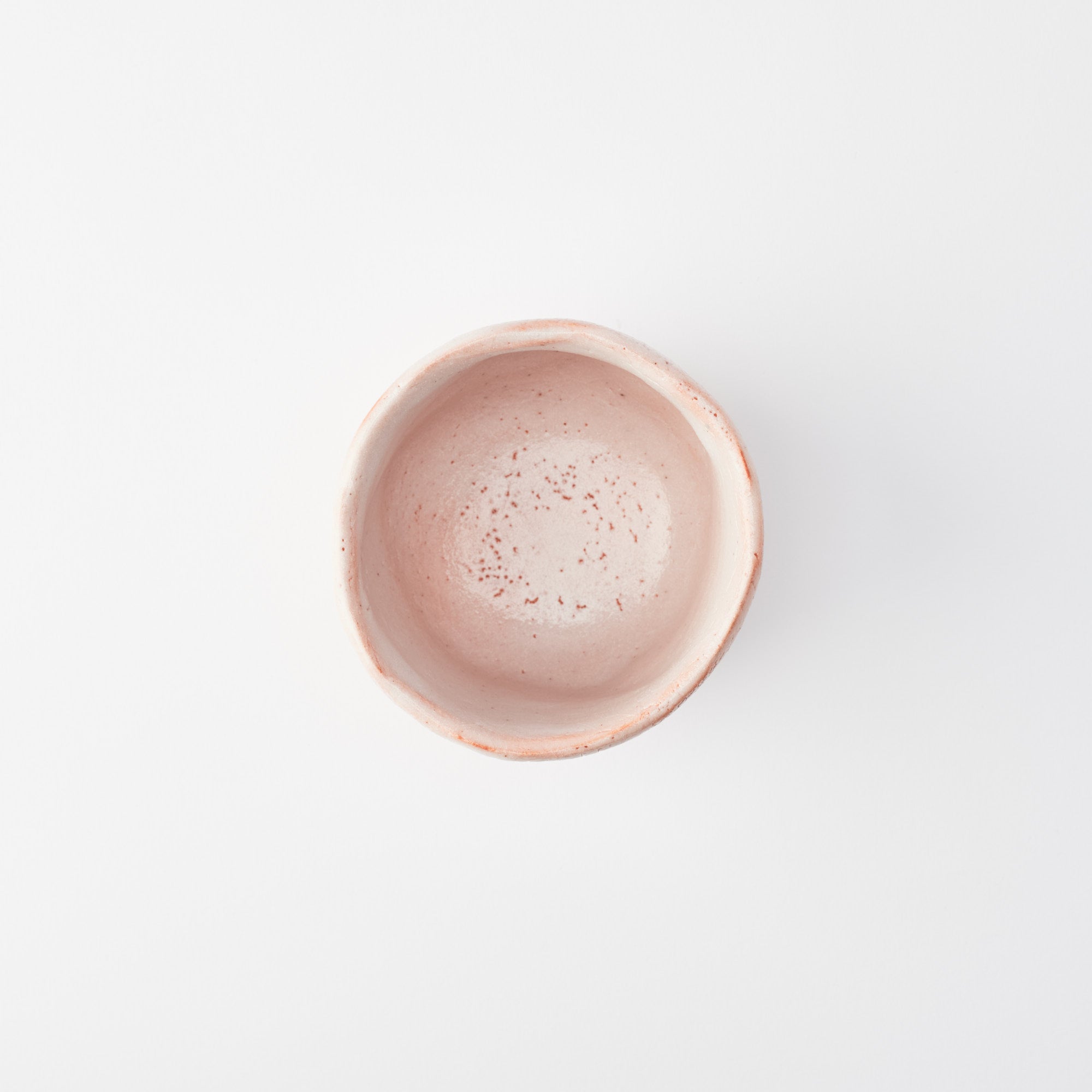
Diese Matcha-Schale von Hori Toshiro, einem Meister der Mino-Keramik, verkörpert die raffinierte Wärme von Shino, Japans erster weißer Glasur. Kräftige und zugleich zarte Risse in der Glasuroberfläche verlaufen sanft über das Stück und erzeugen einen Farbdialog zwischen der perlmuttweißen Shino-Glasur und dem flammenartigen Farbton des Tons. hiiroEs verbirgt und enthüllt zugleich und zeigt Horis Geschick, technische Kontrolle mit den durch Naturkräfte bedingten Zufallsvariationen in Einklang zu bringen.
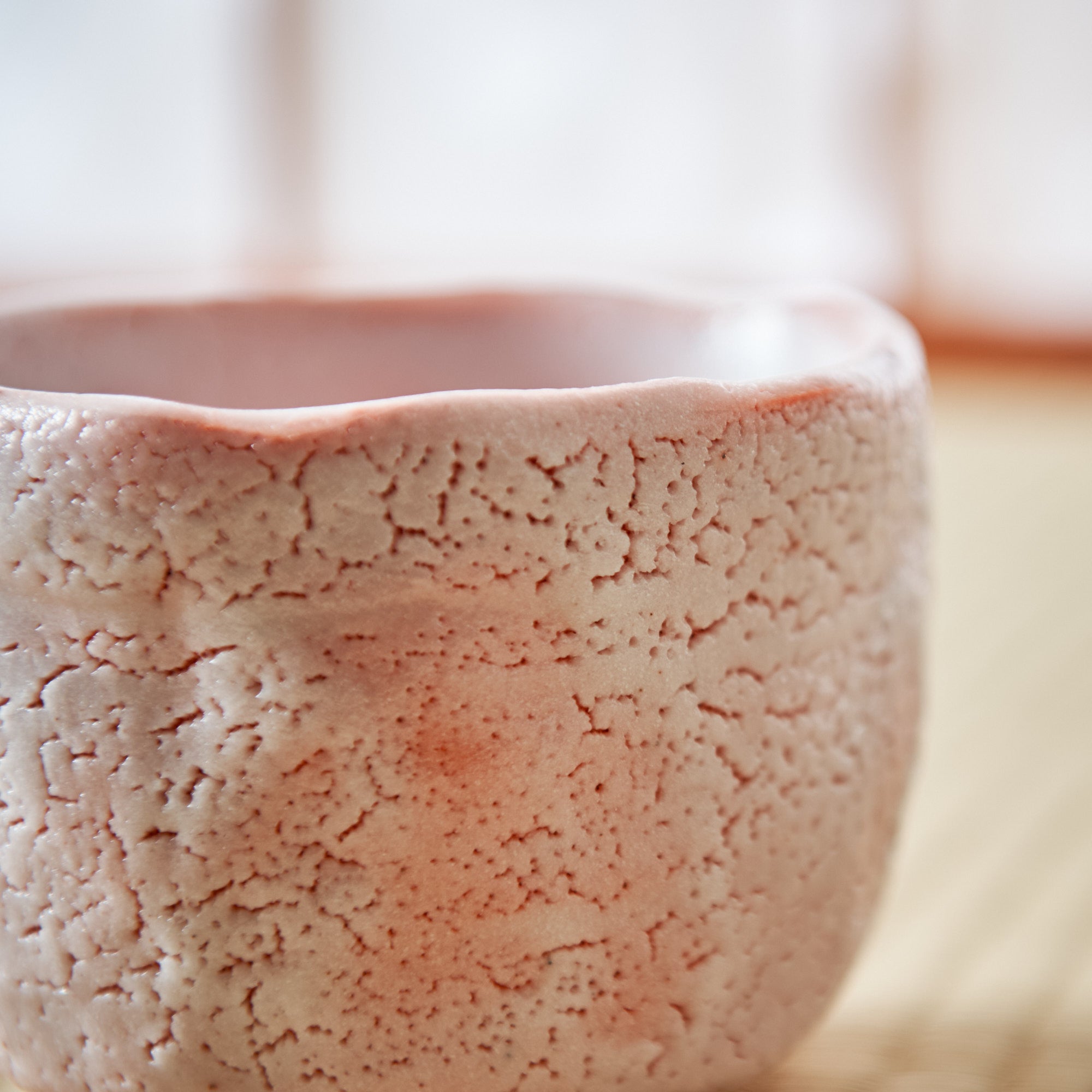
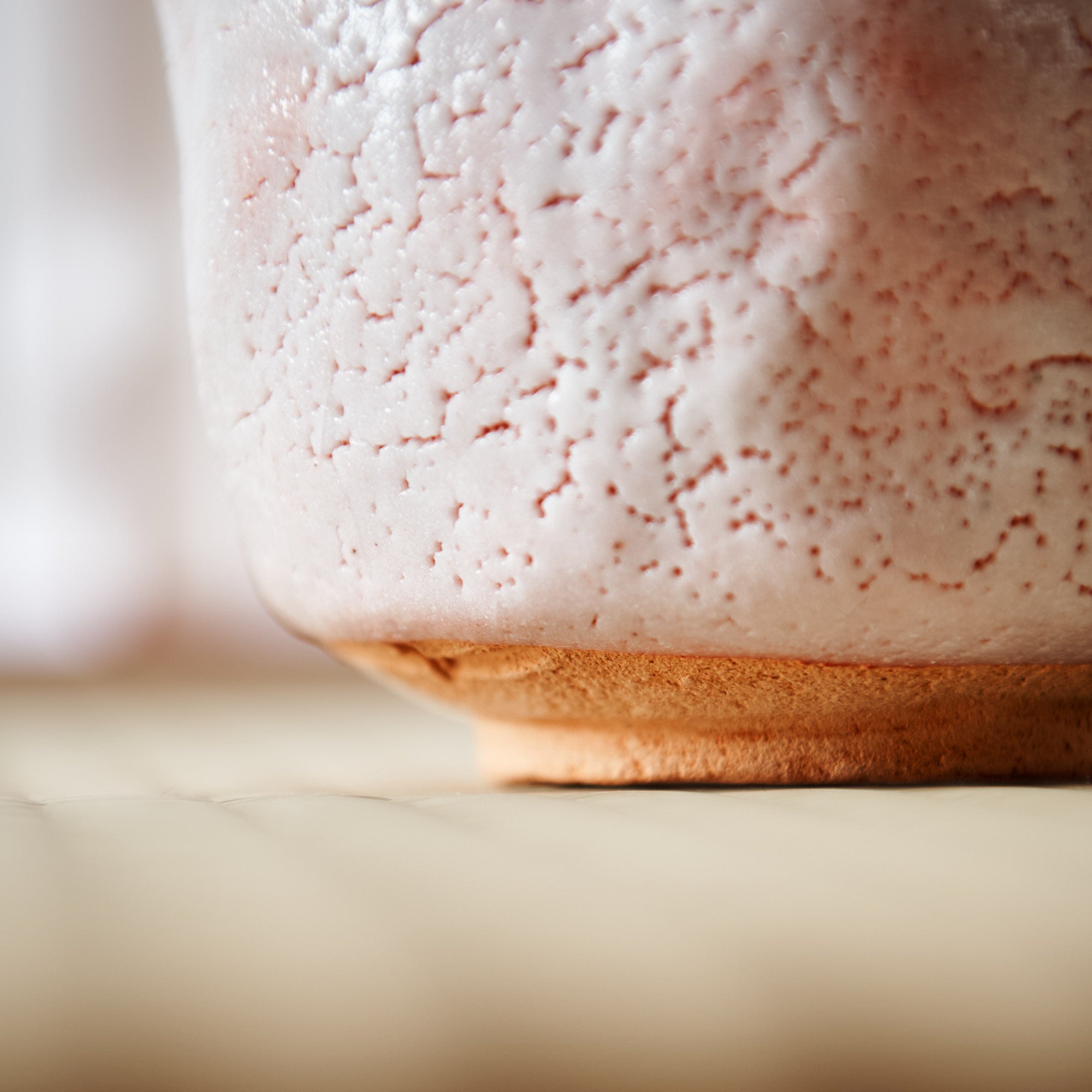
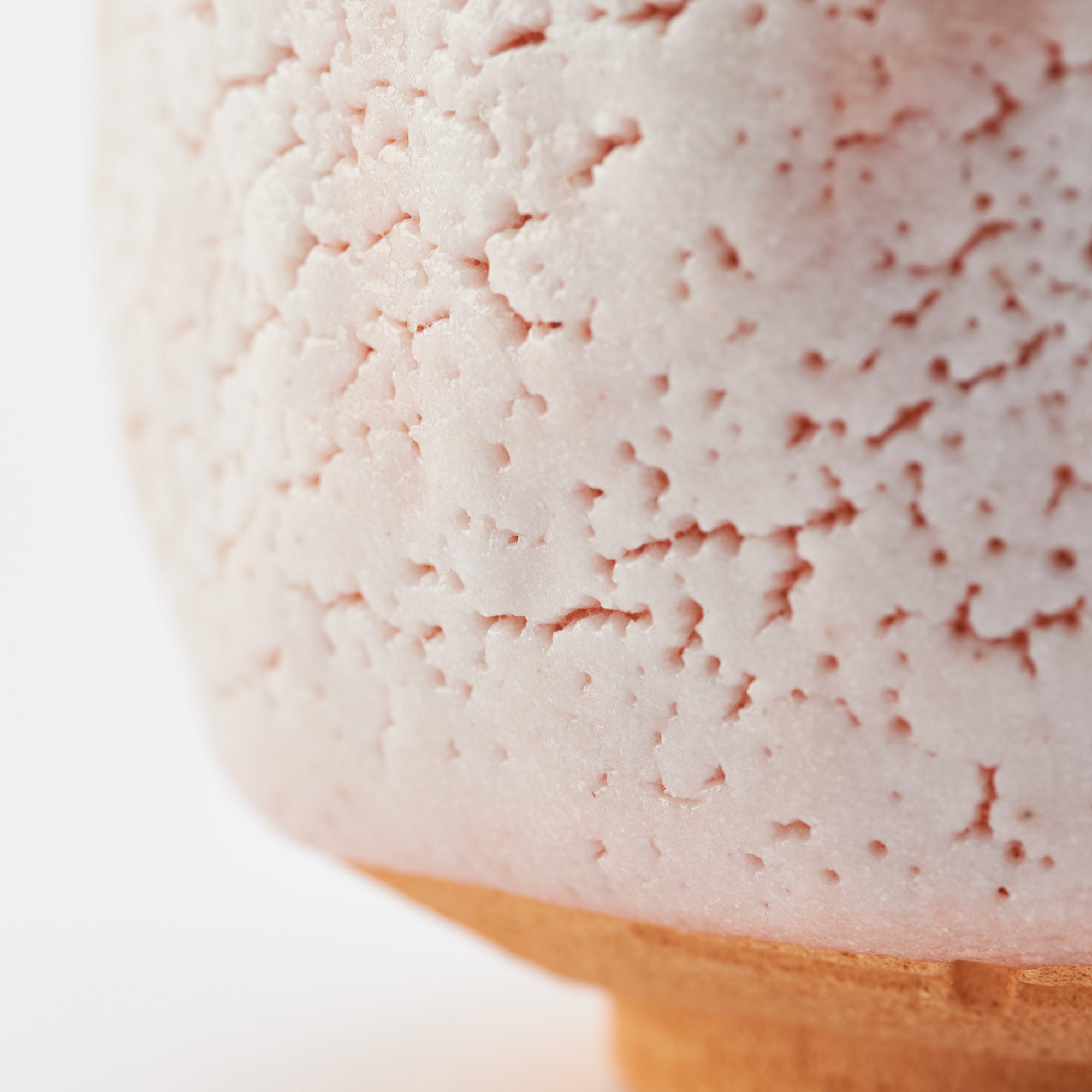
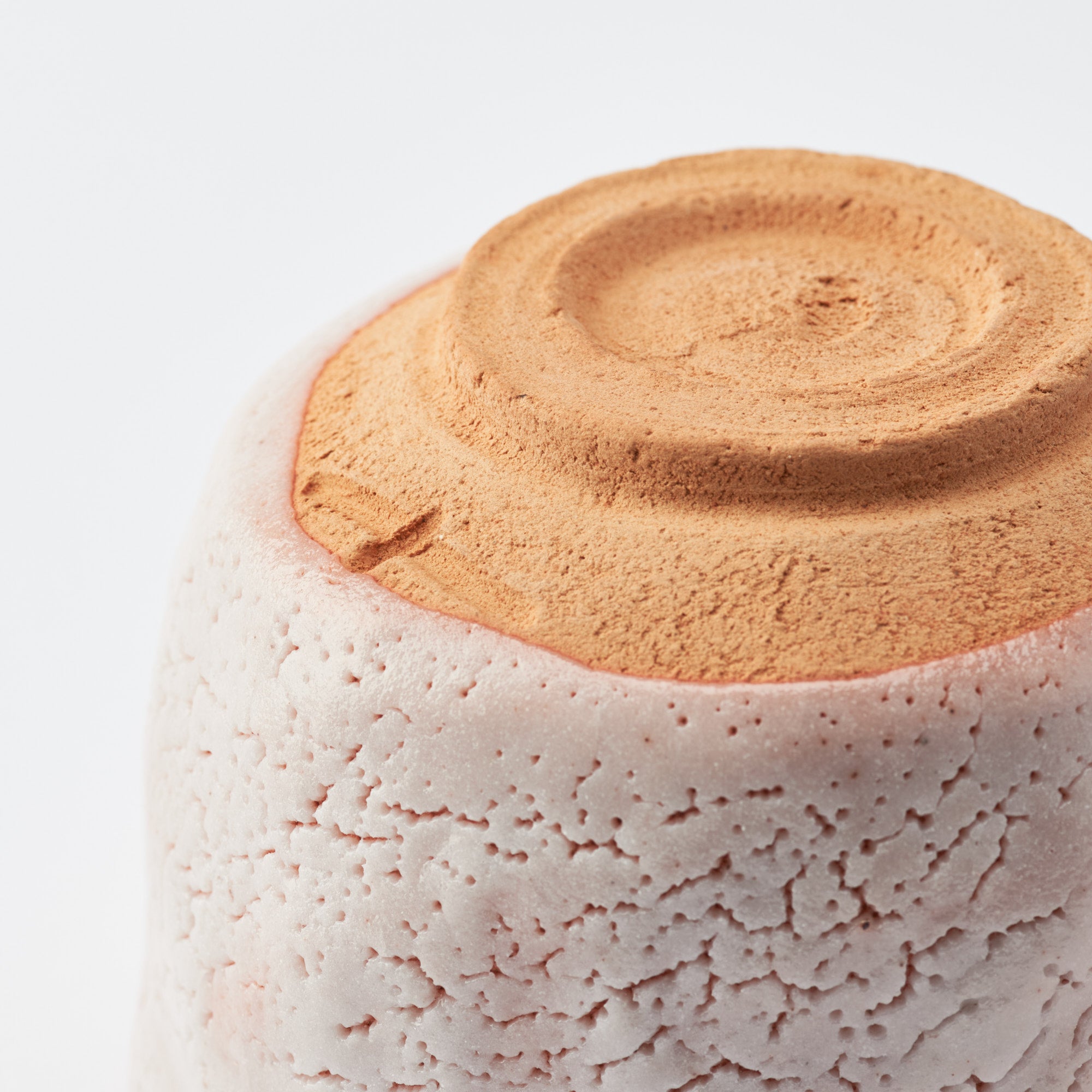
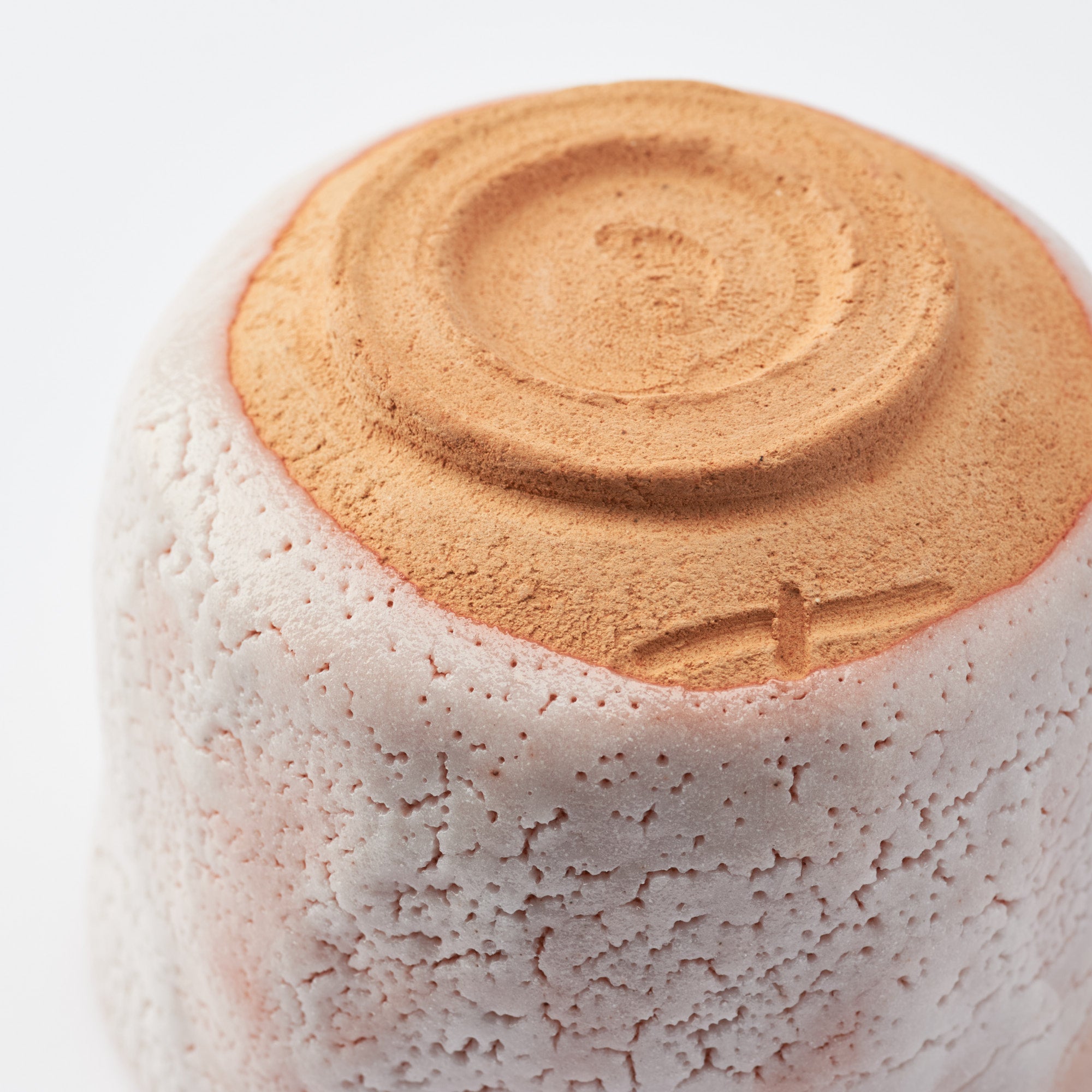
Shino ist eine Glasur auf Feldspatbasis, die sich stärker zusammenzieht als der darunter liegende Tonkörper, wodurch ihr charakteristisches Aussehen entsteht. Kairagioder „Pflaumenblütenhaut“-Textur. Dieses spezielle Stück wurde drei Tage lang in einem traditionellen Ofen gebrannt. Anagama Der Ofen ist ein tunnelartiger, holzbefeuerter Brennofen, der in Japan seit 1600 Jahren verwendet wird. Die Wechselwirkungen zwischen dem Eisen im Ton, der stark reduzierenden Atmosphäre im Ofen und einer eisenreichen Hülle, die während des Brennvorgangs um das Gefäß gelegt wird, erzeugen die orange-rote Farbe, die durch die Risse hindurchscheint.
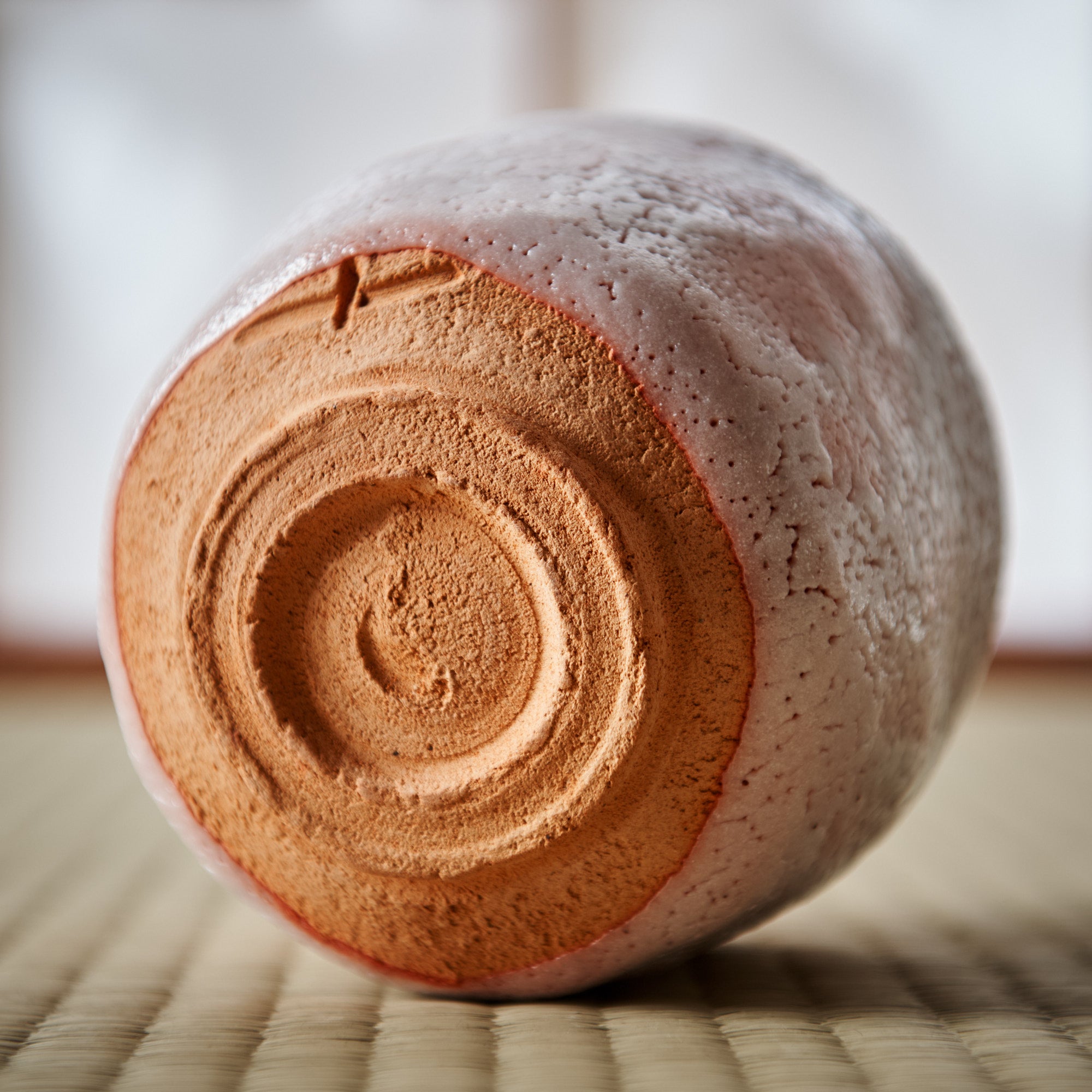
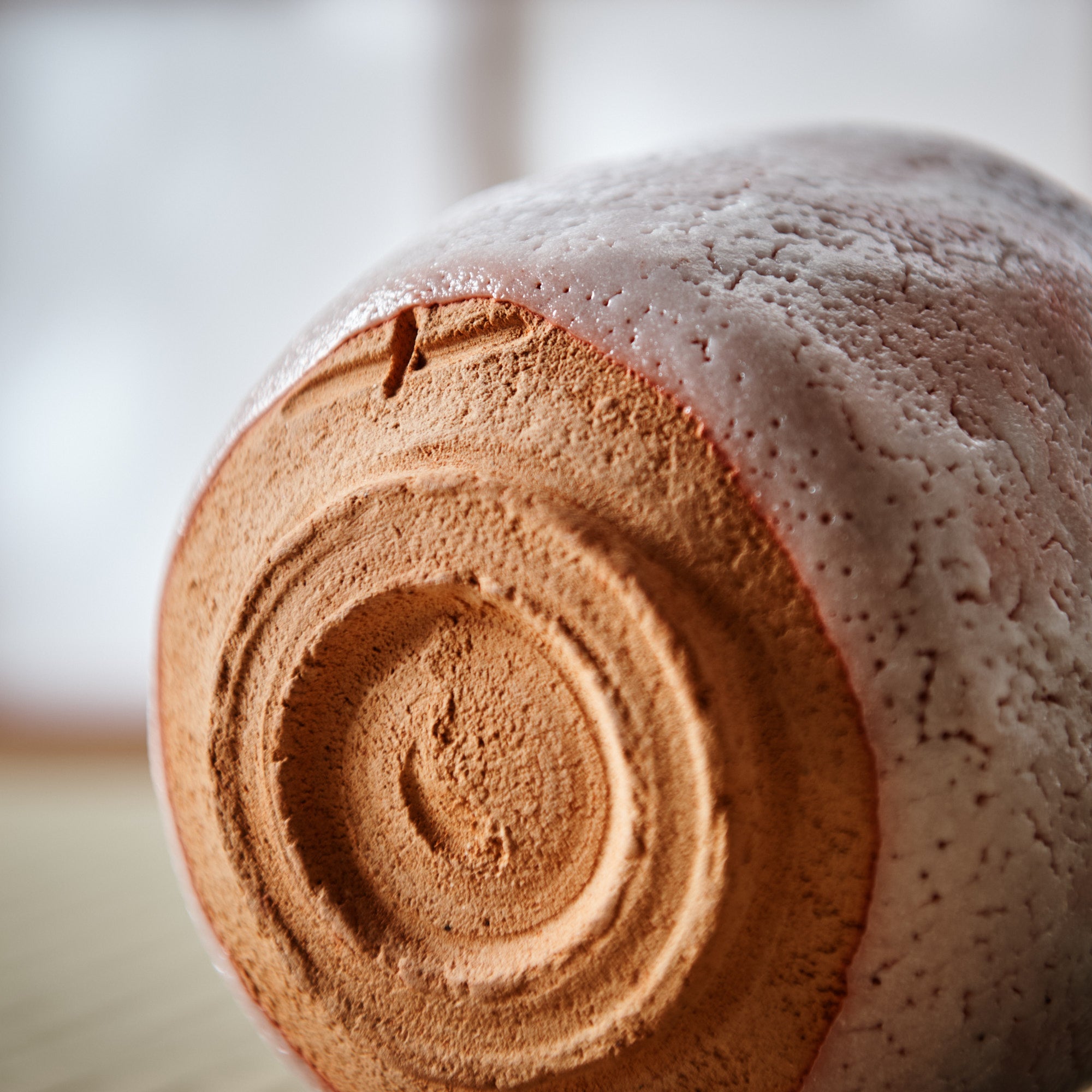
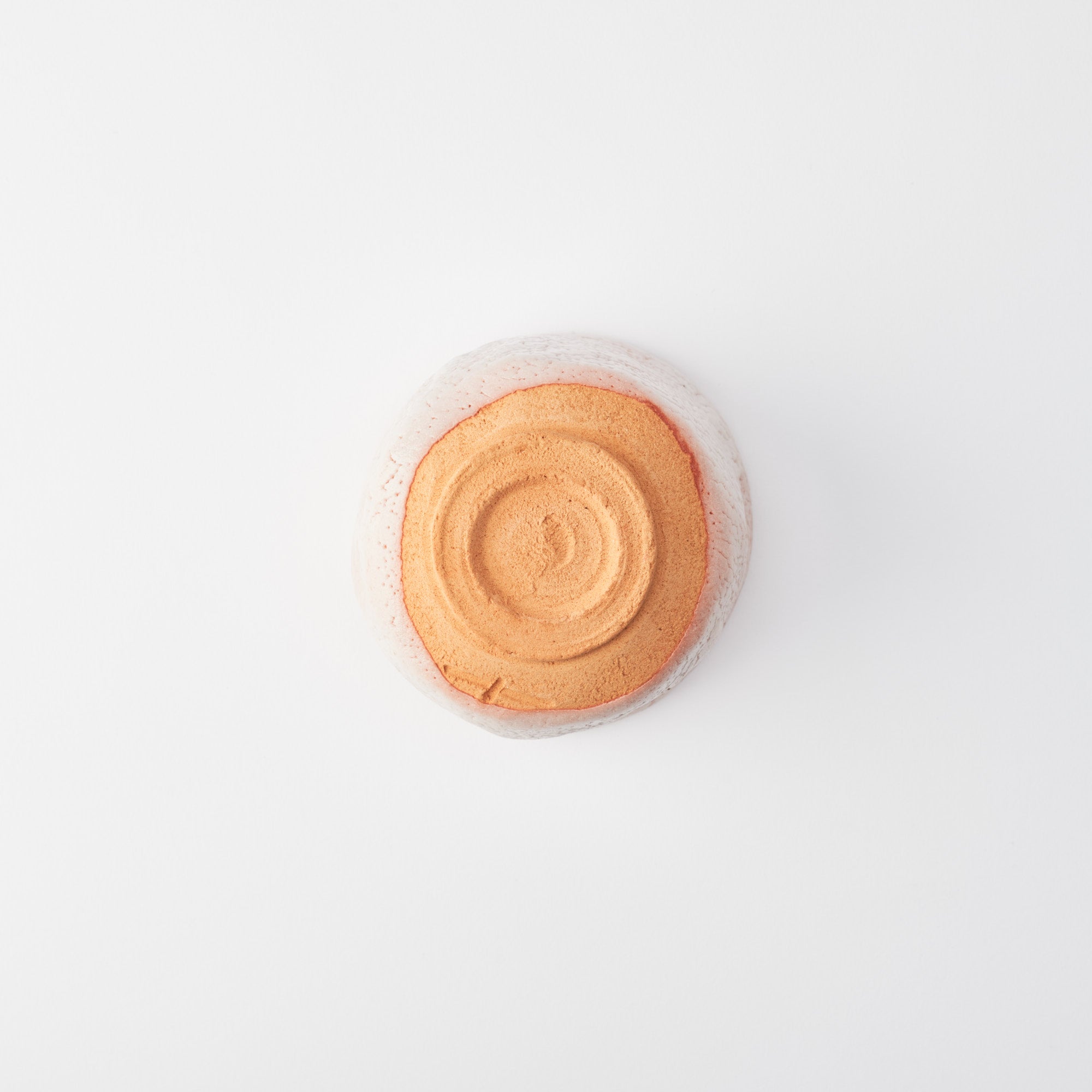
Dieses Stück entstand aus lokalen Materialien. Mogusa Und Gotomaki Die Tonmischung besteht zu gleichen Teilen aus Mogusa-Ton, der einen hohen Anteil davon enthält. Mogusa-Ton, benannt nach den Moxibustionskräutern aufgrund seiner Textur, ist sehr schwer zu verarbeiten, besitzt aber eine flauschige Beschaffenheit, ähnlich der Keramik der Azuchi-Momoyama-Zeit. (1573–1603 n. Chr.). Der Sockel ist unglasiert, ein Stil, der als Tsuchimiseoder „die Erde zeigen“, was die weiche, organische Beschaffenheit dieses besonderen Tons offenbart.
Die Matcha-Schale ist nicht perfekt zylindrisch, ihre sanften Vertiefungen und Kurven schmiegen sich angenehm in die Handflächen, die dicke Glasur sorgt für ein weiches, angenehmes Gefühl. Bei jeder Drehung offenbart sich eine neue Oberflächenstruktur, die zum wiederholten Betrachten einlädt. Mit der Zeit sickert der Tee langsam in die Risse und verkörpert so die Philosophie der Teezeremonie und das japanische Konzept der... keinen bikaDie Überzeugung, dass Schönheit mit dem Alter zunimmt. Der Nutzer wird somit Teil der Geschichte dieses Kunstwerks, das nicht nur historisch bedeutsam ist, sondern auch eine Brücke in die Zukunft schlägt.
EINZELHEITEN
| Quantity | 1 |
| Size |
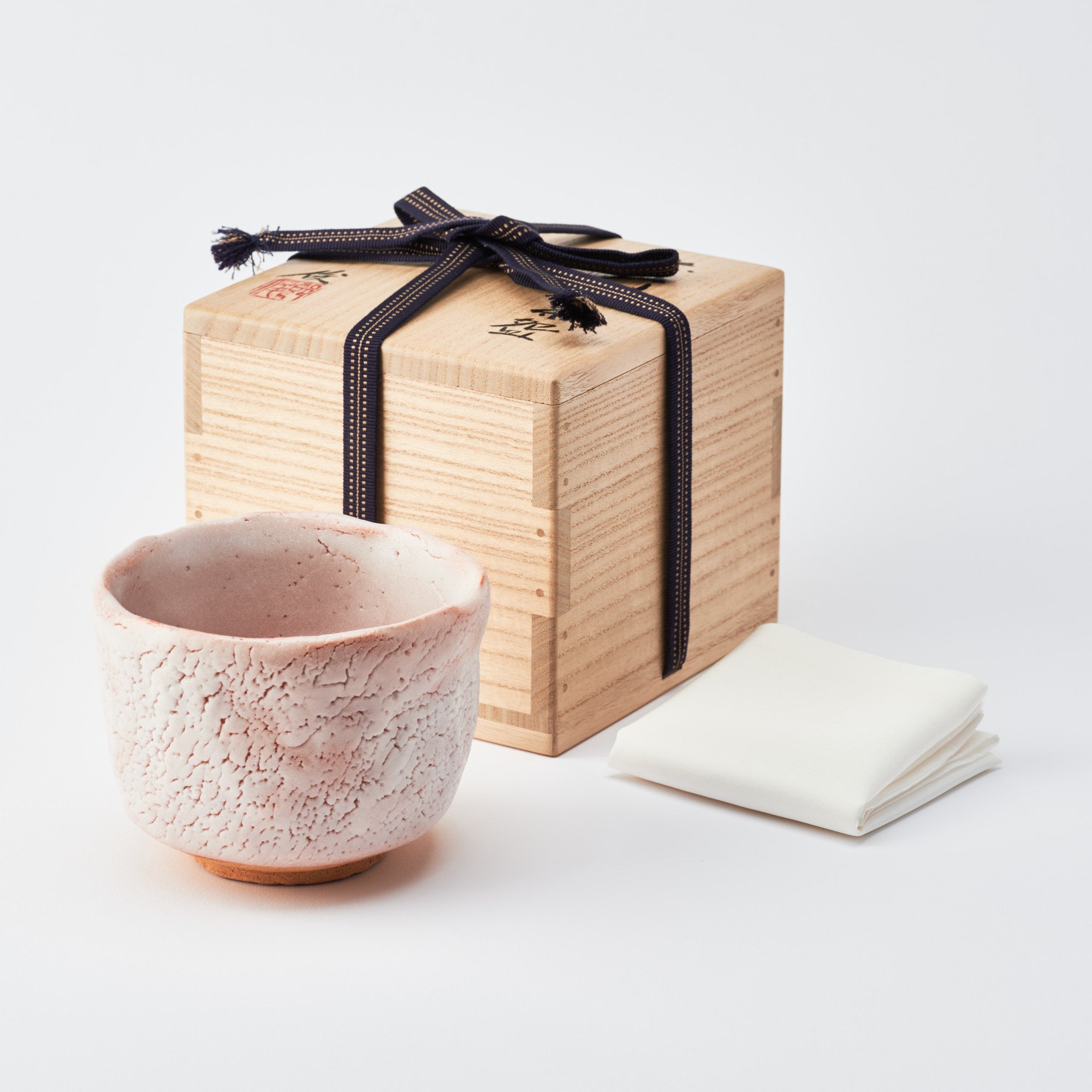
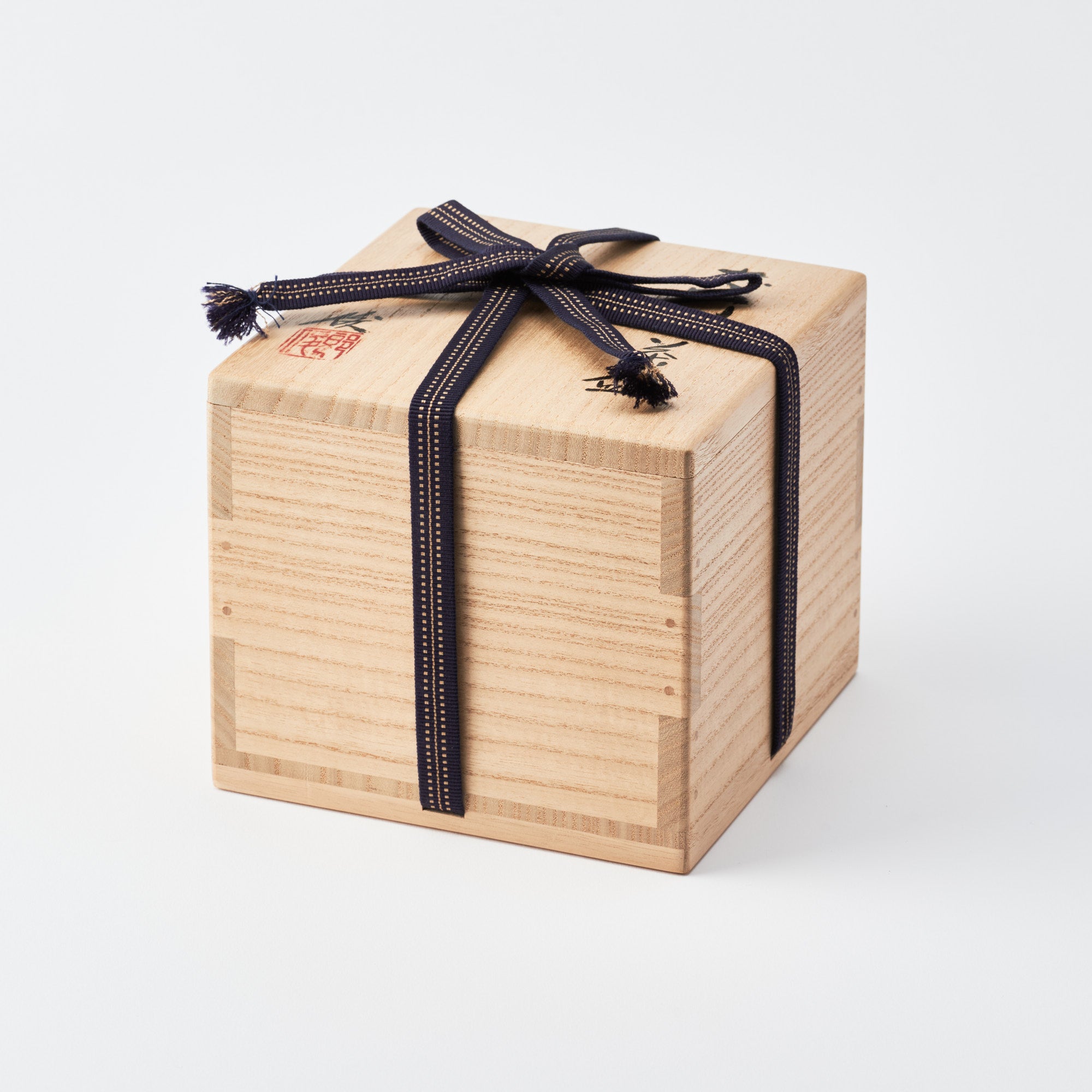
D 12.0 cm (4.7 in) x H 9.5 cm (3.7 in) [Innner size] D 11.0 cm (4.3 in) x H 8.0 cm (3.1 in) [Wooden box] L 14.5 cm (5.7 in) x W 14.5 cm (5.7 in) x H 14.0 cm (5.5 in) |
| Weight | 470 g (16.6 oz) |
| Material | Stoneware |
| Package Type | Wooden box |
| Microwave | No |
| Dishwasher | No |
Hersteller / Marke
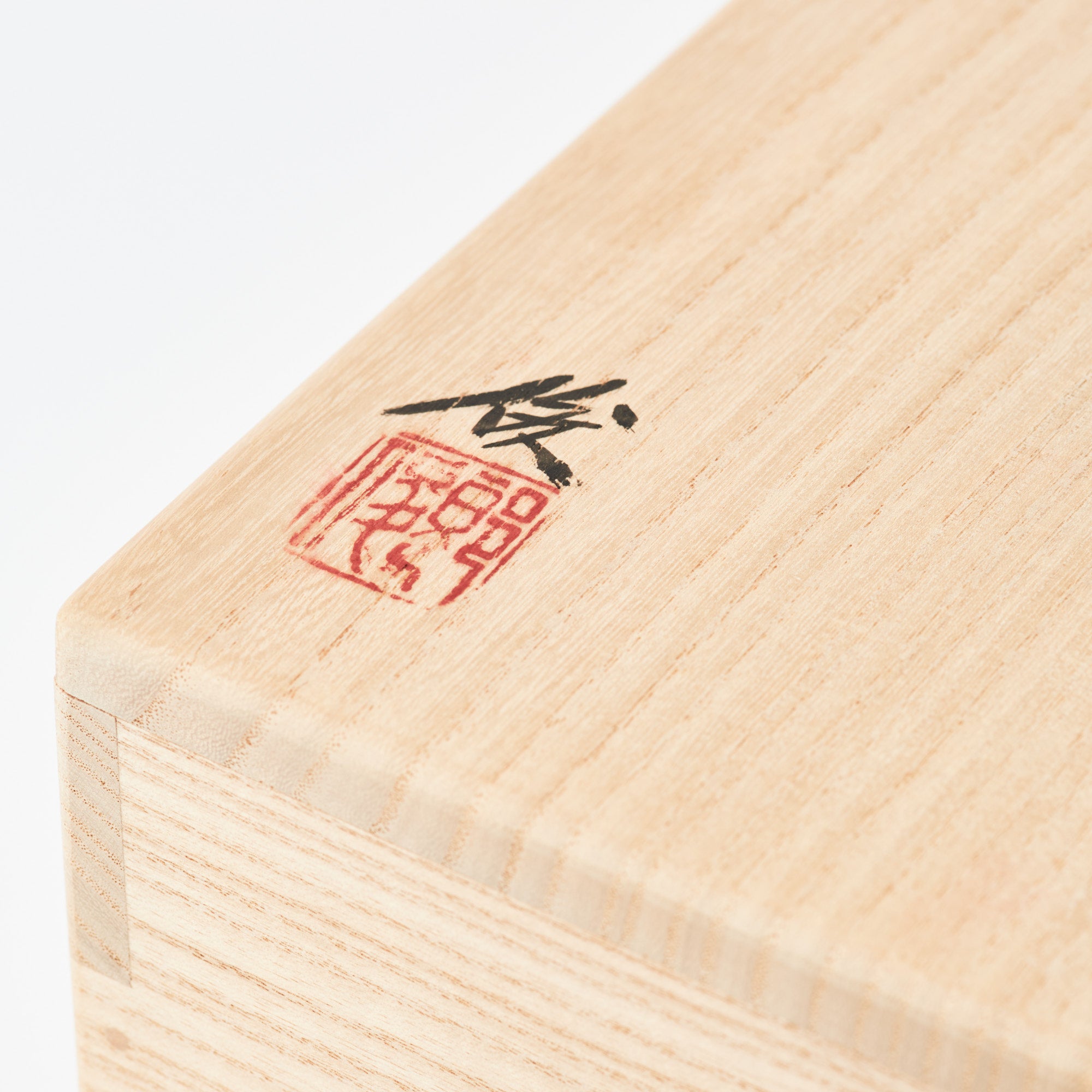
Hori Toshiro ist ein Künstler, der sich auf traditionelle Mino-Momoyama-Keramiktechniken wie Shino, Setoguro, Oribe und Ki-Seto spezialisiert hat. Er verwendet lokalen Ton und brennt seine Keramik im Holzofen. Anagama Im Brennofen kreiert er reichhaltige Texturen und glänzende Glasuren, die die Eleganz des Wabi-Sabi-Stils beispielhaft verkörpern.
Hori ist Träger des immateriellen Kulturguts Shino der Stadt Kani und erbte Setoguro von Kato Kozo, dem Träger des wichtigen immateriellen Kulturerbes, mit dem er fünfzig Jahre lang zusammenarbeitete. Heute engagiert sich Hori aktiv für die Wiederbelebung und Verbreitung der Mino-Momoyama-Keramik. Neben seinen eigenen künstlerischen Tätigkeiten berät er die Keramikmarke deidei, um das Handwerk an zukünftige Generationen weiterzugeben.

Kunsthandwerk
Mino-Ware, die in der Region Tono in der Präfektur Gifu hergestellt wird, ist in der japanischen Töpferei für ihr reiches Erbe und ihre Vielseitigkeit bekannt. Sie umfasst über fünfzehn verschiedene Stile und ist damit vielfältiger als viele andere japanische Keramiken.
Mittlerweile macht Mino-Keramik über 50 Prozent der japanischen Keramikproduktion aus und ist unübertroffen beliebt. Mino-Keramik wurde 1978 als traditionelles Handwerk anerkannt und spiegelt eine Mischung aus historischer Tiefe und moderner Relevanz wider – ein Beispiel für außergewöhnliche Handwerkskunst.
Optionen auswählen
About Artist
Musubi-Galerie
Seit ihrer Gründung Musubi Kiln hat sich zum Ziel gesetzt, der Welt die besten traditionellen Handwerkskünste von Meistern aus ganz Japan vorzustellen.
Hier in der Galerie präsentieren wir Ihnen traditionelle Techniken auf höchstem Niveau, die über Generationen weitergegeben wurden. Entdecken Sie Werke von Meistern, die diese Methoden nicht nur perfektioniert, sondern auch ihre Fantasie eingebracht haben, um das Handwerk weiterzuentwickeln.
Einige dieser Meister wurden sogar zum Träger des Titels „Wichtiges immaterielles Kulturerbe“ ernannt, ein Titel, der ihnen von der japanischen Regierung verliehen wurde, um ihren Beitrag zu Handwerk und Kultur formell anzuerkennen – und damit ihr Vermächtnis zu festigen und sie zu einem wichtigen Teil der Kunstgeschichte zu machen.
Jedes einzelne Stück wird über viele Monate hinweg in sorgfältiger Handarbeit gefertigt, um ein zeitloses und einzigartiges Schmuckstück zu schaffen. Und wenn es einmal in Ihrem Zuhause ist, werden auch Sie Teil dieser Geschichte.
Willkommen in der Galerie. Bitte stöbern Sie in Ruhe.