Oribe Reisschüssel
Ships from Japan · Free shipping on orders over $250 USD
Estimated Shipping Widget will be displayed here!
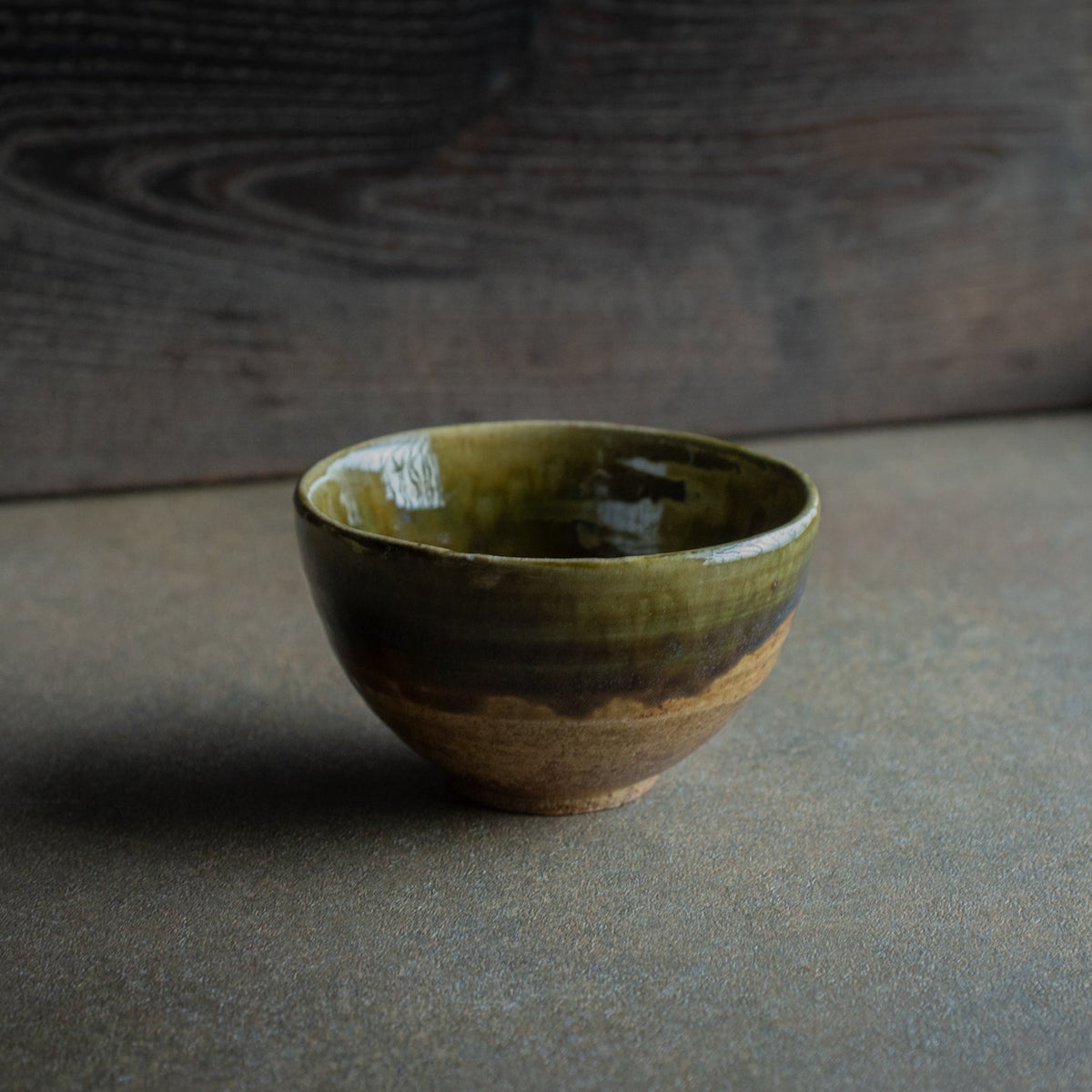
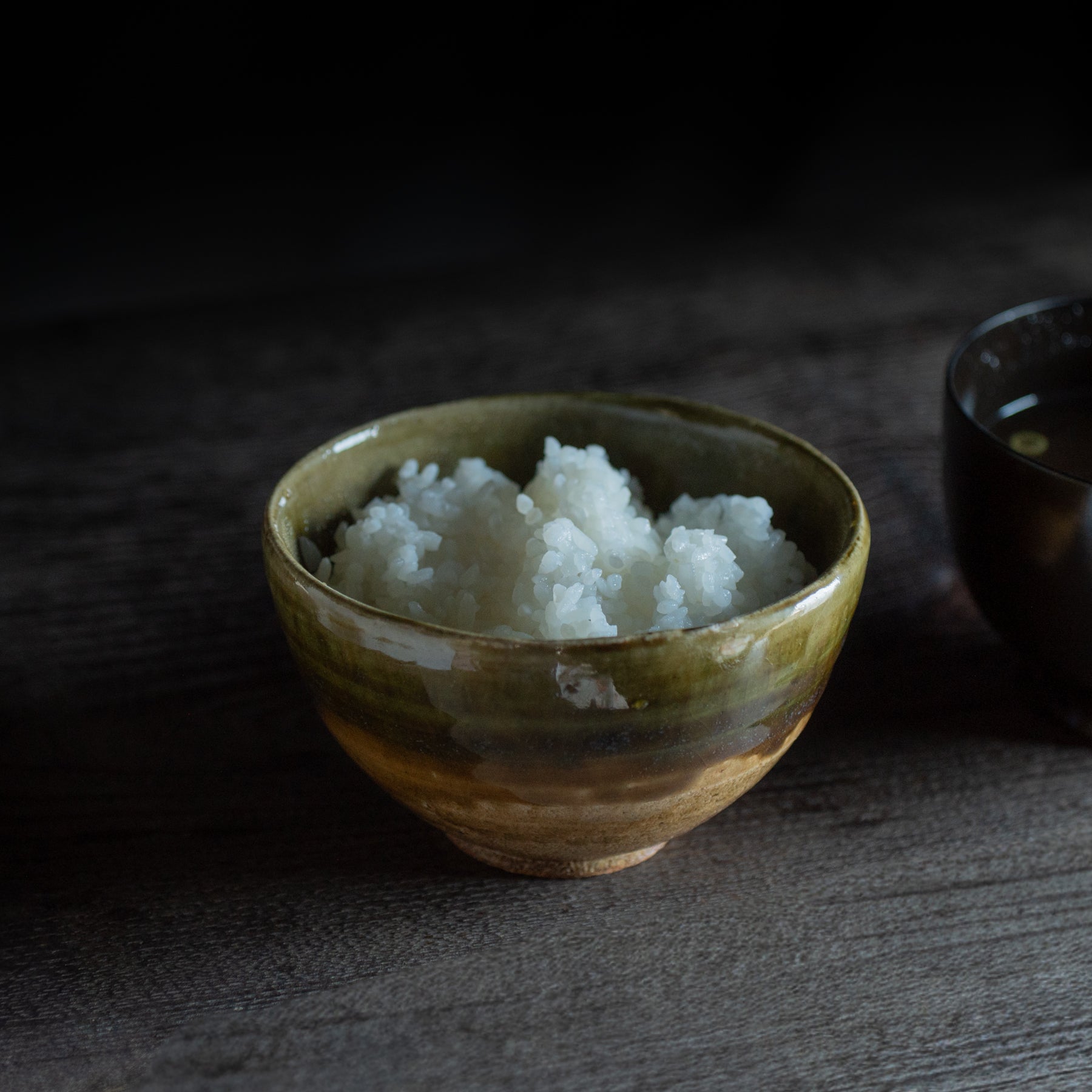
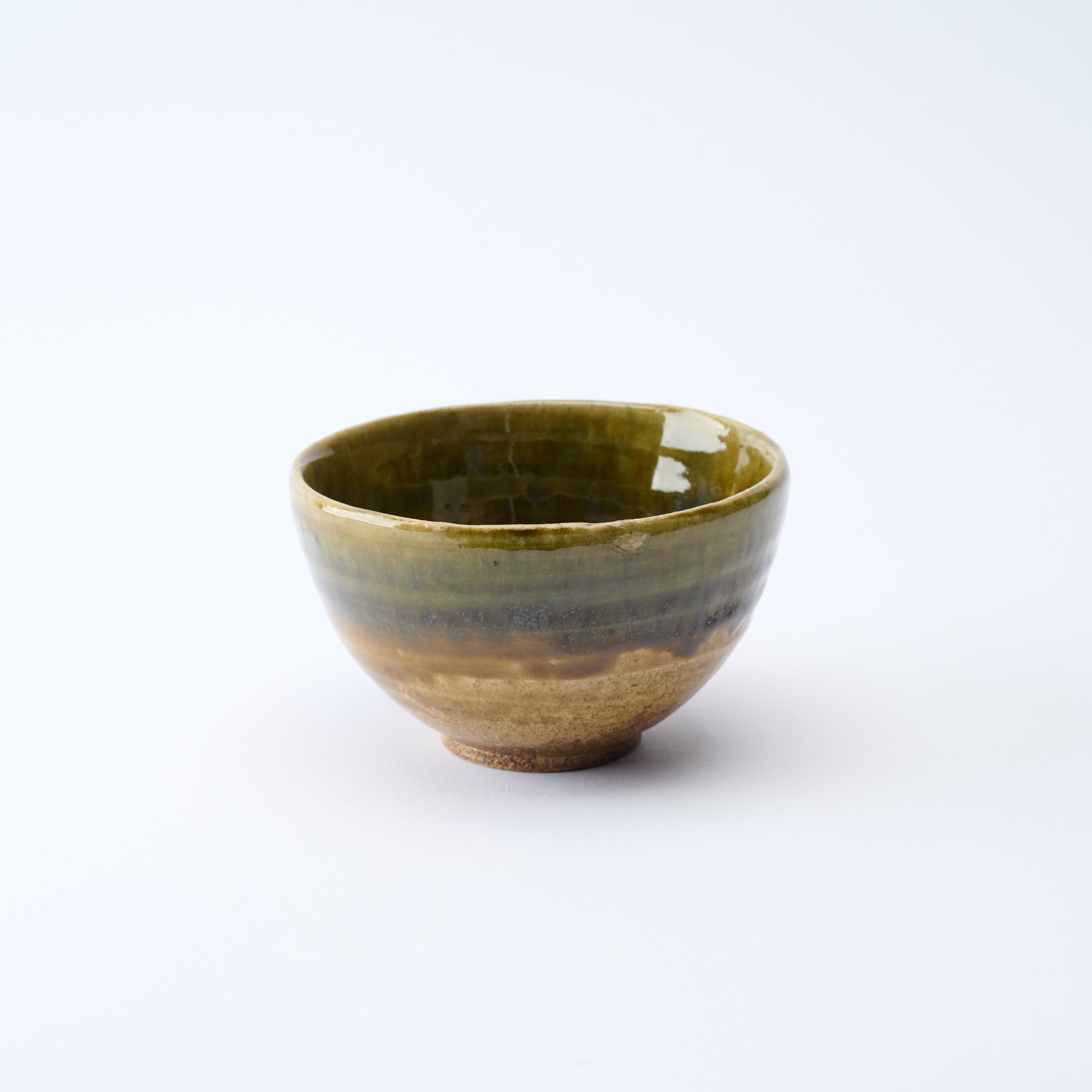
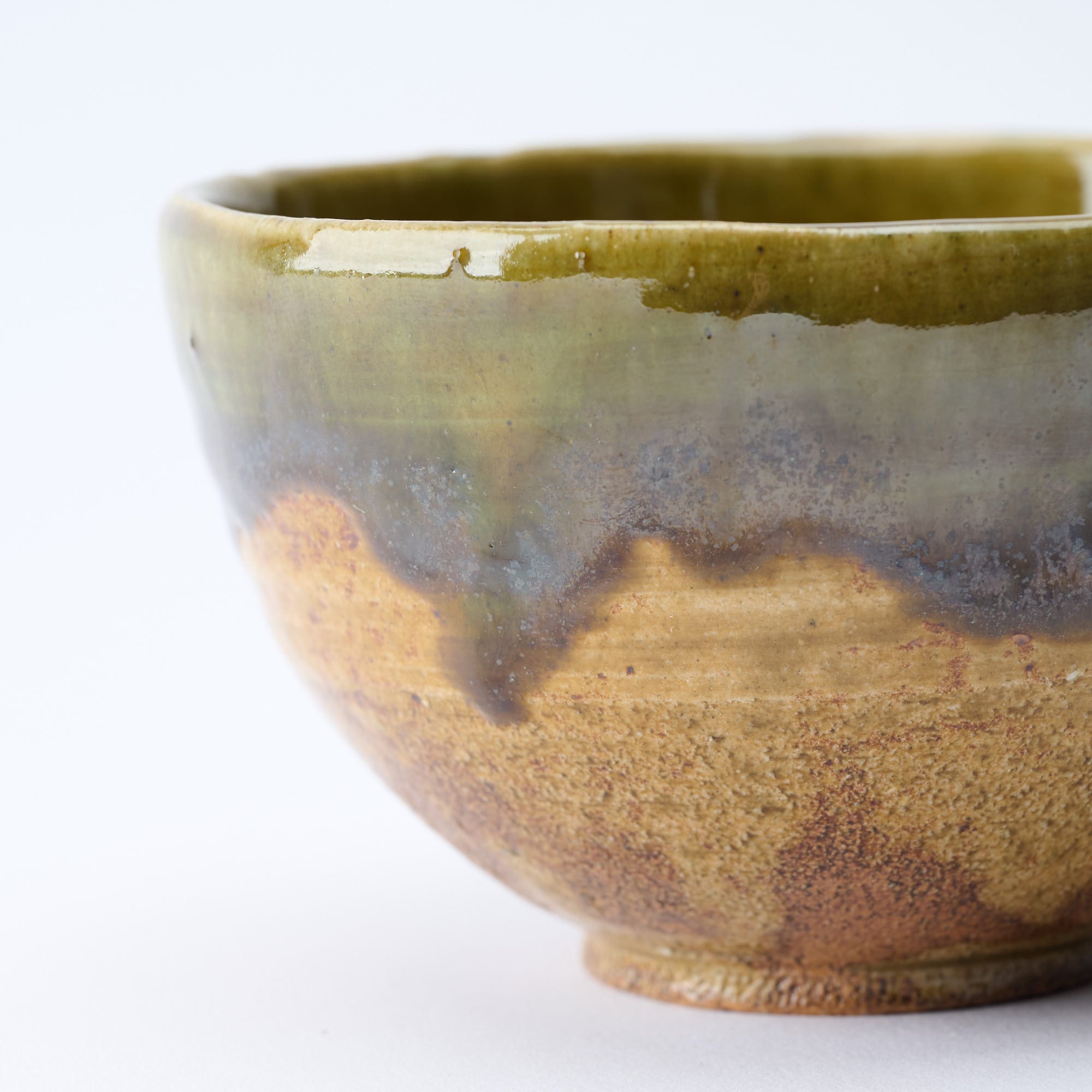
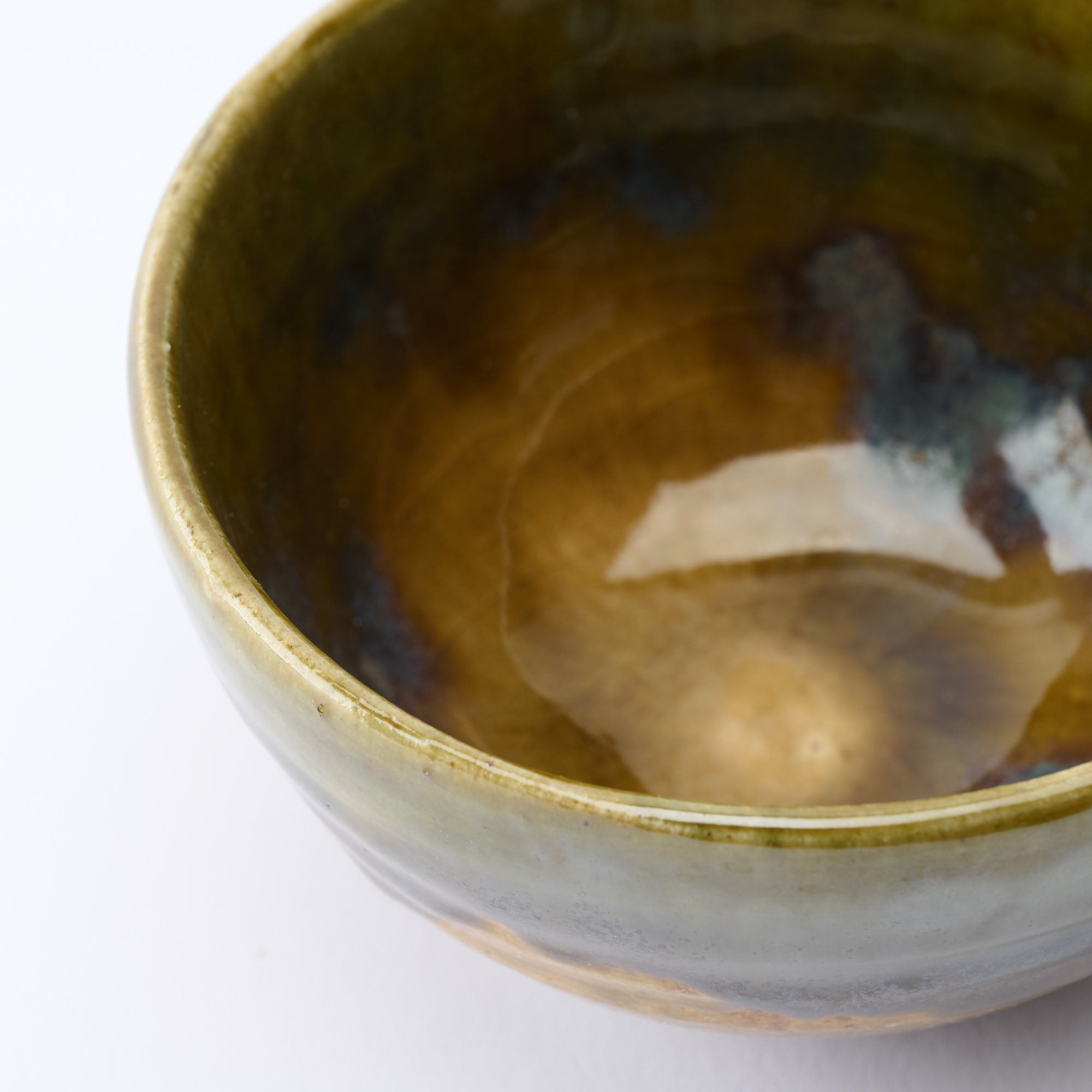
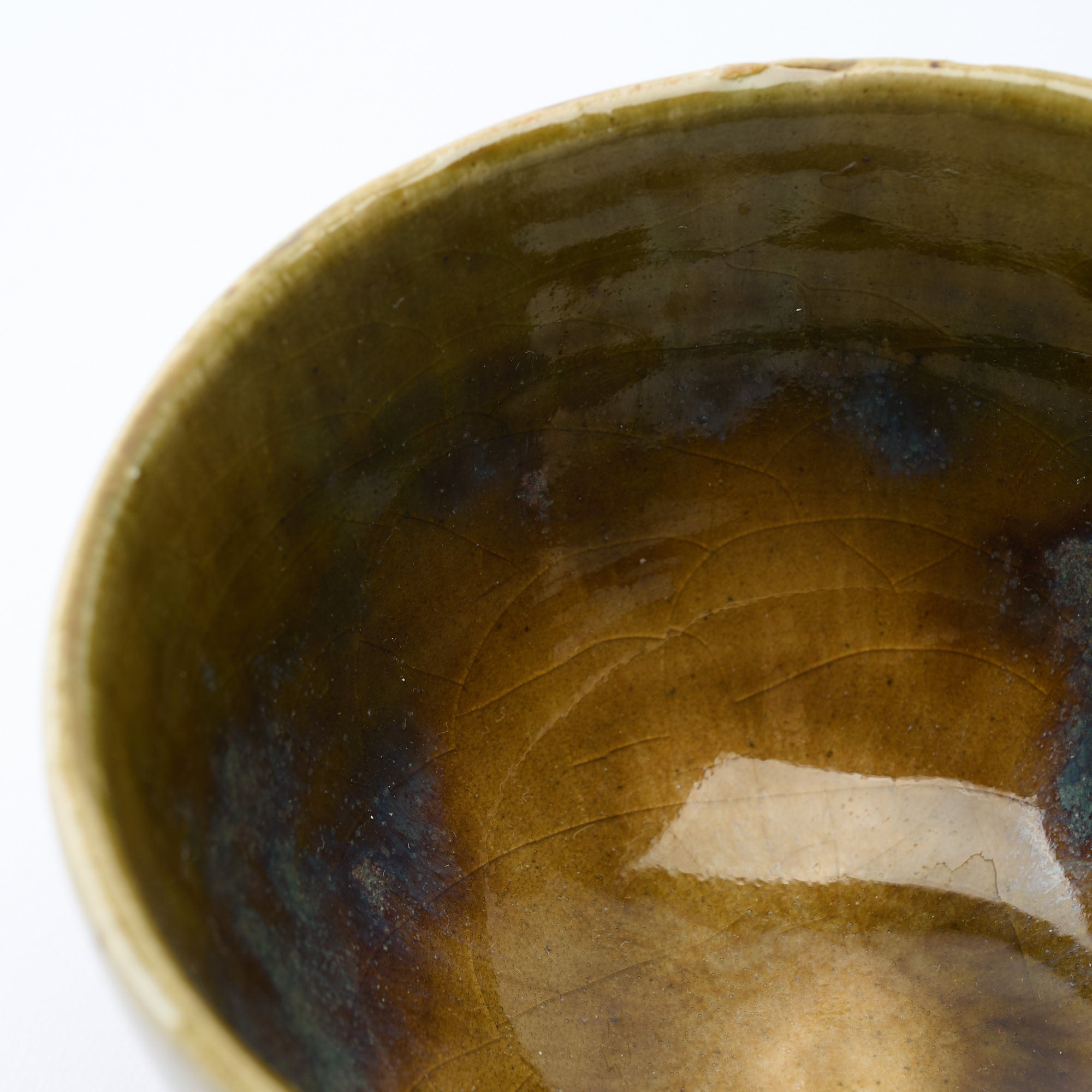
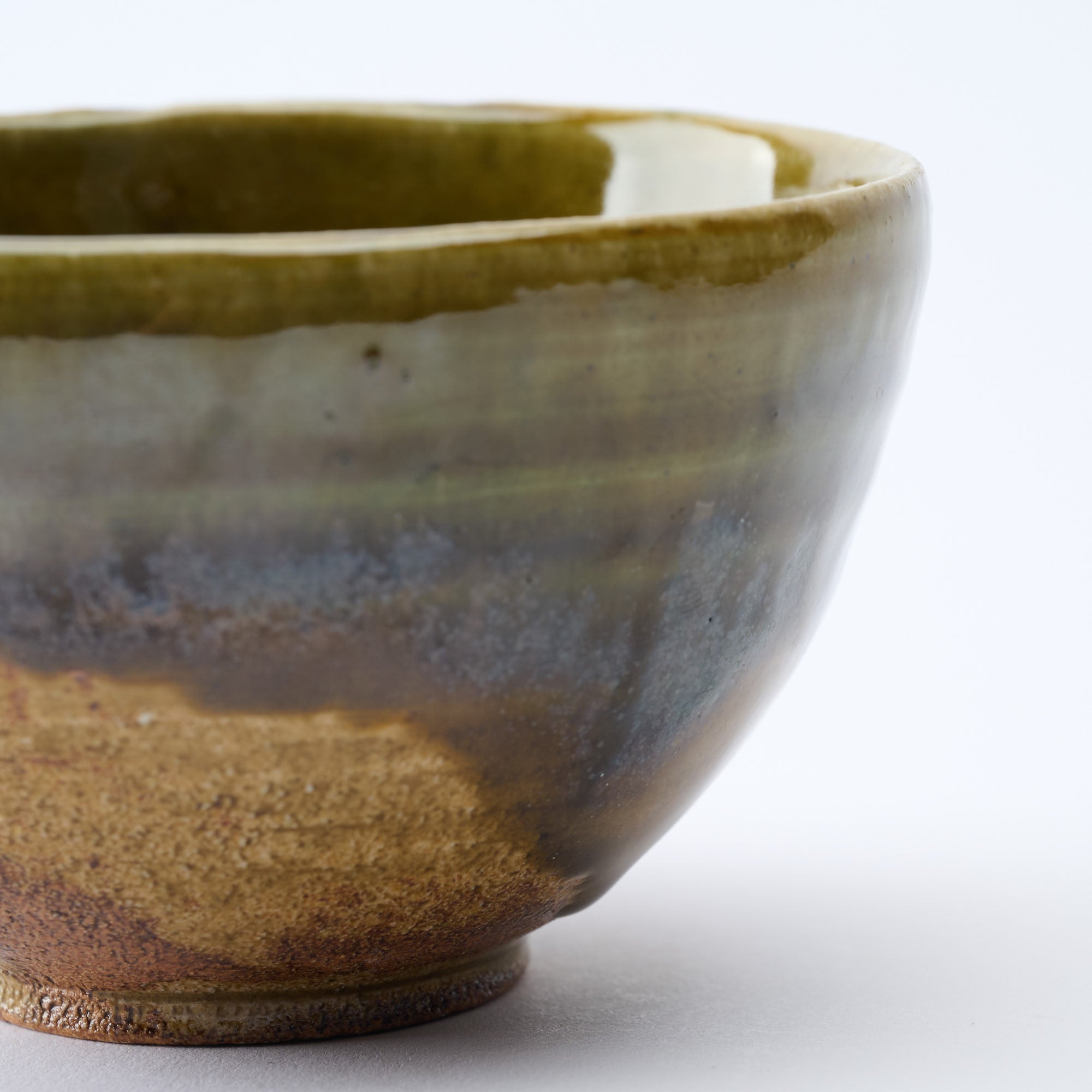
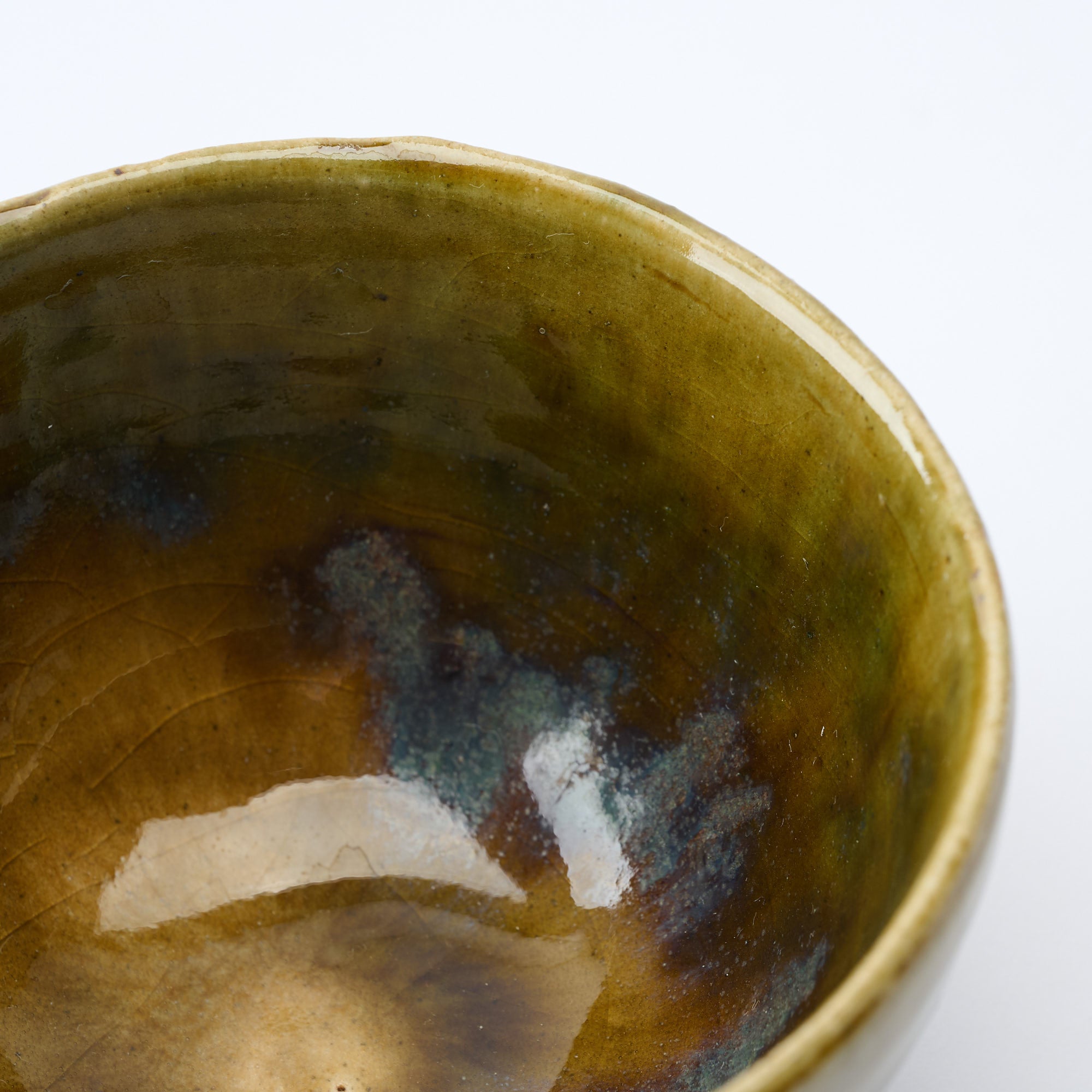
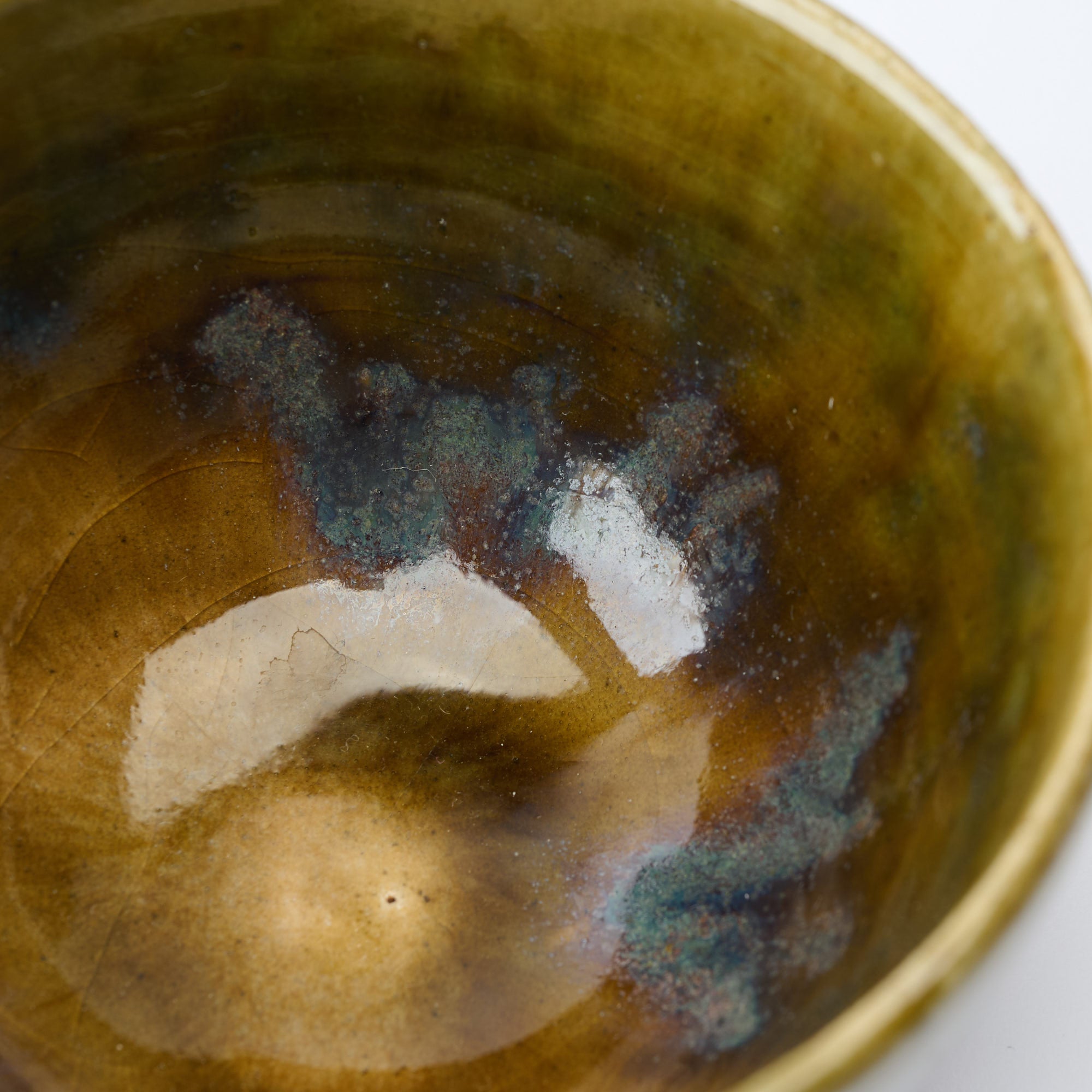
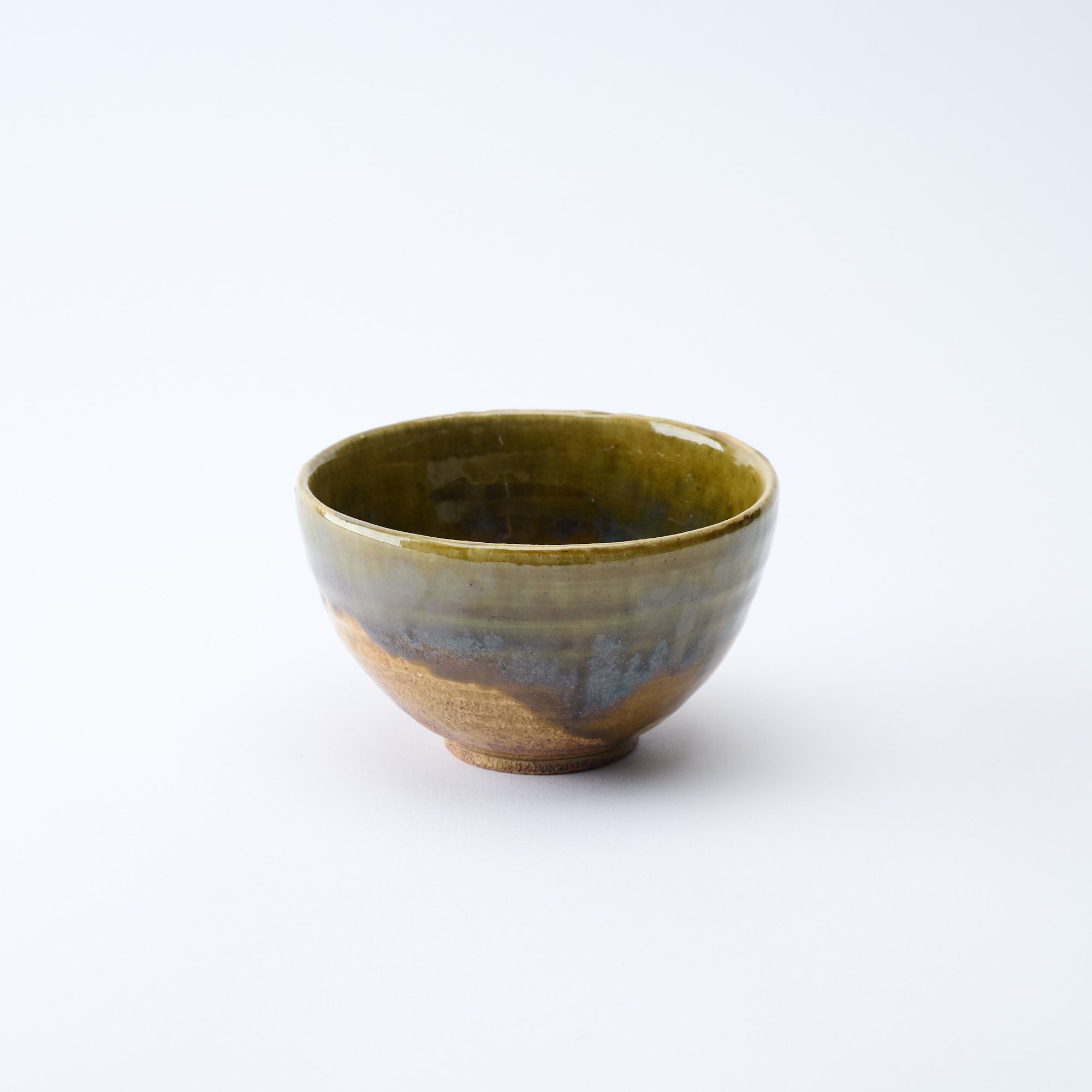
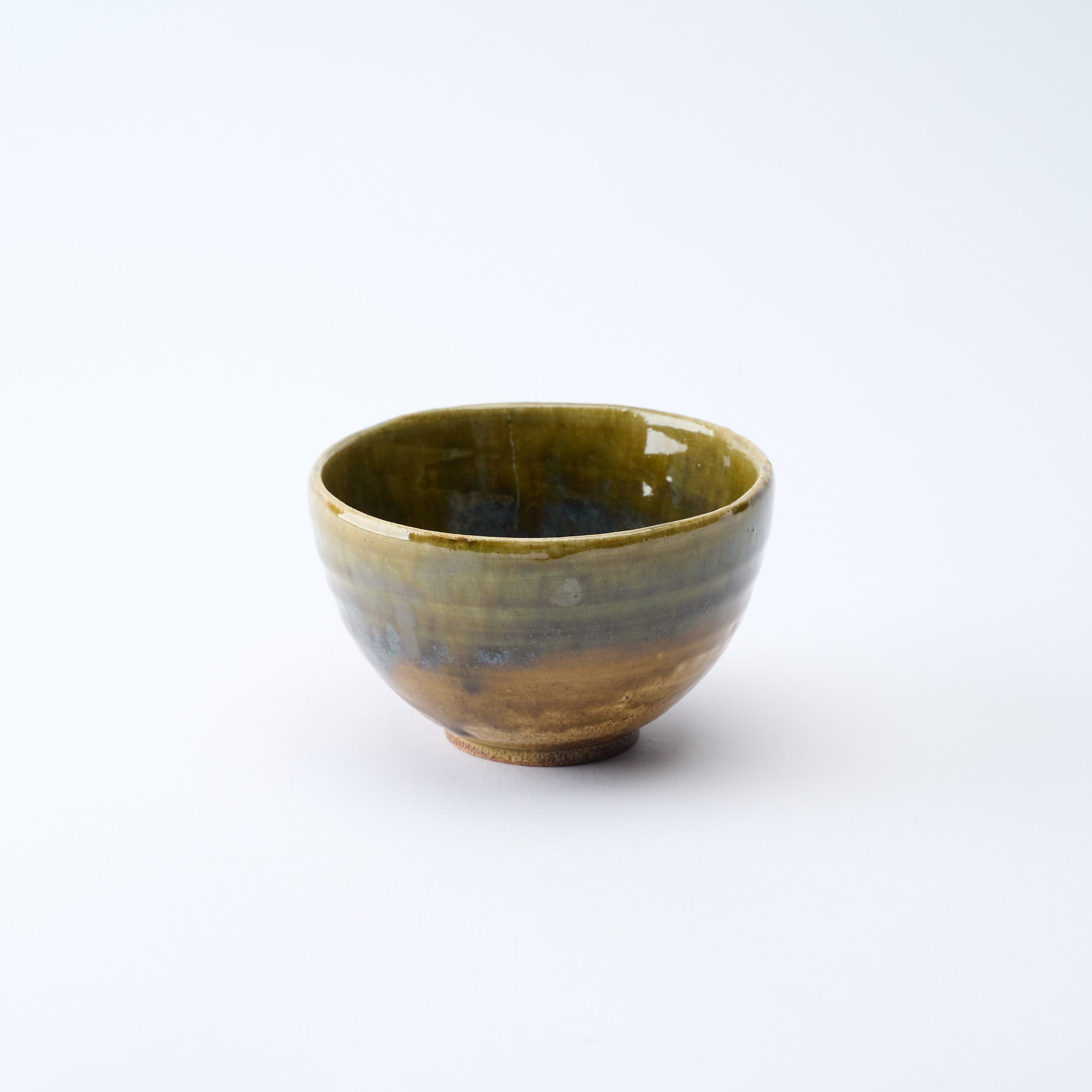
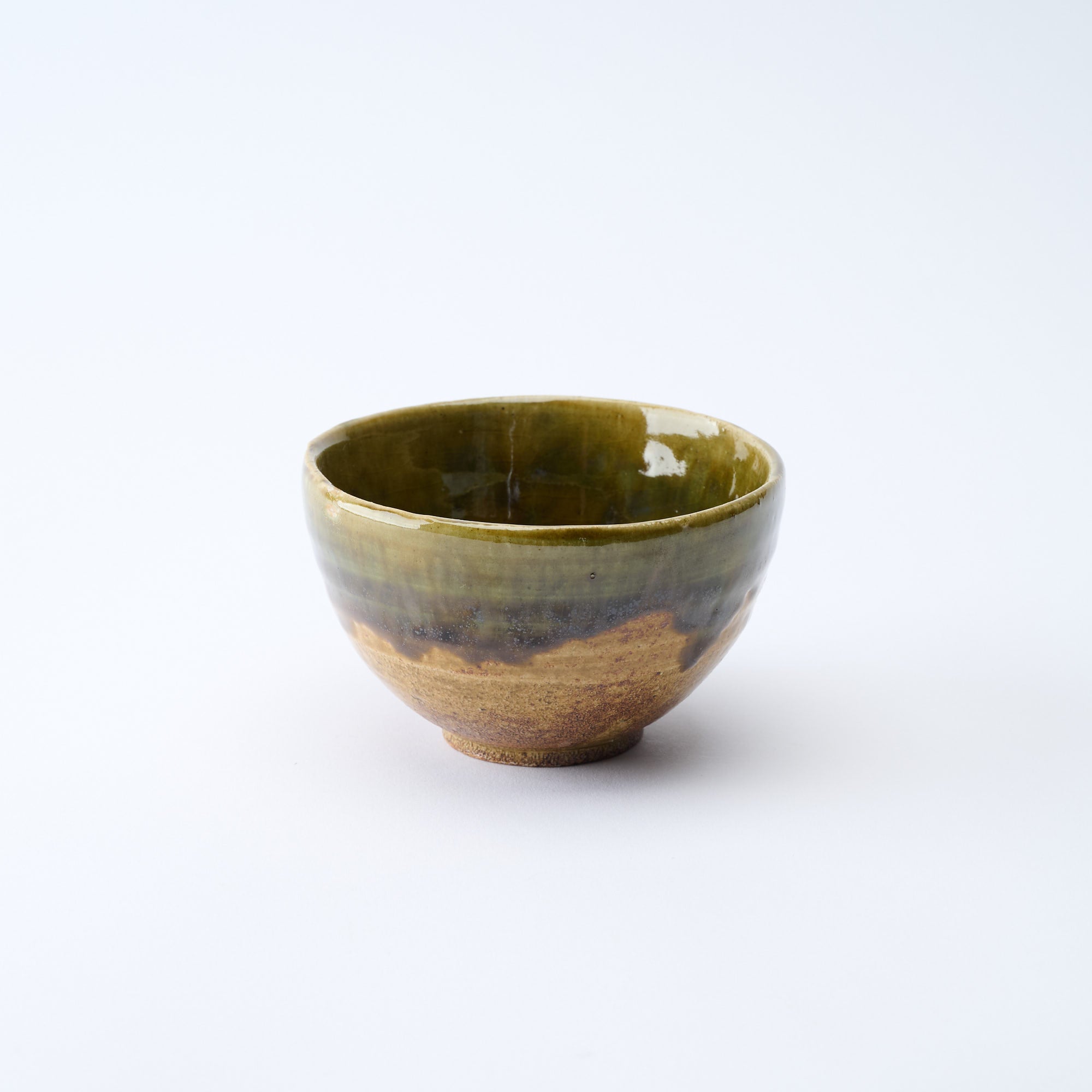
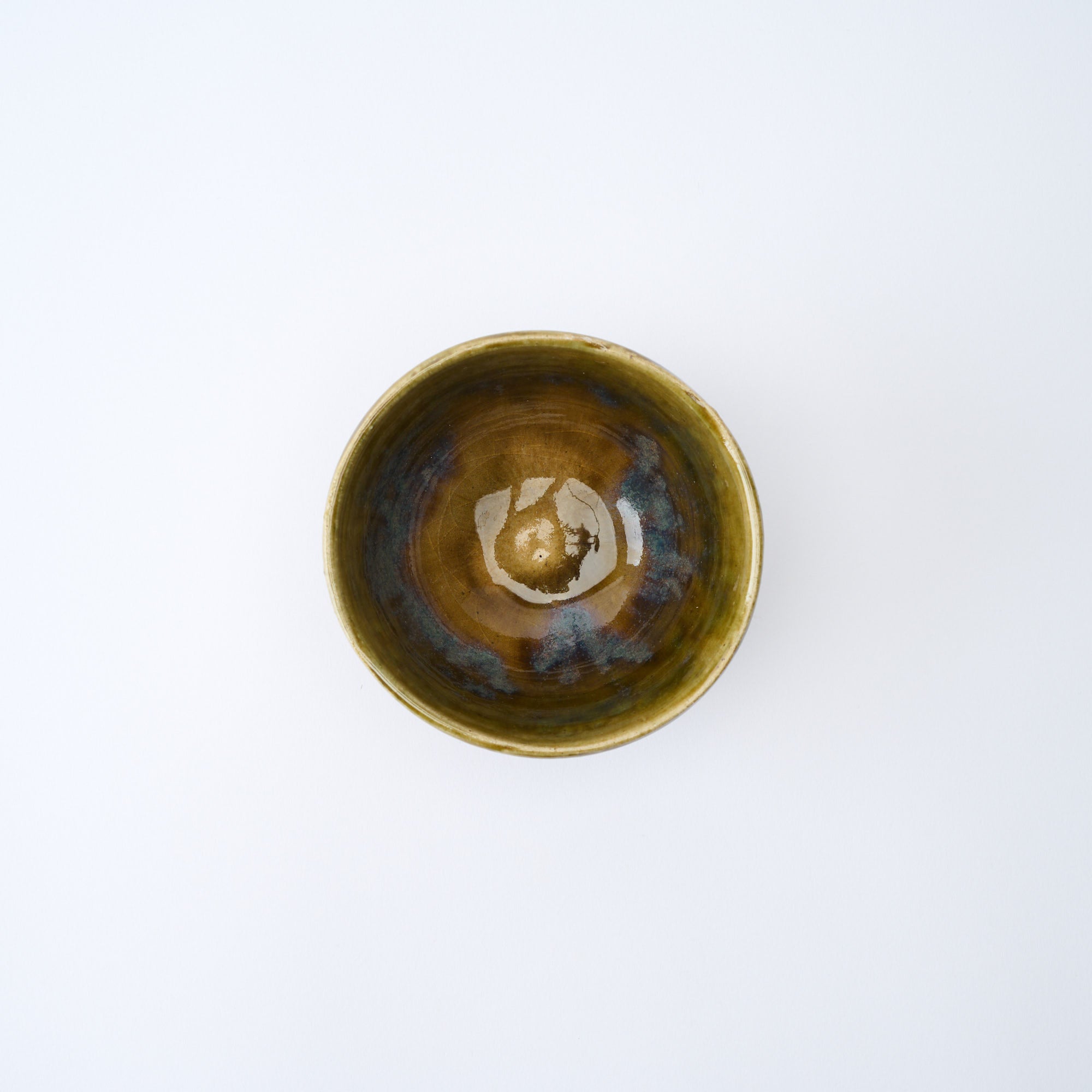
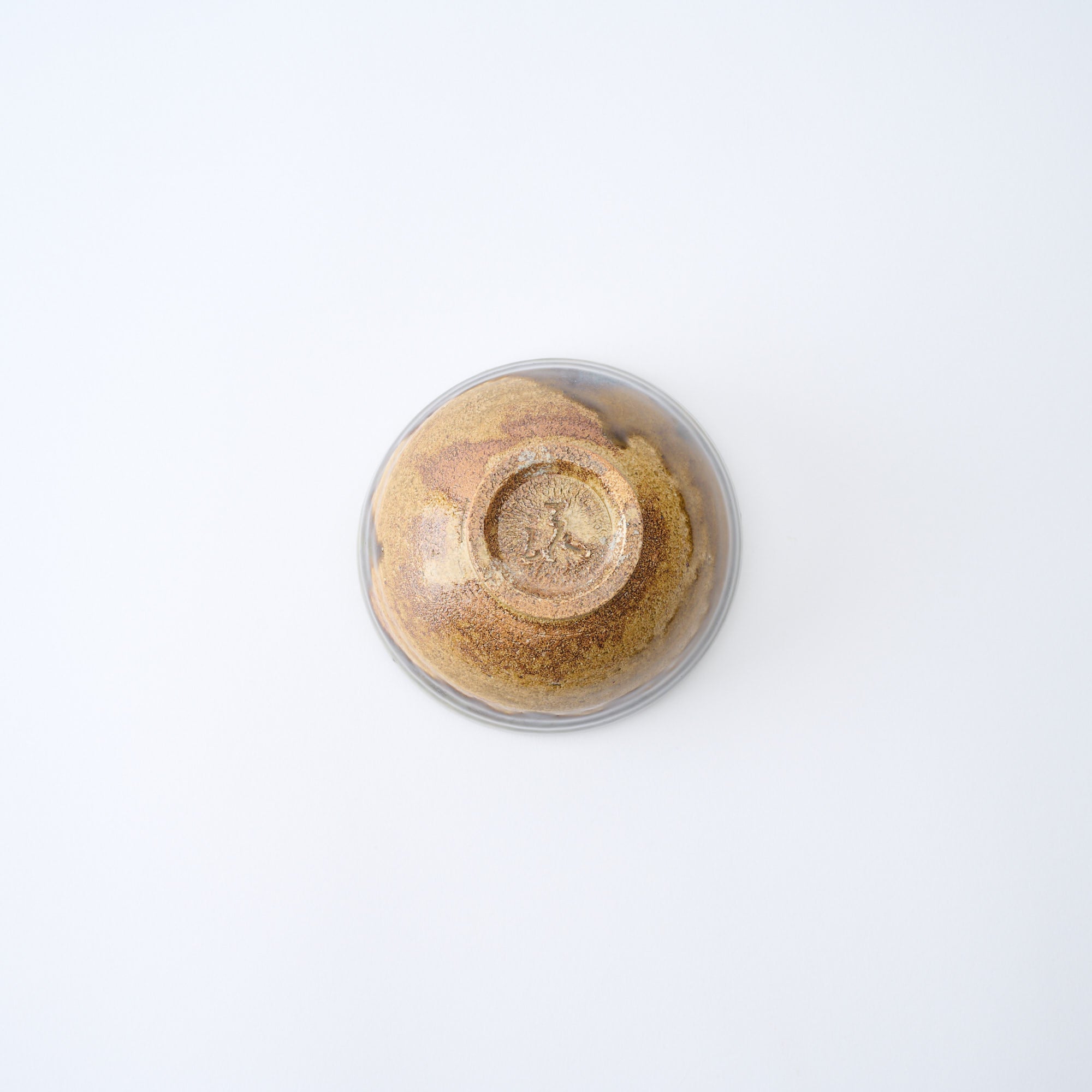
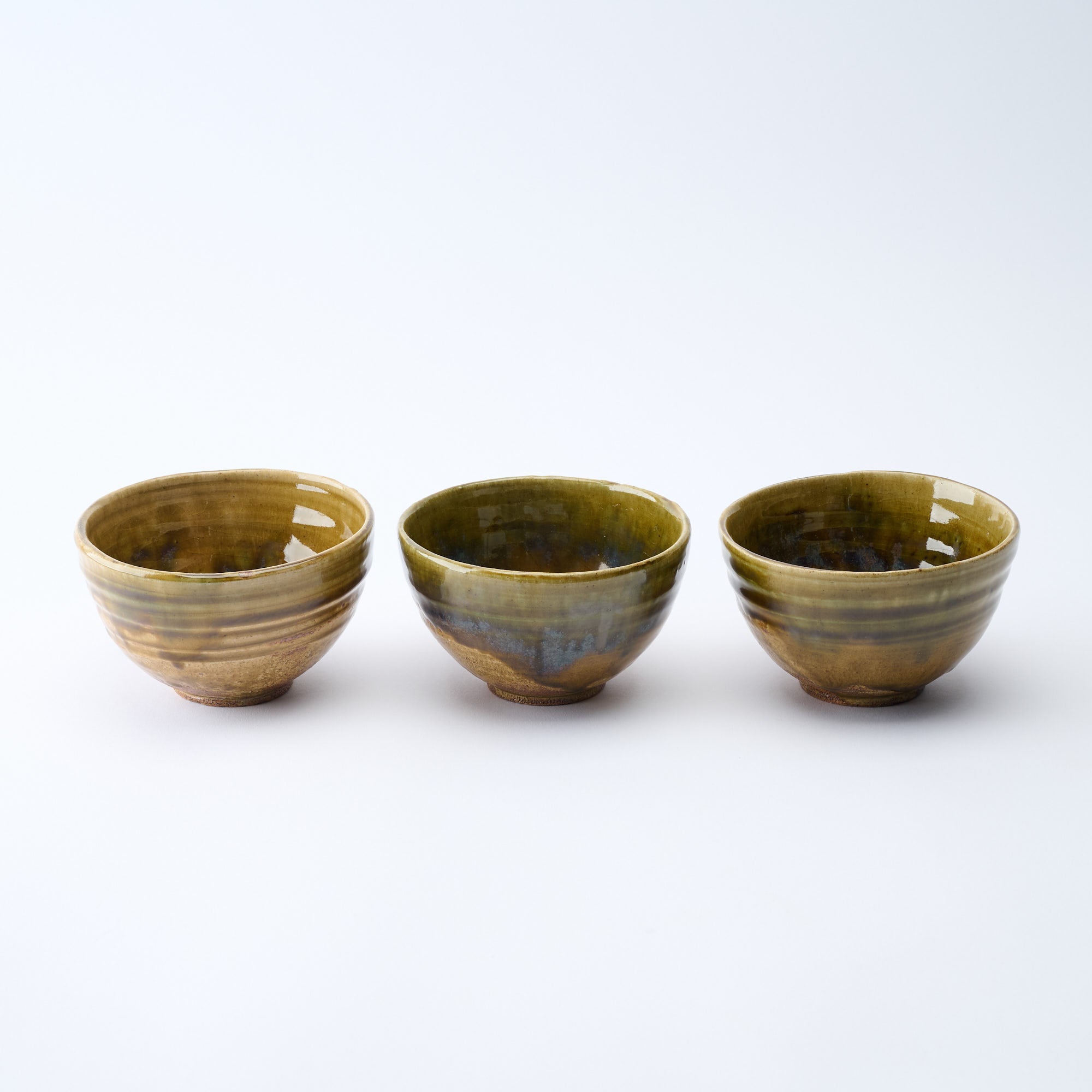
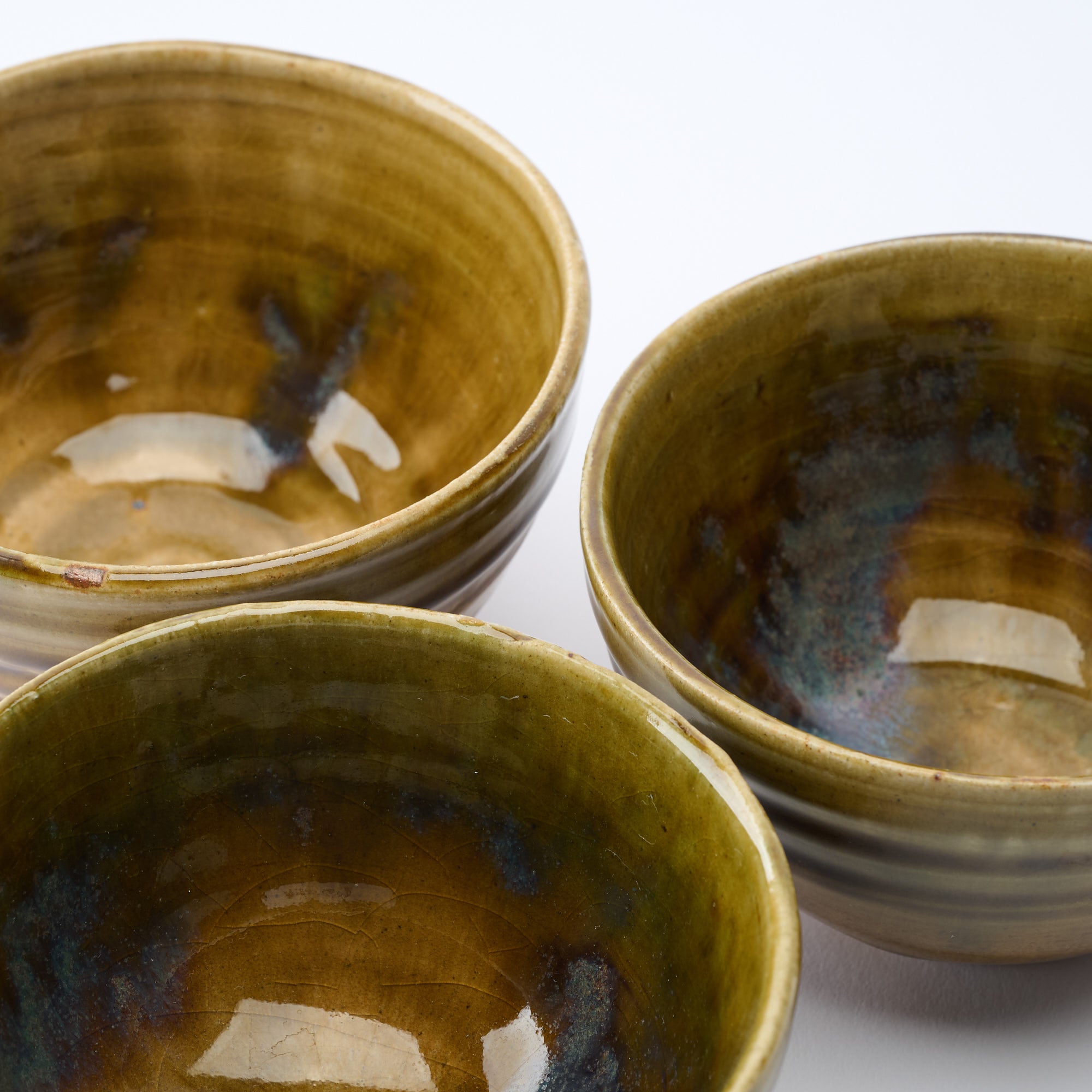
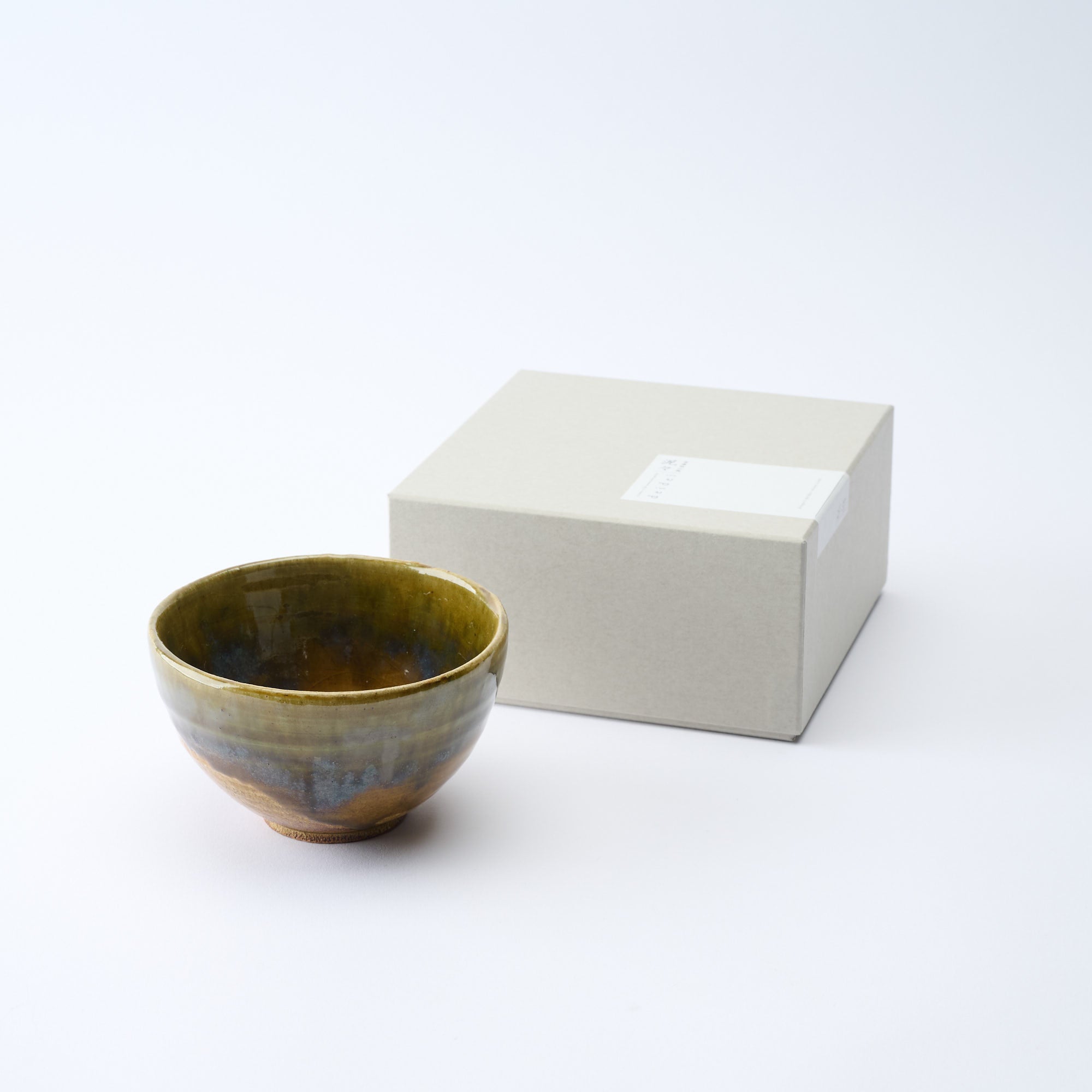
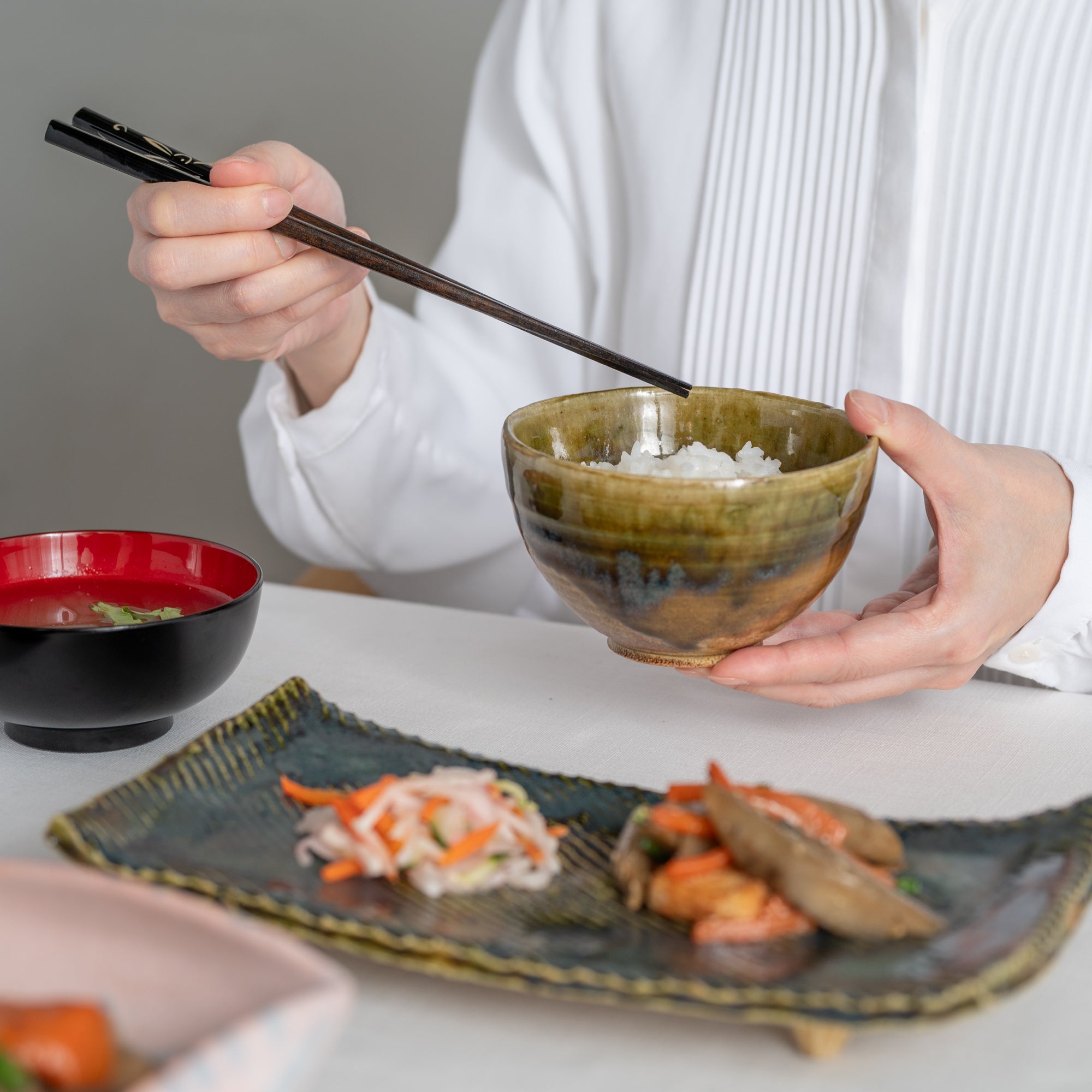
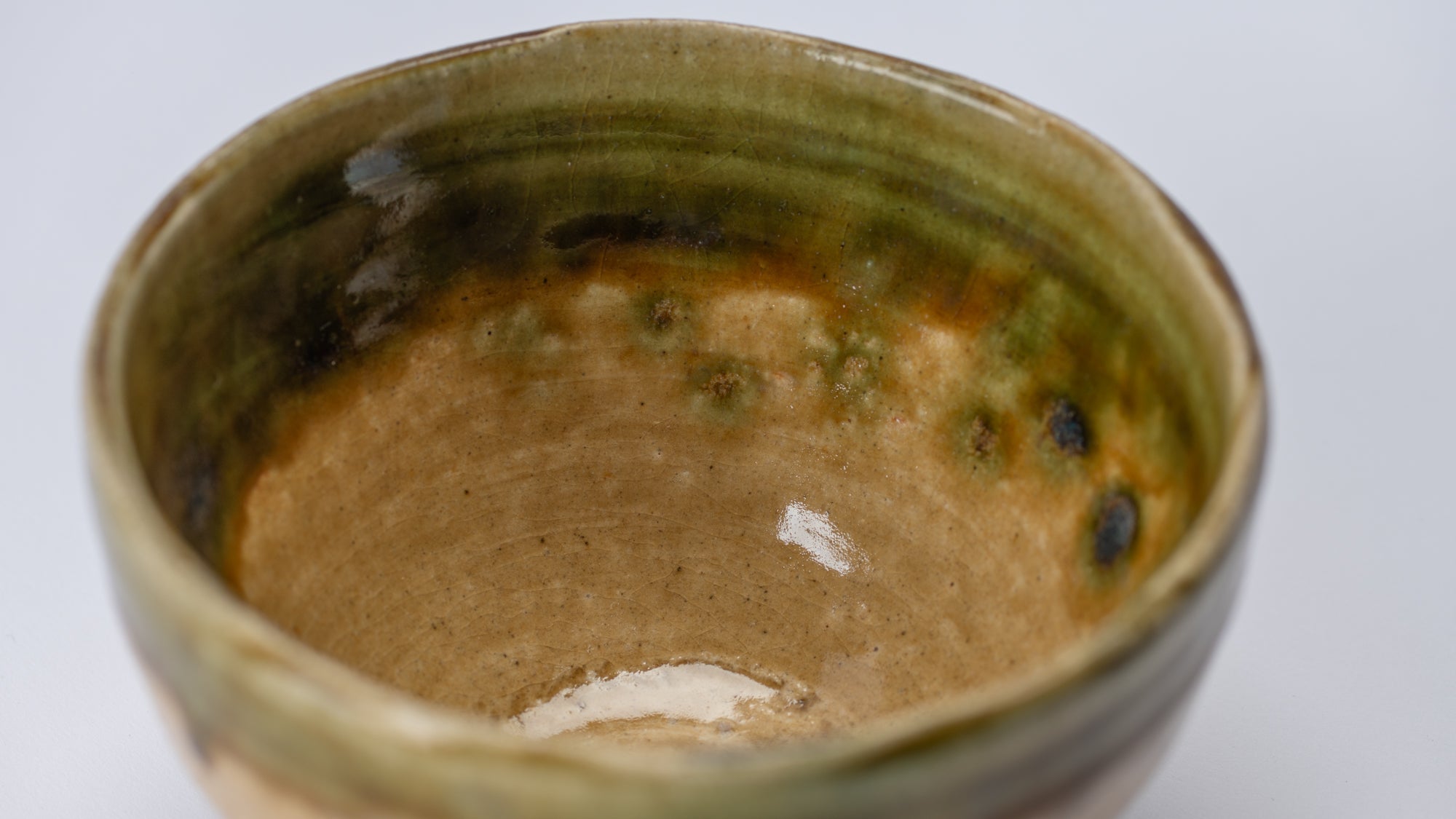
Diese Reisschale zeugt in jeder Linie und Kurve von der individuellen Handschrift des Kunsthandwerkers. Sie liegt angenehm in der Hand und besticht durch eine edle Oribe-Glasur, deren Grüntöne eine stille Eleganz ausstrahlen.
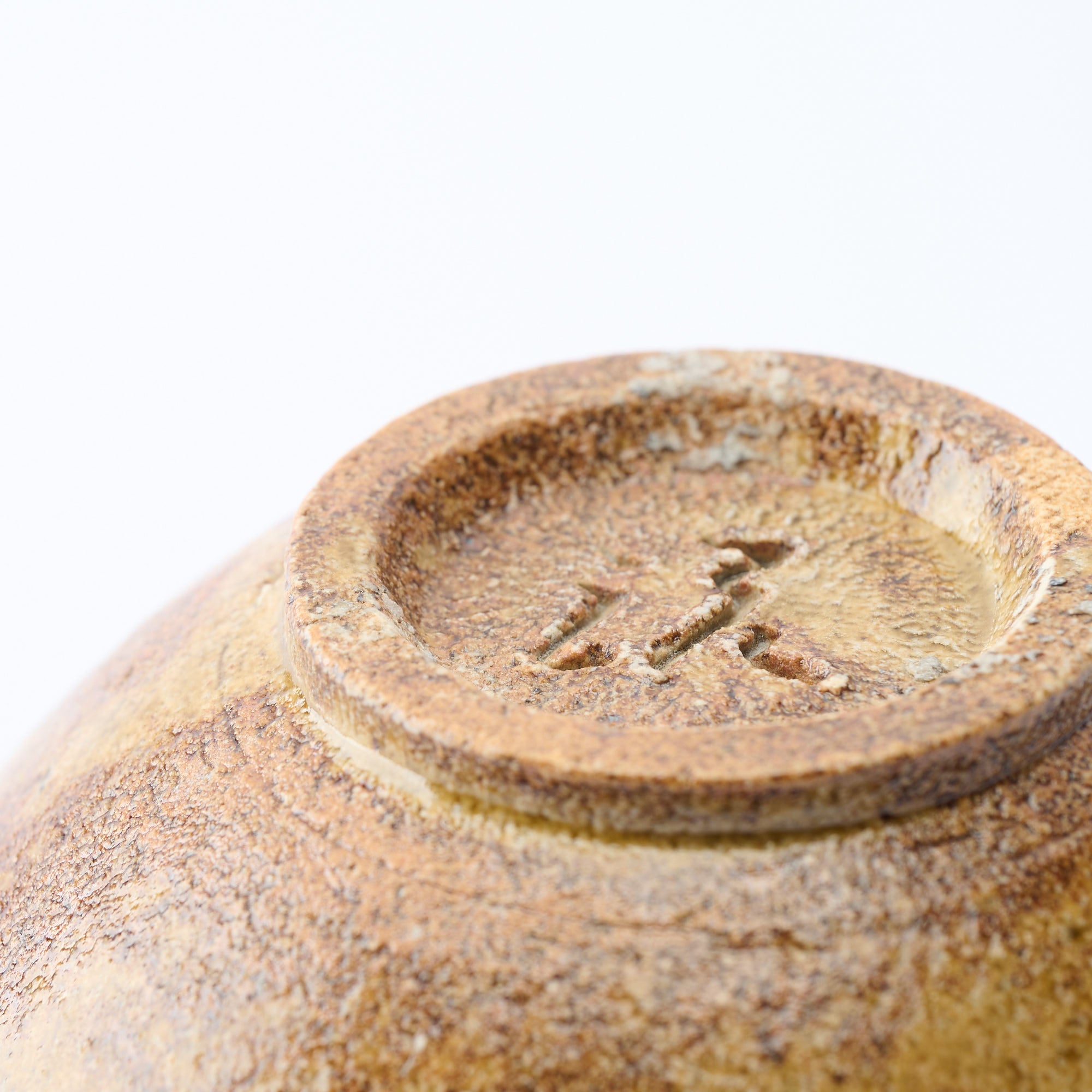
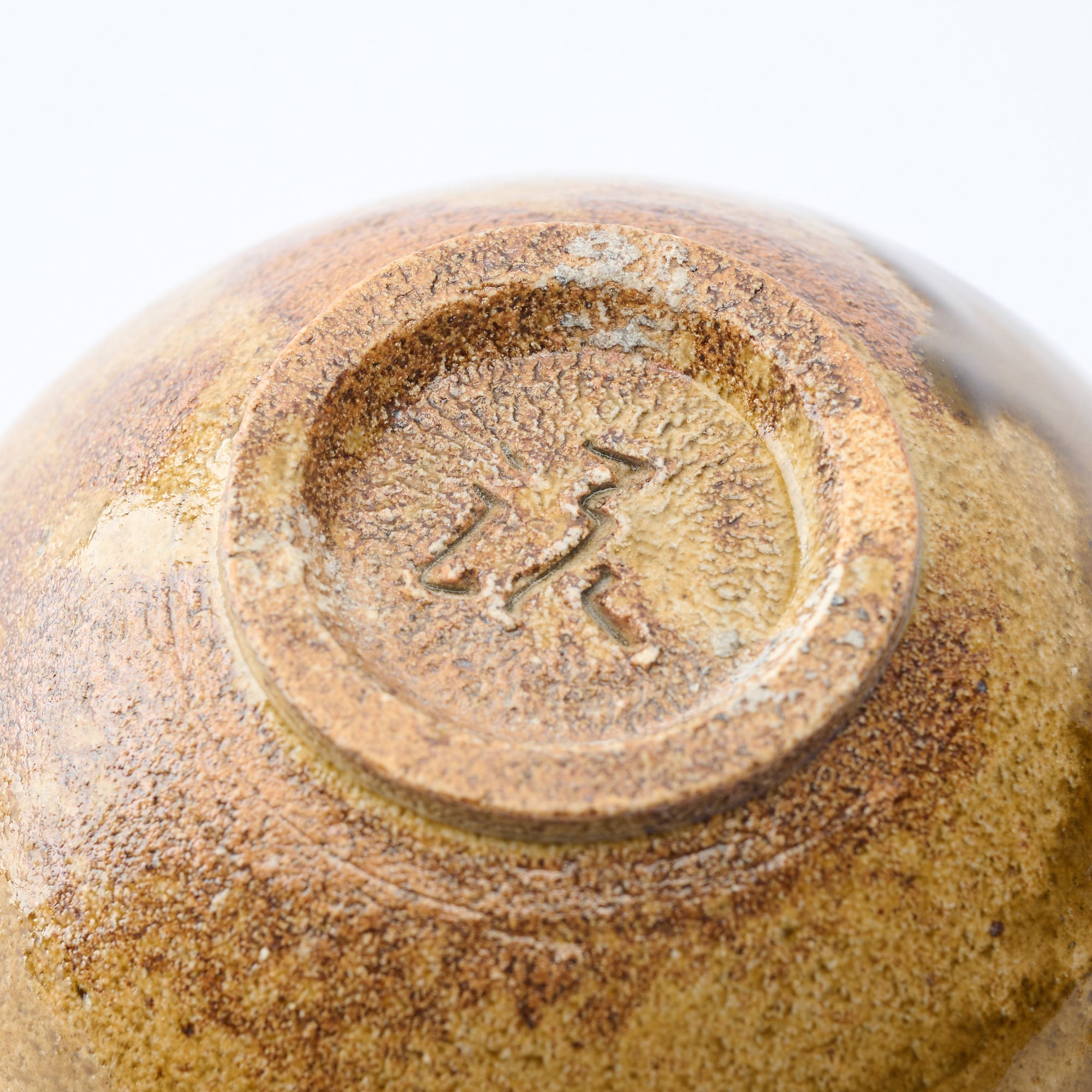
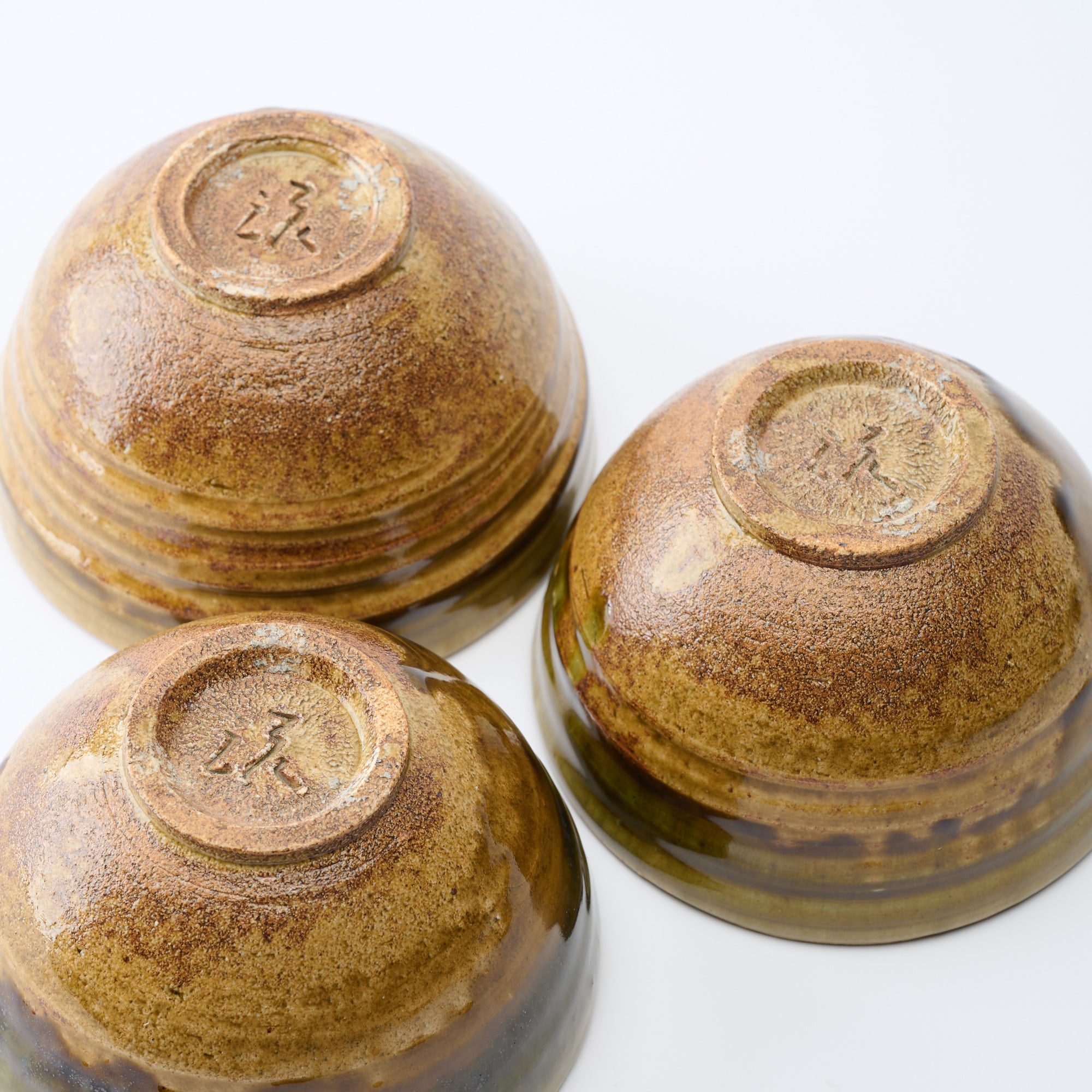
Zunächst wird eine Grundierung aus Ki-Seto-Glasur – einer hellgelben Glasur, die typisch für minoische Keramik ist – aufgetragen, gefolgt von Schichten aus Oribe-Glasur, die von Hand aufgetragen werden und so sanfte Farbverläufe in Grün, Bernstein und Blau erzeugen, die an Naturlandschaften erinnern. Mogusa Ton, bekannt für seinen subtilen Farbton und seine feine Textur, reagiert auf einzigartige Weise auf das Feuer und lässt so durch den Prozess und die Form eine ruhige Schönheit entstehen. Stellen mit dünnerer Glasur geben die darunterliegende Tonstruktur frei und erzeugen einen angenehmen haptischen Kontrast.
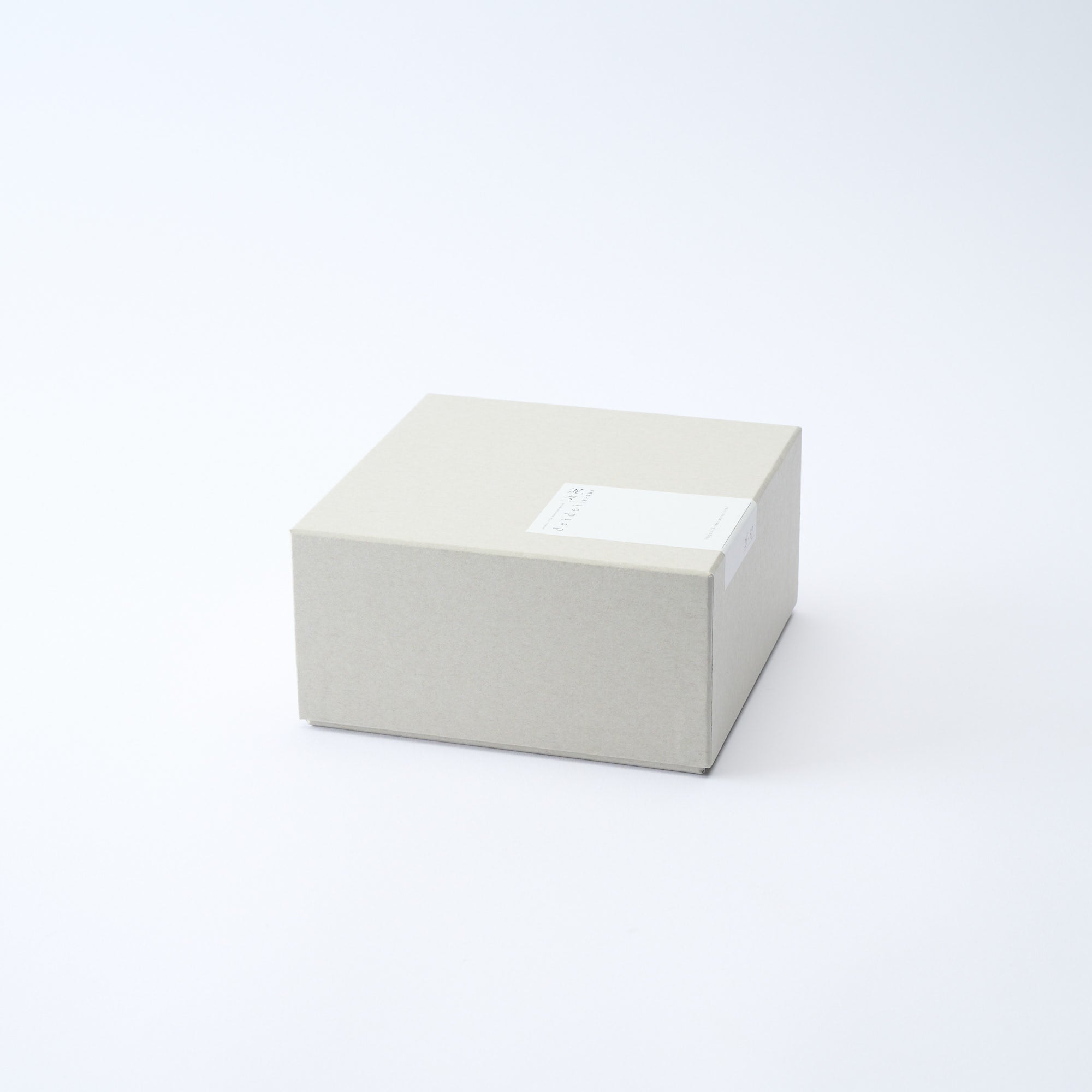
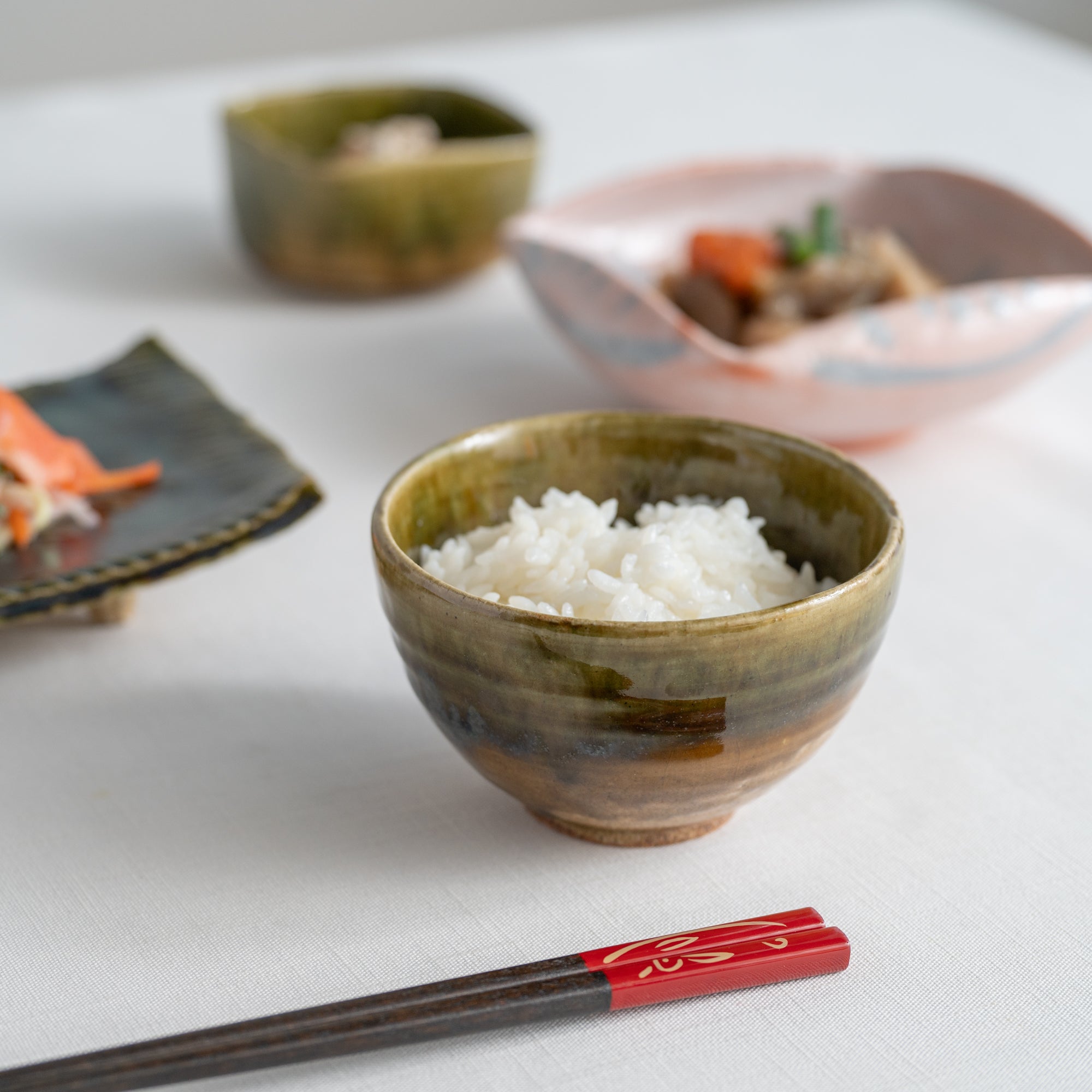
Die erdigen Farbtöne harmonieren mit einer Vielzahl von Geschirrteilen, ob einzeln oder in Kombination mit anderen Oribe-Teilen für ein stimmiges Gesamtbild. Die elegante Verpackung macht es auch zu einem schönen Geschenk.
EINZELHEITEN
| Quantity | 1 |
| Size |
D 12.0 cm (4.7 in) x H 7.0 cm (2.8 in) [Size of opening] D 10.5 cm (4.1 in) |
| Weight | approx. 9.9 oz (280 g) |
| Material | Stoneware |
| Package Type | Paper box |
| Microwave | No |
| Dishwasher | No |
Hersteller / Marke
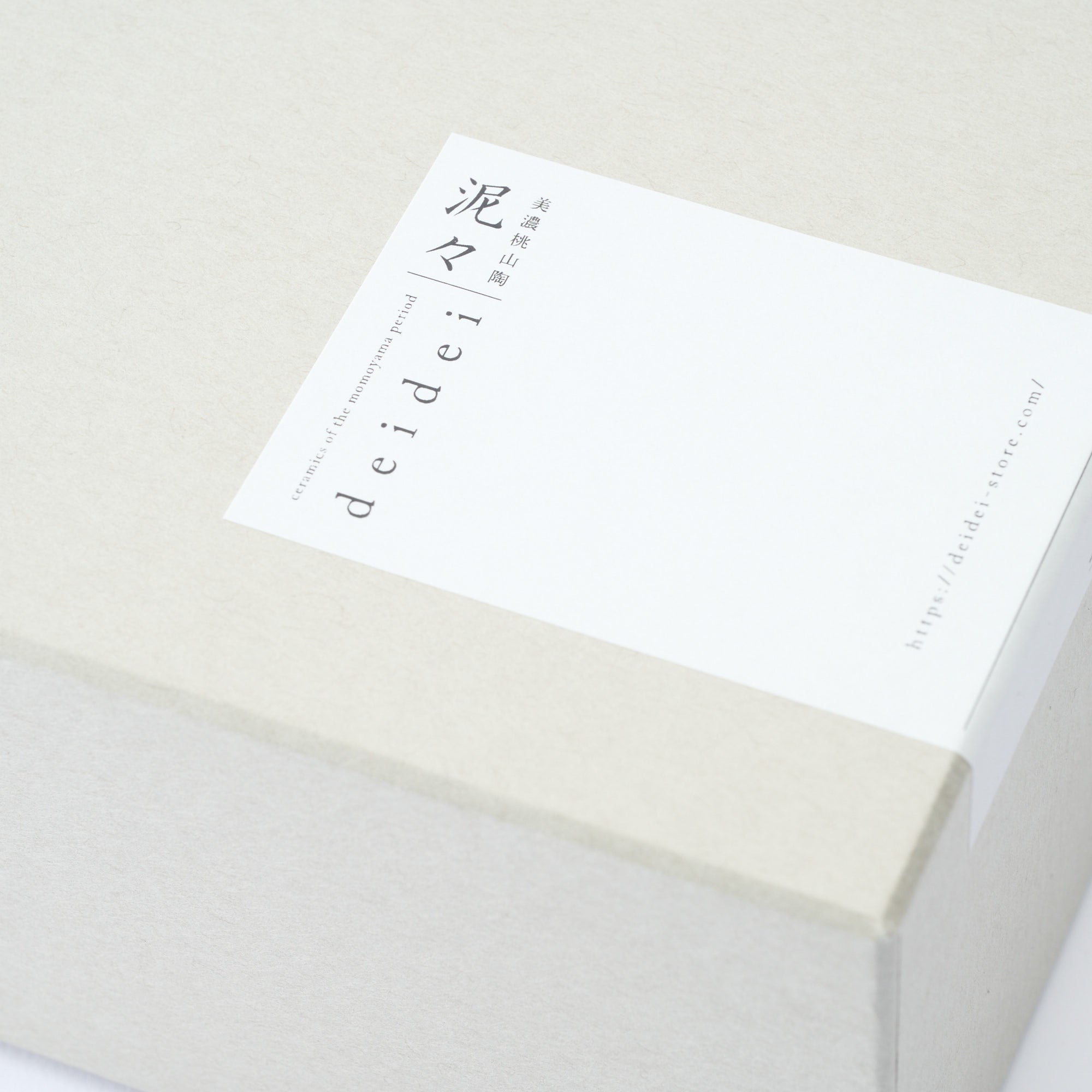
Das familiengeführte Studio deidei in Mitake, Präfektur Gifu, fertigt japanisches Geschirr, das die über Generationen weitergegebene Weisheit und Technik der Mino-Keramik fortführt. Aus Ton, der sich in Form und Farbe wunderbar wandelt, wird jedes Stück von Hand geformt und verleiht dem täglichen Esserlebnis Wärme und Kunstfertigkeit. Von den sanften, dicken Glasuren der Shino-Keramik bis hin zu den ausdrucksstarken grünen Glasuren der Oribe-Keramik verkörpern die Kreationen von deidei die lebendige Tradition japanischer Keramik.

Kunsthandwerk
Mino-Ware, die in der Region Tono in der Präfektur Gifu hergestellt wird, ist in der japanischen Töpferei für ihr reiches Erbe und ihre Vielseitigkeit bekannt. Sie umfasst über fünfzehn verschiedene Stile und ist damit vielfältiger als viele andere japanische Keramiken.
Mittlerweile macht Mino-Keramik über 50 Prozent der japanischen Keramikproduktion aus und ist unübertroffen beliebt. Mino-Keramik wurde 1978 als traditionelles Handwerk anerkannt und spiegelt eine Mischung aus historischer Tiefe und moderner Relevanz wider – ein Beispiel für außergewöhnliche Handwerkskunst.
Anmerkungen
Optionen auswählen
Oribe
Oribe ist ein unverwechselbarer Stil japanischer Keramik, der im frühen 17. Jahrhundert innerhalb der Mino-Tradition entstand. Benannt nach dem Teemeister Furuta Oribe, zeichnet er sich durch seine unkonventionellen Formen und ausdrucksstarken Oberflächenmuster aus, die Bewegung und Individualität vermitteln. Die Kunsthandwerker formen den Ton oft von Hand und passen Rand und Kontur subtil an, um diese Ästhetik vor dem Brennen zu erzielen. Asymmetrie, markante Linien und eine tief kupfergrüne Glasur offenbaren den Rhythmus in der organischen Silhouette.
Reisschalen
Reisschüsseln sind ein unverzichtbares Geschirr für den japanischen Esstisch. Da sie so häufig für japanisches Essen verwendet werden, legen viele Menschen besonderen Wert auf sie. Es ist wichtig, eine Schüssel zu wählen, die nicht nur schön aussieht, sondern auch die richtige Größe für Ihre Hand hat und gut in der Hand liegt.
Wir empfehlen, für jedes Familienmitglied eine eigene Reisschüssel zu besorgen. Es empfiehlt sich auch, für verschiedene Anlässe mehrere Schüsseln in verschiedenen Farben und Mustern bereitzuhalten, passend zur Jahreszeit und zum Tischgedeck.