

Keramik-Dampfgareinsatz
Ships from Japan · Free shipping on orders over $250 USD
Estimated Shipping Widget will be displayed here!
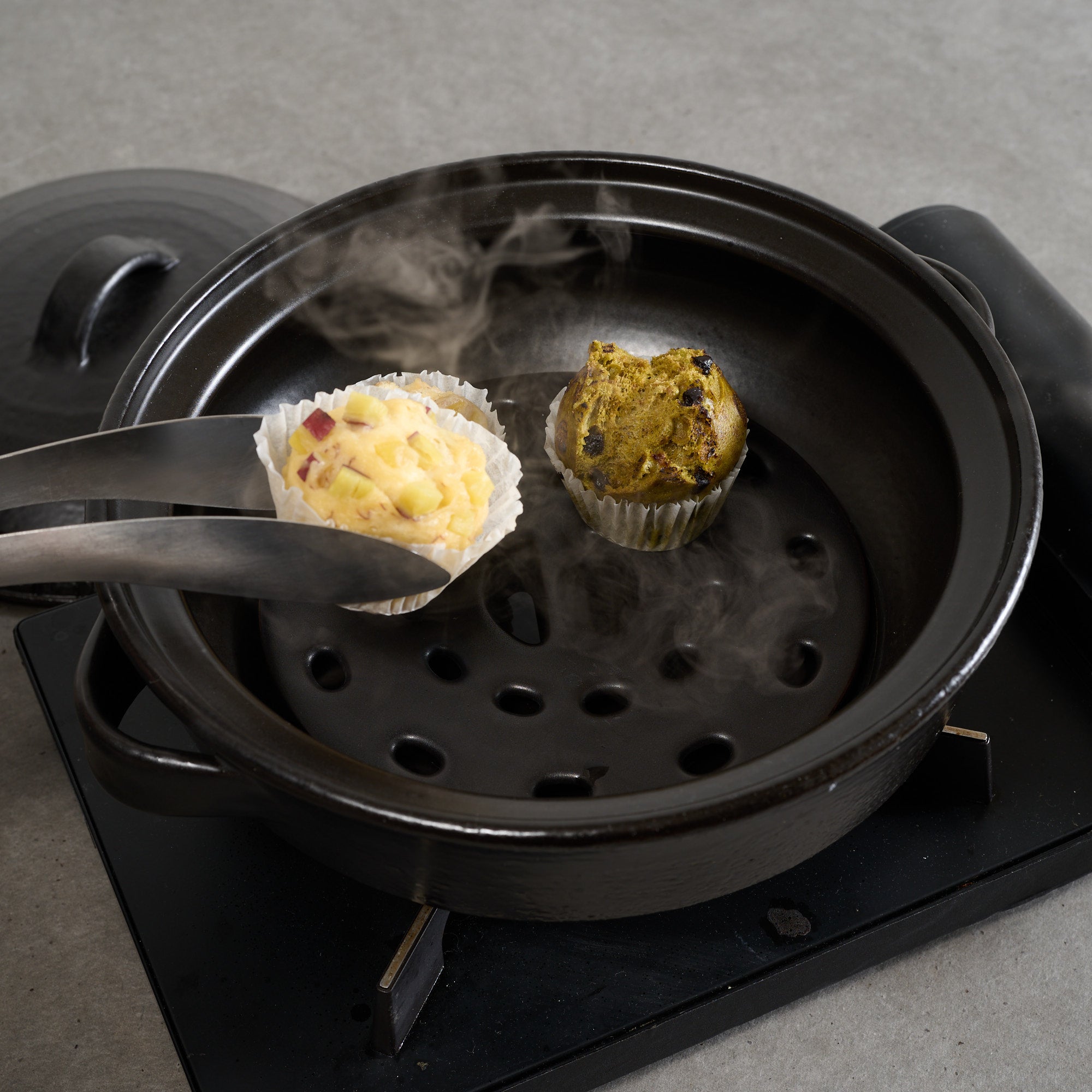
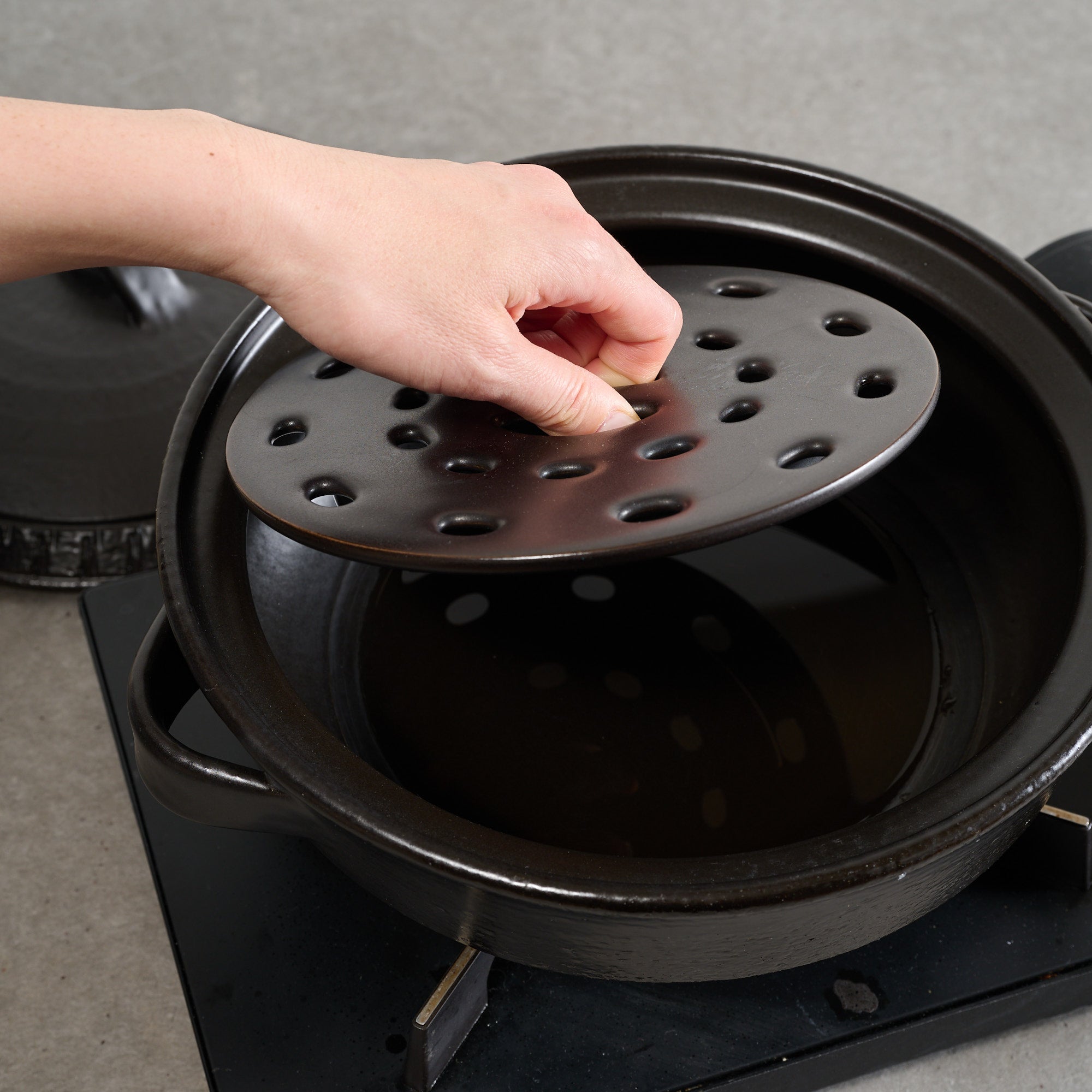
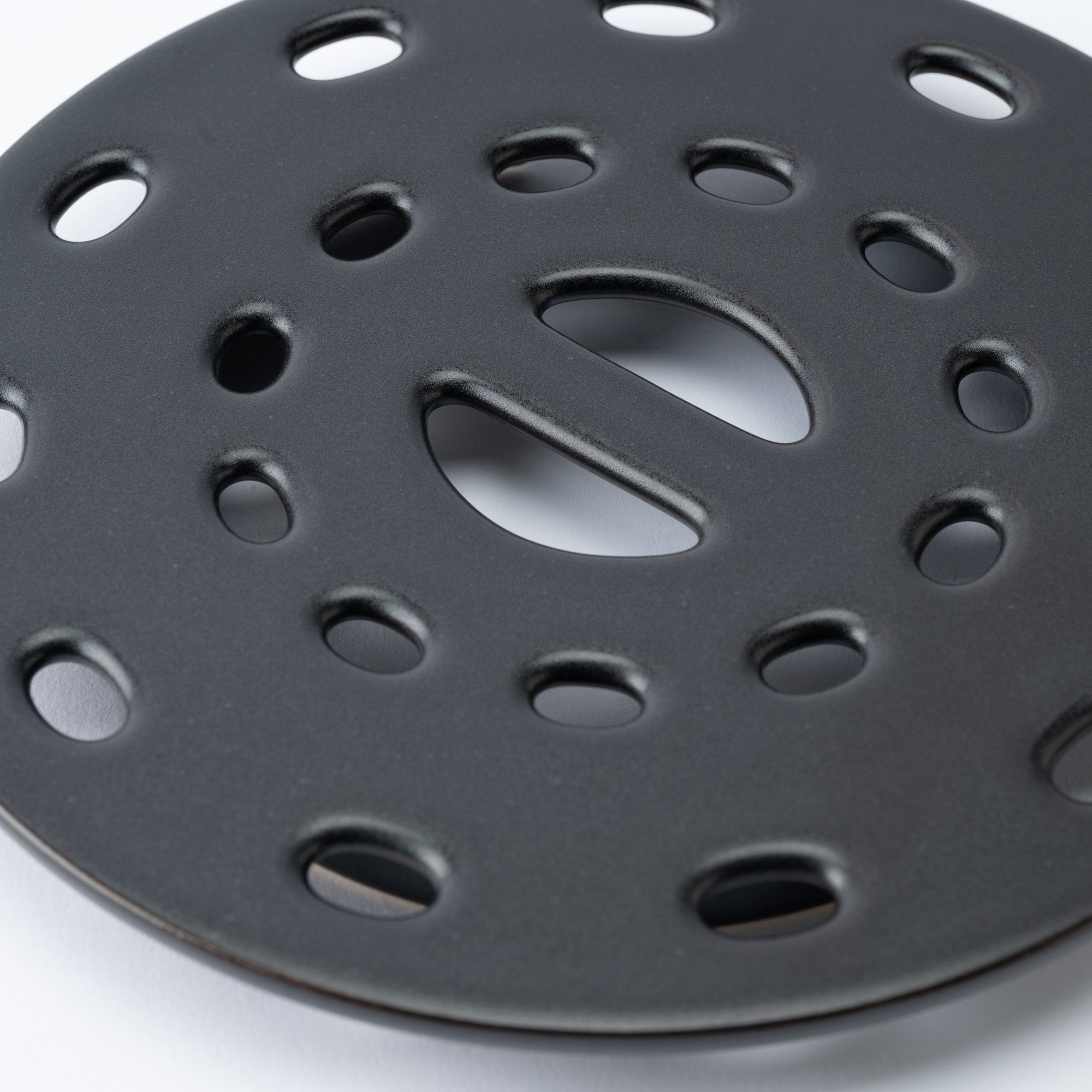
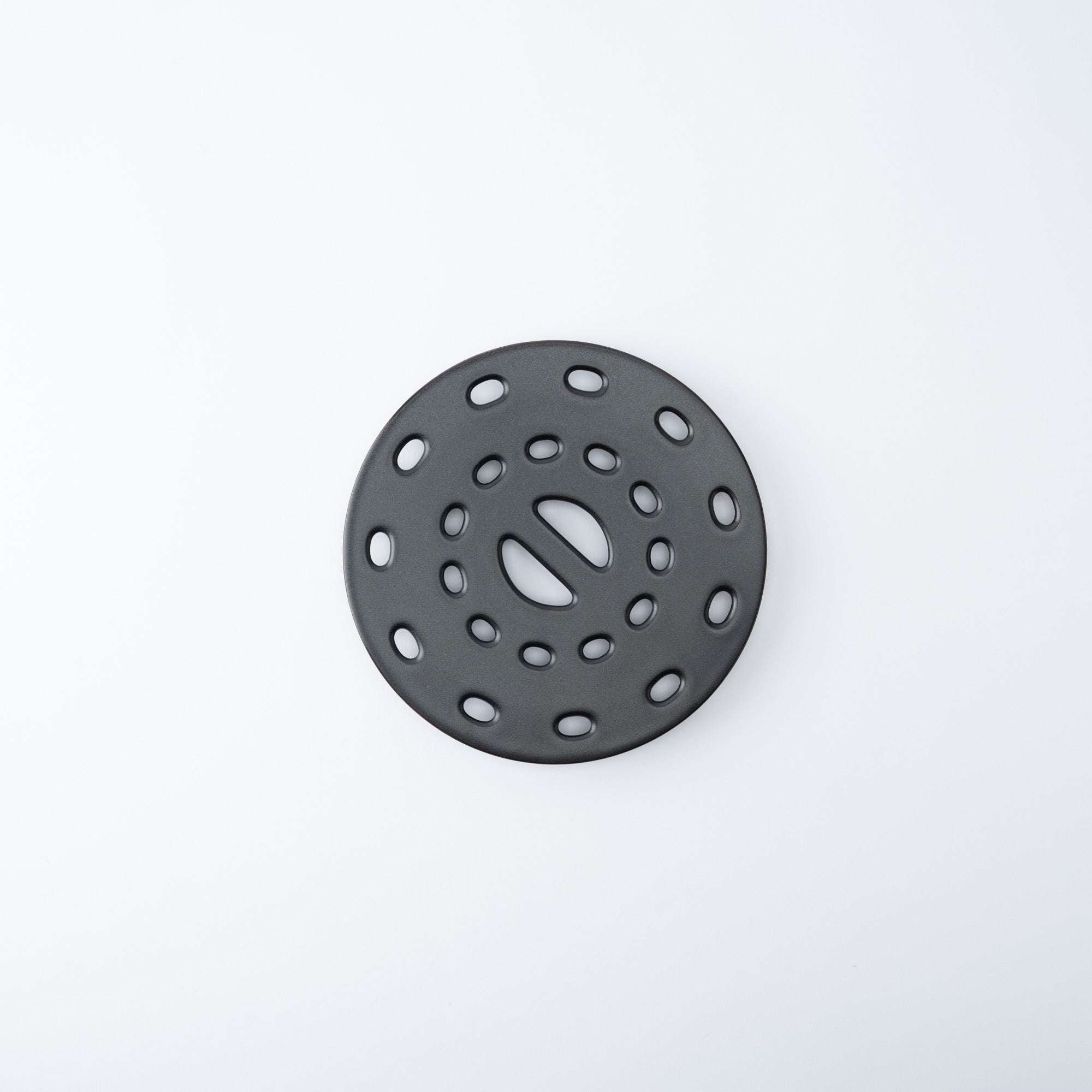
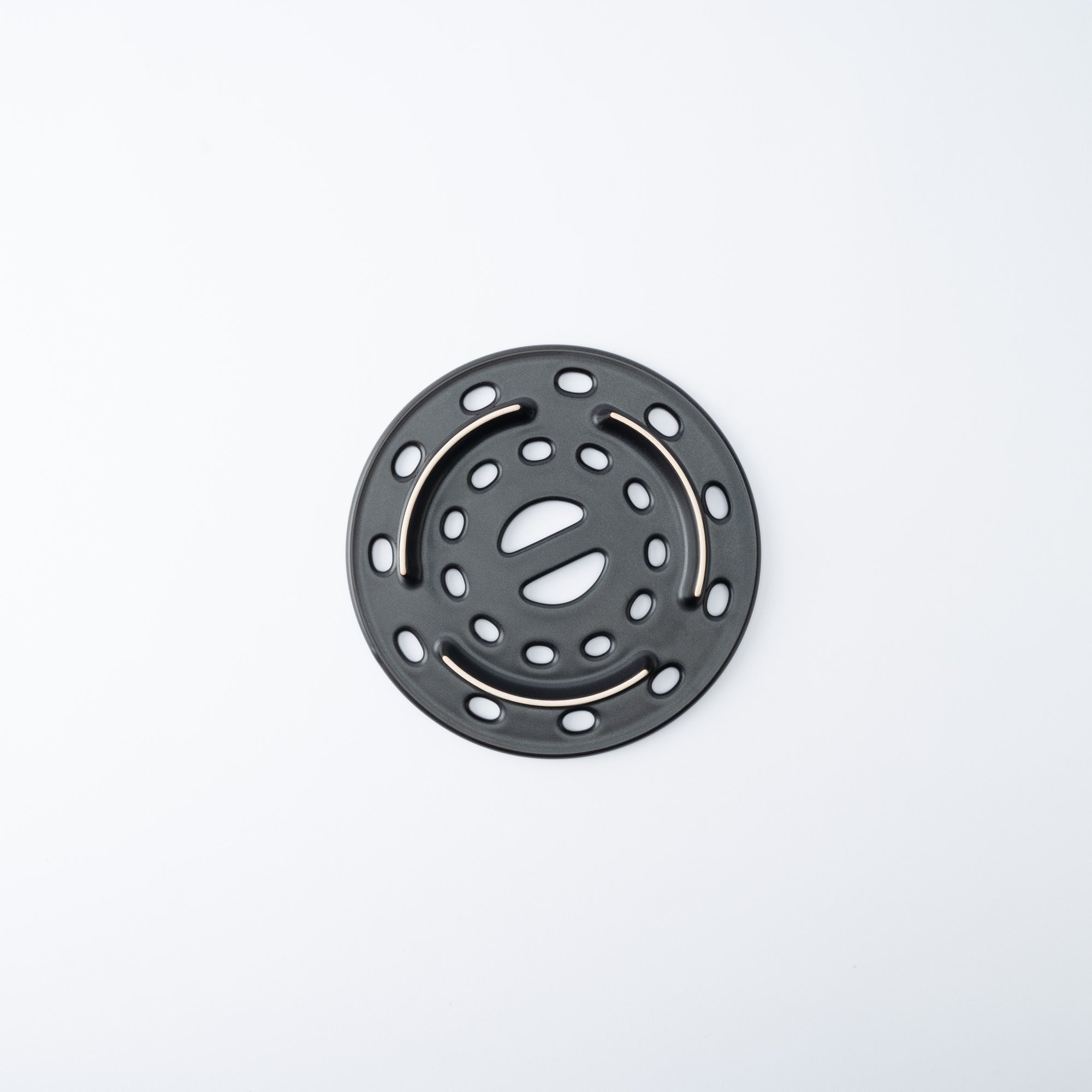
Dieses Kochgeschirr ist für einen Durchmesser von 11 Zoll (28 cm) oder größer geeignet. sunoko (Dampfeinsatz) funktioniert nicht nur mit traditionellen Donabe (Tontopf), passt aber auch problemlos in andere hitzebeständige Kochtöpfe. Hergestellt aus Banko-Keramik, bietet er hervorragende Hitzebeständigkeit und lässt sich nach Gebrauch komplett reinigen, was die tägliche Pflege einfach und bequem macht. Ob im Donabe oder im normalen Kochtopf – mit dem Dämpfeinsatz gelingt das Dämpfen mühelos und erweitert die Einsatzmöglichkeiten Ihres Kochgeschirrs erheblich.
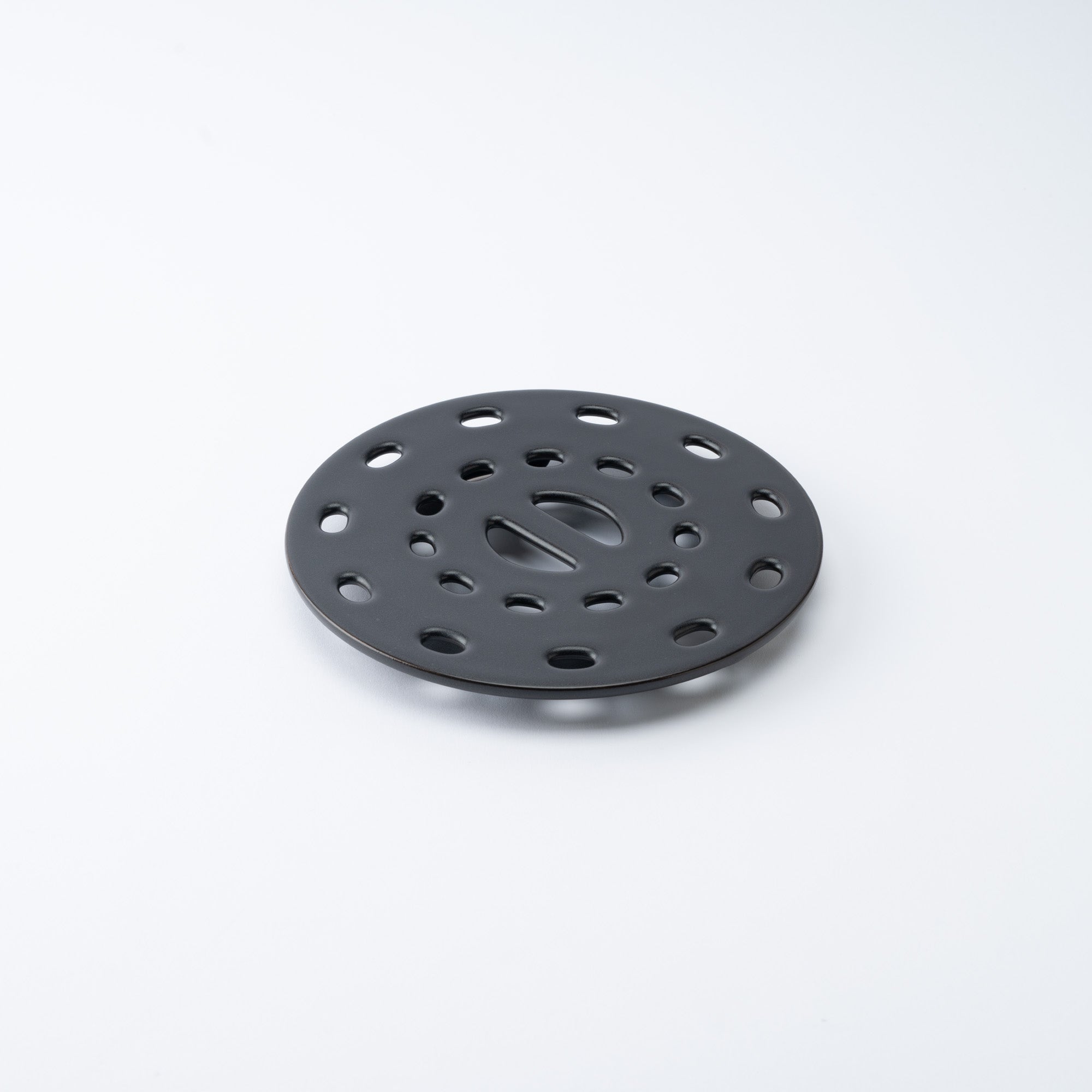
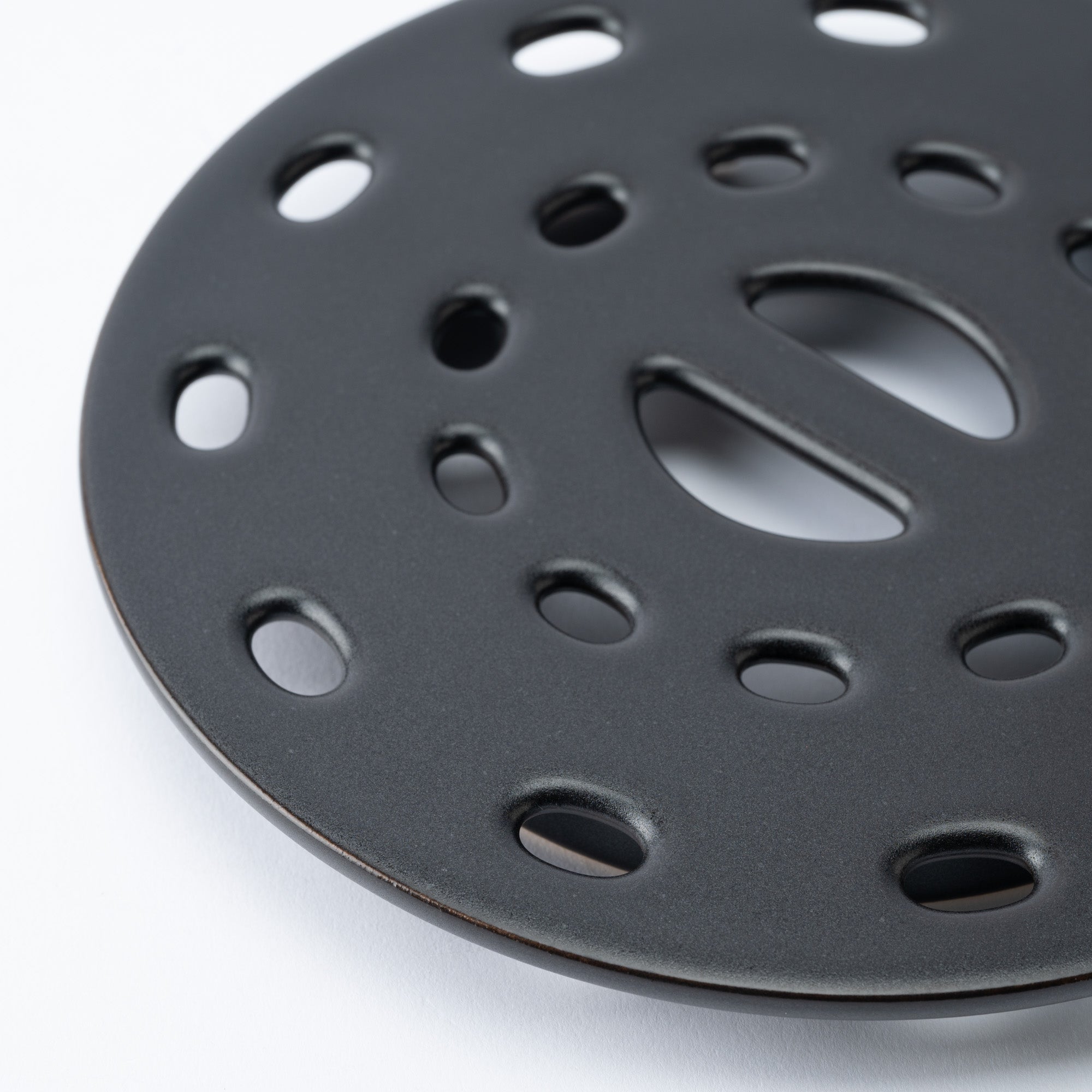
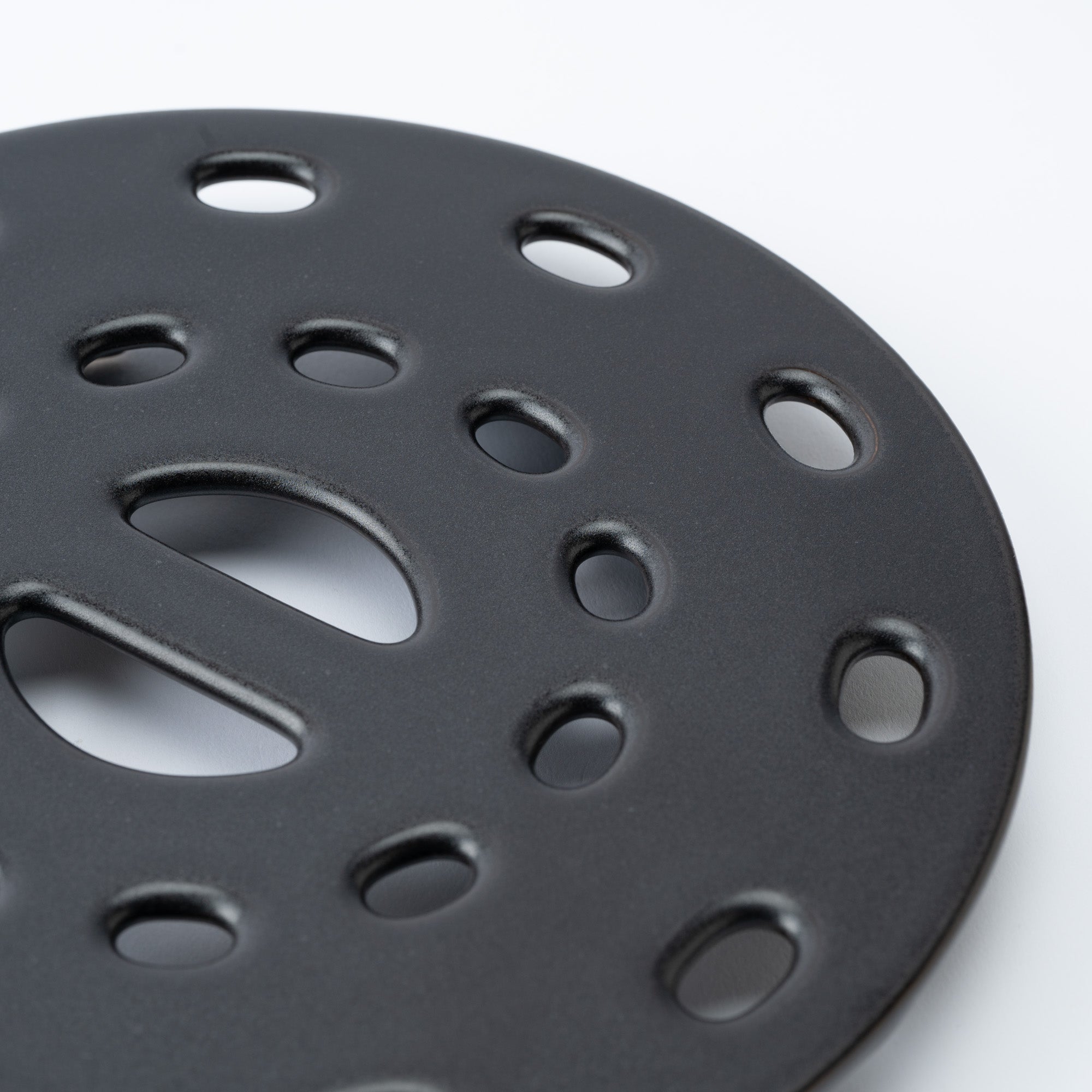
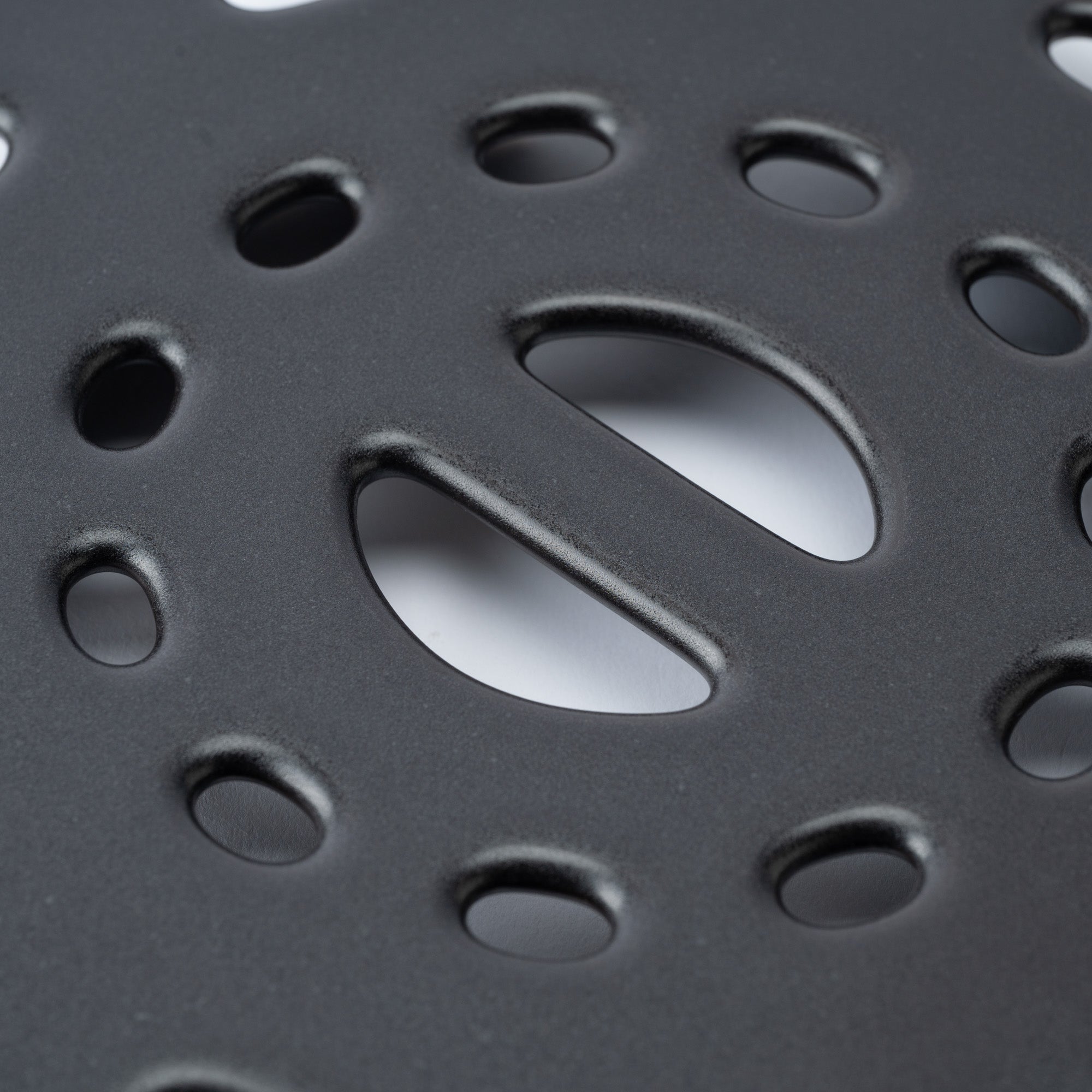
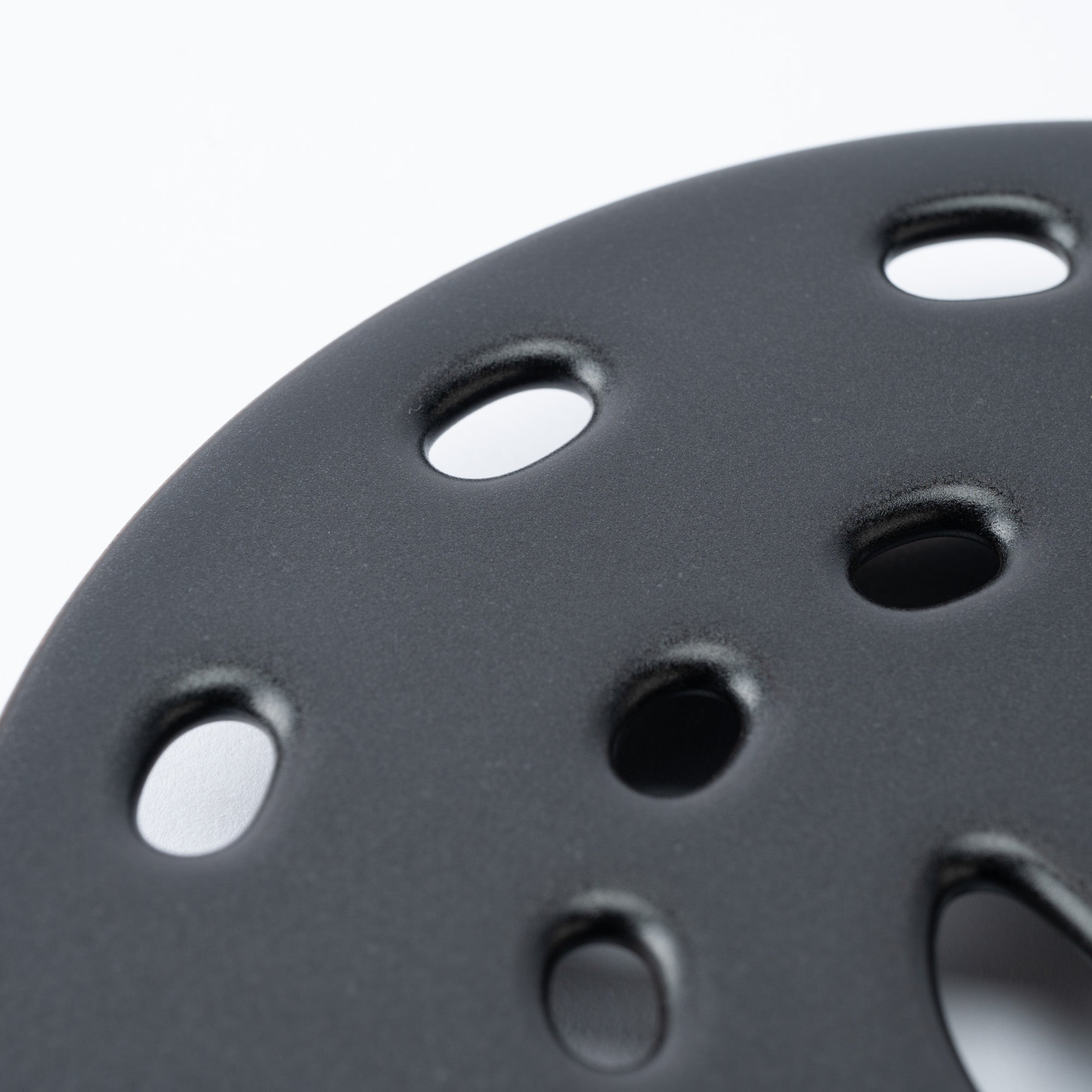
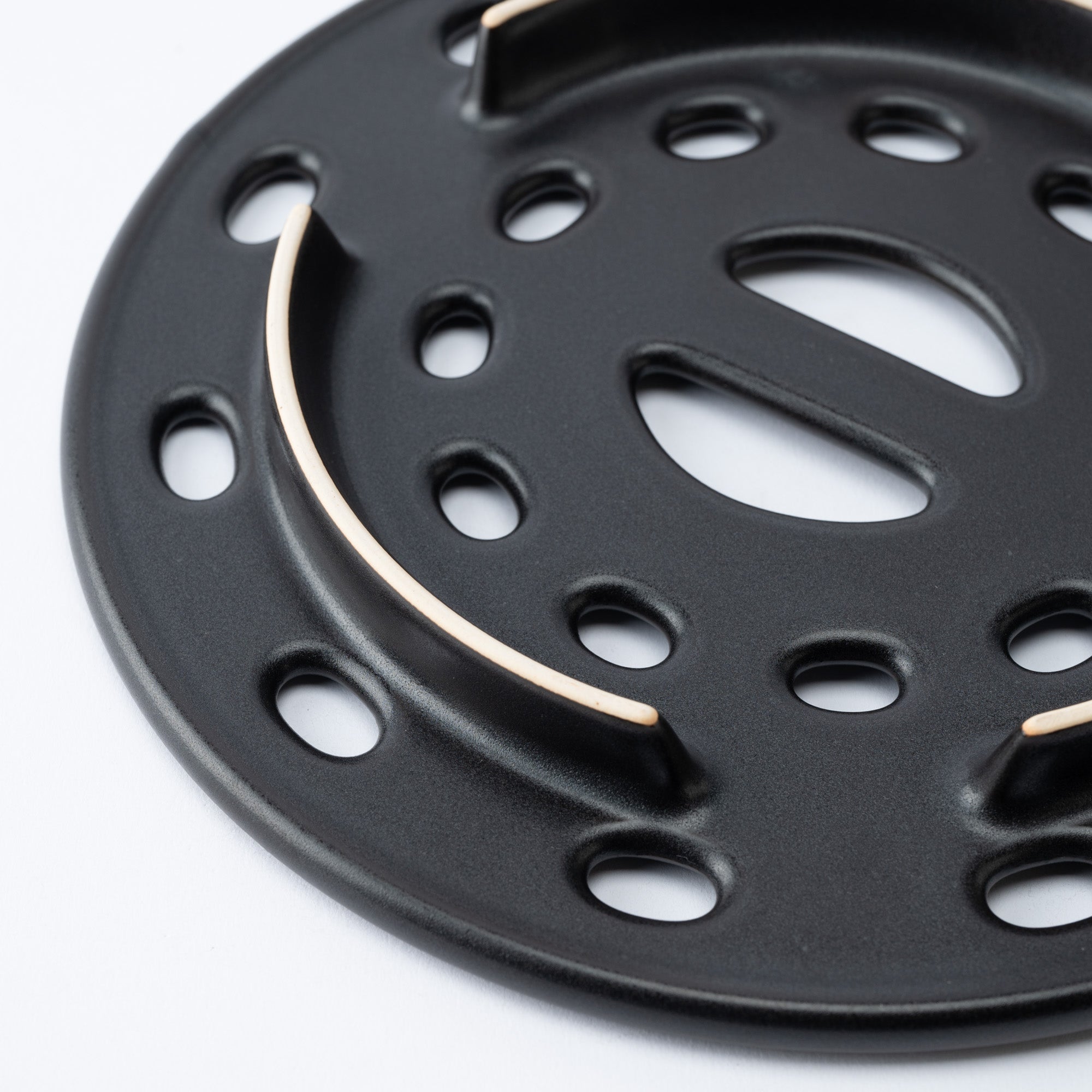
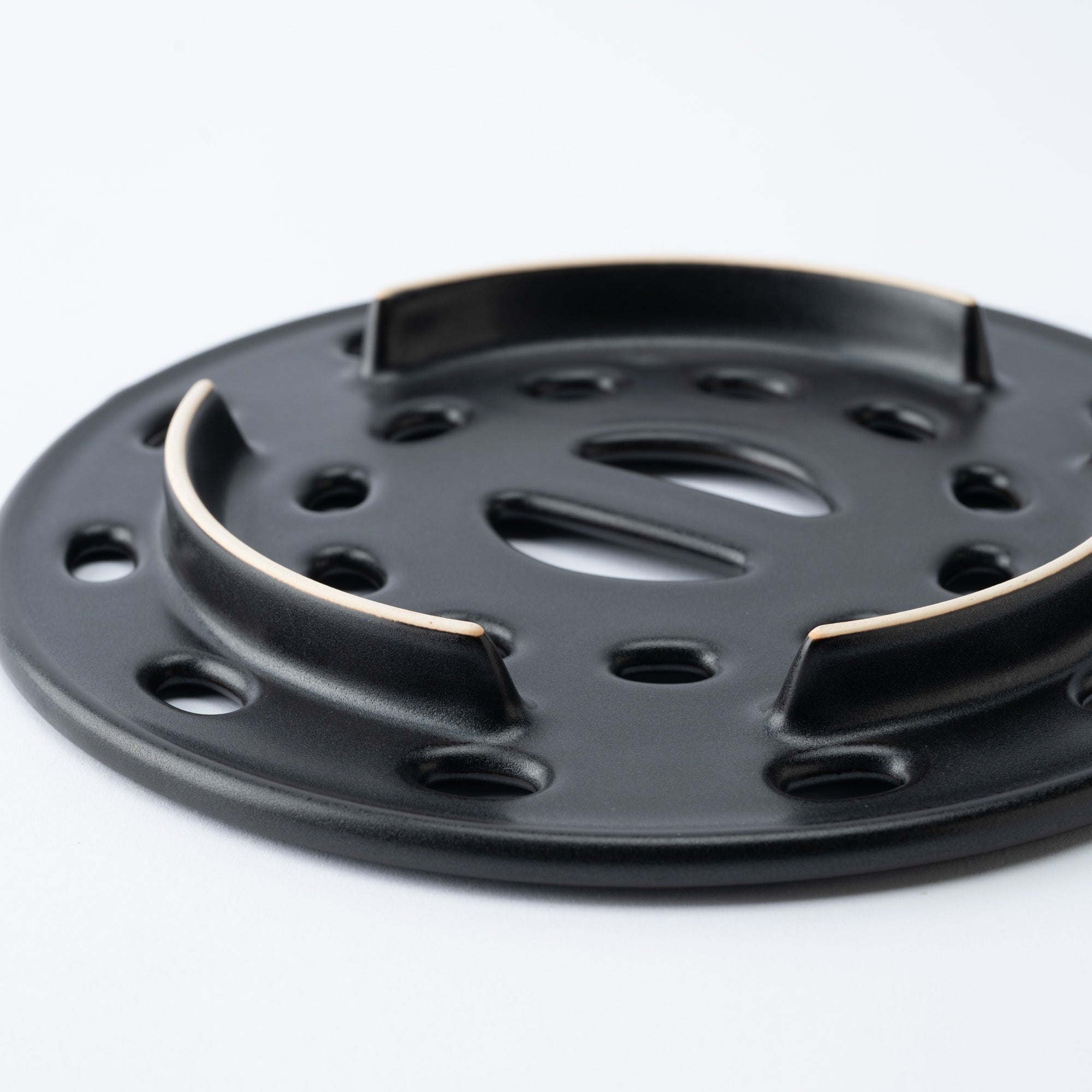
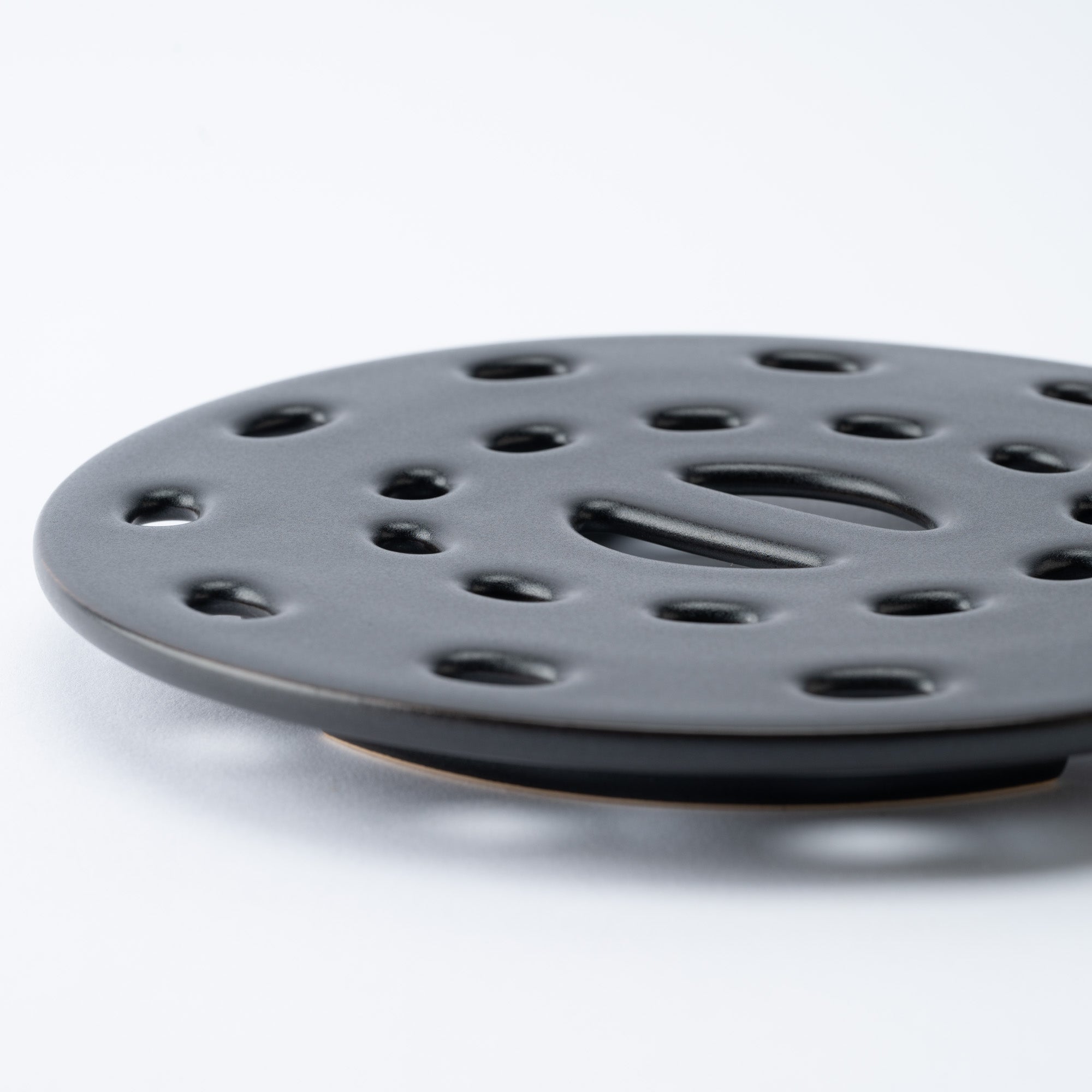
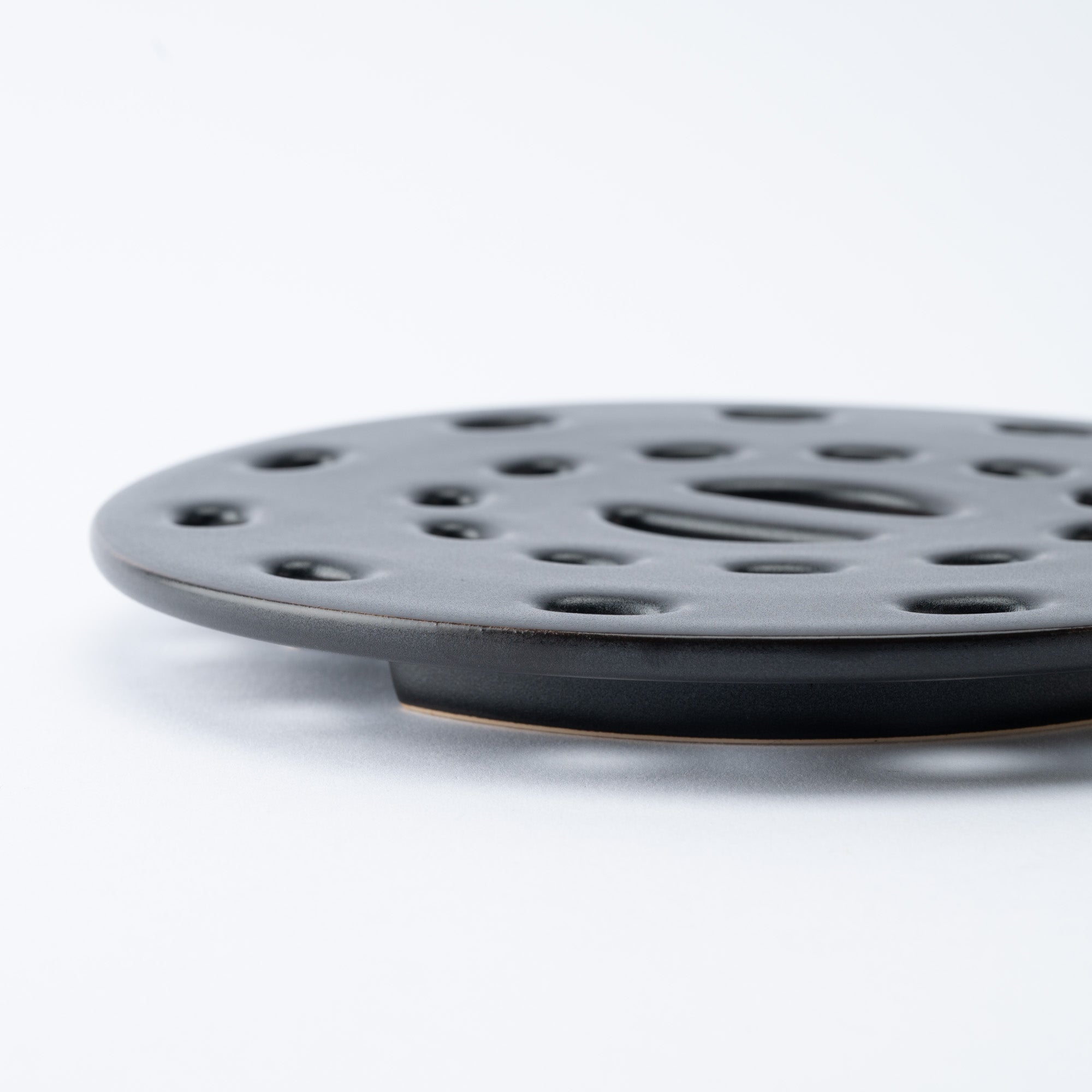
Die gleichmäßig von der Mitte nach außen angeordneten Belüftungslöcher sorgen für eine sanfte Dampfzirkulation im gesamten Topf. Dadurch werden Gemüse, Fisch und Fleisch gleichmäßig gegart. Da der Einsatz die Zutaten leicht über den Topfboden hebt, bleibt die Feuchtigkeit beim Erhitzen erhalten, was zu zartem, gedämpftem Gemüse und saftigen Gerichten wie gedämpftem Hähnchen führt.
Die erhöhte Struktur verhindert Anbrennen und reduziert den direkten Kontakt mit dem Topfboden, wodurch der Verschleiß des Donabe minimiert wird. Ein zentraler Griff ist ergonomisch geformt und ermöglicht ein einfaches Abnehmen, selbst bei aufsteigendem Dampf.
EINZELHEITEN
| Quantity | 1 pc |
| Size | D 22 cm (8.7 in) x H 2 cm (0.8 in) |
| Weight | 370 g (13.1 oz) |
| Material | Stoneware |
| Microwave | Yes |
| Dishwasher | No |
Kunsthandwerk
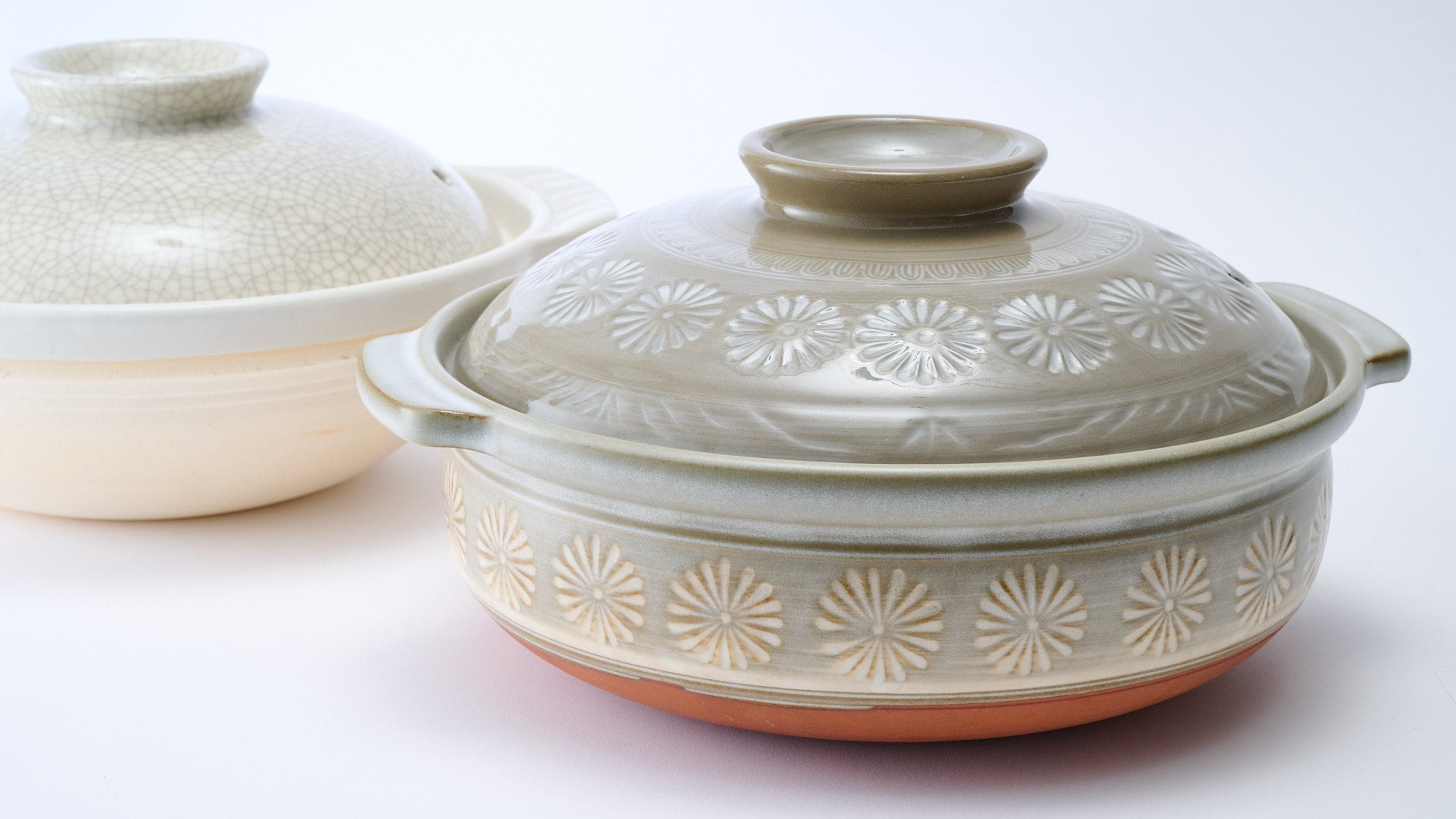
Yokkaichi Banko-Ware – allgemein bekannt als Banko-Ware – hat ihren Ursprung in der Herstellung von Keramikgegenständen, die von Alltagsgeschirr bis hin zu Blumenvasen reichen. Heute ist sie vor allem bekannt für ihre DonabeBanko-Keramik, auch bekannt als japanische Tontöpfe, wird für ihre Langlebigkeit und hervorragende Wärmespeicherung geschätzt. Rund 80 Prozent aller in Japan hergestellten Donabe sind Banko-Keramik und somit ein unverzichtbares Utensil für selbstgekochte Mahlzeiten.
Wie man sich kümmert
Anmerkungen
Optionen auswählen
Küchenutensilien
Bringen Sie mit unserer Kollektion japanischer Küchenutensilien Leichtigkeit und Stil in Ihren Kochalltag. Mit unverzichtbaren Kochutensilien wie Pfannenwendern, Pfannenwendern, Essstäbchen, Schneebesen und Schöpfkellen wird unser Sortiment an praktischen japanischen Küchenwerkzeugen sorgfältig von erfahrenen Handwerkern gefertigt.
