Mortero Arabesco con Pico y Asa 6.1 In
Ships from Japan · Free shipping on orders over $250 USD
Estimated Shipping Widget will be displayed here!
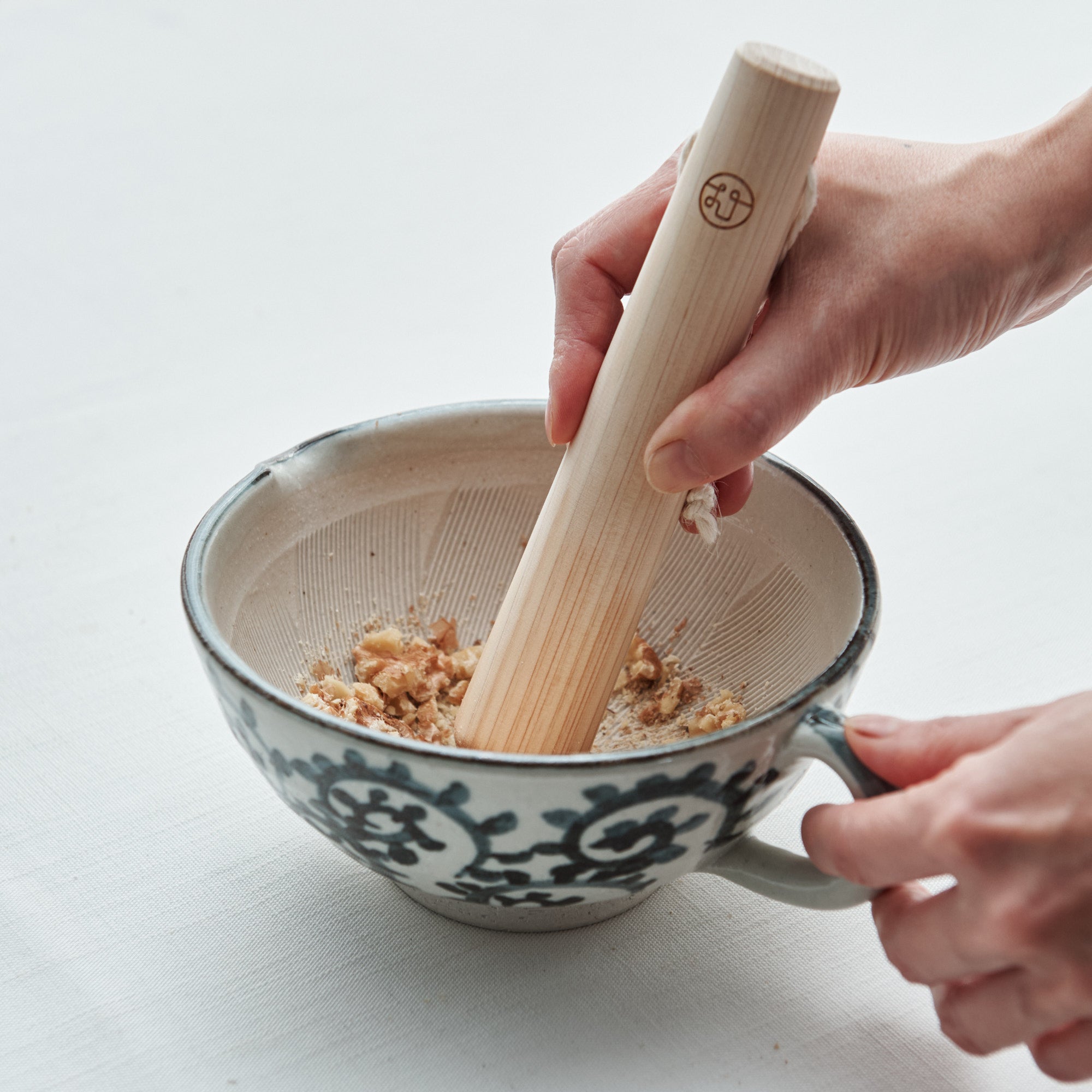
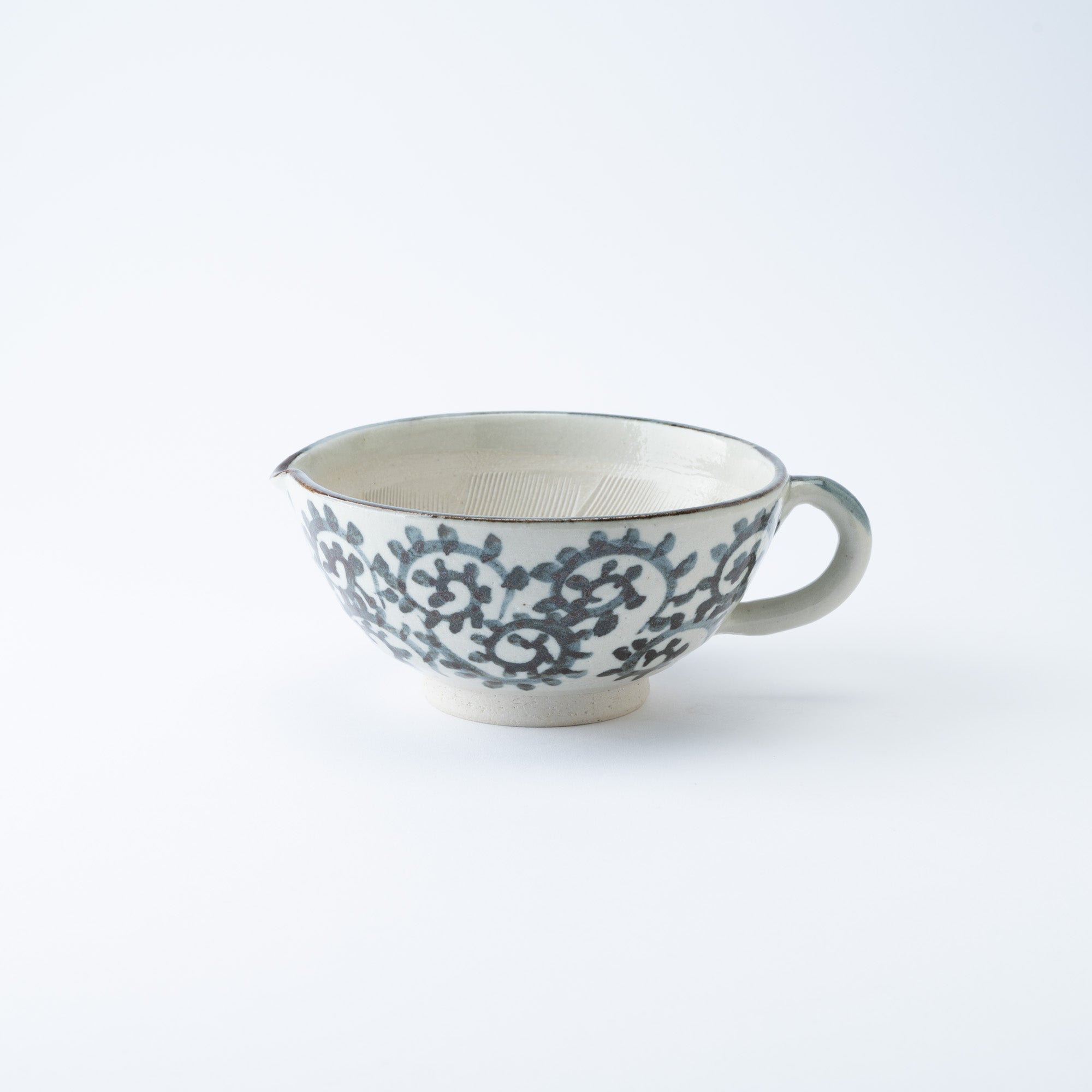
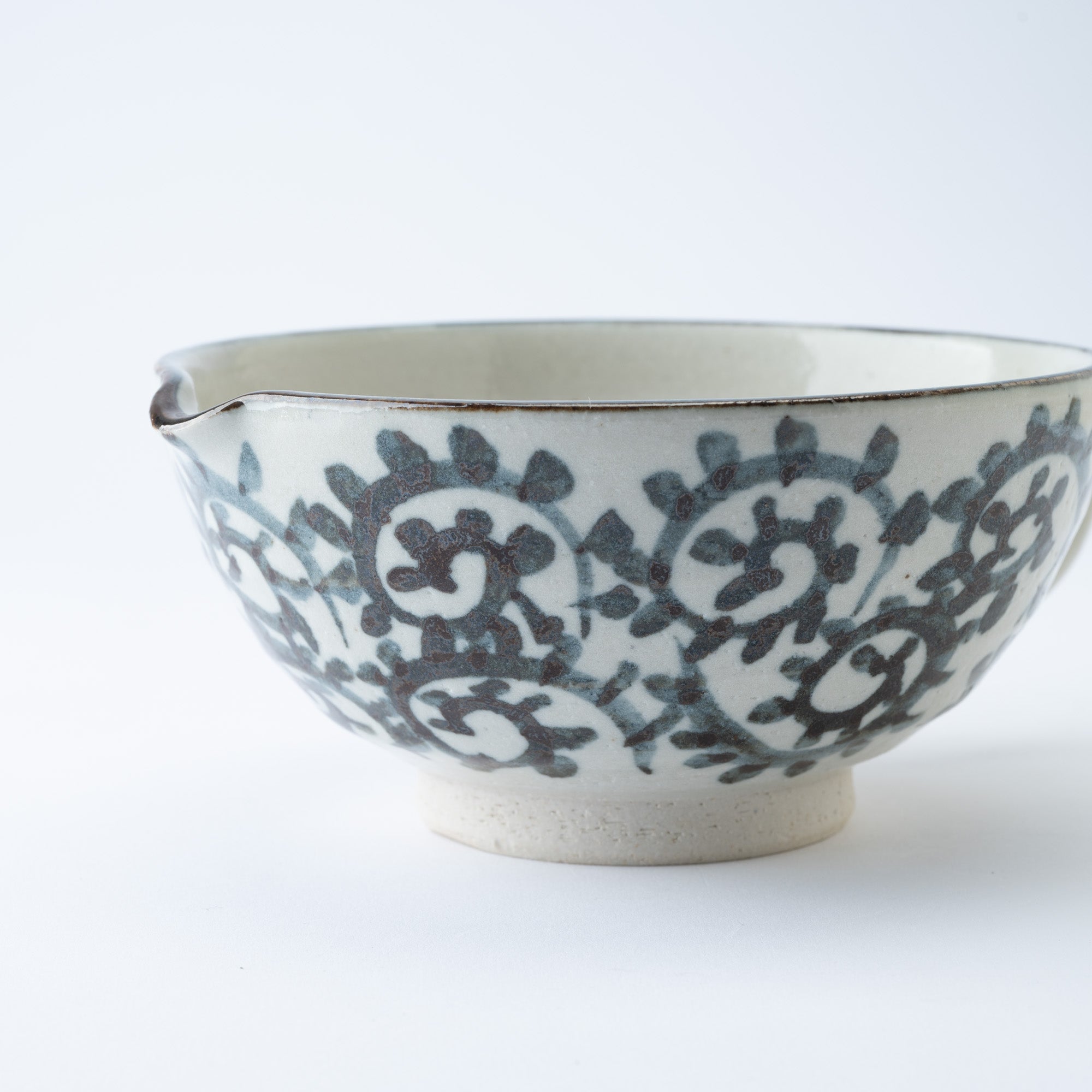
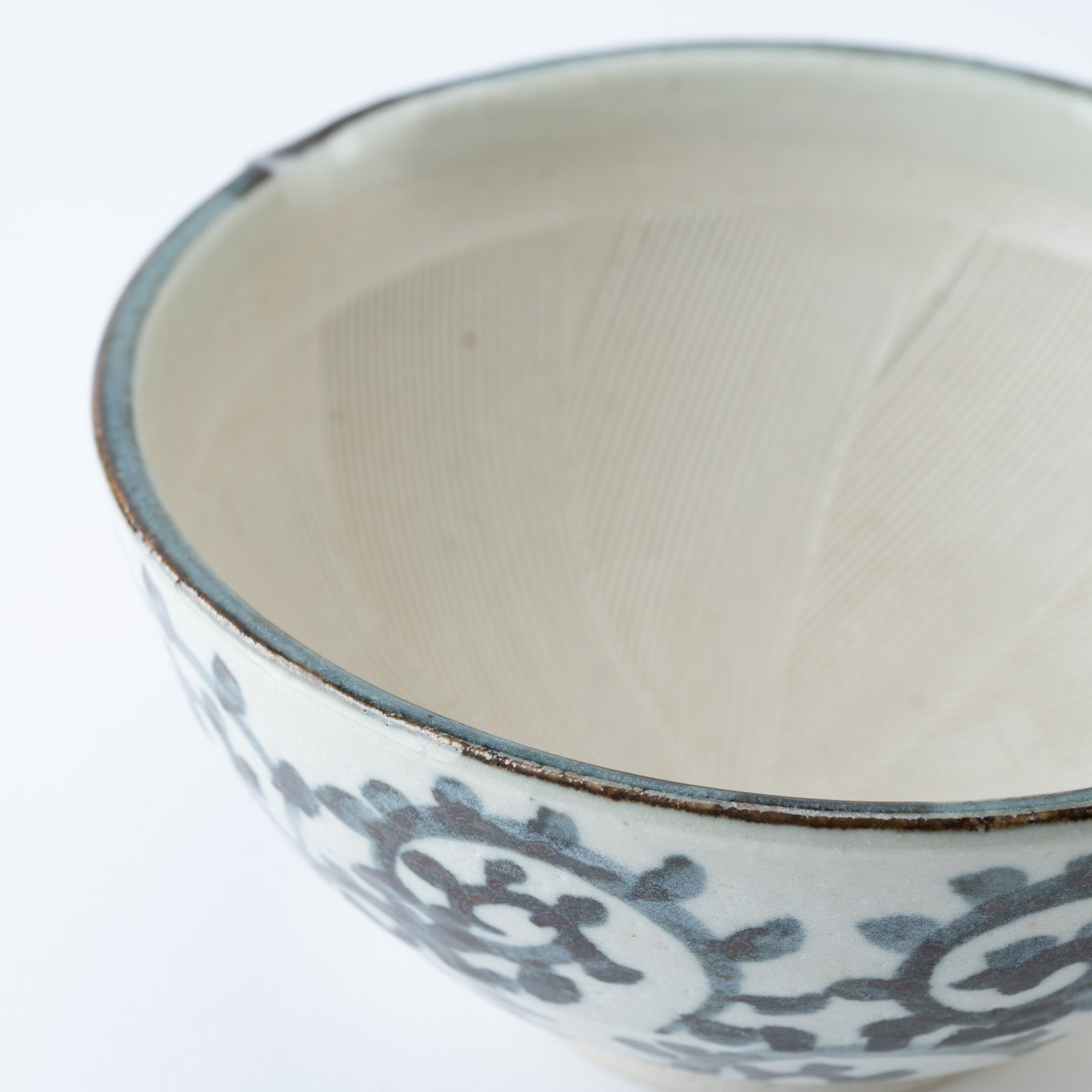
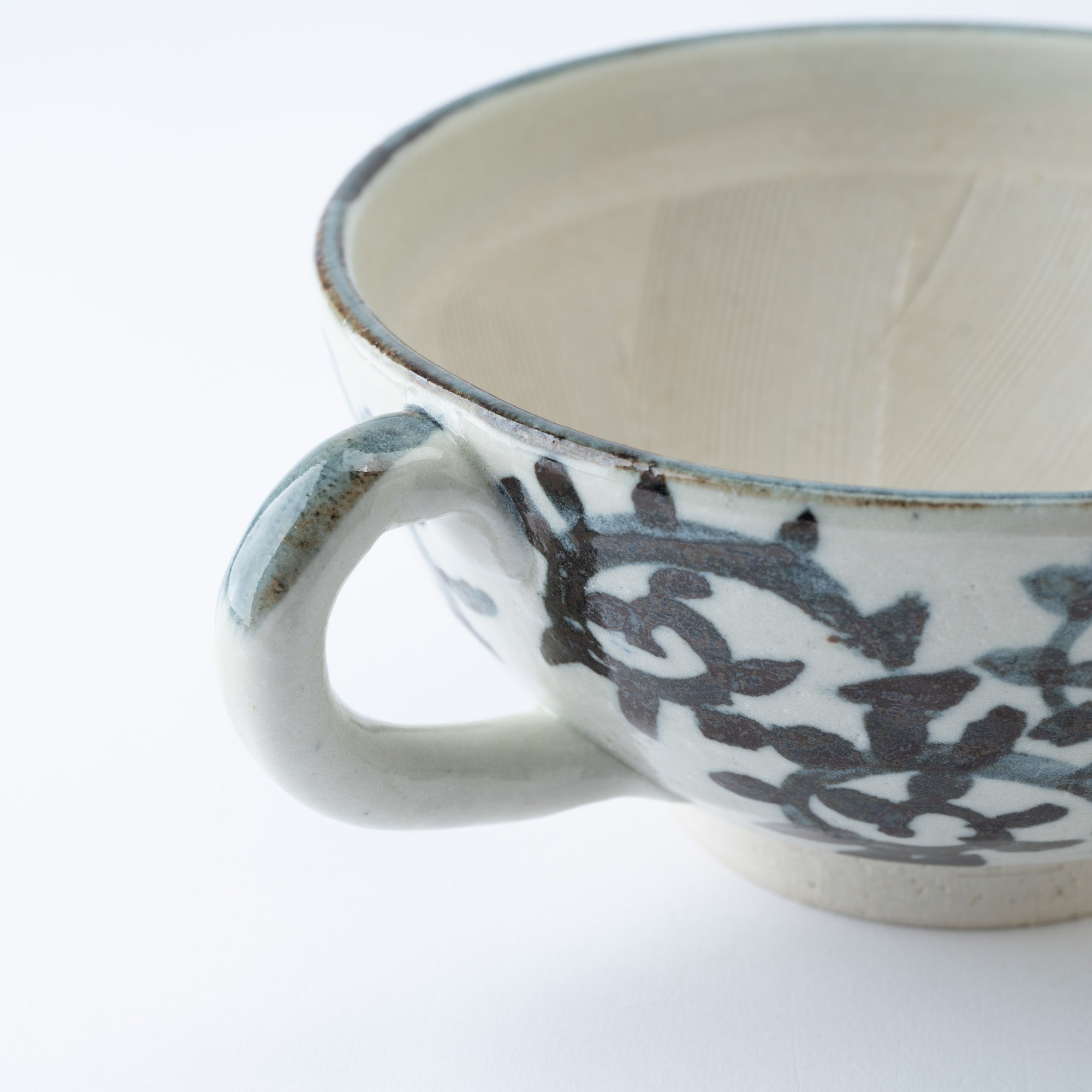
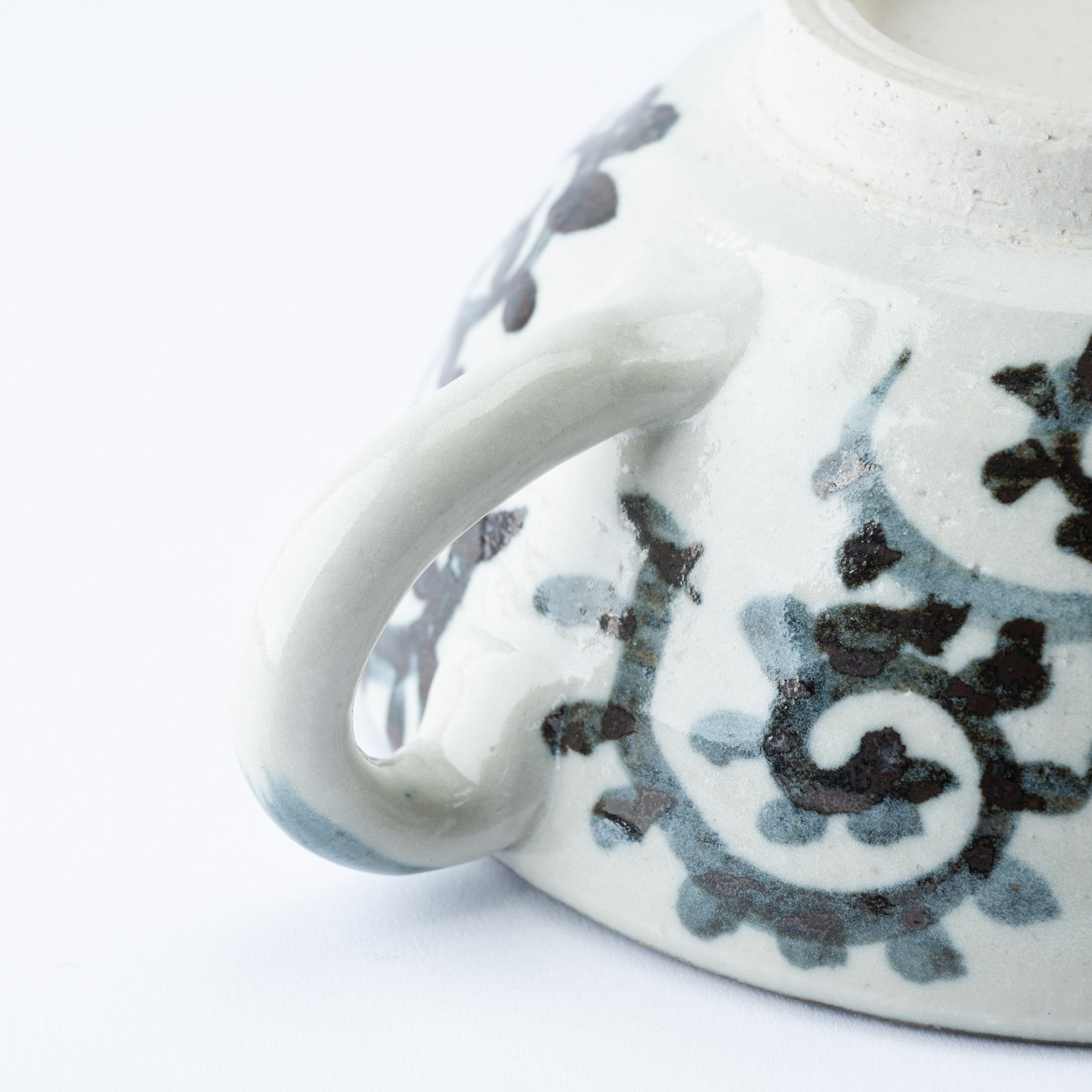
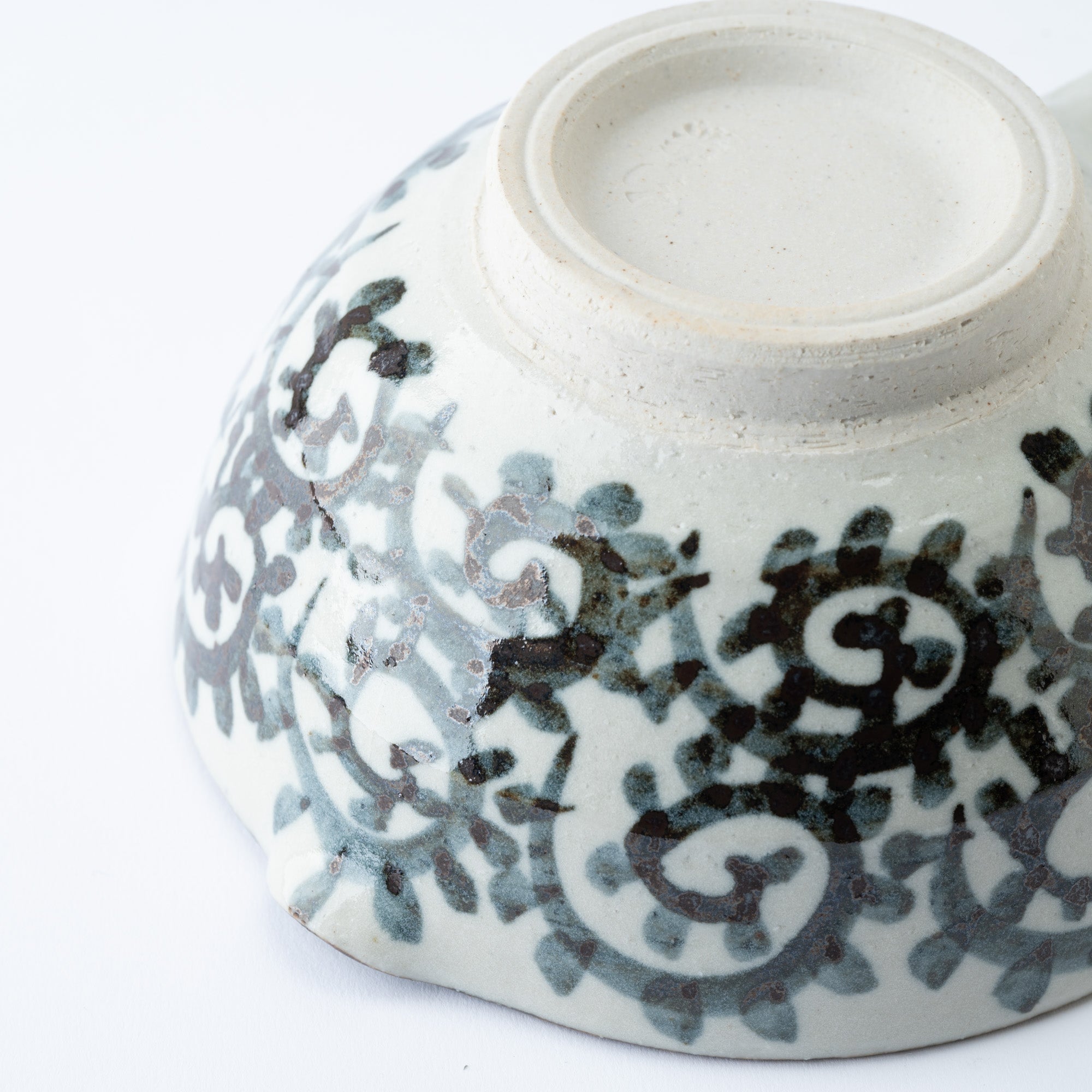
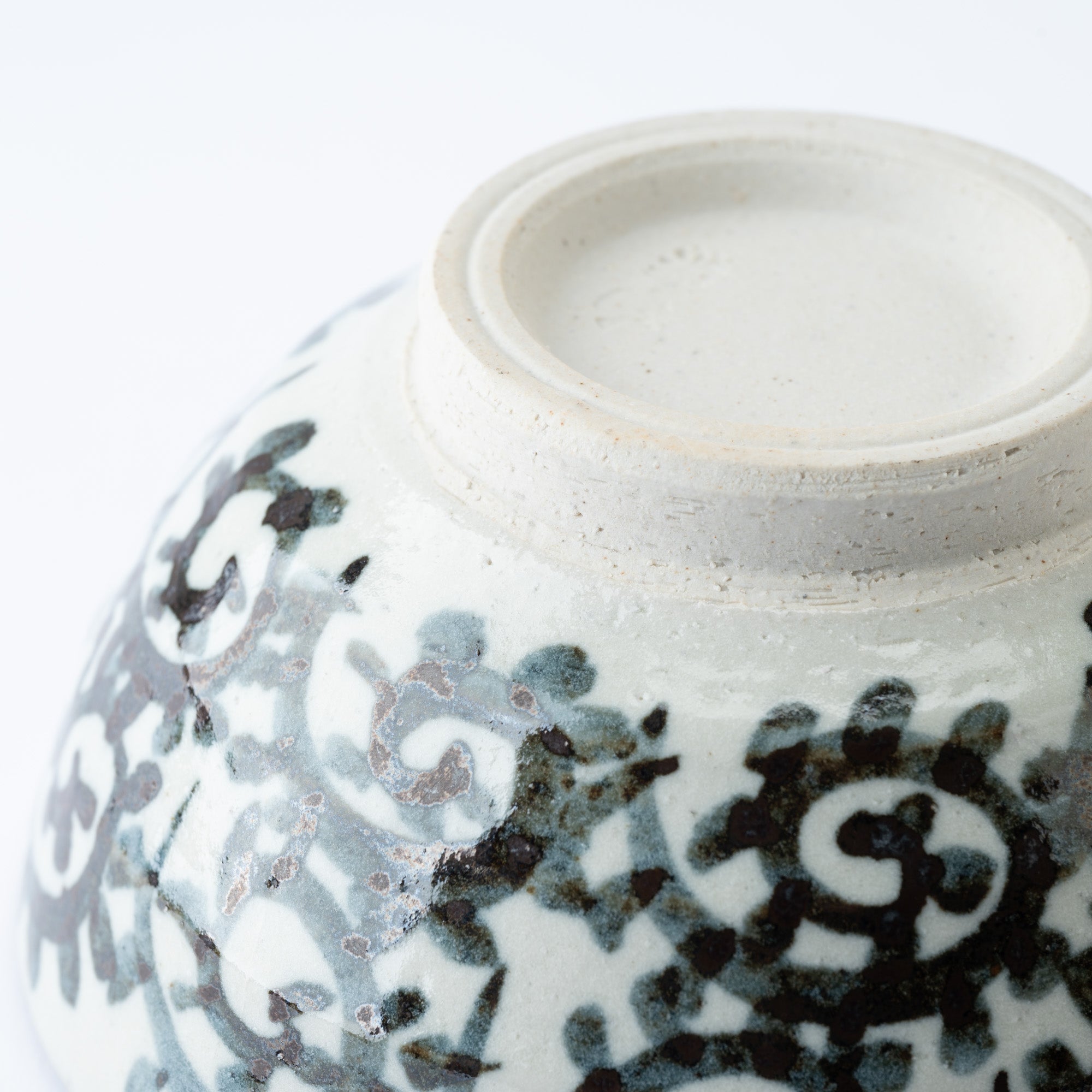
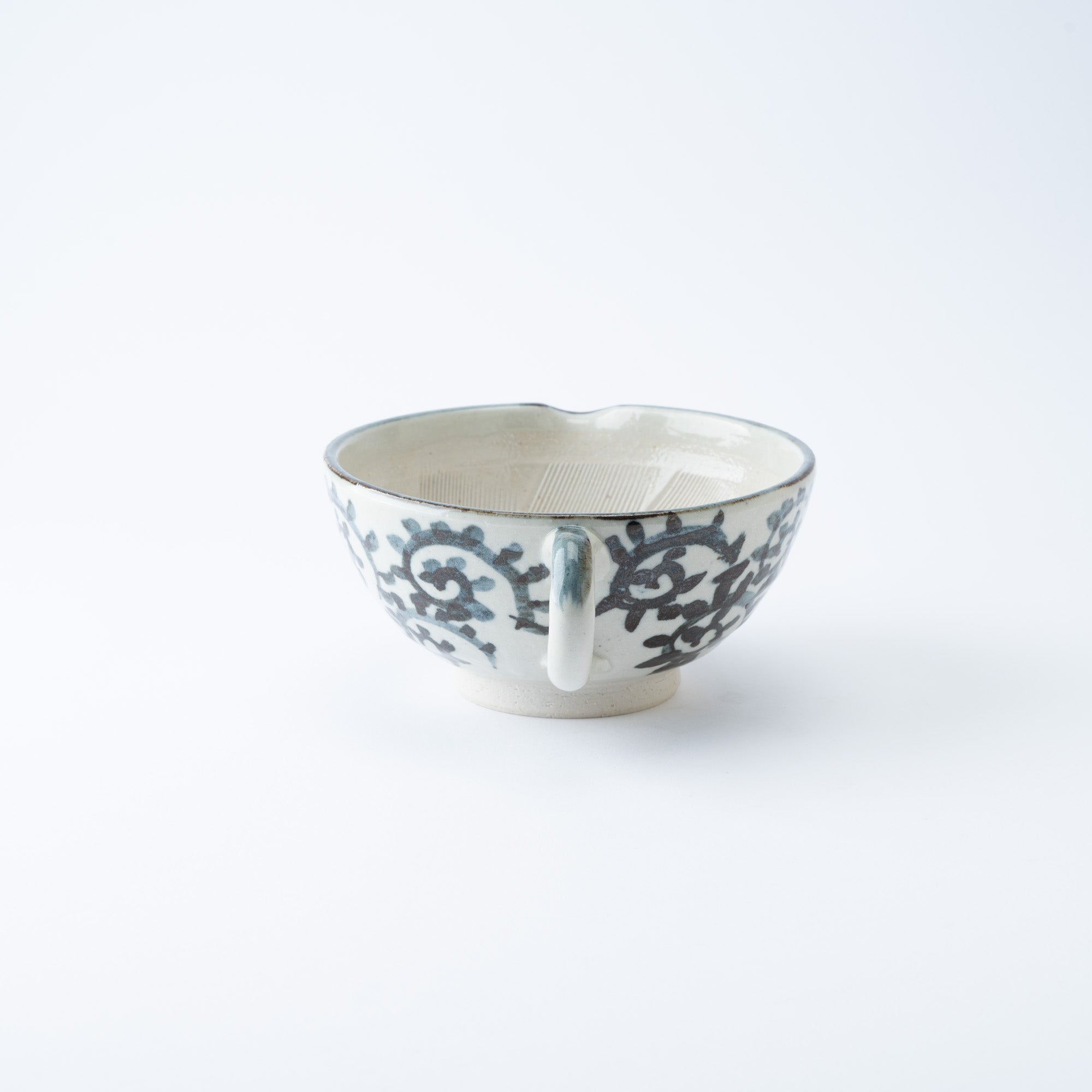
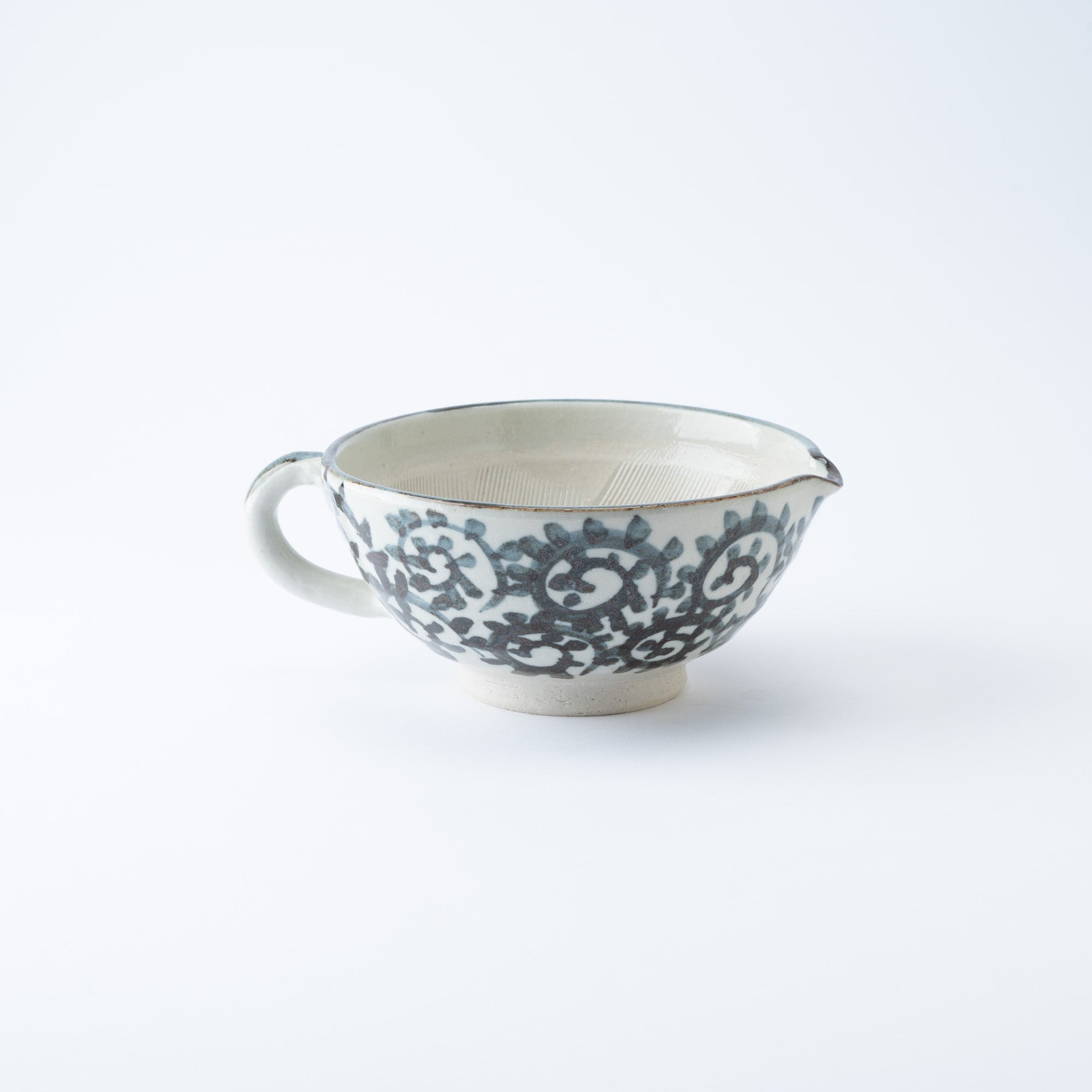
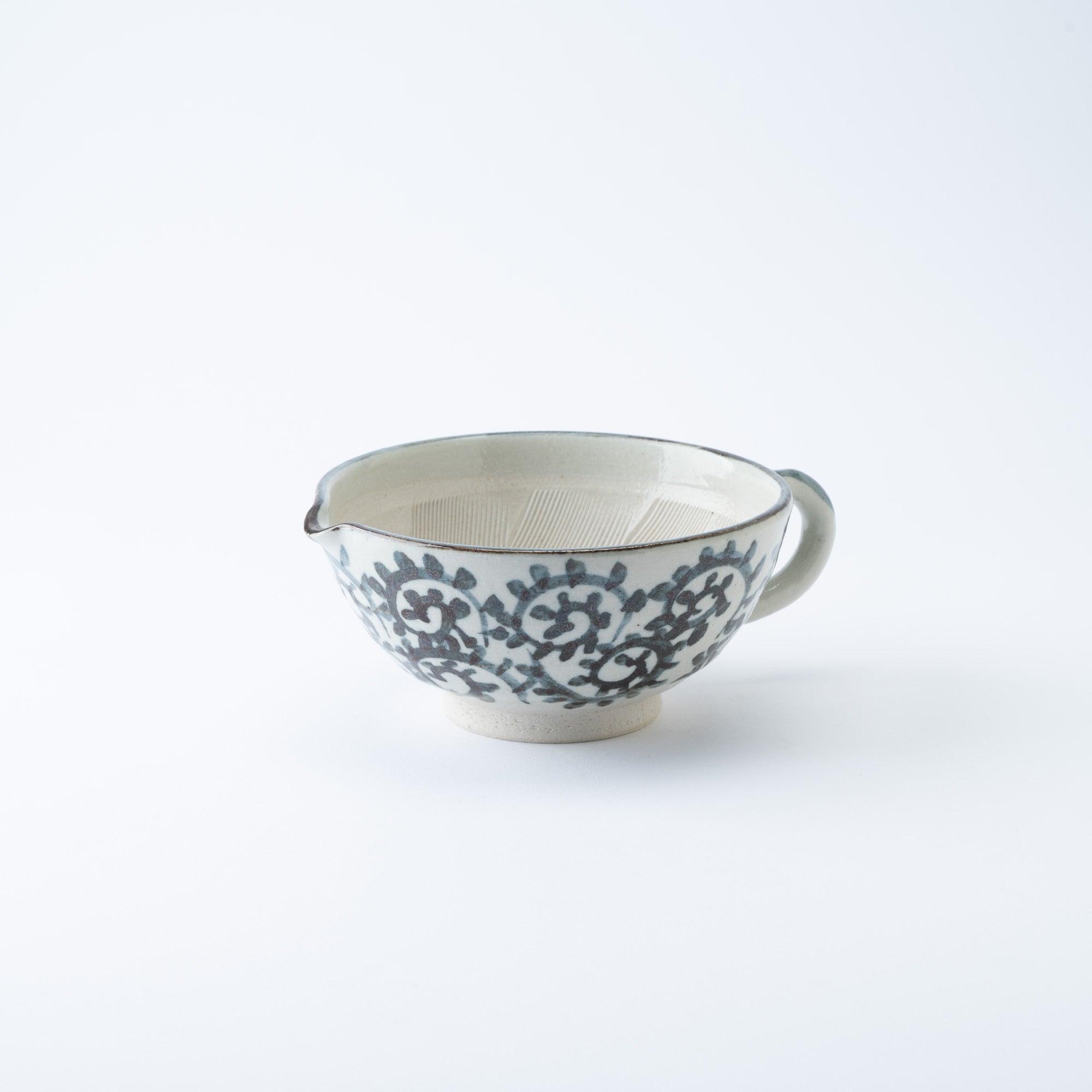
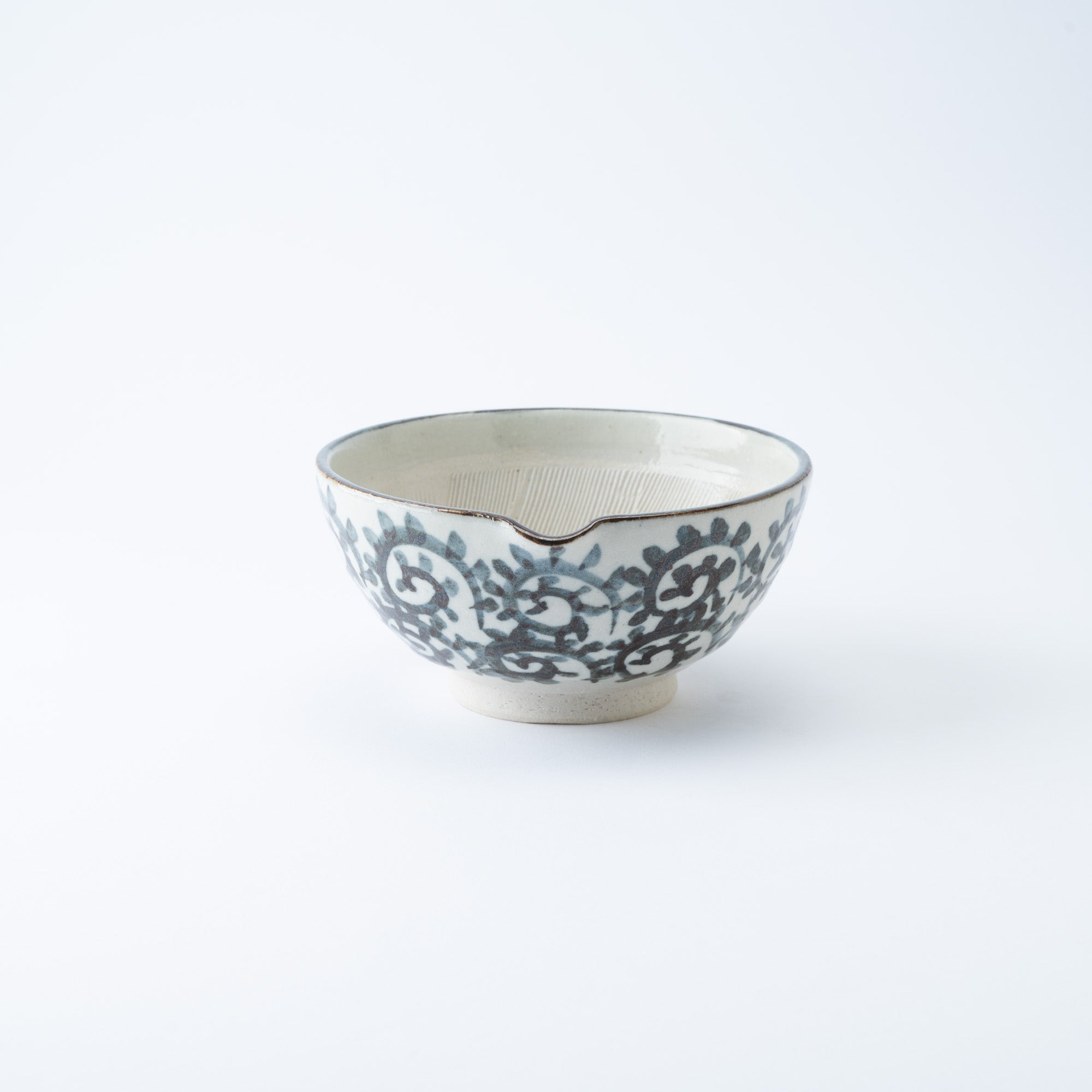
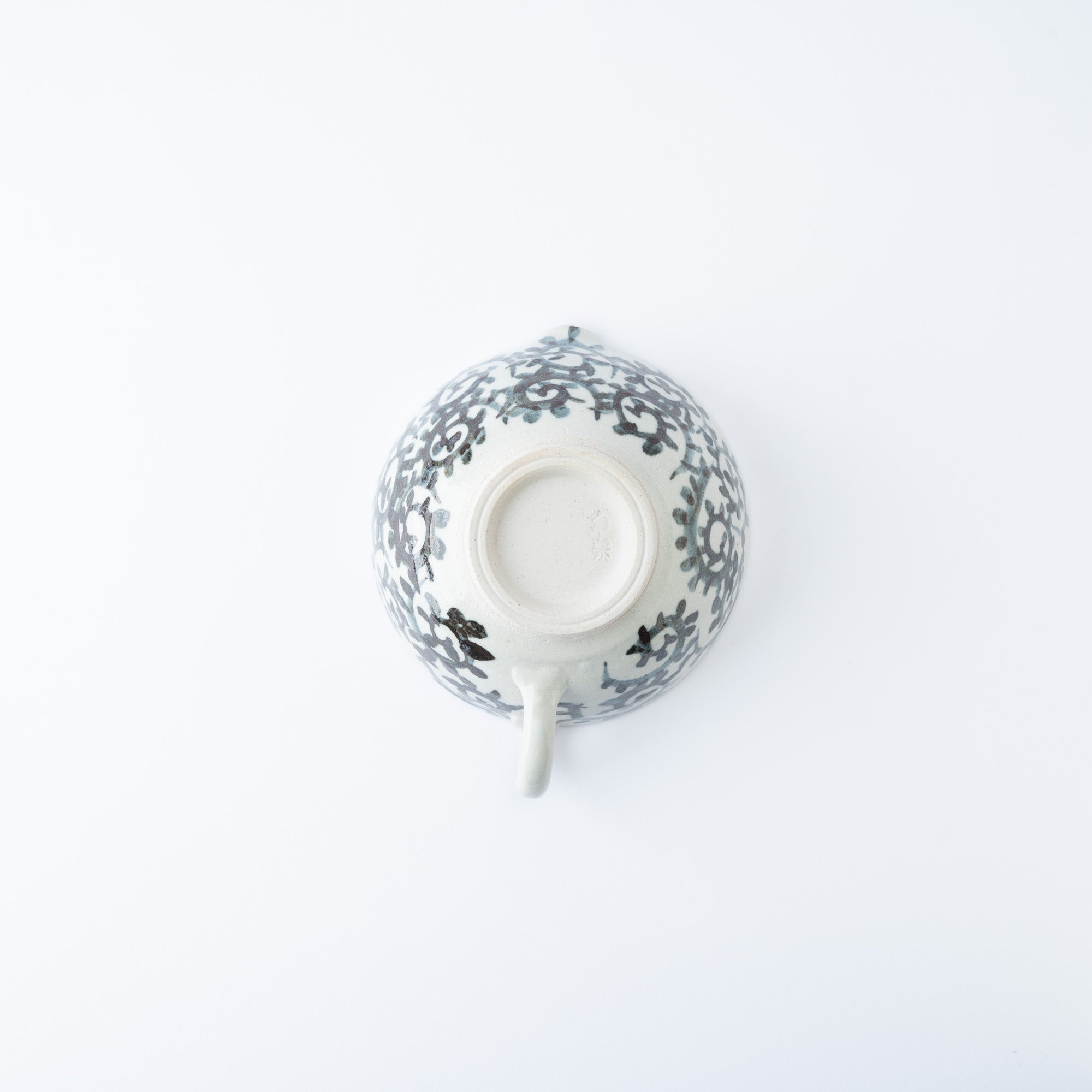
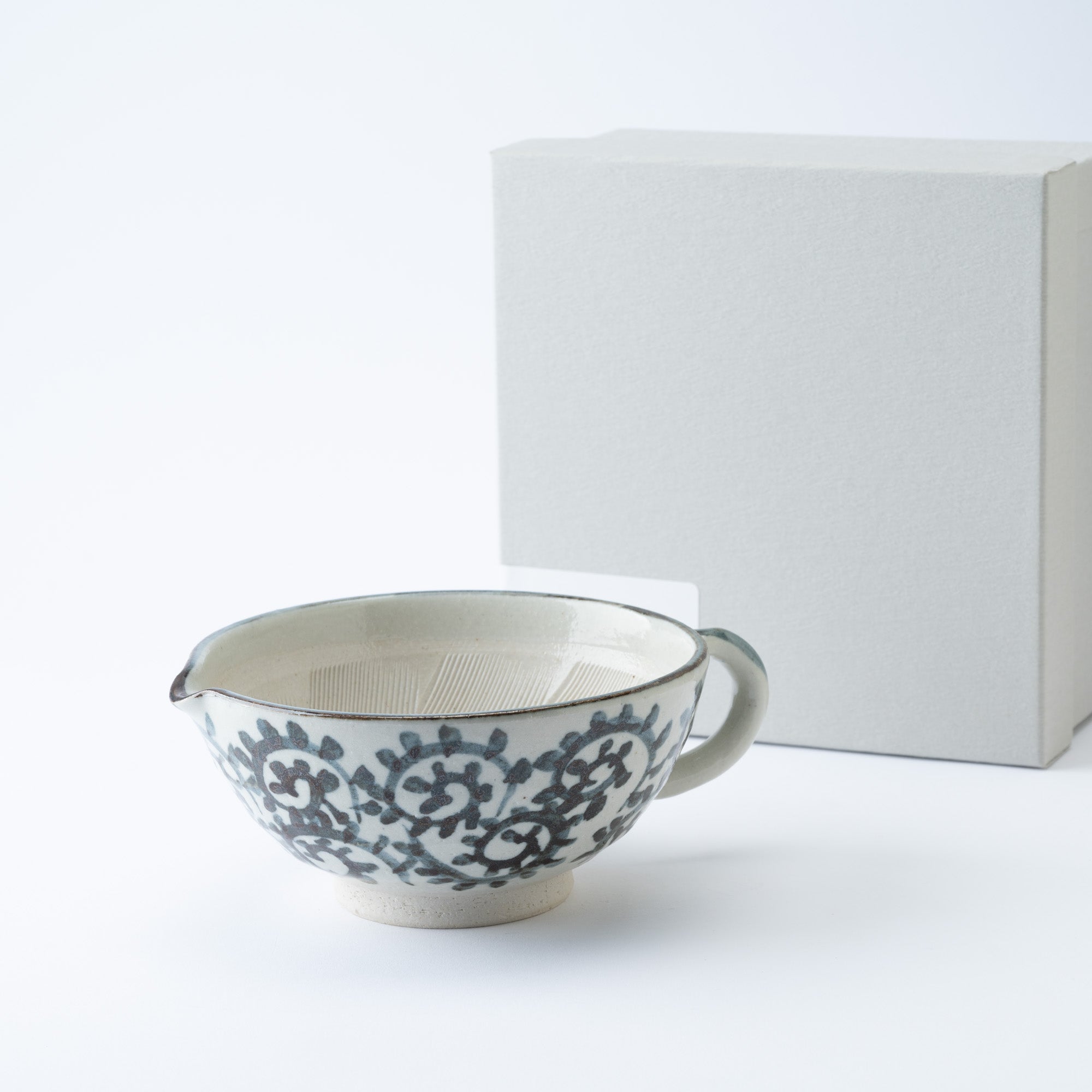
Este mortero con pico vertedor y asa presenta una apariencia distintiva que recuerda a una taza de té. El lateral del recipiente está decorado con el patrón japonés tradicional tako karakusa de arabescos en forma de enredadera, aportando una presencia refinada a la mesa.
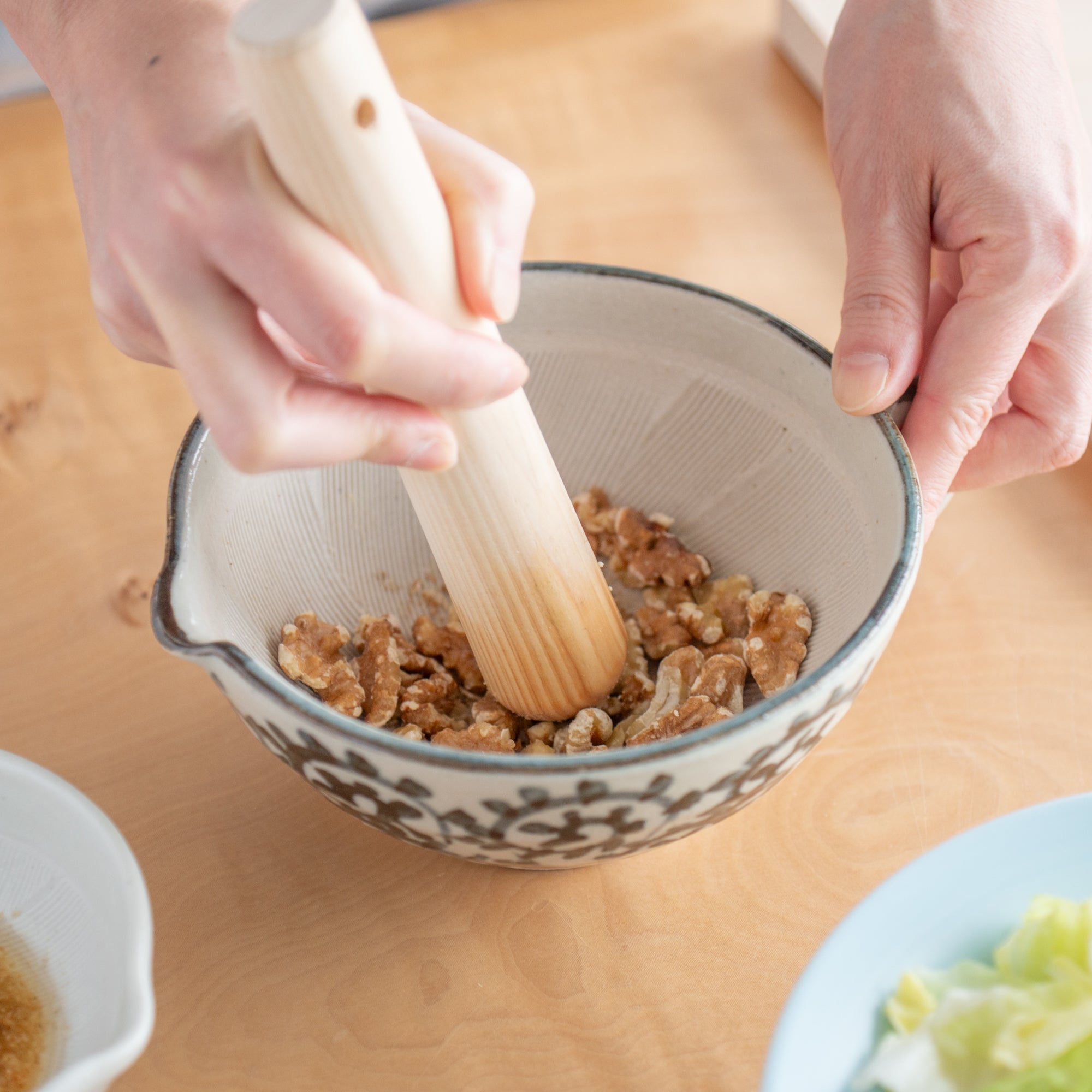
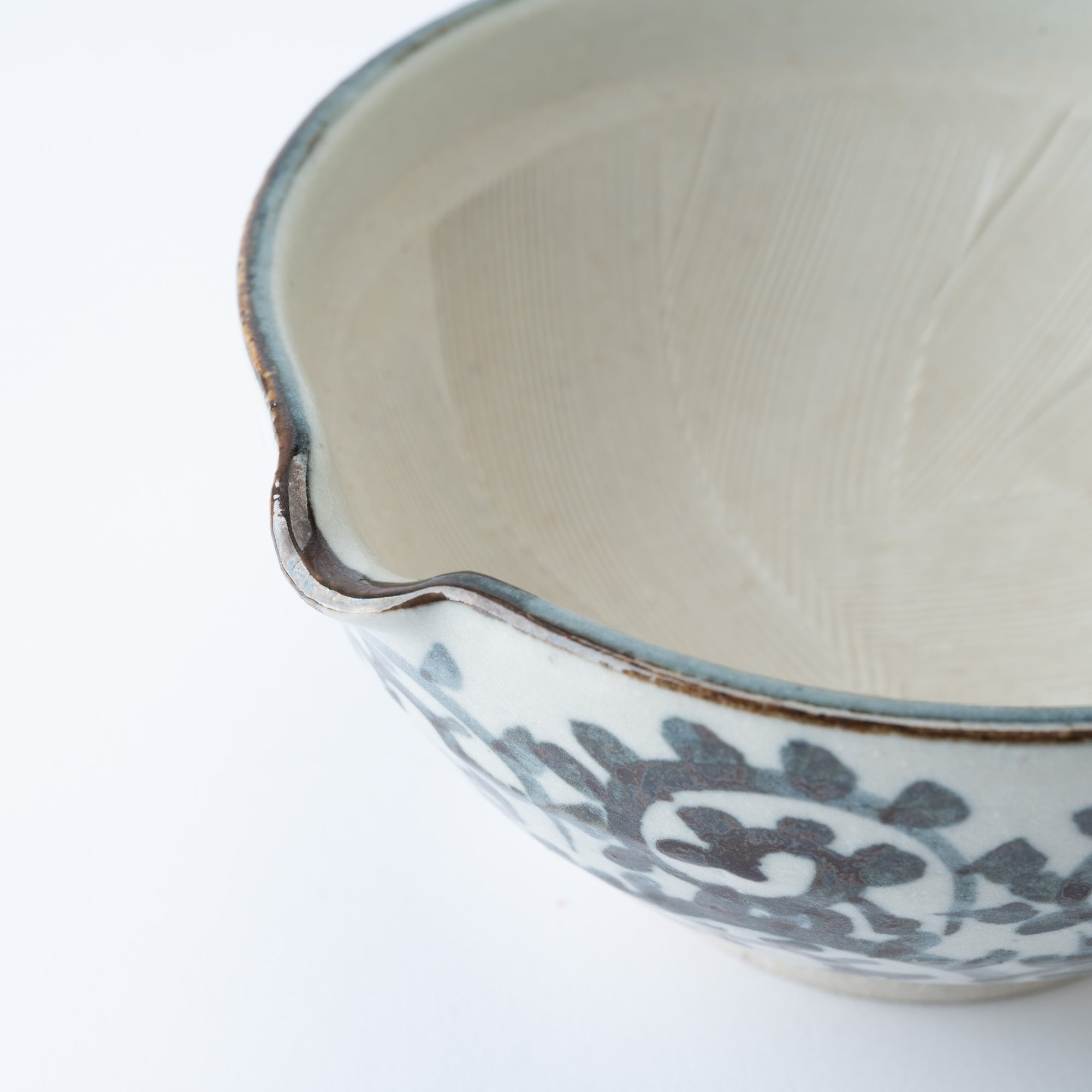
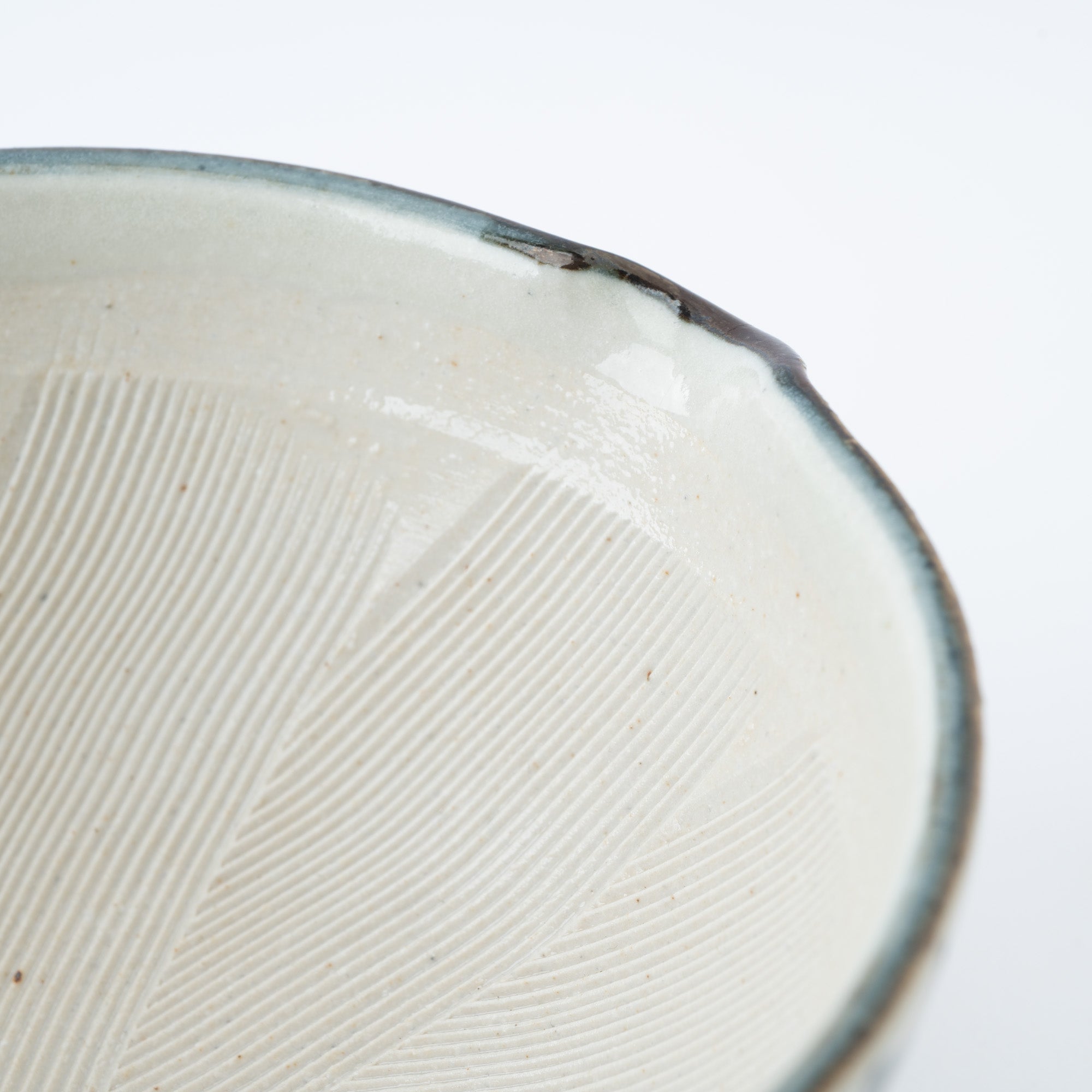
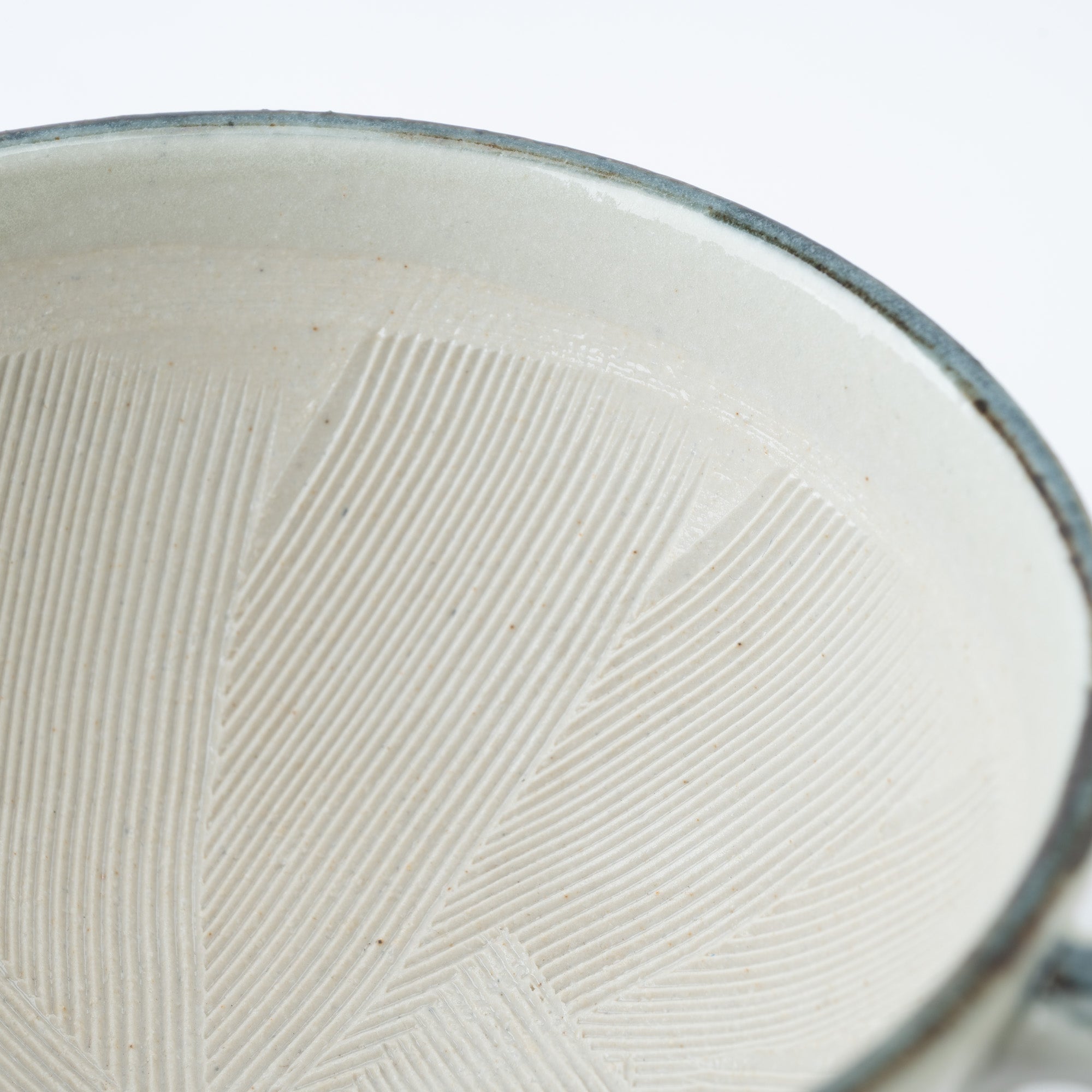
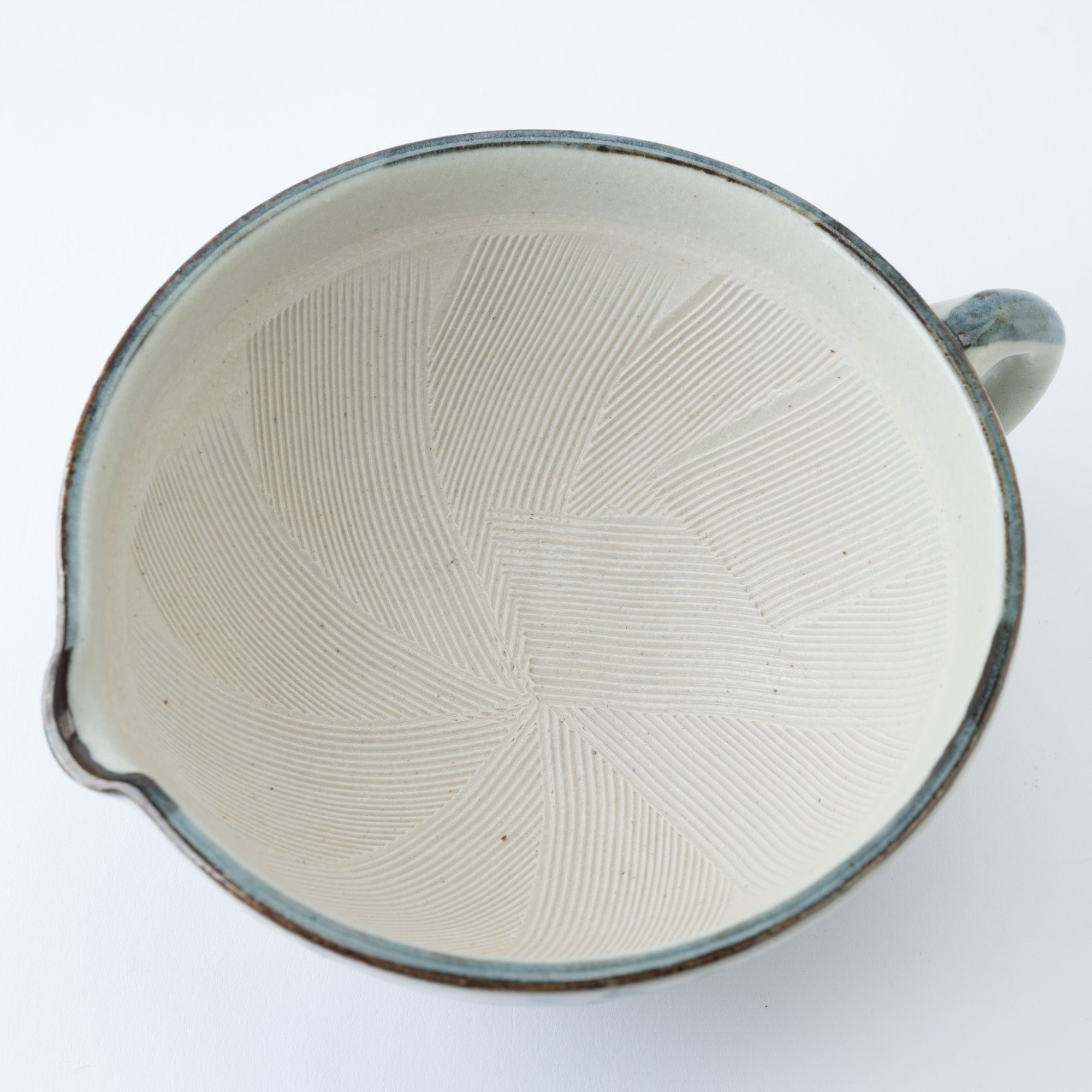
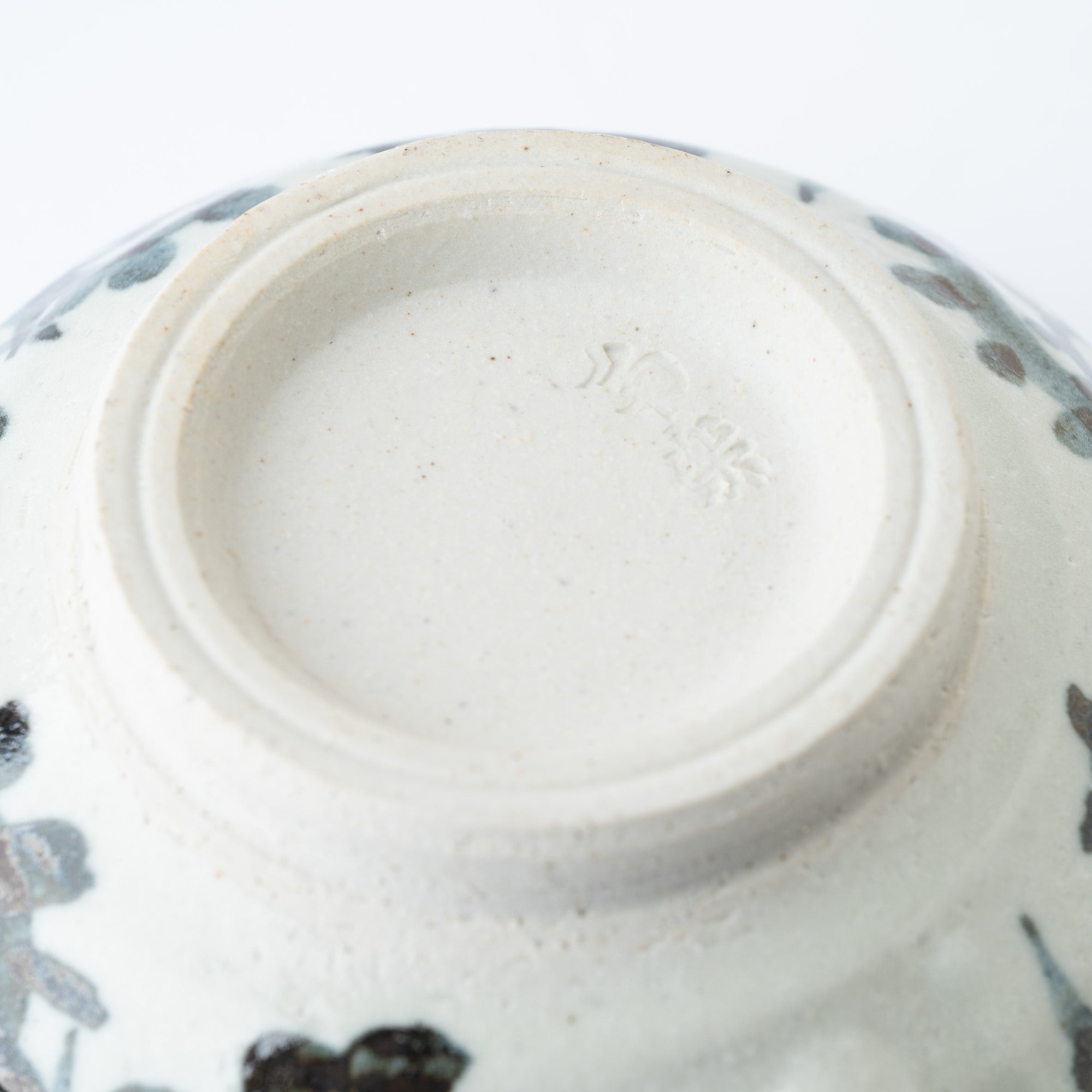
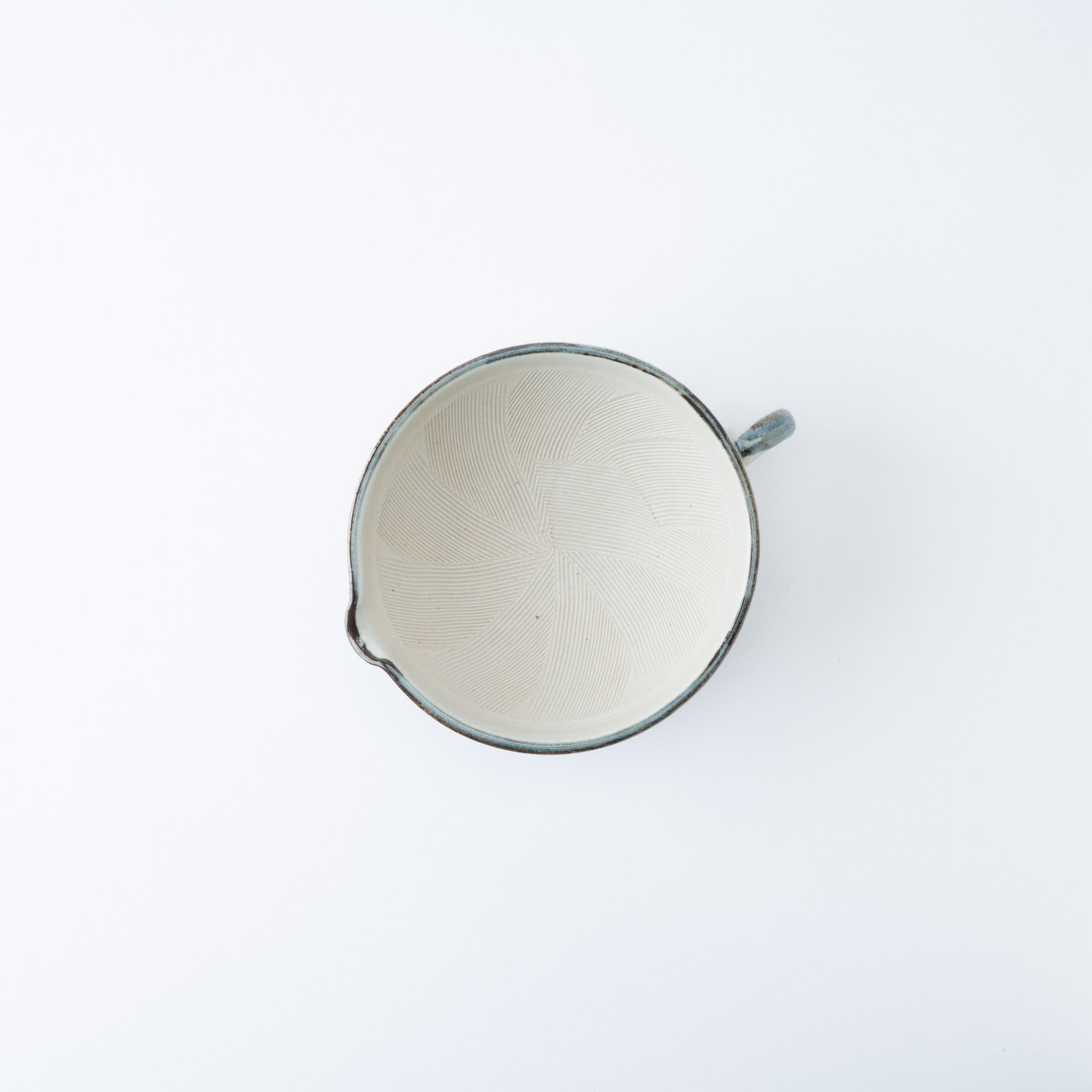
Las estrías interiores son duras y duraderas. Su patrón similar a un crisantemo es a la vez bello y funcional, sujetando firmemente los ingredientes para molerlos con eficacia. Este diseño distintivo de estrías se elabora mediante técnicas tradicionales que se han preservado cuidadosamente a lo largo de generaciones.
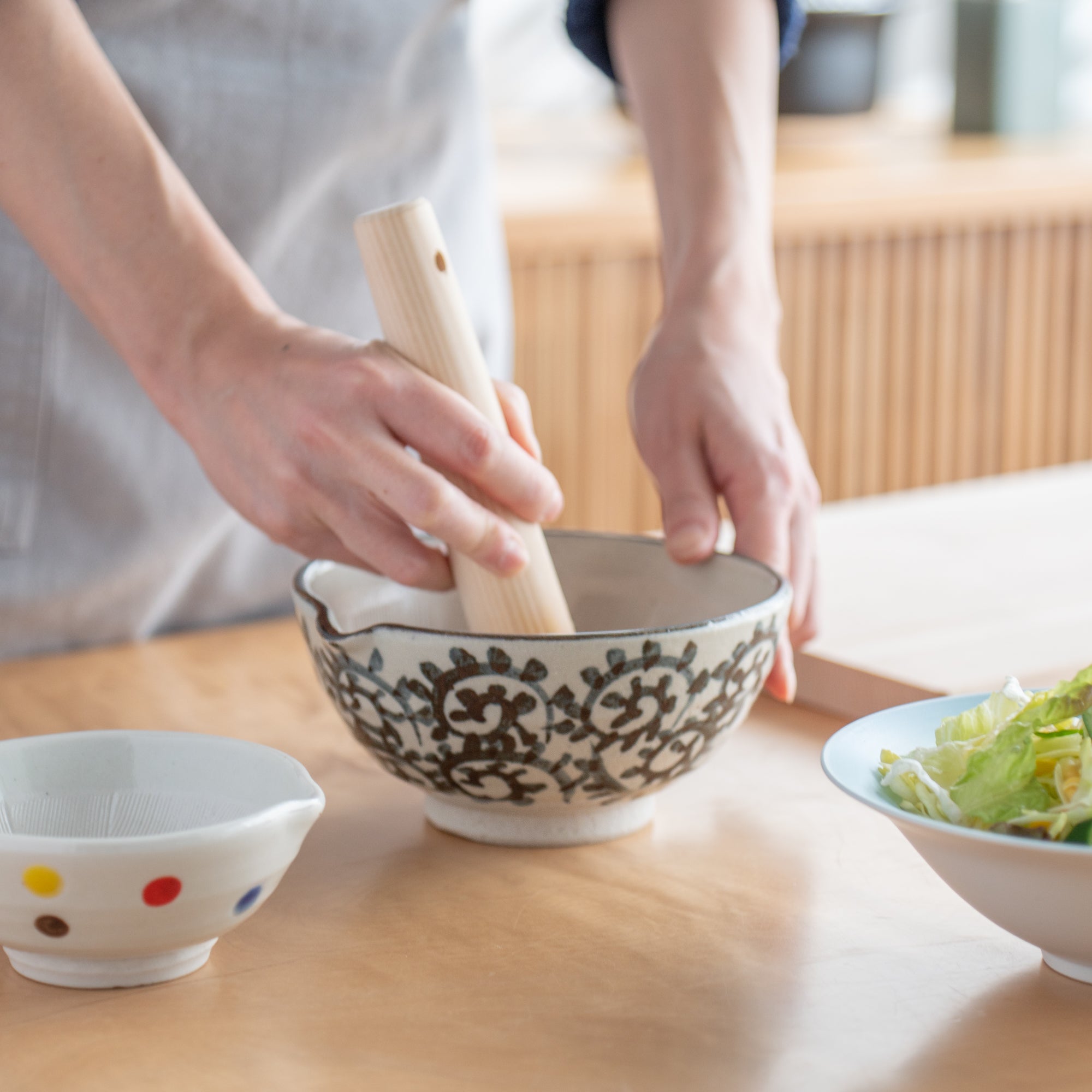
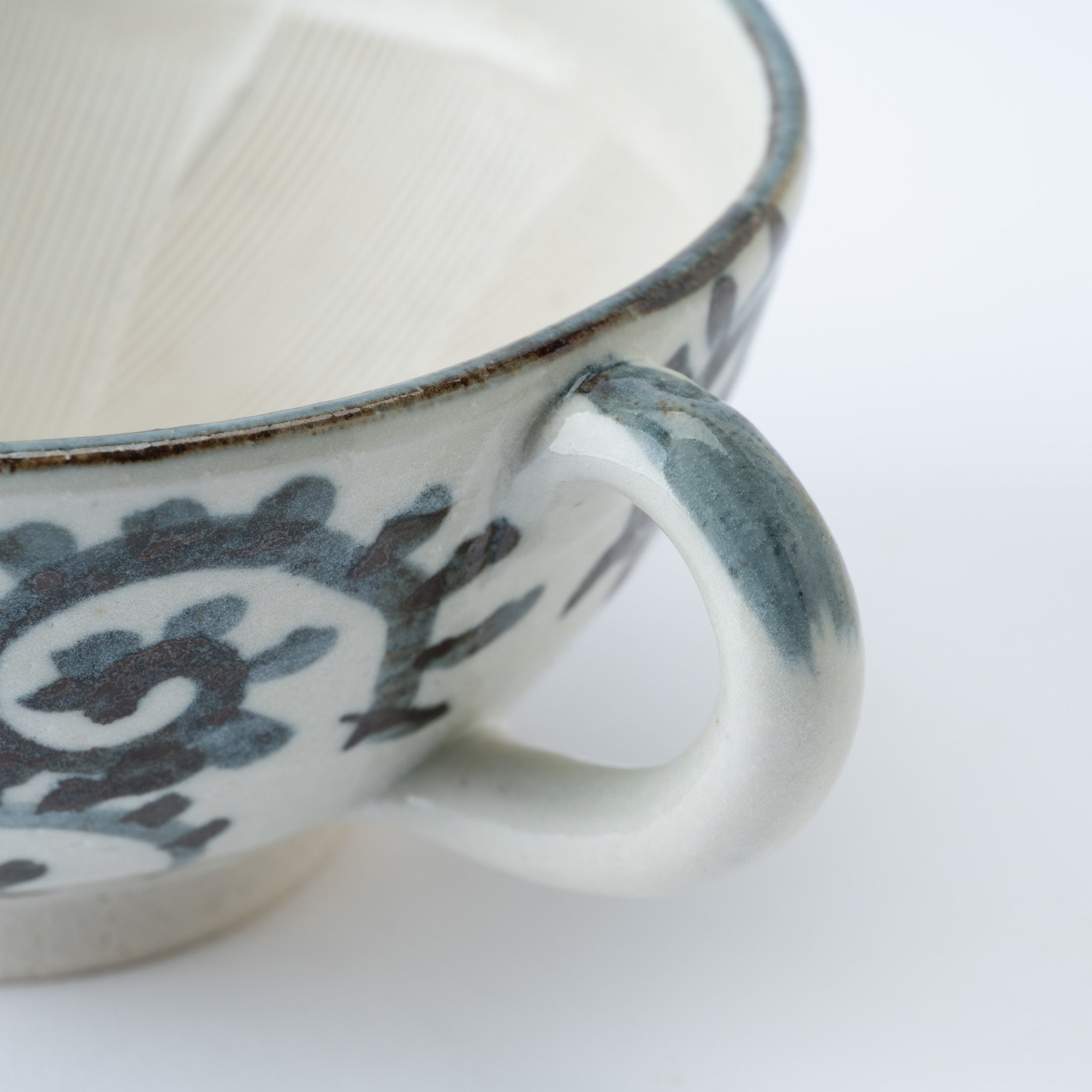
El asa proporciona estabilidad adicional al usar la mano del mortero, facilitando el control de la presión y el equilibrio durante la molienda. También facilita el servicio para verter sin esfuerzo en la mesa.
La abertura es ligeramente amplia, y el pico vertedor permite transferir semillas de sésamo recién molidas o salsas de manera fluida, agilizando el proceso de acabado.
DETALLES
| Quantity | 1 |
| Size | D 15.5 cm (6.1 in) x W 19.0 cm (7.5 in) x H 7.8 cm (3.1 in) |
| Weight | 560 g (19.8 oz) |
| Material | Stoneware |
| Package Type | Paper box |
| Microwave | No |
| Dishwasher | No |
Artesanía
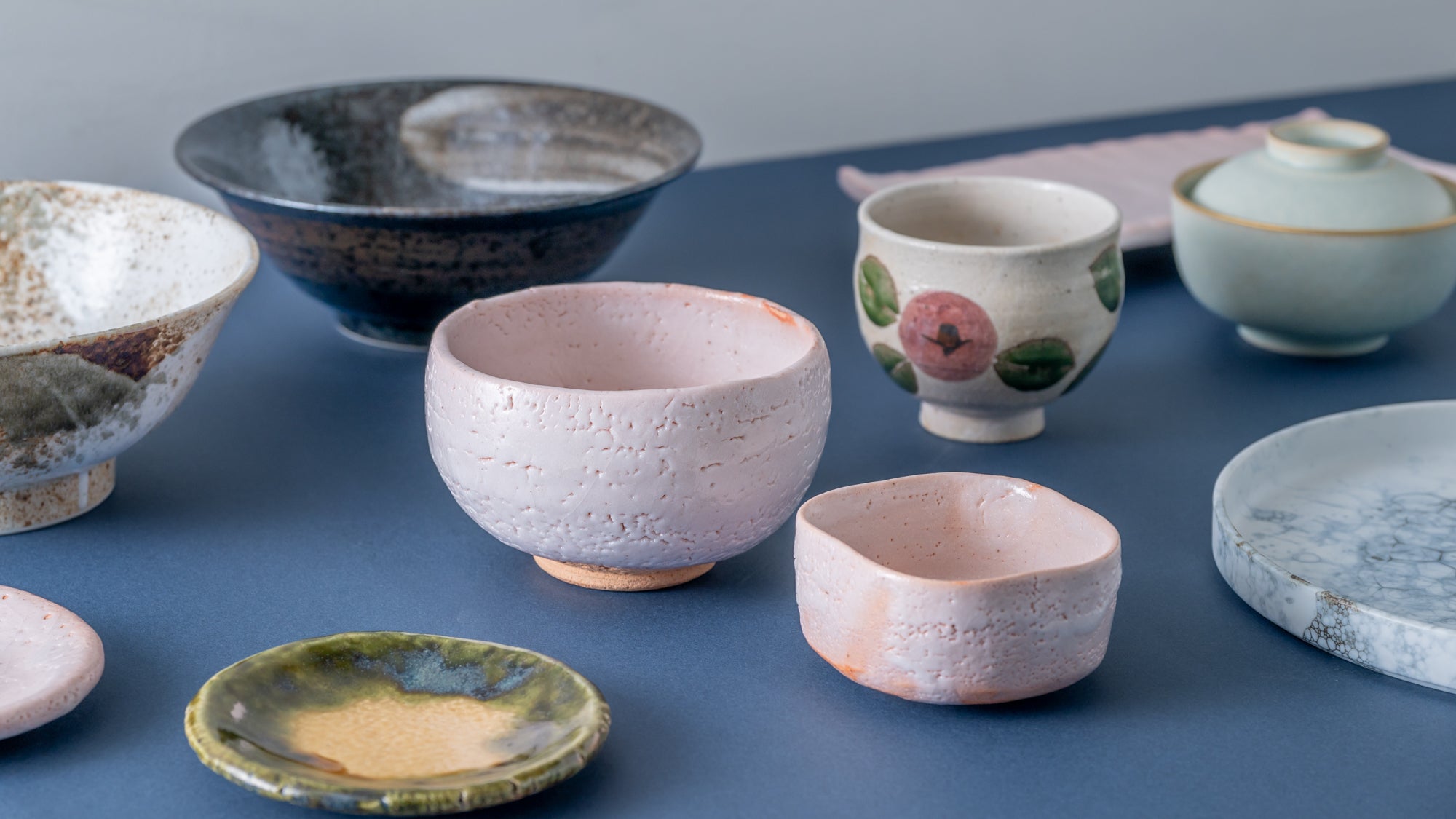
La cerámica Mino, elaborada en la región de Tono, en la prefectura de Gifu, es reconocida en la cerámica japonesa por su rico legado y versatilidad. Presenta más de quince estilos distintos, lo que la hace más variada que muchas otras cerámicas japonesas.
Representando actualmente más del 50 % de la producción cerámica de Japón, su popularidad es inigualable. Designada como artesanía tradicional en 1978, la cerámica Mino refleja una combinación de profundidad histórica y relevancia moderna, ejemplificando una artesanía excepcional.
Elige opciones
Estimated Shipping Widget will be displayed here!
Morteros y majas
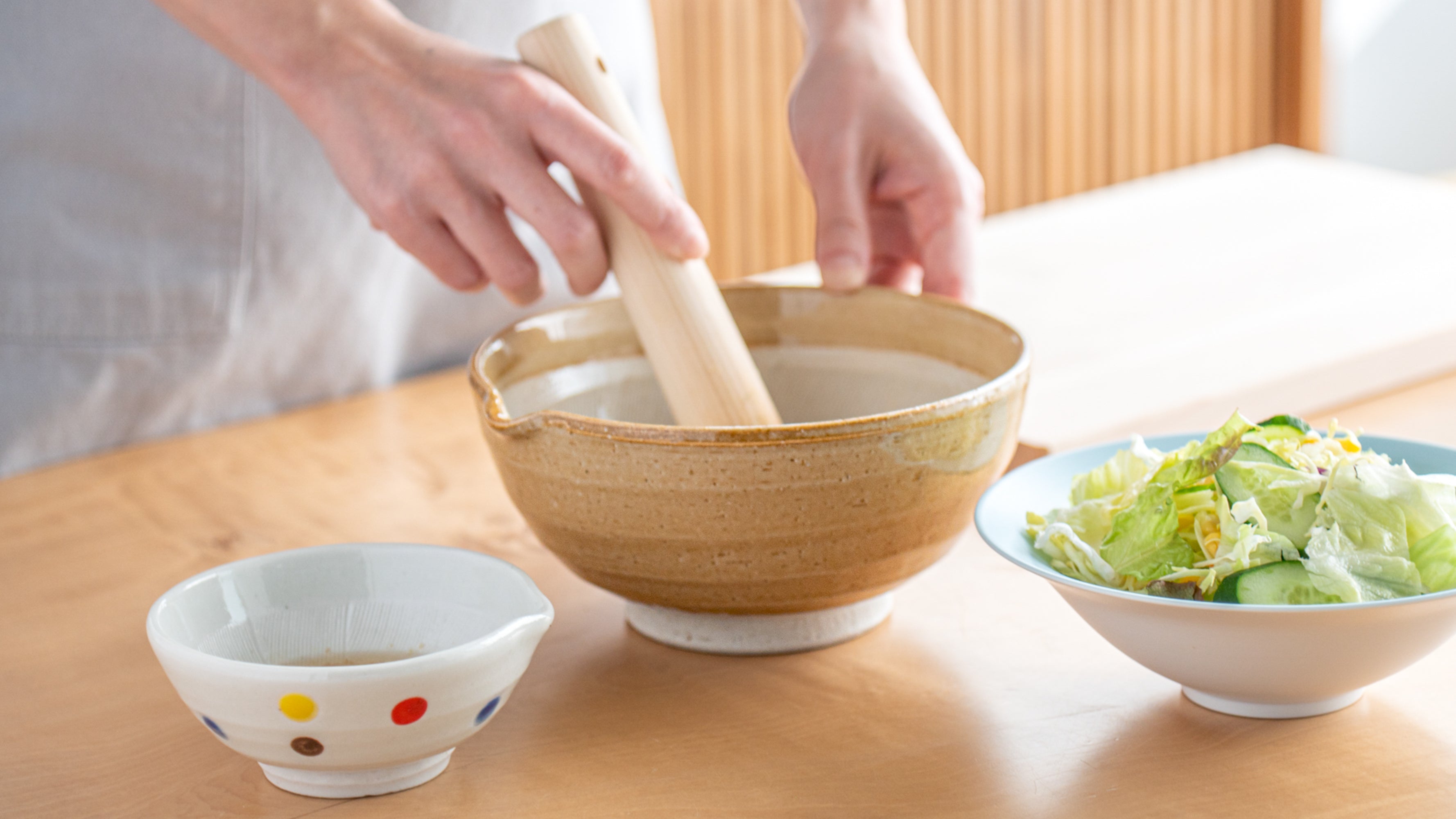
El mortero y la mano, herramientas esenciales en la cocina japonesa, son perfectos para moler incluso pequeñas cantidades de ingredientes con facilidad. Se recomiendan especialmente para moler semillas de sésamo, ya que liberan sus aceites y realzan el sabor. En Japón, los morteros de cerámica se combinan tradicionalmente con manos de madera. Colocar uno en la mesa del comedor añade un toque interactivo, permitiendo que todos disfruten moliendo los ingredientes.