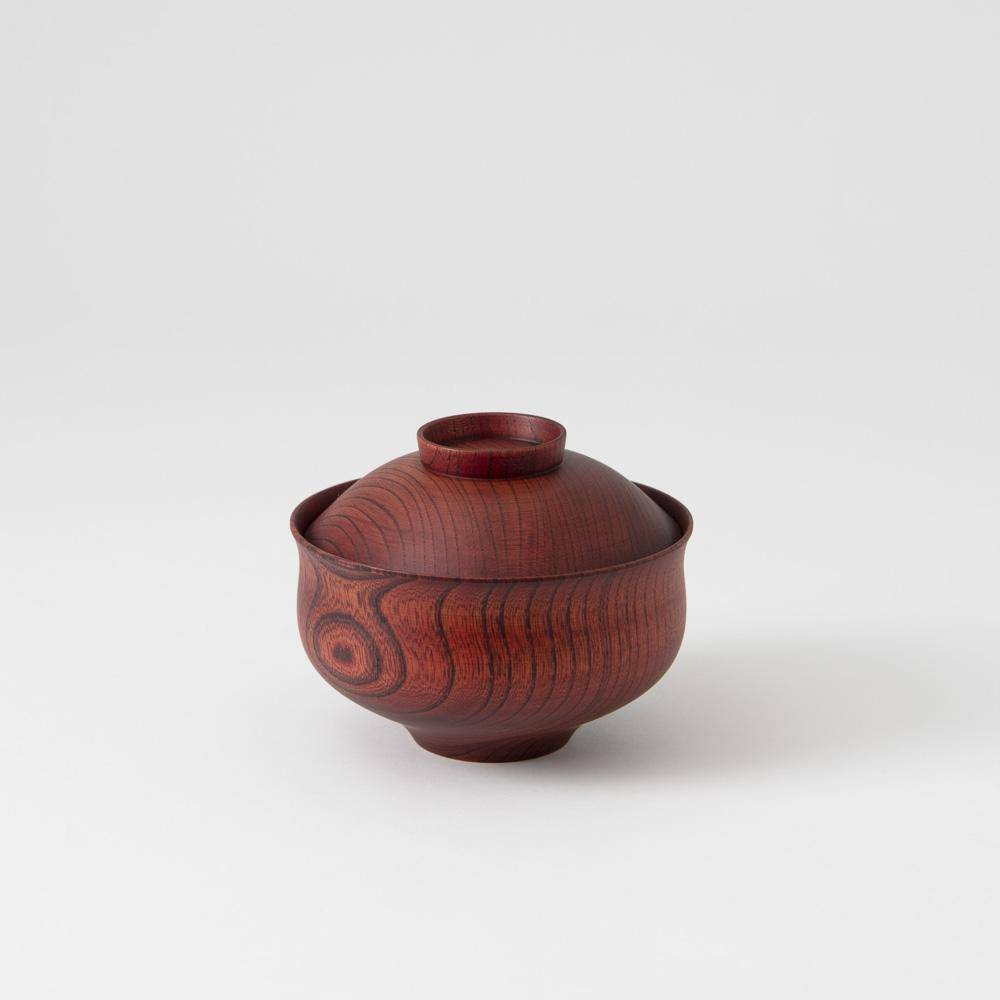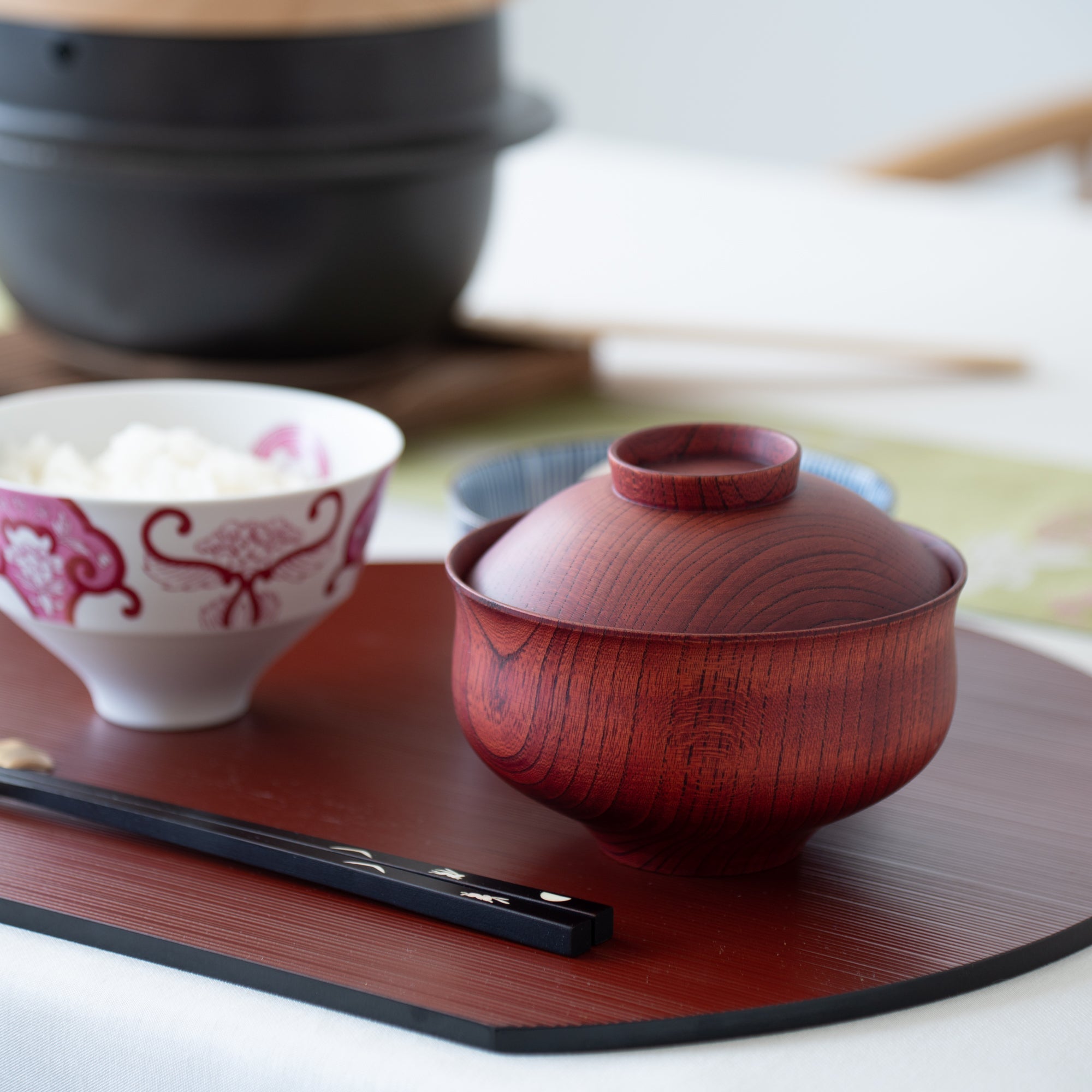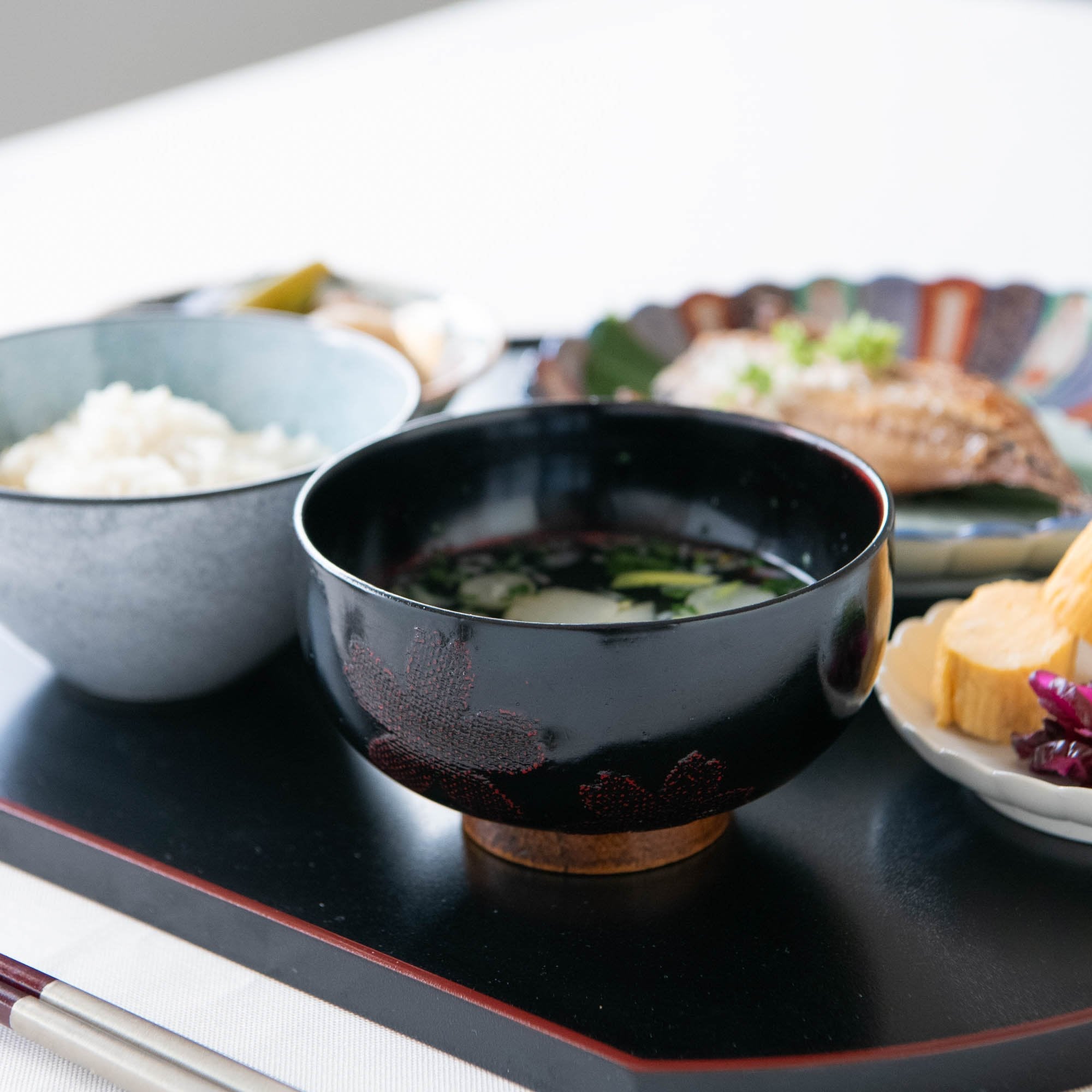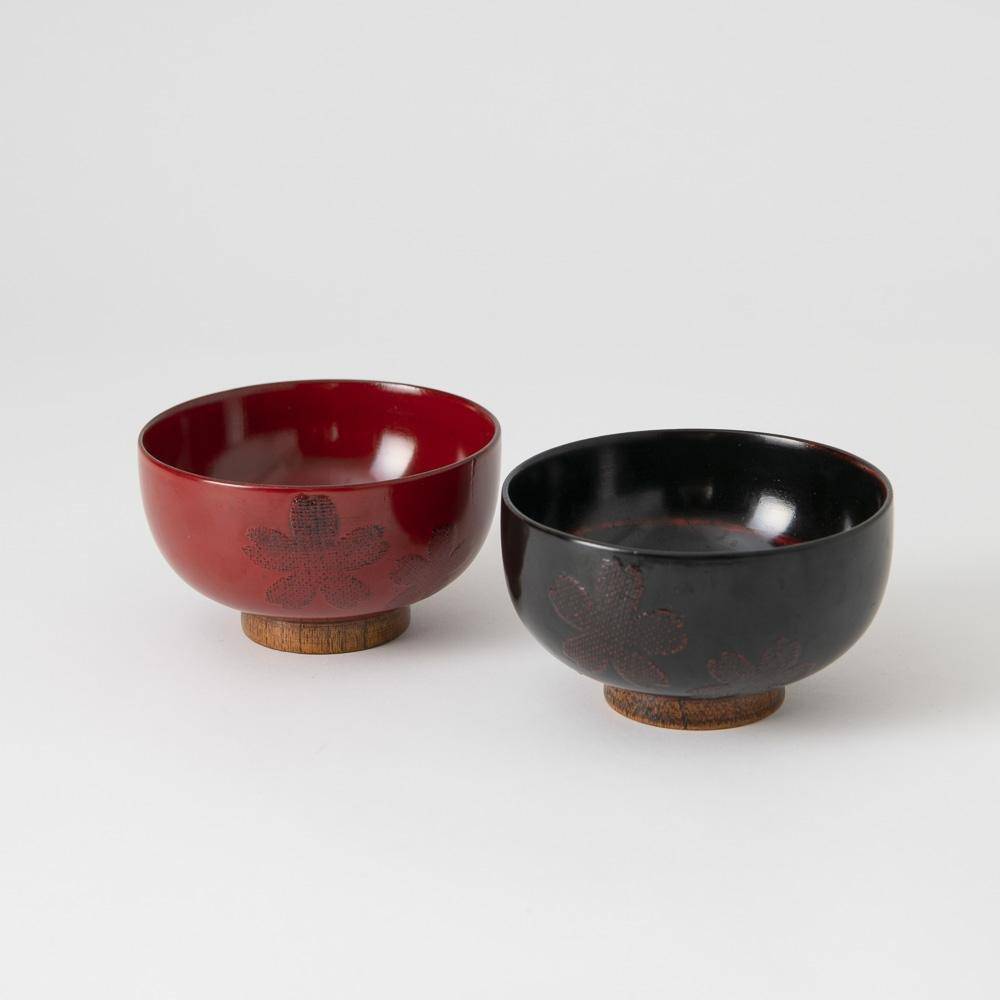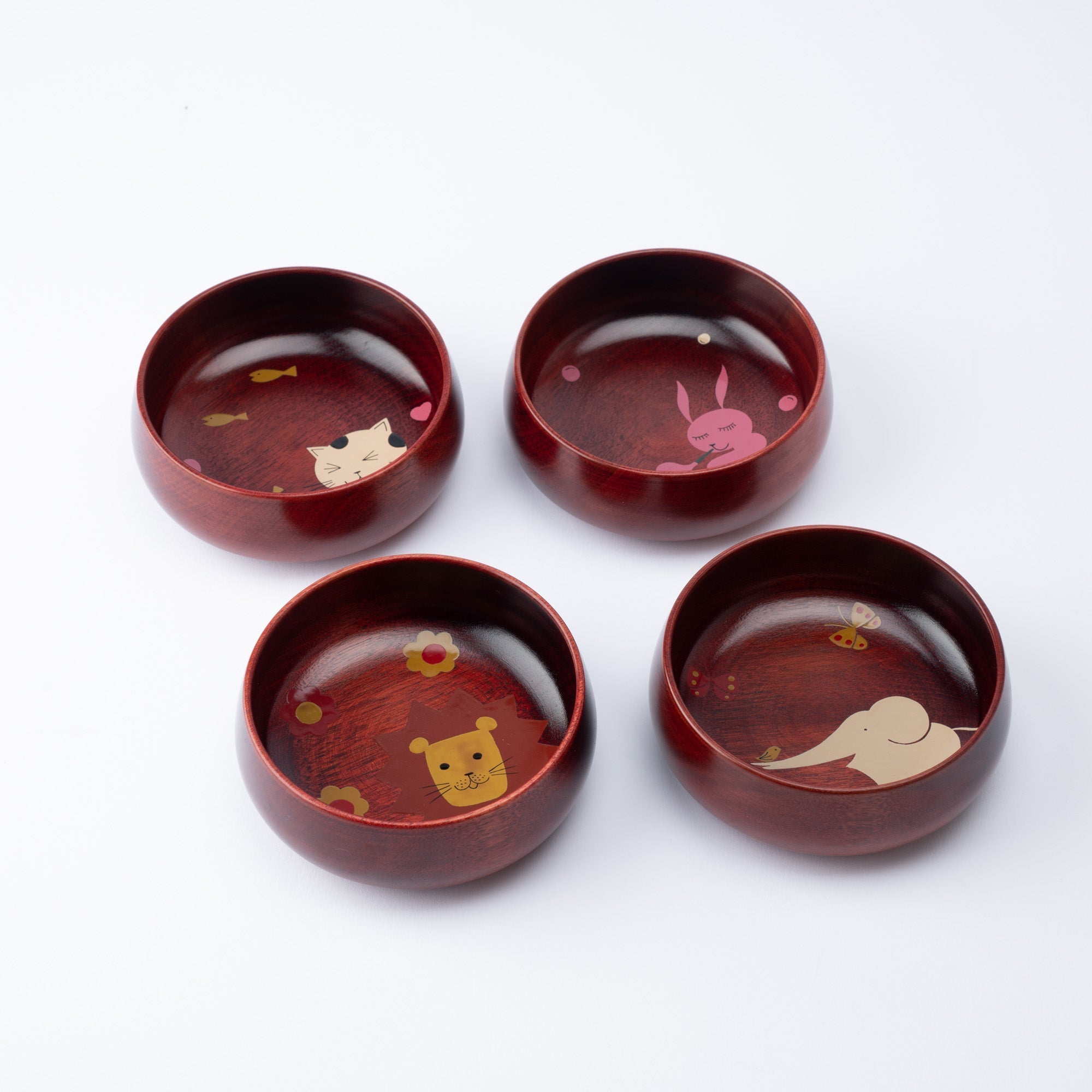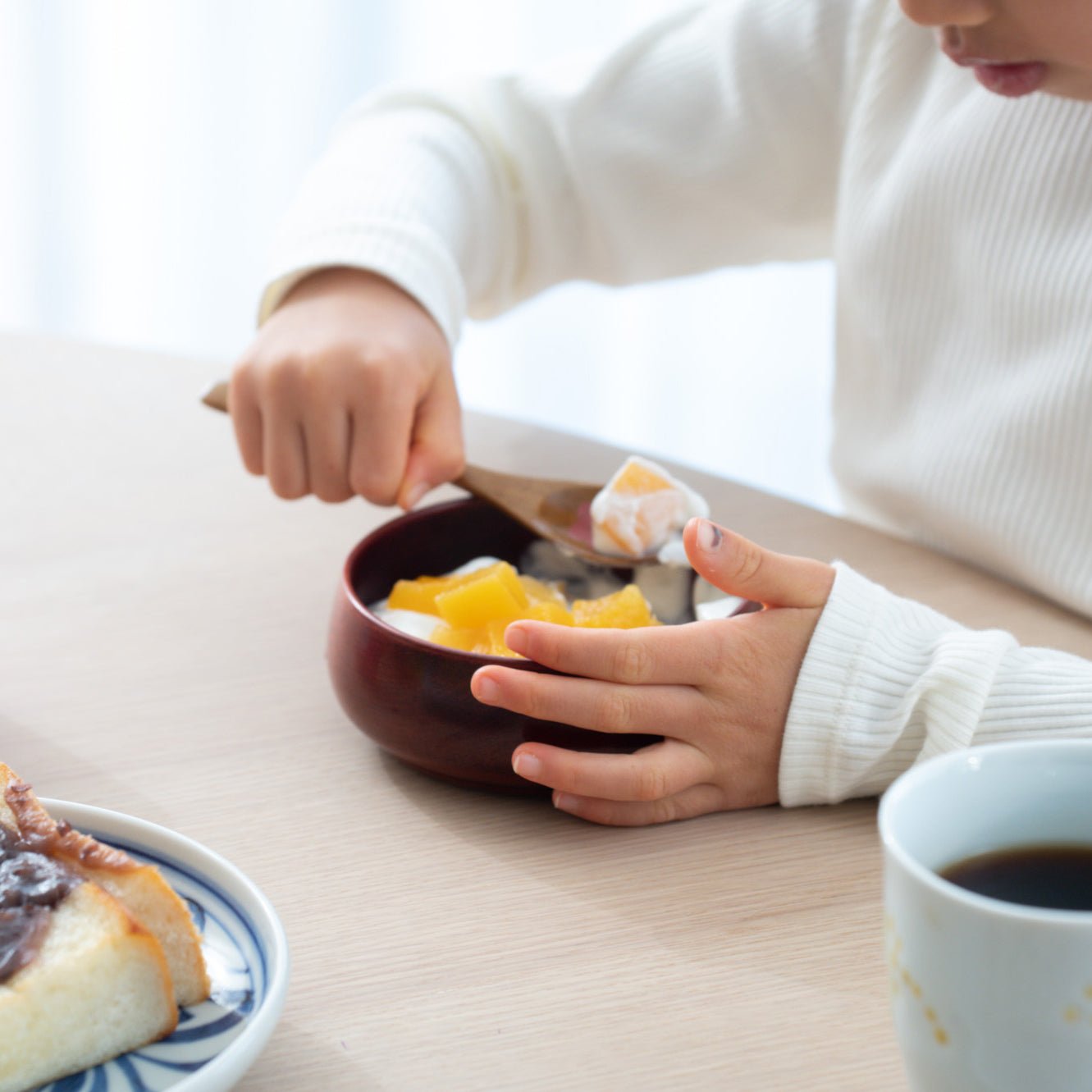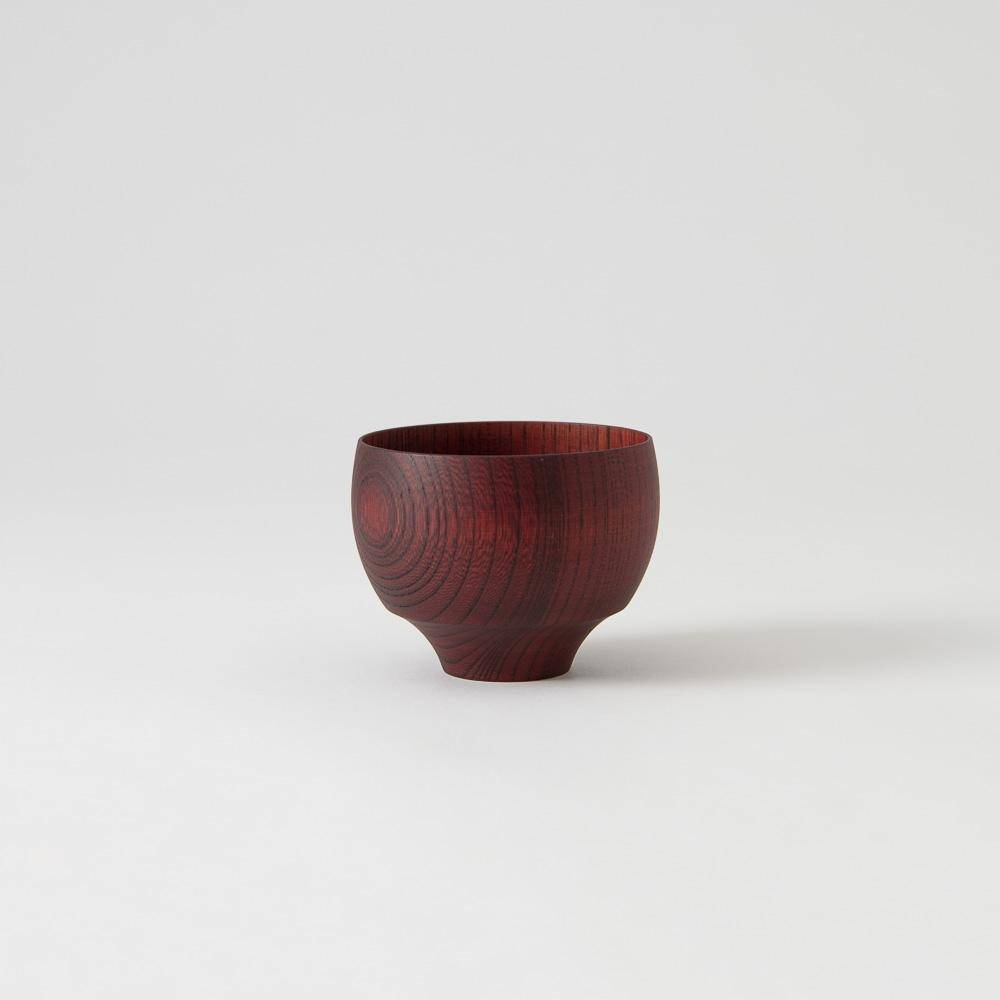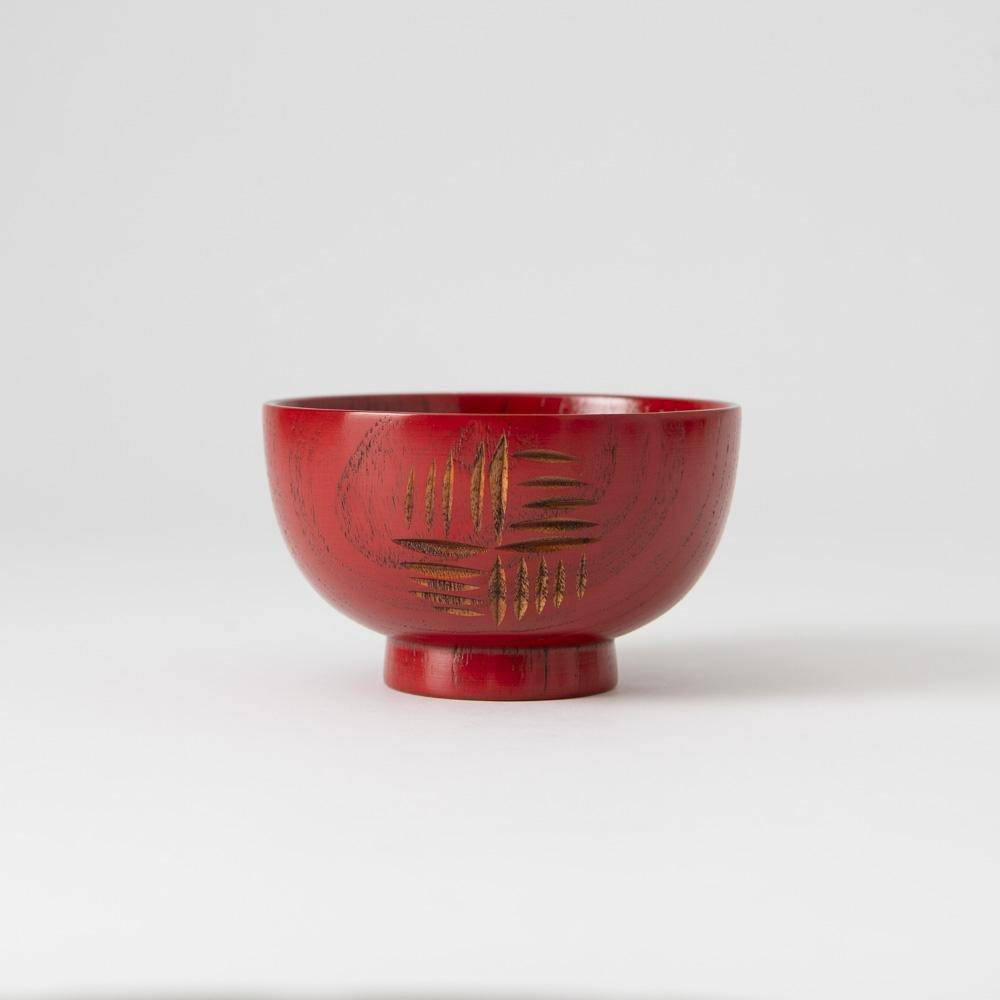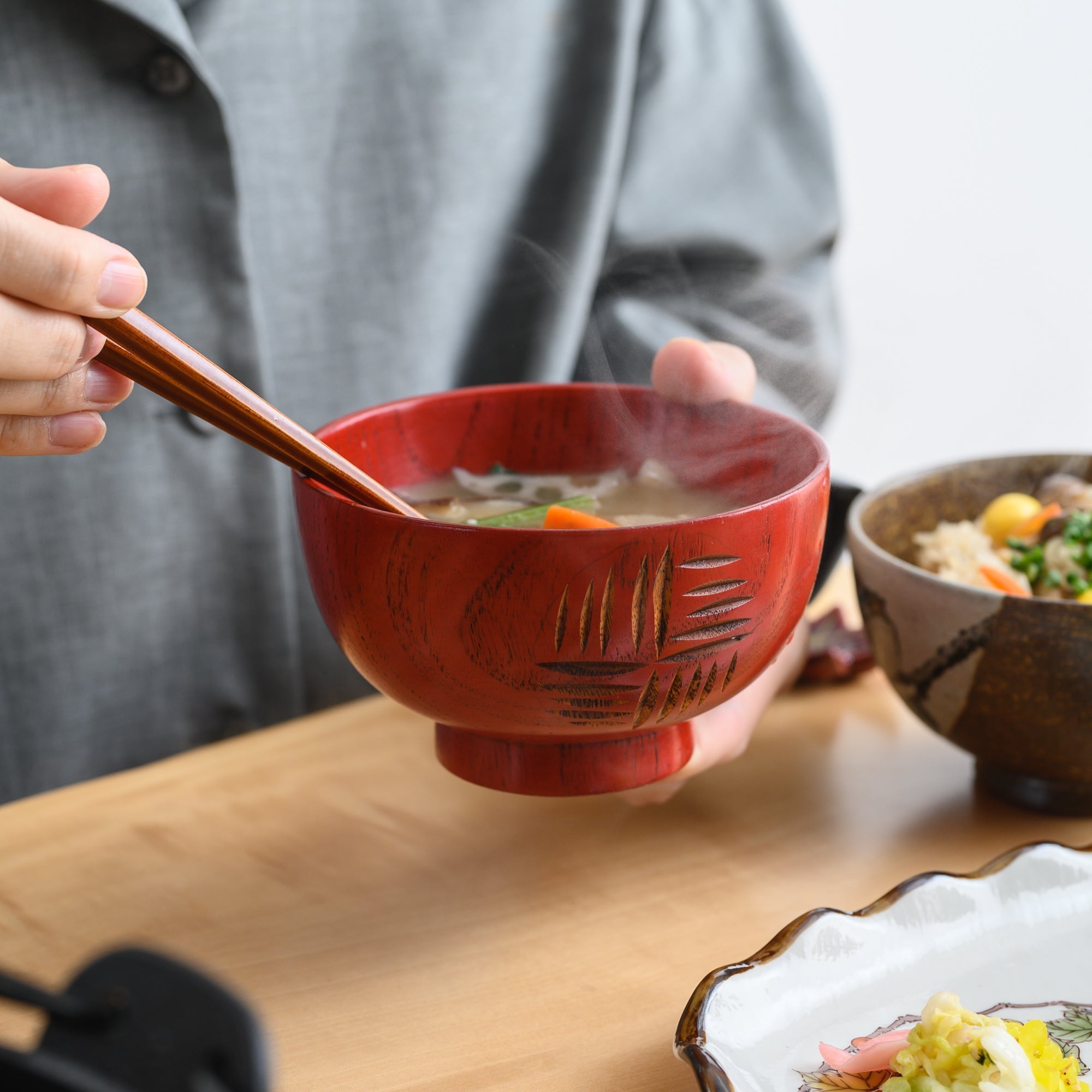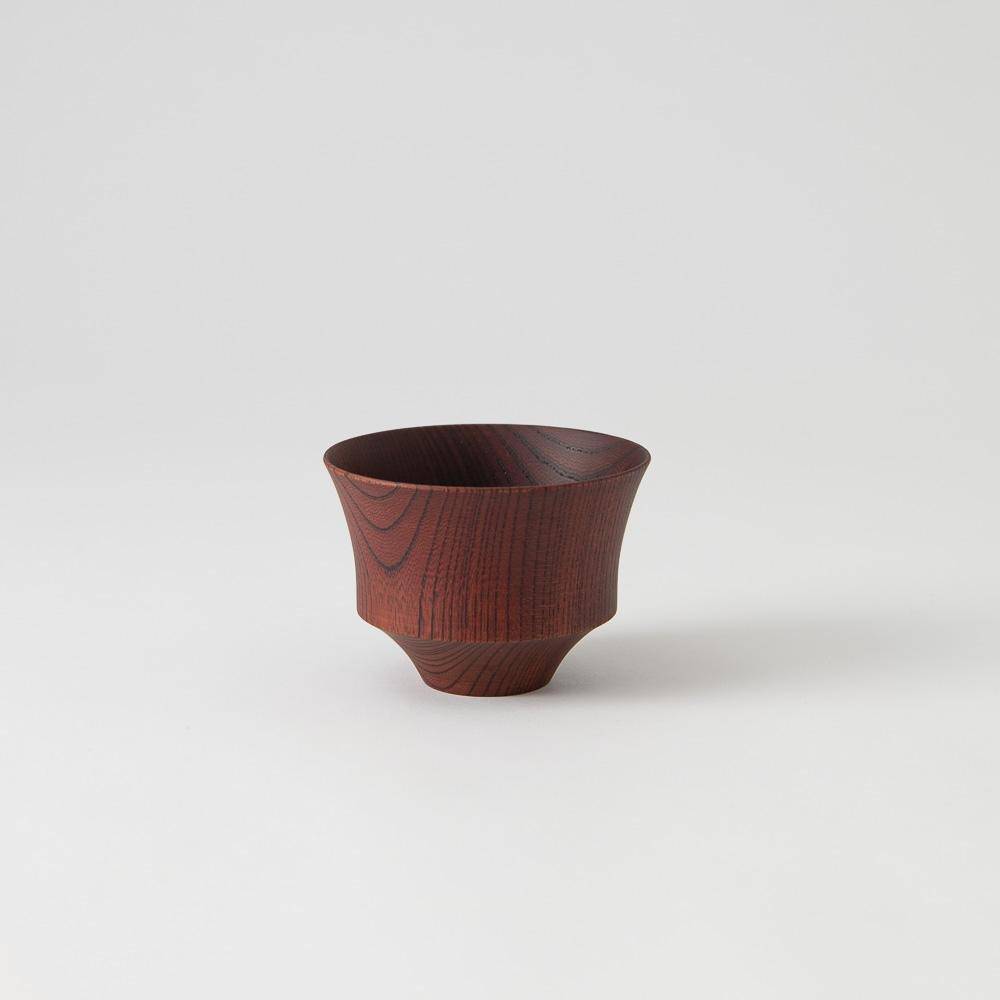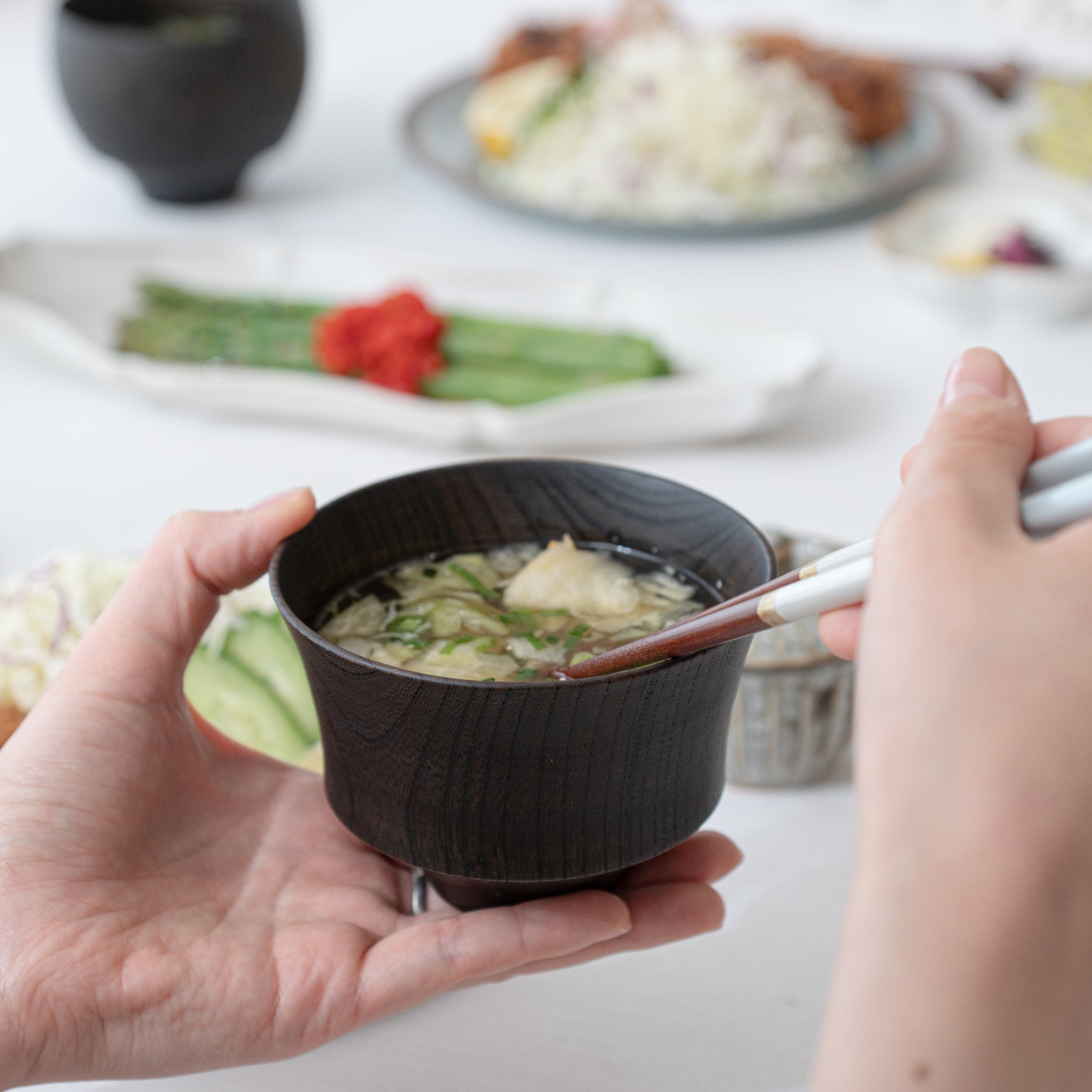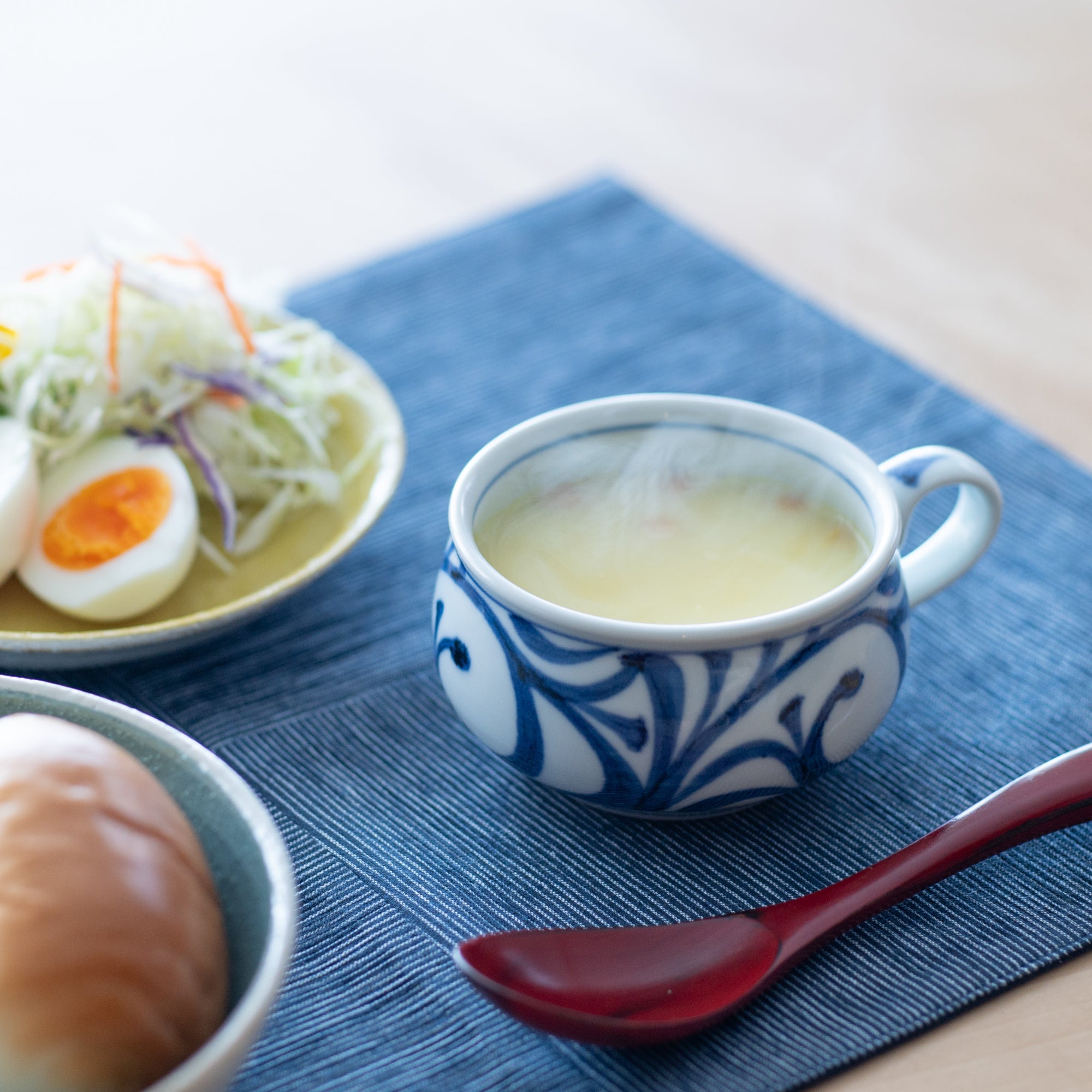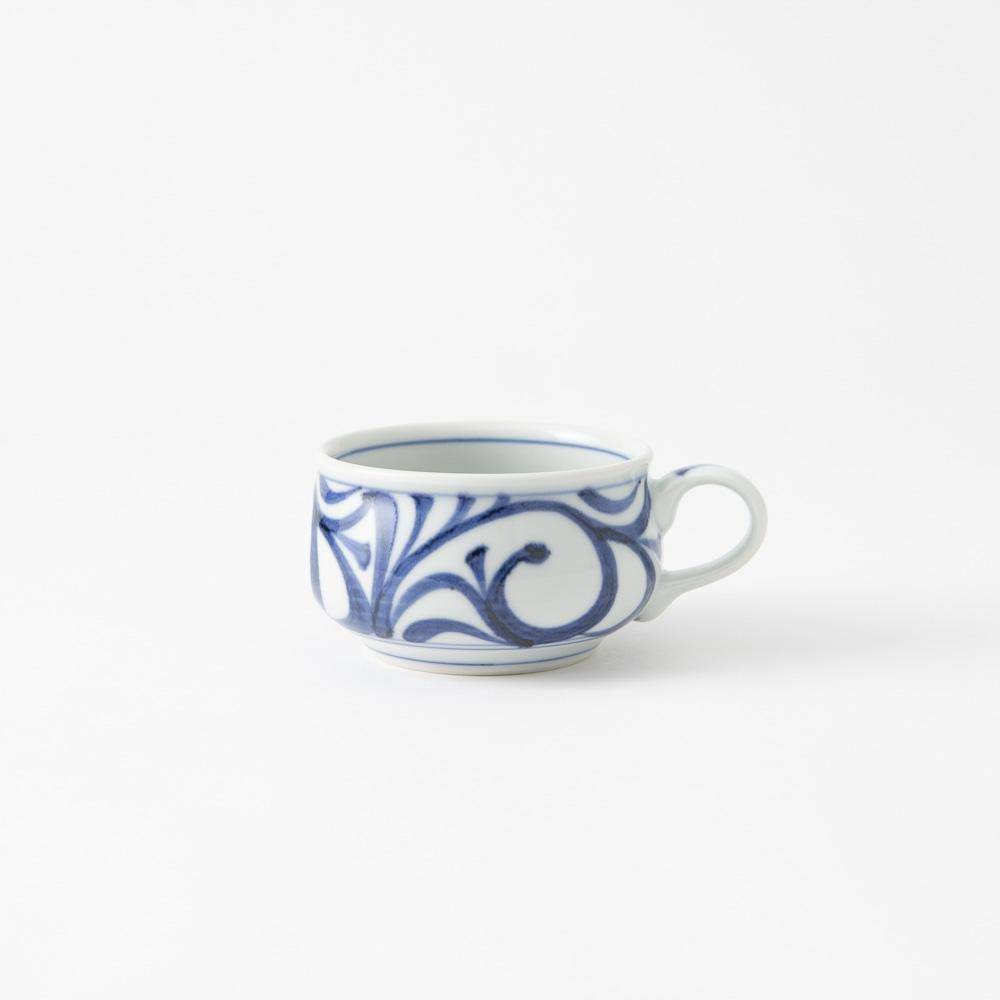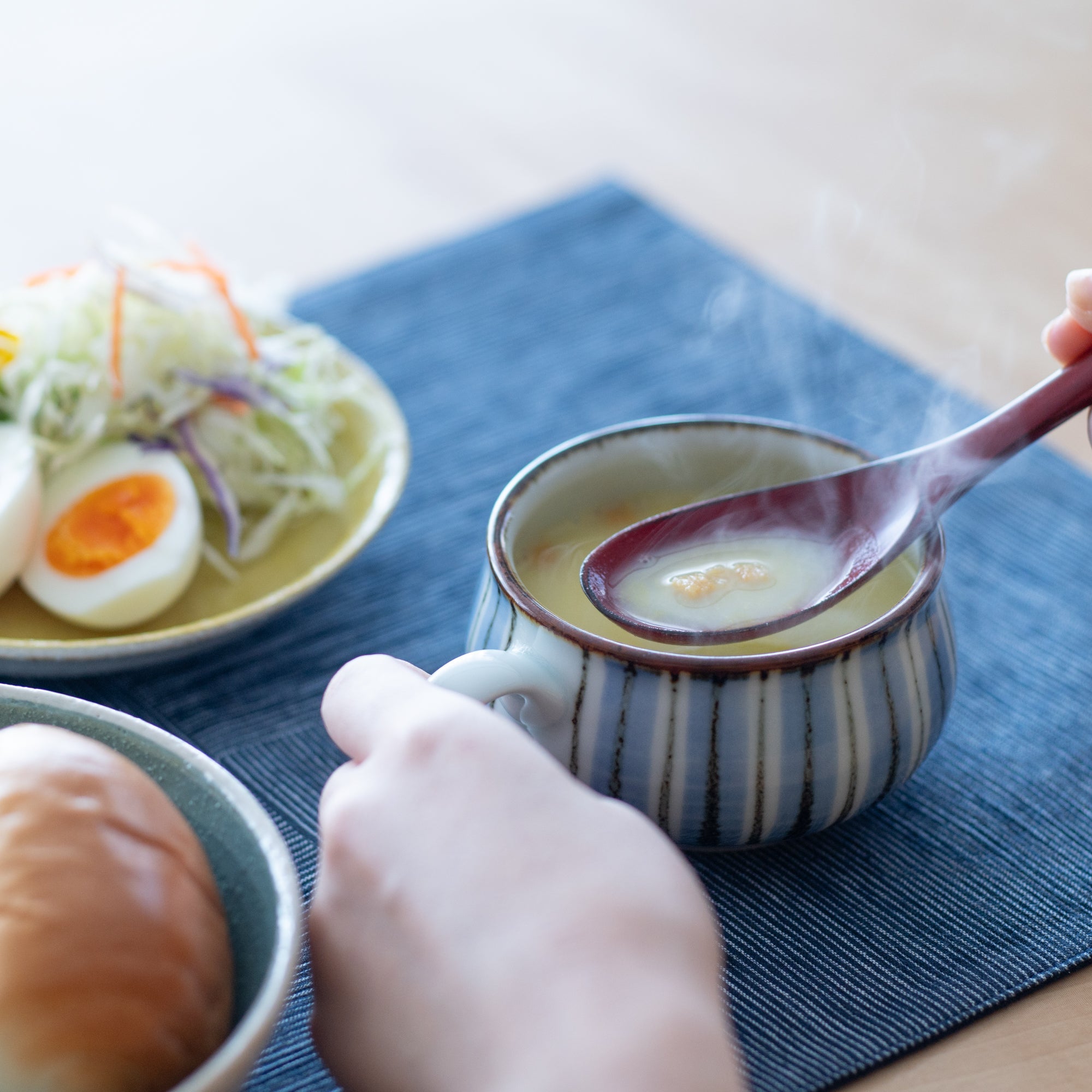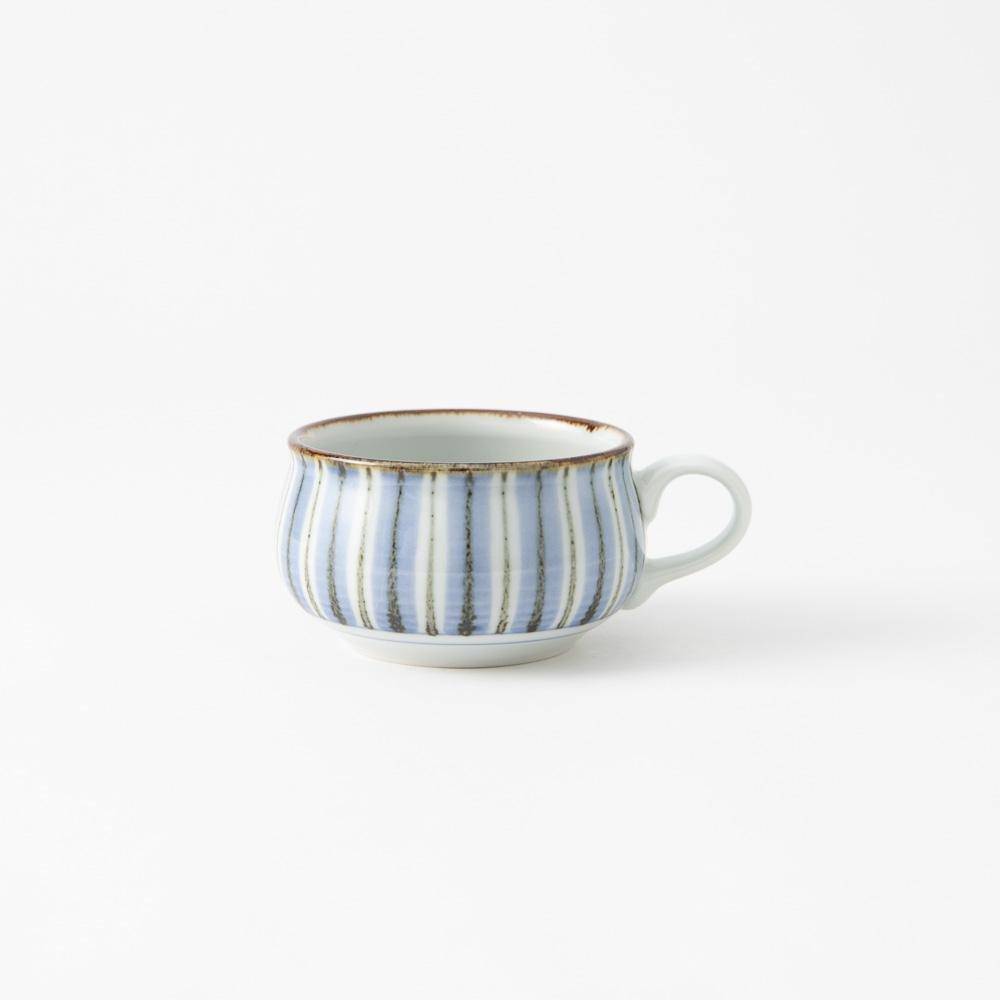
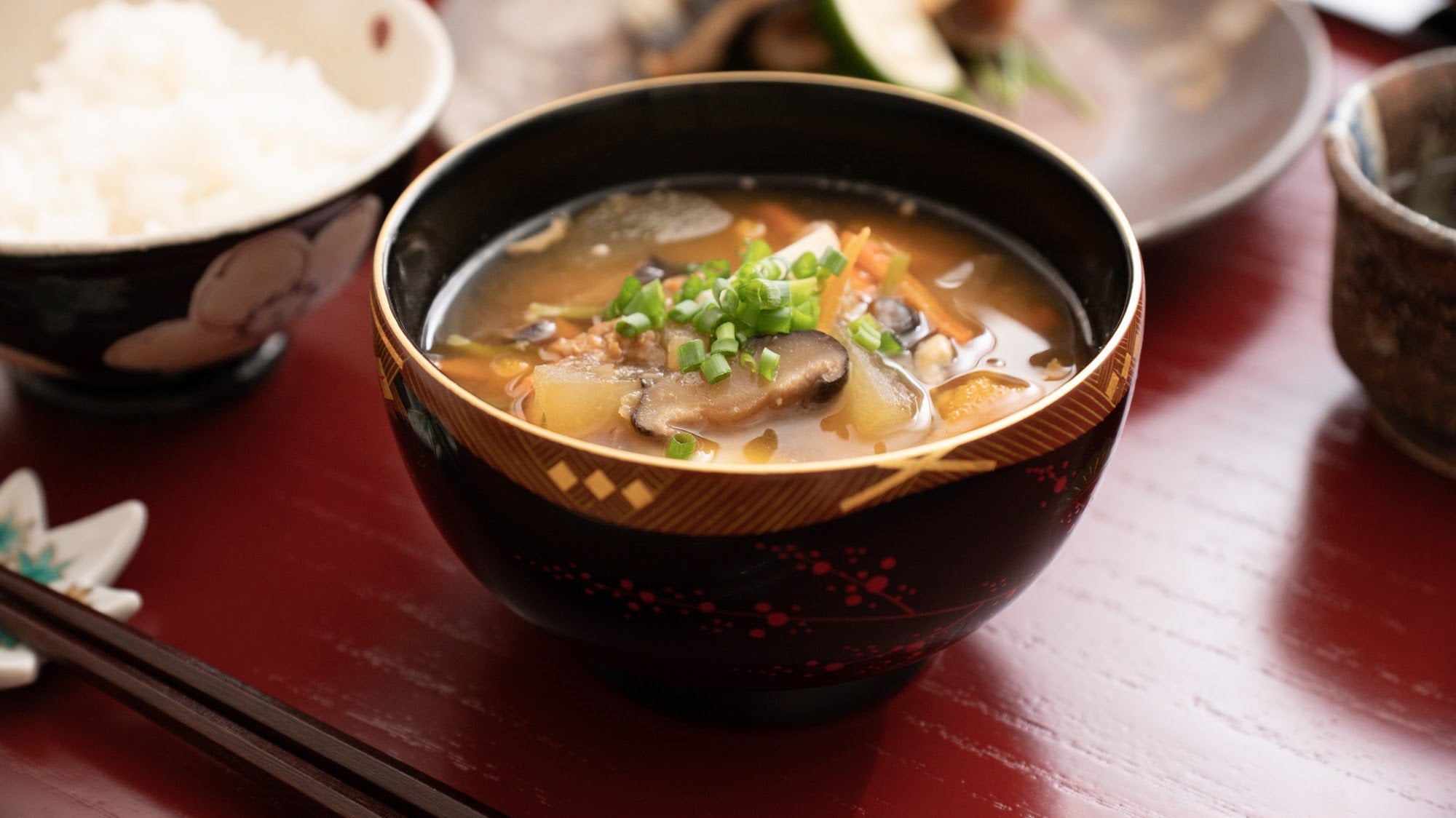
Tazones de sopa
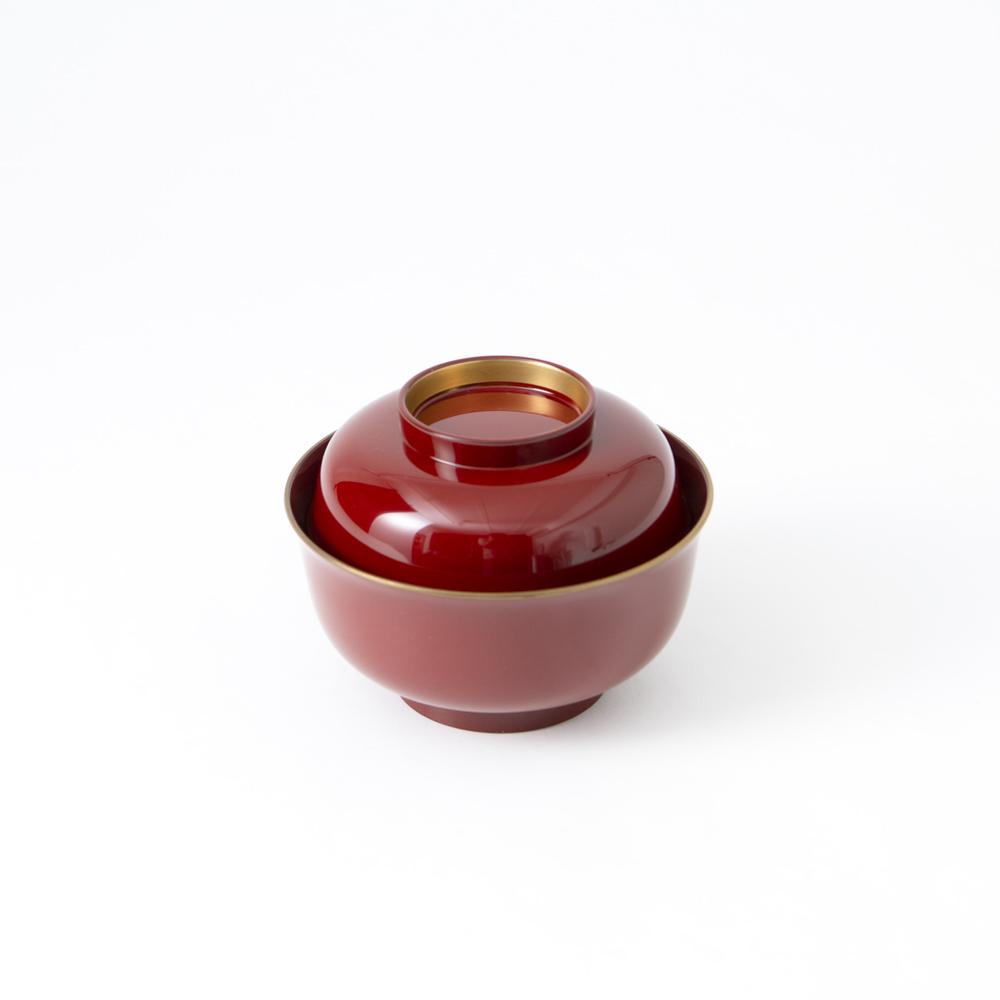
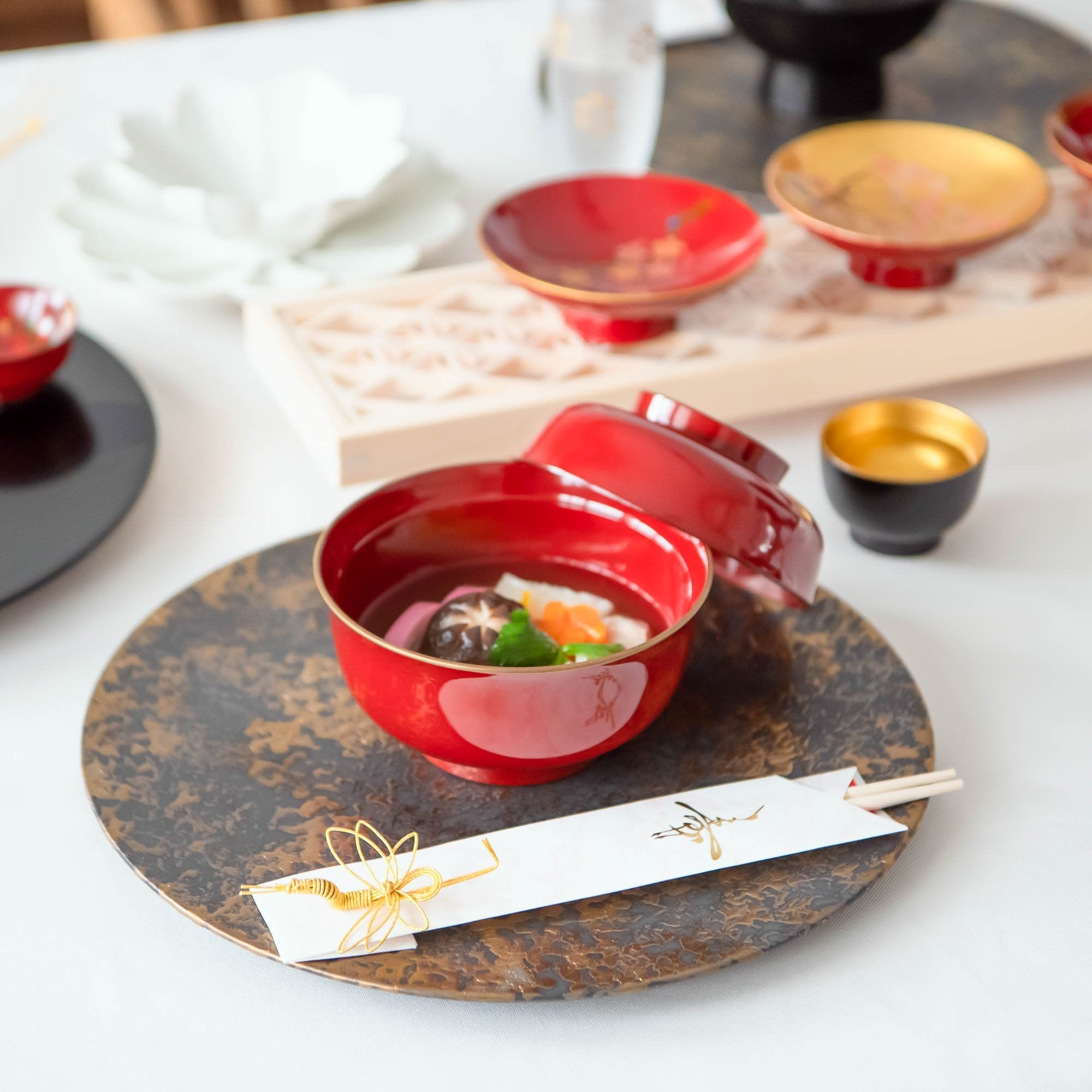
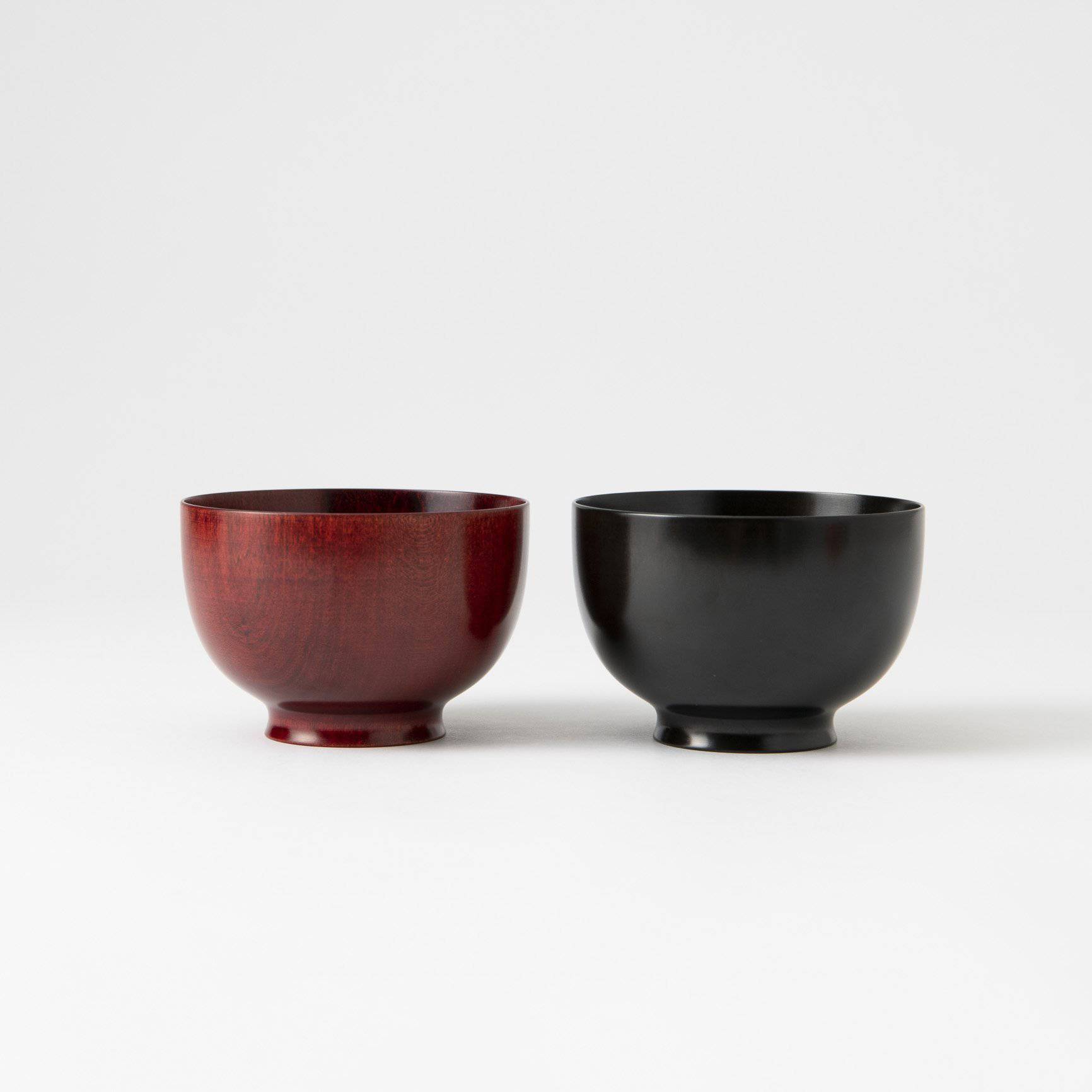
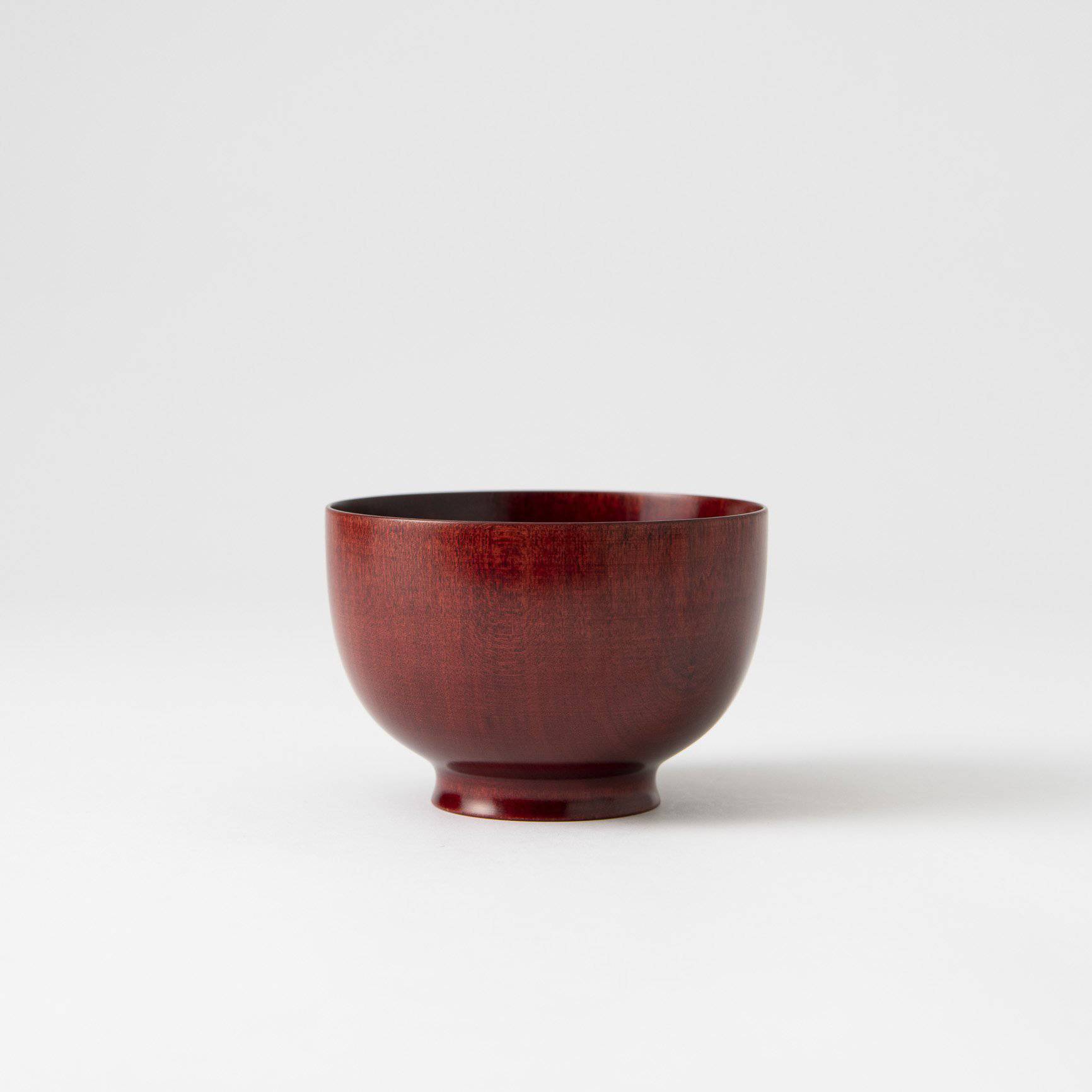
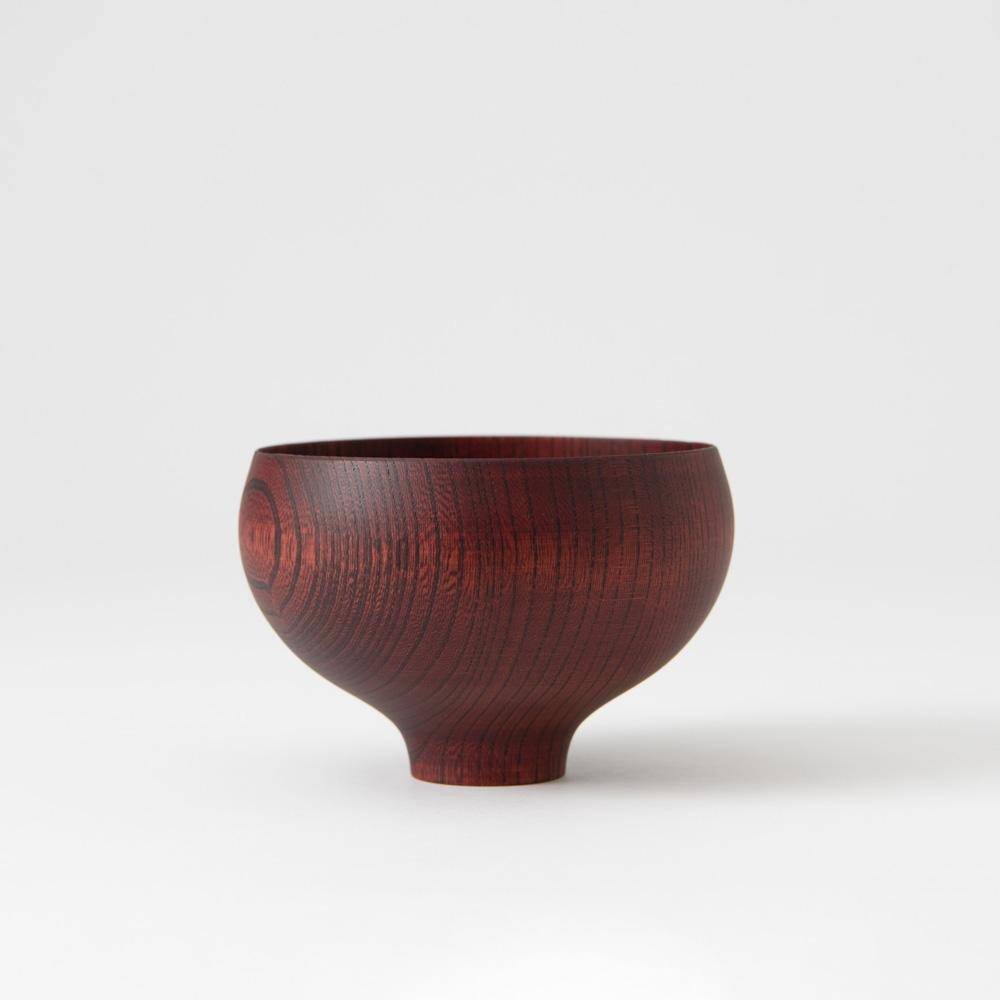
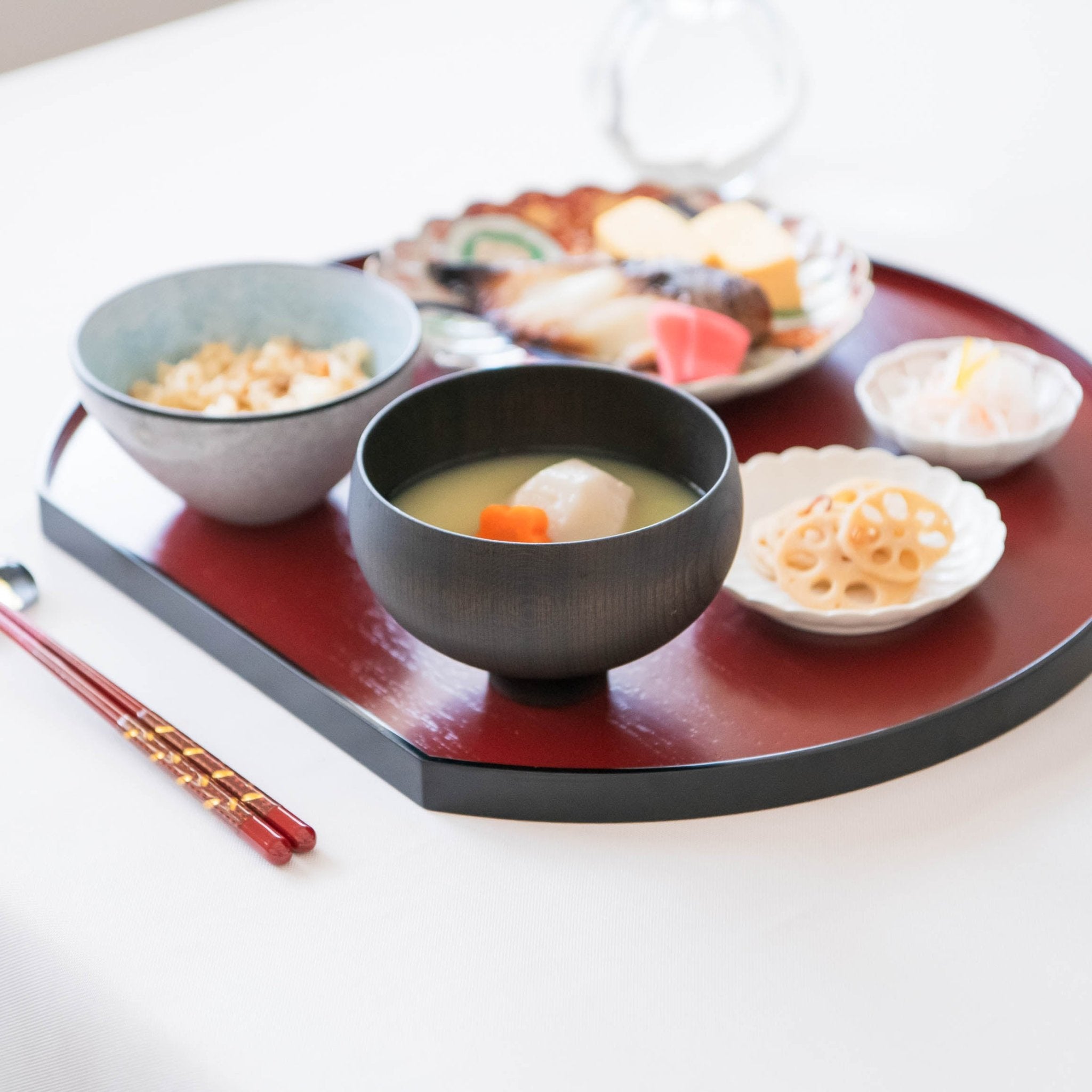
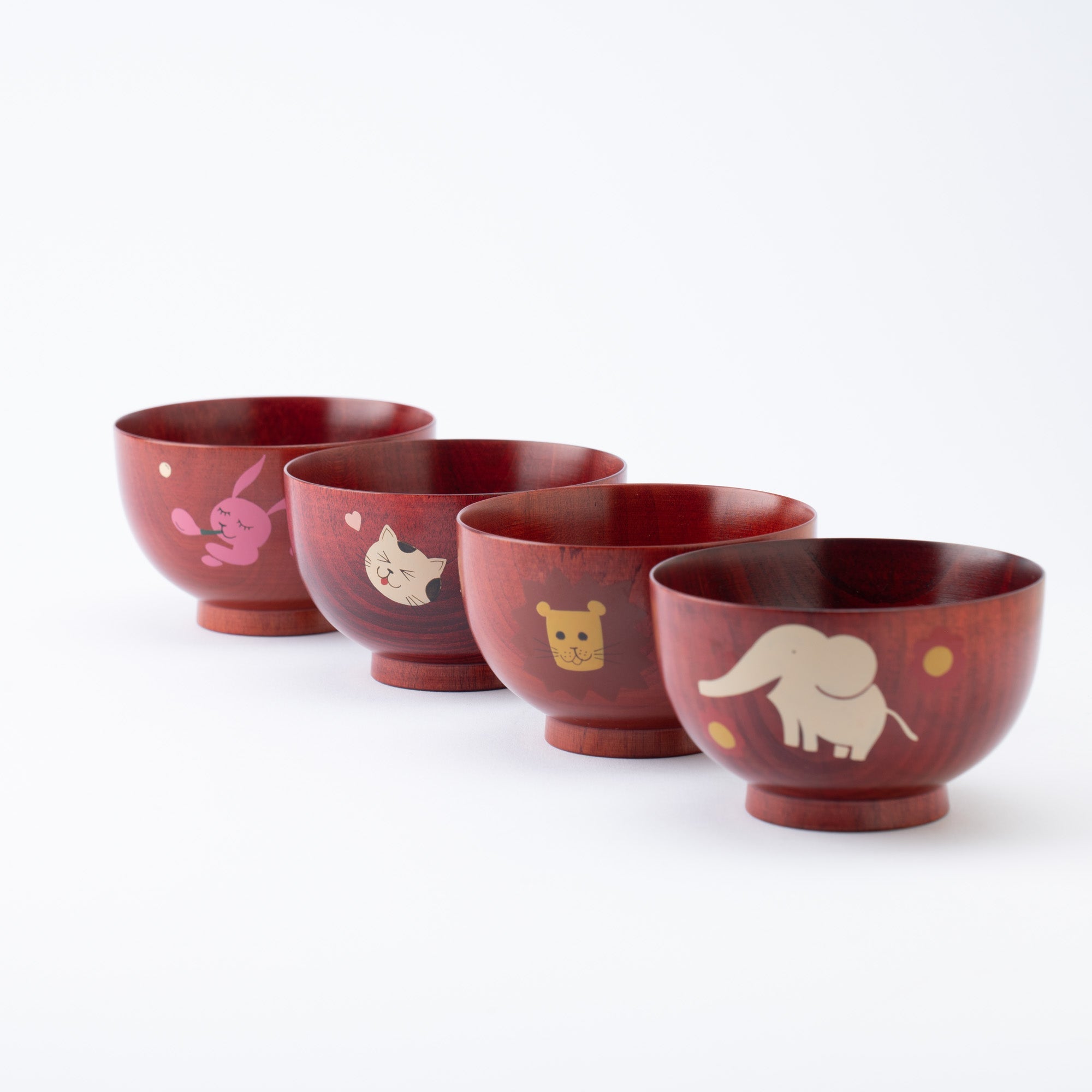
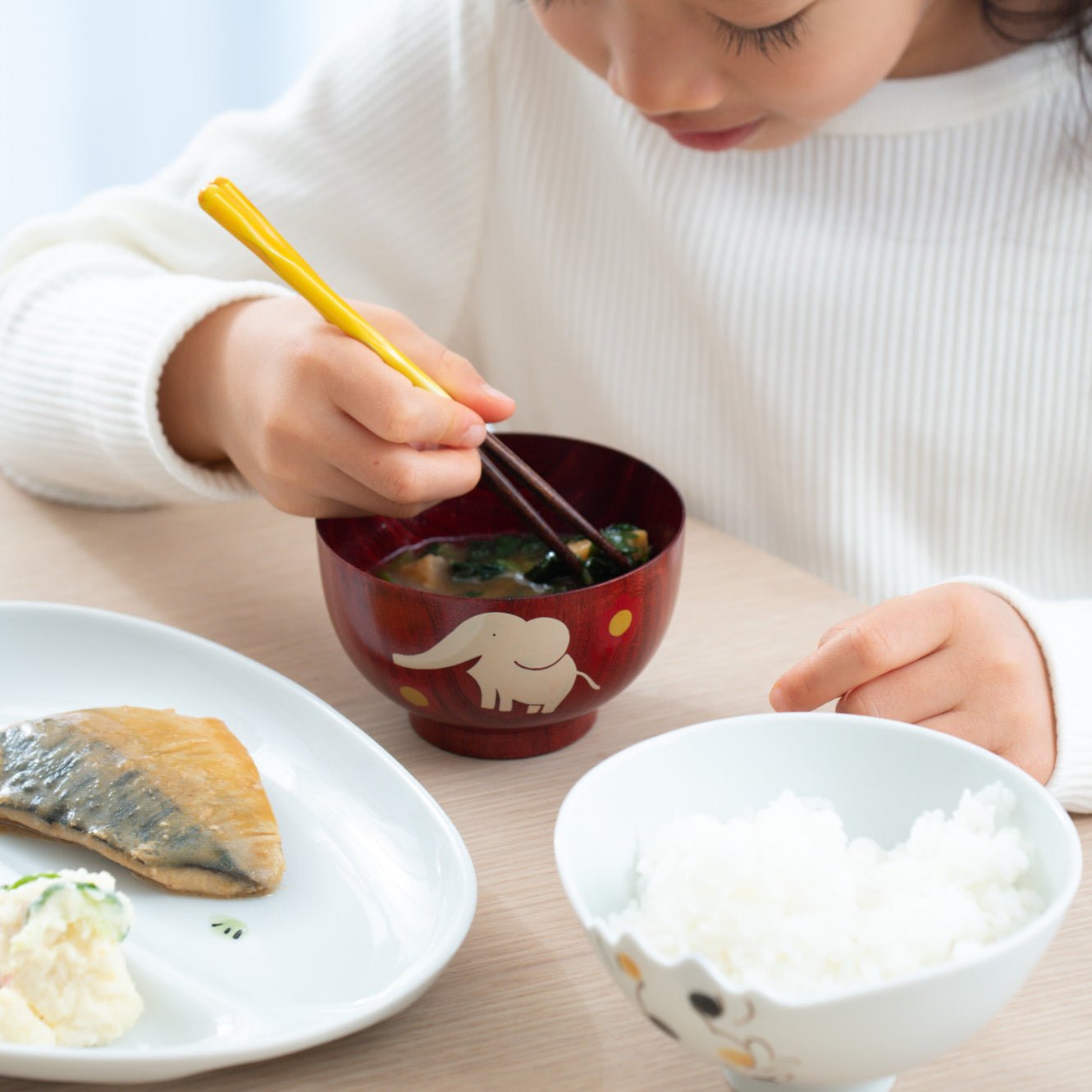
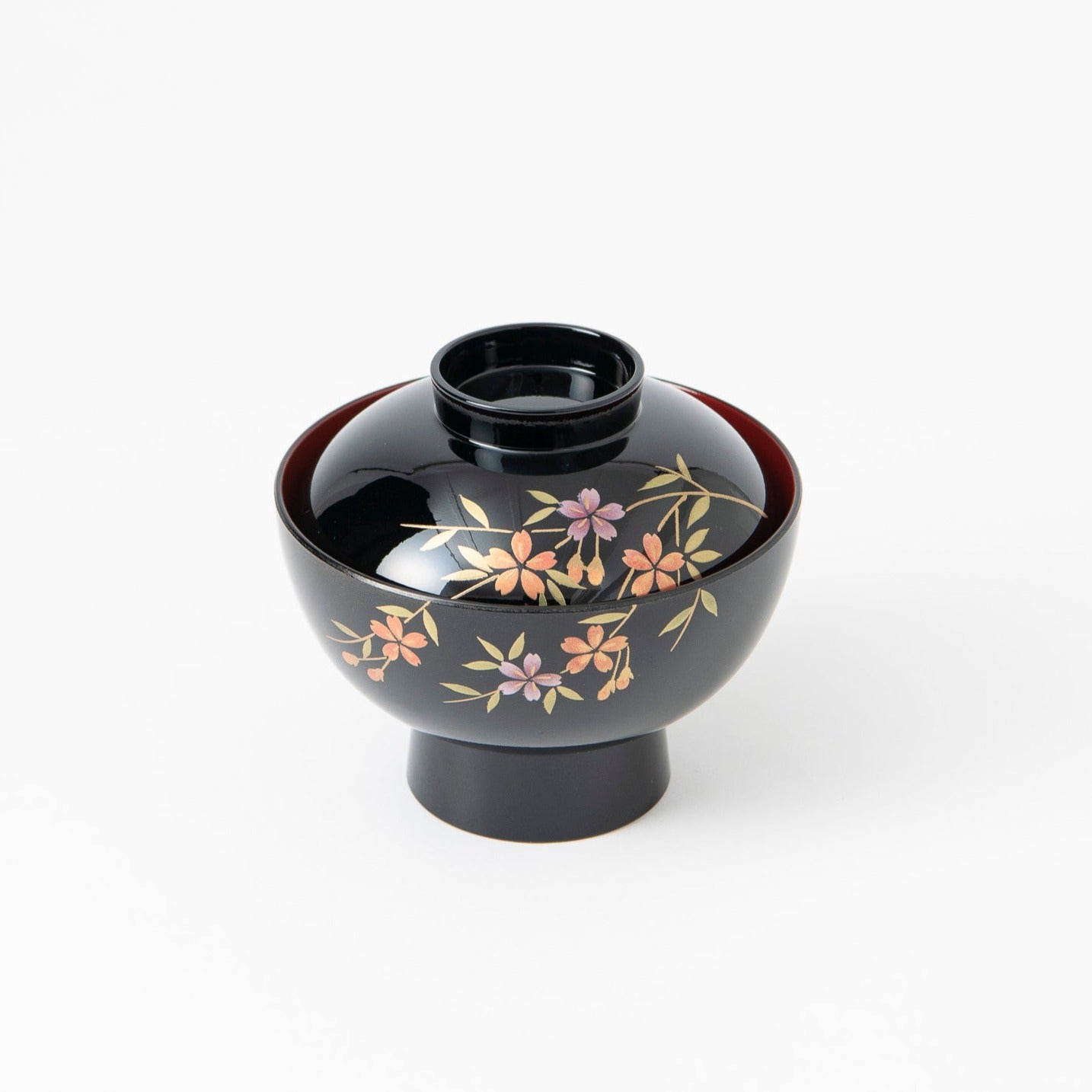
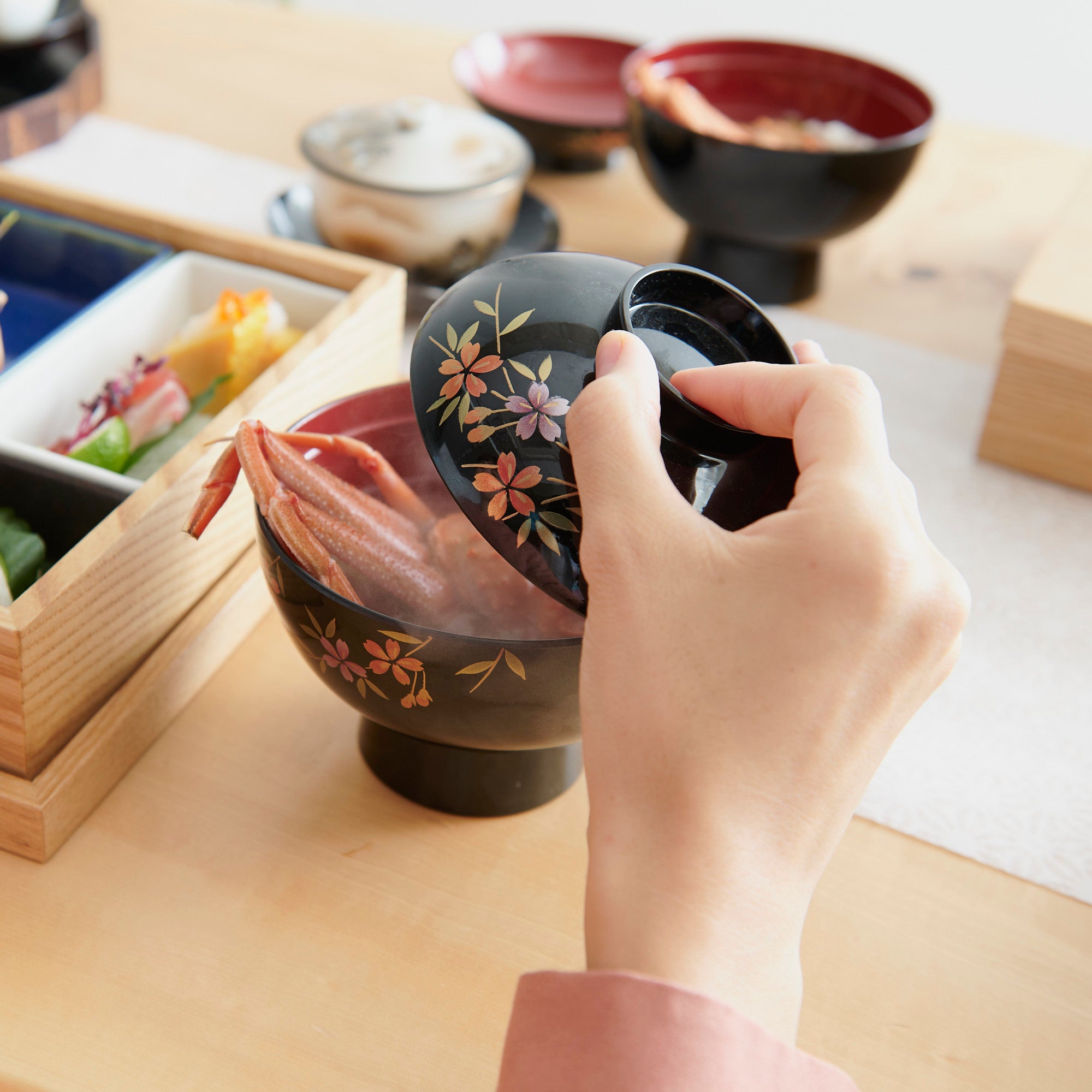
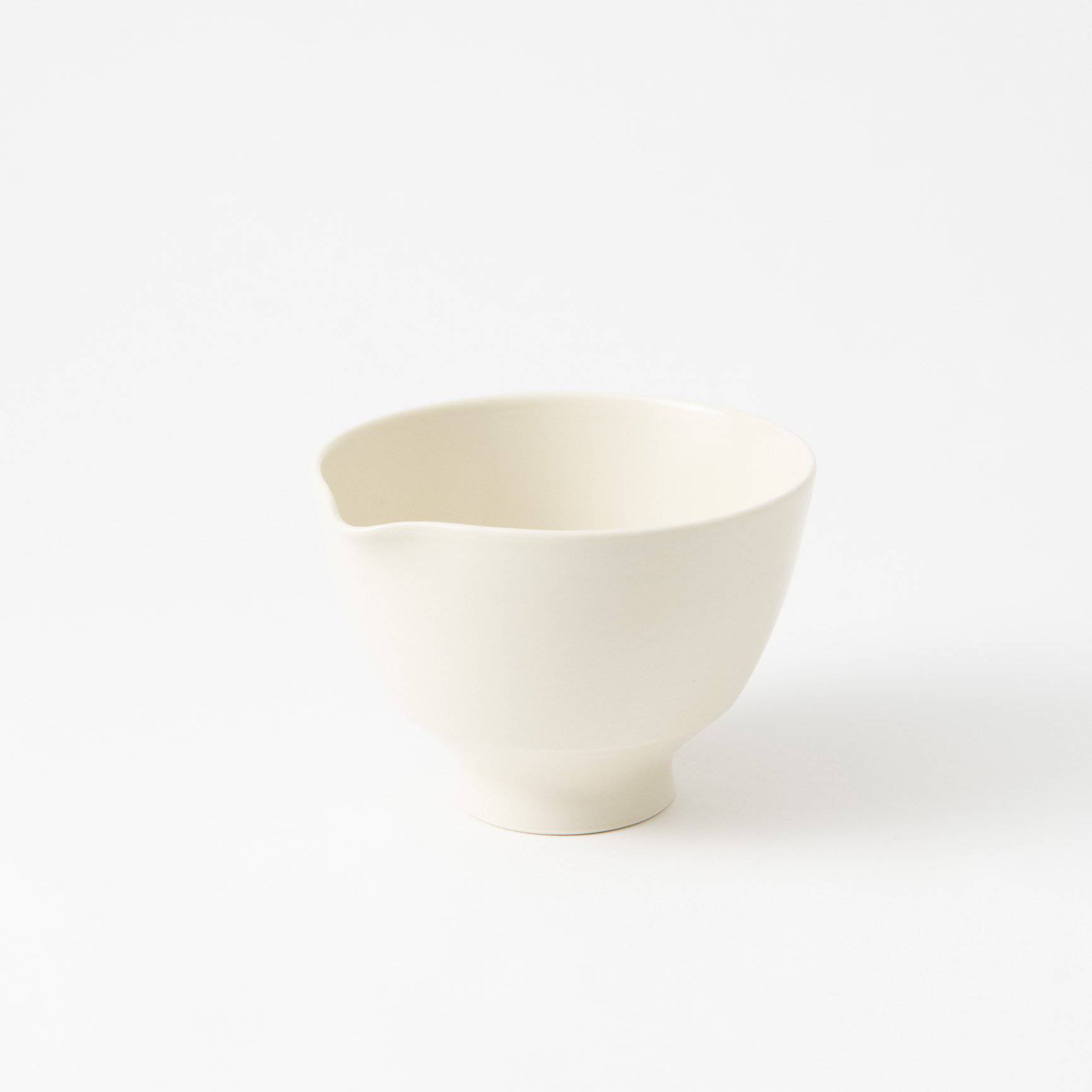
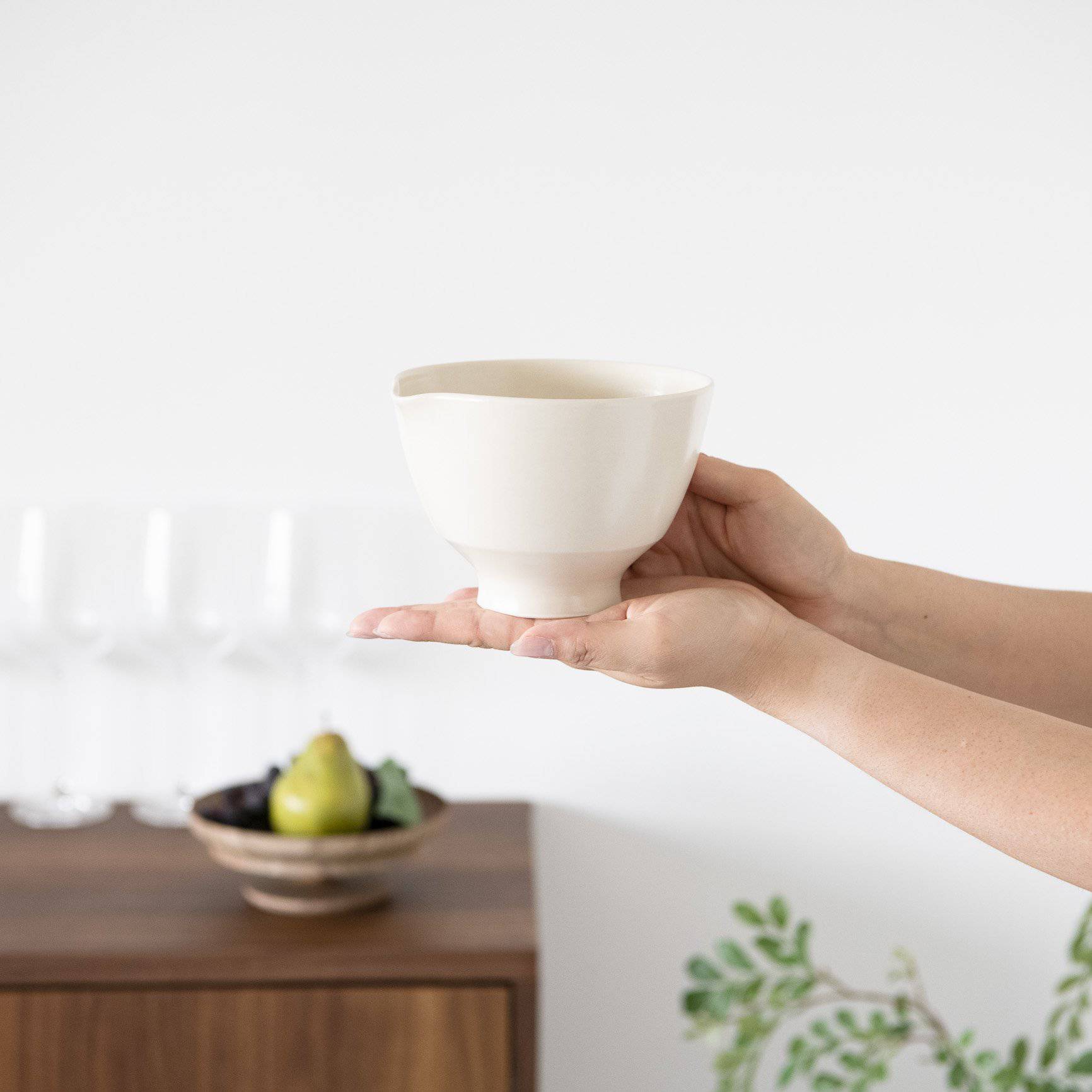
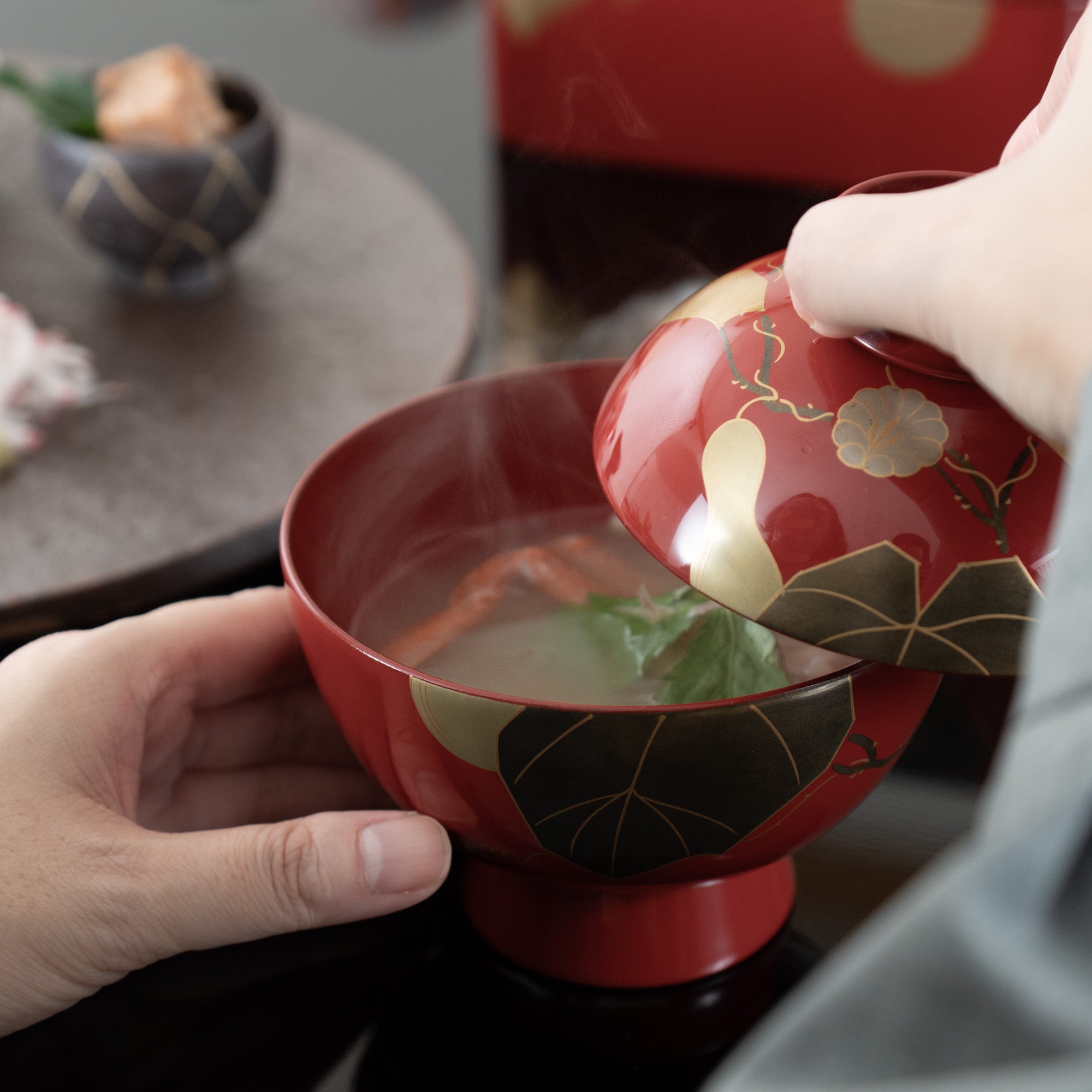
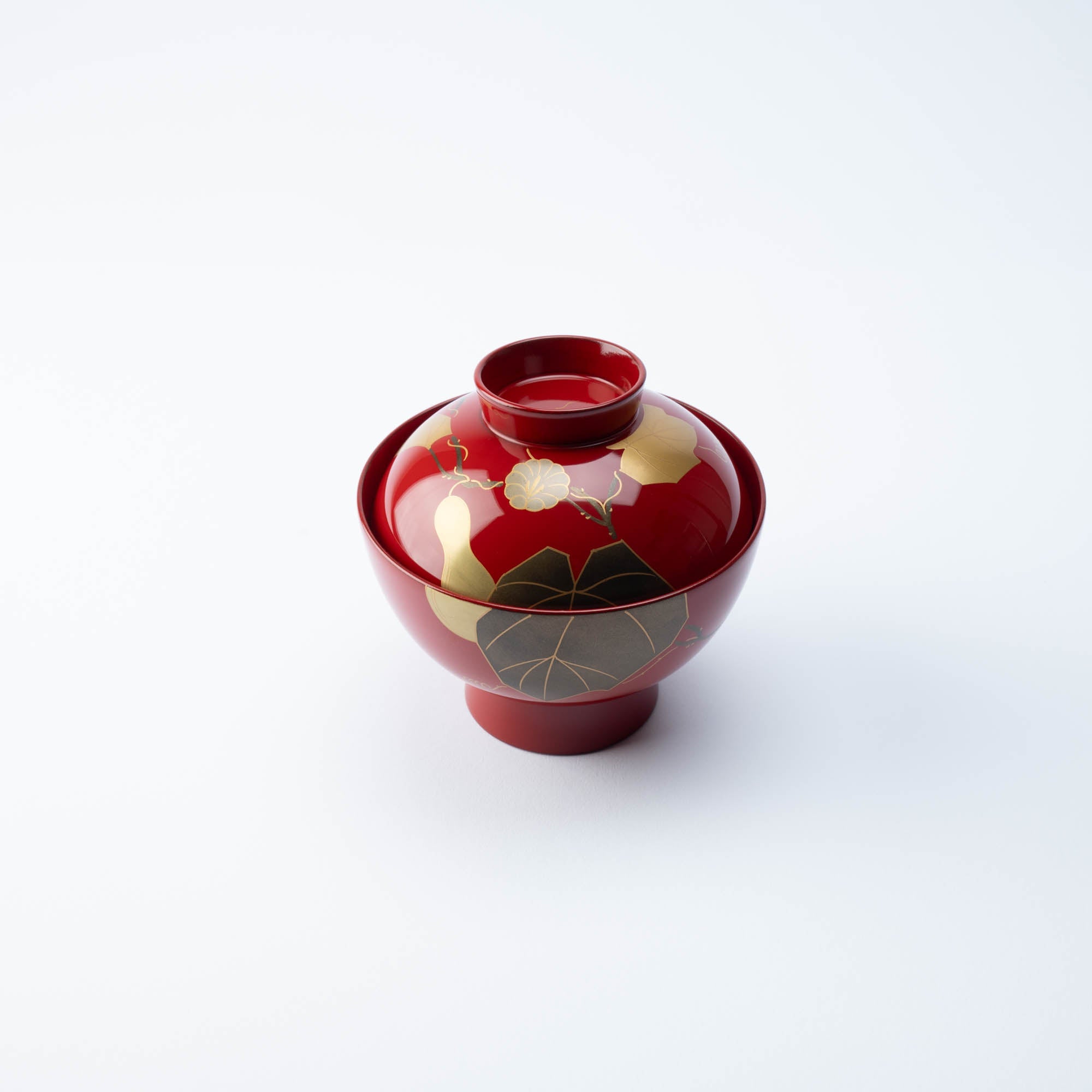
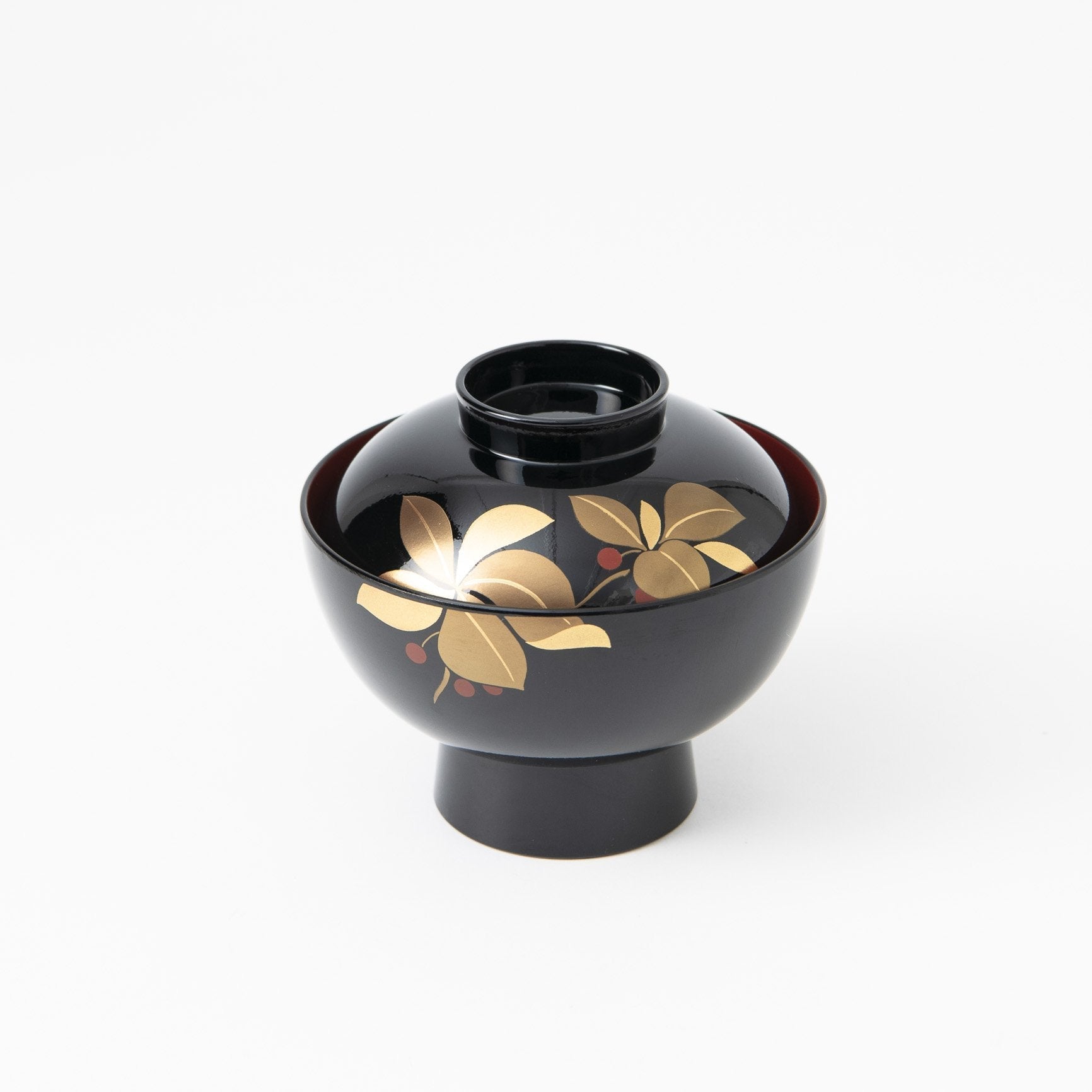
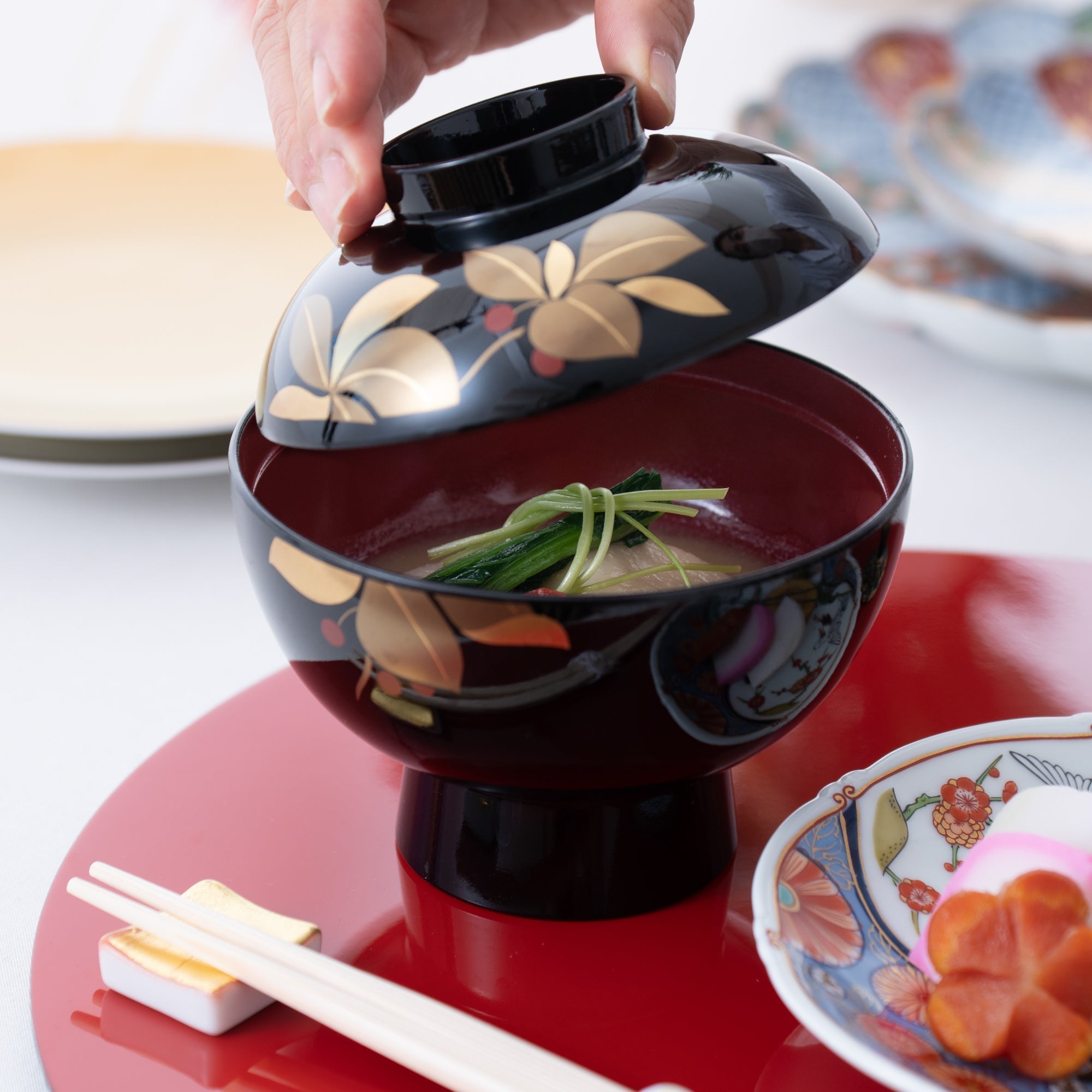
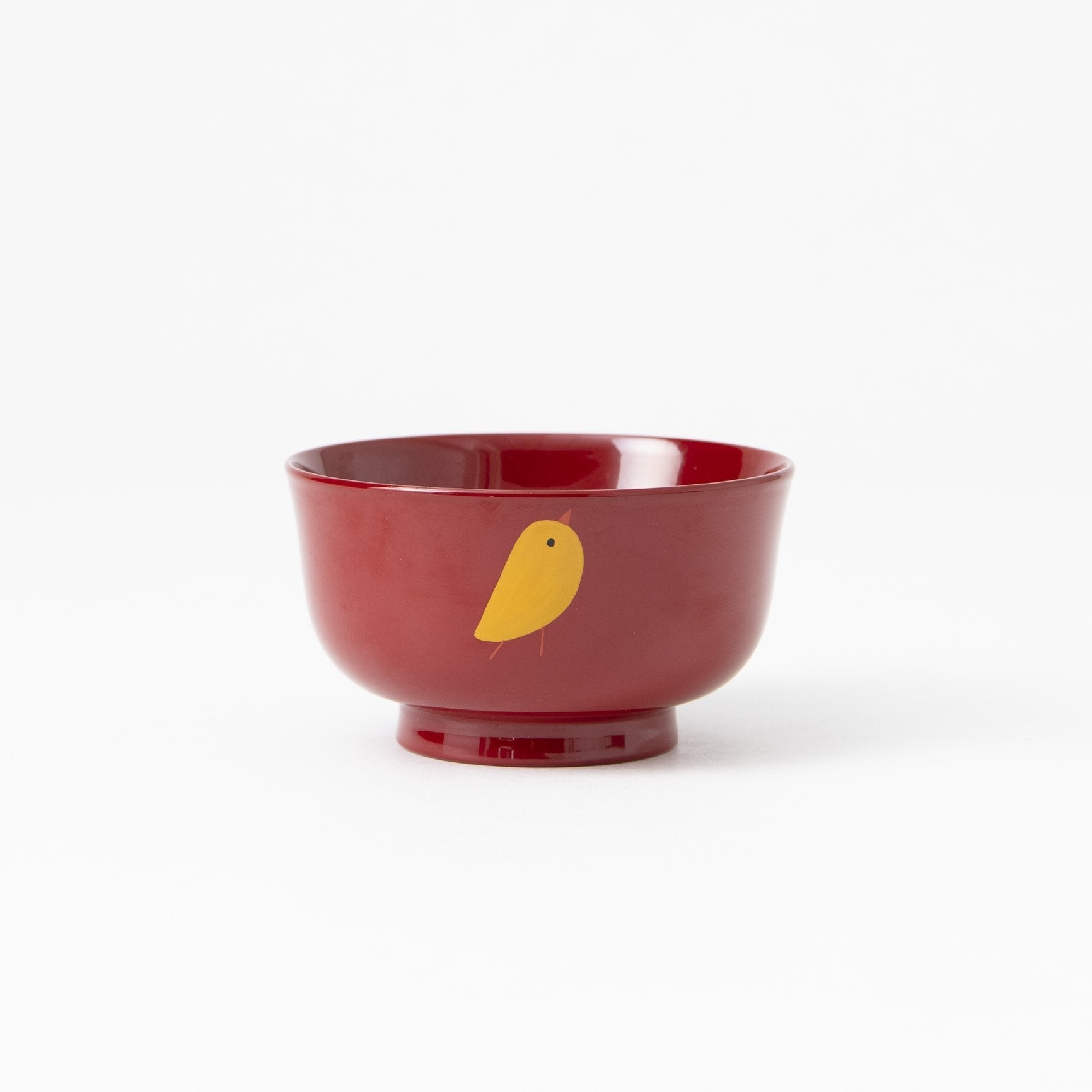
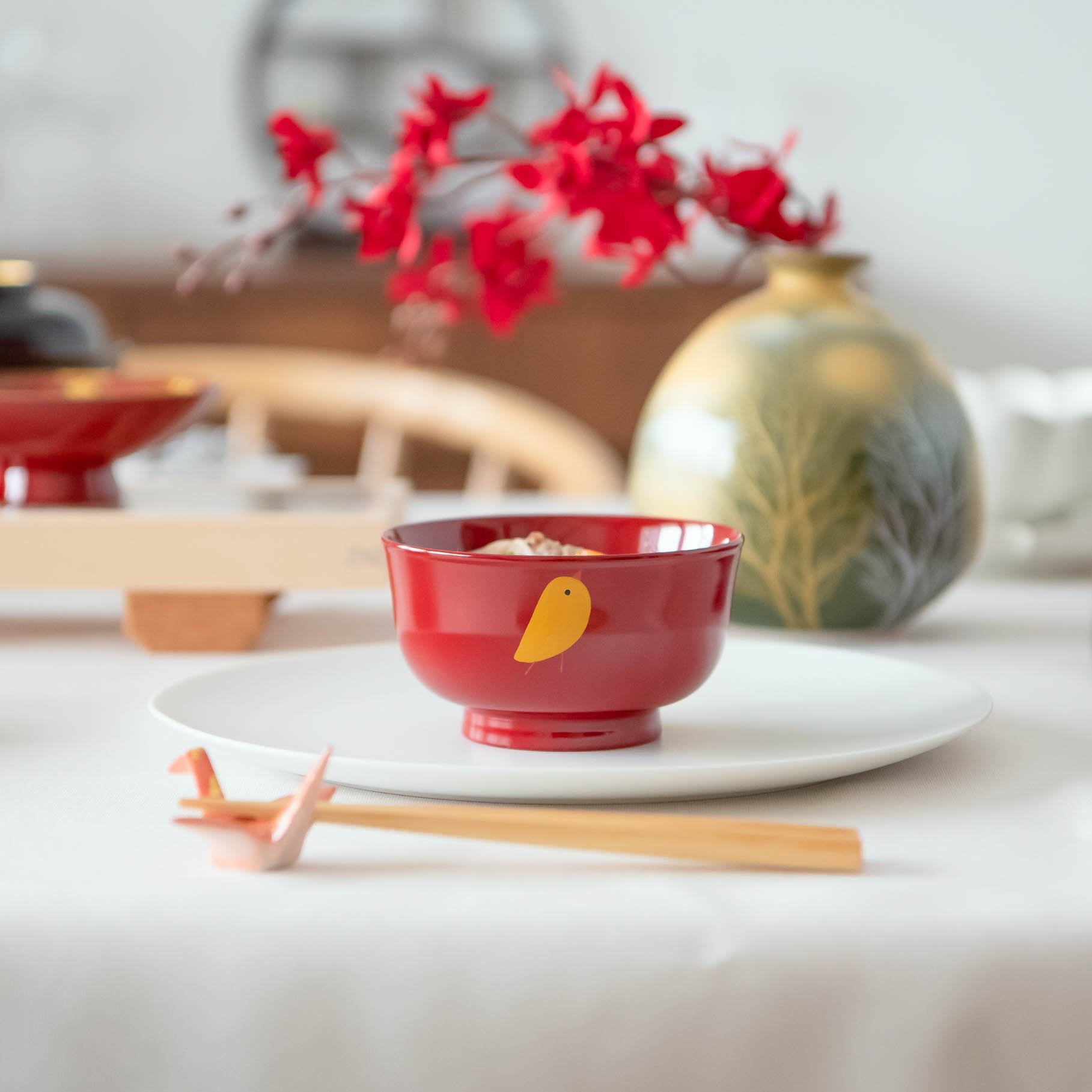
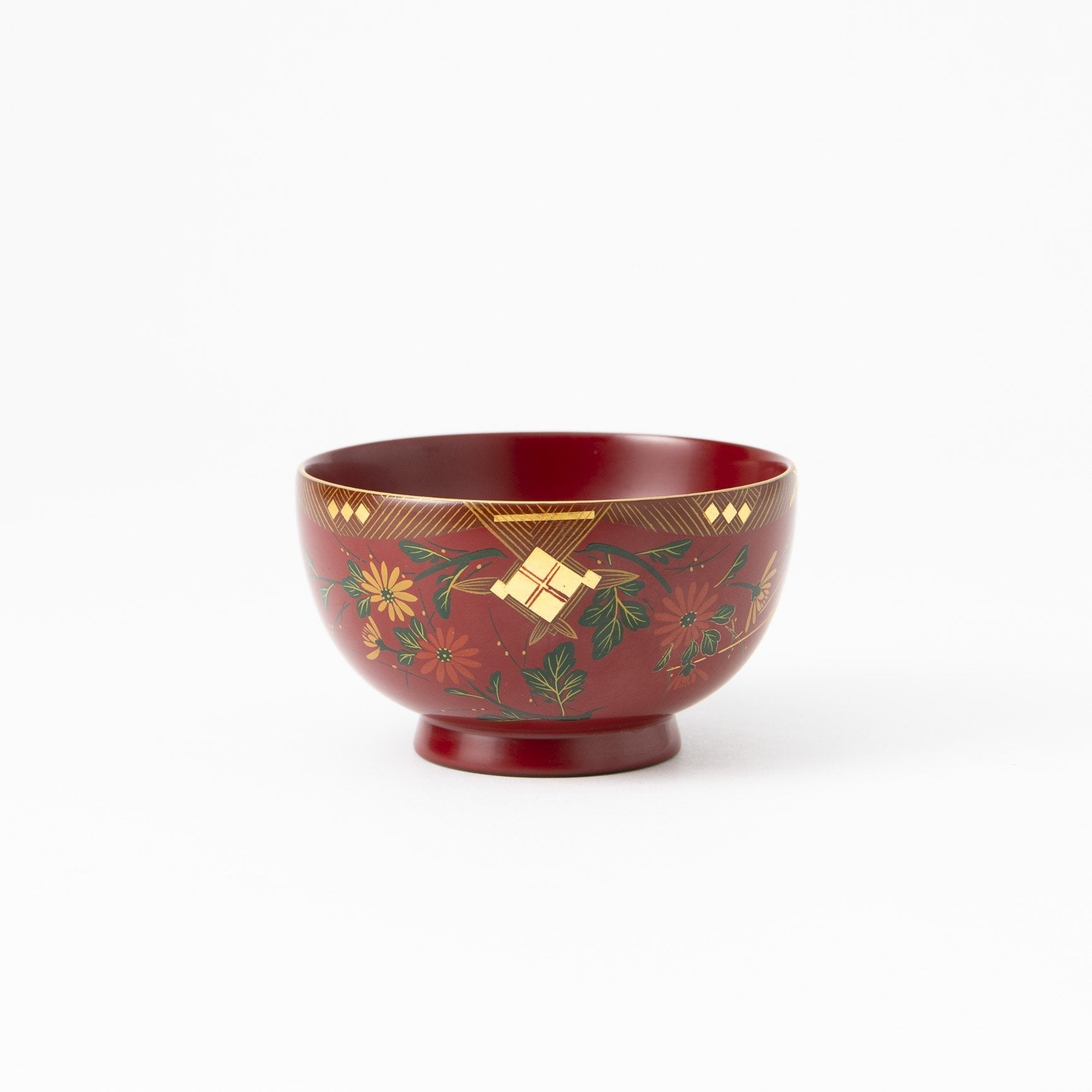
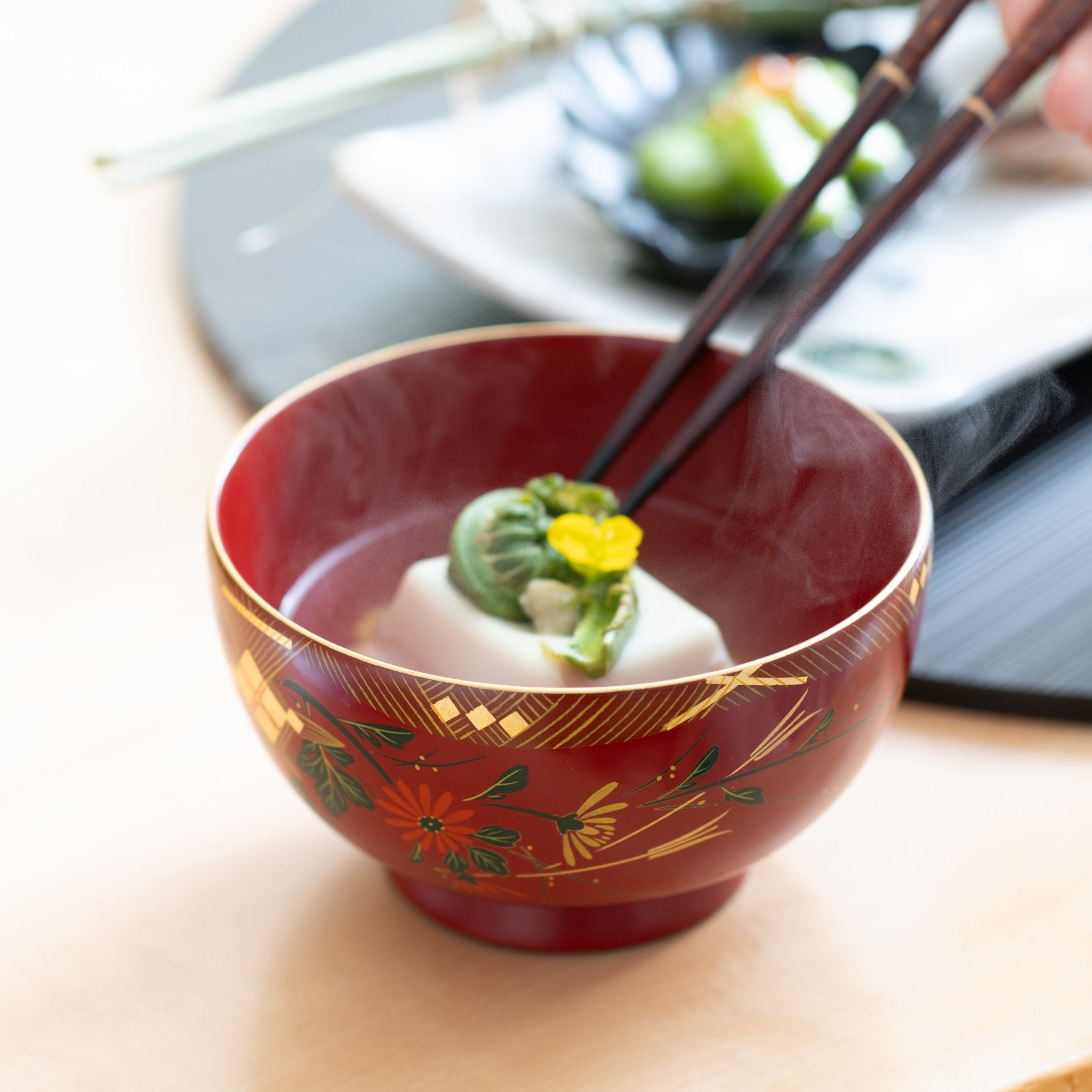
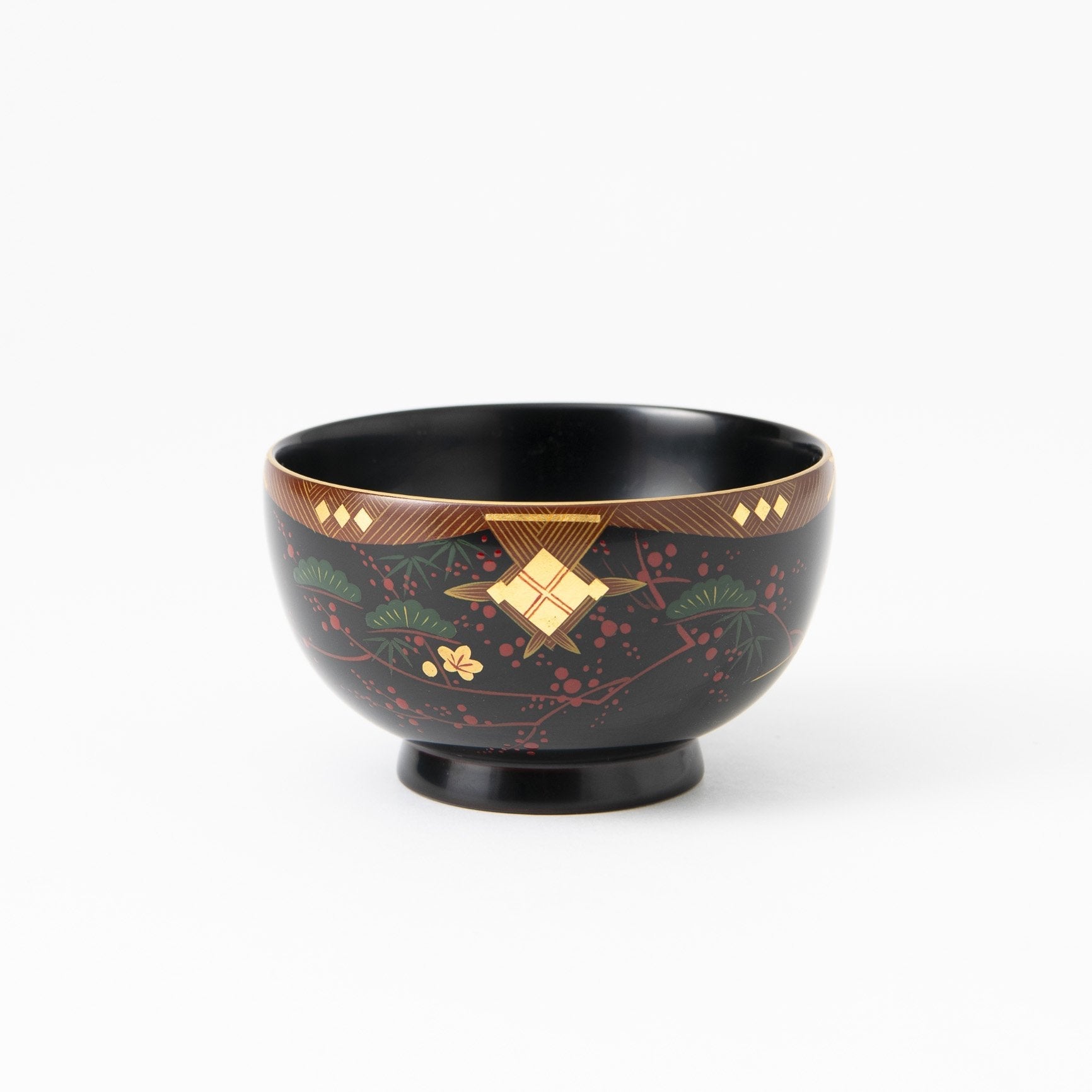
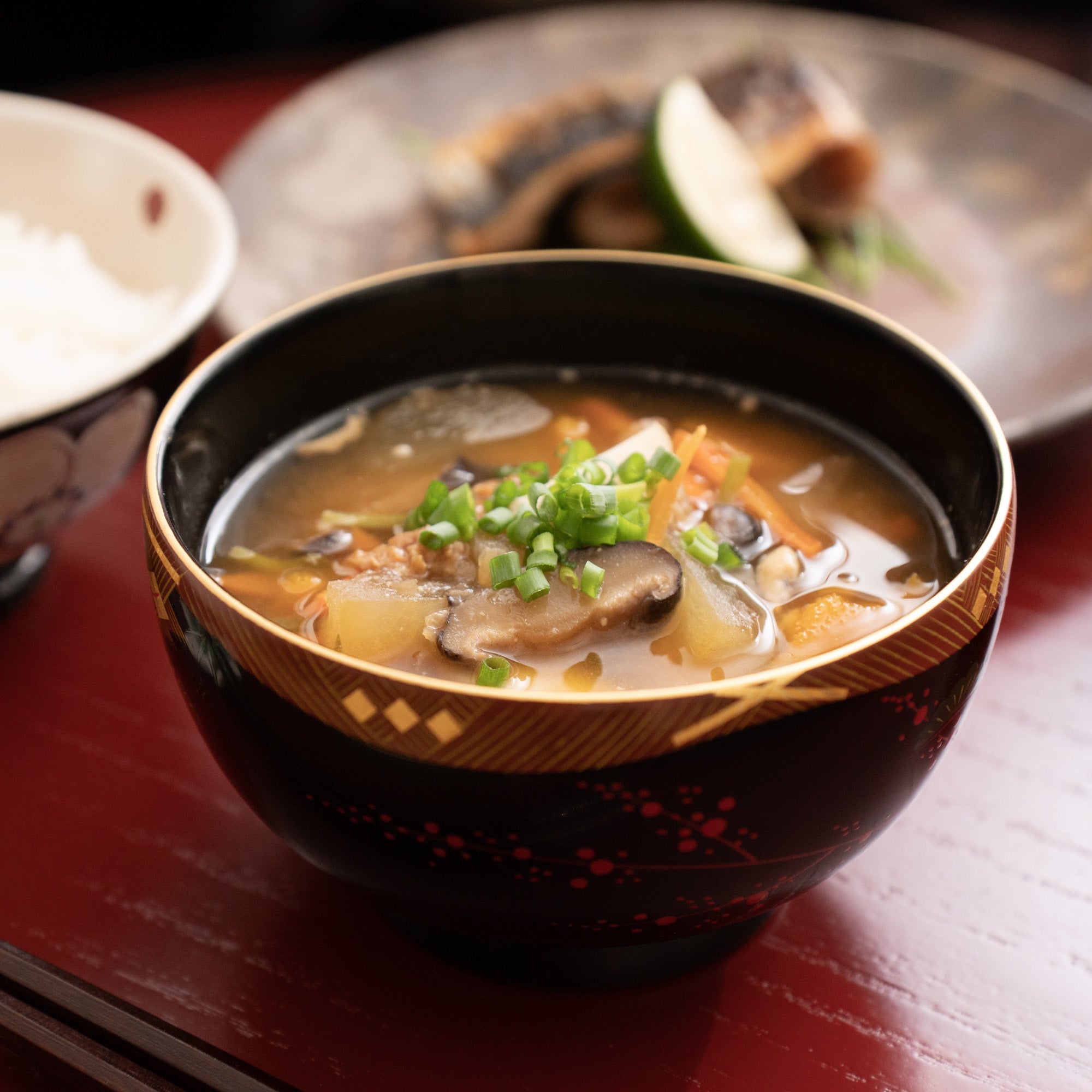
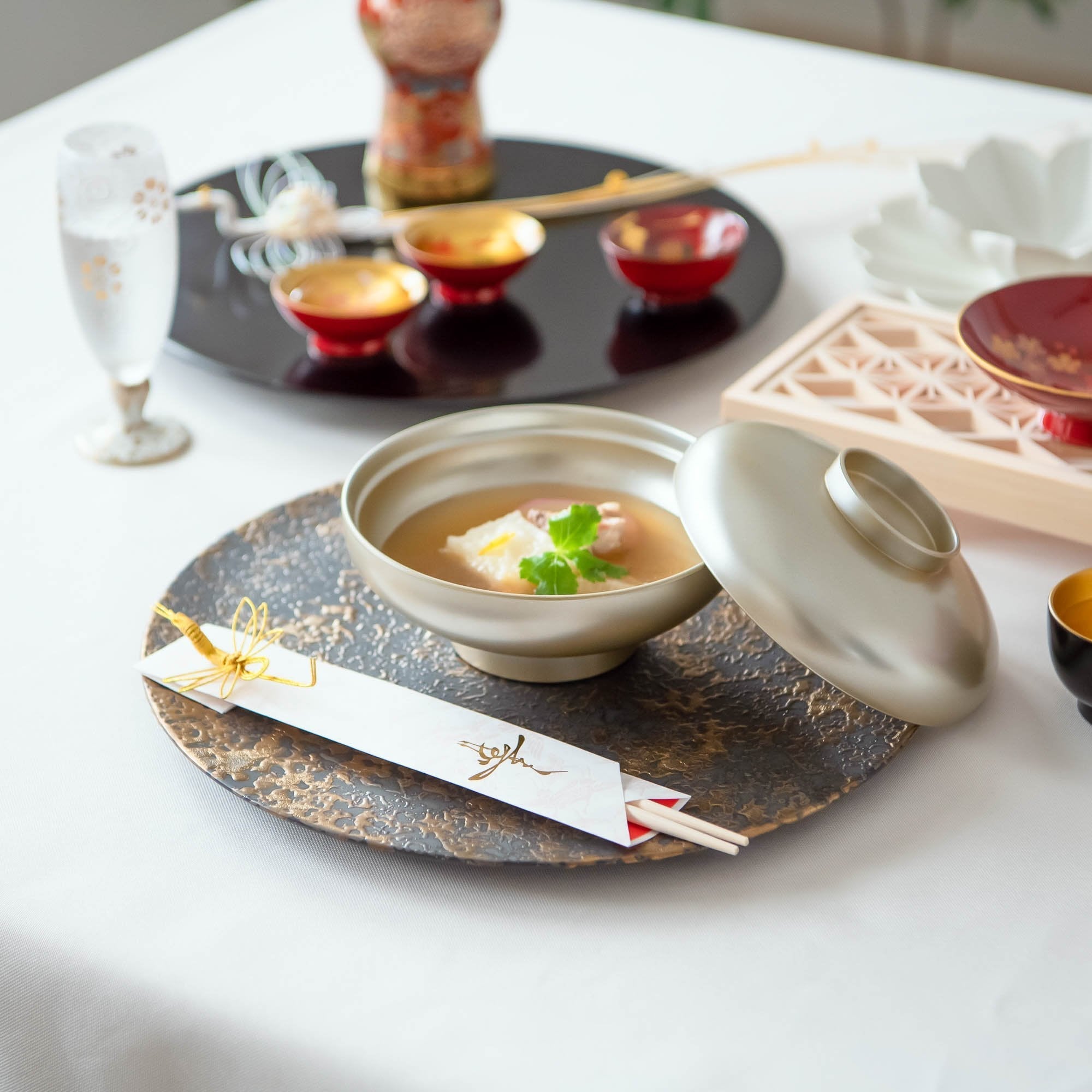
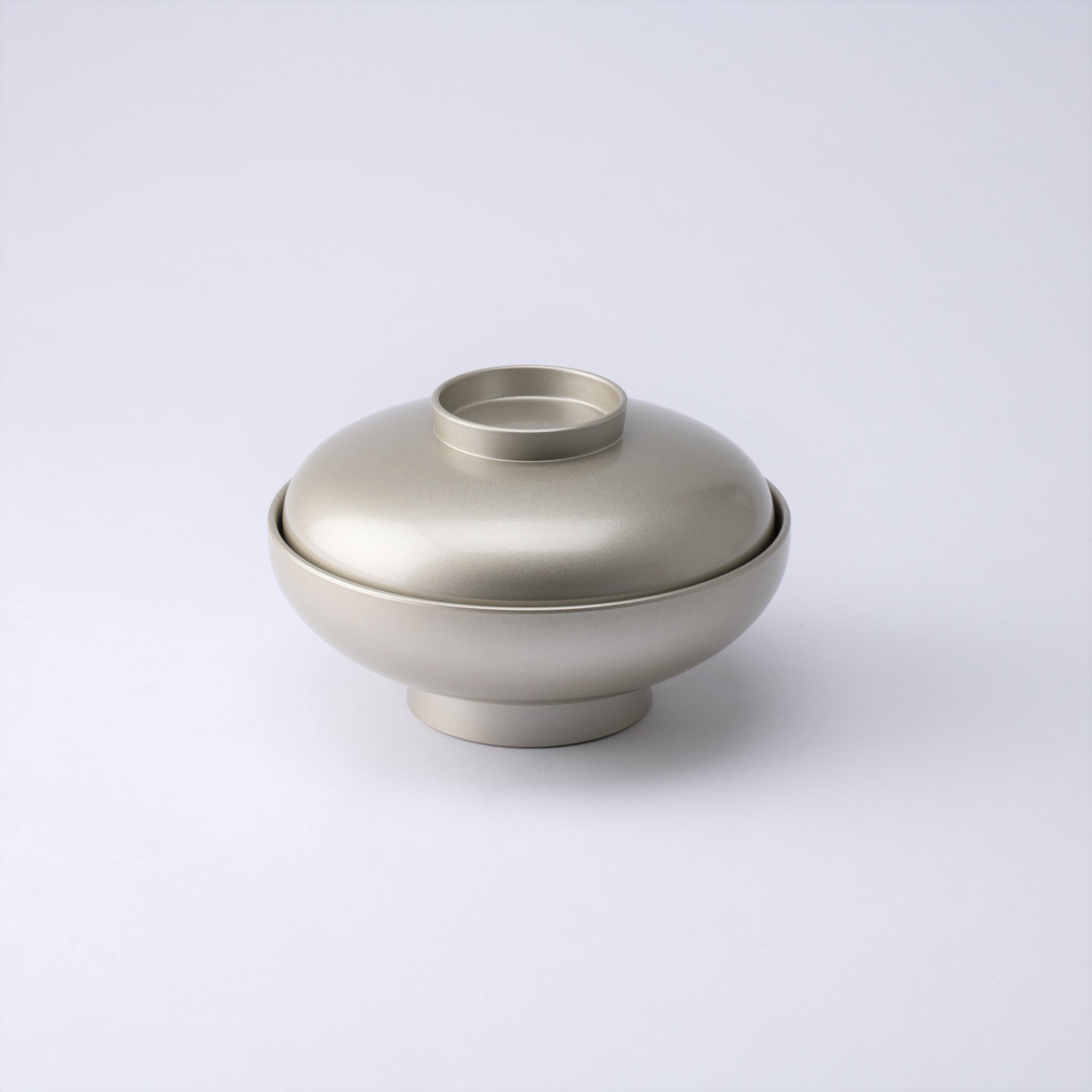
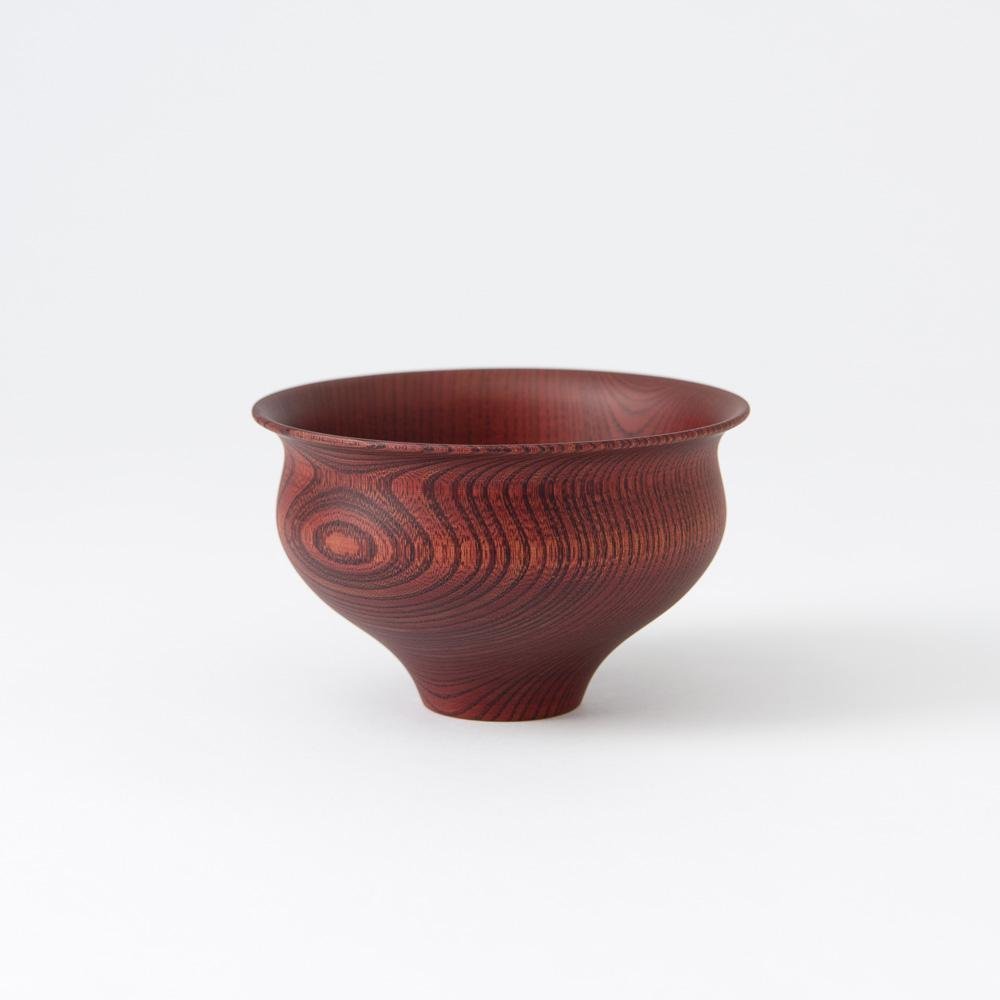
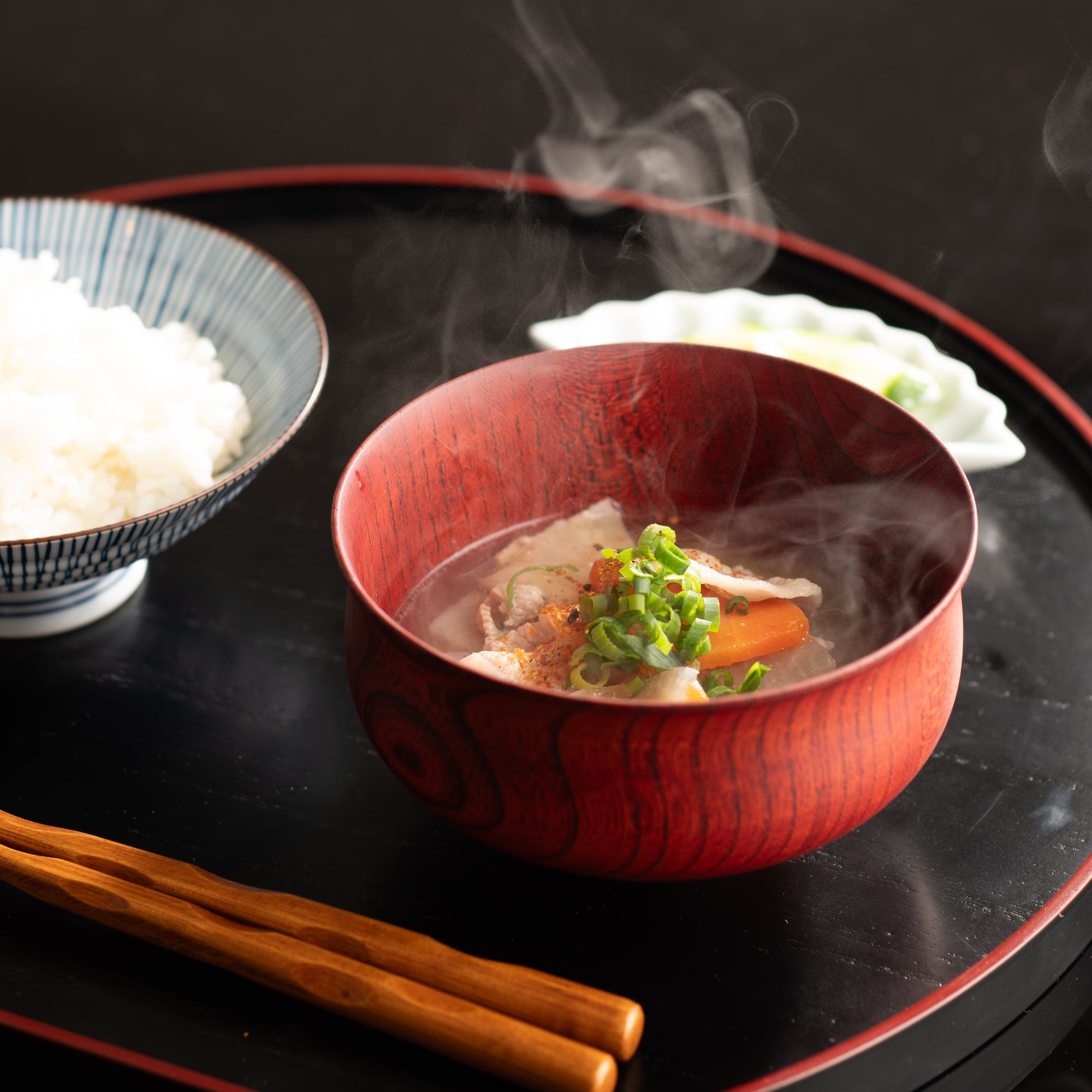
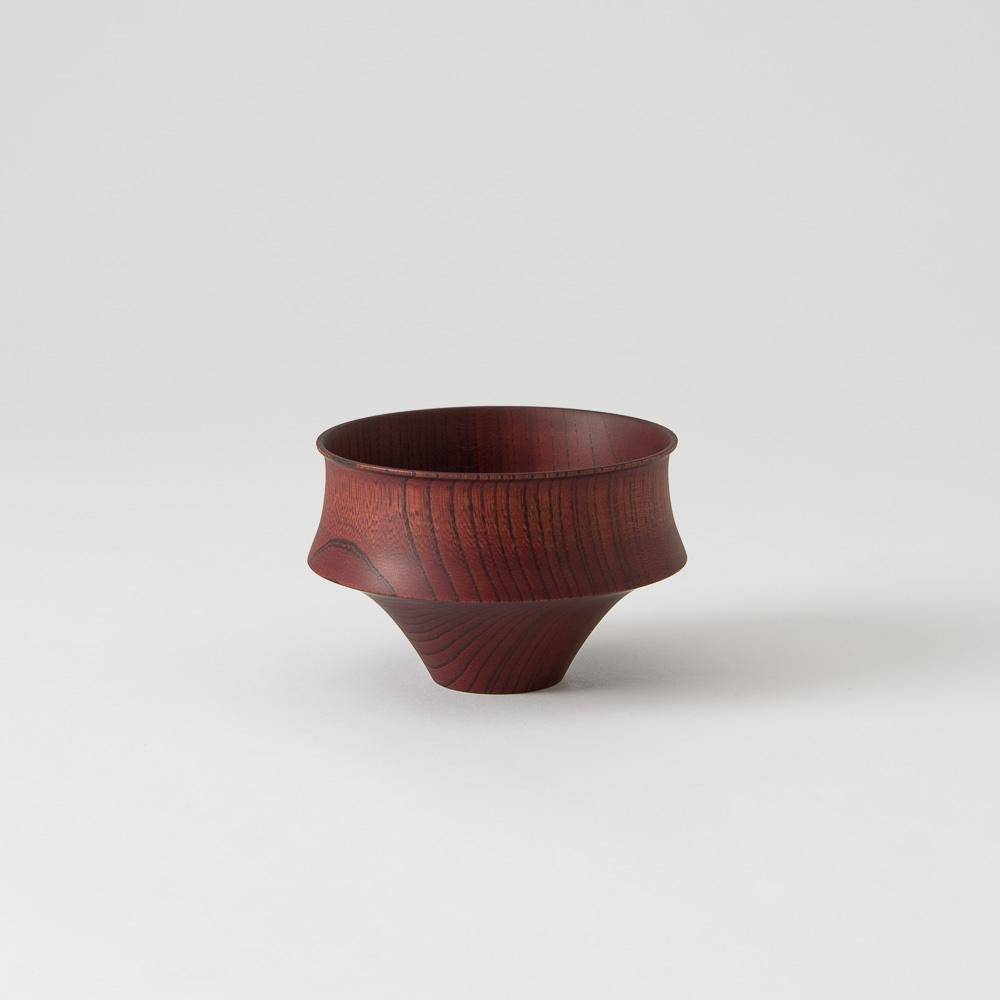
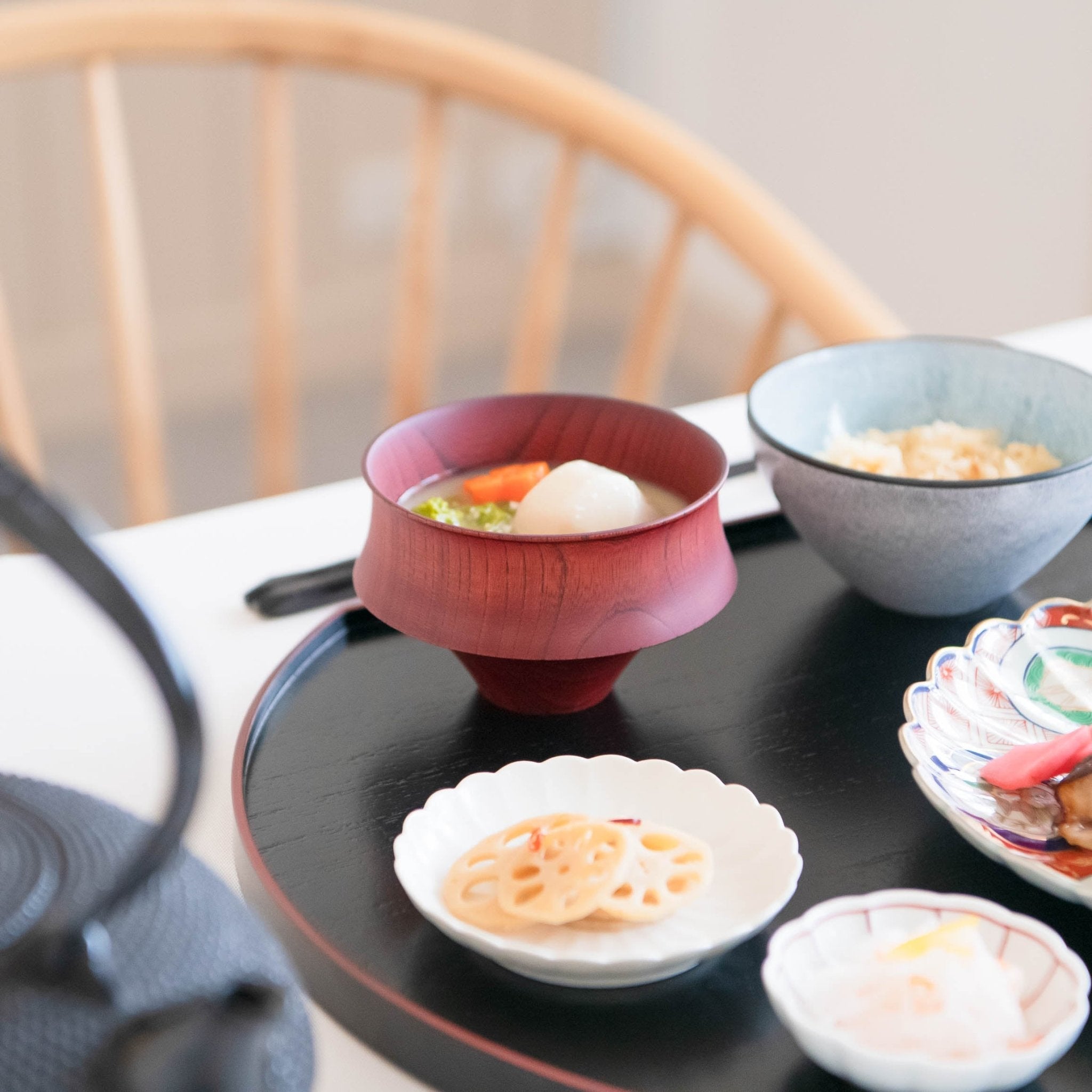
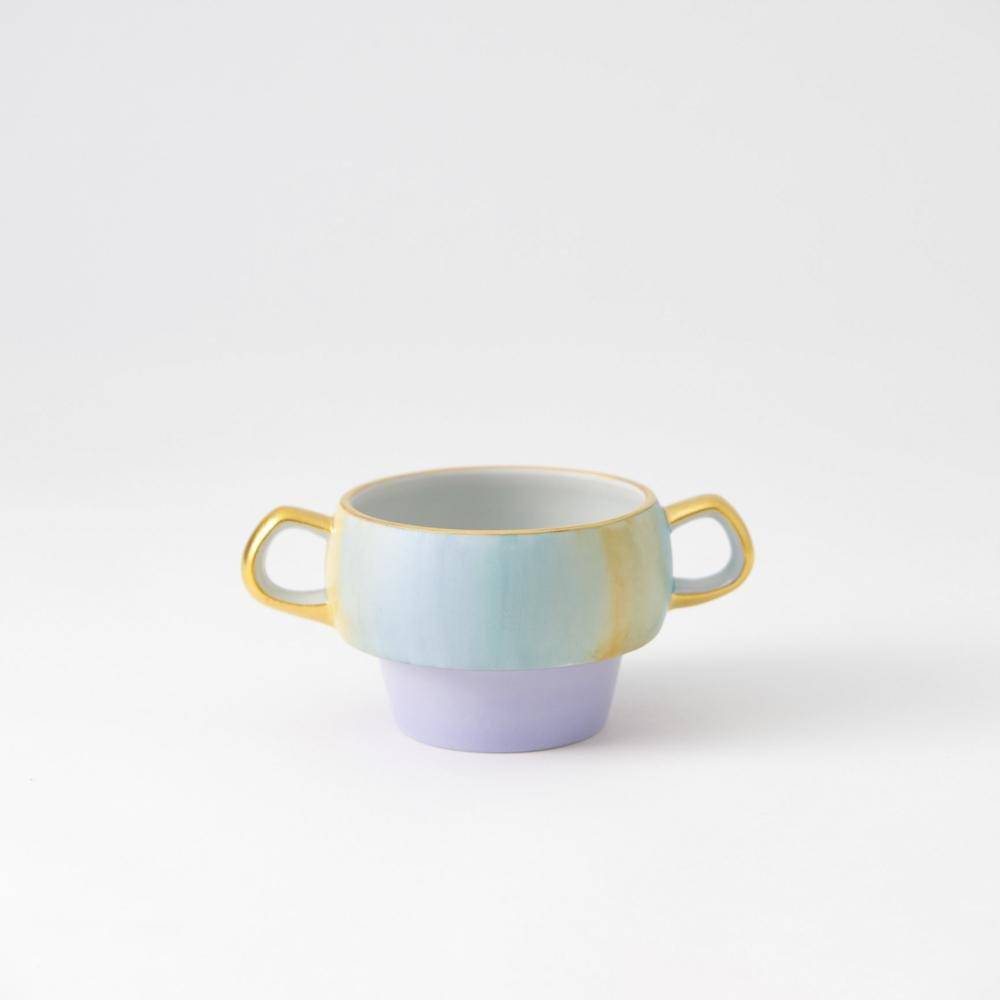
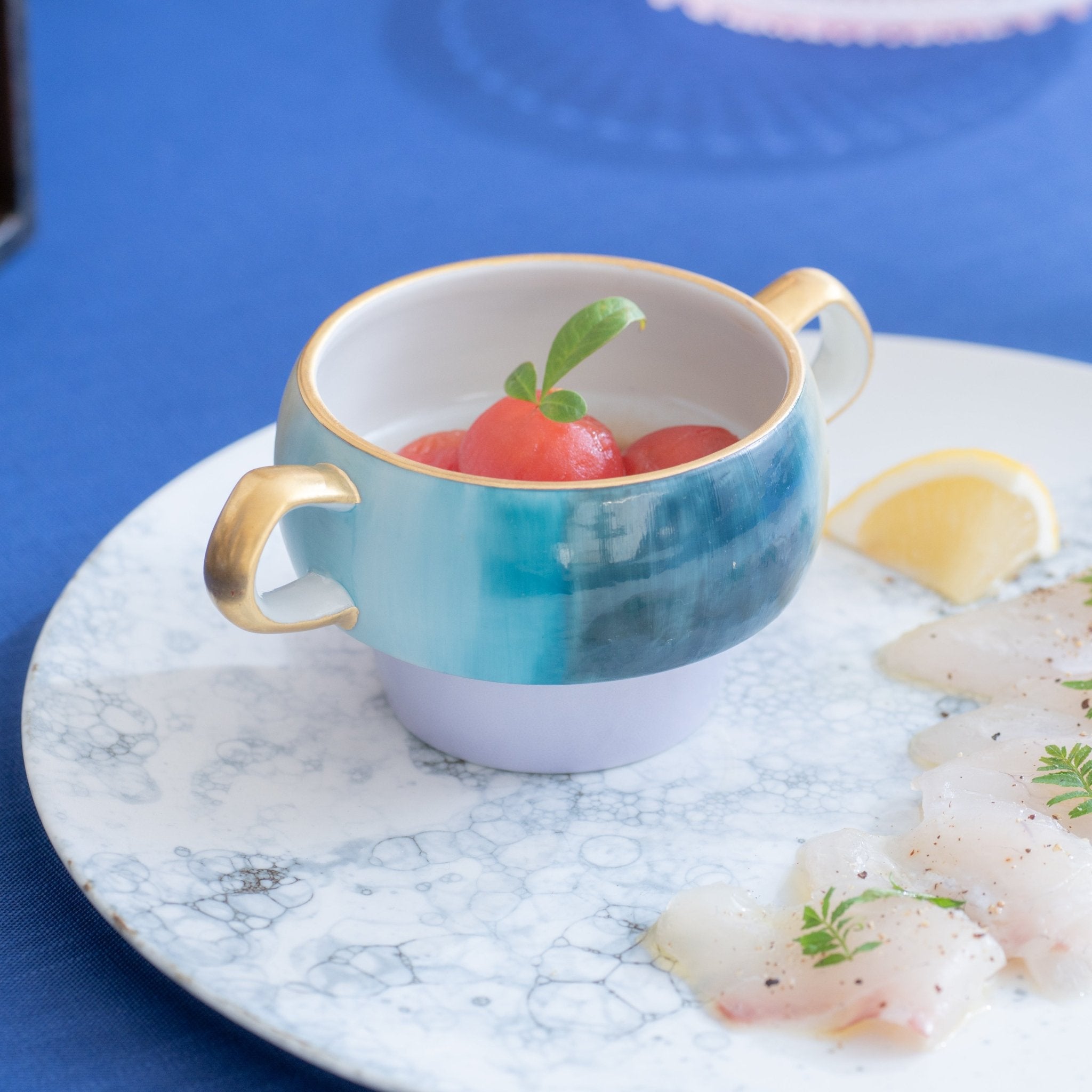
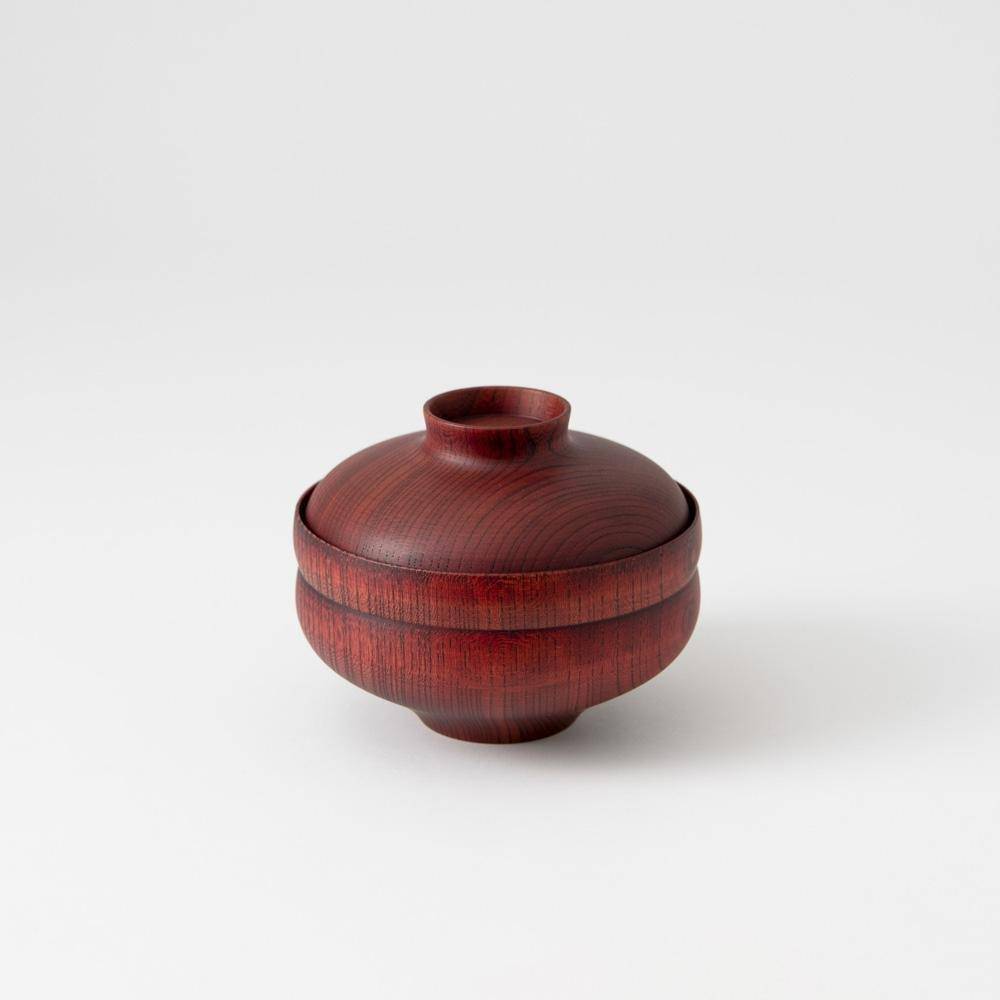
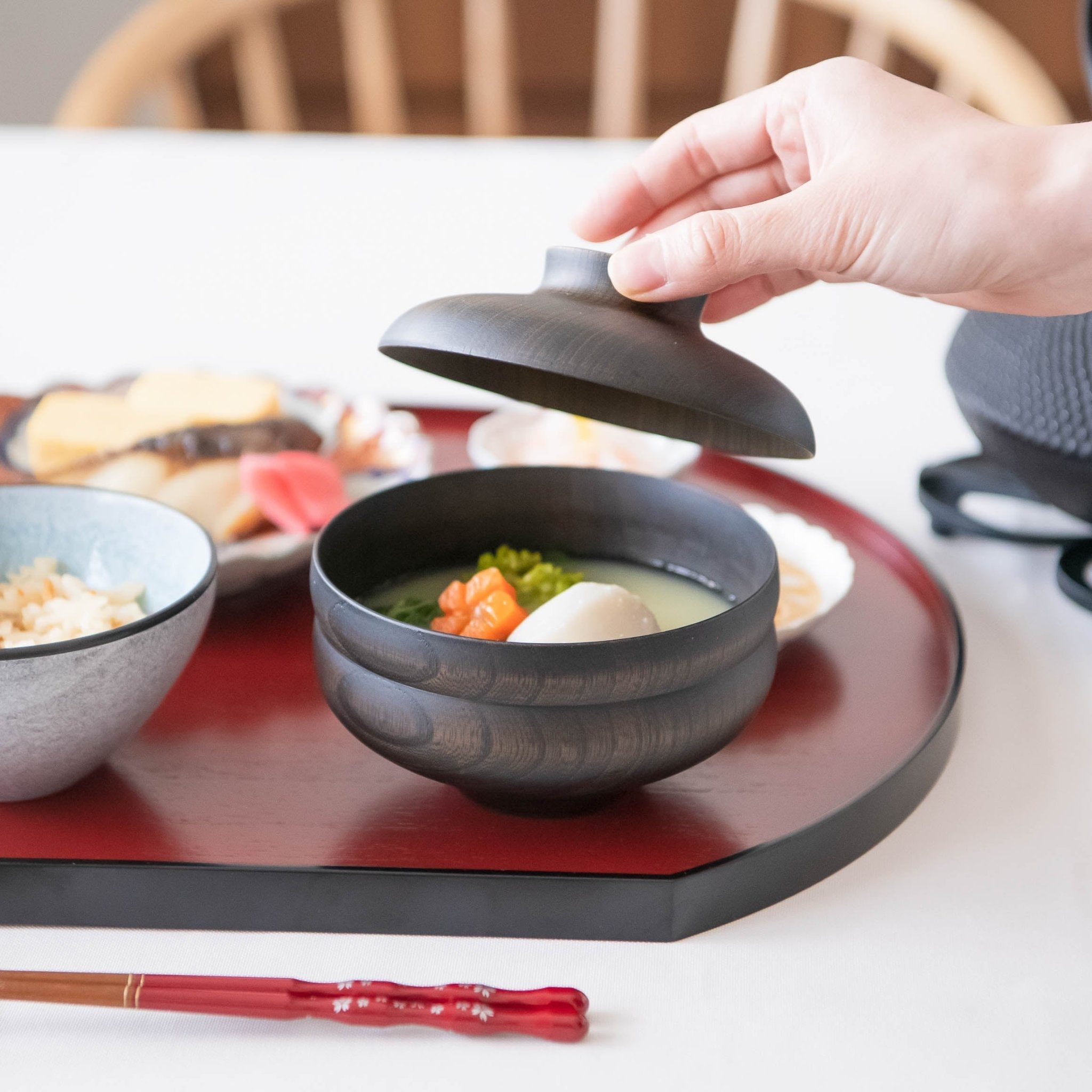
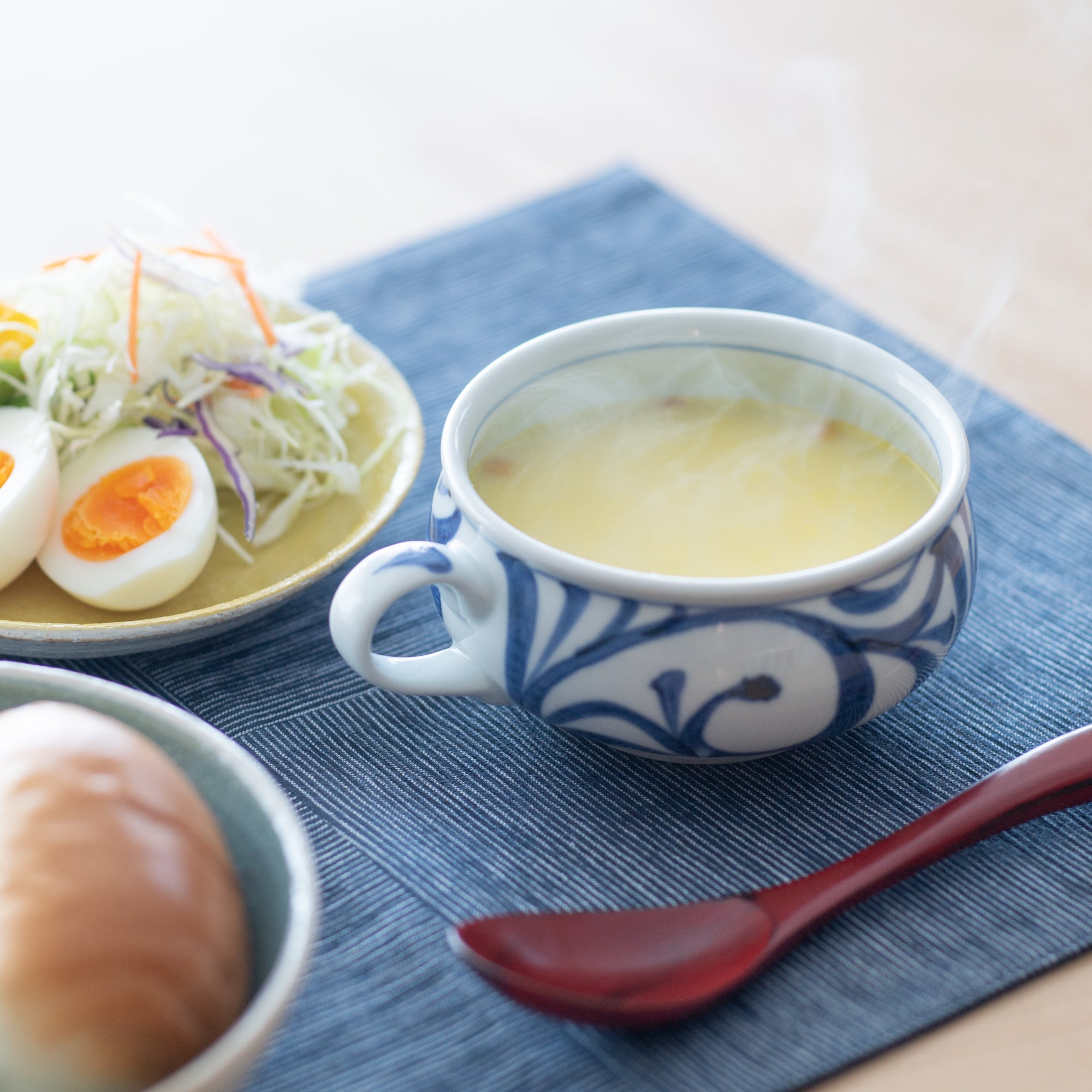
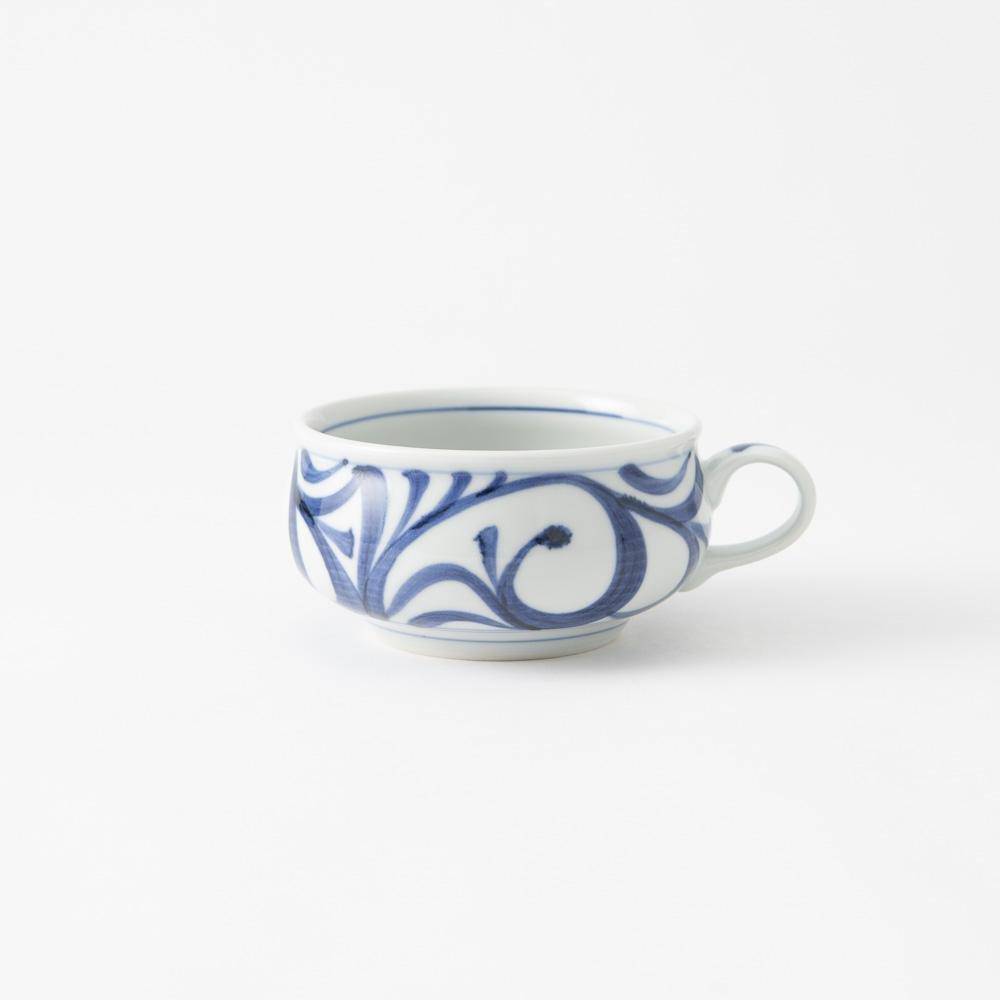
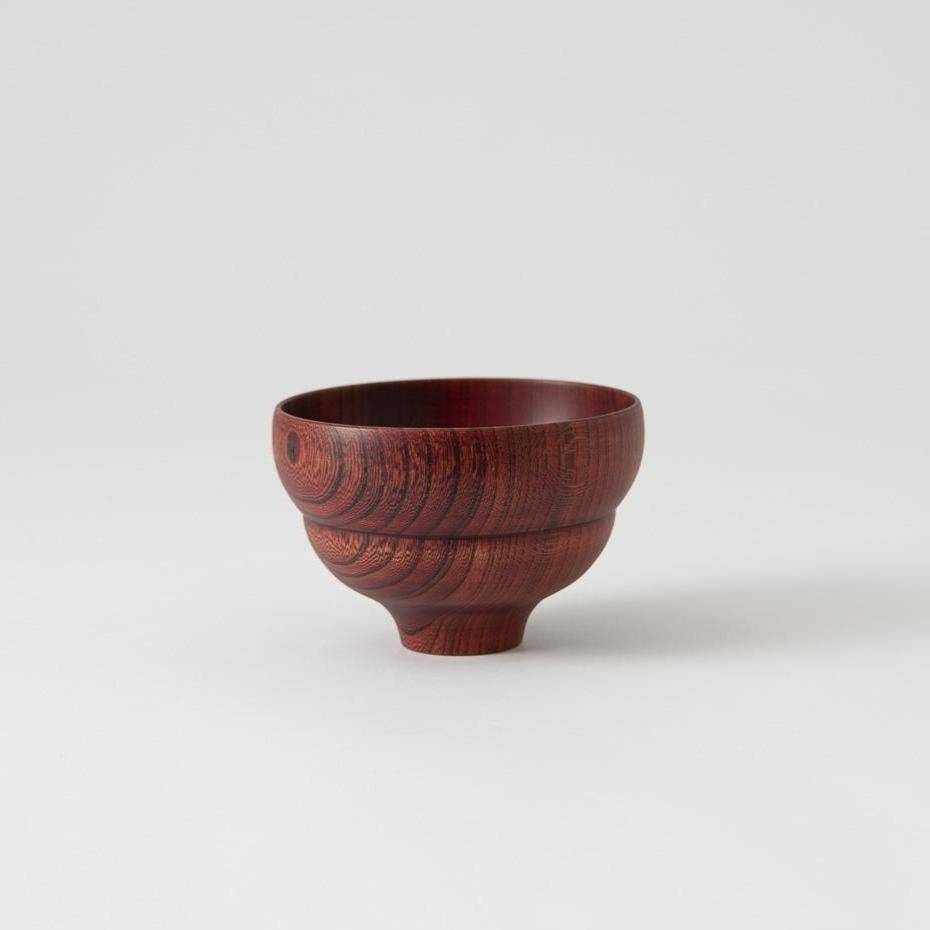
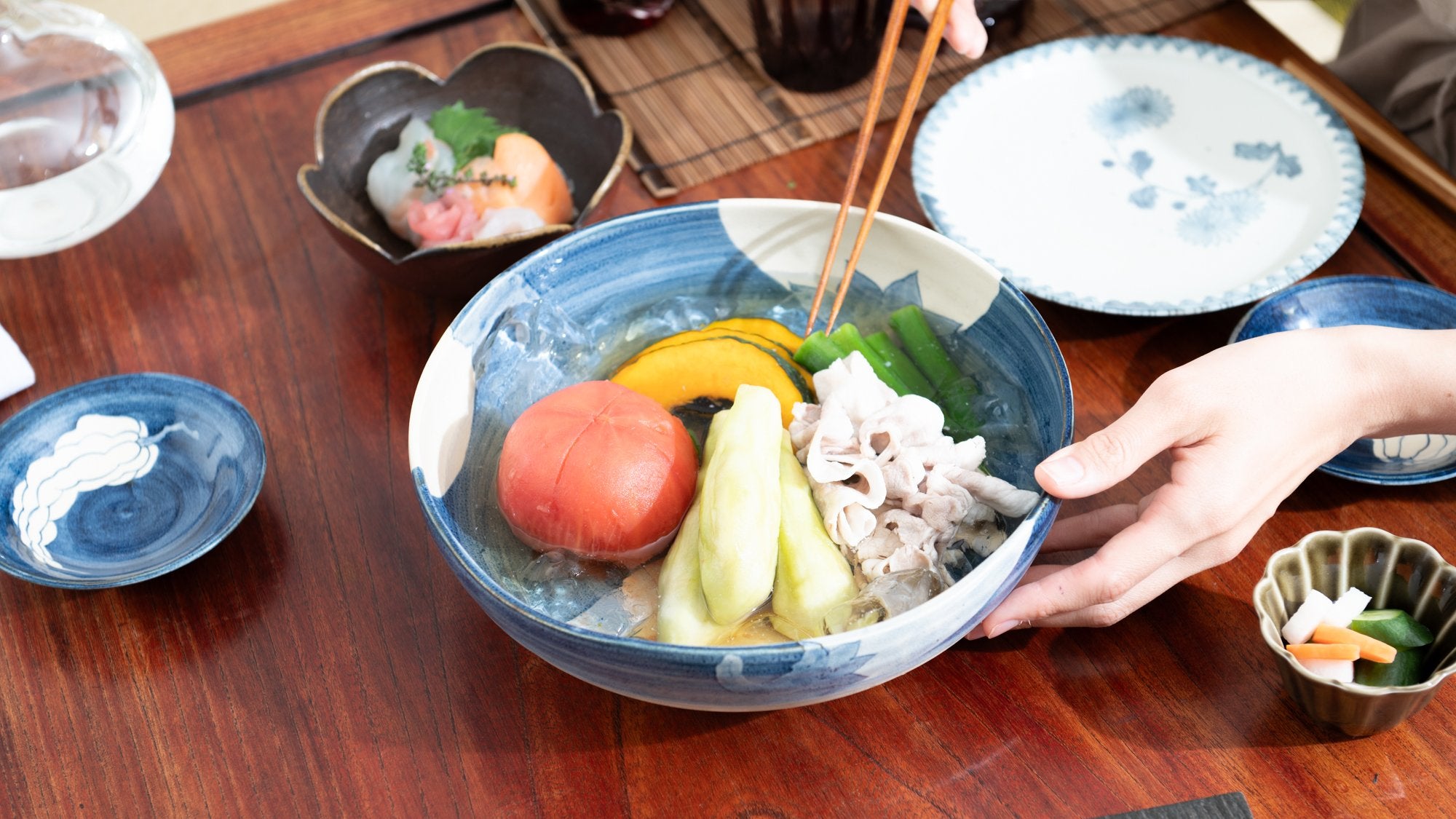
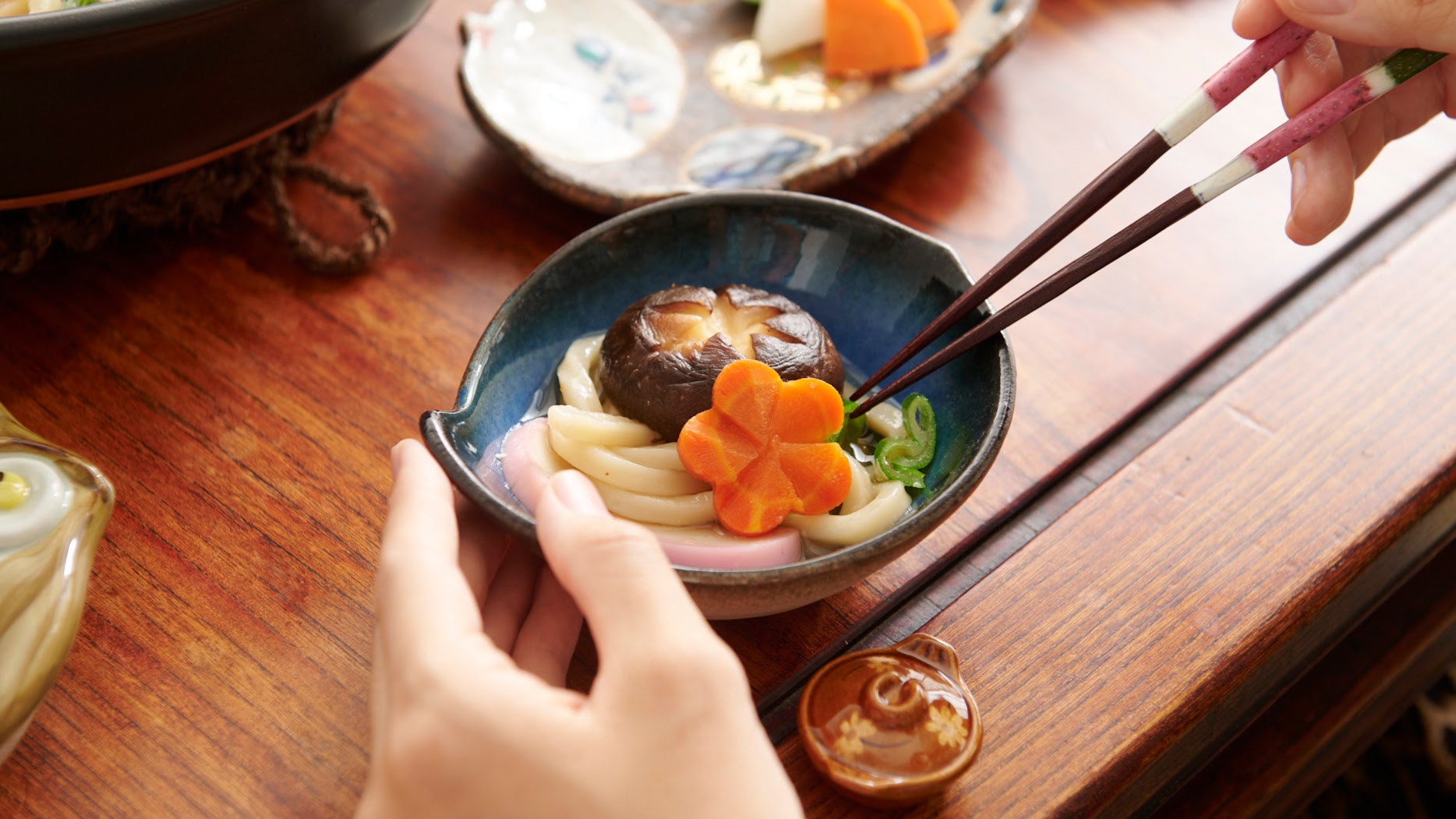
Los cuencos de sopa japoneses, de tamaño cómodo para sostenerlos en la mano, se pueden beber directamente o combinar con palillos o cucharas. Ya sea que disfrute de una sustanciosa sopa de miso o de una delicada sopa clara japonesa, el caldo caliente y nutritivo facilita la digestión y enriquece su comida. Elija entre materiales como madera o porcelana para crear el ambiente perfecto en su mesa.
Más sobre los tazones de sopa japoneses
Los tazones de sopa japoneses, conocidos como "shiru-wan" u "owan", se usan tradicionalmente para servir sopas como la sopa de miso, un clásico de la cocina japonesa. Elaborada con miso nutritivo a base de soja, esta sopa es un reconfortante plato local para muchos japoneses y combina a la perfección con el arroz. El tazón de sopa se considera un complemento esencial del tazón de arroz en cualquier comida.
En la cocina japonesa, la sopa se suele servir como acompañamiento de los platos de arroz. La frase "Ichiju-Issai" (una sopa, un acompañamiento) se refiere a una comida informal, donde el arroz y la sopa de miso siempre se sirven juntos, incluso en las mesas más sencillas.
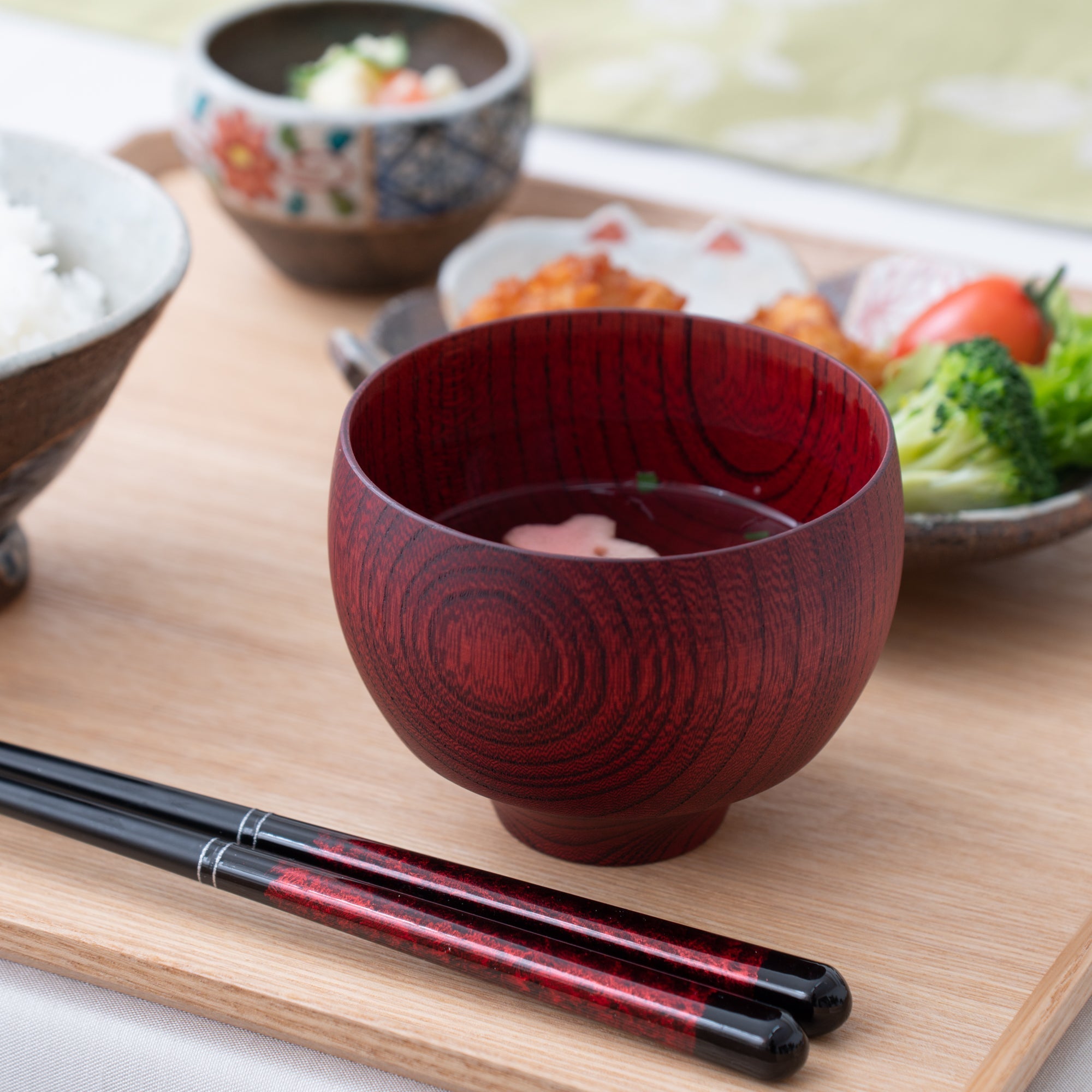
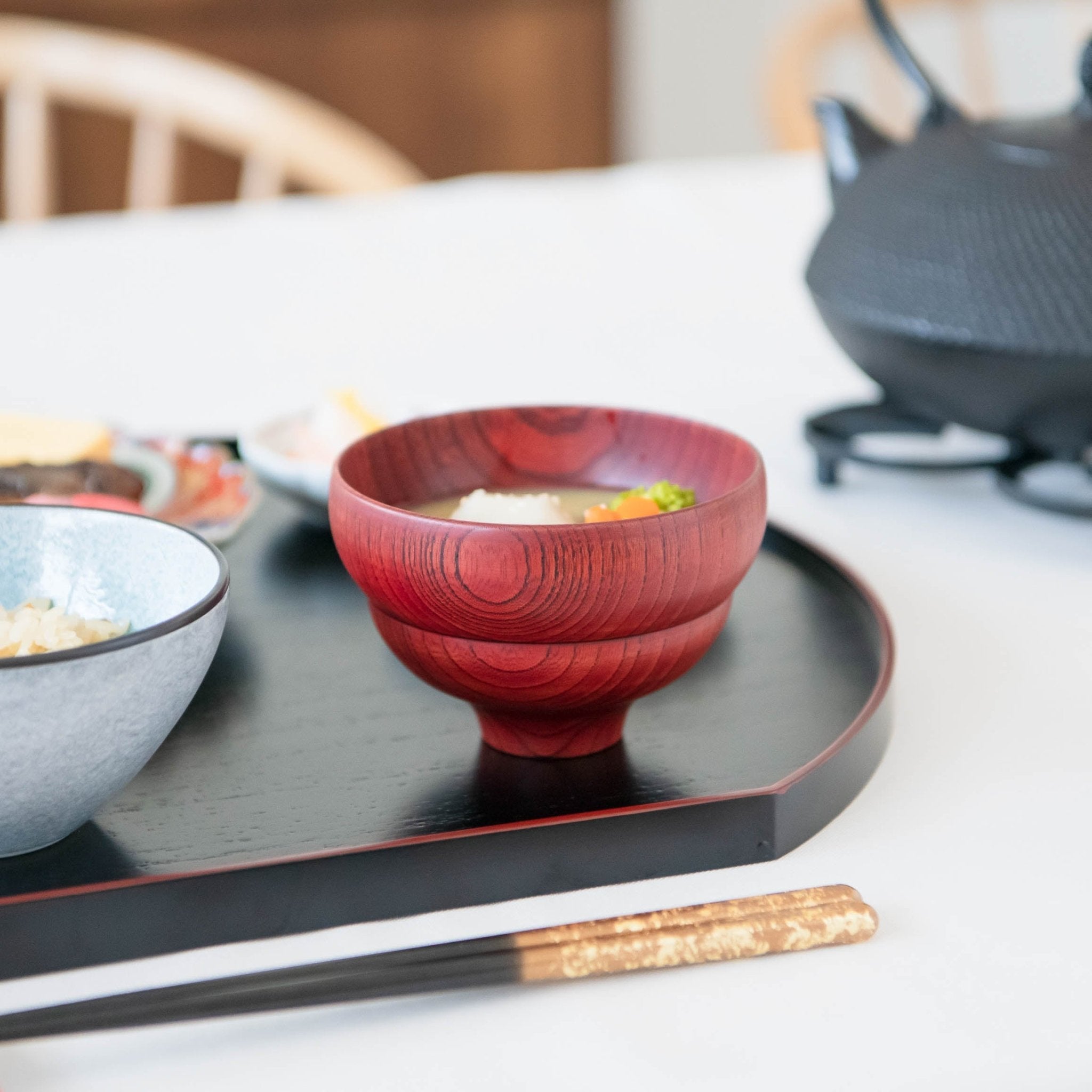
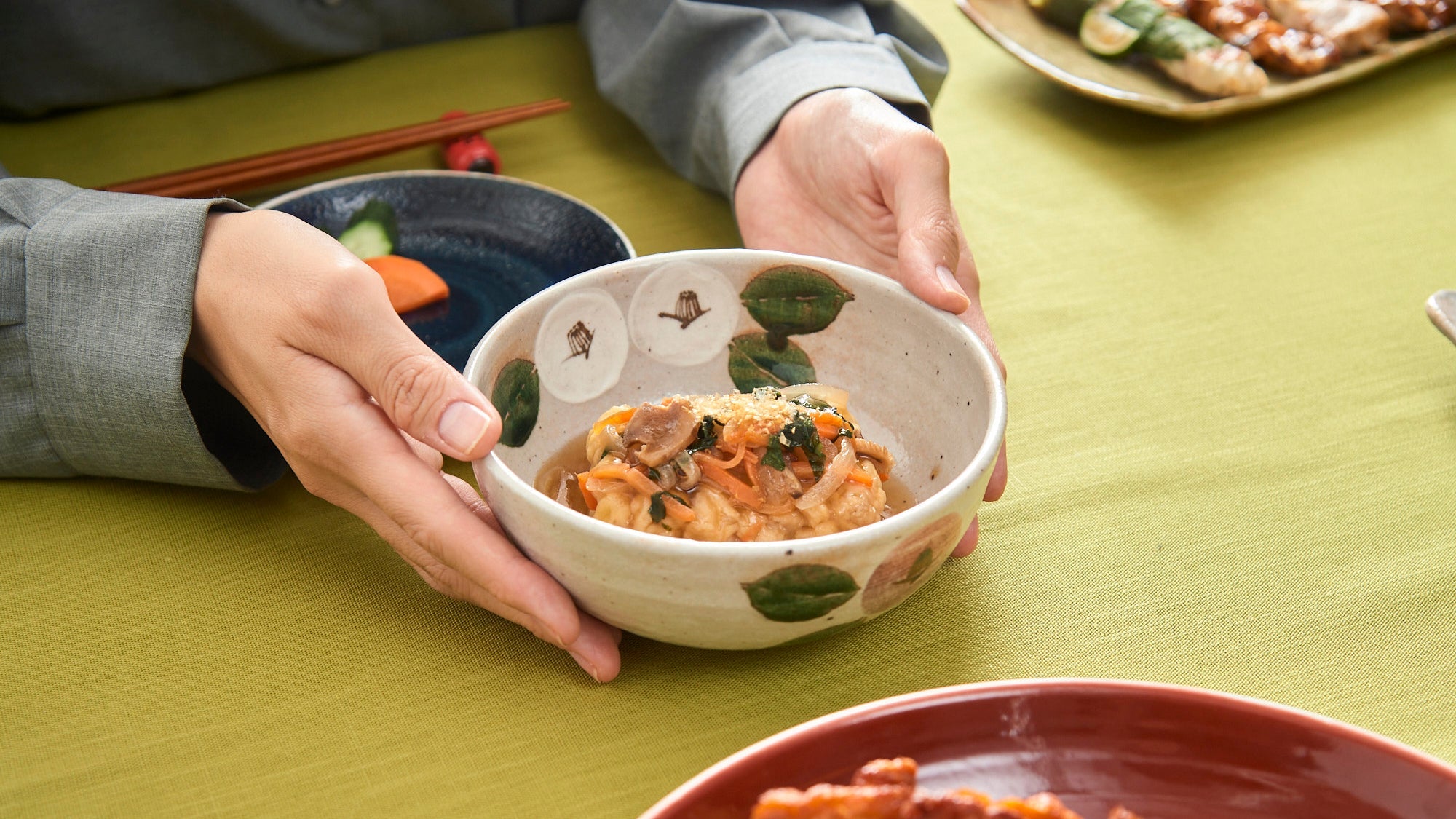
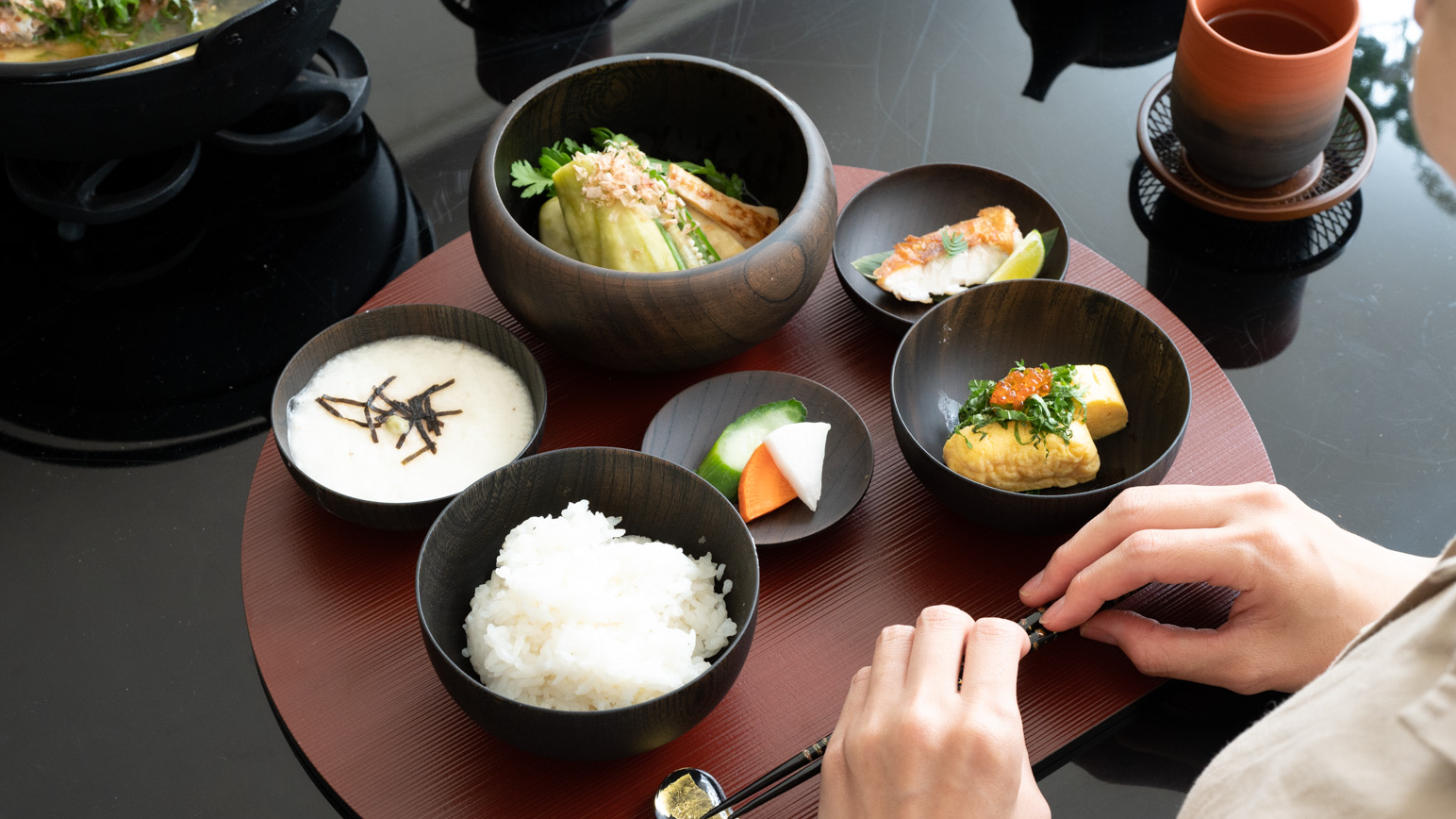
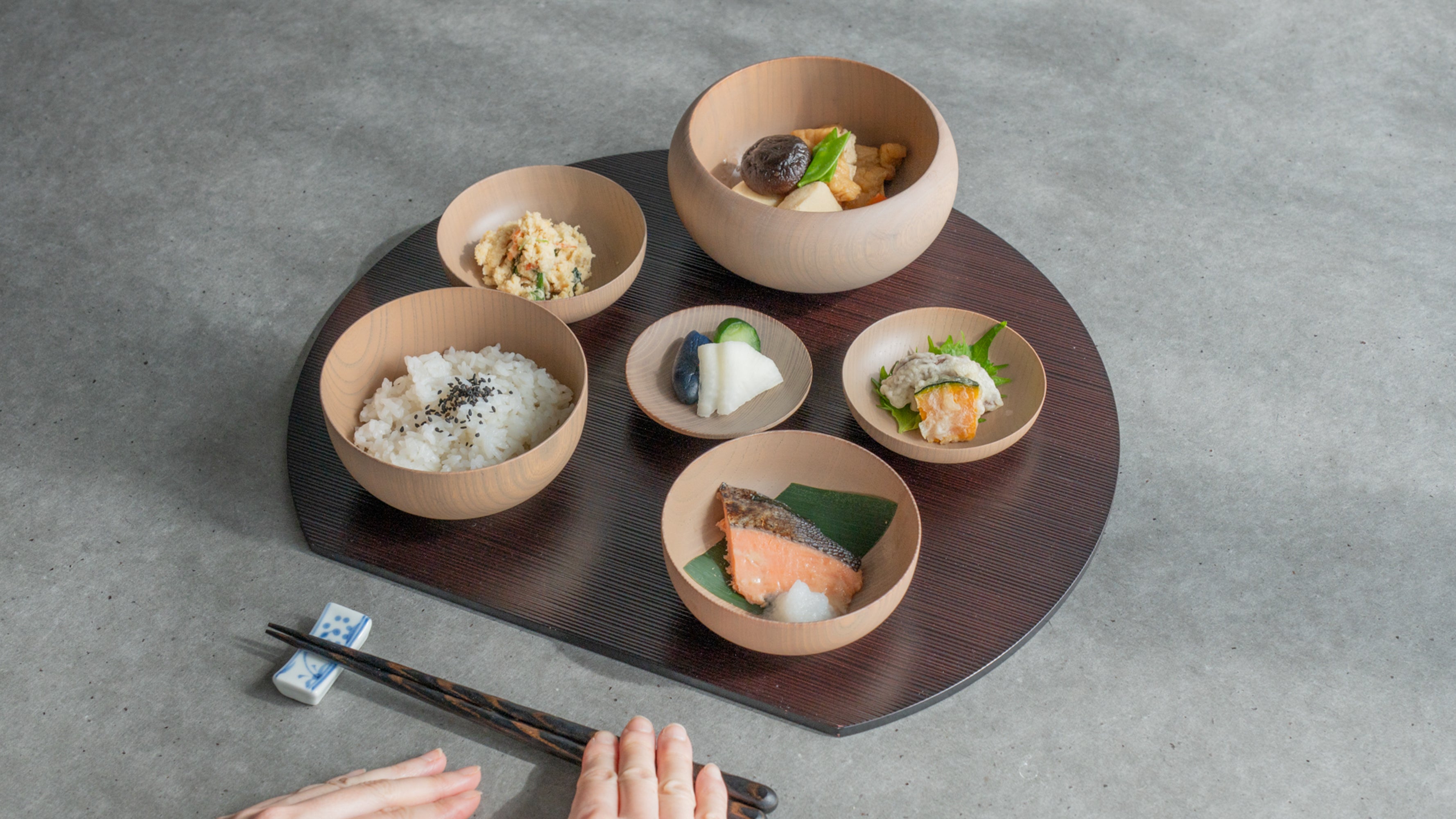
Los tazones japoneses para sopa son pequeños, de tamaño similar a los tazones de arroz, y la forma correcta de comerlos es levantándolos con ambas manos. Dado que estos tazones están diseñados para contener sopa caliente, tradicionalmente se fabrican de madera o madera lacada, materiales que aíslan y protegen las manos del calor. Sin embargo, los cuencos de sopa de cerámica también se han vuelto populares en los tiempos modernos para adaptarse a una gama más amplia de dietas.
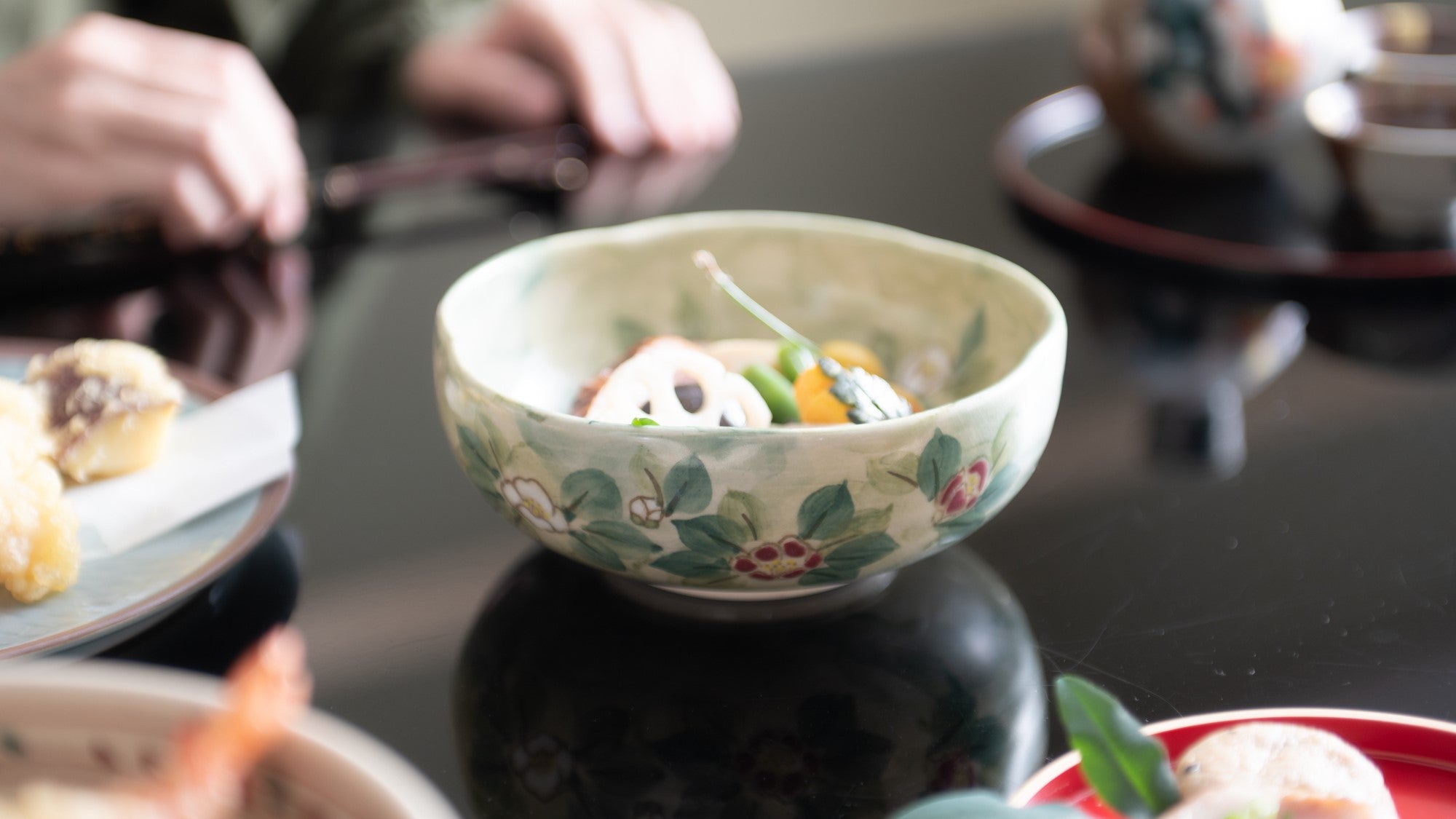
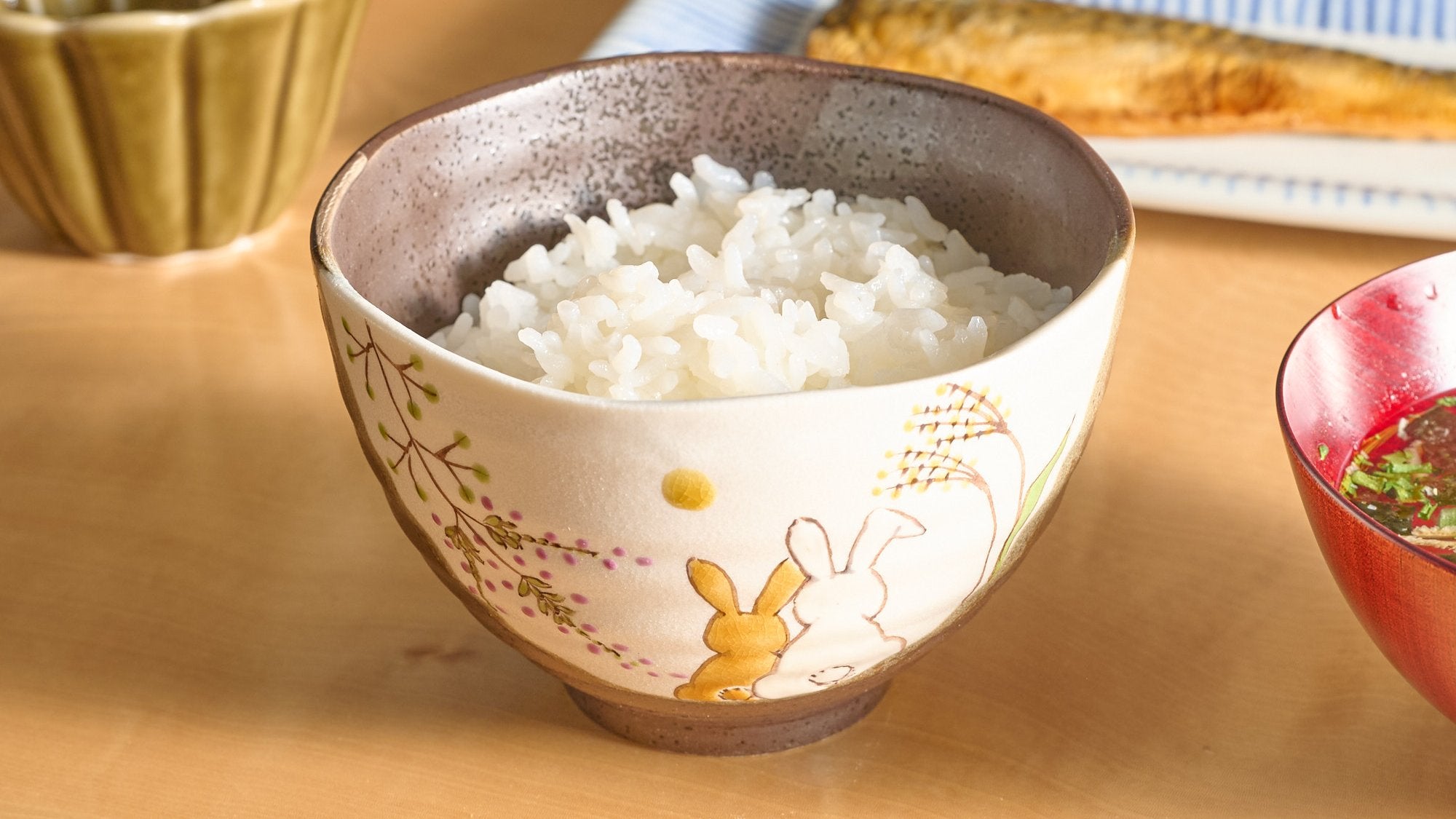
La estructura básica de una comida japonesa consiste en arroz, sopa, un plato principal de carne o pescado y guarniciones como encurtidos y verduras guisadas "nimono". Entre estos, el arroz y la sopa son los elementos esenciales, tradicionalmente sosteniéndose el cuenco de arroz en la mano izquierda y el cuenco de sopa en la derecha. Tener cuencos de arroz y de sopa japoneses en la mesa crea al instante una decoración de mesa más auténtica al estilo japonés.

Artículos relacionados
Filtros