Entonces Ware
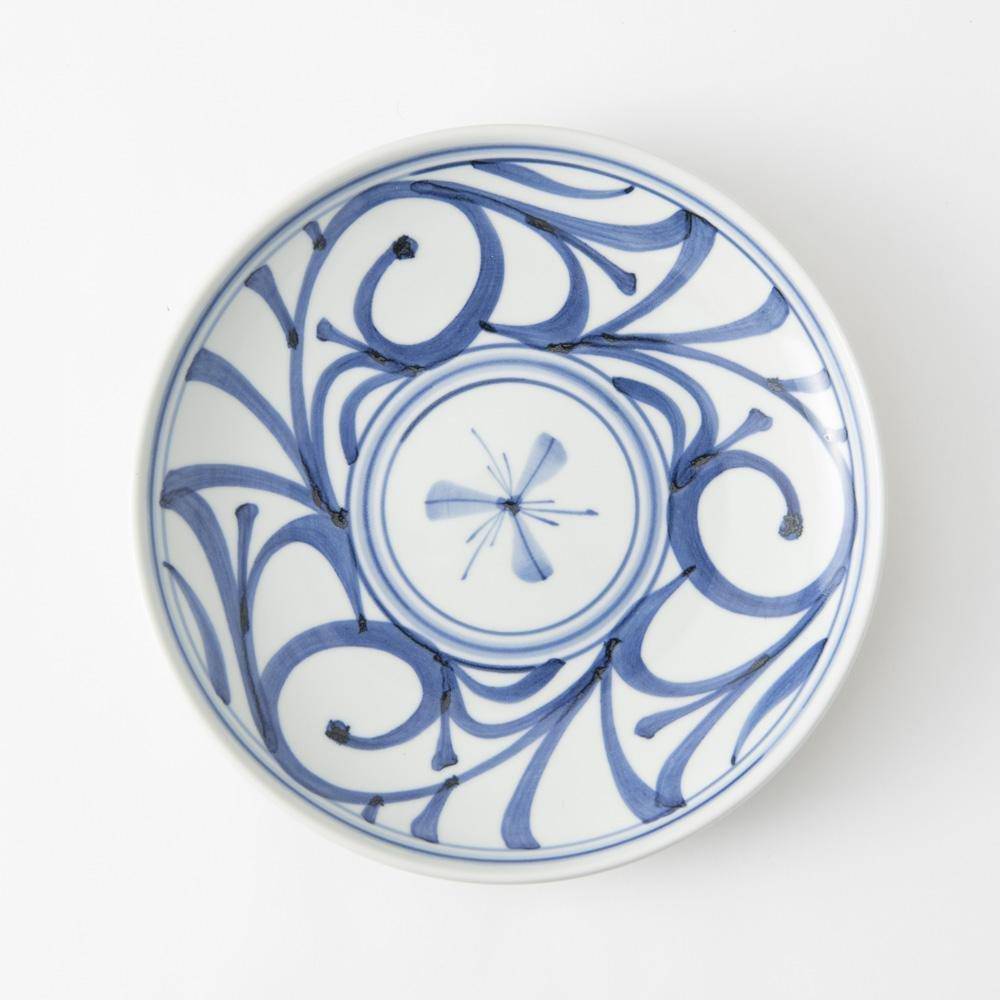
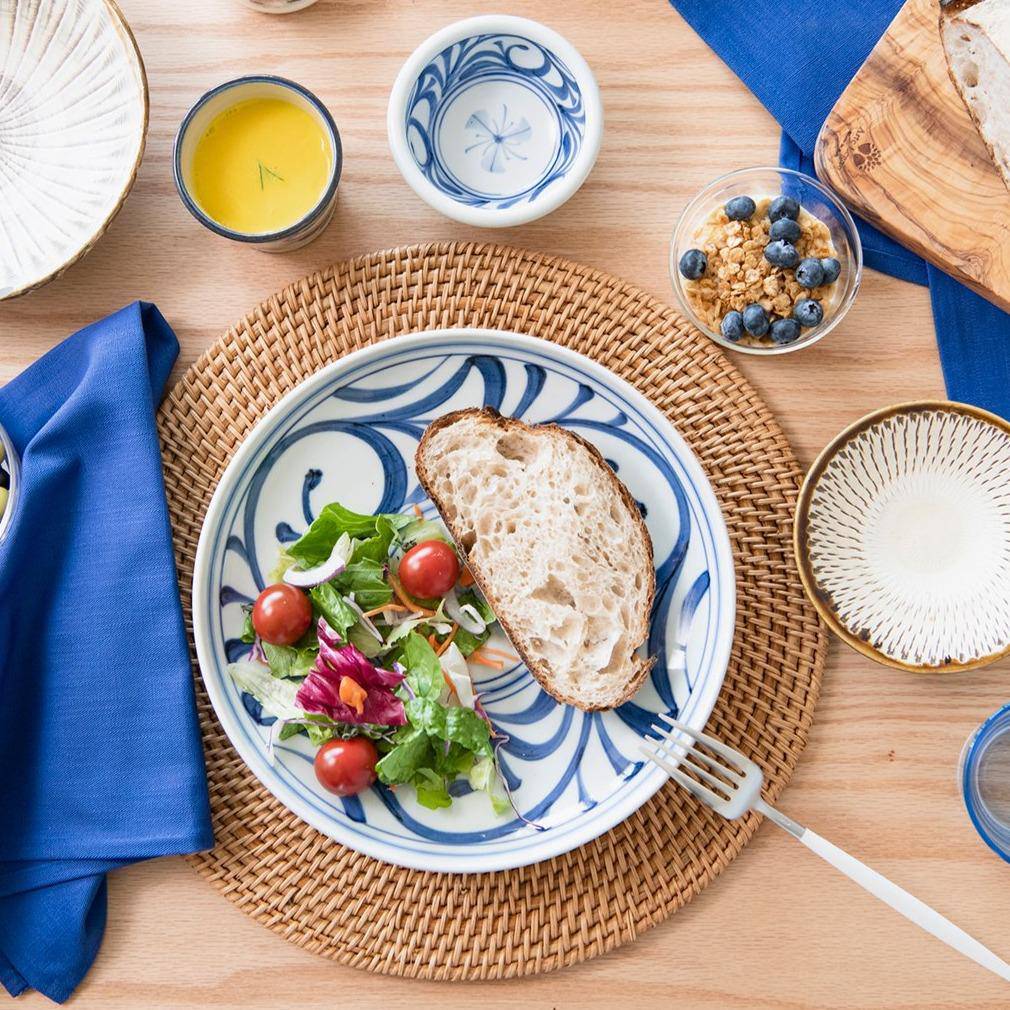
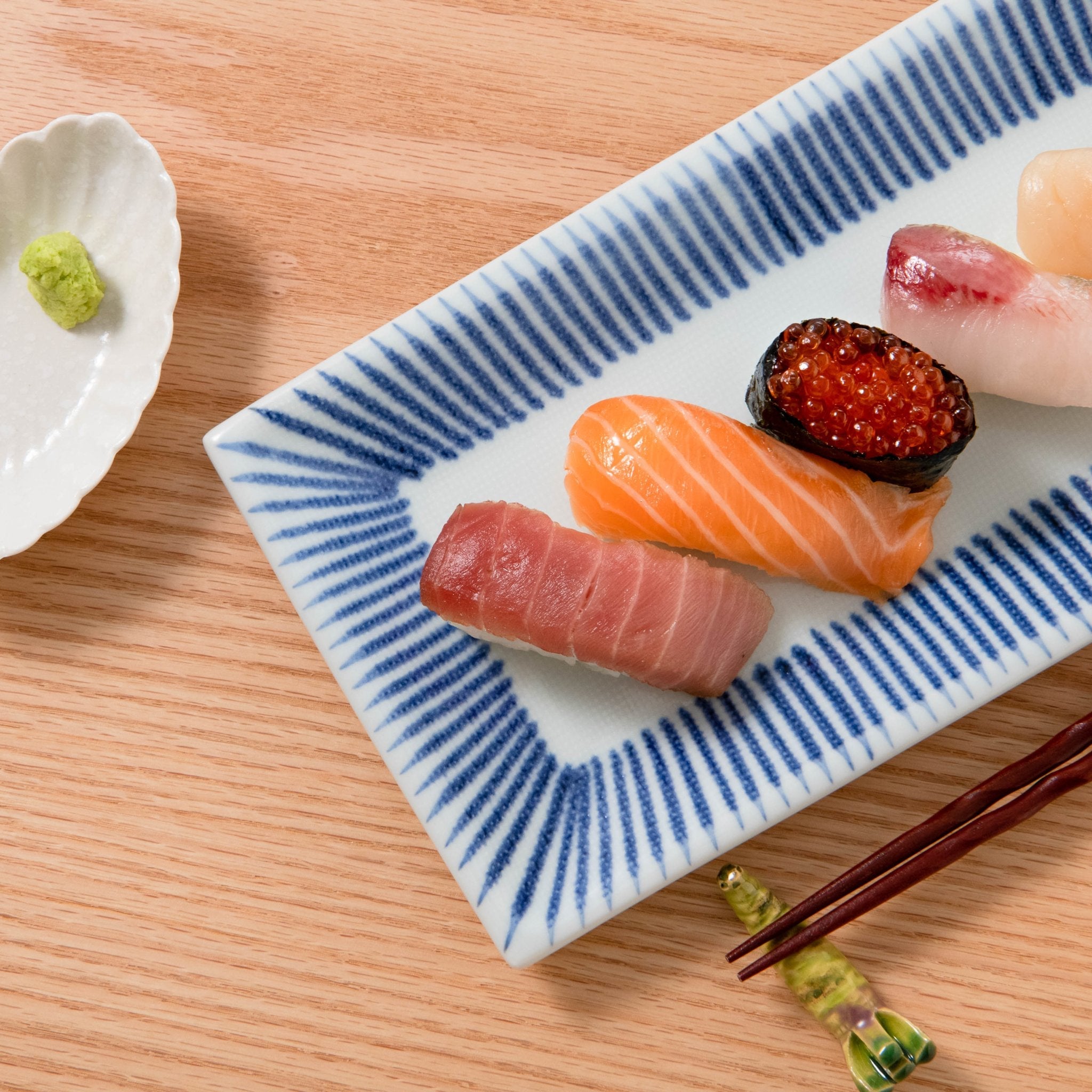
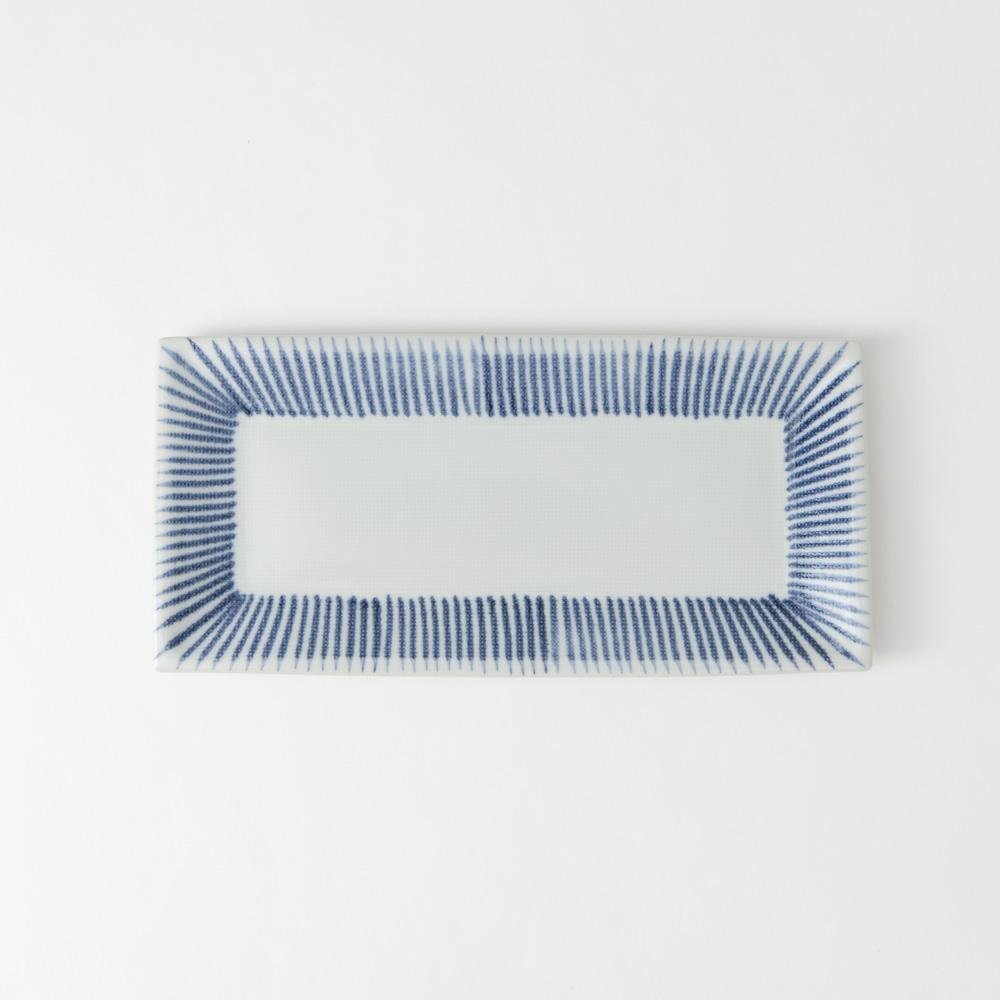
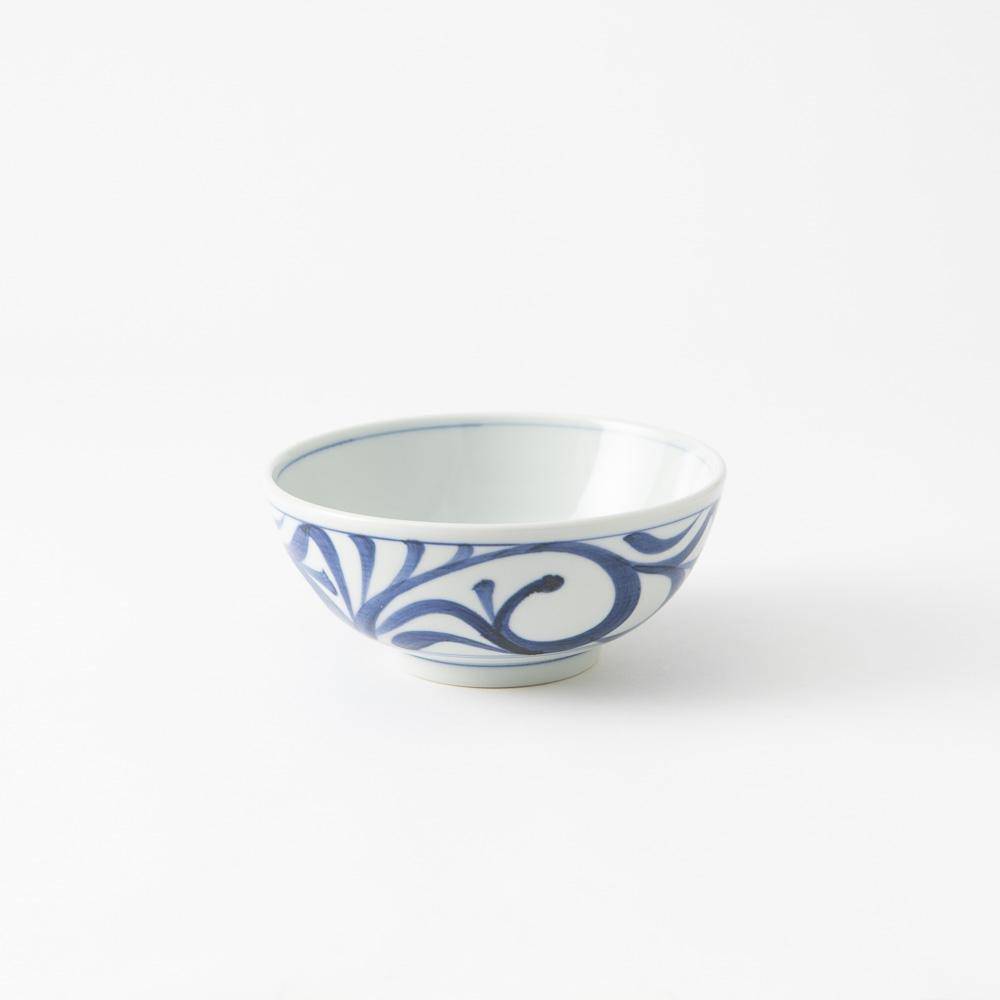
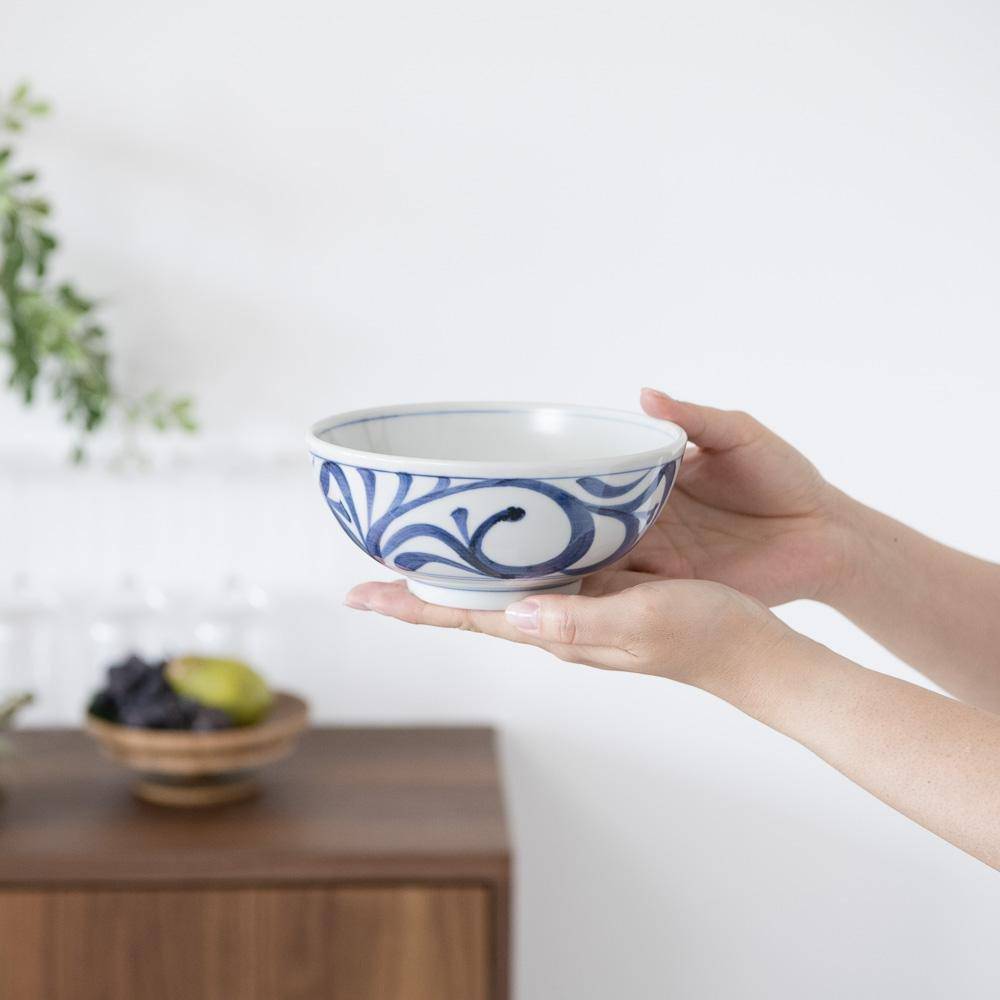
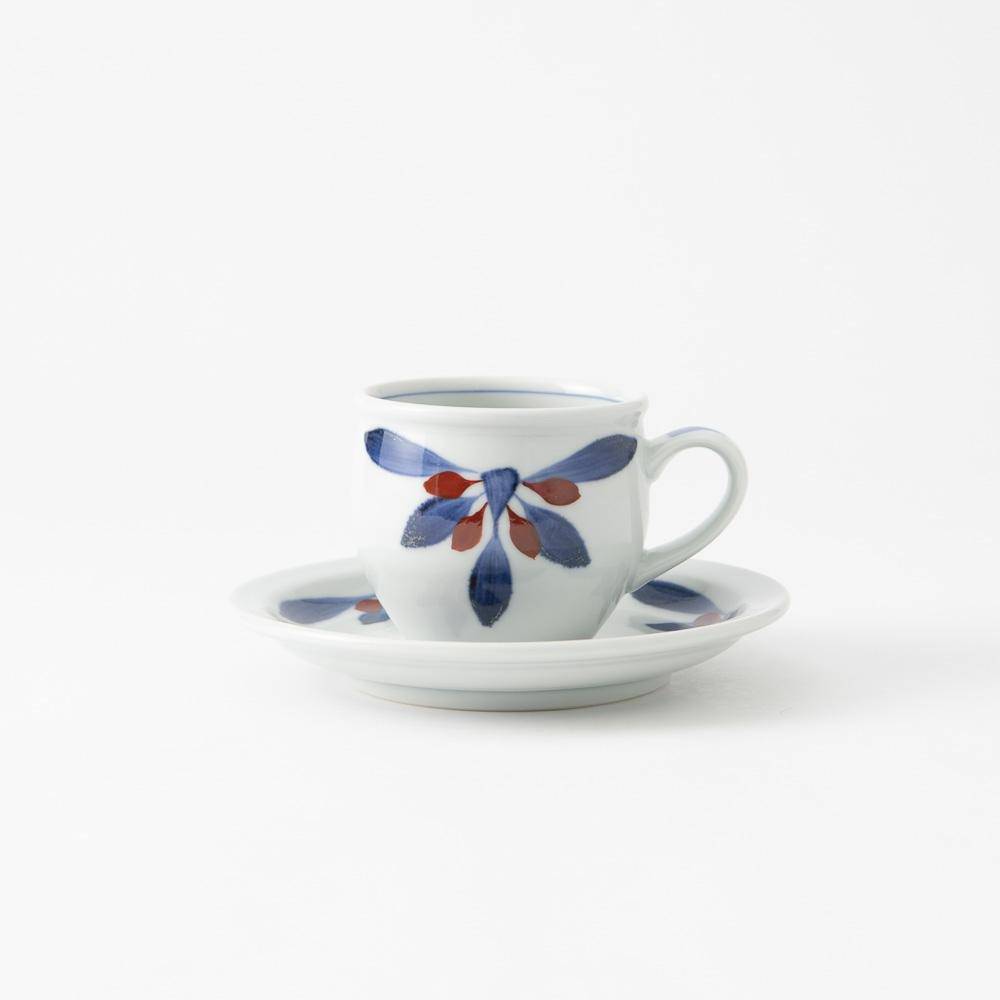
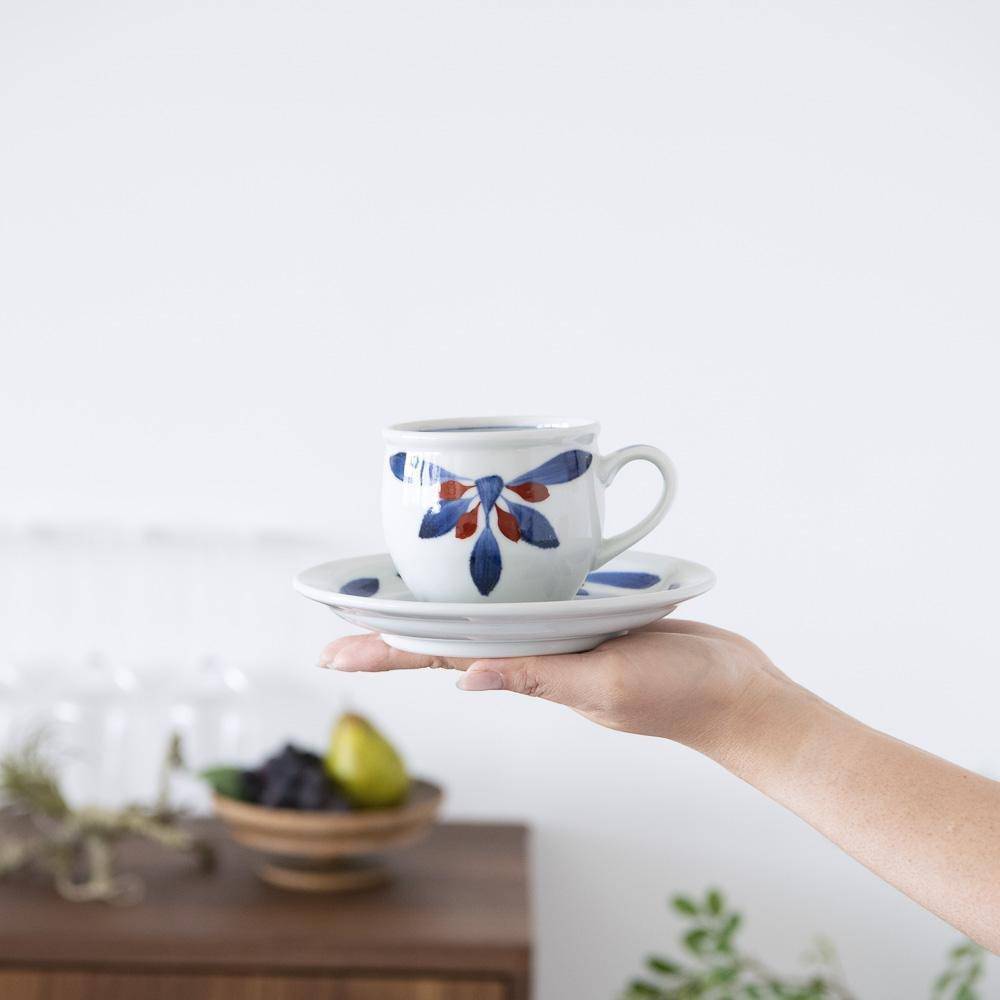
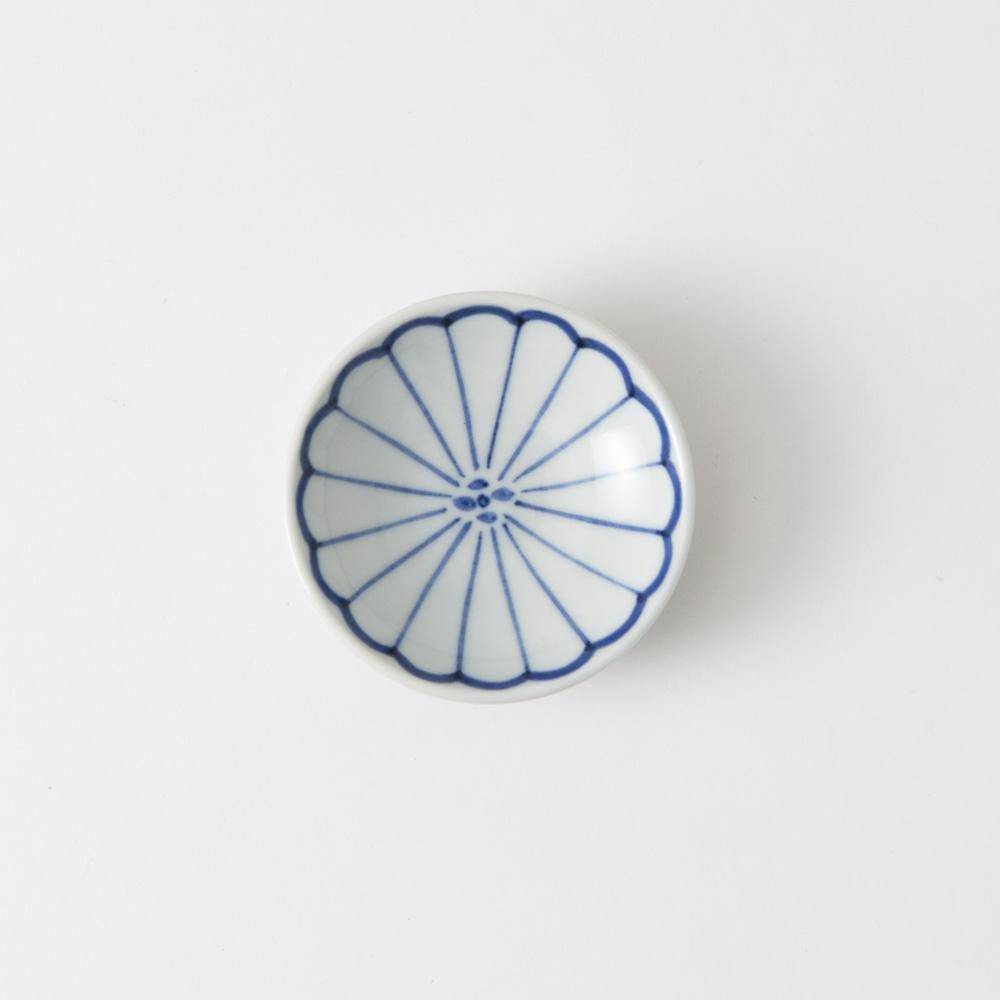
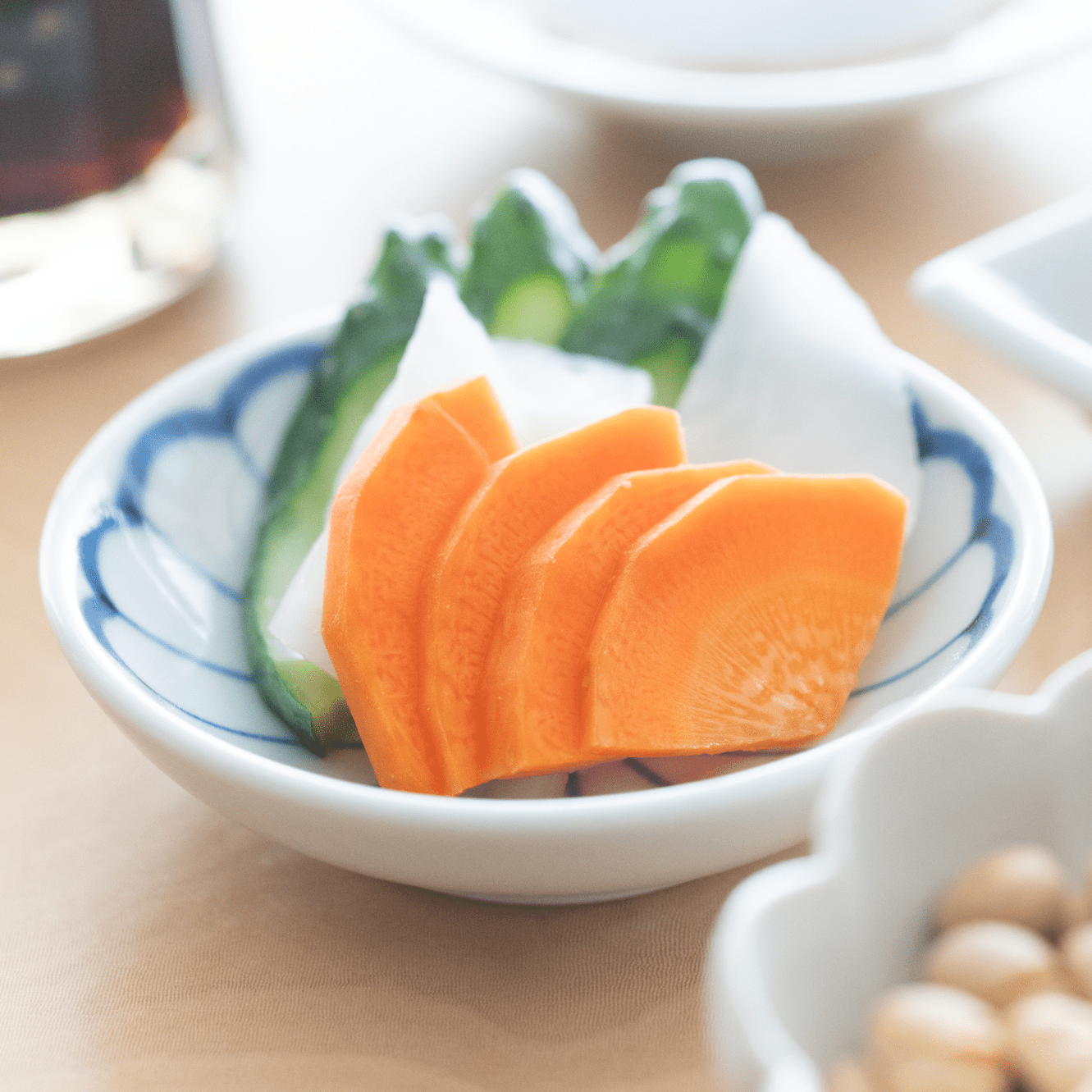
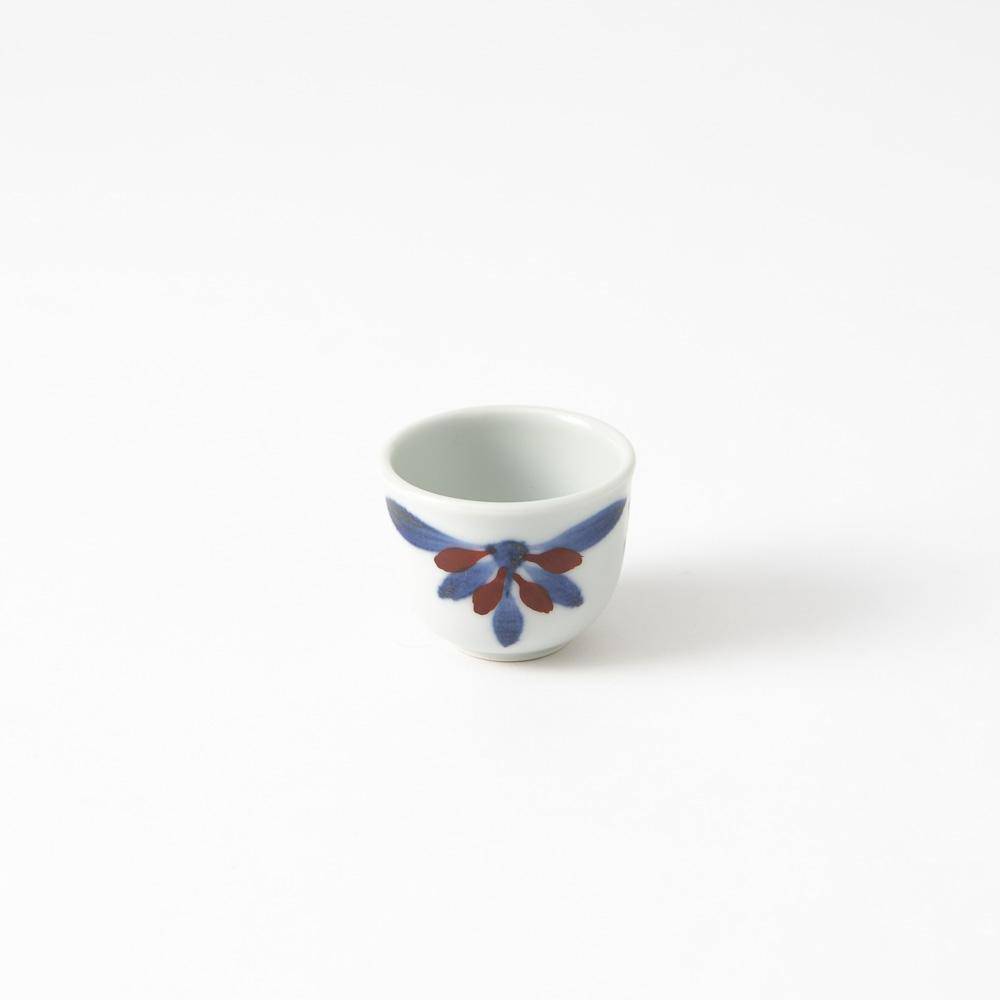
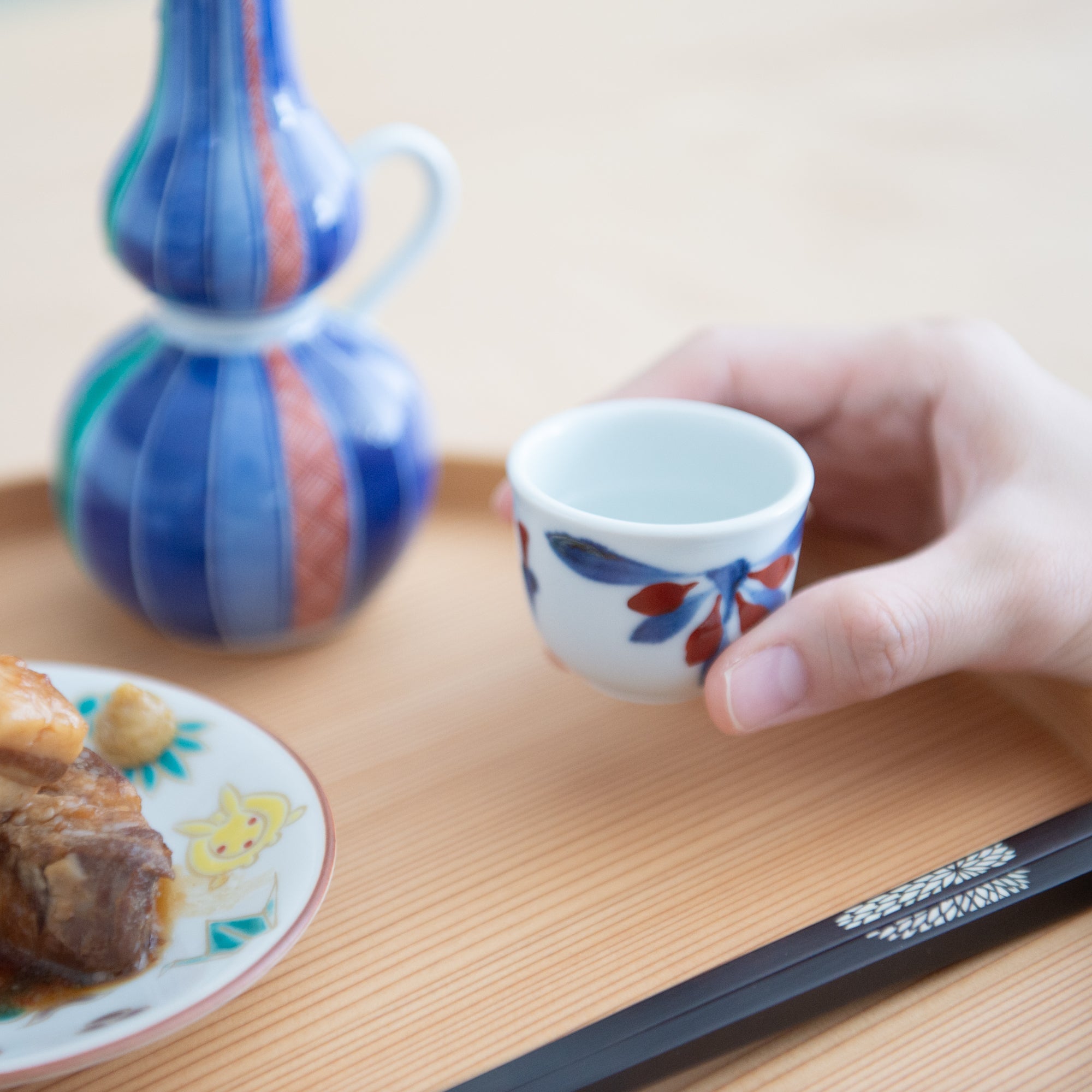
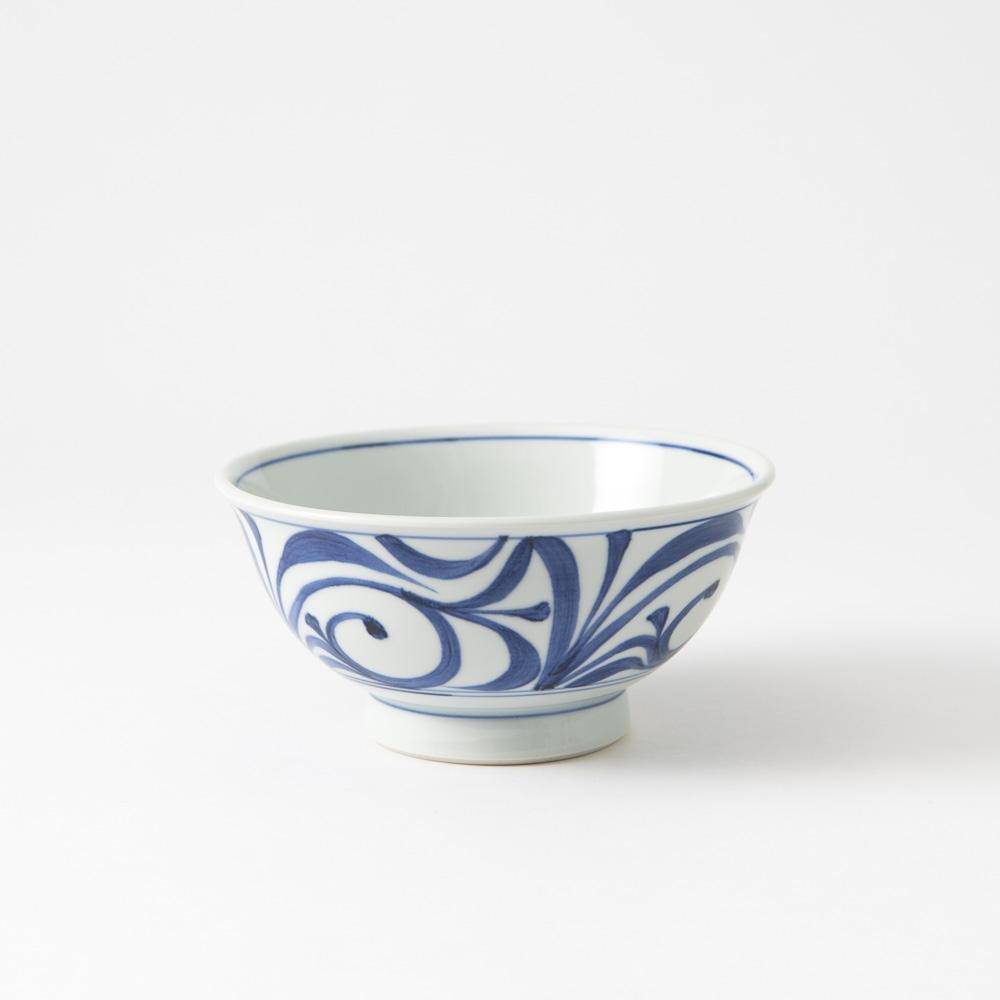
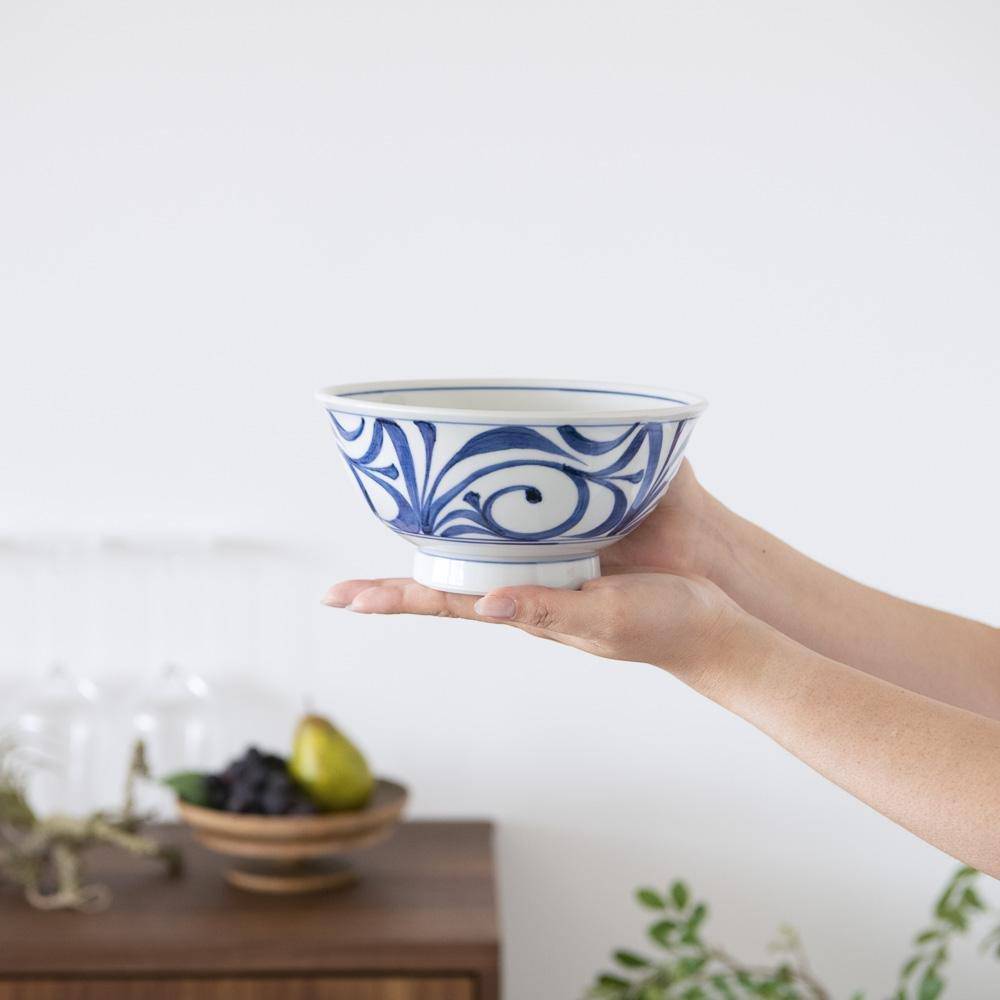
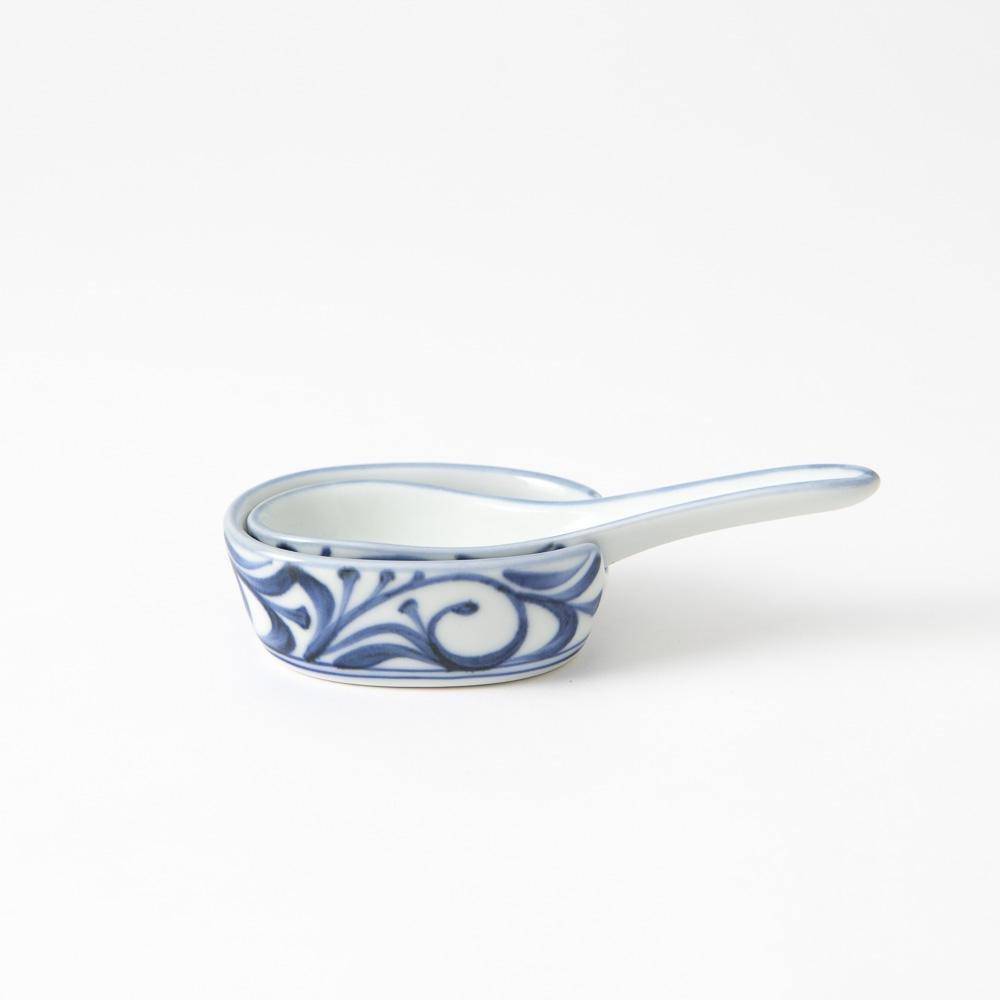
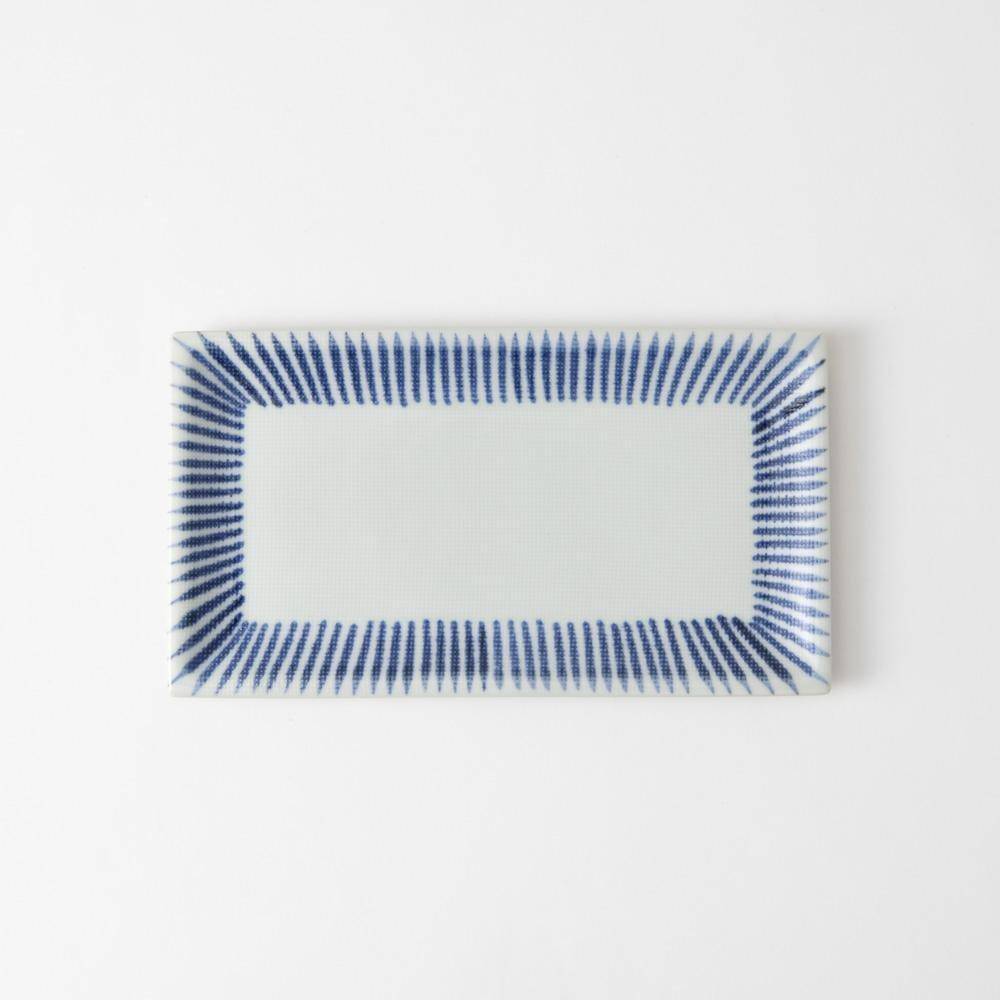
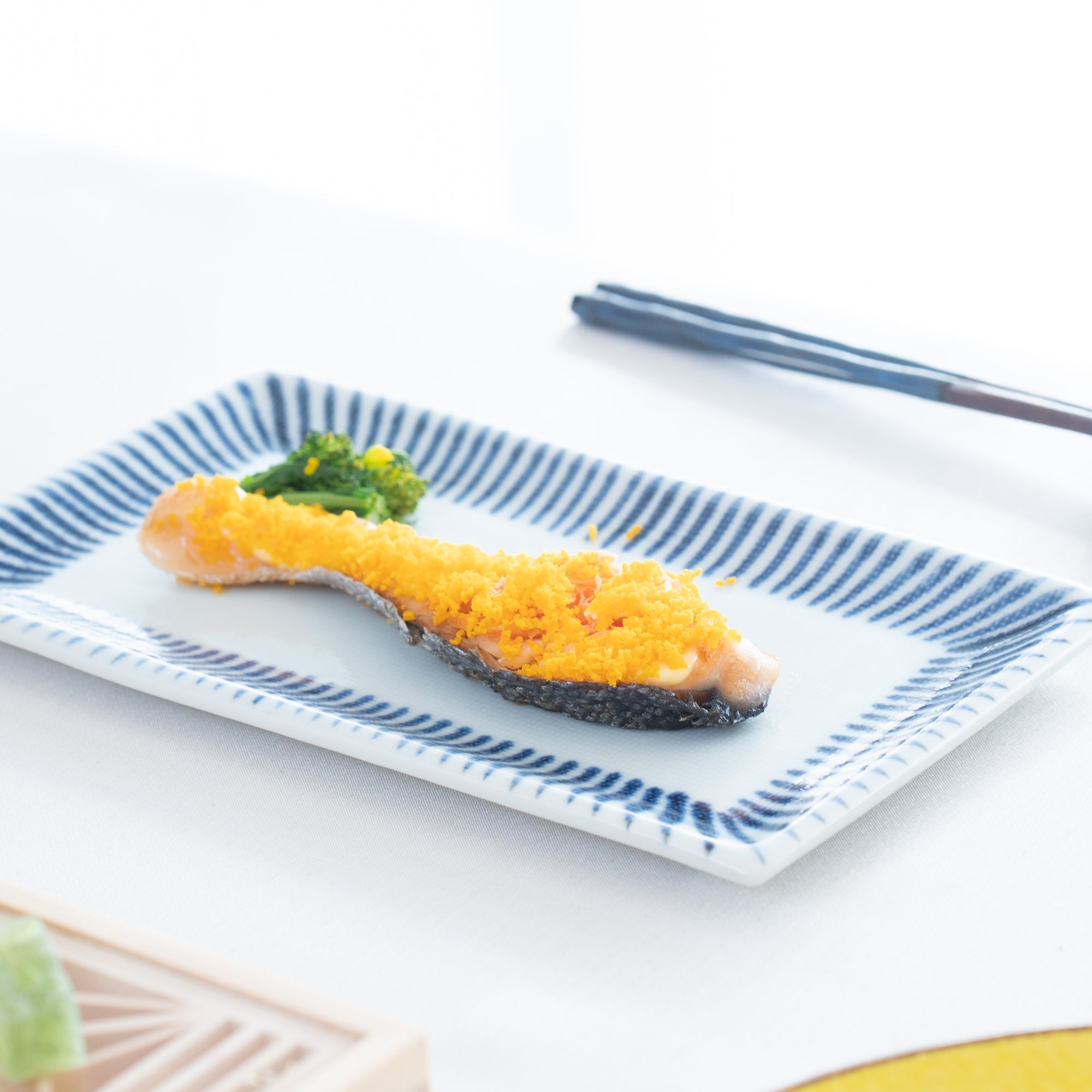
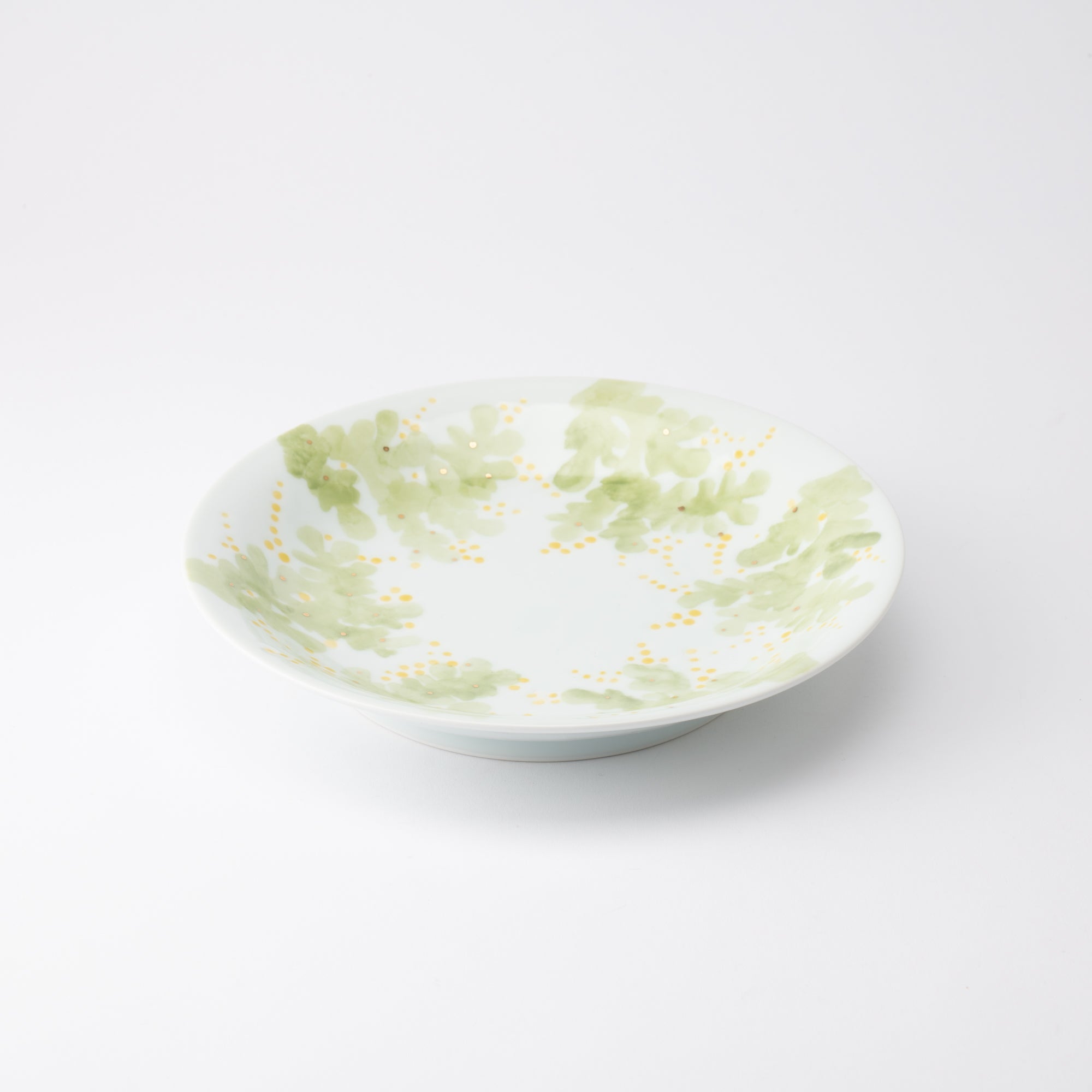
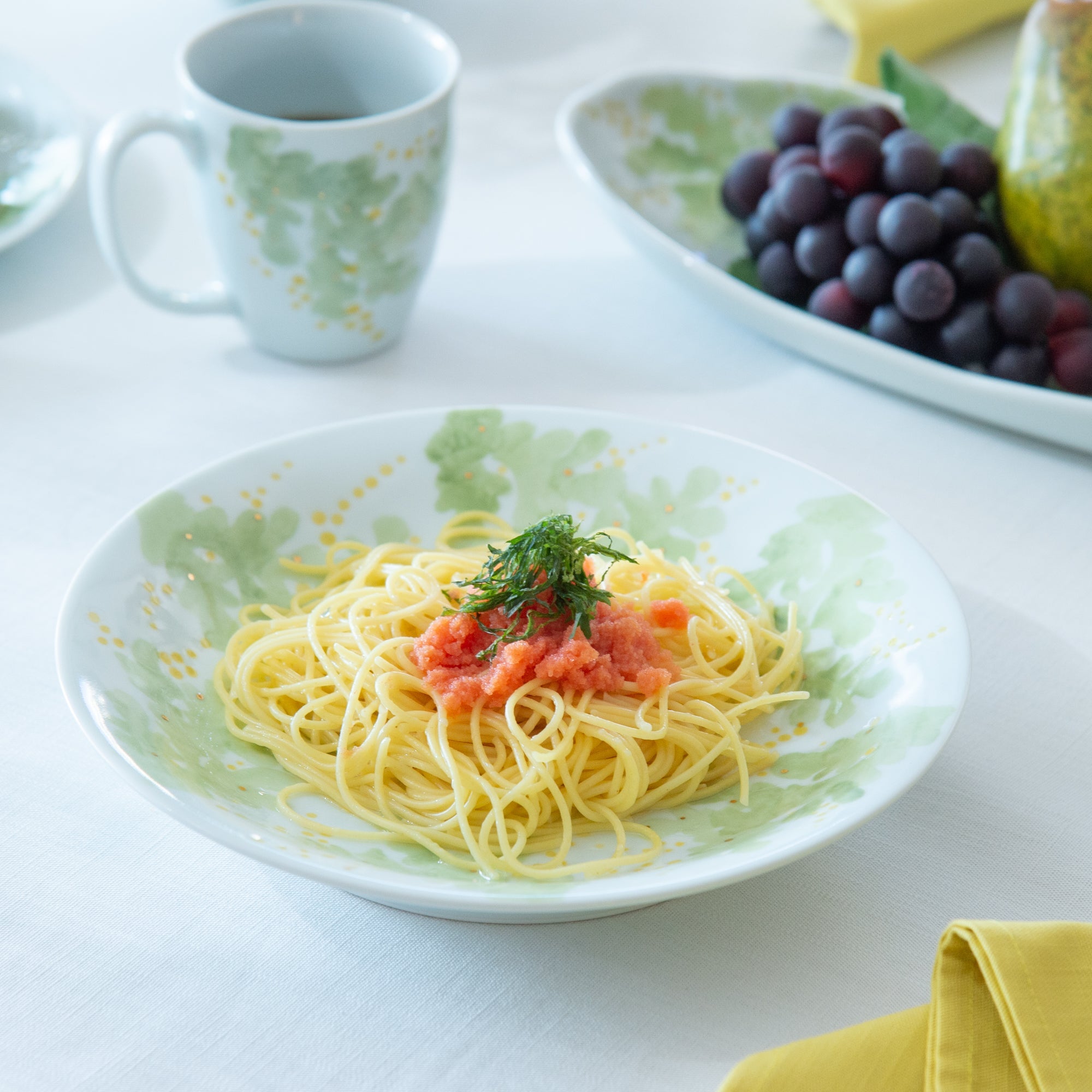
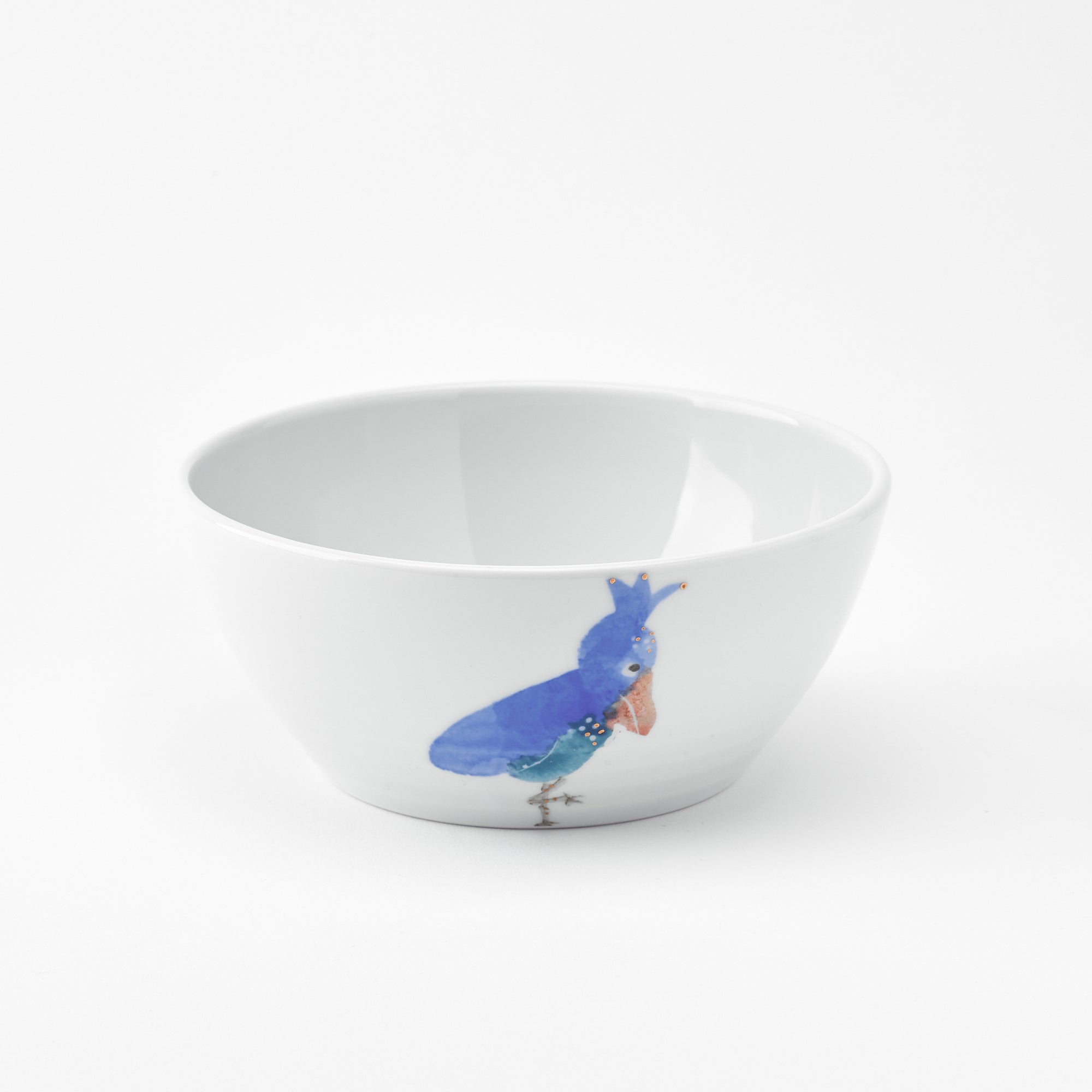
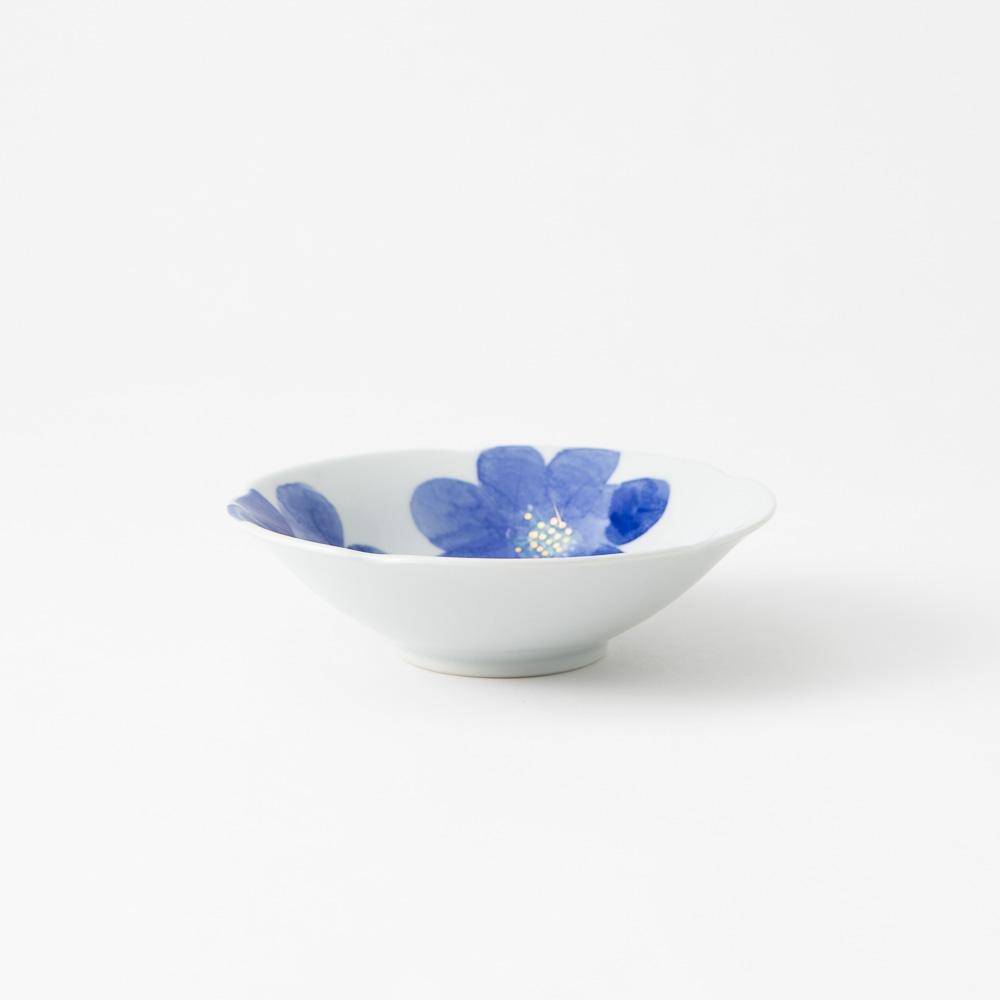
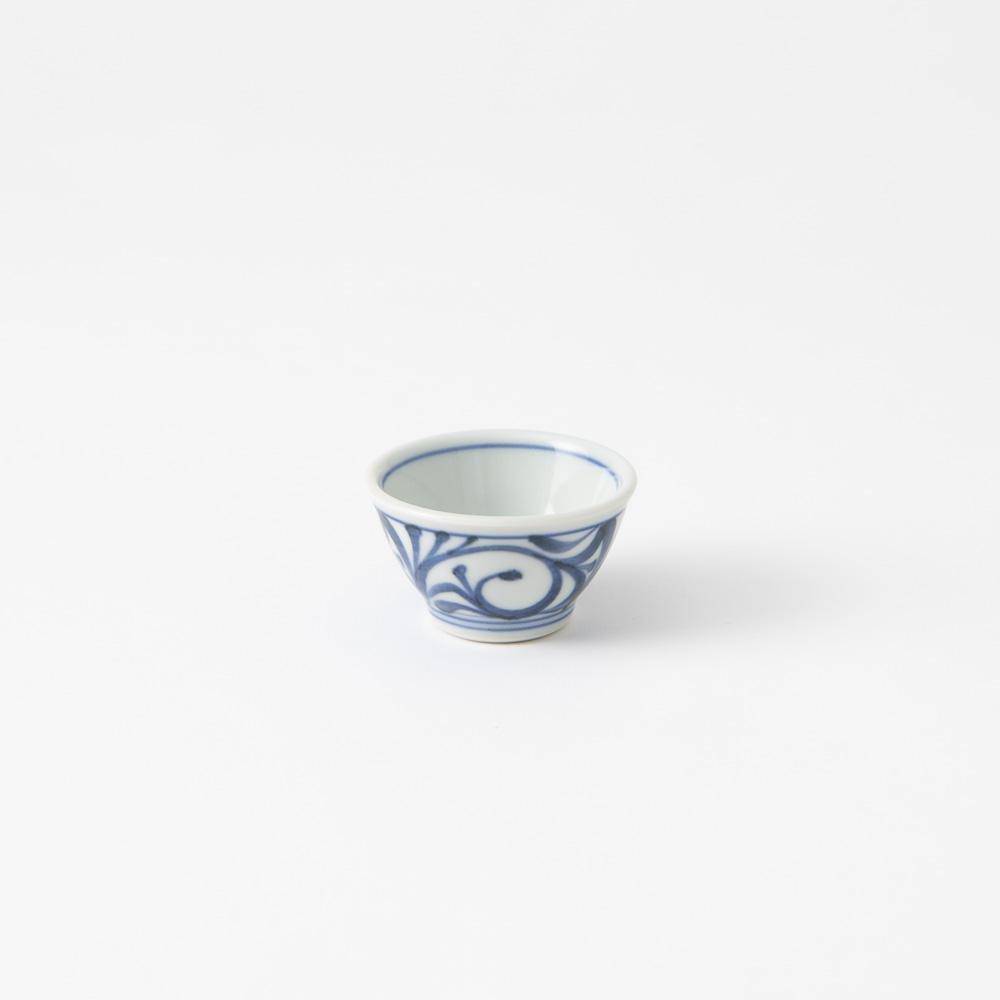
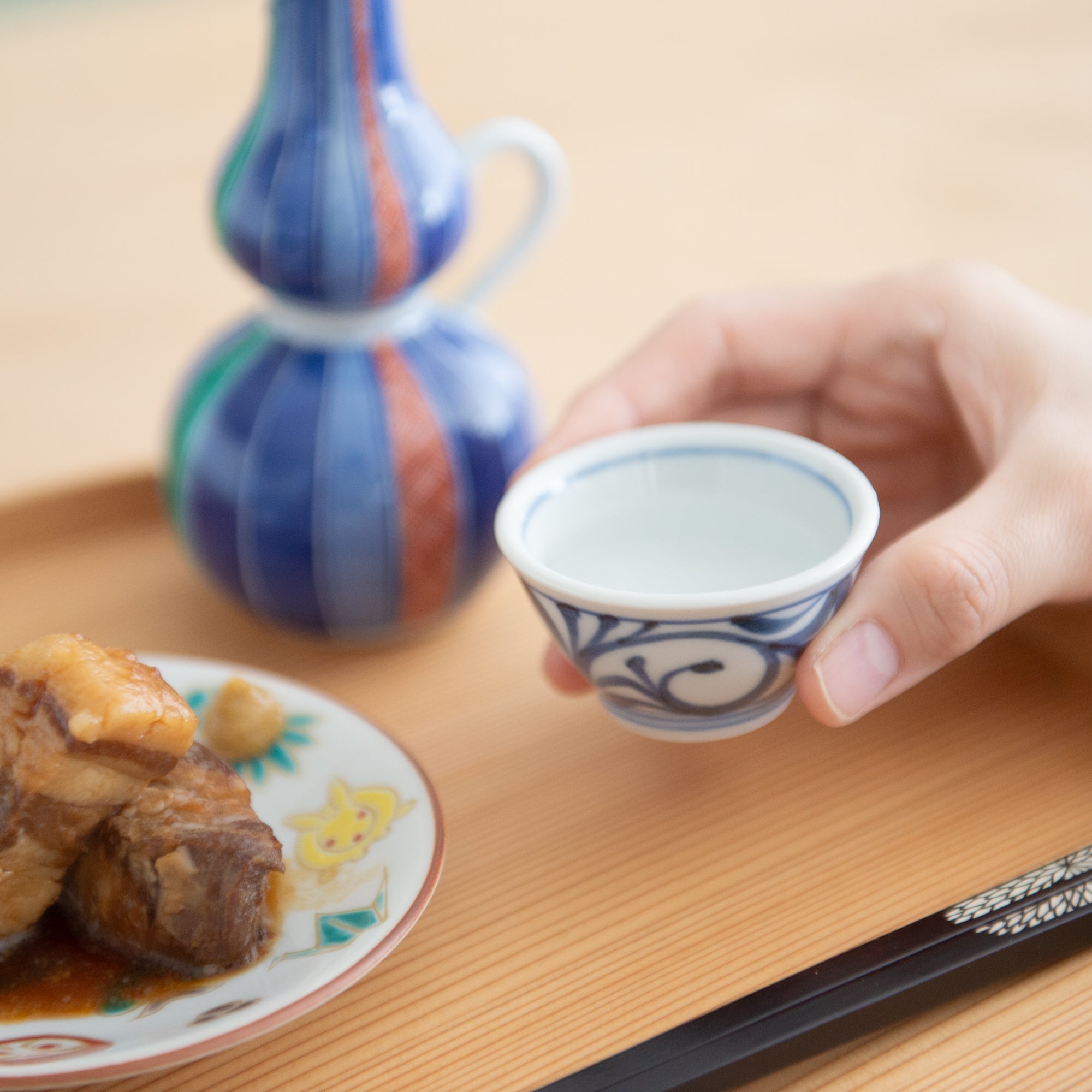
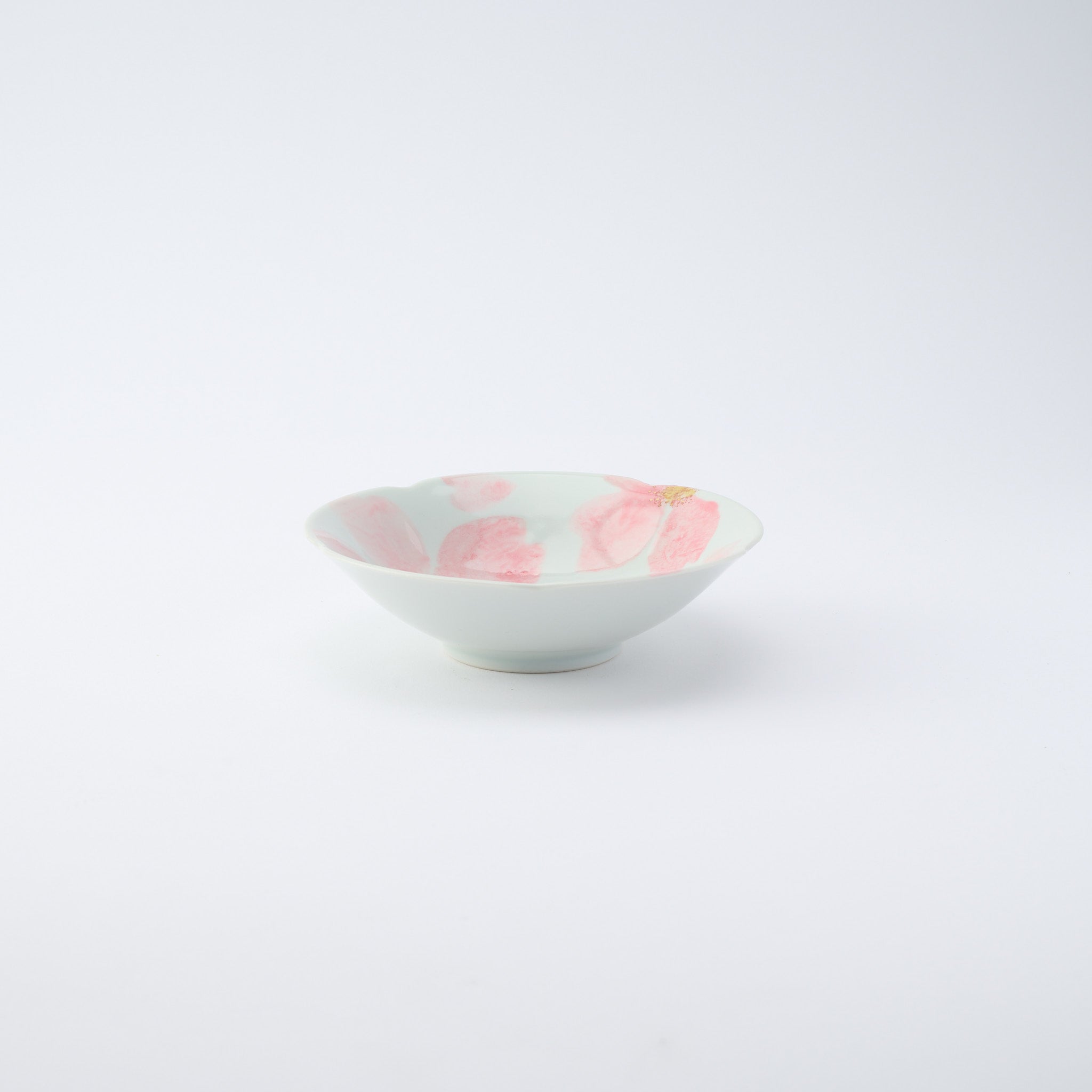
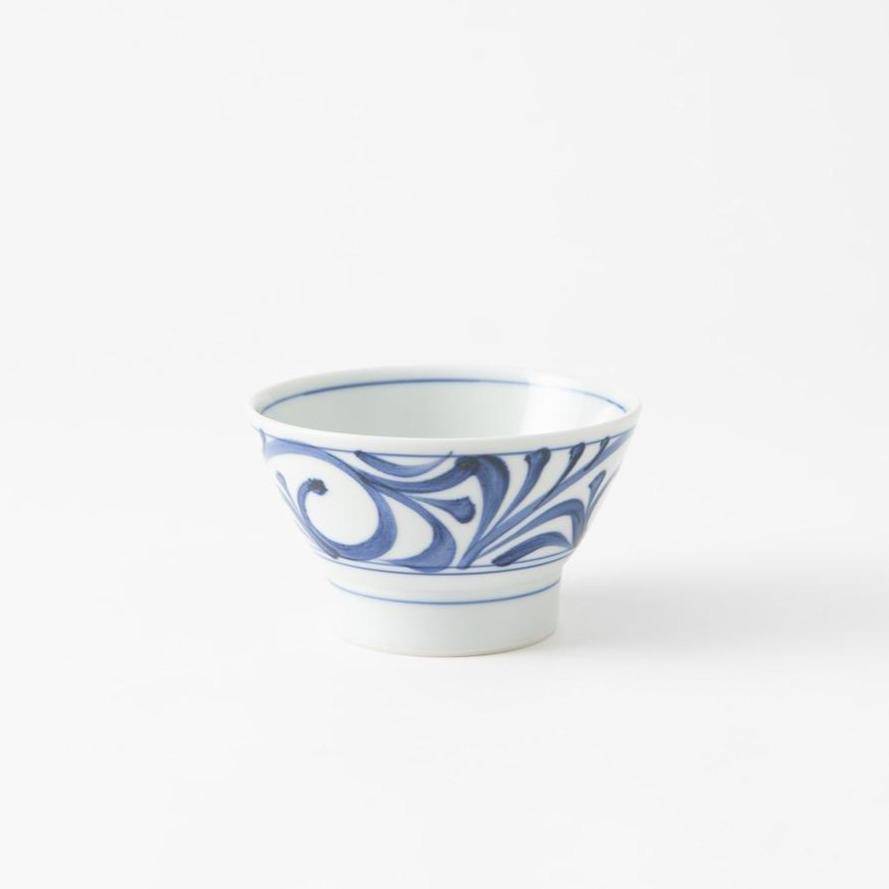
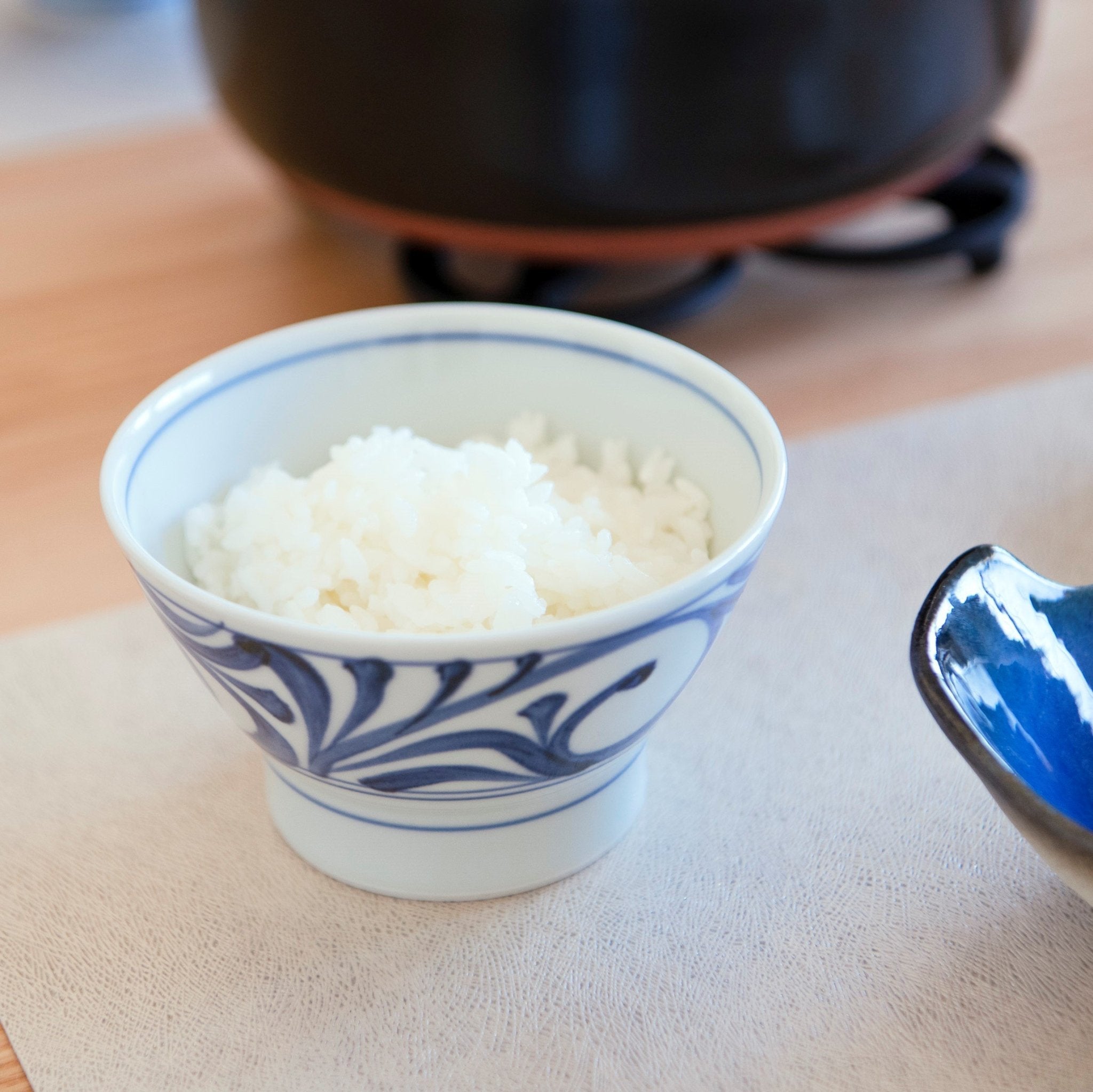
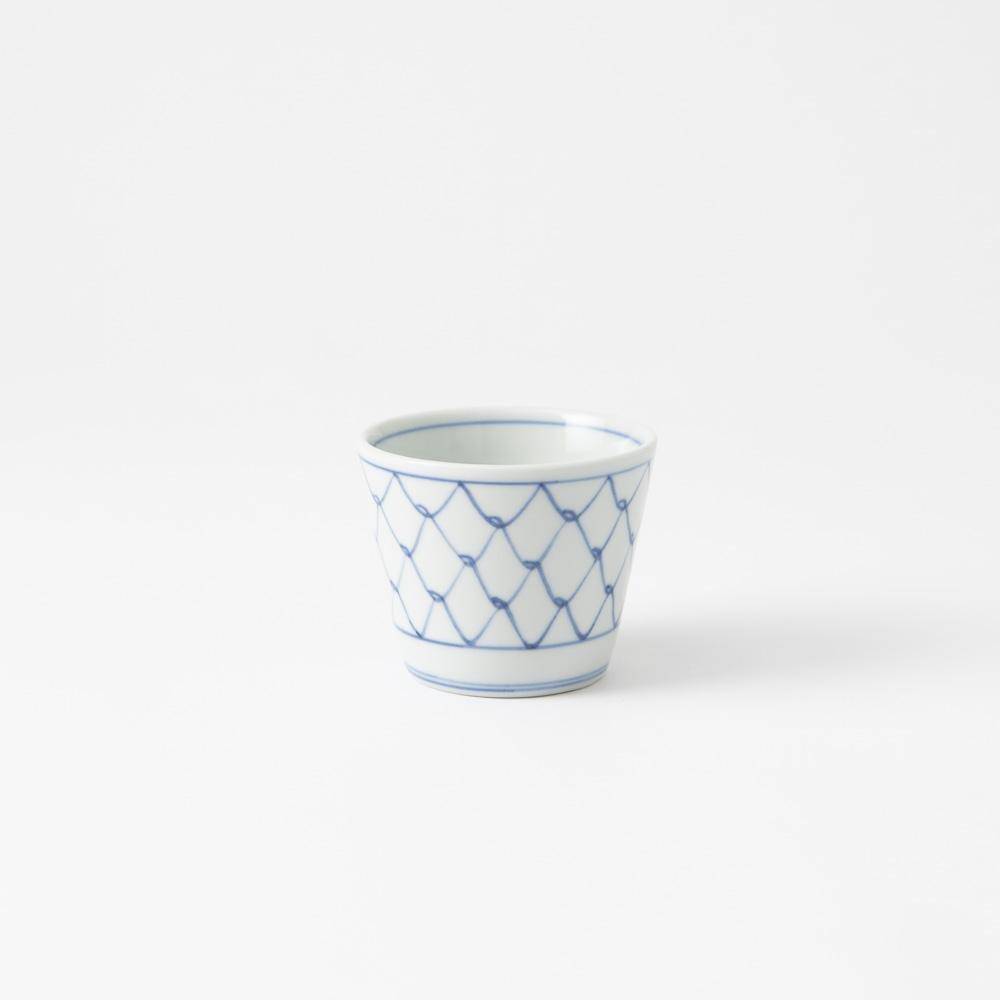
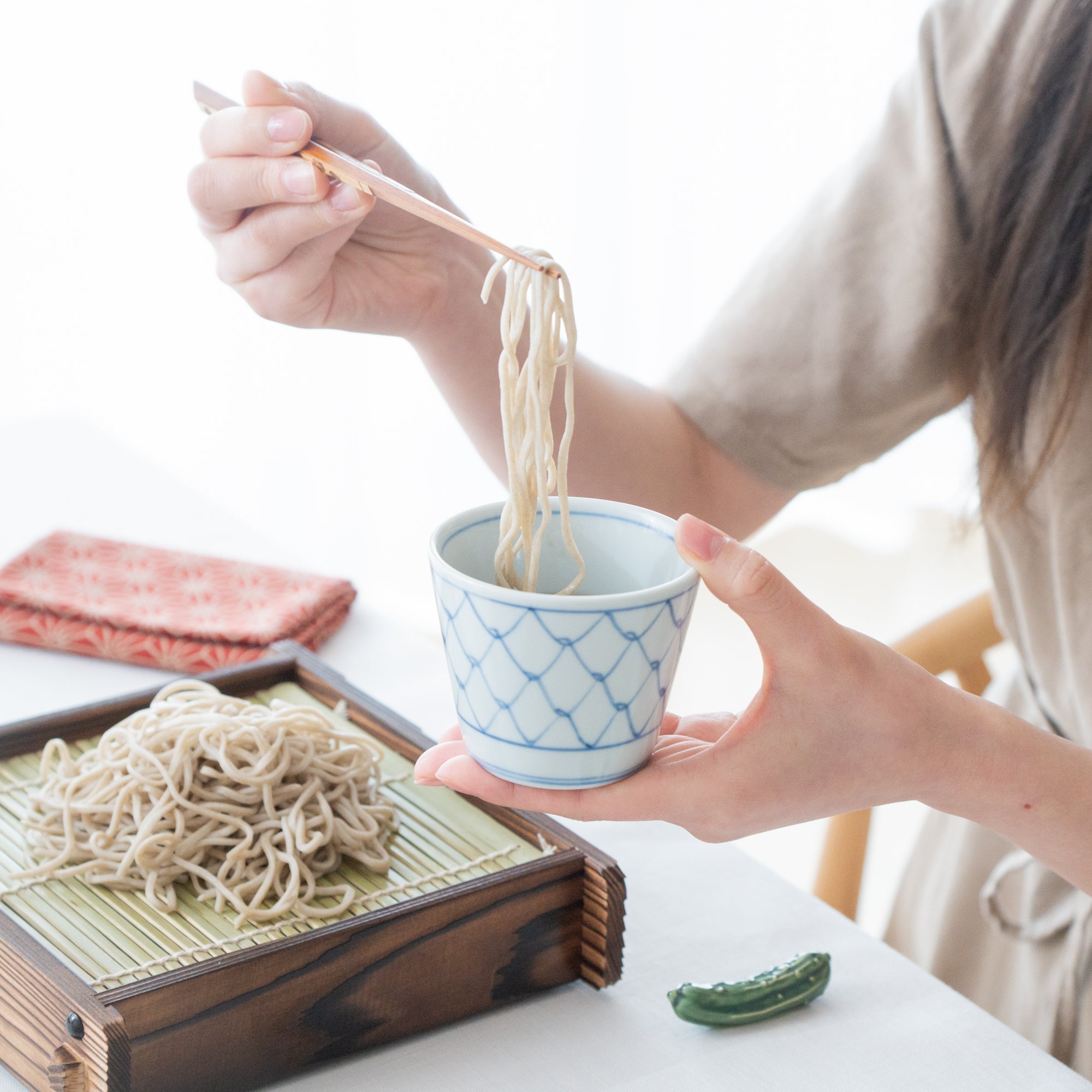
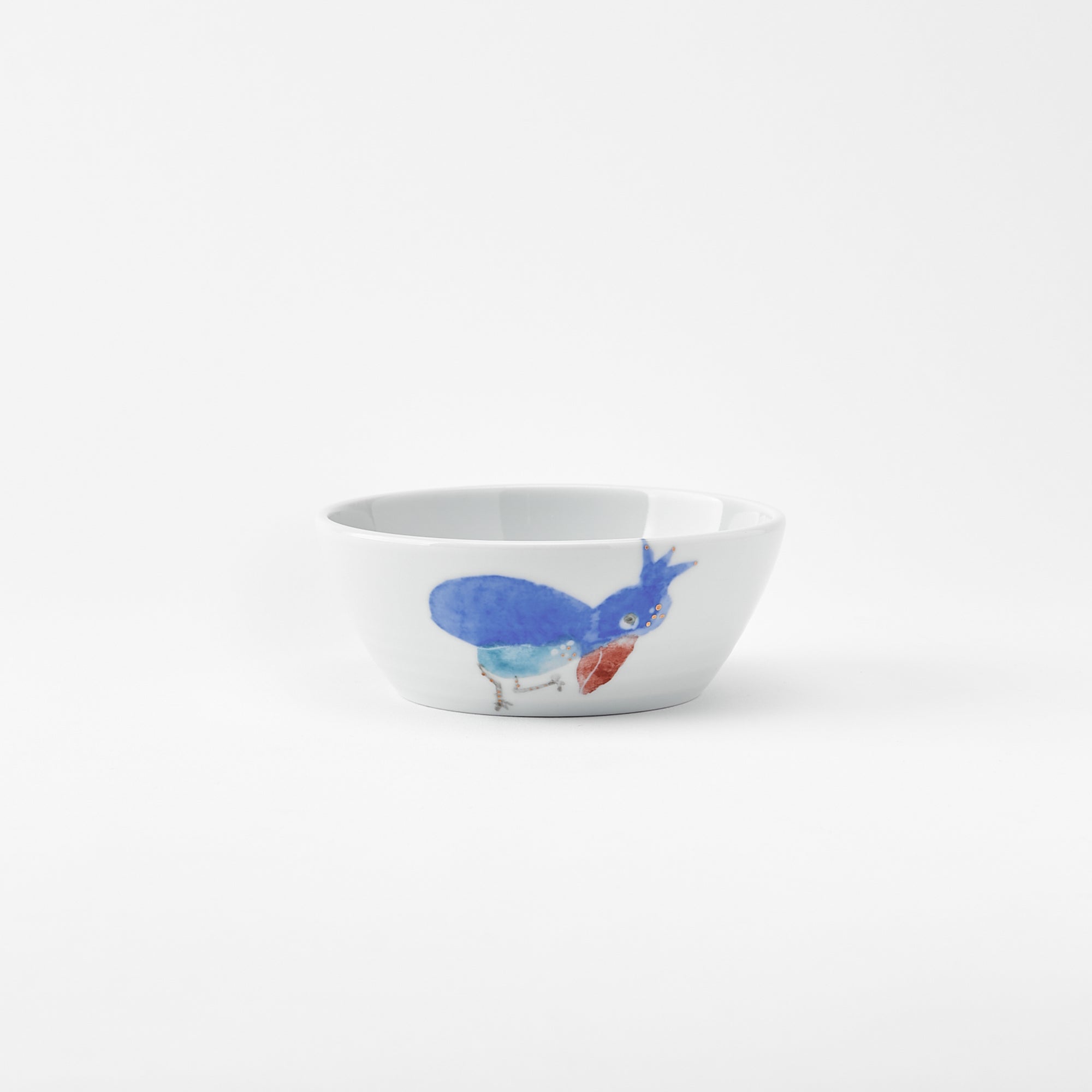
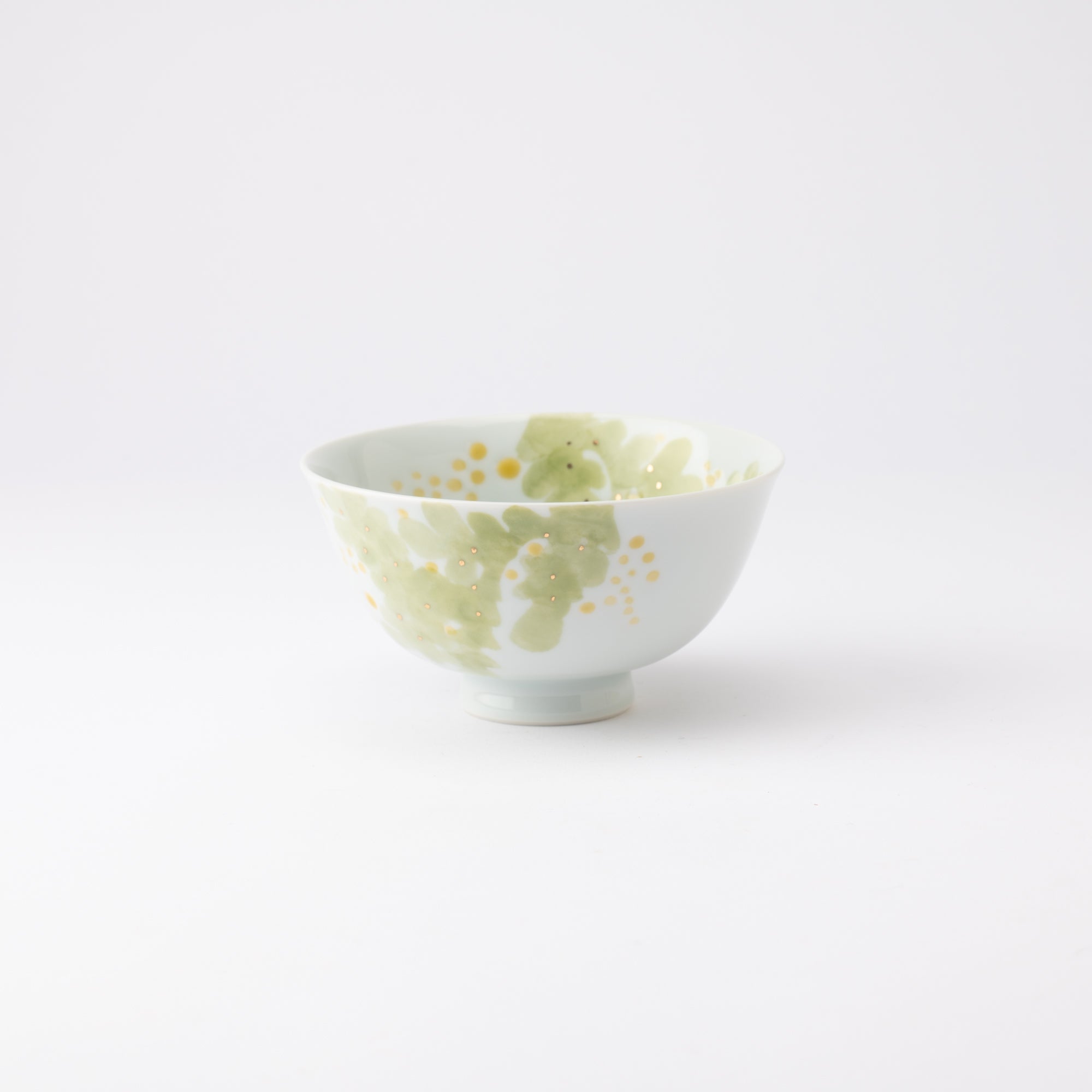
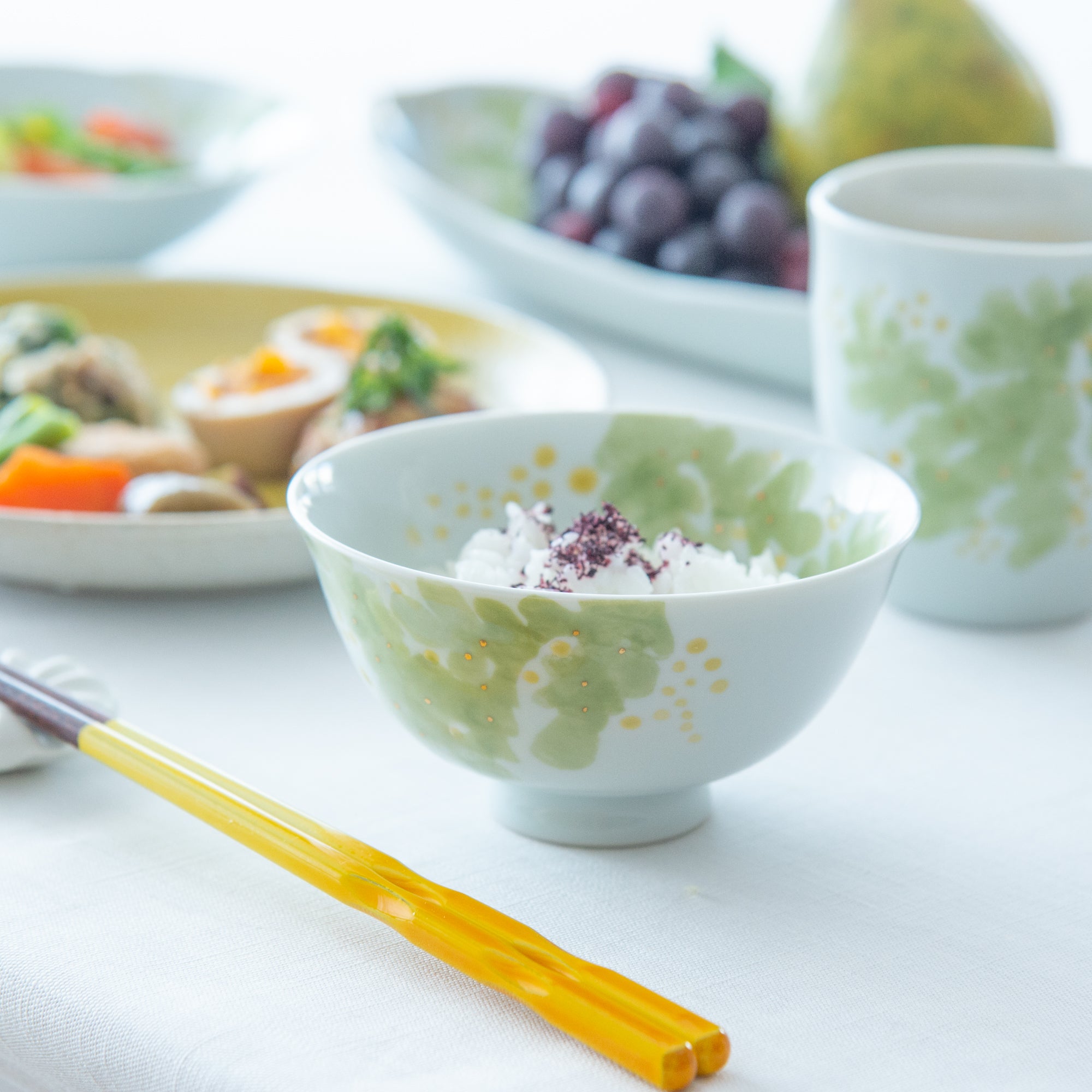
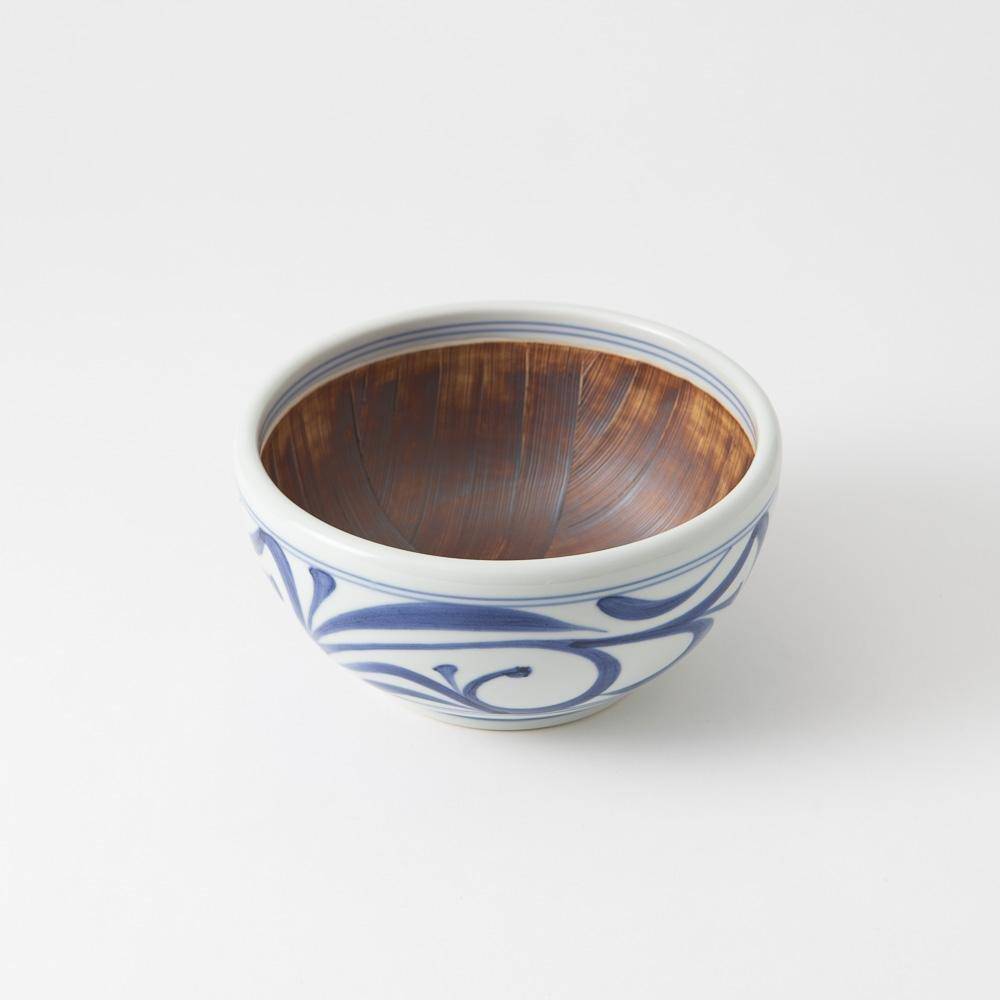
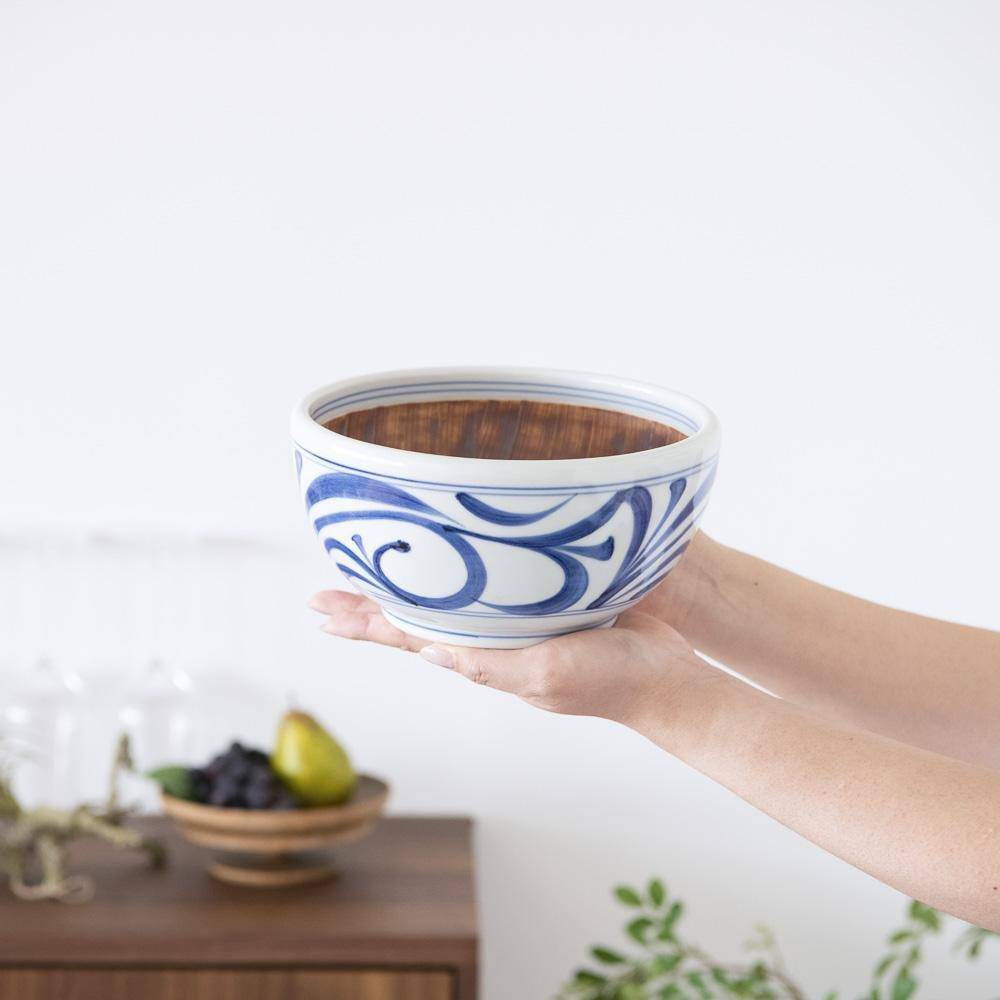
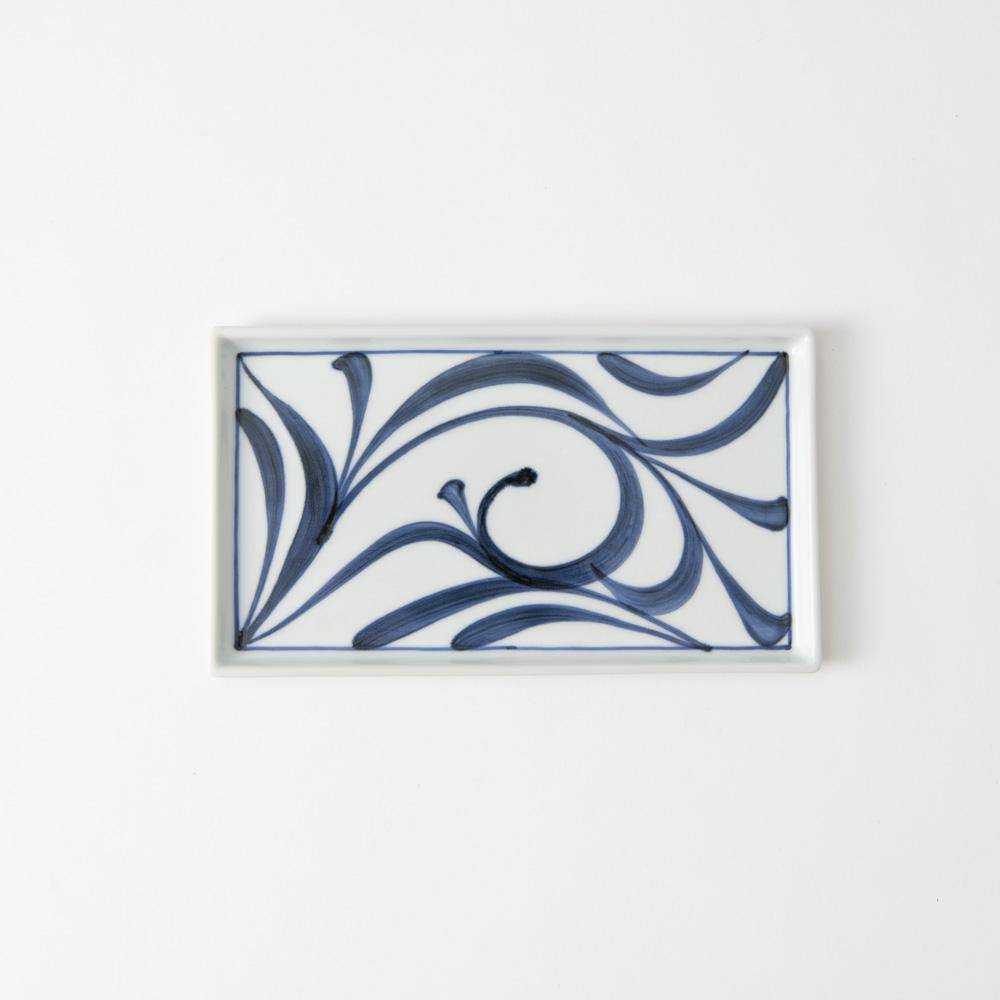
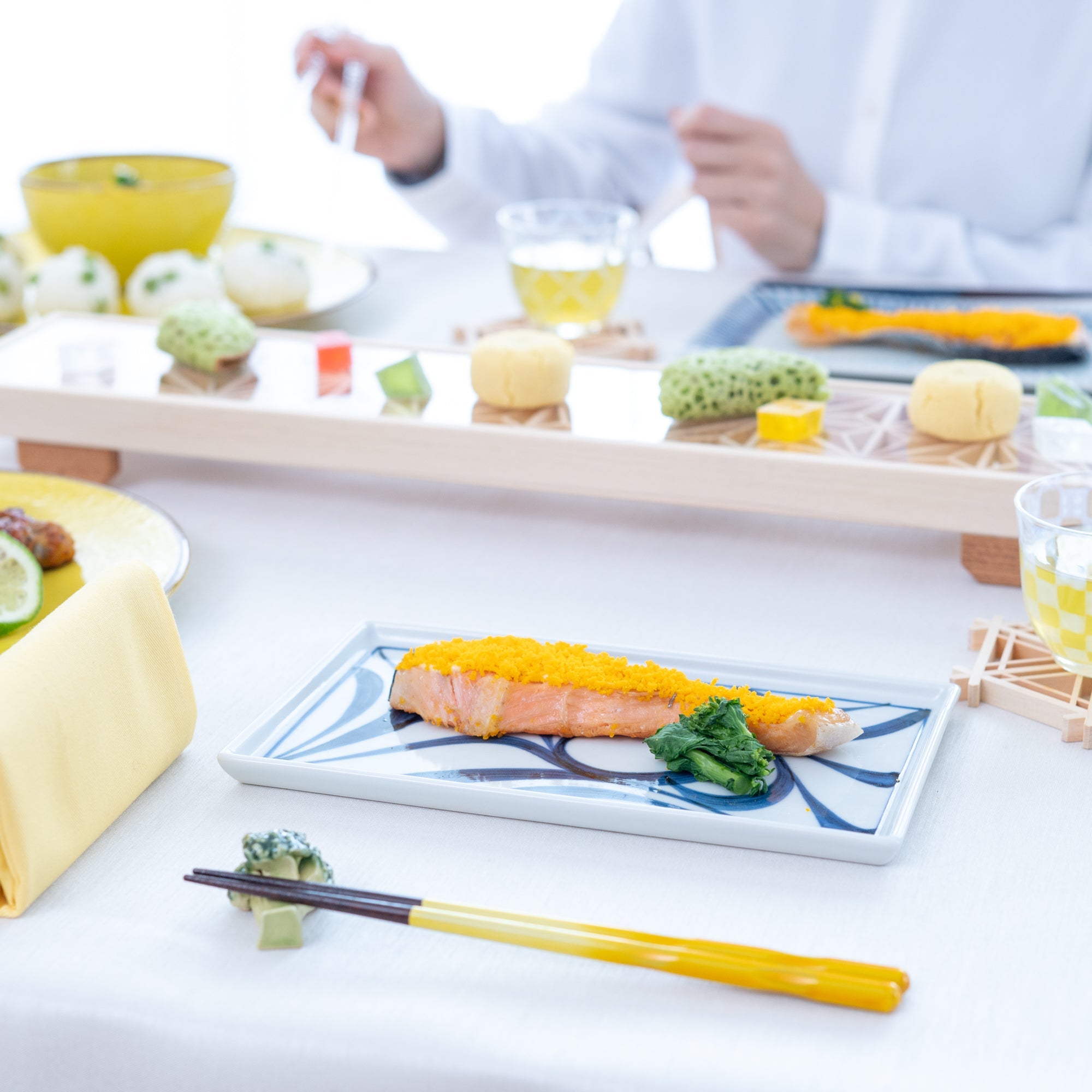
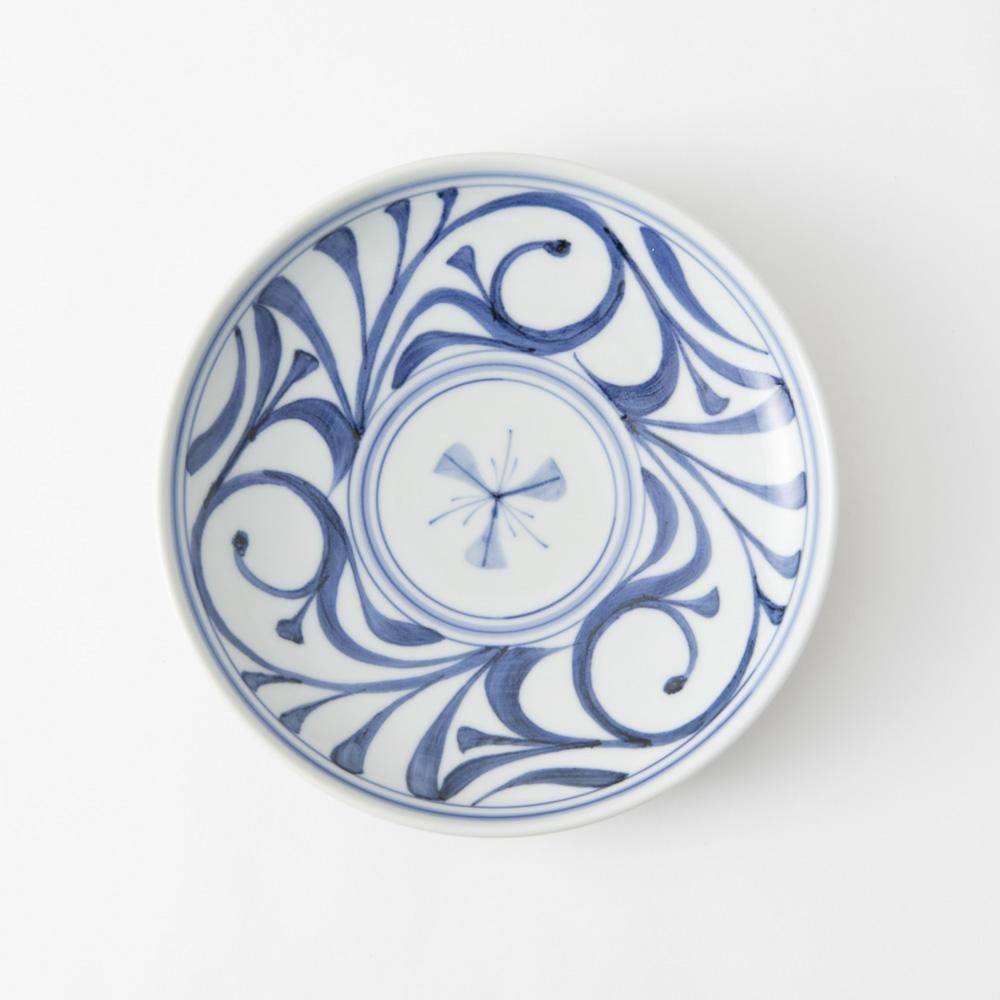
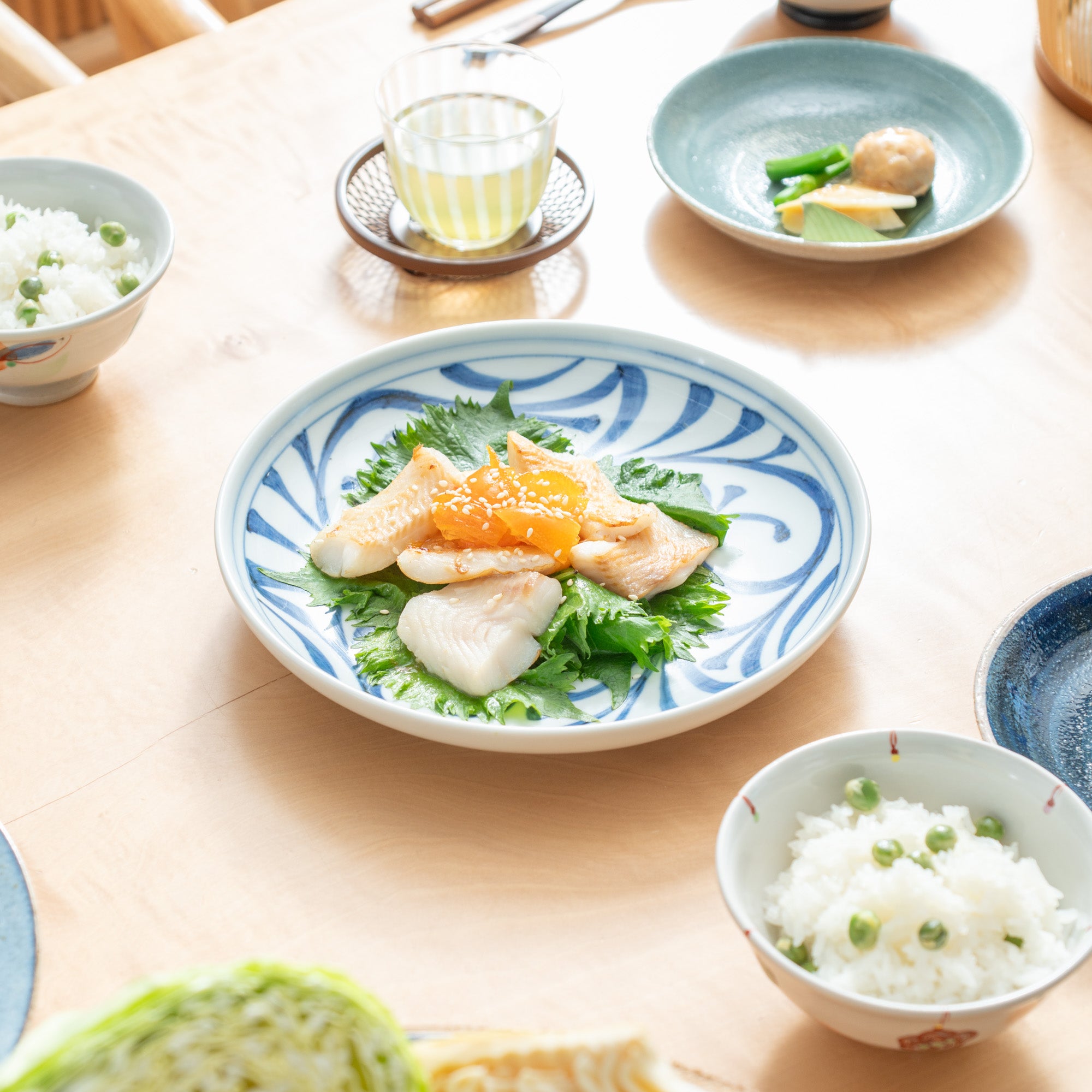
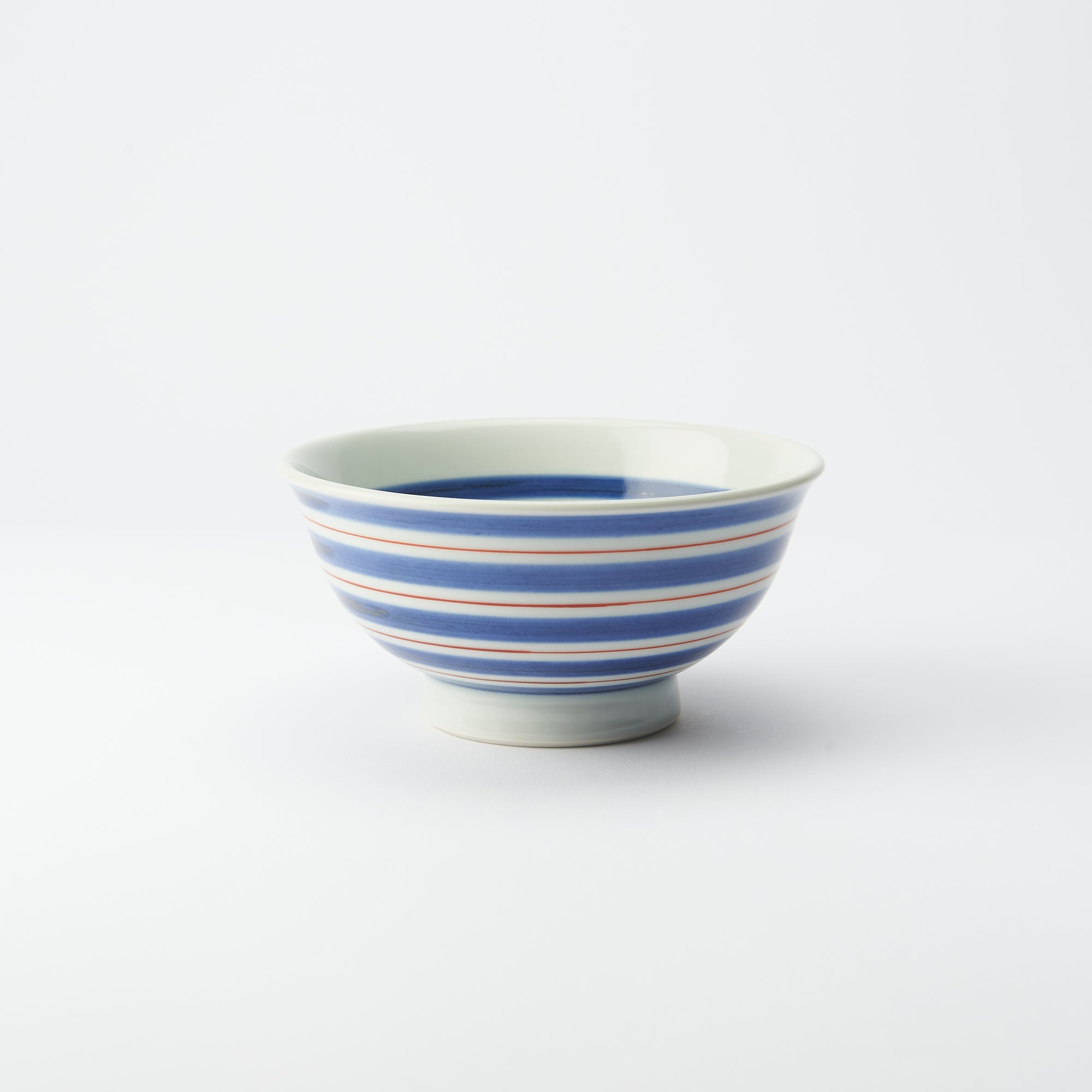
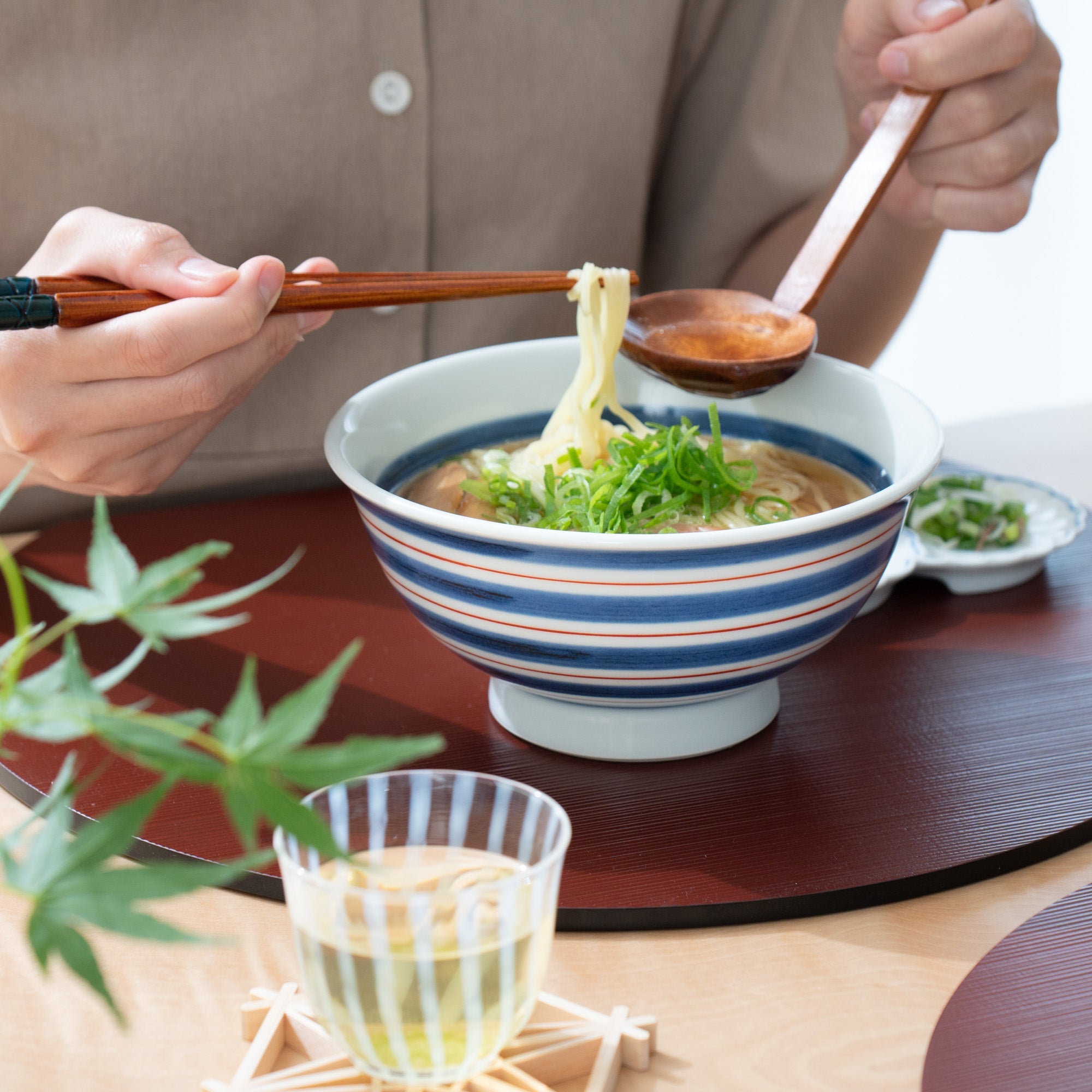
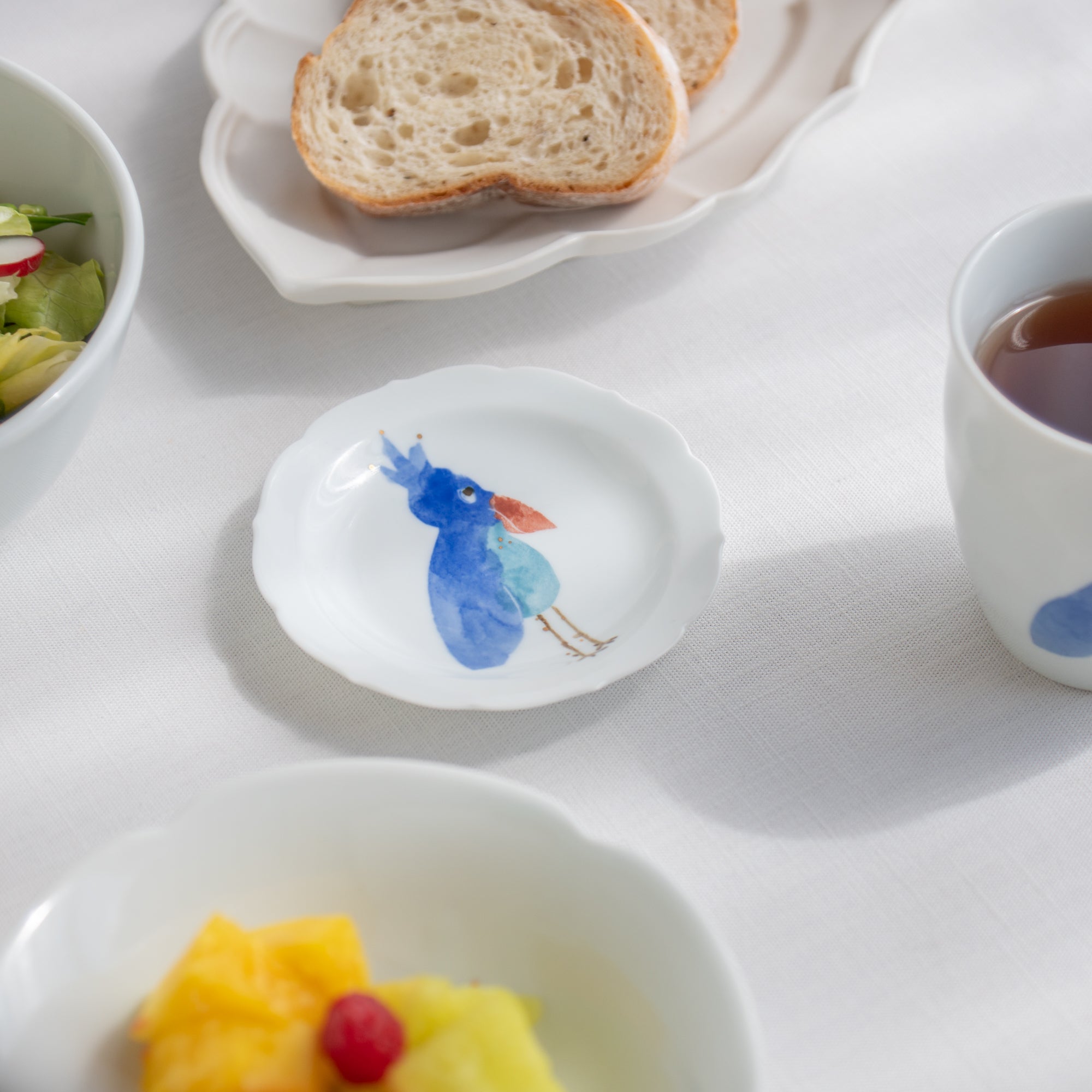
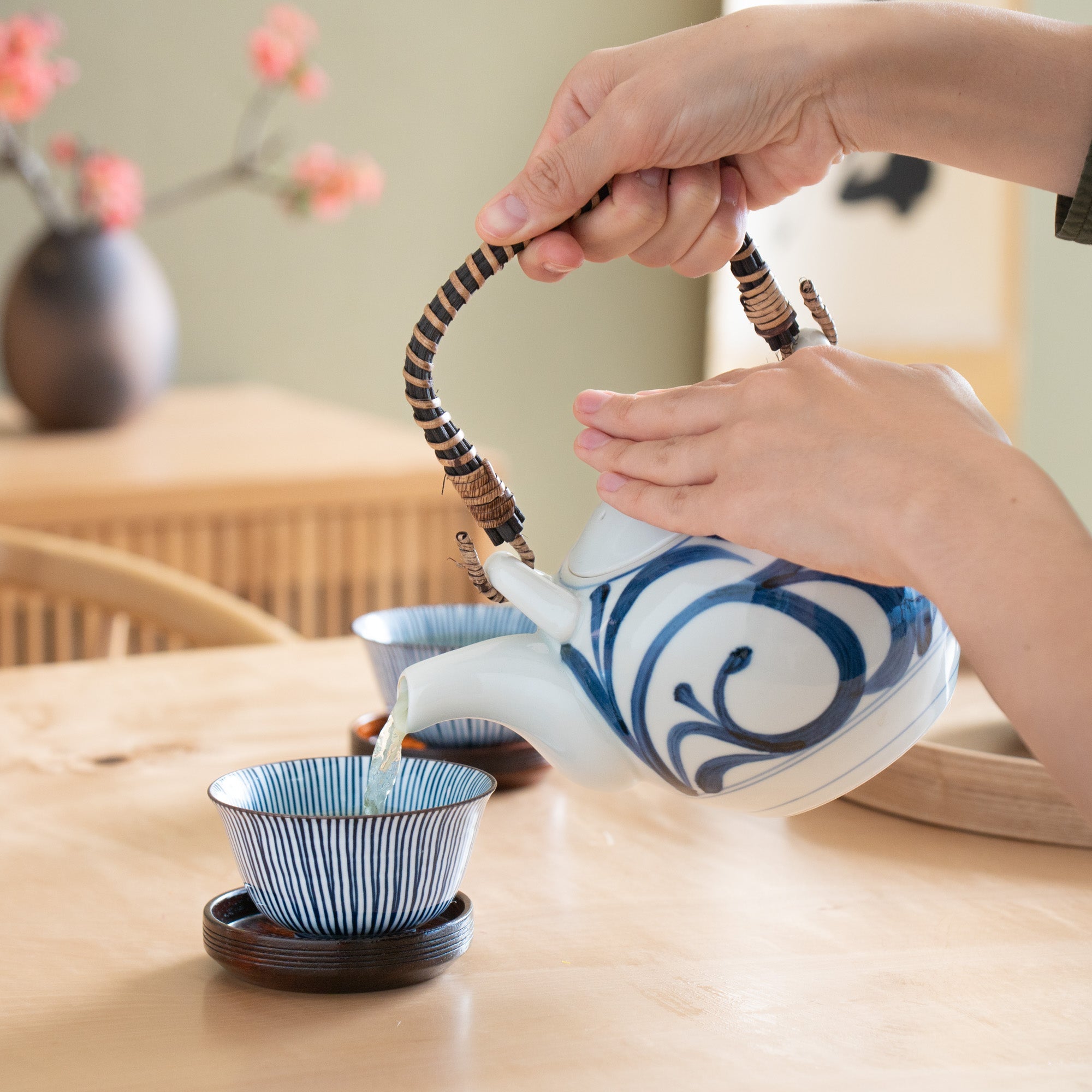
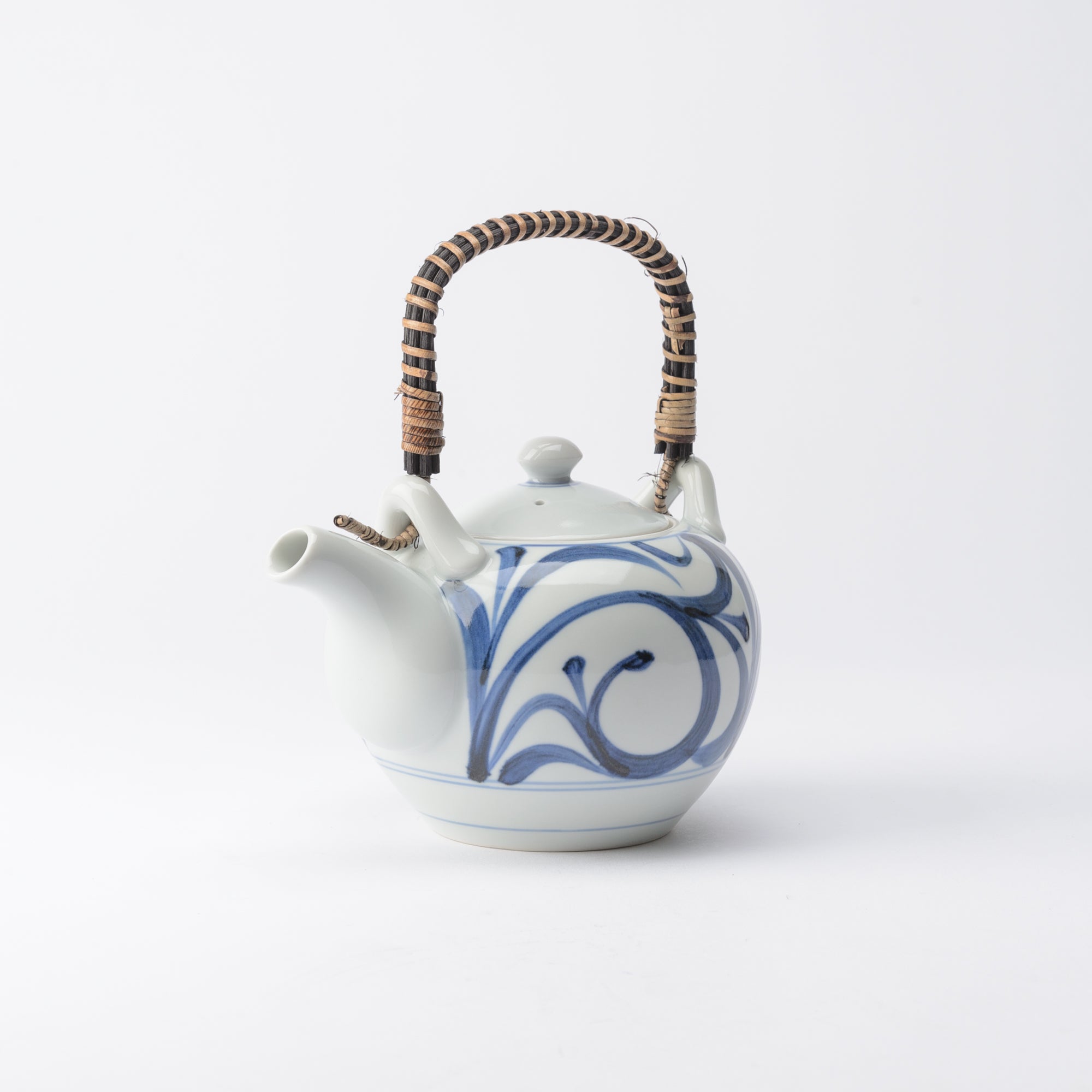
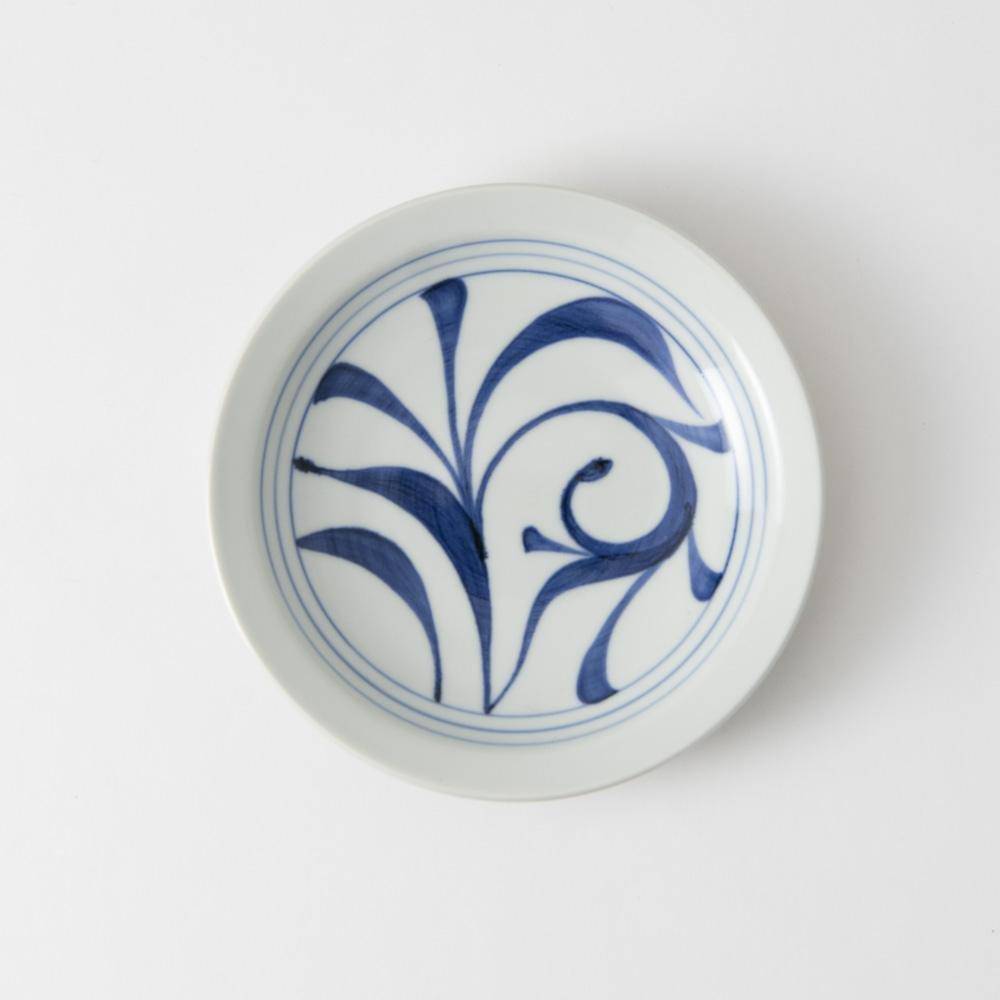
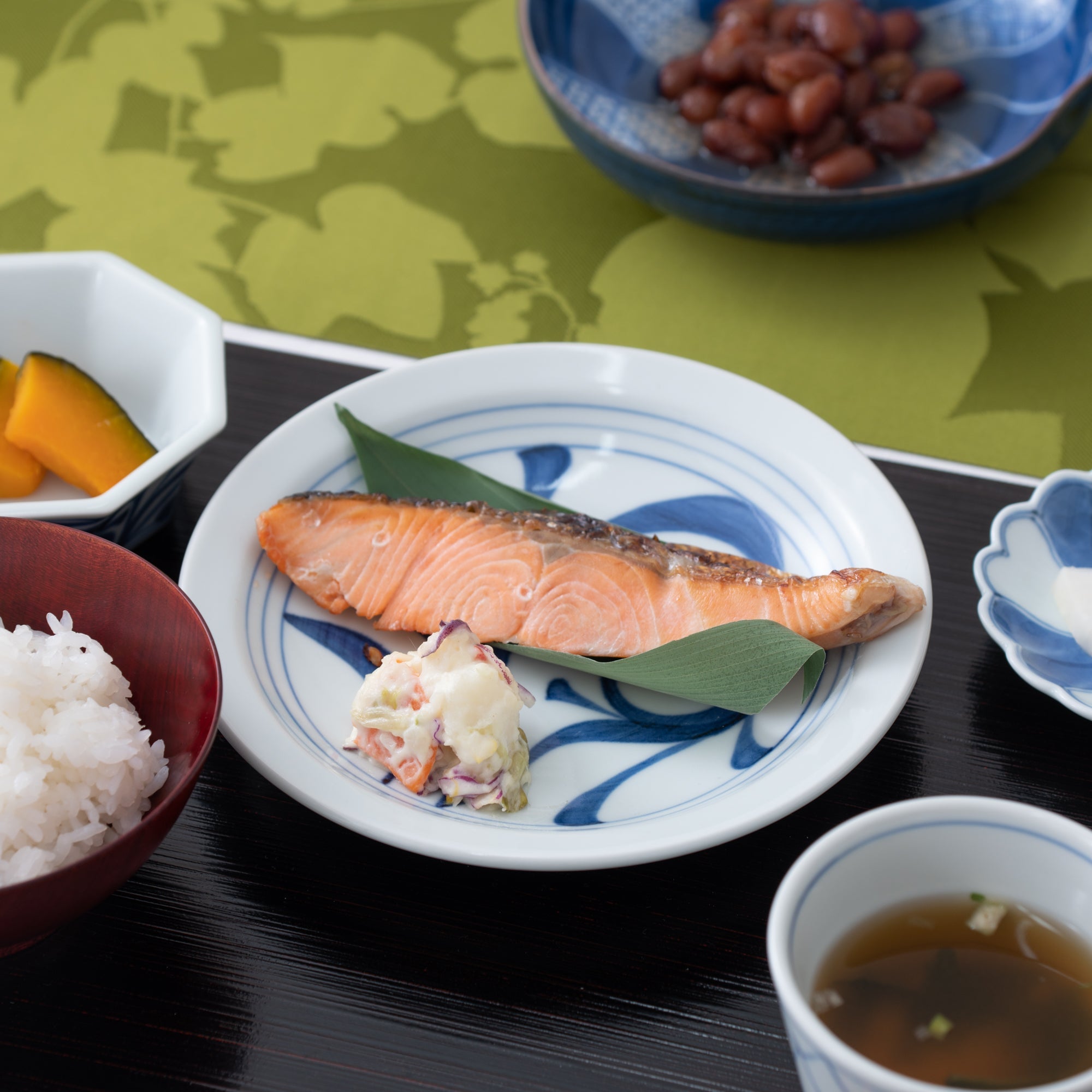
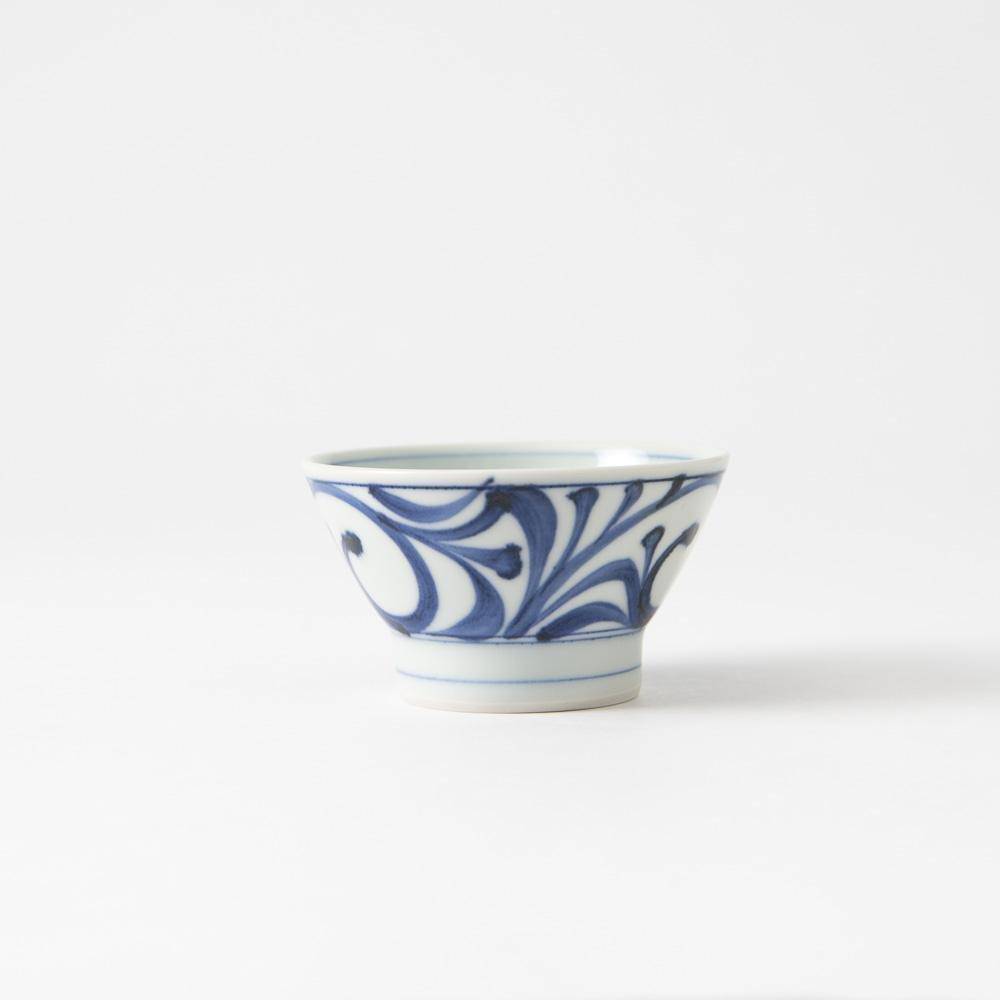
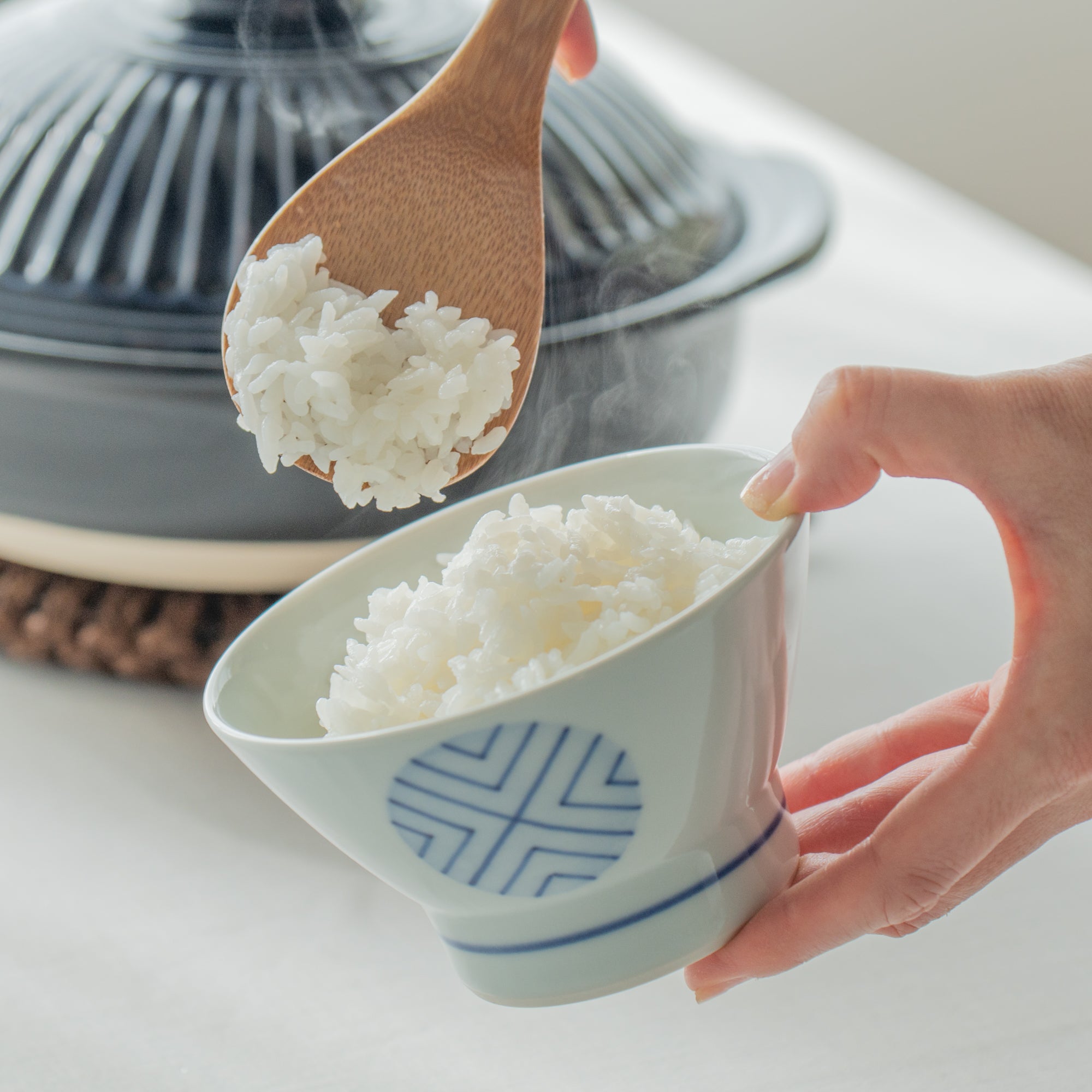
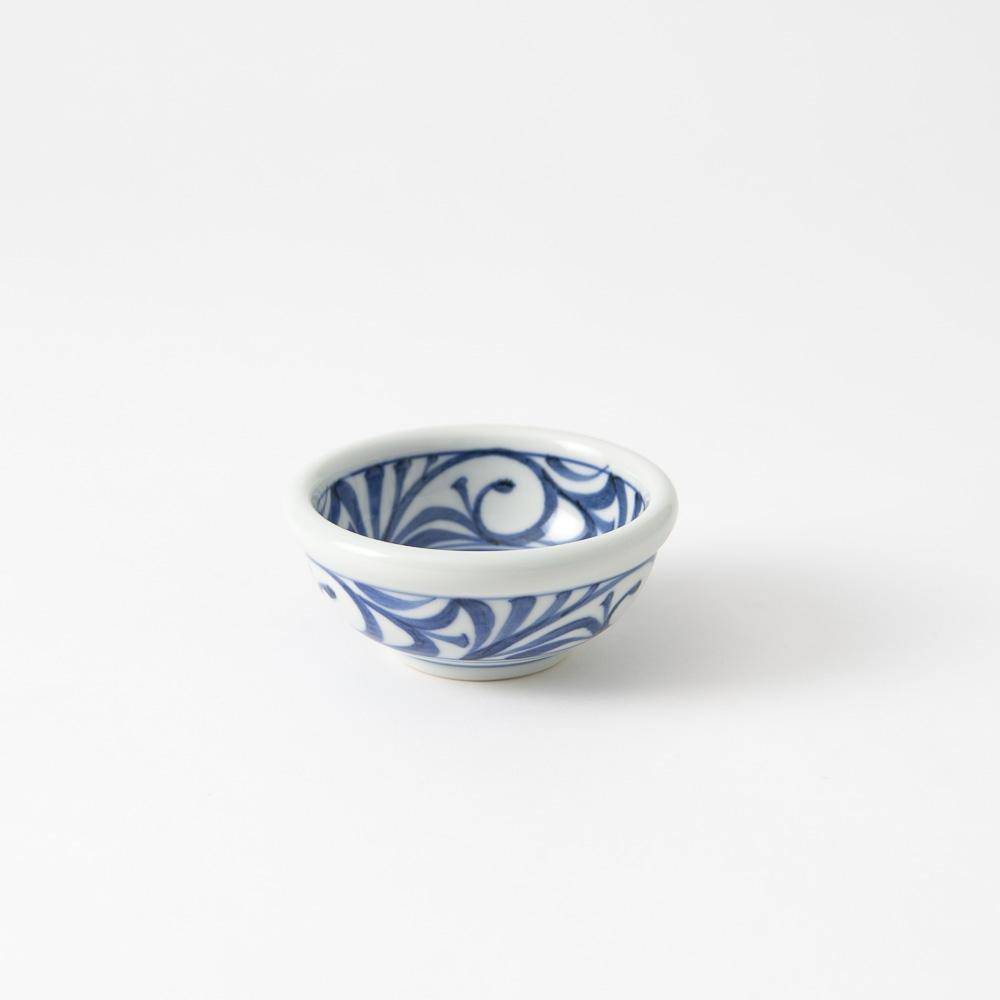
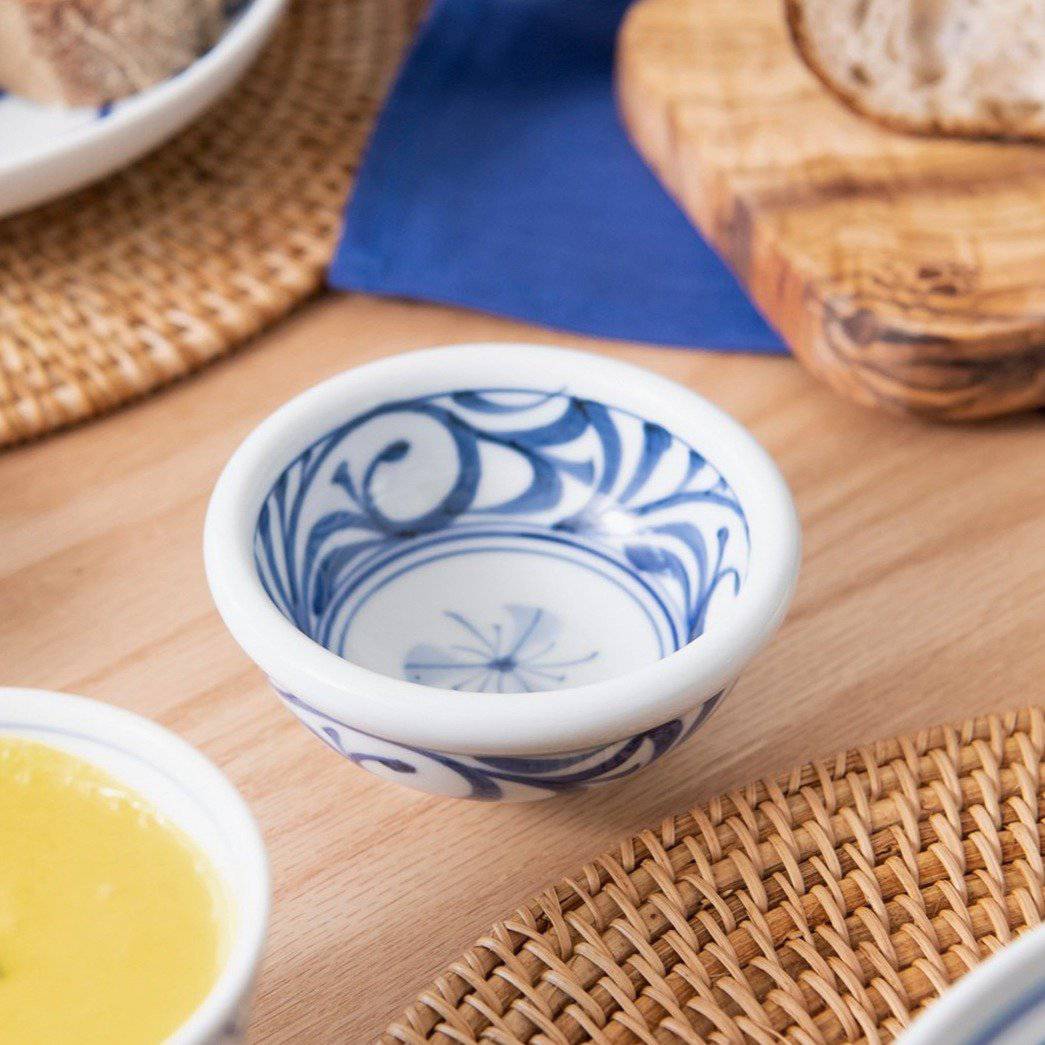
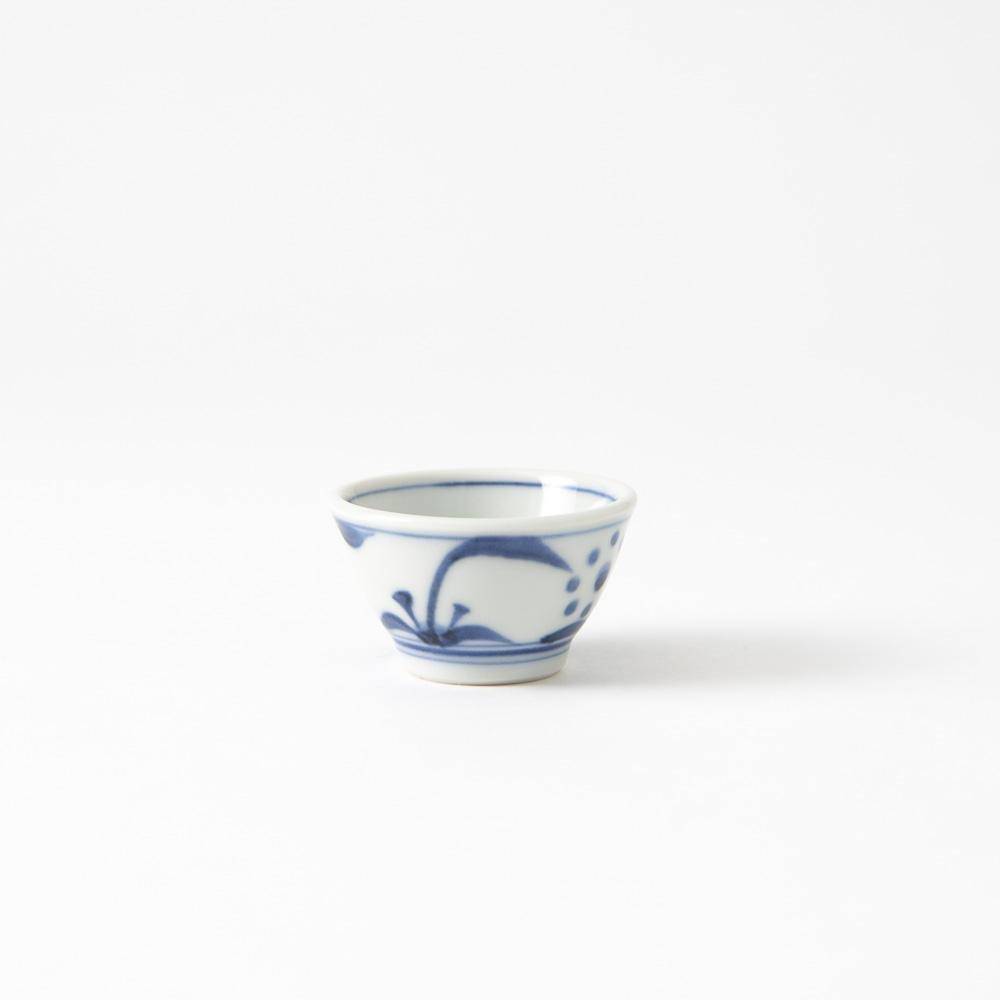
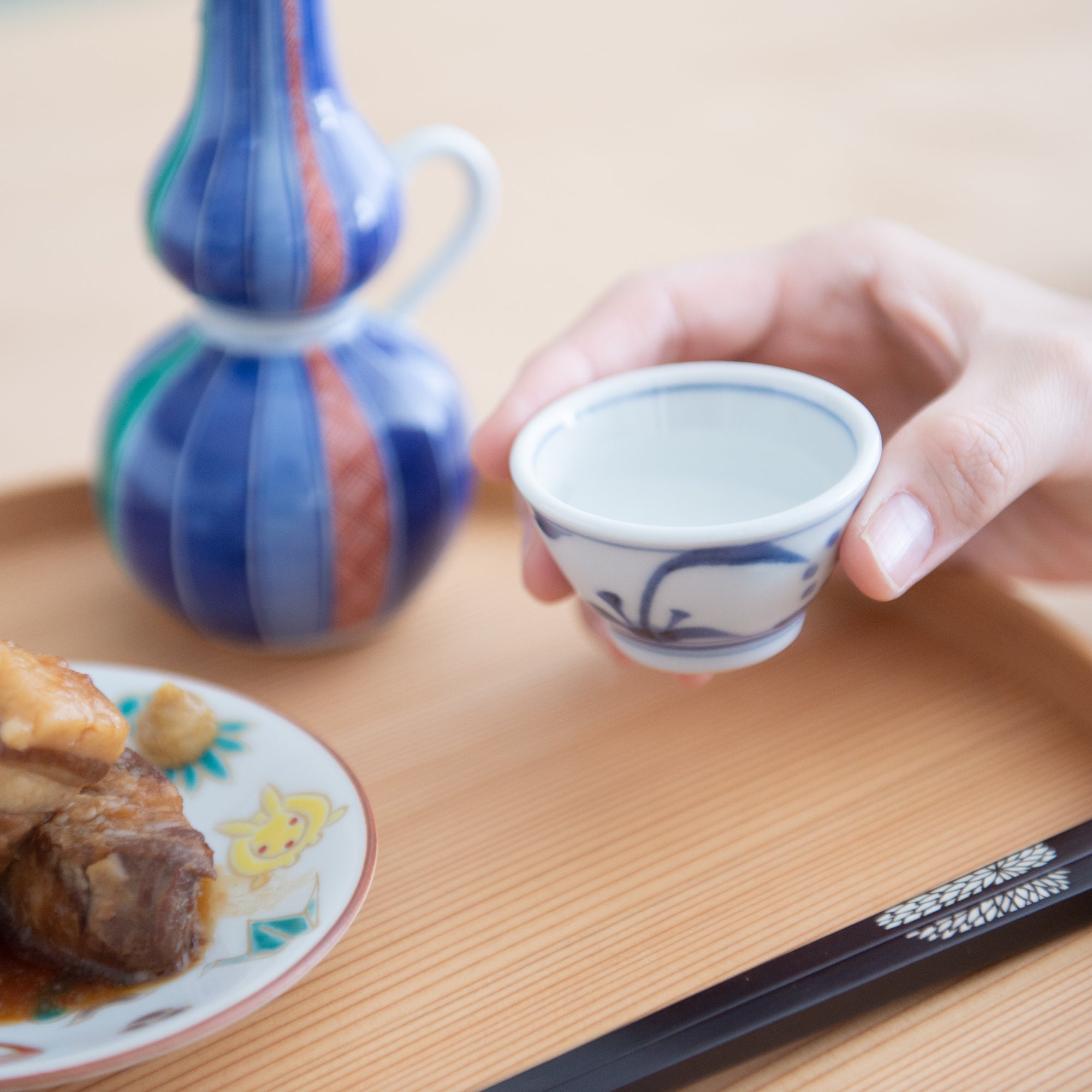
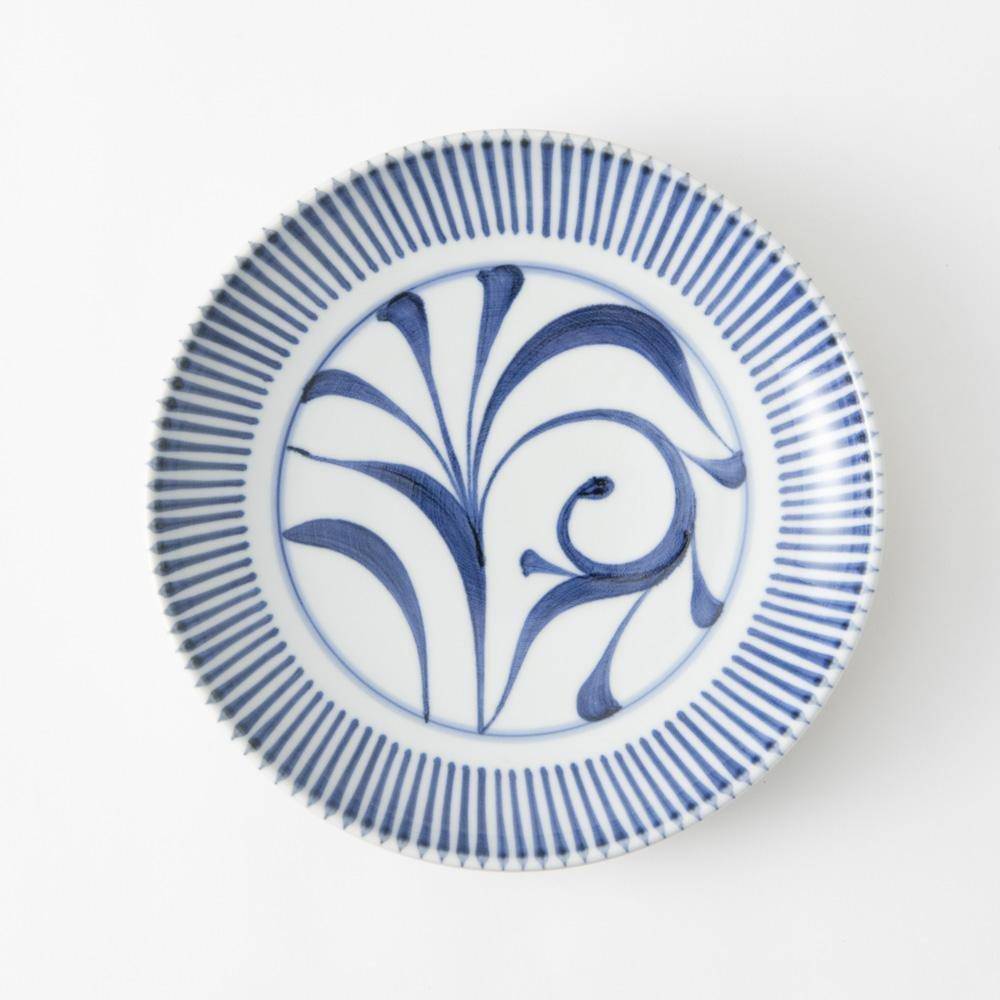
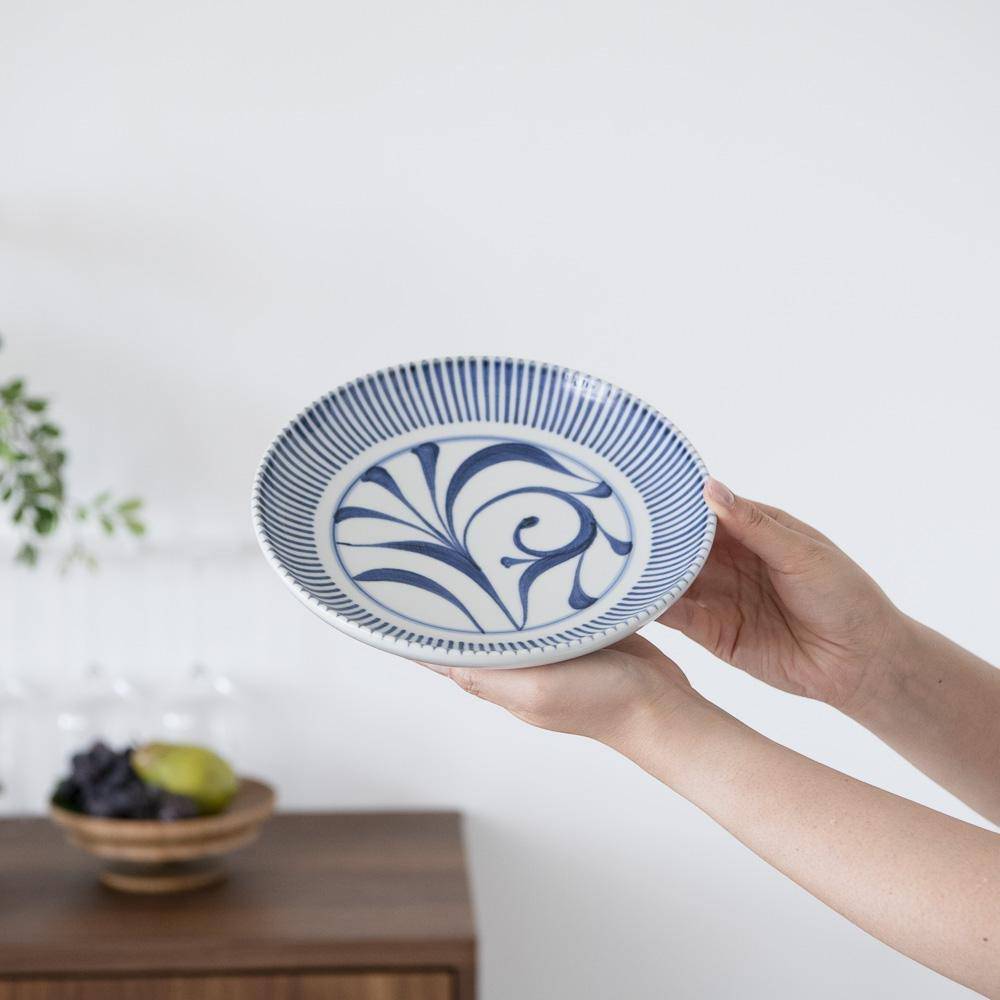
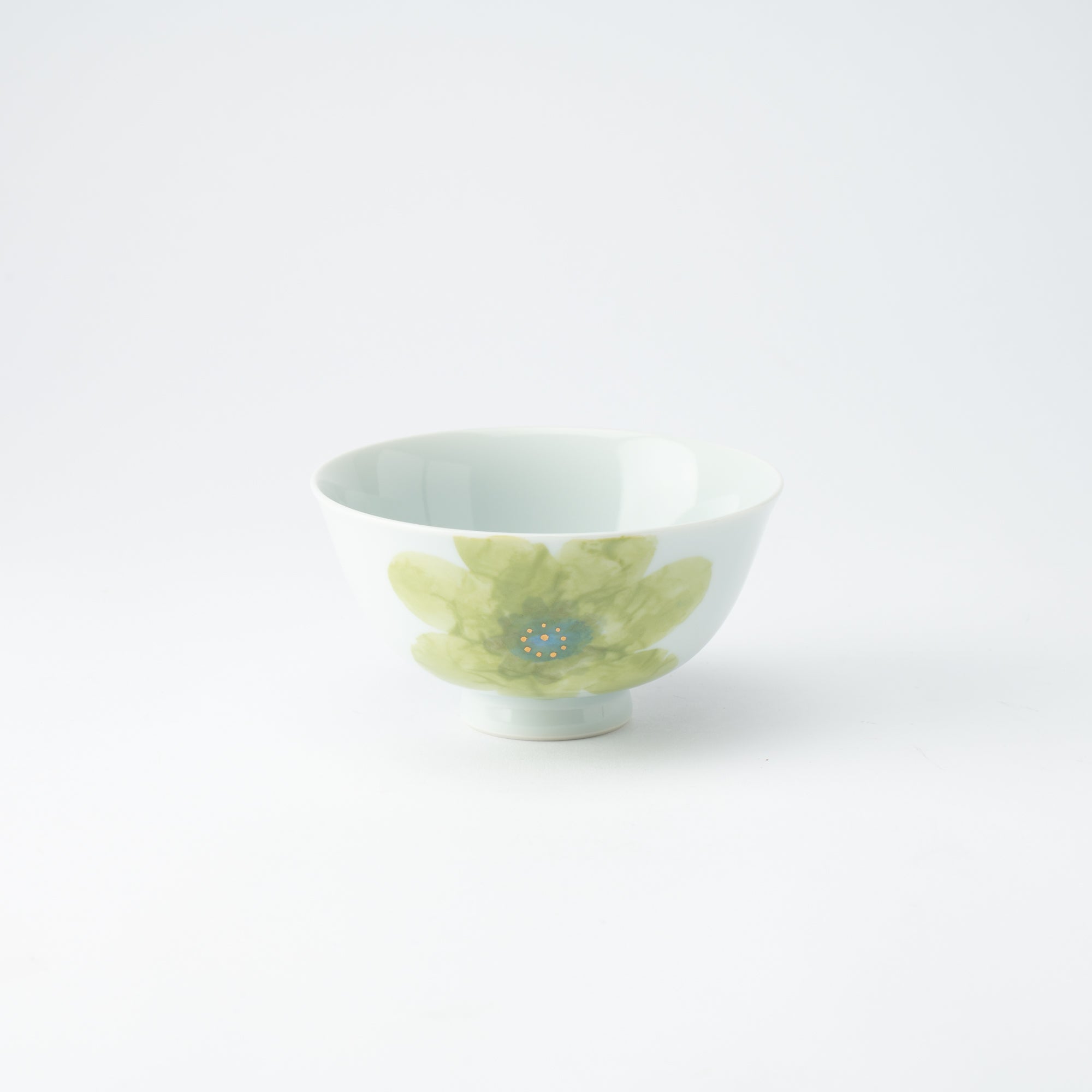
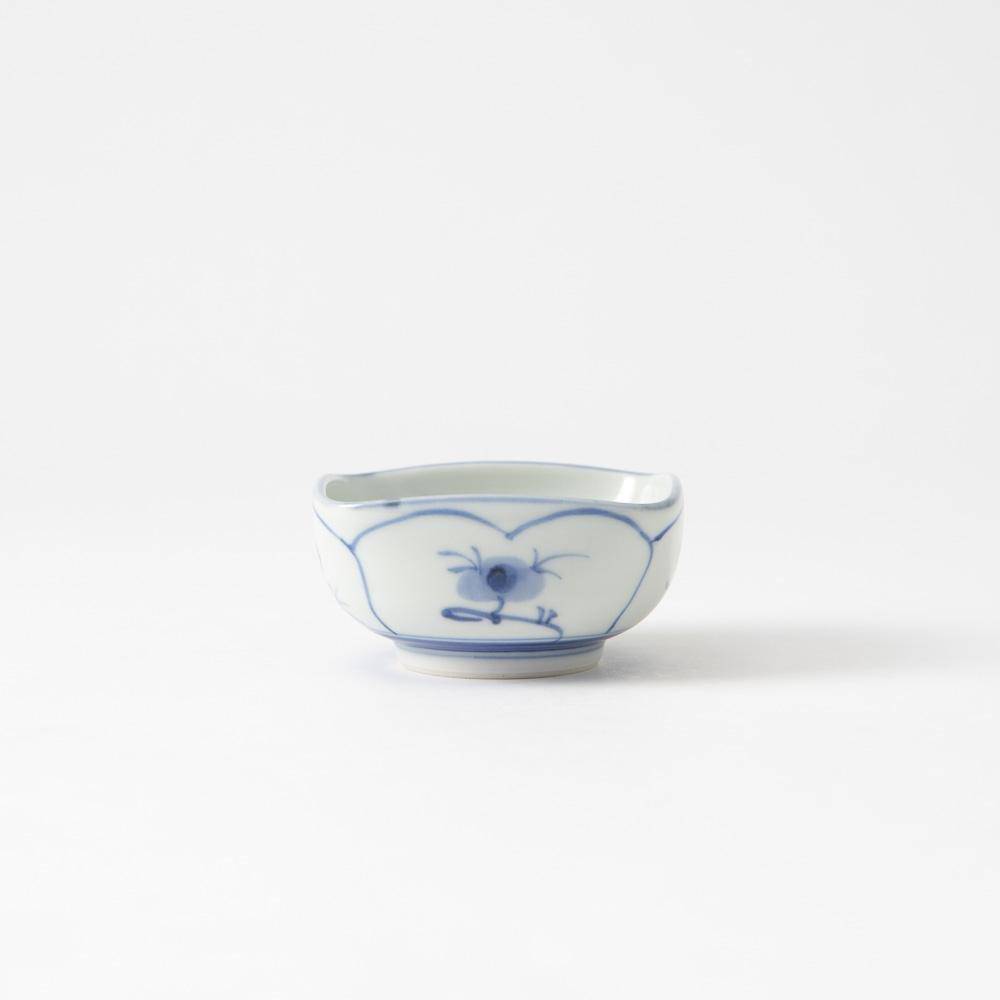
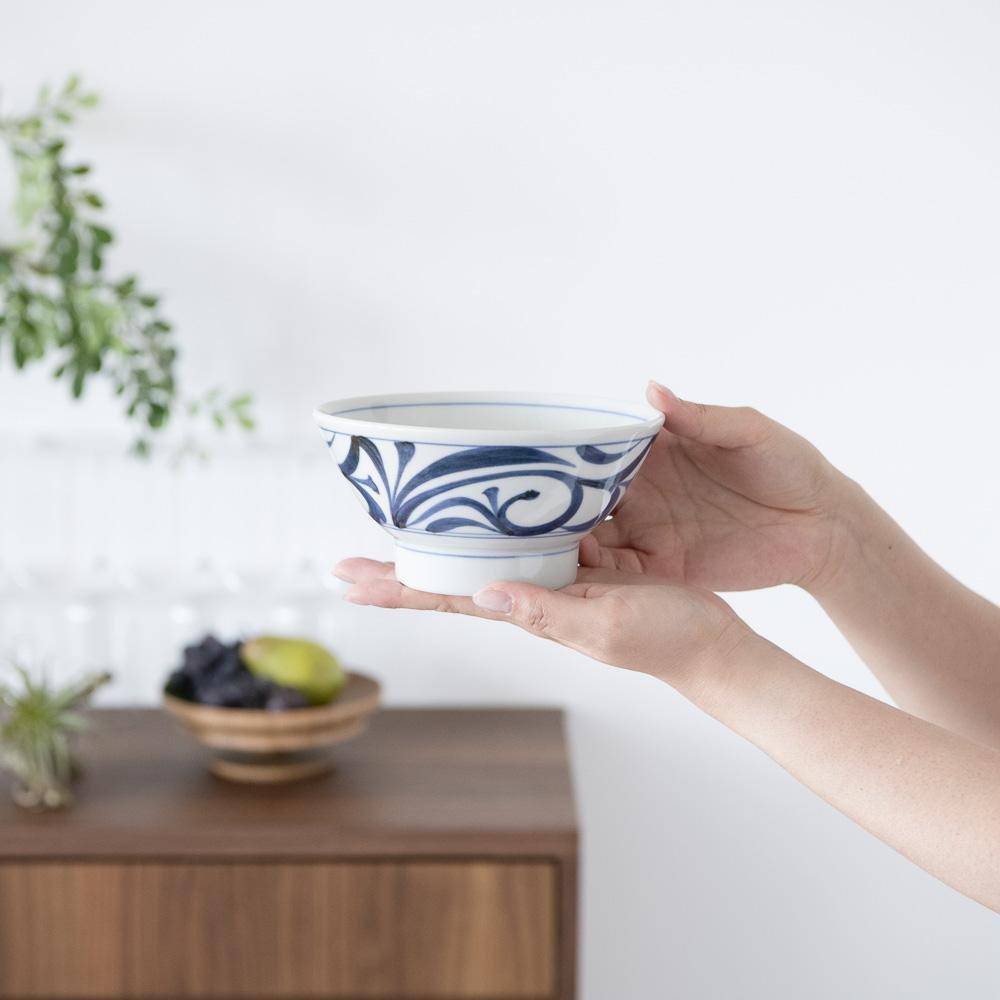
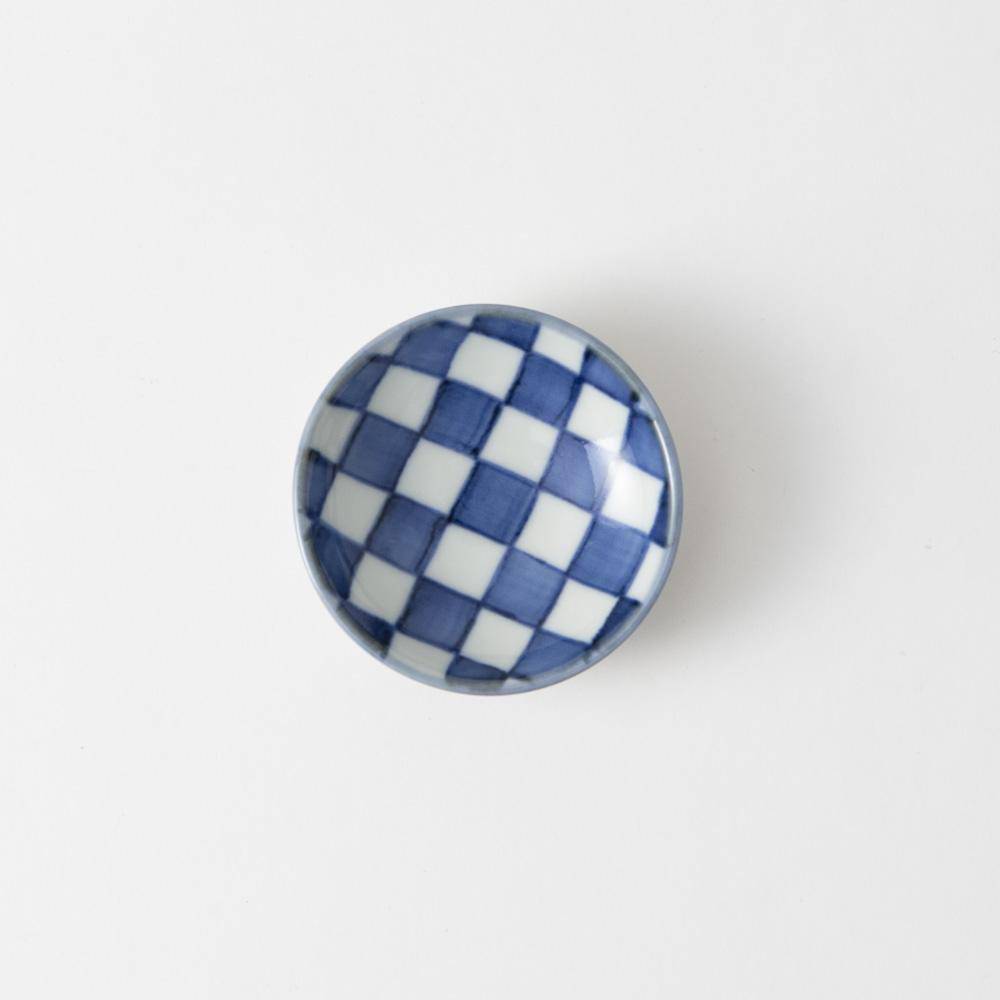
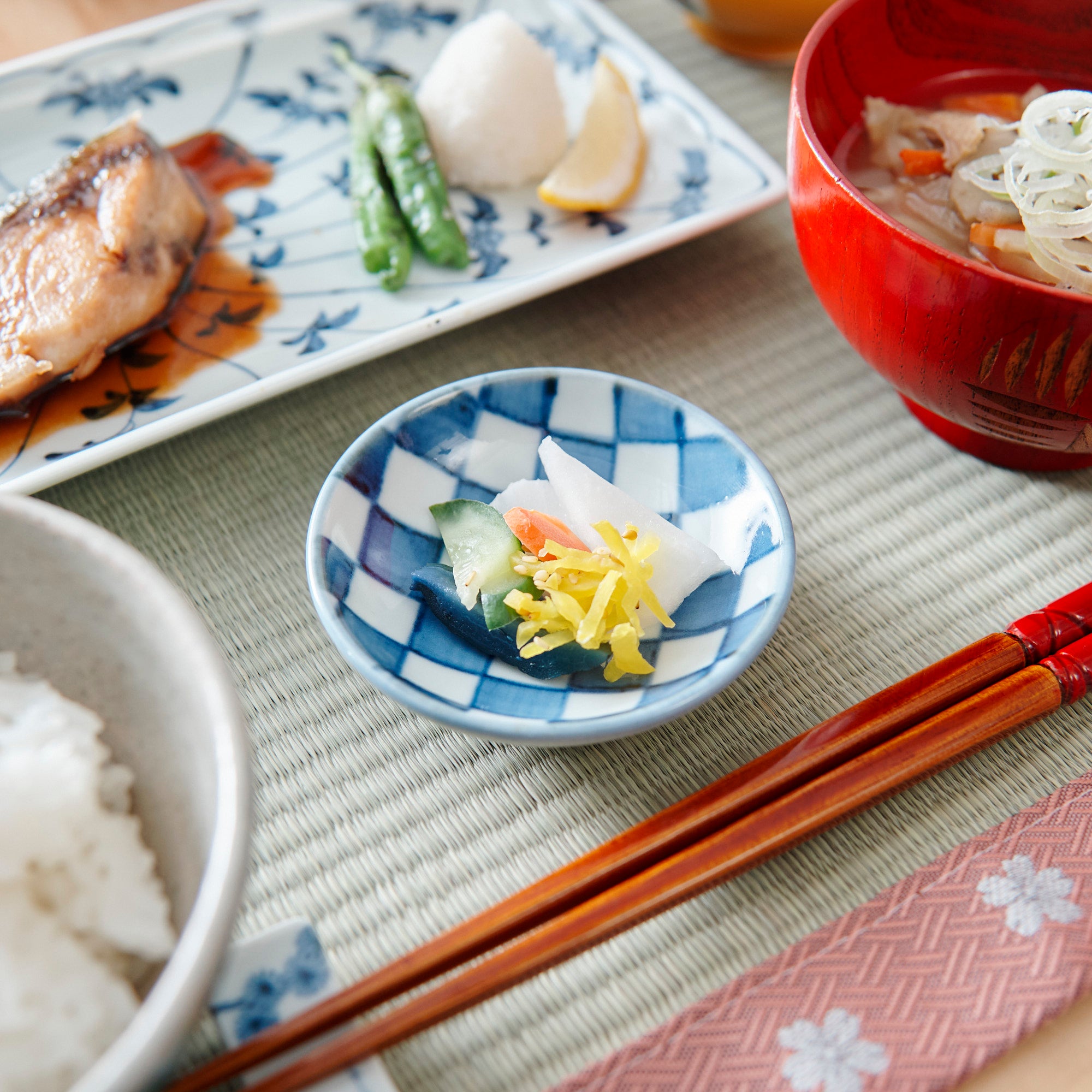
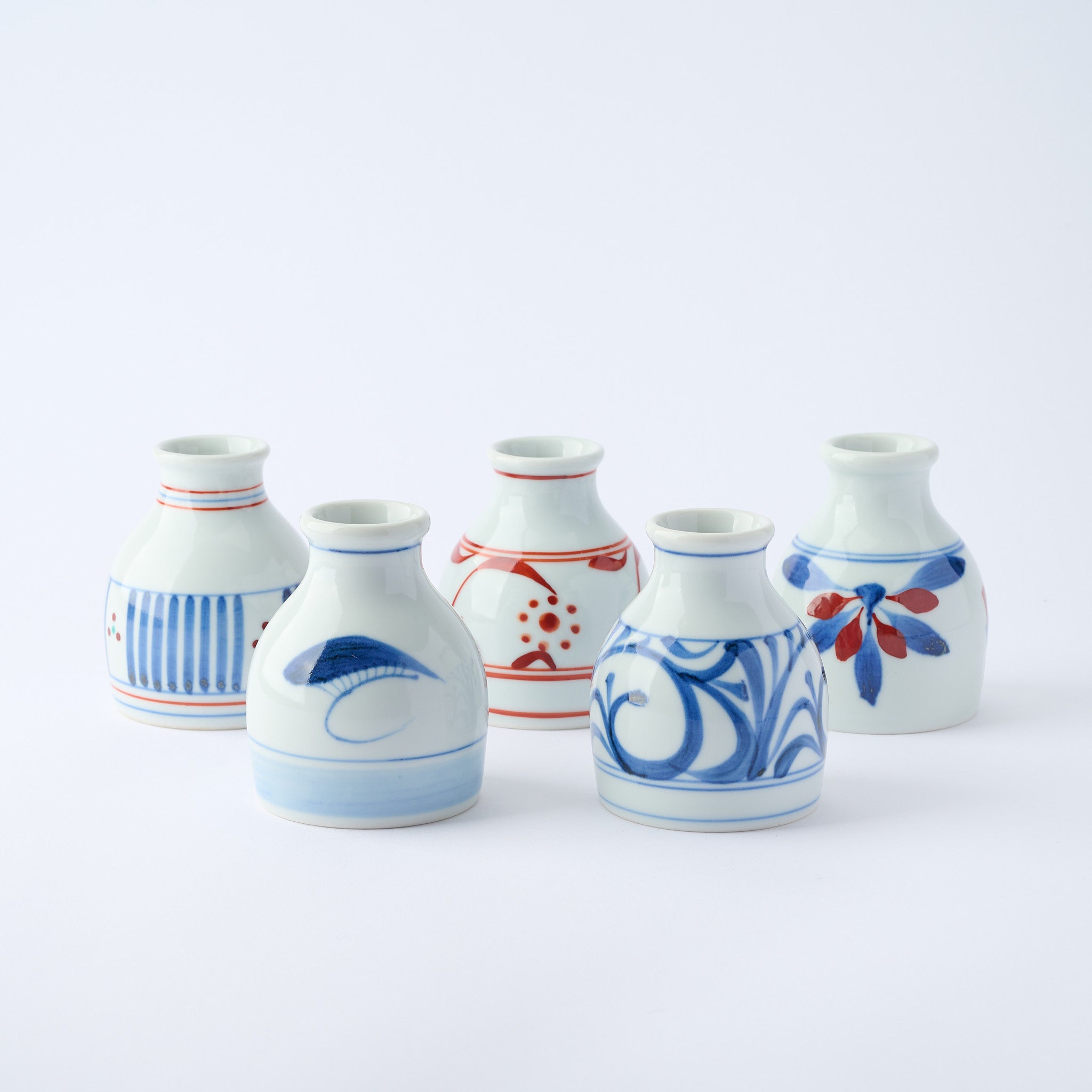
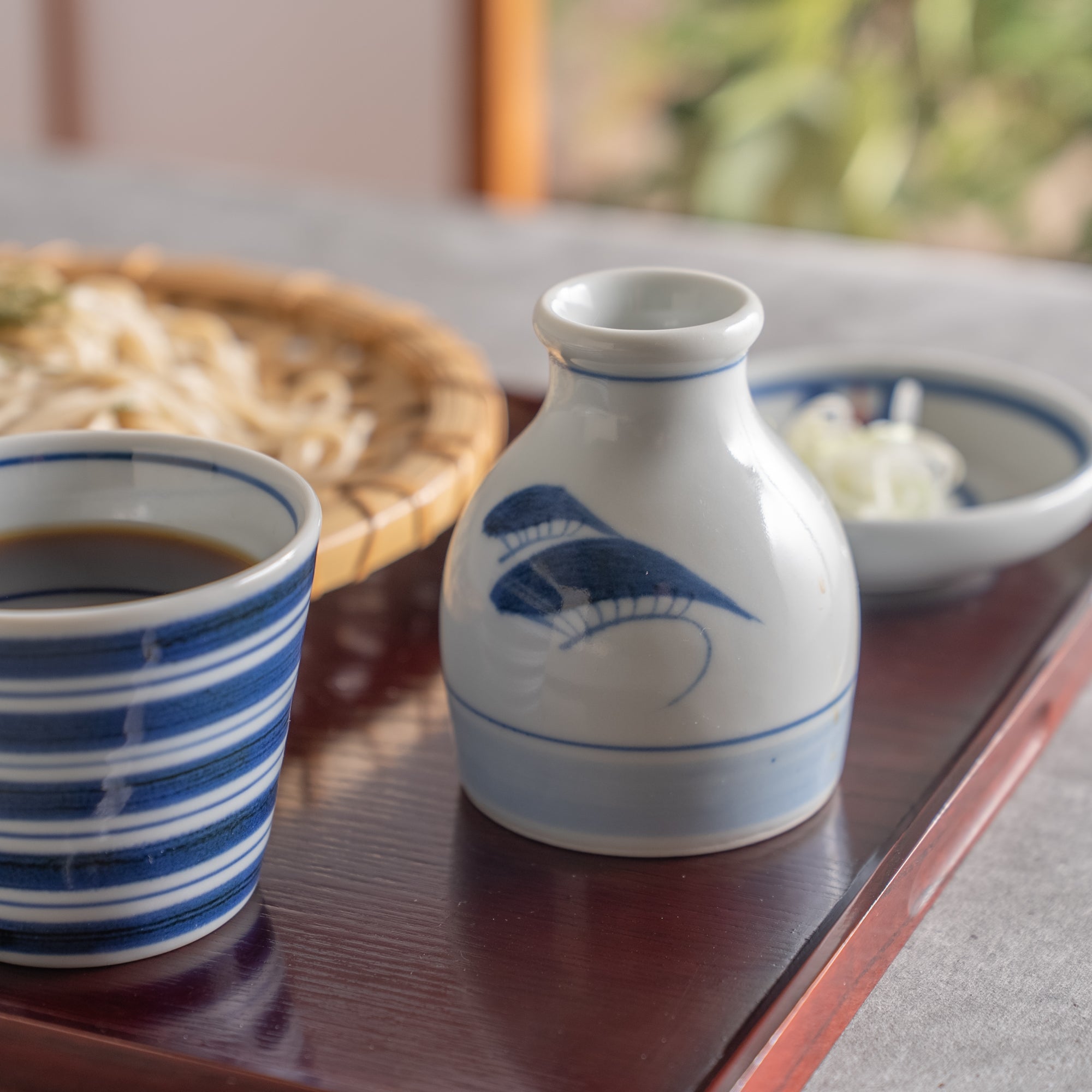
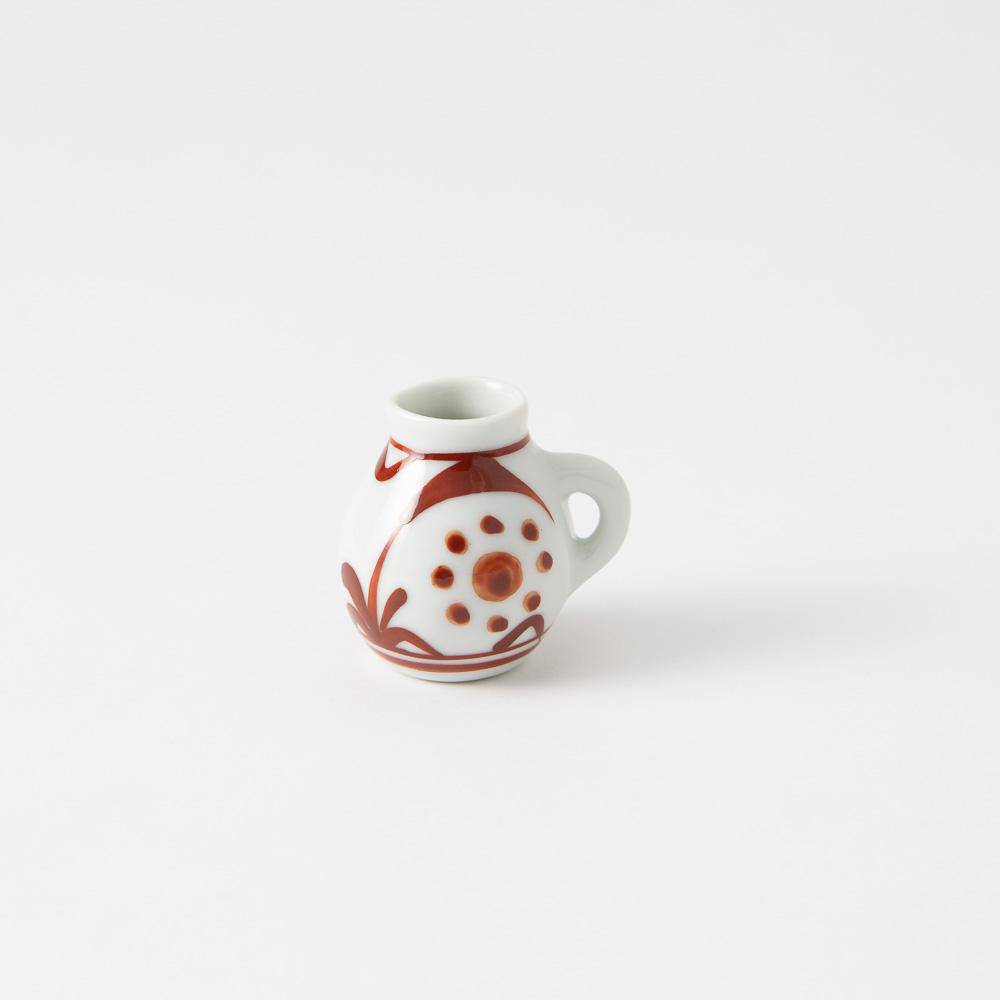
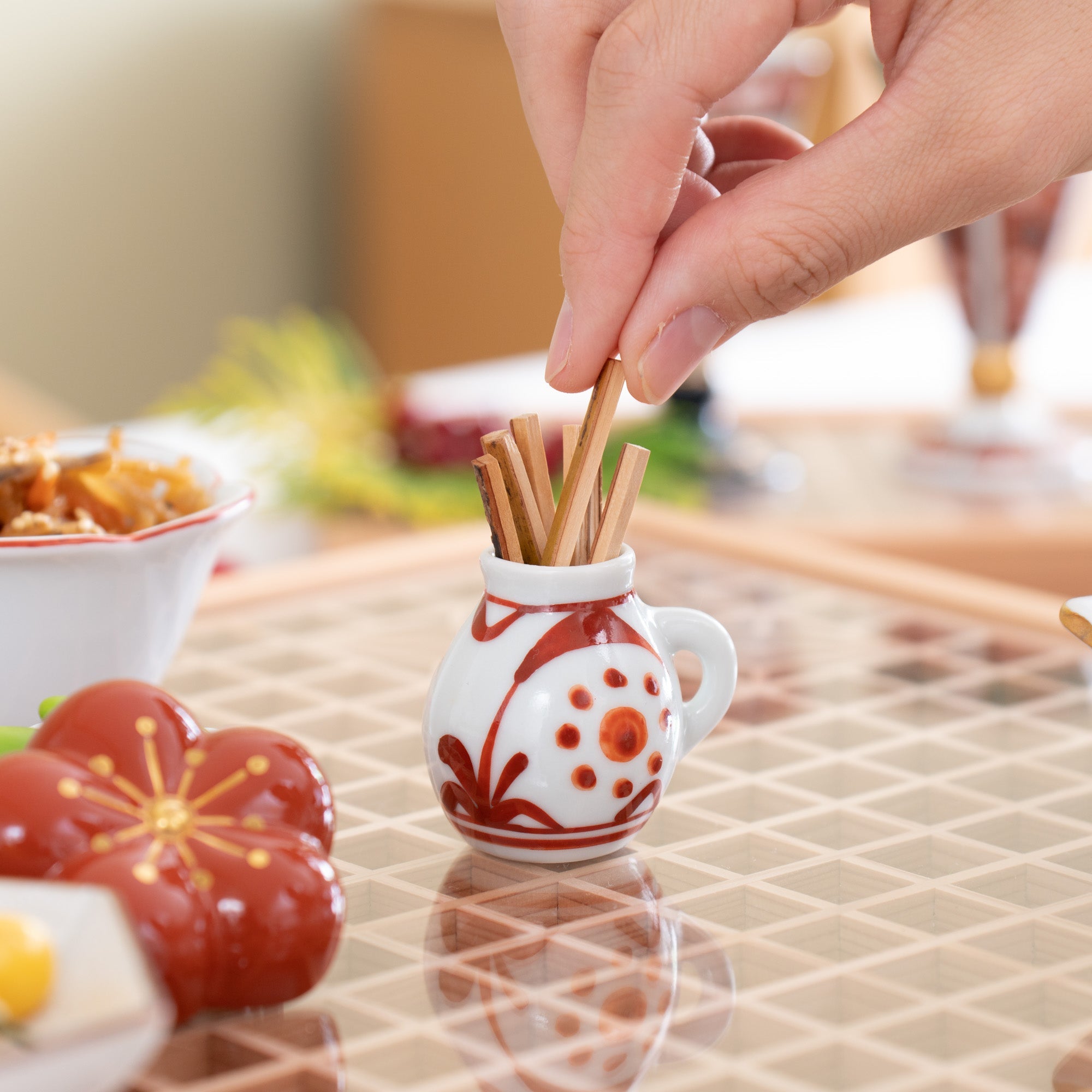
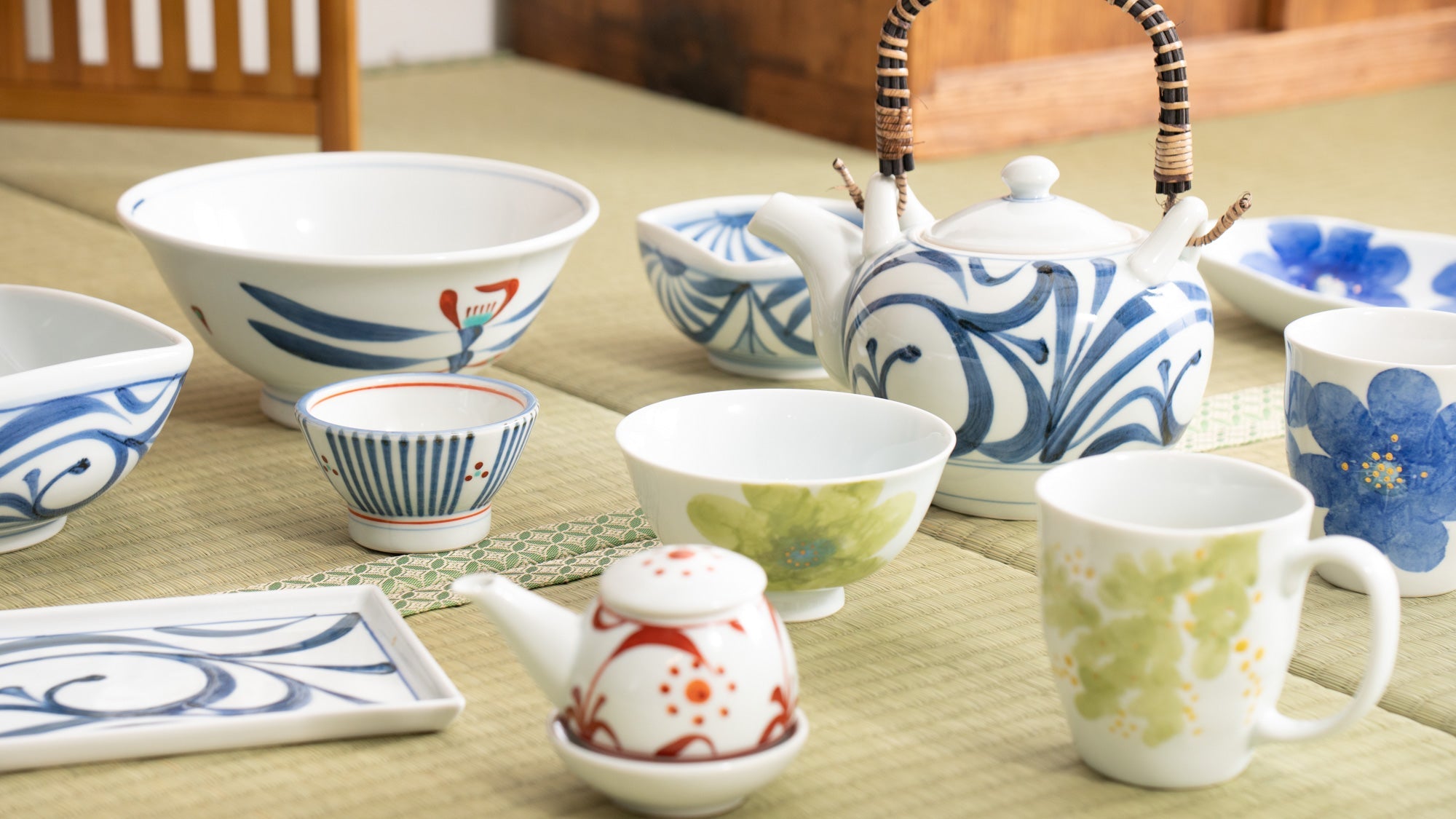
La porcelana Tobe se produce en la región de Tobe, en la prefectura de Ehime, al noroeste de la isla de Shikoku. Esta porcelana blanca, con su hermoso tono ligeramente azulado debido al hierro, sigue siendo muy apreciada. La porcelana Tobe mantiene un profundo respeto por las técnicas artesanales tradicionales, incluso en medio de la modernización.
Los orígenes de la cerámica Tobe se remontan al período Nara (710 d. C.-784 d. C.) y al período Heian (794 d. C.-1185 d. C.). La cuenca de Tobe, rodeada de montañas ricas en recursos naturales, ha sido idónea para la producción en horno desde la antigüedad.
Durante el período Edo (1603 d. C.–1868 d. C.), la producción de porcelana comenzó en Tobe en 1775, cuando se descubrió que la piedra de afilar extraída de las montañas de Tobe podía utilizarse para fabricar porcelana. Posteriormente, también se encontraron en la zona otras materias primas como el esmalte y la arcilla. Con los avances tecnológicos, la cerámica de Tobe se desarrolló principalmente para la exportación a mercados extranjeros.
Durante el período Showa (1926-1989 d. C.), la cerámica Tobe fue reconocida por los promotores de la cultura japonesa. Mingei Movimiento de arte popular, como el esteta Yanagi Soetsu, su hijo, el diseñador de renombre internacional Yanagi Sori, y el ceramista británico Bernard Leach. Apreciaban la cerámica Tobe por preservar las técnicas artesanales de los antiguos alfareros, a diferencia de las industrias cerámicas mecanizadas de Mino y Seto.
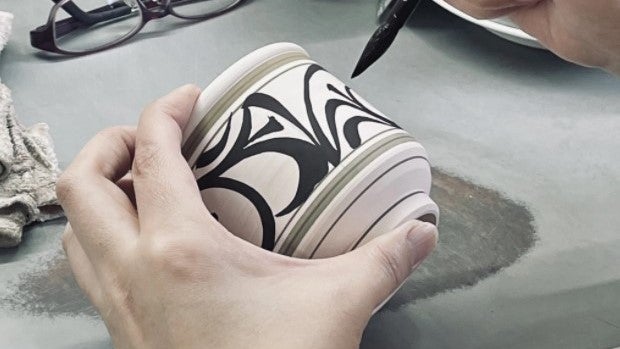
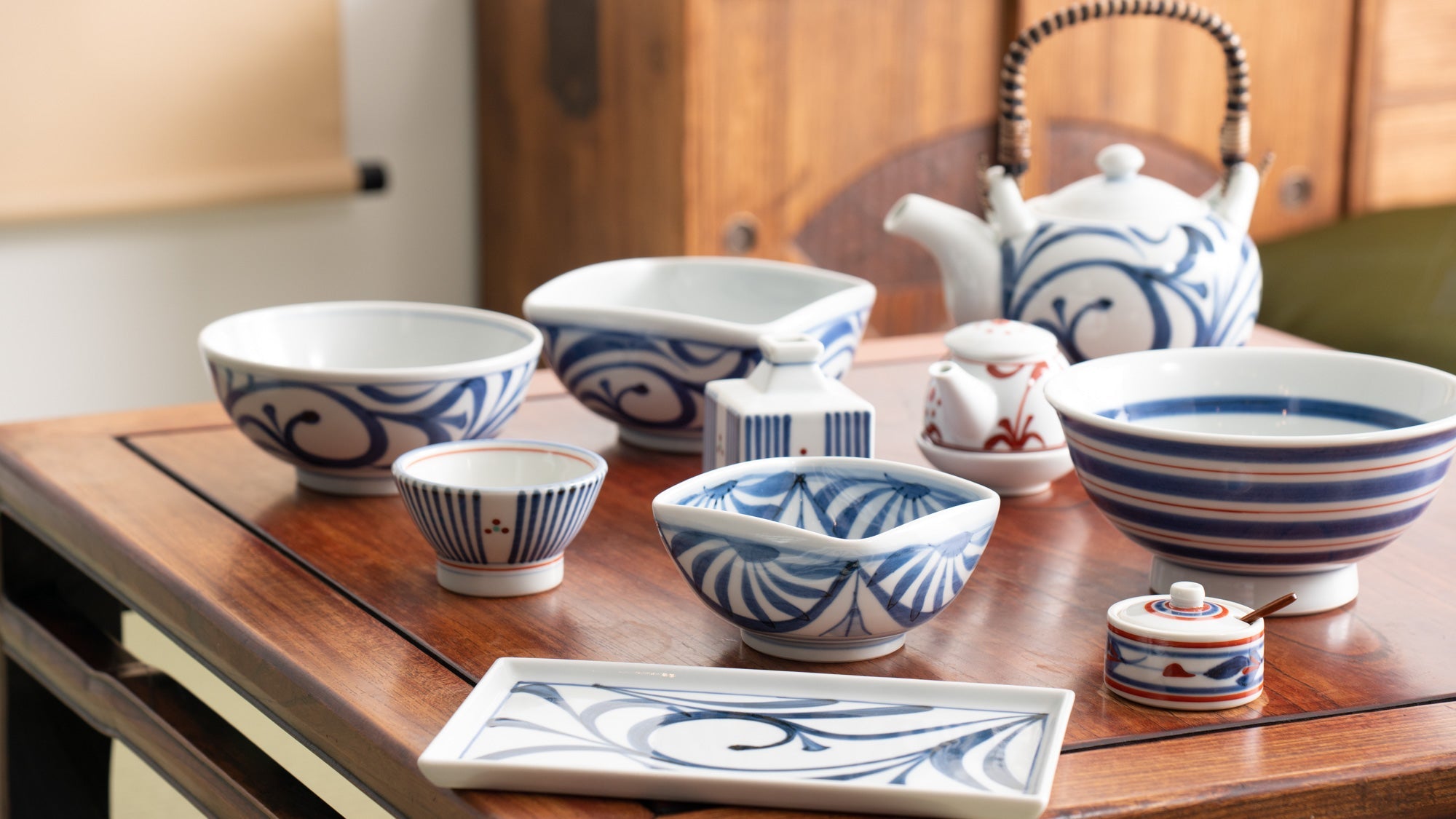
La cerámica Tobe goza de gran prestigio como artesanía tradicional japonesa por su elegante encanto y robustez, gracias a su elaboración artesanal y a sus materiales específicos. Incluso hoy en día, goza de gran aprecio en todo el mundo como producto de arte popular que muestra la destreza de los artesanos cerámicos.
Creadores
Artículos relacionados
Filtros