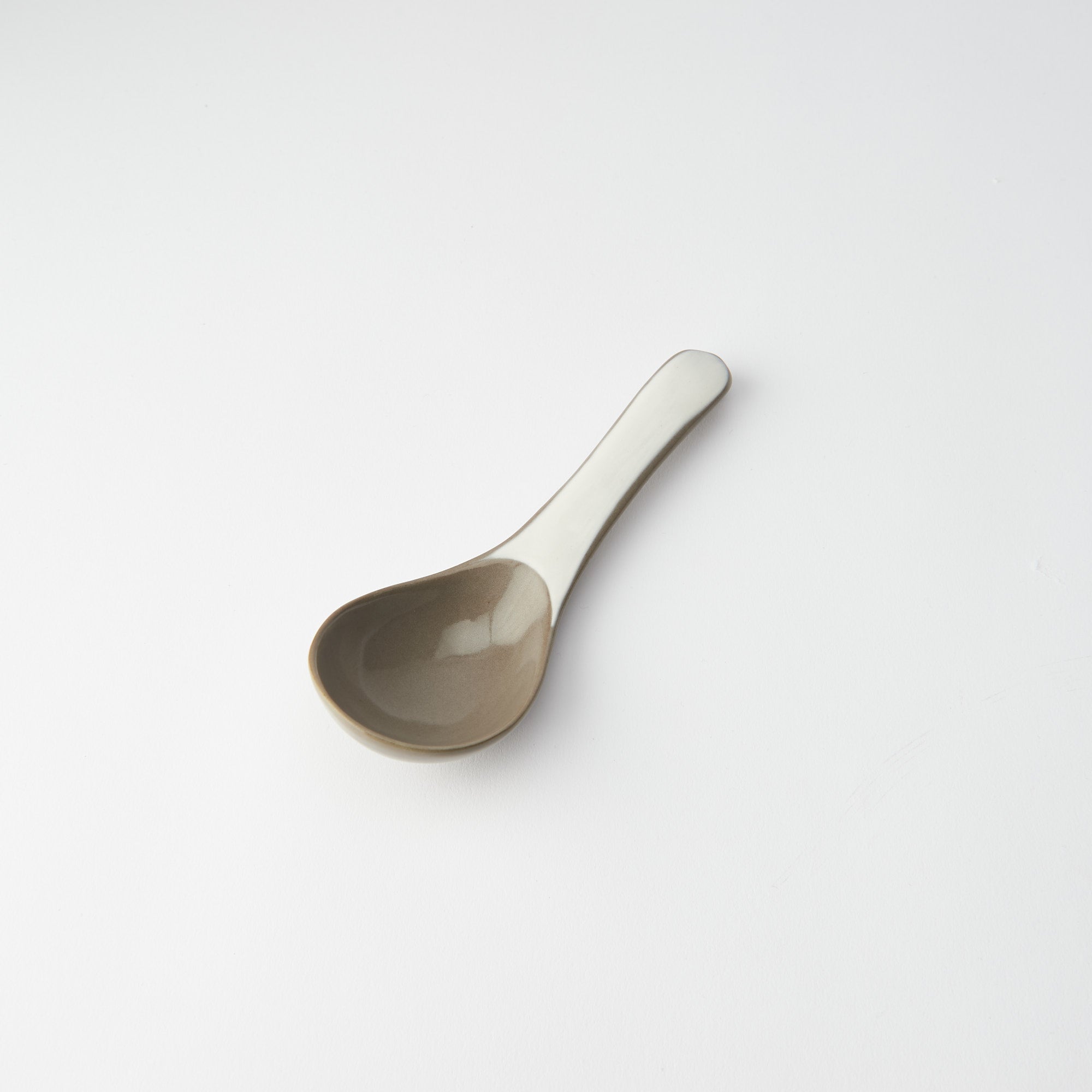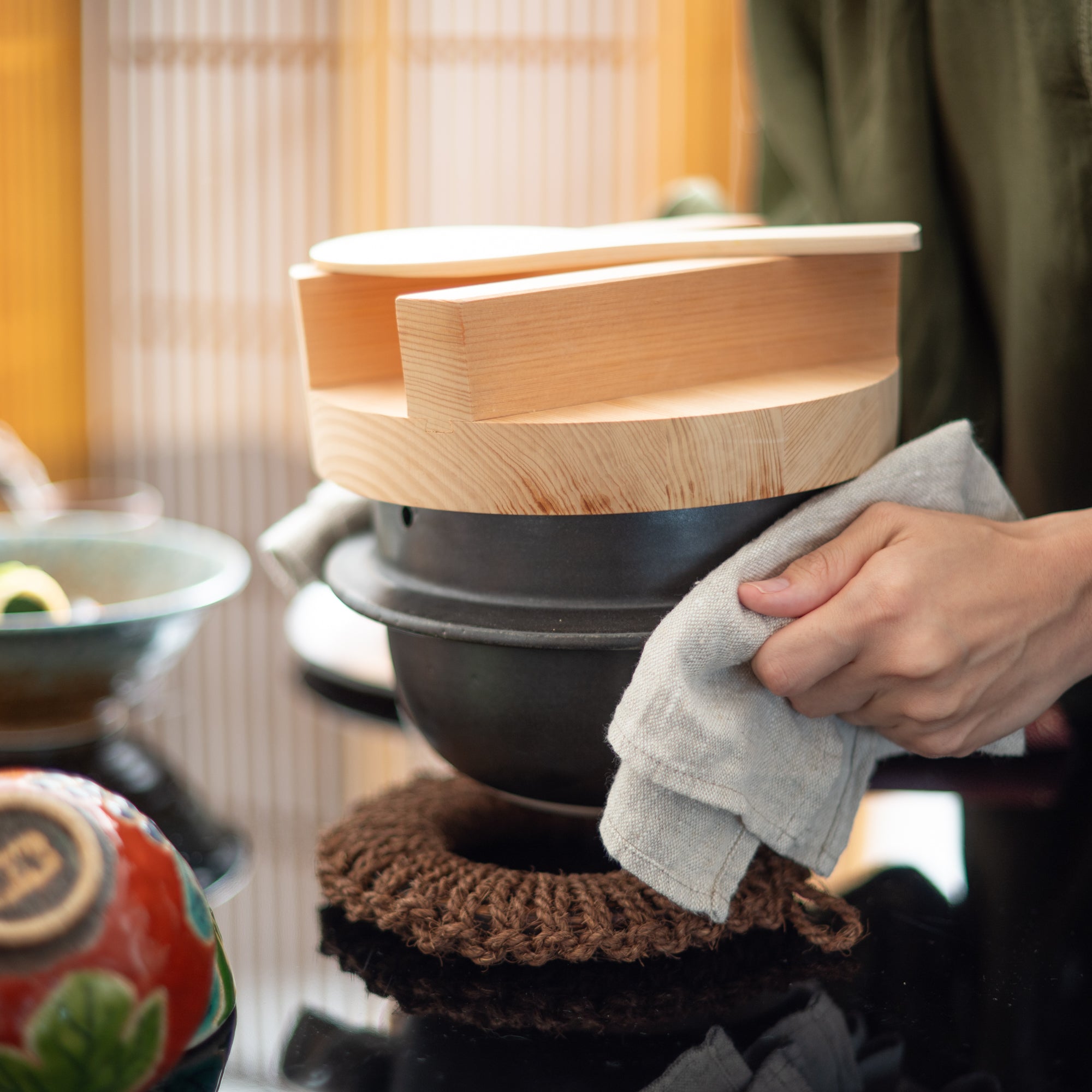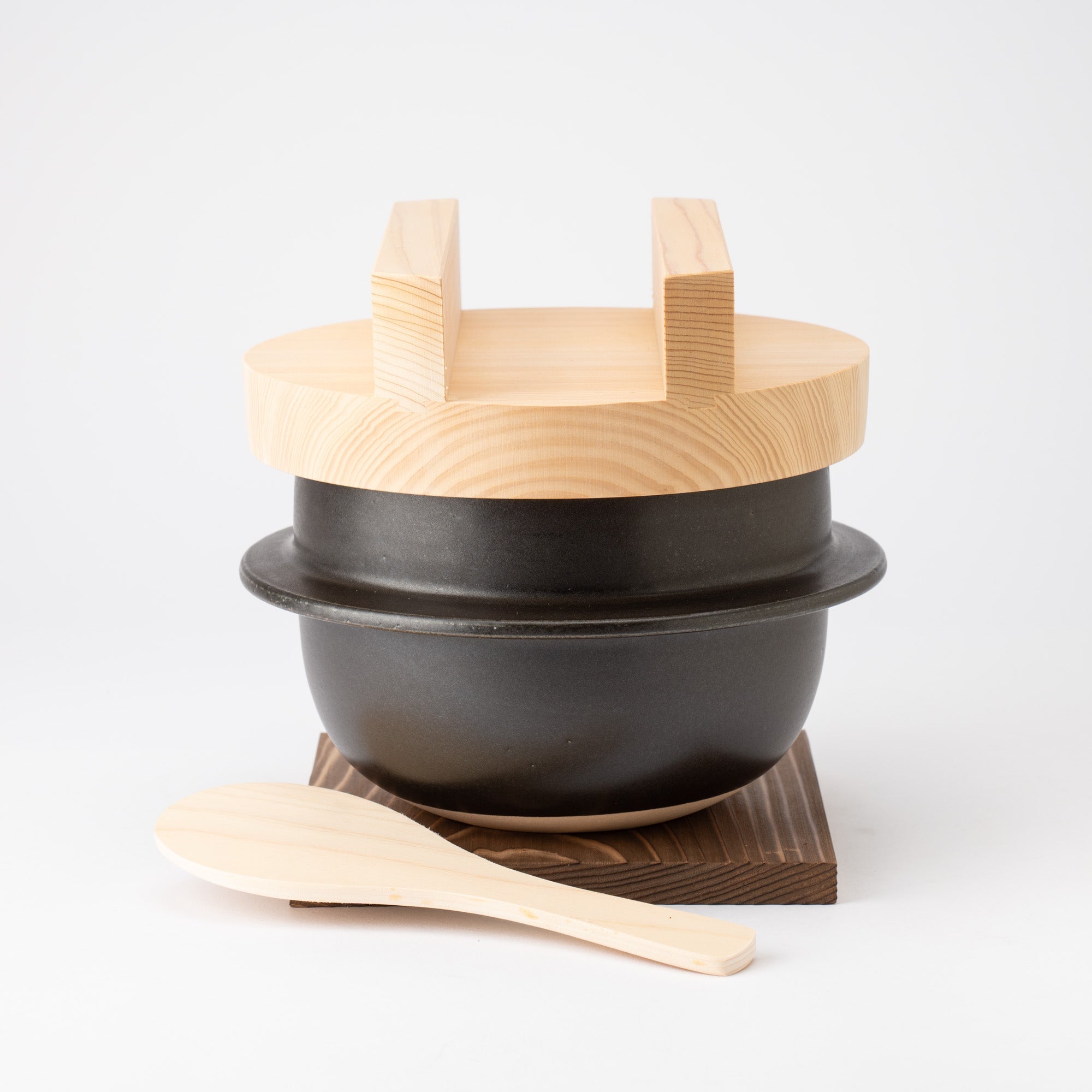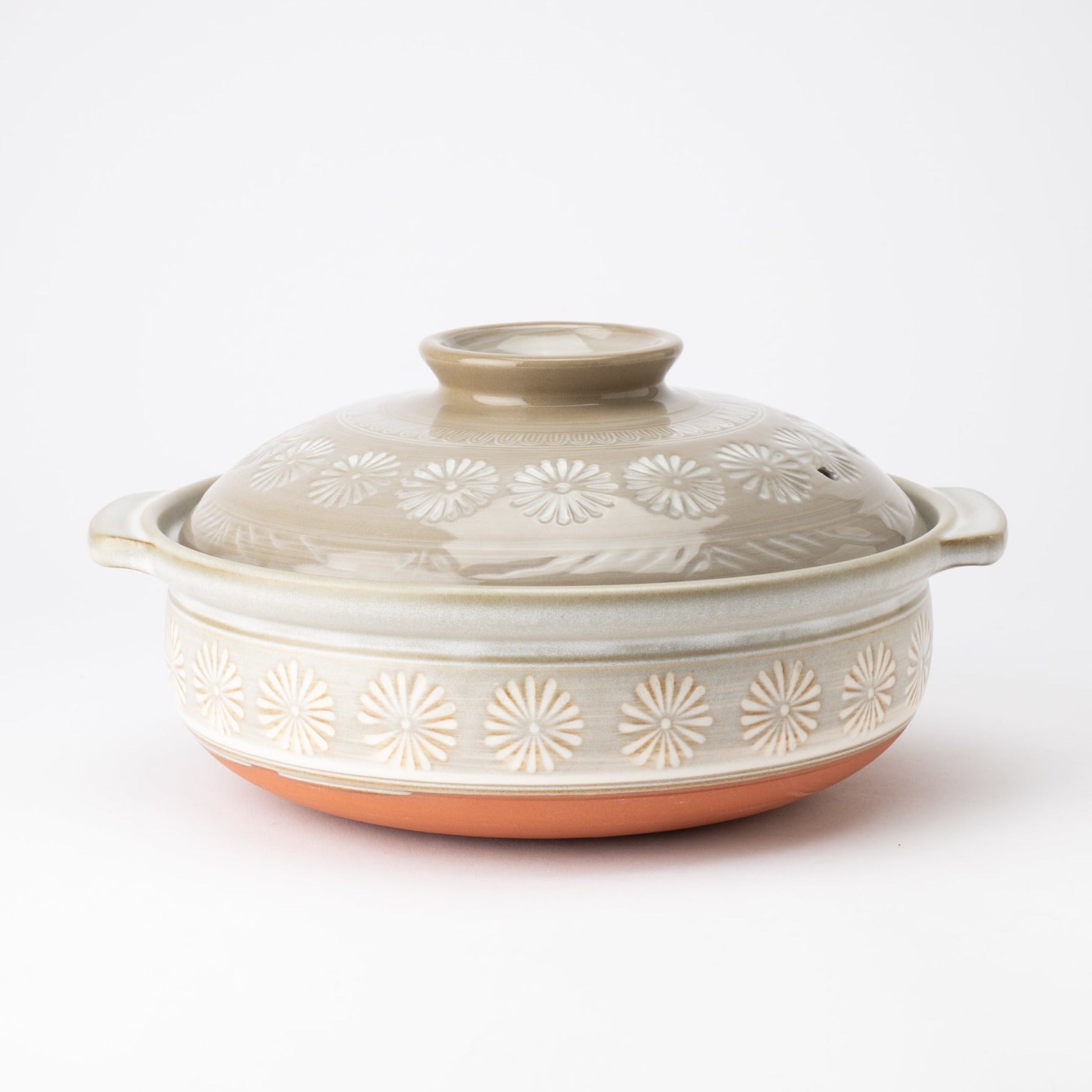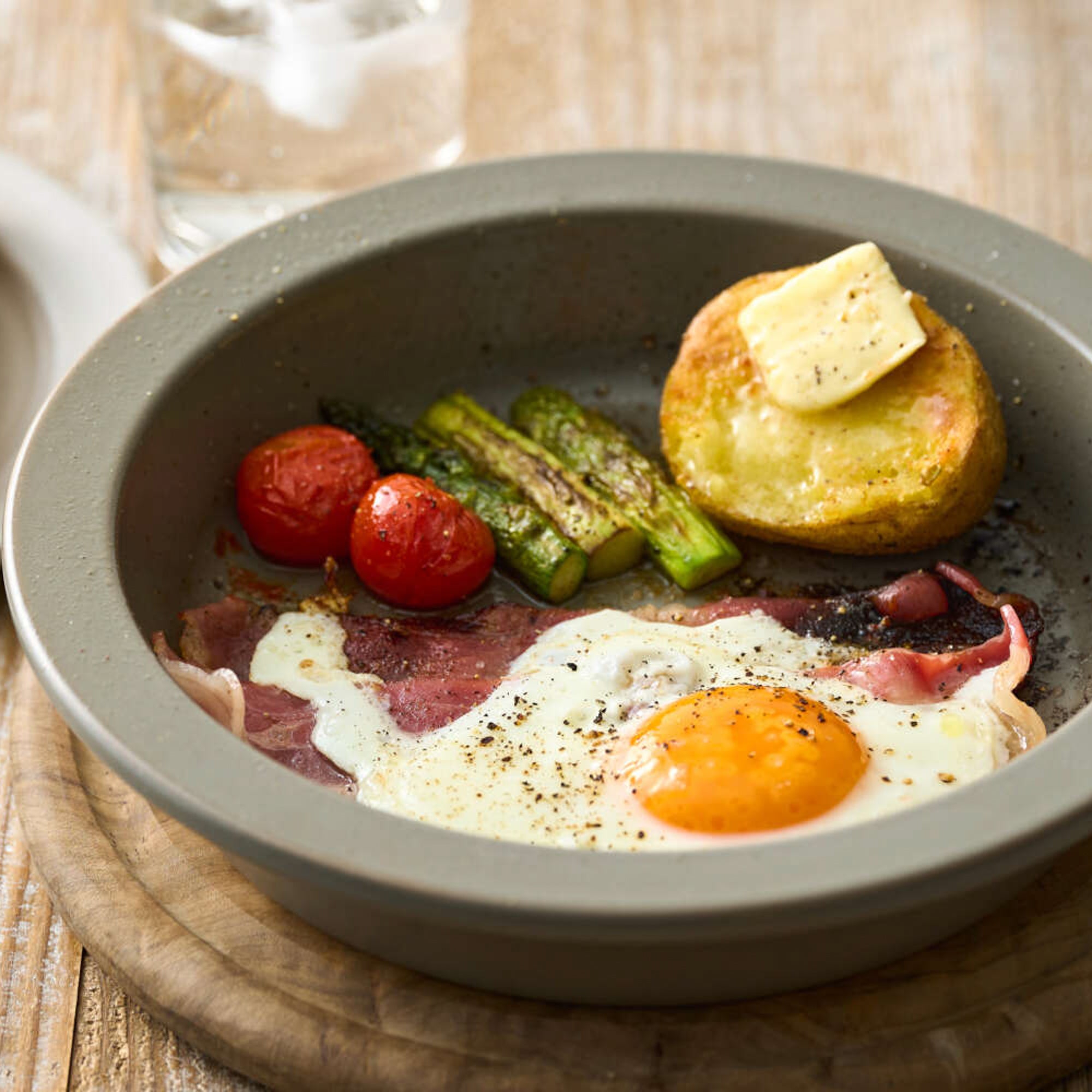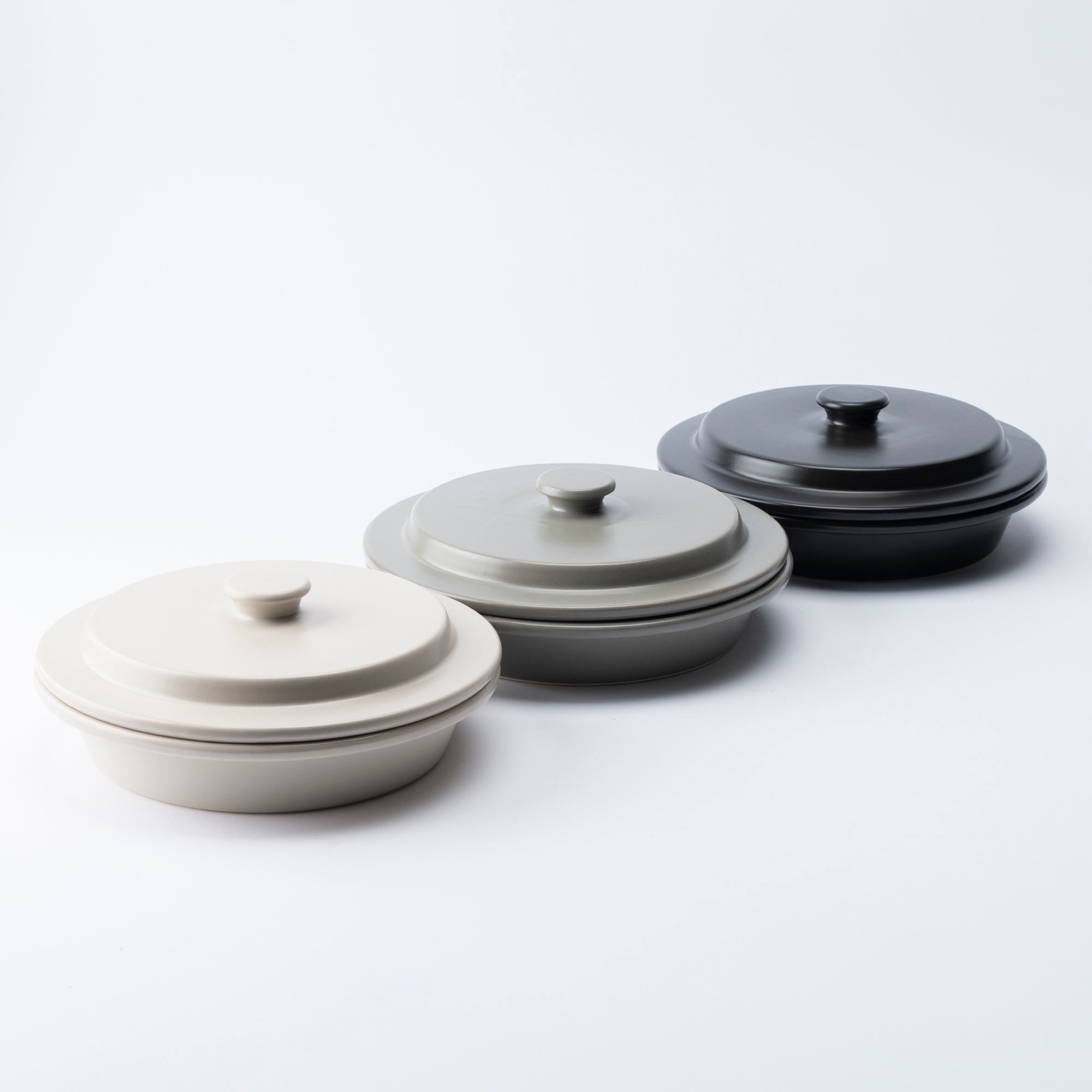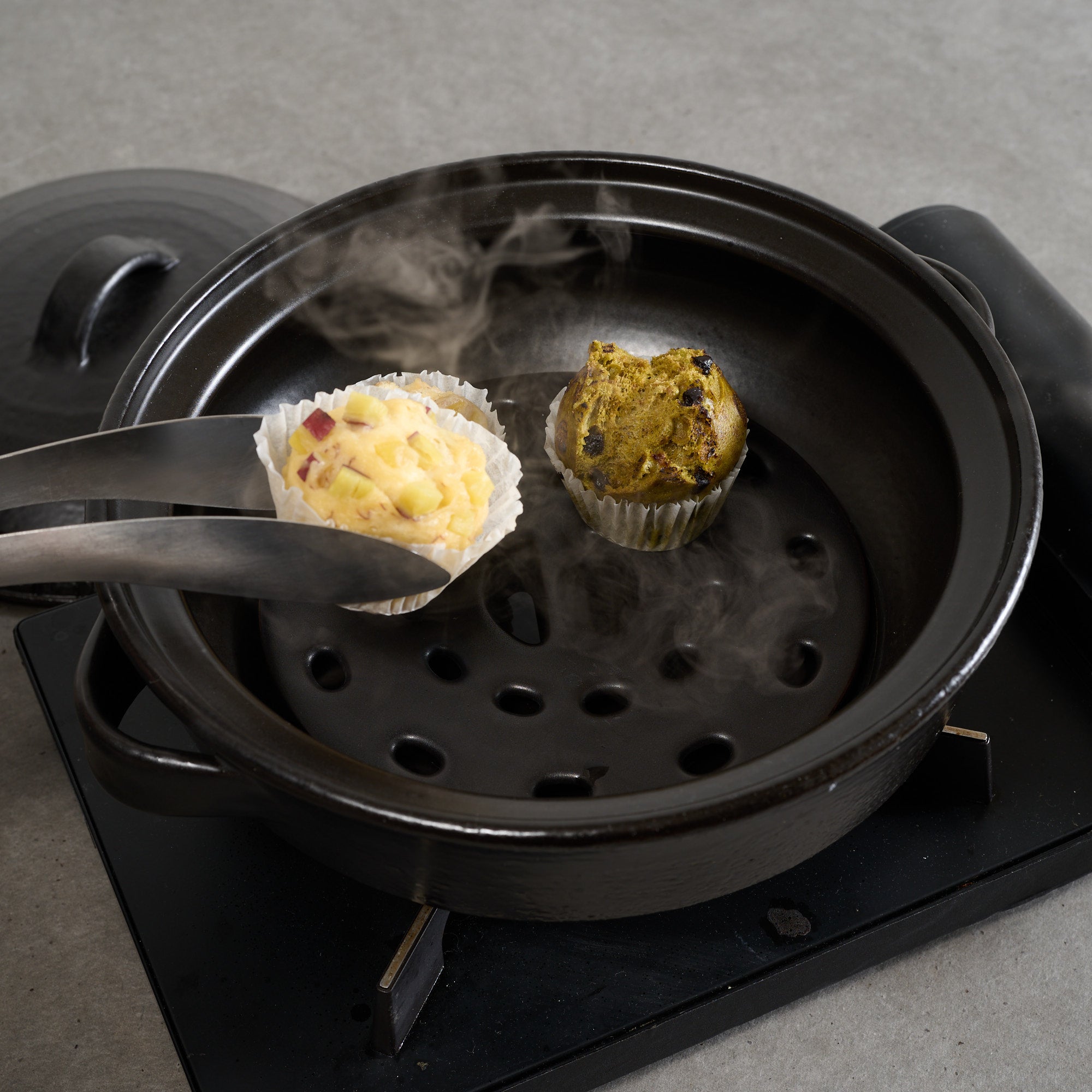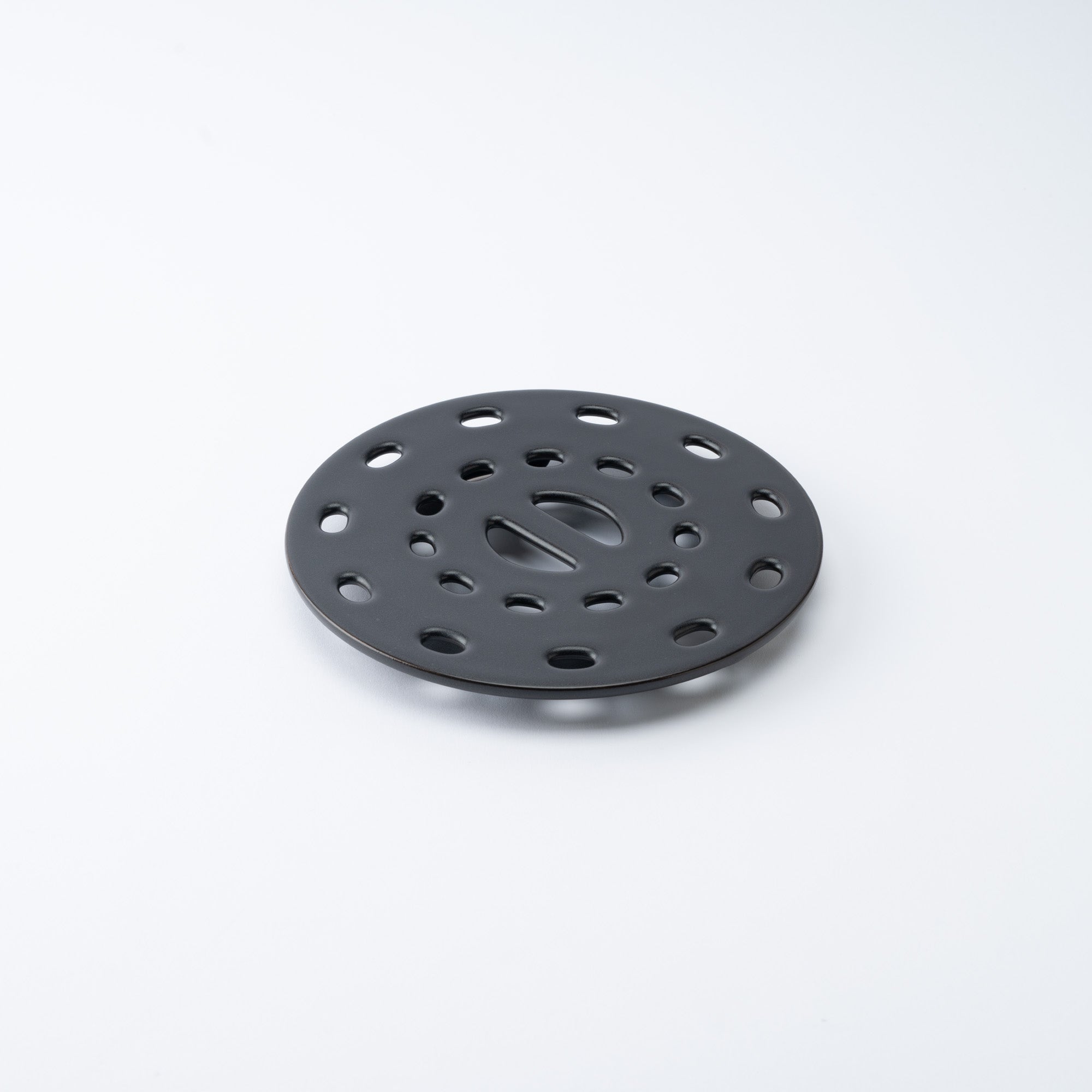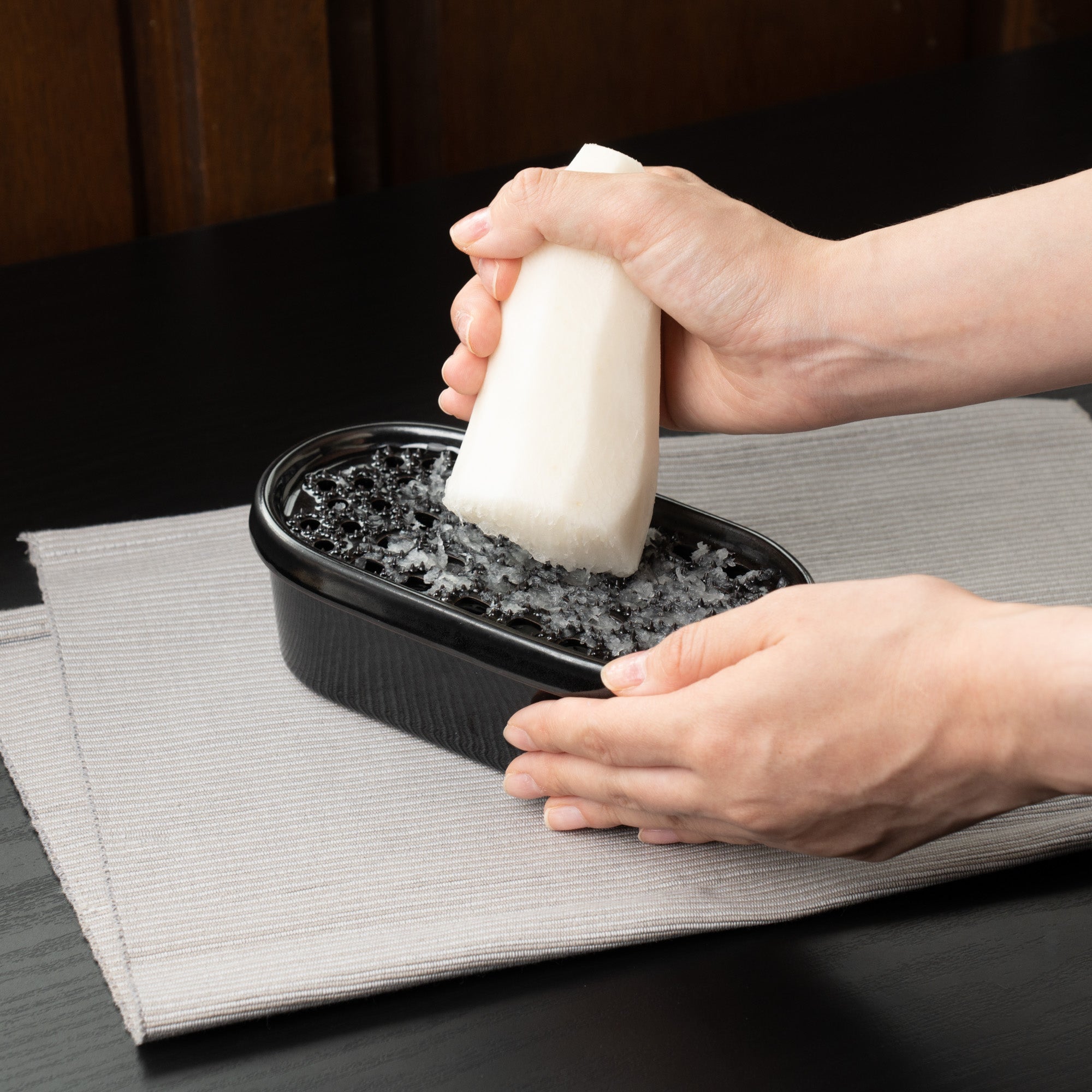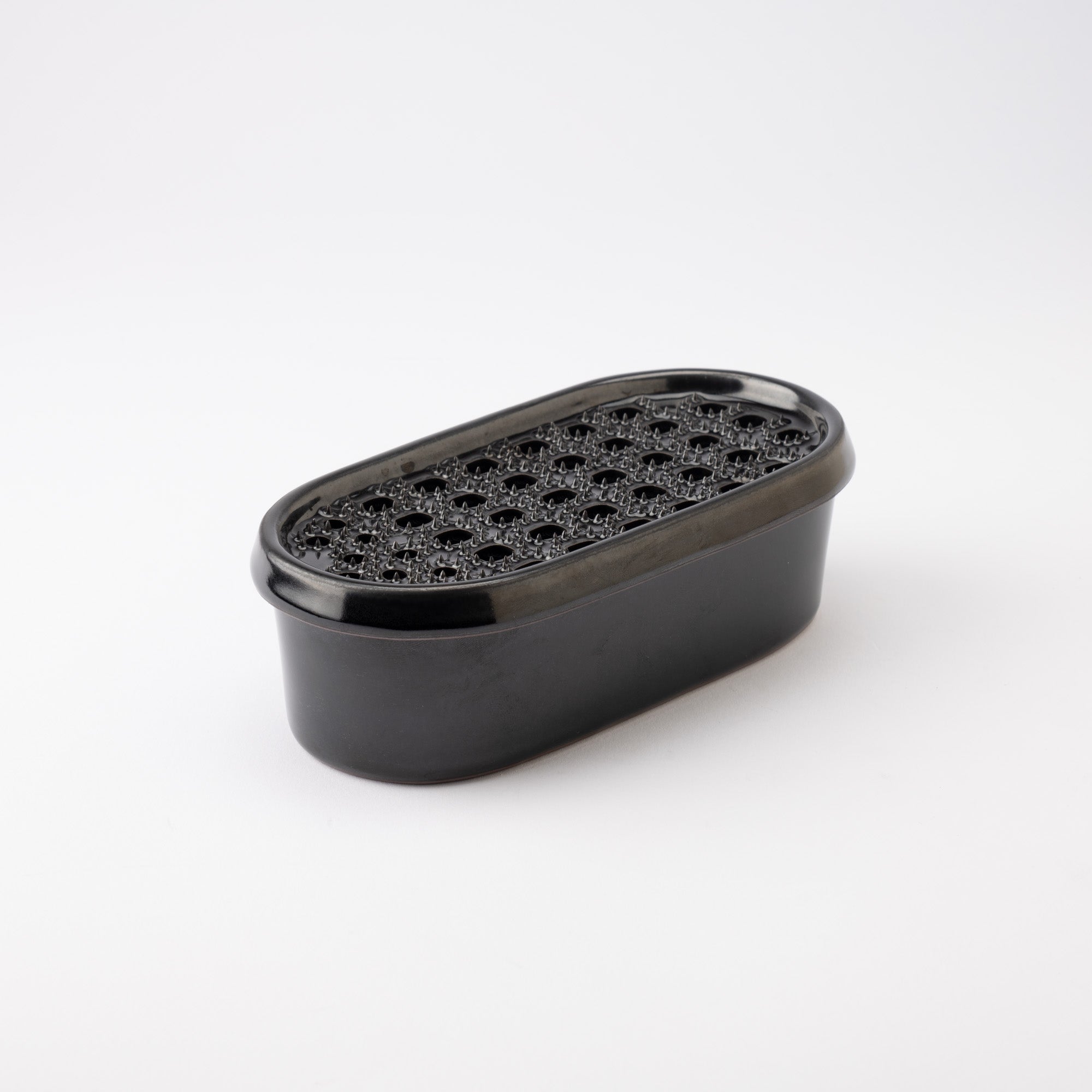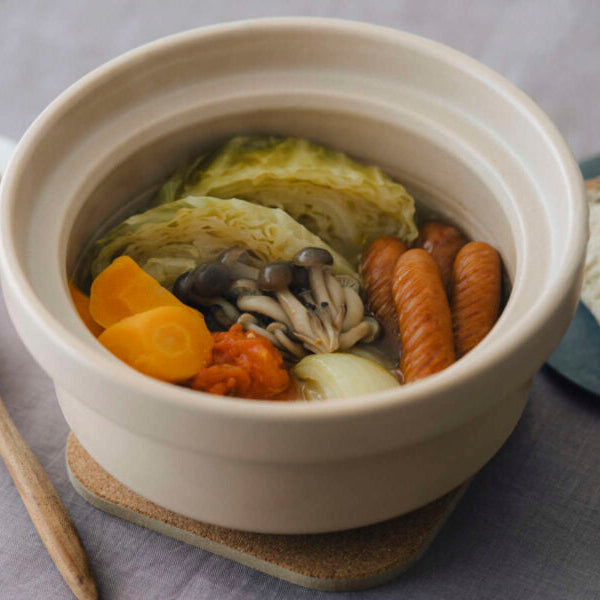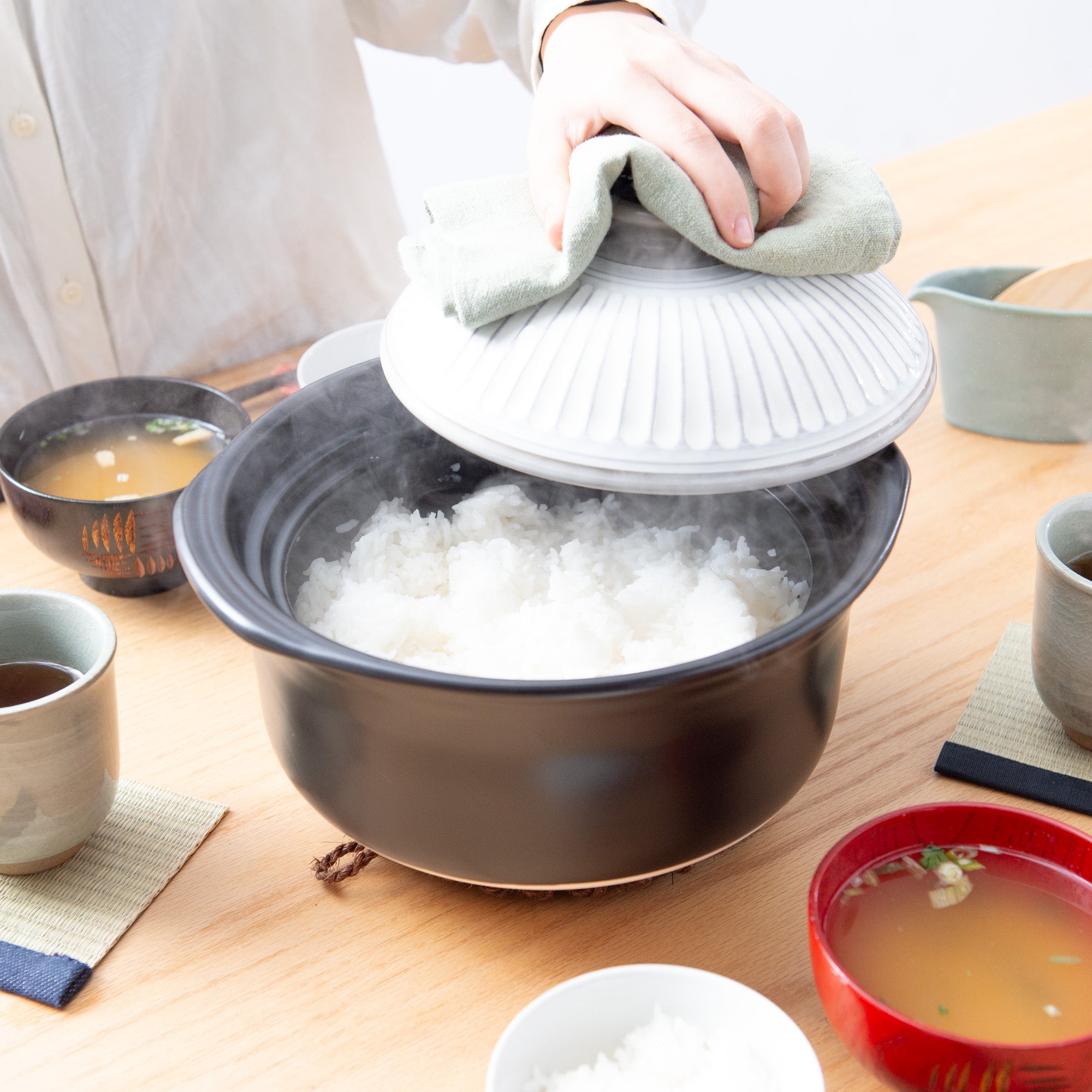
Artículos de Yokkaichi Banko
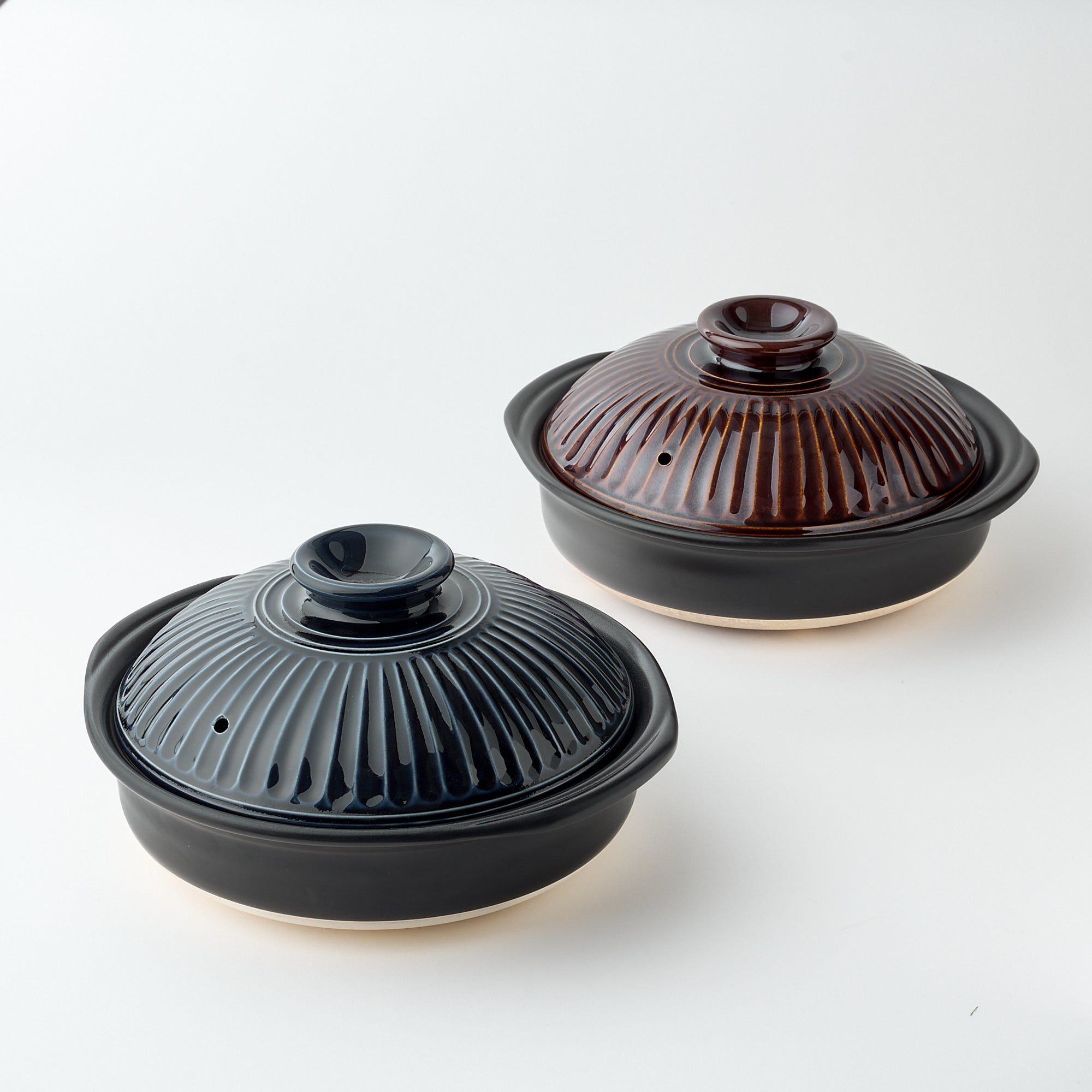
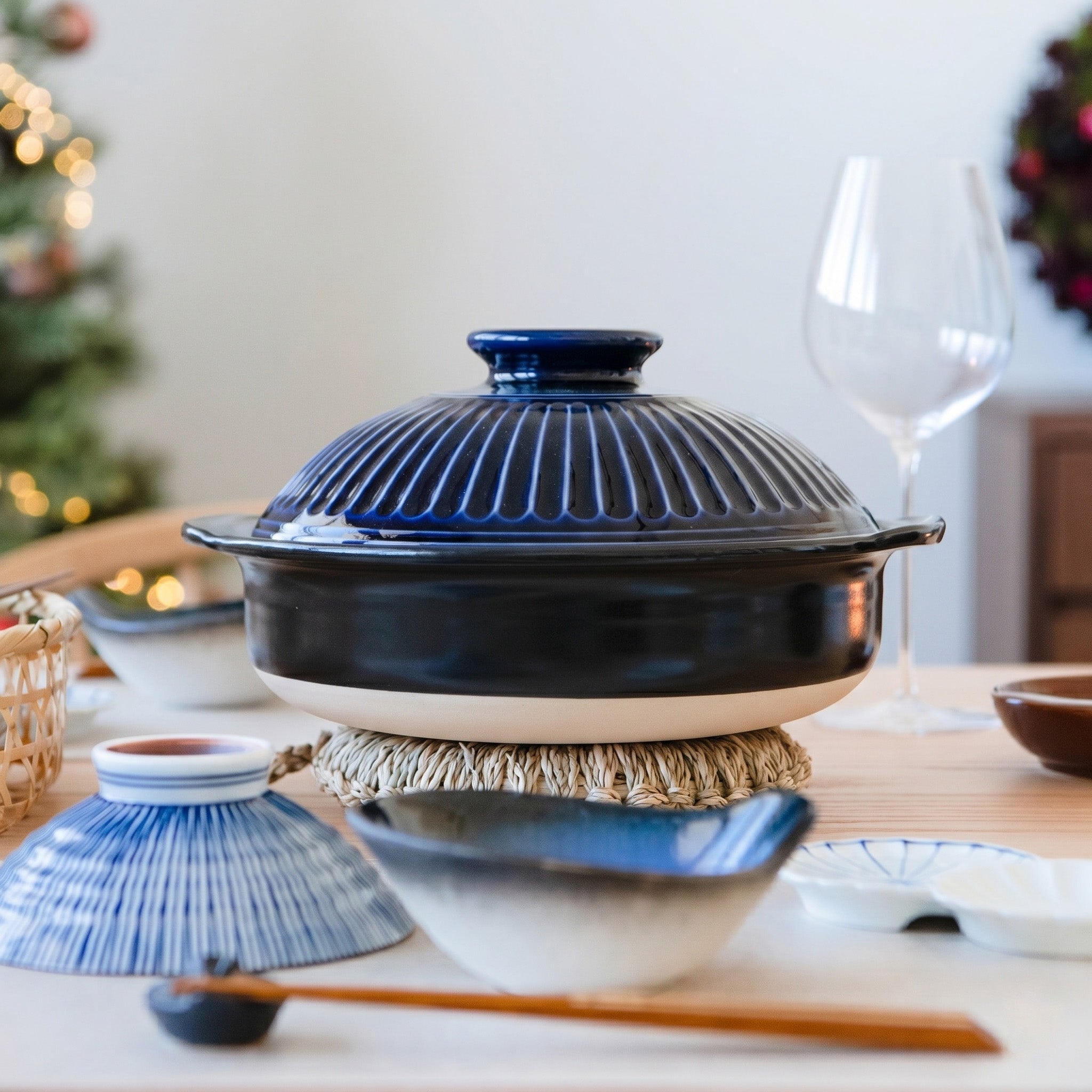
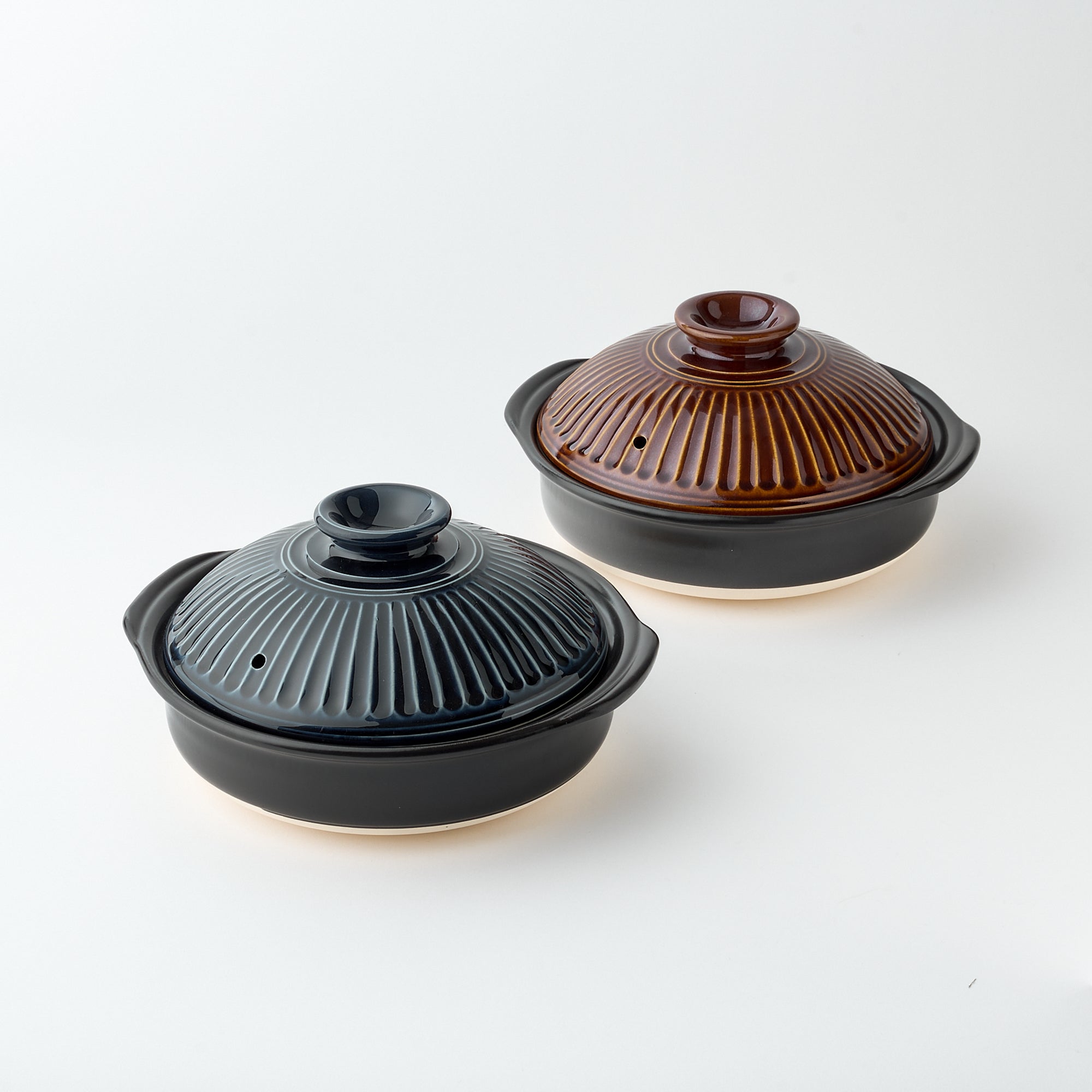
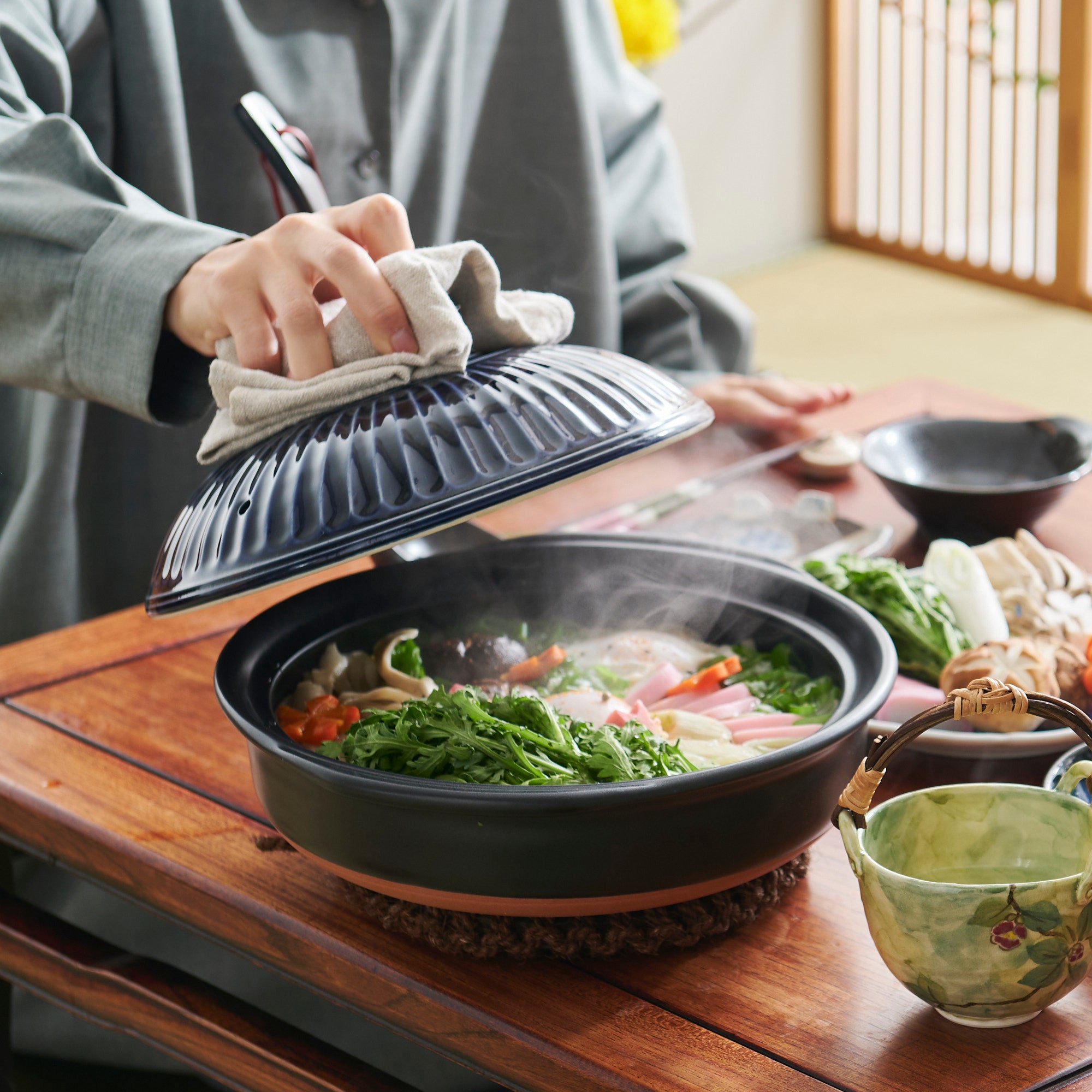
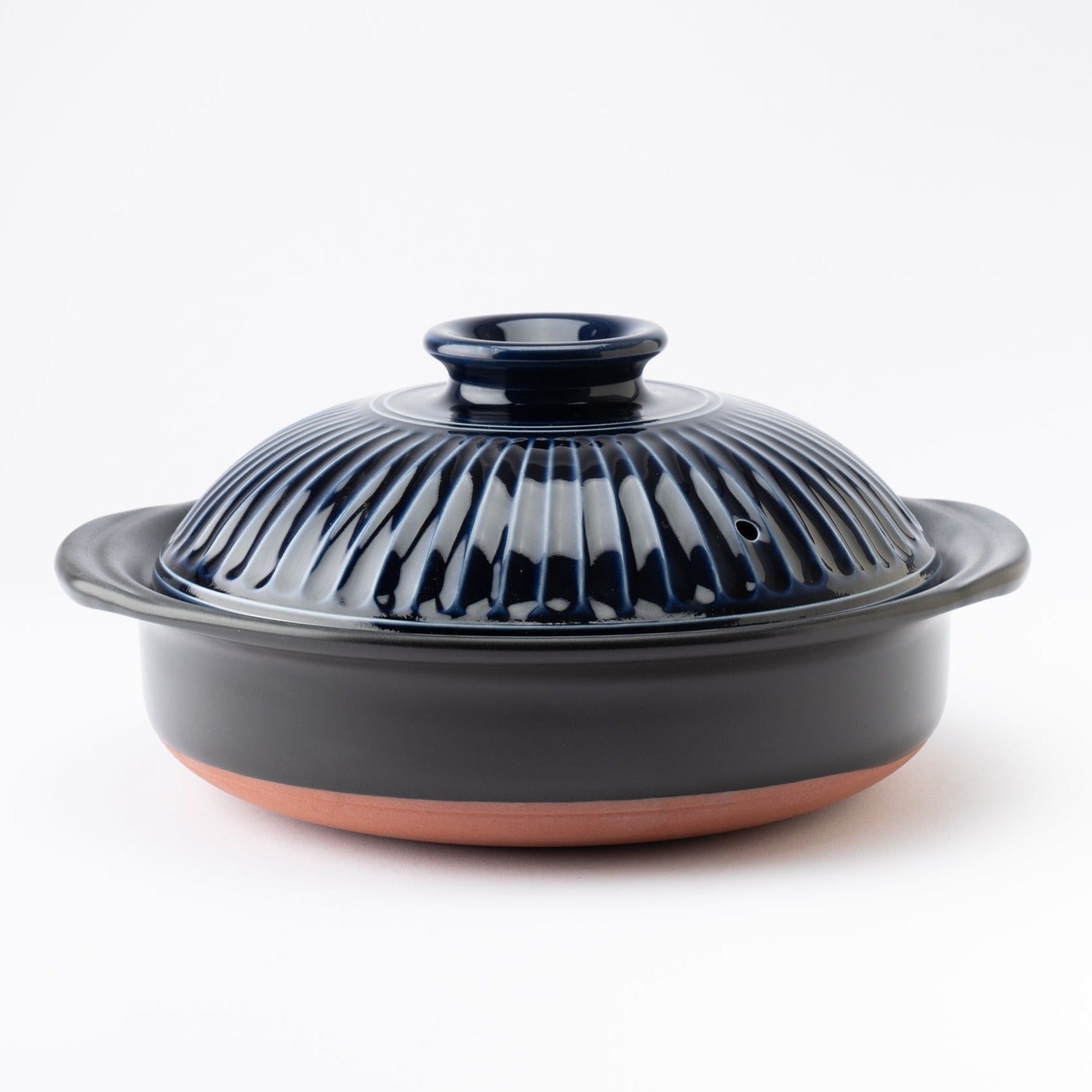
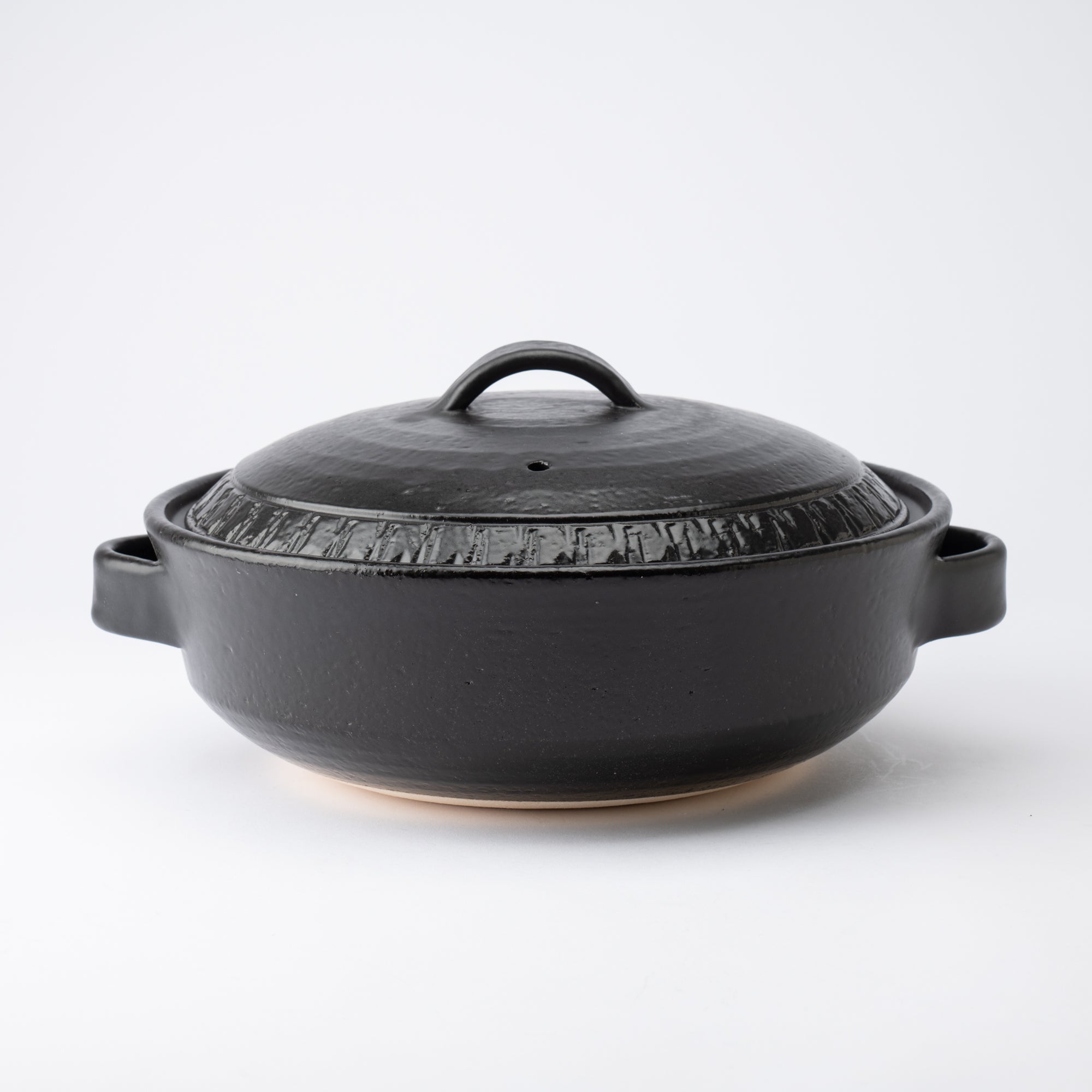
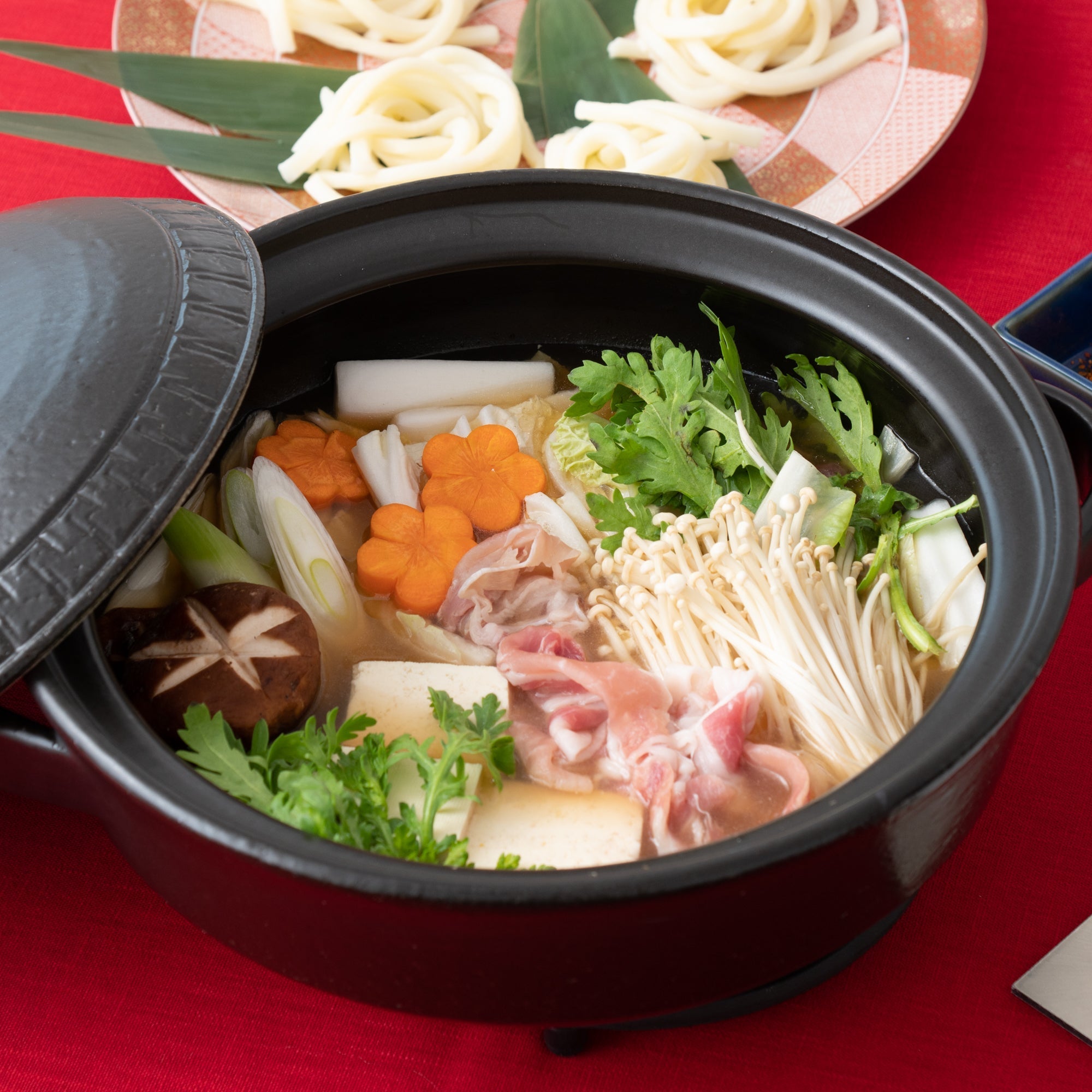
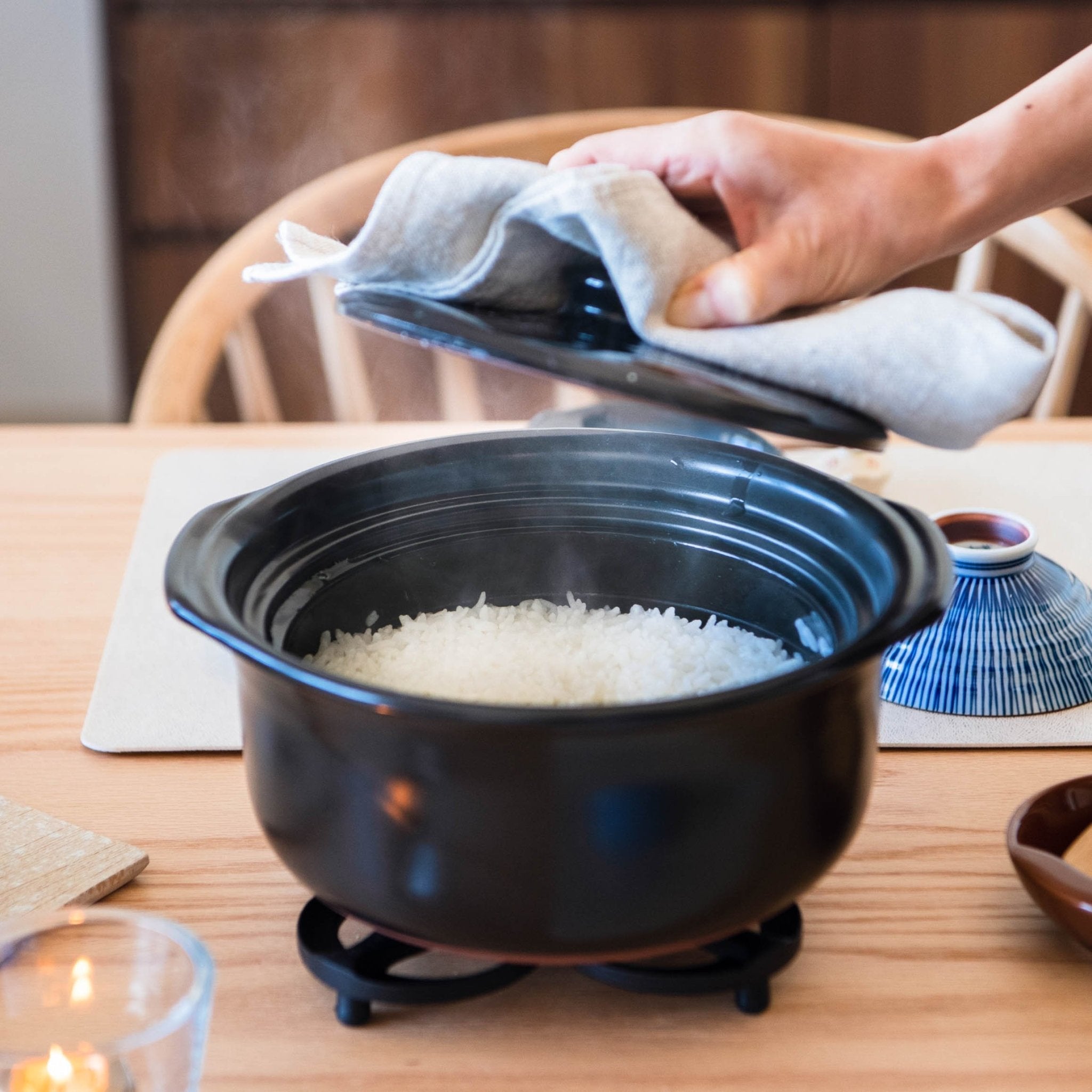
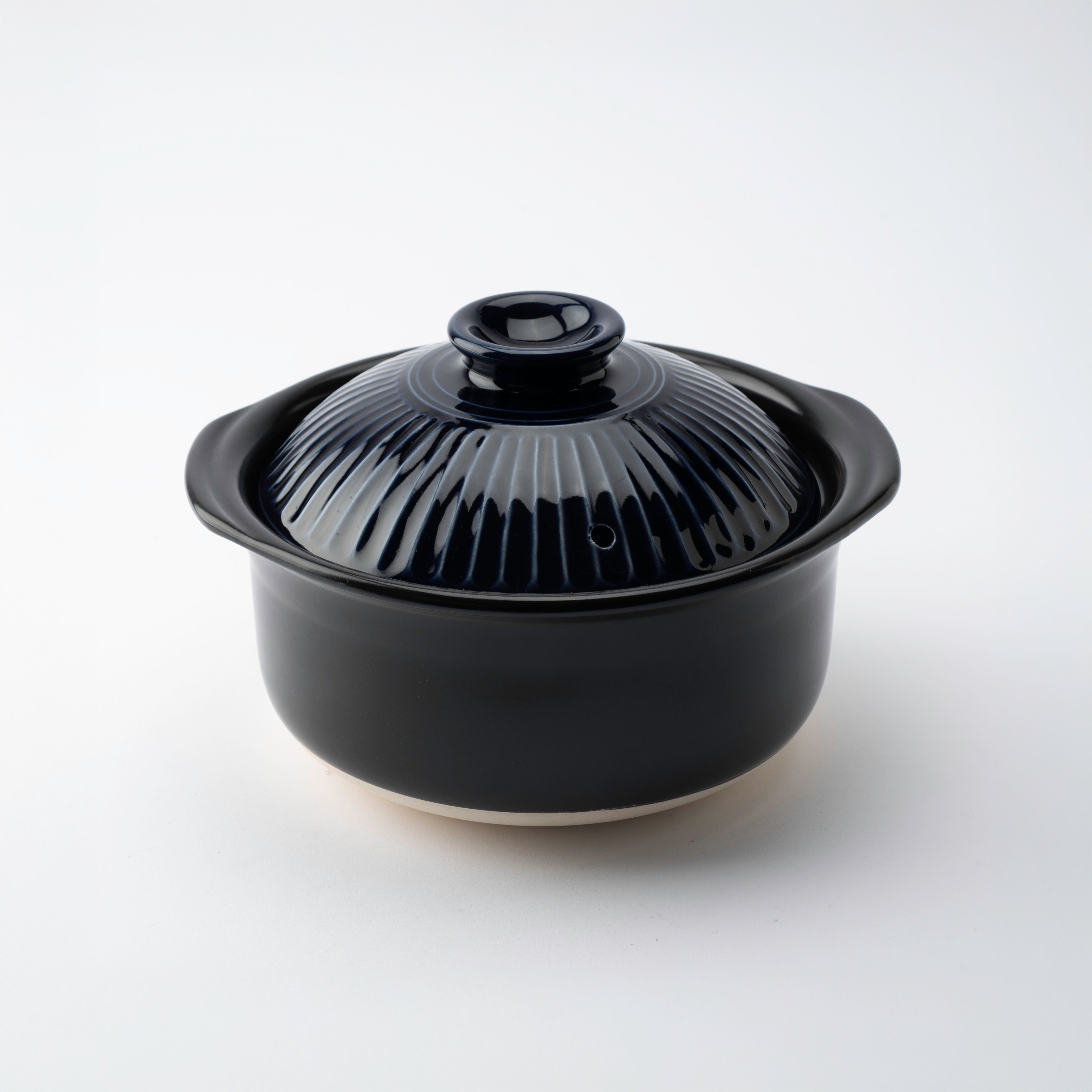
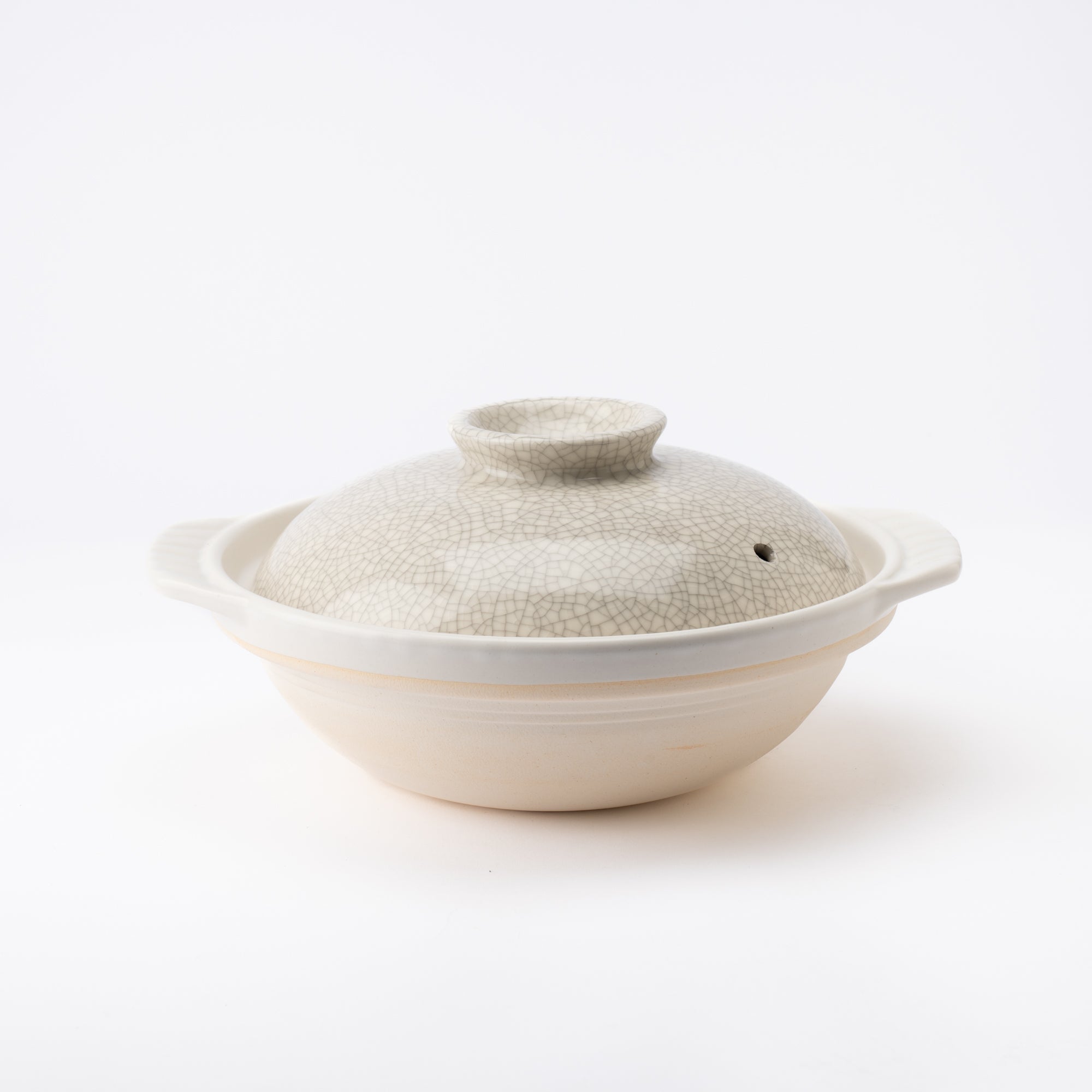
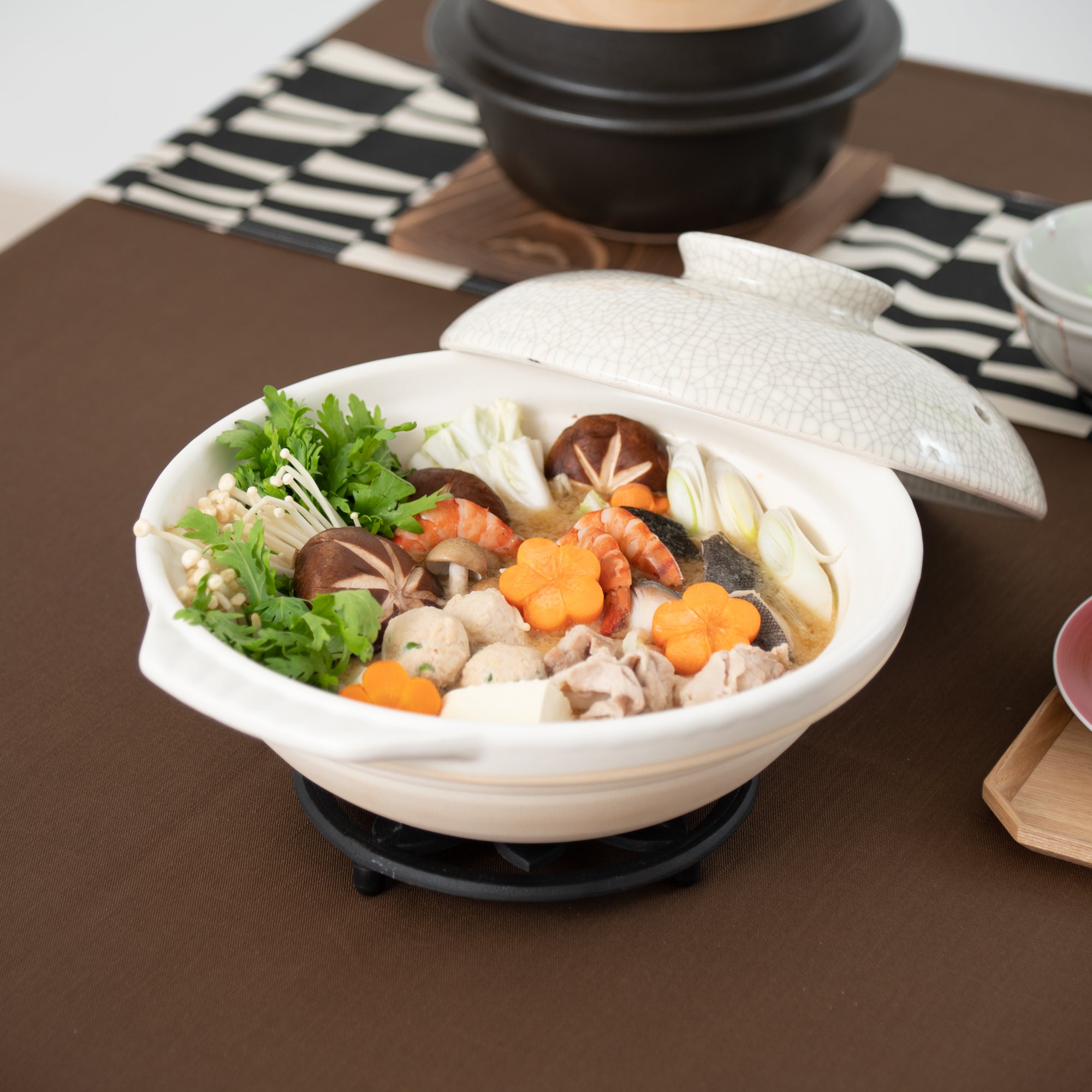
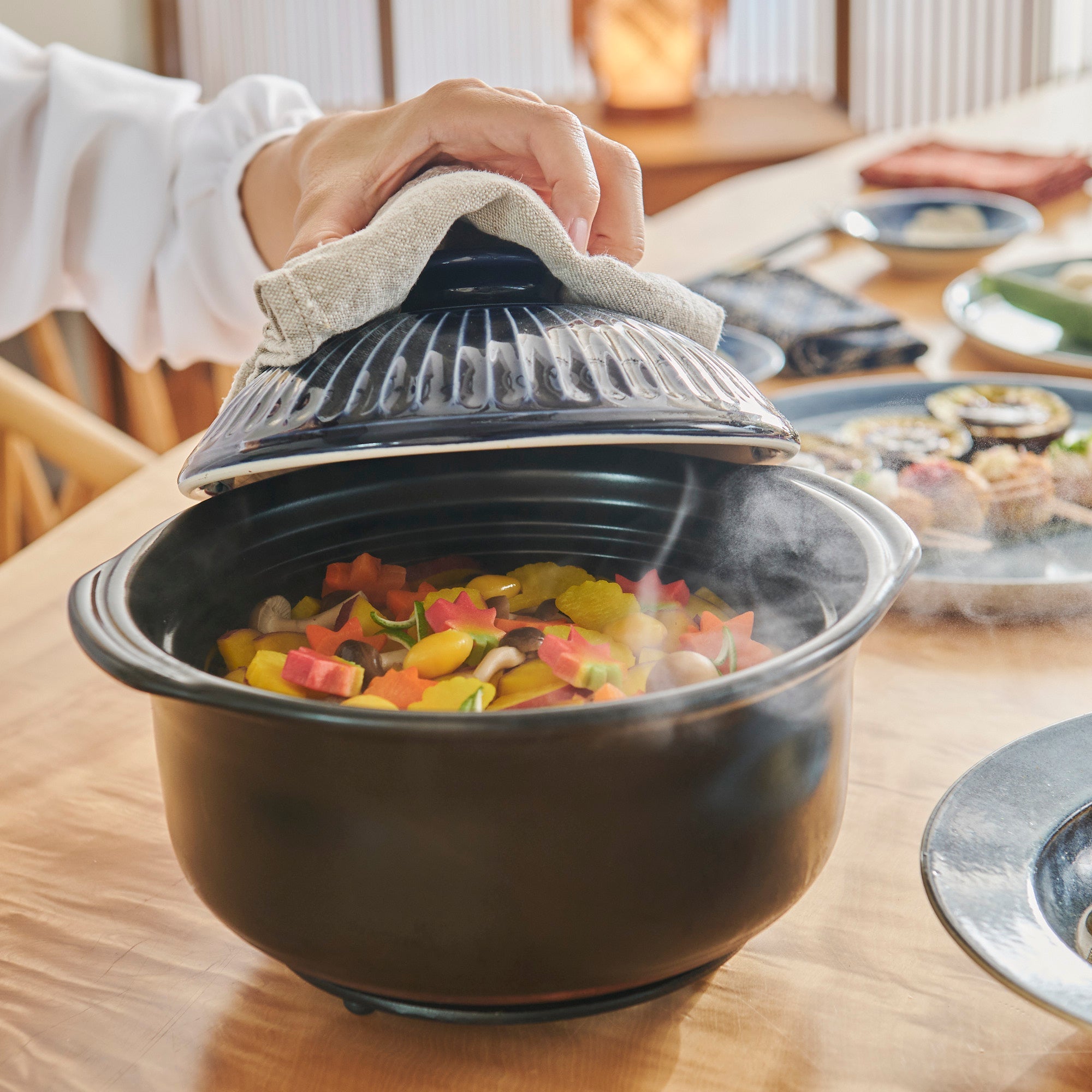
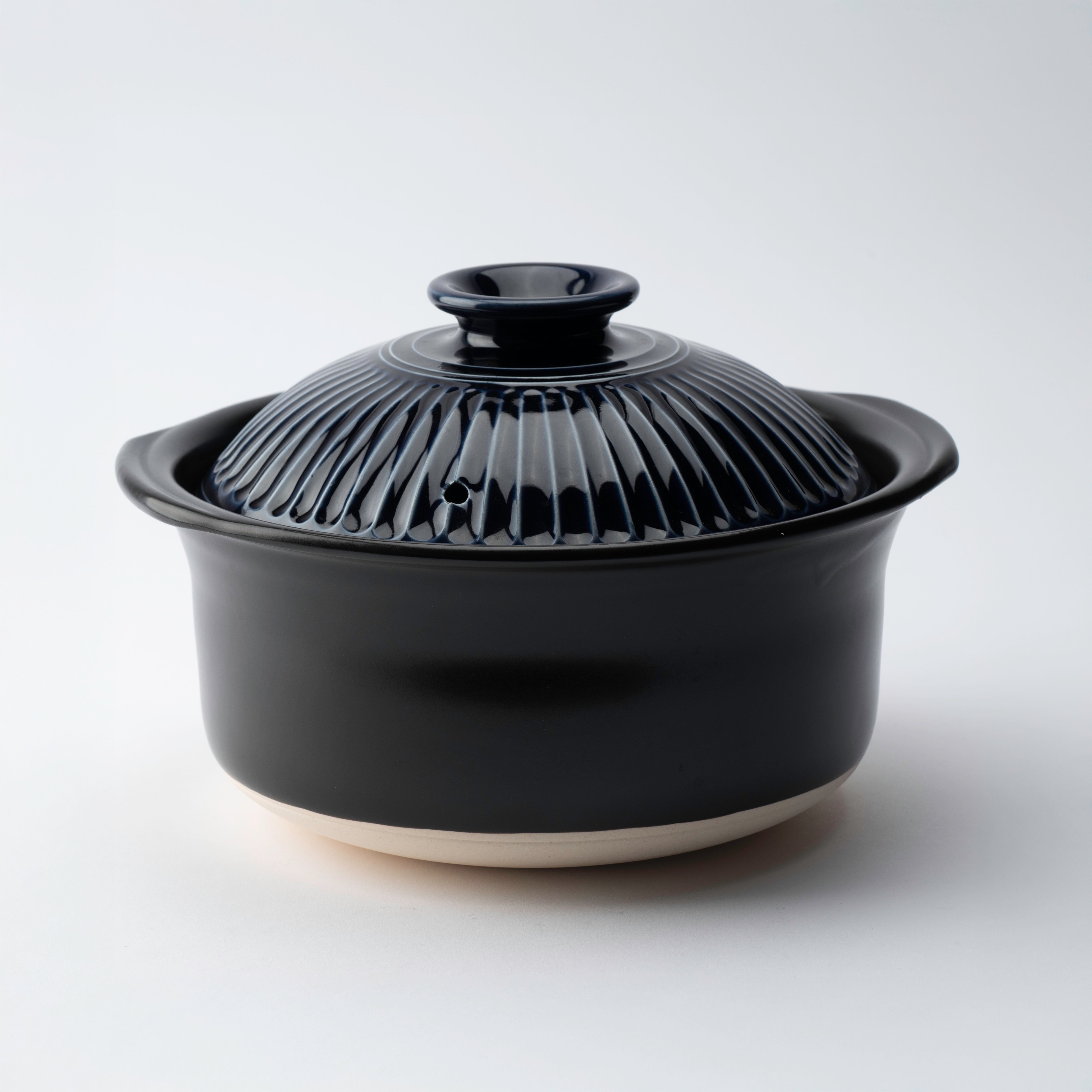
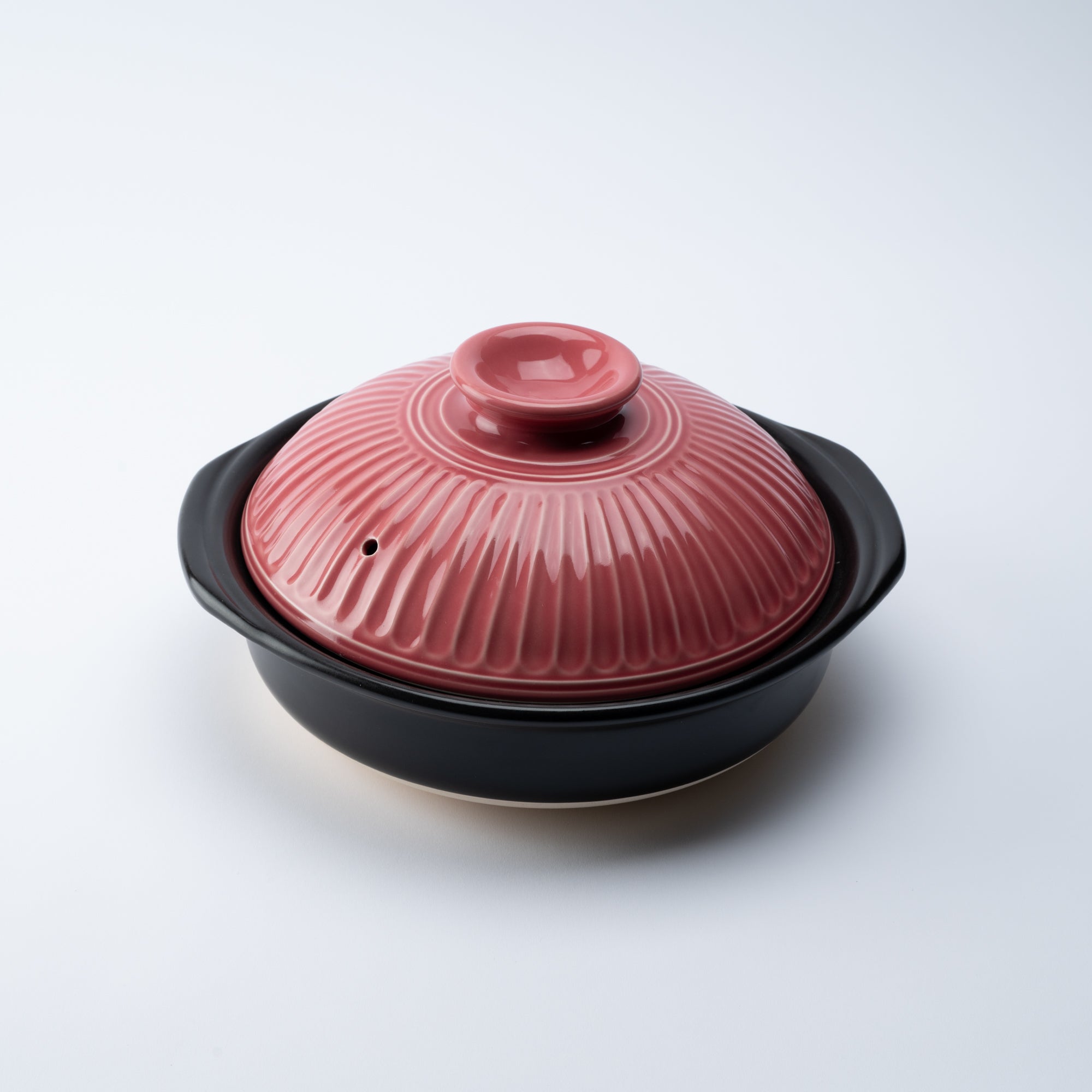
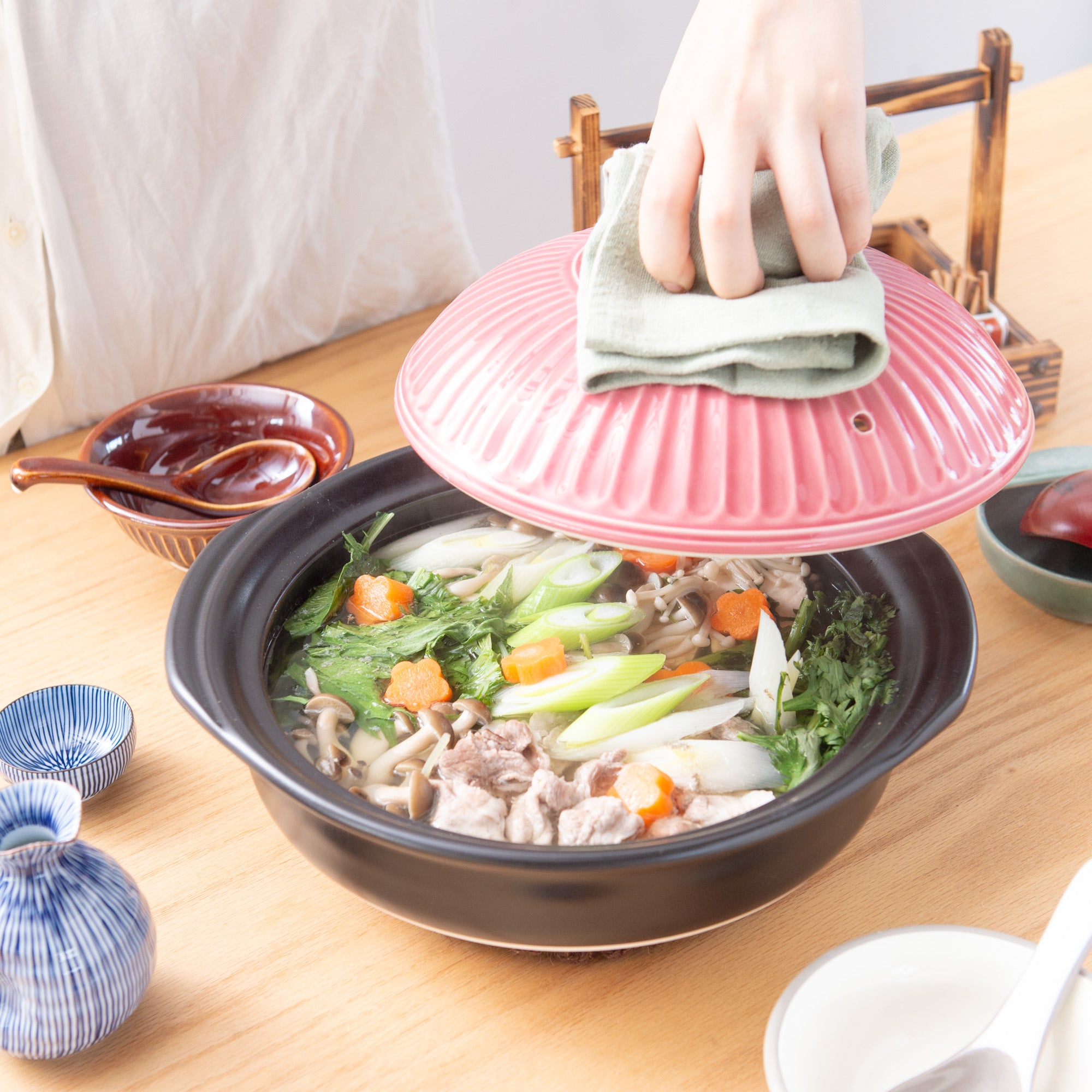
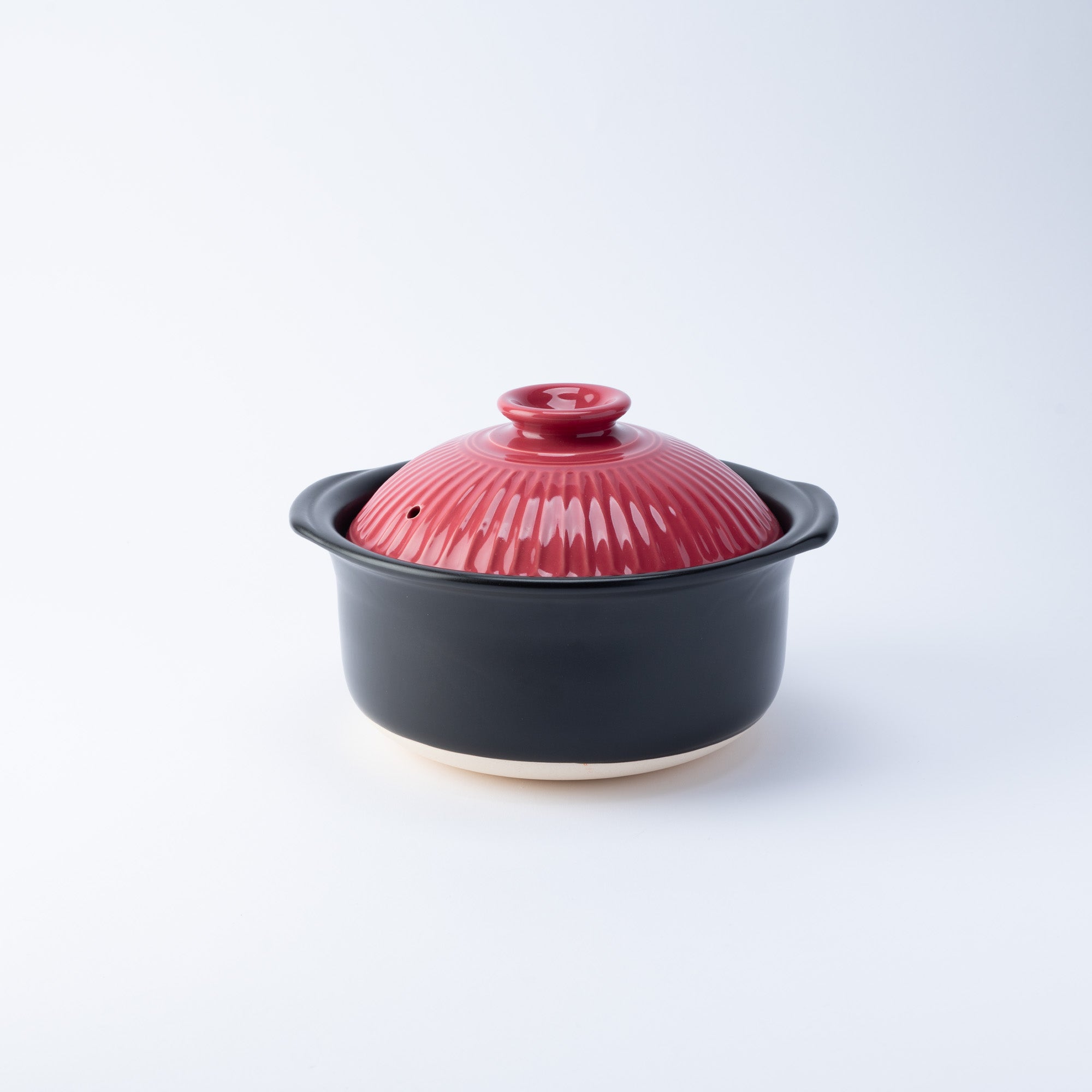
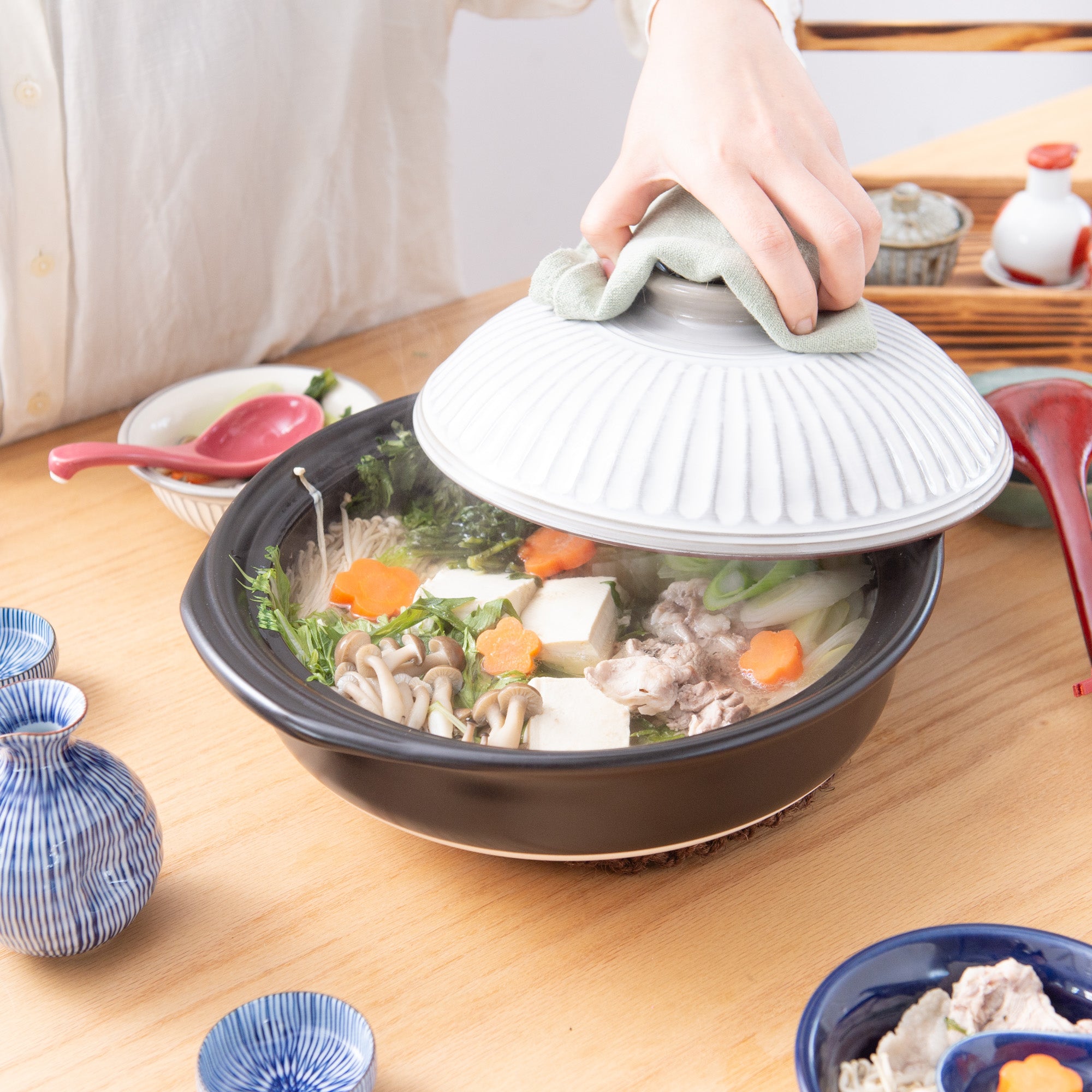
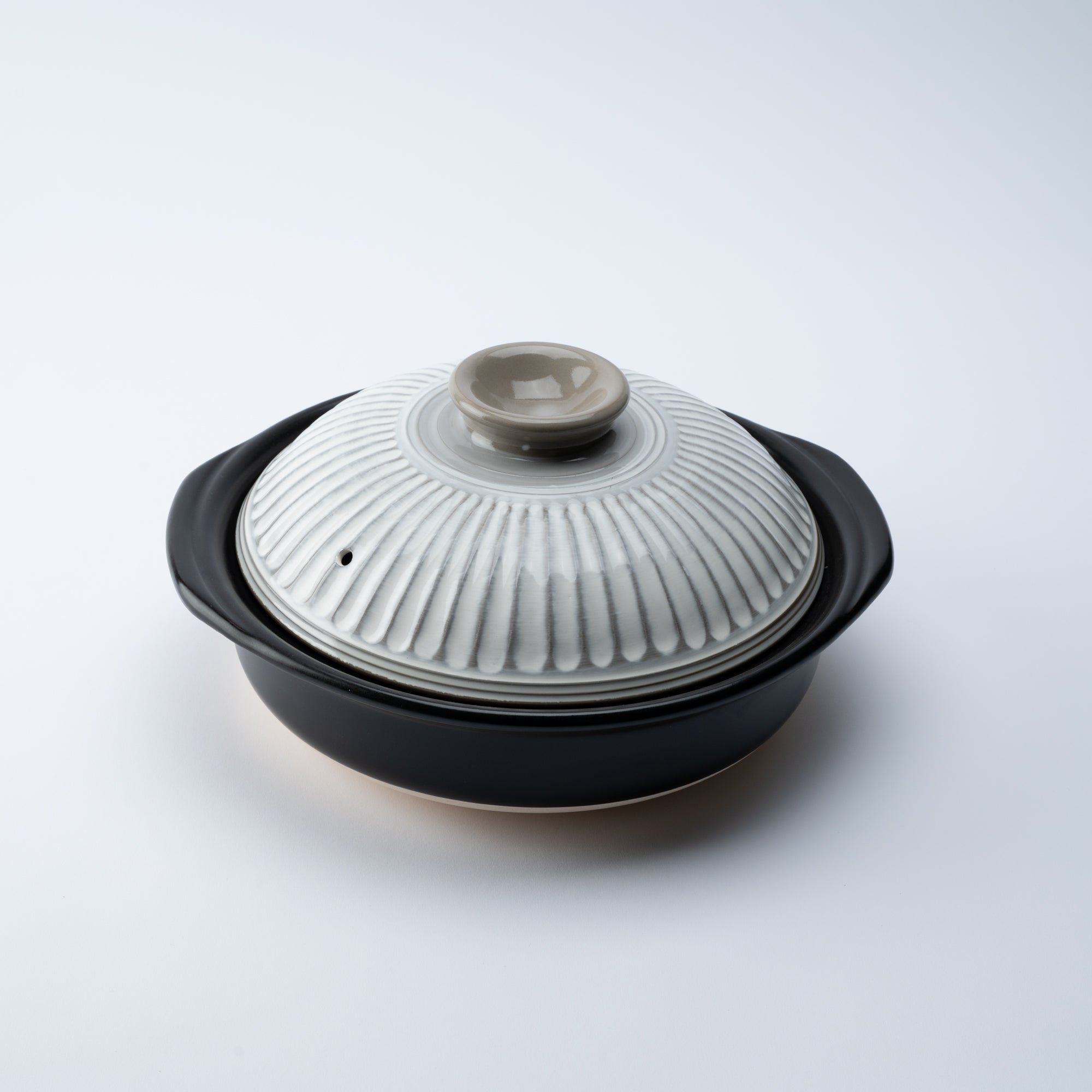
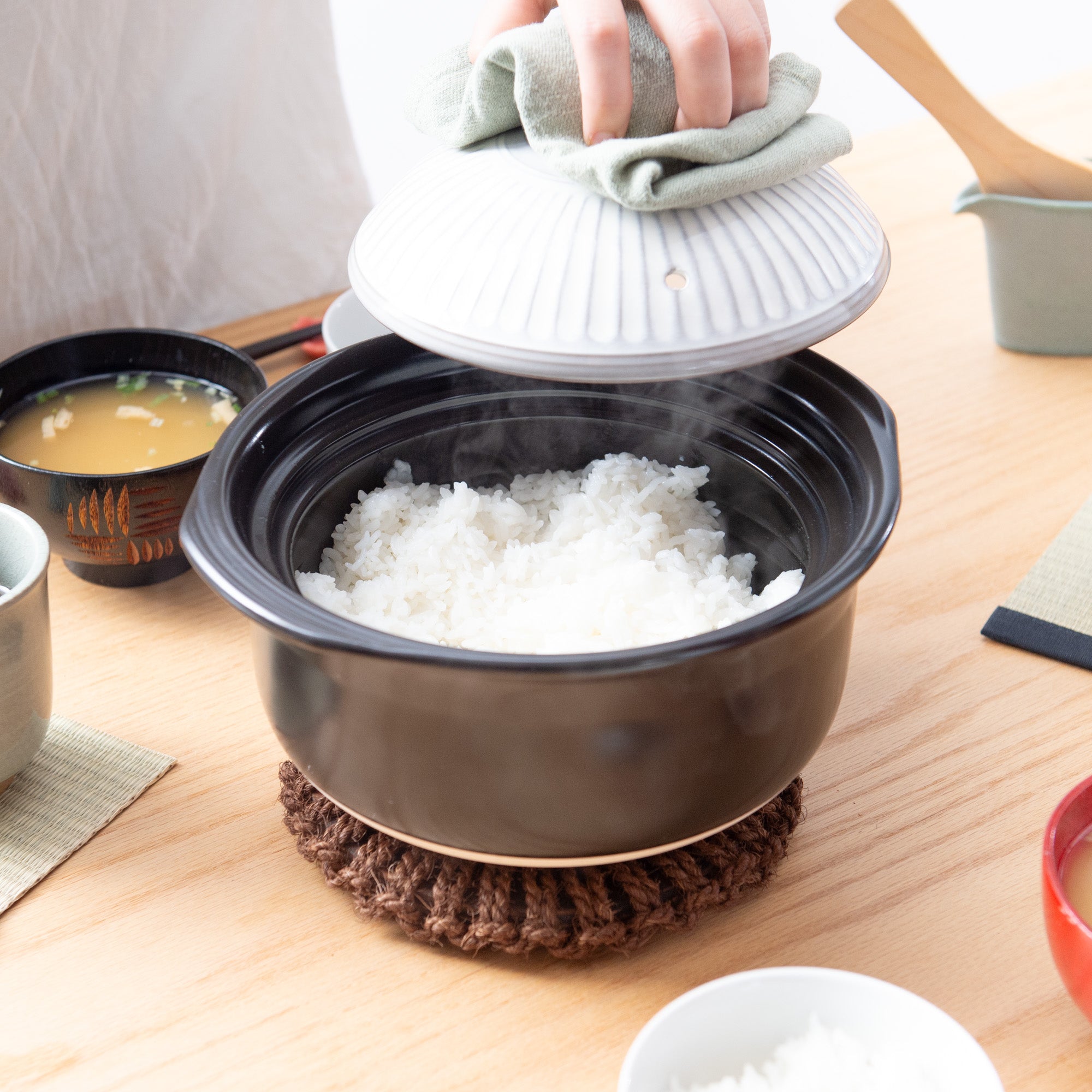
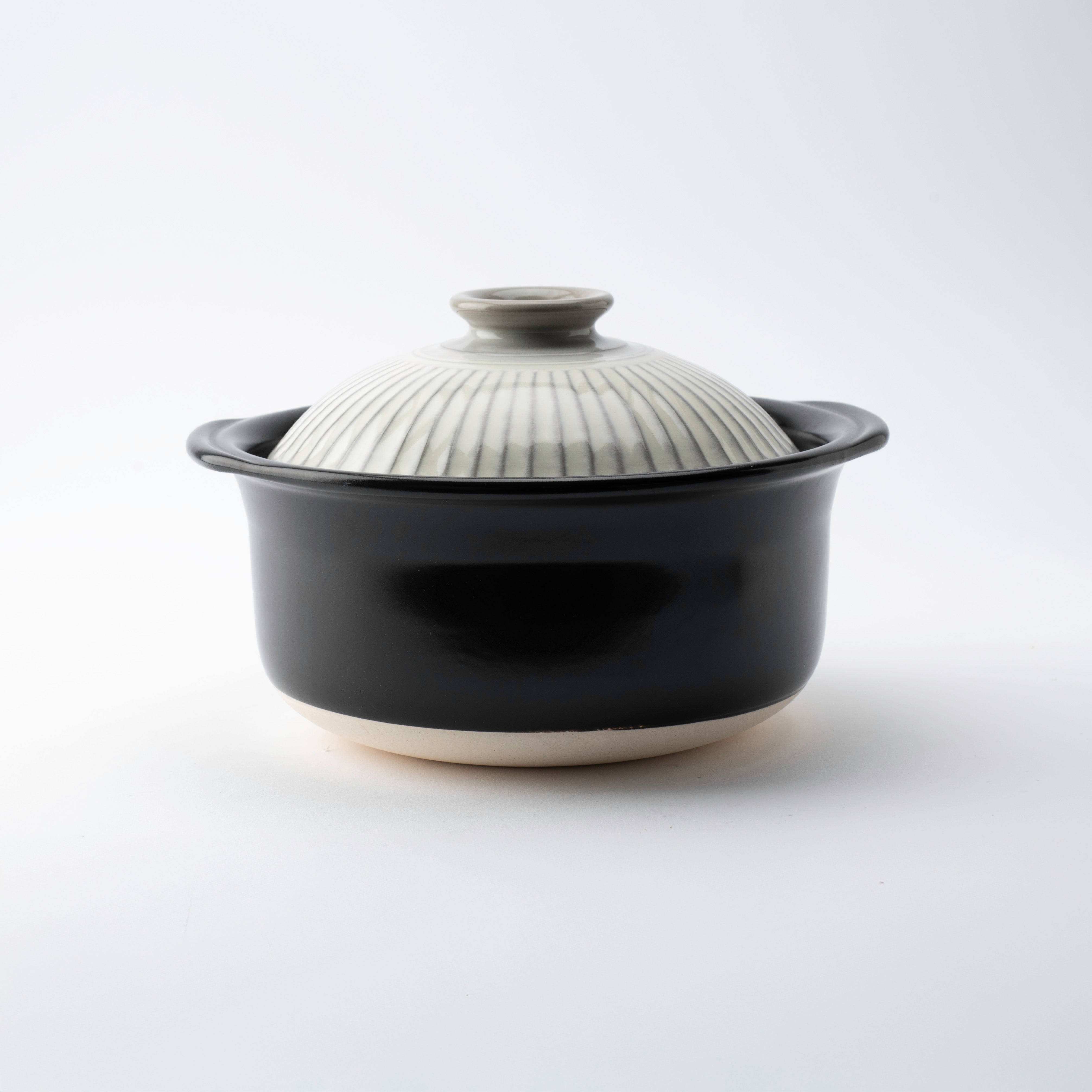
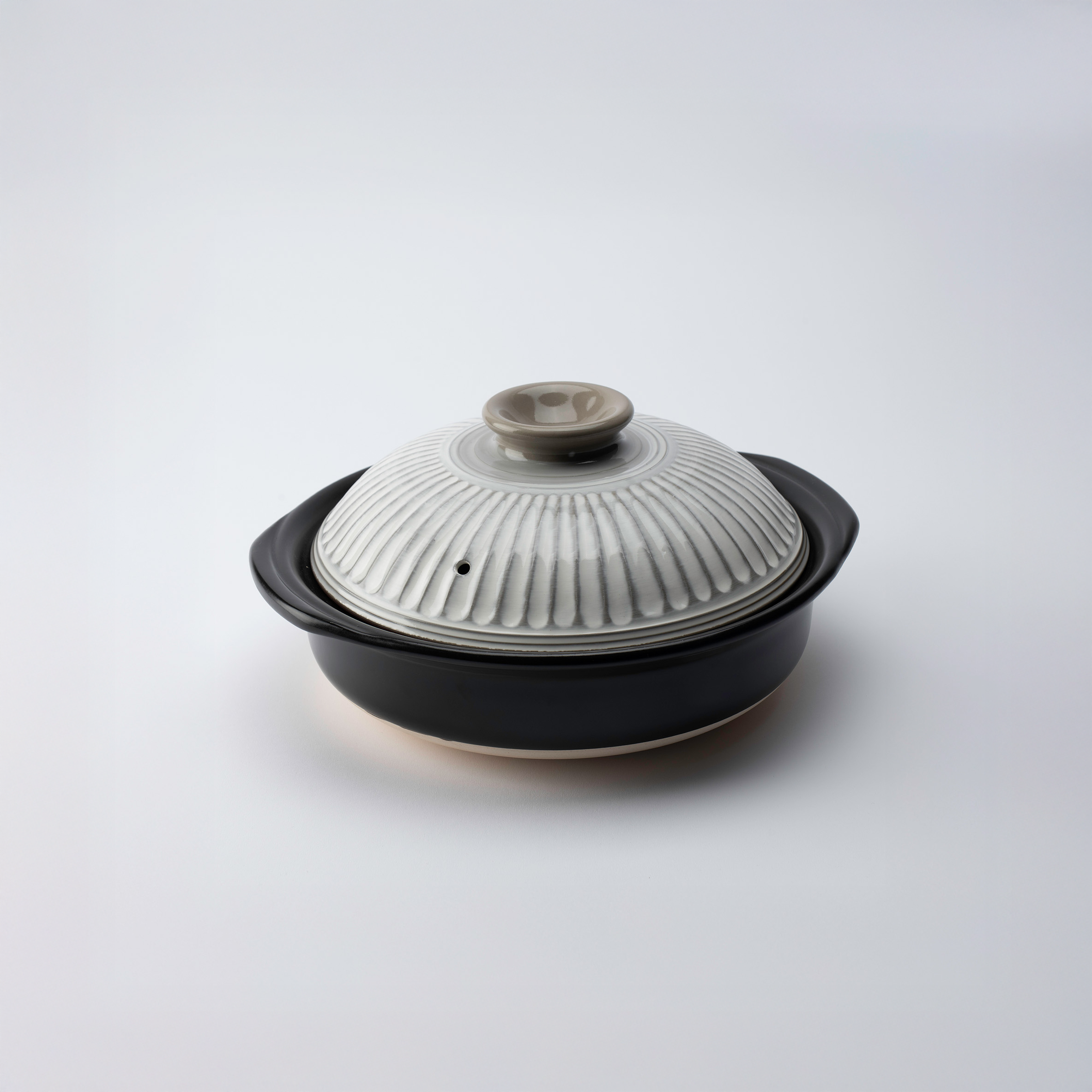
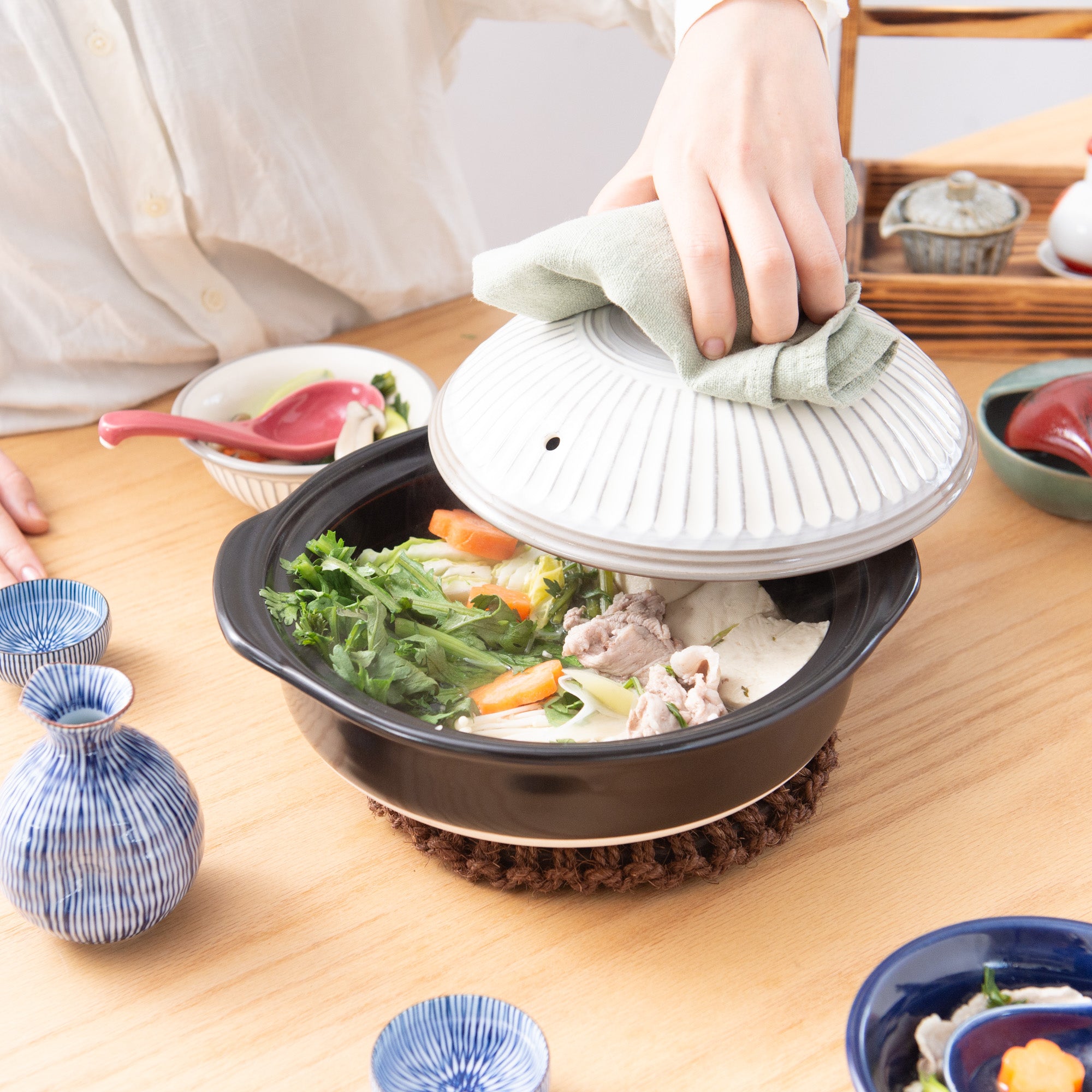
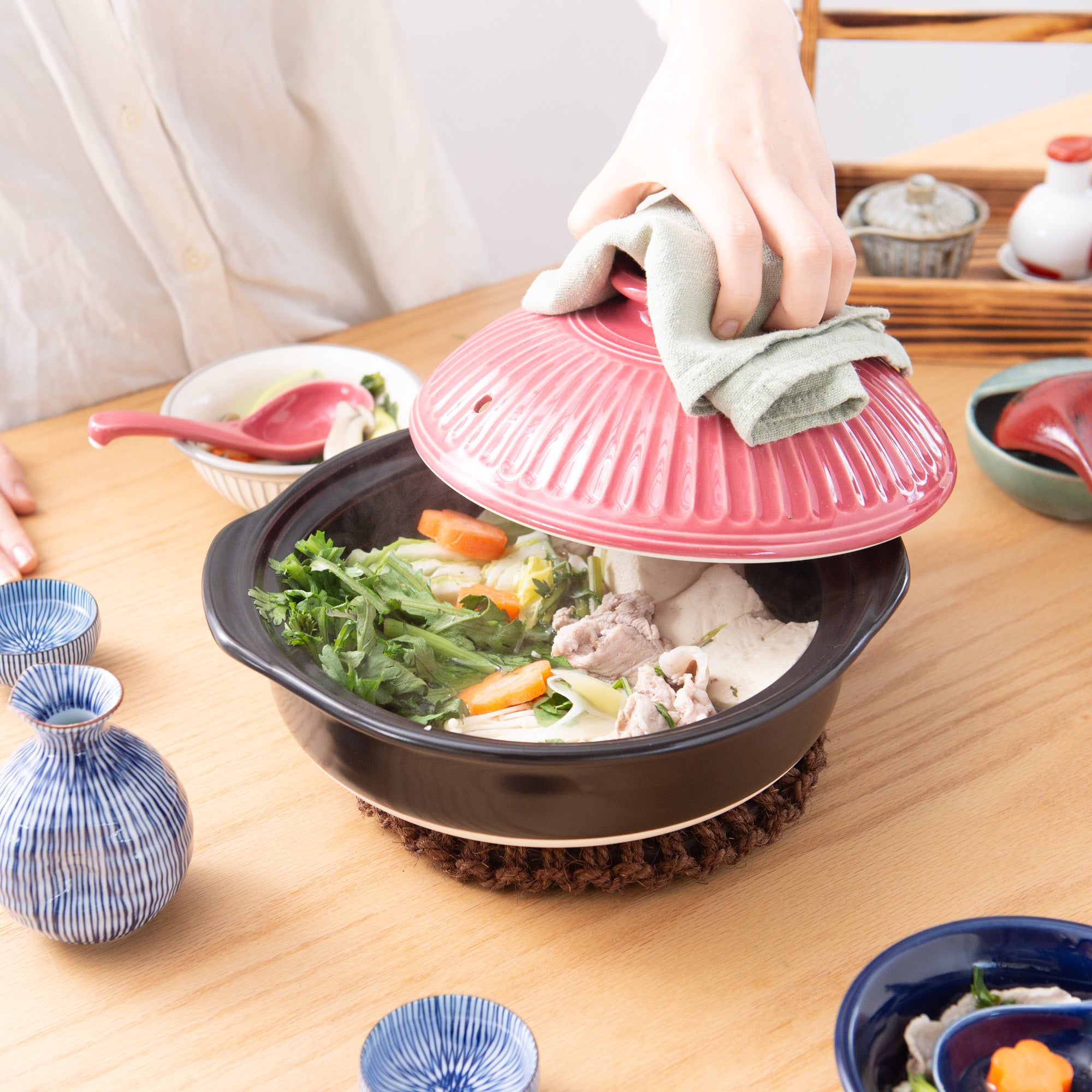
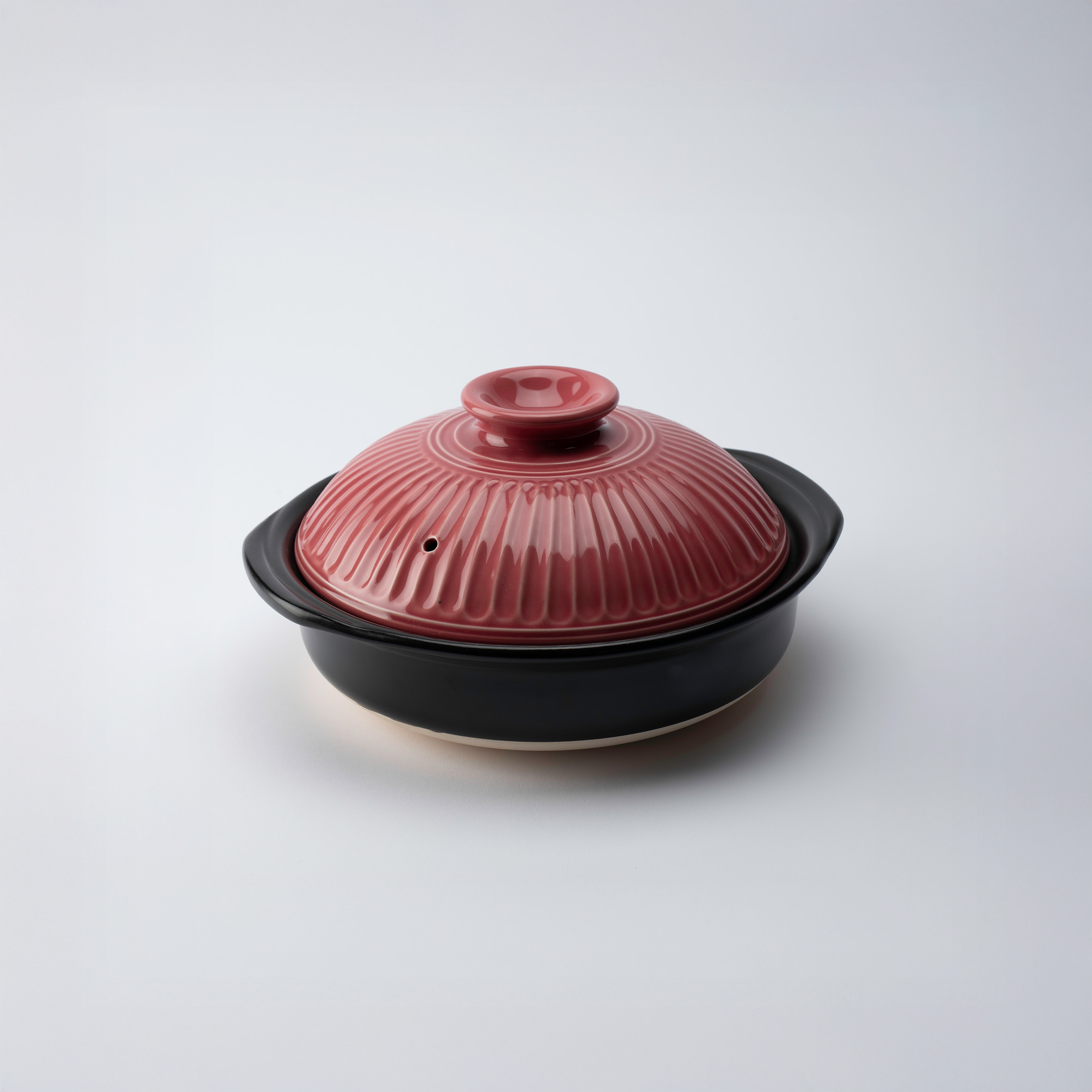
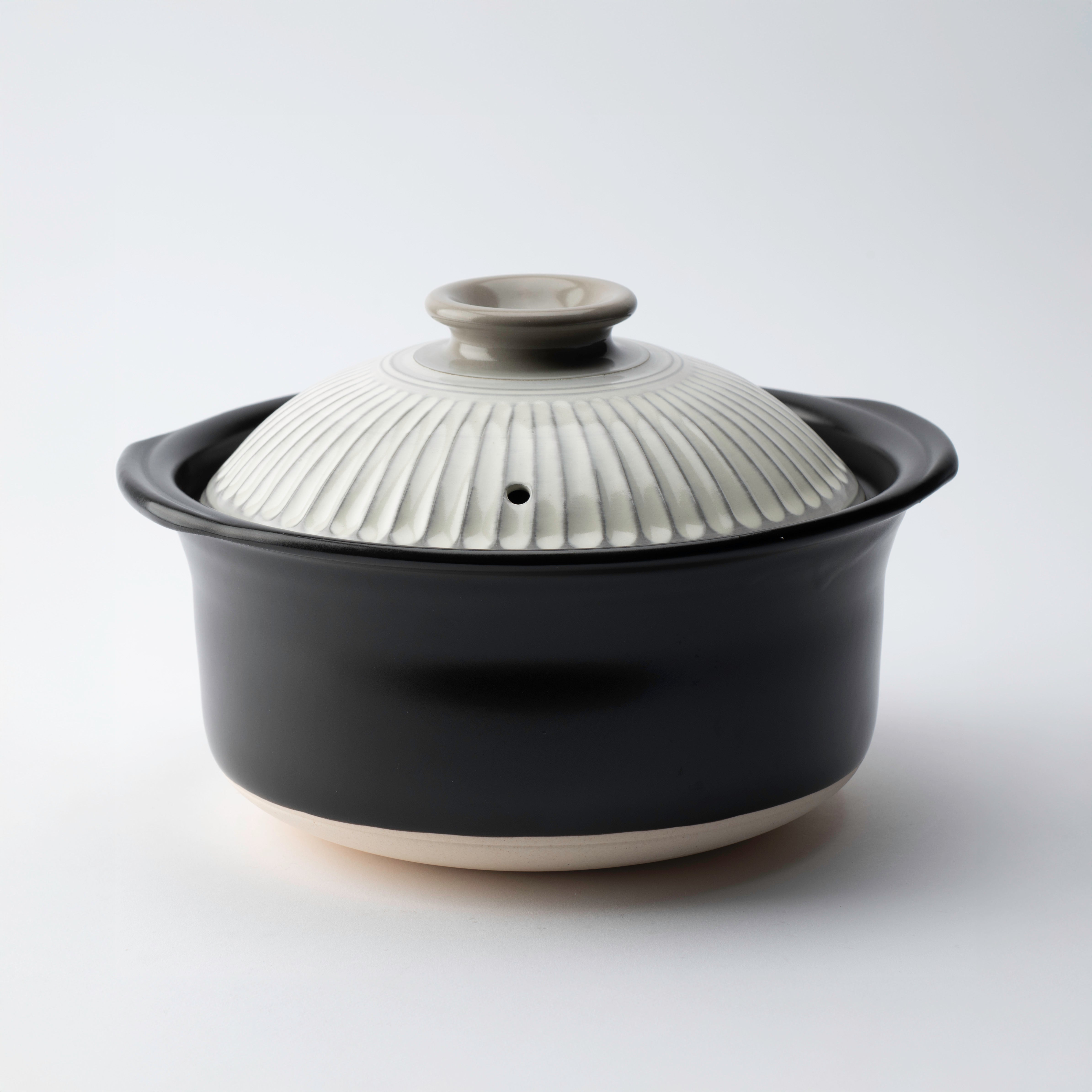
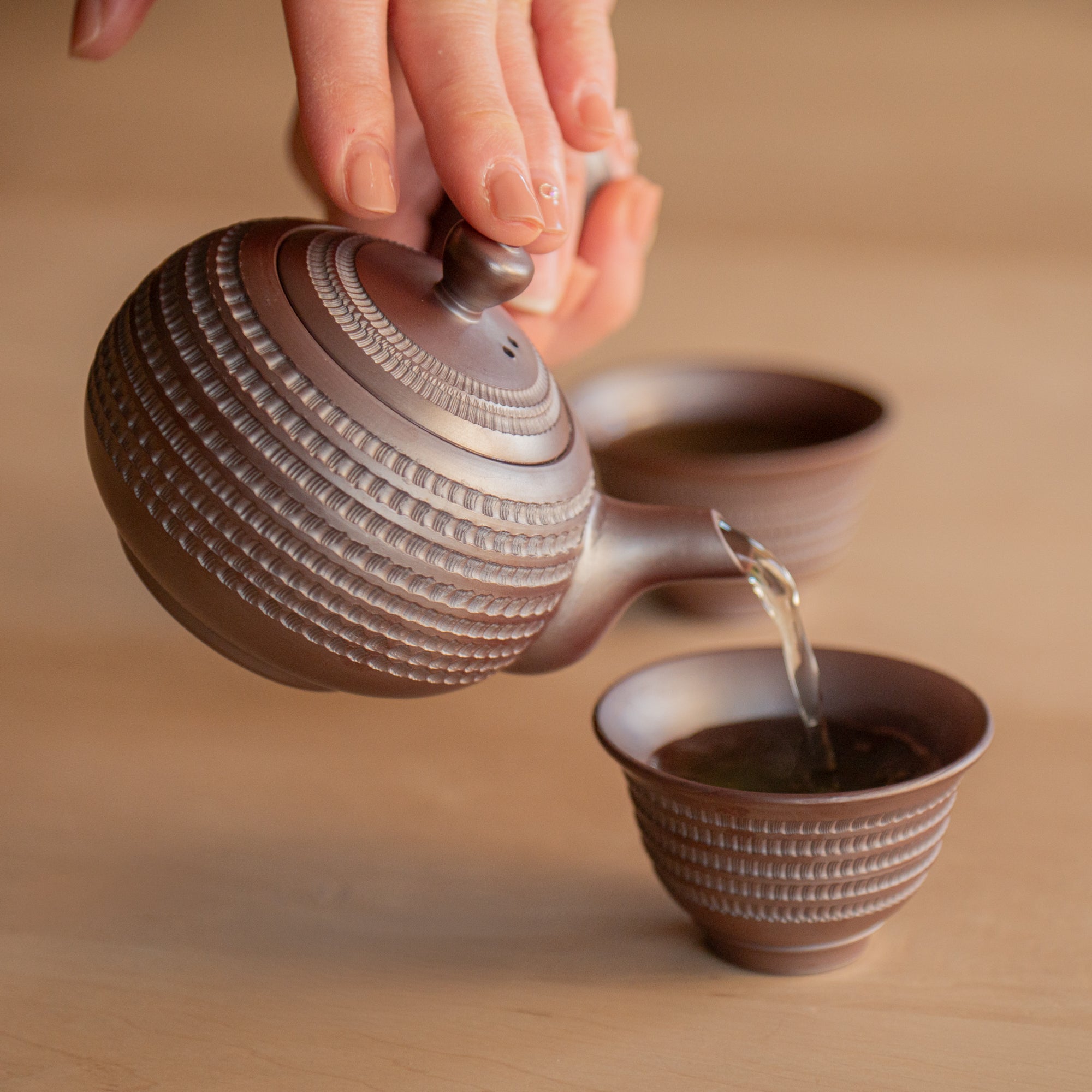
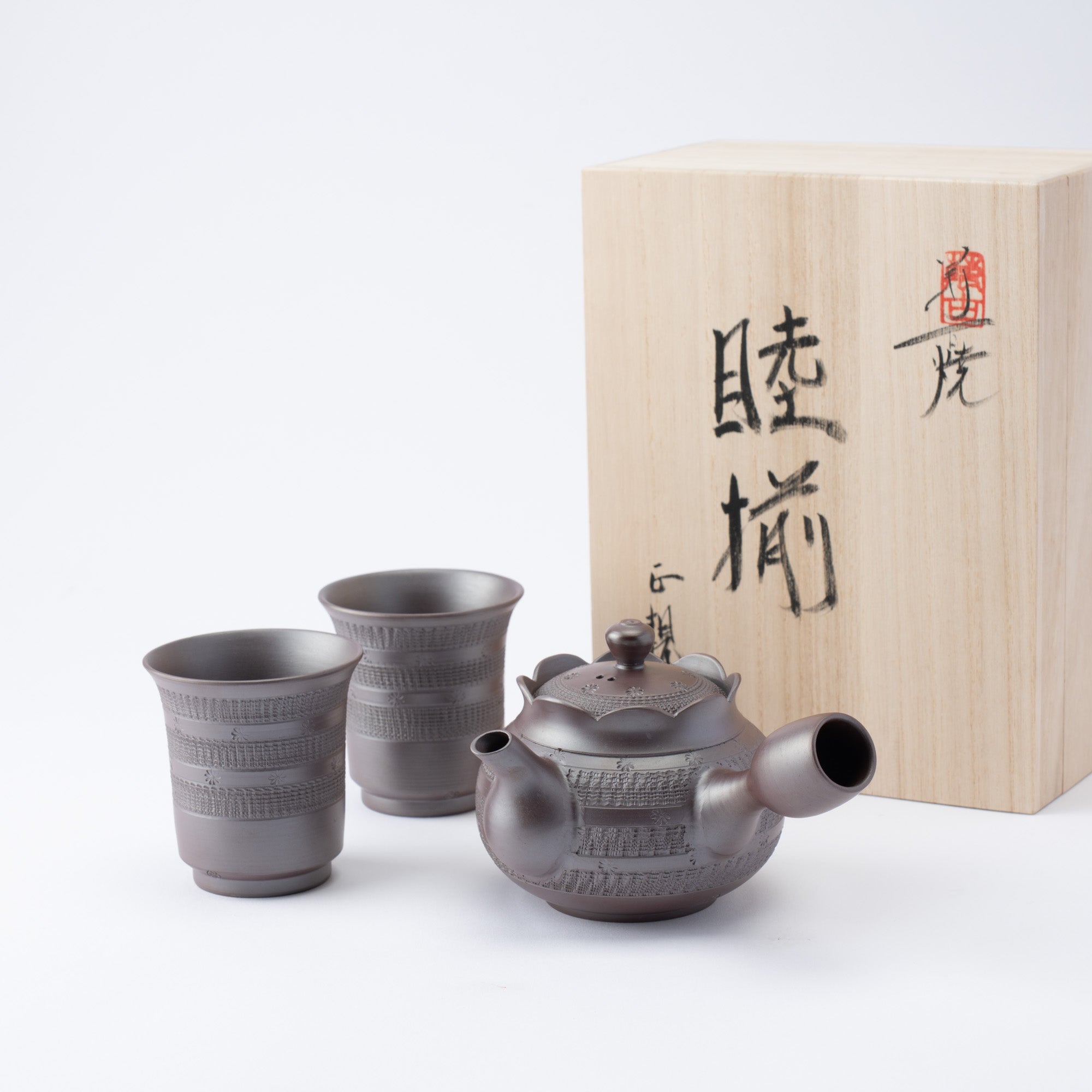
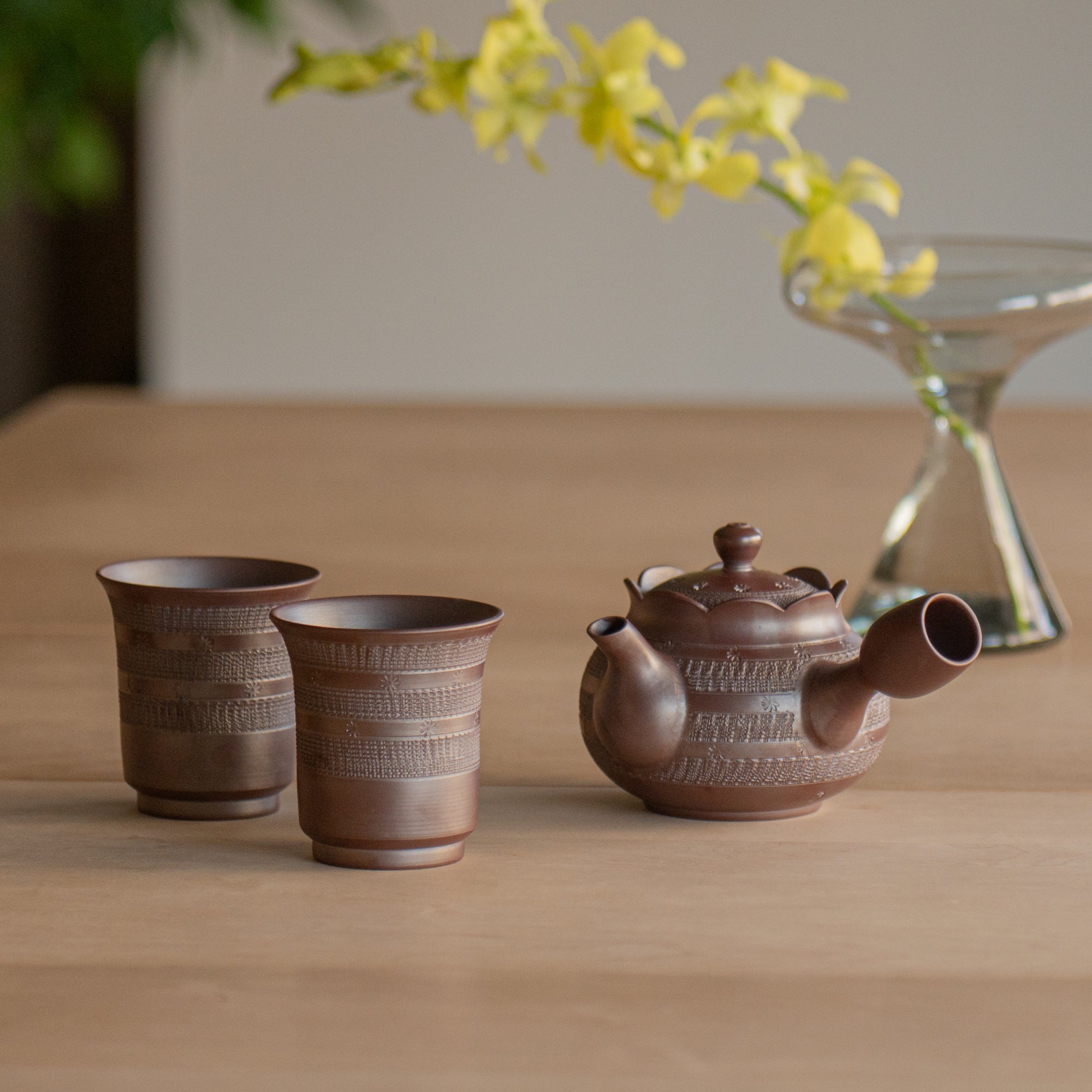
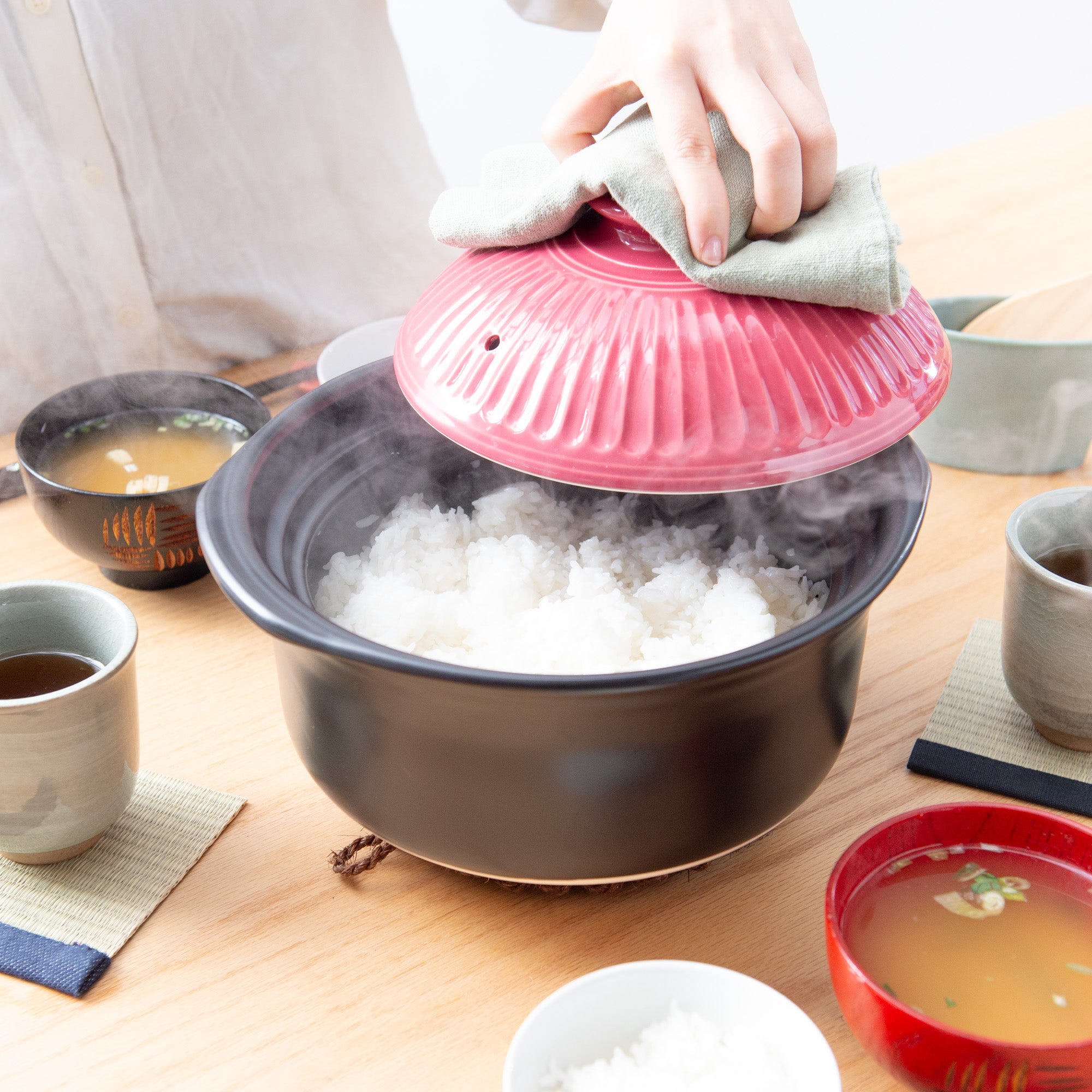
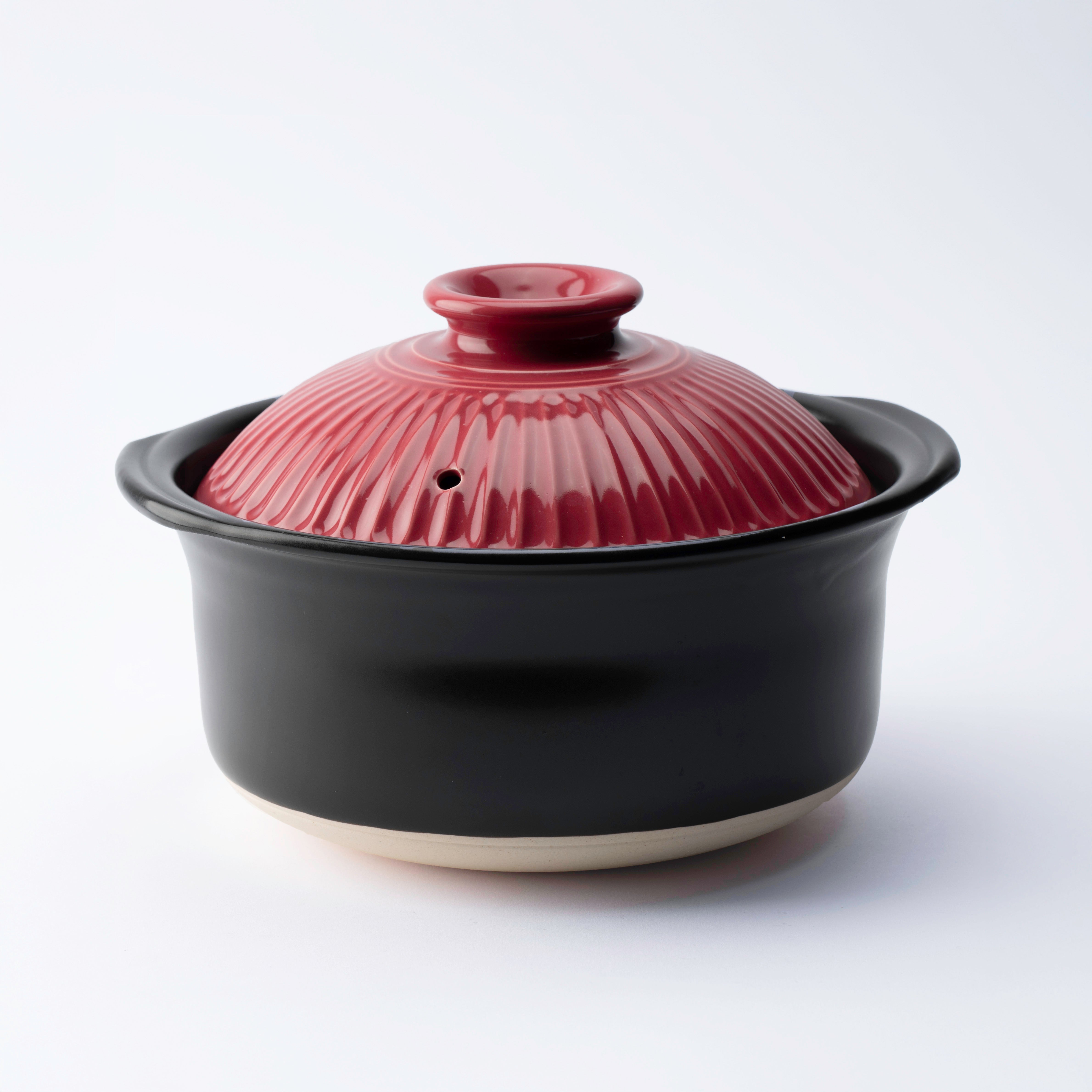
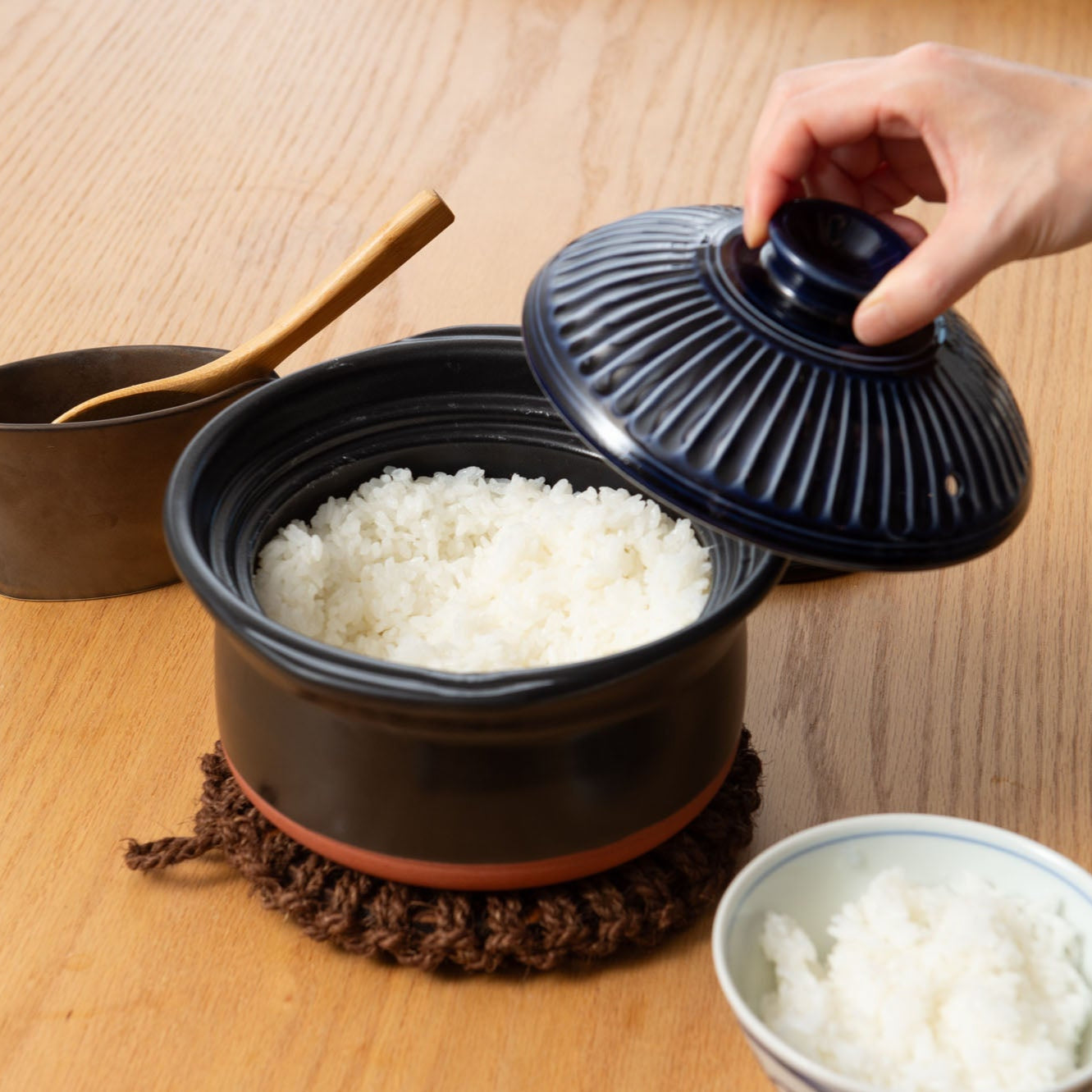
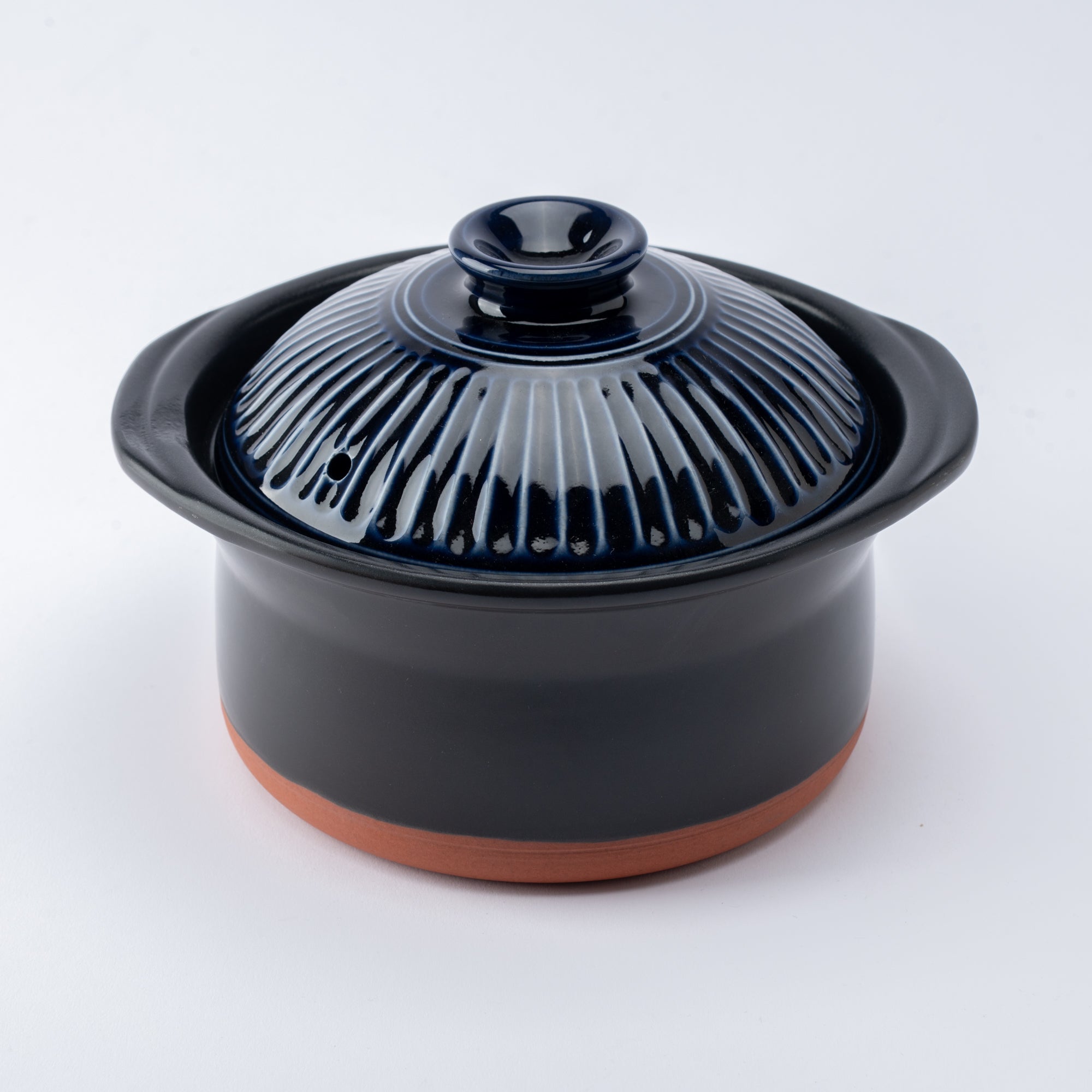
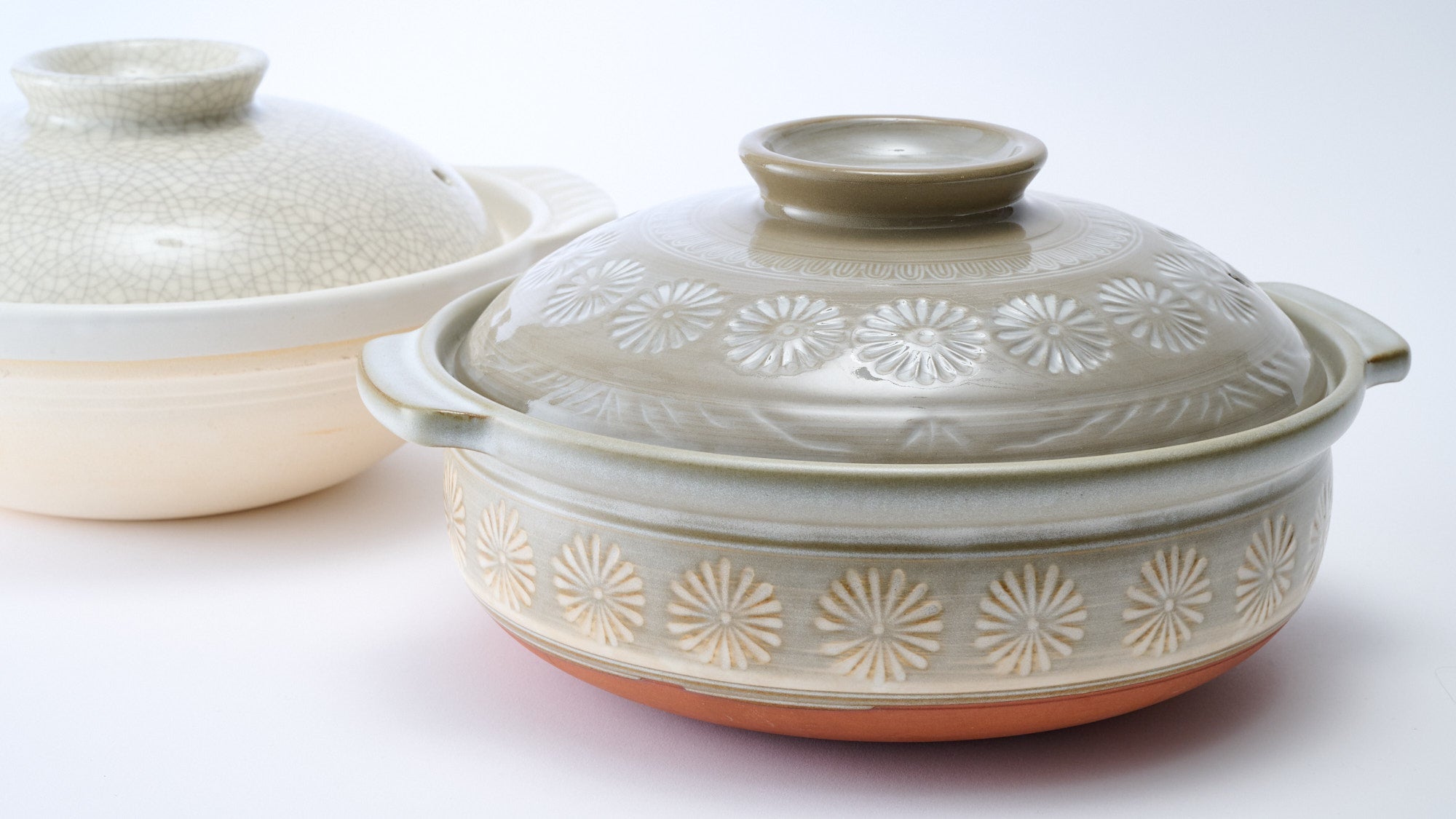
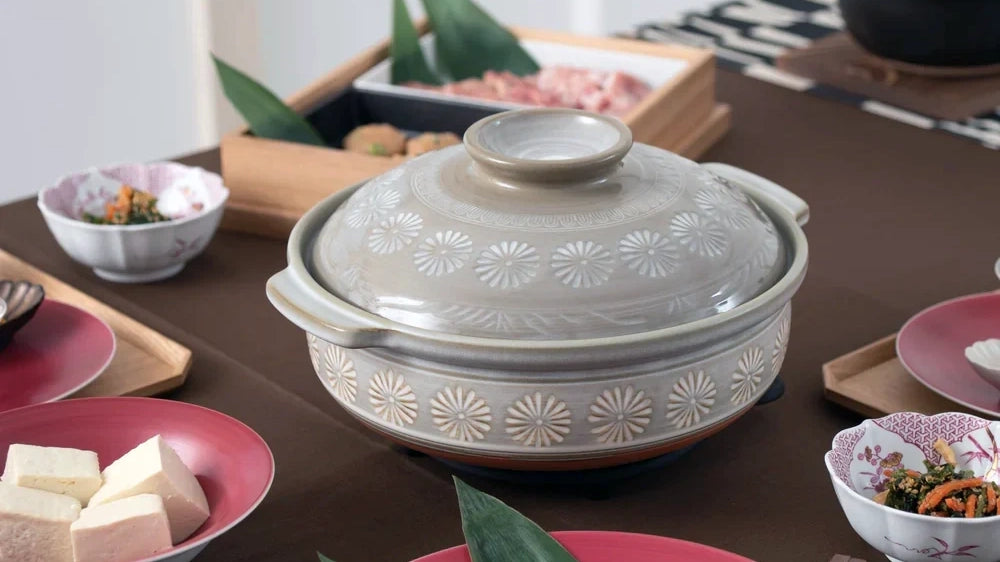
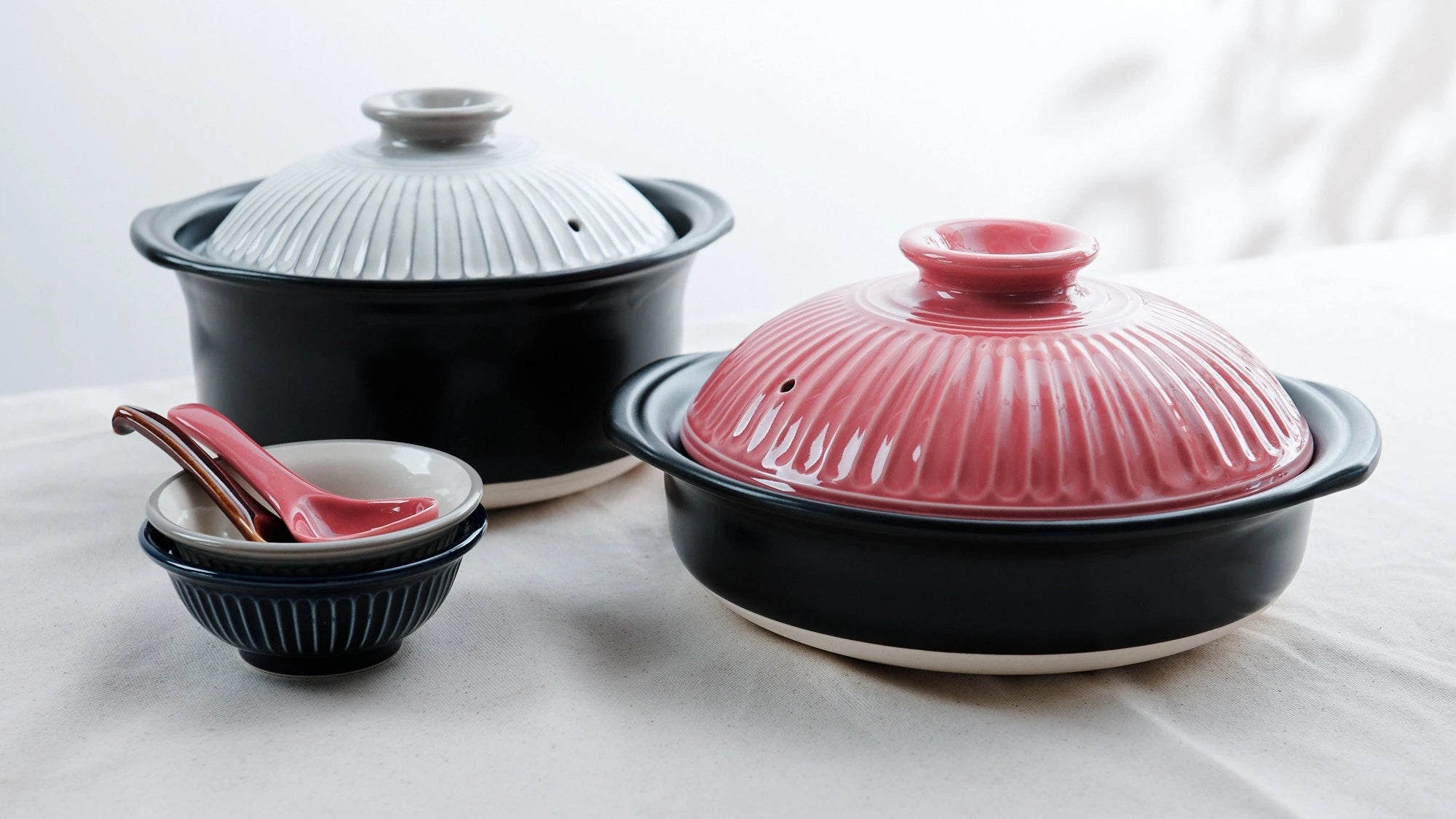
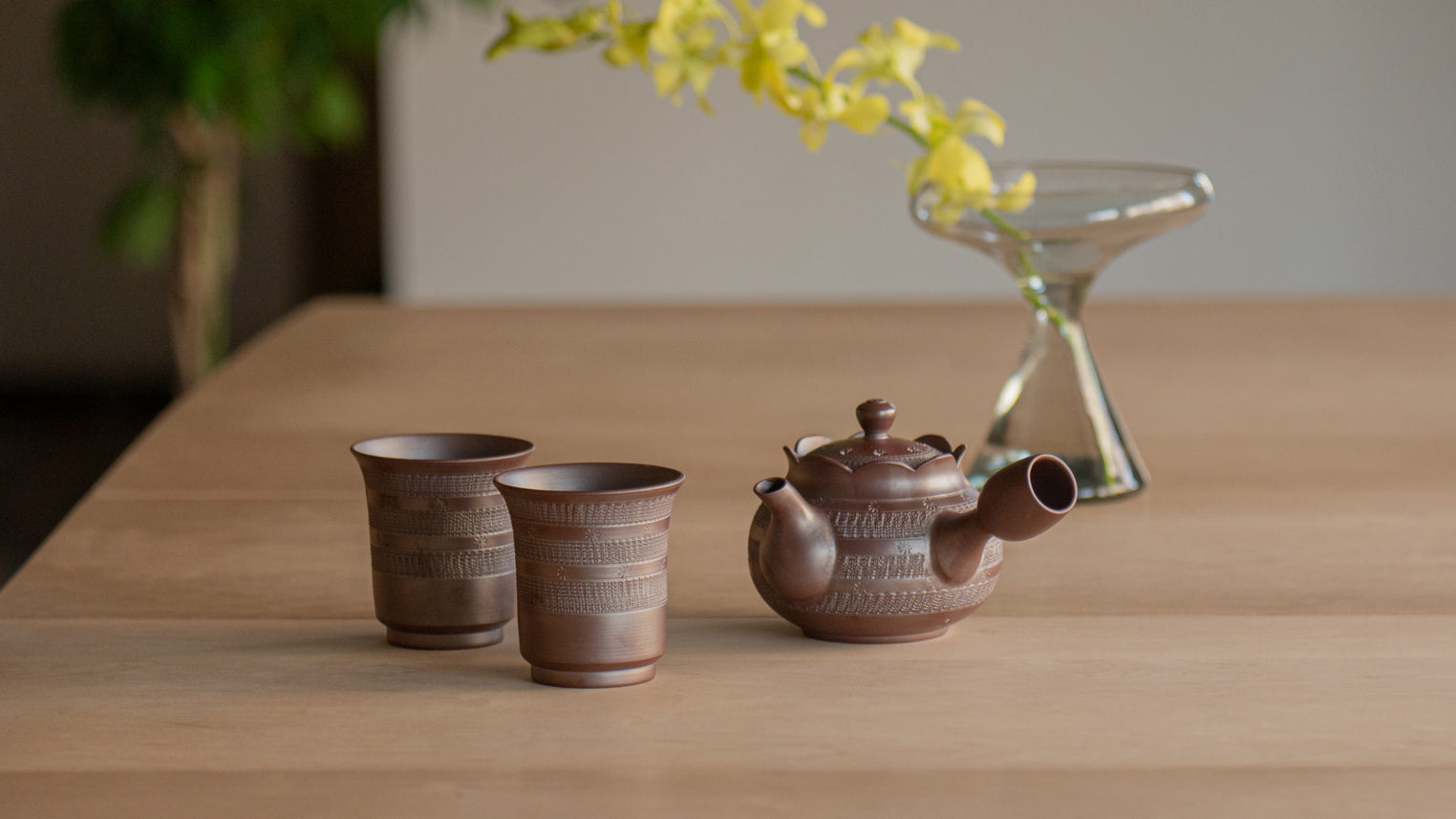
La cerámica Yokkaichi Banko, comúnmente conocida como cerámica Banko, tiene sus orígenes en la elaboración de cerámicas que abarcan desde vajillas de uso diario hasta floreros. Hoy en día, es más conocida por su donabe, o ollas de barro japonesas, valoradas por su durabilidad y excelente retención del calor. Alrededor del 80 % de todos los donabe producidos en Japón son de cerámica Banko, lo que los convierte en un utensilio esencial para la preparación de comidas caseras.
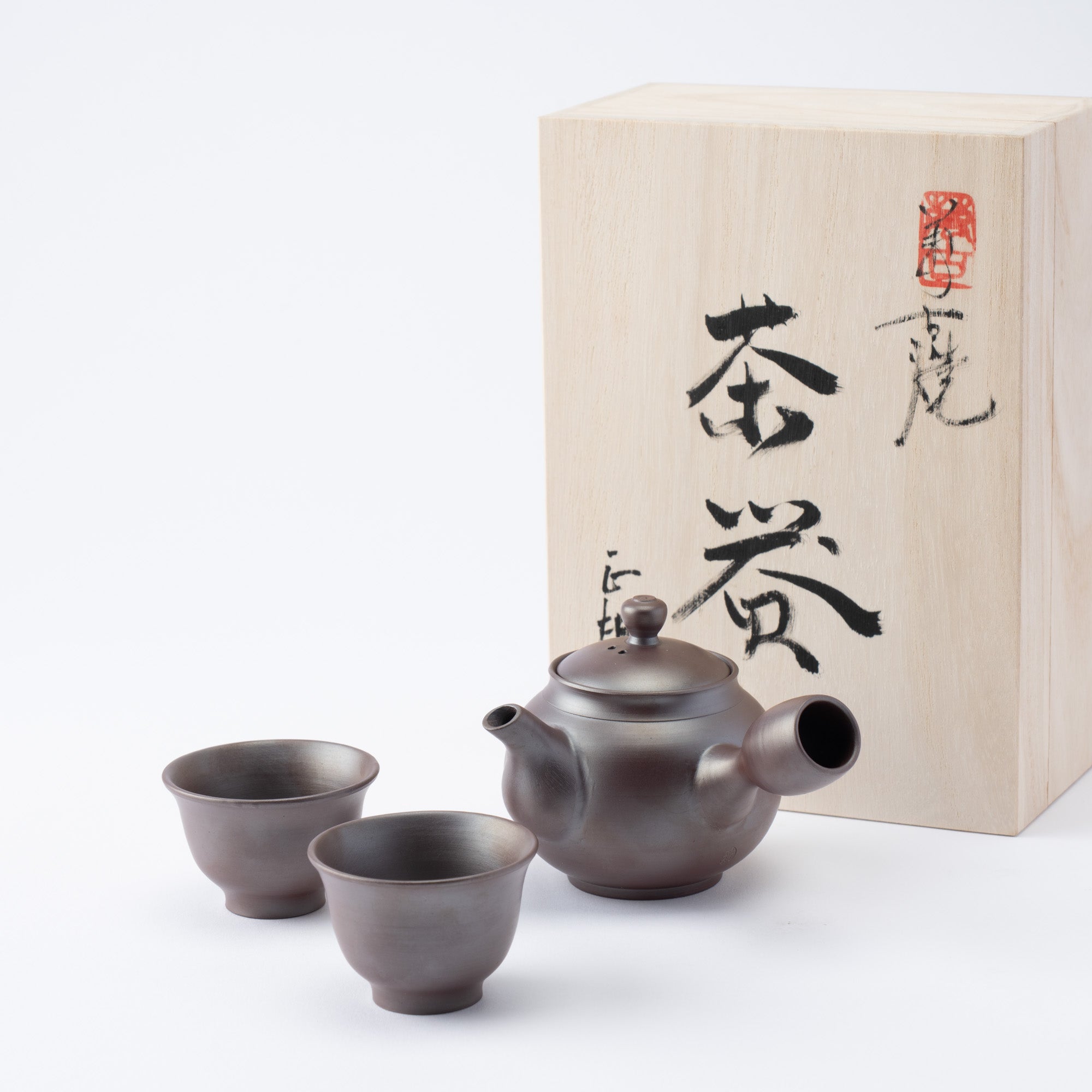
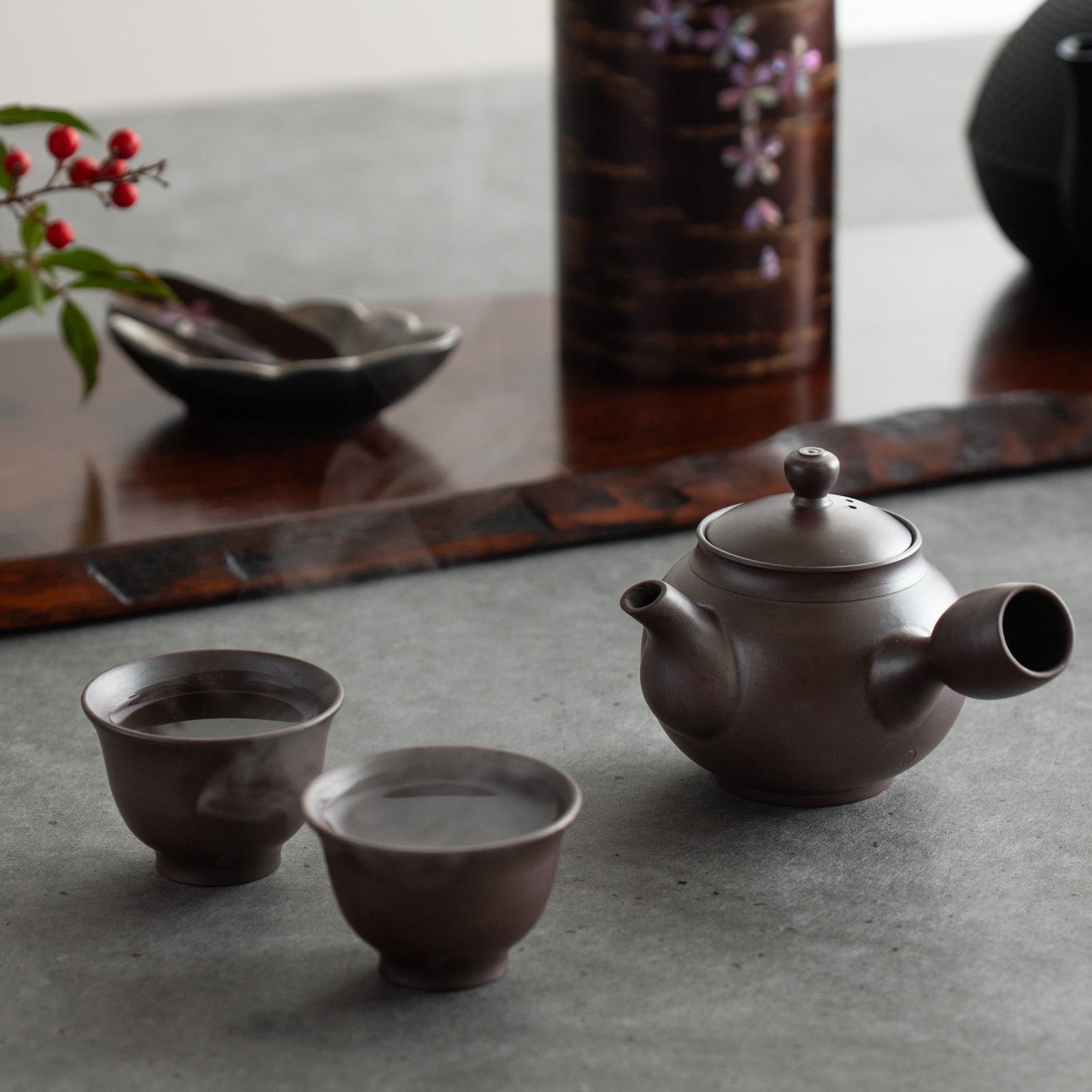
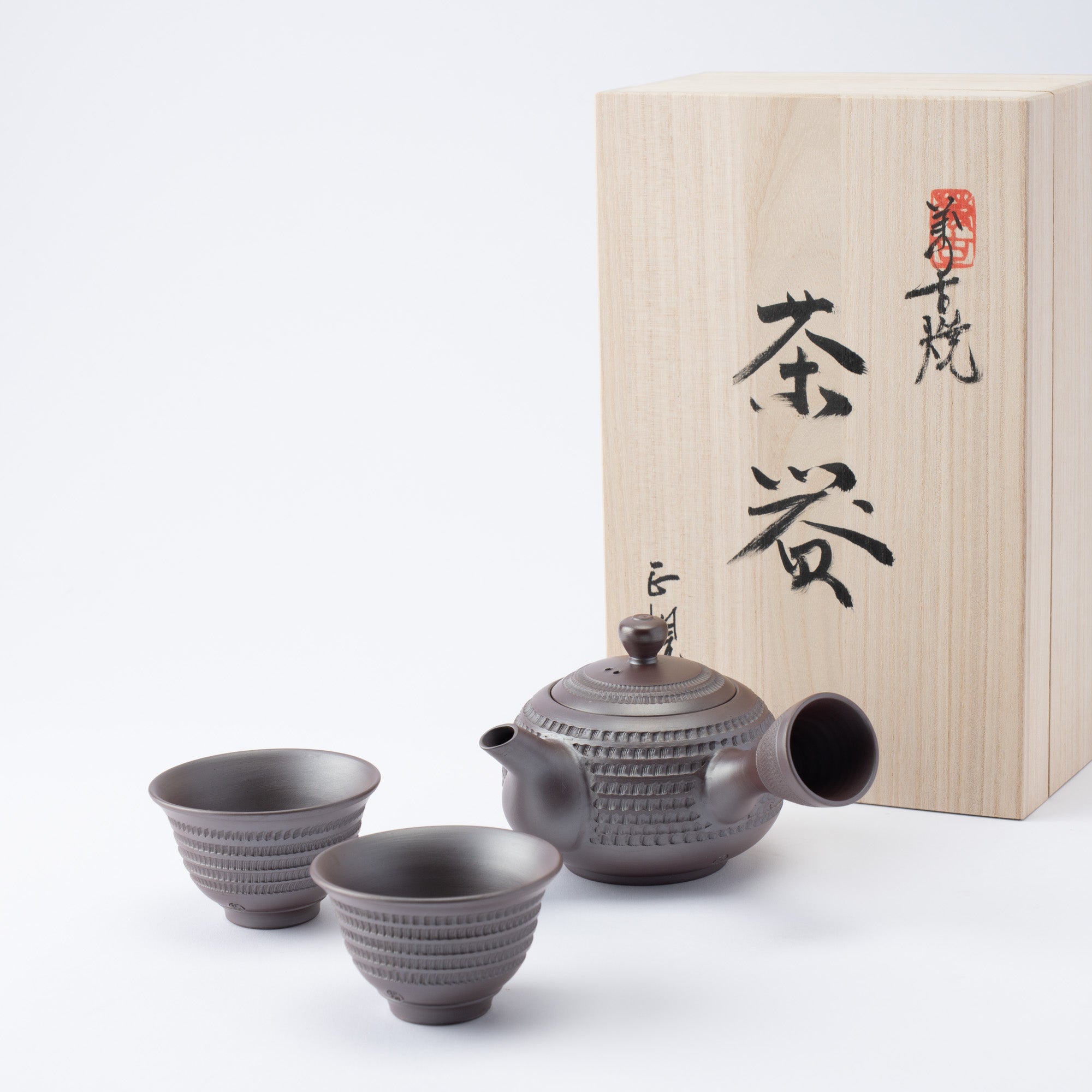
Banko ware se originó a mediados del período Edo (1603–1868 d.C.), cuando un entusiasta del té y hombre culto llamado Nunami Rozan comenzó a crear utensilios de té en lo que hoy es Kuwana, Prefectura de Mie. Rozan marcaba sus obras con la frase banko fueki, que significa "eterno e inmutable.” La palabra Banko, derivada de esta frase, dio más tarde su nombre a Banko ware.
Durante la era Meiji (1868–1912 d.C.), la producción se trasladó a la ciudad portuaria de Yokkaichi, donde el fácil acceso a combustible y transporte permitió que la industria prosperara. Ese espíritu perdurable continúa hoy, y en reconocimiento a su valor cultural e histórico, Banko ware fue designada Artesanía Tradicional por el Ministerio de Economía, Comercio e Industria de Japón en 1979.
Una característica definitoria de la cerámica Yokkaichi Banko reside en su arcilla, diseñada para una resistencia térmica excepcional. Utilizada en utensilios de cocina cerámicos tradicionales japoneses, esta arcilla contiene aproximadamente 40 por ciento de petalita, un mineral rico en litio que proporciona durabilidad y estabilidad notables.
Diseñadas para funcionar de manera confiable sobre fuentes de calor directo como estufas de gas y fuegos de carbón, las ollas de arcilla Banko resisten altas temperaturas y cambios bruscos de calor sin agrietarse. Esta resistencia las ha convertido desde hace tiempo en una opción de confianza para la cocina cotidiana en Japón.
Artículos relacionados
Filtros