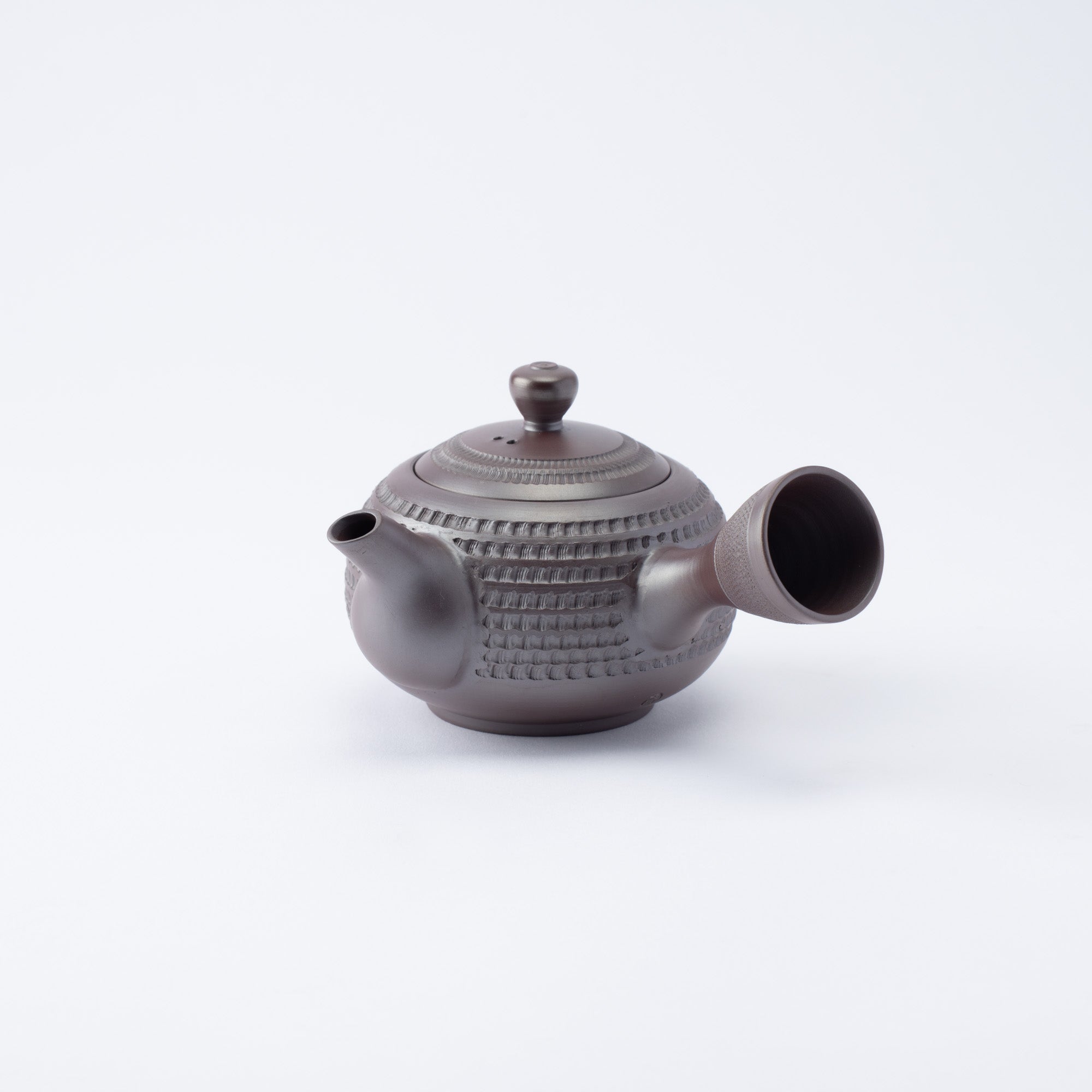
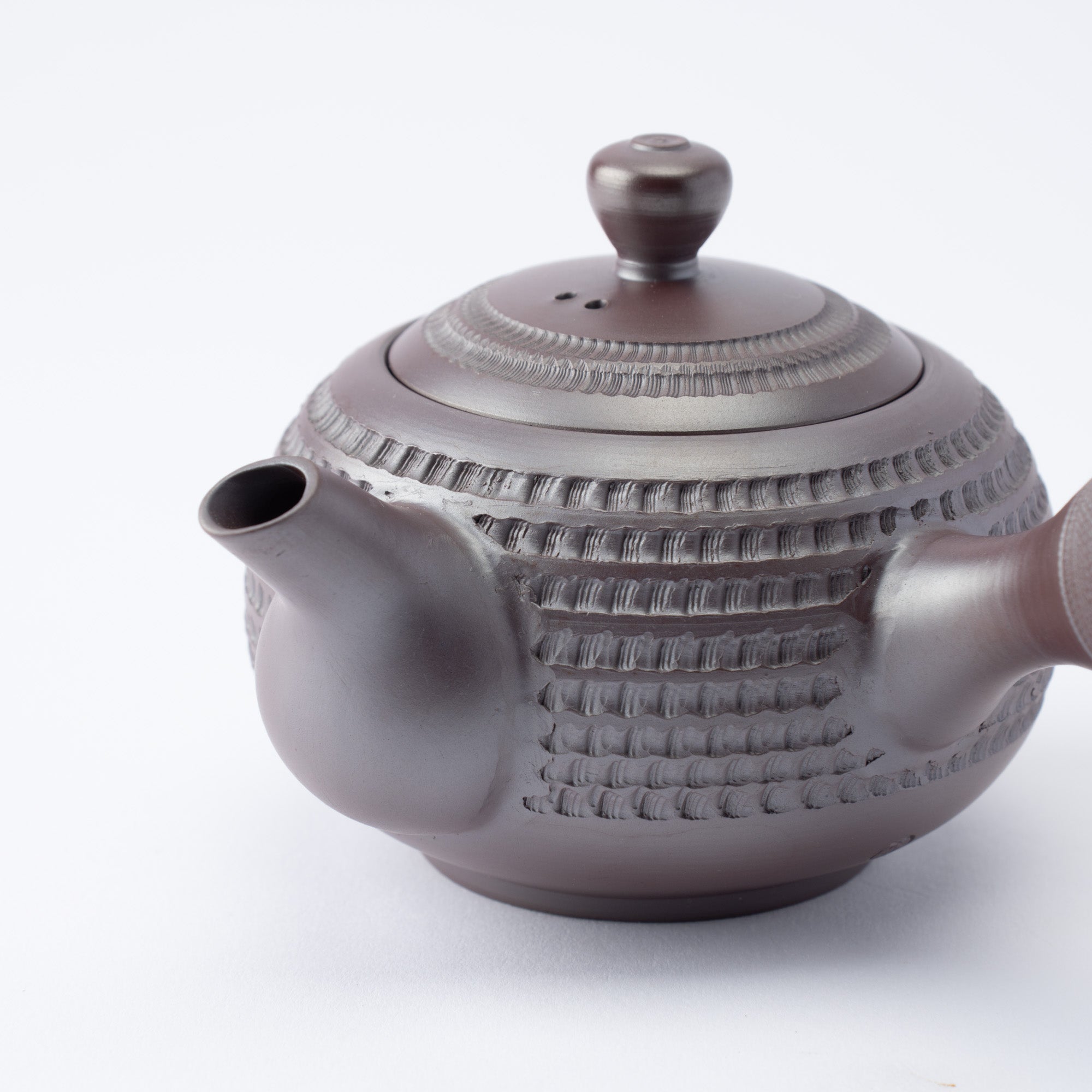
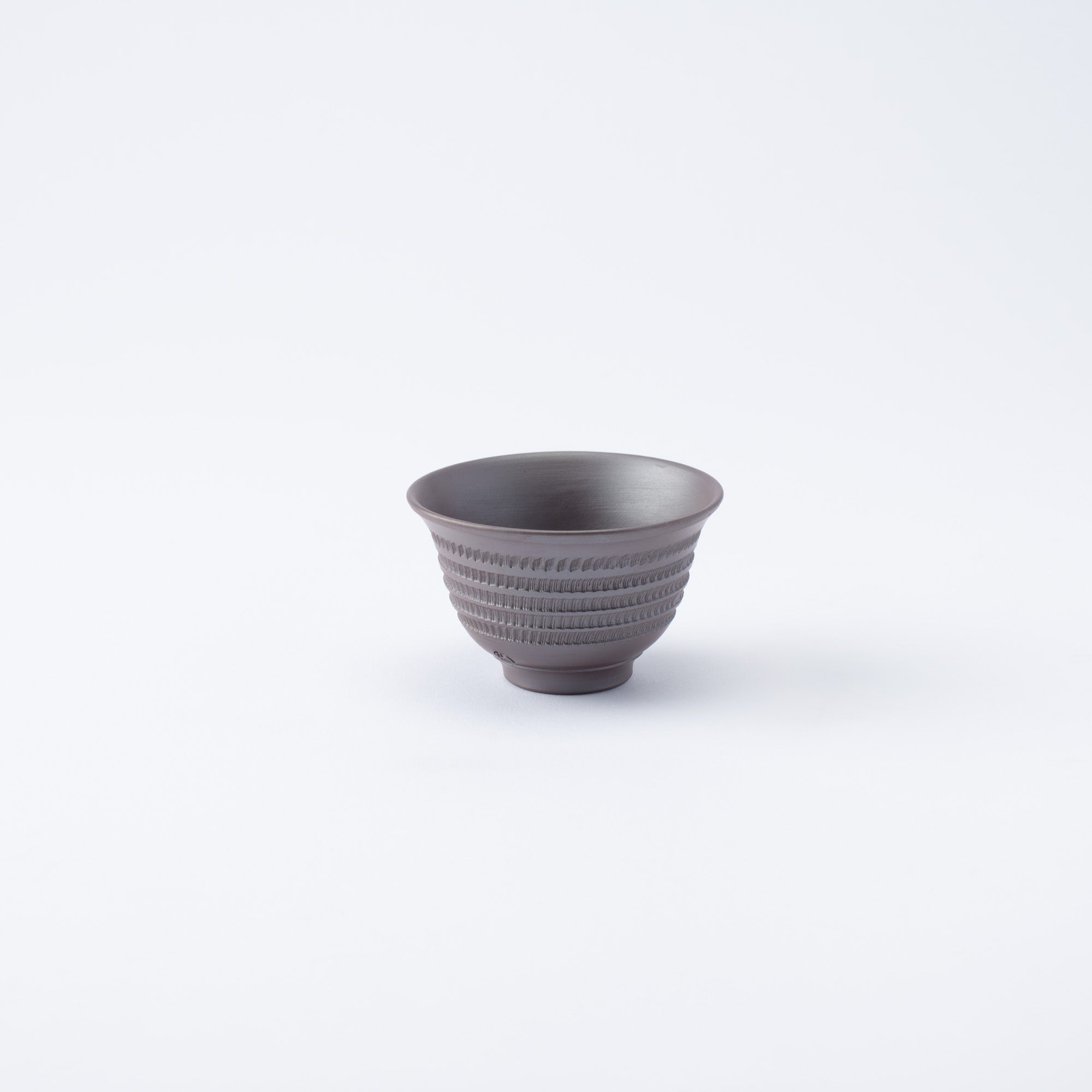
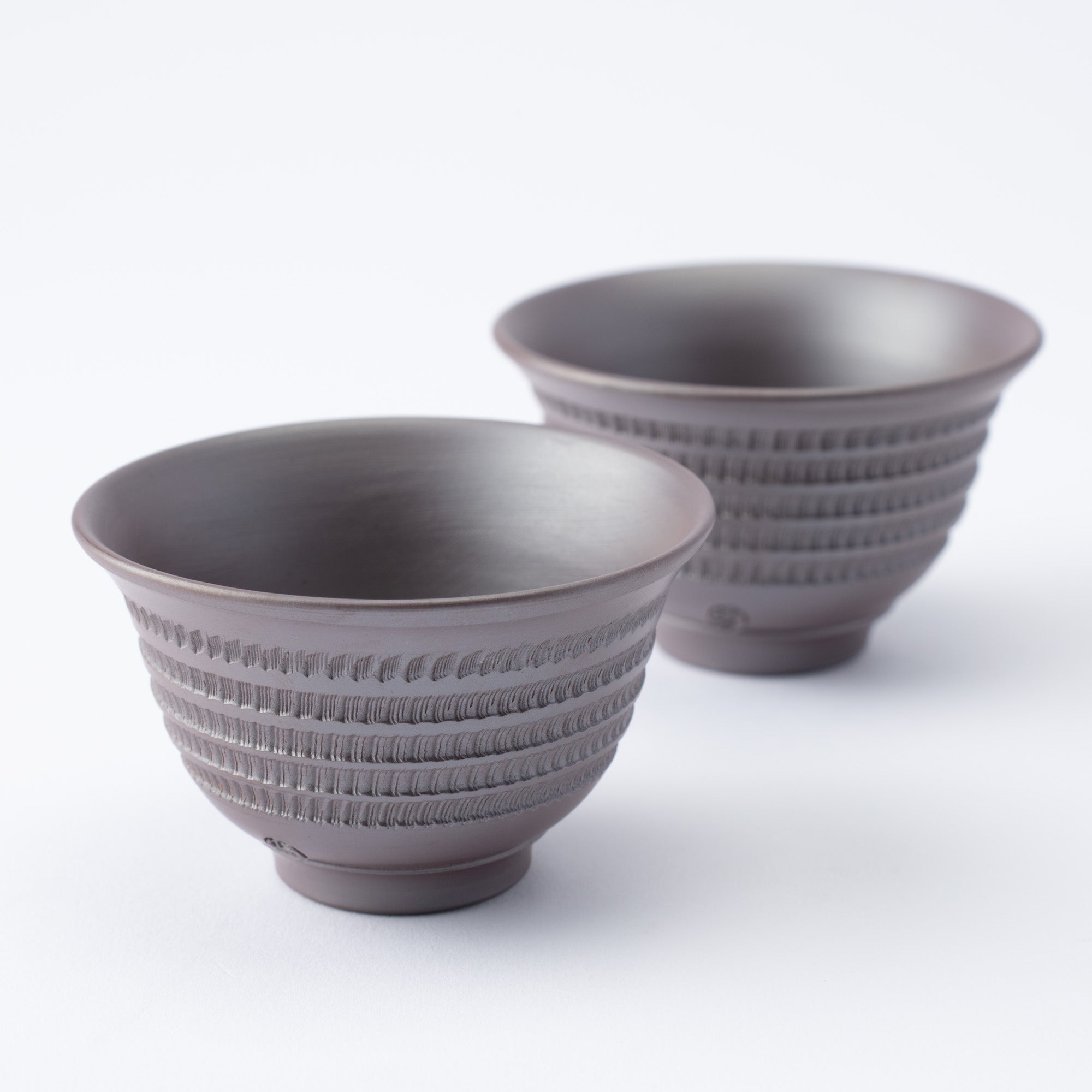
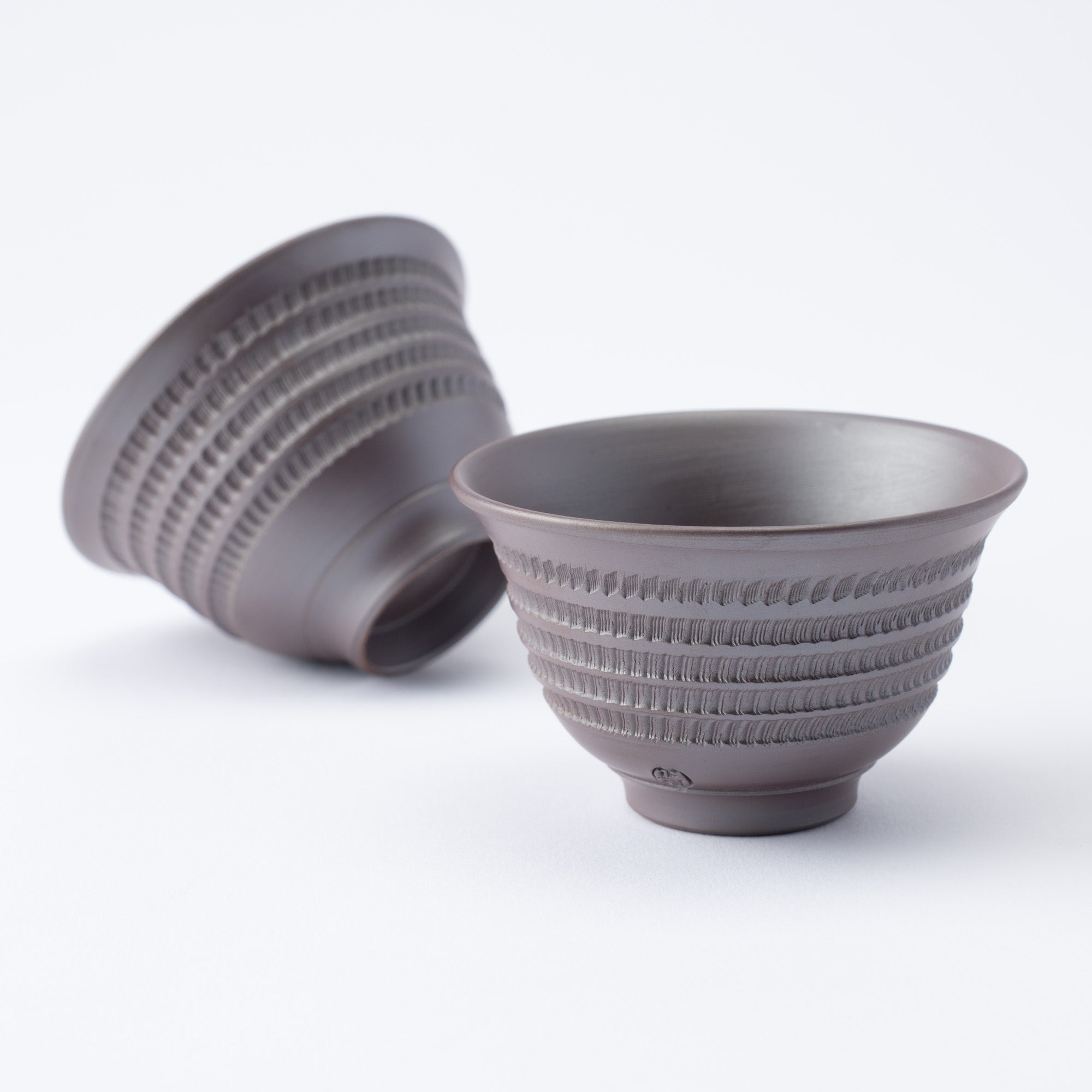
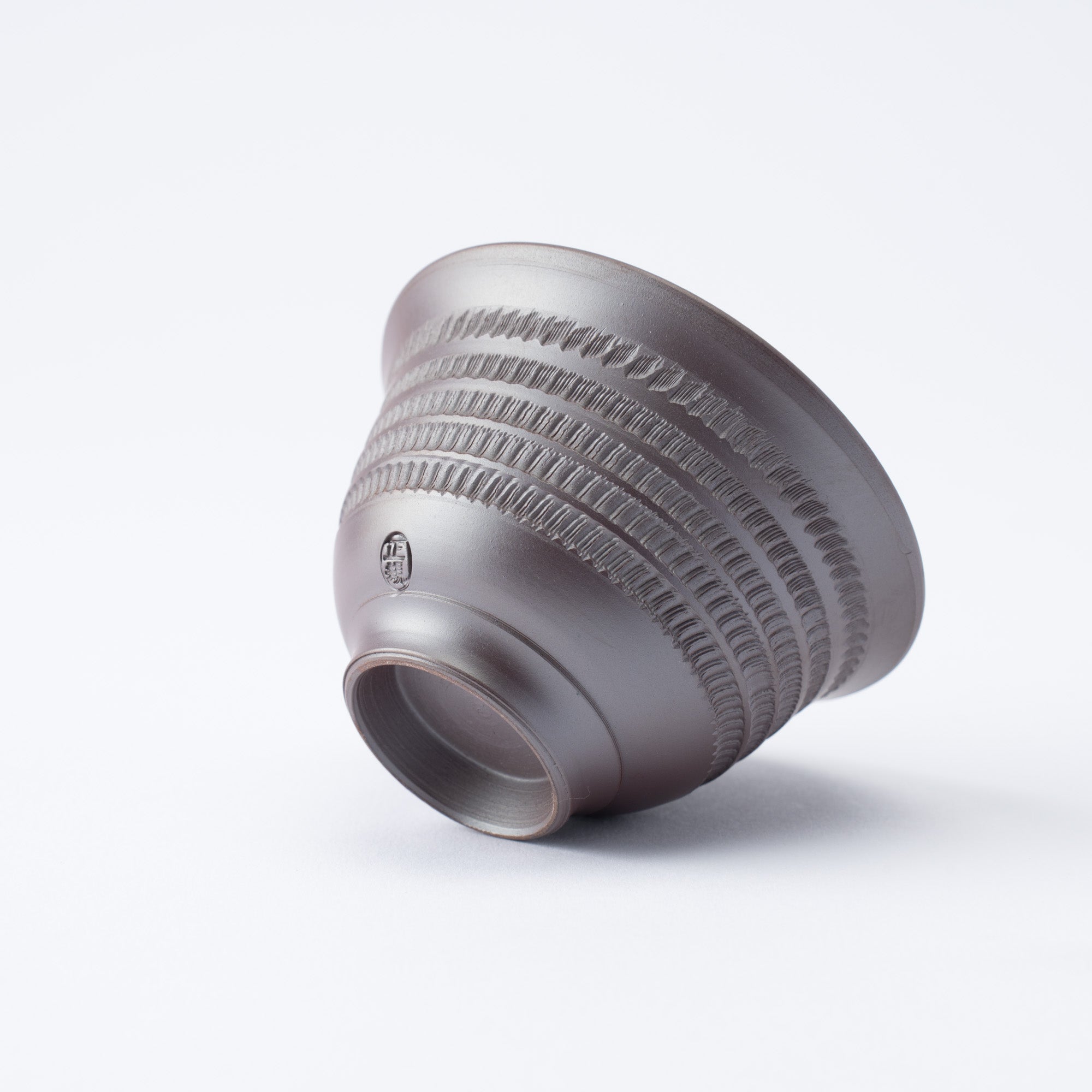
Juego de Té Japonés con Tallado Lineal
Ships from Japan · Free shipping on orders over $250 USD
Estimated Shipping Widget will be displayed here!
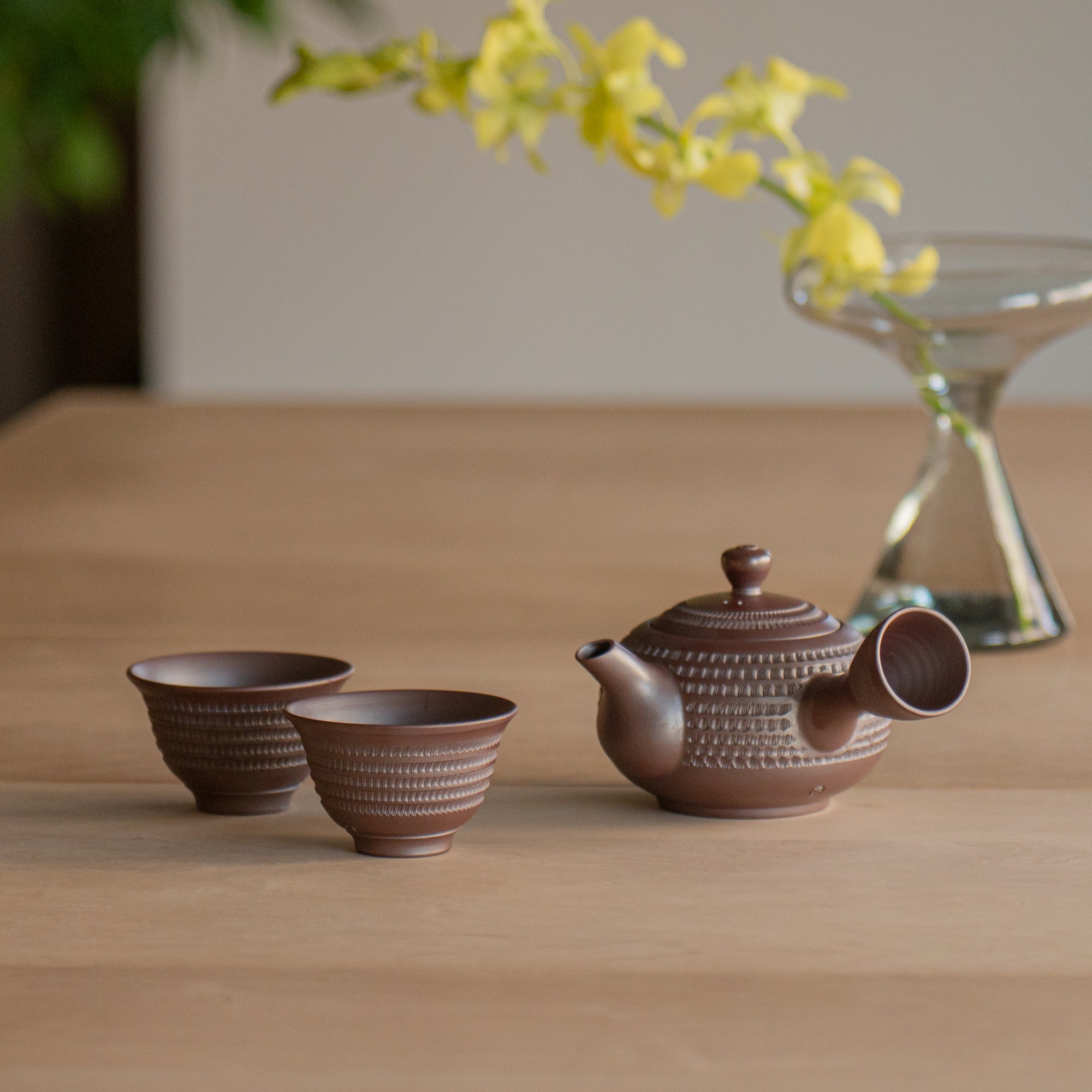
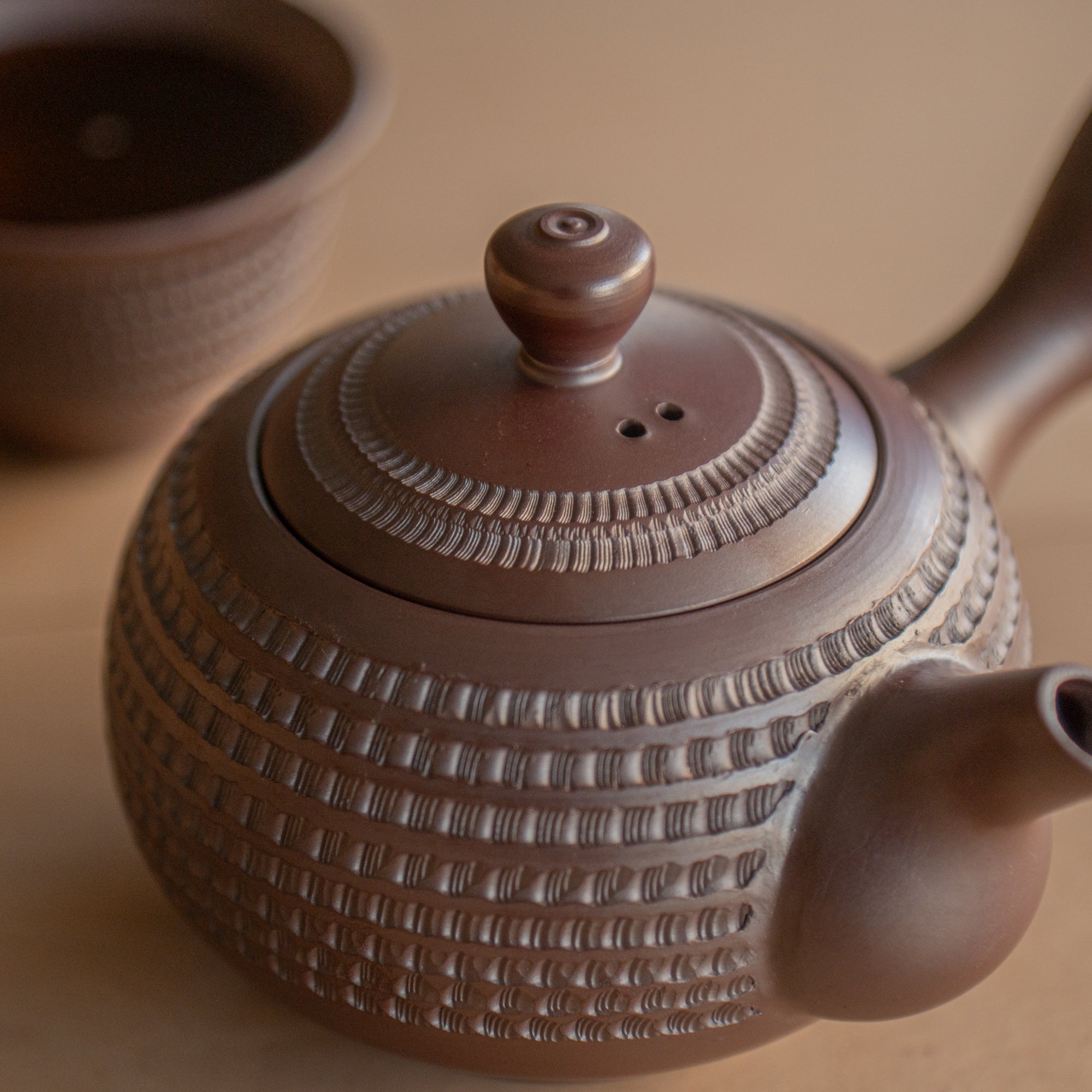
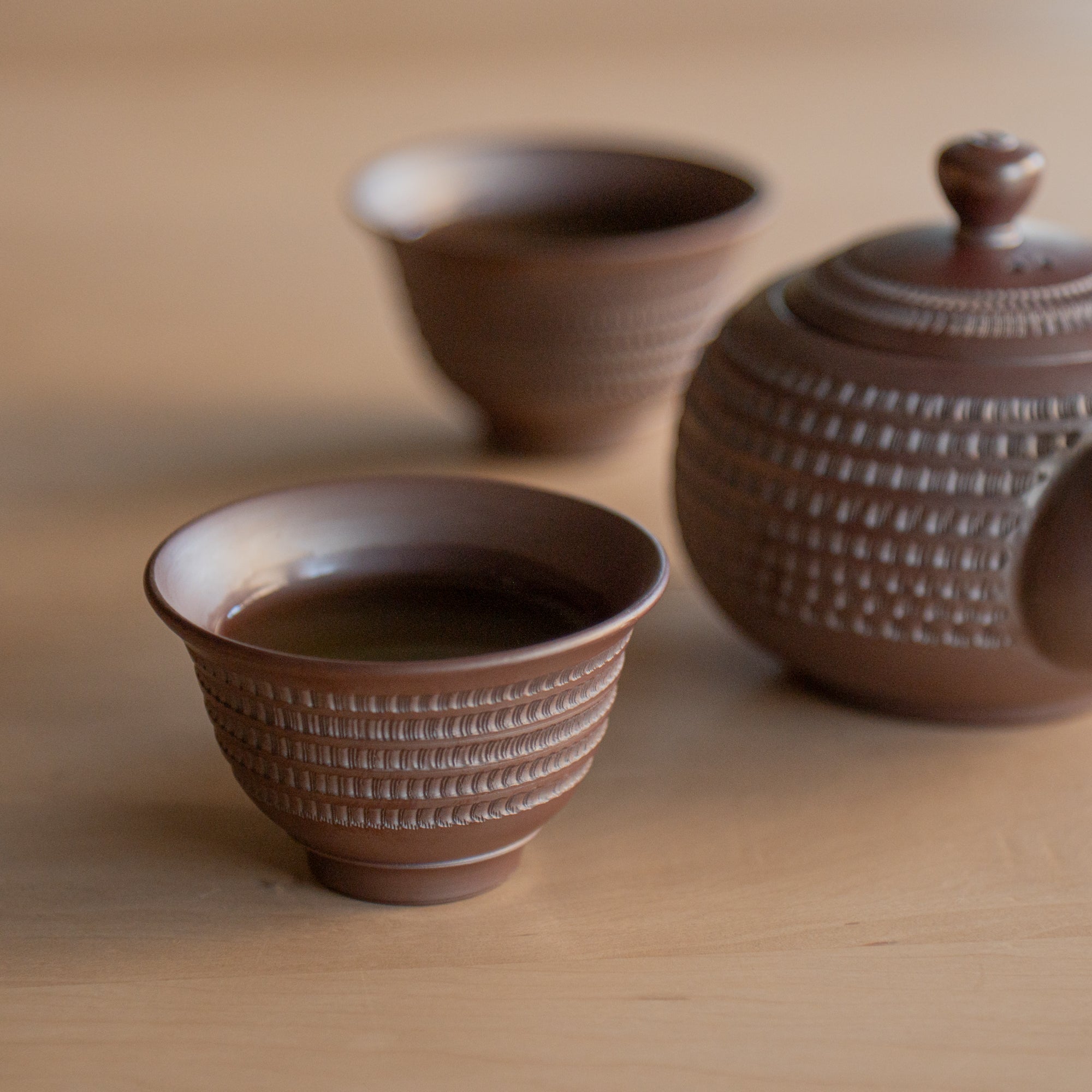
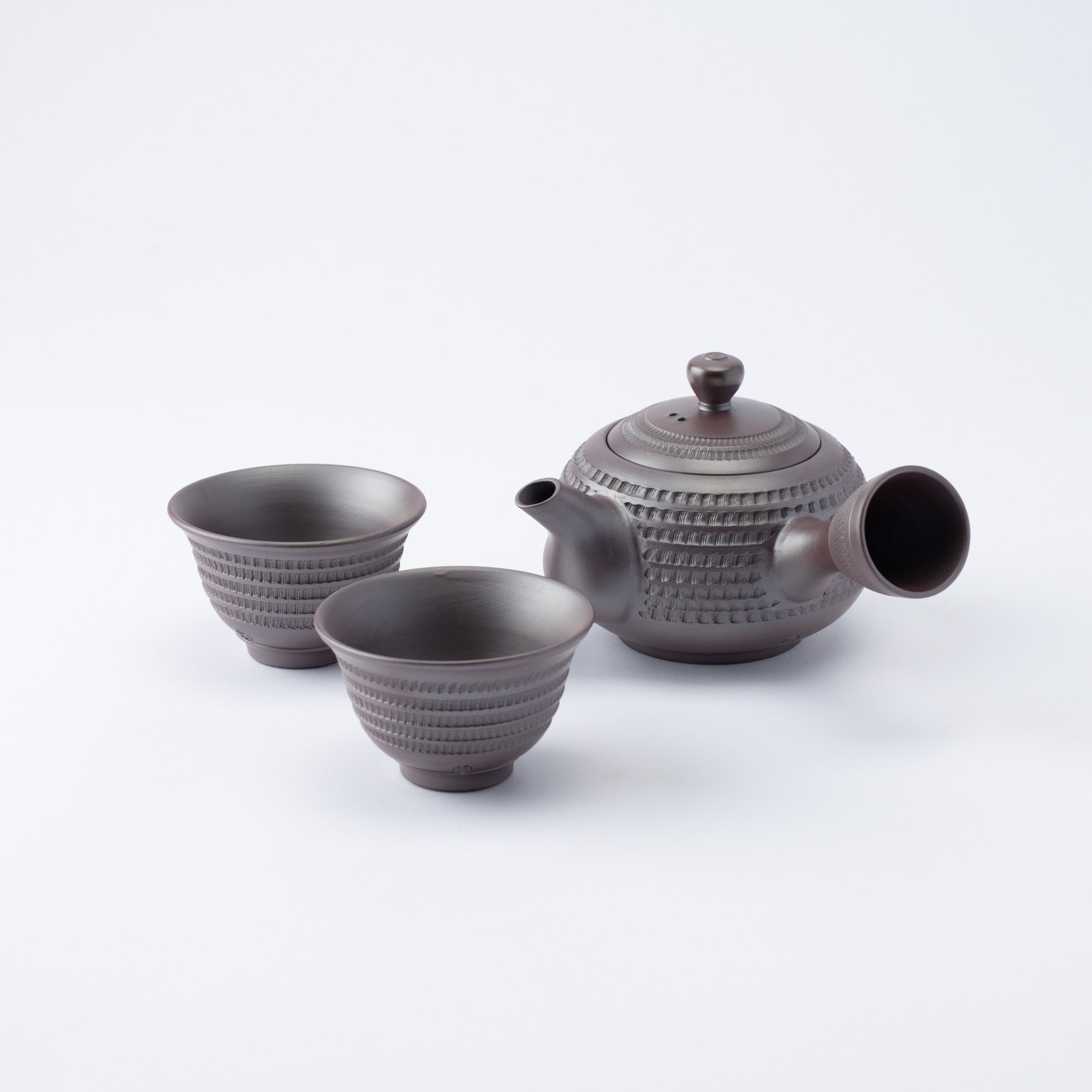
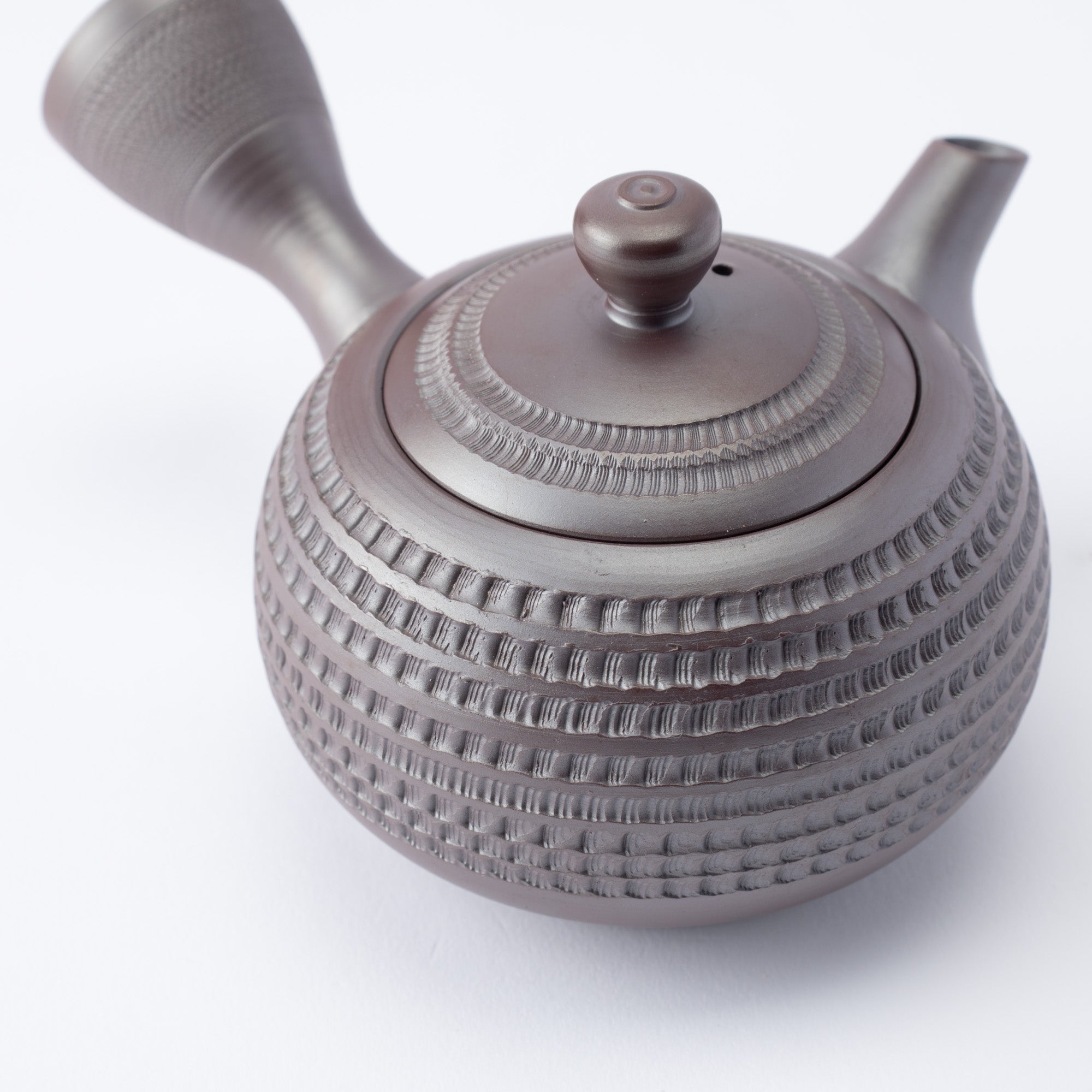
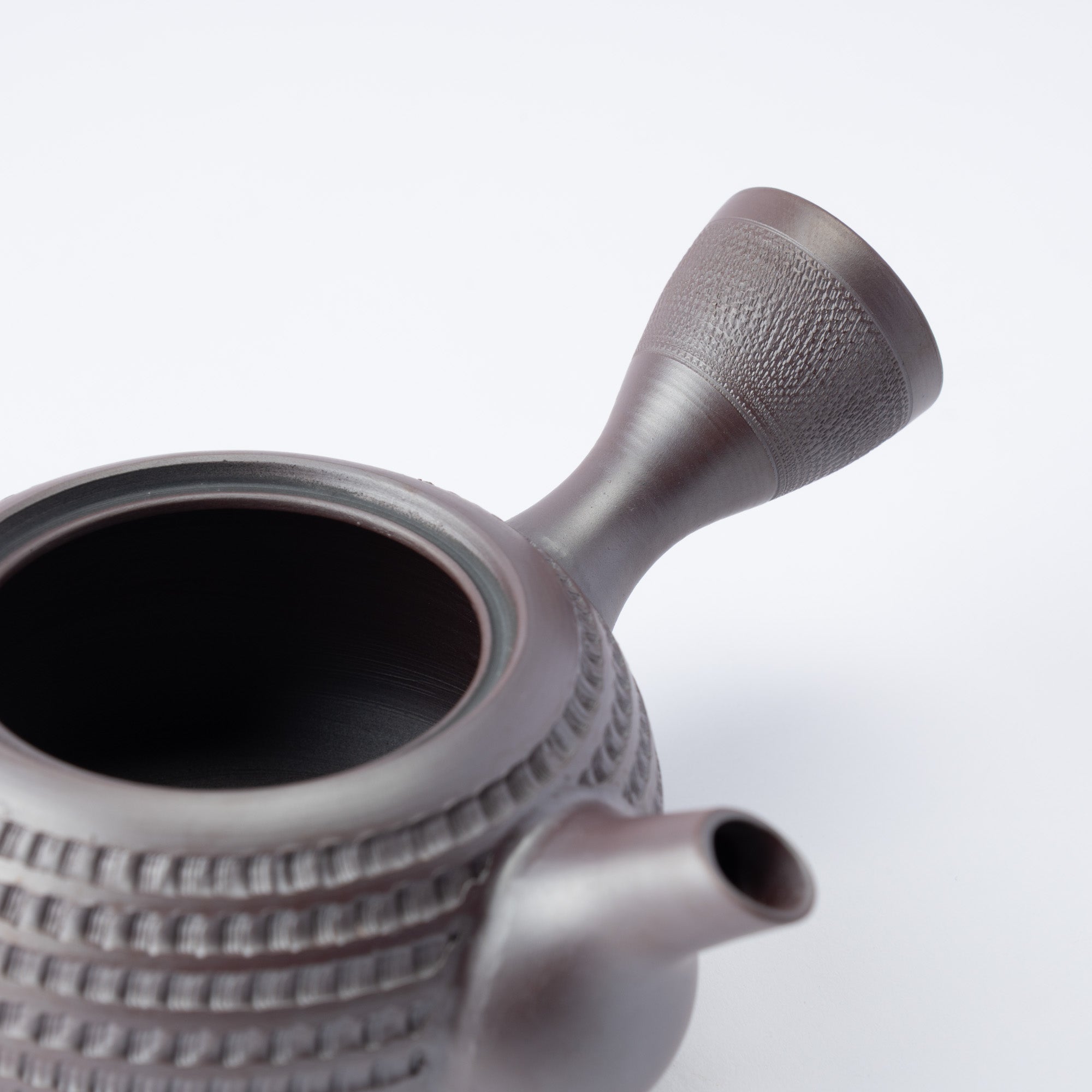
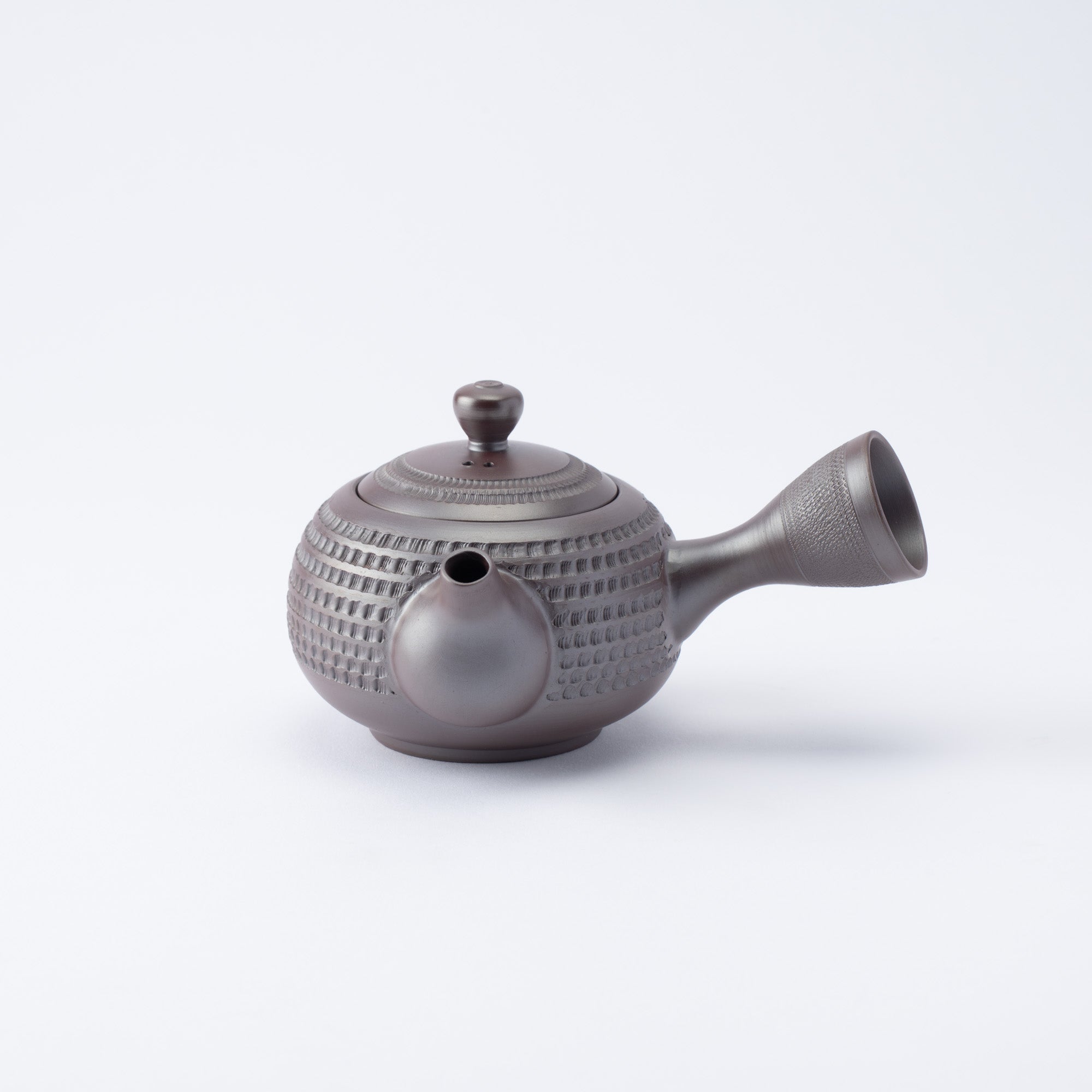
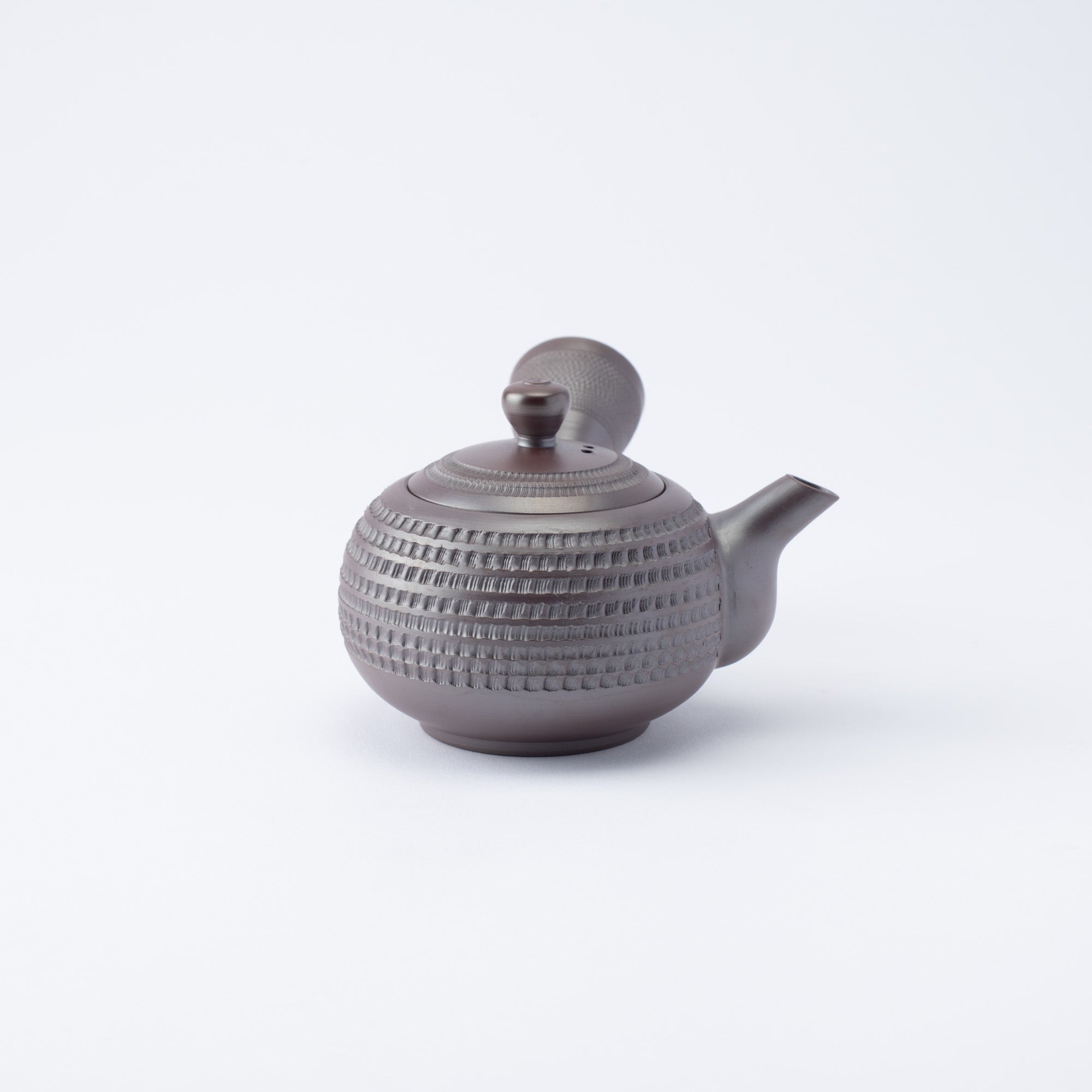
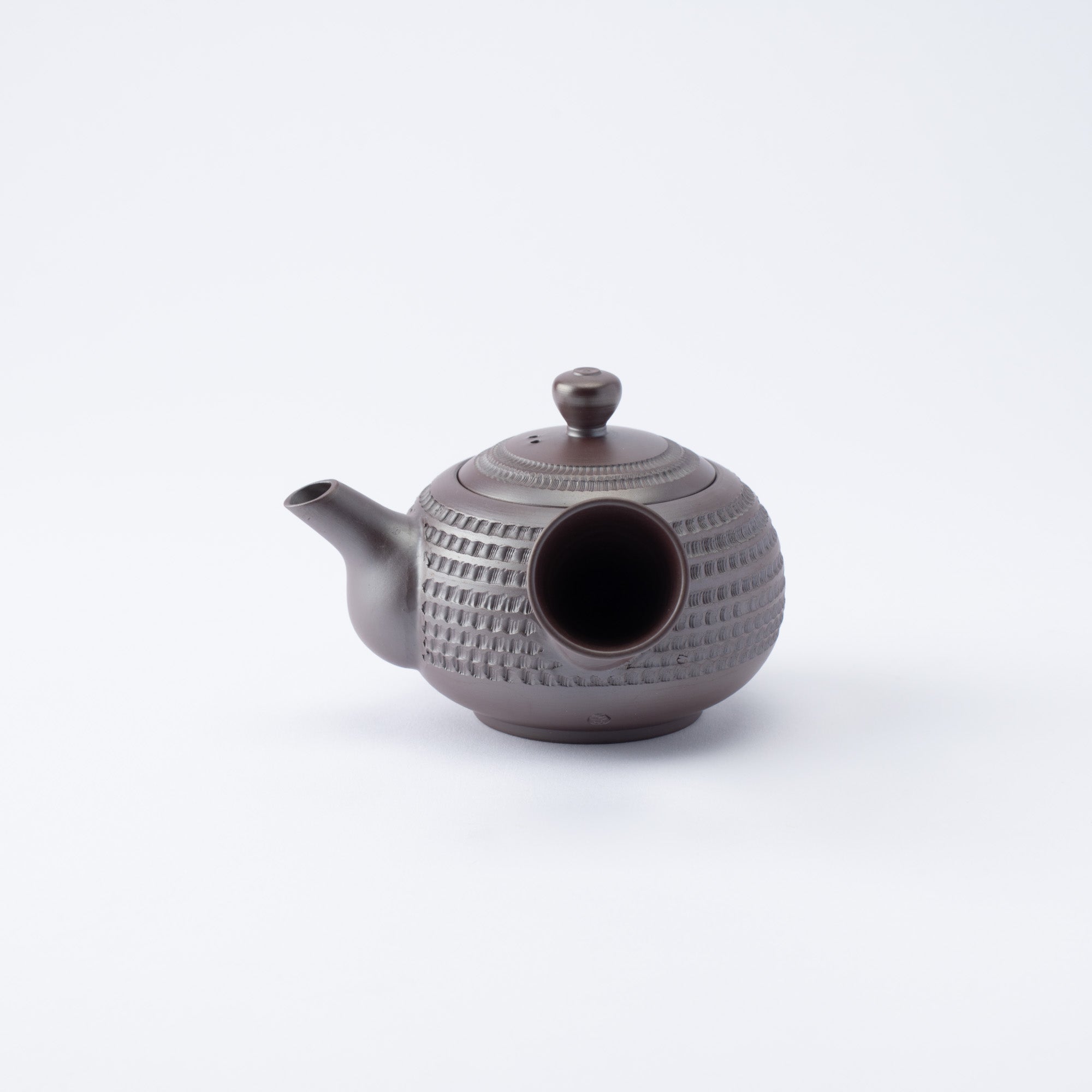
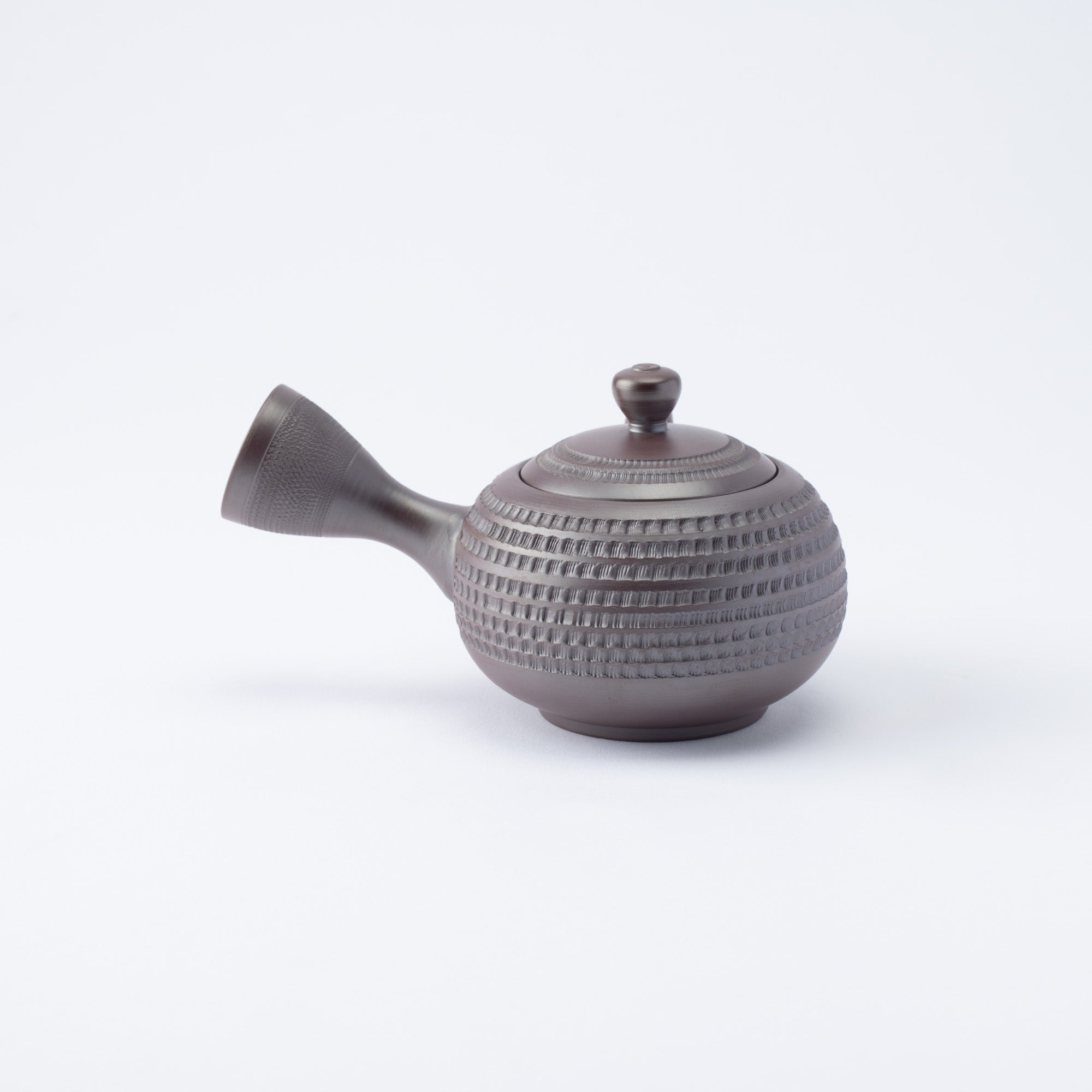
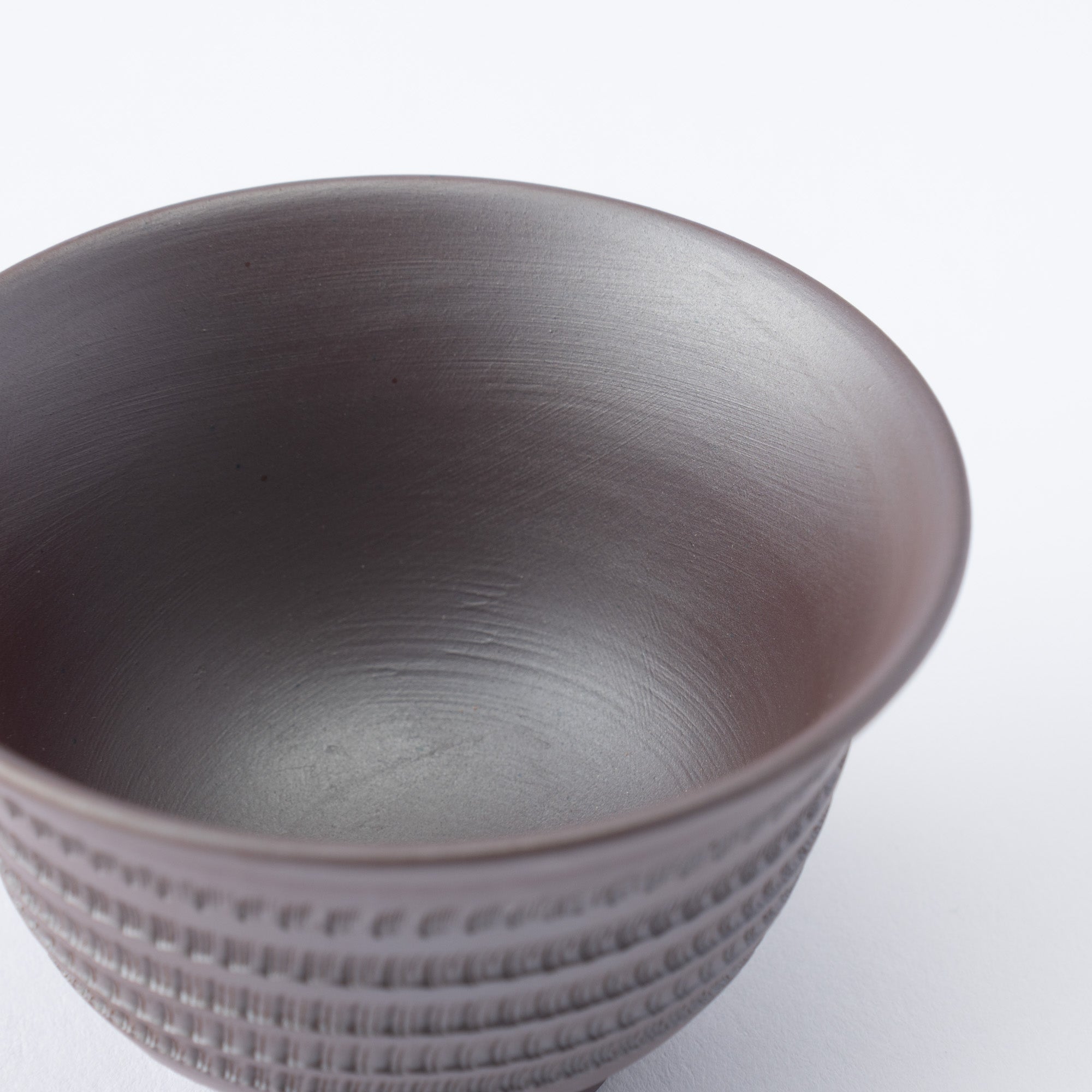
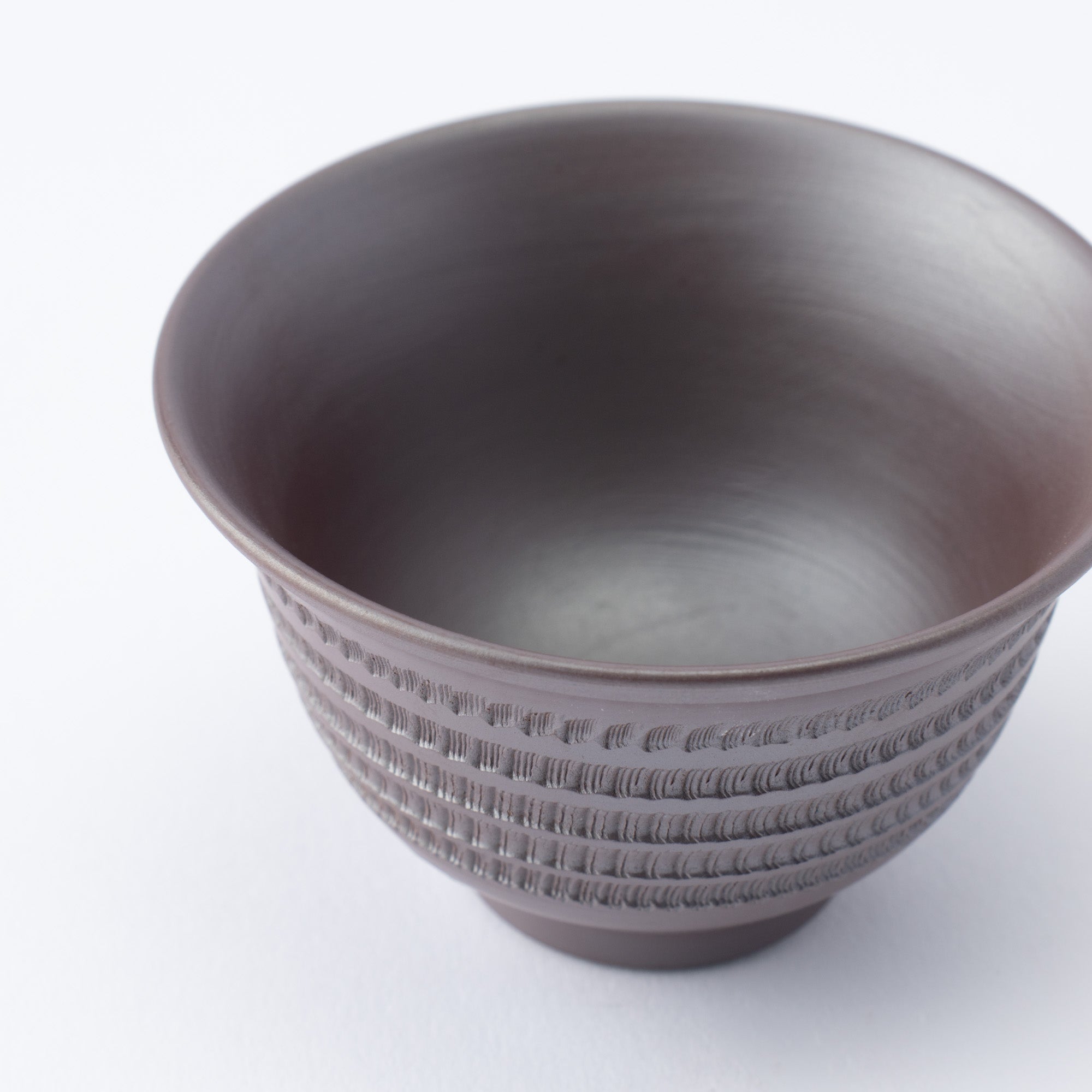
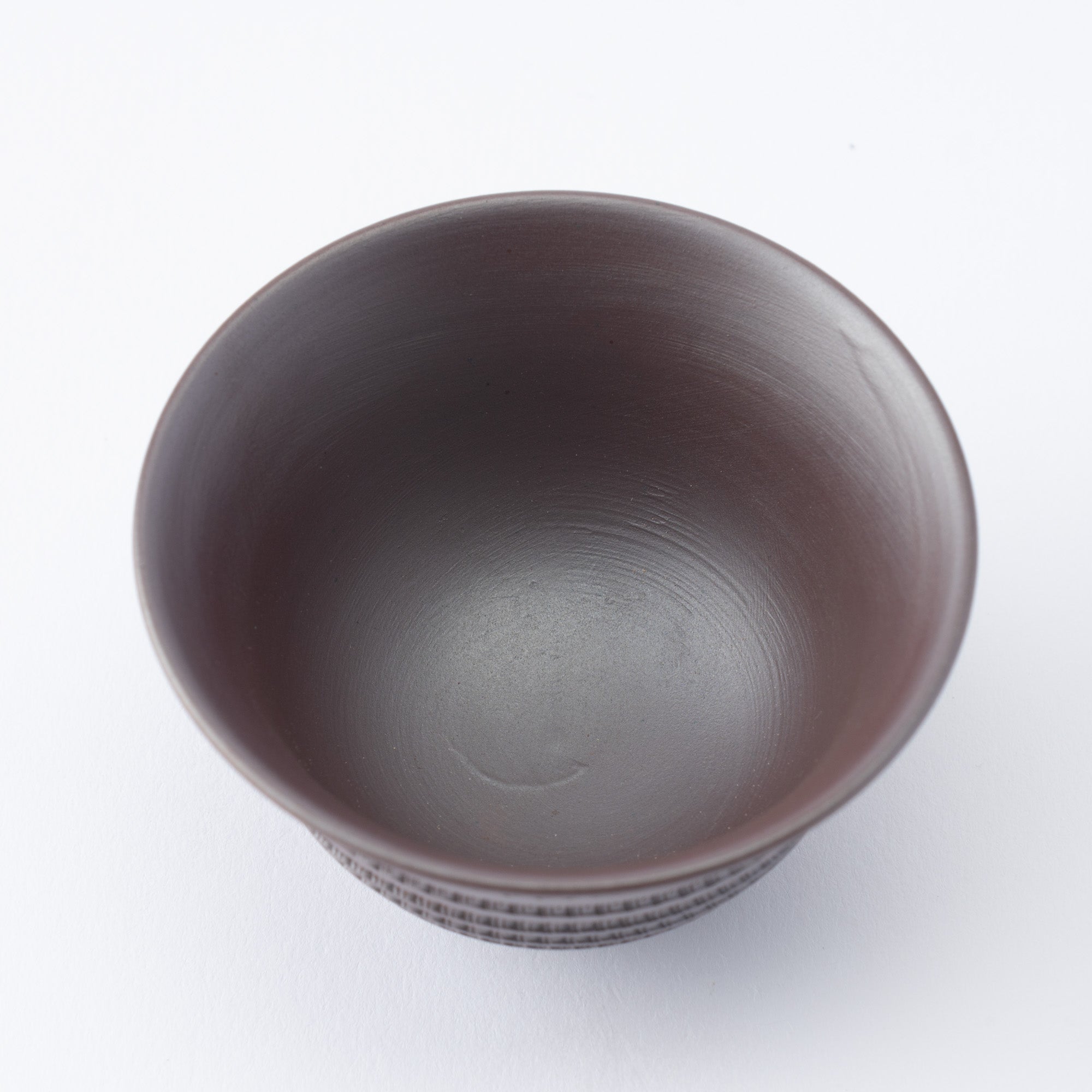
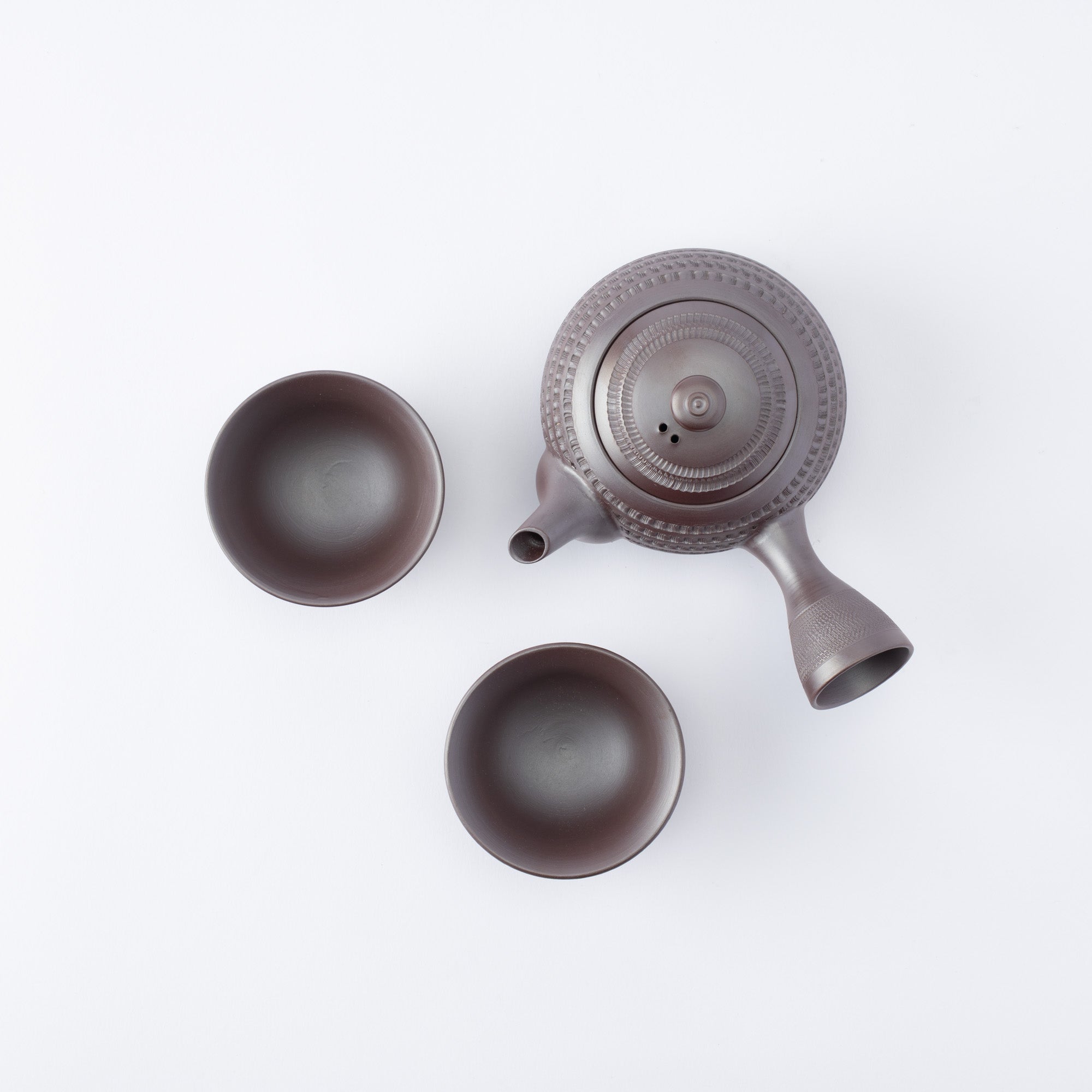
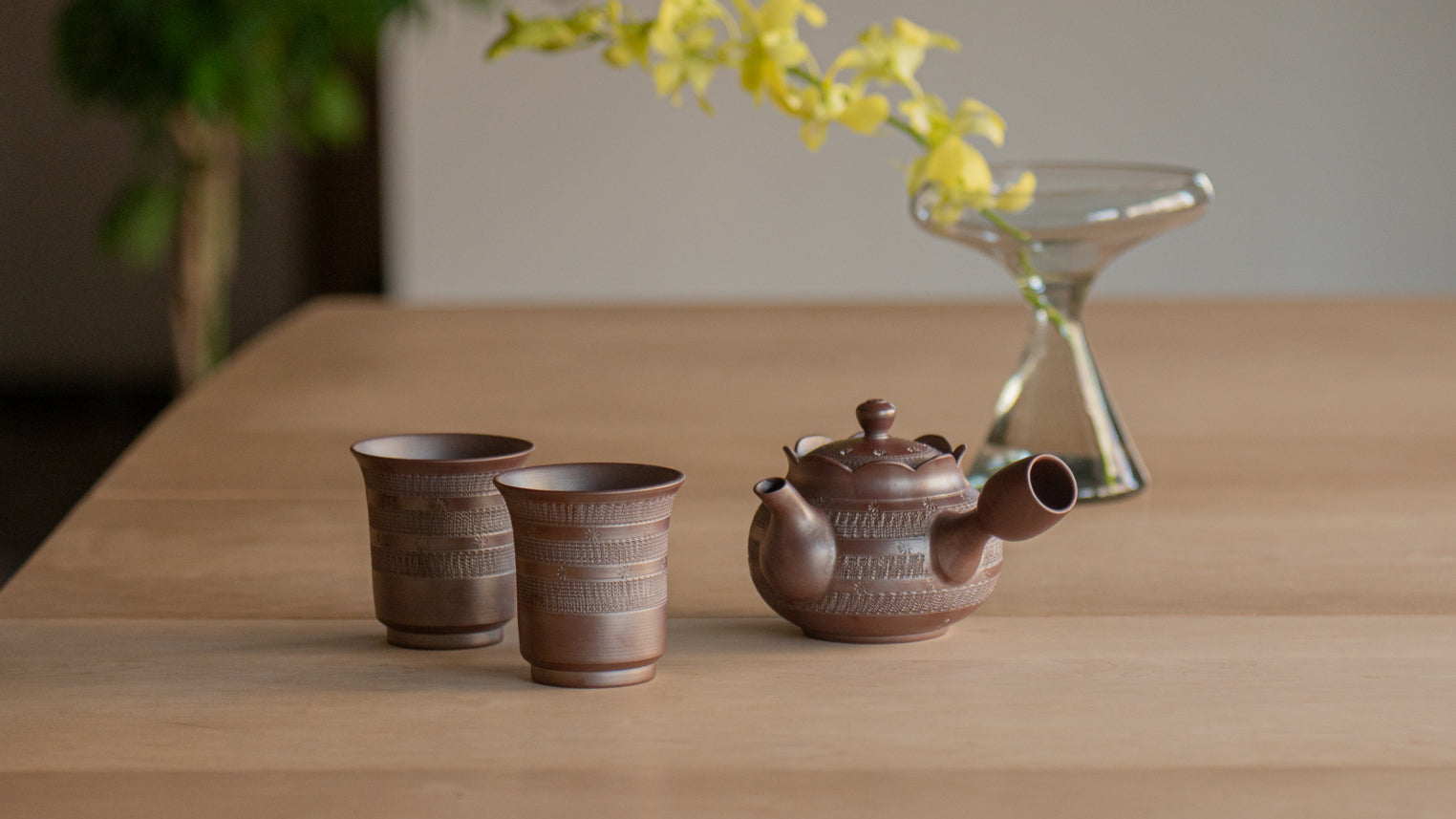
Acabado en shidei (arcilla púrpura) con un brillo tranquilo y discreto, este juego de tetera y dos tazas de cerámica Banko con tallado lineal proviene de una región histórica de alfarería vecina a Tokoname, considerada desde hace tiempo uno de los centros de Japón para utensilios de té refinados.
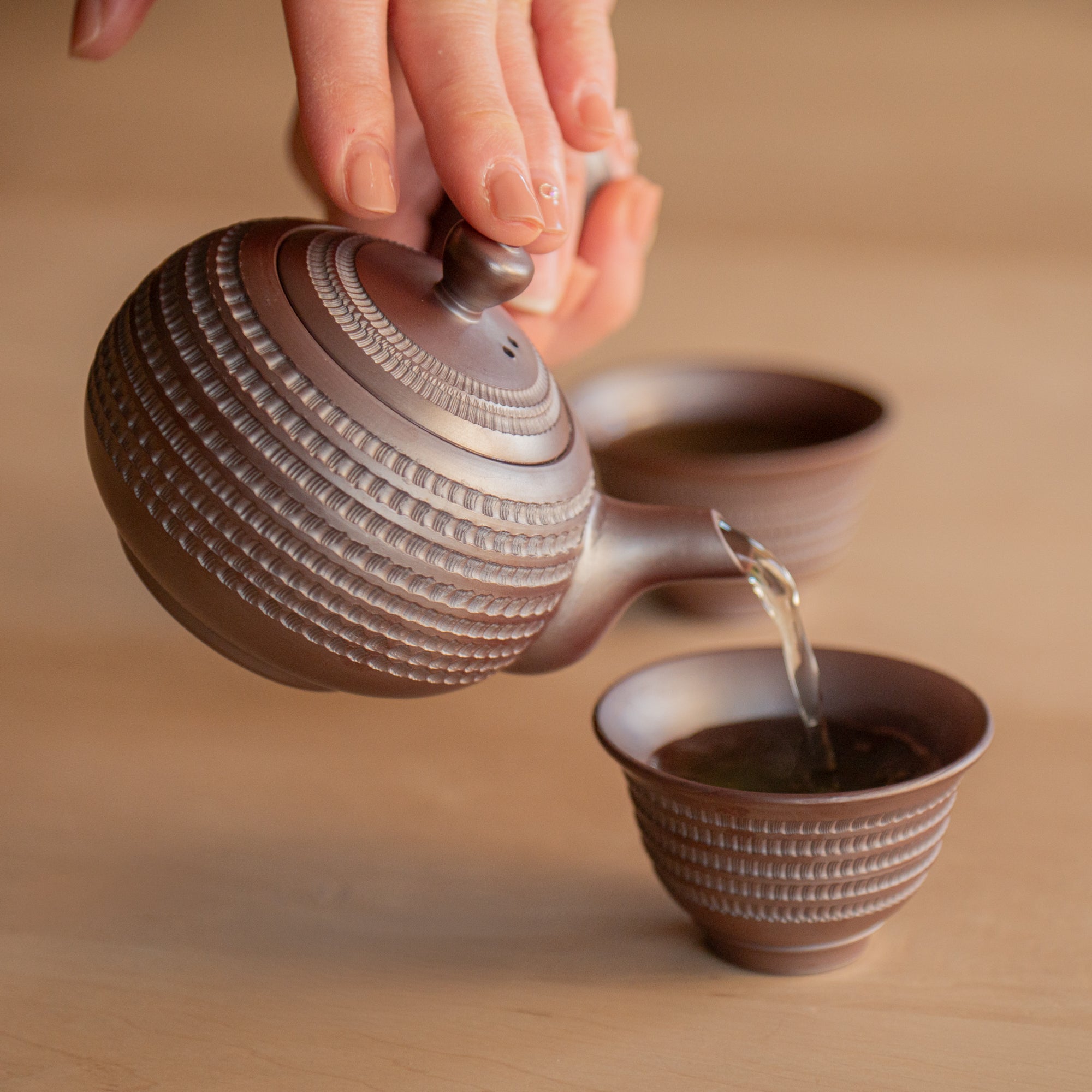
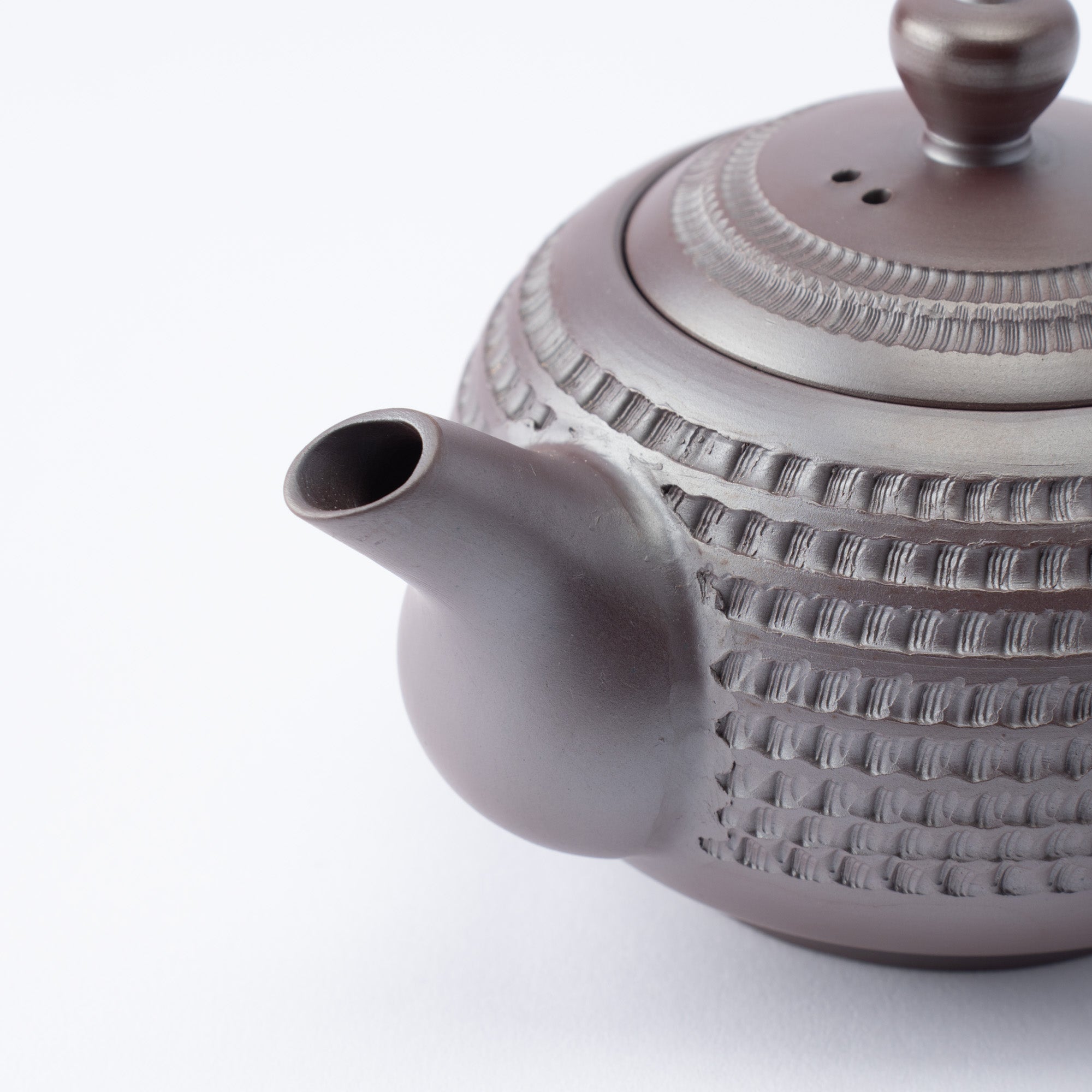
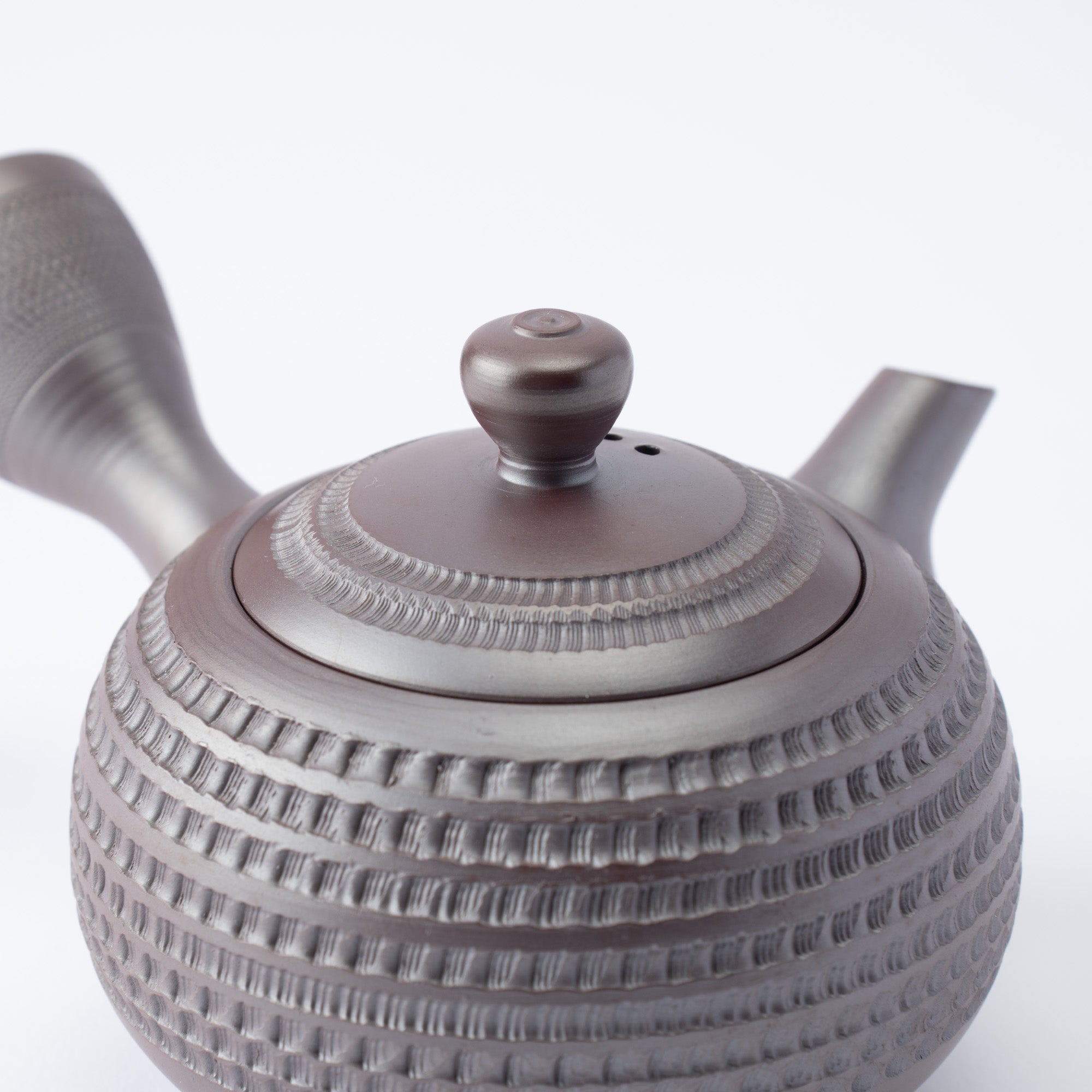
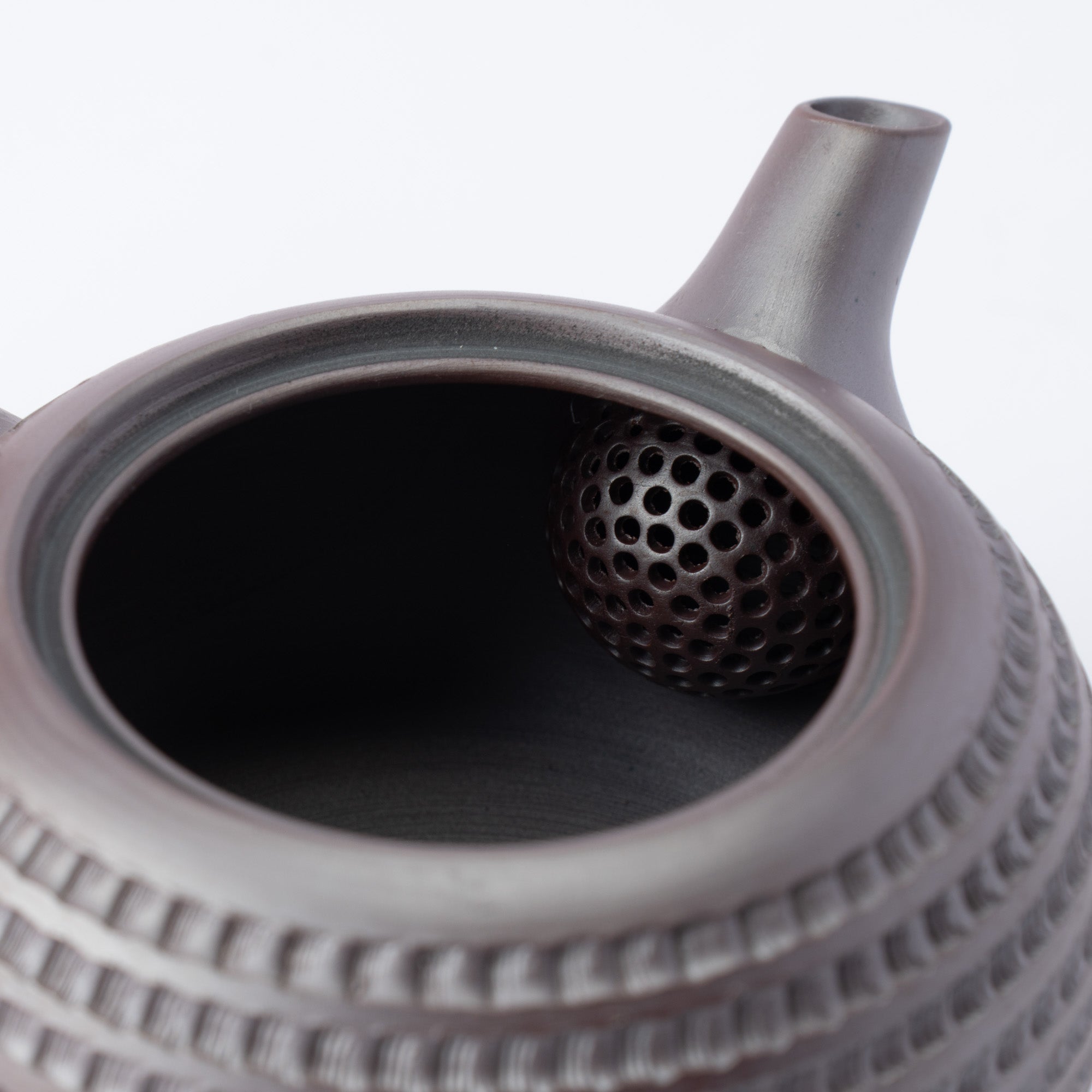
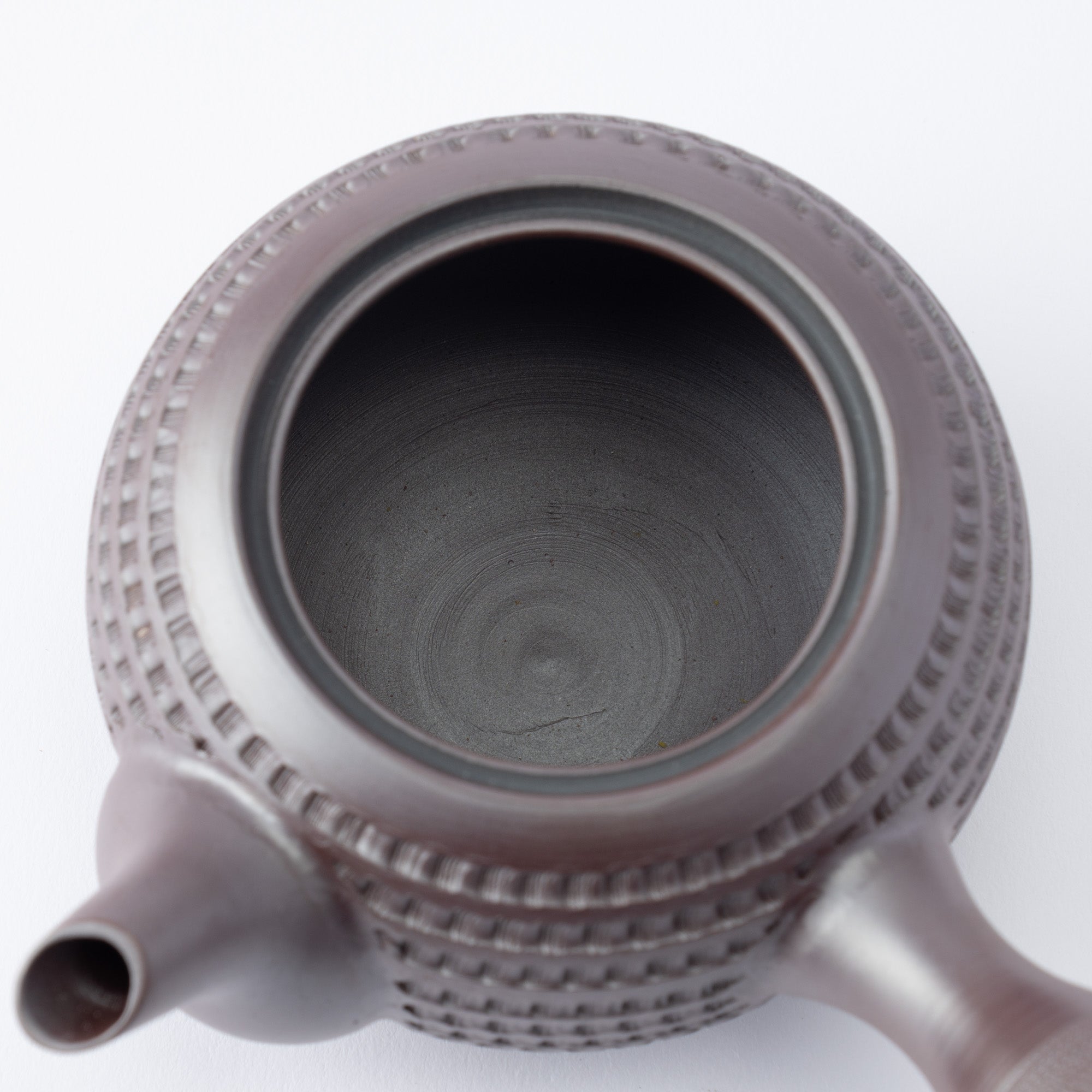
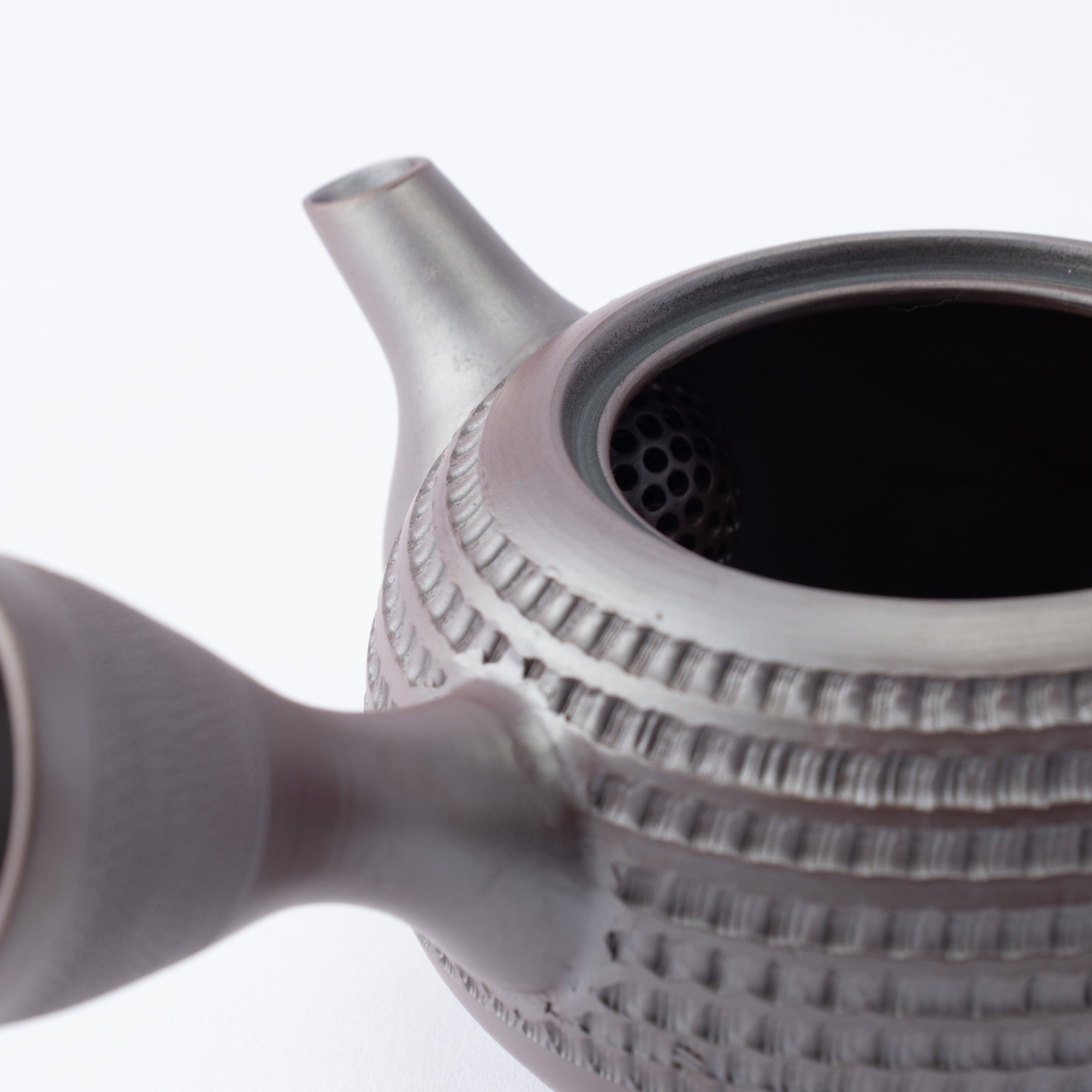
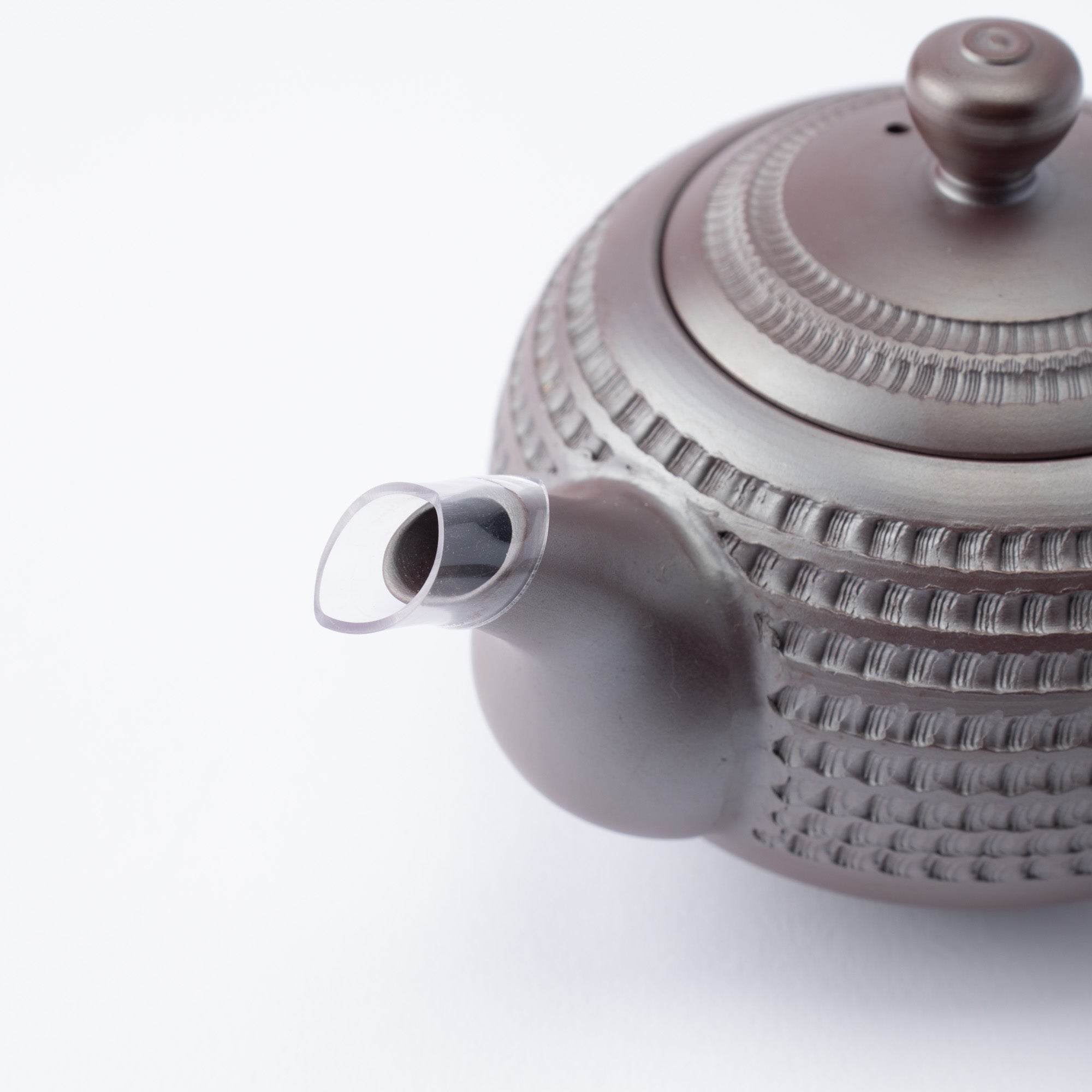
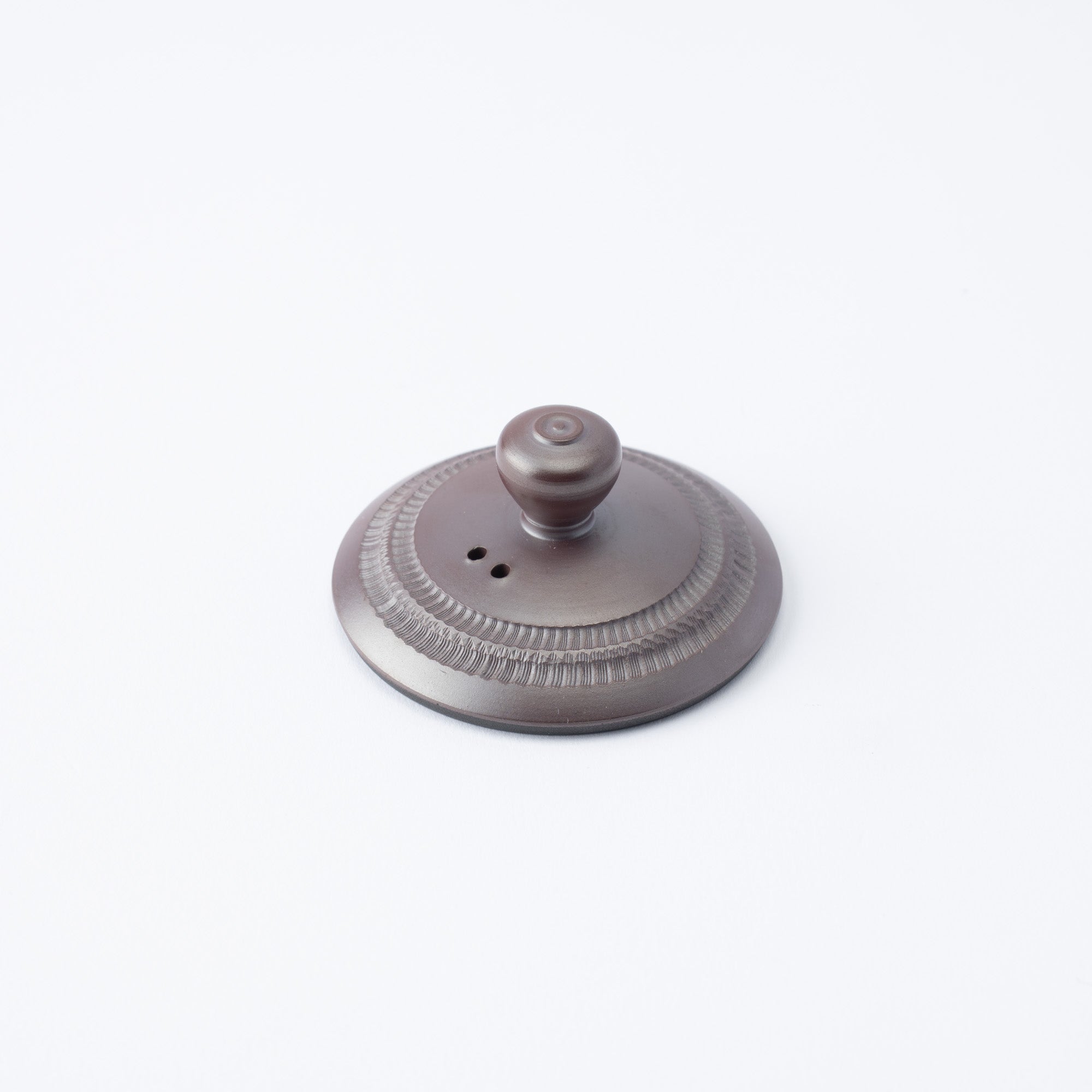
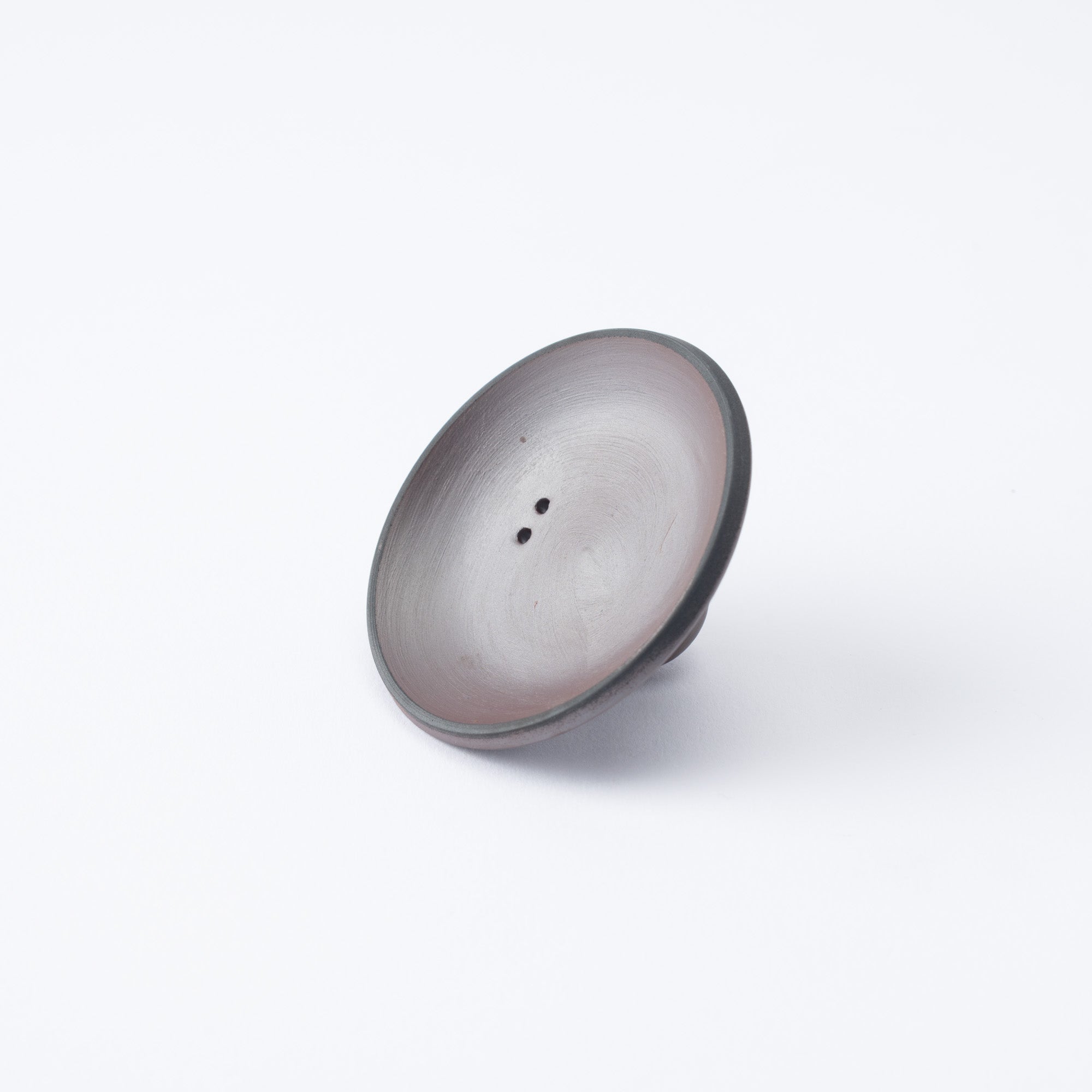
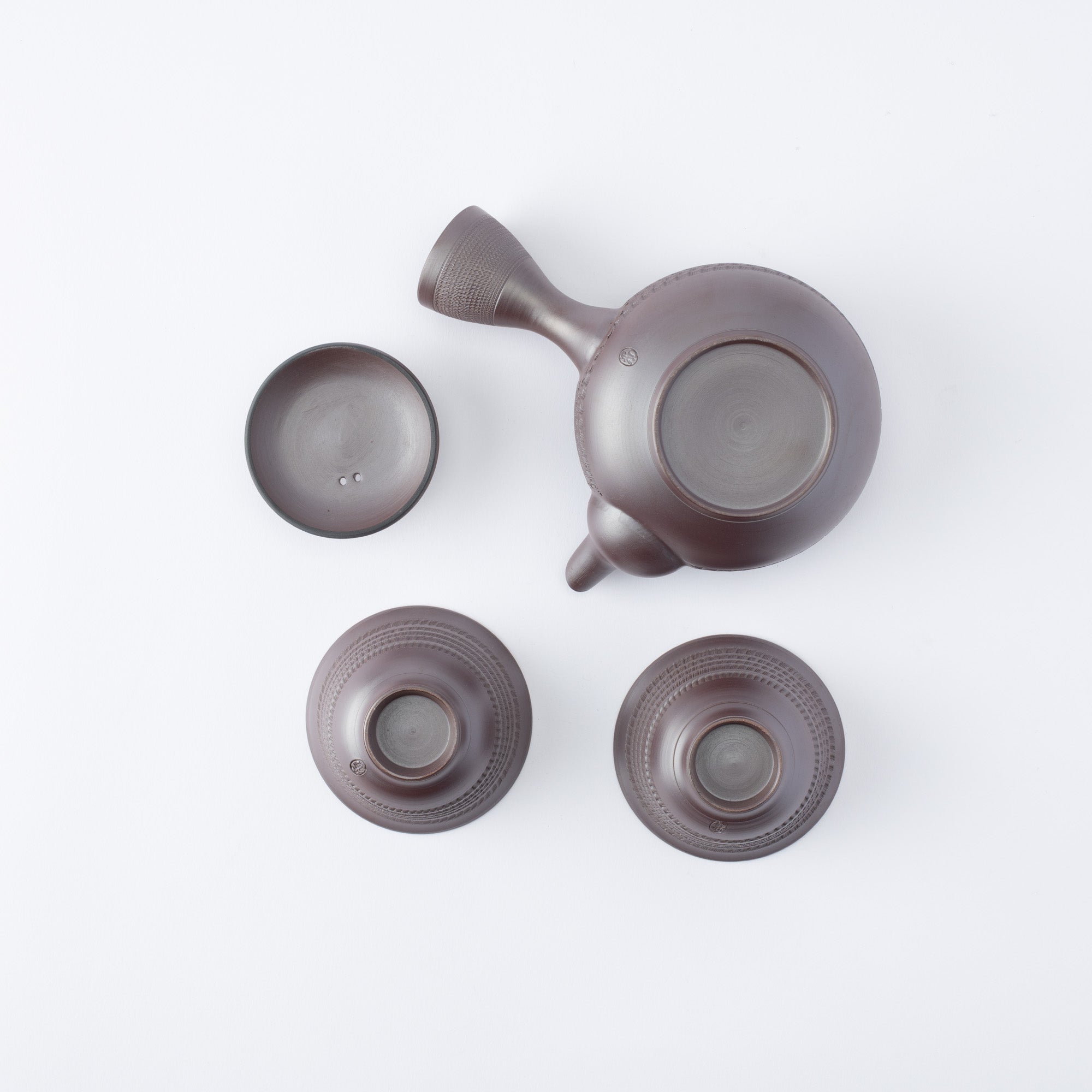
La tapa encaja en el cuerpo con una precisión satisfactoria y sin fisuras. Cuenta con un filtro de cerámica integrado, que extrae suavemente el aroma y umami de las hojas de té para obtener una taza suave y equilibrada. Sin esmaltar, la superficie desarrolla gradualmente un brillo más rico con el manejo cotidiano, ofreciendo el placer silencioso de ver cómo la pieza se vuelve más hermosa con el uso.
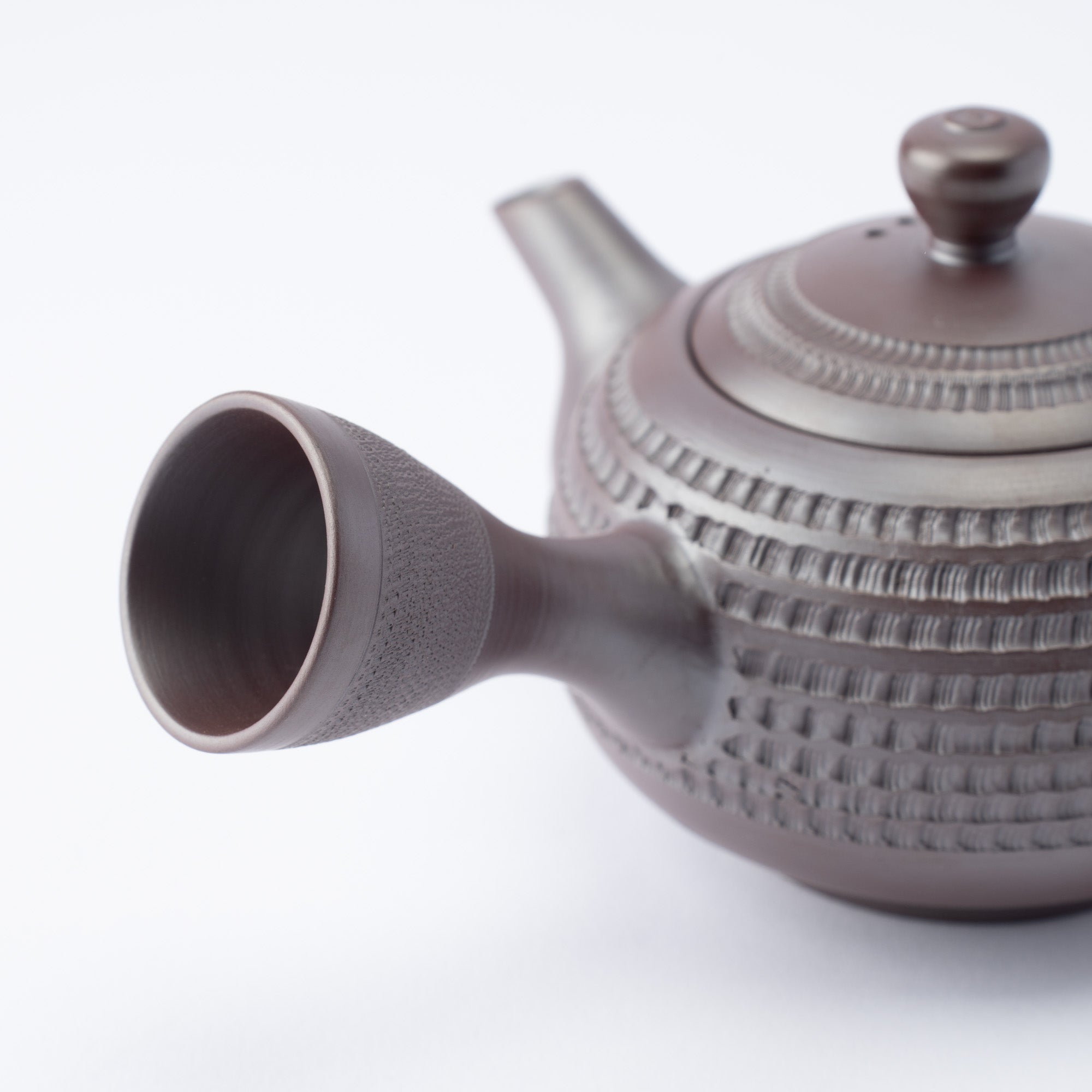
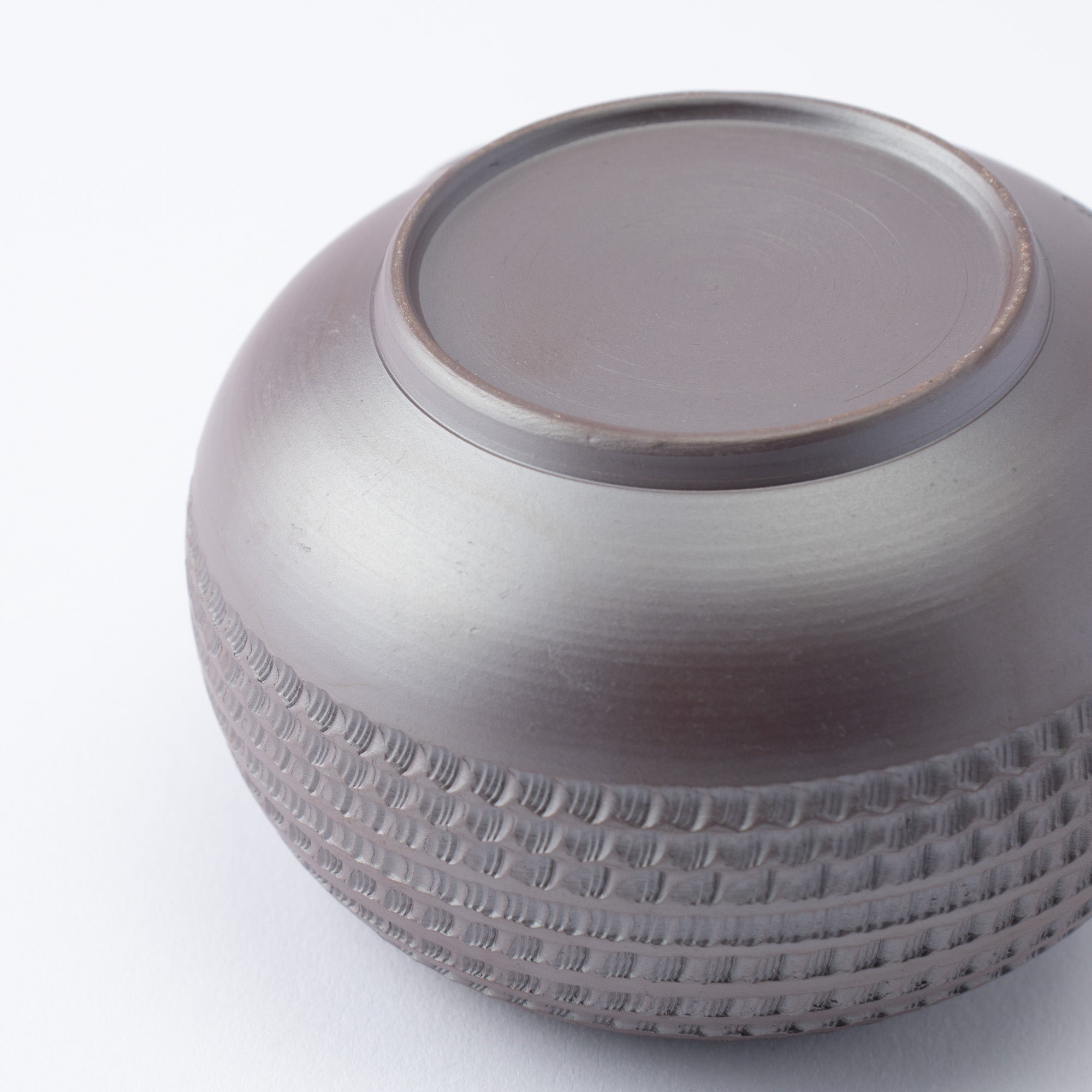
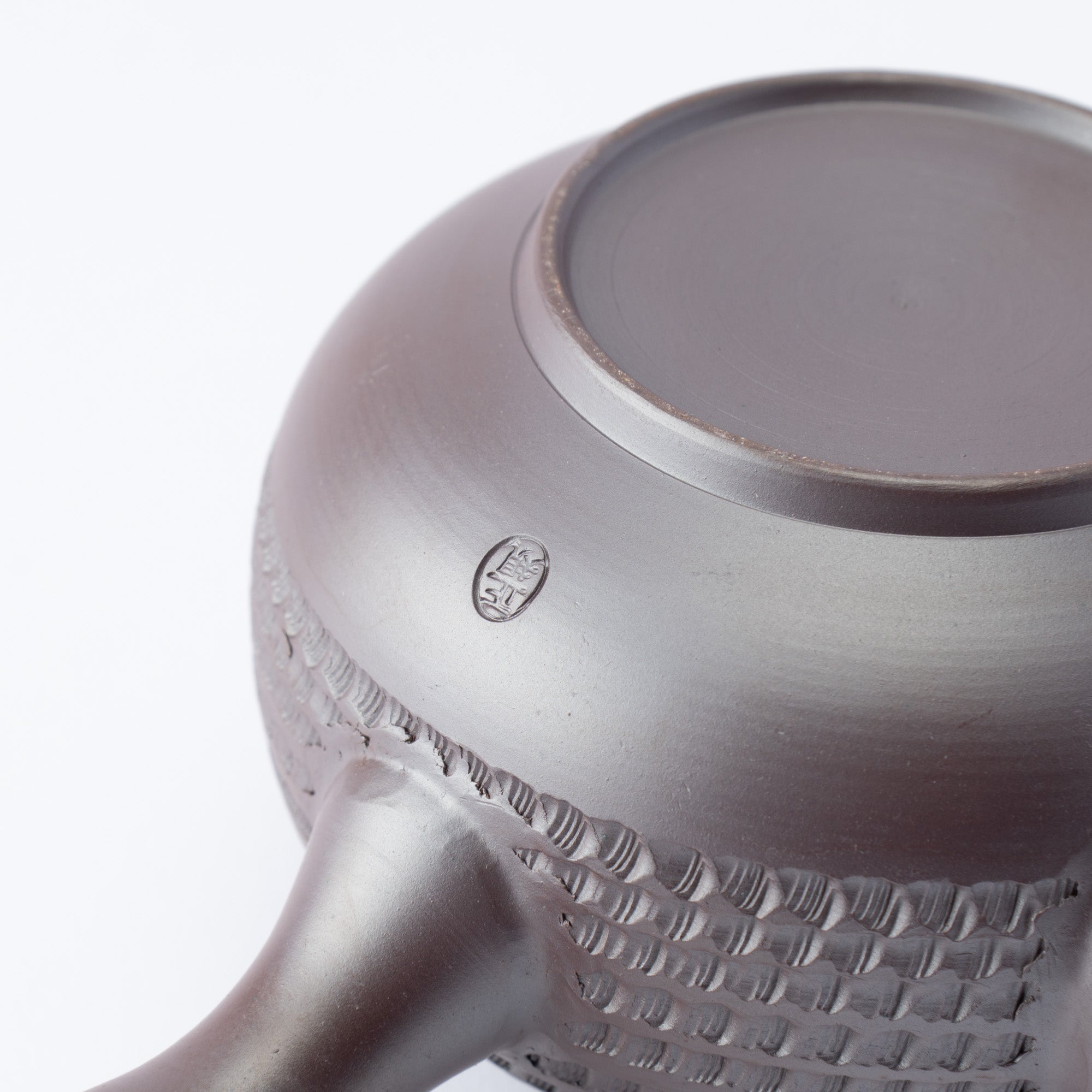
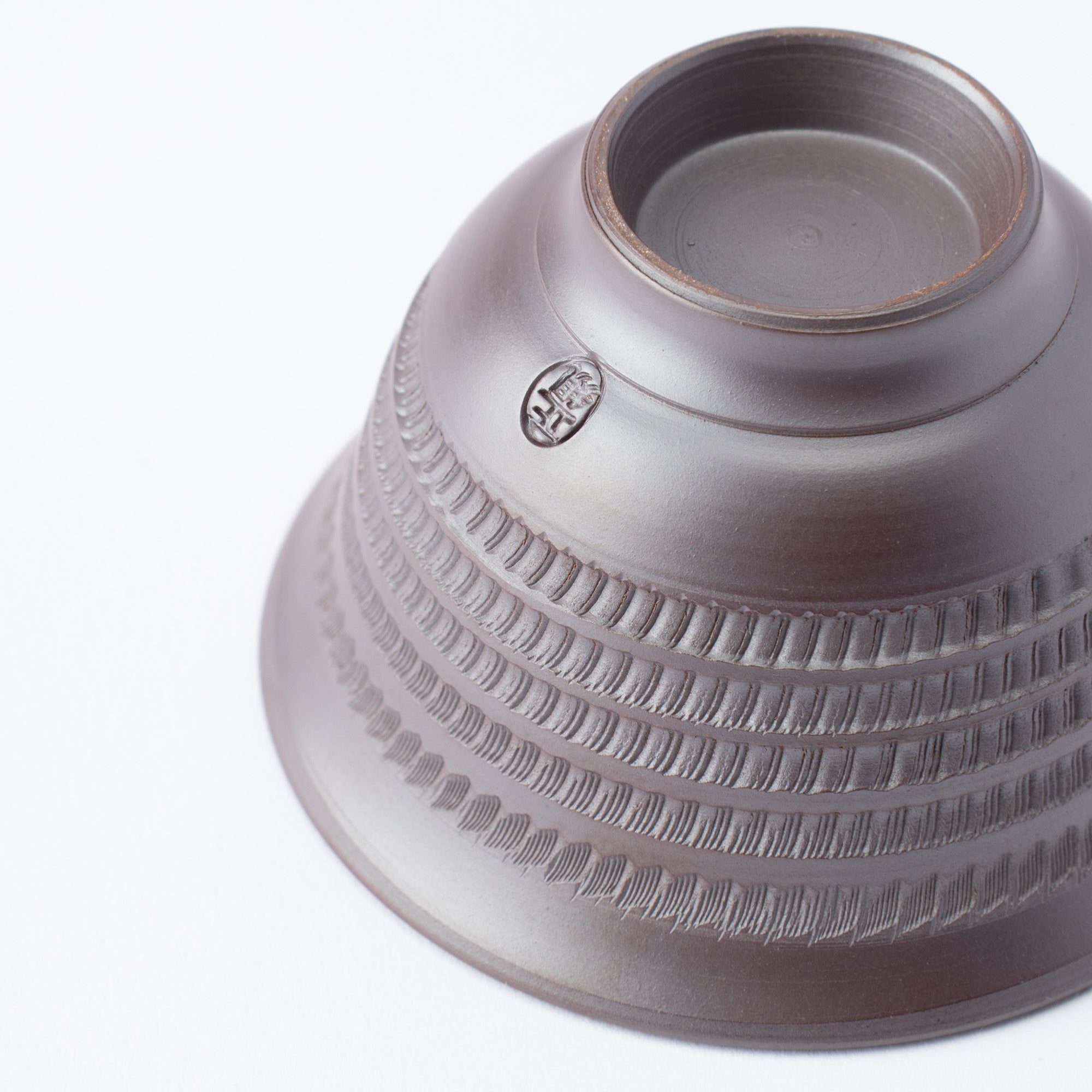
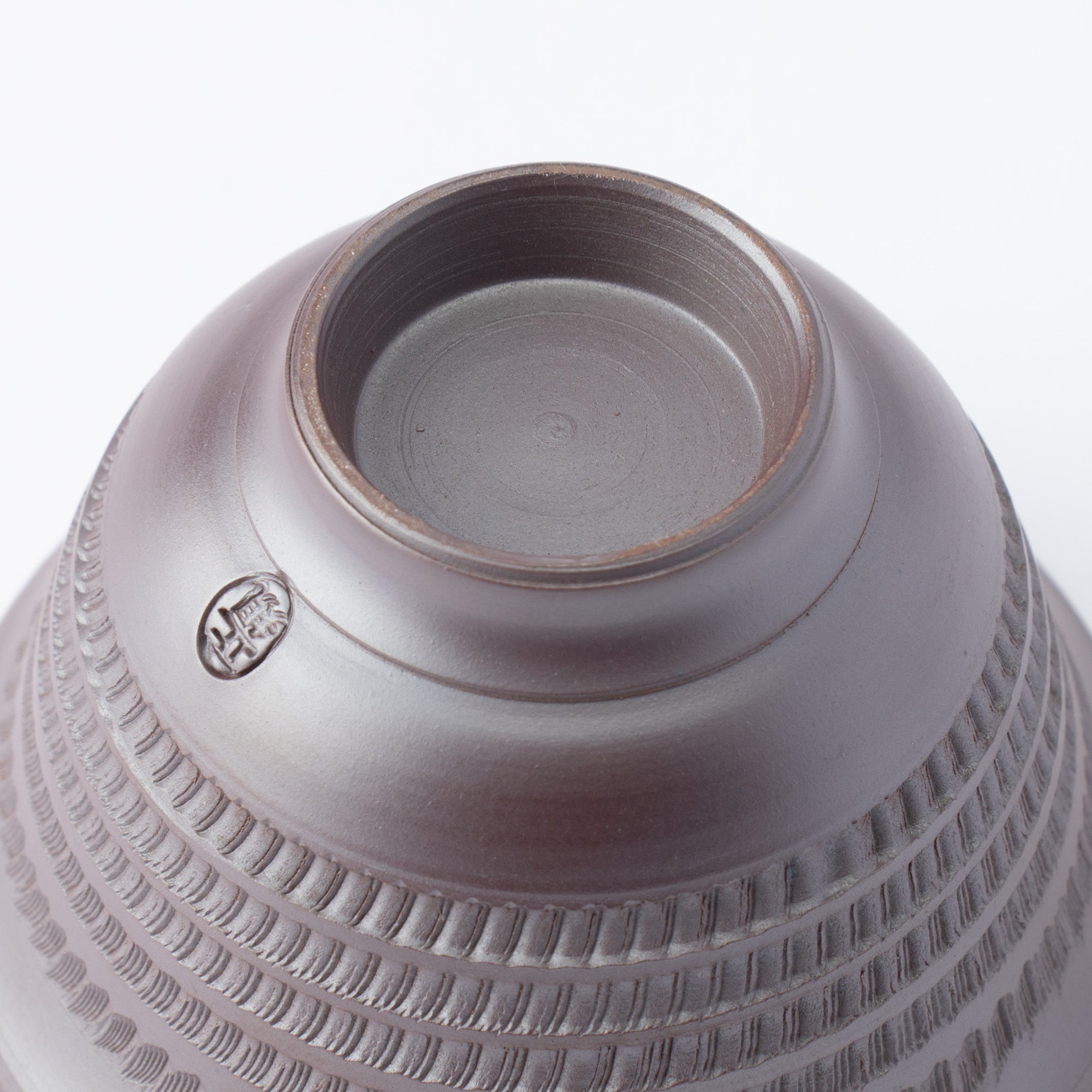
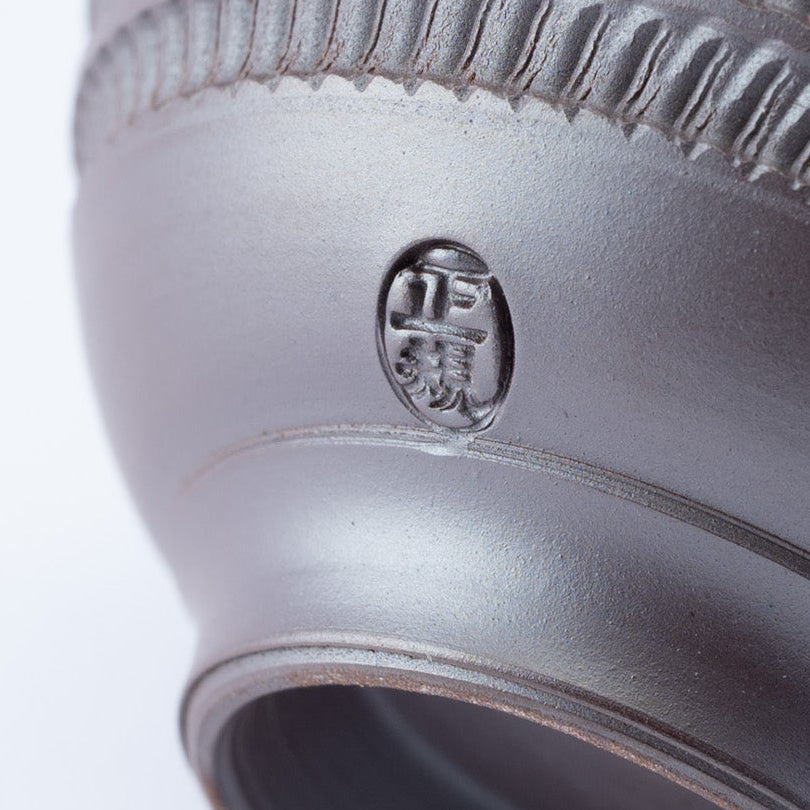
Cada pieza se torna en el torno del alfarero y se termina con líneas precisas y equilibradas. La superficie se decora mediante una técnica tradicional llamada biri, donde el alfarero talla la arcilla con un pequeño cepillo mientras el torno gira, creando surcos finos y rítmicos que capturan la luz.
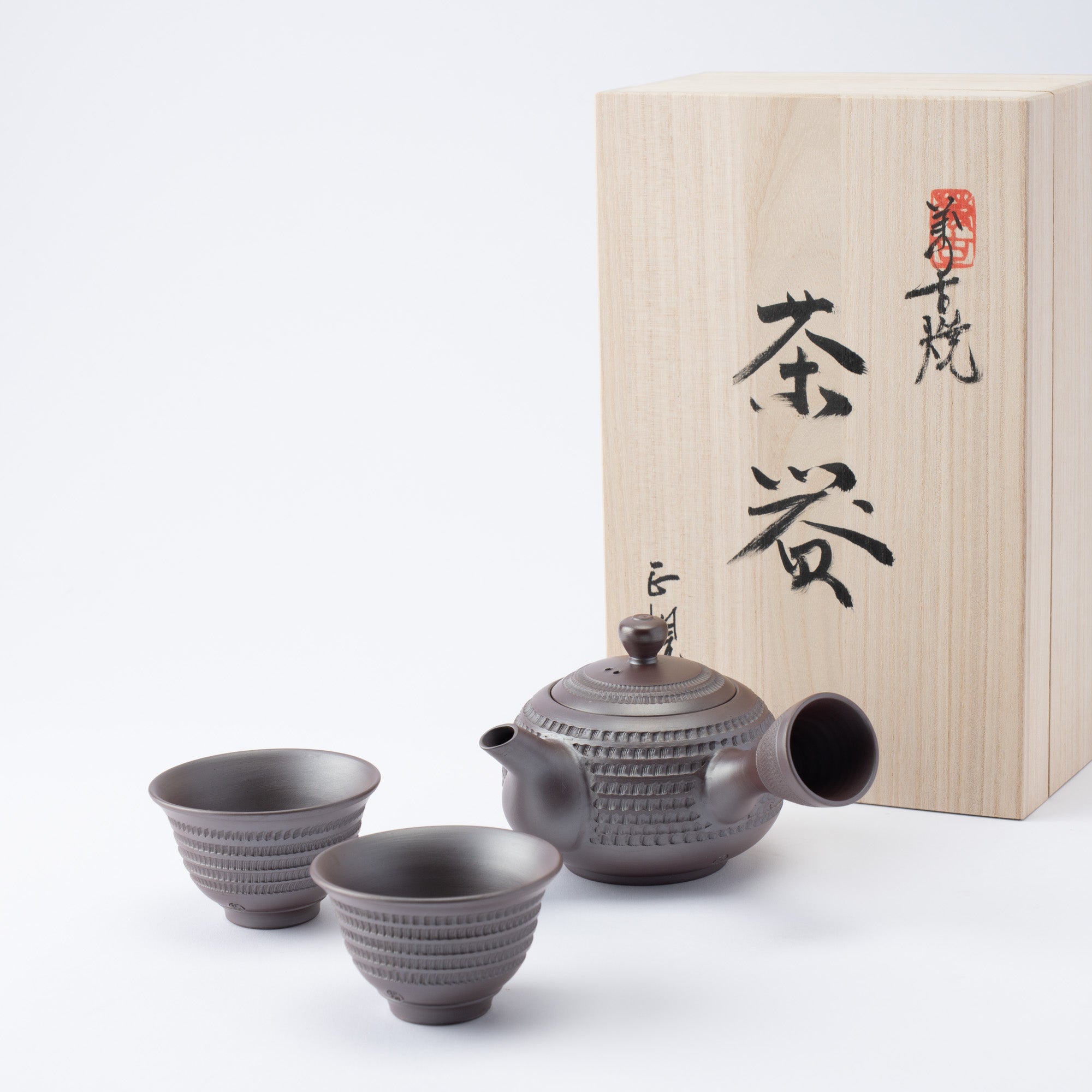
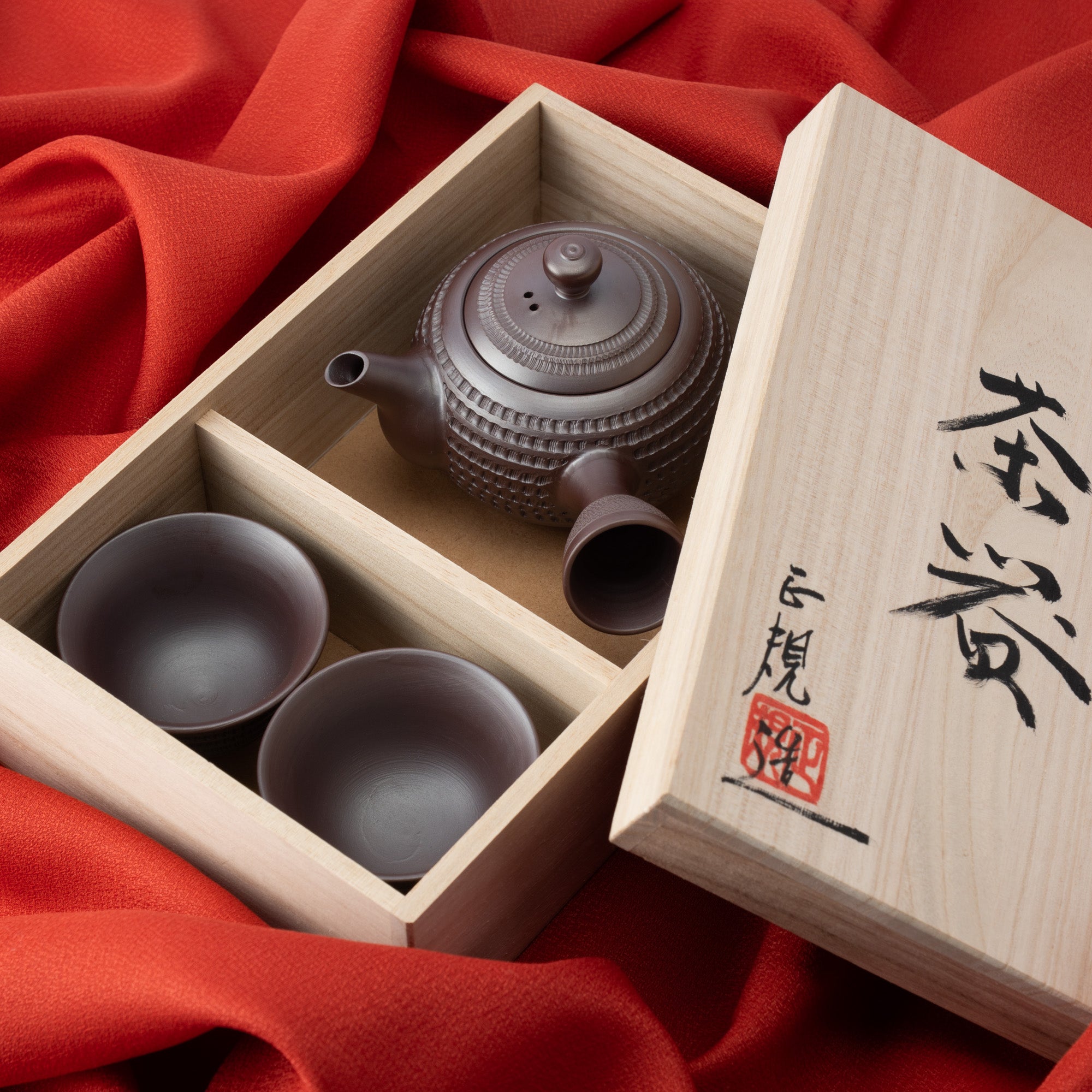
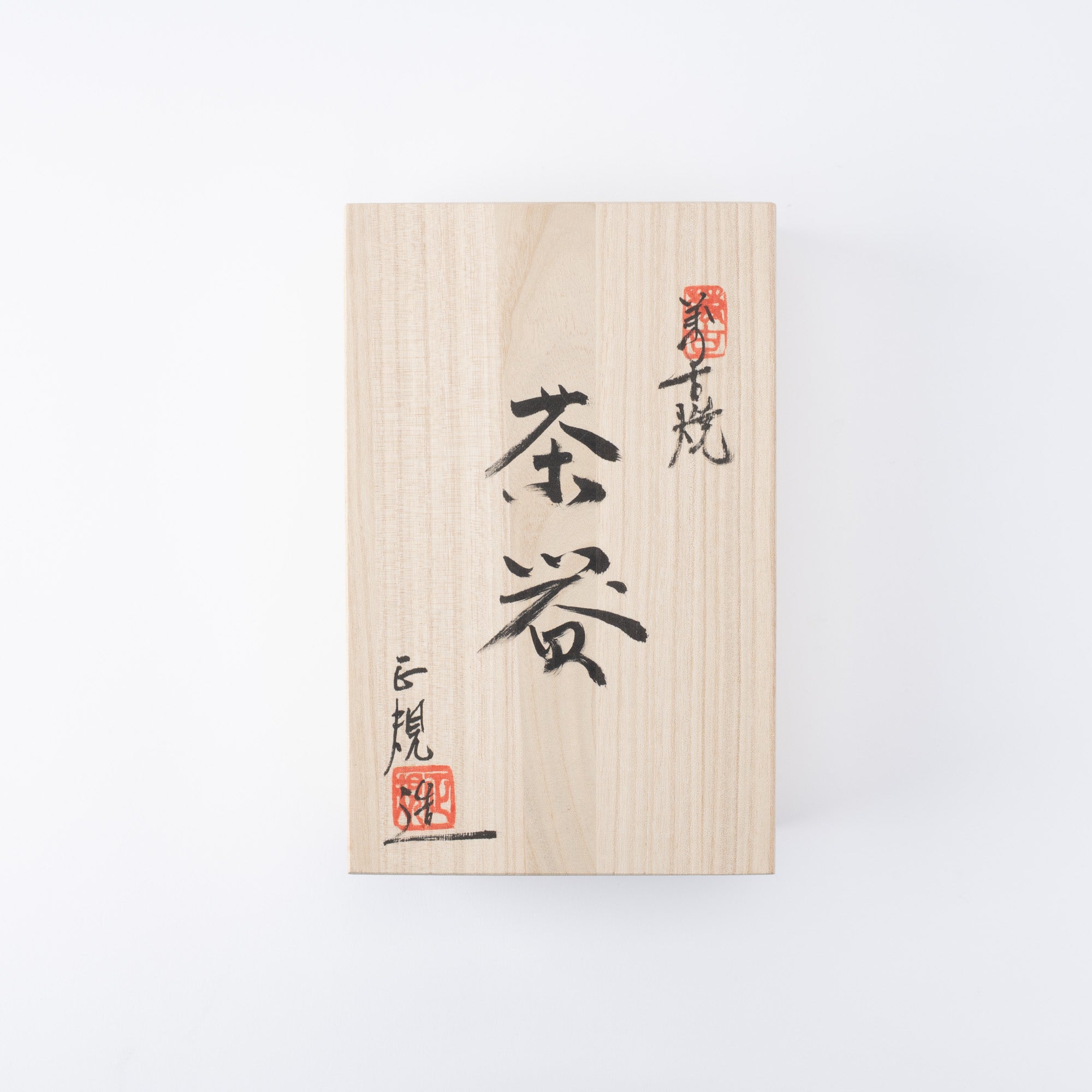
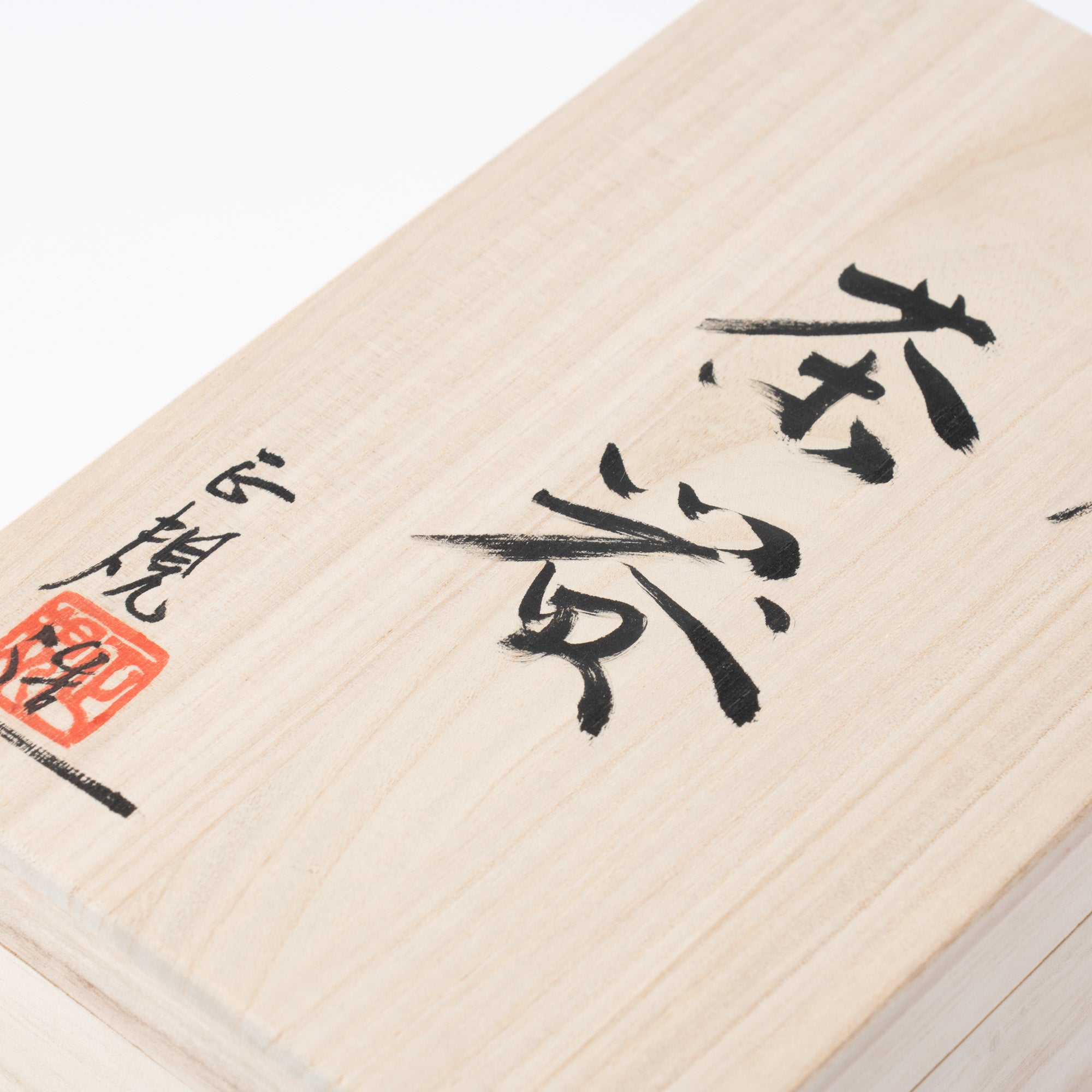
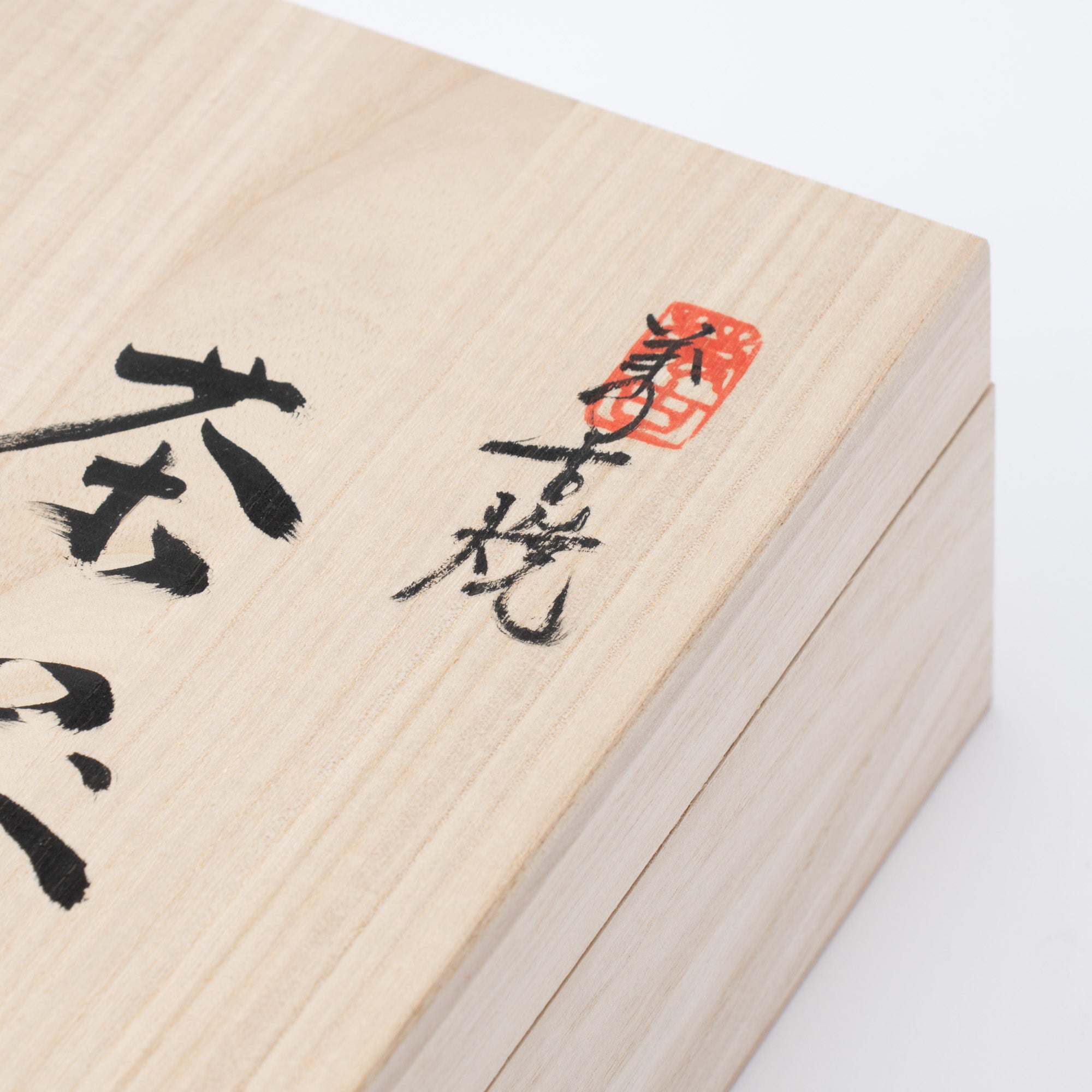
El juego se presenta en una caja de madera de alta calidad, terminada con caligrafía aplicada a mano en la tapa. La impresión general es serena y refinada, lo que la convierte en una pieza que se integra naturalmente en un interior reflexivo. Es un juego para disfrutar usted mismo, y igualmente apropiado como un regalo considerado para alguien especial.
DETALLES
| Quantity | 1 teapot and 2 cups |
| Size |
[Teapot] D 9.0 cm (3.5 in) x W 14.0 cm (5.5 in) x H 8.3 cm (3.3 in) [Teacup] D 7.0 cm (2.8 in) x H 4.5 cm (1.8 in) |
| Capacity | [Teapot] 180 ml (6.1 fl oz) [Teacup] 40 ml (1.4 fl oz) |
| Weight |
[Teapot] 190 g (6.7 oz) [Cup] 55 g (1.9 oz) |
| Material | Stoneware |
| Package Type | Wooden box |
| Microwave | No |
| Dishwasher | No |
Fabricante / Marca
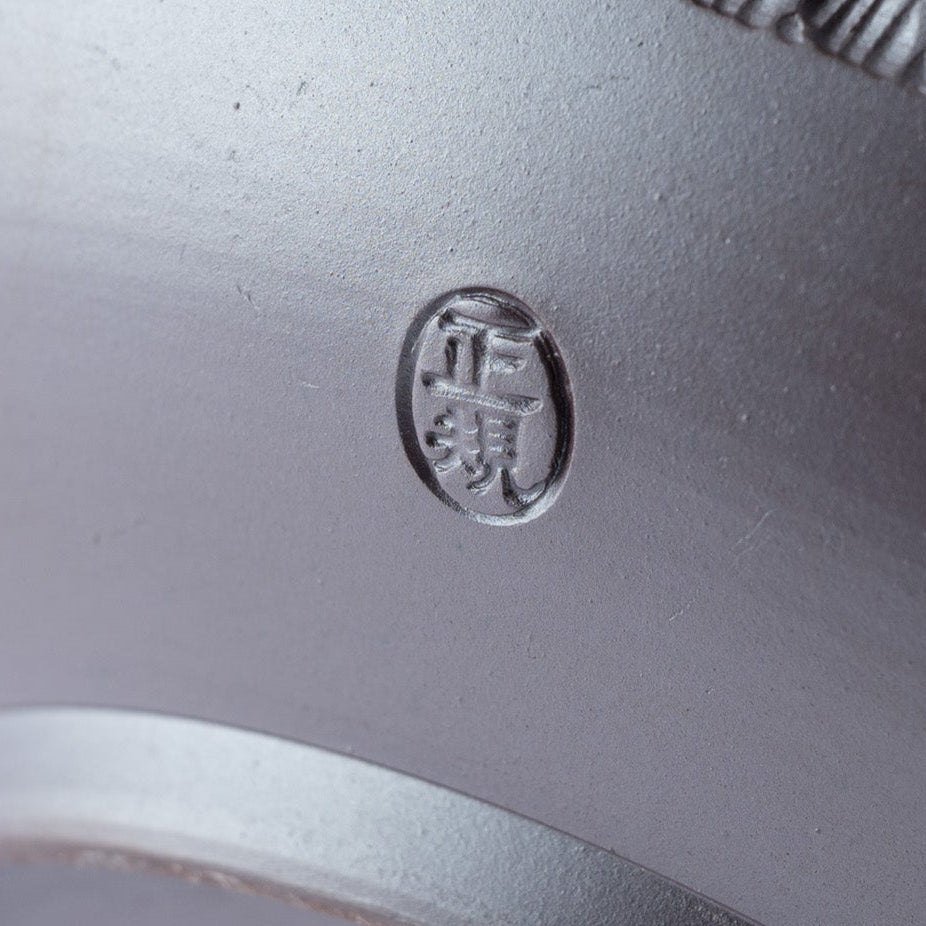
Tachi Masaki es un maestro de la artesanía tradicional, especializado en teteras kyusu de cerámica Banko. A principios de sus veinte años, recibió el premio del Ministro de Economía, Comercio e Industria y fue reconocido como un "prodigio" en cerámica. Desde entonces, ha preservado las tradiciones de la cerámica Banko mientras crea obras acordes con la sensibilidad contemporánea.
Sus teteras de cerámica Banko se elaboran con arcilla roja rica en hierro que se torna azul-negro profundo en una cocción de reducción, para luego reoxidarse en el tono shidei (arcilla púrpura). Su trabajo es reconocido como Patrimonio Cultural Intangible de Yokkaichi por su excelente artesanía.
Artesanía
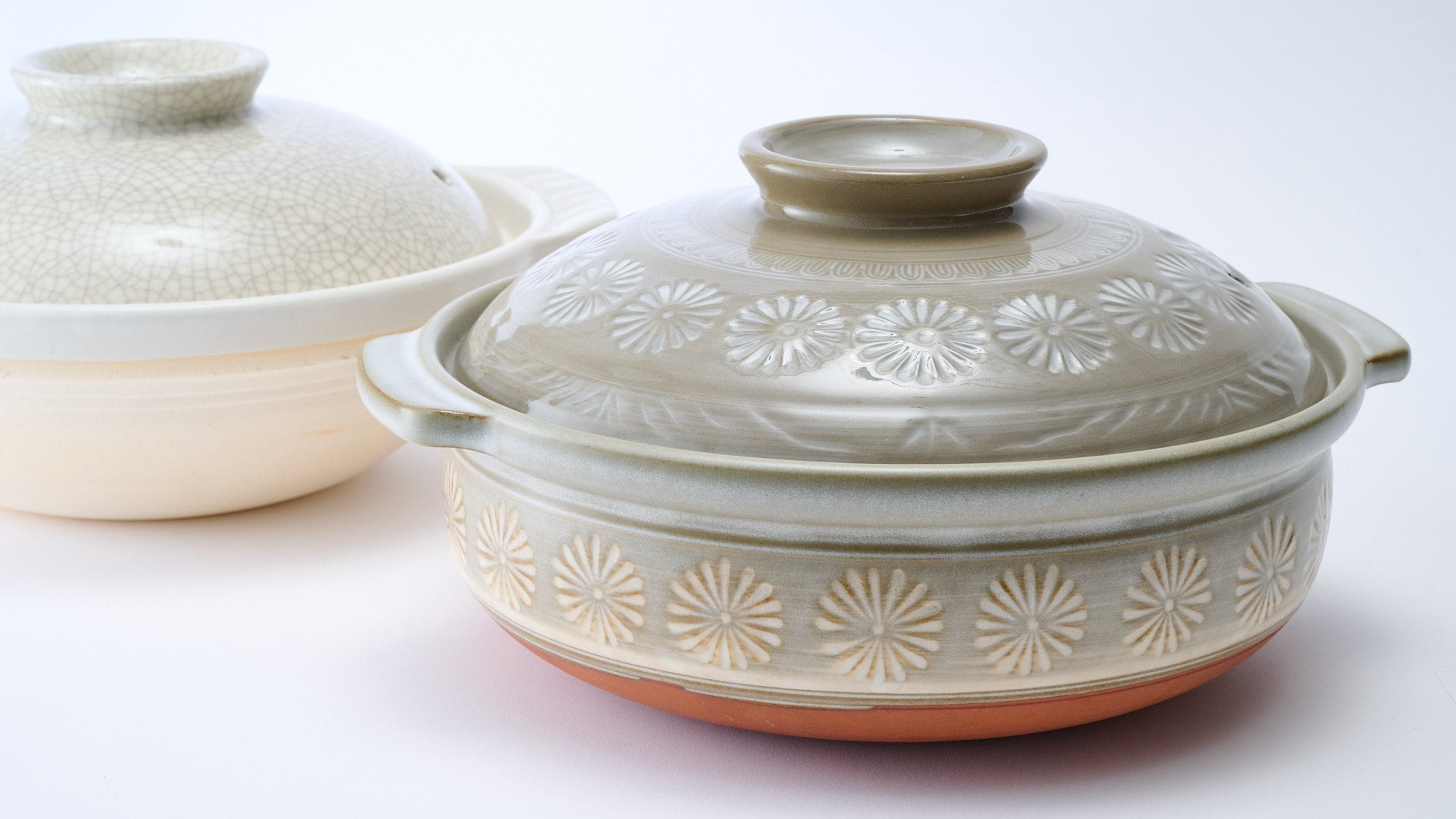
La cerámica Yokkaichi Banko, comúnmente conocida como cerámica Banko, tiene sus orígenes en la elaboración de cerámicas que abarcan desde vajillas de uso diario hasta floreros. Hoy en día, es más conocida por su donabe, o ollas de barro japonesas, valoradas por su durabilidad y excelente retención del calor. Alrededor del 80 % de todos los donabe producidos en Japón son de cerámica Banko, lo que los convierte en un utensilio esencial para la preparación de comidas caseras.
Notas
Elige opciones
Estimated Shipping Widget will be displayed here!
Juegos de té japoneses
En Japón, las teteras y tazas de cerámica se presentan en una rica variedad de formas, elaboradas en diferentes regiones con diversos materiales y estilos. Esta diversidad refleja la profunda cultura del té en Japón y el carácter distintivo de las hojas de té locales cultivadas en todo el país.
Nuestra colección incluye juegos de té de cerámica cuidadosamente seleccionados que combinan teteras y tazas en perfecta armonía. Ideales para el día a día o para reuniones especiales, estos juegos cuidadosamente diseñados, a menudo presentados en elegantes cajas, son regalos atemporales que transmiten calidez y aprecio.