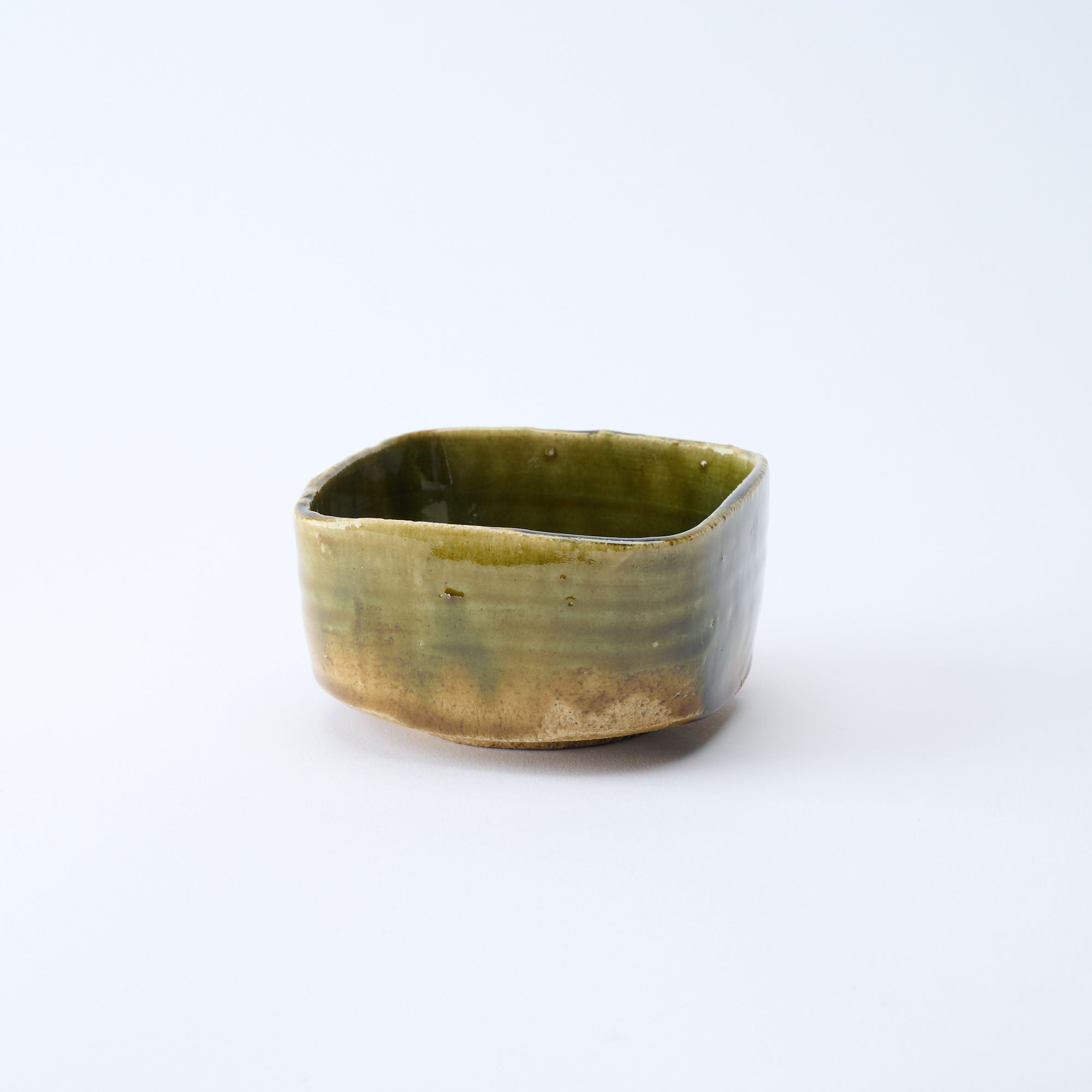
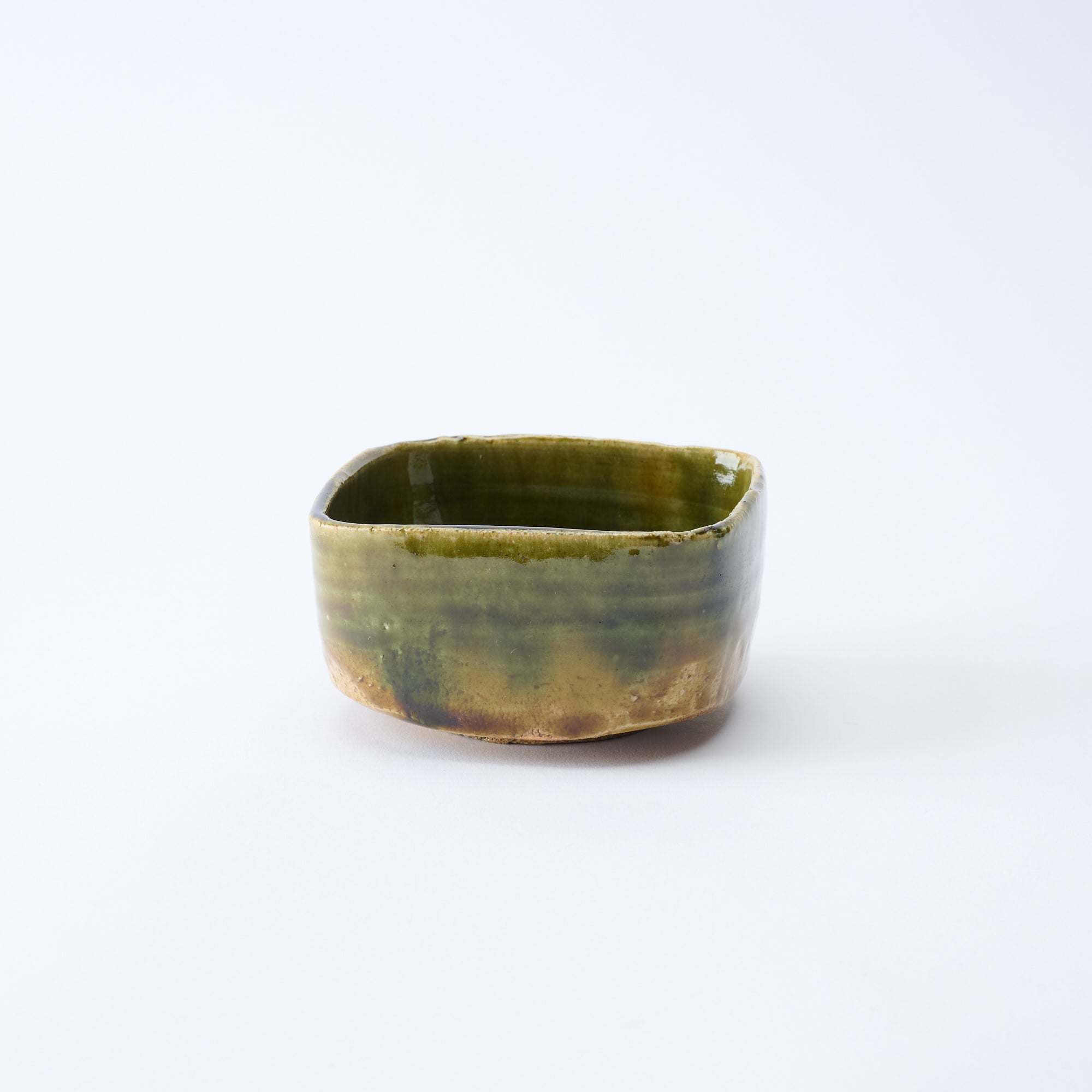
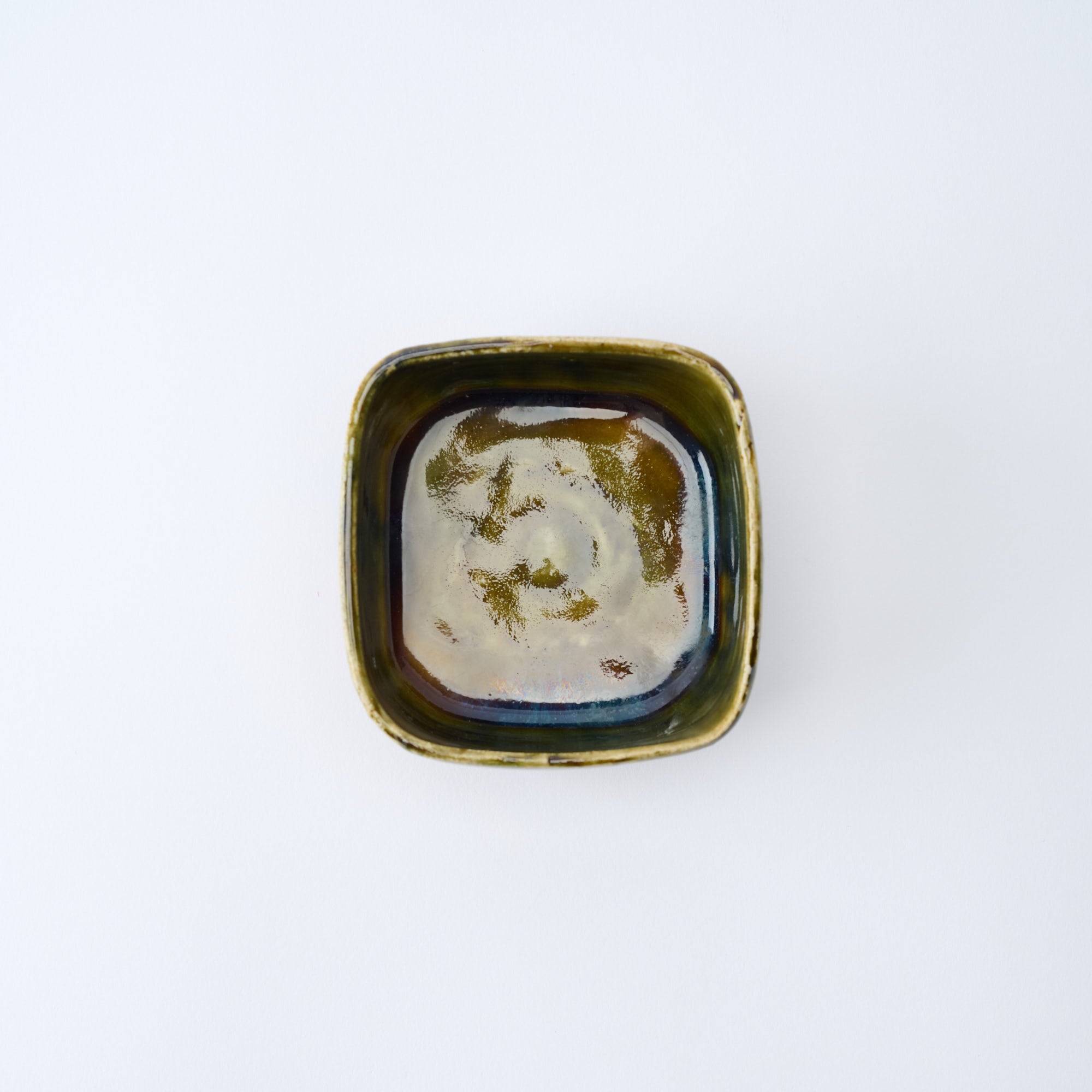
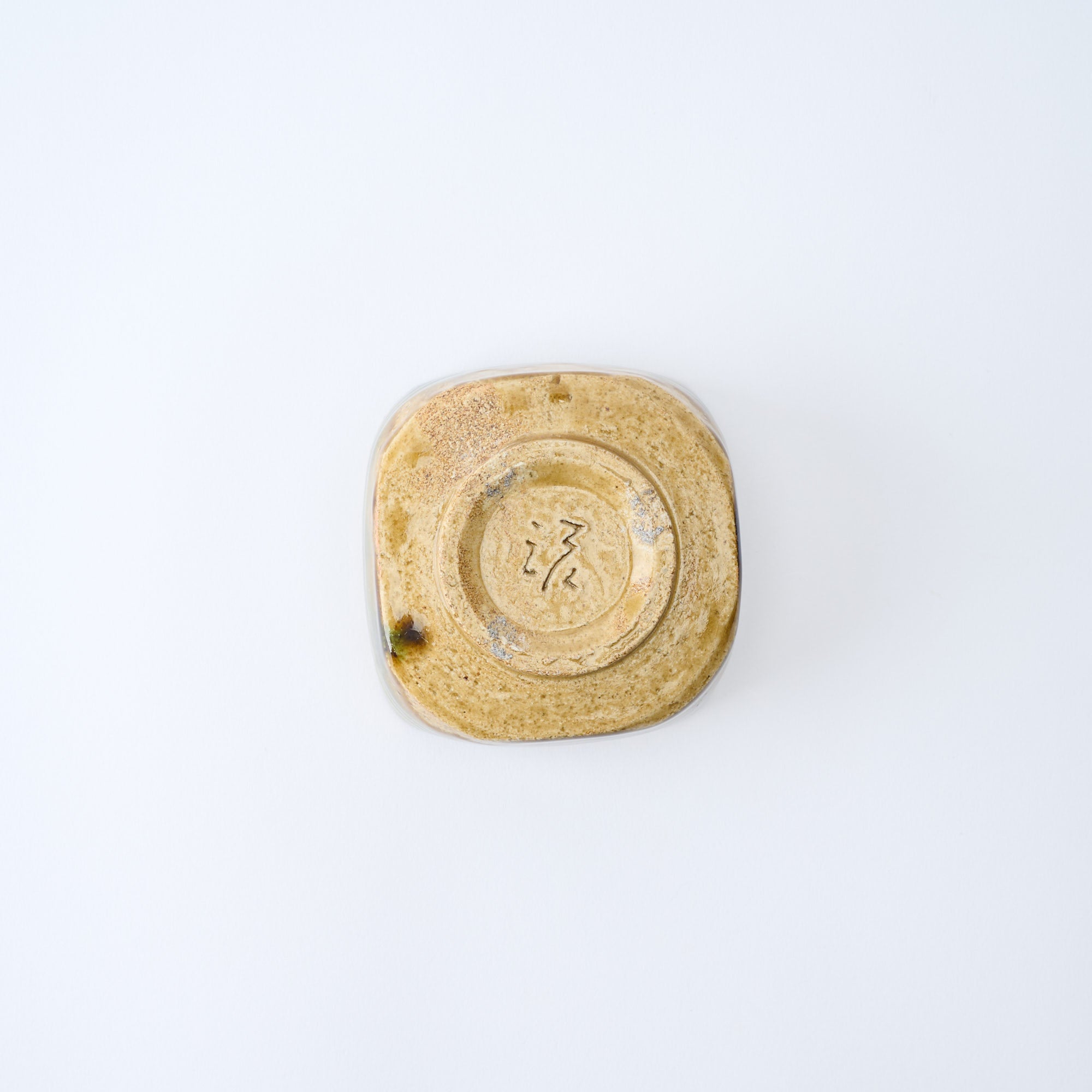
Cuenco pequeño Kobachi Oribe
Ships from Japan · Free shipping on orders over $250 USD
Estimated Shipping Widget will be displayed here!
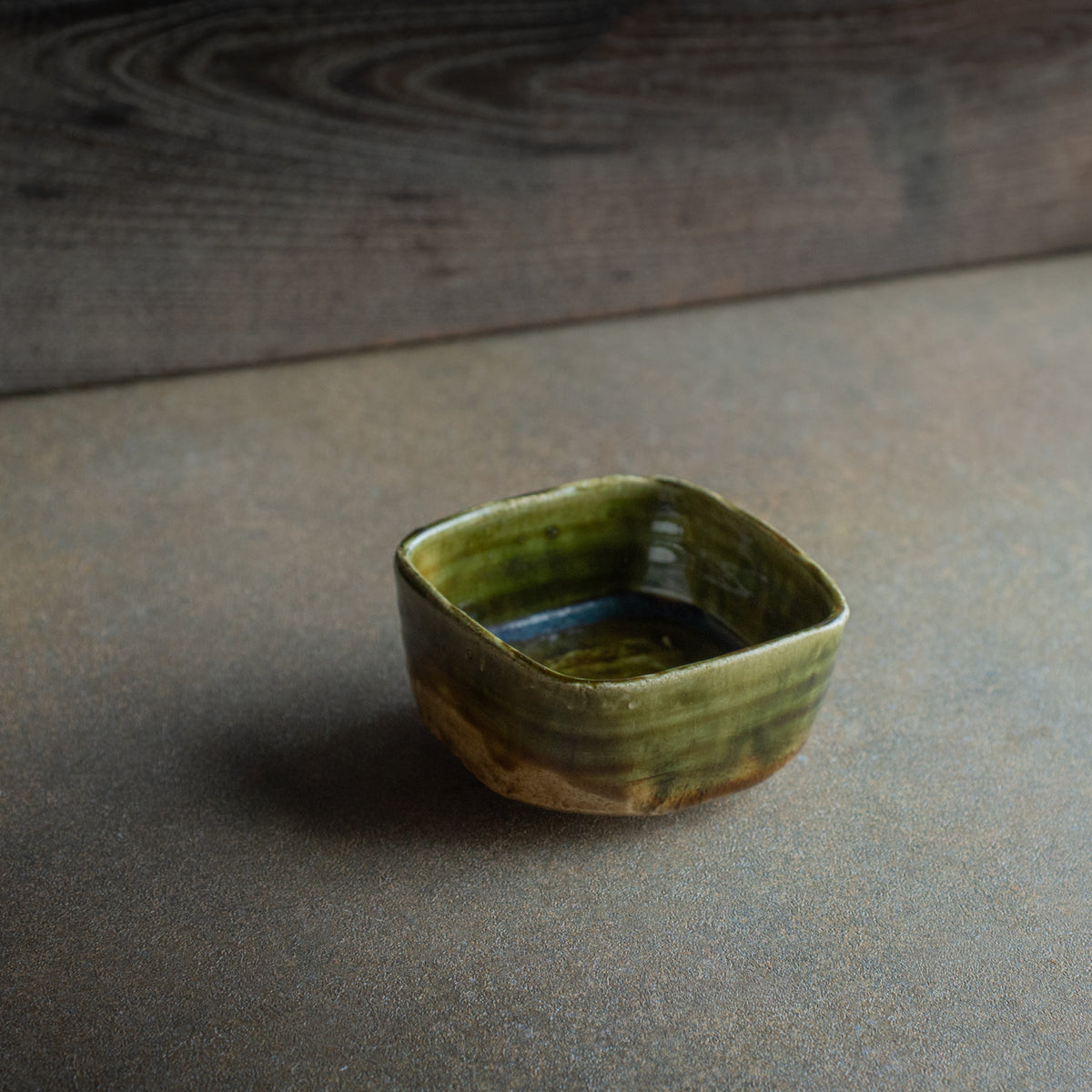
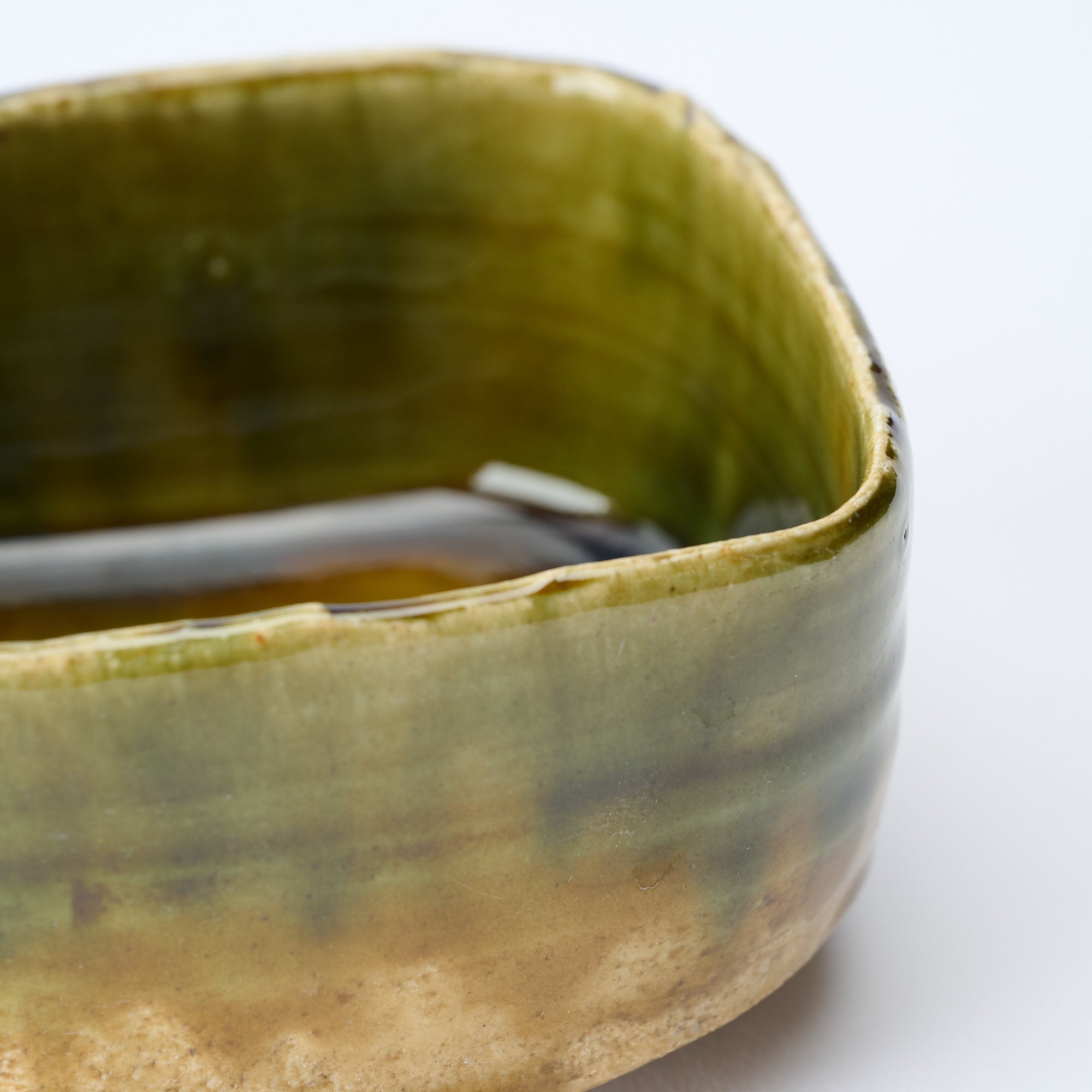
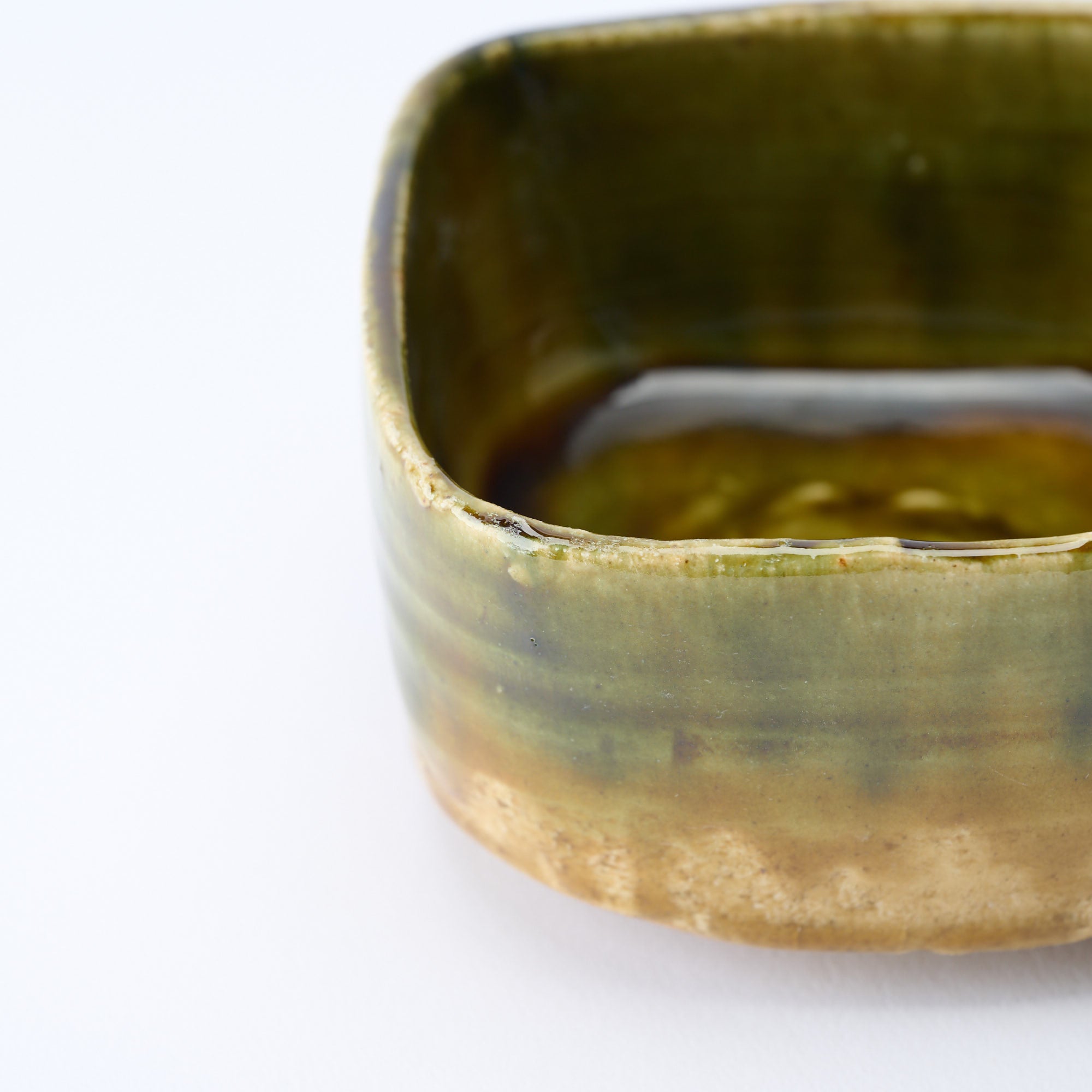
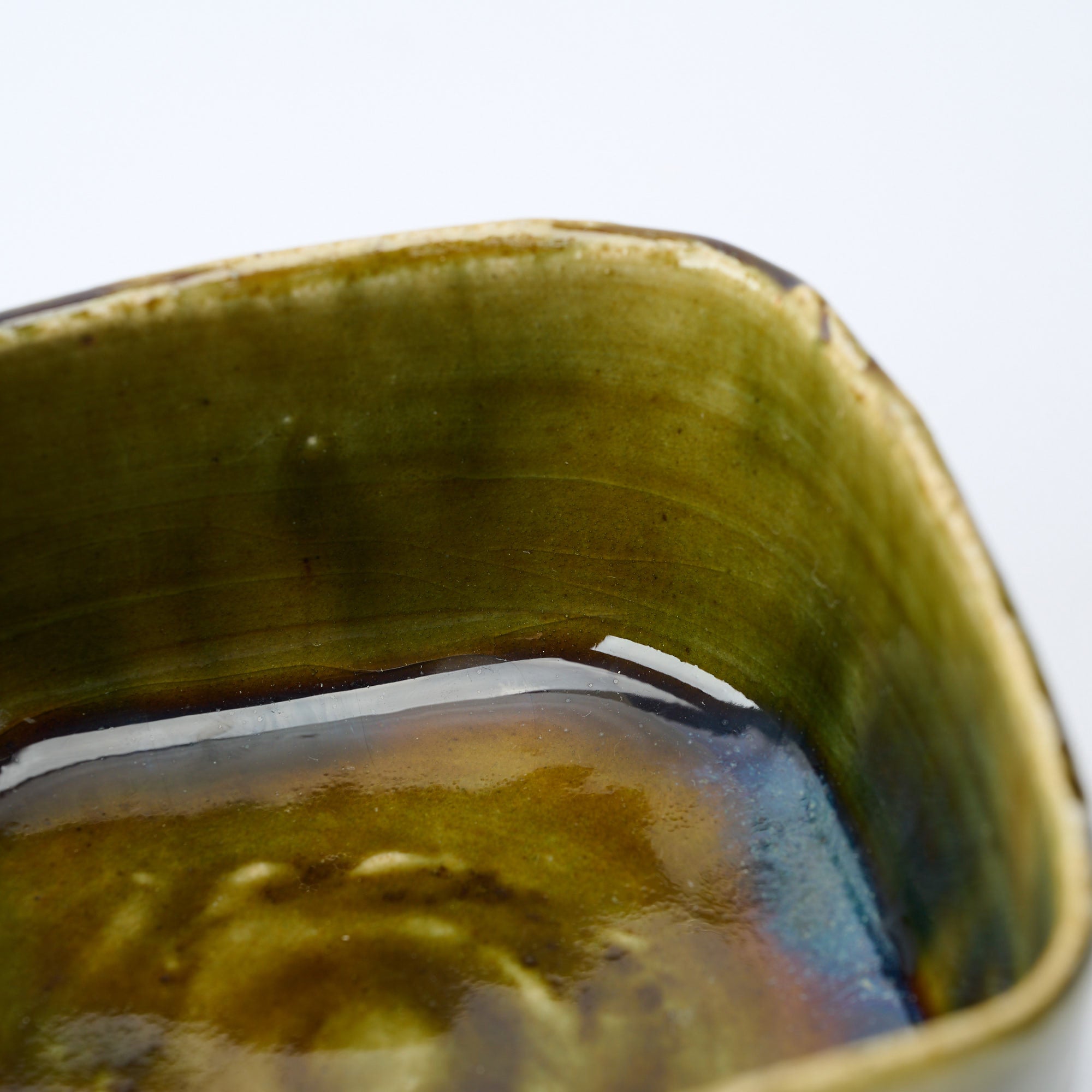
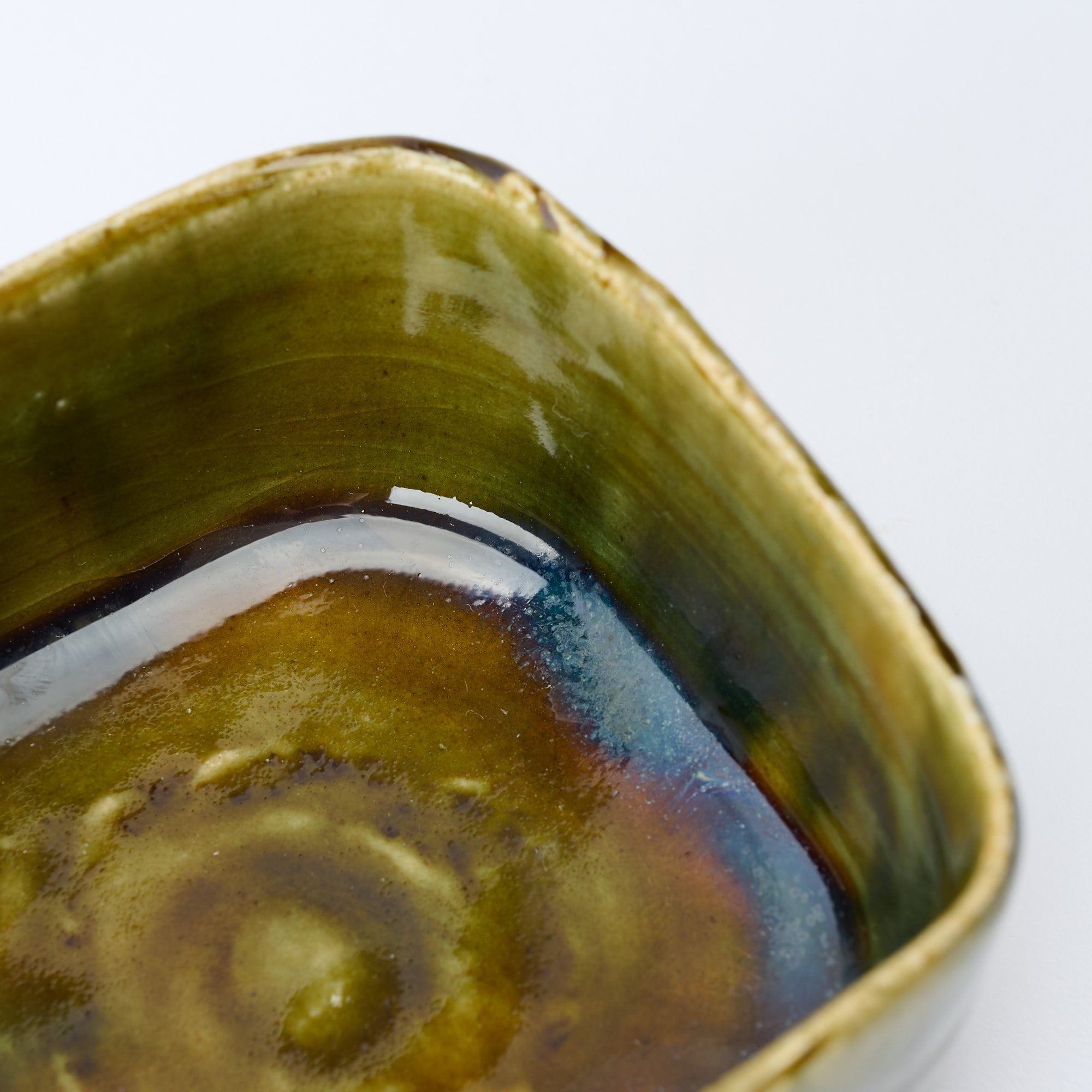
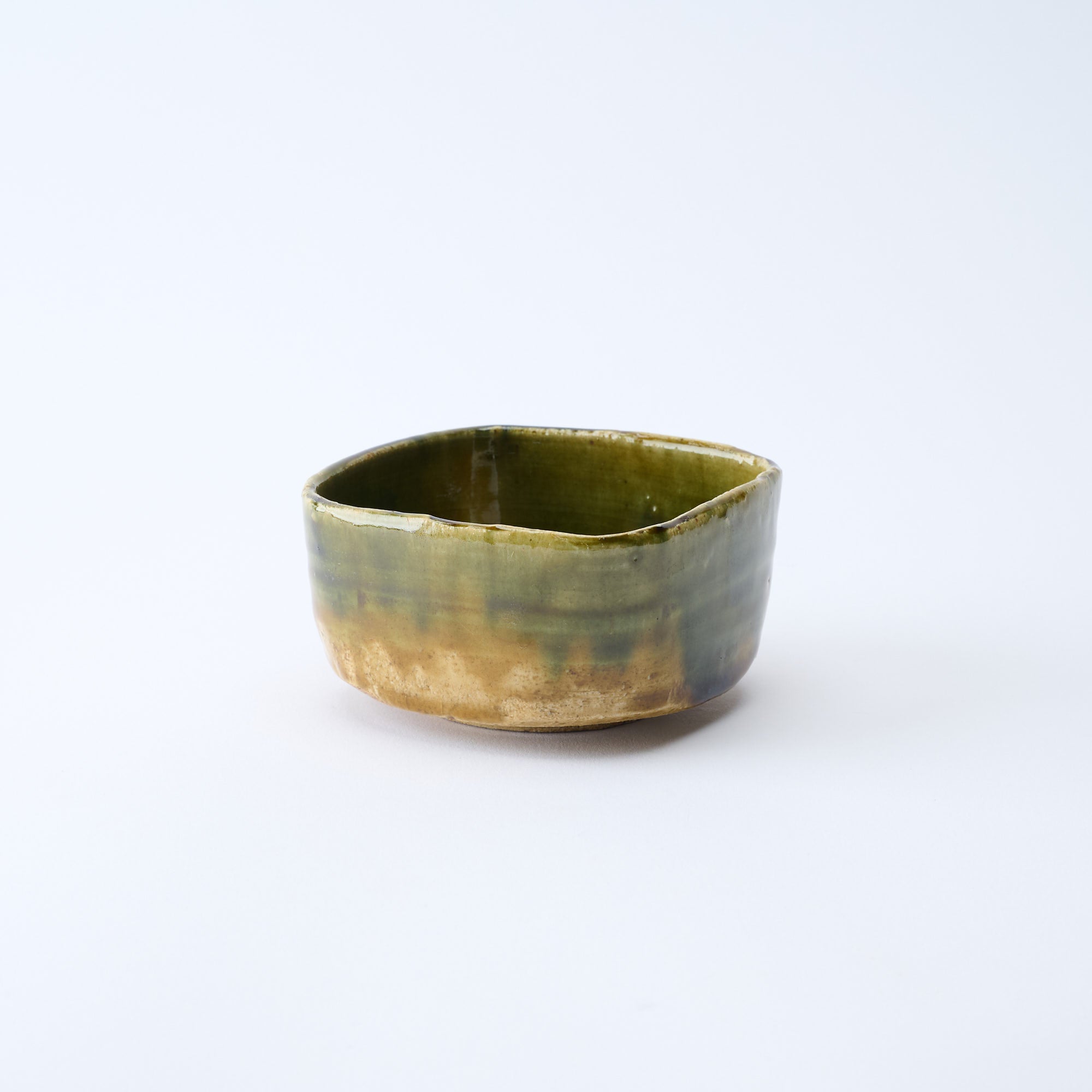
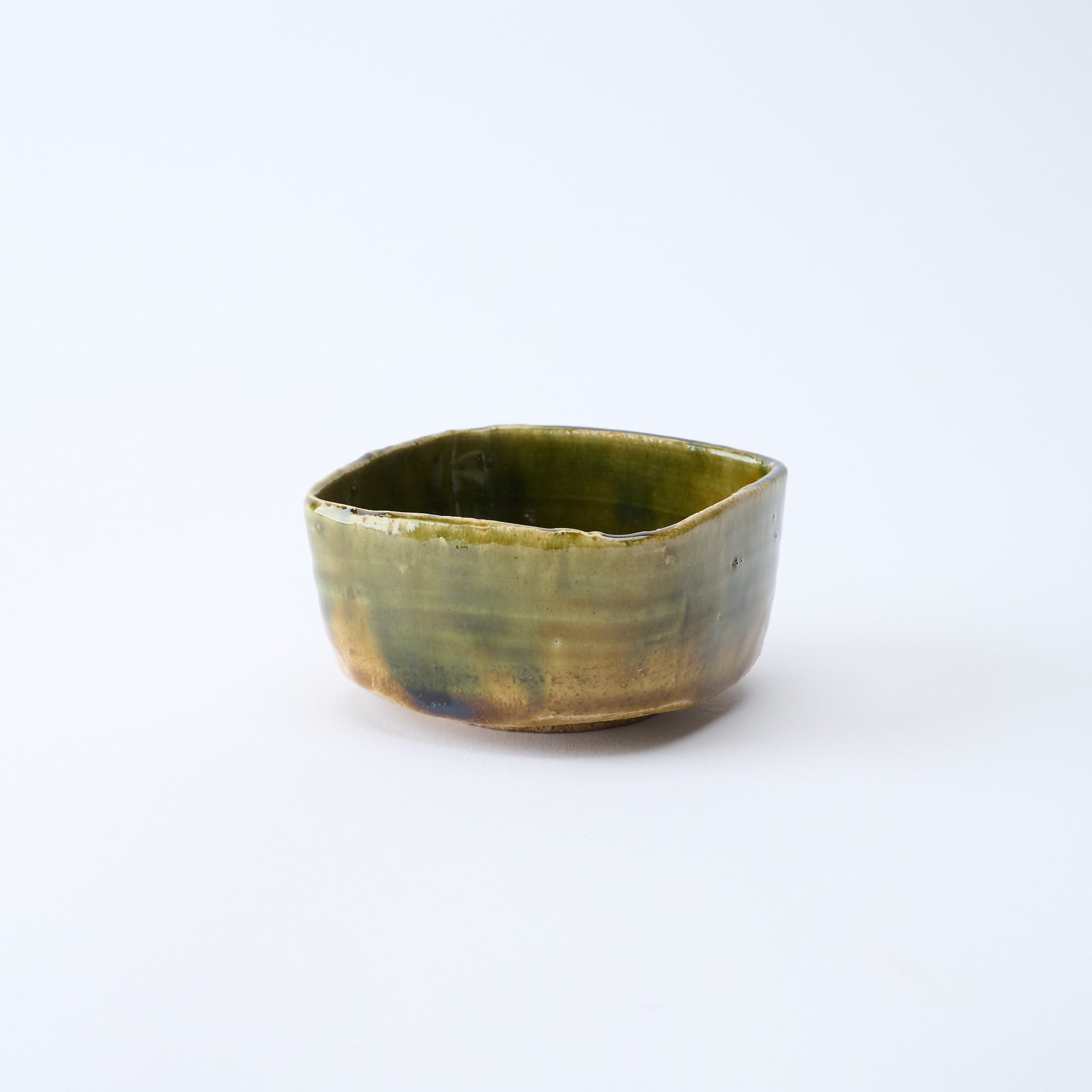
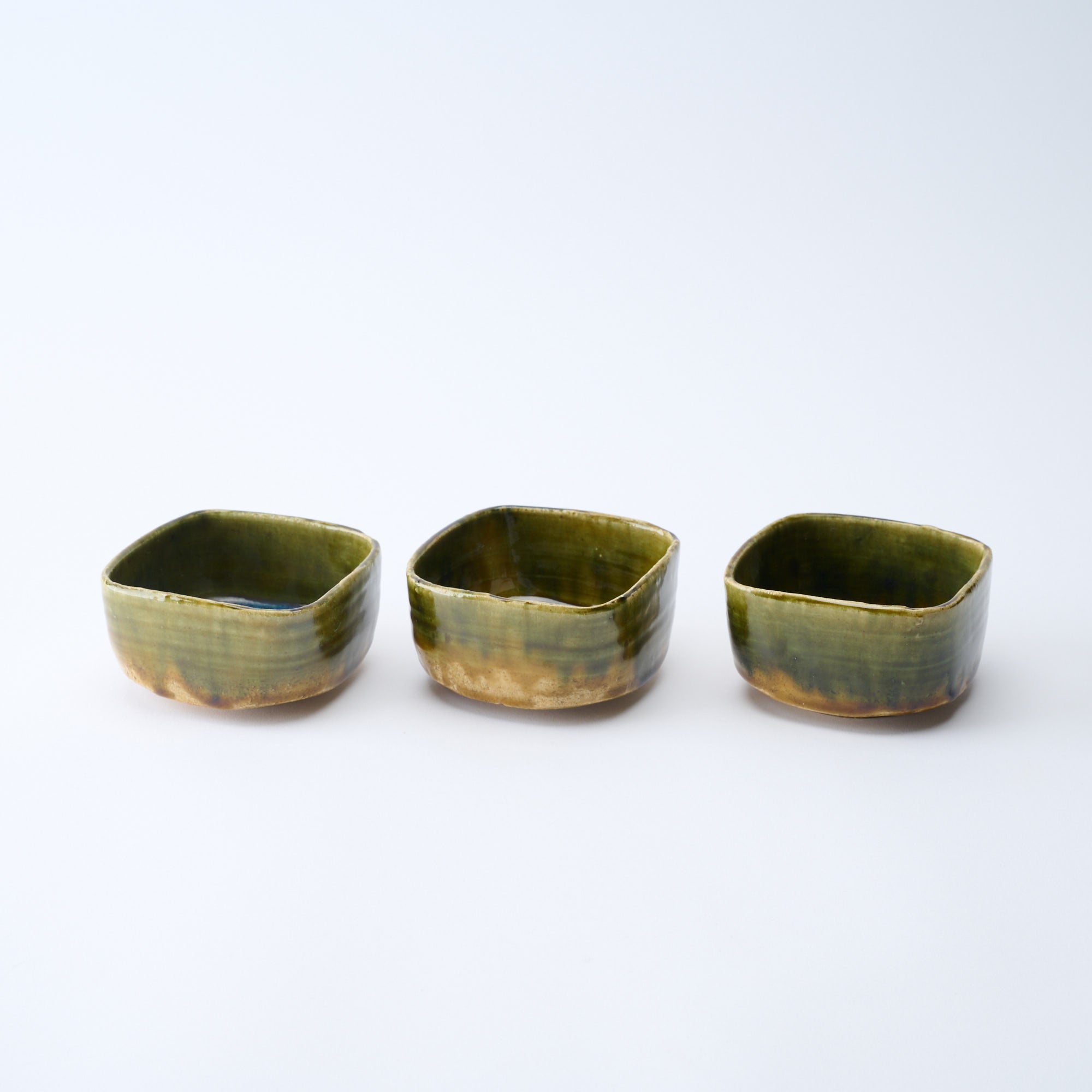
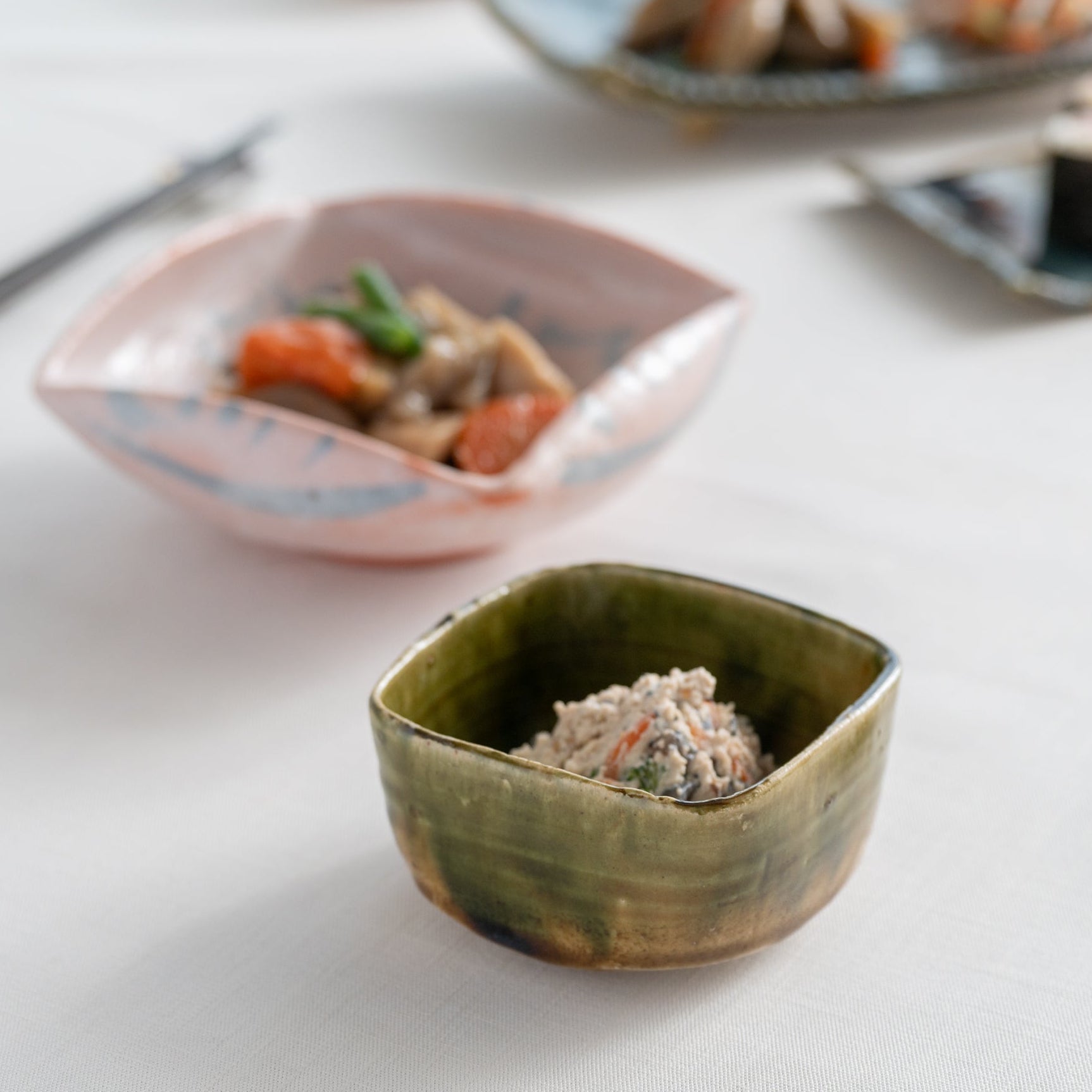
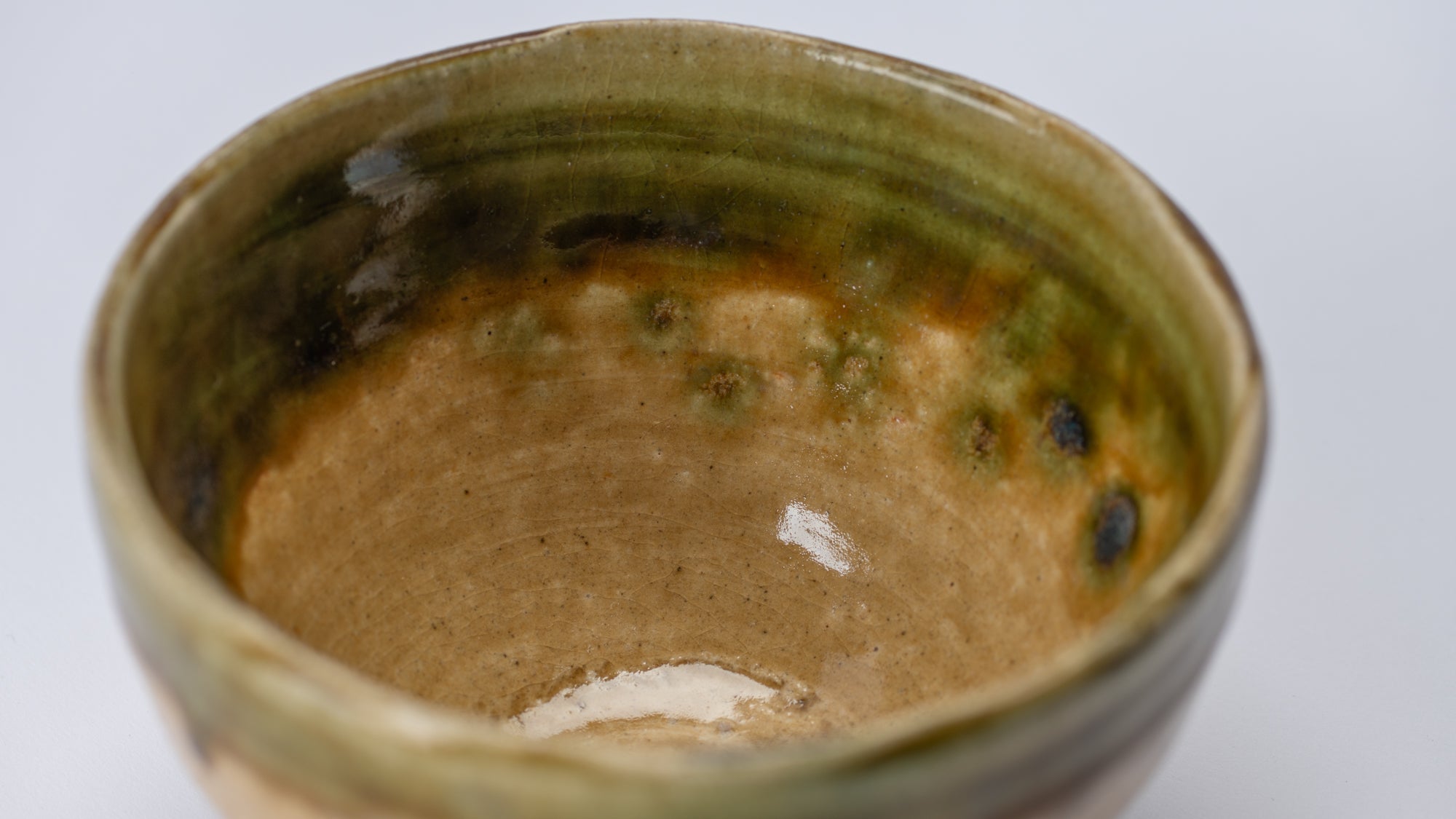
Acabado con un esmalte Oribe profundo y lustroso, este kobachi cuenco pequeño moldeado a mano refleja la sofisticación serena de la cerámica japonesa y se adapta perfectamente al uso cotidiano.
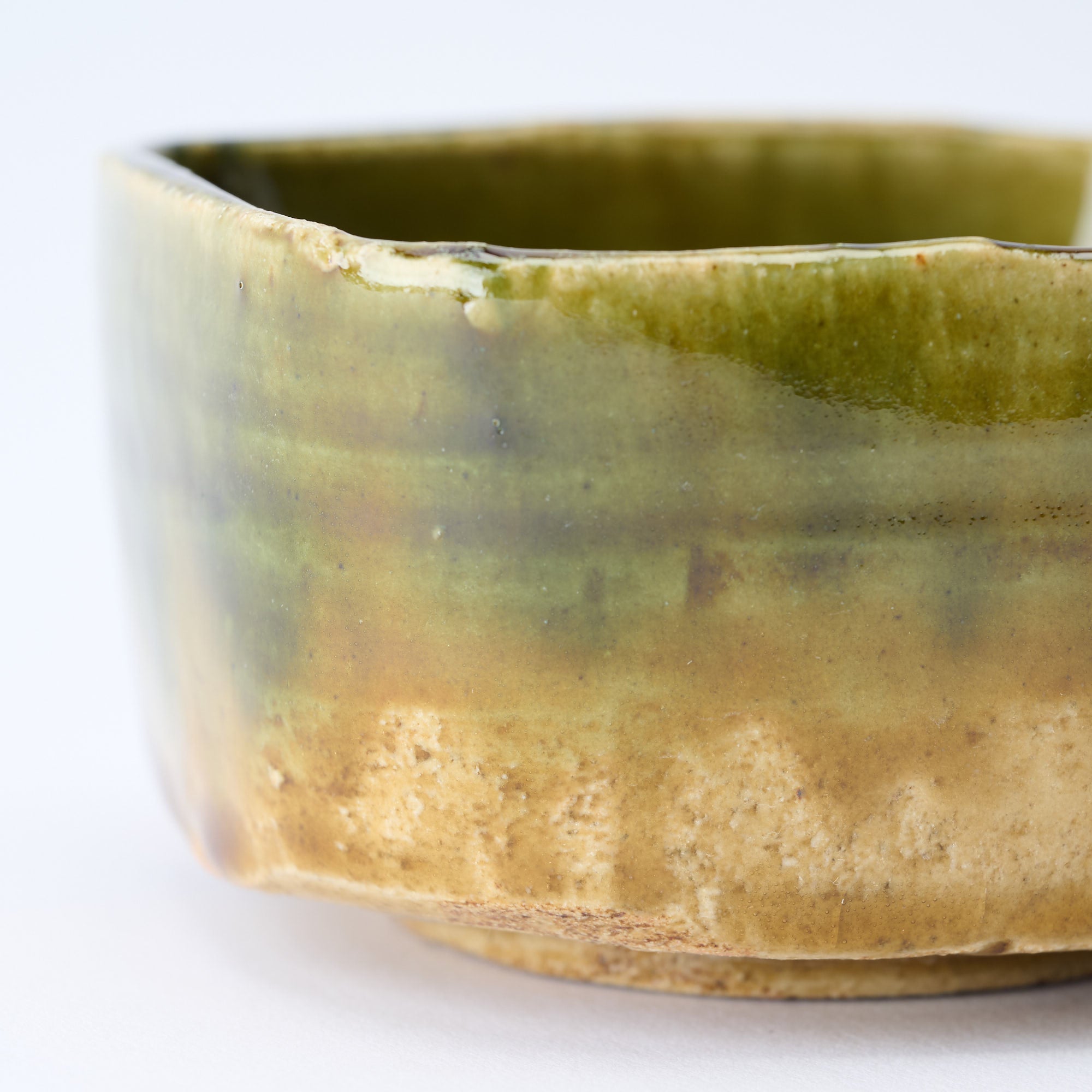
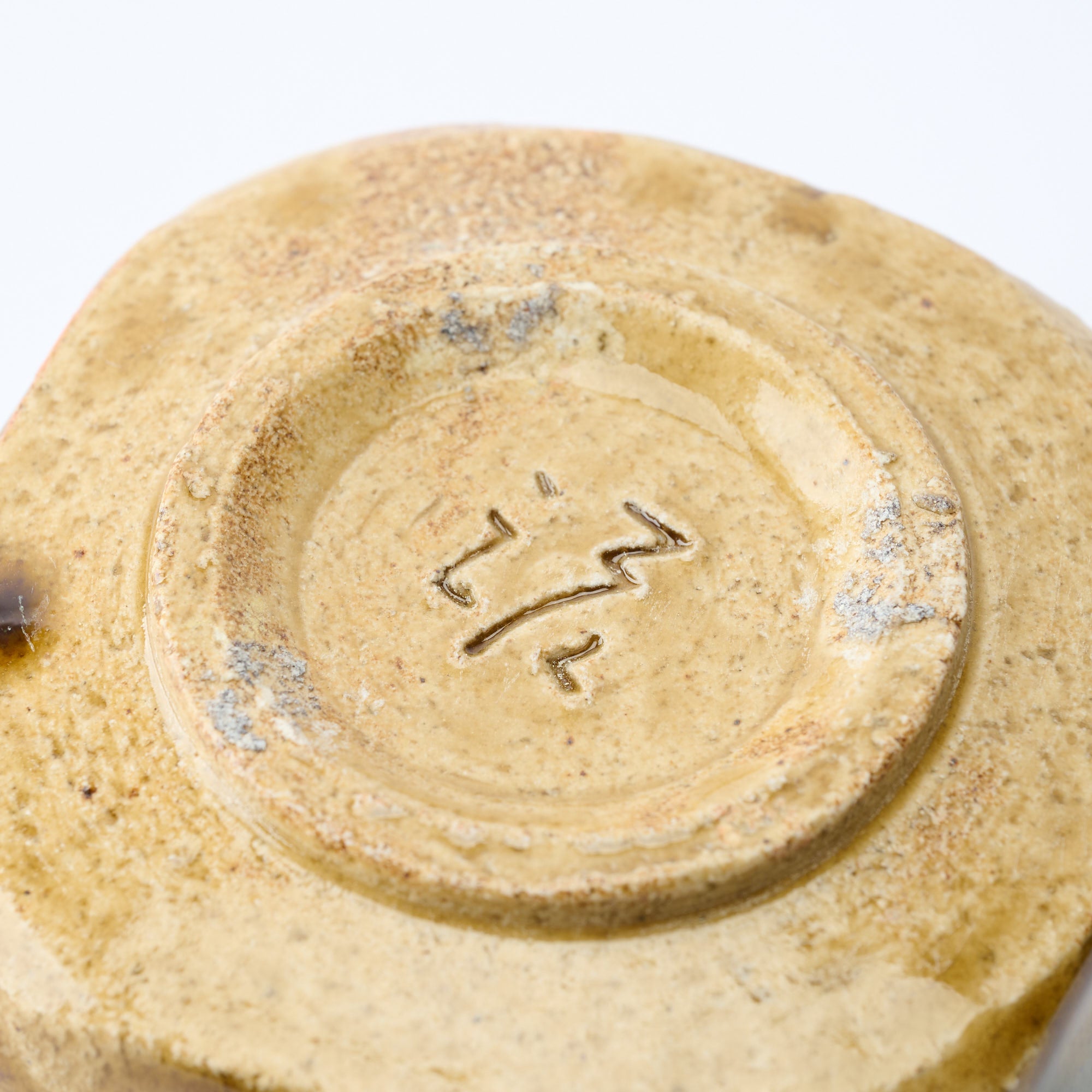
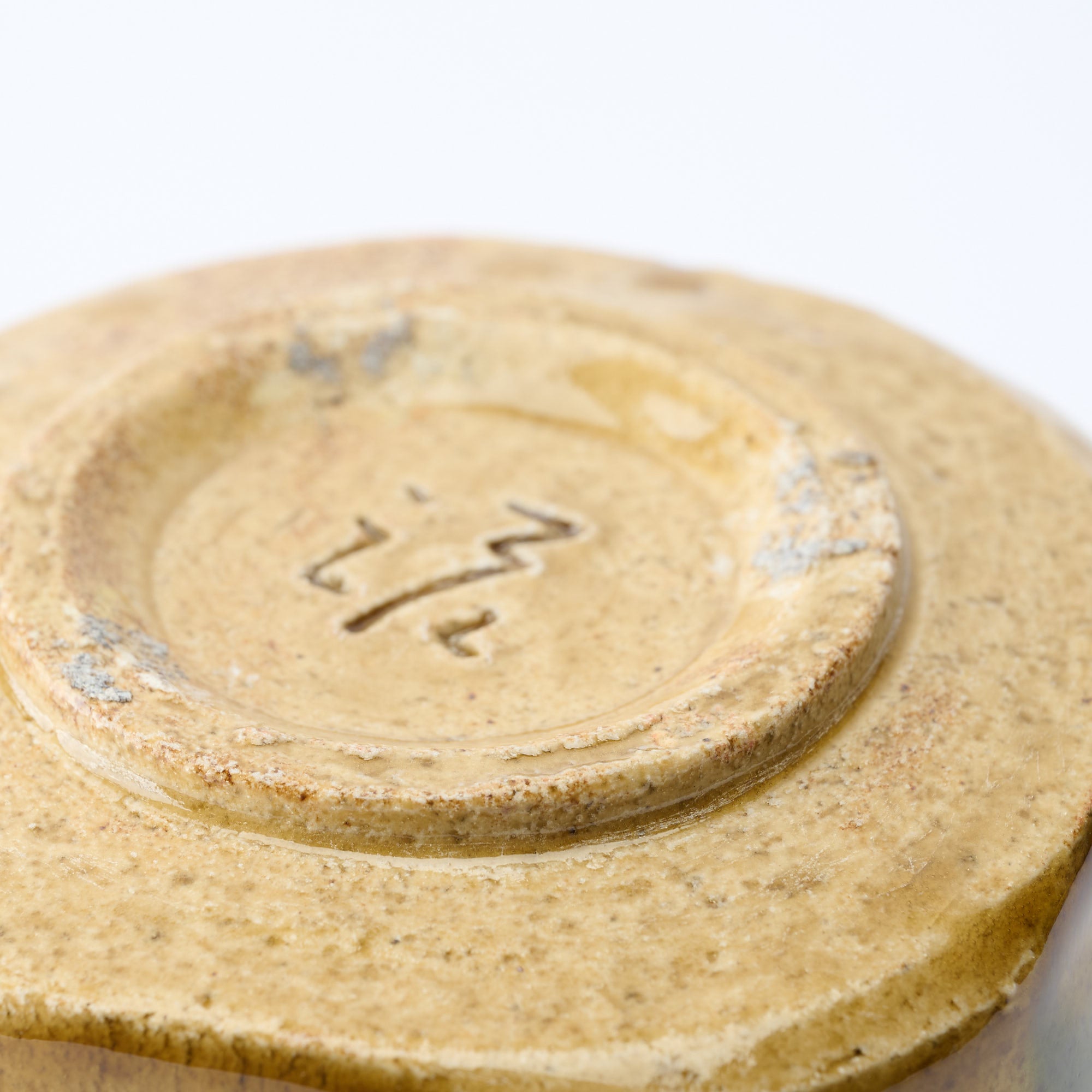
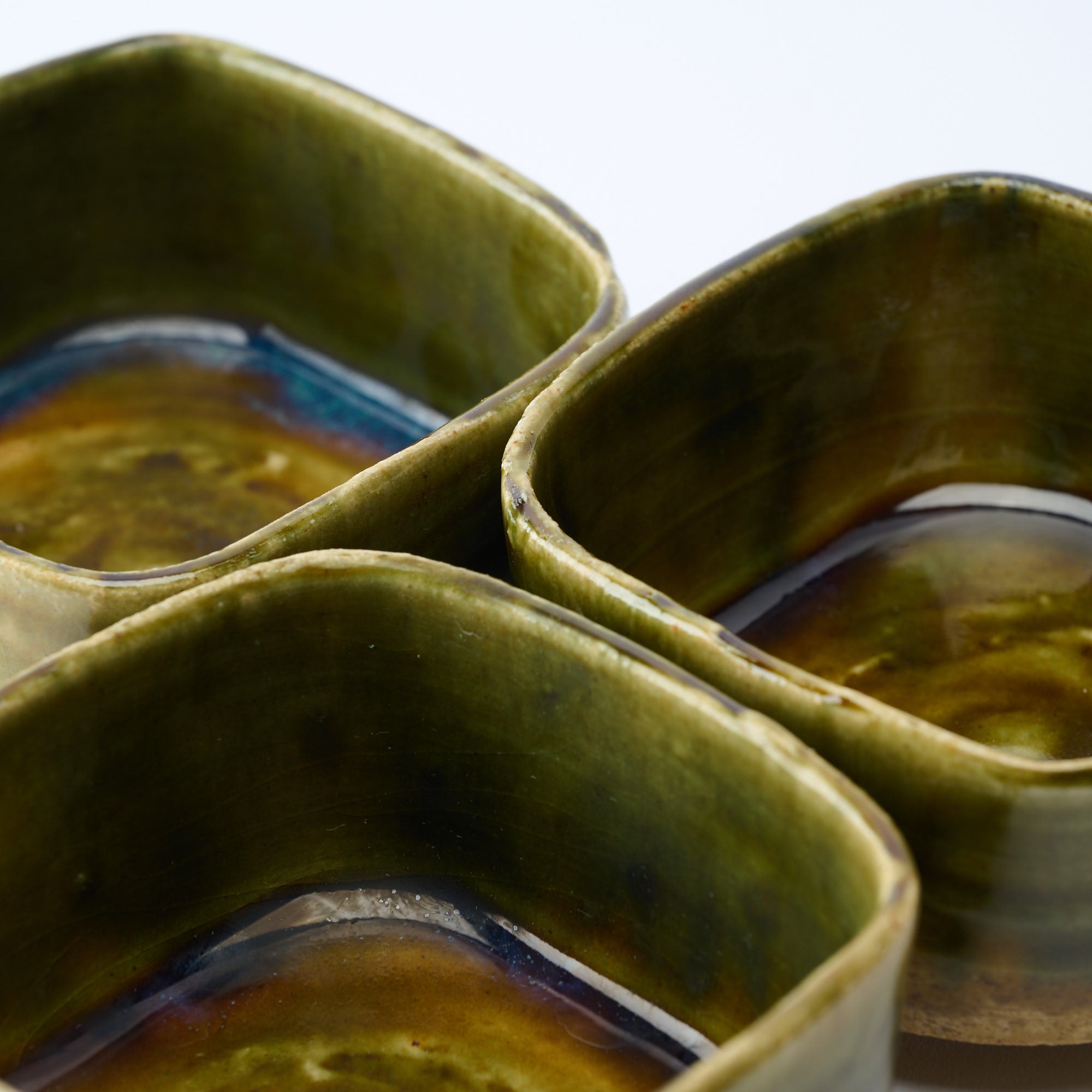
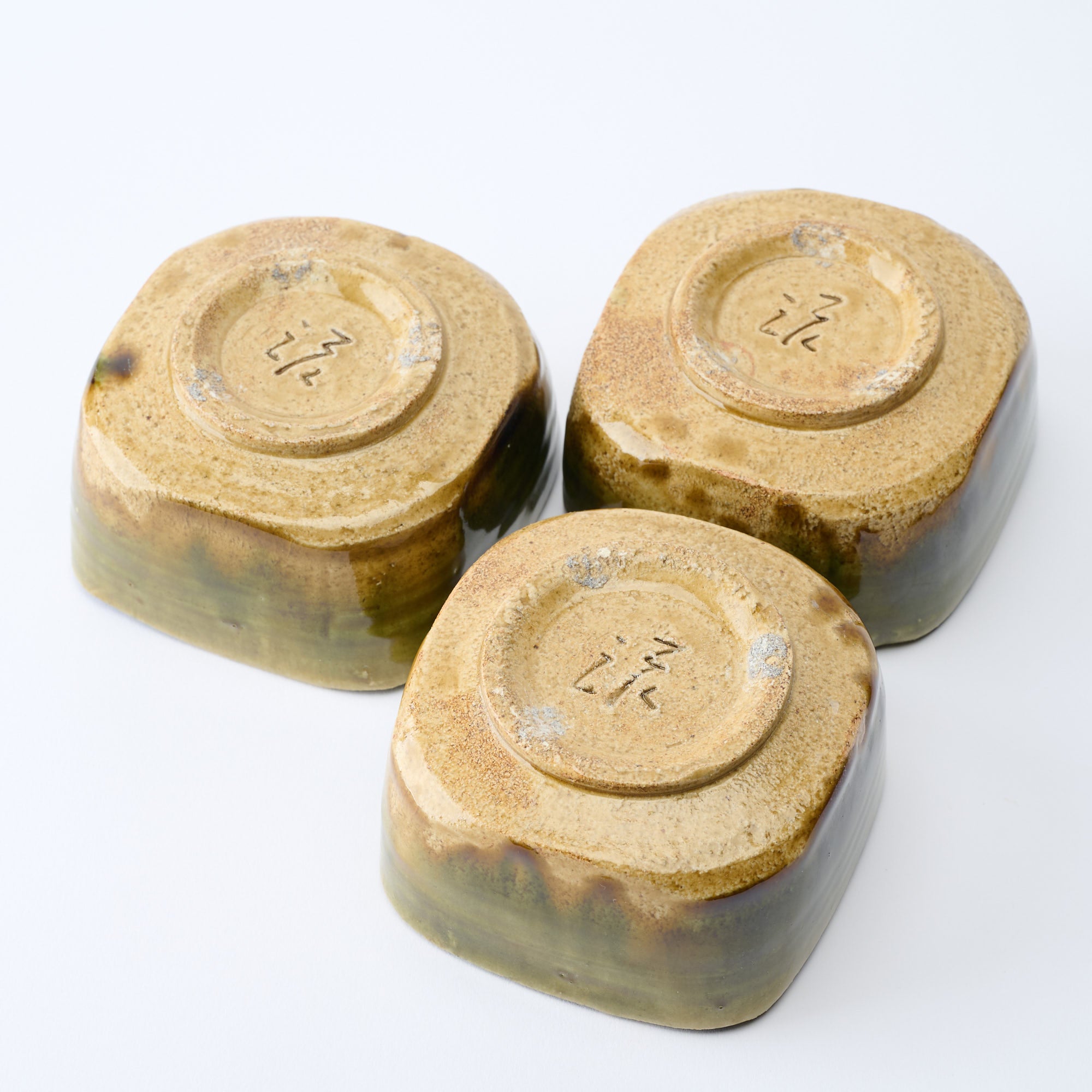
Se aplica primero una capa base de esmalte ki-Seto—un esmalte amarillo pálido característico de Mino ware—seguida de capas de esmalte Oribe aplicadas a pincel, creando gradaciones suaves de verde, ámbar y azul que evocan paisajes naturales. La arcilla mogusa , conocida por su tono y textura sutiles, responde de manera única al fuego, permitiendo que emerja una belleza tranquila a través del proceso y la forma. Las áreas donde el esmalte es más delgado revelan la arcilla subyacente, ofreciendo un contraste textural agradable.
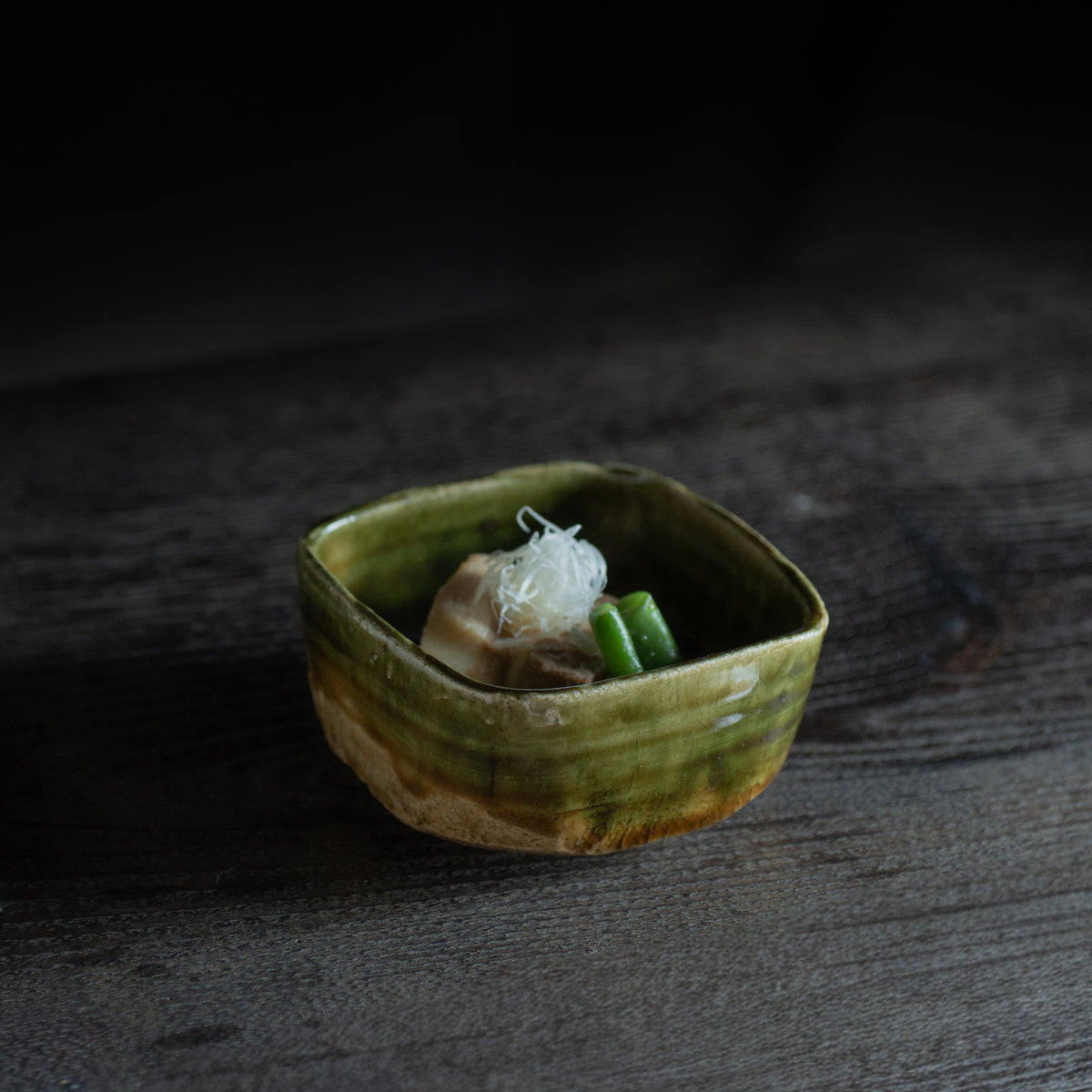
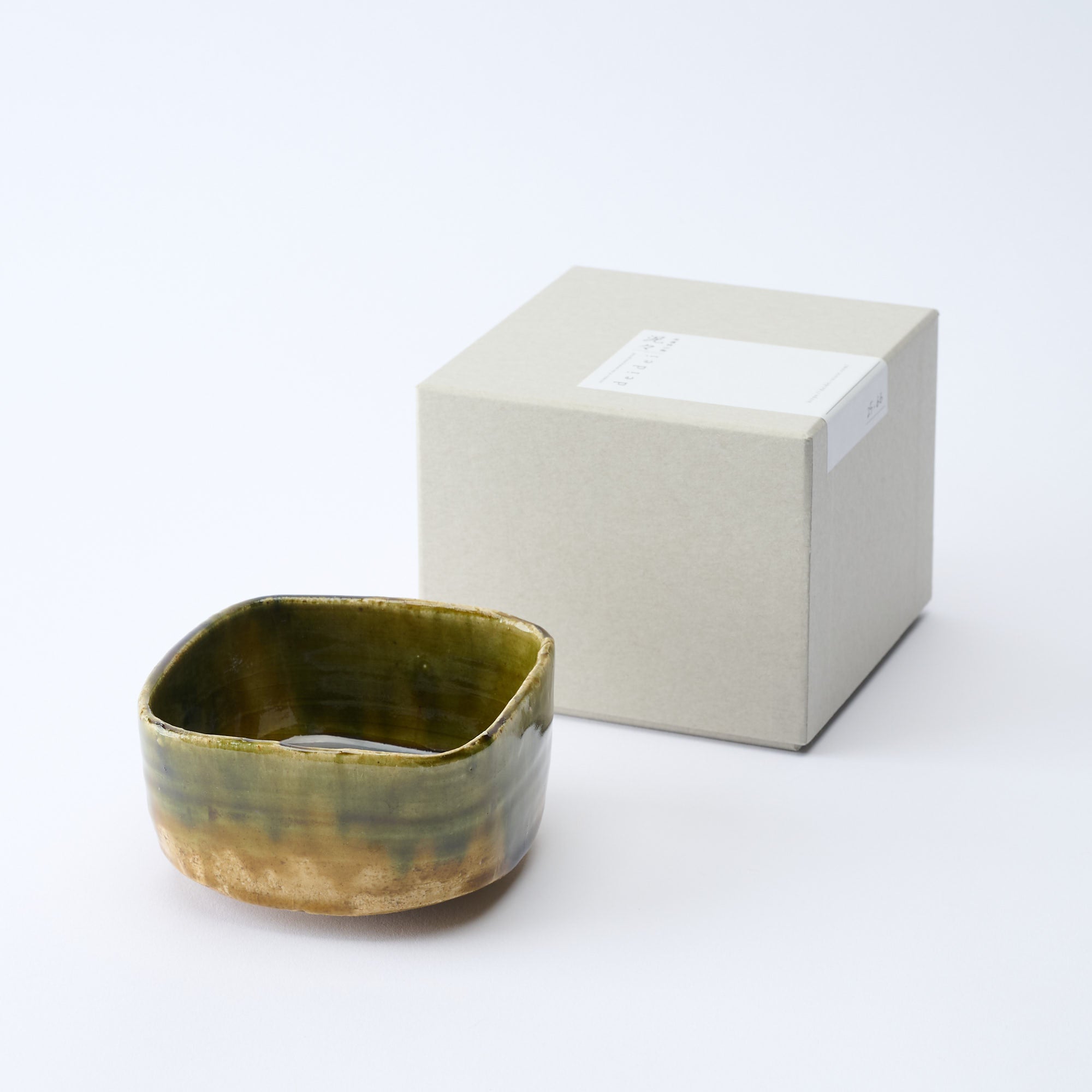
De tamaño ideal para porciones pequeñas, es perfecto para guarniciones, encurtidos o postres delicados. Su paleta de colores terrosos complementa cualquier mesa, ya sea usado solo o combinado con otras piezas Oribe para una presentación coherente. La elegante caja lo convierte en una opción de regalo encantadora.
DETALLES
| Quantity | 1 |
| Size |
D 10.0 cm (3.9 in) x H 5.5 cm (2.2 in) [Size of opening] D 9.0 cm (3.5 in) |
| Capacity | approx. 6.1 fl oz (180 ml) |
| Weight | 230 g (8.1 oz) |
| Material | Stoneware |
| Package Type | Paper box |
| Microwave | No |
| Dishwasher | No |
Fabricante / Marca
Con sede en Mitake, prefectura de Gifu, el taller familiar deidei elabora vajilla japonesa que preserva la sabiduría y las técnicas de Mino ware transmitidas a través de generaciones. Utilizando arcilla que se transforma bellamente tanto en forma como en color, cada pieza se moldea a mano para aportar calidez y expresión artística a la mesa cotidiana. Desde los esmaltes suaves y espesos de Shino hasta los expresivos esmaltes verdes de Oribe, las creaciones de deidei encarnan la tradición viva de la cerámica japonesa.

Artesanía
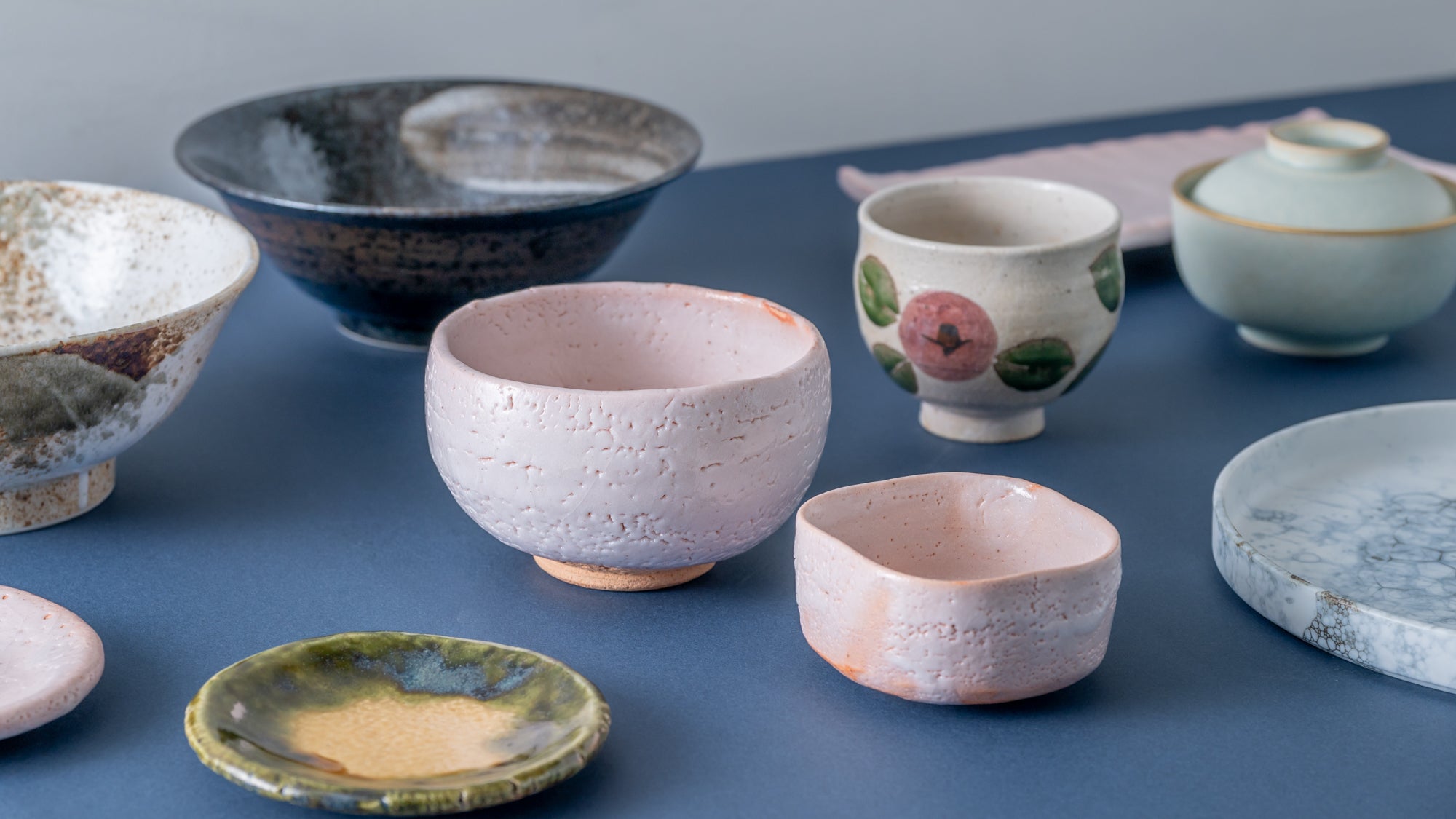
La cerámica Mino, elaborada en la región de Tono, en la prefectura de Gifu, es reconocida en la cerámica japonesa por su rico legado y versatilidad. Presenta más de quince estilos distintos, lo que la hace más variada que muchas otras cerámicas japonesas.
Representando actualmente más del 50 % de la producción cerámica de Japón, su popularidad es inigualable. Designada como artesanía tradicional en 1978, la cerámica Mino refleja una combinación de profundidad histórica y relevancia moderna, ejemplificando una artesanía excepcional.
Notas
Elige opciones
Estimated Shipping Widget will be displayed here!
Oribe
Oribe es un estilo distintivo de cerámica japonesa que surgió a principios del siglo XVII dentro de la tradición Mino. Lleva el nombre del maestro de té Furuta Oribe y se reconoce por sus formas de espíritu libre y patrones de superficie expresivos que transmiten movimiento e individualidad. Los artesanos modelan la arcilla a mano, ajustando sutilmente el borde o el contorno para encarnar esta estética antes de la cocción. La asimetría, las líneas audaces y un esmalte verde cobrizo profundo revelan ritmo dentro de su silueta orgánica.
Cuencos pequeños Kobachi
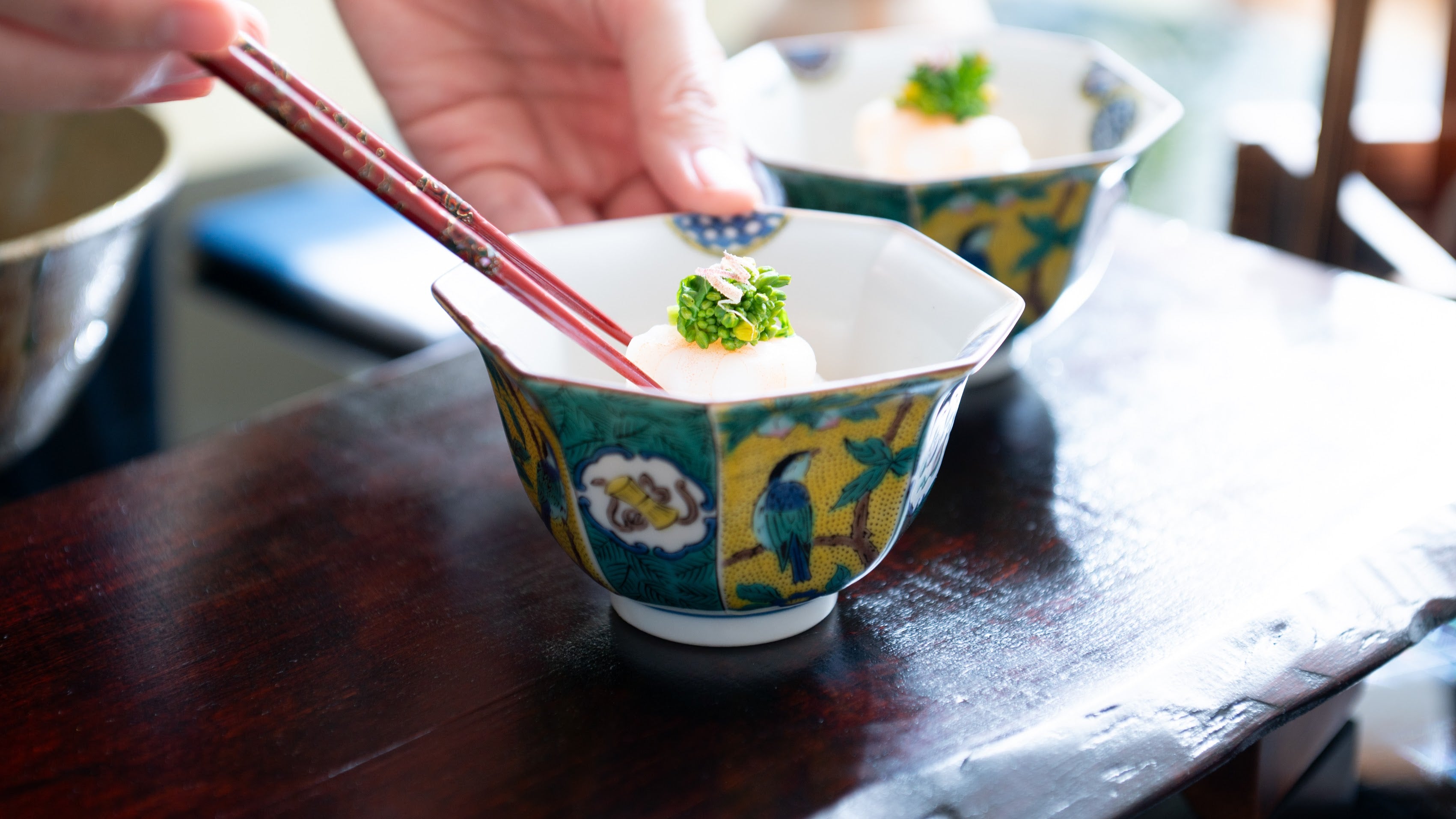
Los kobachi , que en japonés significan literalmente "tazones pequeños", están diseñados para servir aperitivos y guarniciones. Más profundos que un plato pequeño, pero más pequeños que un plato principal o un tazón de ramen, los kobachi tienen el tamaño perfecto para guisos ligeros y verduras cocidas a fuego lento. Incorporar uno o varios tazones kobachi en la mesa y colocar platos de diferentes tamaños y colores le da a la comida un auténtico ambiente japonés.
Esta categoría incluye cuencos con diámetros inferiores a 12,9 cm (5,1 pulgadas).