

Cuenco de Matcha Revestido de Luz
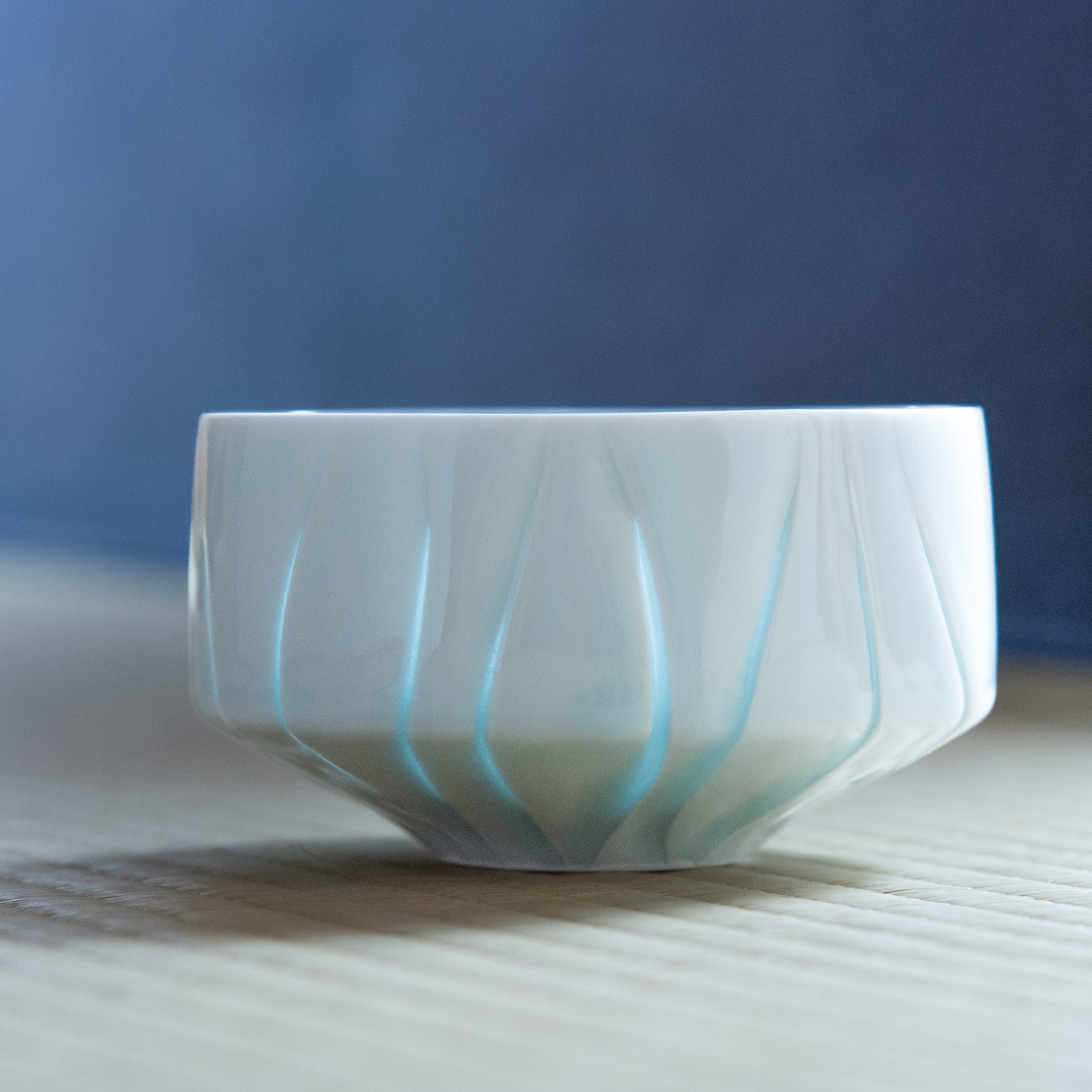
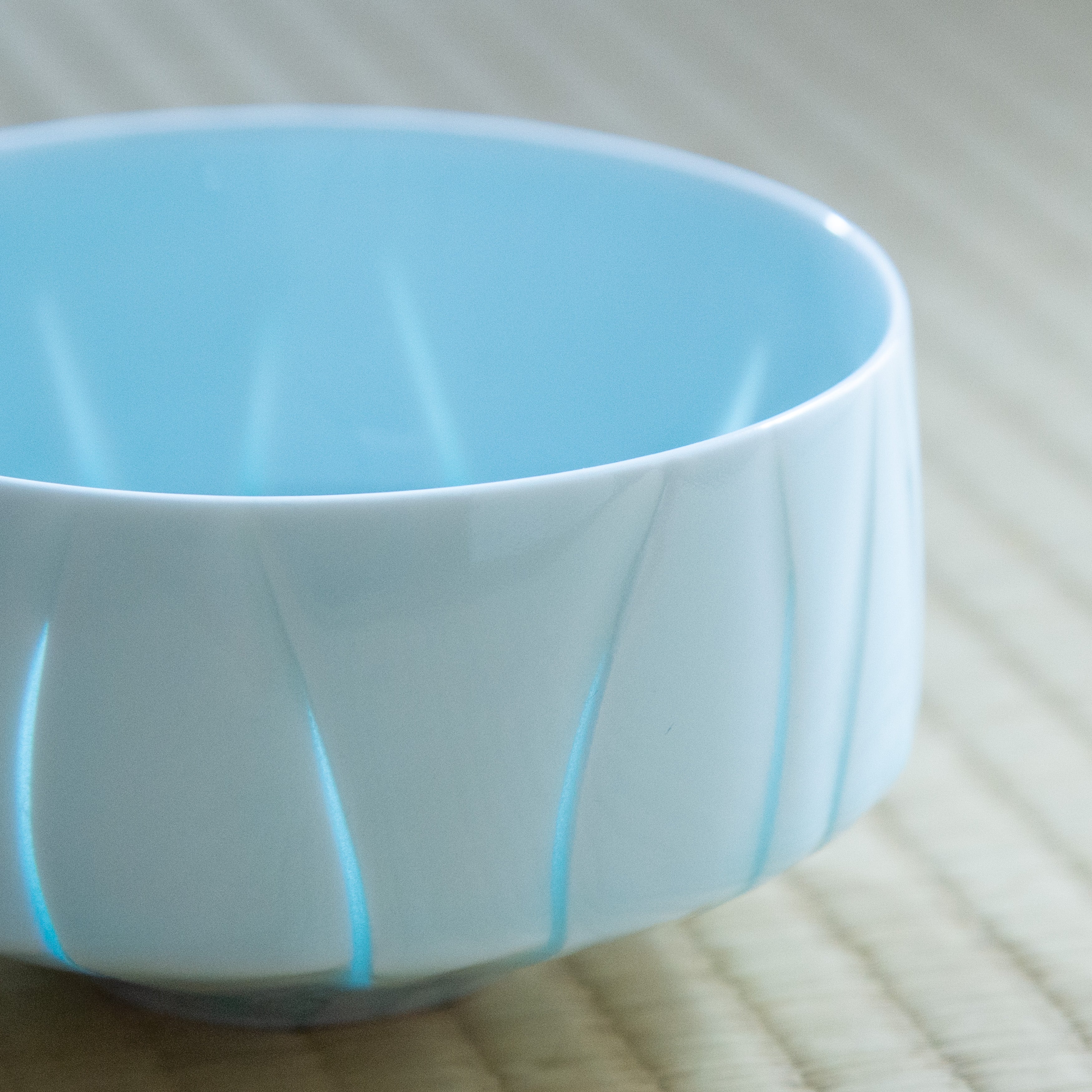
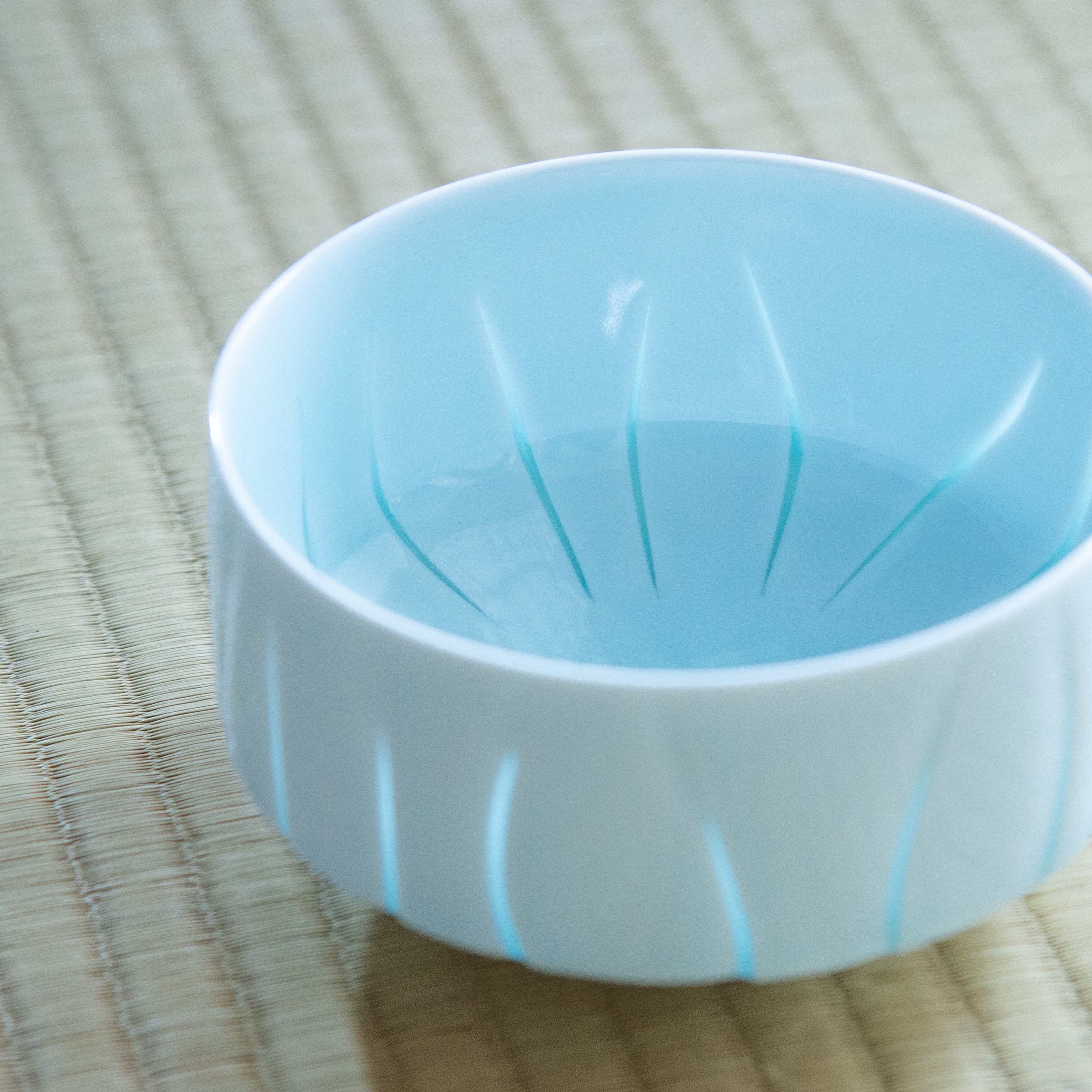
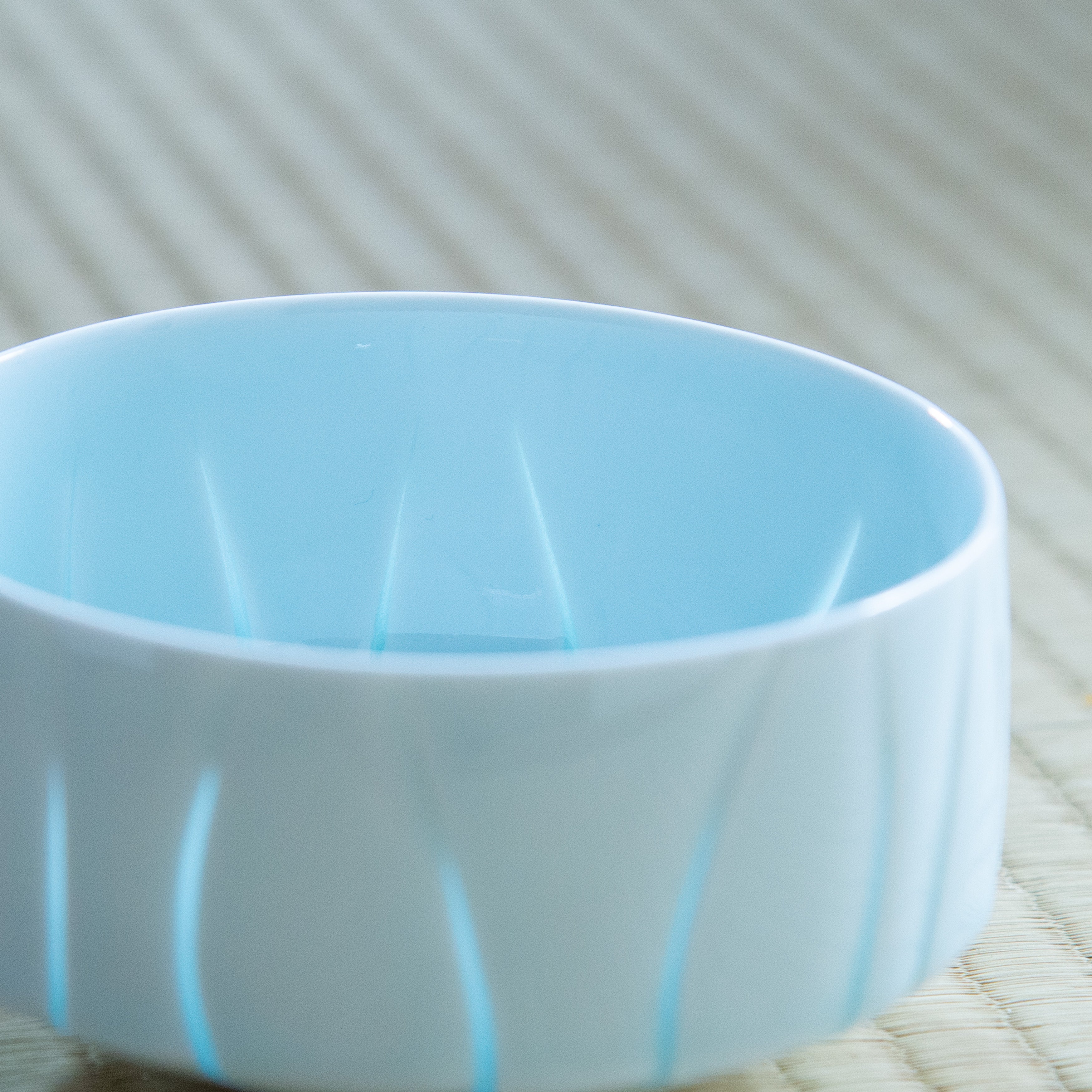
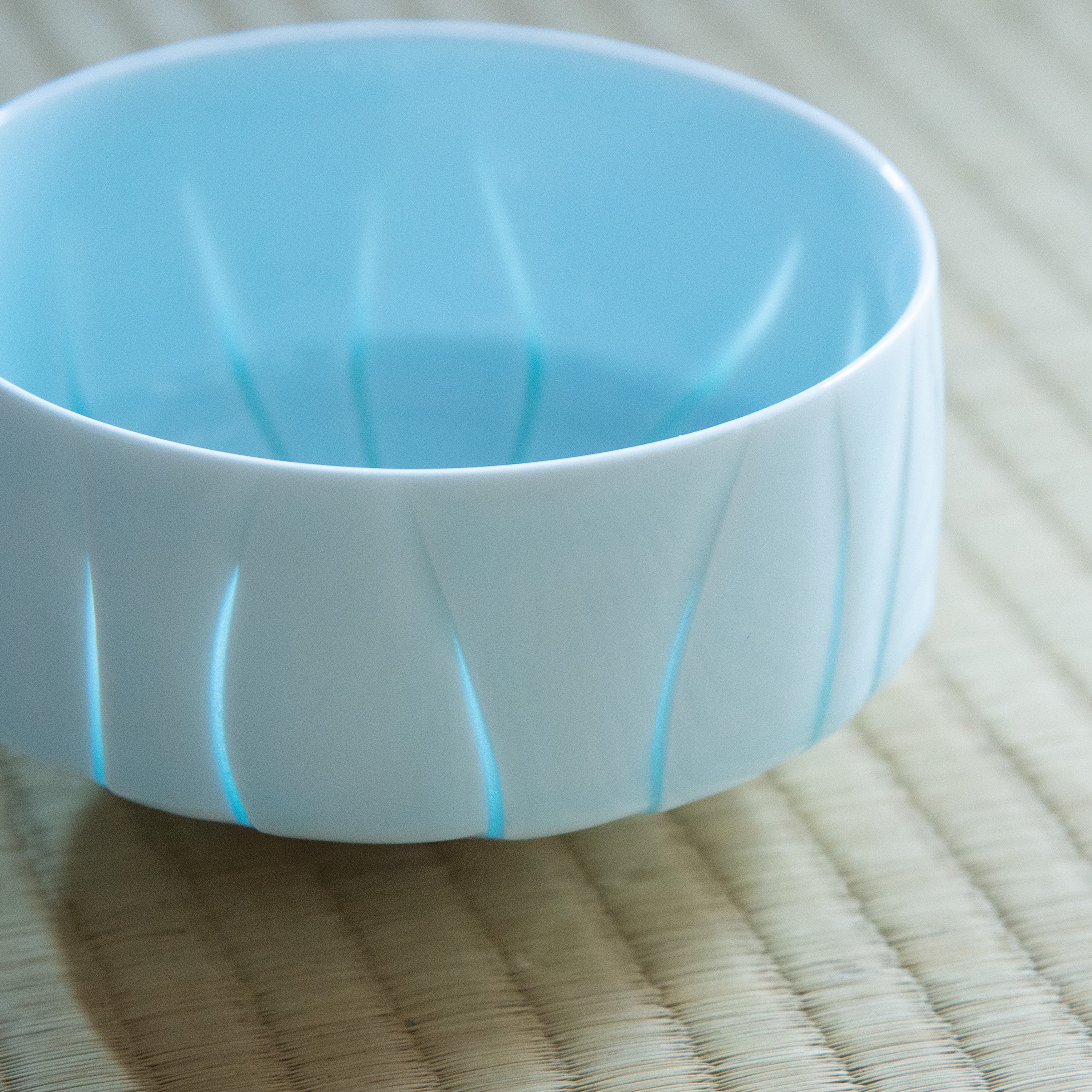
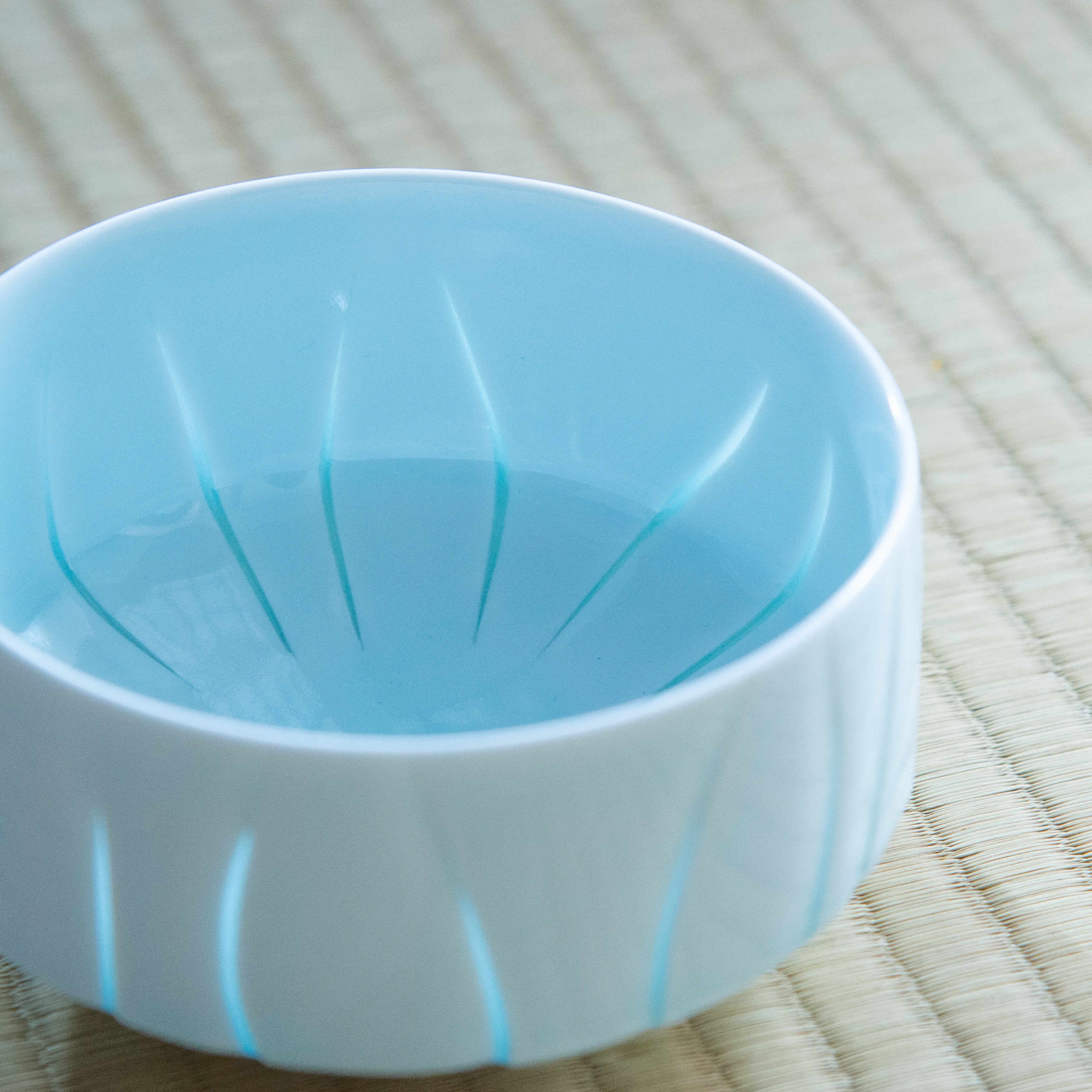
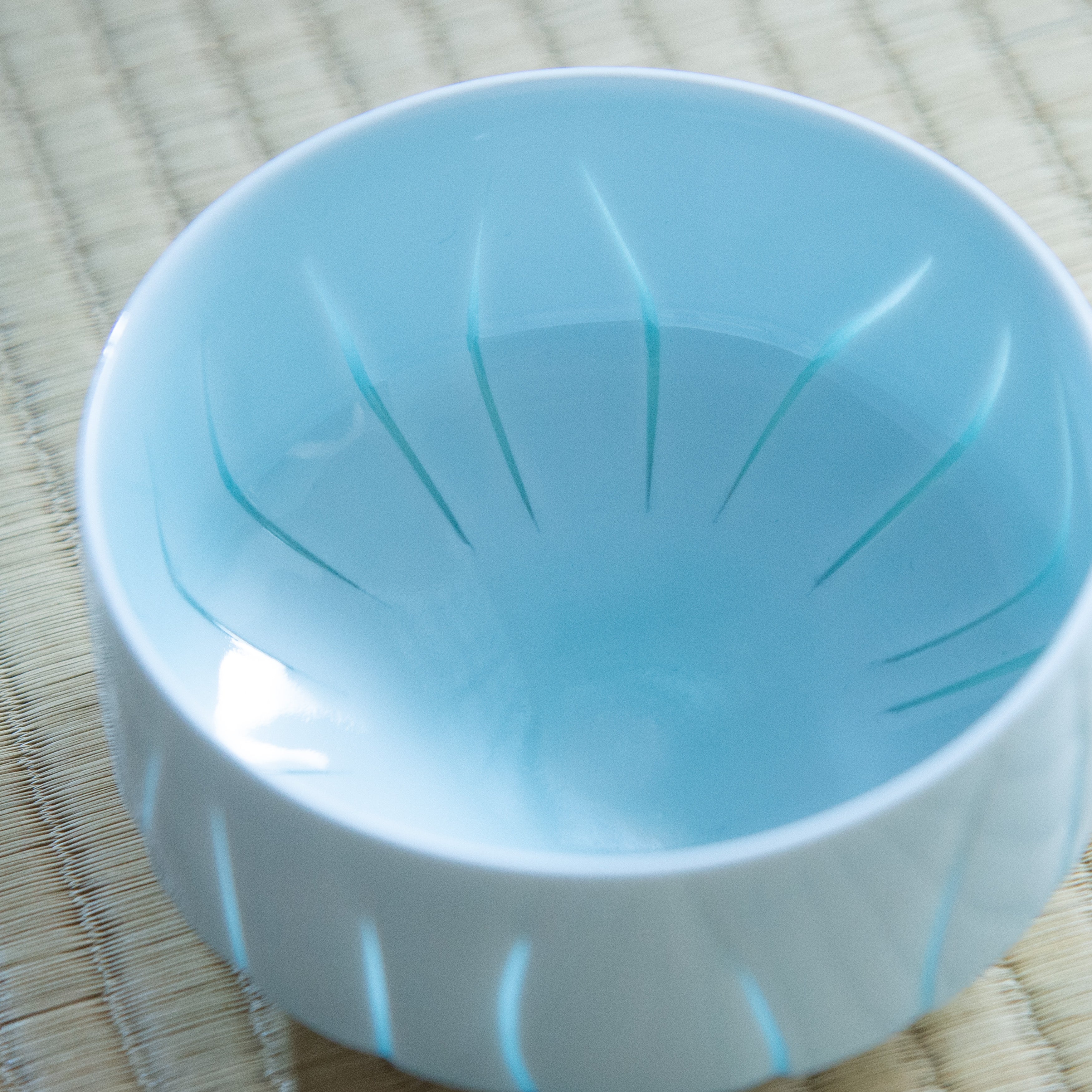
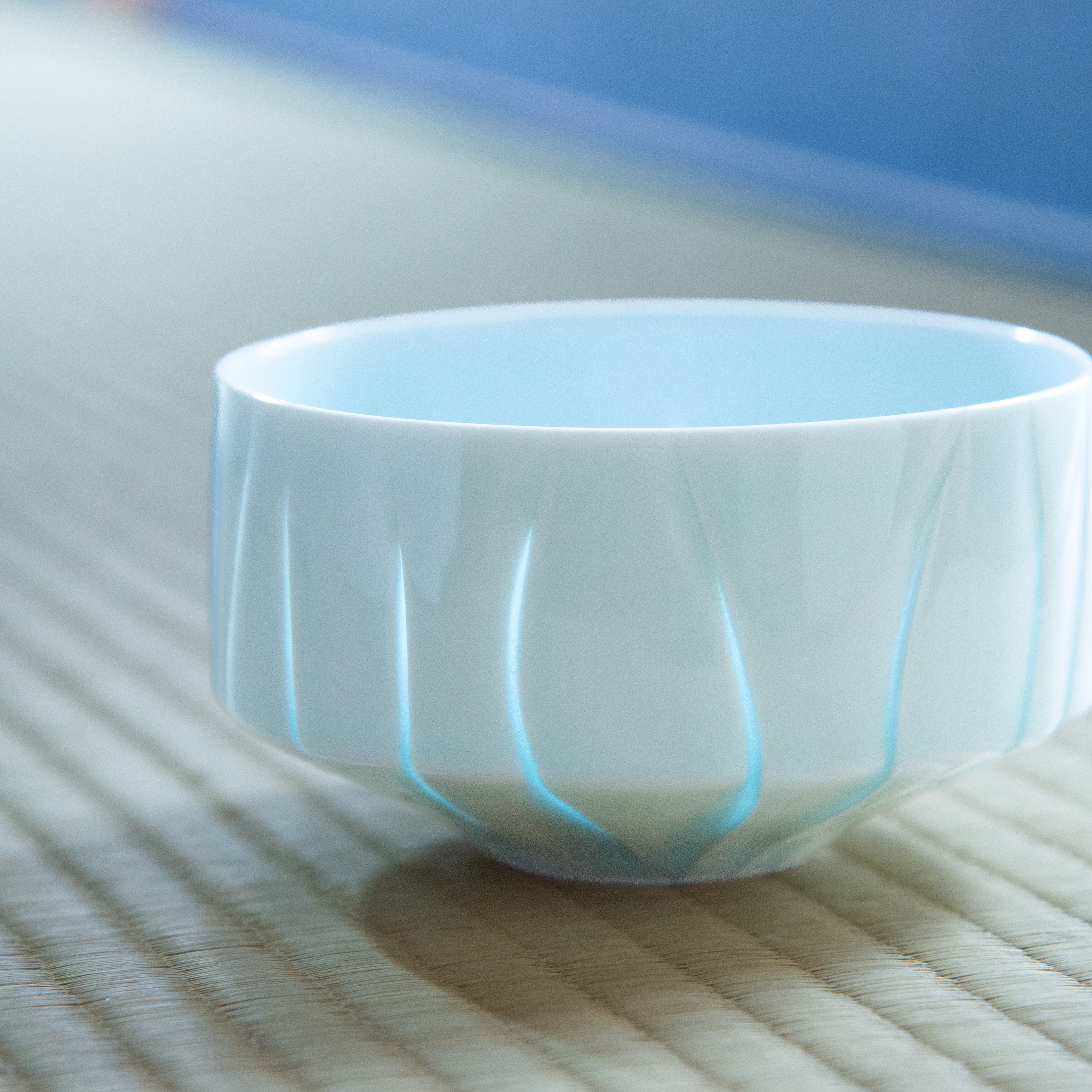
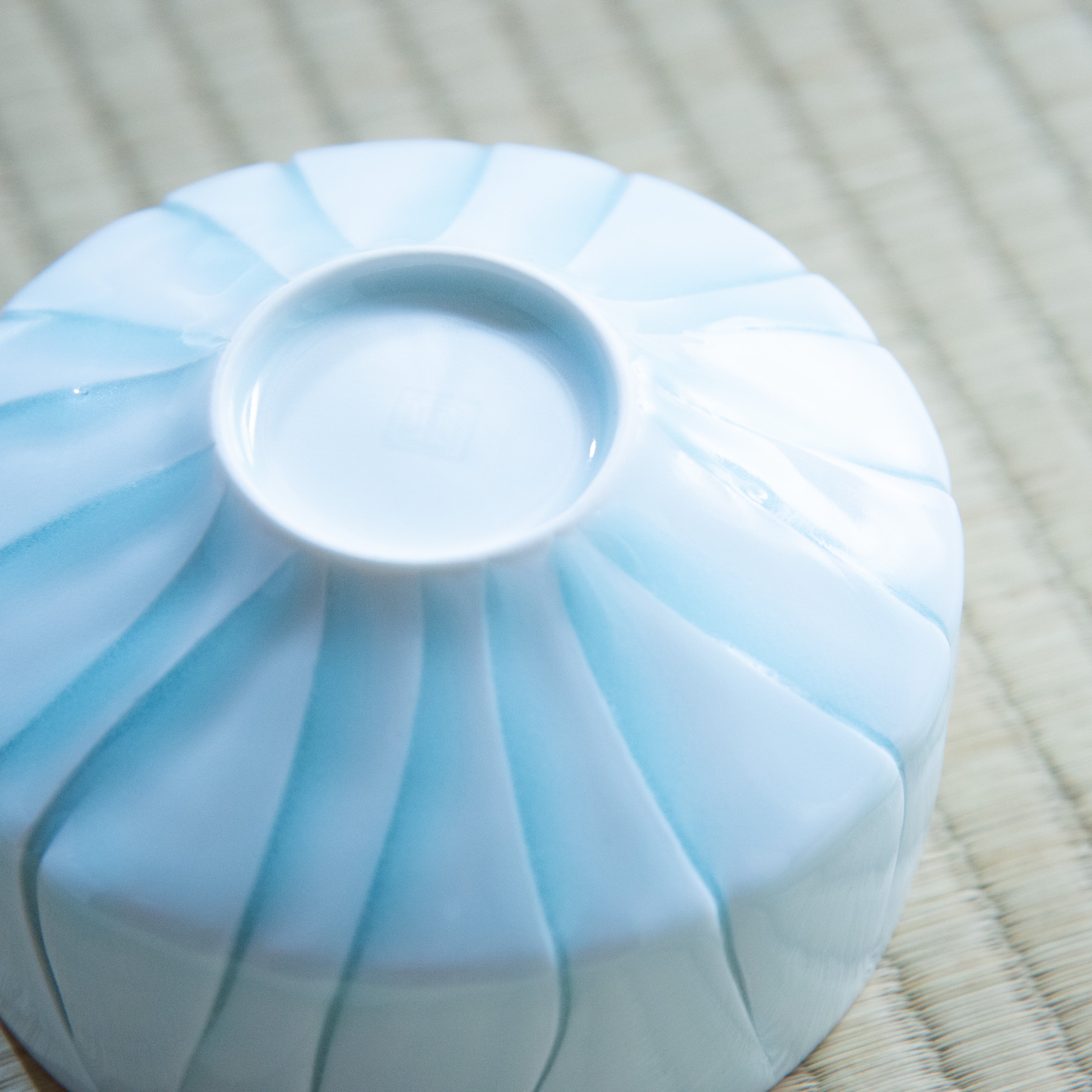
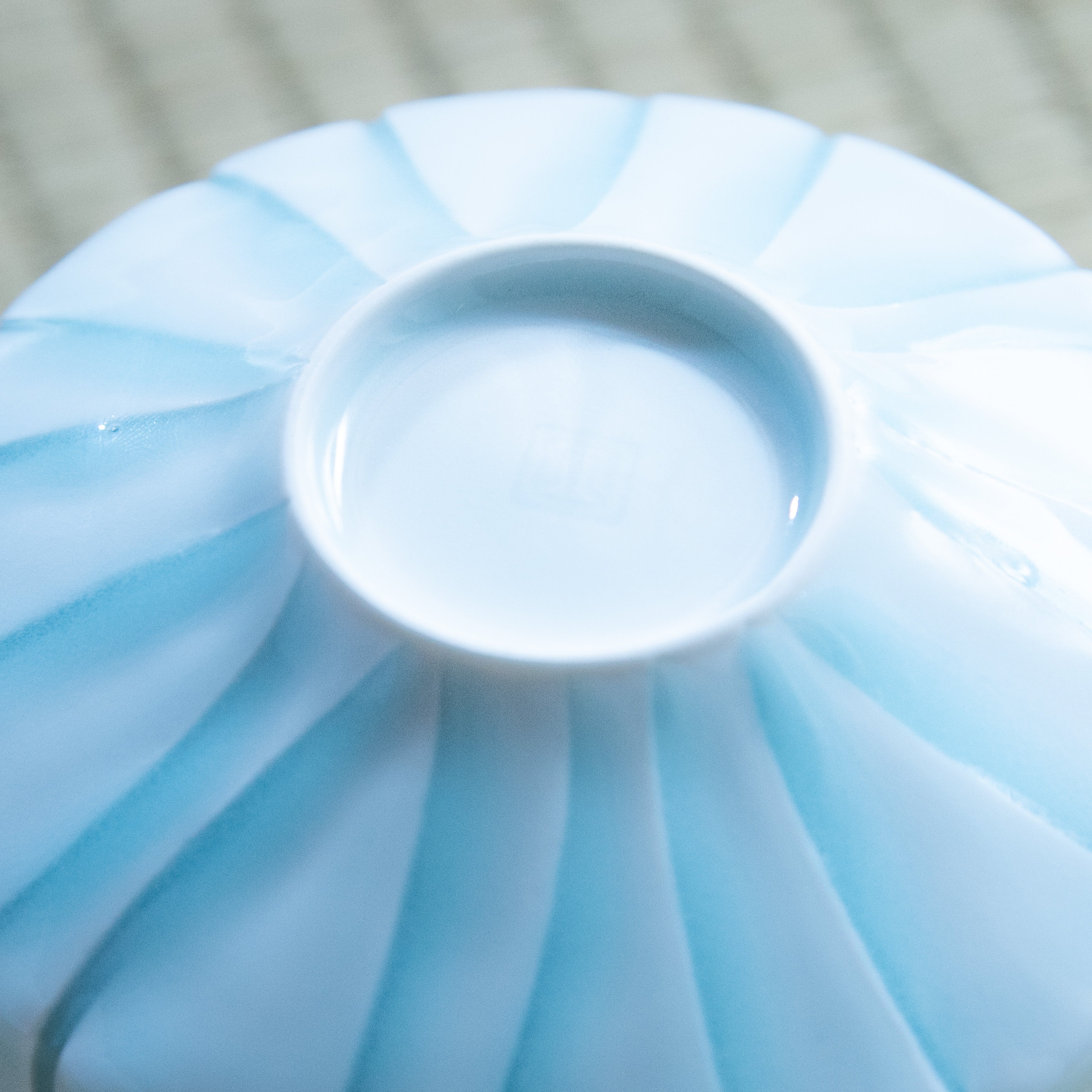
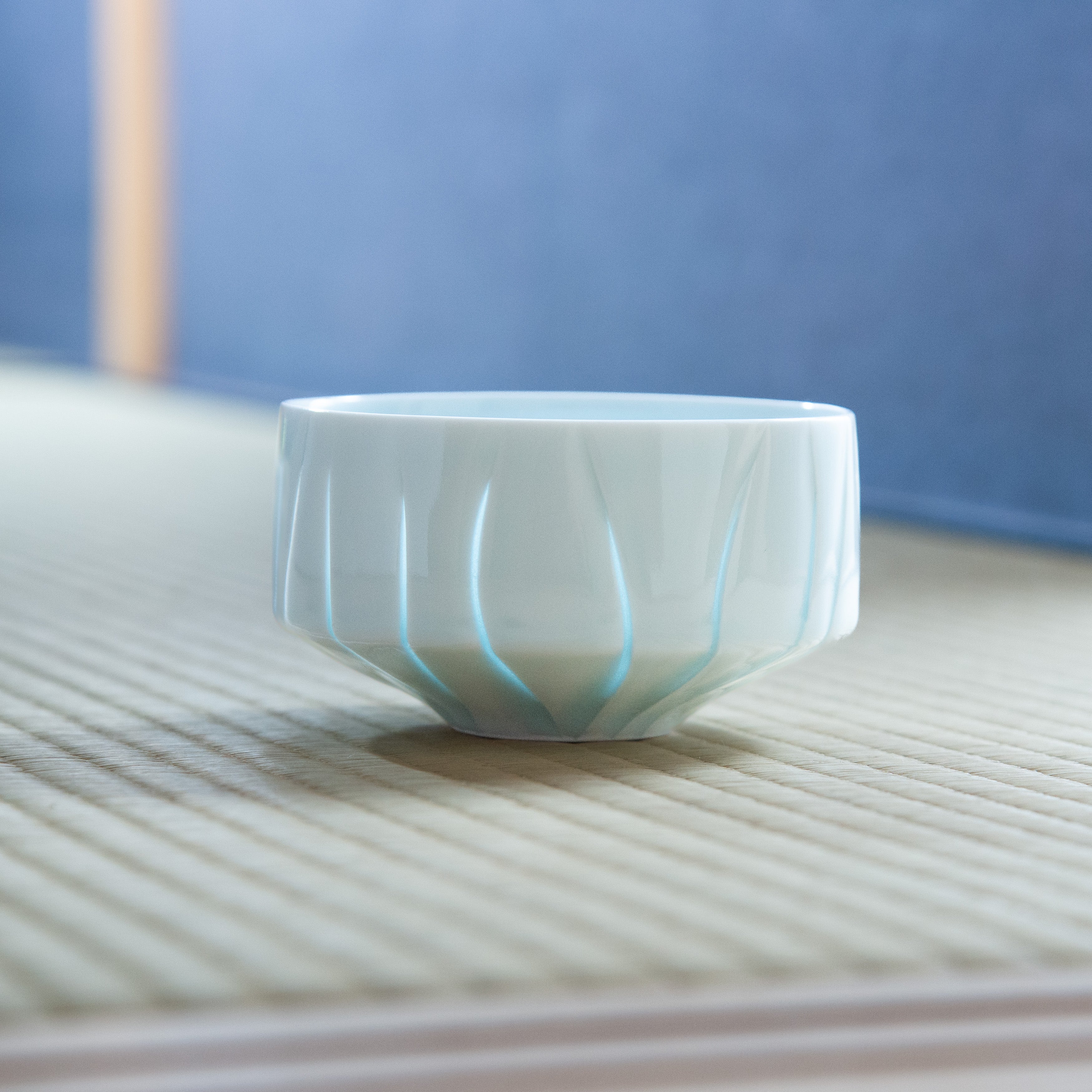
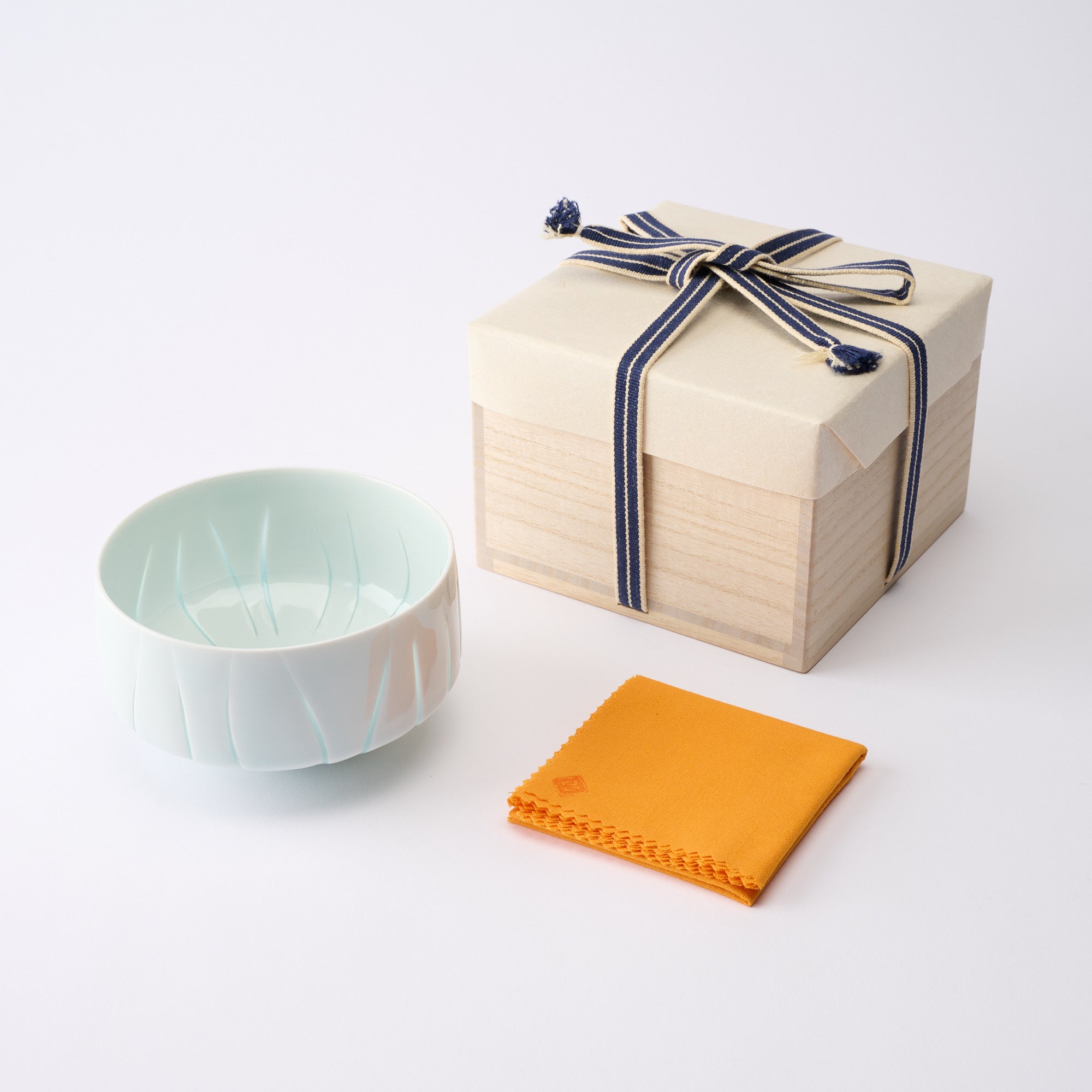
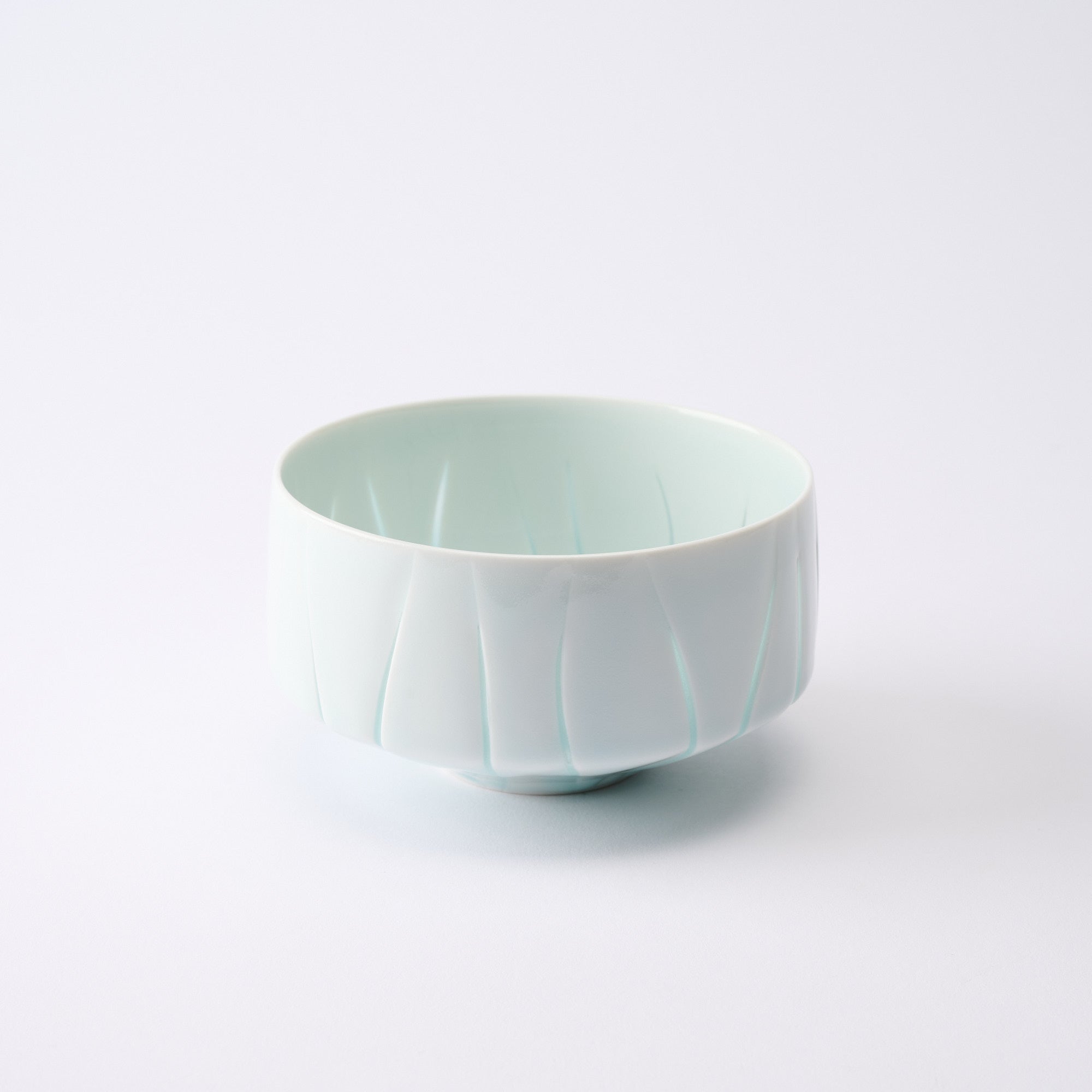
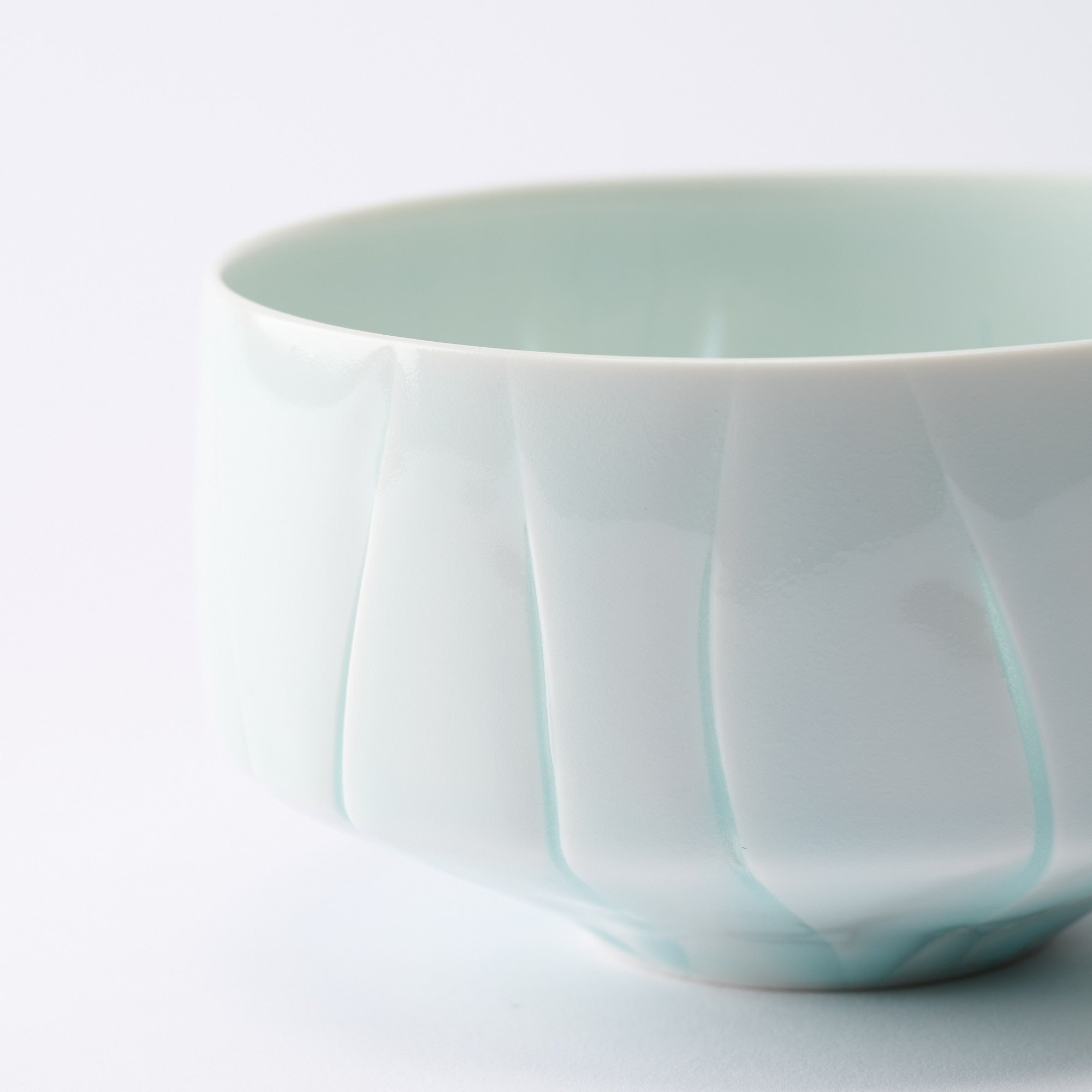
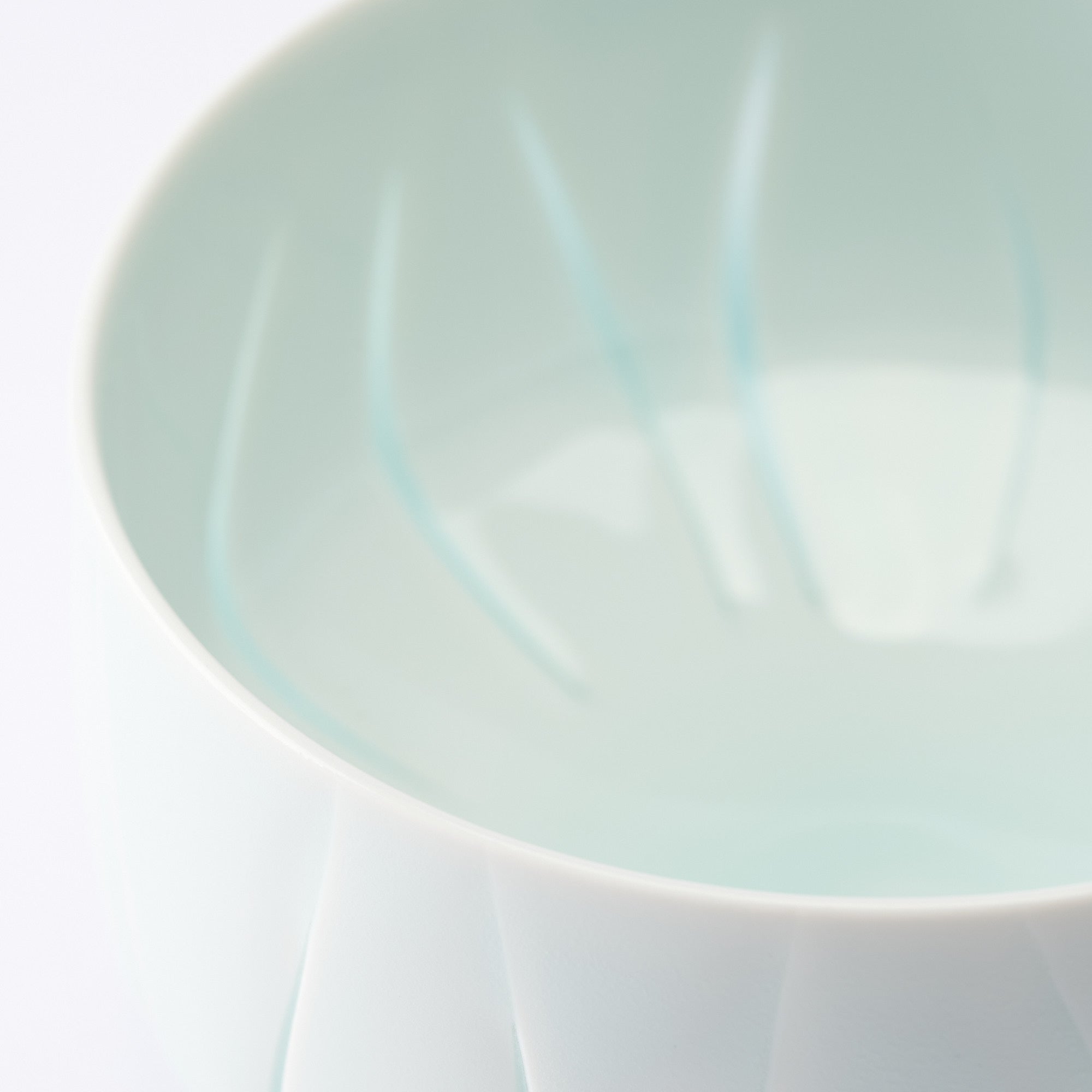
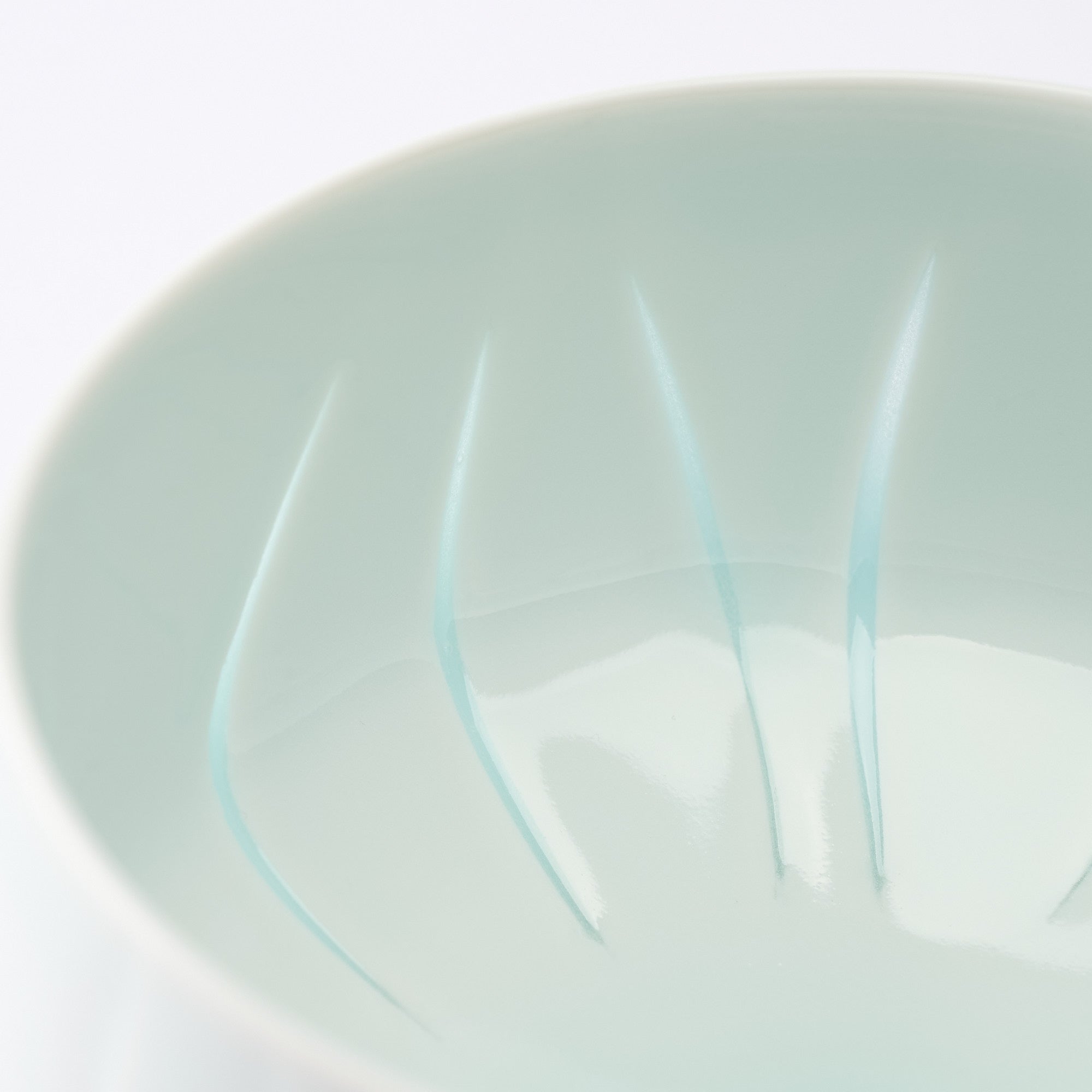
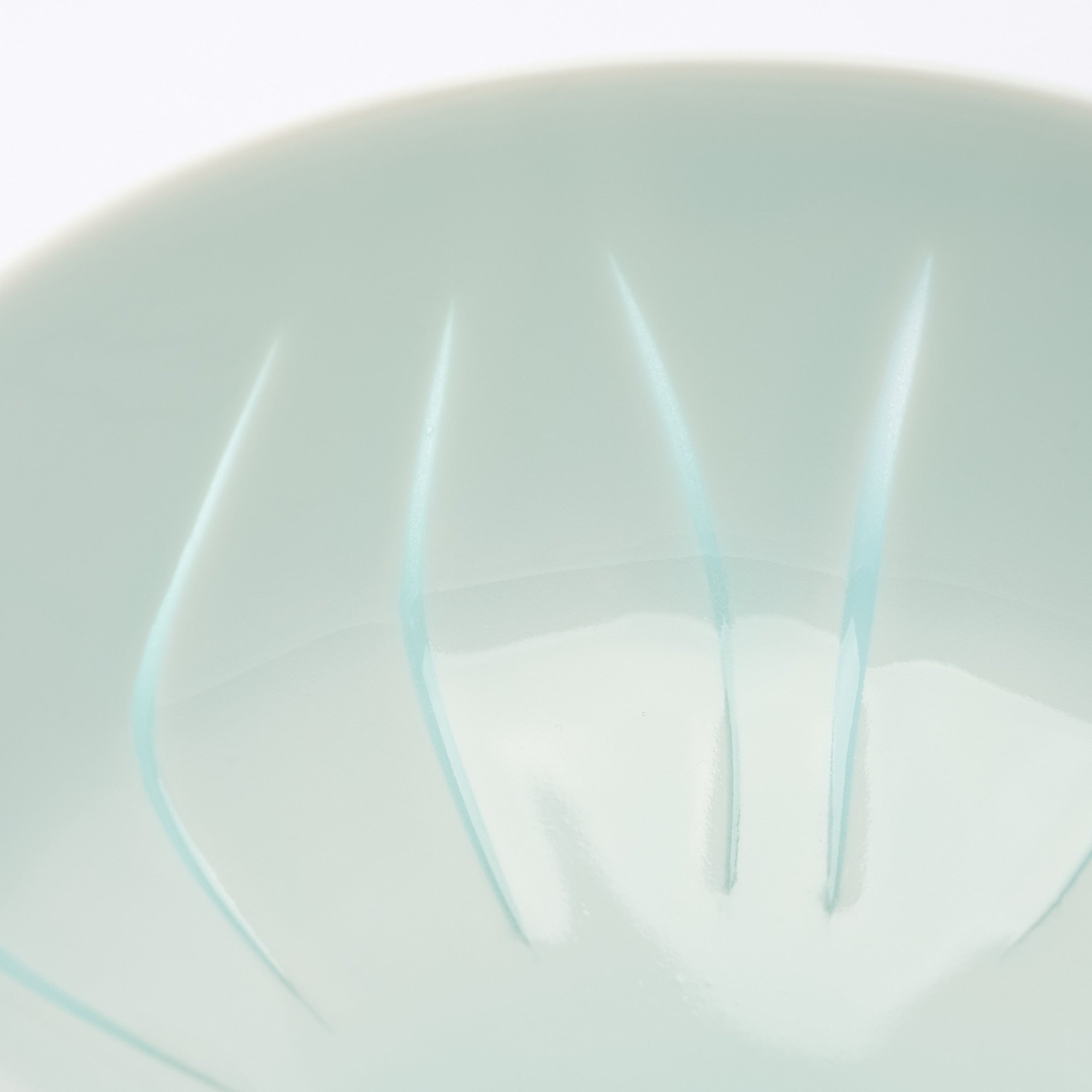
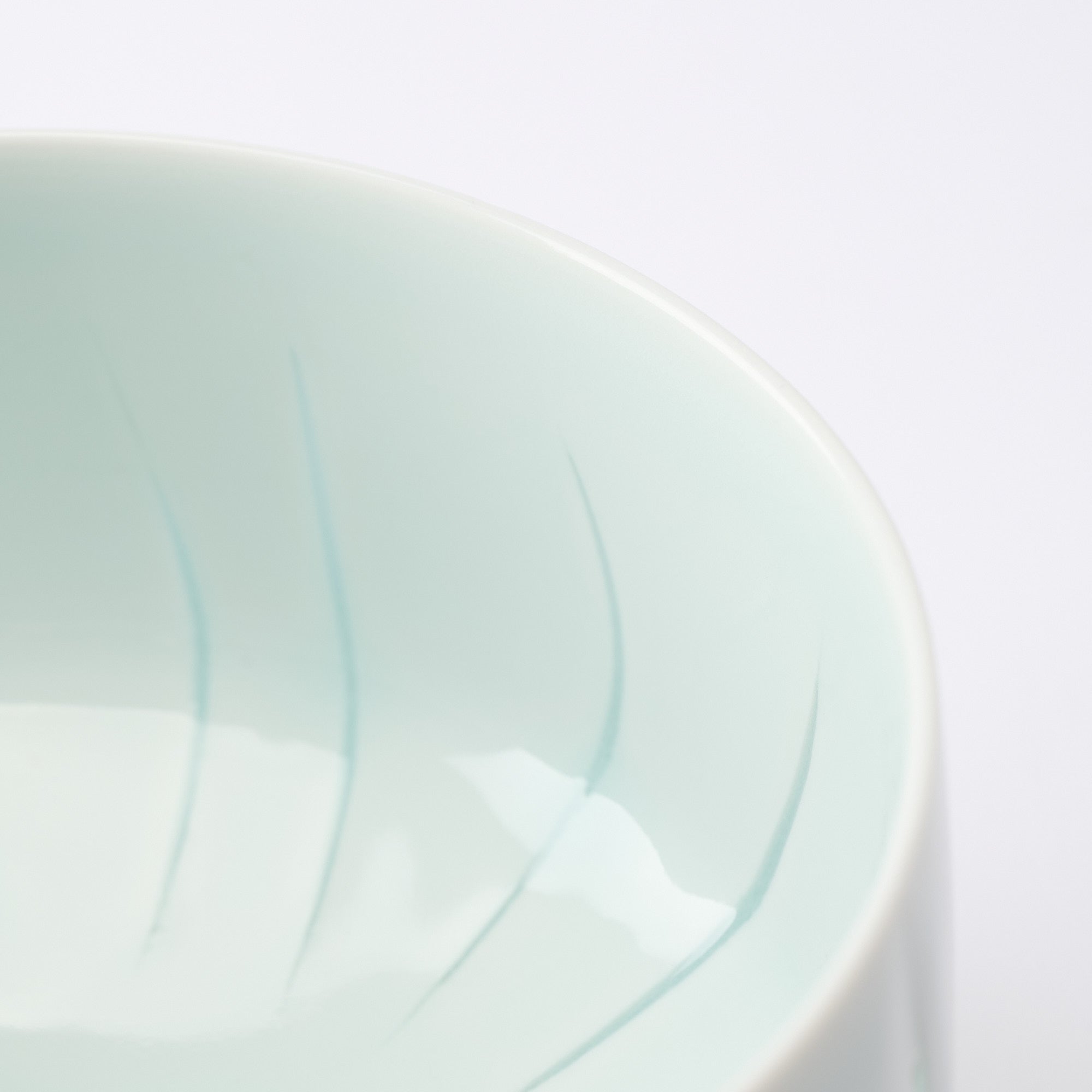
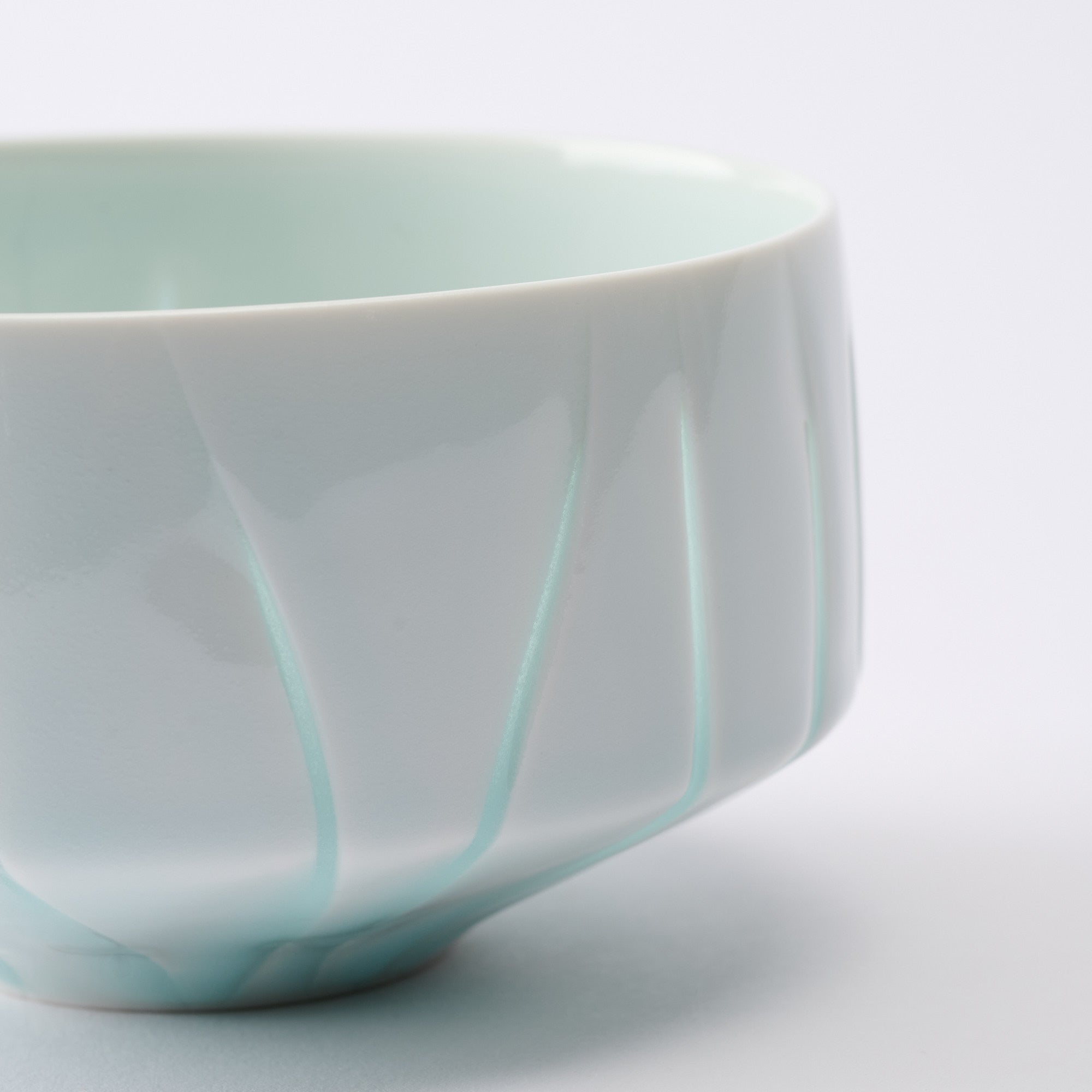
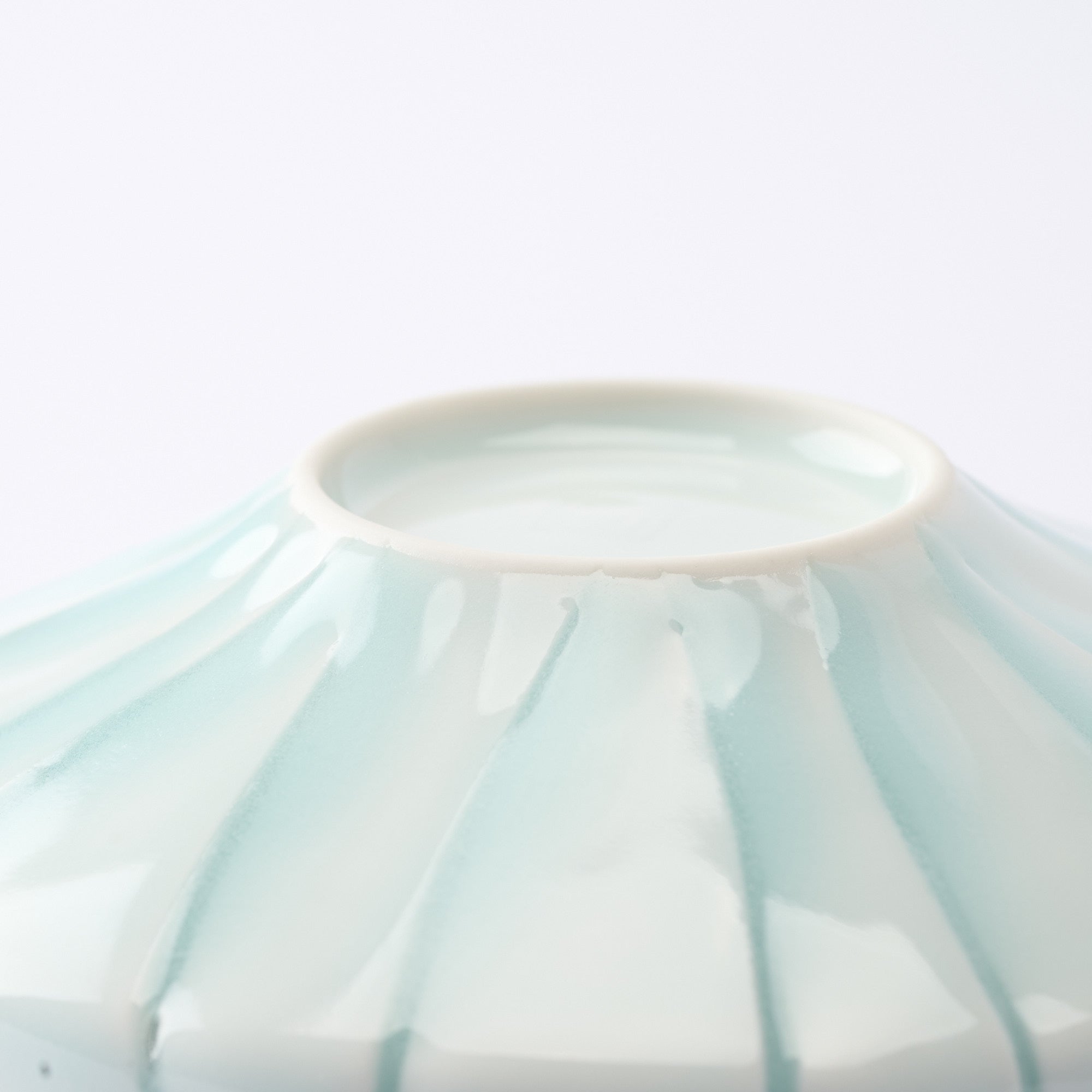
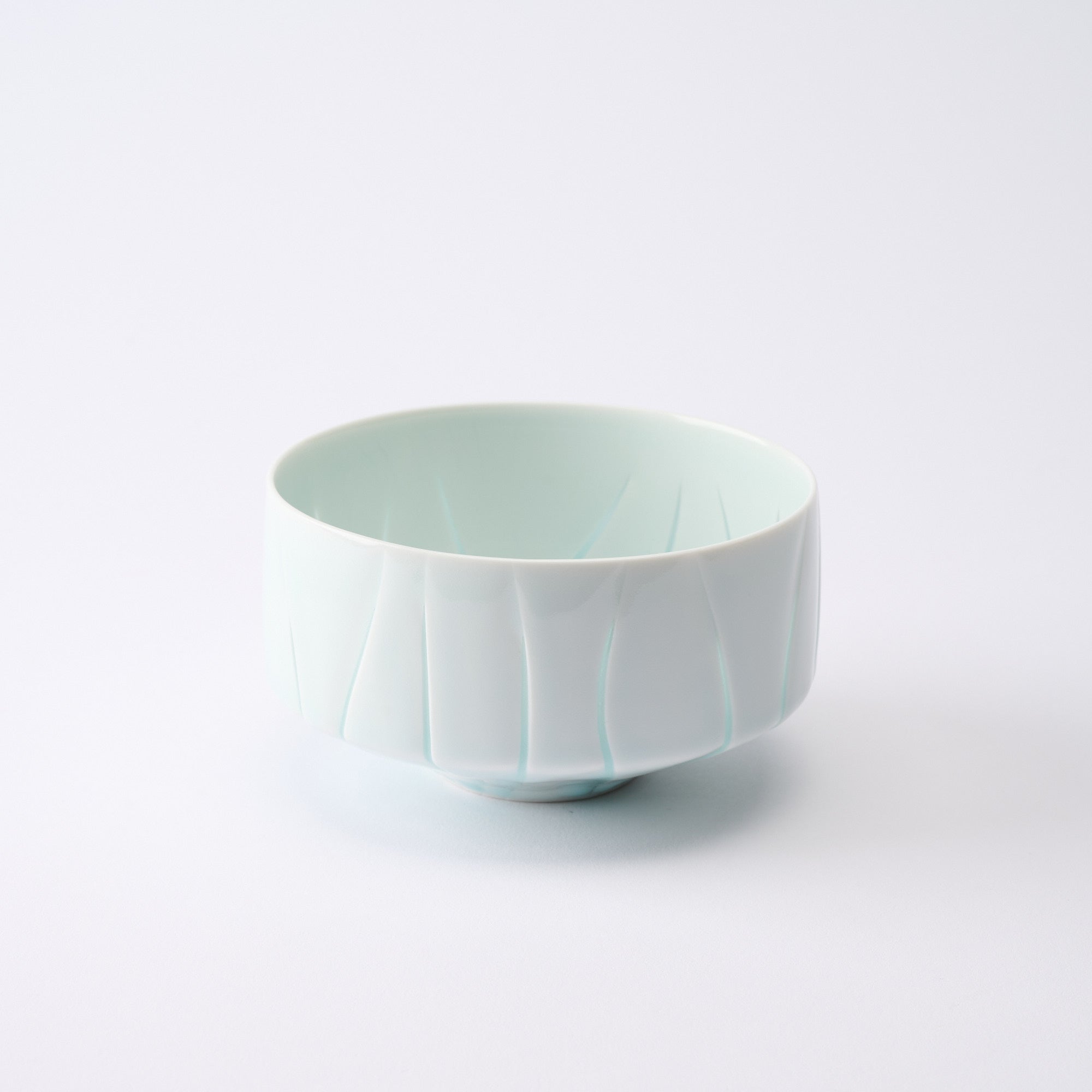
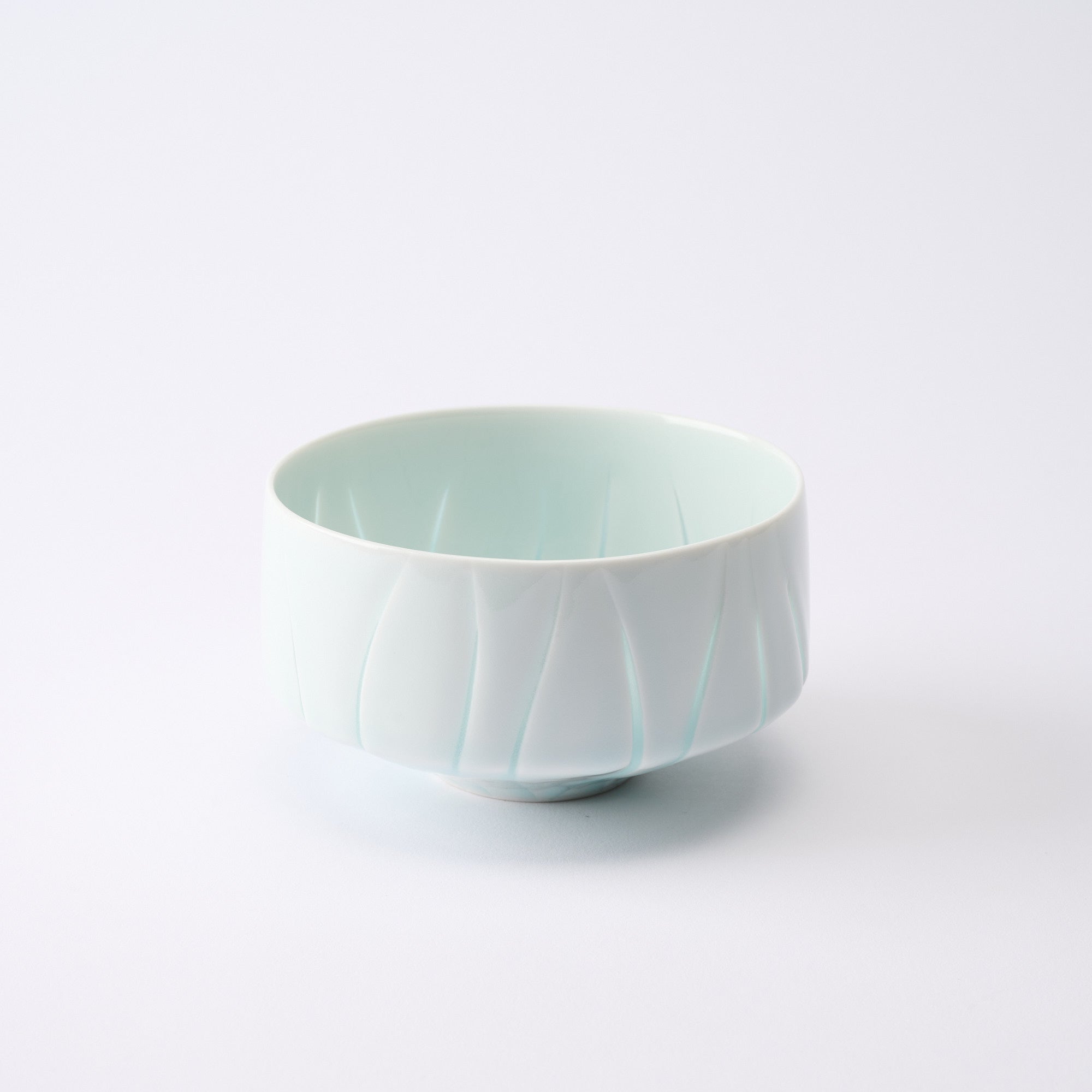
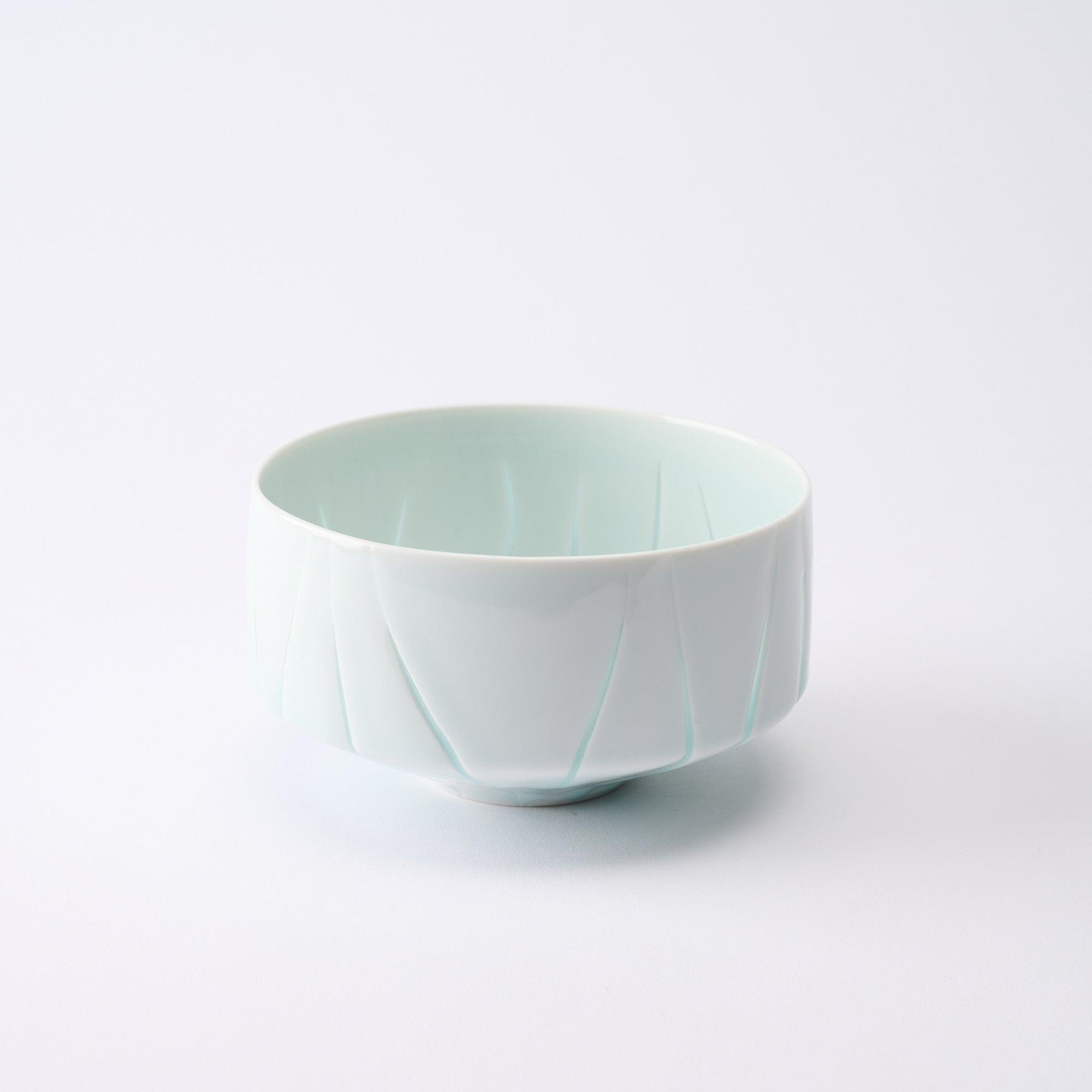
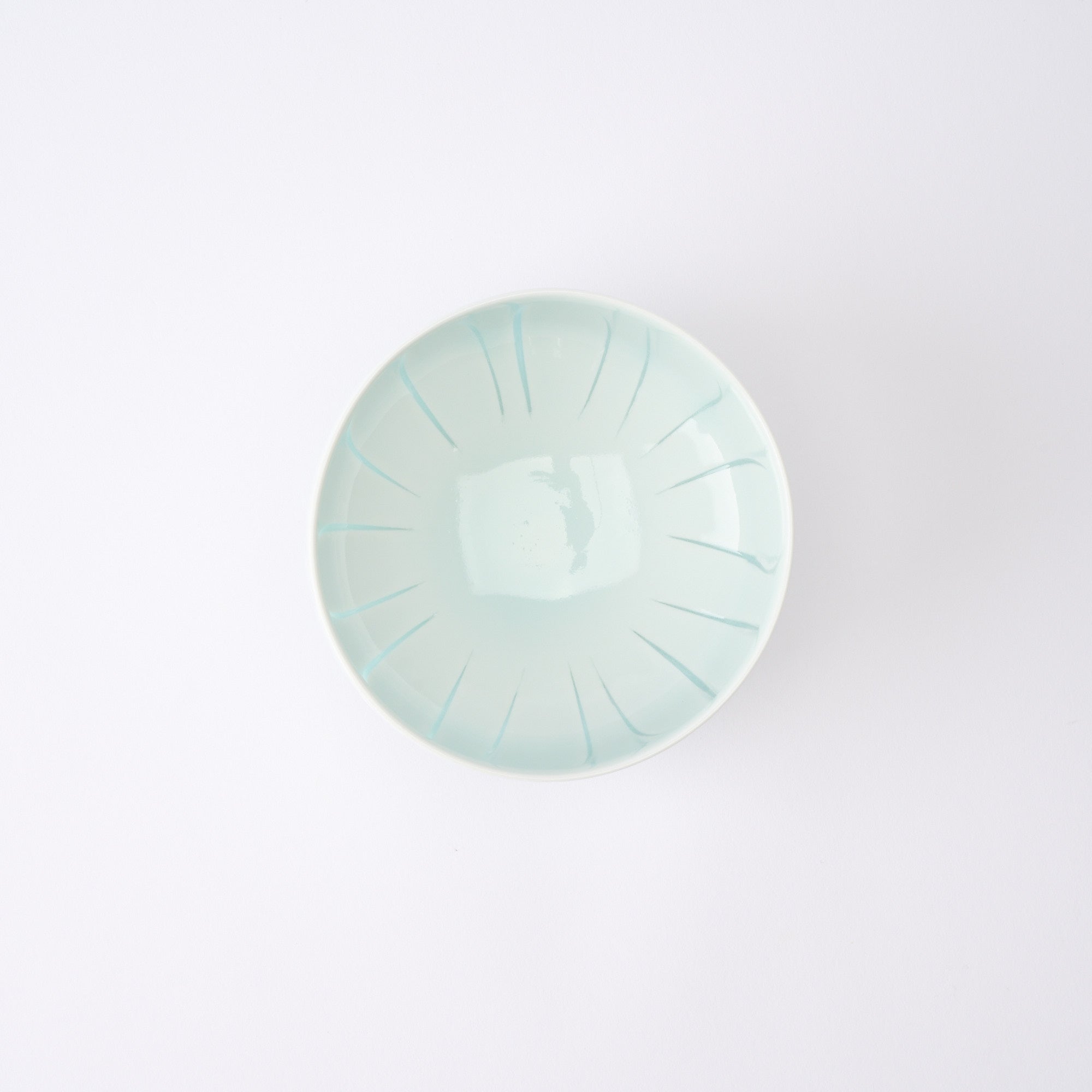
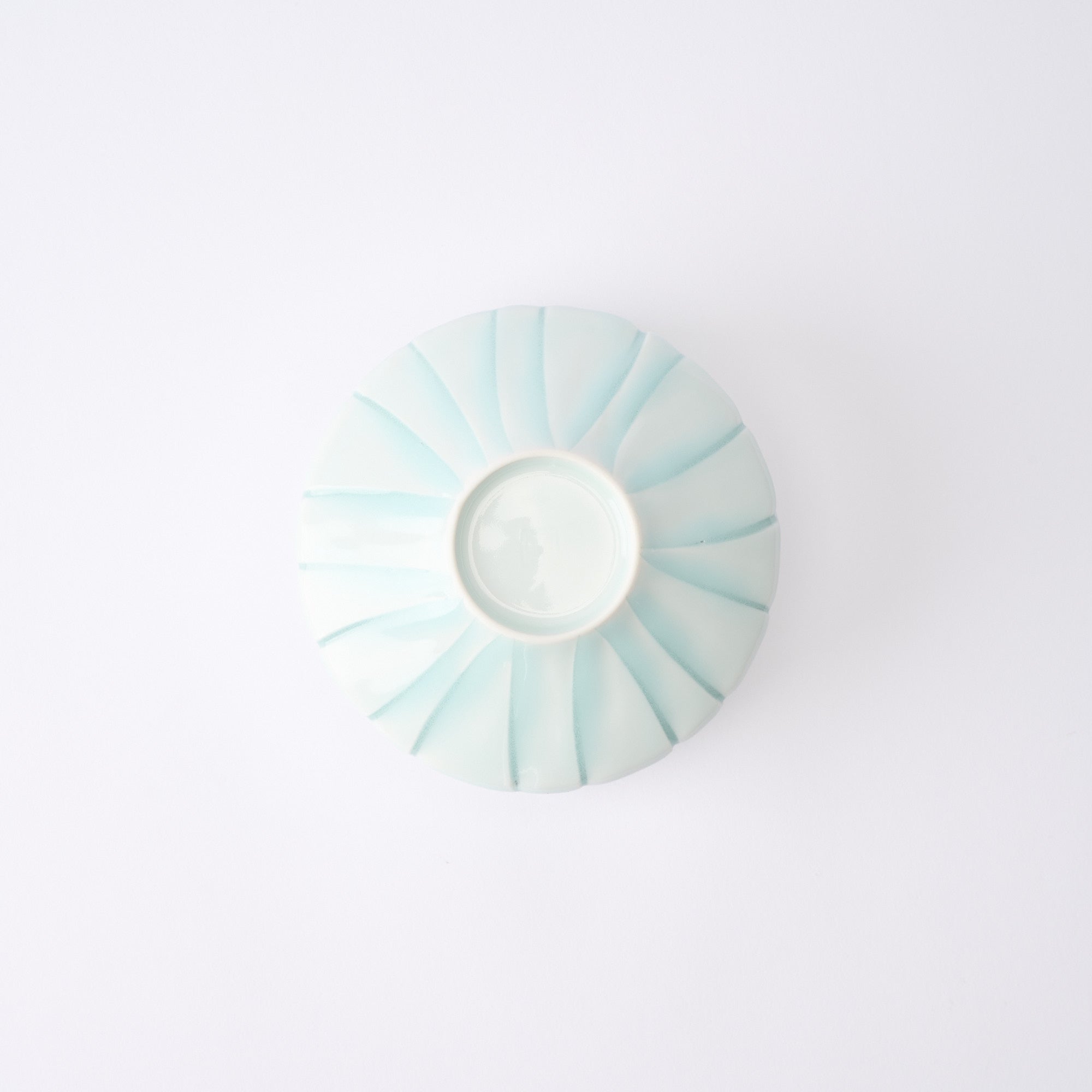
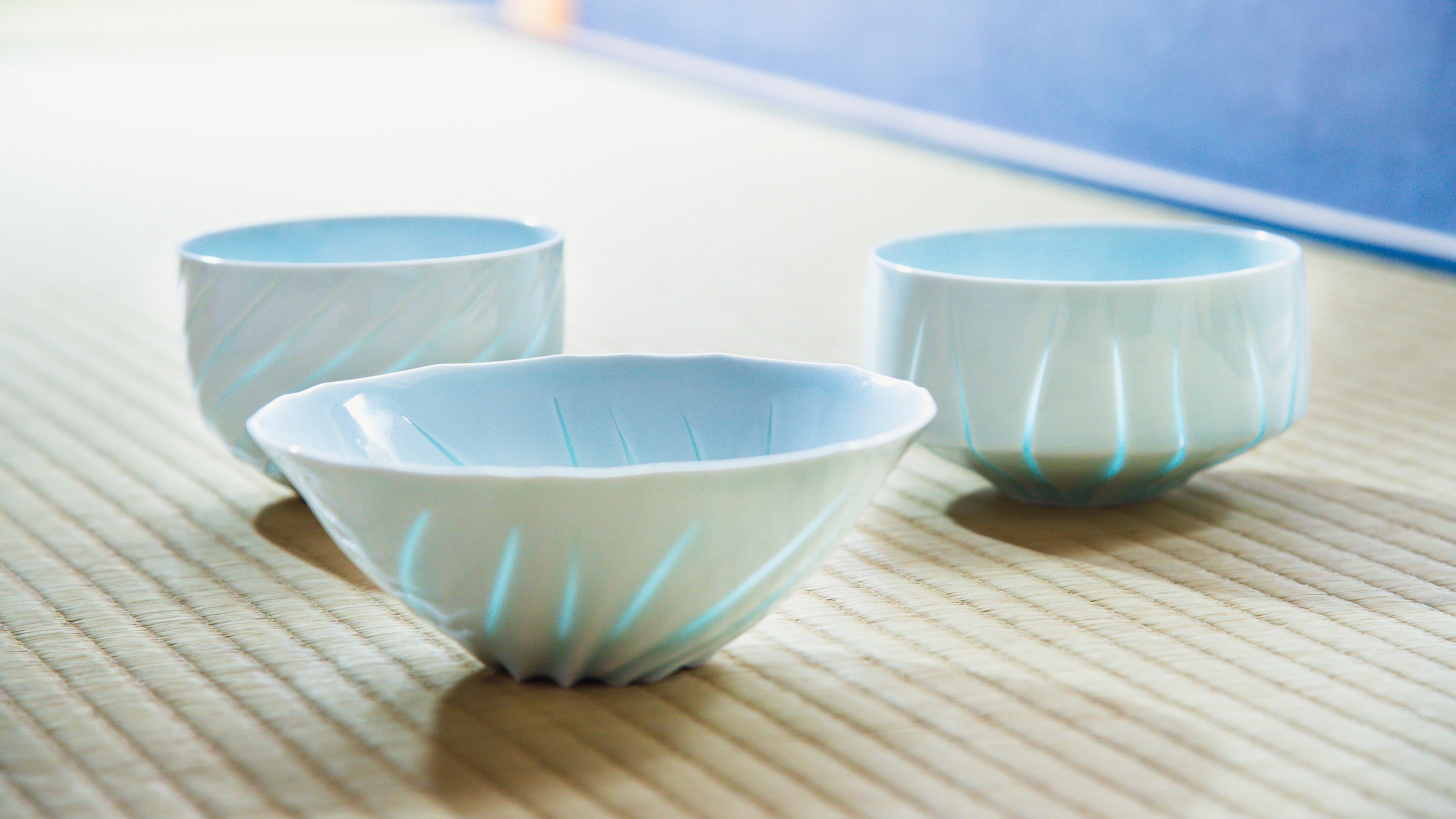
Clad in Light Matcha Bowl del artista de cerámica Seto Taruta Hiroshi es una pieza definida por su refinamiento silencioso. Delicadamente formado y esmaltado en celadón pálido, el cuenco posee una presencia ligera y elegante. Taruta emplea la técnica lineal hotarude , tallando finas hendiduras diagonales sobre la superficie. Cuando la luz cae sobre el cuenco, suaves sombras se reúnen a lo largo de estas líneas, como si la luz misma se posara delicadamente sobre la forma, evocando la caída natural y fluida de un tejido. El resultado es una vasija que transmite un sentido distintivamente japonés de elegancia discreta y aplomo.
La técnica hotarude —literalmente "técnica de la luciérnaga"— consiste tradicionalmente en tallar aberturas intrincadas en la porcelana y recubrirlas con un esmalte translúcido. Esto permite que la luz atraviese la vasija mientras mantiene una superficie continua, creando puntos de iluminación que recuerdan a luciérnagas brillando en una noche oscura como la seda. Aunque los calados hotarude suelen ser circulares, Taruta se especializa en tallados lineales, aportando su propia visión artística única a la forma.
Más allá de la complejidad del tallado, el esmalte desempeña un papel esencial en la configuración de su carácter luminoso. Taruta comenzó a trabajar con el esmalte durante su aprendizaje y continuó refinando su formulación ajustando cuidadosamente la composición del esmalte y las condiciones de cocción, logrando un equilibrio entre color y translucidez. La porcelana resplandece suavemente mientras preserva la claridad de las líneas talladas.
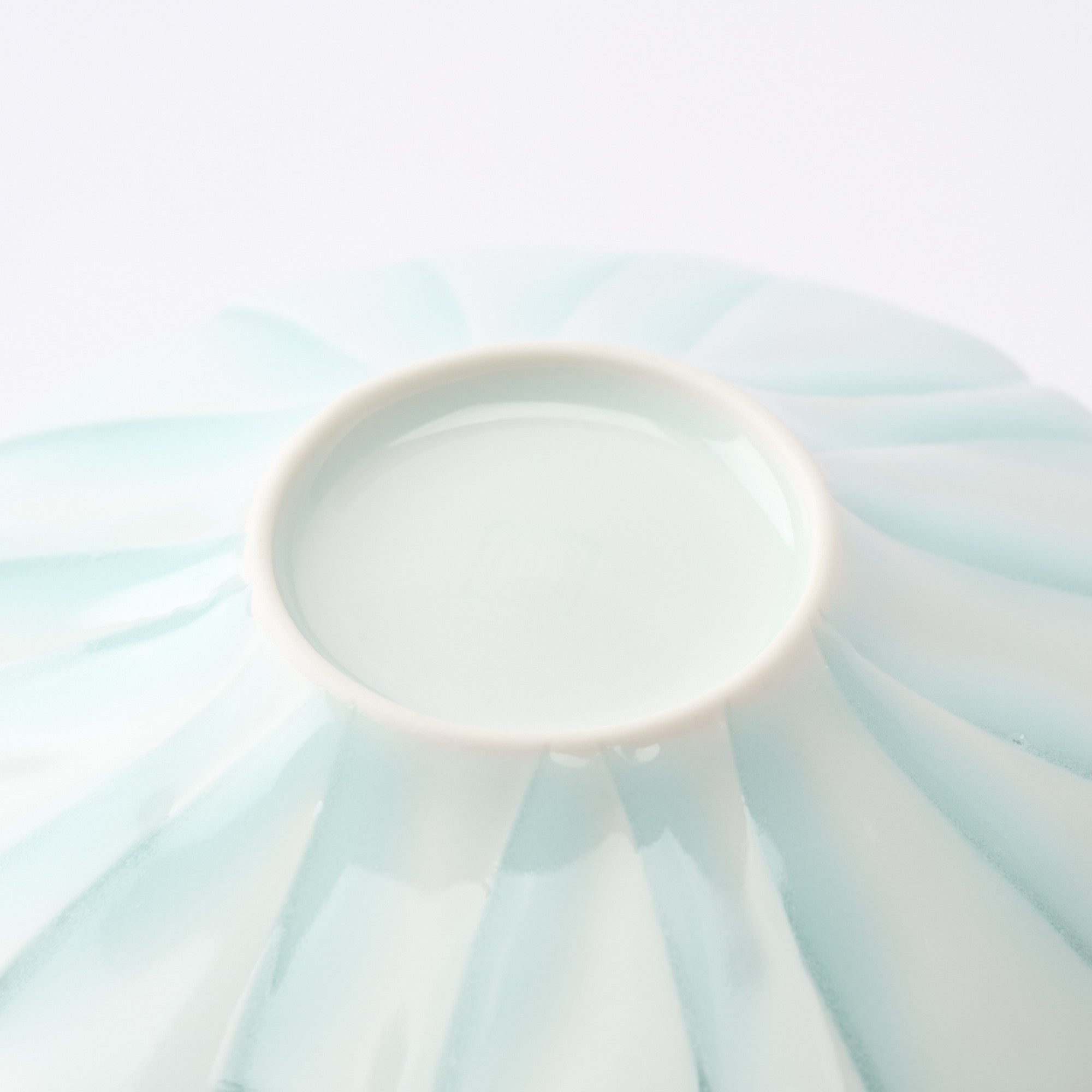
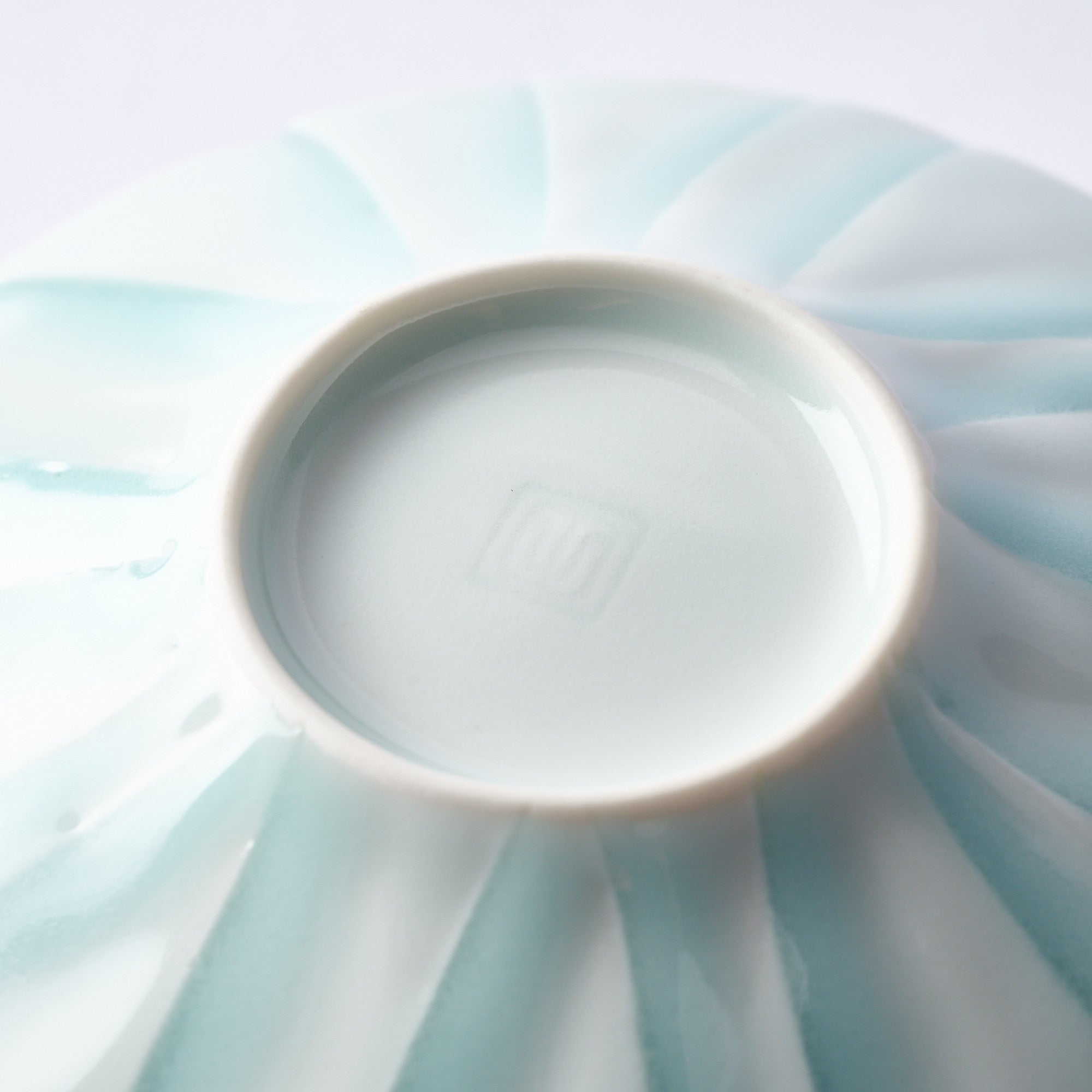
El cuenco mismo es suavemente redondeado, invitando a las manos a sostenerlo. Sutiles crestas y hendiduras creadas por el tallado añaden una cualidad táctil distintiva, mientras que el esmalte finamente aplicado confiere a la superficie una textura aterciopelada. Al girar el cuenco, la luz cambiante se desliza sobre sus contornos, revelando capas de brillo suave. En estas transiciones, la pieza revela su gracia contenida—una vasija destinada no solo a ser usada, sino a ser contemplada una y otra vez.
DETALLES
| Quantity | 1 |
| Size |
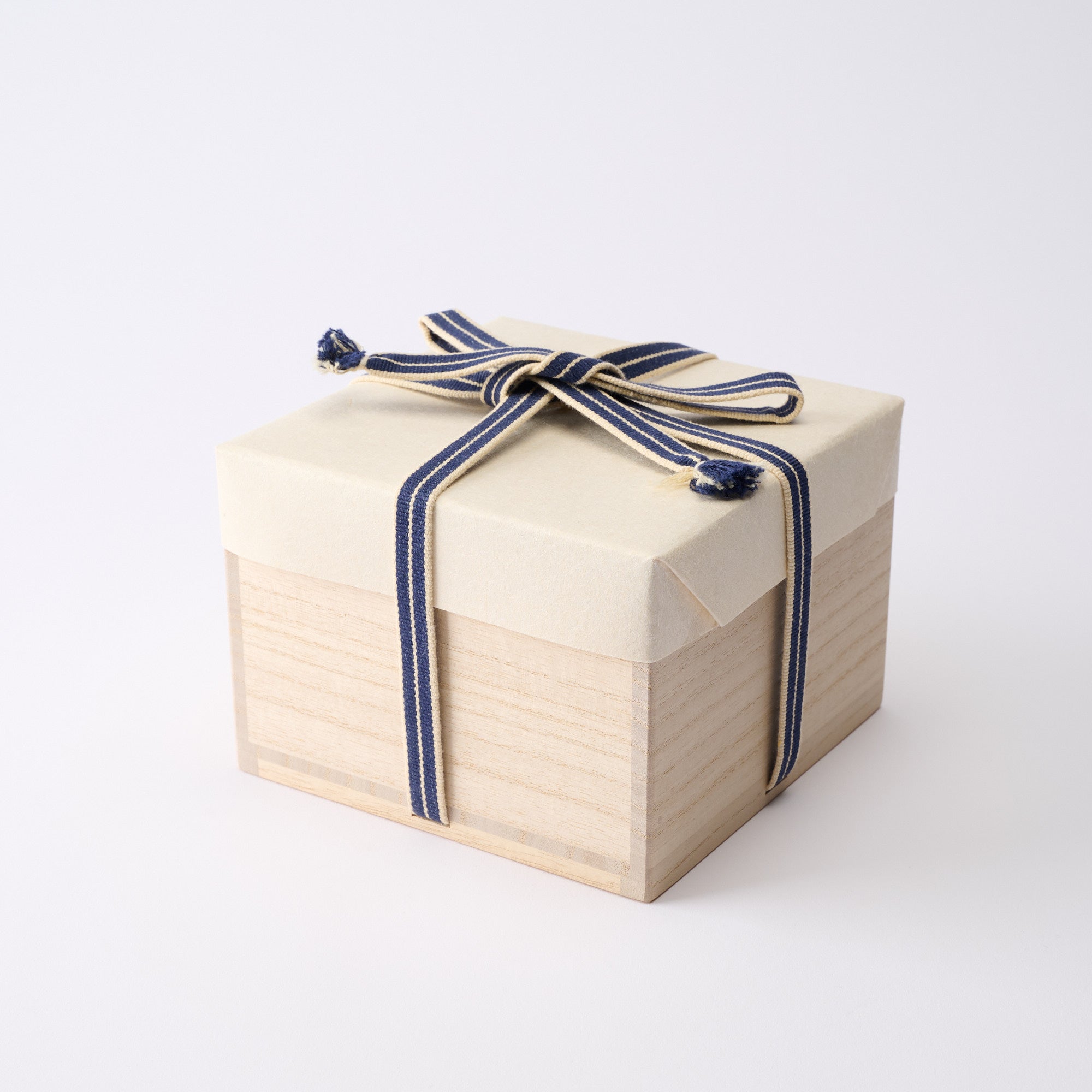
D 11.7 cm (4.6 in) x H 7 cm (2.8 in) [Wooden box] L 14.2 cm (5.6 in) x W 14.2 cm (5.6 in) x H 10.2 cm (4.0 in) |
| Capacity | 250 ml (8.5 fl oz) |
| Weight | 274 g (9.7 oz) |
| Material | Porcelain |
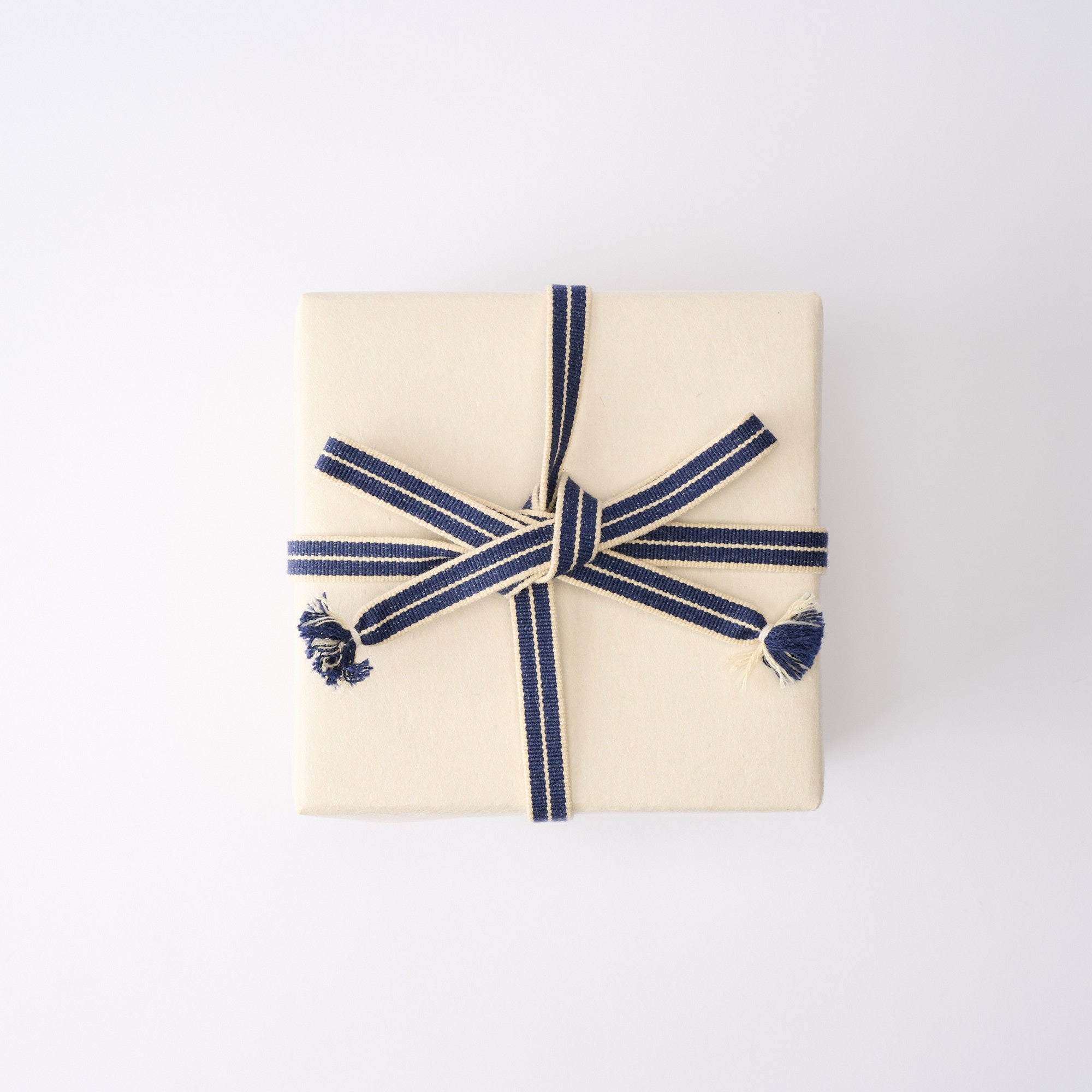
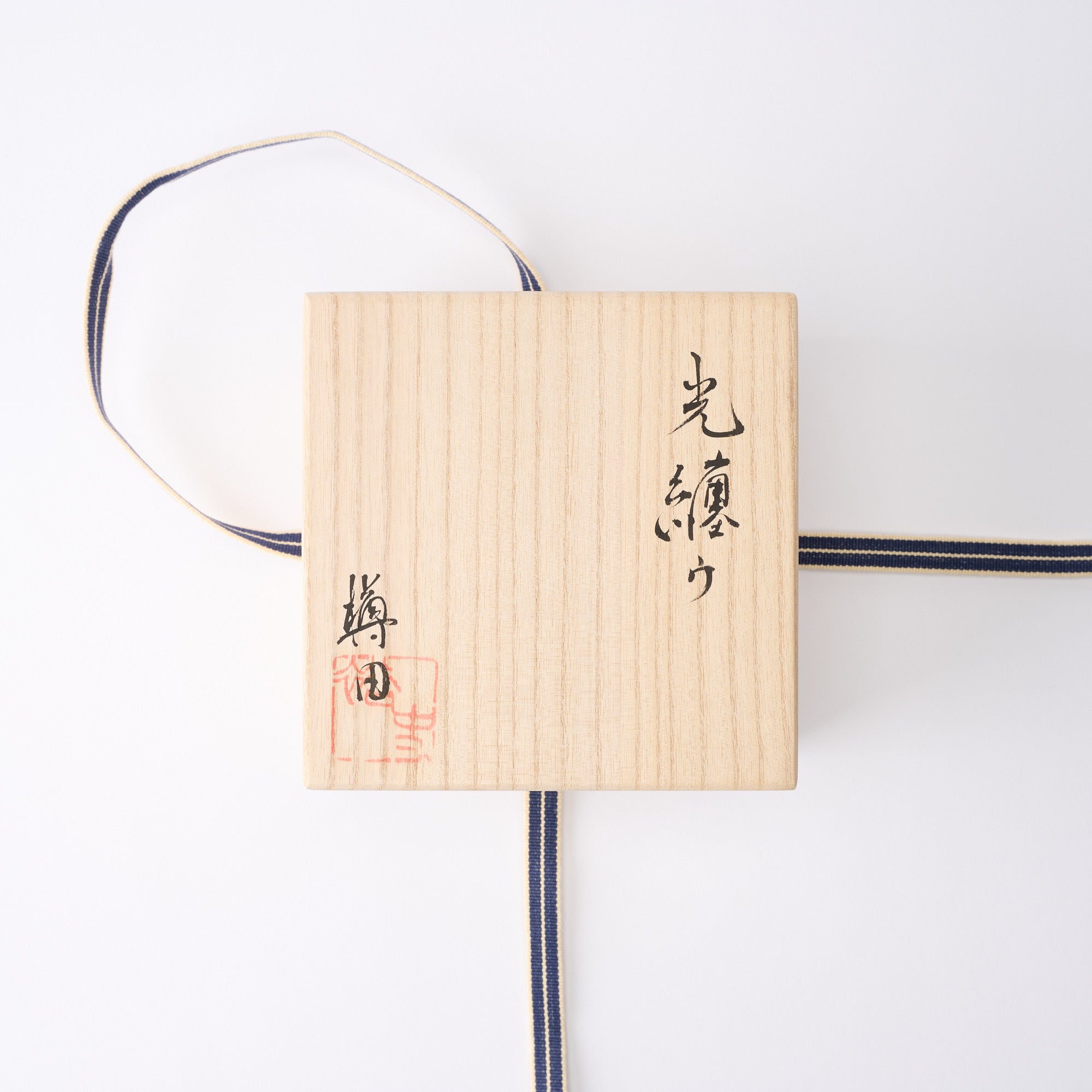
| Package Type | Wooden box |
| Microwave | No |
| Dishwasher | No |
Fabricante / Marca
Taruta Hiroshi es un artista de cerámica Seto especializado en hotarude, una técnica de calado en la que se tallan líneas de contornos gráciles en la arcilla, luego se rellenan con esmalte translúcido antes de la cocción. Trabajando con porcelana y esmalte celadón pálido, Taruta crea así paisajes de luz con cada incisión delicada. Aporta un enfoque innovador a su trabajo, buscando nuevos modos de expresión mientras expande los límites del hotarude. Sus vasijas elegantes propician interacciones entre el espacio y la luz que generan una sensación de asombro y misterio silencioso.
Artesanías
Fabricada en la ciudad de Seto y sus alrededores, en la prefectura de Aichi, la cerámica Seto abarca una amplia gama de piezas que reflejan siglos de artesanía e innovación. Como uno de los Seis Hornos Antiguos de Japón (Rokkoyo), la región de Seto ocupa un lugar destacado en el patrimonio cerámico del país. También fue pionera en la producción en masa de porcelana, y su uso generalizado dio origen al término setomono—un término que todavía se utiliza hoy en día para referirse a la cerámica en general.
Destacada por su variedad estilística, Seto es una de las pocas regiones de Japón donde se elaboran tanto gres como porcelana. Desde la sencilla vajilla de uso diario hasta piezas más refinadas, la cerámica de Seto sigue marcando la vida cotidiana con creaciones que equilibran tradición y creatividad.
Notas
Elige opciones