

Hariya Kinuyo: Sanft in der Form, kraftvoll im Inneren
Lernen Sie die Maki-e-Künstlerin Kinuyo Hariya kennen und entdecken Sie die Geschichte hinter ihrer Maneki-neko, die aus Lack und Gold gefertigt ist.
Auf den ersten Blick zeigt die Dragon Maki-e Lucky Cat einen vertrauten und einladenden Ausdruck, dem Betrachter zugewandt mit dem sanften Charme einer traditionellen maneki neko, einer Glückskatze. Doch wenn man hinter sie tritt, erscheint ein anderes Bild. Über die gesamte Rückseite erstreckt sich ein aufsteigender Drache, dargestellt mit beherrschender Präsenz. Man wird sich bewusst, dass Zartheit und Stärke, scheinbar gegensätzliche Qualitäten, in einer einzigen Form koexistieren.


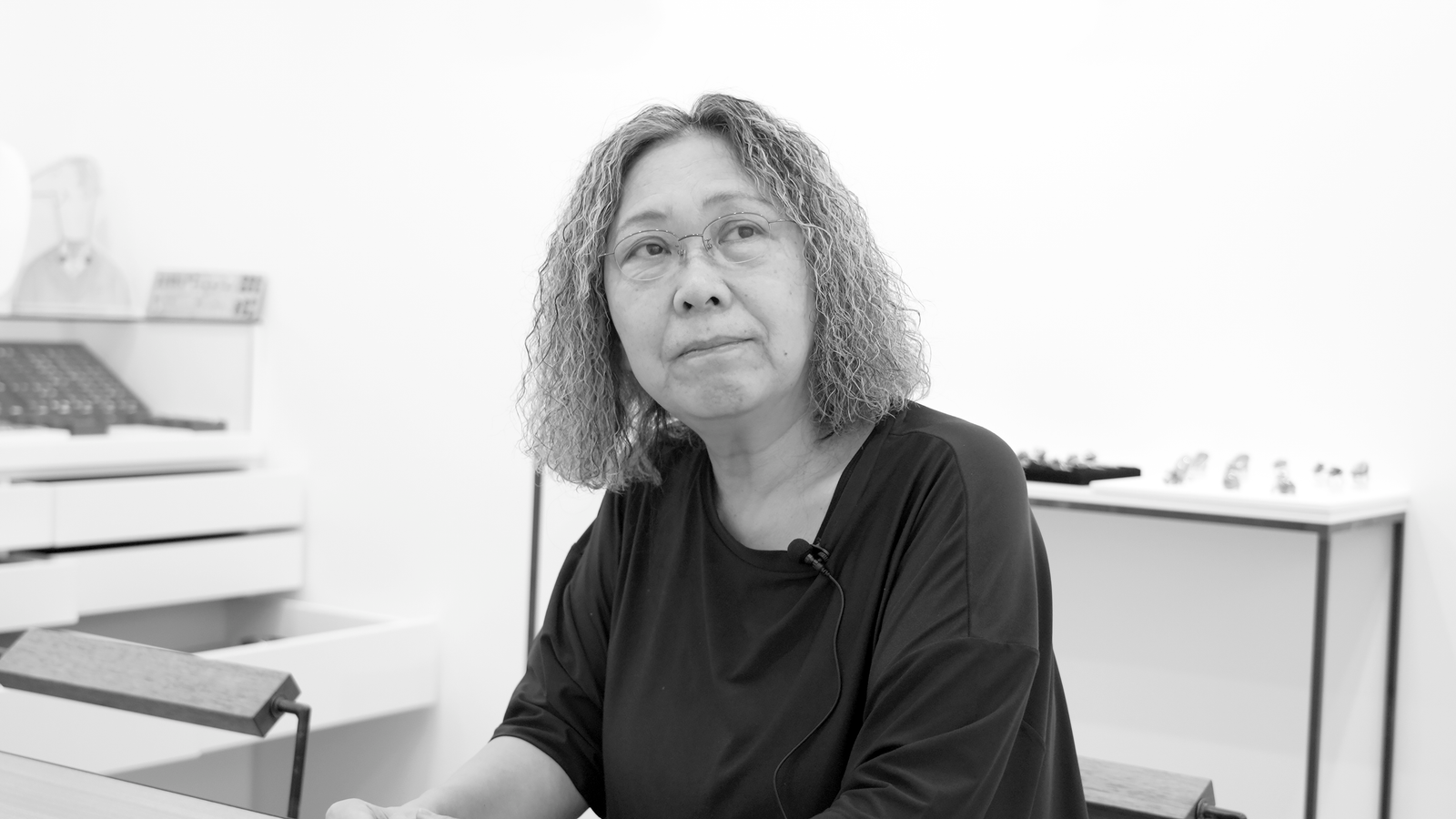
Dieses Stück wurde von der maki-e -Künstlerin Hariya Kinuyo geschaffen. Nachdem sie ihre Fähigkeiten in Yamanaka, Präfektur Ishikawa, einer für ihre Lackwarenproduktion bekannten Region, verfeinert und auf ihre Erfahrung im Studium der Ölmalerei zurückgegriffen hat, entwickelte Hariya eine charakteristische Methode, Ausdruck durch das feine Schichten von Linien und Flächen des maki-e zu erzeugen.
Team Musubi sprach mit Hariya über ihren Weg als maki-e-Künstlerin, ihre Herangehensweise an die maki-e-Kunst und die Gedanken, die in diesem Stück eingebettet sind.
Der Weg zur Maki-e-Künstlerin
Hariya wuchs inmitten der Berge von Yamanaka auf, einem Gebiet reich an natürlicher Schönheit und seit langem als Zentrum traditioneller Handwerkskunst bekannt. Ihre Eltern waren in der Beschichtung von Lackwaren tätig, einem Bereich, der manchmal als „moderne Lackware" bezeichnet wird, und schon als Kind erinnert sie sich, dass sie sich von der Vorstellung angezogen fühlte, ihren Lebensunterhalt durch das Zeichnen zu verdienen.

Noch während der Oberschule studierte sie bei einem lokalen Ölmaler, und als sie begann, die Möglichkeit zu erkunden, Kunst zu ihrem Beruf zu machen, verlagerte sich ihr Interesse allmählich auf das Material selbst. Als sie auf die expressiven Qualitäten von Holzbasen und Grundierungen stieß, die in Lackwaren verwendet werden, begann sie sich zu fragen, was geschehen würde, wenn sie direkt auf solche Oberflächen malen würde. Diese Neugier führte sie in die Welt des Lacks.

Zu einer Zeit, als weibliche Lehrlinge noch selten waren, begann sie ihre Ausbildung bei einem Lackkünstler, der für die Herstellung von Utensilien für die Teezeremonie bekannt war. Lehrstellen boten damals keinen Lohn – nur Jahre der Disziplin und des Lernens. Dennoch führte ihre Entschlossenheit, eine anspruchsvolle Kunst zu verfolgen, dazu, dass sie sich vollständig der Welt des maki-e widmete.
„Was mich am stärksten anzog, war die Art und Weise, wie fortgeschrittene Technik und Schönheit in etwas so Kleinem wie einem natsume, dem Matcha-Behälter, der in Teezeremonien verwendet wird, verdichtet wurden. Wenn ich lernen wollte, wollte ich etwas wirklich Anspruchsvolles meistern", erinnert sie sich und blickt ruhig auf diese Jahre zurück.
Später gründete sie zusammen mit ihrem Ehemann, Hariya Masayuki, Urushi Art Hariya. In den ersten Jahren richteten sie eine Werkstatt ein und begannen die Produktion eigenständig.

Am 1. April 2021 feierte das Atelier sein 40-jähriges Bestehen. Heute haben auch ihre Söhne, Takayuki und Shogo, das Handwerk aufgenommen und begonnen, als maki-e-Künstler zu arbeiten. Als Familie widmen sie sich nun der Aufgabe, die Anziehungskraft des maki-e einem breiteren Publikum zu vermitteln.
Die Entstehung der Dragon Maki-e Lucky Cat
Eine Begegnung mit Glückskatzen
Im Herzen der Dragon Maki-e Lucky Cat liegt ein einfaches Gefühl, das Hariya selbst ausdrückt: ihre Liebe zu Katzen.
Hariya wuchs in einer reich natürlichen Umgebung auf, umgeben von Bergen und Wäldern, entwickelte eine enge Vertrautheit mit Tieren und kümmerte sich als Kind um Vögel. Dieser Hintergrund zieht sich durch ihr heutiges Werk, in dem Pflanzen und Tiere als wiederkehrende Motive erscheinen. Katzen haben in ihrem Herzen seit langem einen besonderen Platz.

Ihre Begegnung mit Glückskatzen begann durch ihre Teilnahme an einer katzenthematischen Ausstellung in einem Kaufhaus. Dort traf sie viele Künstler, die mit Katzenmotiven arbeiteten. Unter ihnen war Mera Kenji, der Künstler, der die Keramikbasis für die Dragon Maki-e Lucky Cat schuf.
Fasziniert von Meras Arbeit besuchte Hariya Workshops, lernte, wie man Katzen darstellt, und baute allmählich eine Beziehung durch fortlaufenden Austausch auf. Als sich diese Beziehung entwickelte, wurde entschieden, dass die Keramikkatze als Grundlage für ihre Arbeit dienen würde.
Als sie jedoch mit der Arbeit an dem Stück begann, stellte sie fest, dass die Keramikbasis große Öffnungen hatte, wo die Augen sein sollten. Obwohl ihr die Freiheit gegeben worden war, die Form zu verändern, erforderte dies, dass sie sich mit dem Stück von einem nahezu leeren Ausgangspunkt aus auseinandersetzte.
„Die Form auszubalancieren, ein Gefühl von Verspieltheit hervorzubringen und sicherzustellen, dass die Lackarbeit strukturell solide blieb – das war eine beträchtliche Herausforderung", erklärt sie.
Sie spricht auch von der besonderen Sorgfalt, die sie den Augen widmete.

„Mit Lack kann man nicht eine so breite Palette von Farben verwenden wie mit Farbe. Innerhalb dieser Grenzen dachte ich sorgfältig darüber nach, wie ich Individualität ausdrücken könnte. Dieses Mal wollte ich eine Farbe ausprobieren, die sich etwas anders anfühlte als traditioneller Lack, etwas wie ein Smaragdgrün, also arbeitete ich diese Idee in die Augen ein. Es ist eine Farbe, die ich persönlich sehr mag."
Gold wird auch auf die Augen aufgetragen. Unter ihrem sanften Ausdruck ist ein zurückhaltendes, aber unverkennbares Schimmern zu sehen. Dieser Blick spielt eine Schlüsselrolle bei der Definition des Charakters dieser Glückskatze.
Von der Schöpfung bis zur Vollendung
Wie bereits erwähnt, begann der Herstellungsprozess, da die Augen ursprünglich ausgehöhlt waren, damit, sie mit Lack zu füllen und das Gesicht neu zu formen. Von dort aus wurden dünne Lackschichten aufgetragen und wiederholt trocknen gelassen, wodurch allmählich die Basis des Stücks aufgebaut wurde.
Das Farbschema wurde allmählich im Verlauf der Arbeit bestimmt. Auf der Vorderseite wurde das Gesicht mit einem vertikal geteilten, zweifarbigen Muster über der Stirn versehen, das auf Japanisch als hachiware bekannt ist. Für die Rückseite sollte Schwarz der primäre Ton sein, mit Blattgold, das darunter als Basis aufgetragen wurde. Darüber wurde eine brauntönige Lackmischung geschichtet, die das Gold subtil durchscheinen ließ.
Auf die weißen Bereiche wurde kansuiko, ein fein gemahlenes Mineralpulver, gestreut, um eine bewusst texturierte Oberfläche zu hinterlassen.
„Anstatt eine makellose Lackoberfläche anzustreben, wollte ich etwas schaffen, das sich angenehm anfühlt",
erinnert sich Hariya. Indem sie Freude am kreativen Prozess selbst findet, überträgt sich ein Gefühl der Leichtigkeit auf ihre Lackarbeiten.

Einer der schwierigsten Aspekte war das Auftragen von Lack auf den stark gewölbten Körper der Katze. Anders als bei Gefäßen konnte sie während des Trocknens nicht gedreht werden, was es unmöglich machte, dicke Schichten auf einmal aufzutragen. „Ich musste dünne Schichten auftragen, sie trocknen lassen und diesen Vorgang immer wieder wiederholen", sagt Hariya. Dadurch erforderte jeder Bereich etwa zwanzig bis dreißig Schichten – ein äußerst arbeitsintensiver Prozess.
Nachdem die Lackoberfläche vorbereitet war, begann die Maki-e-Phase. Für den Drachen auf dem Rücken kamen die Techniken des hira maki-e, des flachen Maki-e, und kakiwarizum Einsatz, bei dem Maki-e-Pulver ohne Lackauftrag gestreut wird. Die Schuppen wurden einzeln mit bengara-Lack gezeichnet, woraufhin Goldpulver sorgfältig über die Oberfläche gestreut wurde. Für die roten Bereiche, die an Flammen erinnern, wurde shukin verwendet, wodurch eine Oberfläche entstand, bei der der Glanz von Rot und Gold je nach Blickwinkel wechselt.

Der letzte Schritt war togi, das Polieren. Wie Hariya bemerkt: „Der schwierigste Teil des Maki-e ist nicht das Zeichnen, sondern das Polieren." Poliert man zu viel oder zu wenig, geht der Ausdruck verloren. Durch sorgfältiges Polieren jeder einzelnen Schuppe, sodass sie sich reliefartig erhebt, tritt das Gold aus dem Lack hervor.
„Wenn ein Stück viele gewölbte Bereiche wie dieses hat, poliert man die äußeren Flächen leicht zu stark. Aus diesem Grund versuche ich, von den inneren Bereichen zu beginnen, die schwerer zu erreichen sind. Es erfordert lange Stunden und viel Geduld, aber die Schönheit des Goldes hängt vollständig von der Qualität dieses Polierens ab."
Unter Maki-e-Künstlern ist das Niveau der Polierfähigkeit sofort am Erscheinungsbild des Goldes erkennbar. „Selbst wenn man dasselbe Goldpulver verwendet, unterscheidet sich das Endergebnis von Person zu Person. Dieser Unterschied liegt in der Poliertechnik."
Vom Lackauftrag über Maki-e bis zum Polieren dauerte die Arbeit etwa sechs Monate. Die fertige Glückskatze, durch wiederholtes Ausprobieren zum Leben erweckt, ist reich mit verschiedenen Maki-e-Techniken und Blattgold verziert und zeigt eine üppig ornamentierte Präsenz.

Werte als Handwerkerin
Was Hariya in ihrer kreativen Praxis am meisten schätzt, ist das Gefühl der Überraschung, das entsteht, wenn eine Schachtel geöffnet wird. Diese Idee ist eng mit ihren Wurzeln in Teeutensilien verbunden.
„Bei Gefäßen mit Deckel gibt es etwas, das das Herz bewegt, wenn der Deckel angehoben wird. Bei netsuke, kleinen skulpturalen Knebeln, die an der Taille eines Kimonos getragen werden, mag es ein spielerisches Detail geben, das von vorne nicht sichtbar ist. Ich genieße es, über solche Elemente der Überraschung nachzudenken", sagt sie mit einem leichten, verspielten Lächeln. Solche Erfahrungen zu bieten, glaubt sie, ist Teil der Freude am Herstellen von Dingen.
Die Drachen-Maki-e-Glückskatze entstand aus derselben Sensibilität. Von vorne zeigt sie einen sanften und charmanten Katzenausdruck. Auf ihrem Rücken jedoch wurde bewusst ein kraftvoller Drache platziert.

Zärtlichkeit und Stärke, gegensätzliche Elemente, sind in einer einzigen Form enthalten und offenbaren je nach Betrachtungswinkel unterschiedliche Ausdrücke. Dieses Werk besitzt eine Präsenz, die unverkennbar eigen ist.
Blick nach vorn
Geleitet von ihrer tiefen Zuneigung zu Tieren hat Hariya viele Werke mit Tier- und Pflanzenmotiven geschaffen. Diese Verbundenheit bleibt unverändert. „Ich mag vertraute Wesen wie Katzen und Eulen, daher möchte ich weiterhin Werke schaffen, die sich auf sie konzentrieren", sagt sie.


Gleichzeitig bleiben ihre Gefühle gegenüber Teeutensilien, insbesondere natsume, die den Ursprung ihres Weges als Maki-e-Künstlerin darstellen, beständig. Weidenmotive, traditionell mit natsume verbunden und in feinen Goldlinien gezeichnet, gehören zu den Ausdrucksformen, die sie weiterhin pflegen möchte.
„Mein Mann und ich haben mit Teeutensilien begonnen, und das ist etwas, das wir fortsetzen wollen. Wir möchten es auch an unsere Söhne weitergeben. Wir hoffen, die einzigartig japanische Schönheit des Maki-e mit der Welt zu teilen."

In den letzten Jahren haben sich auch ihr jüngerer Sohn und seine Frau dem Produktionsprozess angeschlossen und neue Bereiche wie Füllfederhalter und Schreibgeräte übernommen. Hariya selbst hatte zuvor mit Maki-e verzierte Accessoires geschaffen, doch mit dem Wunsch, dessen Reiz einem breiteren Publikum näherzubringen, hat sie den Umfang ihrer Kunst durch fortlaufendes Experimentieren stetig erweitert. Füllfederhalter und Schreibgeräte stellen eine solche neue Richtung dar.
„Lack ist ein Material, das im Prinzip auf fast alles aufgetragen werden kann." Getreu diesen Worten erweitert sich Hariyas Arbeit weiterhin über jede einzelne Kategorie hinaus und eröffnet neue Möglichkeiten für die Zukunft.
Stay close to the craft
Now and then, a quiet letter — new stories, seasonal notes, and the hands behind the work.
Maki-e in Transparenz: Die innovative Kunst von Hariya Masayuki
Der Maki-e-Künstler Hariya Masayuki verbindet Tradition und Acryl und kreiert so Natsume-Teegefäße von schimmernder…

Pinselstriche der Tradition: Die Maki-e-Meisterschaft von Morita Masatoshi
Wir besuchen Morita Masatoshi, einen Künstler, der seit fast fünf Jahrzehnten von der Kunst…
Definition moderner Lackwaren – die Reise eines nordenglischen Kunsthandwerkers
Yoshita Kasho ist in Japan für seine innovativen Entwürfe bekannt, die auf traditionellen Techniken…
Leave a comment