

Japanische Frühlingsmotive, die man kennen sollte
Von Kirschblüten bis zu Nachtigallen – entdecken Sie Japans bekannteste Frühlingsmotive und ihre tiefgründigen kulturellen Bedeutungen.
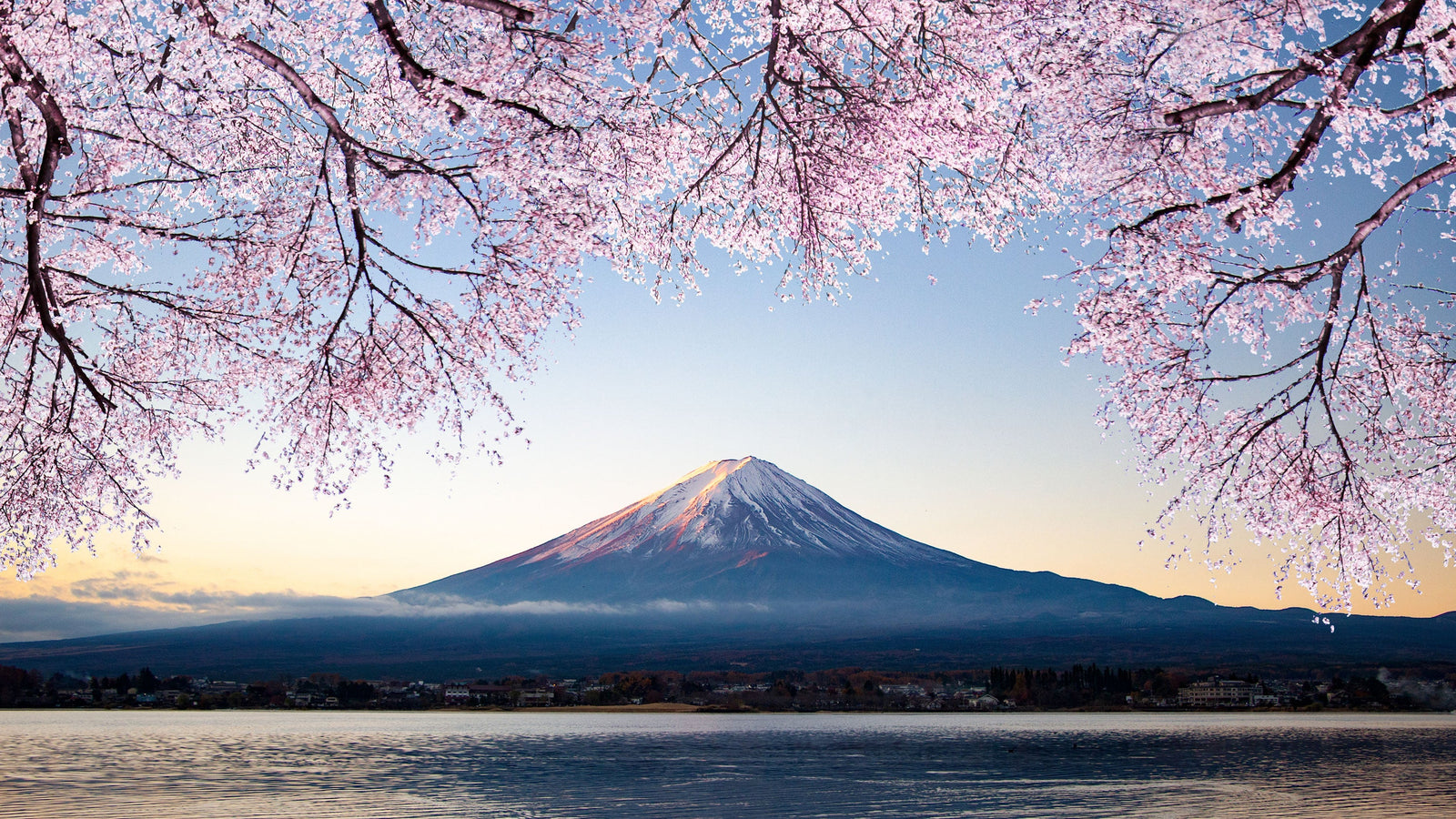
In der japanischen Kultur markiert der Frühling den wahren Beginn des Jahres. Seit alters her erwarten die Menschen in Japan diese Jahreszeit mit Vorfreude und beobachten den Moment, in dem die Natur in zarten, hellen Farbtönen erwacht. Der Frühling ist eine Zeit geschätzter Traditionen und Feste, von hanami (Kirschblütenbetrachtung) bis zu Hinamatsuri (Mädchentag) und dem Kindertag.
Als Jahreszeit der Erneuerung spiegelt sich der Frühling in zahlreichen Motiven und Symbolen wider, die in das japanische Leben eingewoben sind. Diese Motive erscheinen in klassischen Kunstwerken wie Holzschnitten, in traditionellem Kunsthandwerk und auf Geschirr des täglichen Gebrauchs. In diesem Artikel erkunden wir mehrere repräsentative Frühlingsmotive, die japanisches Kunsthandwerk und Keramik zieren.
Sakura

Die sakura, die Kirschblüte, ist das ikonische Symbol für die Ankunft des Frühlings in Japan. Mit unzähligen Sorten, von wilden Arten bis zu kultivierten Hybriden, sind diese Blüten ein vertrauter Anblick in Gärten, Parks und entlang städtischer Straßen. Sie in voller Blüte nach einem harten Winter zu sehen, weckt ein tiefes Gefühl natürlicher Erneuerung und der Lebenskraft.
Ihre zarte, ätherische Schönheit wird seit Jahrhunderten in Kunst und Literatur gefeiert und ist tief mit der japanischen Ästhetik verwoben. Darüber hinaus dient die kurze Lebensdauer der Blüte als Symbol für mujo, die Vergänglichkeit, und erinnert uns daran, die Kostbarkeit des gegenwärtigen Moments zu schätzen.
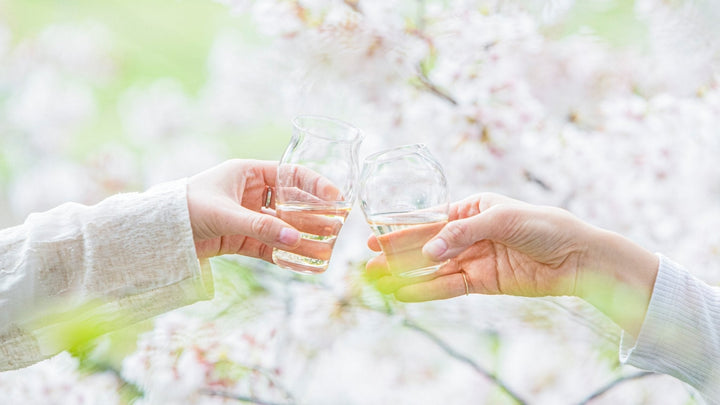
Natürlich ist sakura gleichbedeutend mit hanami. Menschen strömen ins Freie, um die Bäume in voller Blüte zu betrachten, oft bei Picknicks unter dem Blätterdach. Während Japan viele berühmte Betrachtungsorte bietet, ist ein „hanami zu Hause" eine wunderbare Alternative für jene, die eine ruhigere Erfahrung suchen.
Dieses Kiyomizu-Ware Sake-Set, zart bemalt mit blassrosa Blüten, bringt die Landschaft des Frühlings auf Ihren Tisch. Die sanften Farbtöne breiten sich über das Gefäß aus und bieten mit jedem Einschenken ein Gefühl saisonaler Freude.
Geschirr mit sakura-Mustern und saisonale Zutaten einzubeziehen, ist eine schöne Art, die wechselnden Jahreszeiten zu würdigen. Wir laden Sie ein, diese Zeichen des Frühlings in Ihr eigenes Zuhause zu bringen.

Pfirsichblüten

Pfirsichblüten zeichnen sich durch fünf Blütenblätter aus, die zu einer feinen Spitze zulaufen und in Büscheln blühen, ähnlich wie sakura. Während ihrer Blütezeit sind ganze Bäume in sanftes Rosa gehüllt; eine Landschaft blühender Pfirsichplantagen gleicht einem rosafarbenen Meer, das die Hügel überzieht. Ihr zarter, süßer Duft schafft eine Atmosphäre, die an ein Märchen erinnert. Traditionell symbolisiert die Pfirsichblüte Liebe, Glück, Gesundheit und Langlebigkeit, was sie zu einem beliebten Motiv für Keramik und Einrichtungsgegenstände macht.
Am 3. März feiert Japan Hinamatsuri, auch bekannt als Pfirsichfest oder Mädchentag, um für das gesunde Wachstum junger Mädchen und das Glück der Familie zu beten. Während dieser Zeit werden diese lieblichen und glückverheißenden Blumen zu einem zentralen Element des Zuhauses. Familien mit Töchtern stellen hina -Puppenaus, die den Kaiser und die Kaiserin des Heian-Hofes darstellen und Gebete für eine friedliche Zukunft verkörpern. Eine formelle Ausstellung von hina-Puppen verleiht einem Raum eine würdevolle und zugleich sanfte Ausstrahlung und verwandelt ihn in einen Ort der Feier.

Wir empfehlen auch diese matcha-Schale mit den bezaubernden Gesichtern von hina-Puppen. Die warmen Farben und Goldakzente bringen ein Lächeln ins Gesicht und machen sie zu einem perfekten Gefäß, um einen Moment des Frühlings zu genießen und sich mit der japanischen Kultur zu verbinden.

Mögen Sie diesen saisonalen Wendepunkt und die herzlichen Wünsche genießen, die die Pfirsichblüte trägt.
Hina-Puppen-Kollektion ansehen
Mimosen
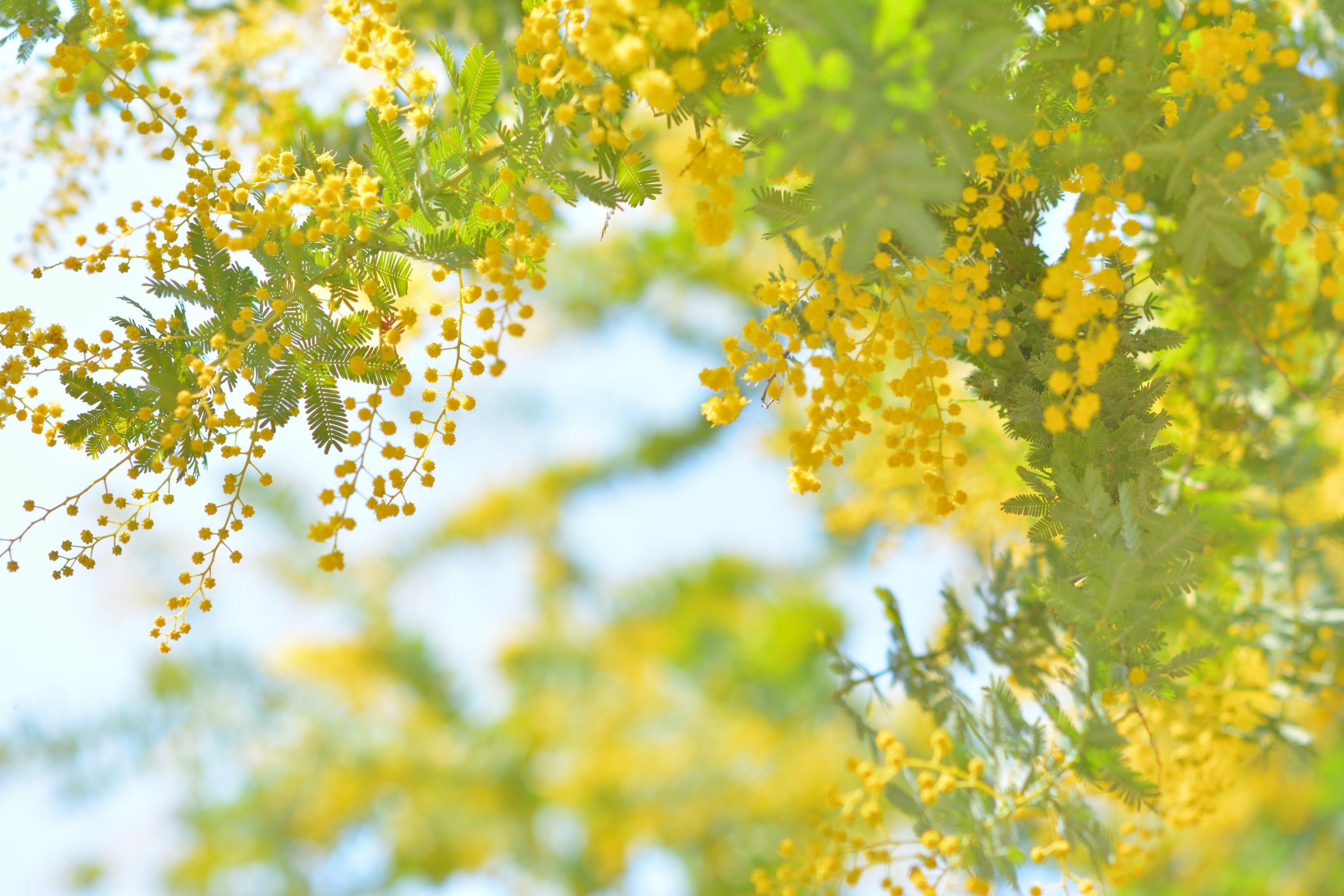
Die Mimose stammt ursprünglich aus dem Südosten Australiens und wurde schließlich als Nationalblume dieses Landes geliebt. Sie wurde während der Meiji-Ära (1868–1912 n. Chr.) in Japan eingeführt und ist seitdem ein fester Bestandteil von Gärten und öffentlichen Parks. Sie blüht vom Spätwinter bis zum Frühlingsanfang – etwas früher als Kirschblüten – und ihre leuchtend gelben Blüten und das zarte silbergrüne Laub bringen eine fröhliche Helligkeit in die Landschaft.
Die Mimose ist auch das weltweite Symbol für den Internationalen Frauentag am 8. März. Ihre Fähigkeit, lebhaft zu blühen, während die Luft noch kalt ist, repräsentiert den Mut und die Hoffnung der Frauen. In Italien wurde die Mimose 1946 als Symbol für diesen Tag gewählt, zeitgleich mit der Erlangung des Frauenwahlrechts, und eine Tradition, Mimosen zu schenken, um Respekt und Dankbarkeit zu zeigen, hat sich seitdem weltweit verbreitet.
Geschirr, das mit Mimosenmotiven in blassem Grün und sanftem Gelb verziert ist, bietet eine stille Erinnerung an die Rückkehr des Frühlings. Subtile Goldpunkte fangen das Licht ein und rufen das Bild von Blüten hervor, die in einem sonnendurchfluteten Garten schwanken. Diese Stücke bringen eine sanfte, saisonale Farbe in das tägliche Esserlebnis.

Schmetterlinge
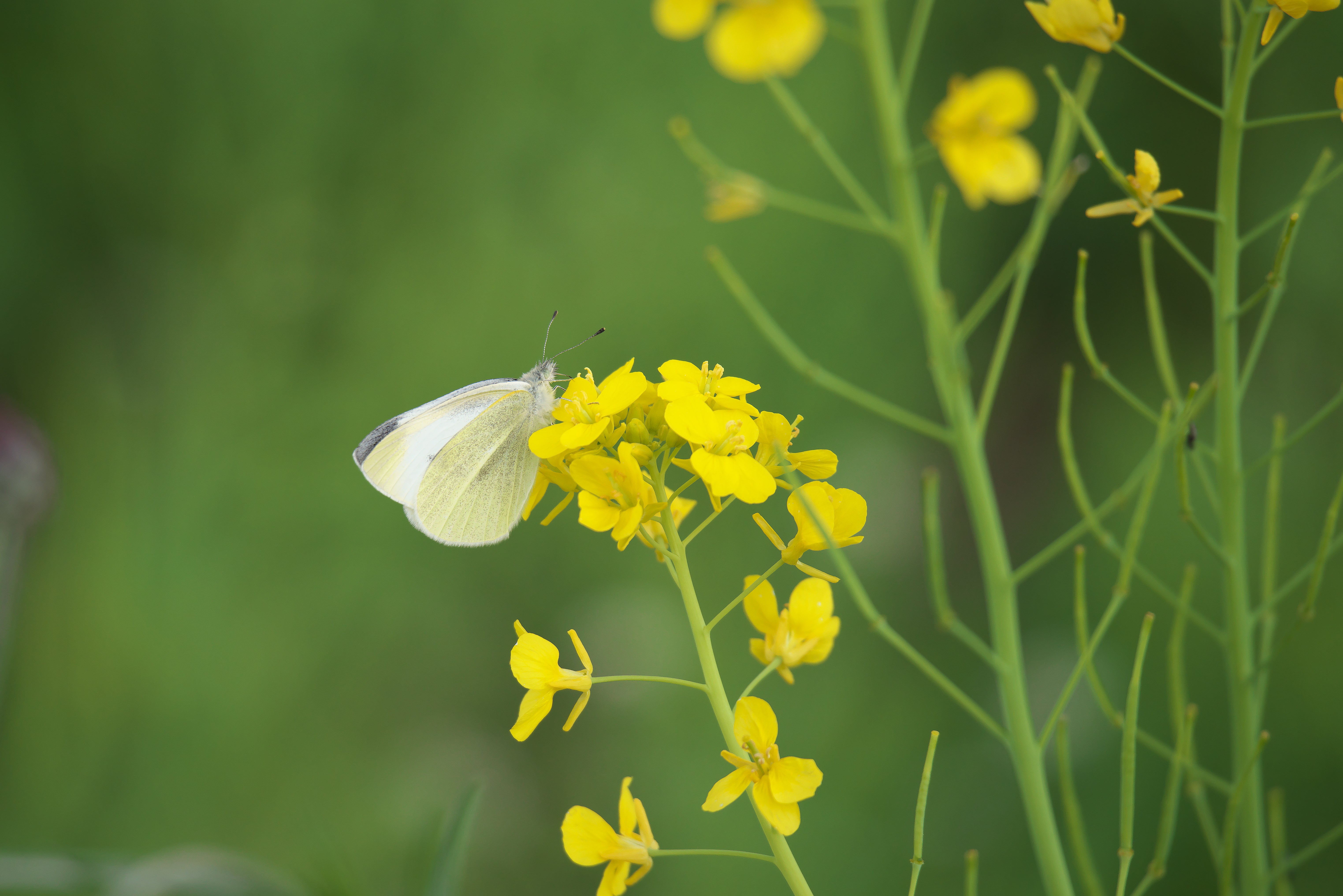
Der Schmetterling ist seit langem eine symbolische Präsenz in Japan und trägt verschiedene Bedeutungsebenen – vor allem Transformation und Metamorphose. Er ist auch tief mit dem Konzept der Vergänglichkeit verbunden, das im Herzen der japanischen Philosophie liegt. Das kurze Leben des Schmetterlings und seine vollständige Verwandlung von der Larve zum geflügelten Wesen dienen als kraftvolle Metapher für die Vergänglichkeit aller Dinge.
In japanischer Kunst, Literatur und Poesie repräsentieren Schmetterlinge Schönheit, Anmut und Raffinesse. Sie sind ein häufiges Motiv im traditionellen Design und erscheinen auf Textilien, Keramik und verschiedenen anderen Kunsthandwerken.
Dieser Celadon-Saucen-Teller beispielsweise zeigt eine charmante Schmetterlingssilhouette. Seine elegante, matte Textur fühlt sich glatt an und verleiht dem Tisch eine ruhige und raffinierte Ausstrahlung.

Uguisu (Japanische Nachtigallen)

Der uguisu, ein kleiner Vogel mit grünem Gefieder, wird in der japanischen Kultur als „Bote des Frühlings" geschätzt. Sein charakteristischer, schöner Gesang ist ein Zeichen neuer Anfänge.
Wenn die Winterkälte nachlässt und das erste Grün sprießt, erklingt die zarte Melodie des Uguisu – ein Klang, der manchmal mit den Tönen einer Koto, einer traditionellen japanischen Zither, verglichen wird. Seit Jahrhunderten halten Dichter und Maler seine reine Form und Stimme fest, um ihre Sehnsucht nach dem Frühling auszudrücken.
Dieses Kakejiku Hängerollbild zeigt einen Uguisu, der auf dem Ast eines Pflaumenbaumsruht – der ersten Blüte des neuen Jahres. Die Paarung von „Pflaume und Nachtigall" gehört zu den beliebtesten Frühlingsmotiven der japanischen Malerei und erfüllt einen Raum mit der stillen Atmosphäre des frühen Frühlings.


Ähnlich zeigt diese Matcha-Schale Pflaumenblüten und einen bezaubernden Uguisu, mit sanftem Pinselstrich dargestellt. Ein kostbares Stück, das Sie die Ankunft der Jahreszeit in Ihren Händen spüren lässt, während Sie Ihren Tee aufschlagen.

Bambussprossen

Die Bambussprosse, oder Takenoko, ist ein untrügliches Zeichen des Frühlings in der japanischen Küche. Da sie mit erstaunlicher Geschwindigkeit wachsen, ist das Zeitfenster, um sie frisch zu genießen, sehr kurz – typischerweise zwischen März und Mai.
Die Sprossen werden geerntet, sobald sie die Oberfläche durchbrechen – oder noch unter der Erde liegen –, wenn sie am zartesten und aromatischsten sind. Da sie an einem einzigen Tag Dutzende Zentimeter wachsen können, ist der Zeitpunkt der Ernte entscheidend. Frische ist von größter Bedeutung; nur die jüngst geernteten Sprossen können roh gegessen werden. Mit der Zeit werden sie bitter und zäh, daher werden sie in der Regel blanchiert, bevor sie in Nimono (geschmorten Gerichten), Tempura oder Reis verwendet werden.
Dieser Essstäbchenhalter ist dem Takenoko nachempfunden und bildet seine Farbe und Textur sorgfältig nach. Seine warme, keramische Haptik dient als reizvoller Akzent für saisonale Bewirtung oder tägliche Mahlzeiten und feiert die flüchtigen Freuden der Frühlingsernte.

Rapsblüten

Jeden Frühling wird die Nanohana (Rapsblüte) zu einem wesentlichen Bestandteil der japanischen Tafel. Die Knospen, kurz vor der Blüte gepflückt, bieten einen angenehm bitteren Geschmack und ein einzigartiges Aroma, das mit der Jahreszeit gleichgesetzt wird. Neben der Zubereitung als Ohitashi (blanchiertes Grün) oder in Pfannengerichten bieten Rapsblütenfeste im ganzen Land ein sinnliches Erlebnis der Frühlingsankunft.
Um die Schönheit dieser Blüten durch Handwerk zu genießen, empfehlen wir die Matcha-Schale Blüte & Goldgelb. Inspiriert von Rapsblüten und Kirschblüten, hebt ihr lebendiges Gelb und sanfter Rosa-Verlauf sofort die Stimmung. Wenn Sie Tee zubereiten, bildet das tiefe Grün des Matcha einen beeindruckenden Kontrast zu den saisonalen Farben der Schale.

Herzerwärmende Frühlingsmotive
Indem Sie Objekte integrieren, die vom japanischen Frühling inspiriert sind, können Sie die einzigartige Kultur und den Geist der Jahreszeit erleben. Neben den hier hervorgehobenen Motiven bietet unsere Frühlingskollektion eine breite Auswahl an Geschirr in saisonalen Designs und Farben. Wir laden Sie ein, diese Stücke zu entdecken und einen Hauch von Frühling in Ihr Zuhause zu bringen.
Stay close to the craft
Now and then, a quiet letter — new stories, seasonal notes, and the hands behind the work.
Frühlingsbote: Die bunte Palette der Frühblüher
Begrüßen Sie den Frühling mit Japans Frühblühern. Entdecken Sie die Schönheit und Bedeutung von…
Alles über Hanami: Kirschblütenfeste unter Sakura
In Japan feiert man traditionell den Frühling mit der Kirschblüte. Entdecken Sie die Geschichte…
Frühlingsfrische: 5 sanfte Wege, um Ihren Wohnraum zu erneuern
Begrüßen Sie den Frühling in Ihrem Zuhause mit fünf einfachen Möglichkeiten, Ihre Räume durch…
Leave a comment