

Japans verborgener Schatz: Wakocha, das einzigartige japanische Schwarz Tee
Lernen Sie japanischen Schwarztee, seine einzigartige Herkunft und Geschmacksvielfalt kennen und besuchen Sie einen Tokioter Spezialitäten-Teesalon.
Japanischer Schwarztee, produziert von Grüntee-Farmern, zieht in Japan zunehmend Aufmerksamkeit auf sich. Der Reiz des japanischen Schwarztees, bekannt als wakocha, liegt in seiner Fähigkeit, die charakteristischen Qualitäten seines Herstellers widerzuspiegeln – ähnlich wie Grüntee selbst.
Um die Faszination des japanischen Schwarztees zu erkunden, besuchte Team Musubi KAGUWA, eines der wenigen spezialisierten Geschäfte für japanischen Schwarztee in Tokyo. Der Teesalon liegt in Kagurazaka, einem lebendigen Viertel nahe Shinjuku, bekannt für seine Michelin-Sterne-Restaurants, ungezwungenen Lokale und Cafés. Erst im vergangenen Herbst eröffnet, ist KAGUWA an Wochenenden bereits ausgebucht – mit trendbewussten jungen Menschen und Paaren mittleren Alters aus der Nachbarschaft. Wir hatten die Gelegenheit, mit dem 28-jährigen Narahara Ryo, dem Inhaber von KAGUWA, über den Reiz des japanischen Schwarztees zu sprechen.

Das Besondere liegt im Single Origin
Viele kennen japanischen Schwarztee möglicherweise nicht. Daher eine kurze Erklärung, was er ist.
Wakocha bezeichnet in Japan produzierten Schwarztee. Er wird von Grüntee-Produzenten in allen 47 Präfekturen des Landes hergestellt – von den nördlichen Tohoku-Präfekturen bis zur südlichen Präfektur Okinawa. Es gibt etwa 1.000 Produzenten, ihre Zahl hat sich in den letzten zehn Jahren verdoppelt.
Der Tee wird hauptsächlich in bekannten Grüntee-Anbaugebieten produziert: Shizuoka in Zentraljapan, die Präfekturen Kagoshima, Miyazaki und Kumamoto. In Japan sind über 130 Grüntee-Sorten registriert, wobei die renommierte Sorte Yabukita einen Anteil von 70 Prozent hält.

Die Anbaumethoden für Grüntee und Schwarztee unterscheiden sich erheblich, ebenso die jeweils geeigneten Düngemittel. Dünger, die für umami-reichen Grüntee verwendet werden, können beispielsweise dazu führen, dass Schwarztee sein Aroma verliert und einen bitteren Geschmack annimmt. Es heißt, der Boden benötige Jahre, um sich von den Auswirkungen dieser Düngemittel zu erholen. Dennoch eignen sich einige Grüntee-Sorten weiterhin für die Schwarztee-Herstellung.
Generell werden Schwarztee-Sorten hauptsächlich in zwei Kategorien eingeteilt: Sorten mit Grüntee-Ursprung und solche mit Schwarztee-Ursprung, ergänzt durch einheimische Sorten und Pfannenröst-Sorten. Repräsentative Schwarztee-Sorten sind Benifuki und Benihomare, während zu den Grüntee-Sorten Yabukita, Sayamakaori, Koshun und andere zählen.
Japanischer Schwarztee besitzt einen charakteristischen Geschmack, der je nach Erntejahr, Anbaugebiet und spezifischer Farm variiert. Bei der Auswahl von japanischem Schwarztee ist es wichtig, über die Sorte und die Herkunft nachzudenken. Dieser Ansatz stellt sicher, dass Sie den japanischen Schwarztee finden, der perfekt zu Ihrem bevorzugten Geschmack und Aroma passt.
Es gibt viele Schwarztee-Aromen – ähnlich wie bei Wein, Kaffee und japanischem Tee. Wie bei diesen anderen Getränken wird Schwarztee für sein terroirgeschätzt, das die natürliche Umgebung bezeichnet, in der der Tee angebaut wird. Viele der verfügbaren Tees sind Single Origin, das heißt, sie stammen von einer einzigen Sorte aus einem einzigen Anbaugebiet.
Teeblätter bieten bemerkenswerte Vielfalt – vom tiefen Umami des Grüntees über die Fülle von Ceylon oder Assam aus Sri Lanka bis zur duftenden Eleganz von Darjeeling und ausgewählten chinesischen Tees. Es ist ein Vergnügen, diese Unterschiede zu erkunden.
Schwarztee-Plantagen sind typischerweise familiengeführt oder kleinbetrieblich, was ihnen ermöglicht, in kleineren Mengen zu produzieren. Infolgedessen sind manche Tees während der Saison sehr schwer zu erwerben, da nur geringe Mengen vertrieben werden. Es gibt auch seltene Teeblätter, die nur auf Vorbestellung erhältlich sind.
Eine 180-jährige Geschichte der Teeherstellung in Japan
Es mag interessant sein zu erfahren, dass Japan zwar erst kürzlich einen deutlichen Anstieg der Beliebtheit von japanischem Schwarztee erlebt hat, tatsächlich aber eine lange Tradition im Export von Schwarztee besitzt.
Die Entwicklung von Schwarztee begann 1875, in der frühen Meiji-Ära (1868–1912). Die Regierung entsandte Beamte des heutigen Ministeriums für Landwirtschaft, Forstwirtschaft und Fischerei nach Indien und China, um die Maschinen und Ausrüstung für die Schwarztee-Verarbeitung zu studieren. 1877 experimentierten die Beamten mit der Schwarztee-Verarbeitung unter Verwendung von Grüntee-Blättern. Gleichzeitig brachten sie Samen aus Indien mit und pflanzten sie an verschiedenen Orten, womit die Versuchsproduktion von Schwarztee nach indischer Art begann. Um 1880 erlebte die Schwarztee-Produktion eine Phase erheblicher Beliebtheit, was zu einem deutlichen Anstieg der Exporte in die Vereinigten Staaten, Australien und andere Länder führte, der bis 1955 anhielt. Nach der Liberalisierung der Schwarztee-Importe im Jahr 1971 erlebte Japan einen Rückgang des Marktanteils und einen Produktionsstopp. Etwa zwanzig Jahre später, 1993, wurde die Produktion mit der Einführung der Schwarztee-Sorte Benifuki wieder aufgenommen.

Die moderne Wiederbelebung des japanischen Schwarztees wird zumindest teilweise auf eine Verschiebung der Verbraucherpräferenz weg vom Grüntee zurückgeführt. Infolgedessen führte dieser Nachfragerückgang bei Grüntee zu einem Preisverfall. Dies veranlasste Grüntee-Farmer, ebenfalls japanischen Schwarztee anzubauen. Eine ausgewählte Anzahl von Farmen spezialisiert sich auf Schwarztee.
Geschmack und Aroma des japanischen Schwarztees
Die Beliebtheit des japanischen Schwarztees hat zur Entstehung von Teesalons geführt, die sich ausschließlich auf diese Sorte konzentrieren. KAGUWA ist eines der wenigen spezialisierten Geschäfte für japanischen Schwarztee in Tokyo.
KAGUWAs Inhaber Narahara teilt seine Leidenschaft für japanischen Schwarztee:
„Ich liebe Tee seit meiner Kindheit. Als ich Student wurde, besuchte ich Teeplantagen in Sri Lanka und verschiedene Teeanbaugebiete in ganz Japan. Einmal trank ich eine Tasse Tee, die mich umgehauen hat. Ich war erstaunt über den natürlichen Duft von Rosen, der die Luft erfüllte, und entdeckte zum ersten Mal, dass man einen Tee mit tiefem, komplexem Aroma allein aus Teeblättern herstellen kann, ohne zusätzliche Aromen hinzuzufügen. Dieser Tee war ein Single-Origin-Japanese-Black-Tea, und er war schlichtweg exquisit. Seitdem möchte ich diese unglaubliche Erfahrung mit allen teilen. Deshalb beschloss ich, ein Fachgeschäft zu eröffnen, das den Charme von Japanese Black Tea hervorhebt."

Während seiner Arbeit erwarb er eine Teemeister-Qualifikation und begann, Japanese-Black-Tea-Blätter zu verkaufen. Er baute stetig eine Grundlage auf und eröffnete im Oktober letzten Jahres einen Teesalon, der wie ein traditioneller japanischer Teeraum gestaltet ist.


Weiße Teekannen und Tassen sind am vorderen Fenster angeordnet, und kleine weiße Schalen sowie Dosen mit Japanese Black Tea stehen auf dem Holzschrank im Inneren des Geschäfts. Die Gestaltung des Ladens ist schlicht und dennoch fesselnd: sieben schlichte Holzstühle und ein weißer Tresentisch in der Mitte verleihen ihm das Gefühl einer Kunstgalerie.


„Es mag wie eine Galerie aussehen, und das ist beabsichtigt", erklärt er. „Wir haben den Raum mit einer minimalistischen Palette gestaltet – hauptsächlich weiß und mit sehr wenigen Dekorationen –, um eine galerieähnliche Atmosphäre zu schaffen. So können sich unsere Gäste vollständig in die Welt des Dufts vertiefen und die subtilen Aromen unserer sorgfältig ausgewählten Japanese Black Teas wahrnehmen. Wir wählen akribisch Blätter aus, die für ihren zarten Duft bekannt sind, damit jede Tasse ihre feinsten Qualitäten offenbart."
Hinter dem Tresen stehend betont Narahara die Bedeutung des Aromas für die Gestaltung der Erfahrung.
Eine einmalige Begegnung mit Teeblättern
Sobald Sie am Tresen Platz genommen haben, können Sie Ihr bevorzugtes Aroma auswählen, indem Sie sanft den zarten Duft der Teeblätter aus der Vitrine mit den 12 an diesem Tag verfügbaren Teesorten einatmen. Die Teeblätter in der Vitrine sind wie folgt angeordnet: Die im oberen Regal haben ein starkes Aroma und Süße, die im unteren Regal haben eine Farbe und einen Geschmack ähnlich wie grüner Tee, und die in der Mitte liegen irgendwo dazwischen. Wir bestellten ein Set aus vier Teesorten zusammen mit traditionellen japanischen Süßigkeiten. Narahara empfahl Teeblätter mit unterschiedlichen Aromen und Farben. Seine Empfehlungen waren die hauseigene Mischung Tsubaki und Saga Fujikaori aus der zweiten Reihe von oben, Fukuoka Yabukita aus der ersten und Shizuoka Musashikaori aus der ersten Reihe von unten.


In dem Moment, als Narahara den Tee leise in die weiße Teetasse goss, wehte ein subtiler Duft durch die Luft.


Tsubaki hat einen rosenähnlichen Duft. Er zeigt eine tiefrote Farbe und einen reichen, vollmundigen Geschmack, der an traditionellen schwarzen Tee erinnert. Fujikaori hat einen süßen blumigen Duft wie Jasmin und einen subtilen Traubenduft und zeigt einen rötlich-orangen Farbton. Yabukita ähnelt eher einem grünen Tee mit einem ausgeprägten Umami- und grasigen Aroma, mehr an grünen Tee als an schwarzen Tee erinnernd. Musashikaori hat einen erfrischenden Waldduft und einen klaren Geschmack.
Alle Sorten außer Tsubaki sind Grüntee-Varietäten. Die Schwarztee-Varietäten sind Benifuki und Benihikari, die wir dieses Mal nicht gewählt haben.


„Die Essenz von Japanese Black Tea liegt, wie wir sie verstehen, in dem exquisiten Aroma, das durch die zarte Fermentation der Teeblätter entsteht. Wir wählen mit Sorgfalt die feinsten Teeblätter aus, die für ihre subtilen und dennoch fesselnden Aromen bekannt sind, und präsentieren sie auf unserer Karte. Es sollte jedoch beachtet werden, dass unsere Auswahl an Teeblättern sich ändern kann, da die Teeblätter, die wir anbieten, in kleinen Mengen von 5 bis 20 kg produziert werden und nur begrenzt verfügbar sind. Jede Begegnung mit einem Teeblatt ist eine einmalige Erfahrung."
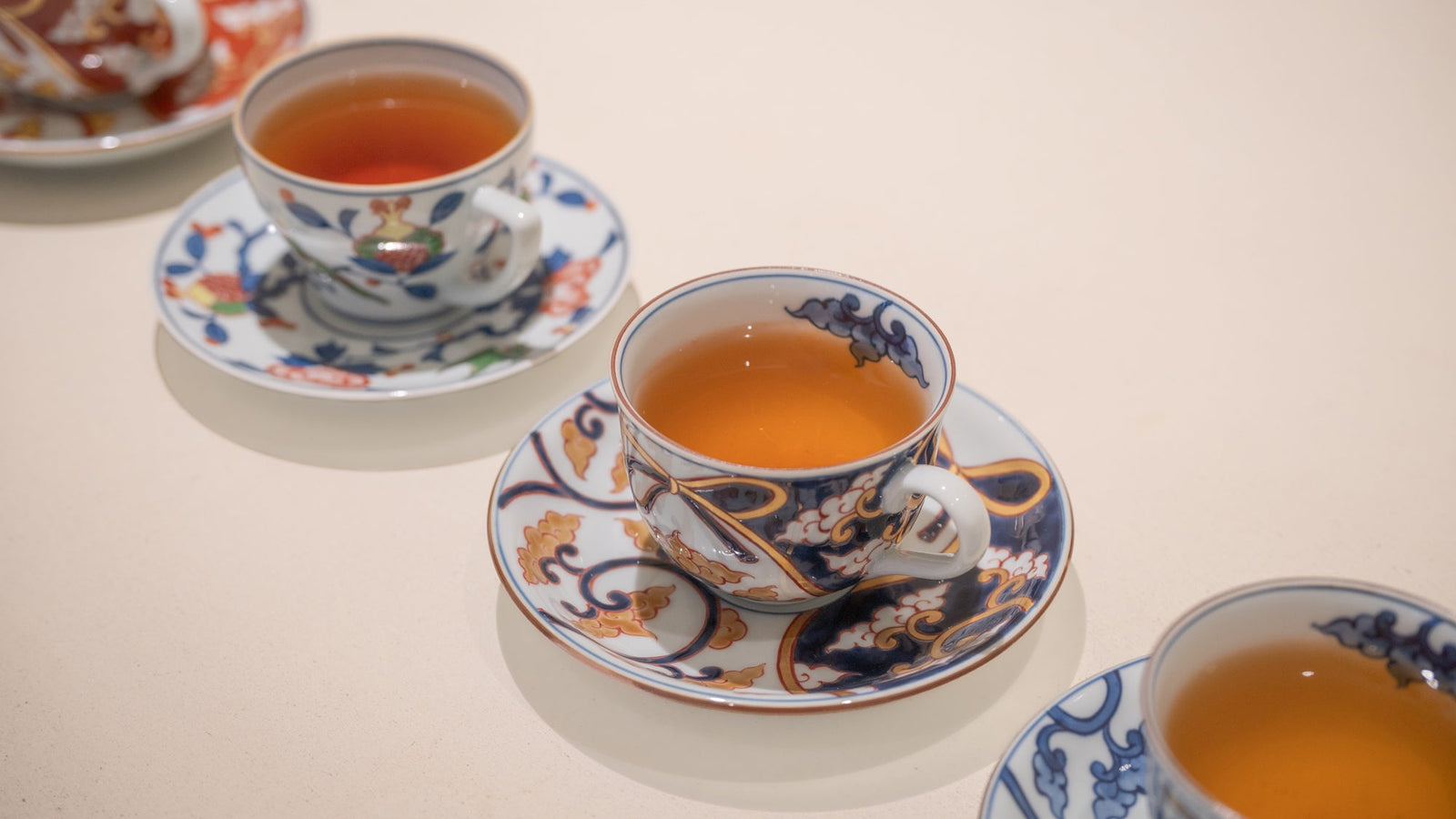
Wir waren erfreut zu entdecken, dass sich die vier Tees, die wir verkosteten, nicht nur im Aroma, sondern auch in Geschmack, Körper und Farbe unterschieden, obwohl sie alle aus ganzen Blättern bestehen und in der Form ähnlich aussehen. Jeder Tee wurde in Tassen und Untertassen serviert, die von Gen-emon Kilngefertigt und von Team Musubi mitgebracht wurden. Die Farbe des Tees spiegelte sich wunderschön gegen das weiße Porzellan-Innere wider, verstärkte sein lebendiges Aroma und schuf eine anmutige Atmosphäre.

„Das Klima der Anbauregion, die Sorte der Teeblätter und die Individualität des Herstellers können alle die Qualität des Tees beeinflussen und sicherstellen, dass jede Tasse eine einzigartige Erfahrung ist. Die meisten britischen Schwarztee-Mischungen basieren stark auf Assam-Varietäten, die einen reichen Geschmack und Adstringenz haben. Im Gegensatz dazu wird Japanese Black Tea aus einer breiten Palette von Kultivaren hergestellt, darunter nicht nur Assam-Varietäten, sondern auch Grüntee-Varietäten und einheimische Arten. Jeder Hersteller hat seine eigenen einzigartigen Techniken, sodass die Kombination dieser Elemente das einzigartige Aroma, die Farbe, den Geschmack und den Körper der Farm schafft. Das ist der Reiz von Japanese Black Tea."
Japanese Black Tea hat weltweite Anerkennung erlangt
Es ist auch erwähnenswert, dass Japanese Black Tea weltweit Aufmerksamkeit erregt hat. Im Jahr 2022 gewannen zwei japanische Teeplantagen den Hauptpreis und einen Sonderpreis bei The Leafies International Tea Awards, einer globalen Teeverkostungsveranstaltung, die von der British Tea Academy ausgerichtet wird. Diese Entwicklung hat führende europäische Marken wie Fortnum & Mason in Großbritannien, Mariage Frères in Frankreich und Ronnefeldt in Deutschland dazu veranlasst, Japanese Black Tea anzubieten.
Die hauseigene Mischung Tsubaki gewann den Gold Award in der Blend Category für Einzelhändler bei The Leafies 2025 und übertraf dabei mehrere alteingesessene internationale Marken.

„Im Vorjahr konnte ich das gewünschte Ergebnis nicht erreichen, also verbrachte ich letztes Jahr ein Jahr damit, nach dem Aroma und Geschmack zu suchen, den ich ausdrücken wollte."
Diese Teemischung wird nur im Salon serviert.
Genießen Sie eine Tasse Tee in Ihrer Lieblingsteekanne und -tasse
Die Teekannen und Teetassen im Salon sind aus weißem Porzellan, hauptsächlich Kutani-Ware aus Naraharas Sammlung, und er hat sie gewählt, um die lebendige rote Farbe des Tees hervorzuheben.

„Ich denke, ein weißes Geschirr bringt die Farbe des Tees direkt zur Geltung, aber zu Hause können Sie jedes beliebige Teeservice verwenden, ob aus Keramik oder Glas. Wenn wir Tee zubereiten, verwenden wir 2 bis 2,5 g (etwa 1 TL) Teeblätter pro 130 ml kochendem Wasser bei 100 °C, um einen köstlichen, aromatischen Tee zuzubereiten."
Beim Kauf der Teeblätter finden Sie auf der Rückseite der Verpackung Zubereitungshinweise als Orientierung.
Duft durch japanische Farben ausdrücken
Obwohl KAGUWA erst kürzlich eröffnet hat, zieht es bereits über 300 Besucher pro Monat an, die die Ruhe des Salons genießen, während sie in aller Ruhe das Pairing von vier oder zwei Teesorten mit japanischen Süßigkeiten kosten.
Die saisonalen japanischen Süßigkeiten, die zum Schwarztee serviert werden, sind ebenfalls köstlich, da sie von Fachgeschäften in Kyoto und Fukuoka stammen, die Süßigkeiten speziell für die Teezeremonie herstellen. Der Geschmack des Schwarztees und die Süße der japanischen Süßigkeiten ergänzen sich perfekt. Es war eine unerwartete Entdeckung, dass die saisonalen japanischen Süßigkeiten gut zu Schwarztee passen, ähnlich wie matcha und sencha Grüntee.


Der Salon bietet eine Auswahl von 19 Teesorten. Die Namen der Teeblätter leiten sich von traditionellen japanischen Farben ab. Zum Beispiel Usuzakura, das sich auf die blasse Farbe der Kirschblüten bezieht, ist eine Grünteesorte mit einem Duft, der an gesalzene Kirschblütenblätter erinnert, und einem zarten, subtilen Blütenaroma. Sie wird in einem eigenen Teegarten in der westlichen Präfektur Ibaraki angebaut, wo das Terroir ihr einen unverwechselbaren Charakter verleiht. Benifuki, eine Schwarzteesorte aus einer führenden Teeanbauregion der Präfektur Shizuoka, trägt den Namen Momozome für ihr mildes Aroma und ihren süßen Geschmack, der an reife Pfirsichfrüchte erinnert.
„Es ist schwierig, den Geschmack allein durch den Namen der Sorte, den Herkunftsort oder die Beschreibung zu vermitteln. Um unseren geschätzten Kunden zu helfen, sich intuitiv an die Aromen und Eindrücke zu erinnern, haben wir uns für Farbnamen entschieden. Wir haben den Tee nicht nach seinem Aroma benannt, um das Missverständnis zu vermeiden, dass Aromen hinzugefügt wurden. Wir glauben, dass unsere Kunden Freude daran finden werden, sich den Geschmack der Teeblätter durch die Farben vorzustellen."

Wenn Sie daran interessiert sind, die reichen Aromen und Nuancen des japanischen Schwarztees zu erleben, könnte dieser Salon einen Besuch wert sein. Eine Tasse Tee in dieser ruhigen Umgebung wird Sie beruhigen. Sie werden das Erlebnis so sehr genießen, dass die Zeit stillzustehen scheint. Es gibt keine Uhren im Salon, was die Besucher ermutigt, das Zeitgefühl zu verlieren. Der Raum hat die Atmosphäre einer traditionellen japanischen Teezeremonie, bei der die Gäste ermutigt werden, Ablenkungen beiseite zu legen und sich auf eine meditative Erfahrung mit dem Tee einzulassen. Bei KAGUWA liegt der Fokus rein auf dem Tee – schlicht und ungeschmückt.
Wenn Sie die charmanten Straßen von Kagurazaka erkunden, besuchen Sie diesen Spezialsalon, der sich dem japanischen Schwarztee widmet.

Stay close to the craft
Now and then, a quiet letter — new stories, seasonal notes, and the hands behind the work.

Japanisch entdecken Grün Tee in Aozuru-chaho
Besuchen Sie das Aozuru Tea House in Tokio und erfahren Sie mehr über Sencha…
Nakazawa Hiroko
Entdecken Sie japanischen Gin aus der Fukagawa-Destillerie
Entdecken Sie die Fukagawa Distillery, einen in Tokio ansässigen Gin-Hersteller, der wissenschaftliche Glaskunst, japanische…
Nakazawa Hiroko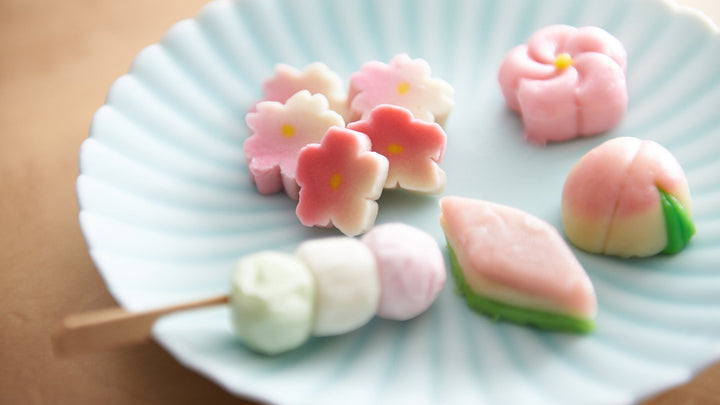
Wo Edos Aromen verweilen: Ein Besuch bei Kakuyama Honten in Tsukiji
Werfen Sie einen Blick in eine Tsukiji-Werkstatt und sehen Sie, wie Fu im Edo-Stil…
Leave a comment