

Kintsugi-Reparatur-Erlebnis: Die Bedeutung hinter der goldenen Restaurierung
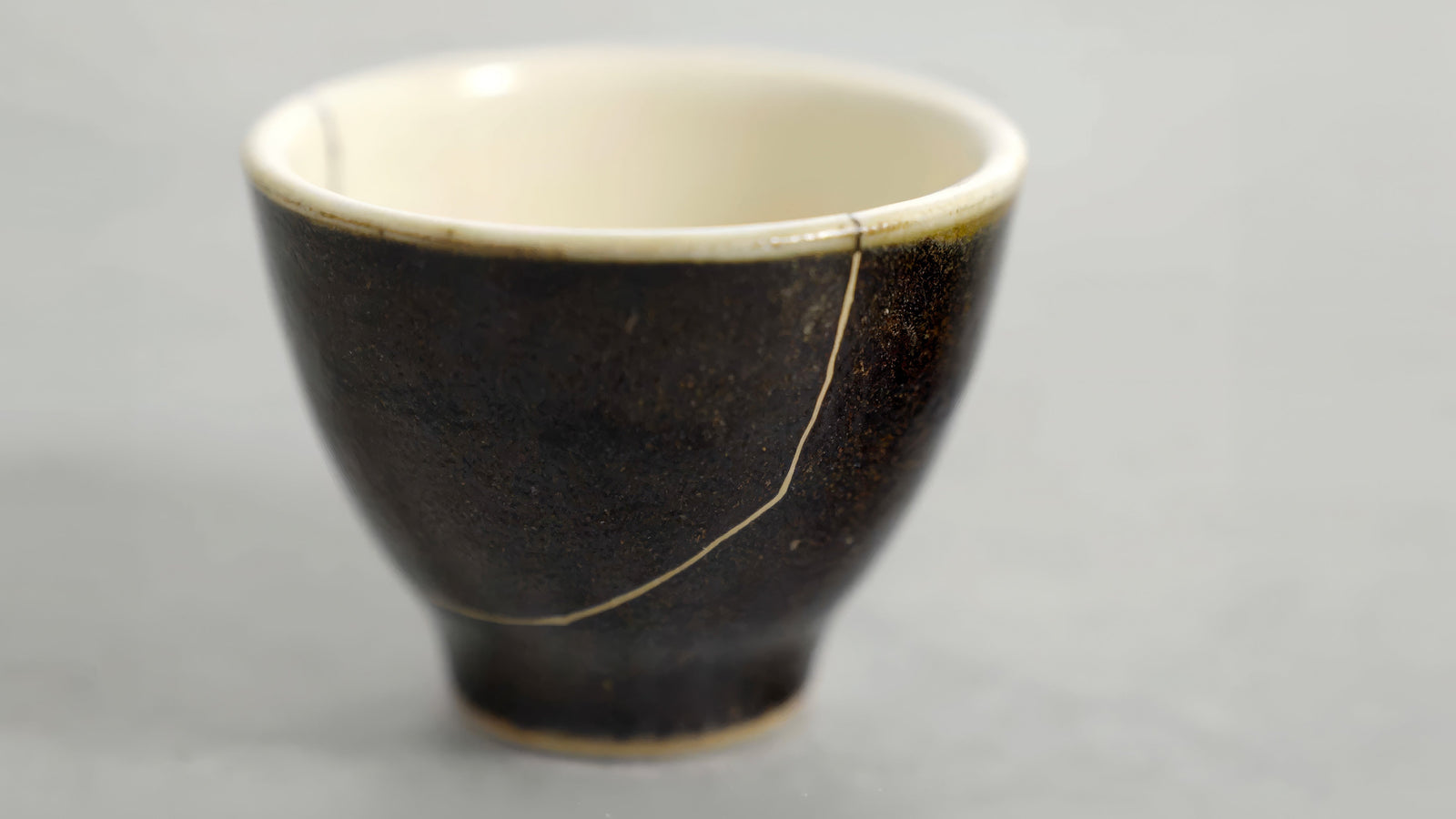
Kintsugi wird oft als schönes Handwerk vorgestellt, doch in der Praxis beginnt es mit etwas sehr Gewöhnlichem: einer Schale, die heruntergefallen ist, einer Tasse, die einen Riss bekommen hat, einem zerbrochenen Stück, das man zögert wegzuwerfen, weil es noch eine Erinnerung trägt. Bei dieser Reparaturerfahrung geht es nicht darum, den Bruch auszulöschen – es geht darum, ihm zu begegnen und zu überlegen, was daraus werden könnte.

Dieses Kintsugi MUSUBI Craft Kit und die Erfahrung wurden betreut von Matsumoto Kota, Vertreter von Sanuki Urushi Sinra, einer Lackwerkstatt, die tief in den Traditionen der japanischen Präfektur Kagawa verwurzelt ist. Sinra arbeitet mit Techniken, die seit der Edo-Zeit (1603–1868 n. Chr.) weitergegeben werden, verwendet lokal gewonnene Materialien und regionale Methoden und interpretiert Lackwaren in Formen neu, die mit dem zeitgenössischen Leben in Resonanz stehen. Seit mehr als zwanzig Jahren widmet sich Matsumoto der Praxis des urushi-Handwerks und begegnet Reparatur und Schöpfung mit derselben Sorgfalt.


In diesem Artikel betrachten wir genauer, wie Matsumoto über kintsugi denkt – was er im Akt der Reparatur schätzt und was die Praxis selbst offenbaren kann. Indem wir die Ideen verstehen, hoffen wir, dass die Erfahrung von kintsugi mehr wird als eine Frage der Technik. Stattdessen kann sie sich als ruhigerer, persönlicherer Prozess entfalten, der es jedem ermöglicht, sich auf eine Weise mit Reparatur zu beschäftigen, die sich durchdacht, bewusst und eigen anfühlt.
Das Gefäß vor dem Gold
Vor dem Gold. Vor der Technik. Vor der Reparatur. Ein Gefäß ist nicht nur wegen seines Preises oder seiner Seltenheit von Bedeutung, sondern wegen der Zeit, die es trägt. Es wurde von vertrauten Händen gehoben, auf gewöhnliche Tische gestellt und mit alltäglichen Mahlzeiten gefüllt. Es hat die Wärme von Tee aufgenommen, das Gewicht von Reis und den Rhythmus des täglichen Lebens. Über Jahre der Nutzung sammelt es Erinnerung. Was einer Schale ihren Wert verleiht, ist nicht, was sie kostet, sondern was sie gehalten hat.
In Japan ist diese Art, Objekte zu verstehen, tief verwurzelt. Tassen, Teller und Teeschalen sind keine neutralen Werkzeuge. Sie nehmen am Leben teil. Sie altern neben ihren Besitzern. Kratzer und Flecken werden zu Aufzeichnungen gemeinsamer Zeit. Selbst der kleinste Absplitterung kann an einen bestimmten Morgen erinnern, an einen Gast, der einst zu Besuch war, an eine Jahreszeit, die bereits vergangen ist. Diese Sensibilität steht in scharfem Kontrast zur zeitgenössischen Konsumkultur, in der Nützlichkeit oft in Neuheit und Geschwindigkeit gemessen wird. Wo wir ersetzen statt reparieren, aufrüsten statt behalten. Wenn etwas zerbricht, nehmen wir an, dass seine Geschichte geendet hat. Doch im traditionellen japanischen Denken signalisiert Beschädigung nicht automatisch Versagen. Vielmehr ist Abnutzung der Beweis einer Beziehung. Ein Gefäß, das Gebrauchsspuren zeigt, hat in gewissem Sinne seine Rolle erfüllt.

Diese Perspektive wird besonders sichtbar in der Welt des Tees. Jahrhundertelang schätzten Teepraktiker Schalen mit unebenen Rändern, verzogenen Profilen und unregelmäßigen Glasuren. Dies waren keine Fehler, die korrigiert werden mussten, sondern Qualitäten, über die man nachdenken sollte. Die Philosophie, die später als wabi sabiartikuliert wurde – eine Wertschätzung von Vergänglichkeit, Asymmetrie und Unvollständigkeit – entstand nicht als abstrakte Theorie, sondern durch intime Begegnungen mit alltäglichen Objekten. Schönheit war nichts, das von außen auferlegt wurde. Sie wurde durch Zeit entdeckt. In dieser kulturellen Atmosphäre schlug kintsugi Wurzeln.

Die meisten historischen Berichte führen die Praxis auf das späte fünfzehnte Jahrhundert zurück, als zerbrochene Teeutensilien begannen, mit Lack und pulverisiertem Metall repariert zu werden, anstatt weggeworfen zu werden. Risse wurden nachgezeichnet, nicht ausgelöscht. Verlust wurde anerkannt, nicht geleugnet. Die Reparatur wurde Teil der Geschichte des Objekts. Doch kintsugi war nie nur eine technische Lösung. Es spiegelte eine tiefere Haltung gegenüber Veränderung wider. Anstatt zu versuchen, Objekte in einen makellosen Zustand zurückzuversetzen, erlaubte es ihnen, sich zu entwickeln. Der Bruch wurde nicht als Abweichung von der ursprünglichen Form behandelt, sondern als neues Kapitel in seinem Leben.
Jenseits der Reparatur: Eine neue Perspektive
Heute wird kintsugi im Ausland oft als Metapher für Widerstandsfähigkeit oder emotionale Heilung romantisiert. Was leicht übersehen wird, ist, dass kintsugi mit etwas sehr Gewöhnlichem beginnt: einer zerbrochenen Schale auf einem Küchenboden. An diesem Moment ist nichts Symbolisches.


Der kulturelle und technische Betreuer des Kintsugi MUSUBI Craft Kit, Matsumoto Kota, wurde 2022 offiziell als Meister des traditionellen Handwerks von der Präfektur Kagawa anerkannt. Ein kintsugi-Künstler, dessen Arbeit fließend zwischen Handwerk und zeitgenössischer Kunst wechselt, hat Matsumoto über zwei Jahrzehnte lang unbeirrt die Kunst der Lackwaren verfolgt. In dem Moment, in dem ein Gefäß zerbricht, erklärt Matsumoto, werden wir mit einer einfachen Wahl konfrontiert: es wegwerfen oder behalten. Für ihn ist diese Entscheidung der Punkt, an dem alles beginnt. Das moderne Leben tendiert dazu, Ersatz zu bevorzugen, was schneller, billiger ist und keine Reflexion erfordert, doch kintsugi führt eine dritte Möglichkeit ein. Indem die Reparatur sichtbar bleibt – indem bewusst Linien über die Beschädigung gezogen werden – wird das Gefäß zu etwas Neuem. Es ist nicht mehr nur repariert. Es trägt eine verwandelte Landschaft.

Matsumoto sieht kintsugi nicht als Wiederherstellung von Objekten in ihren früheren Zustand. Er sieht seine Rolle darin, Beziehungen wiederzueröffnen. Ein repariertes Gefäß kehrt nicht in die Vergangenheit zurück; es bewegt sich vorwärts. Selbst wenn zwei Stücke auf ähnliche Weise zerbrechen, sind die Ergebnisse nie gleich. Die endgültige Form hängt vollständig vom Urteil des Restaurators ab – davon, wie er den Bruch liest, wie er Zurückhaltung mit Ausdruck ausbalanciert, wie er entscheidet, was betont werden sollte und was zurücktreten sollte.

Linien, Urteil und die Form der Aufmerksamkeit
Bevor auch nur eine einzige Reparatur versucht wird, gibt es eine lange, bewusste Phase des Betrachtens, und Matsumoto nähert sich diesem Stadium ohne Eile. Er studiert jedes Gefäß in Stille, verfolgt die Wege der Risse mit den Augen statt mit den Händen, beobachtet, wie Fragmente zueinander in Beziehung stehen, bemerkt, wo sich Spannung aufbaut und wo die Form von selbst zur Ruhe kommen möchte. Was zunächst als zufälliger Schaden erscheint, offenbart allmählich seine eigene innere Logik, denn jeder Bruch trägt einen einzigartigen Rhythmus: Manche Risse bewegen sich entschieden über die Oberfläche, während andere zögern und sich verzweigen; manche wirken abrupt, fast gewaltsam, während andere sich langsam entfalten, wie sich verzweigende Adern. Diese feinen Unterschiede sind entscheidend, sie leiten die Richtung und den Charakter der späteren Reparatur, und für Matsumoto ist dieses erste Lesen keine bloße Vorbereitung – es ist bereits integraler Bestandteil des schöpferischen Prozesses, ein Stadium, in dem das Werk selbst zu sprechen beginnt.


Es ist ein verbreitetes Missverständnis, dass die Risse selbst das Ergebnis bestimmen, doch in Wirklichkeit liefern sie lediglich das Rohmaterial. Was ein zerbrochenes Gefäß verwandelt, ist nicht der Schaden, den es erlitten hat, sondern wie er interpretiert wird. Hier tritt das Urteilsvermögen in die Arbeit ein. Manchmal folgt Matsumoto dem Bruch präzise, ehrt jede Kurve und Unterbrechung, während er zu anderen Zeiten einen komplexen Bruch in ruhigere Gesten vereinfacht, Chaos in Kohärenz umordnet, eine Ansammlung kleiner Scherben in eine einzige durchgehende Linie verwandelt oder eine gezackte Kante in eine Kurve mildert. Diese Entscheidungen prägen, wie das Gefäß wahrgenommen wird, wie es den Raum einnimmt und wie es dem Auge des Betrachters begegnet. Kintsugi bedeutet aus seiner Sicht nicht, wiederherzustellen, was verloren ging – es bedeutet, zu komponieren, was bleibt, und jedes Stück verlangt eine Antwort, die einzigartig, bewusst und eng mit der Sensibilität des Restaurators verbunden ist.
Selbst die Entscheidung, ob die Reparatur sich selbstbewusst behaupten oder zurückhaltend bleiben soll, ob der Bruch zum Blickpunkt werden oder sanft in der Oberfläche aufgehen soll, trägt Gewicht. Die Wahl der Materialien – Gold, Silber, roter Lack oder schwarzer Lack – ist ebenso bedeutsam, denn jedes Medium vermittelt eine eigene Präsenz und emotionale Register: Gold behauptet sich, Schwarz zieht sich zurück, Rot trägt Wärme, und Silber reflektiert seine Umgebung, verschiebt sich subtil mit dem Licht. Diese Entscheidungen sind nicht bloß dekorativ; sie tragen zur entstehenden Identität des Gefäßes bei. Matsumoto bevorzugt Zurückhaltung und Einfachheit, nicht als ästhetischen Trend, sondern als Mittel, der Form Raum zum Atmen zu geben, und innerhalb der Präzision seiner Linien führen subtile Variationen, leichte Verschiebungen in der Stärke und sanfte Richtungswechsel Bewegung ein und erinnern den Betrachter daran, dass eine menschliche Hand präsent ist, die jede Entscheidung leitet.


Das reparierte Gefäß wird am Ende zu einer Komposition, einem Zeugnis von Geduld und Präsenz. Kintsugi lässt sich nicht beschleunigen: Lack härtet langsam aus, Schichten werden allmählich aufgebaut, und zwischen jeder Phase gibt es Wartezeiten; doch selbst während dieser Pausen bleibt Matsumoto aufmerksam, kehrt wiederholt zurück, um neu zu bewerten, zu verfeinern und dem Gefäß zuzuhören. Die Arbeit entwickelt sich durch Zyklen von Handlung und Stille. Momente tiefer Konzentration, wenn die Atmung sich verlangsamt und die Aufmerksamkeit sich auf die Spitze des Pinsels verengt, verlangen vollständige Präsenz, eine Art von Aufmerksamkeit, die im zeitgenössischen Leben zunehmend selten wird. Jede Geste ist bewusst, und jede Entscheidung hinterlässt eine bleibende Spur.
Durch Matsumotos Praxis sehen wir, dass Reparatur eine Begegnung, eine Verwandlung und eine Form des Ausdrucks ist. Jede Linie, jede subtile Kurve, jede bewusste Pause im Prozess spricht von Aufmerksamkeit, Sorgfalt und Präsenz.
Kintsugi bedeutet also nicht einfach, zu reparieren, was zerbrochen ist. Es bedeutet, es zu ehren, zu formen und ihm zu erlauben, seine Geschichte neu zu erzählen – eine Geschichte, die zugleich persönlich, kulturell und zeitlos ist.
Gestalten Sie das nächste Kapitel Ihres eigenen Gefäßes mit dem Kintsugi MUSUBI Craft Kit und entdecken Sie eine langsamere, achtsamere Art, mit den Händen zu arbeiten.
Stay close to the craft
Now and then, a quiet letter — new stories, seasonal notes, and the hands behind the work.
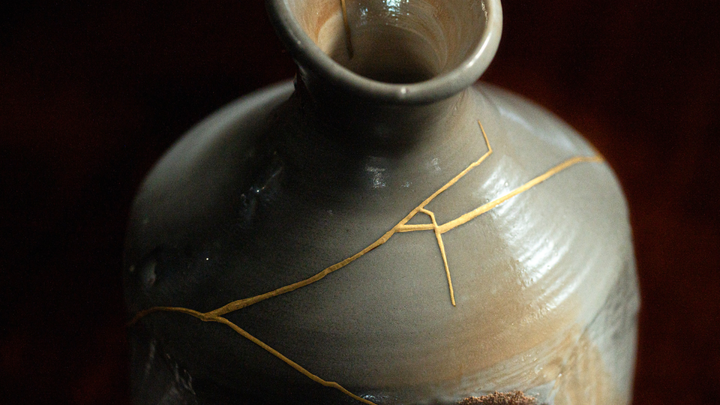
Was ist Kintsugi? Ein Leitfaden zu Japans Kunst des Kintsugi Gold Reparieren
Lernen Sie Kintsugi kennen, die japanische Kunst der Goldreparatur, von ihren Ursprüngen bis hin…
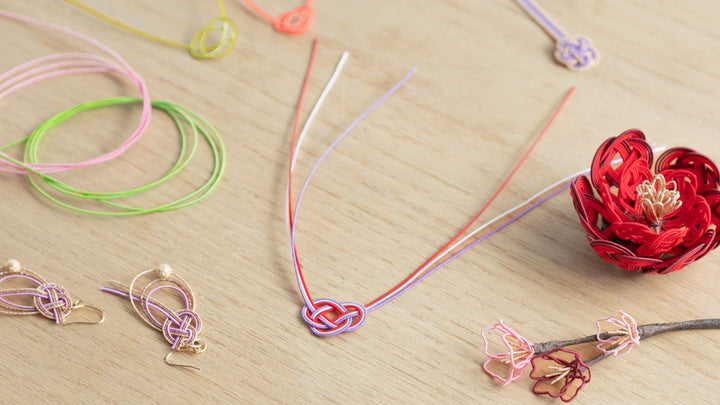
Mizuhiki-Erlebnis: Die Entstehung wunderschöner japanischer Knotenkunst
Lerne, wie man Mizuhiki bindet, die japanische Kunst des dekorativen Knotenbindens, und wie du…

Die japanische Welt von Gold
Hier stellen wir Ihnen die Bedeutung von Gold in Japan vor und zeigen Ihnen…
Leave a comment