

Achtsame Momente: Ruhe schaffen mit den fünf Sinnen
Erleben Sie die wohltuende Wirkung japanischer Tischkultur, Räucherstäbchen und Dekorationen, die Ruhe in Ihren Alltag bringen.
In dieser hektischen, mobilen Welt kann es schwerfallen, einen Moment für sich selbst zu finden. Doch wenn alles zu viel wird, können wir die Bildschirme beiseitelegen und zur tröstlichen Umarmung unserer fünf Sinne zurückkehren.
Für Anregungen, wie Sie eine ruhige und achtsame Umgebung gestalten, in die Sie immer wieder gern zurückkehren, vertrauen Sie auf die bodenständige Echtheit japanischen Handwerks. Japanische Kunstfertigkeit hat über Jahrhunderte Formen und Materialien verfeinert, um taktile, auditive und geschmackliche Erfahrungen zu intensivieren. Da echte Handwerker an jeder Kreation beteiligt sind, erwacht unsere Verbindung zu anderen Menschen – ob nah oder auf einem anderen Kontinent – im Gefühl von Ton, im Geschmack von Tee und im Duft von Räucherwerk.
Erfahren Sie, wie Sie Ihre Sinne – Hören, Sehen, Riechen, Tasten und Schmecken – einsetzen, um einen besonderen Moment der Ruhe zu schaffen.
Verankern Sie sich im gegenwärtigen Moment
Beginnen Sie mit einer kurzen Übung, um sich wieder mit Ihrem Körper und dem gegenwärtigen Moment zu verbinden.
Es gibt viele Wege, sich zu verankern, viele inspiriert von Zen-Tradition und Achtsamkeit. Einer der einfachsten Wege für viele Menschen ist, einige volle, tiefe Atemzüge zu nehmen. Besonders wenn wir gestresst sind, wird unsere Atmung flach und bleibt im oberen Brustbereich hängen. Um dem entgegenzuwirken, atmen Sie durch die Nase ein und lassen Sie Ihren Bauch sich heben. Lassen Sie die Luft Ihre Lungen vollständig füllen. Beim Ausatmen atmen Sie langsam und kontrolliert durch den Mund aus.
Versuchen Sie drei Atemzüge. Wo spüren Sie Ihren Atem am stärksten? Fühlen Sie kühle oder warme Luft um Ihre Nase? Oder spüren Sie die Luft mehr in Ihrem Bauch? Eine wertfreie Neugier kann Ihnen helfen, sanft zu Ihrem Körper zurückzukehren.

Nicht jeder empfindet die Wahrnehmung des Atems als beruhigend. Falls das auf Sie zutrifft, keine Sorge. Eine andere Möglichkeit, sich zu verbinden, ist, eine Hand auf Ihre Brust zu legen und Ihren Herzschlag zu spüren. Konzentrieren Sie sich sanft, bis Sie den Rhythmus fühlen. Bleiben Sie hier für mehrere Schläge, vielleicht für die Länge einiger Atemzüge oder bis zehn. Lassen Sie Ihr Herz Sie willkommen heißen.
Und falls eine dieser oder der folgenden Übungen Sie gestresster macht, zögern Sie nicht, sie zu überspringen! Tun Sie einfach, was für Sie funktioniert, und lassen Sie den Rest.
Hören: Erfrischende Windspiele
Nun zum ersten Element unseres beruhigenden Moments: Klang.
Was können Sie in Ihrer Umgebung hören? Vielleicht das Auf und Ab von Stimmen in einem anderen Raum? Verkehr vor dem Fenster? Grillen, Frösche oder Vogelgesang?
Verweilen Sie kurz bei jedem Geräusch. Es ist üblich, die Geräusche in unserer Umgebung auszublenden. Aber wie klingt jedes wirklich? Ist es leise oder laut, hoch oder tief, nah oder fern? Welche Qualität hat der Klang? Können Sie etwas Neues daran bemerken oder an der Art, wie Sie es hören?
Sie können Ihrer Umgebung auch einen angenehmen Klang hinzufügen. Wir haben ein traditionelles Windspiel ausprobiert. In Japan werden die Klänge von Windspielen für ihre beruhigenden Töne geschätzt, von denen man sagt, sie vermitteln im Sommer ein Gefühl von Kühle.

Eine sanfte Brise bewegt die washi -Papierschnur des Medaka Rice Fish Wind Chimeund lässt den Klöppel die Porzellanglocke mit einem klaren, hellen Ton anschlagen. Er ist für einen Moment hell und hoch. Dann verklingt die Note anmutig in der Luft und hinterlässt resonante Wellen. Das Wirbeln des washi-Papiers bringt eine kurze Symphonie von Tönen hervor, hell mit schnellem Verklingen. Wie mag es klingen, wenn es auf einer Veranda oder einem Balkon hängt und im Wind schwingt?
Sehen: Blumen in einer Vase, die wiederholtes Betrachten belohnt
Für das Sehen können Sie alles um sich herum wählen, aber versuchen Sie, es genau oder auf neue Weise zu betrachten. Etwas Schönes oder Angenehmes anzusehen, wie eine Vase, kann für diesen Zweck besonders lohnend sein.
Wir haben es mit der Ginsai Crane Round Japanese Flower Vase 6.9 INversucht. Die Dekorationen aus Gold- und Silberblatt fangen das Licht bei jeder Bewegung anders ein. Bei näherem Hinsehen sind die scharf definierten Umrisse der Kraniche so detailliert – es ist ehrfurchtgebietend, dass diese schlanken Formen in etwas so Zartem wie Goldblatt entstehen können. Neue Details tauchen weiter auf: das Lichtspiel über Glasurrissen, die sanfte Abstufung von Blau zu Weiß.
Welche neuen Dinge könnten Sie an dem bemerken, was Sie umgibt?

Riechen: Tief fokussieren mit organischem Räucherwerk
Als Nächstes atmen Sie durch die Nase ein und nehmen wahr, was Sie riechen. Der Geruchssinn kann überraschend sein. Selbst wenn Sie denken, Sie riechen nichts, könnte etwas Subtiles da sein: der Stoff Ihres Stuhls, das Holz einer Kommode auf der anderen Seite des Raums, ein leichter Duft in der Luft.
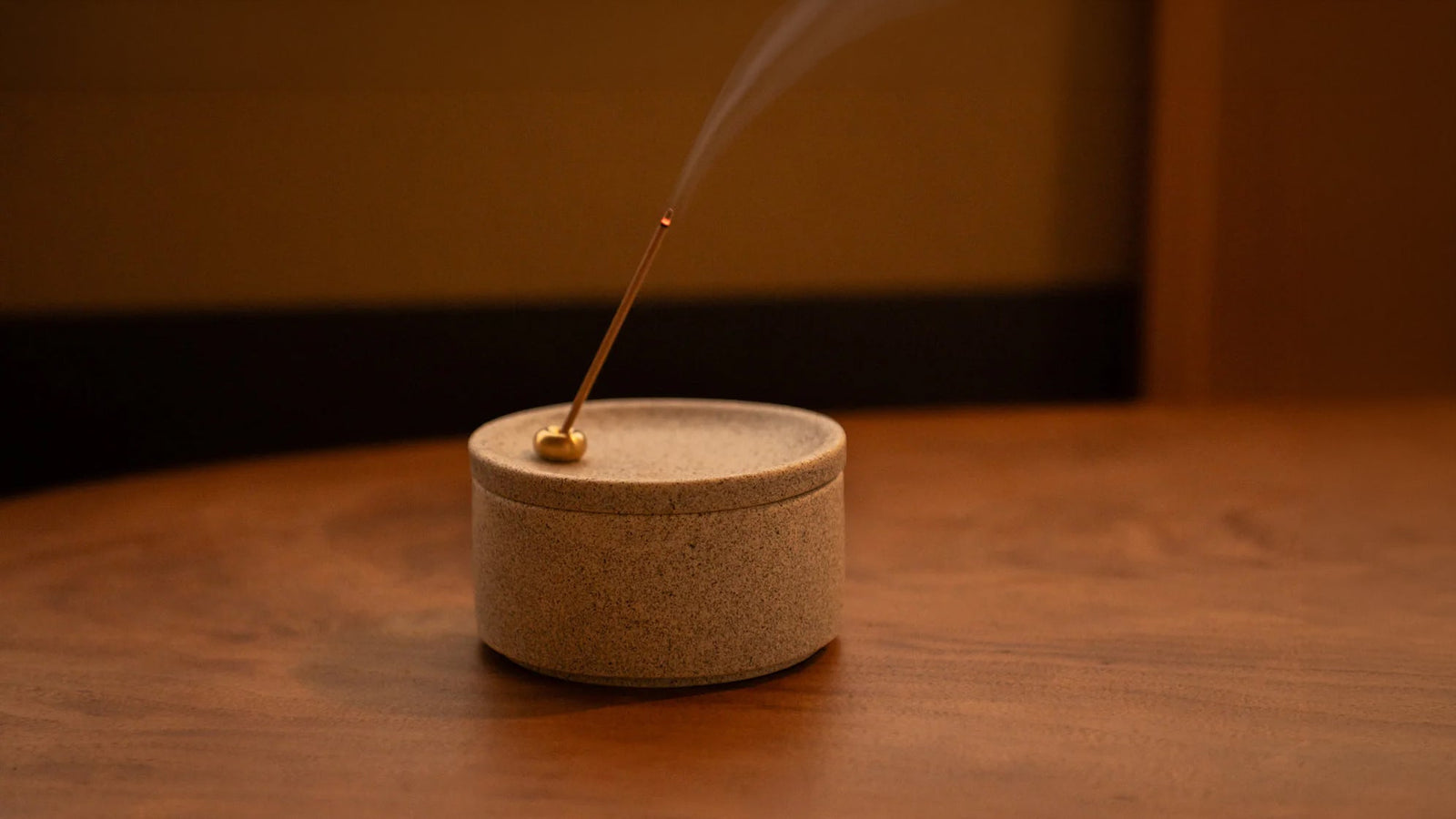
Um diese Erfahrung zu intensivieren, warum nicht organisches japanisches Räucherwerk probieren? Wir haben ein Stäbchen des "ma" Calm Organic Incense angezündet und den Duft sanft durch den Raum ziehen lassen.

Die Calm-Räucherstäbchen enthalten Patchouli-Öl. Welche Noten können Sie identifizieren? Wie verändert sich der Duft, wenn Sie das Räucherwerk zuerst anzünden, im Vergleich zu dem Moment, wenn das Stäbchen nach etwa fünfzehn Minuten fast heruntergebrannt ist? Verändert sich der Duft des Raums, während sich der Rauch ausbreitet? Gibt es etwas Überraschendes daran, wie er sich mit anderen Umgebungsdüften mischt?
Dies ist eine Gelegenheit zum Experimentieren – vielleicht versuchen Sie eine duftbasierte Meditation – indem Sie sich in Ihren Geruchssinn vertiefen und wirklich wahrnehmen, was Sie empfinden.

Tasten: Ertasten Sie Ihren Weg mit Essstäbchen
Die durch Berührung empfundenen Empfindungen sind eine breite Kategorie. Zum Beispiel sind das Streifen von Kleidung an Ihrer Haut, das Gefühl des Bodens unter Ihren Füßen oder sogar die Wärme oder Kühle der Luft auf Ihrem Gesicht alles Erfahrungen durch den Tastsinn. Nehmen Sie wahr, was Sie gerade fühlen.
Sie können sich auch auf die Details einer bestimmten Sache konzentrieren, die Sie berühren können. Wir haben es mit einem Lieblingspaar Essstäbchen versucht – besonders gut, wenn Sie daran denken, mehr Achtsamkeit in Ihre täglichen Mahlzeiten zu bringen.
Heute, die Ganko Large Chopsticks sind die richtige Wahl. Aus Bambus gefertigt, fühlen sie sich vom ersten Moment an leicht an und liegen glatt auf der Haut. Ihre Breite macht sie einfach zu greifen. Fährt man mit den Fingern darüber, lässt sich vielleicht die feine natürliche Maserung spüren. Bewegen Sie sie in der Hand. Können Sie den perfekten Balancepunkt finden?
Besonders der Tastsinn kann uns in den Moment des Jetzt zurückbringen.

Geschmack: Aromen mit Bizen-Ware-Teeschalen hervorheben
Auch ohne etwas zu essen oder zu trinken, lässt sich vielleicht etwas schmecken. Was ist Ihre aktuelle Geschmacksgrundlage? Vielleicht der Nachgeschmack Ihres Kaffees oder Ihrer Zahnpasta? Der Geschmack der Luft? Oder jener undefinierbare, aber vertraute Geschmack Ihres Mundes selbst?
Um die vielschichtigen, aber schwer zu beschreibenden Konturen des Geschmacks weiter zu erkunden, können Sie ein nuanciertes oder etwas komplexes Lebensmittel oder Getränk wählen, serviert in einem Gefäß, das seinen Geschmack hervorhebt.
Wir haben dies mit delikatem japanischem Grüntee und dem Sangiri Yunomi Japanisches Teeschalen-Paarversucht. Gefertigt aus Bizen ware, besitzt dieser Ton winzige Poren, die Luft durchlassen und ihn leicht atmungsaktiv machen. Dies soll den Geschmack von Getränken mildern und Unreinheiten in Tees absorbieren, wodurch ihre besten Aromen zur Geltung kommen.

Brühen Sie eine Tasse Tee auf und nehmen Sie einen Schluck. Trifft der Geschmack plötzlich auf Ihre Zunge oder entfaltet er sich langsam im Mund? Verändert sich der Geschmack über verschiedene Bereiche Ihrer Zunge? Gibt es einen Nachgeschmack? Falls ja, verändert oder entwickelt er sich über mehrere Sekunden? Beeinflusst die Menge, die Sie auf einmal trinken, den Geschmack? Verändert sich das Aroma, während der Tee abkühlt?
Der Geschmackssinn kann im Alltag schwer wahrzunehmen sein. Selbst bei Mahlzeiten essen wir vielleicht in Eile, abgelenkt, und erleben die Aromen nicht wirklich. Langsamer werden und Geschmack im Detail wahrnehmen kann uns dorthin zurückbringen, wo wir sind.

Dies sind nur einige Möglichkeiten, sich nacheinander auf jeden Ihrer fünf Sinne zu konzentrieren. Sie können diese Übungen auch erweitern und alle Ihre Sinne integrieren, Ihre Umgebung behutsam gestalten, um einen umfassenden, beruhigenden Moment zu schaffen – einen entspannenden Raum, zu dem Sie immer wieder zurückkehren möchten.
Sie könnten diese Ideen sogar in Ihre Mahlzeiten oder Teezeiten einbringen, für einen kleinen Vorgeschmack auf Zen oder achtsames Essen—wahrnehmen, was da ist, die Empfindungen genießen und jeden Moment nehmen, wie er kommt.
Wir wünschen Ihnen viel Freude.
Stay close to the craft
Now and then, a quiet letter — new stories, seasonal notes, and the hands behind the work.
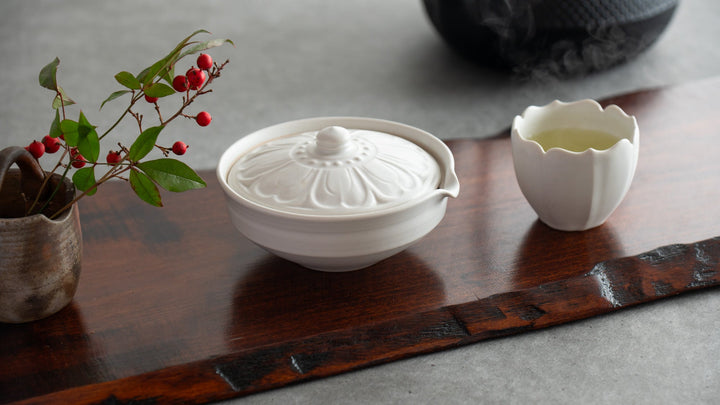
Vier japanische Wege zur Achtsamkeitspraxis
Lerne vier japanische Achtsamkeitsrituale kennen, die sanfte Handbewegungen nutzen, um durch alltägliche Handlungen mehr…
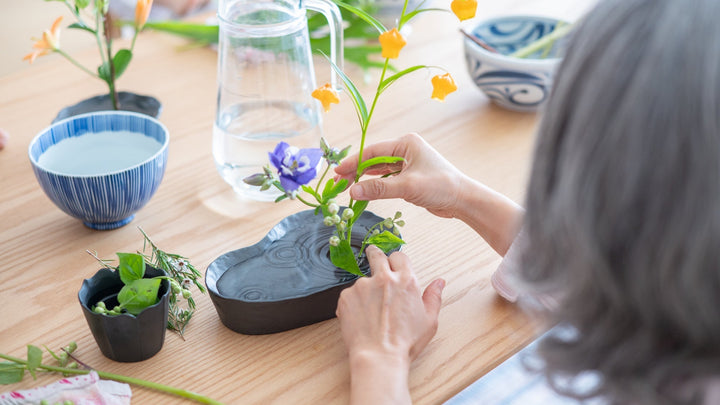
Eine Schritt-für-Schritt-Anleitung für Ikebana-Anfänger – Teil 2
Lernen Sie unter Anleitung eines Experten, wie Sie Ihre Ikebana-Fähigkeiten mit neuen Techniken für…
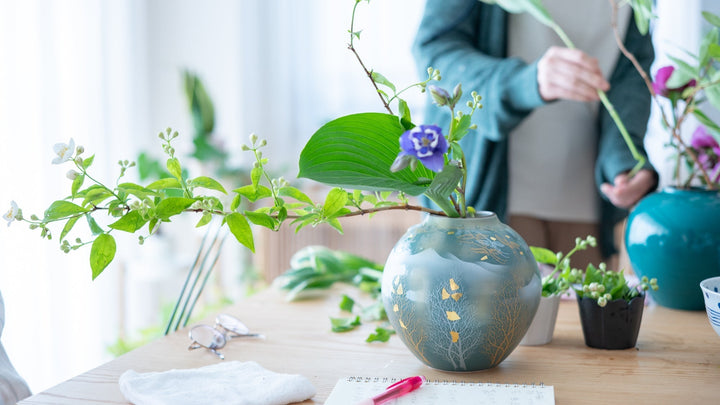
Eine Schritt-für-Schritt-Anleitung für Ikebana-Anfänger Teil 1
Lerne mit diesem Anfängerleitfaden die japanische Blumenbindekunst kennen, inklusive Techniken, Werkzeugen und Tipps für…
Leave a comment