

Valentinstag & Weiß Ein Tag in Japan: Gemeinsam durch Schokolade verbinden
Entdecken Sie diesen Leitfaden zum japanischen Valentinstag und Weiß Tagestraditionen, einschließlich Schokoladenbräuche und Geschenkideen.

In vielen Ländern der Welt gilt der Valentinstag als Tag, an dem Männer Frauen ihre Liebe gestehen. In Japan ist der Valentinstag jedoch etwas anders. Hier schenken am 14. Februar Frauen den Männern Schokolade. Zudem beschränken sich die Beschenkten nicht auf romantische Partner. Vielmehr umfasst dies ein breites Spektrum an Beziehungen – von Schulfreunden und Arbeitskollegen bis hin zu Vorgesetzten, denen man viel zu verdanken hat. Eine weitere Besonderheit Japans ist das Konzept der „Pflichtschokolade", die nichts mit romantischen Gefühlen zu tun hat.

Diese besondere Kultur soll auf Marketingstrategien von Süßwarenherstellern zurückgehen, steht aber auch im Zusammenhang mit japanischen Werten, die soziale Bindungen in den Vordergrund stellen.
Lesen Sie weiter, um mehr über die Aspekte der japanischen Valentinstagskultur zu erfahren, die aus ausländischer Perspektive etwas rätselhaft erscheinen mögen. Wir stellen Ihnen auch Ideen für Paargeschenke vor, die perfekt zur Valentinstagszeit passen!
Japans ungewöhnliche Valentinstagskultur
Der japanische Valentinstag nahm seine heutige Form während der Nachkriegszeit des wirtschaftlichen Aufschwungs an. Von den 1950er bis zu den 1960er Jahren starteten mehrere Süßwarenhersteller Marketingkampagnen, die die Idee verbreiteten, dass Frauen am Valentinstag Männern Schokolade schenken sollten, und in den 1970er Jahren hatte sich dies als gängige Praxis etabliert. Infolgedessen ist in Japan kaum bekannt, dass der Valentinstag auf den heiligen Valentin zurückgeht, und er wird eher als gesellschaftliches Ereignis denn als religiöses wahrgenommen.
Während es in vielen anderen Ländern üblich ist, dass Männer Frauen Blumensträuße oder Geschenke überreichen oder Paare einander Karten und Blumen austauschen, ist dieser Rahmen in Japan umgekehrt. Stattdessen sind es die Frauen, die ihre Gefühle ausdrücken, indem sie Männern Schokolade schenken.

Ein weiterer Valentinstagsbrauch, der typisch für Japan ist, ist giri choco, wörtlich „Pflichtschokolade" oder „Verpflichtungsschokolade". Dabei wird Schokolade unter Bekannten und Arbeitskollegen ausgetauscht und ist völlig getrennt von der Praxis, einem Mann Schokolade zu schenken, an dem man romantisches Interesse hat. Giri choco spiegelt sowohl die japanische Mentalität wider, Harmonie zu schätzen, als auch das Gewicht, das auf die Aufrechterhaltung reibungsloser zwischenmenschlicher Beziehungen gelegt wird. Man könnte sagen, es ist eine Verschmelzung des japanischen Stils, Geschenke zu nutzen, um Dinge wie „Danke für alles" zu kommunizieren, mit der importierten Kultur des Valentinstags.
Eine Schokoladensorte für jede Beziehung
Valentinstagsschokolade wird in Japan je nach Empfänger und Art der Beziehung in mehrere Kategorien unterteilt.
Honmei choco, oder „wahre Gefühle-Schokolade", bezeichnet Schokolade, die einem Partner oder jemandem geschenkt wird, für den man romantische Gefühle hegt. Diese Geschenke werden mit besonderer Sorgfalt ausgewählt. Viele Menschen entscheiden sich dafür, diese Schokoladen selbst herzustellen oder relativ teure aus Kaufhäusern zu kaufen. Sie werden oft sorgfältig verpackt und manchmal mit einem Brief versehen. Nicht wenige junge Menschen schenken honmei choco am Valentinstag, um ihre Gefühle zu gestehen.
Giri choco bezeichnet Schokolade, die am Arbeitsplatz an Kollegen oder Vorgesetzte verteilt wird. Sie trägt keine romantischen Gefühle; stattdessen steht sie stark für alltägliche Dankbarkeit oder soziale Höflichkeit. Da diese Art von Schokolade dazu gedacht ist, an mehrere Personen verteilt zu werden, wählt man häufig eine Schachtel einzeln verpackter, gemischter Schokoladen oder anderer Süßigkeiten, die sich leicht verteilen lassen.

Tomo choco, oder „Freundschaftsschokolade", bezeichnet Schokolade oder Süßigkeiten, die unter Freunden, insbesondere unter Freundinnen, ausgetauscht werden. Diese Schokoladen vermitteln keine romantischen Gefühle. Vielmehr ist ihr Austausch eine reine Möglichkeit für Freunde, ihre Freundschaftsgefühle füreinander zu bekräftigen. Besonders beliebt ist dies unter Schülern, die Freude daran haben, selbstgemachte Süßigkeiten auszutauschen oder Artikel mit niedlicher Verpackung auszuwählen.
Eine letzte Art von Schokolade, die in den letzten Jahren Aufmerksamkeit erregt, ist jibun choco, oder „Selbstschokolade". Mehr Menschen haben begonnen, sich selbst etwas zu gönnen, wie hochwertige Schokoladen, die sie normalerweise nicht kaufen würden, oder limitierte Valentinstagsprodukte. Dies spiegelt sich sogar in den Valentinstagsmessen der Kaufhäuser wider, wo Reihen luxuriöser Produkte in Auslagen präsentiert werden, die sich der Nachfrage nach jibun choco bewusst sind.
Die Kultur der Gegengeschenke am White Day
Eine Diskussion über die japanische Valentinstagskultur wäre nicht vollständig, ohne auch über den 14. März zu sprechen, bekannt als White Day. Am White Day schenken Männer, die am Valentinstag Schokolade erhalten haben, Frauen etwas als Gegenleistung. Auch dies soll auf Marketingstrategien der Süßwarenindustrie zurückgehen und setzte sich in den 1980er Jahren durch.
Typische Gegengeschenke umfassen Süßigkeiten wie Bonbons, Kekse, Schokolade und Marshmallows. Geschenke, die keine Süßigkeiten sind, sind meist Dinge wie Accessoires, Blumen oder Taschentücher.

Viele Menschen, insbesondere romantische Partner, betrachten Valentinstag und White Day als ein Paar von Gelegenheiten, um einander Geschenke auszutauschen. Ein Gegengeschenk zu geben ist auch üblich, nachdem man giri choco von Arbeitskollegen oder Schulfreunden erhalten hat. Die japanische Tendenz, der Höflichkeit, das Erhaltene zu erwidern, Bedeutung beizumessen, könnte dahinterstehen, dass sich diese Praxis etabliert hat.
Valentinstagsveranstaltungen, die die Stadt beleben
Wenn sich der 14. Februar nähert, veranstalten Kaufhäuser und Einkaufszentren Valentinstagsmessen, die berühmte Schokoladenmarken aus Japan und dem Ausland an einem Ort zusammenbringen. Manchmal werden über 100 Schokoladensorten von Verkäufern ausgestellt, die von hochpreisigen europäischen Marken über alteingesessene japanische Süßwarenhersteller bis hin zu angesagten neuen Patissiers reichen. Besonders bekannte Valentinstagsmessen sind der Salon du Chocolat von Mitsukoshi Isetan und Amour du Chocolat von Takashimaya, die an Wochenenden von großen Mengen an Käufern belebt werden.
Es gibt auch eine große Vielfalt an zeitlich begrenzten Geschmacksrichtungen. Die Tatsache, dass man sie nur zu dieser Jahreszeit kaufen kann, verleiht ein Gefühl von Exklusivität, das den Kaufwunsch der Konsumenten steigert. Die aufwendigen Verpackungsdesigns vieler Produkte machen die Messen auch zum reinen Betrachten zu einem Erlebnis.

Supermärkte und Kaufhäuser erweitern zu dieser Zeit ebenfalls ihr Sortiment an Valentinstag-Artikeln. Ein breites Angebot an Backzutaten, Sets und niedlichen Verpackungsmaterialien erscheint in den Regalen für diejenigen, die selbstgemachte Süßigkeiten herstellen möchten. Cafés und Restaurants führen zeitlich begrenzte Valentinstag-Menüs ein, und die ganze Stadt hüllt sich in eine festliche Atmosphäre – ein einzigartig japanisches Merkmal dieser Jahreszeit.
Empfohlene Geschenke von MUSUBI KILN
Für diejenigen, die außerhalb Japans leben, sind Geschenksets für Paare, die gemeinsam genutzt werden können, eine wunderbare Wahl für japanische Valentinstagsgeschenke. Sie machen nicht nur einen besonderen Tag noch unvergesslicher, sondern bringen durch ihre Verwendung im Alltag freudige Erinnerungen in die täglichen Routinen. Für Geschenkideen lesen Sie mehr unter Seeing Double: A Series of Sets und 5 Perfect Gifts for Couples to Enjoy Together.

Geliebte Menschen im Herzen tragen
Japans Varianten von Valentinstag und White Day sind Gelegenheiten, den Sprung zu wagen und wahren Gefühlen Ausdruck zu verleihen, die sonst schwer auszusprechen sind, oder einfach eine Chance, alltägliche Dankbarkeit zu zeigen. Trotz ihrer kommerziellen Ursprünge haben diese Tage eine besonders japanische Kultur entwickelt, die Verbindungen zwischen Menschen wertschätzt.

Wenn wir in diese besondere Jahreszeit eintreten, versuchen Sie, Ihre Lieben auf Ihre eigene Weise wertzuschätzen, zusammen mit MUSUBI KILN's Gifts for Couples collection. Ein Set von Gegenständen, das zwei Menschen gehört – es ist eine sanfte Erinnerung aneinander im Alltag, ein Funke der Fürsorge, der Ihre Verbindung weiter vertieft.
Stay close to the craft
Now and then, a quiet letter — new stories, seasonal notes, and the hands behind the work.
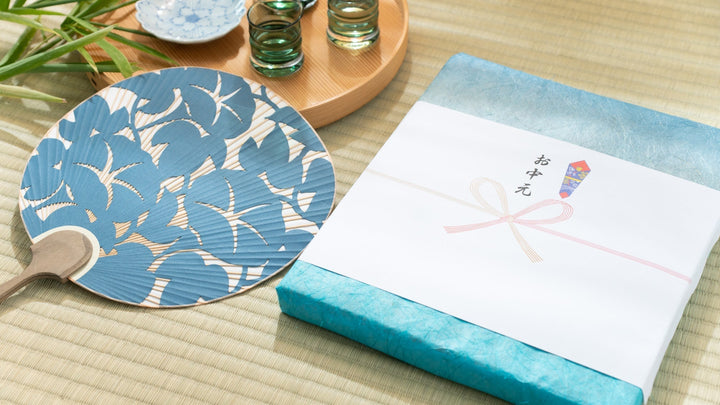
Was ist Ochugen? Alles über Japans Sommergeschenke
Lernen Sie Ochugen kennen, die japanische Tradition des Schenkens zur Jahresmitte. Entdecken Sie ihre…
Die Bedeutung des Schenkens in Japan
Entdecken Sie die Traditionen, die Etikette und die Bedeutung japanischer Geschenke für jede Jahreszeit…
Justine Sherratt “tokyopony”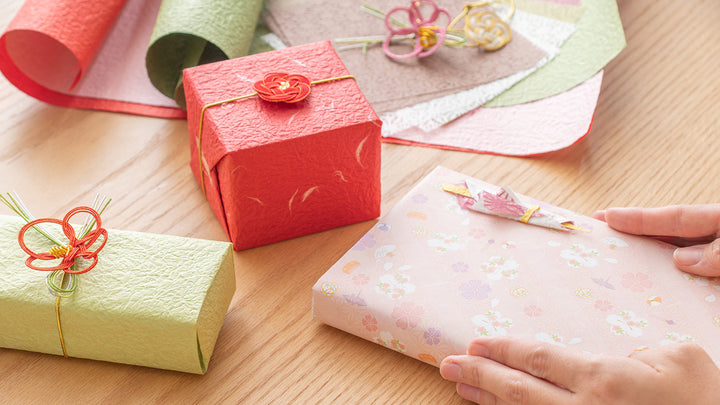
Wie man ein Geschenk wie ein japanischer Geschenkprofi verpackt
Meistern Sie die Kunst des japanischen Geschenkverpackens mit unserer Schritt-für-Schritt-Anleitung und erhalten Sie Tipps…
Rebecca Menasché
Leave a comment