

Eine Reise durch die japanische Handwerkskunst in Ishikawa: Von Gold Blatt zu Kutani Ware
Begeben Sie sich mit diesem Reiseführer auf eine Reise durch die Präfektur Ishikawa und entdecken Sie die traditionellen Handwerkskünste der Region, darunter Kutani-Keramik und Blattgold.

Wer Japan besucht, ist oft versucht, sich auf die klassische Golden Route – Tokyo, Kyoto und Osaka – zu beschränken. Doch sobald man dem Drang widersteht, eine berühmte Sehenswürdigkeit nach der anderen abzuhaken, und sich abseits der ausgetretenen Pfade bewegt, eröffnet sich eine neue Welt voller Möglichkeiten. Man wird belohnt mit einem Blick auf eine andere Seite Japans, wo der Rhythmus von Leben und Arbeit ungehetzt verläuft und die alte Handwerkskunst geschätzt wird, statt im digitalen Zeitalter als überholt zu gelten.
Für Reisende, die bereit sind, über die Reiseführer hinauszugehen und sich Zeit zu nehmen, ist die Präfektur Ishikawa in der Hokuriku-Region Zentraljapans ein solcher Ort. Hier kann man in die Welt des traditionellen japanischen Handwerks eintauchen, wo kulturelles Erbe lebendig bleibt, indem es in den Alltag eingewoben wird. Lokale Museen voller kostbarer Artefakte, alteingesessene Geschäfte und seit Generationen familiengeführte Werkstätten zeugen von einer handwerklichen Tradition, die der Zeit standgehalten hat.

An diesen Orten in der Präfektur Ishikawa, alle sorgfältig ausgewählt von Team Musubi, können Sie bedeutsame Begegnungen mit Ishikawas Handwerkskultur erleben. Erfahren Sie verschiedene traditionelle Handwerkskünste selbst, statt sie nur zu beobachten.
Ishikawa: Das Land des japanischen Handwerks
Die Präfektur Ishikawa liegt am Japanischen Meer und ist reich an prächtiger Natur, köstlichen Meeresfrüchten sowie Kunst und Handwerk. Die Region zählt 36 staatlich anerkannte traditionelle Handwerkskünste, darunter Kutani-Ware, Kaga-Yuzen-Färberei und andere.
Ishikawas Ruf als Land mit reicher Kunsttradition verdankt sich dem außerordentlich wohlhabenden und mächtigen Maeda-Clan, der die Region während der Edo-Zeit (1603–1868) regierte, als ein Teil der Präfektur als Kaga-Domäne bekannt war.

Um nicht als Bedrohung für das Shogunat zu gelten, setzten die Maedas ihren Reichtum bewusst zur Förderung künstlerischer und kreativer Bestrebungen ein, was zur Entwicklung vieler Handwerkskünste und handwerksbezogener Industrien führte. Bis heute ist Ishikawa eine der führenden Regionen Japans in der Bewahrung traditioneller Handwerkskünste und verfügt über eine lebendige Kunstszene.
Zudem ist Ishikawa ein führender (wenn nicht der führende) Produzent hochwertiger Lackwaren. Die Präfektur hat drei Hauptgebiete, die für diese exquisiten Objekte bekannt sind: Yamanaka, Wajimaund Kanazawa. Jedes ist mit einer spezifischen Technik oder einem Schritt im Herstellungsprozess von Lackwaren verbunden, wie das Sprichwort zusammenfasst: „Yamanaka für Holz, Wajima für Lackierung und Kanazawa für maki-e.”
Kanazawa: Die Burgstadt, die in Gold glänzt
Die Hauptstadt der Präfektur Ishikawa ist Kanazawa, eine aufstrebende Stadt, die seit ihrer Anbindung an Tokyo über die Hokuriku-Shinkansen-Hochgeschwindigkeitsbahn im Jahr 2015 internationale Aufmerksamkeit erlangt hat. Kanazawas erste Symbole, die man beim Verlassen der Bahnsteige sieht – die gläserne Kuppeldecke des Bahnhofs und das majestätische, vom Noh-Theater inspirierte Tsuzumi-mon-Tor – vermitteln einen Eindruck davon, was diese kompakte Stadt ausmacht: reich an traditioneller wie moderner Kunst.

Kanazawas Hauptattraktionen sind eine Mischung aus historischen Vierteln und sorgfältig kuratierten Kunstmuseen. Erleben Sie die Glanzzeit der Kaga-Domäne bei der Erkundung der Burg Kanazawa, des ruhigen Kenrokuen-Gartens, des gut erhaltenen Nagamachi-Samurai-Viertels und des Higashi-Chaya-Viertels. Für einen Stimmungswechsel bewundern Sie anerkannte Werke renommierter Künstler im Museum für zeitgenössische Kunst des 21. Jahrhunderts und genießen Sie frische Meeresfrüchte und lokale Spezialitäten auf dem Omicho-Markt.

Wer lokale Kultur, Spezialitäten und Souvenirs sucht, findet in Kanazawas repräsentativem Handwerk Blattgold, das durch Hämmern von Gold zu dünnen, zarten Blättern entsteht, genau das Richtige.
Kanazawa stellt rund 99 % der japanischen Blattgoldproduktion her und ist der Geburtsort einer aufwendigen traditionellen Technik namens entsuke. Obwohl die Industrialisierung die Massenproduktion von Blattgold ermöglicht hat, verwenden bis heute einige wenige Kanazawa-Handwerker entsuke, um höherwertiges Blattgold herzustellen. Sie möchten mehr über Kanazawa-Blattgold erfahren? Eine prägnante Einführung finden Sie in diesem Artikel.
Crafeat

Nachdem Sie in Kanazawas traditionsreiche Blattgoldkultur, ihren Glanz, ihre Geschichte und ihre verfeinerte Ästhetik eingetaucht sind, setzen Sie die Reise im Crafeatfort, wo kulinarische Kunst auf ein weiteres Meisterwerk Ishikawas trifft: Wajima-Lackwaren.

Im Herzen von Kanazawas Gastronomieviertel gelegen, verbindet Crafeat durchdacht zubereitete japanische Gerichte mit der stillen Brillanz von Wajima-Lackwaren. Jeder Gang wird so angerichtet, dass Geschmack und Form sichtbar werden: saisonale Zutaten, präzise Technik und Gefäße, deren Tiefe, Glanz und handwerkliche Verarbeitung das Erlebnis erheben. Das Ergebnis ist eine vielschichtige Begegnung mit Ishikawas Handwerkskunst, die Auge, Gaumen und Ortsgefühl anspricht.

Adresse: 5-2 Kiguramachi, Kanazawa City, Ishikawa Prefecture
Hinweis: Für das zweite Stockwerk ist eine Reservierung erforderlich. Das erste Stockwerk erfordert keine Reservierung, doch da es voll werden kann, empfehlen wir eine Voranmeldung.
Nomi: Wo Kutani-Ware weiterhin gedeiht
Praktisch jede Präfektur Japans hat ihre eigene Keramikart, doch Ishikawa hat mehrere hervorgebracht, darunter ein feines Porzellan namens Kutani-Ware. Benannt nach ihrem Geburtsort, dem Dorf Kutani, das einst in der heutigen Stadt Kaga lag, zeichnet sich Kutani-Ware durch lebendige Farben, markante Designs und Aufglasurdekor aus.
Kutani-Ware hat in seiner 370-jährigen Geschichte mehrere Zyklen von Produktionspausen und Wiederbelebungen durchlaufen. Es ist ein herausragendes Porzellan, das sich kontinuierlich an die Zeit anpasst und weiterentwickelt – einige Kunsthandwerker integrieren sogar westliche und nahöstliche Einflüsse in ihre Arbeiten. Unter den vielen Stilen, die im Laufe der Jahrhunderte entstanden sind, bleibt jedoch die zeitlose Signatur von Kutani-Ware ein Fünf-Farben-Schema aus Blau, Grün, Violett, Rot und Gelb, genannt gosai-de.

Heute konzentrieren sich die meisten Kutani-Ware-Brennöfen in Kaga und der nahegelegenen Stadt Nomi. Wenn Sie vorhaben, Zeit in Ishikawa zu verbringen, lässt sich ein Ausflug nach Nomi, um Kutani-Ware direkt an der Quelle zu sehen, leicht in Ihre Reiseroute einbauen. Schließlich liegt es nur 40 Minuten von Kanazawa entfernt. Trotz der guten Verbindungen zum Rest Japans (und zur Welt) kann sich Nomi dank seiner Nähe zur Natur weit entfernt vom städtischen Leben anfühlen.
Kutani Ceramic Village

Vervollständigen Sie Ihr Eintauchen in die Welt von Kutani-Ware mit einem Besuch im Kutani Ceramic Village. Dieser „Themenpark für Kutani-Ware" beherbergt Museen, eine Galerie mit Ausstellungen und Keramik zum Verkauf, Gelegenheiten, Kunsthandwerkern bei der Arbeit zuzusehen, Nahaufnahmen von Töpferwerkzeugen und -ausrüstung sowie eine Reihe praktischer Kutani-Ware-Erlebnisse.

Adresse: 22 Izumidaimachi-minami, Nomi City, Präfektur Ishikawa
Öffnungszeiten: 9:00–17:00 Uhr (letzter Einlass: 16:00 Uhr oder 16:30 Uhr, je nach Einrichtung)
Geschlossen: Montags und an Jahresendferien (29. Dezember–3. Januar)
Anfahrt: 15 Minuten Fahrt vom Bahnhof Komatsu
Hinweis: Für einige Einrichtungen kann ein Eintrittspreis erforderlich sein
zur Website des Kutani Ceramic Village
Wajima: Widerstandsfähige Traditionen in der Hauptstadt der Lackkunst
Über zwei Busstunden von Kanazawa entfernt liegt die Stadt Wajima, wo die idyllischen Reisterrassen von Shiroyone Senmaida aufs Meer blicken und Salzfarmen die Küste säumen.

Dies ist eine Stadt, in der Traditionen fortbestehen – mit einem tausend Jahre alten Morgenmarkt, der als ältester seiner Art in Japan gilt, und ihrem bekanntesten Spezialprodukt: Wajima lacquerware, ein Handwerk, das auf über 500 Jahre geschätzt wird. Obwohl Wajima zu den am schwersten betroffenen Städten während des verheerenden Erdbebens auf der Noto-Halbinsel 2024 gehörte, haben sowohl der Morgenmarkt als auch Wajima lacquerware neue Wege gefunden weiterzumachen, während die Bewohner von Wajima wieder auf die Beine kommen.
Geschätzt für seine herausragende Qualität, insbesondere sein raffiniertes Design und seine unvergleichliche Haltbarkeit, zeichnet sich Wajima lacquerware dadurch aus, dass Kieselgur in den Lack gemischt wird und Stoffstreifen zur Verstärkung verwendet werden. Die Herstellung von Wajima lacquerware von Grund auf ist ein äußerst sorgfältiger Prozess von 124 Schritten, der eine Arbeitsteilung unter einem Team präzise koordinierter Kunsthandwerker erfordert. Sie können also sicher sein, dass jedes Stück Wajima lacquerware das Produkt meisterhafter Handwerkskunst ist.

Als Lackkunst-Hauptstadt Japans betrachtet, ist Wajima so stolz auf sein heimisches Handwerk, dass es zwei Museen hat, die ihm gewidmet sind: Wajima Nuri Kaikan (auch bekannt als Wajima Lacquerware Museum oder Wajima Lacquer Hall) und The Wajima Museum of Lacquer Art. Einige Stände verkaufen Lackwaren auf seinem berühmten Morgenmarkt.
Wajima Lacquerware-Kollektion ansehen
Yamanaka: Eine Onsen-Stadt mit einem Erbe der Holzbearbeitung

Südlich von Kanazawa gelegen, ist Yamanaka eine von vier alten Thermalquellenstädten, die gemeinsam als Kaga Onsen bekannt sind. Diese Stadt in den Bergen hat Reisende seit Jahrtausenden fasziniert, darunter den berühmten Dichter Matsuo Basho (1644–1694 n. Chr.), der ein Haiku schrieb, das die verjüngenden Eigenschaften der Wasser von Yamanaka Onsen lobte.

Abgesehen von den therapeutischen heißen Quellen ist eine weitere langjährige Quelle des Stolzes für diese Stadt Yamanaka lacquerware, ihr traditionsreiches namensgebendes Handwerk. So haltbar wie elegant, zeichnet sich diese Art von Lackware durch die Verwendung von Holzmustern aus, die durch eine Kombination aus der Bewahrung der natürlichen Maserungsmuster und dekorativen Schleiftechniken erreicht werden.
Yamanaka lacquerware geht auf das späte 16. Jahrhundert zurück, als Holzhandwerker, die sich in der Gegend niederließen, die reichlich vorhandenen Hölzer nutzten, um Geschirr herzustellen, das zu beliebten Souvenirs für besuchende Onsen-Badegäste wurde. Schließlich verbreitete sich die Popularität von Yamanaka lacquerware im ganzen Land, und Kunsthandwerker von anderswo begannen, sich niederzulassen, um von lokalen Kunsthandwerkern zu lernen und ihr Know-how einzubringen, wodurch das Handwerk verfeinert wurde.

Heute sind die sorgfältigen, komplexen Techniken von Yamanaka lacquerware ein sorgsam bewahrtes Erbe, das weiterhin über Generationen weitergegeben wird. Insbesondere zwei Techniken gelten als integraler Bestandteil dieses Handwerks: kijibiki (Holzdrechseln) – das Formen von Holz mit handgehaltenen Werkzeugen, während es sich auf einer Drehbank dreht – und nuri-urushi (gewischtes Lackieren), das wiederholte Auftragen und anschließende Abwischen von Lack, um eine akzentuierte Oberfläche zu erzielen.
Yamanaka lacquerware-Kollektion ansehen
Während Sie sich durch Ishikawa bewegen – vom goldenen Schimmer der Blattkunst Kanazawas über die lebendigen Farbtöne von Kutani-Ware bis zur Widerstandsfähigkeit von Wajima und Yamanaka lacquerware – werden Sie feststellen, dass Handwerkskunst hier mehr als eine Fertigkeit ist; sie ist eine Lebensweise.
Wenn Sie Ihre nächste Reise nach Japan planen, wählen Sie den langsameren Weg. Treten Sie ein in den Rhythmus der Hände des Handwerkers, genießen Sie die Texturen der Zeit und entdecken Sie die Schönheit des Machens, die fortbesteht.
Erleben Sie Ishikawa, wo Japans lebendiges Handwerk weiterhin strahlt.
Stay close to the craft
Now and then, a quiet letter — new stories, seasonal notes, and the hands behind the work.
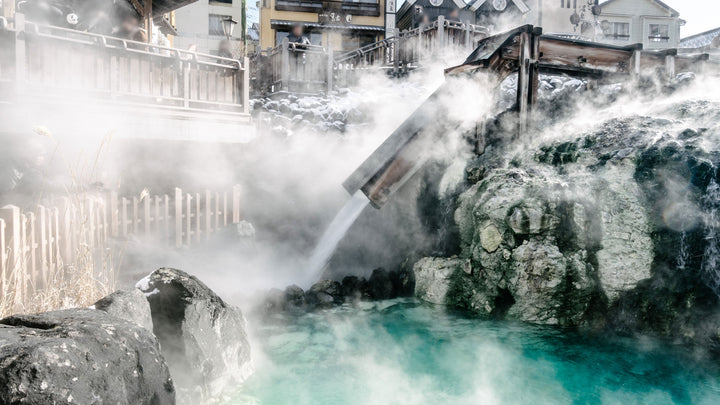
Der Zauber von Onsen: Japans heiße Quellen
Entdecken Sie Japans Onsen-Kultur, ihre tiefe Verbundenheit mit traditionellem Handwerk und erfahren Sie, wie…
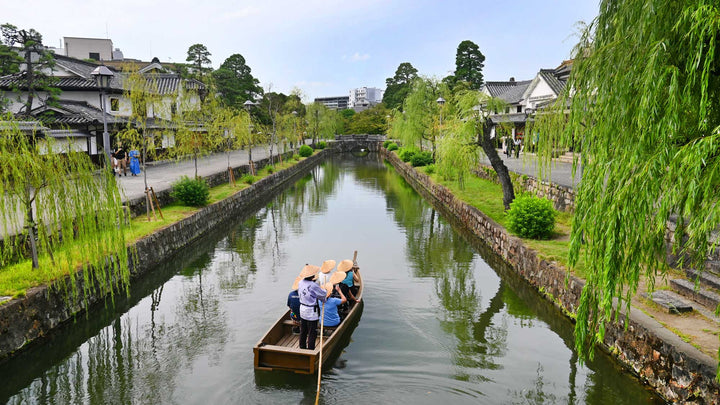
Eine Reise durch Japan – mit Geschirr
Begeben Sie sich diesen Sommer auf eine Reise durch Japan – mit Geschirr. Entdecken…
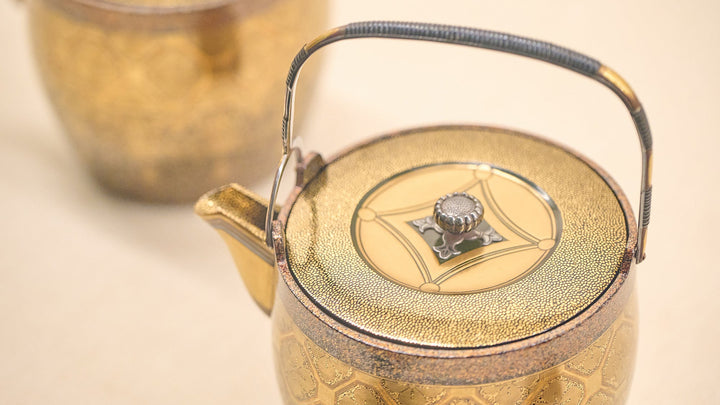
Reiseführer für Kanazawa Gold Blatt
Erfahren Sie mehr über Kanazawa-Blattgold, seine Herstellung und warum Kanazawa nach wie vor das…
Leave a comment
@Sue – Hello! Thank you so much for your kind comment.
Unfortunately, we aren’t able to recommend specific local travel agents.
For the most up-to-date information and booking options, we recommend checking the official tourism website (https://www.ishikawatravel.jp/en/) for the destination you’re interested in. They often provide information on local tour operators, guided experiences, and seasonal events.
We hope you have a wonderful trip to Japan!
Hello
Please suggest local travel agents I can book these wonderful trips.
Thank you.