

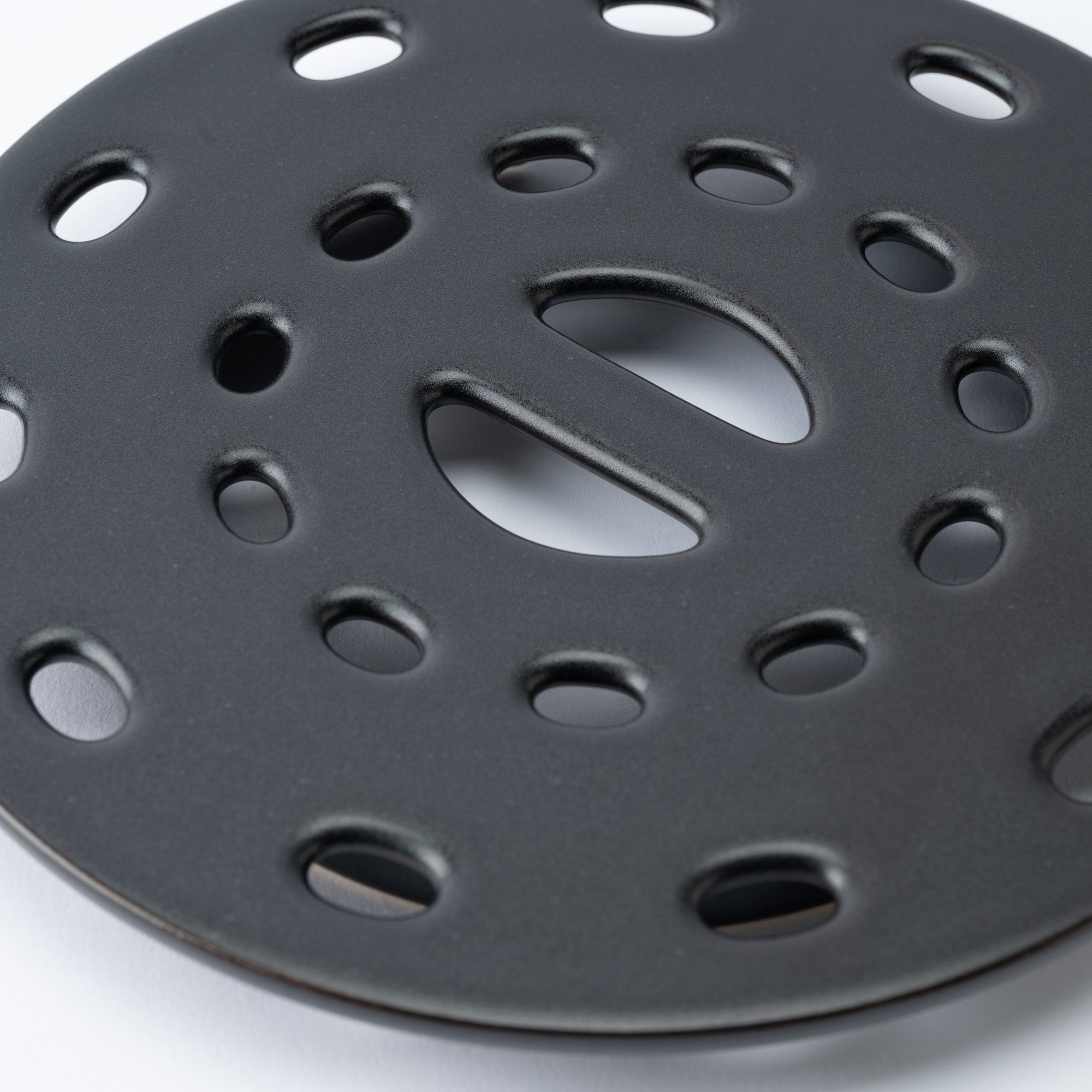
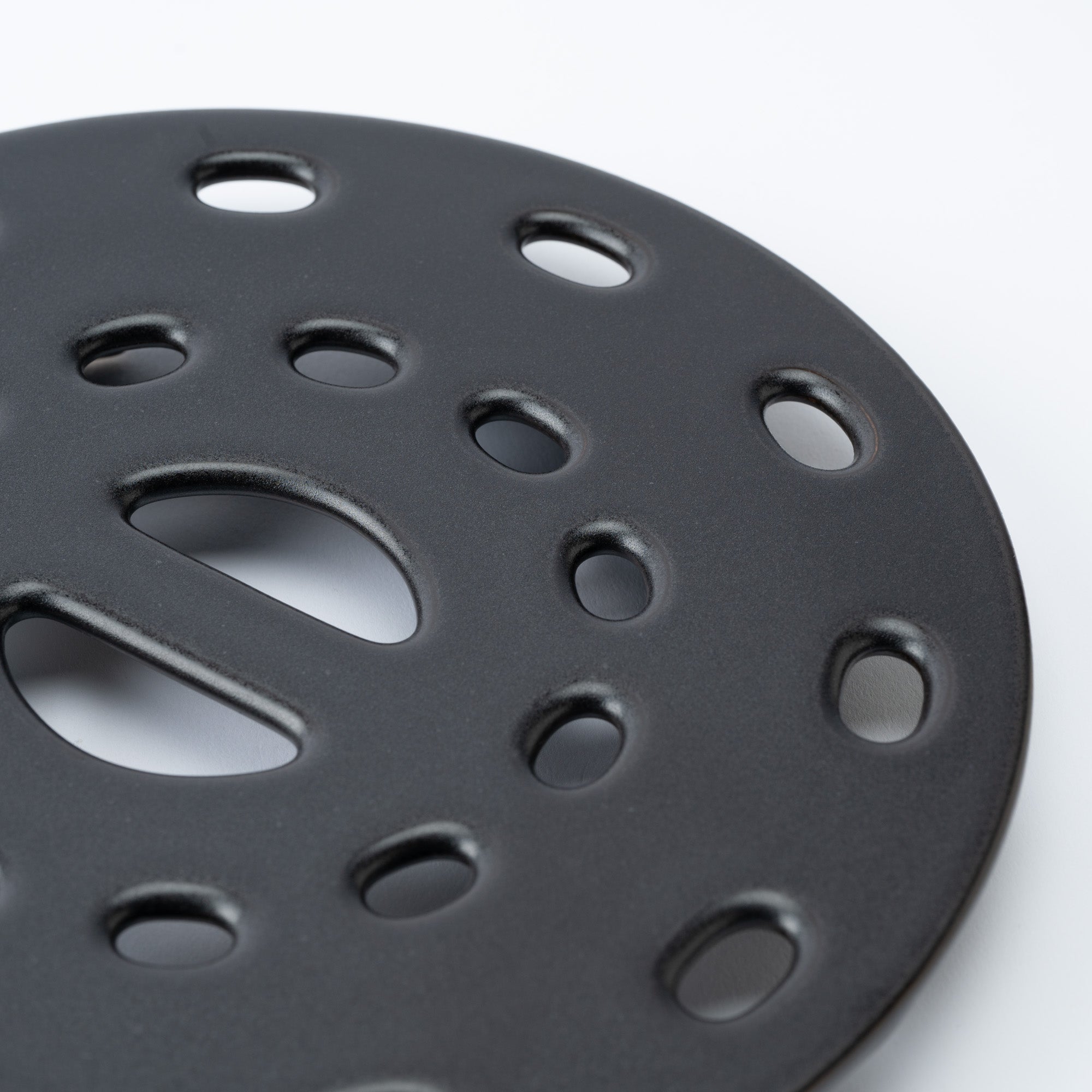
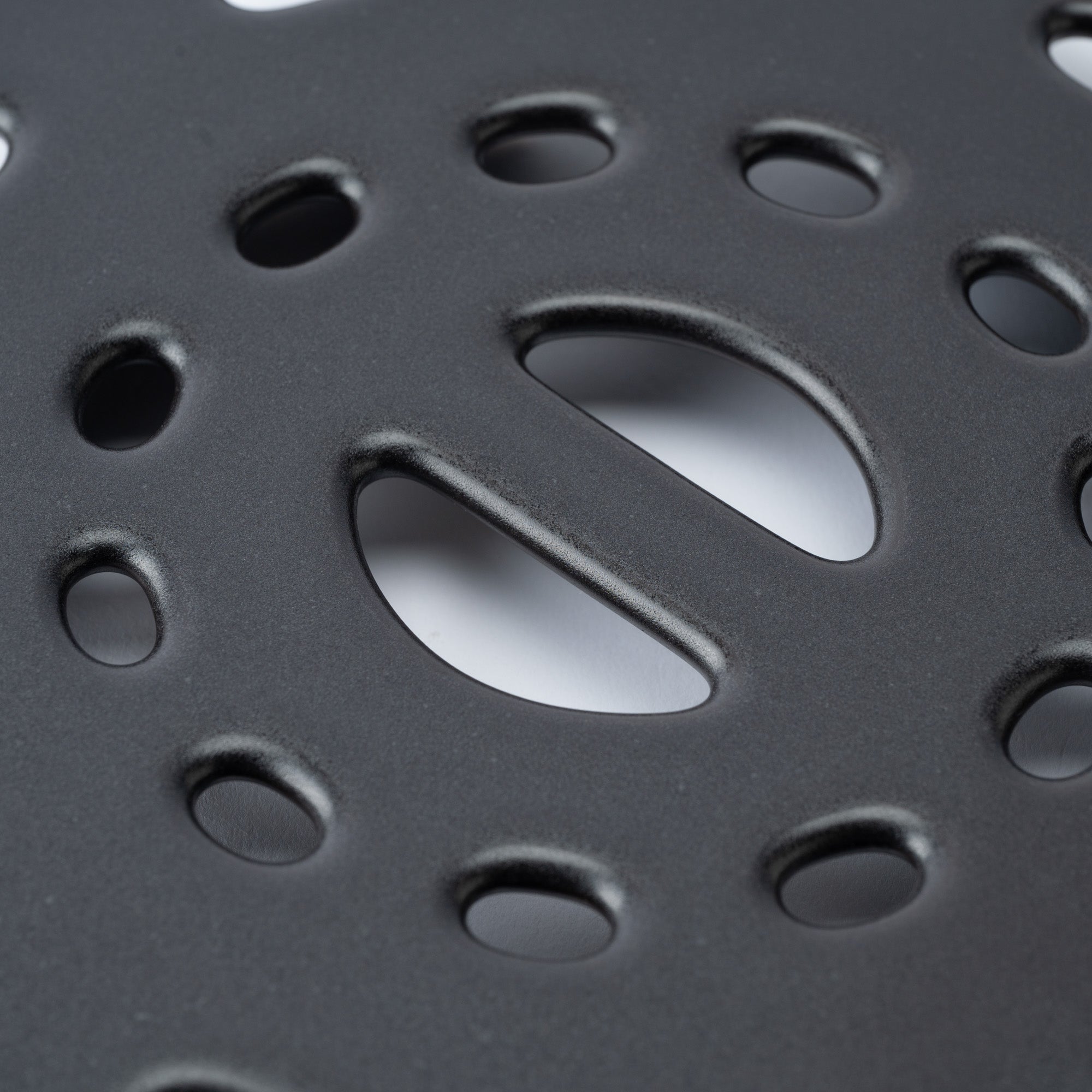
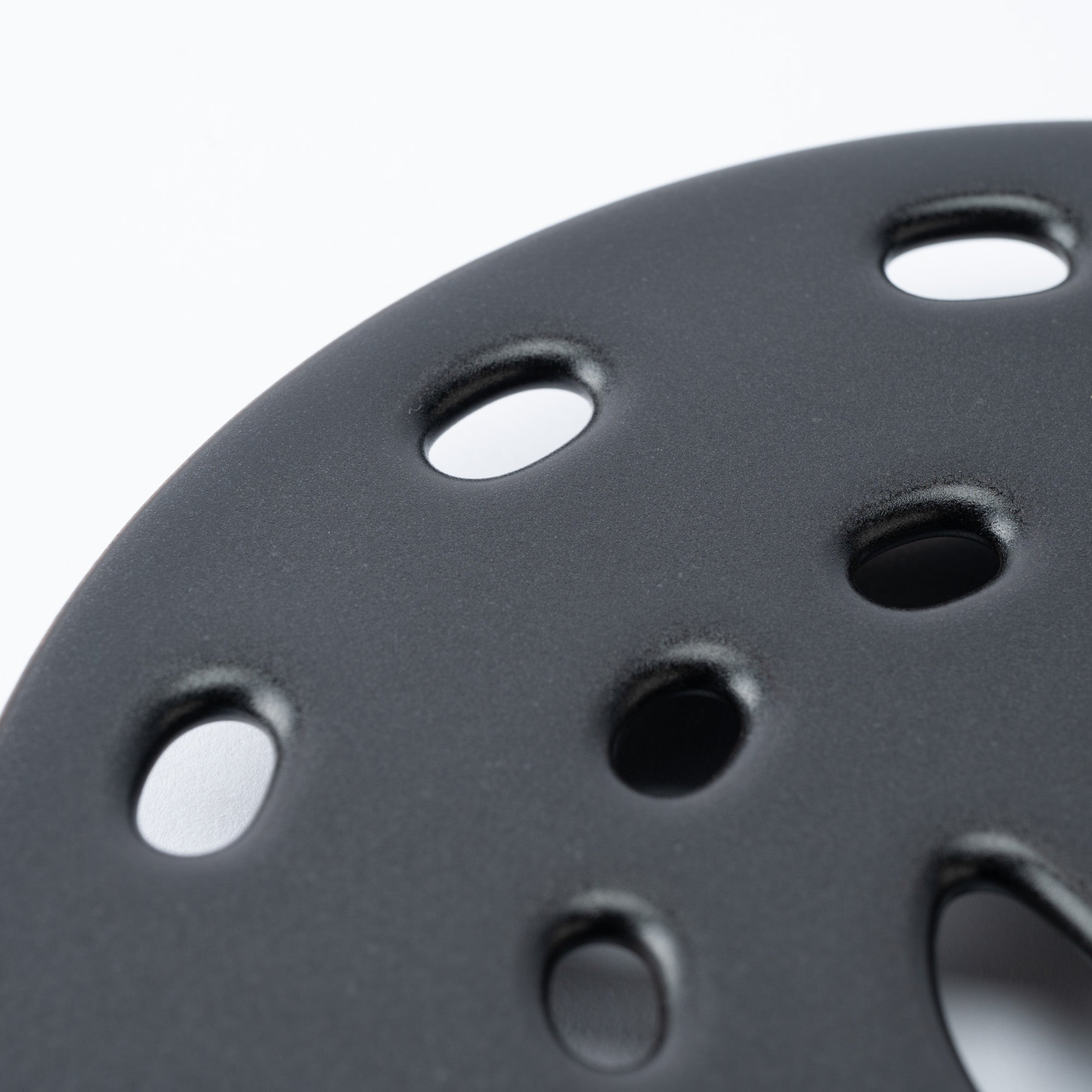
Inserto de Vaporera de Cerámica
Ships from Japan · Free shipping on orders over $250 USD
Estimated Shipping Widget will be displayed here!
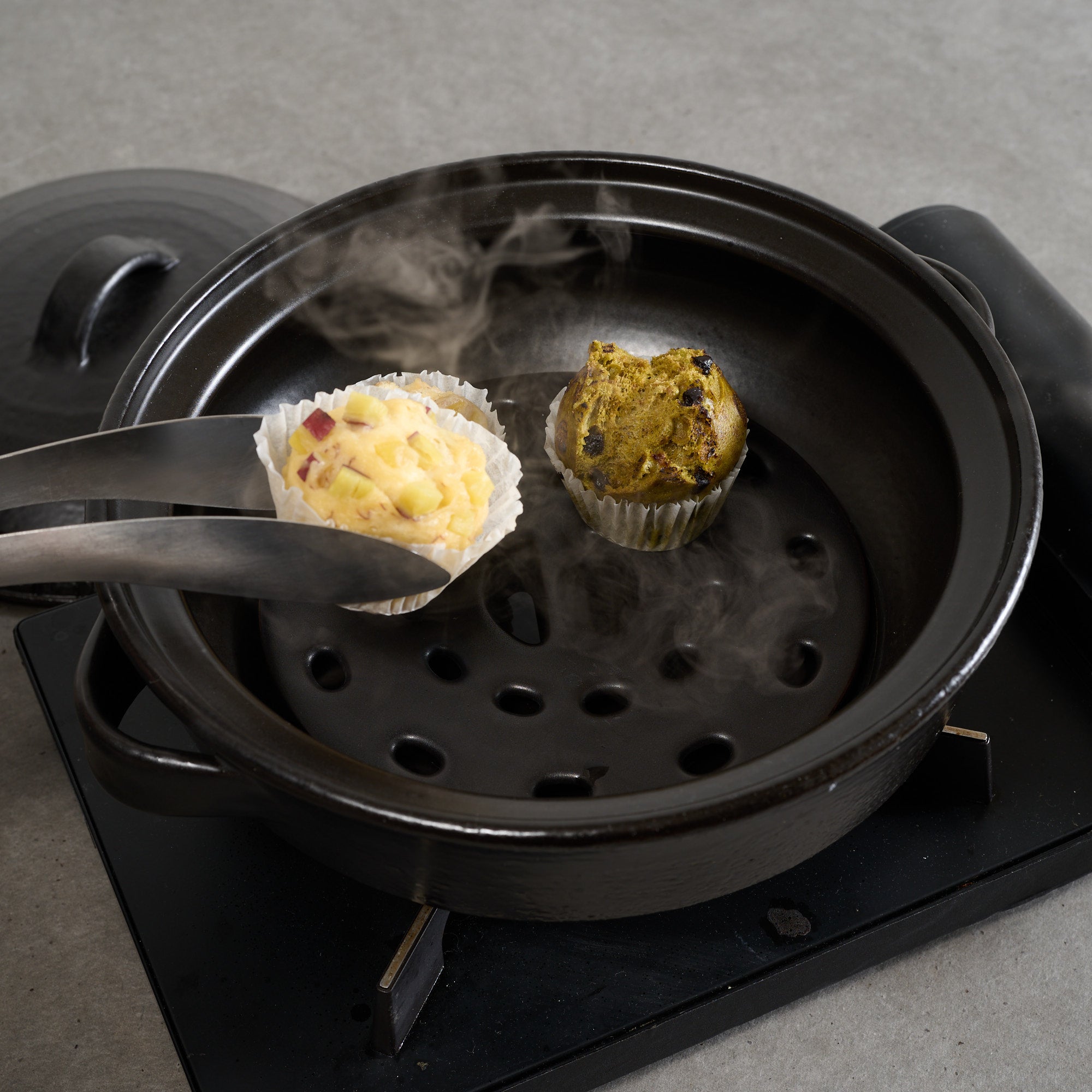
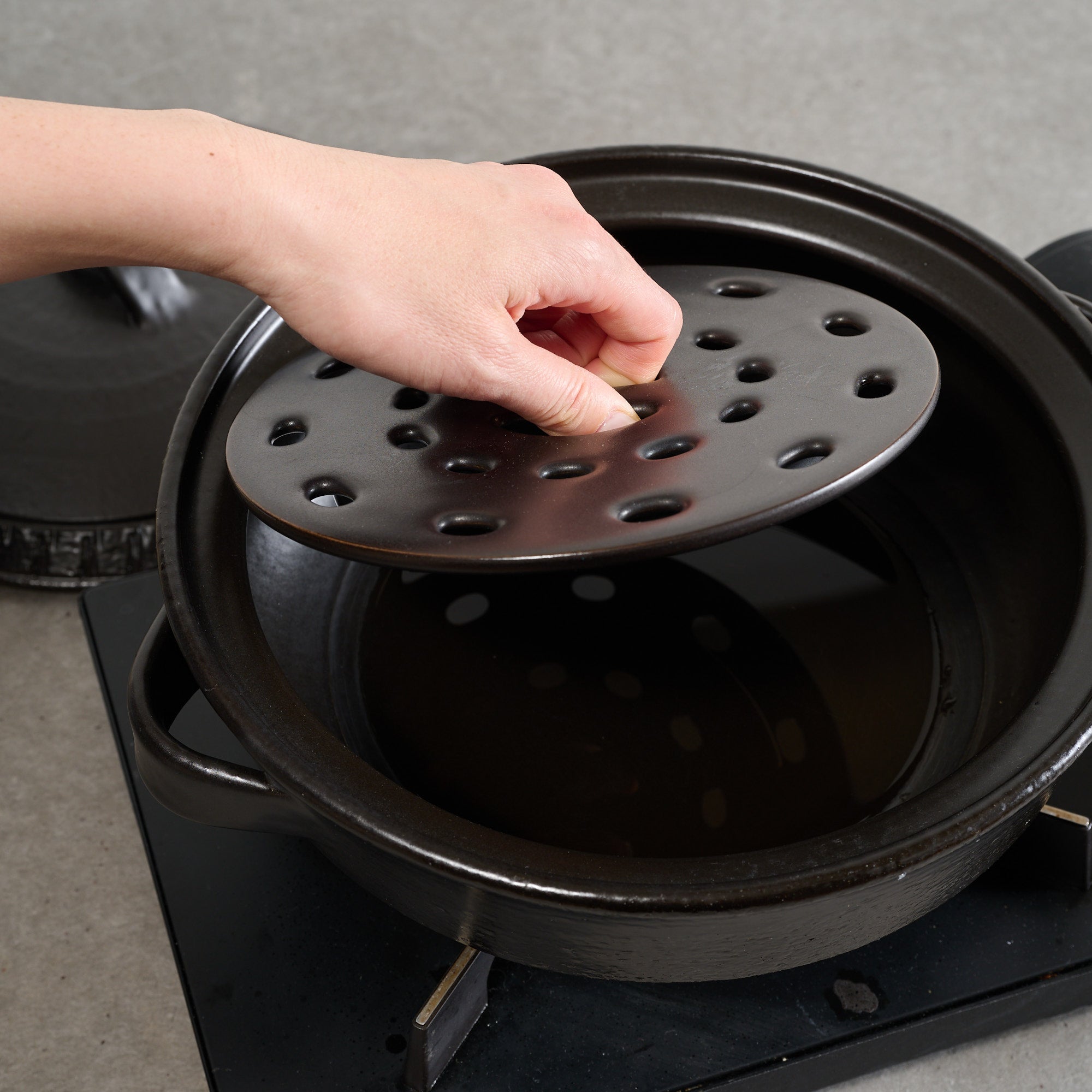
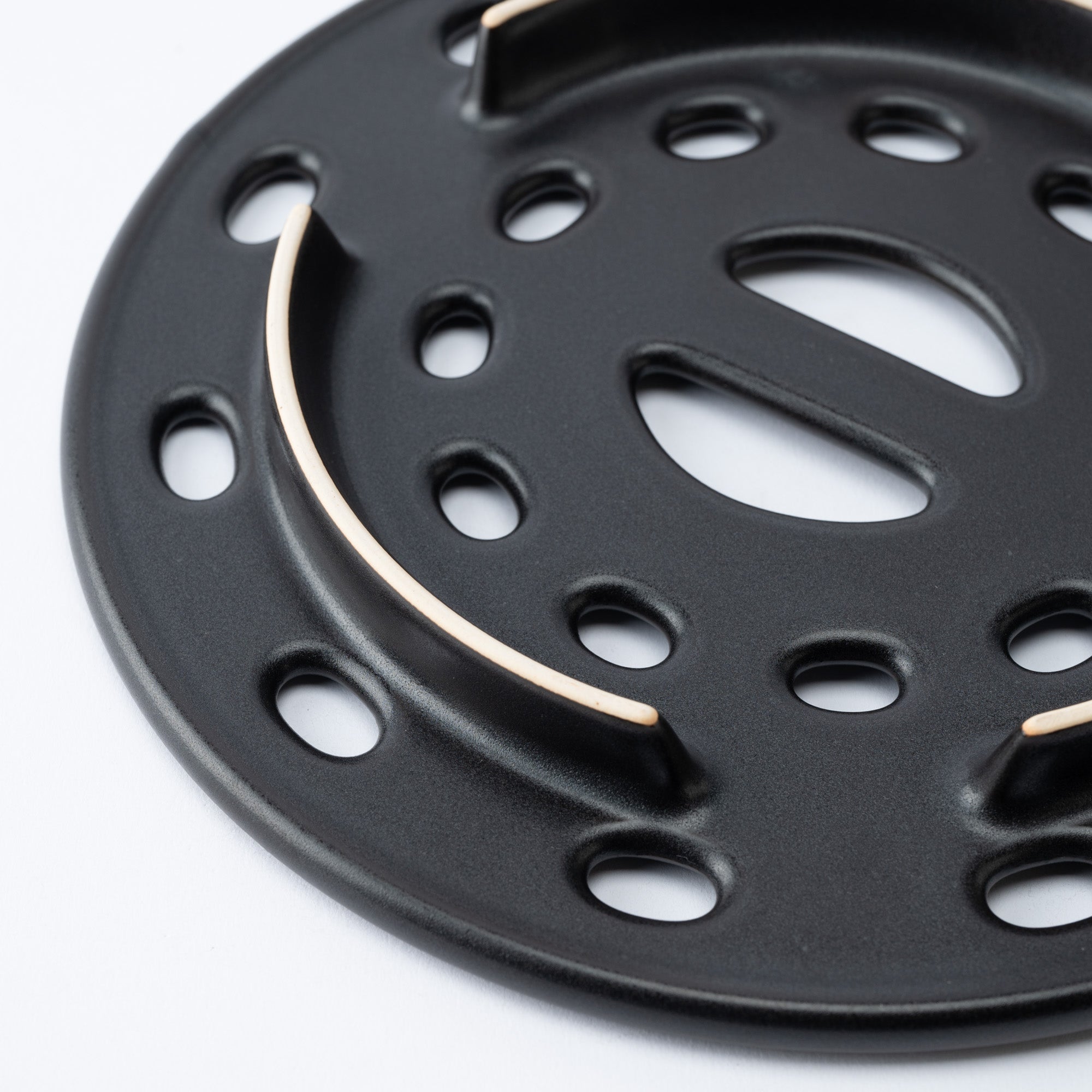
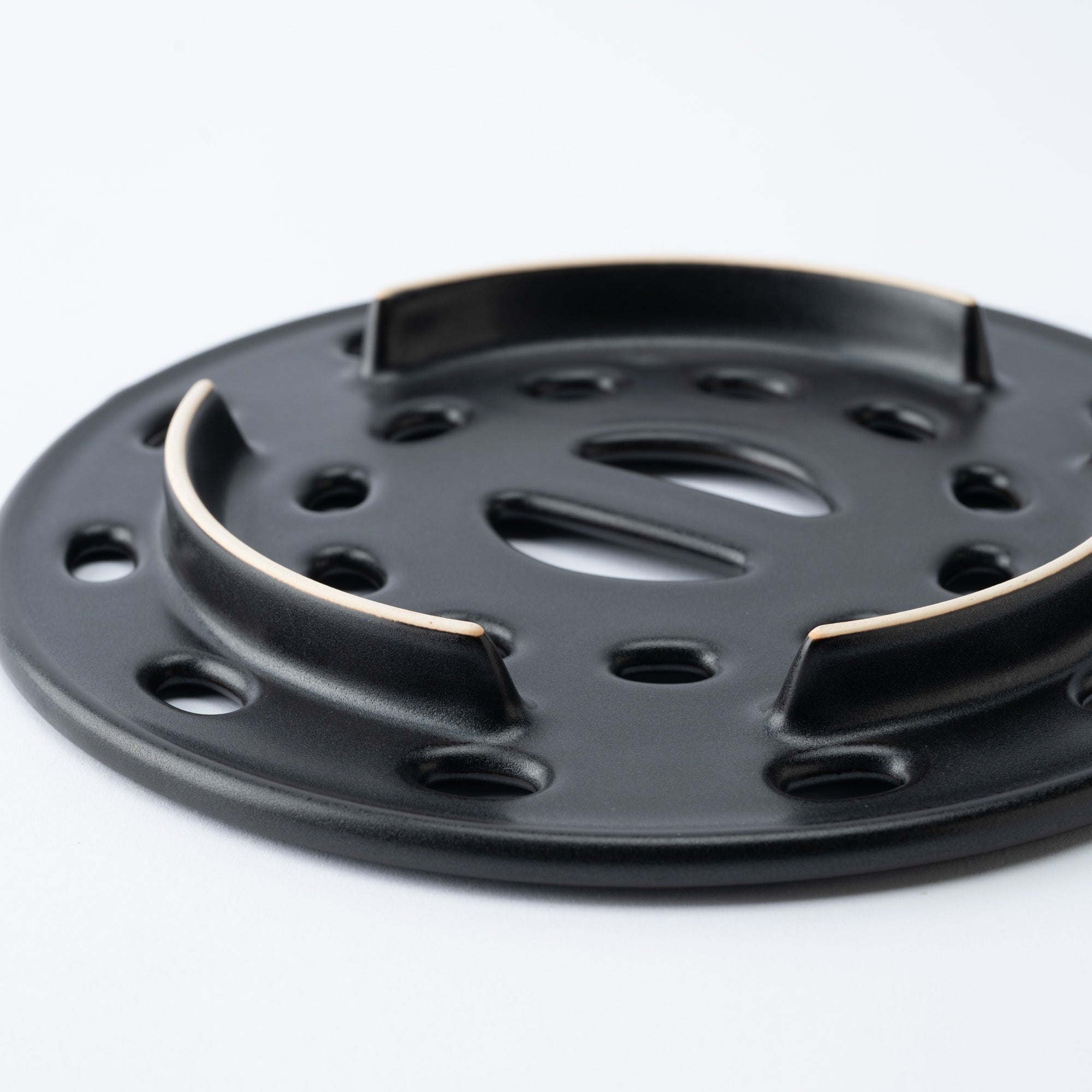
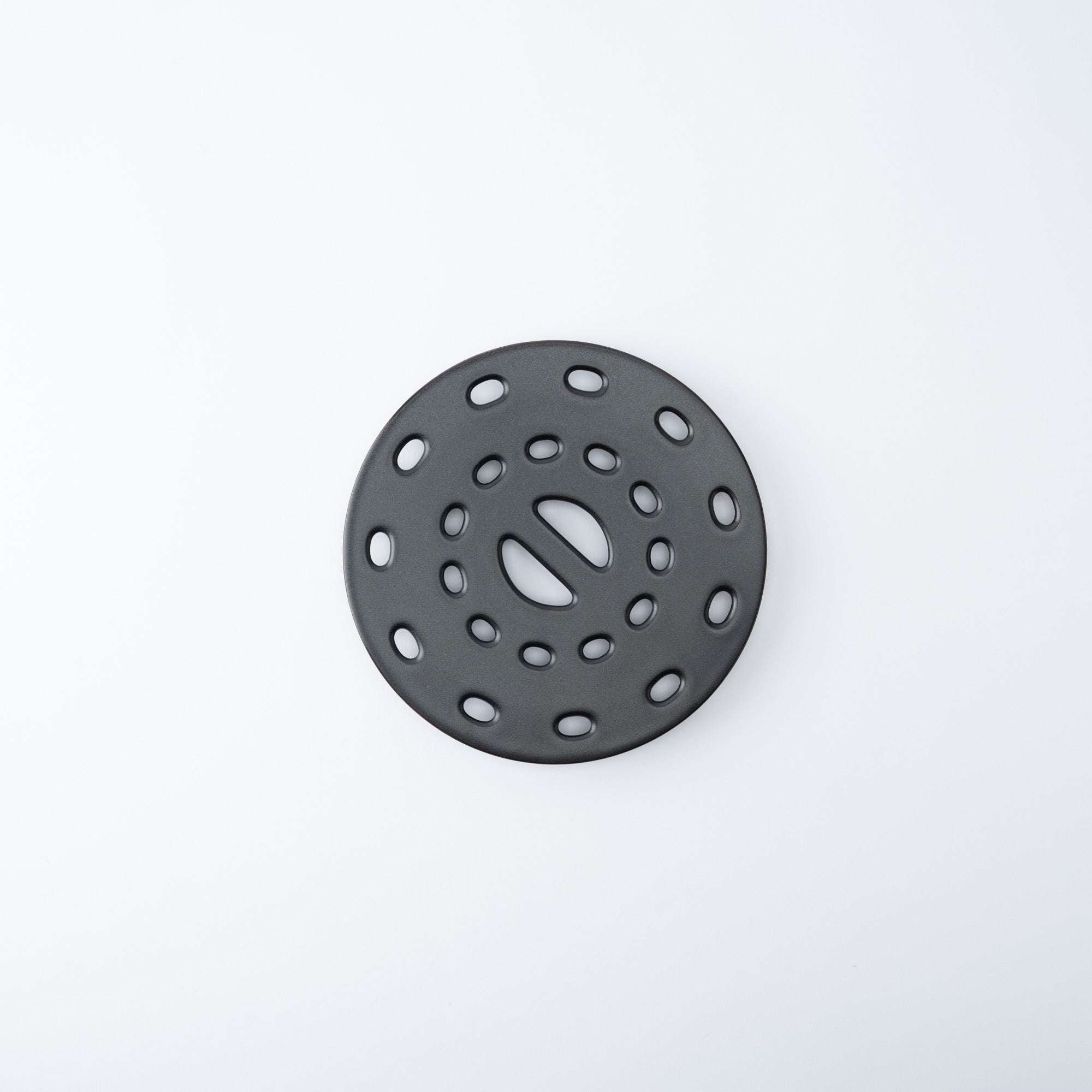
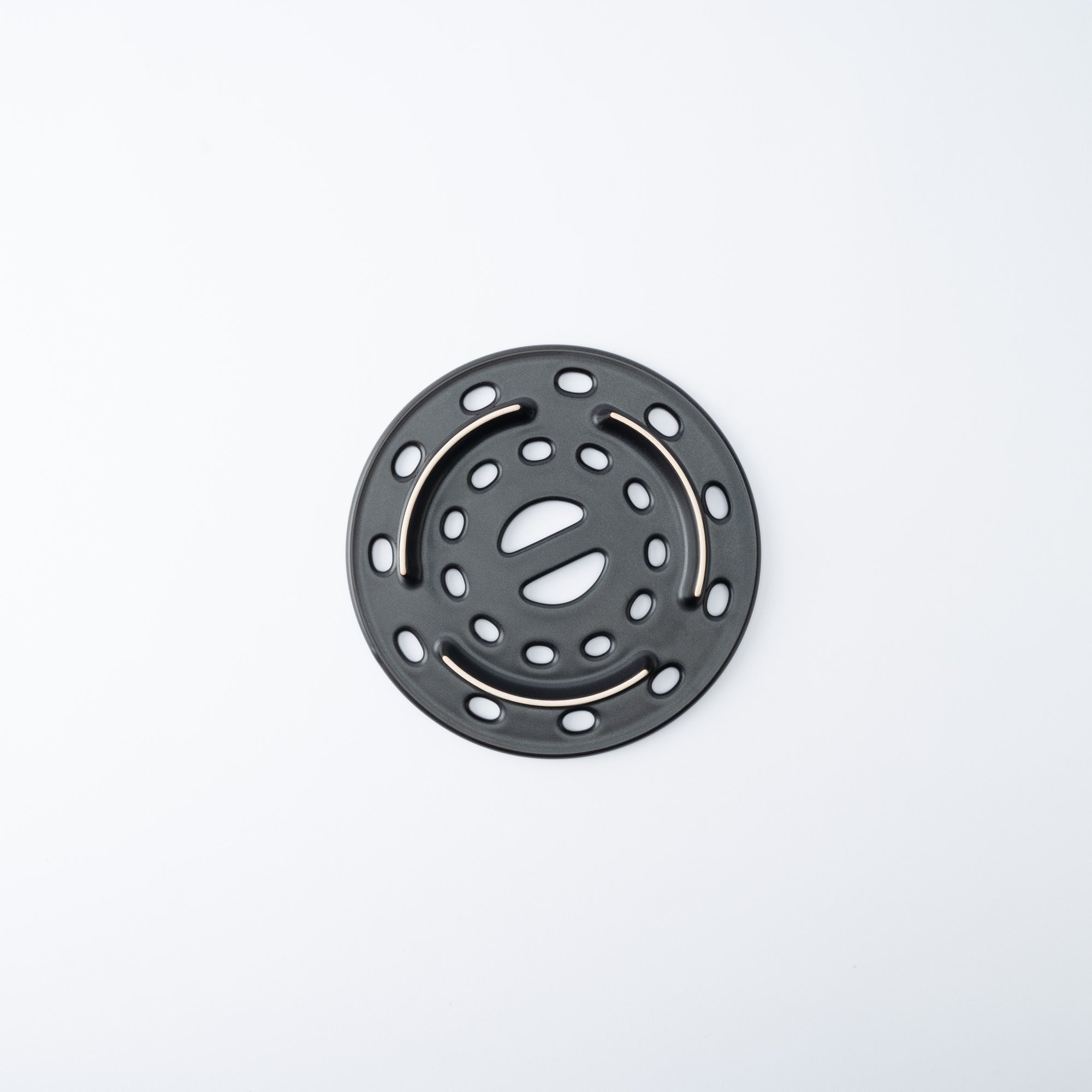
Diseñado para utensilios de cocina con un diámetro de 11 pulgadas (28 cm) o mayor, este sunoko (rejilla para vaporera) funciona no solo con el tradicional donabe (olla de barro) sino que también se adapta fácilmente a otros utensilios resistentes al calor. Fabricado en cerámica Banko, ofrece excelente resistencia térmica y puede lavarse completamente después de su uso, lo que simplifica el cuidado diario. Ya sea en un donabe o en una olla convencional, basta con colocar la rejilla dentro para cocinar al vapor con facilidad, ampliando significativamente la versatilidad de sus utensilios.
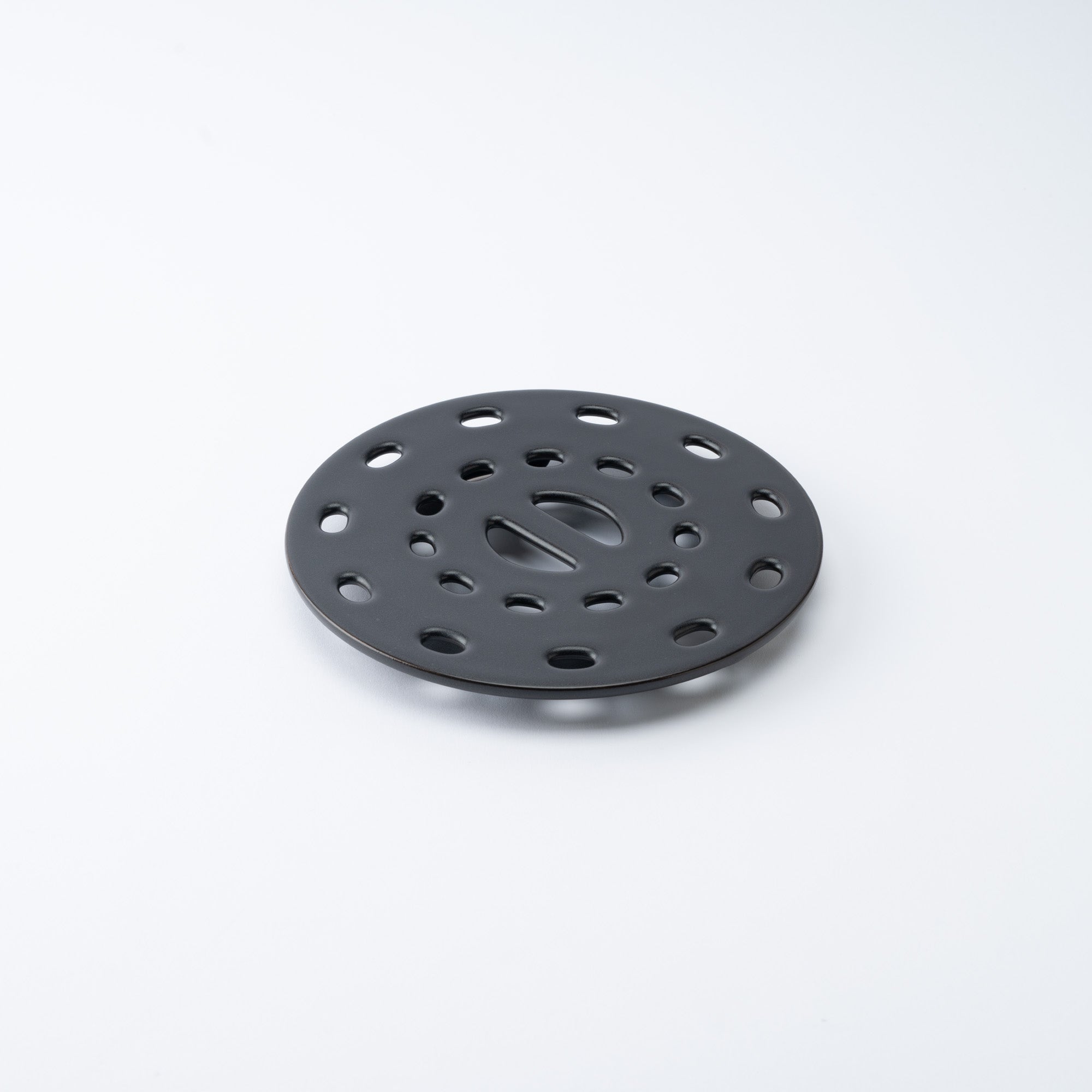
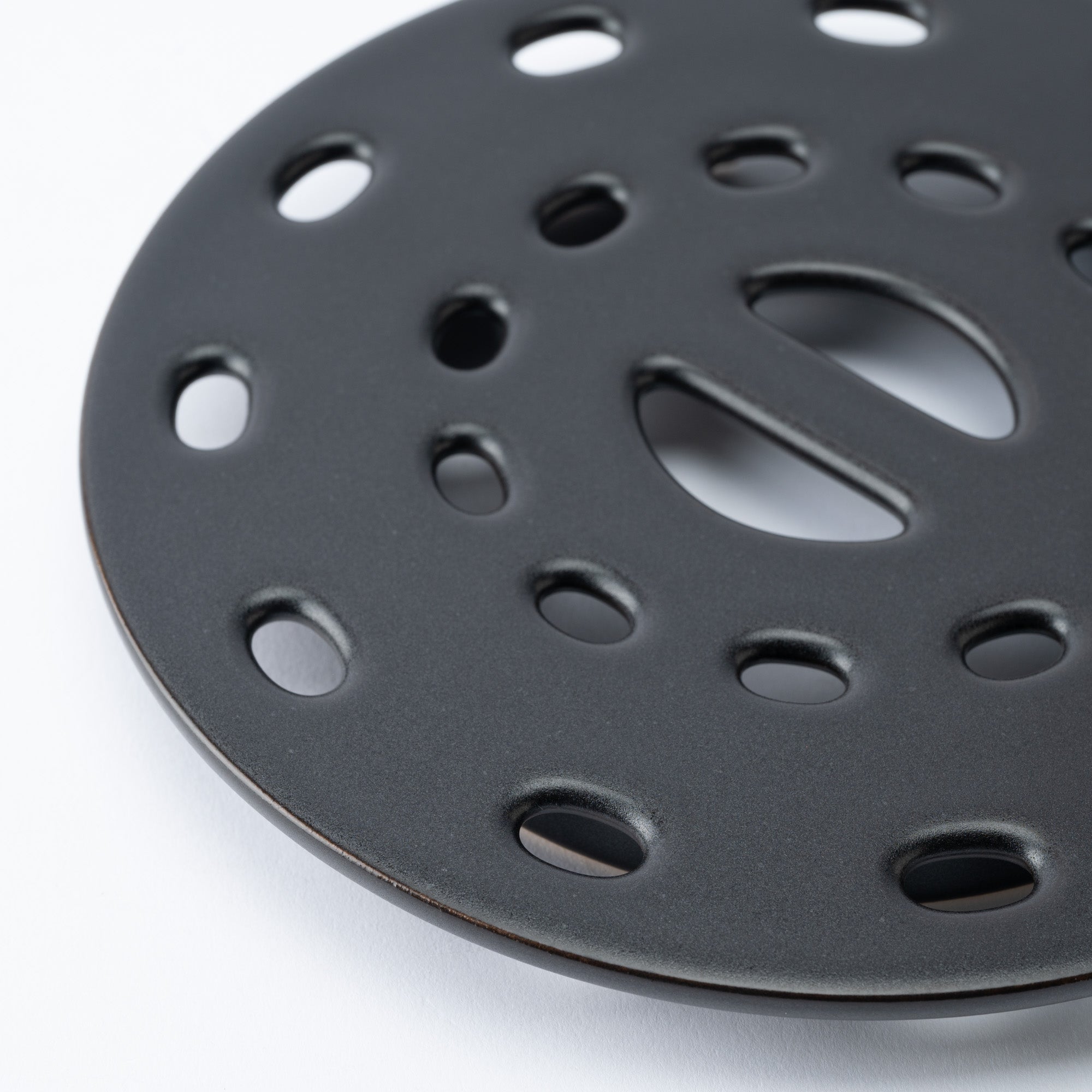
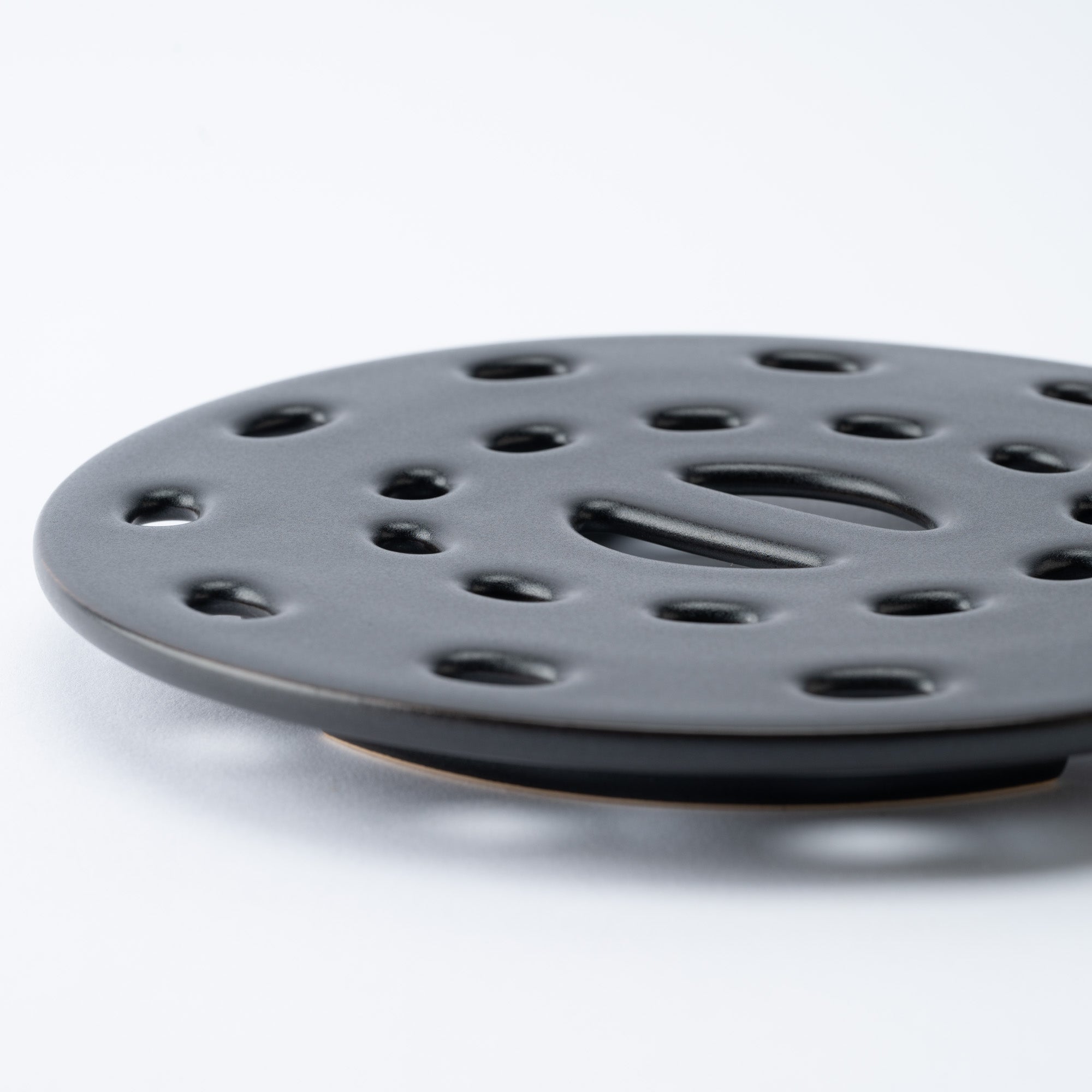
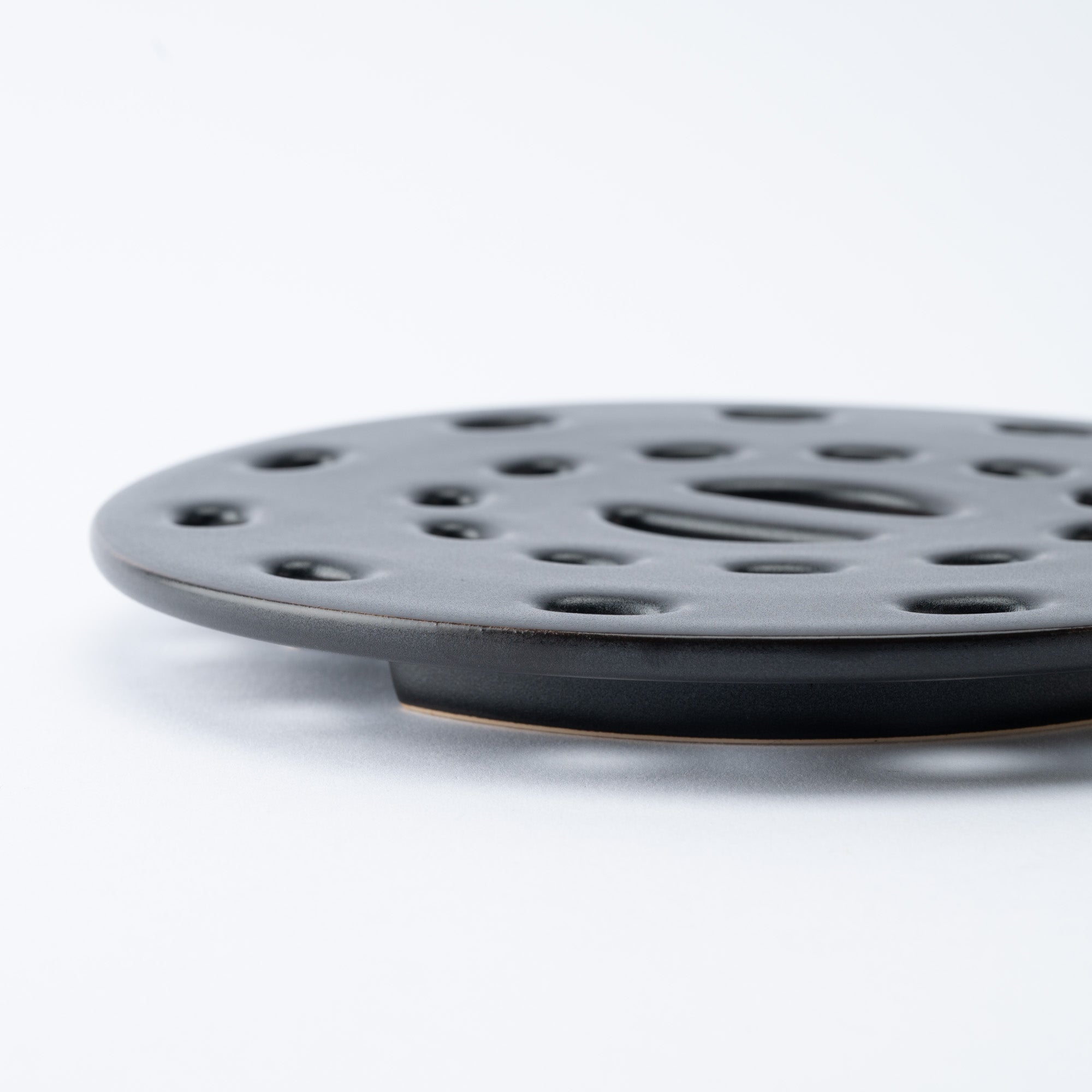
Los orificios de ventilación, distribuidos uniformemente desde el centro hacia afuera, permiten que el vapor circule suavemente por toda la olla. Esto garantiza una cocción pareja para verduras, pescado y carne por igual. Como la rejilla eleva los ingredientes ligeramente sobre la base de la olla, la humedad se retiene durante el calentamiento, lo que resulta en verduras al vapor tiernas y platos jugosos como pollo al vapor.
La estructura elevada ayuda a prevenir quemaduras y reduce el contacto directo con el fondo de la olla, minimizando el desgaste del donabe. Un asa central está cuidadosamente diseñada para facilitar su extracción, incluso en medio del vapor.
DETALLES
| Quantity | 1 pc |
| Size | D 22 cm (8.7 in) x H 2 cm (0.8 in) |
| Weight | 370 g (13.1 oz) |
| Material | Stoneware |
| Microwave | Yes |
| Dishwasher | No |
Artesanía
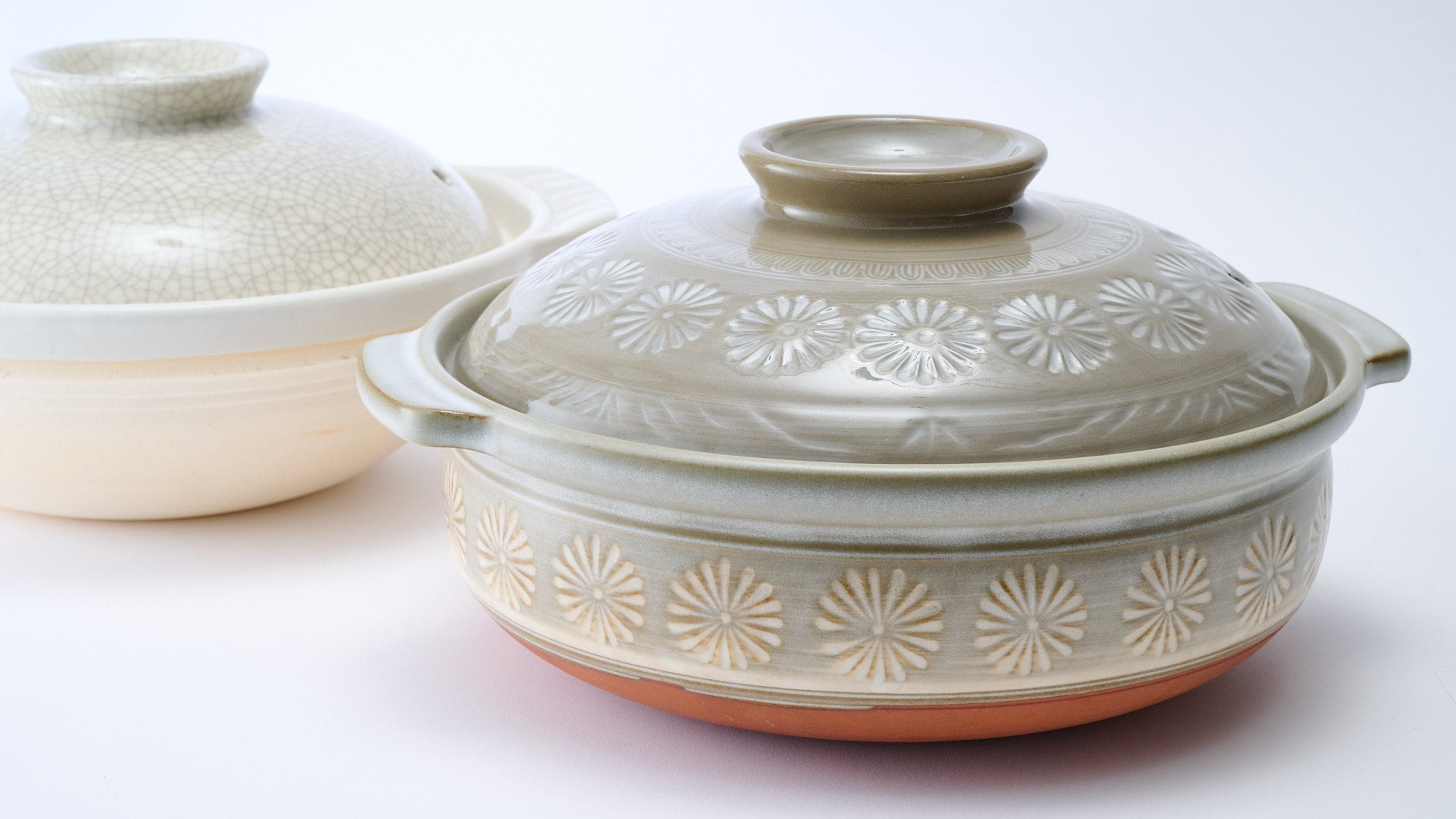
La cerámica Yokkaichi Banko, comúnmente conocida como cerámica Banko, tiene sus orígenes en la elaboración de cerámicas que abarcan desde vajillas de uso diario hasta floreros. Hoy en día, es más conocida por su donabe, o ollas de barro japonesas, valoradas por su durabilidad y excelente retención del calor. Alrededor del 80 % de todos los donabe producidos en Japón son de cerámica Banko, lo que los convierte en un utensilio esencial para la preparación de comidas caseras.
Cómo cuidar
Notas
Elige opciones
Estimated Shipping Widget will be displayed here!
Utensilios de cocina
Aporte facilidad y estilo a su rutina de cocina con nuestra colección de utensilios de cocina japoneses. Con utensilios esenciales como espátulas, palas, palillos de cocina, batidores y cucharones, nuestra gama de herramientas prácticas está cuidadosamente elaborada por artesanos expertos.
