



Cuenco de Matcha Hiiro Shino
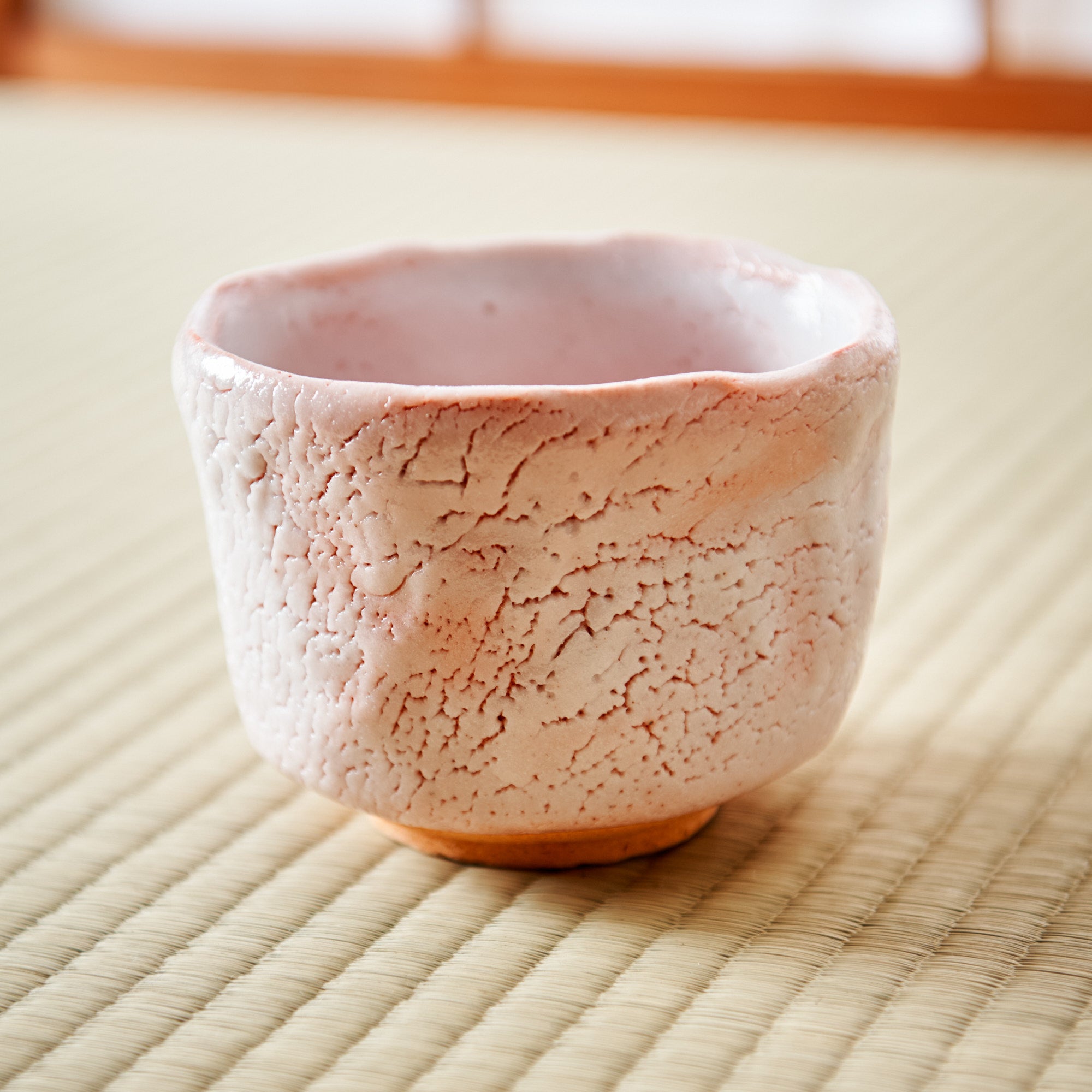
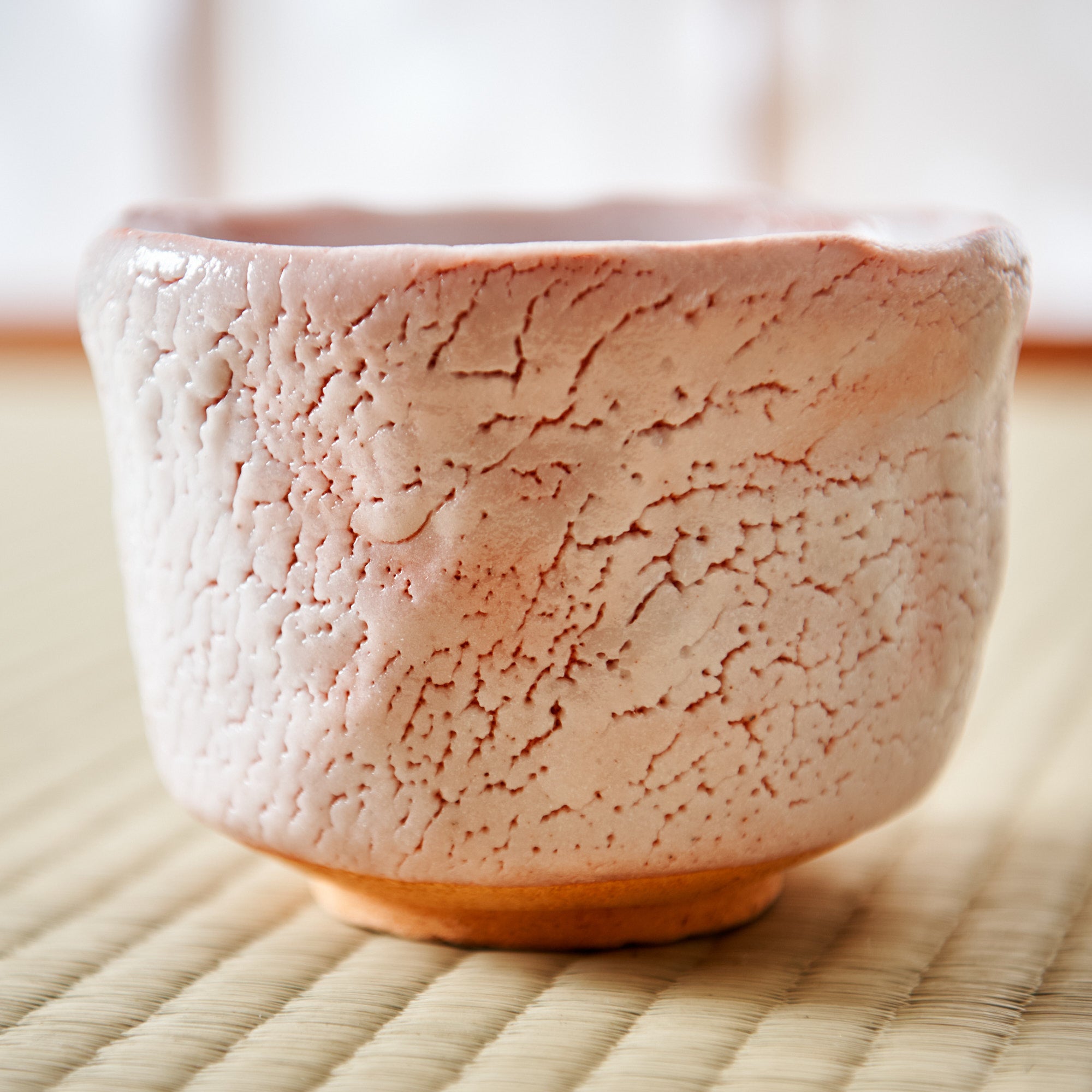
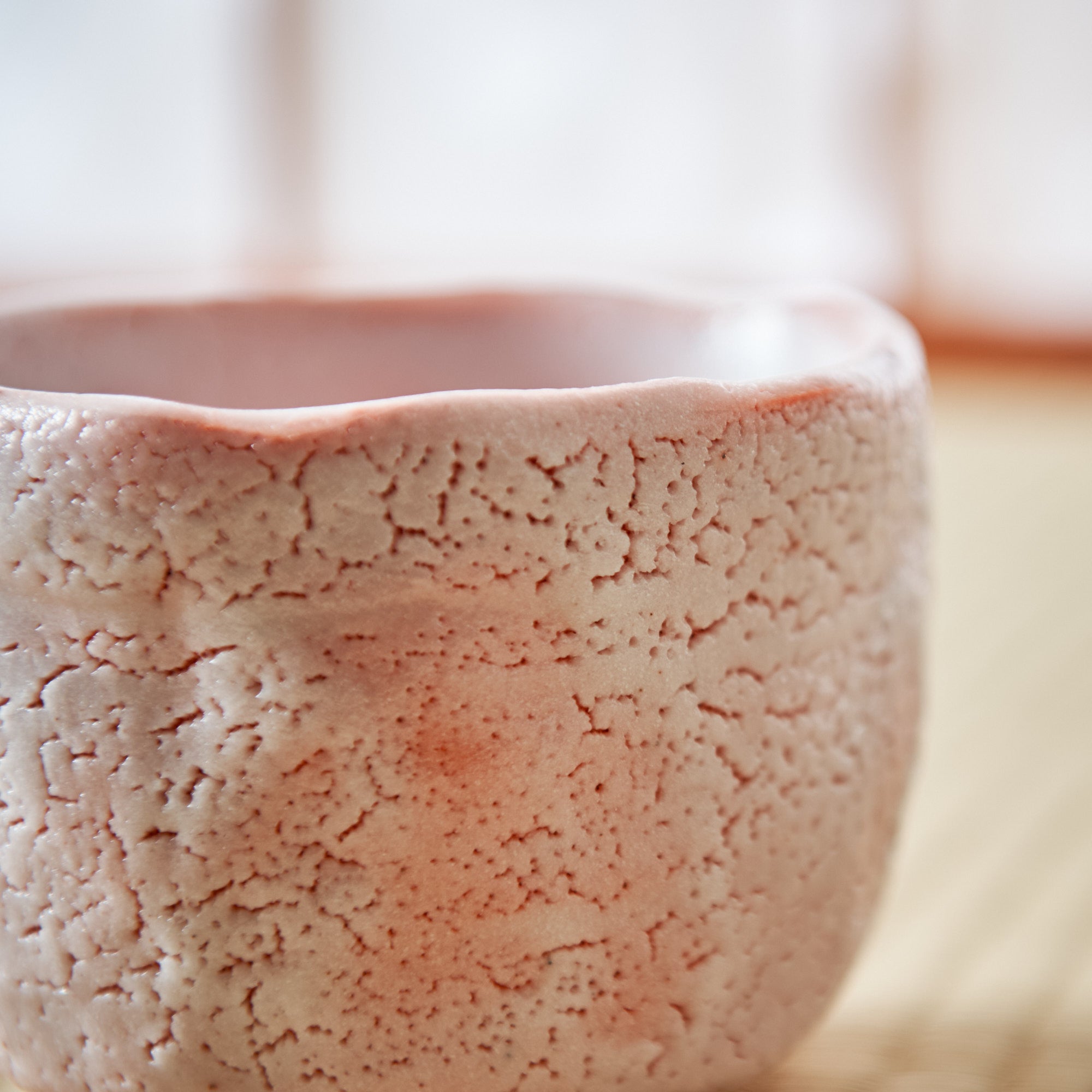
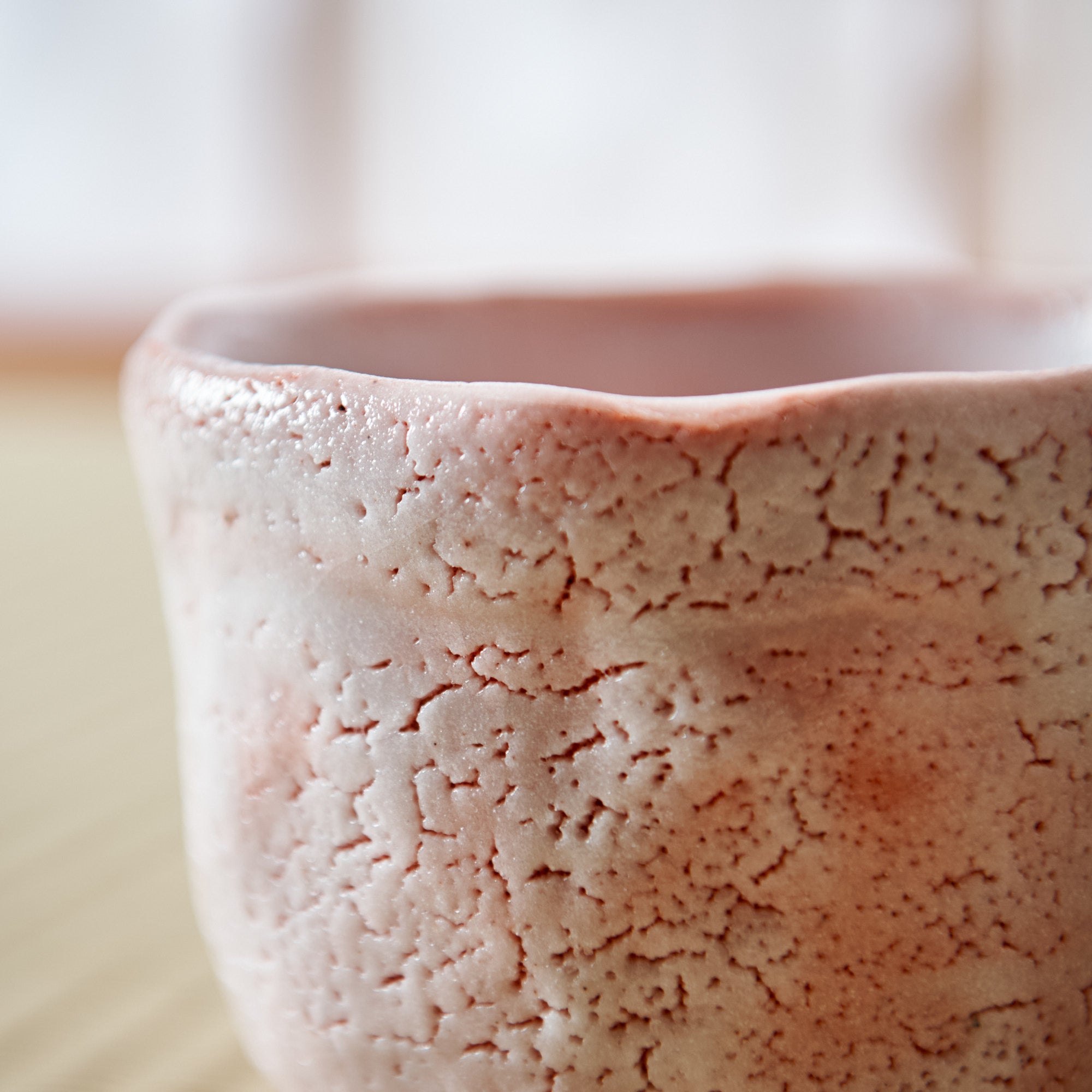
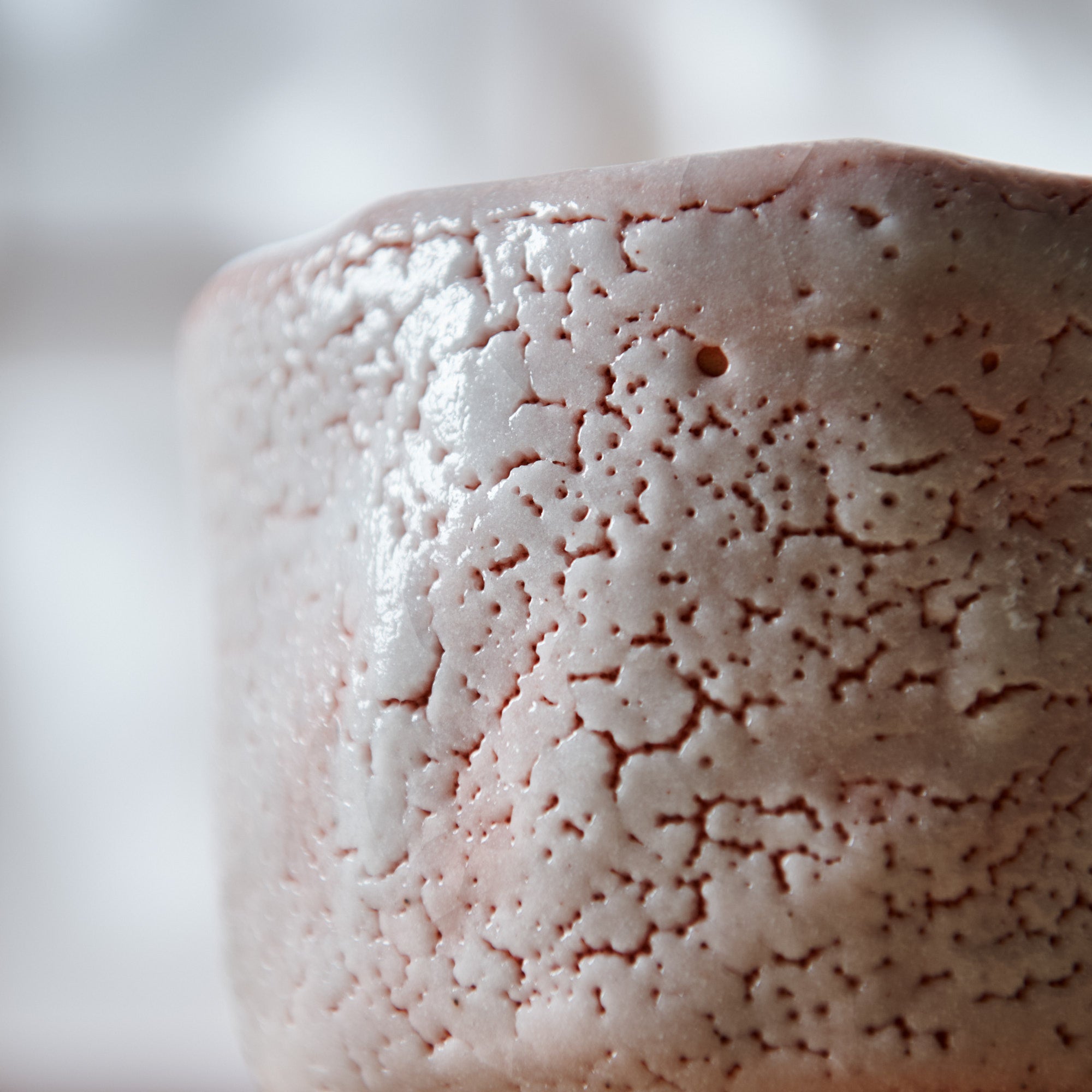
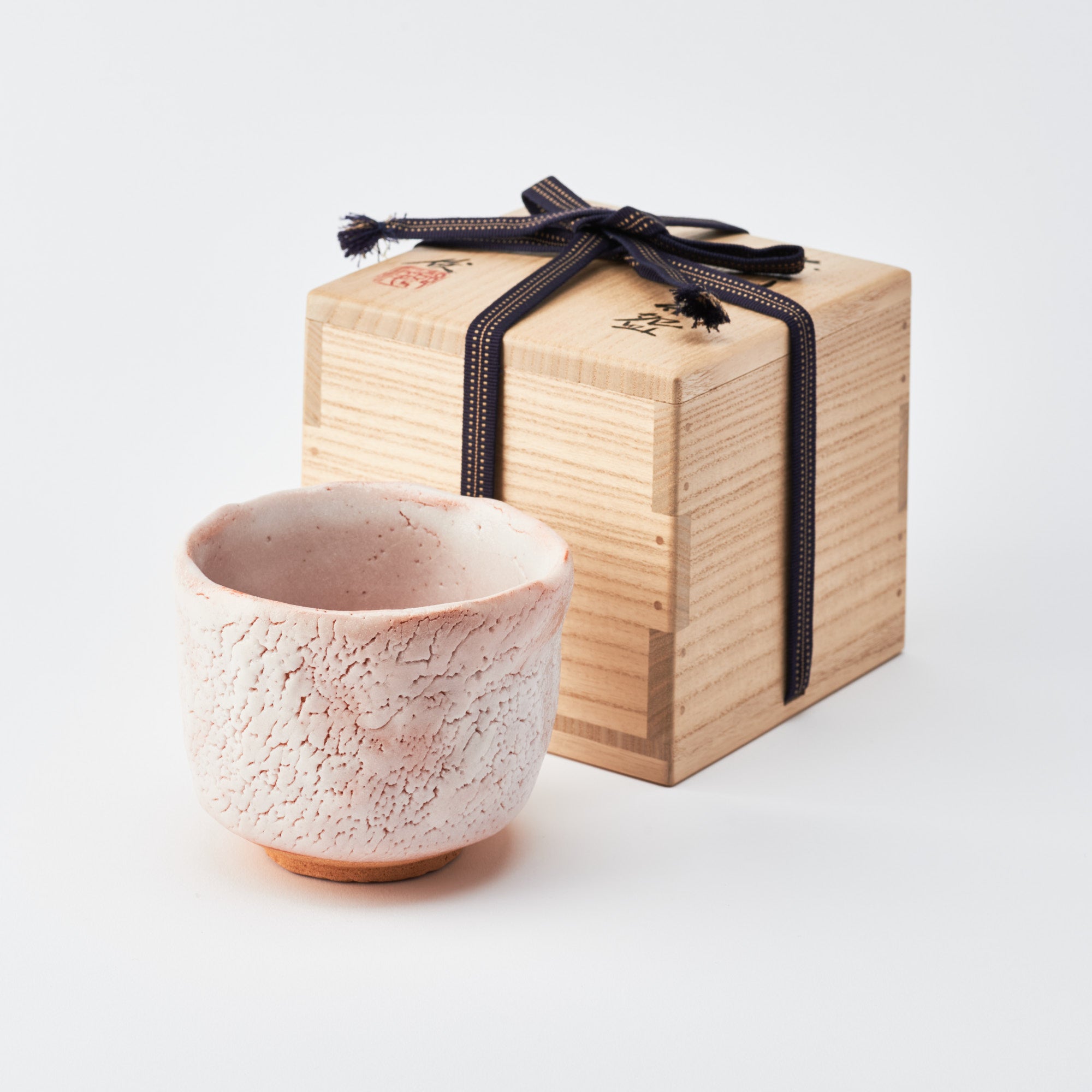
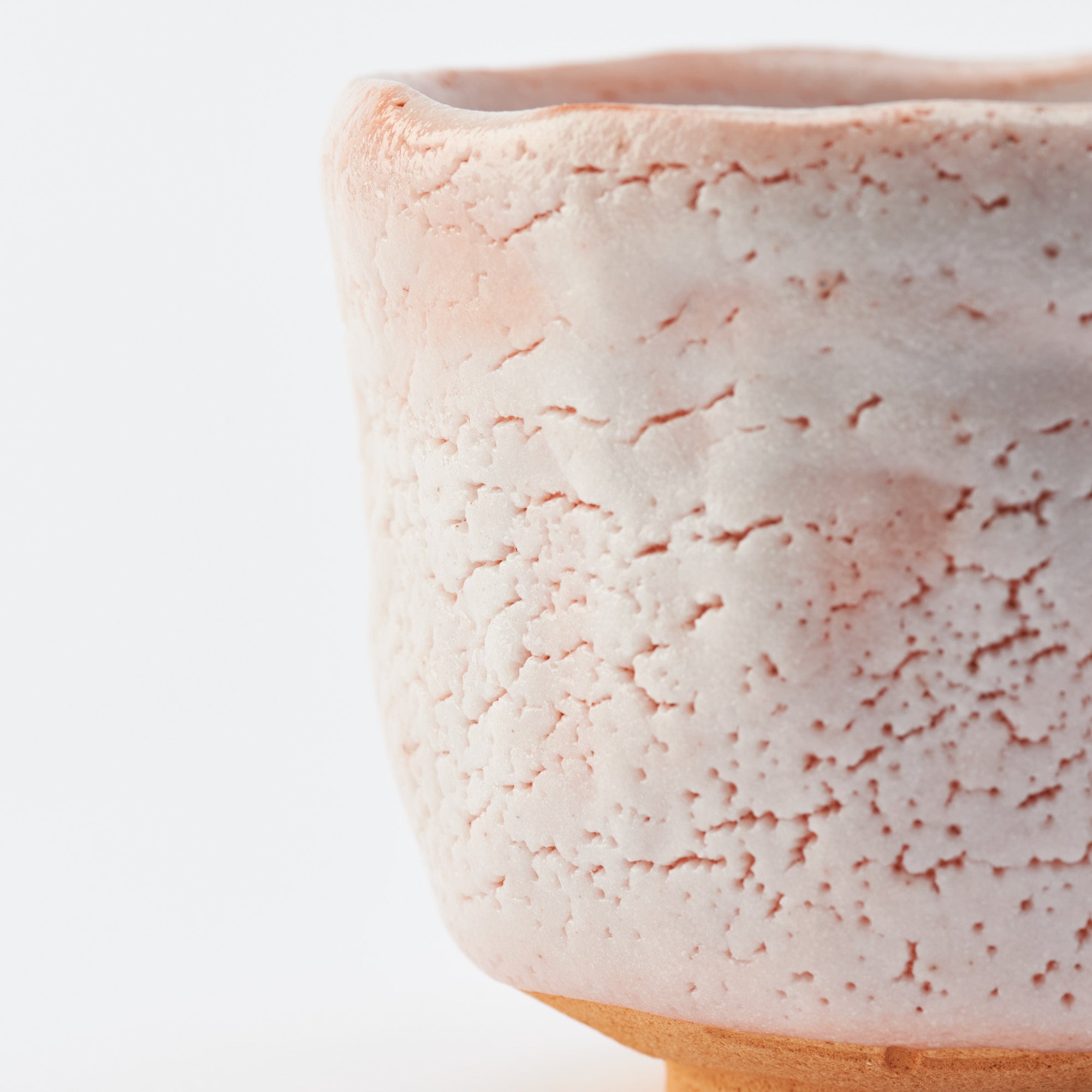
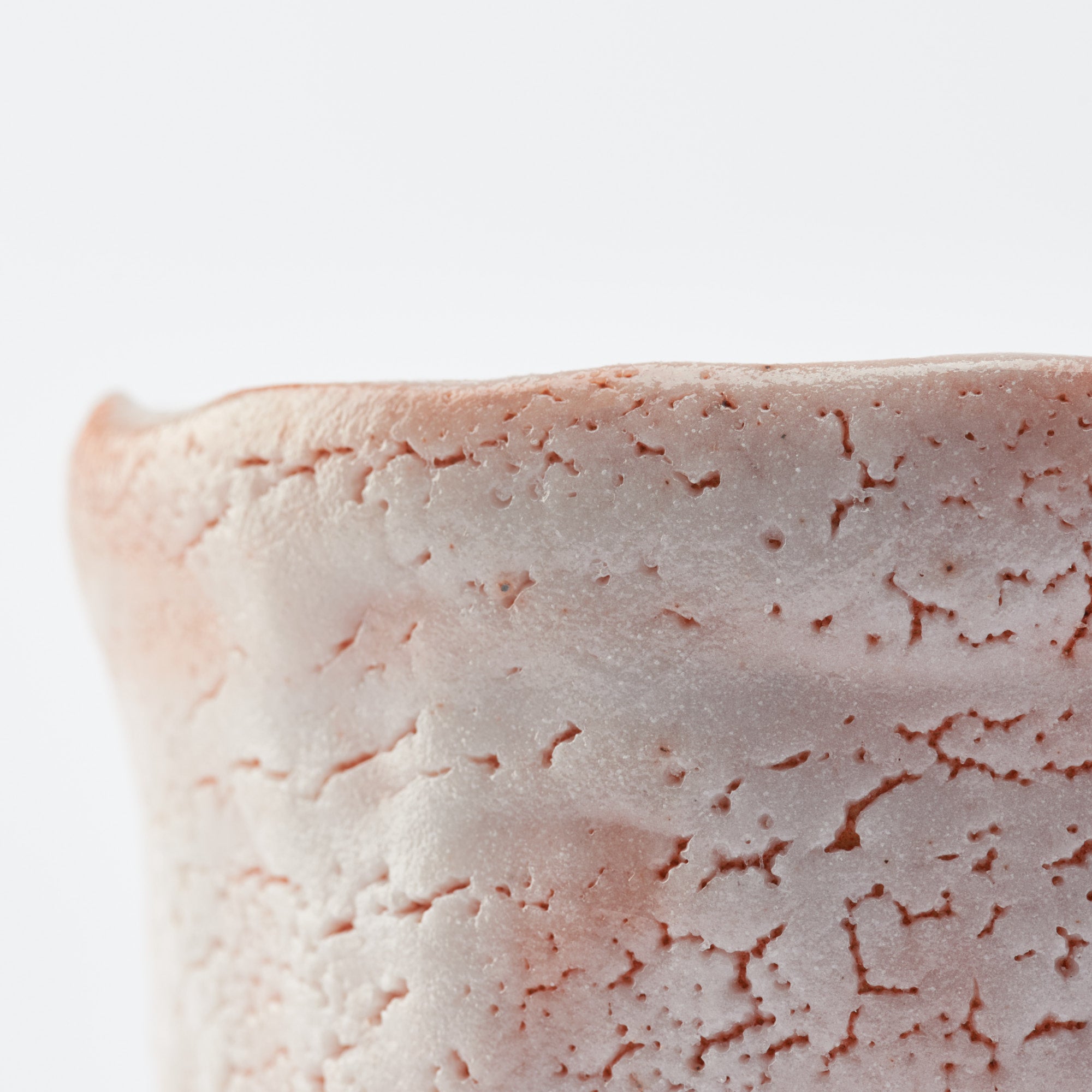
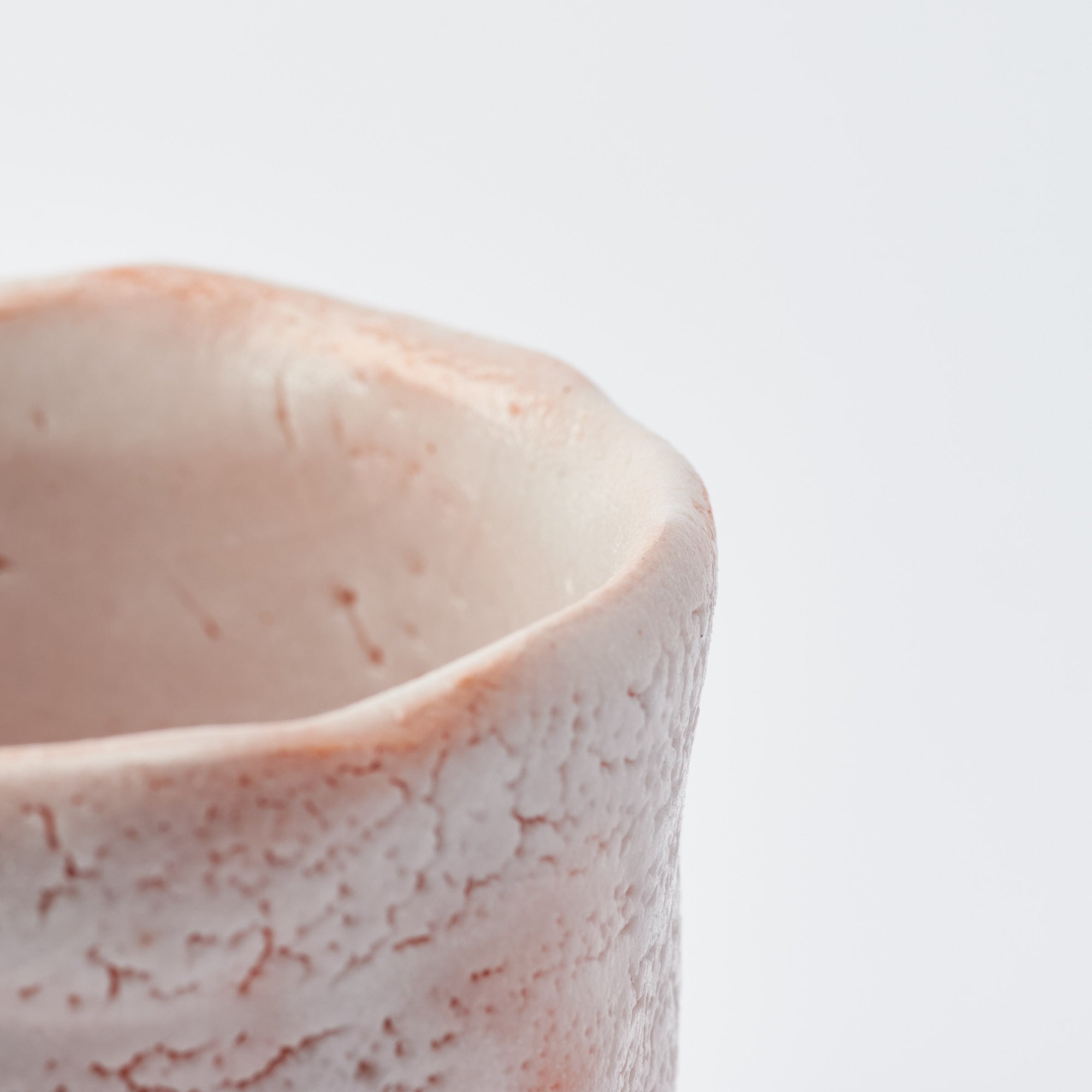
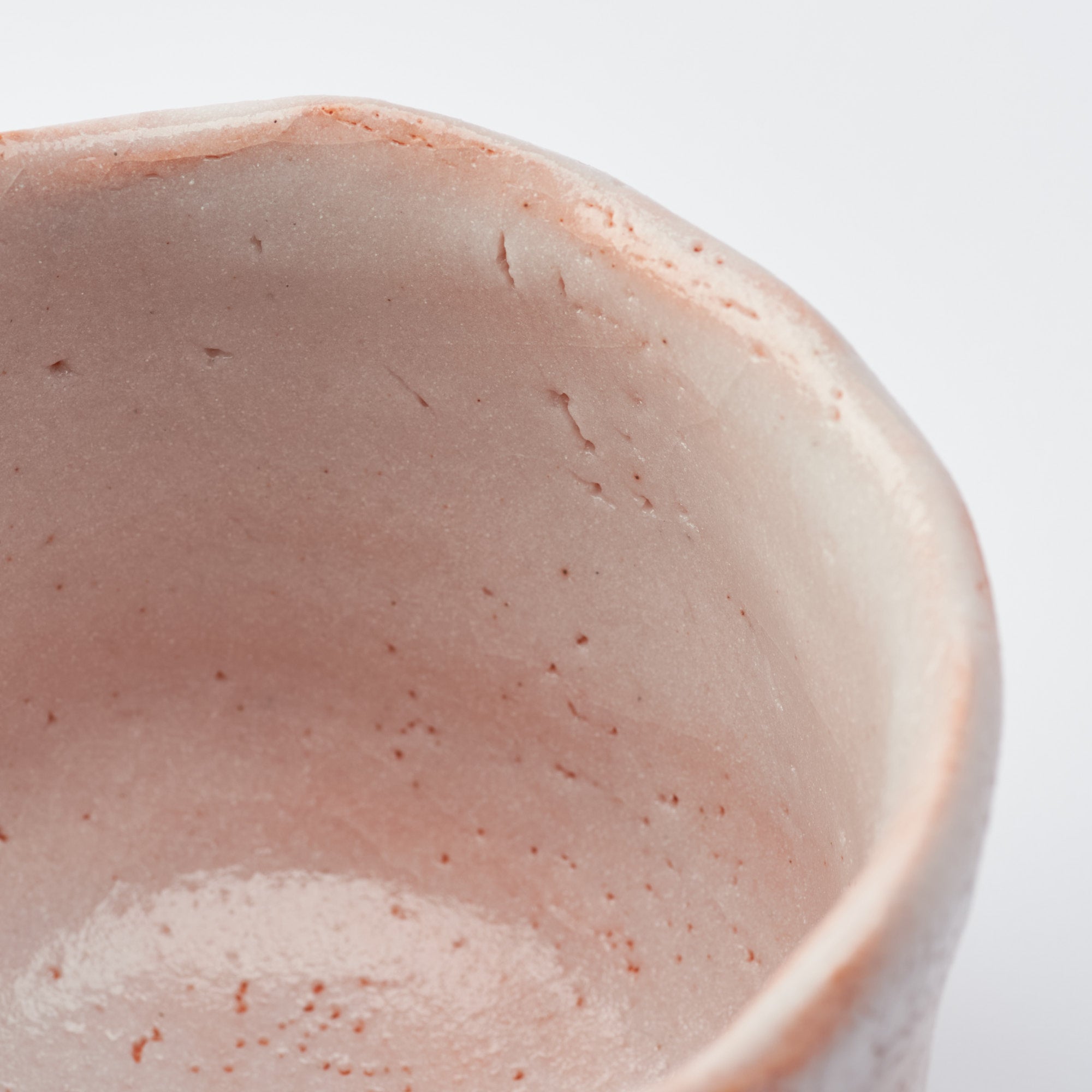
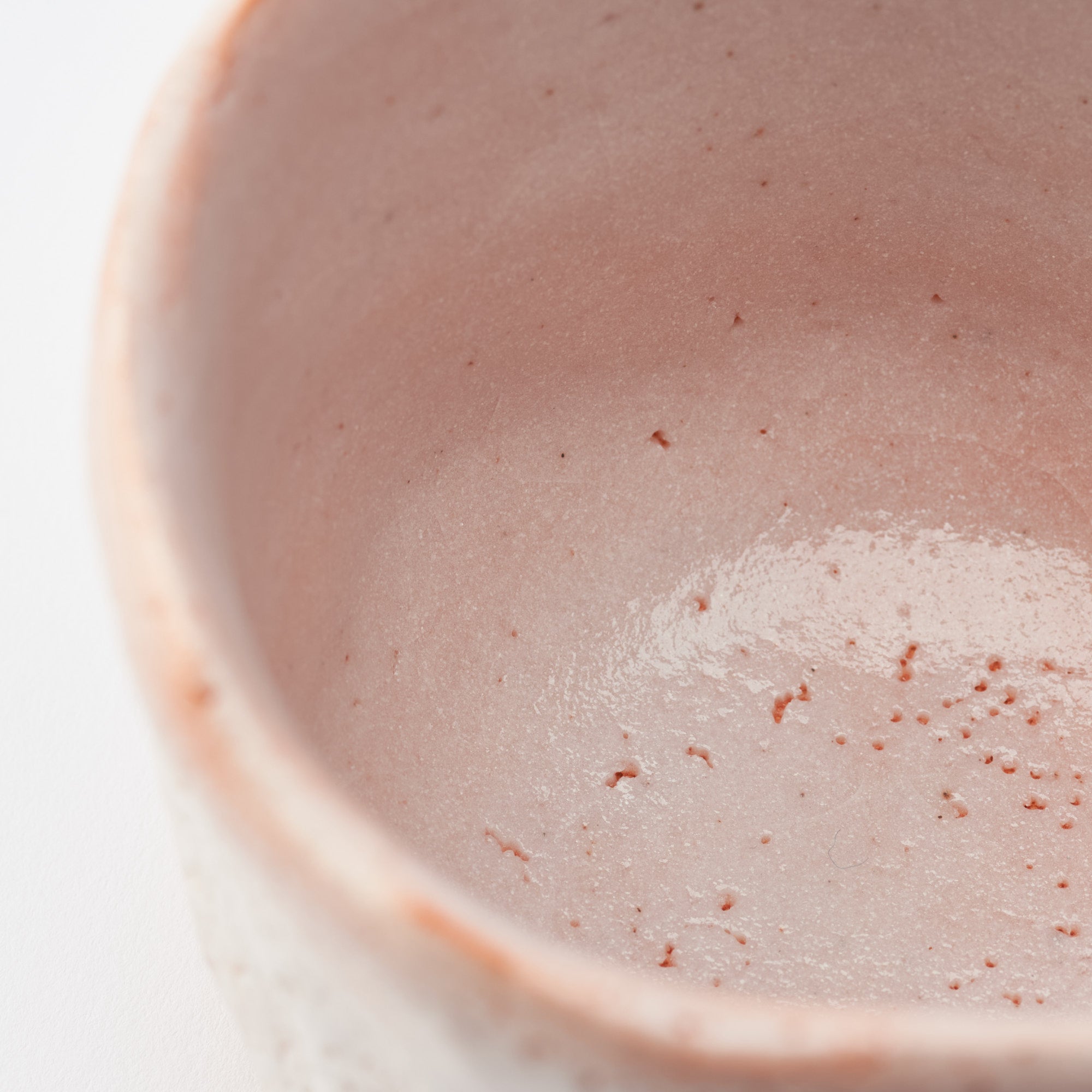
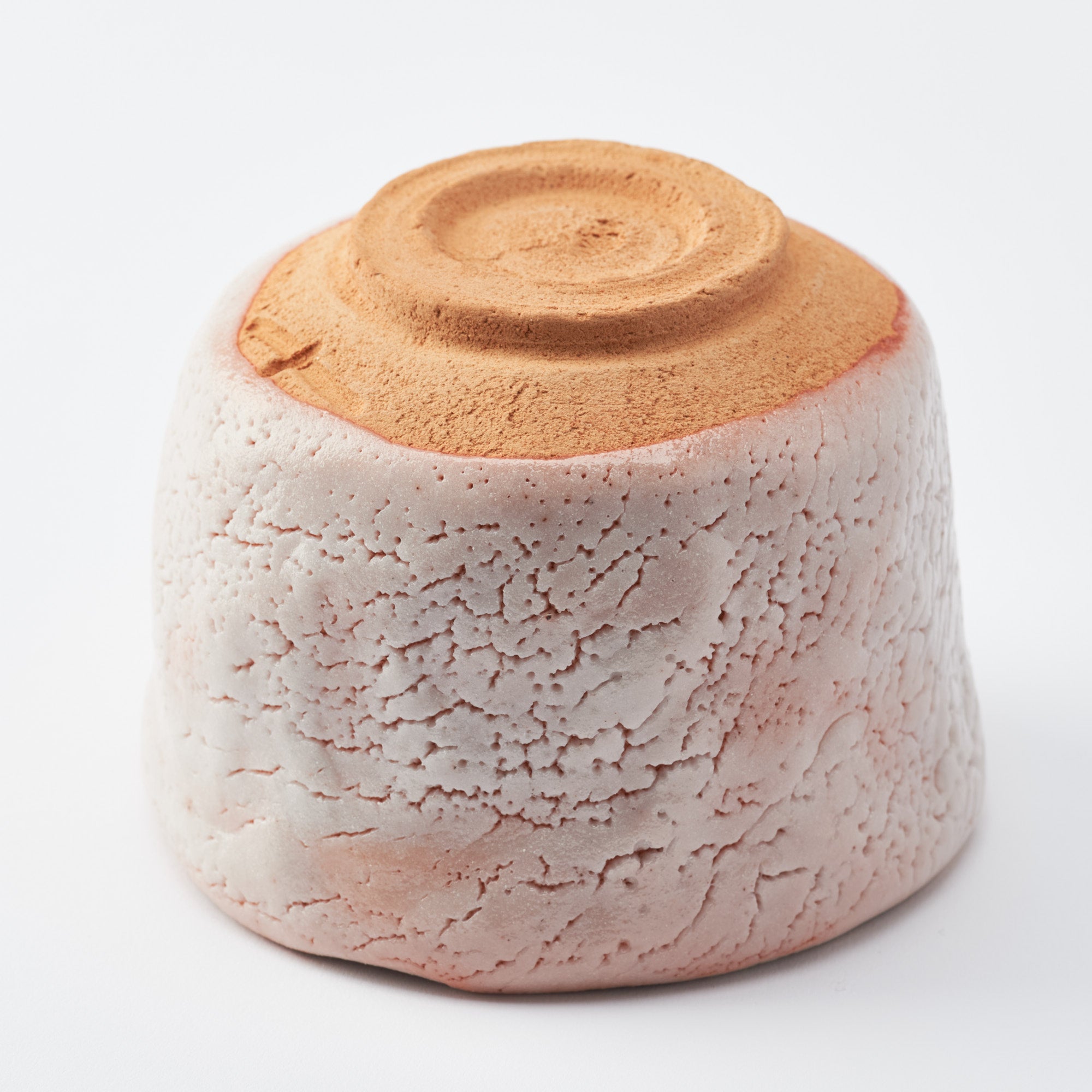
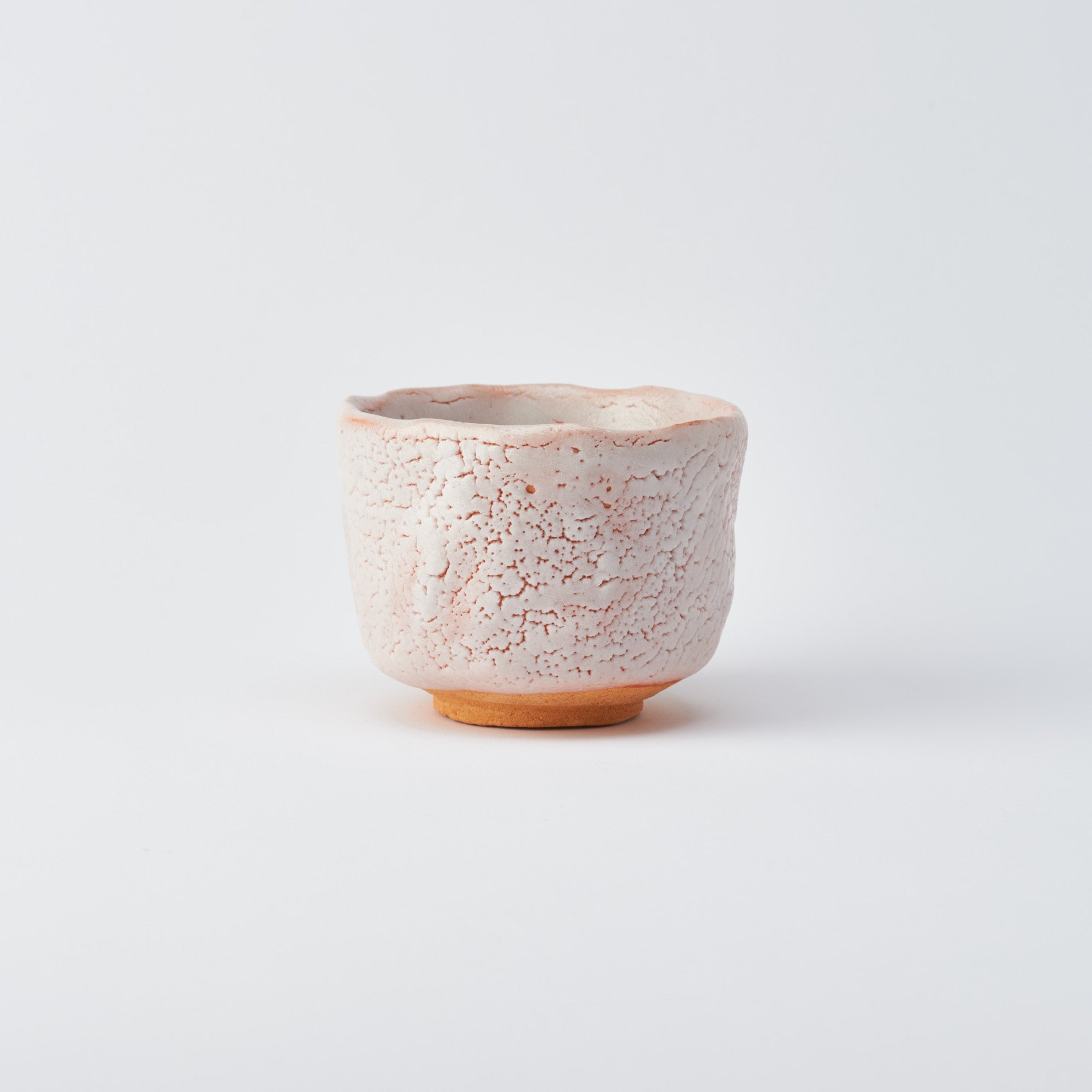
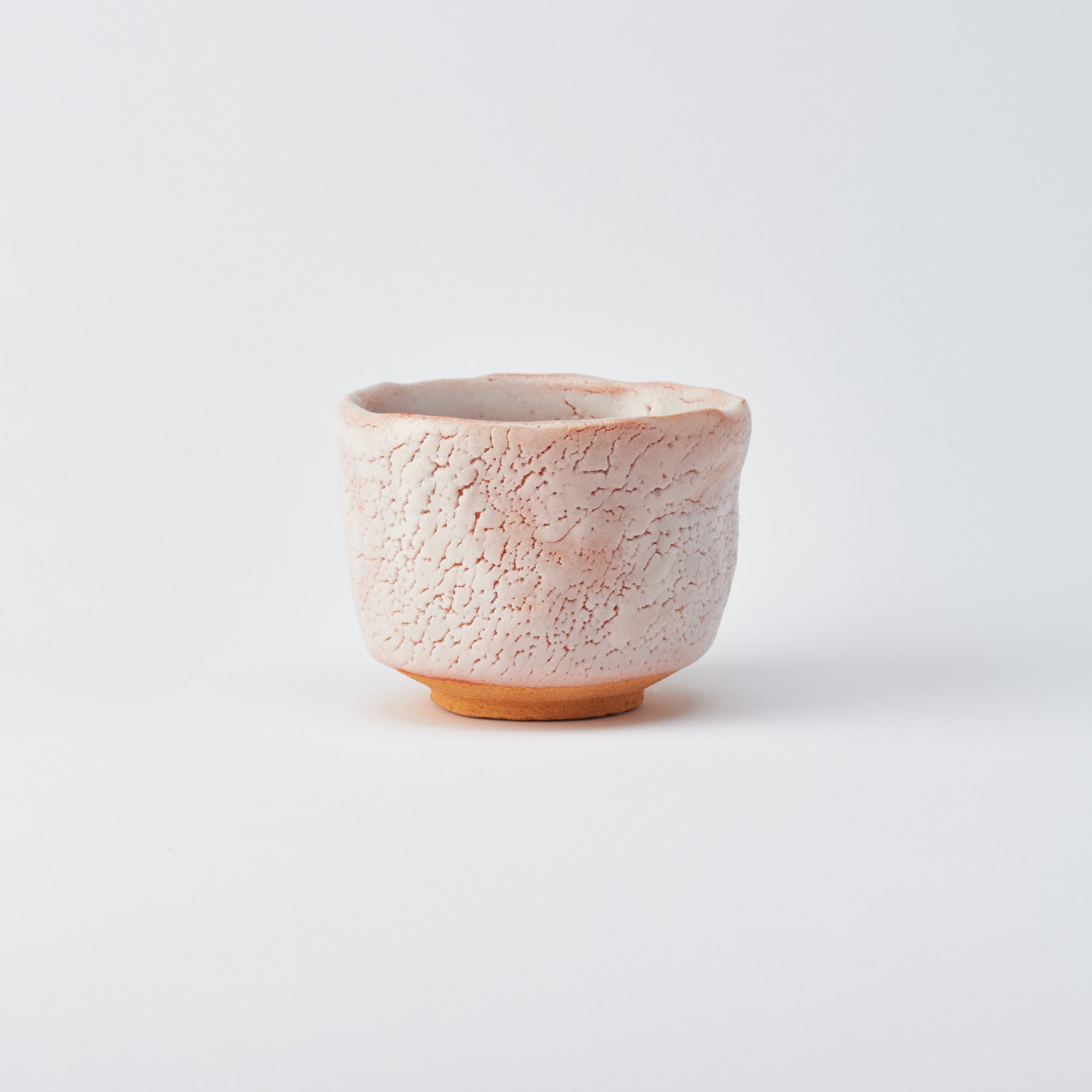
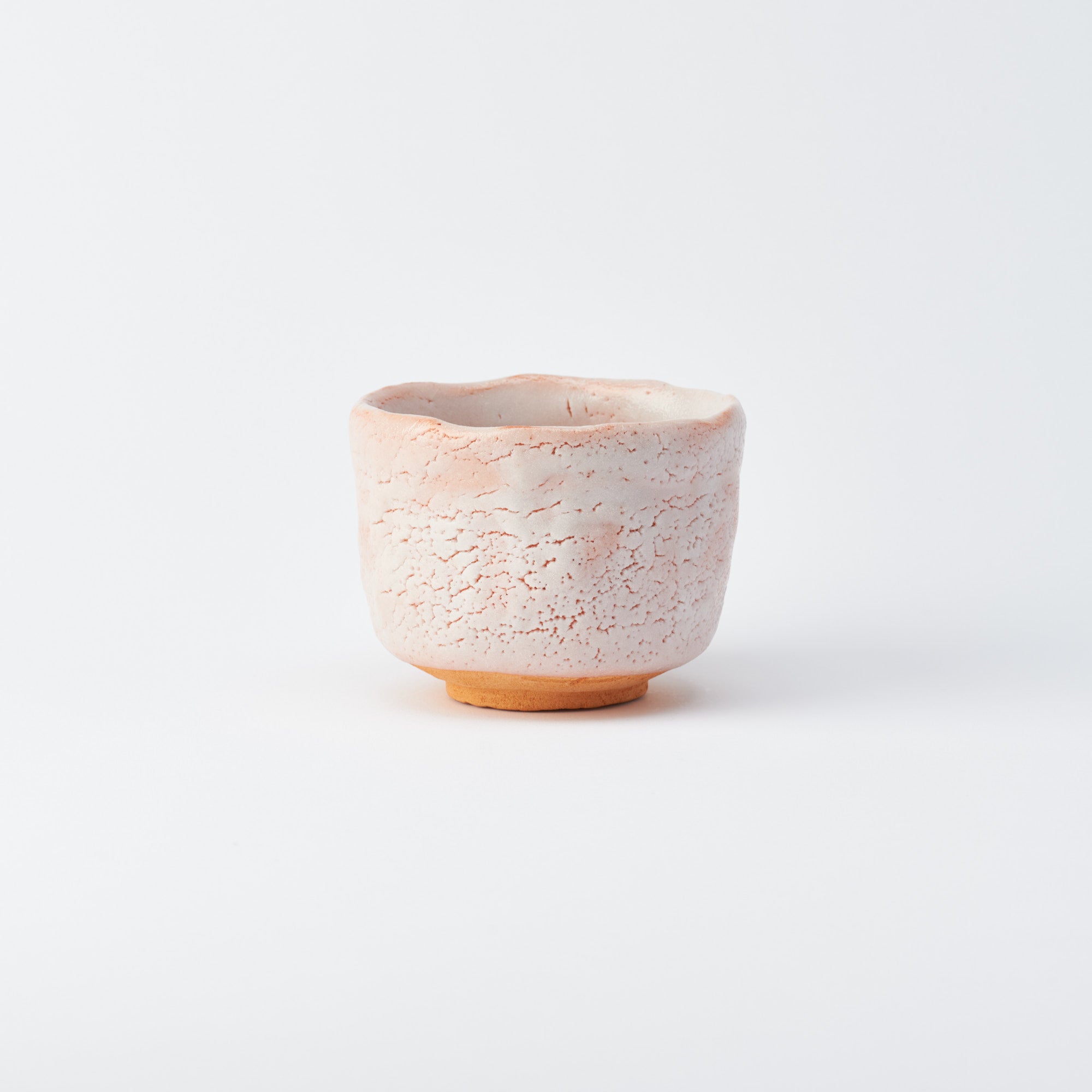
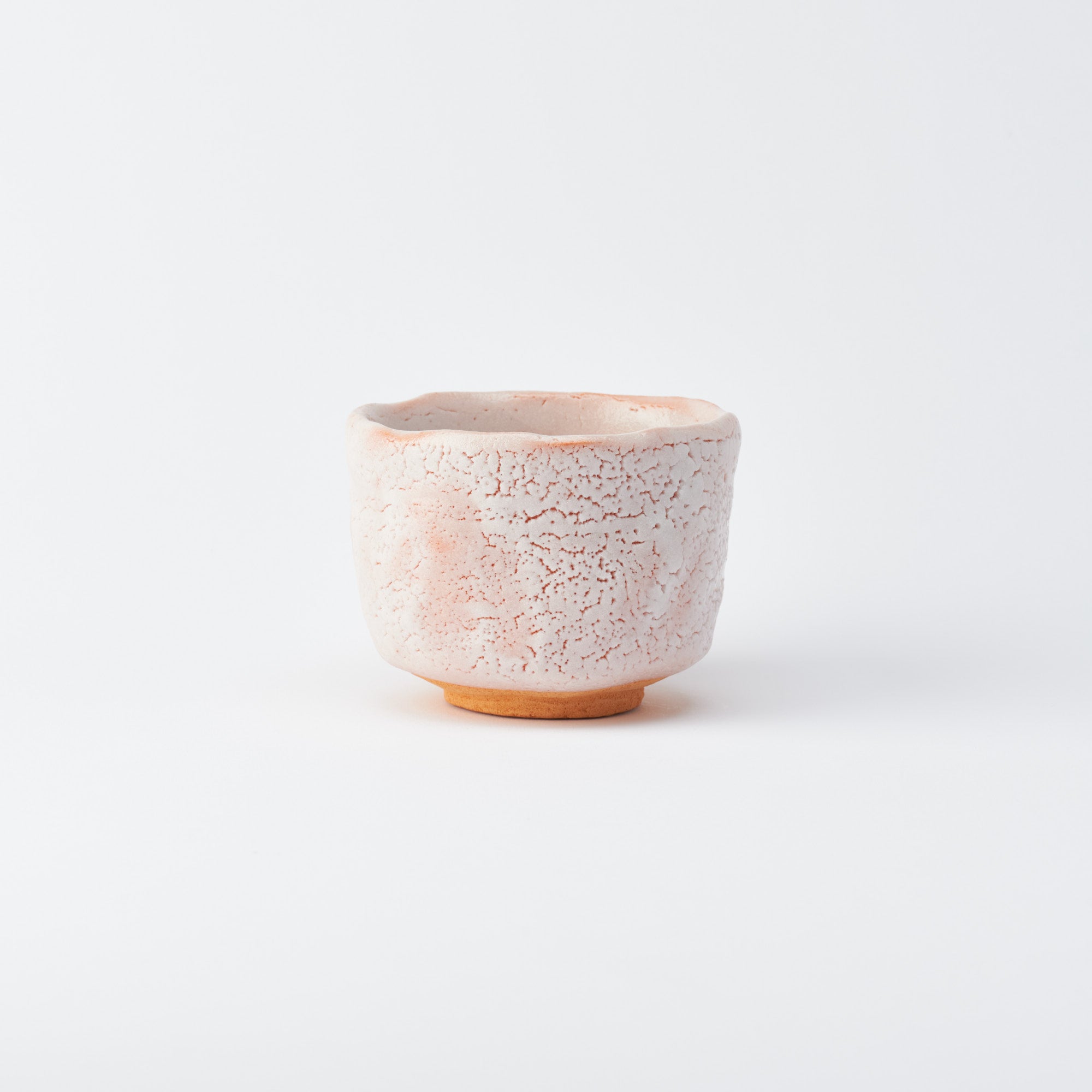
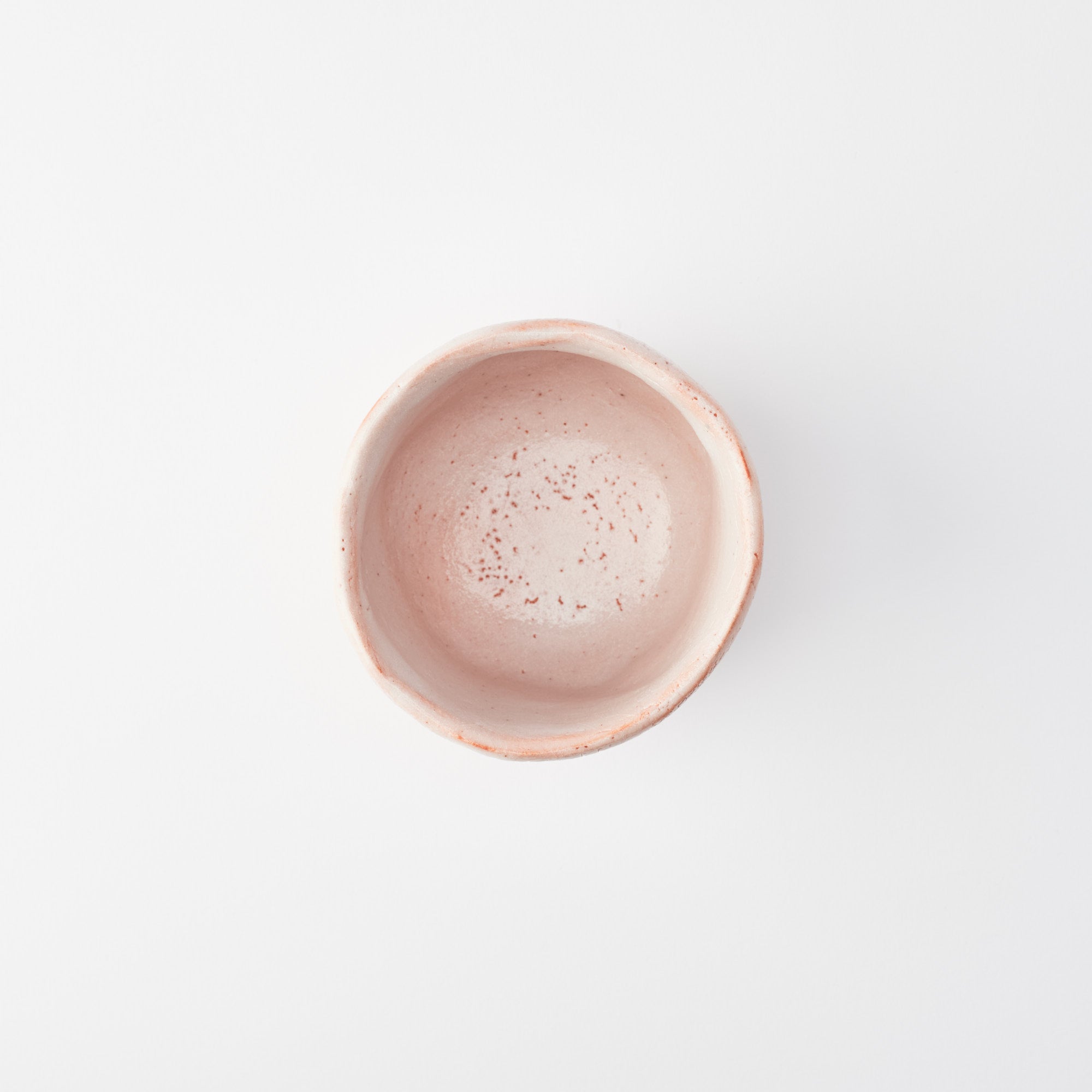
Este cuenco para matcha de Hori Toshiro, maestro de Mino ware, ejemplifica la calidez refinada de Shino, el primer esmalte blanco de Japón. Grietas audaces pero delicadas en la superficie del esmalte se ramifican suavemente por la pieza, creando un diálogo de color entre el esmalte Shino blanco perlado y el tono similar a llamas de la arcilla llamado hiiro. Ocultando y revelando a la vez, muestra la habilidad de Hori para equilibrar el control técnico con la variación azarosa nacida de fuerzas naturales.
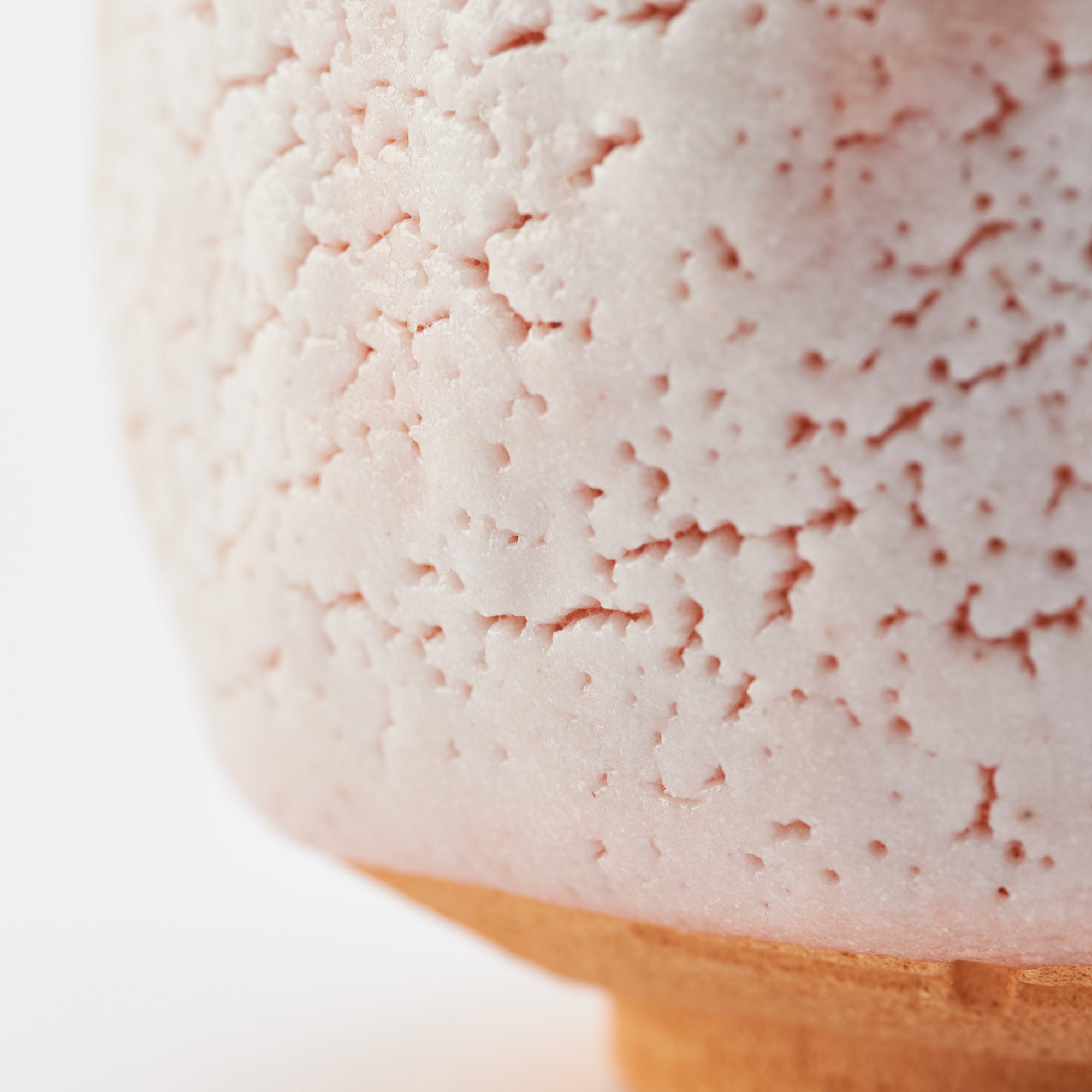
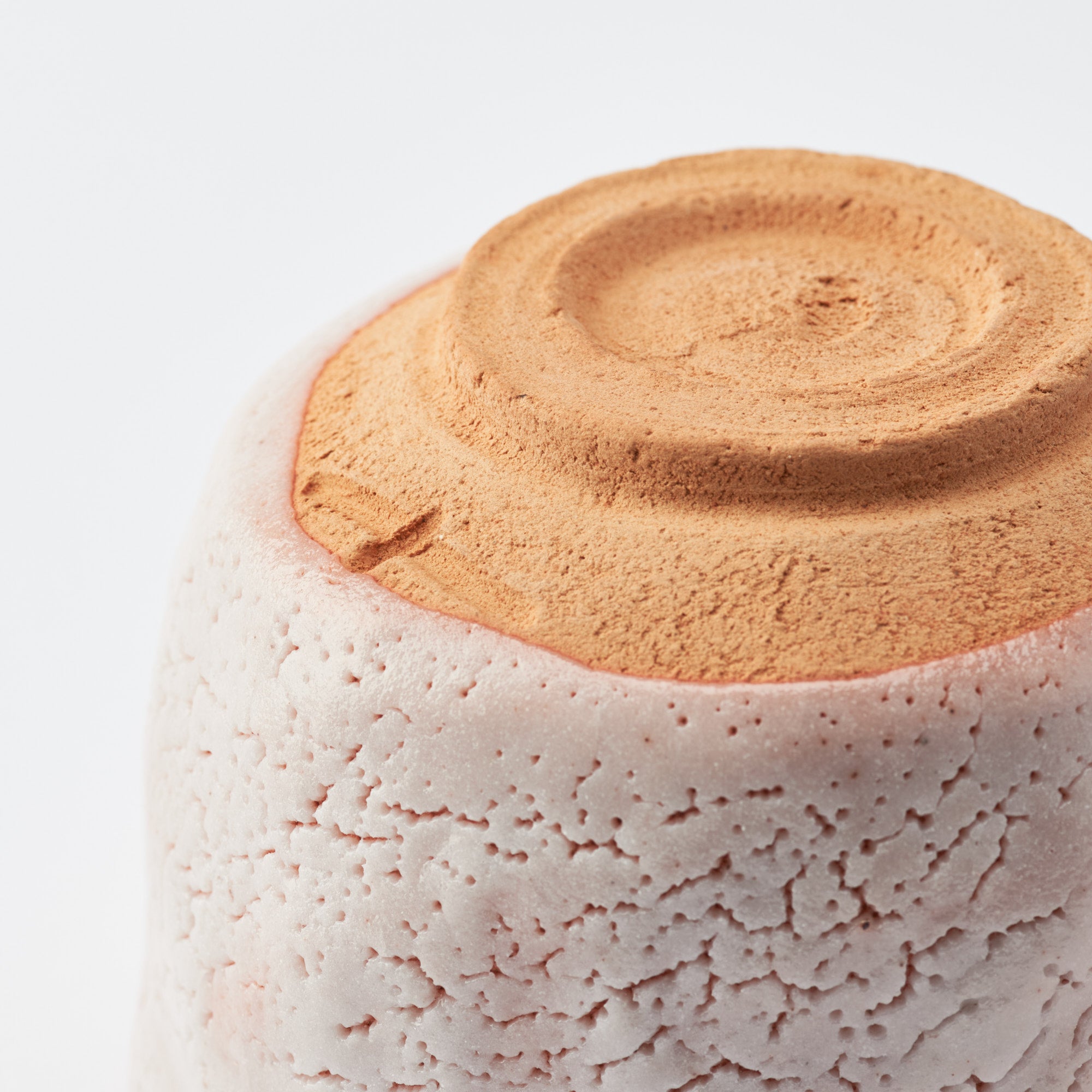
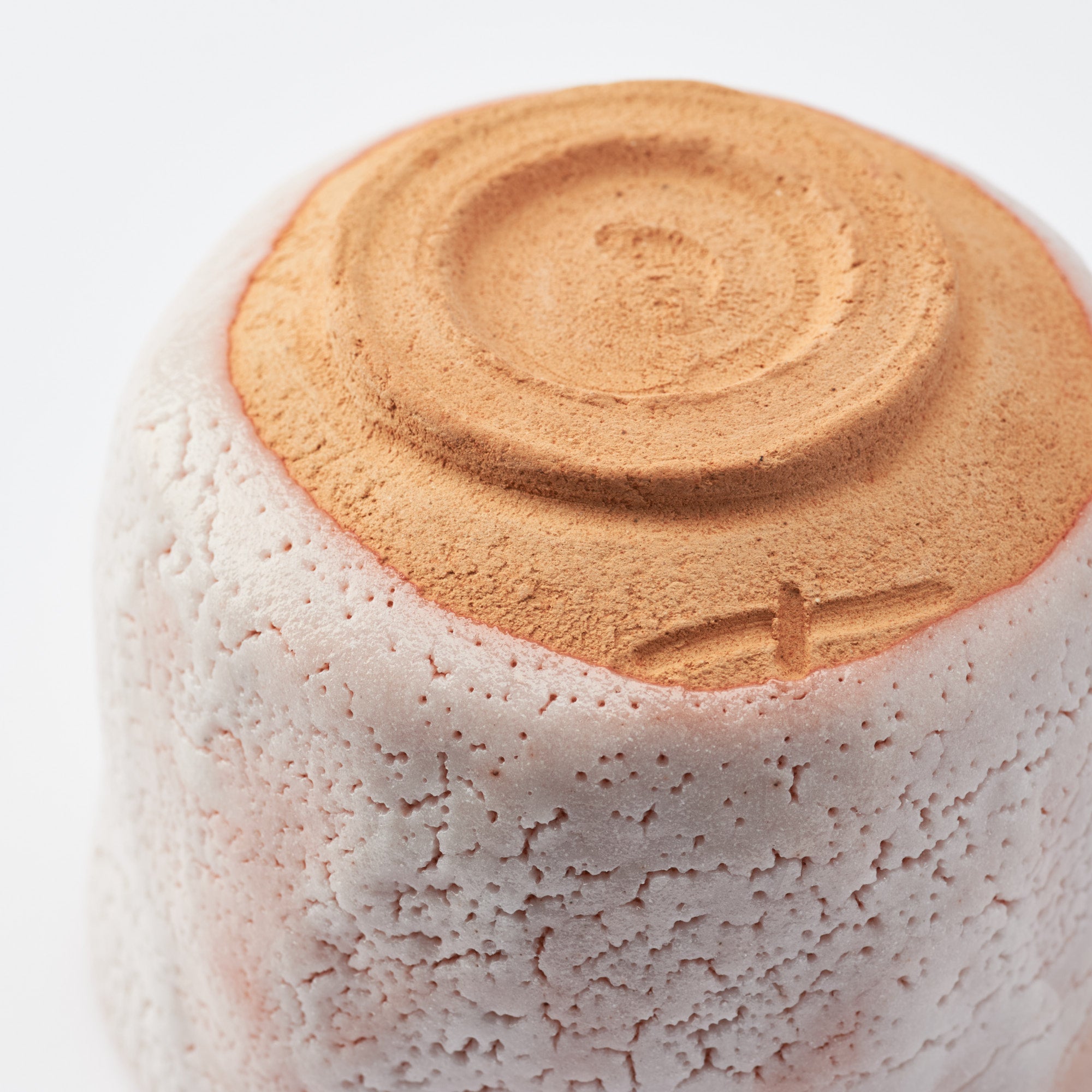
Shino es un esmalte a base de feldespato que se contrae más que el cuerpo de arcilla debajo, resultando en su distintiva textura kairagi, o "piel de flor de ciruelo". Esta pieza en particular fue cocida durante tres días en un horno tradicional anagama , un horno de leña en forma de túnel usado en Japón durante 1,600 años. Las interacciones entre el hierro en la arcilla, el fuerte ambiente de reducción del horno y una envoltura rica en hierro colocada alrededor de la vasija durante la cocción generaron el color rojo anaranjado que se muestra a través de las grietas.
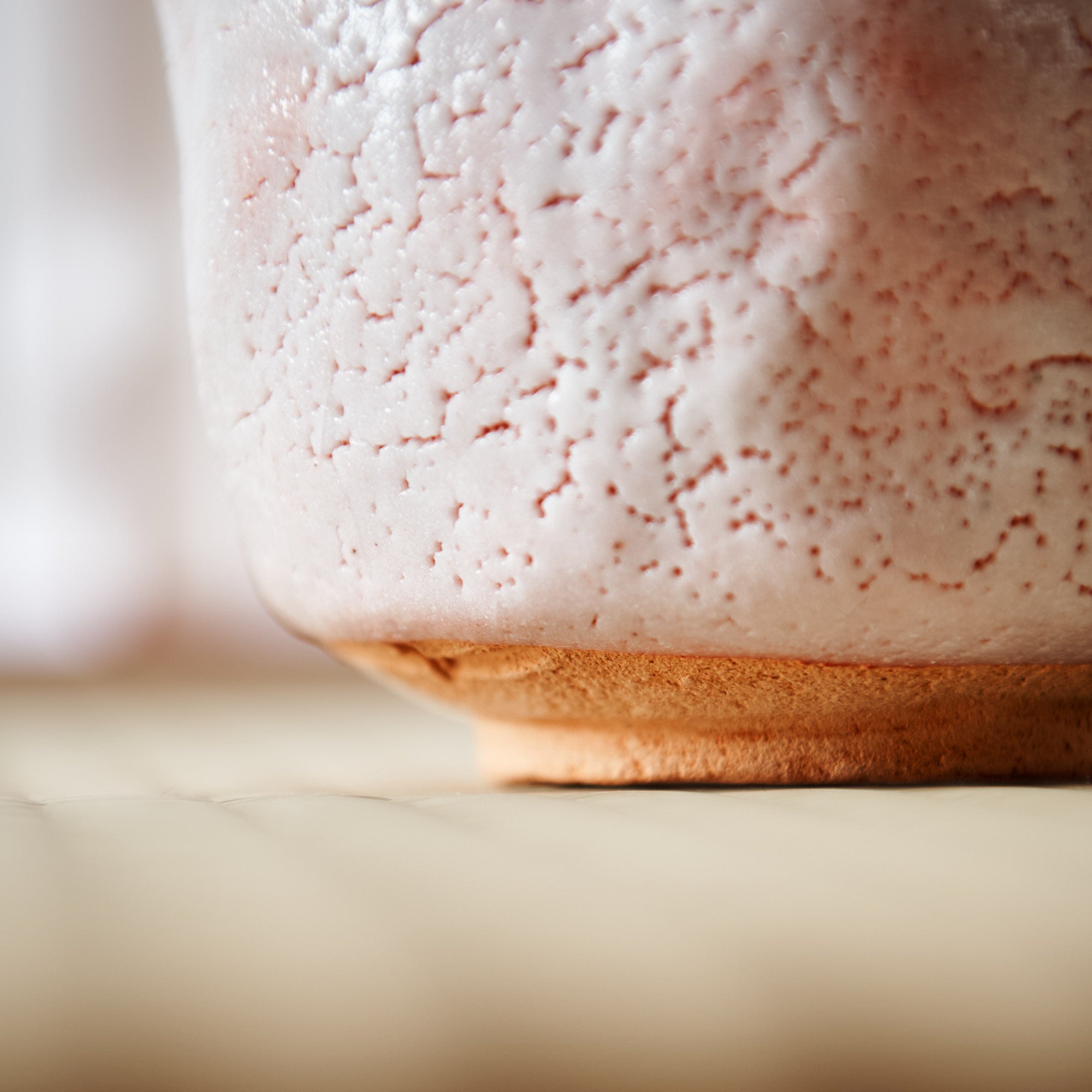
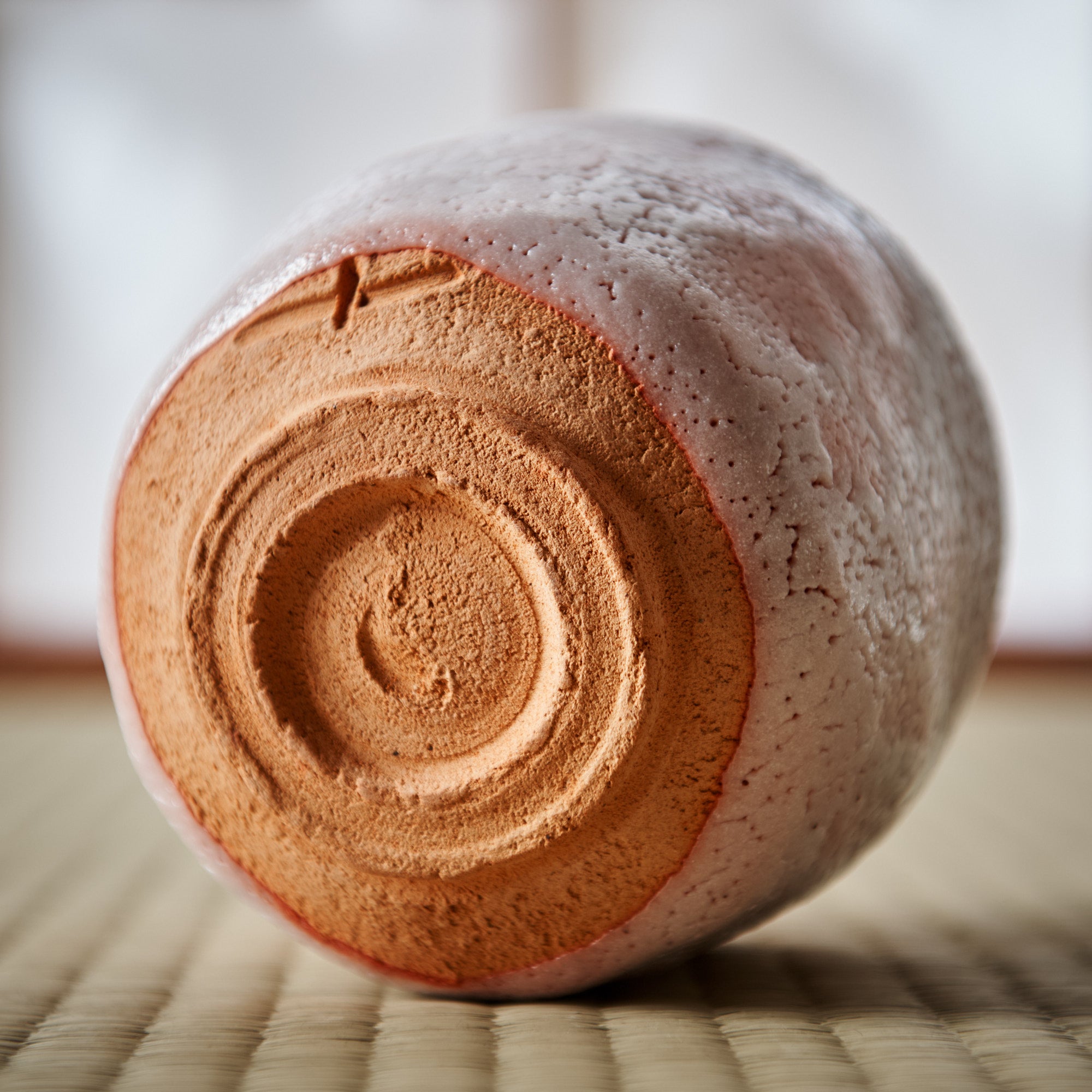
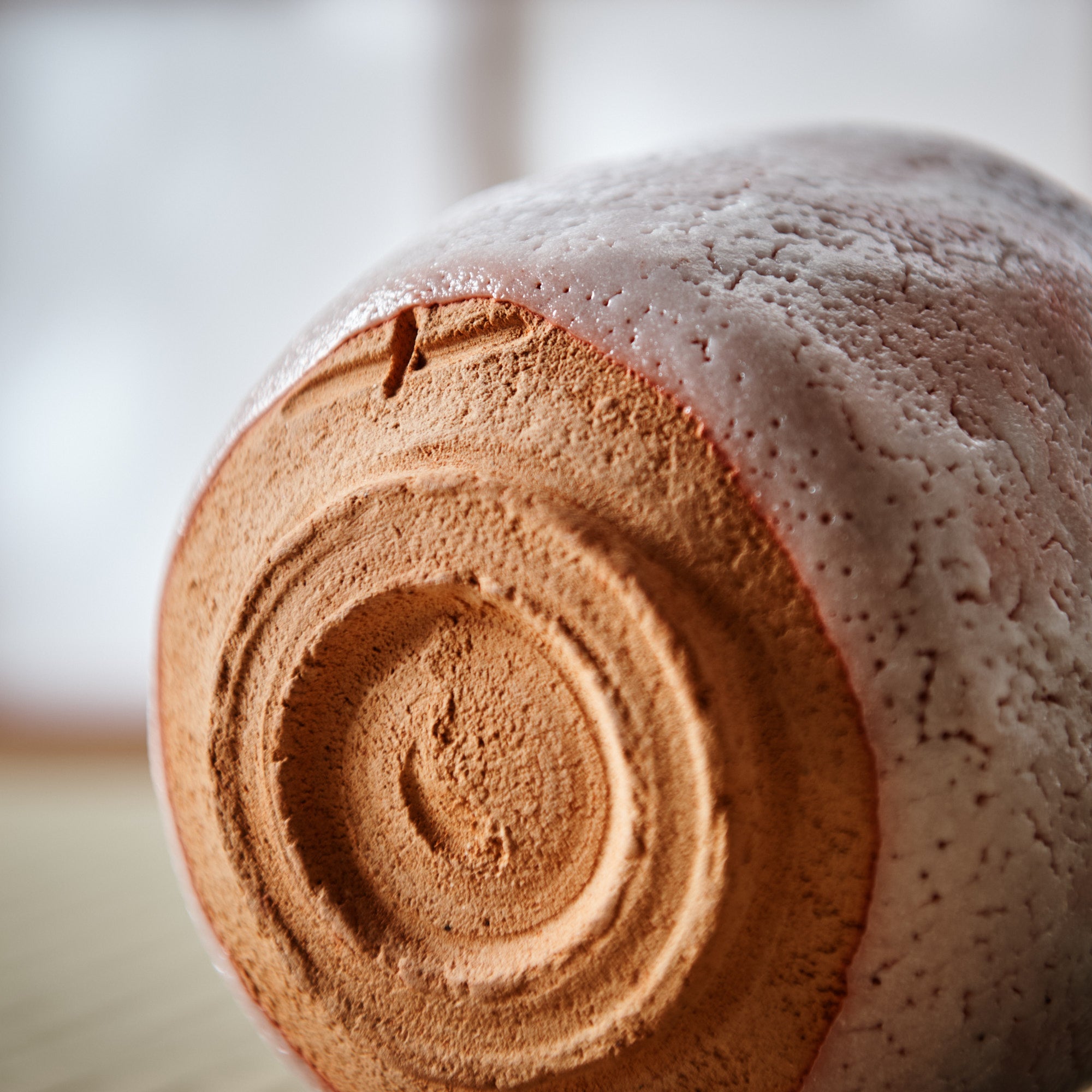
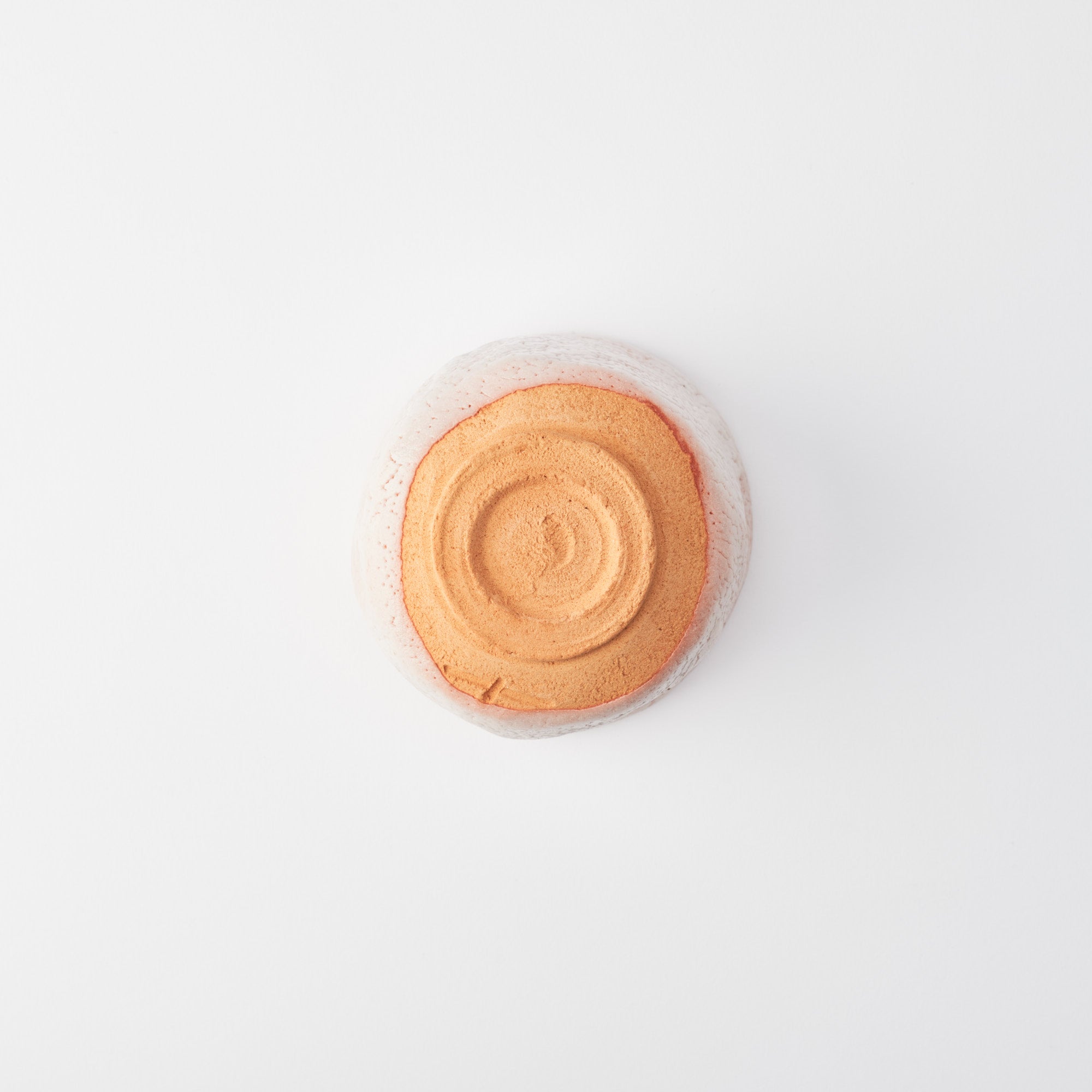
Esta pieza fue formada con arcillas locales mogusa y gotomaki en partes iguales, una proporción alta de mogusa. Nombrada por las hierbas de moxibustión debido a su textura, la arcilla mogusa es muy difícil de trabajar, pero tiene una cualidad esponjosa similar a las cerámicas del período Azuchi-Momoyama (1573–1603 d.C.). La base se deja sin esmaltar, un estilo llamado tsuchimise, o "mostrando la tierra", que revela la cualidad suave y orgánica de esta arcilla en particular.
Imperfectamente cilíndrico, las sutiles depresiones y curvas del cuenco para matcha permiten que se acomode suavemente en las palmas, el esmalte grueso brindando una sensación suave y exuberante. Cada giro revela un nuevo paisaje de superficie, recompensando la observación repetida. Con el uso, el té se filtrará lentamente en las grietas, encarnando las filosofías de la ceremonia del té y el concepto japonés de keinen bika, la creencia de que la belleza crece con la edad. El usuario se convierte así en parte de la historia de esta obra de arte, una que no solo es históricamente significativa, sino que también crea un puente hacia el futuro.
DETALLES
| Quantity | 1 |
| Size |
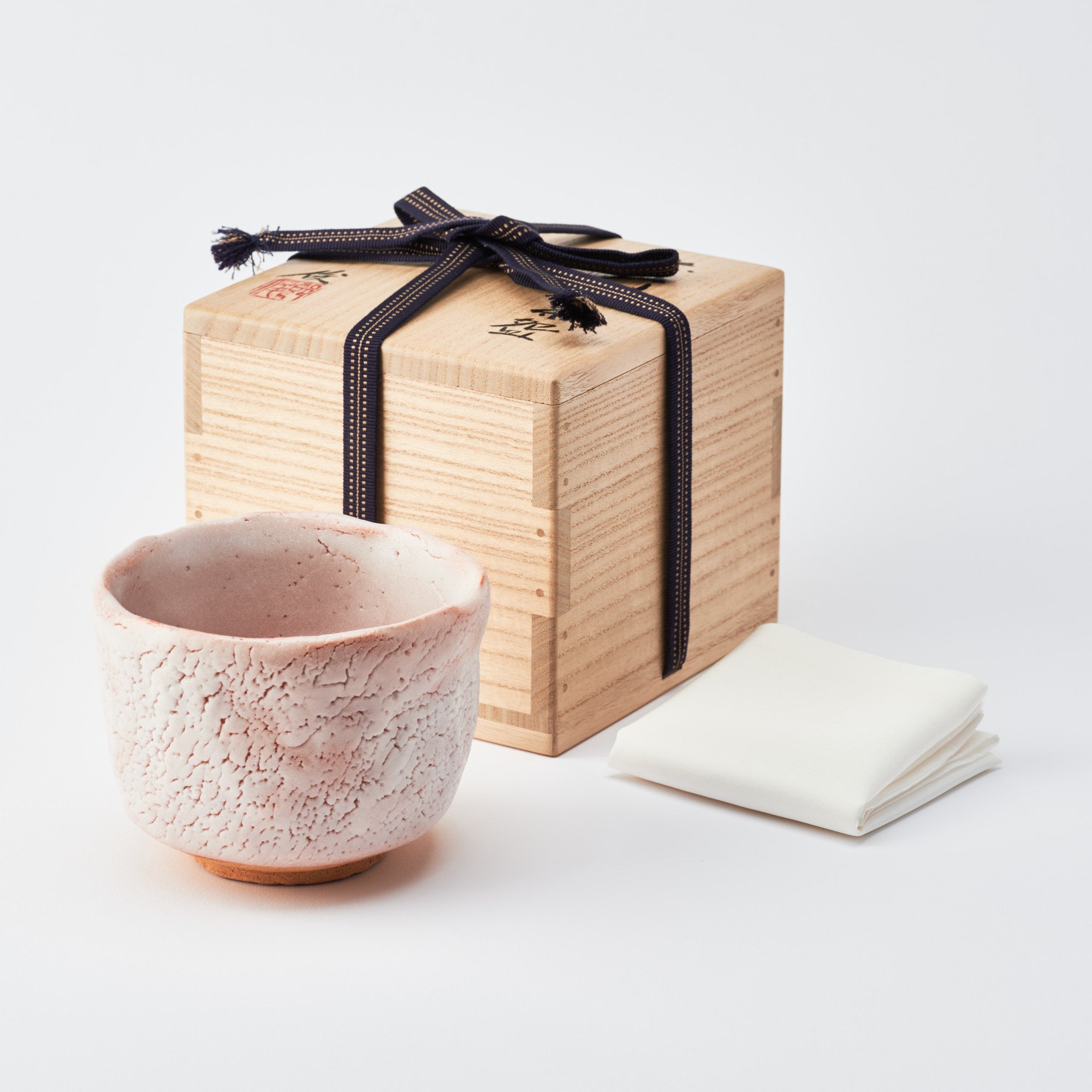
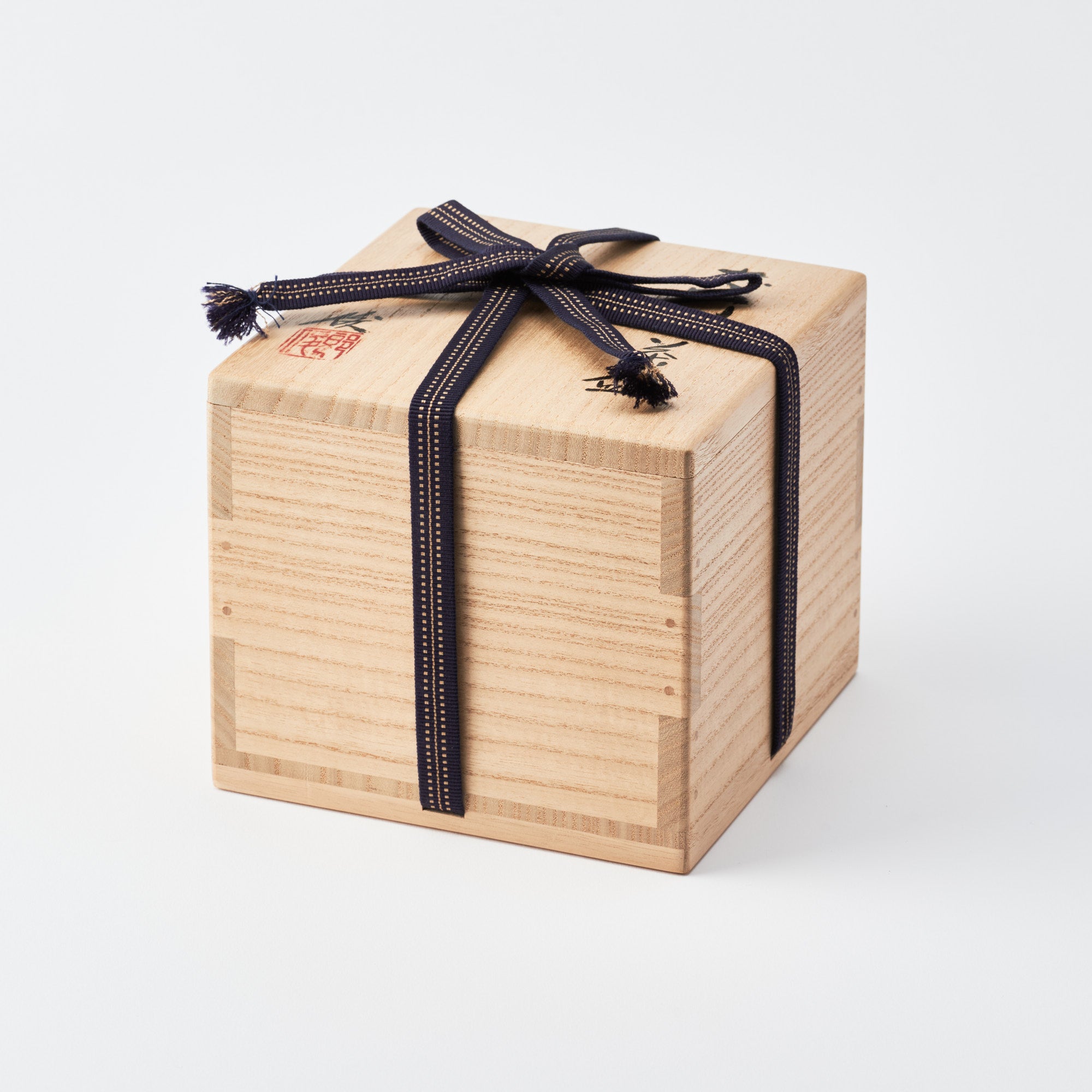
D 12.0 cm (4.7 in) x H 9.5 cm (3.7 in) [Innner size] D 11.0 cm (4.3 in) x H 8.0 cm (3.1 in) [Wooden box] L 14.5 cm (5.7 in) x W 14.5 cm (5.7 in) x H 14.0 cm (5.5 in) |
| Weight | approx. 17 oz (470 g) |
| Material | Stoneware |
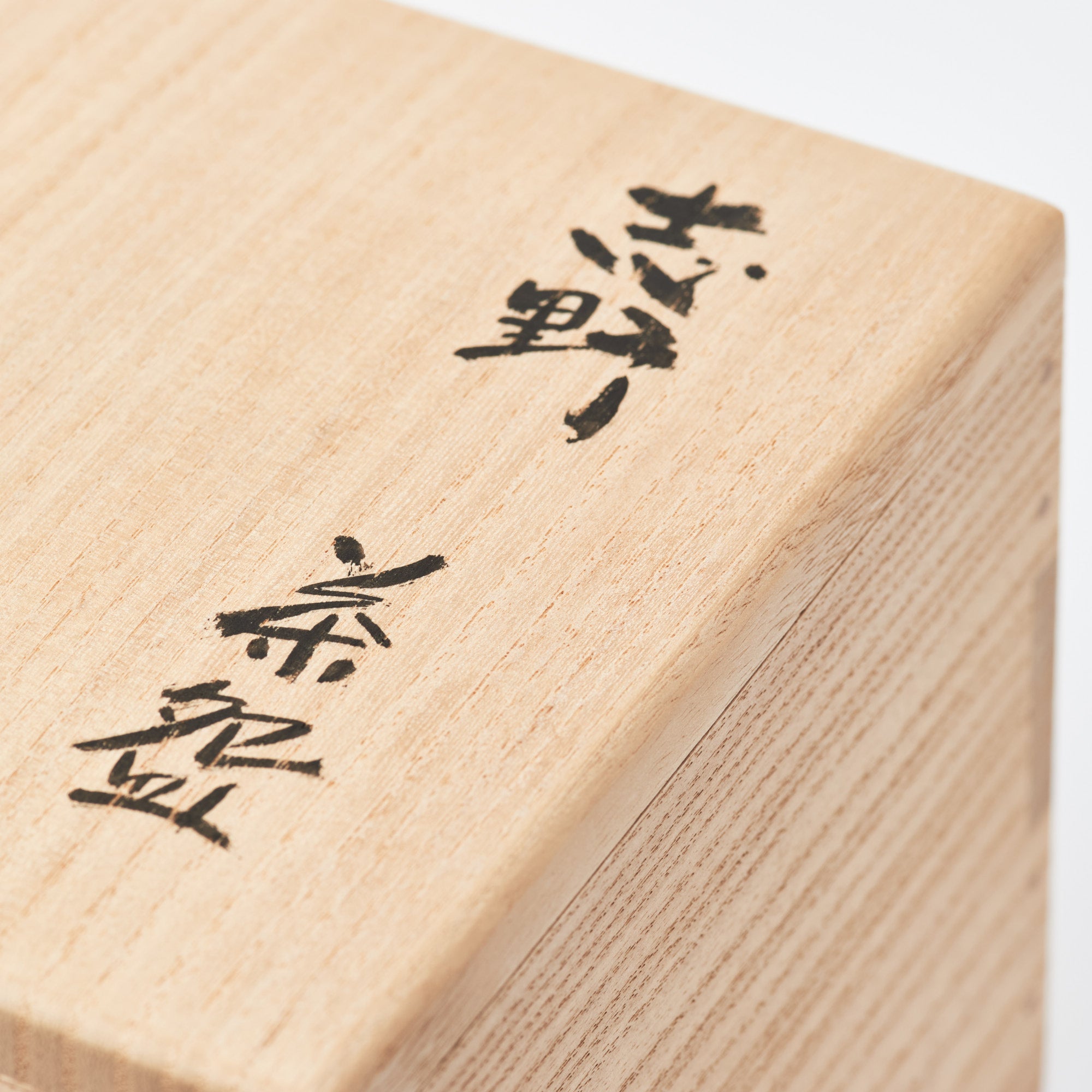
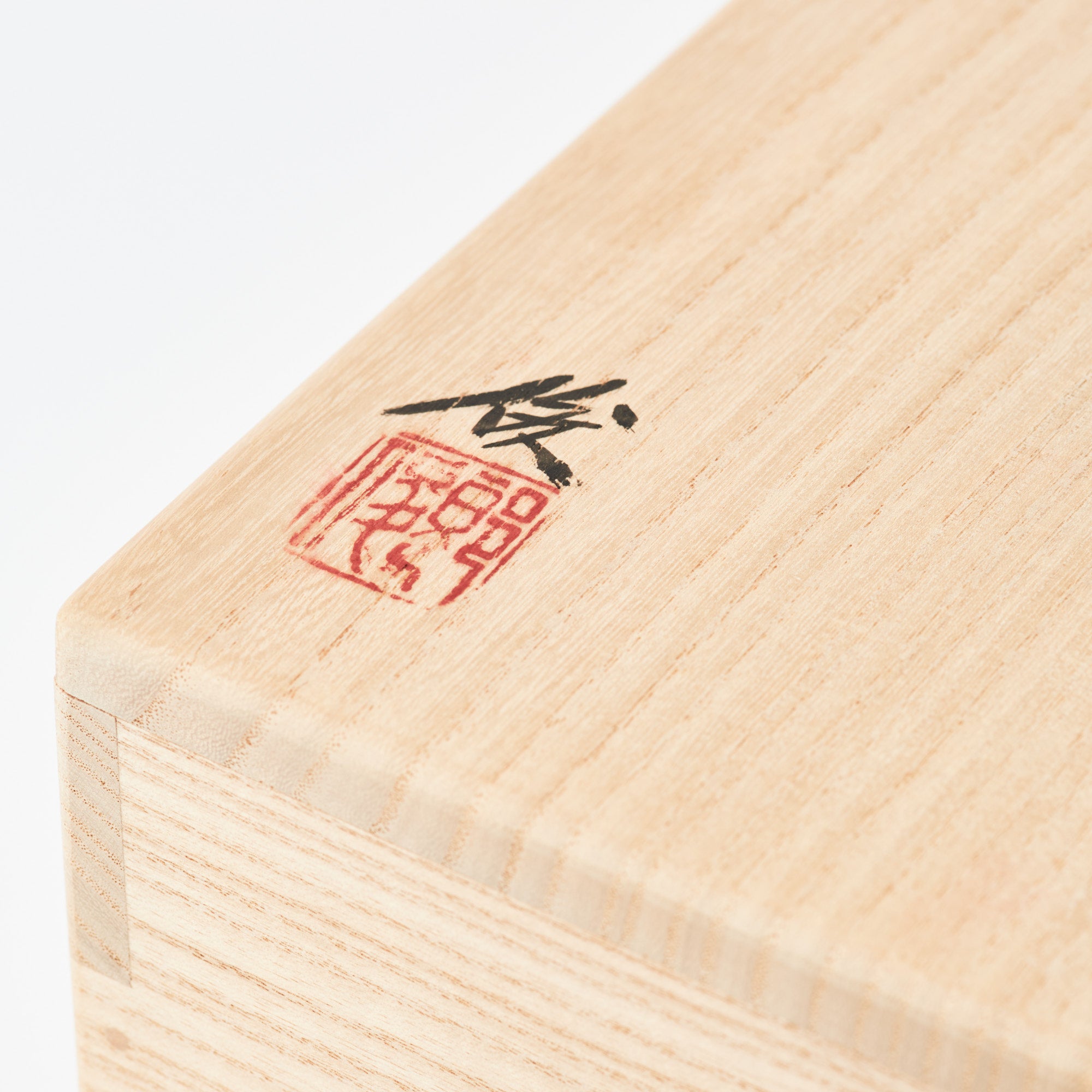
| Package Type | Wooden box |
Fabricante / Marca
Hori Toshiro es un artista especializado en técnicas tradicionales de cerámica Mino Momoyama como Shino, Setoguro, Oribe y ki-Seto. Utilizando arcilla local y un horno de leña anagama , crea texturas ricas y esmaltes lustrosos que ejemplifican la elegancia wabi sabi del género.
Hori es Portador de Propiedad Cultural Intangible de la Ciudad de Kani en Shino, y heredó Setoguro del Portador de Patrimonio Cultural Intangible Importante Kato Kozo, junto a quien trabajó durante cincuenta años. Hoy, Hori contribuye activamente a la revitalización y difusión de la cerámica Mino Momoyama. Además de su propia práctica artística, Hori actúa como asesor técnico de la marca de cerámica deidei para transmitir el oficio a las generaciones futuras.

Artesanía
La cerámica Mino, elaborada en la región de Tono, en la prefectura de Gifu, es reconocida en la cerámica japonesa por su rico legado y versatilidad. Presenta más de quince estilos distintos, lo que la hace más variada que muchas otras cerámicas japonesas.
Representando actualmente más del 50 % de la producción cerámica de Japón, su popularidad es inigualable. Designada como artesanía tradicional en 1978, la cerámica Mino refleja una combinación de profundidad histórica y relevancia moderna, ejemplificando una artesanía excepcional.
notas
Elige opciones
About Artist
Galería Musubi
Desde sus inicios, Musubi Kiln Se ha esforzado por presentar al mundo las mejores artesanías tradicionales de maestros de todo Japón.
Aquí, en la Galería, buscamos exhibir las técnicas tradicionales más avanzadas, transmitidas de generación en generación. Podrás descubrir obras de maestros que no solo han perfeccionado estos métodos, sino que también han aportado su imaginación para innovar aún más el oficio.
Algunos de estos maestros incluso han sido nombrados Poseedores de Importante Patrimonio Cultural Inmaterial, un título que les otorgó el gobierno japonés para reconocer formalmente su contribución a la artesanía y la cultura, consolidando así su legado y convirtiéndolos en una parte importante de la historia del arte.
Cada pieza se elabora meticulosamente a mano durante muchos meses para crear un tesoro atemporal único. Y cuando esté en tu hogar, tú también formarás parte de esa historia.
Bienvenidos a la Galería. Les invitamos a explorarla con calma.