

Primavera de Encuentros y Despedidas
Adéntrese en la primavera de Japón y experimente una estación marcada por transiciones suaves, despedidas sinceras y nuevos comienzos.
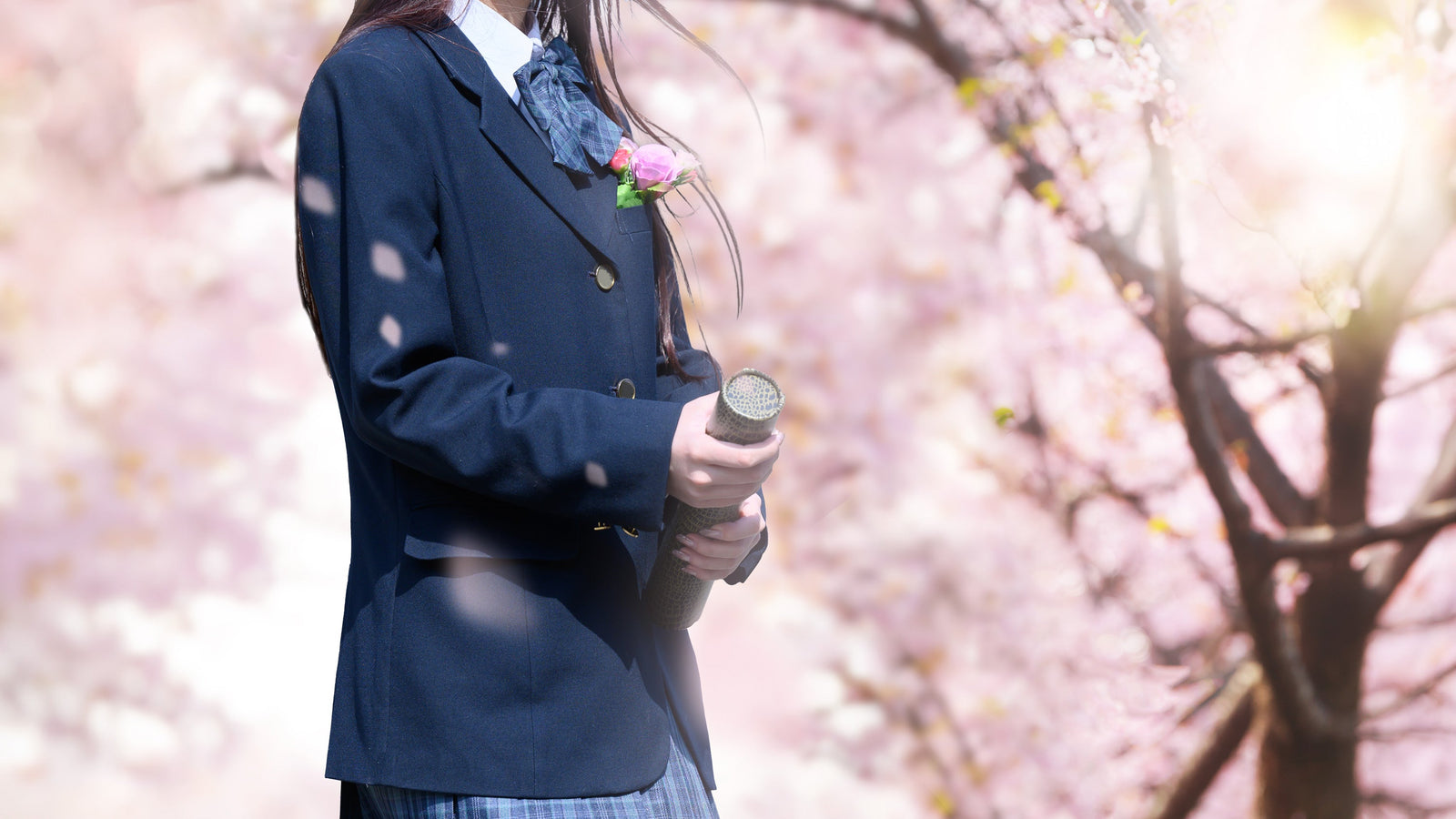
Cuando los cerezos florecen y una brisa cálida recorre el aire, nuevos capítulos de vida se despliegan por todo Japón. Los estudiantes de primer grado cargan sus mochilas randoseru por primera vez. Graduados recién salidos de la universidad ingresan al mundo laboral con trajes nuevos y planchados. Jóvenes trasladan cajas de cartón hacia apartamentos desconocidos. Para los japoneses, la primavera es la estación de deai (encuentros) y wakare (despedidas), un tiempo en que las personas se desprenden de lo viejo y abrazan algo nuevo.

Detrás de este ritmo estacional se encuentra una cosmovisión agrícola profundamente arraigada y uno de los calendarios académicos más inusuales del mundo: el sistema de ingreso escolar en abril. En esta publicación, exploraremos cómo abril llegó a marcar el inicio del año escolar en Japón, cómo lucen las ceremonias de graduación y entrada con un telón de fondo de cerezos en flor, y qué hace de la primavera un momento cultural tan definitorio aquí. También concluiremos con algunas ideas de regalos perfectas para quienes comienzan un nuevo capítulo.
La primavera como estación de comienzos
Mientras que septiembre es el inicio estándar del año académico en la mayor parte del mundo, Japón comienza en abril. Para entender por qué, primero hay que entender qué significa realmente la primavera para los japoneses.
Japón fue históricamente una sociedad de cultivo de arroz, y la primavera era cuando comenzaban los preparativos para la siembra, el acto inicial de un ciclo anual que avanzaba desde la siembra hasta la cosecha. También era la estación en que los árboles dormidos brotaban nuevos retoños y los animales en hibernación volvían a la vida. En otras palabras, la primavera señalaba renovación para las personas, los animales y el mundo natural por igual.

Esta sensibilidad está incorporada en el nijushi sekki, el calendario lunisolar tradicional que divide el año en veinticuatro nodos estacionales. En ese sistema, Risshun, el "Inicio de la Primavera", era tratado no meramente como un marcador estacional sino como el comienzo del año mismo.
Durante el período Edo (1603–1868 d.C.), los estudiantes podían inscribirse en la escuela prácticamente en cualquier momento del año. Eso cambió en la era Meiji (1868–1912 d.C.), cuando el gobierno, en su impulso por modernizarse según líneas occidentales, adoptó el inicio en septiembre usado en Europa y América. No duró mucho. Para 1900, las escuelas primarias habían cambiado oficialmente a la inscripción en abril, una transición moldeada, se dice, por el momento de la cosecha de arroz (entonces la principal fuente de ingresos fiscales del gobierno) y la programación del servicio militar obligatorio.
Hoy, Japón funciona con un año fiscal y académico que se extiende de abril hasta el marzo siguiente, haciendo del 1 de abril el inicio oficial de un nuevo año para escuelas y empresas por igual.
La primavera como final, también
La primavera en Japón no es solo cuando comienza el nuevo año escolar, sino también cuando el anterior se cierra.
Las ceremonias de graduación se realizan en todos los niveles educativos, desde la escuela primaria hasta la universidad, y típicamente tienen lugar en marzo. Cada graduado recibe su diploma individualmente, y las ceremonias a menudo incluyen discursos de estudiantes y canto grupal.

Los estudiantes más jóvenes visten sus uniformes escolares, pero las graduaciones universitarias tienen sus propias tradiciones de vestimenta. Entre las estudiantes mujeres en particular, el hakama, un tipo de prenda tradicional que se viste desde la cintura hacia abajo, superpuesta sobre un kimono, se ha convertido en el atuendo característico para la ocasión. A diferencia del yukata o kimono, que aparecen con cierta regularidad en festivales de verano y eventos formales, el hakama rara vez se usa fuera de la graduación, lo que significa que muchas mujeres lo visten solo una vez en sus vidas.

Cerezos en flor y ceremonia
Debido a que el año escolar comienza en abril, el período de finales de marzo a principios de abril, que es la temporada pico de floración de cerezos, cae justo en medio de las ceremonias de graduación y entrada. La imagen de estudiantes y sus familias reunidos bajo doseles de flores en plena floración para fotografías se ha convertido en una de las imágenes definitorias de la primavera japonesa.

El cerezo en flor es la flor primaveral por excelencia de Japón, y su papel en la estación de encuentros y despedidas es profundo. Las flores caen casi tan pronto como se abren, y esa cualidad efímera ha estado vinculada durante mucho tiempo al sentimiento agridulce de la separación, razón por la cual los sakura aparecen con tanta frecuencia en las letras de canciones de graduación y himnos de despedida.
La primavera y la nueva fuerza laboral
Dado que la mayoría de los estudiantes japoneses se gradúan en marzo, se sigue que los nuevos empleados típicamente se incorporan a sus empresas en abril, justo en sincronía con el calendario académico. A diferencia de muchos países occidentales, los años sabáticos son poco comunes; la mayoría de los graduados pasan directamente del campus a la fuerza laboral sin mucha pausa. Esta transición fluida es en sí misma un reflejo de la cultura de contratación tradicional de Japón, en la que las empresas reclutan nuevos graduados todos a la vez en lugar de hacerlo de manera continua.
Al llegar abril, los distritos de oficinas se llenan de nuevos empleados navegando sus trayectos en trajes rígidos y poco familiares. Hay una frescura inconfundible en ellos, y para muchos trabajadores mayores, esa imagen es un signo de primavera tan confiable como los cerezos en flor mismos.

Para muchos jóvenes, comenzar un trabajo también significa dejar el hogar. Quienes crecieron fuera de las grandes ciudades a menudo se trasladan a Tokio, Osaka u otros centros urbanos por trabajo, intercambiando entornos familiares y familia por una nueva vida en otro lugar. Es una estación de emociones encontradas: la soledad de la separación superpuesta sobre la emoción de lo que viene.
Regalos para quienes comienzan de nuevo
No es coincidencia que la primavera sea la temporada de mudanzas más ocupada de Japón. La convergencia de estudiantes ingresando a nuevas escuelas, graduados comenzando empleos y empleados trasladándose a nuevos puestos crea un aumento concentrado en la demanda de servicios de mudanza entre marzo y abril que se distingue del resto del año.
Con un nuevo hogar suele llegar la necesidad de construir un espacio desde cero, y eso hace que los regalos cobren un significado especial durante esta temporada. Para alguien que organiza su primer apartamento, los artículos prácticos como vajilla de uso diario, utensilios de cocina y toallas siempre son bienvenidos. También lo son aquellas cosas que hacen que un espacio nuevo se sienta como un hogar: pequeñas piezas decorativas, plantas de interior o productos de aromaterapia.
En el torbellino de adaptarse a una nueva vida, es fácil dejar el autocuidado en último lugar. Un regalo considerado que crea un momento de confort y tranquilidad puede ser exactamente el tipo de aliento que una persona necesita, un recordatorio silencioso de que alguien está con ella.
¿Busca el regalo perfecto para alguien que comienza de nuevo esta primavera? Visite el blog de MUSUBI KILN para encontrar una selección cuidadosamente curada de artículos elegidos pensando en los nuevos comienzos.
La primavera se sitúa en la bisagra del año, el cierre de un capítulo y la apertura de otro, una estación cargada de despedidas y primeros encuentros. Ese ritmo tiene raíces profundas: en una visión del mundo moldeada por siglos de vida agrícola, y en un sistema de ingreso escolar en abril que se mantiene desde hace más de cien años.
Encontrar el dolor de la separación en pétalos que se dispersan casi tan pronto como aparecen, y la promesa de nuevas conexiones en los primeros brotes verdes de la estación, este tipo de atención silenciosa y estratificada al mundo natural es en sí misma una herencia cultural que la primavera japonesa ha cultivado durante mucho, mucho tiempo.
Para las personas en su vida que dan un paso hacia algo nuevo esta temporada, ¿por qué no marcar el momento con algo de la colección de MUSUBI KILN? La artesanía japonesa lleva consigo un sentido particular de la belleza y la pieza adecuada tiene la capacidad de ofrecer a su dueño un momento de quietud y cuidado, dondequiera que los lleve su nuevo capítulo.

Stay close to the craft
Now and then, a quiet letter — new stories, seasonal notes, and the hands behind the work.
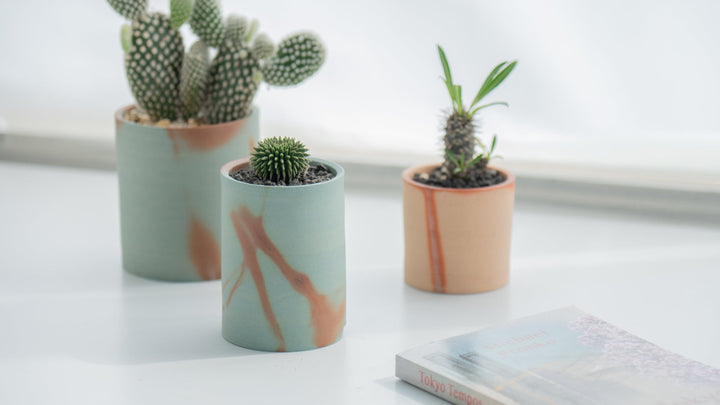
Renovación de primavera: 5 formas sutiles de renovar su espacio
Reciba la primavera en su hogar con cinco formas sencillas de renovar su espacio…
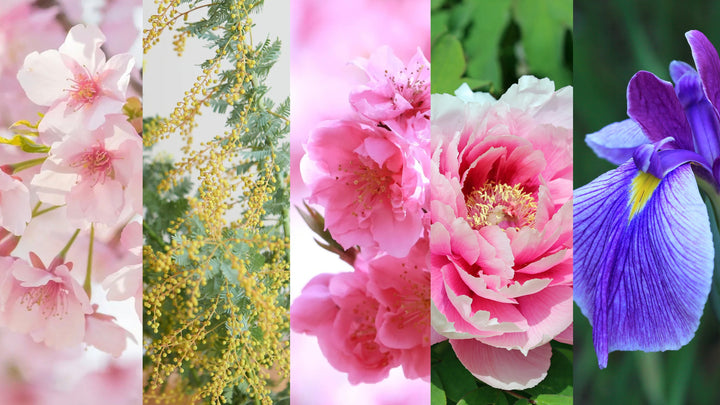
El mensajero de la primavera: La paleta colorida de las primeras flores
Recibe la primavera con las primeras flores de Japón. Descubre la belleza y el…
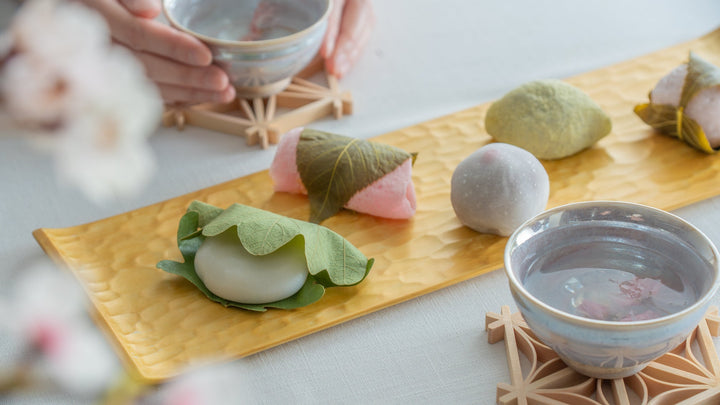
Un sabor de primavera: Wagashi de temporada
Descubra wagashi de primavera, junto con platos y tazas de té que combinan bellamente…
Leave a comment