

Las macetas detrás de la cultura de jardines de Japón
Desde la jardinería callejera de la era Edo hasta los balcones modernos, explore cómo las macetas moldearon la cultura única de jardinería de Japón.
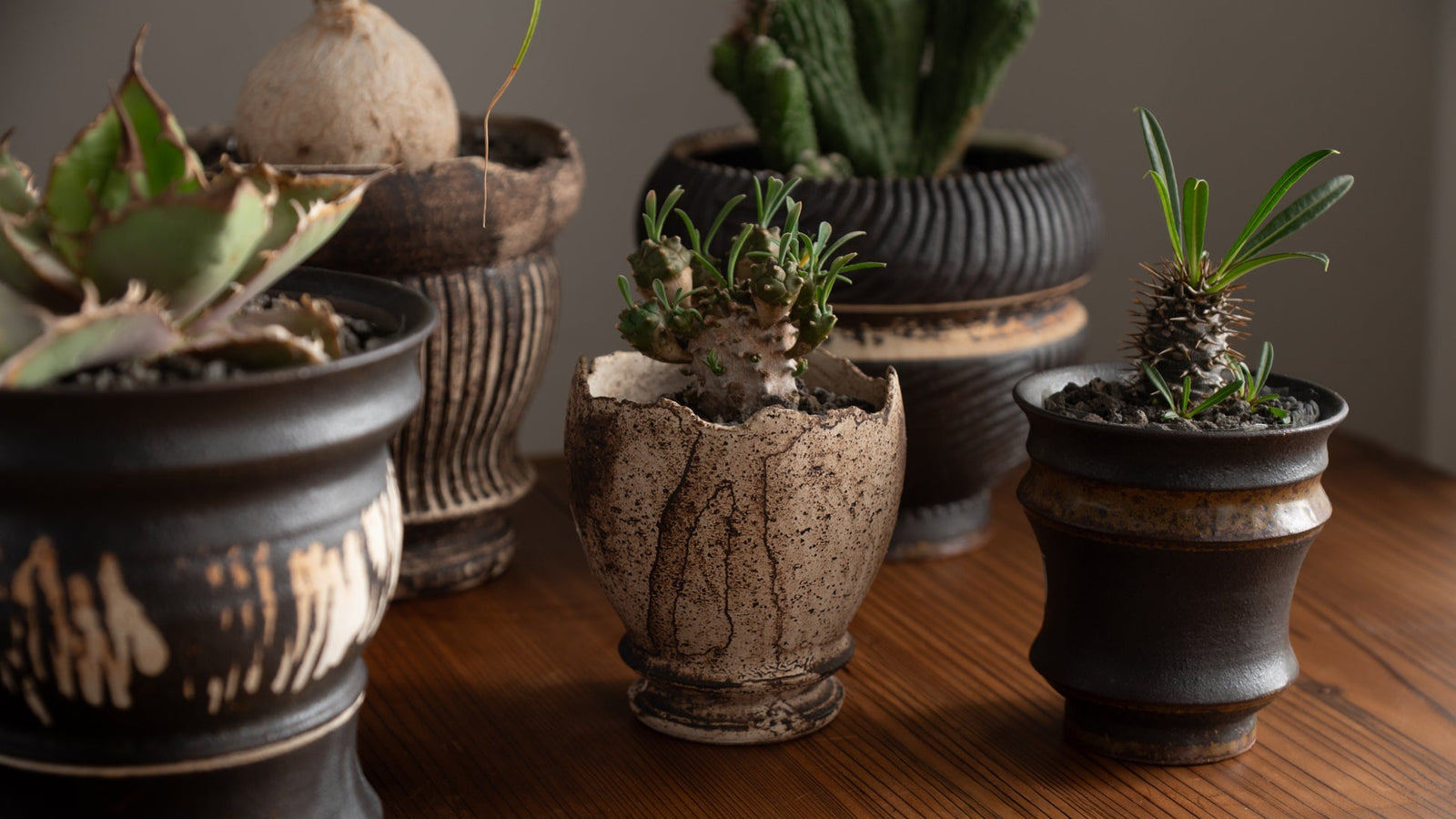
Los visitantes de los barrios tradicionales de Tokio, como Tsukishima o Nezu, suelen encontrarse con una escena sorprendente: hileras de plantas en macetas expuestas sin reservas —y sin ninguna barrera— a lo largo de los bordes de las viviendas privadas. Este fenómeno, comúnmente llamado jardinería callejera, puede desconcertar a los extranjeros.
Es un espacio curioso donde los límites entre lo "público" y lo "privado" se difuminan, y también refleja las calles notoriamente seguras de Japón. Al integrar las plantas en la vida cotidiana, las personas experimentan la naturaleza y el cambio de las estaciones en un contexto diario—una escena quintaesencialmente japonesa.
Sin embargo, esto está muy alejado de las tradiciones formales del ikebana o el bonsái. En cambio, representa una forma casual y familiar en que las personas comunes se relacionan con las plantas en su vida cotidiana.

De hecho, la práctica de incorporar plantas en macetas a la vida diaria comenzó mucho antes de que Japón adoptara la modernización de estilo occidental. Se remonta al período Edo (1603–1868 d.C.), cuando el país aún estaba gobernado por samuráis. Un factor crucial en la difusión y desarrollo de este hábito fue nada menos que la maceta misma.
En este blog, exploraremos la popularización de la jardinería en Japón y la profunda y duradera conexión entre las personas comunes y las humildes macetas.
La horticultura en el período Edo
Antes de que comenzara el período Edo en el siglo XVII, tras más de cien años de brutal guerra civil, cultivar plantas por puro disfrute estético era una actividad reservada casi exclusivamente para las clases altas: nobles de la corte, samuráis y personas de rango similar.
Esa tradición continuó en el período Edo temprano, cuando la horticultura permaneció principalmente en el dominio de la clase guerrera. En la cúspide estaba el shogun, el comandante supremo del shogunato Tokugawa que gobernaba todo el país, y bajo él los daimyo, señores feudales que administraban sus respectivos dominios como extensiones de la autoridad shogunal. El centro indiscutible de este mundo era Edo, el actual Tokio, donde el shogunato había establecido su sede de poder.

De los quince shogunes Tokugawa, los primeros tres estaban especialmente dedicados a la horticultura, y su entusiasmo se propagó hacia afuera. Los daimyo, siempre atentos a los gustos de quienes estaban por encima de ellos, se lanzaron a cultivar plantas ornamentales con considerable energía. Jardines extensos tomaron forma dentro del Castillo de Edo, donde residían los shogunes, y en las grandes propiedades daimyo conocidas como daimyo yashiki, las residencias donde los señores feudales vivían y conducían sus asuntos durante sus estadías obligatorias en la capital.
Con el tiempo, las familias agrícolas en las afueras de Edo comenzaron a cultivar árboles específicamente para abastecer estos jardines con variedad e interés visual. Viveros especializados y contratistas de paisajismo surgieron junto a ellos, ofreciendo árboles, arbustos y plantas florales tanto a daimyo como a comerciantes adinerados.
Mientras Edo se transformaba rápidamente en una importante capital política, también estaba asumiendo silenciosamente otra identidad—una ciudad moldeada, en gran medida, por sus jardines.
La maceta democratiza la horticultura
Los residentes comunes de Edo compartían la misma profunda afinidad por la naturaleza y las plantas que los shogunes, daimyo y comerciantes adinerados por encima de ellos. Admiraban las actividades hortícolas de las clases gobernantes y adineradas, pero las realidades de la vida urbana se interponían: la mayoría de los plebeyos vivían en espacios reducidos sin lugar para un jardín propio.
En cambio, buscaron la belleza en otros lugares. Jardines botánicos privados dispersos por la ciudad, junto con los terrenos de templos y santuarios que funcionaban como celebrados lugares para ver flores, atraían multitudes de visitantes ansiosos por experimentar la flora cambiante de cada estación. En estos destinos, cultivadores especializados vendían sus plantas cultivadas en macetas de cerámica listas para llevar a casa como recuerdos. Las plantas en macetas fueron una revelación para las personas que vivían en espacios reducidos: una sola maceta podía colocarse en el alféizar de una ventana, en un fragmento de patio delantero o metida en un callejón estrecho. Para el plebeyo urbano, este fue el punto de entrada a la horticultura.
El alcance de la planta en maceta se extendió aún más abajo en la escala social hasta los pequeños comerciantes, artesanos y jornaleros que alquilaban habitaciones en los callejones traseros de la ciudad. Compraban plantas a vendedores ambulantes y buhoneros itinerantes, y encontraban genuino placer en cuidarlas en casa.
A través de esta democratización gradual, Edo se convirtió en una ciudad donde la jardinería cruzaba todas las fronteras de clase, edad y género, desde el shogun en su castillo hasta el jornalero en su habitación alquilada. Las plantas que las personas preferían reflejaban toda la gama de lo posible: en macetas, fukujuso (ojo de faisán), sakuraso (prímula japonesa), y asagao ((gloria de la mañana); en el suelo, cerezo, camelia, , ciruelo, , peonía, azalea, crisantemo, y arce, aunque el ciruelo aparentemente también encontró su camino a las macetas. Dos festivales que aún se celebran anualmente en Tokio rastrean sus raíces directamente a este auge de la jardinería de la era Edo: el Iriya Asagao Matsuri, un mercado de gloria de la mañana en verano, y el Sugamo Nakasendo Kiku Matsuri, una exhibición de crisantemos en otoño.

La fiebre no se quedó contenida en Edo. Se extendió por todo el país, arraigándose en diferentes formas a medida que cada región desarrollaba su propio carácter hortícola. Esta adopción nacional de la jardinería fue lo suficientemente notable como para detener en seco a los visitantes extranjeros. El botánico escocés Robert Fortune (1812–1880) estuvo entre quienes llegaron a Japón durante este período y quedaron asombrados—no solo por la amplitud de la cultura, sino por la visión de personas comunes haciendo pleno uso de cada espacio disponible alrededor de sus hogares para cultivar plantas. Aparentemente señaló que esto hablaba de un nivel notablemente alto de sofisticación cultural. Uno podría preguntarse si el rojo engei—la "jardinería callejera" espontánea que se observa hoy en Tokio—tiene sus raíces no en ninguna tendencia reciente, sino en las plantas en maceta del período Edo desde siempre.
El auge de la maceta diseñada con propósito específico
Entonces, ¿qué eran exactamente las macetas que hicieron accesible la jardinería a los residentes comunes de Edo que no disponían de espacio para un jardín propiamente dicho?
En cuanto a materiales, la cerámica, la porcelana y la loza parecen haber sido los más comunes. A juzgar por las pinturas de la época, las macetas pequeñas, aquellas que podían sostenerse cómodamente con una mano, parecen haber sido la norma.
Las macetas del período Edo también se dividen en dos categorías amplias según cómo se fabricaban. El primer tipo consistía en recipientes reutilizados: cuencos, jarras y contenedores similares originalmente destinados a otros usos, posteriormente adaptados para plantas mediante la perforación de un orificio de drenaje en el fondo. El segundo tipo se fabricaba con propósito específico desde el inicio, producido específicamente como maceta, con el orificio de drenaje incorporado durante la manufactura.
La variedad reutilizada comenzó a aparecer alrededor de principios del siglo XVIII, a mediados del período Edo. Las macetas de propósito específico se generalizaron aproximadamente desde mediados del siglo XVIII en adelante. La opinión predominante es que, a medida que el entusiasmo de la gente común por la jardinería creció, la demanda superó lo que los contenedores reutilizados podían proveer, haciendo comercialmente viable fabricar macetas dedicadas como producto por derecho propio.

Estéticamente, también había una división clara. Los compradores más adinerados preferían macetas elaboradamente trabajadas con esmaltes en una gama de colores, objetos decorativos destinados a complementar la planta y deleitar la vista como parte de una composición unificada. Para los consumidores cotidianos, las macetas simples y sin adornos eran el estándar: recipientes prácticos que conservaban la textura natural de la arcilla, con poca o ninguna ornamentación.
Estas macetas se producían en varias regiones distintas. Kioto era un centro de producción, al igual que Seto y Mino en el centro de Honshu, ambas establecidas desde hace mucho tiempo como áreas principales de producción cerámica. En el propio Edo, los hornos parecen haberse concentrado cerca del actual Imado en el distrito de Taito, en las cercanías de Asakusa.
Cuando la maceta se convirtió en parte del arte
La maceta hizo más que democratizar la jardinería; también impulsó un salto notable en la sofisticación hortícola.
Un ejemplo notable es sokuse saibai, el cultivo forzado de plantas dentro de karamurou—estructuras de invernadero con pantallas de papel—donde las macetas resultaron indispensables para mover plantas libremente entre diferentes condiciones de cultivo. Las flores de cerezo, las flores de ciruelo y el fukujuso inducidos a florecer mucho antes de su temporada natural eran apreciados por su rareza y llegaron a considerarse auspiciosos, haciéndolos populares como ofrendas de buena suerte.
Otro desarrollo fue el cultivo de variedades vegetales mutantes que aparecían naturalmente con formas inusuales, ya sea encontradas creciendo silvestres al aire libre o surgiendo espontáneamente en el curso de cultivar plantas desde semilla. La práctica de trasplantar estas curiosidades a macetas comenzó entre la clase samurái antes de extenderse a la población general, eventualmente encendiendo algo cercano a una locura masiva. Las plantas que capturaron la imaginación de la gente iban desde glorias de la mañana y prímulas cultivadas por sus flores, hasta omoto (Rohdea japonica), una planta de follaje admirada por su hábito de crecimiento enano y las marcas amarillas o blancas fu (marcas variegadas) que aparecían en sus hojas. Algunos de estos especímenes cambiaron de manos a precios elevados, impulsados por especulación directa.

En el mundo del cultivo de mutantes, la maceta misma se convirtió en una herramienta para realzar el valor percibido de una planta. Los entusiastas se reunían regularmente para realizar concursos de apreciación, examinando los especímenes de los demás en detalle minucioso y clasificándolos entre sí. Sin embargo, lo que se juzgaba no era solo la planta, sino que la evaluación general incluía la sensibilidad estética y la habilidad como cultivador del propietario, selección de maceta incluida. Los competidores dedicaban, en consecuencia, tanta atención a elegir el recipiente adecuado como a cultivar la planta misma. Las macetas más célebres que surgieron de esta cultura fueron omoto-bachi—macetas ricamente coloreadas y elaboradamente decoradas creadas específicamente para exhibir omoto—cuyos diseños vívidos encarnaban perfectamente el espíritu de la época.
Al observar las omoto-bachi tal como aparecen en las pinturas del período Edo, la calidad artística y la pura variedad de sus diseños son genuinamente impactantes. Una maceta bien elegida no solo resaltaba el omoto de la mejor manera; debe haber profundizado el apego del propietario a la planta misma.

Importaciones occidentales y el declive de la cultura de jardines de Edo
Cuando el shogunato Tokugawa fue derrocado en 1868, poniendo fin a aproximadamente 265 años de gobierno centralizado, Japón entró en la era Meiji (1868–1912 d.C.) y se propuso, con urgencia deliberada, rehacerse según líneas occidentales.
A medida que el comercio con naciones extranjeras se expandió, una amplia variedad de plantas importadas echó raíces en suelo japonés: tulipanes, jacintos, pensamientos y muchas otras. El cultivo de frutas, previamente subdesarrollado en Japón, se introdujo en imitación de la práctica agrícola occidental, y el pueblo japonés encontró por primera vez la horticultura no como una actividad de ocio sino como una industria.

La cultura de jardinería altamente especializada y meticulosamente cultivada que había florecido en el período Edo comenzó, gradualmente, a retroceder. Un factor probable fue la desaparición de la propia clase samurái, el grupo mismo que había sido pionero y sostenido la cultura hortícola a lo largo del período Edo, que desapareció como institución junto con el shogunato. A medida que el país se modernizaba, el mundo intrincado e impulsado por conocedores de la horticultura de Edo perdió lentamente su base.
Jardinería de balcón y el auge de la maceta de plástico
A finales de los años sesenta y principios de los setenta, cuando Japón emergía de la recuperación de posguerra y alcanzaba el pico de su rápido crecimiento económico, se construían grandes complejos de apartamentos residenciales por todo el país a un ritmo vertiginoso. Se observa con frecuencia que las personas recurren a la jardinería como alivio cuando la vida urbana se vuelve congestionada y estresante, y Japón no fue la excepción. En los bloques de apartamentos urbanos, una práctica conocida como beranda engei, o jardinería de balcón, se arraigó, y el modo dominante de cultivo doméstico pasó gradualmente de los canteros de jardín al cultivo en contenedores. El momento fue afortunado: macetas y jardineras de plástico ligeras, duraderas y económicas entraban al mercado precisamente en ese instante, y su accesibilidad contribuyó considerablemente a la expansión de la jardinería de balcón.

Luego, en 1990, se inauguró en Osaka la Exposición Internacional de Jardines y Vegetación, y el evento actuó como catalizador para que el entusiasmo hortícola en Japón aumentara casi de la noche a la mañana. Los centros de mejoramiento del hogar, que expandían su número de tiendas en el mismo período, se convirtieron en el destino natural para los jardineros, abasteciendo una amplia gama de suministros, incluidas macetas en todos los estilos concebibles. El número de personas que cultivaban plantas de formas diversas y creativas se multiplicó rápidamente. Según una encuesta gubernamental realizada en 2021, que abarcó unos 190,000 encuestados, la jardinería ahora se clasifica como uno de los pasatiempos más populares de Japón, a la par de la lectura y el cine.
Los japoneses han sentido atracción por el mundo natural desde hace mucho tiempo. Durante siglos, han encontrado formas de traer árboles silvestres, hierbas y flores, del tipo que crece sin cuidado en laderas y campos, a su vida cotidiana, ya sea a través del arreglo floral ikebana o de la jardinería más práctica. El catalizador más reciente para un aumento en este impulso fue la pandemia de COVID-19, que llegó a Japón en el invierno de 2020.
A medida que las personas pasaban más tiempo en casa y la interacción social se reducía casi a nada, muchos recurrieron a las plantas en busca de consuelo. Las plantas de interior fáciles de mantener y las suculentas desaparecieron de los estantes, y la tendencia no ha mostrado señales de desvanecerse incluso ahora que la pandemia quedó atrás.

Según una encuesta de uno de los principales conglomerados de jardinería de Japón, la demanda se ha desplazado en los últimos años hacia variedades raras e inusuales, plantas con formas distintivas o follaje poco común. Con las suculentas en particular, existe una tendencia creciente entre personas de entre diez y veinte años a elegirlas como su primera planta. Lo que atrae a esta generación más joven, sugiere la encuesta, es el emparejamiento visual de la planta misma con su maceta, una combinación que valoran por su kawaii, o ternura.


La jardinería en macetas se convirtió en un pasatiempo verdaderamente popular durante el período Edo, cuando la cultura se extendió más allá de la aristocracia hacia la gente común de las ciudades. Desde entonces, nunca se ha ido realmente, adaptándose a cada nueva era mientras permanece como una constante silenciosa en la vida japonesa. Cuando llegó la pandemia, y las personas nuevamente buscaron consuelo en la vegetación, estaban, sin saberlo del todo, recurriendo al mismo remedio al que habían recurrido los habitantes urbanos del período Edo siglos antes. Visto bajo esa luz, aquellos jardineros de hace mucho tiempo se sienten menos como figuras históricas distantes y más como espíritus afines.
Cualquiera que sea la forma que adopte a continuación, esta cultura de cultivo sin duda seguirá ofreciendo lo que siempre ha ofrecido: una felicidad modesta pero genuinamente nutritiva.
Stay close to the craft
Now and then, a quiet letter — new stories, seasonal notes, and the hands behind the work.

La historia detrás de las bengalas tradicionales de Japón
Descubra la belleza silenciosa de las bengalas tradicionales japonesas, senko-hanabi, fuegos artificiales de mano.
Ito Ryo
Admirando la belleza del arte floral en Sannomaru Shozokan
Descubra obras maestras florales en "Hyakka Hiraku" de Sannomaru Shozokan, que exhibe arte atesorado…
El Monte Fuji: A través de los ojos de los artistas del pasado
Desde la poesía hasta las xilografías, el Monte Fuji ha sido fuente de inspiración…
Leave a comment