

Obon: Japans sommerliches Gedenkfest
Mehr als ein saisonales Fest ist Obon eine Zeit, in der Familien in ganz Japan ihre Vorfahren ehren, sich mit ihren Lieben verbinden und über die dauerhaften Bindungen nachdenken, die Vergangenheit und Gegenwart verbinden.
Im Hochsommer, wenn Laternen sanft über Städte und Dörfer leuchten, tritt Japan in eine Zeit der stillen Erinnerung ein. Bekannt als Obon, lädt diese jährliche Begehung Familien ein, nach Hause zurückzukehren, ihre Ahnen zu ehren und einige flüchtige Tage damit zu verbringen, sich über die Zeit hinweg wieder zu verbinden.
Für Besucher mag es als eine Reihe von Bon odori -Tänzen, Lichtern und Zusammenkünften erscheinen. Doch unter der Oberfläche liegt etwas Subtileres – eine Art, Raum für Erinnerung, Reflexion und Gegenwart zu schaffen. Wenn wir Obon verstehen, beginnen wir nicht nur ein kulturelles Ritual zu sehen, sondern eine tief verwurzelte Empfindsamkeit, die weiterhin prägt, wie Momente in Japan gefühlt und geteilt werden.
Was ist Obon?
Wenn sich Sommerabende über Japan legen, beginnen Laternen an Türen zu leuchten, Familienaltäre werden sorgfältig vorbereitet, und Verwandte machen sich auf den Heimweg. Dies ist Obon, eine der geschätztesten saisonalen Traditionen Japans – eine Zeit, die dem Ehren der Ahnen und der Erneuerung von Verbindungen über Generationen hinweg gewidmet ist.
Obwohl oft als buddhistische Begehung beschrieben, entstand Obon, wie es heute bekannt ist, aus der Verschmelzung mehrerer kultureller Praktiken. Sein Name stammt vom Sanskrit Ullambana, traditionell verstanden als Ausdruck des Leidens der Verstorbenen. Die damit verbundene buddhistische Geschichte erzählt von Opfergaben, die gemacht wurden, um dieses Leiden zu lindern. Diese Idee erreichte Japan zusammen mit dem Buddhismus, wo sie allmählich mit älteren japanischen Bräuchen der Ahnenverehrung und saisonalen landwirtschaftlichen Riten verwoben wurde. Im Laufe der Zeit entstand aus dieser Verschmelzung eine ausgeprägt japanische Begehung, die sich auf Erinnerung, Dankbarkeit und Familienzusammenkunft konzentriert.

Die früheste solche Begehung, die in Japan verzeichnet wurde, datiert auf 606 n. Chr., als das Nihon Shoki einen buddhistischen Ritus beschreibt, der in Tempeln am fünfzehnten Tag des siebten Monats abgehalten wurde. Der Begriff Urabon-e (Obon) selbst erscheint erstmals 657 n. Chr. in historischen Aufzeichnungen während der Herrschaft der Kaiserin Saimei. Während der Heian-Zeit (794–1185 n. Chr.) wurden ähnliche Riten hauptsächlich von Aristokraten, Hofbeamten und Mitgliedern des Klerus beobachtet. Erst in der Edo-Zeit (1603–1868 n. Chr.) wurde Obon weithin unter einfachen Bürgern praktiziert und entwickelte sich schließlich zu der vertrauten saisonalen Tradition, die heute in ganz Japan zu sehen ist.
Der Zeitpunkt von Obon variiert je nach Region. Nach Japans Übernahme des gregorianischen Kalenders in der Meiji-Ära (1868–1912 n. Chr.) beobachteten einige Gemeinden das Fest weiterhin nach dem Mondkalender, während andere die neuen Daten übernahmen. Infolgedessen wird Obon üblicherweise vom 13. bis 16. Juli in Tokio und einigen umliegenden Gebieten beobachtet, während der größte Teil Japans es vom 13. bis 16. August feiert. Die August-Begehung bleibt heute die verbreitetere Praxis.
Mehr als ein religiöses Ereignis oder saisonaler Feiertag nimmt Obon einen einzigartigen Platz im japanischen Leben ein. Es ist eine Zeit, in der Familien zusammenkommen, Heimatstädte mit der Rückkehr von Bewohnern zum Leben erwachen und Erinnerungen an jene, die vor uns kamen, in den Alltag eingewoben werden. Durch Akte der Erinnerung wird die Vergangenheit wieder in die Gegenwart eingeladen, wenn auch nur für einige Tage jeden Sommer.

Die Bedeutung hinter Obon: Erinnern und Wiederverbinden
Für viele japanische Familien geht es bei Obon nicht einfach darum, die Vergangenheit zu ehren. Es geht darum, Beziehungen lebendig zu halten.
Die Menschen, an die während Obon erinnert wird, werden selten als zu einer fernen Erinnerung gehörend betrachtet. Es sind Großeltern, deren Rezepte noch gekocht werden, Eltern, deren Ratschläge noch wiederholt werden, und Familienmitglieder, deren Gegenwart weiterhin in gewöhnlichen Momenten gefühlt wird. Familien bringen Blumen zum Altar, bereiten Speisen zu, die mit geliebten Menschen verbunden sind, und halten inne für einen Moment der Reflexion. Diese Gesten mögen einfach sein, aber sie tragen Generationen von Bedeutung.
Obon bringt Familien auch in der Gegenwart zusammen. Häuser werden lebendiger, wenn Verwandte eintreffen, während alte Geschichten, die nie zuvor gehört wurden, natürlich im Gespräch auftauchen, oft ausgelöst durch ein Foto, ein vertrautes Gericht oder einen erinnerten Namen. Auf diese Weise wird der Rückblick zu einer Art, die Gegenwart klarer zu sehen und die Bindungen zu erkennen, die eine Familie über die Zeit hinweg noch verbinden. Erinnerung wird zu etwas Lebendigem, das von einer Generation zur nächsten weitergegeben wird.
Rituale von Obon: Tanz, Licht und Opfergaben
Obon folgt einem sanften Rhythmus, der sich über mehrere Tage entfaltet. Während die Bräuche je nach Region und Haushalt variieren, durchlaufen viele Familien eine ähnliche Abfolge von Vorbereitung, Willkommen, Erinnerung und Abschied.
Vorbereitung auf Obon
In den Tagen vor Obon besuchen viele Familien Ahnengräber, um das umliegende Gelände zu pflegen und ihre Ehrerbietung zu erweisen. Zu Hause beginnen Vorbereitungen um den Familienaltar, wo Blumen, Opfergaben und kleine saisonale Akzente allmählich den Raum verwandeln. Einige Haushalte errichten einen temporären Altar, bekannt als shoryo dana (Geisteraltar), wo während der Saison Opfergaben platziert werden können.
Willkommen der Ahnen
Der Abend des 13. August markiert in vielen Teilen Japans den Beginn von Obon. Ein Willkommensfeuer, bekannt als mukaebi , kann am Eingang des Hauses entzündet werden. Es wird geglaubt, dass das Feuer und das Laternenlicht die Geister der Ahnen sicher zu ihren Familien führen. In vielen Haushalten brennt das Leuchten einer Laterne während des gesamten Festes neben dem Familienaltar weiter.

Opfergaben und Erinnerung
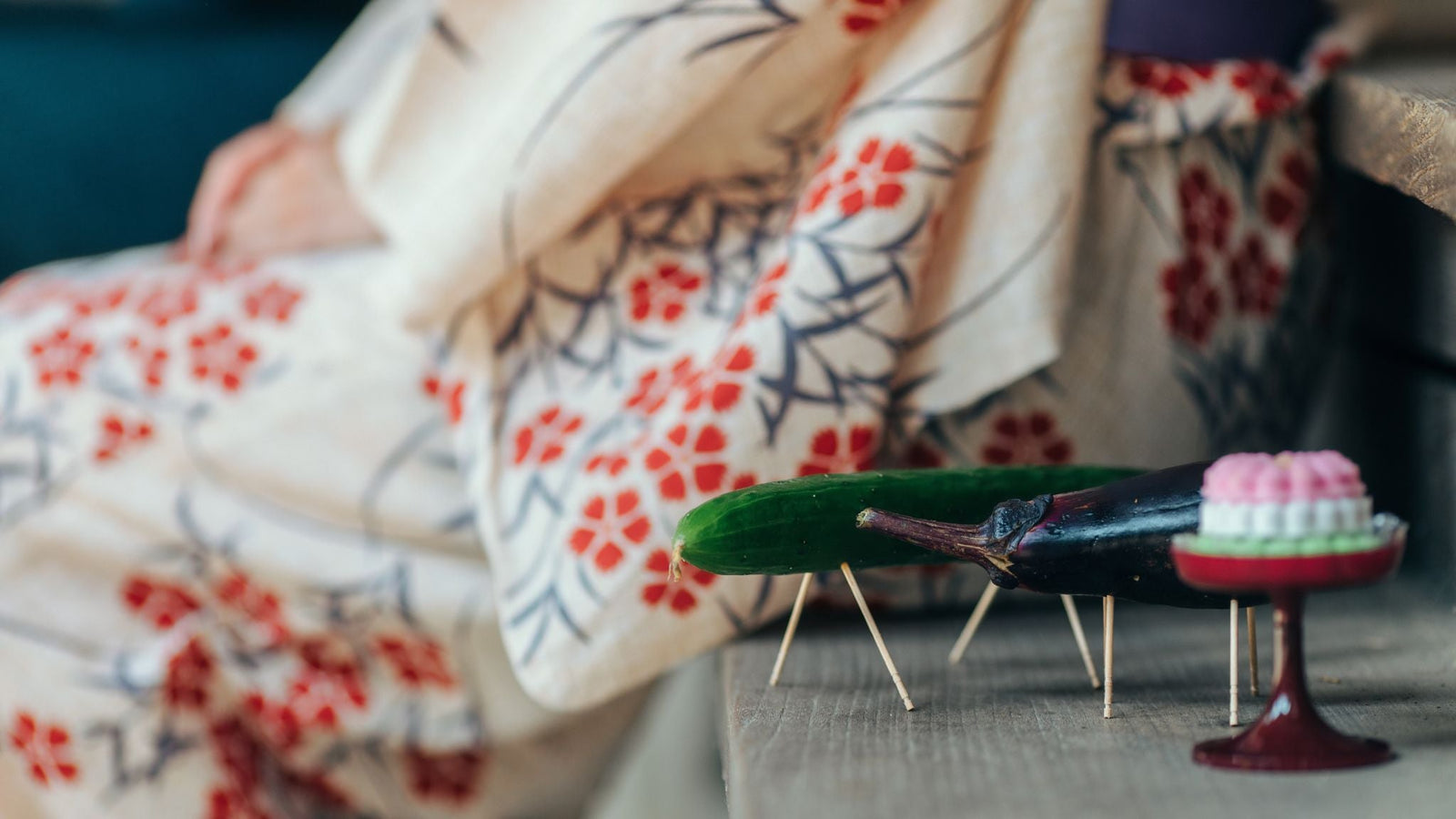
Früchte, Süßigkeiten, Reis und Lieblingsgerichte verstorbener Verwandter werden vor dem Altar als Opfergaben platziert. Viele Häuser zeigen auch shoryo uma (ein Gurkenpferd) und shoryo ushi (einen Auberginenochsen), kleine Figuren aus Sommergemüse. Nach volkstümlichem Glauben ermöglicht das Pferd den Ahnen eine schnelle Rückkehr, während der Ochse sie langsamer zurückträgt und so ihren Besuch etwas verlängert.

Bon Odori
Während dieser Saison halten viele Gemeinden auch Bon odori, traditionelle Tänze, die in Parks, auf Schreingeländen und öffentlichen Plätzen aufgeführt werden. Ihr Ursprung ist oft mit buddhistischen Praktiken zur Ehrung der Toten verbunden, doch im Laufe der Zeit sind sie zu einem geschätzten Teil des sommerlichen Lebens vor Ort geworden. Während der Klang der taiko -Trommeln durch die Abendluft hallt und Laternen über den Köpfen schwanken, versammeln sich Nachbarn, Freunde und zurückkehrende Familienmitglieder im Kreis, um gemeinsam zu tanzen.

Verabschiedung der Ahnen
Obon endet am 16. August. Wenn der Abend naht, entzünden Familien ein Abschiedsfeuer, das als okuribibekannt ist, oft an derselben Stelle, an der einige Tage zuvor das Willkommensfeuer entzündet wurde.
Diese Geste markiert das Ende des Besuchs der Ahnen und begleitet sie auf ihrem Weg zurück in die Geisterwelt. In ganz Japan kann dieser Abschied unterschiedliche Formen annehmen, von kleinen Hausfeuern bis hin zu großen öffentlichen Veranstaltungen wie dem berühmten Gozan no Okuribi in Kyoto. Unabhängig vom Umfang bleibt die Bedeutung dieselbe: Dankbarkeit für die gemeinsam verbrachte Zeit und Wünsche für eine friedliche Weiterreise.

Für einige Tage jeden Sommer lädt Obon die Menschen ein, sich vom Tempo des Alltags zurückzuziehen und ihre Aufmerksamkeit auf Familie, Erinnerung und den Lauf der Zeit zu richten. Im modernen Japan, wo Städte größer werden und Familien oft weit voneinander entfernt leben, kann eine solche Pause zunehmend kostbar erscheinen.
Obon schafft einen Moment, um sich wieder mit geliebten Menschen zu verbinden, mit Orten, die persönliche Bedeutung tragen, und mit Geschichten, die sonst mit der Zeit verblassen könnten.

Stay close to the craft
Now and then, a quiet letter — new stories, seasonal notes, and the hands behind the work.
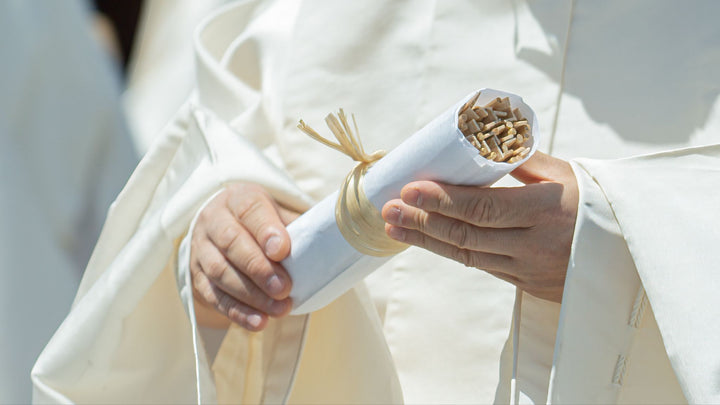
Das Hashi Kanshasai: Dankbarkeit für gebrauchte Essstäbchen
Besuchen Sie uns im Hie-Schrein, wo gebrauchte Essstäbchen jeden August mit Gebet und Musik…
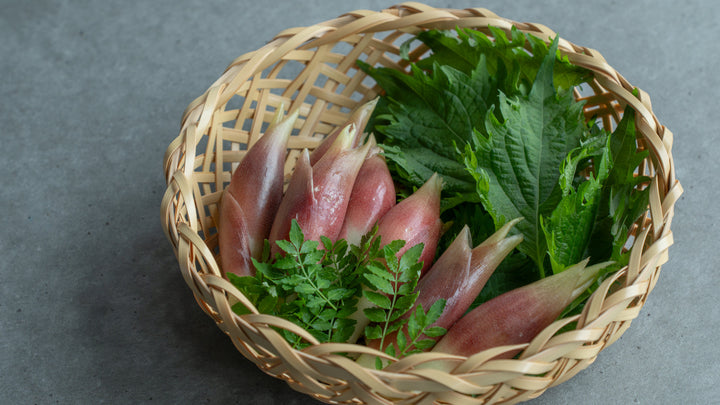
Die saisonalen Kräuter der japanischen Küche erkunden
Entdecken Sie shiso, myoga, kinome und seri – die saisonalen Kräuter, die still und…
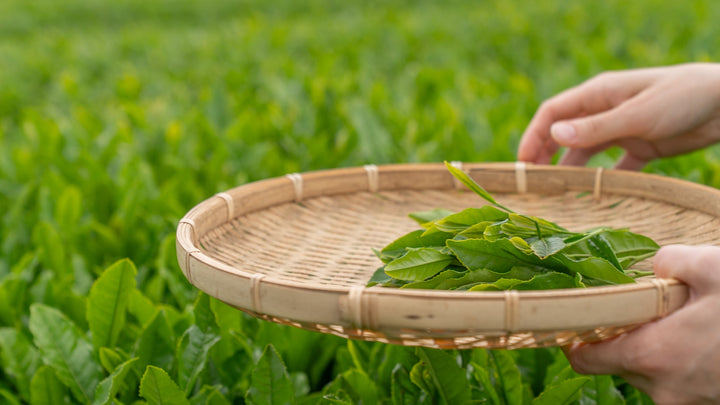
Japans erste Teeernte und das Erlebnis handgepflückten Tees
Pflücken Sie die Blätter der ersten Ernte auf einer Teefarm in Kanagawa und entdecken…
Rebecca Menasché
Leave a comment
@Ann – Thank you so much for sharing such a thoughtful reflection. We love how you connected Obon with traditions from other parts of the world. Despite the differences in customs and forms, the love and remembrance we hold for those who have passed are deeply universal. Your words are a beautiful reminder of how much we share as human beings. Thank you for reading and for adding such a meaningful perspective to the story.
a beautiful description of this festival…and the first good photo is have seen of the horse and ox made from the vegetables. it reminds me strongly of the old traditions associated with european ‘all souls day’, which spanned 2-3 days at the end of october and beginning of november. these customs largely predate christianity, and have become part of modern halloween and also the latin american ‘day of the dead’. every culture around the world had or has a similar observance, as we all love and remember the family and friends we have lost. it is nice to think we are more similar as humans than we are different.
@Judy – Thank you so much! We’re so glad you’re enjoying these stories and finding them interesting. Comments like yours encourage us to keep sharing more stories about Japanese culture, traditions, and craftsmanship. We look forward to bringing you many more!
View 1 more comment Hide comments
I love reading these. They are so interesting to an American whose culture lacks so much.