

Guía de Matchaware
Descubra los elementos esenciales de matchaware para preparar matcha en casa, incluyendo cuencos, batidores, cucharas de té y más.
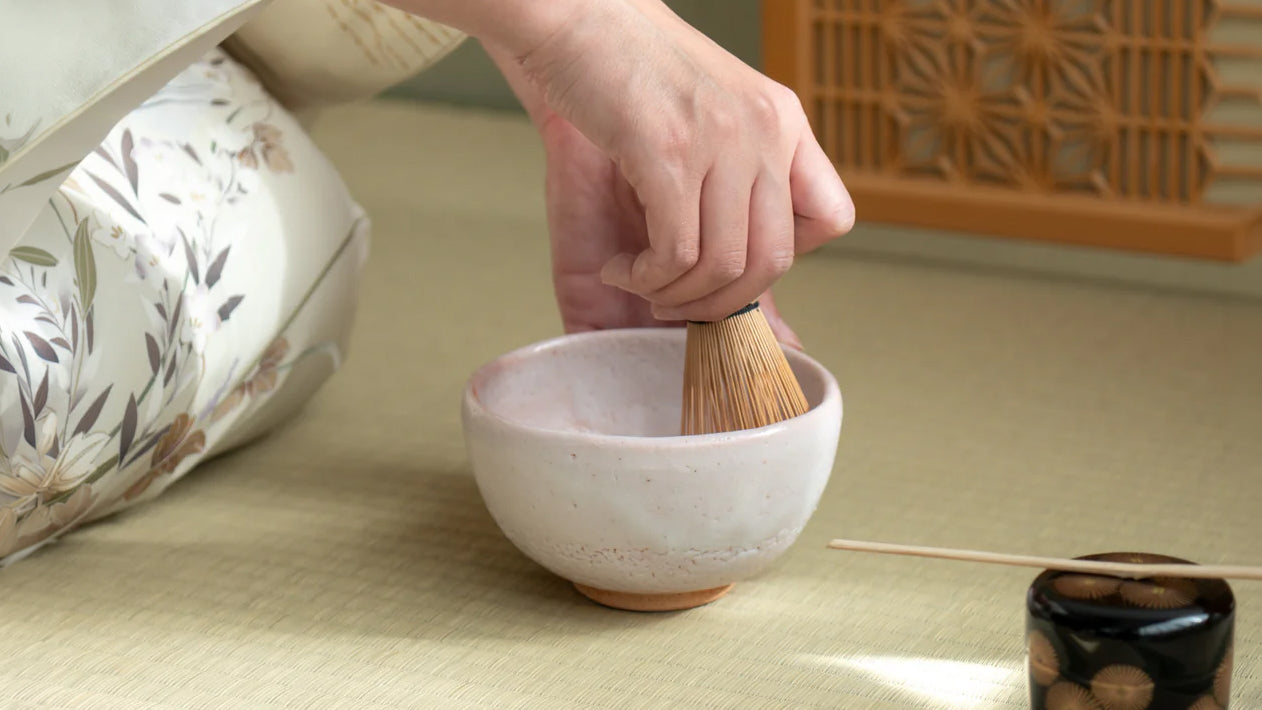
Matcha no es solo algo que se bebe, sino algo en lo que se participa al prepararlo. Los pasos pueden ser simples, pero cada uno está guiado por herramientas diseñadas para ese propósito. Con utensilios de matcha bien elegidos, la preparación se vuelve precisa e intencional, y el sabor se equilibra mejor.
Para preparar matcha en casa, puede comenzar con lo esencial. Esta guía presenta utensilios de matcha para uso cotidiano, desde las piezas básicas que necesita para empezar hasta las herramientas que aportan un carácter más ceremonial a la rutina. Cada artículo se explica por su función y cómo encaja en el proceso, ayudándole a elegir con qué comenzar y qué añadir con el tiempo.
Cuencos de Matcha
A Un cuenco de matcha, o chawan, es la pieza principal de los utensilios de matcha. Es donde el matcha se bate, se sirve y se disfruta, todo en un mismo recipiente.
A diferencia de una taza o un cuenco pequeño, un cuenco de matcha está diseñado para batir con control. La forma marca una diferencia notable. Un cuenco bien formado ofrece espacio suficiente para batir con vigor mientras mantiene el movimiento estable, lo que ayuda a que el matcha se mezcle suavemente y tenga un sabor equilibrado.
El material también importa. Si la textura es extremadamente rugosa, el batidor puede engancharse y arrastrarse al moverlo. Si es demasiado lisa, el batidor puede deslizarse por el fondo y el matcha puede no mezclarse de manera uniforme. Para principiantes, un cuenco con textura moderada es un punto de partida confiable. Una vez que se sienta más cómodo batiendo, los cuencos de porcelana o los cuencos de formas únicas también pueden ser una buena opción.
Los cuencos de matcha también están moldeados por las estaciones. Algunos se hacen más profundos con paredes más gruesas que retienen el calor por más tiempo, ideales para el invierno, mientras que otros son más anchos y poco profundos, permitiendo que el calor escape más rápidamente, y suelen preferirse en verano. Los motivos pintados y las elecciones de color también reflejan temas estacionales, razón por la cual los cuencos de matcha a menudo se eligen teniendo en cuenta la época del año.
El Shino Blush Matcha Bowl ofrece un carácter suave y orgánico. Su pendiente interior suave favorece el movimiento fluido del batidor y ayuda a que el matcha se concentre hacia el centro mientras se mezcla.

Como opción de porcelana, el Blossom & Golden Yellow Matcha Bowl, con sus lados rectos y una forma más profunda, proporciona momentos cálidos de matcha en días más fríos.

Para una mirada detallada sobre las formas y materiales de los cuencos de matcha, visite nuestro artículo dedicado, Guide to Matcha Bowls.
Ver Colección de Cuencos de Matcha
Batidores de Matcha y Soportes para Batidores
A Un batidor de matcha, o chasen, es una herramienta tradicional hecha de una sola pieza de bambú, generalmente de unos 10 cm (3.9 pulgadas) de largo. La punta se divide en muchas púas finas, luego se moldea y se ata con hilo. Su propósito es simple pero esencial: mezclar el polvo de matcha y el agua caliente a fondo.
A primera vista, un chasen puede parecer un batidor destinado a hacer espuma, pero está diseñado para mezclar el matcha suavemente en agua tibia. Cuando el matcha sabe equilibrado y se siente consistente desde el primer sorbo hasta el último, a menudo es porque el batido se realizó con buena técnica.
Un chasen se hace mediante trabajo manual especializado: dividiendo el bambú en hebras finas, afeitándolas y doblándolas en forma. La flexibilidad de las púas delgadas permite que el batidor se mueva rápidamente a través del agua mientras permanece lo suficientemente suave como para no dañar el cuenco.
Fabricado en una variedad de formas y conteos de púas, un chasen se elige según el estilo de matcha que se prepara y, en entornos más formales, las tradiciones de diferentes escuelas. El número de púas puede variar desde alrededor de 40 hasta 120. En general, un mayor número de púas produce espuma más fina, pero para principiantes, un batidor de 80 púas suele ser una primera elección sólida. También vale la pena señalar que un chasen es una herramienta hecha para preparar matcha, y se trata como un artículo consumible que se desgastará gradualmente con el uso.

Para cuidar un batidor adecuadamente, lo que hace después de batir importa casi tanto como el batido mismo. Un soporte para batidor se usa una vez que el chasen ha sido enjuagado. Debido a que las púas son delgadas y delicadas, pueden perder su forma curva con el tiempo, especialmente si el batidor se deja reposar de lado. Aunque no es un artículo imprescindible, un soporte moldea las púas mientras se secan y ayuda a que el batidor mantenga su forma por más tiempo.
Diseñado para sostener el batidor y favorecer un secado uniforme, el Sakura Matcha Whisk Holder ayuda a mantener la forma de las púas. Hermoso de admirar tanto en forma como en motivo, esta pieza añade un detalle estacional a la configuración del matcha.

Ver Colección de Batidores de Matcha y Soportes para Batidores
Contenedores Natsume de Matcha y Cucharas Chashaku para Té
Una vez que se sienta cómodo batiendo matcha, el siguiente paso es refinar la etapa de preparación. Aquí es donde entran los contenedores de matcha y las cucharas de té , no como herramientas adicionales, sino como artículos que aportan estructura e intención a la rutina.
Un contenedor de matcha, también conocido a menudo como natsume, es un recipiente con tapa usado para contener polvo de matcha mientras prepara el té. En un entorno tradicional de té, el polvo de matcha se coloca en el natsume antes de que el anfitrión comience a preparar el té, para que el polvo pueda ser recogido de manera ordenada y fluida frente a los invitados. En un entorno cotidiano, un natsume puede desempeñar un papel similar, ya que puede ayudar a mantener el porcionado del matcha limpio y controlado, sin llevar una bolsa o lata a la mesa.
Es importante tener en cuenta que un natsume no está destinado al almacenamiento a largo plazo. La mayoría no son herméticos, por lo que el matcha aún debe mantenerse sellado adecuadamente cuando se almacena durante períodos prolongados.
El Golden Chrysanthemum and Paulownia Nakatsugi Matcha Container es un estilo tradicional de natsume conocido como men-nakatsugi, con una junta de tapa posicionada en el centro del cuerpo. Detalles como este pueden parecer decorativos al principio, pero también reflejan cómo los utensilios de té están diseñados teniendo en cuenta tanto la forma como el manejo.

Una cuchara de té se llama chashaku y se utiliza para recoger el polvo de matcha y llevarlo al cuenco, o para transferirlo de su envase original a un natsume. Comúnmente elaborado en bambú, es curvo, ligero y diseñado específicamente para el polvo de matcha. Puede medir matcha con una cuchara, pero un chashaku ofrece mayor control con gracia. Debido a que el bambú tiene una superficie seca y lisa, el matcha tiende a caer limpiamente en lugar de adherirse.
También existe un pequeño detalle sensorial que muchas personas notan una vez que comienzan a usarlo regularmente. Cae suavemente desde la punta delgada de la cuchara, casi desmoronándose en un flujo ligero. Ese pequeño movimiento ralentiza el ritmo y hace que cada paso adquiera un sentido de deliberación.
La Cuchara de Té Chashaku de Bambú es un ejemplo clásico de esta herramienta, mostrando la forma curva estándar utilizada para matcha.

Juegos de Matcha
Los juegos de matcha son una opción práctica, especialmente si está comenzando desde cero o eligiendo utensilios de matcha como regalo. En lugar de adivinar qué se necesita, un juego proporciona un punto de partida completo.
Un juego también le ayuda a comprender la rutina del matcha con mayor claridad, ya que las piezas están elegidas para funcionar juntas. No hay necesidad de preocuparse por si su cuenco es demasiado pequeño para batir o si le falta algún elemento clave. Elimina la incertidumbre que a menudo surge al elegir piezas antes de conocer el papel que desempeña cada una.
Al mismo tiempo, un juego no lo limita a un solo estilo. Puede agregar un segundo cuenco para invitados, elegir una forma de cuenco diferente para verano e invierno, o añadir un contenedor una vez que el matcha se convierta en parte constante de su vida.
Para quienes desean una configuración completa en una caja, el Juego de Té Matcha Yu-Chabako con Veta de Madera incluye los elementos esenciales necesarios para comenzar a preparar matcha en casa. El juego se presenta en una caja de madera decorada e incluye los siguientes artículos: un cuenco de matcha de madera, un contenedor de matcha natsume, una cuchara de té chashaku, un posavasos, un plato con base, un soporte para batidor de matcha y un batidor de matcha.

Los utensilios de matcha provienen de una larga tradición, pero su punto de partida no necesita ser formal. Comience por comprender para qué está hecho cada utensilio, luego construya una configuración que funcione naturalmente con su rutina.
Como mínimo, necesita un cuenco de matcha y un batidor de bambú. Agregar un soporte para el batidor ayuda a mantener su forma y respalda un cuidado constante a lo largo del tiempo. Un chashaku y un contenedor de matcha se vuelven útiles una vez que desea que el dosificado se sienta más limpio y más fiel a cómo se prepara el matcha. Si prefiere tener todo junto desde el principio, un juego de matcha ofrece un punto de partida completo.
Explore nuestra Colección de Utensilios de Matcha para encontrar las piezas que se ajusten a la forma en que desea disfrutar del matcha.
Stay close to the craft
Now and then, a quiet letter — new stories, seasonal notes, and the hands behind the work.
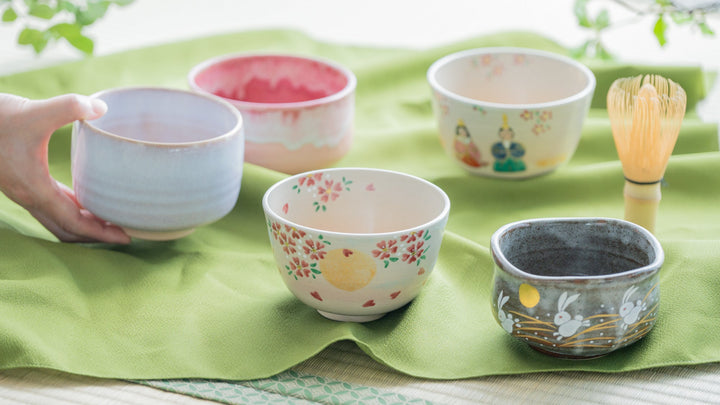
Guía de cuencos de matcha
Explora el mundo de los cuencos de matcha japoneses, con consejos sobre formas, materiales…
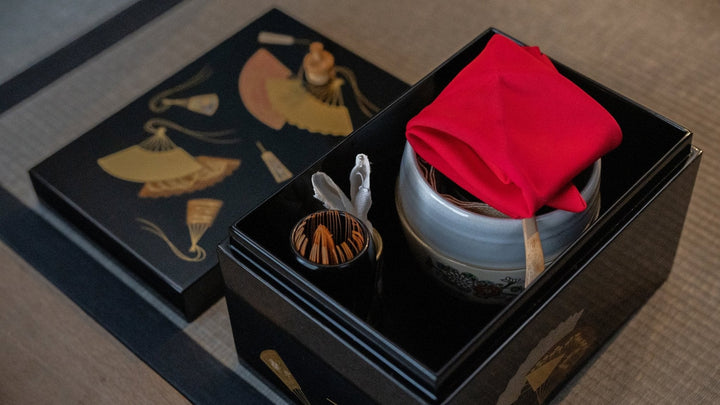
Serie Chado de MUSUBI KILN: Un viaje a través de la ceremonia del té Chabako
Aprenda sobre la historia, el uso y la importancia del chabako, cajas de madera…
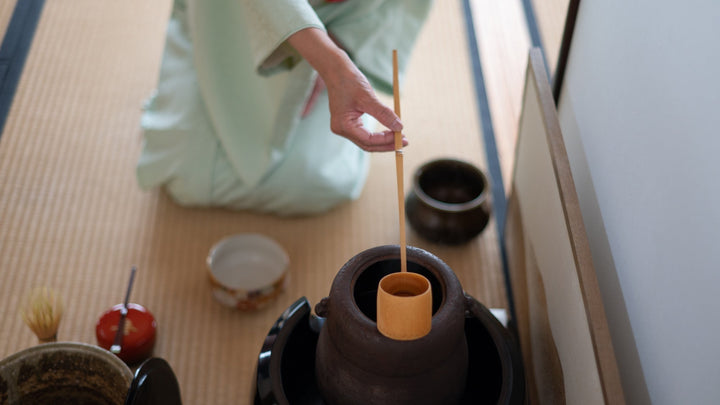
Serie Chado de MUSUBI KILN: Invitación a la ceremonia japonesa del té
Explore la cultura de la tradicional ceremonia del té japonesa, desde la etiqueta y…
Leave a comment