


Cuenco de Matcha Remolino de Luz
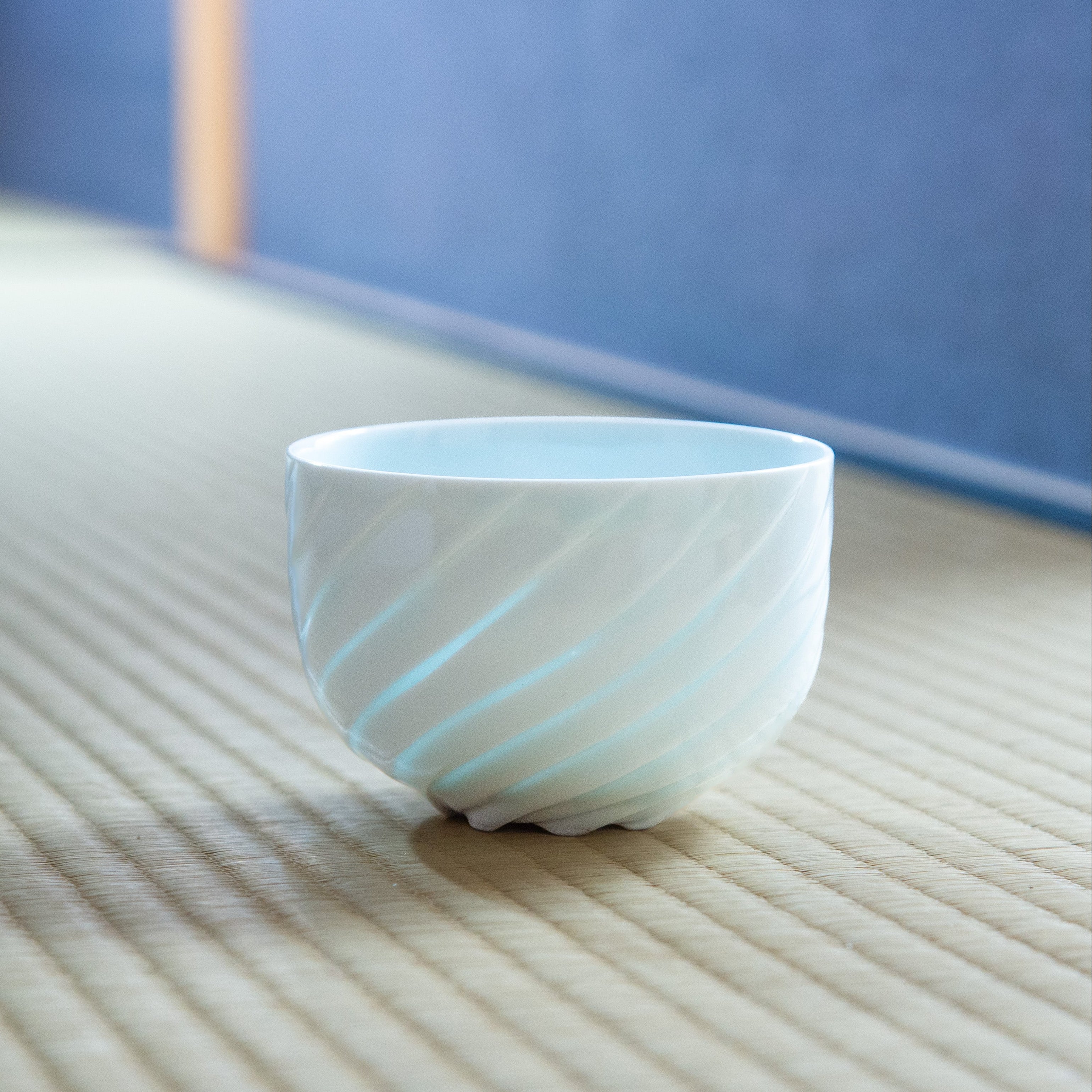
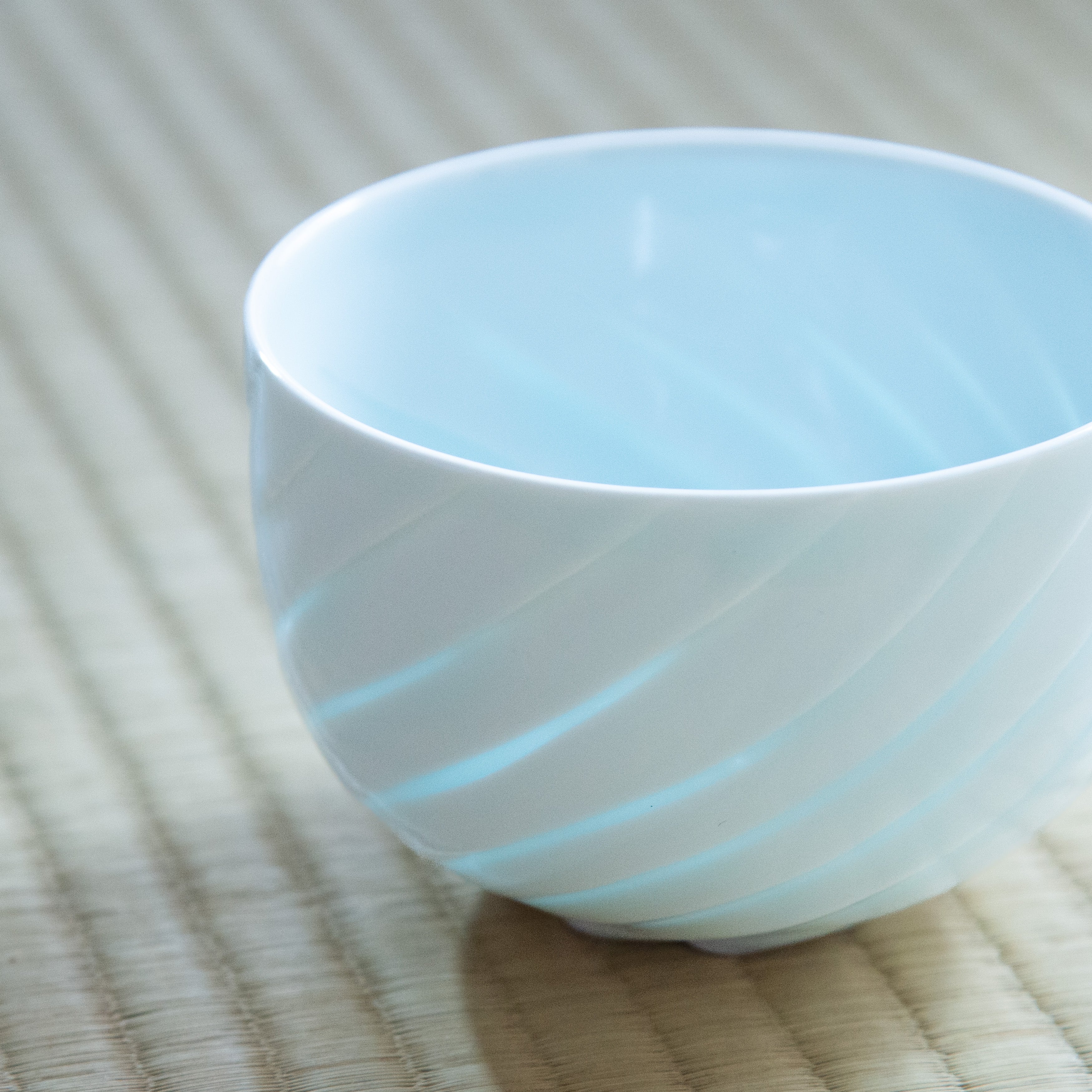
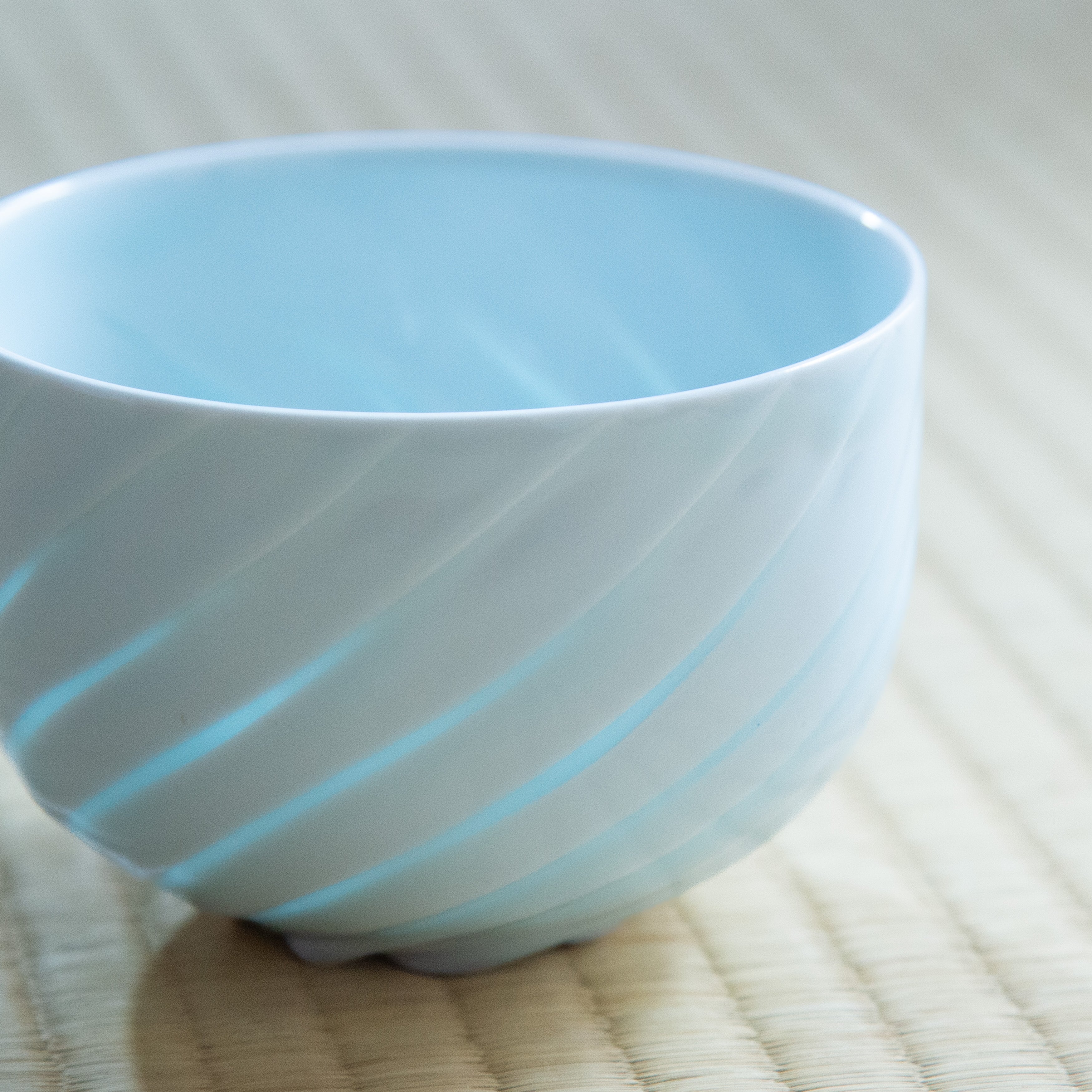
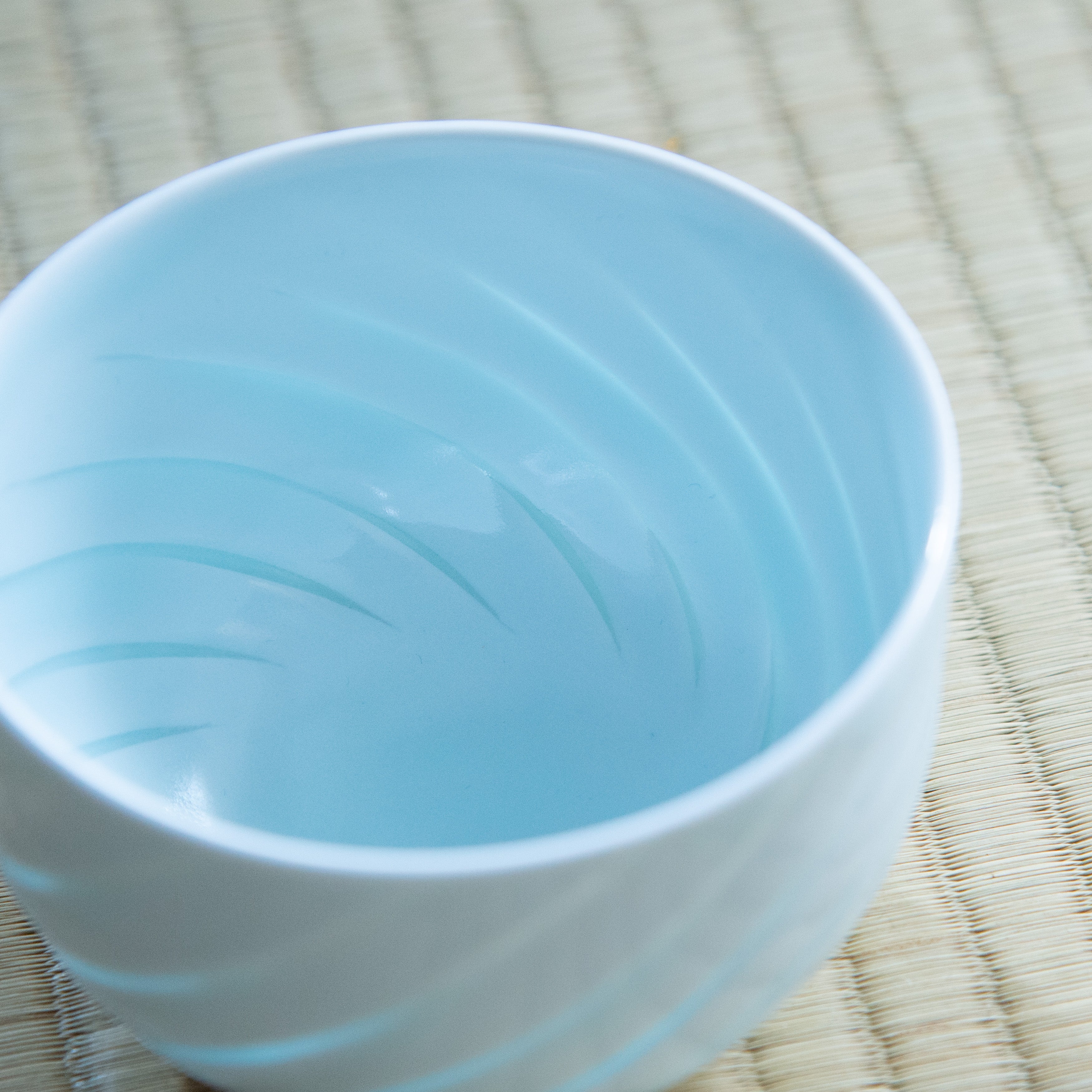
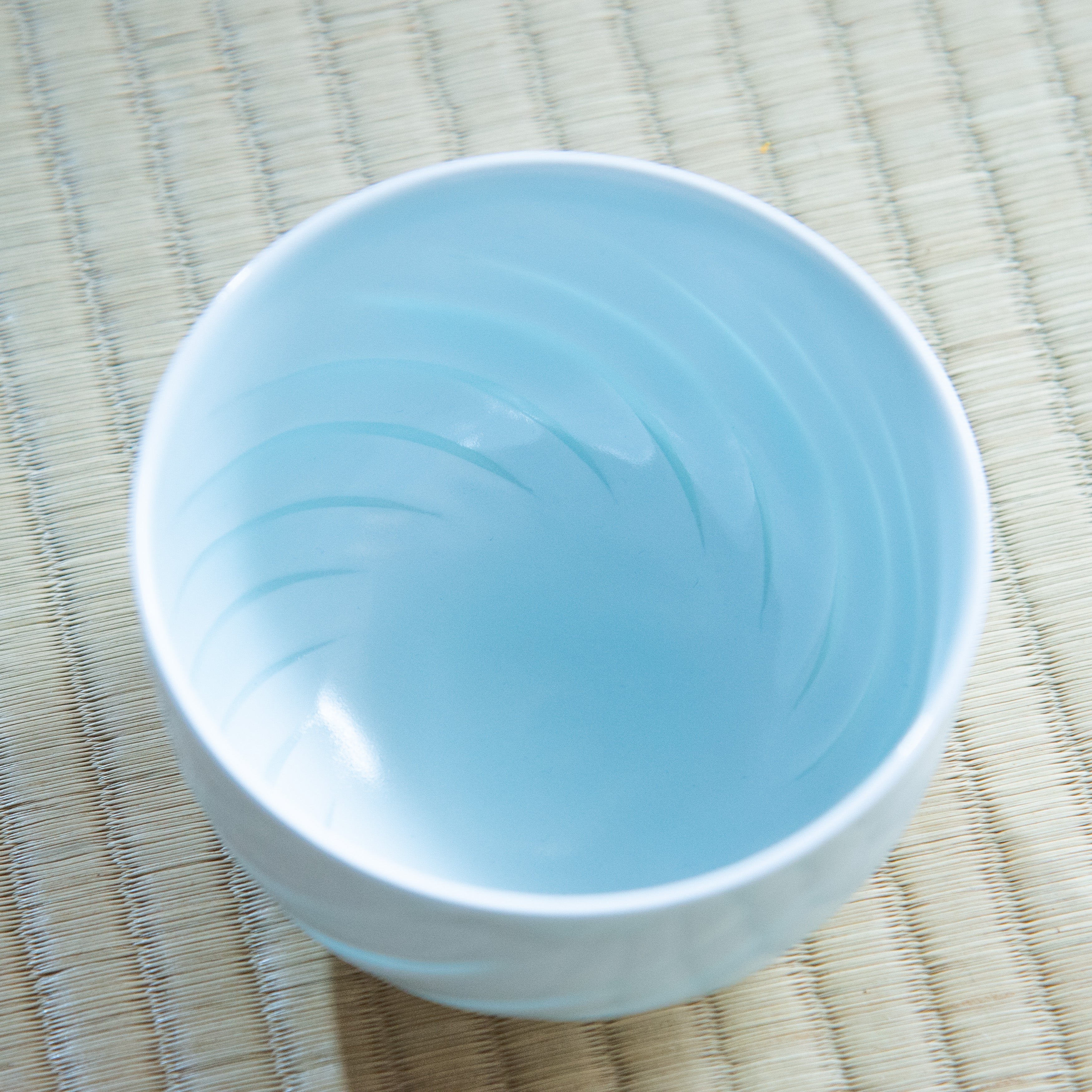
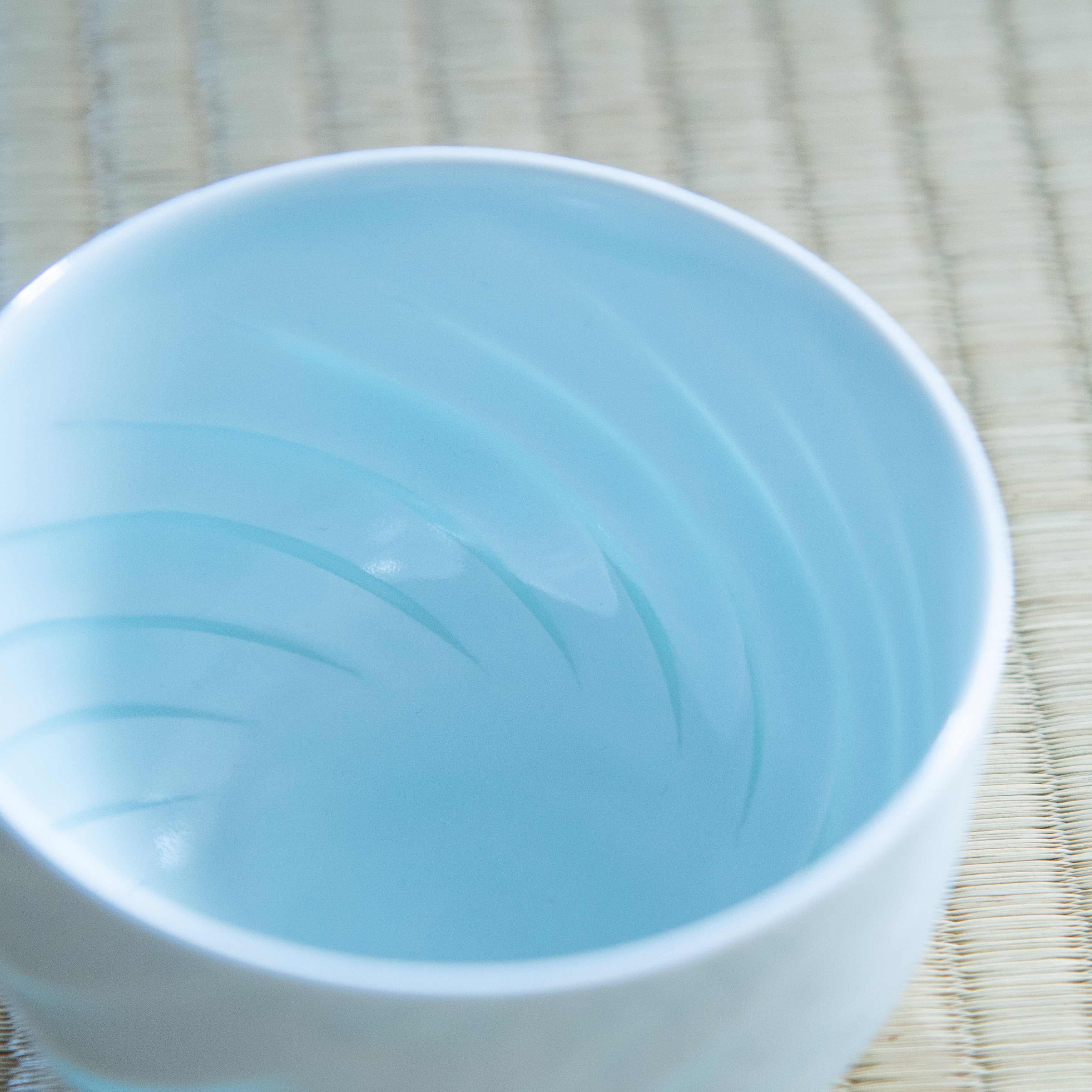
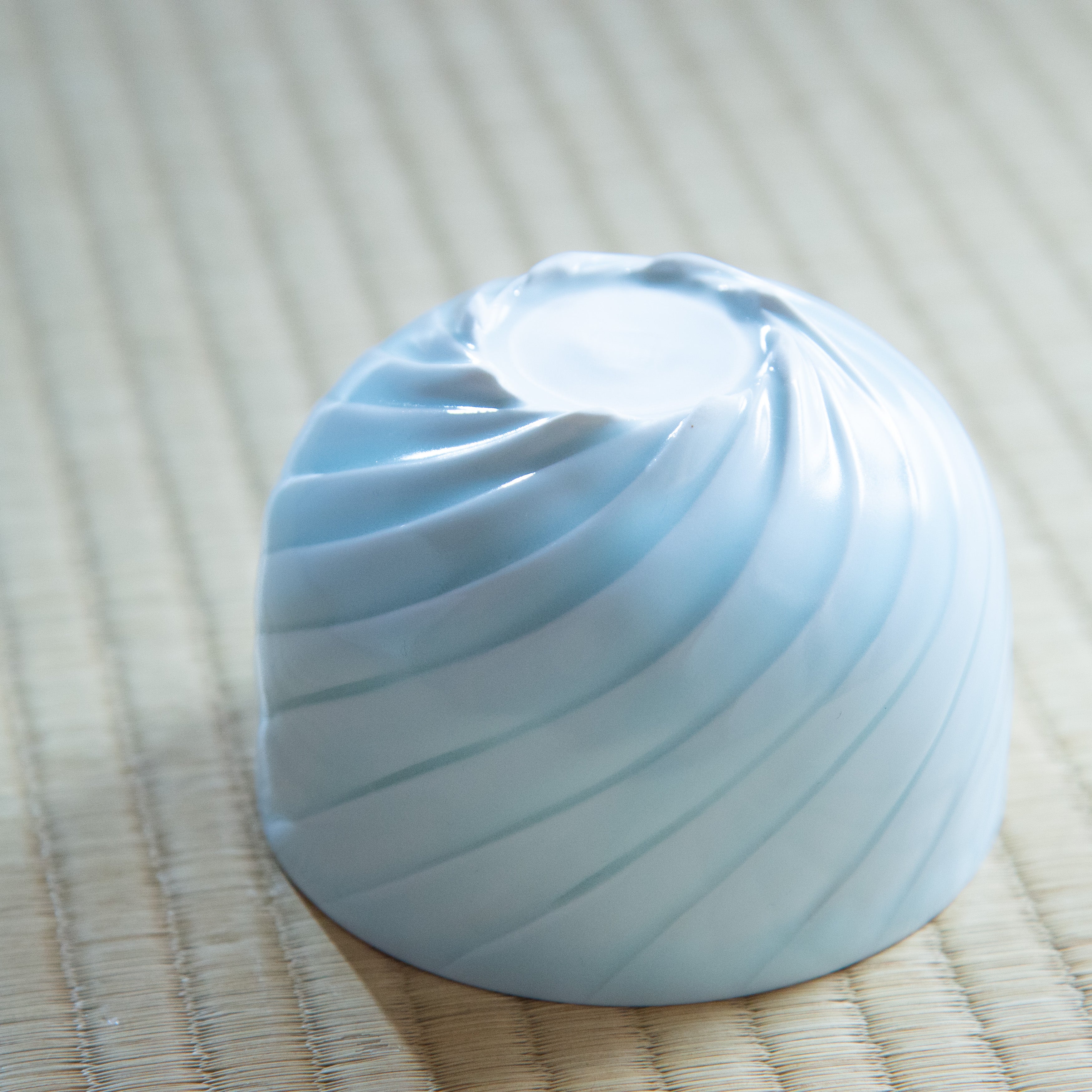
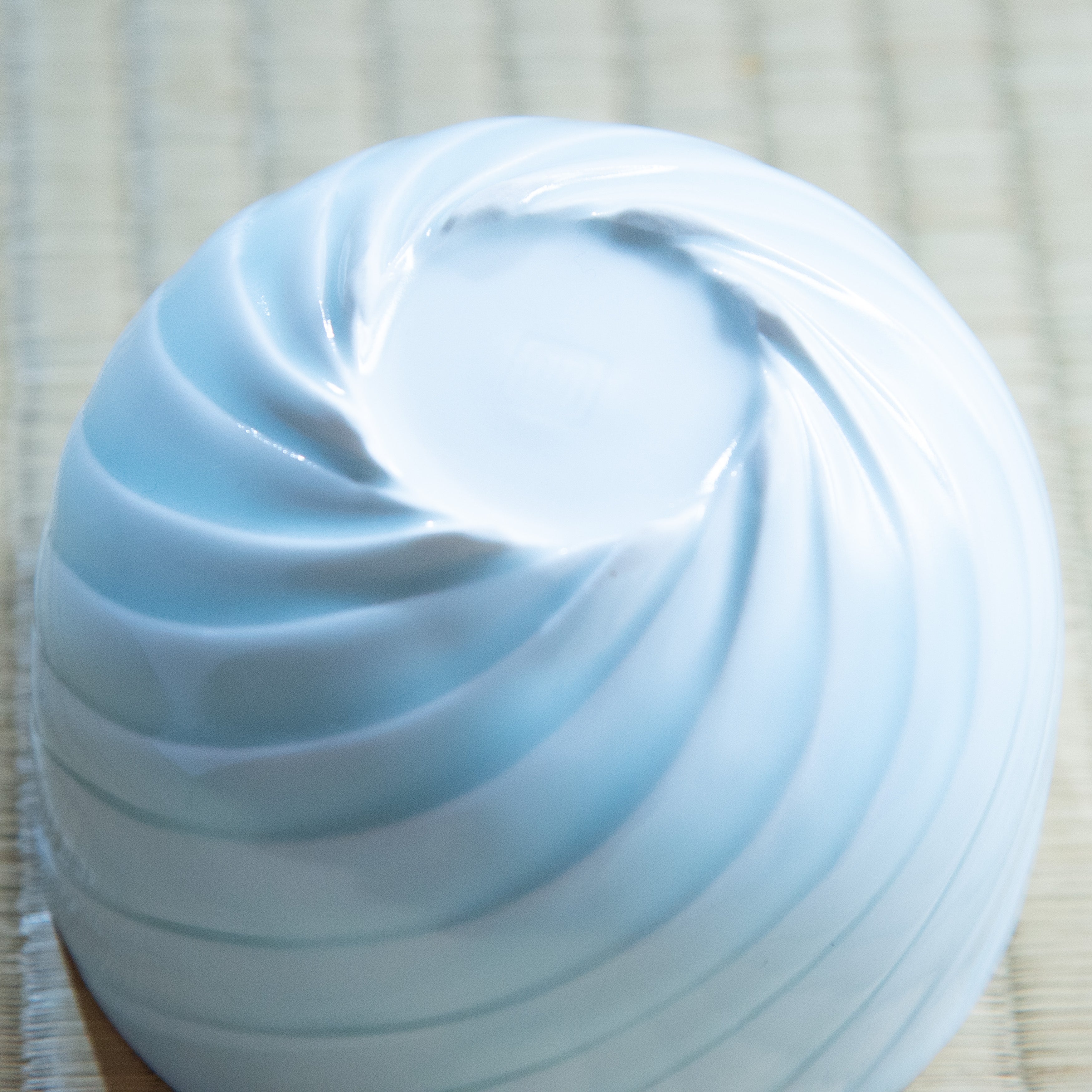
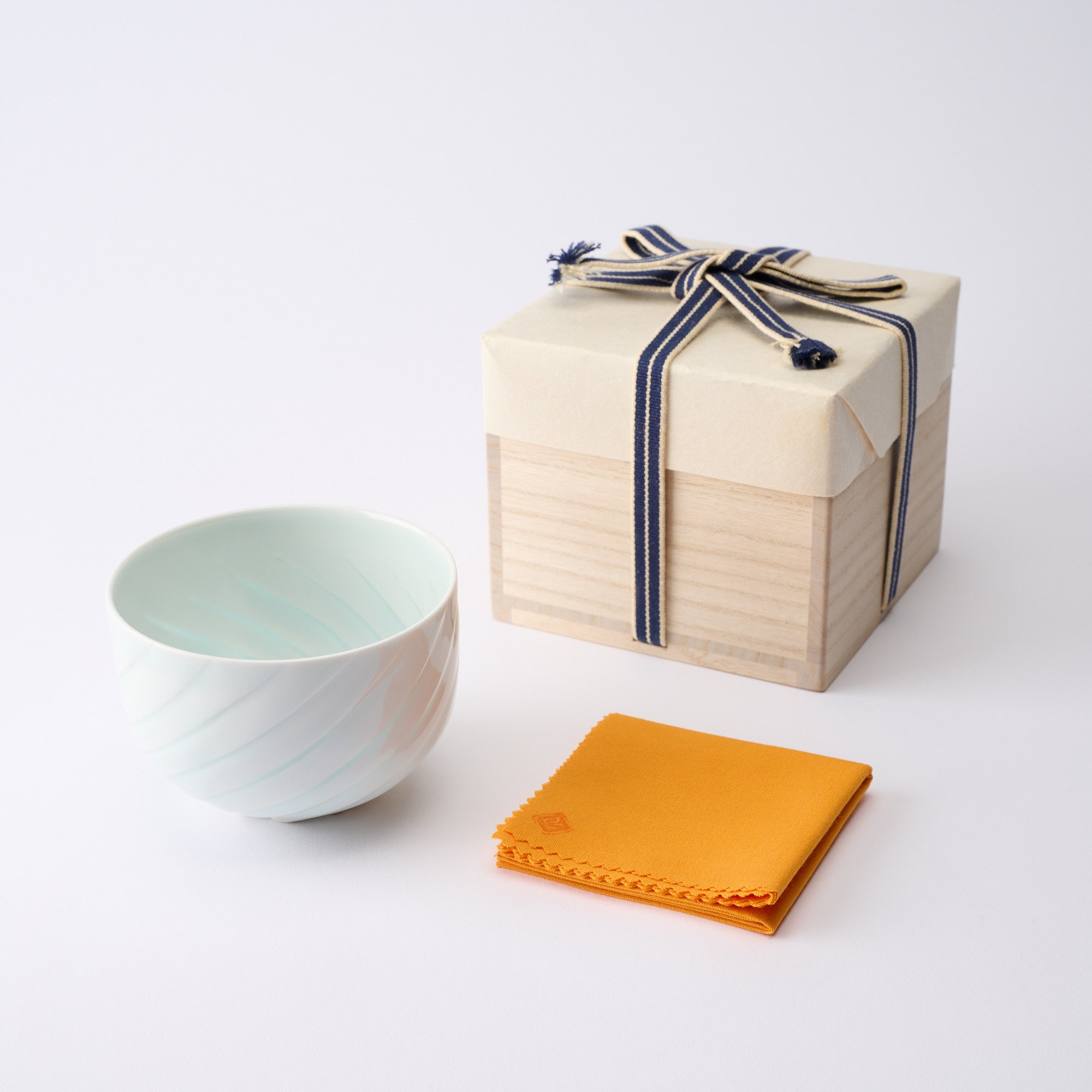
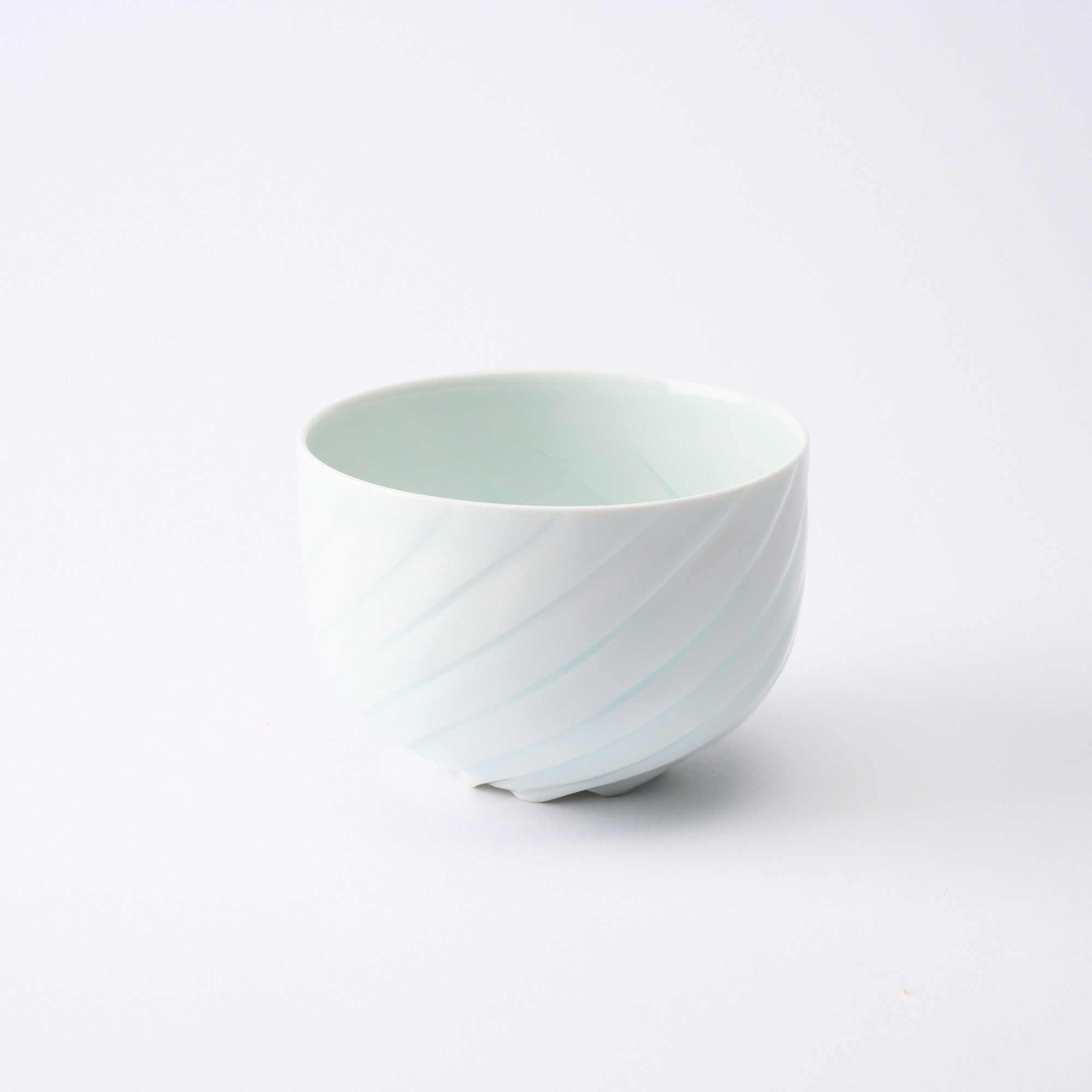
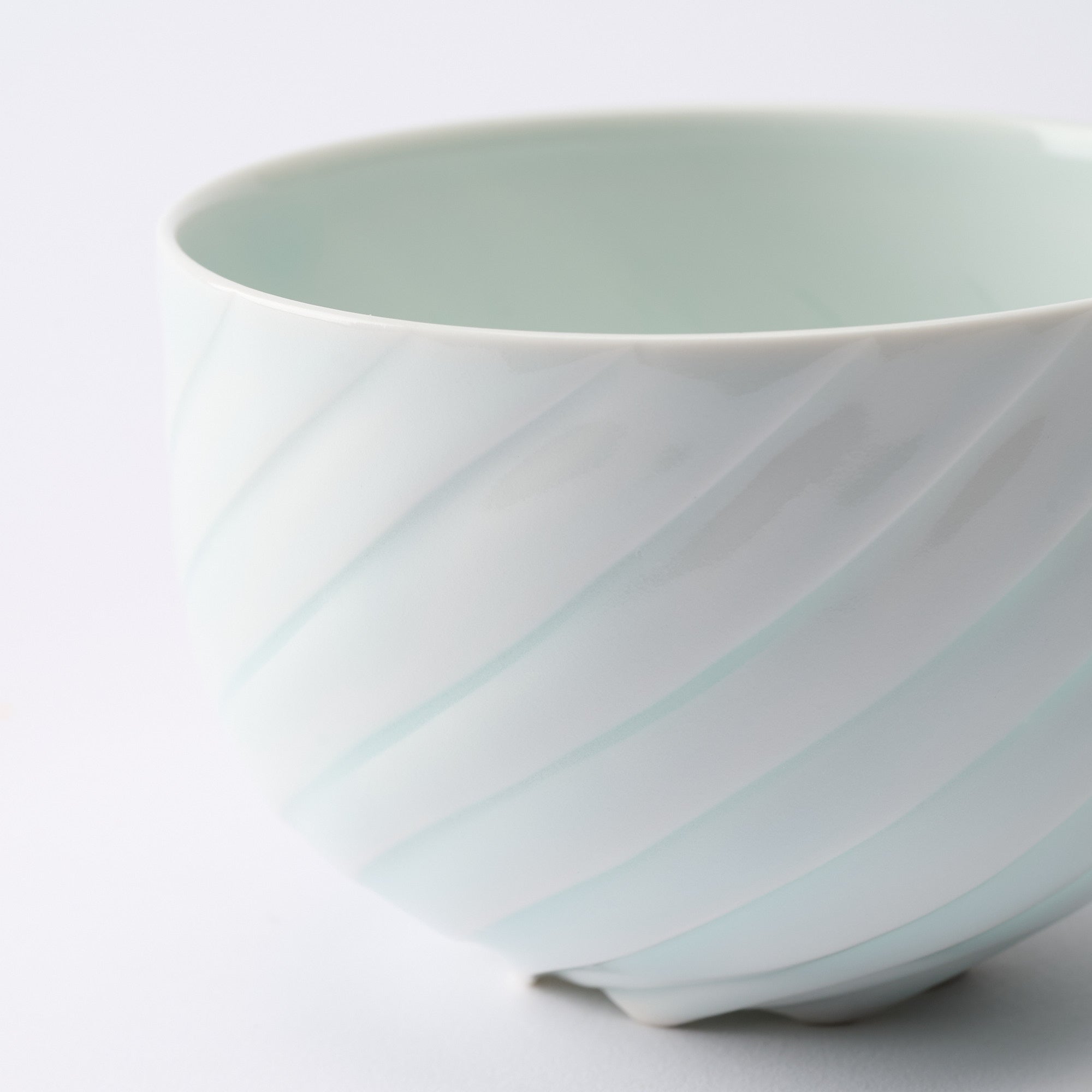
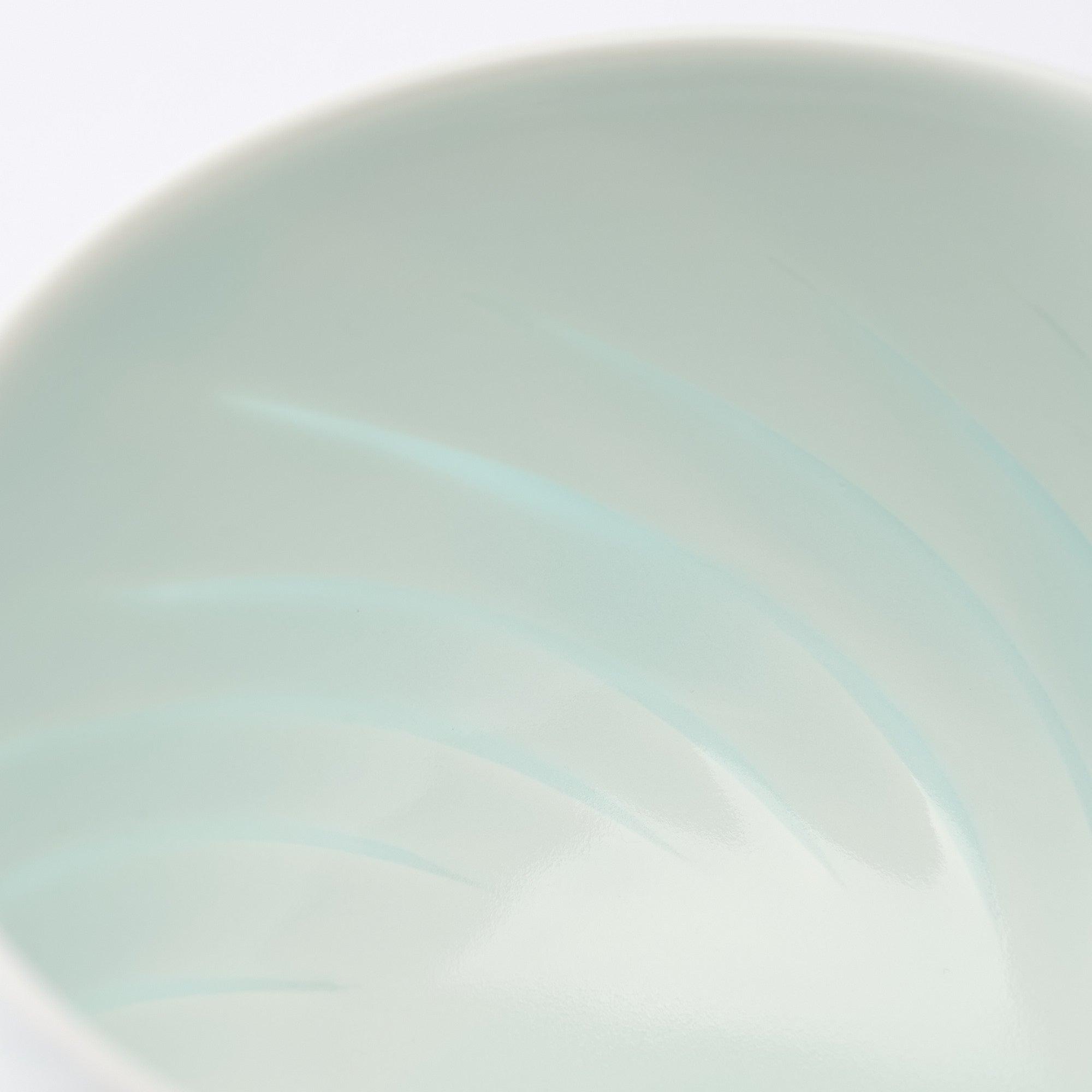
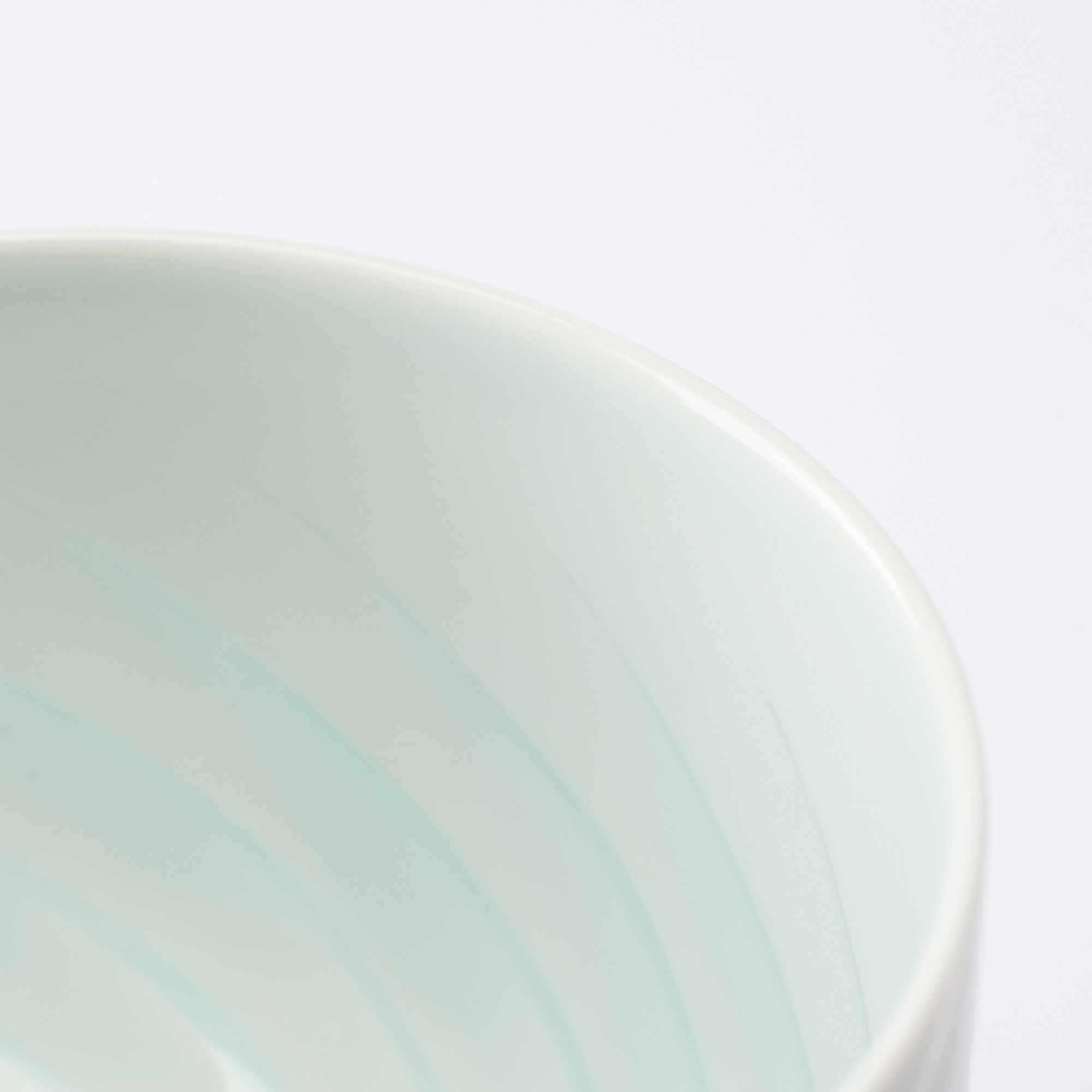
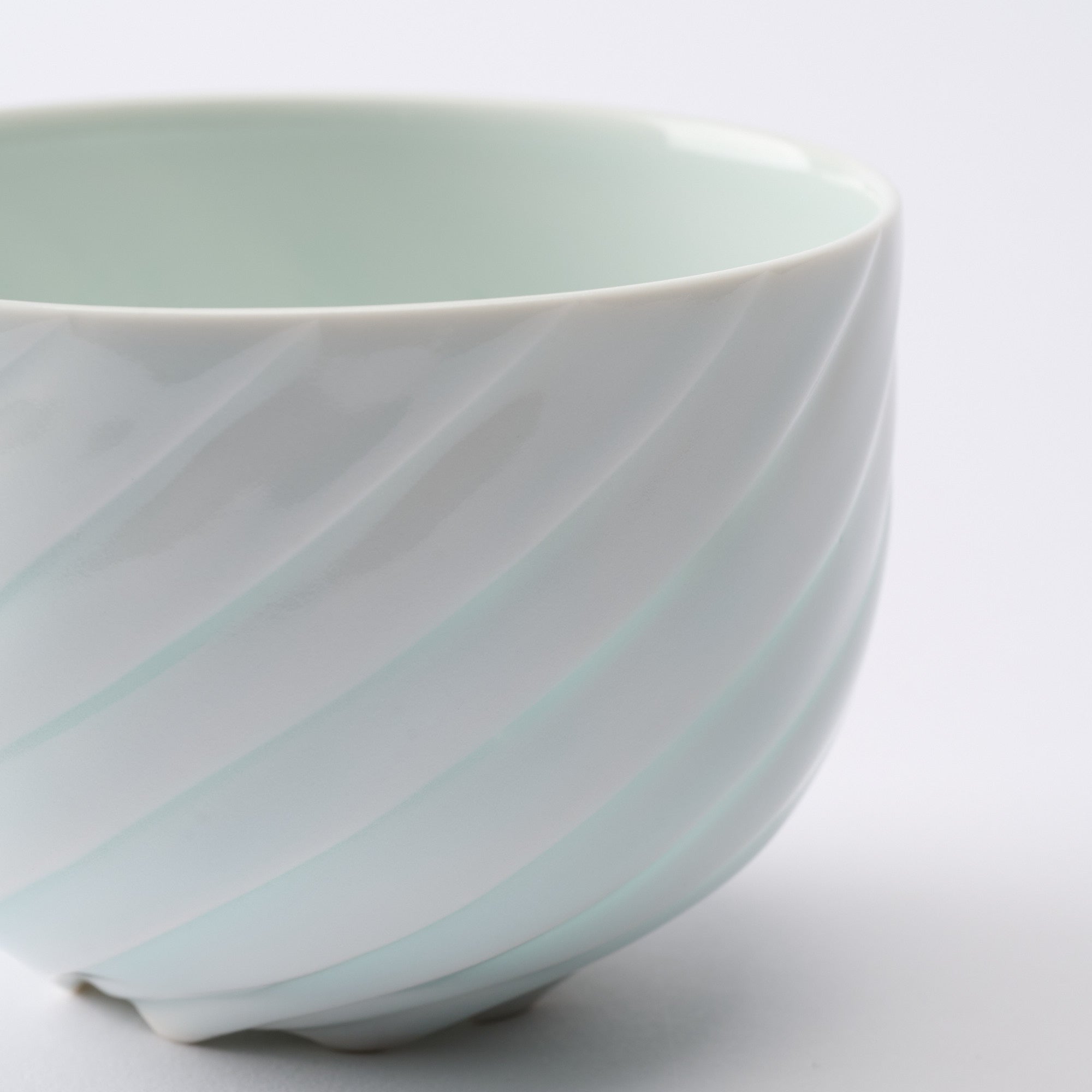
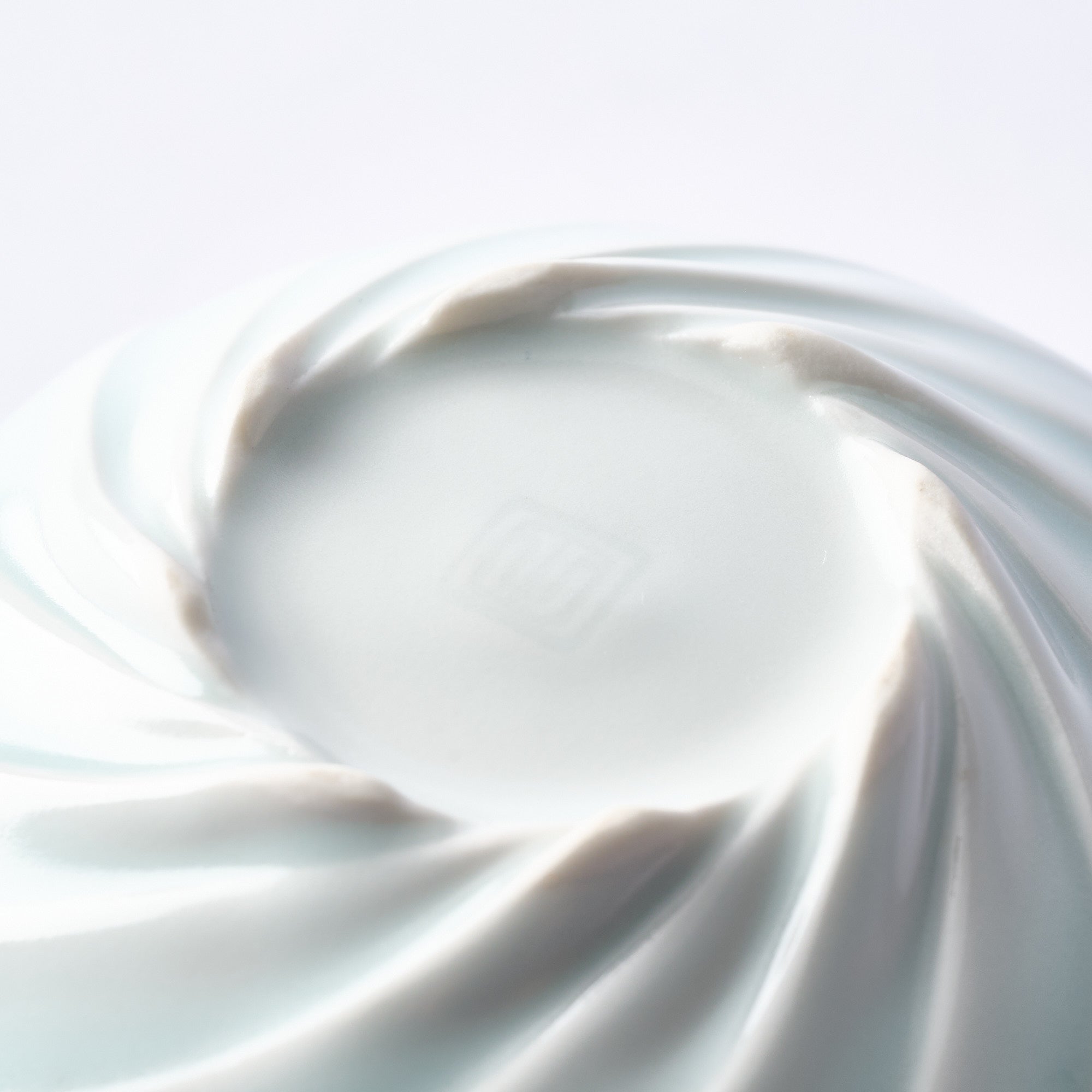
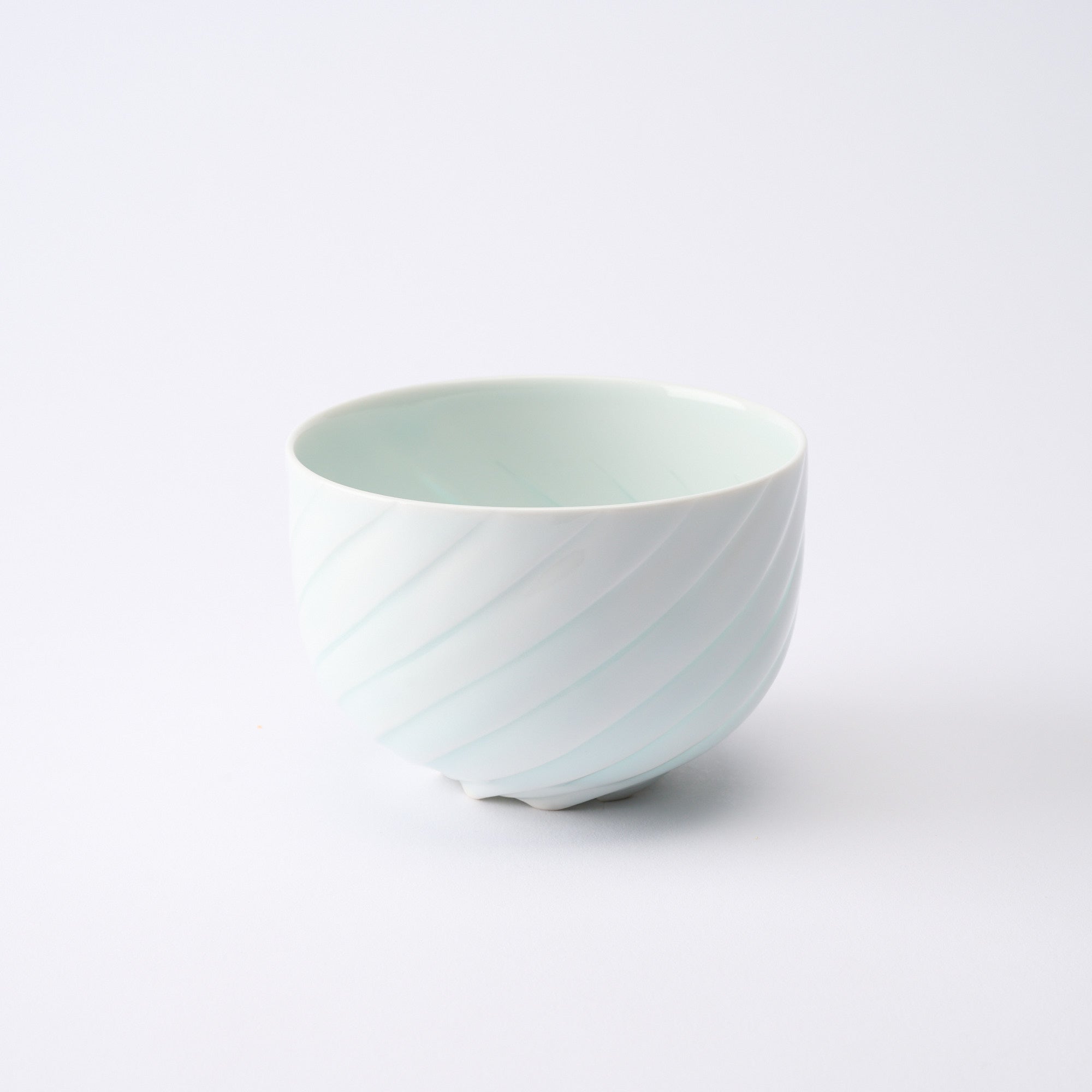
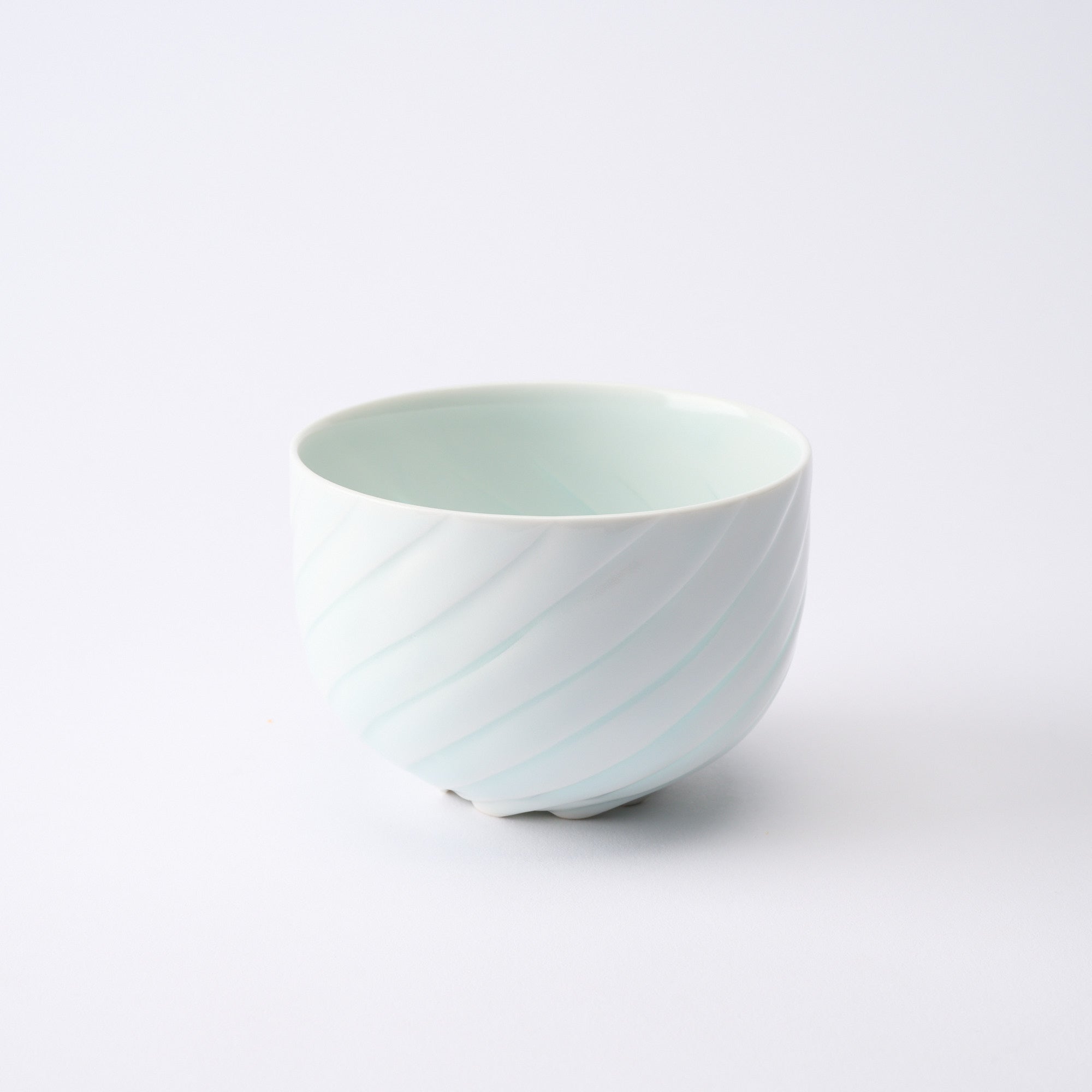
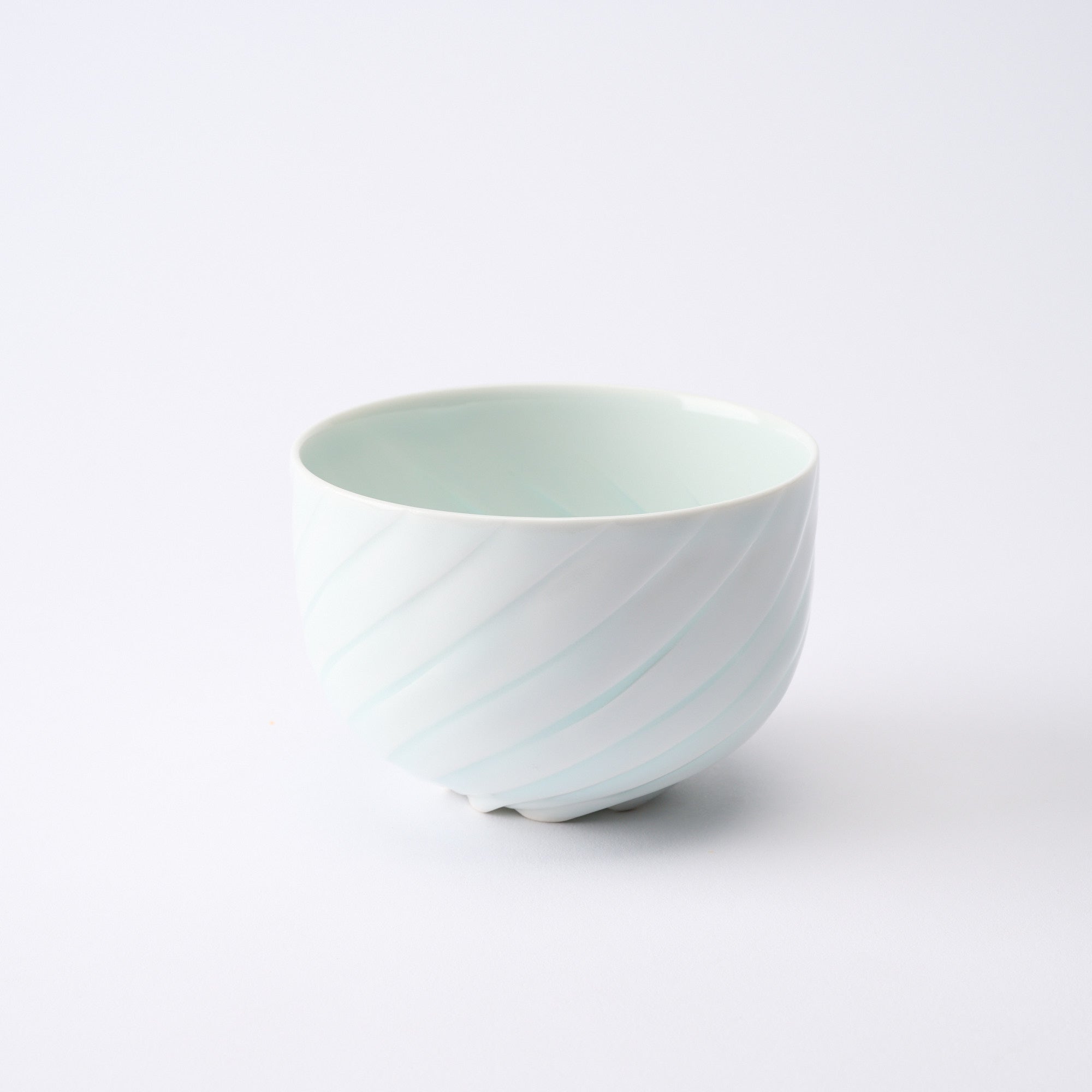
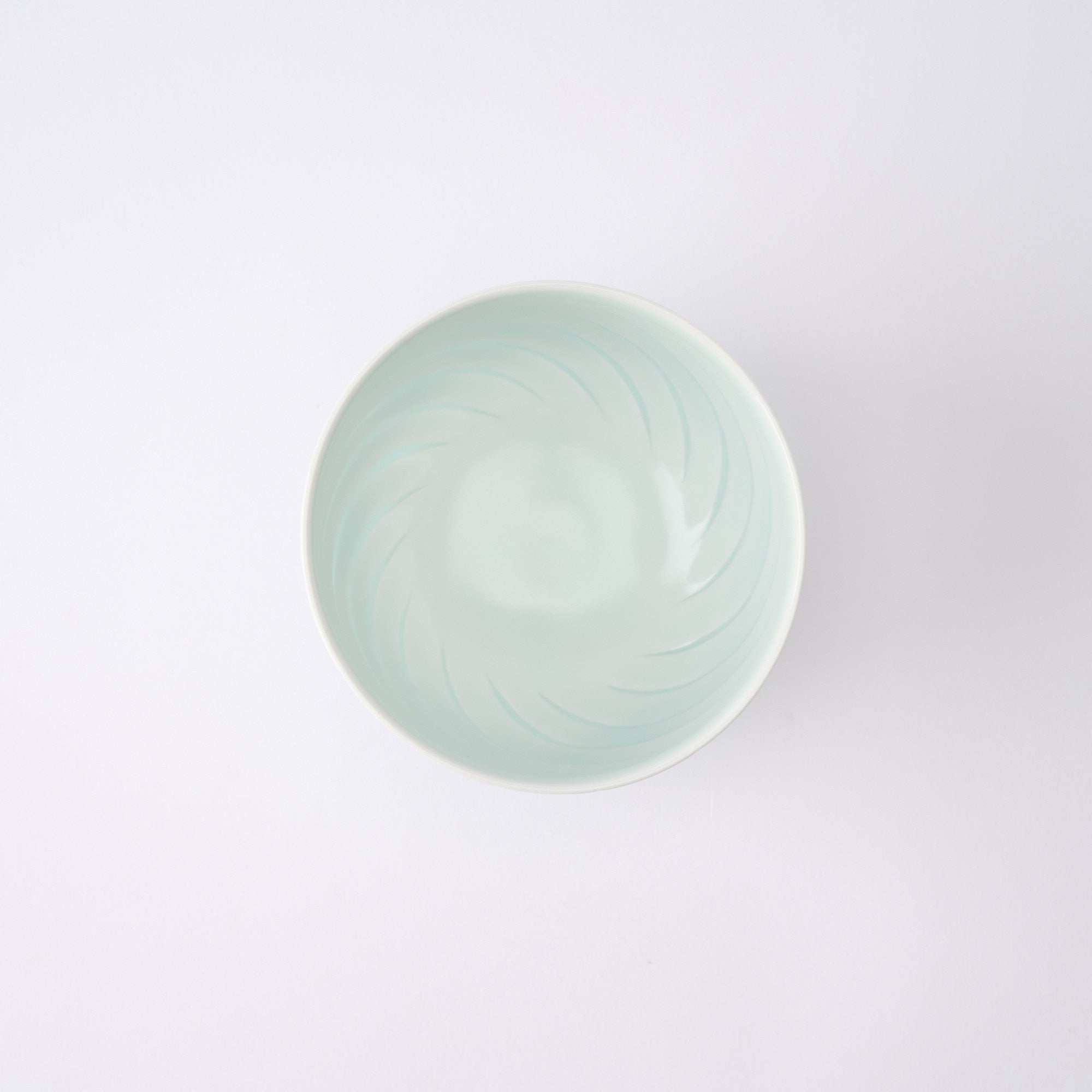
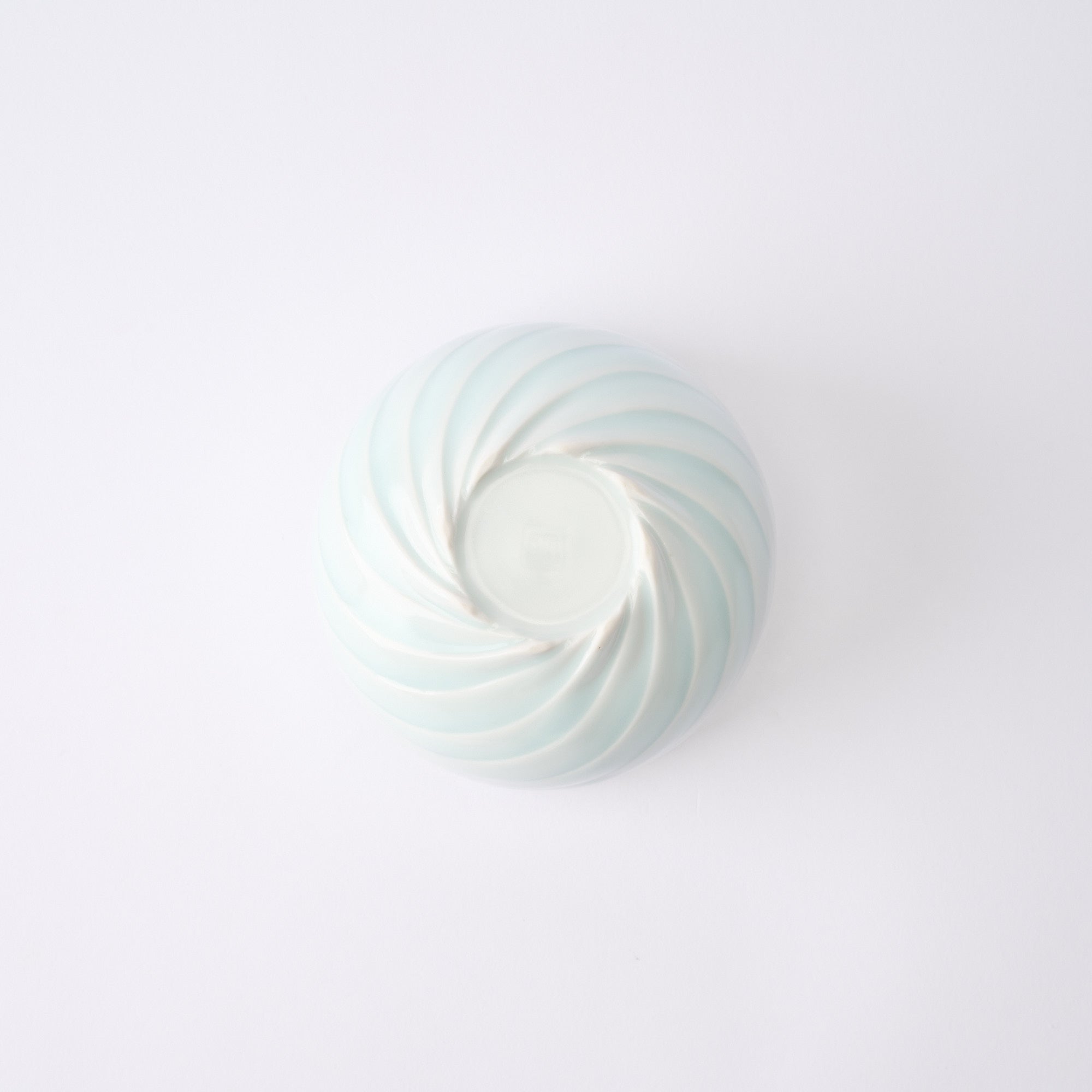
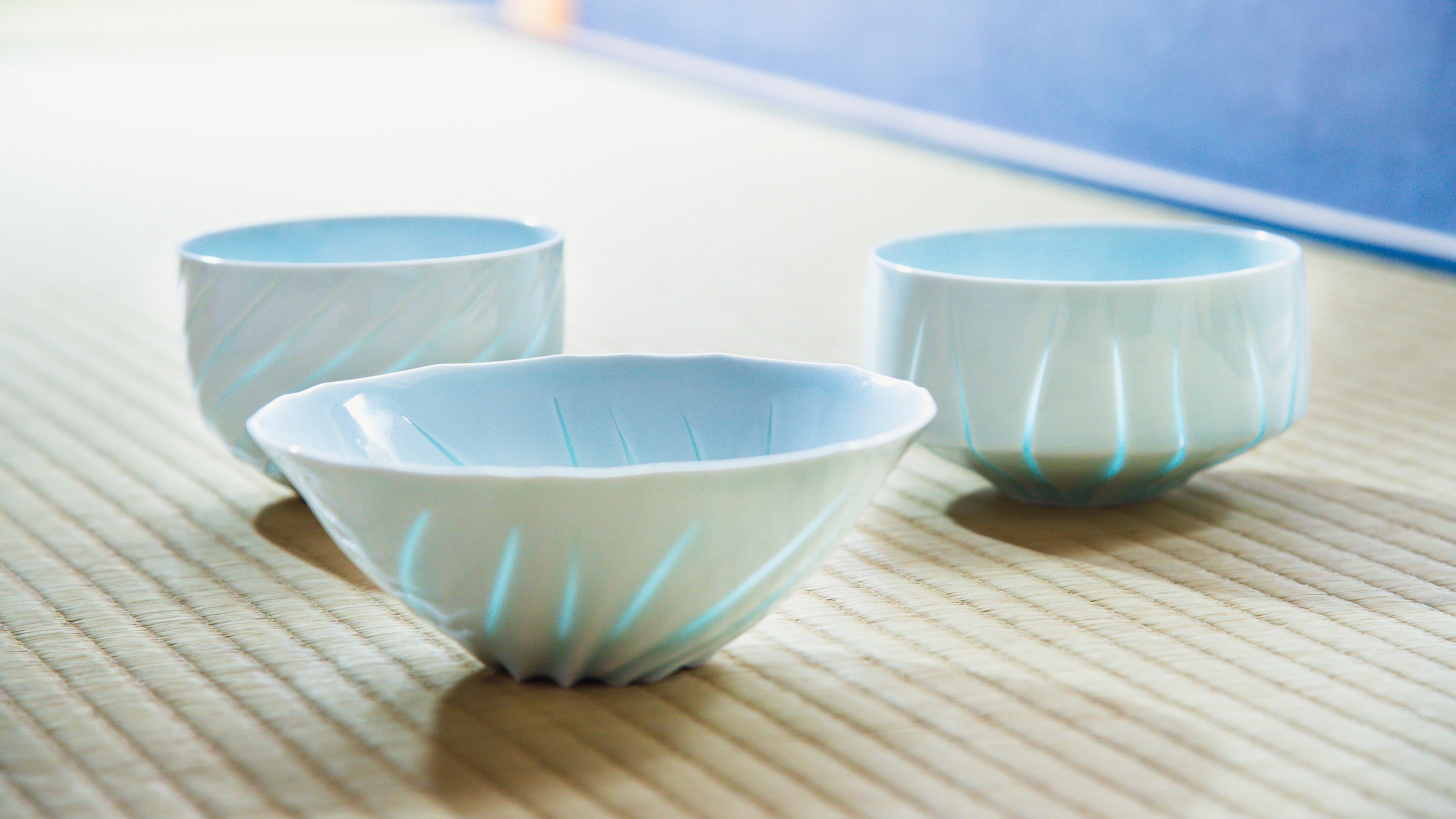
El cuenco para matcha Whirl of Light del artista de cerámica Seto Taruta Hiroshi cautiva con un juego de luminosidad onírica y sombra. Delicadamente formado y esmaltado en celadón pálido, el cuenco posee una presencia ligera y grácil. Su superficie se anima con una secuencia de espirales rítmicas, cada una cuidadosamente espaciada para crear una cadencia visual armoniosa. El patrón en espiral sugiere el orden dinámico de un remolino—una forma elegante donde movimiento y estructura se encuentran. Cuando la luz toca el cuenco, las líneas curvas la capturan y liberan en intervalos suaves, produciendo reflejos cambiantes que otorgan a la pieza una sensación de profundidad y movimiento. El resultado es un cuenco para matcha que equilibra diseño disciplinado con atmósfera poética.
La técnica que Taruta aplicó, conocida como hotarude—literalmente "técnica de la luciérnaga"—tradicionalmente implica tallar aberturas intrincadas en porcelana y recubrirlas con un esmalte translúcido. Esto permite que la luz atraviese la pieza mientras mantiene una superficie continua, creando puntos de iluminación que evocan luciérnagas brillando en una noche oscura como la seda. Aunque los calados hotarude suelen ser circulares, Taruta se especializa en tallados lineales, aportando su propia visión artística única a la forma.
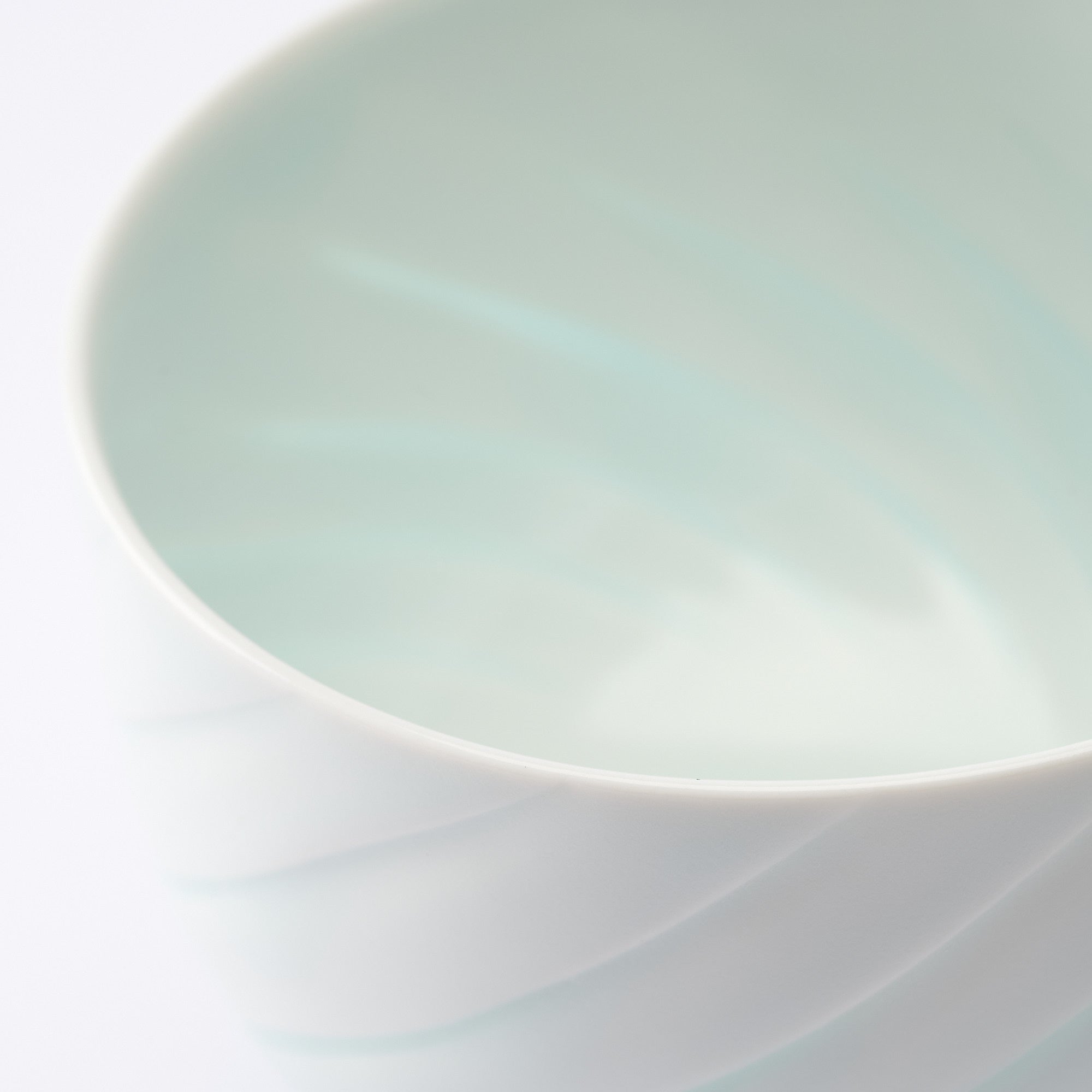
Más allá de la complejidad del tallado, el esmalte desempeña un papel esencial en configurar su carácter luminoso. Taruta comenzó a trabajar con el esmalte durante su aprendizaje y continuó refinando su formulación ajustando cuidadosamente la composición del esmalte y las condiciones de cocción, logrando un equilibrio de color y translucidez. La porcelana resplandece suavemente mientras preserva la claridad de las líneas talladas.
A medida que la pieza gira lentamente, la luz se desliza a lo largo de las líneas en espiral, reuniéndose y dispersándose sobre la superficie en patrones suaves y cambiantes. El movimiento sutil de luminosidad y sombra revela nuevas facetas de la forma con cada mirada, invitando a un momento de reflexión serena.
DETALLES
| Quantity | 1 |
| Size |
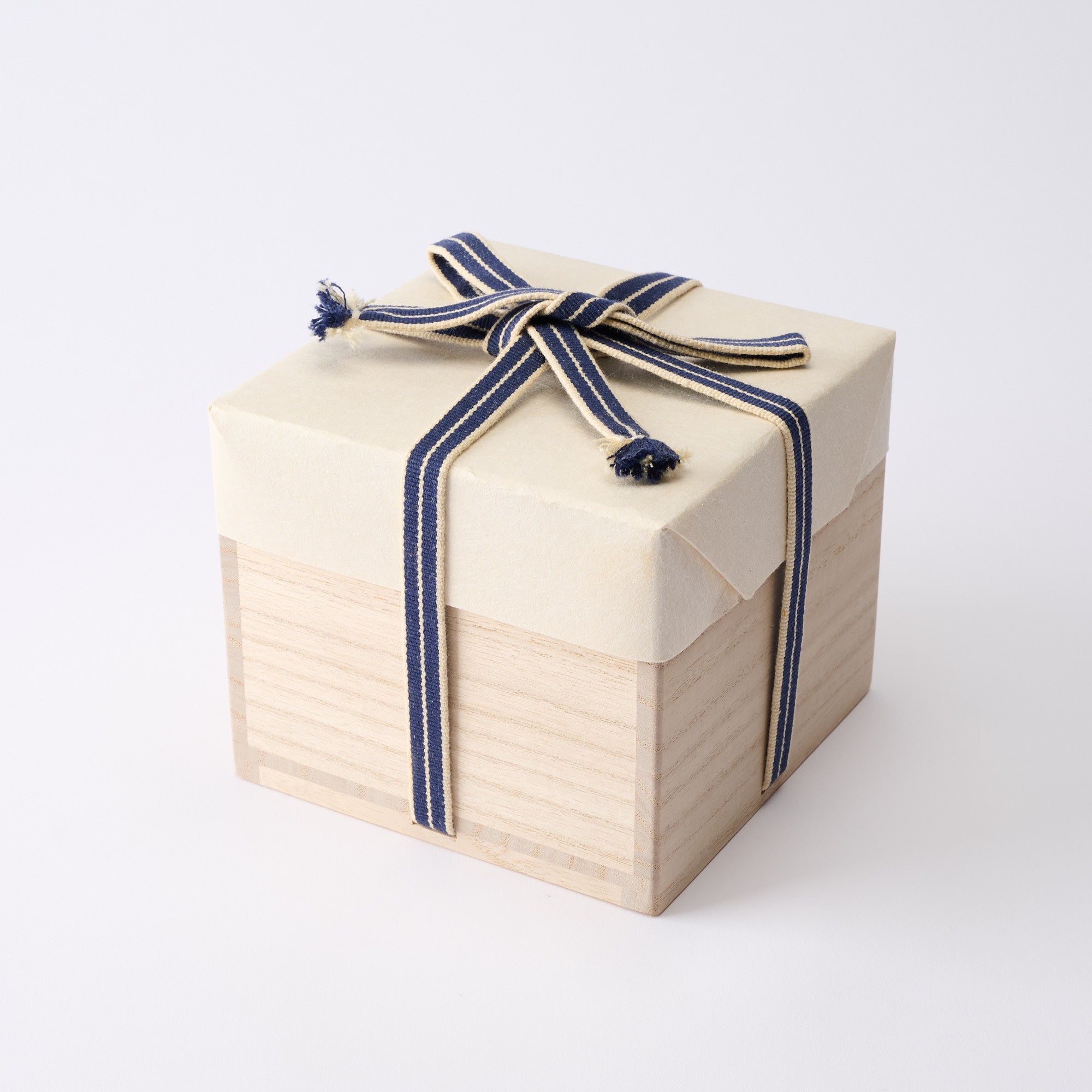
D 10.7 cm (4.2 in) x H 7.2 cm (2.8 in) [Wooden box] L 12.7 cm (5.0 in) x W 12.7 cm (5.0 in) x H 11 cm (4.3 in) |
| Capacity | approx. 10 fl oz (300 ml) |
| Weight | approx. 7.1 oz (200 g) |
| Material | Porcelain |
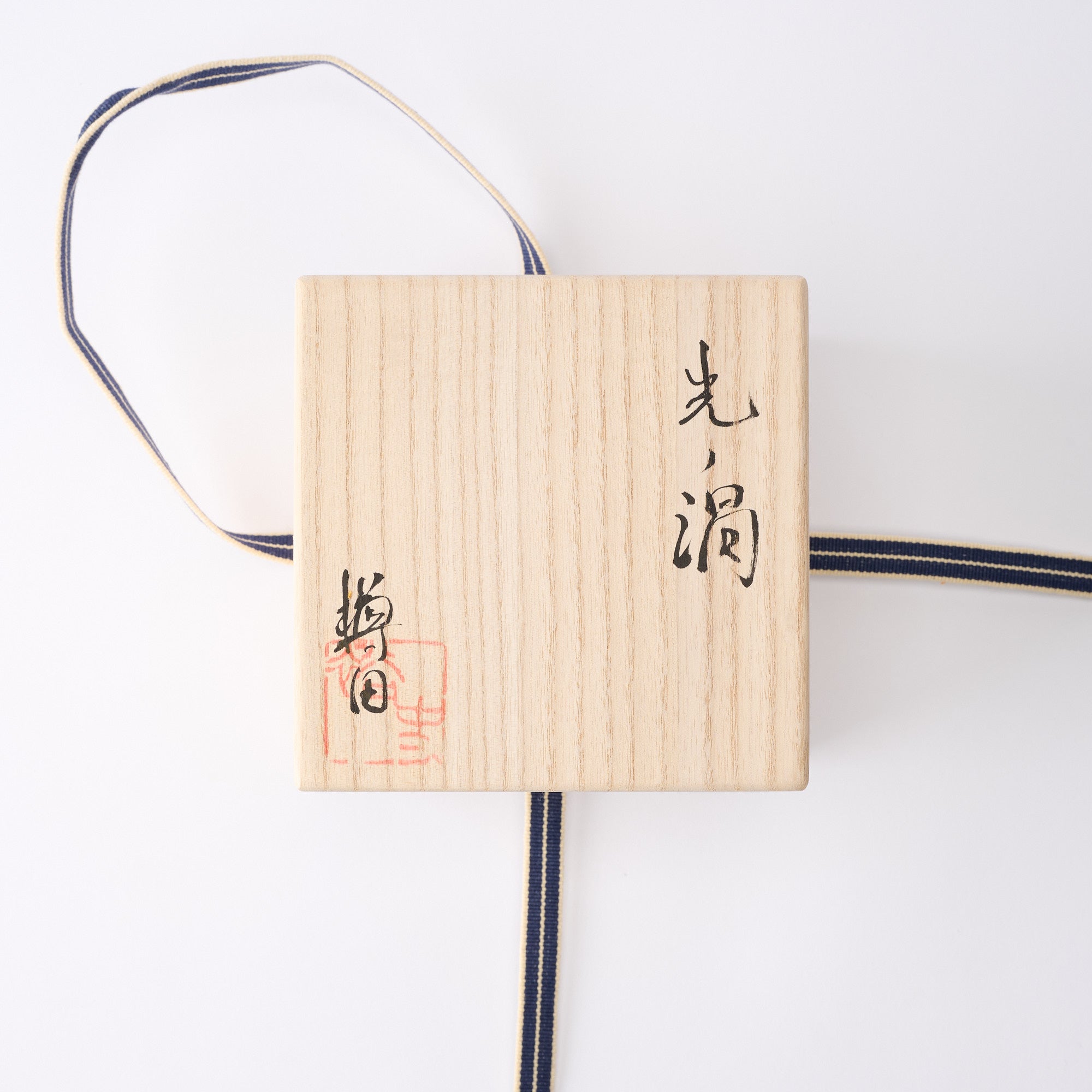
| Package Type | Wooden box |
Fabricante / Marca
Taruta Hiroshi es un artista de cerámica Seto especializado en hotarude, una técnica de calado en la que se tallan líneas de contornos gráciles en la arcilla, luego se rellenan con esmalte translúcido antes de la cocción. Trabajando con porcelana y esmalte celadón pálido, Taruta crea así paisajes de luz con cada incisión delicada. Aporta un enfoque innovador a su trabajo, buscando nuevos modos de expresión mientras expande los límites del hotarude. Sus vasijas elegantes propician interacciones entre el espacio y la luz que generan una sensación de asombro y misterio silencioso.
Artesanías
Fabricada en la ciudad de Seto y sus alrededores, en la prefectura de Aichi, la cerámica Seto abarca una amplia gama de piezas que reflejan siglos de artesanía e innovación. Como uno de los Seis Hornos Antiguos de Japón (Rokkoyo), la región de Seto ocupa un lugar destacado en el patrimonio cerámico del país. También fue pionera en la producción en masa de porcelana, y su uso generalizado dio origen al término setomono—un término que todavía se utiliza hoy en día para referirse a la cerámica en general.
Destacada por su variedad estilística, Seto es una de las pocas regiones de Japón donde se elaboran tanto gres como porcelana. Desde la sencilla vajilla de uso diario hasta piezas más refinadas, la cerámica de Seto sigue marcando la vida cotidiana con creaciones que equilibran tradición y creatividad.
Notas
Elige opciones