

Die zwei Arten der Kaiseki-Küche
Gleiches Wort, zwei Mahlzeiten: Entdecken Sie, wie sich cha-kaiseki und kaiseki in Zweck, Ablauf und den verwendeten Gefäßen unterscheiden.
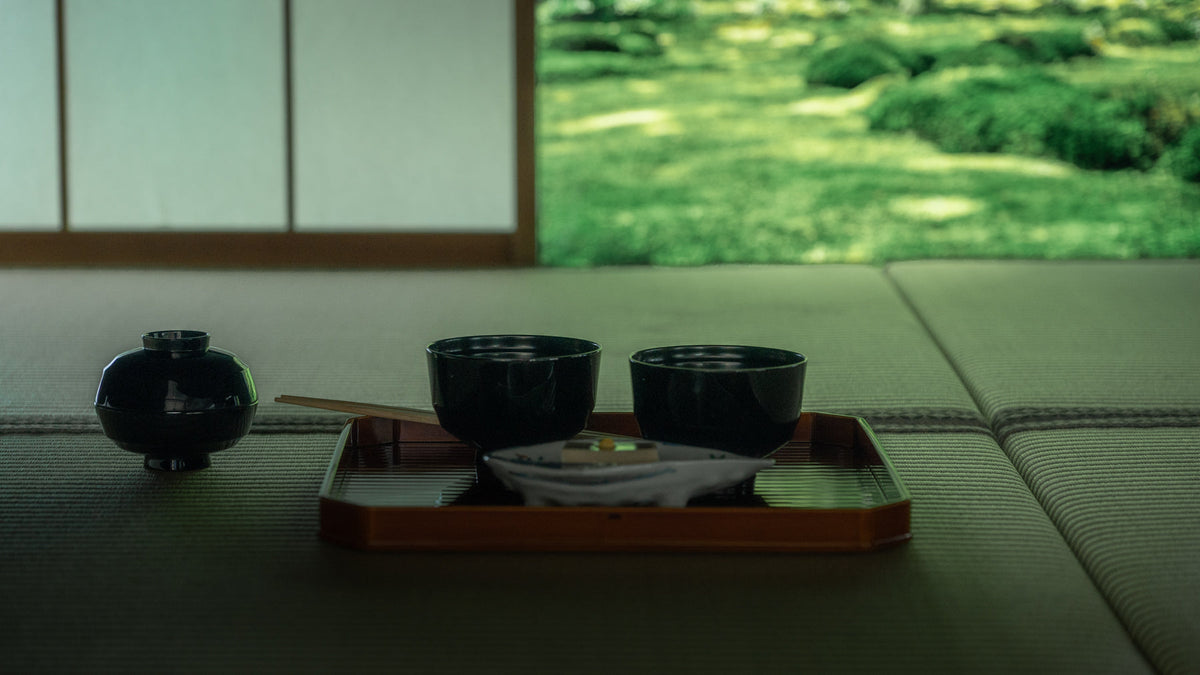
Ein lackierter Deckel wird angehoben. Dampf steigt auf. Eine Folge von Gerichten trifft ein, jedes sorgfältig zubereitet und durchdacht präsentiert. Die Aufmerksamkeit gilt nicht nur dem Geschmack, sondern auch den Gefäßen, der Jahreszeit und dem Rhythmus, in dem sich das Erlebnis entfaltet.
Wer schon einmal ein mehrgängiges japanisches Mahl genossen hat, ist vielleicht dem Wort kaisekibegegnet. Es erscheint auf Restaurantkarten und in Reiseführern, manchmal schlicht übersetzt als „traditionelle japanische Küche".
Doch hinter diesem einen Wort verbergen sich zwei sehr unterschiedliche Stile.
Der eine entwickelte sich neben der Teezeremonie, der andere entfaltete sich um gemeinsam genossenen sake. Beide werden im Englischen als „kaiseki" geschrieben, doch im Japanischen werden sie mit unterschiedlichen Schriftzeichen notiert, folgen eigenen Bräuchen und erzählen ihre eigenen Geschichten.

Zwei „Kaiseki", zwei verschiedene Geschichten
Die beiden Wörter klingen gleich. Was sie trennt, sind die Schriftzeichen, mit denen sie geschrieben werden, und der Zweck, den jedes erfüllen sollte.
„Kaiseki" in Verbindung mit der Teezeremonie wird als „懐石" geschrieben. Die Zeichen selbst tragen die Bedeutung: Das erste Zeichen verweist auf die Brusttasche eines Kimono, das zweite auf einen Stein – eine Erinnerung an die erwärmten Steine, die Zen-Mönche während langer Fastenzeiten gegen den Körper gehalten haben sollen, um den Hunger zu lindern.

Dieser Stil nahm im sechzehnten Jahrhundert Gestalt an, und er war nie als Hauptfokus einer Zusammenkunft gedacht. Seine Aufgabe besteht darin, den Körper auf eine Schale matcha vorzubereiten, sodass die Bitterkeit des aufgeschlagenen Tees auf einen beruhigten Magen trifft und nicht auf einen leeren. Das leitende Prinzip ist Zurückhaltung.
Das andere „kaiseki", geschrieben als „会席", wird von sake begleitet. Es wird für Anlässe zubereitet, bei denen Gäste zusammensitzen, trinken und verweilen. Die japanischen Zeichen bedeuten hier „Begegnung" und „Sitz" und verweisen auf seinen Ursprung in geselligen Zusammenkünften, bei denen Gefährten sich trafen, um Gedichte zu verfassen und einen Becher zu teilen. Zur Mitte der Edo-Zeit (1603–1868 n. Chr.) wurde das Essen um seiner selbst willen mit sake serviert und nicht mehr als Vorbereitung auf das, was folgt. Der Rhythmus ist auf Gespräche abgestimmt.

Ein Unterschied im Zweck entscheidet über alles, was folgt. Die Menge des Essens, die gewählten Gefäße und die Reihenfolge, in der sie eintreffen, gehen alle von einer Frage aus: Ist das Mahl ein Vorspiel zum Tee oder der Abend selbst?
„Kaiseki" (懐石): Das kulinarische Vorspiel zum matcha
Dieses kaiseki folgt der festen Struktur, die als ichiju sansaibekannt ist und „eine Suppe und drei Gerichte" bedeutet. Die Form ist bewusst schlicht, und die Portionen sind klein. Zur Klarheit wird dieser Stil hier als cha-kaisekibezeichnet. Obwohl die Gesamtstruktur konstant bleibt, können Details der Mahlzeit je nach Teeschule und Jahreszeit variieren.
Der erste Gang wird auf einem oshiki -Tablett präsentiert, oft einem quadratischen lackierten Tablett, das vor jedem Gast platziert wird. Darauf befinden sich eine Schale mit frisch gekochtem Reis, zu einem kleinen, abgerundeten Oval geformt, eine Schale Miso-Suppe und das mukozuke.

Das mukozuke verdient einen genaueren Blick. Obwohl es keine genaue Regel gibt, enthält es typischerweise ein saisonales Gericht, das frischer Fisch, eine Essigzubereitung oder eine andere Delikatesse sein kann. Oft auf einem Keramikteller serviert, wird es am gegenüberliegenden Rand des Tabletts platziert, vom Gast entfernt. Diese Position gibt dem Gericht seinen Namen, der „gegenüber gesetzt" bedeutet, und es trägt den klaren Geschmack der Jahreszeit.

Als Nächstes folgt das nimonowan, auch wanmorigenannt. Eine etwas größere lackierte Schale mit Deckel enthält eine klare, gesimmerte Brühe, die sich um ein einzelnes saisonales Kernstück zentriert. Beim Anheben des Deckels steigt der warme Duft des dashi auf, bevor der erste Schluck genommen wird.

Das yakimono ist meist ein Stück Fisch, über Holzkohle gegrillt und auf einem gemeinsamen Teller herausgebracht, von dem sich die Gäste selbst bedienen. Mit dem Reis, der Suppe und dem mukozuke bereits auf dem Tablett vervollständigen diese die eine Suppe und drei Gerichte im Kern des cha-kaiseki.

Das shiizakana folgt, ein herzhafteres Gericht, das serviert wird, während die Zusammenkunft in ihre entspanntere zweite Hälfte übergeht.
Eine kurze Pause kommt mit dem hashiarai, übersetzt als „Stäbchenspülung", einer kleinen Schale leichter Brühe, die serviert wird, um den Gaumen zu erfrischen, bevor die nächste Delikatesse eintrifft.
Dann bringt der Gastgeber das hassunheraus. Traditionell auf einem quadratischen Tablett aus schlichter, unlackierter Zeder serviert, ist das hassun eines der markantesten Elemente. Mit einer Seitenlänge von acht suns, etwa 24 cm, gibt die Größe dem Gang seinen Namen. Das Tablett präsentiert Speisen sowohl aus dem Meer als auch aus den Bergen, eine Paarung, die für die gesamte natürliche Welt steht.

Die Abfolge nähert sich dann ihrem Ende. Das yuto ist heißes Wasser aus dem Kessel, oft begleitet von einer kleinen Menge leicht gebräunten Reises, der im Topf verblieben ist. Zusammen mit dem konomono, einer kleinen Portion eingelegtem Gemüse, ermöglicht es jedem Gast, jedes Korn zu beenden und die Schale sauber zu hinterlassen.

Erst dann kommt der Moment für matcha. Alles davor wurde arrangiert, um zu diesem Punkt zu führen, und es ist der Grund, warum das Essen leicht gehalten wurde.

„Kaiseki" (会席): Die Küche für sake und saisonale Gefäße
Während cha-kaiseki auf eine Schale Tee zustrebt, bewegt sich dieses kaiseki mit dem sake. Viele der gleichen Elemente erscheinen, und mehrere tragen dieselben Namen, doch die Abfolge ist ganz anders angeordnet. Der bedeutendste Unterschied ist, dass der Reis zuletzt kommt. Während die genaue Reihenfolge je nach Einrichtung und Anlass variiert, ist jeder Gang so getaktet, dass er den sake begleitet und die Zutaten in ihrer saisonalen Bestform hervorhebt.
Hier steht sake von Anfang an im Mittelpunkt. Ein sake-Becher wird neben dem ersten Gang auf das Tablett gestellt, dem sakizuke, einer kleinen Vorspeise, die zubereitet wird, um den ersten Schluck sake zu begleiten. Das Eröffnungstablett enthält auch das mukozuke und eine Schale mit Deckel und führt mehrere Gerichte auf einmal ein, statt eines einzelnen Startgangs.

Das mukozuke ändert seine Rolle vollständig. Im cha-kaiseki könnte es ein bescheiden angerichteter Fisch sein, der am Rand des Eröffnungstabletts fixiert ist. Hier tritt es als Sashimi-Gang selbst hervor, mehrere Schnitte rohen Fischs in ihrer saisonalen Bestform, geschnitten, um jeder Sorte gerecht zu werden, und arrangiert, um ihre Farbe zur Geltung zu bringen.

Als Nächstes folgt das gegrillte yakimono, das auch gebraten sein kann, dann das geschmorte nimono. Um den Gaumen zu erfrischen, wird ein erfrischendes sunomono, ein Gericht mit Essig, serviert.


Reis kommt zuletzt, und das ist der letzte Unterschied. Er wird mit dem eingelegten konomono und der tomewanserviert, der abschließenden Miso-Suppe, deren Name die Rückkehr vom Trinken zum Essen markiert.

Mizugashi, Obst auf dem Höhepunkt seiner Reife, wird von einem süßen Dessert gefolgt, das die Mahlzeit abschließt.

Ein Hauch von Kaiseki zu Hause
Sie benötigen weder einen Teeraum noch ein Bankett, um sich ein wenig von beiden Kaiseki-Formen zu leihen. Was sich auf einen alltäglichen Tisch übertragen lässt, ist die zugrunde liegende Idee, dass Speisen und Gefäße zusammengehören und jeweils den Charakter des anderen verstärken. Hier sind einige Stücke, mit denen Sie beginnen können.
A Halbmond-Tablett rahmt das erste Gedeck im Geiste des oshiki ein.


A Lackierte Suppenschale mit Deckel verwandelt eine einfache Brühe in einen kleinen Moment des Aufdeckens und Genießens des Aromas.


A Facettierter akae Beilagenteller bietet Platz für einen sorgfältig komponierten ersten Bissen, inspiriert von der Präsentation des mukozuke.


Eine kleine Portion, wie sakizuke, gewinnt an Höhe in der erhöhten kobachi kleinen Schale.


Das Verständnis dieser Unterscheidung eröffnet eine umfassendere Wertschätzung der japanischen Küche: die Abfolge, die Rolle ihrer Gefäße und die Bedeutung ihrer Präsentation. Selbst kleine Details können Hinweise geben, von einer zu Beginn bereitgestellten Sake-Schale bis zum unlackierten Zedernholz-hassun-Tablett, das so eng mit cha-kaiseki verbunden ist. Zwei Traditionen, ein Wort, jede um einen anderen Zweck herum aufgebaut. Dieser Art von Sorgfalt zu begegnen, ist einfach eine erfülltere Art zu essen.
Stay close to the craft
Now and then, a quiet letter — new stories, seasonal notes, and the hands behind the work.
Unagi: Die Aal-Gerichte, die Japans Sommerspezialität sind
Erfahren Sie, warum Unagi Japans unverzichtbare Sommerspeise ist – von der Doyo no Ushi…

Akaris Rezept für Sake-gedämpftes Hamburg-Steak
Akaris sake-gedämpftes Hacksteak mit Kirschtomaten. Ohne Eier, ohne Paniermehl – ein einfaches, sättigendes Abendessen.
Hasegawa Akari
Ein später Sommernachmittag am Tisch
Fünf schlichte Gerichte, ein ruhiger Nachmittag. Blau-weißes Porzellan, Glas und Bizen-Ware tragen die letzten…
Leave a comment