

¿Qué es kintsugi? Una guía del arte japonés de reparación con oro
Descubra el kintsugi, el arte japonés de reparación con oro, desde sus orígenes hasta la filosofía wabi-sabi y sus técnicas.
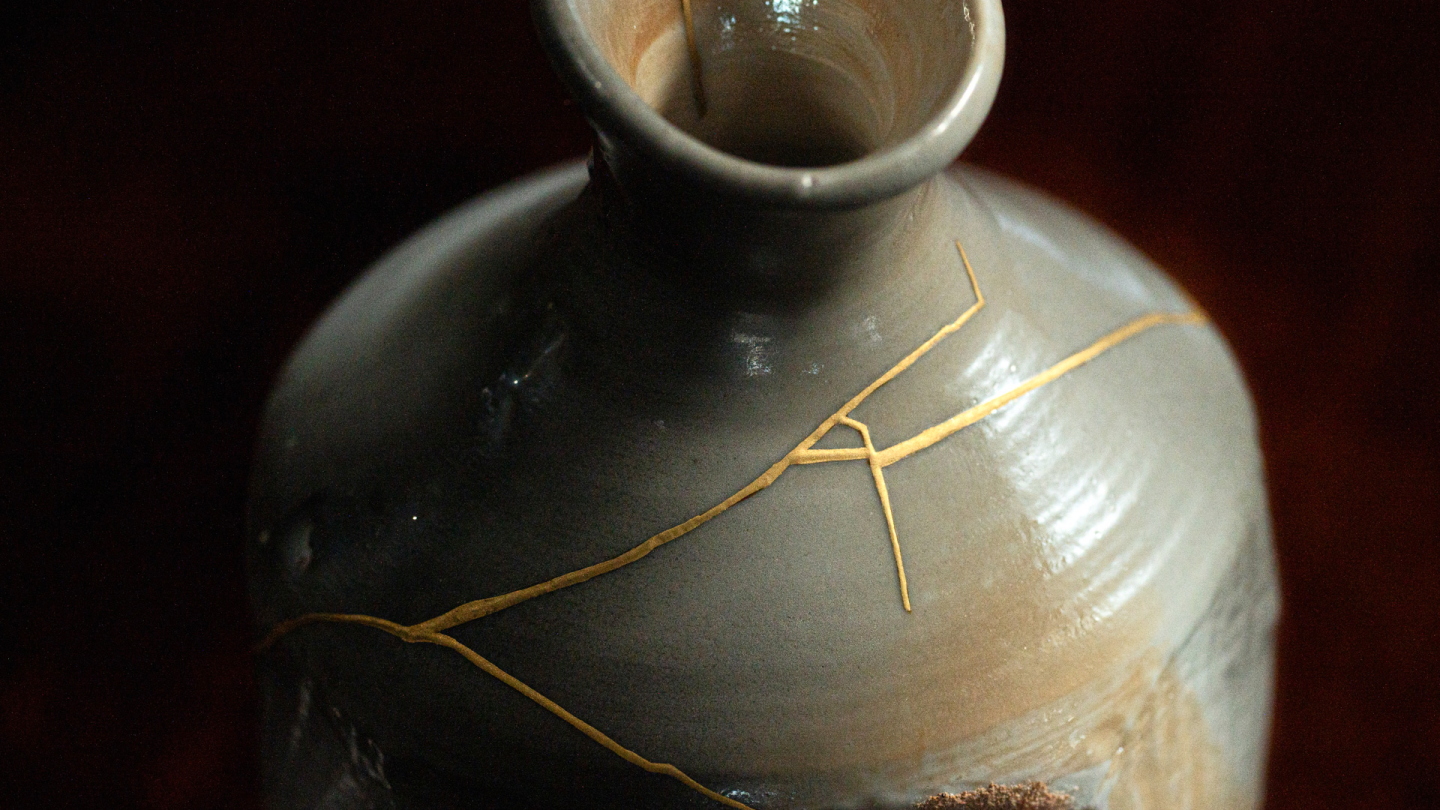
¿Qué es kintsugi? Kintsugi, a menudo traducido como "unión dorada", es la práctica japonesa de reparar cerámicas rotas con laca de urushi , terminada con polvo de oro fino u otros materiales relacionados. Los cuencos, tazas y platos que se han agrietado o astillado no se restauran para ocultar el daño, sino que se vuelven a unir cuidadosamente para que la línea de reparación permanezca visible.En lugar de devolver un objeto a su estado original, kintsugi marca un cambio de perspectiva. La rotura se convierte en parte de la pieza, algo que se reconoce en lugar de borrarse. Refleja una forma de ver arraigada en la estética japonesa de
wabi-sabi , una que encuentra belleza en la imperfección, en el uso y en el paso del tiempo. En las siguientes secciones, exploramos qué es kintsugi—desde sus orígenes y filosofía hasta las técnicas que le dan vida—y cómo esta práctica perdurable continúa moldeando la manera en que vivimos y cuidamos las cosas que usamos.

Orígenes del Kintsugi
Los orígenes del kintsugi se asocian más comúnmente con el período Muromachi (1336–1573 d.C.), una época en la que muchos de los ideales culturales ahora estrechamente identificados con Japón comenzaron a tomar forma. Aunque ya existían métodos para reparar cerámicas con laca, el kintsugi surgió cuando la reparación se entrelazó gradualmente con la estética, la cultura del té y las ideas filosóficas sobre la belleza y la impermanencia.
Cuenco con borde foliado, llamado "Bakōhan", cerámica Longquan, China, dinastía Song del Sur, siglo XIII. Museo Nacional de Tokio. Fuente: ColBase

La imagen anterior es solo con fines ilustrativos.

Esta forma de pensar resonó profundamente con la creciente cultura del té durante el período Muromachi. Los practicantes del té valoraban cada vez más la asimetría, la irregularidad y la simplicidad por encima de la perfección impecable. Dentro de esta atmósfera cultural, una vasija reparada no se consideraba disminuida por el daño. En cambio, su historia se volvía visible en su superficie.
Significado del Kintsugi
En su nivel más literal, kintsugi significa "unión dorada" o "reparación dorada". La palabra combina

kin ("oro") y tsugi ("unir" o "remendar"), refiriéndose a la práctica de reparar cerámicas rotas con laca de urushi terminada en polvo de oro, plata u otros materiales. Sin embargo, el significado del kintsugi se extiende mucho más allá de la técnica. A lo largo de los siglos, ha llegado a representar una forma distintiva de pensar sobre el daño, el tiempo y el valor. En muchas culturas, los objetos rotos a menudo se descartan o se reparan de la manera más invisible posible, como si las señales de daño debieran ocultarse de la vista. Kintsugi aborda la rotura de manera diferente. En lugar de ocultar las grietas, permite que permanezcan visibles como parte de la apariencia e historia de la vasija. Kintsugi no intenta devolver una pieza a un pasado intacto. En cambio, lleva sus fracturas abiertamente, transformadas a través del acto de reparación.
El kintsugi tradicional comienza con algo mucho más ordinario y concreto: una vasija que alguien desea seguir usando. Una taza de té astillada, un plato agrietado, un cuenco ligado a la memoria o al hábito diario. La práctica no crece solo del simbolismo, sino del deseo de preservar una relación entre las personas y los objetos que acompañan sus vidas.

Kintsugi y la Estética Wabi-Sabi
Kintsugi se asocia a menudo con la filosofía estética japonesa conocida como wabi-sabi, una forma de ver belleza en la imperfección, la impermanencia y las huellas silenciosas dejadas por el tiempo. Aunque el término en sí puede ser difícil de traducir directamente, wabi-sabi es menos un concepto fijo que una sensibilidad hacia las cosas que están incompletas, desgastadas y cambiando sutilmente. Valora lo que se siente natural en lugar de impecable, íntimo en lugar de pulido. Esta sensibilidad yace en el corazón del kintsugi. Cuando una vasija de cerámica se rompe, el daño no se oculta en un intento de restaurar una ilusión de perfección. En cambio, la grieta se reconoce abiertamente. Las líneas reparadas permanecen visibles, permitiendo que la historia del objeto permanezca presente en su superficie. En kintsugi, la reparación no se trata de borrar lo que sucedió. Se trata de aceptar la vida que el objeto ya ha vivido.
Dentro de la estética japonesa, las señales de desgaste a menudo se aprecian no como defectos, sino como marcas dejadas por años de uso. Un cuenco de té ligeramente oscurecido por años de manipulación, un borde suavizado por el contacto repetido, una fina grieta que atraviesa el esmalte—estos detalles se valoran porque revelan una relación entre las personas y los objetos. La belleza emerge gradualmente a través del uso, la memoria y el cuidado.
Kintsugi hace visible esta relación de una manera particularmente llamativa. Las líneas doradas creadas a través de la reparación no simplemente remiendan la vasija; remodelan cómo se ve. En algunos casos, estas líneas fluidas se describen como un

keshiki keshiki, o "paisaje". Al igual que los ríos cortan la tierra o las venas atraviesan la piedra, cada grieta reparada forma un patrón único que nunca podría repetirse. La pieza lleva su propio paisaje, moldeado por el accidente, el tiempo y las manos que la restauraron.
Existe también un sentido de contención dentro del kintsugi que conecta profundamente con wabi-sabi. La reparación no abruma la forma original de la pieza. El oro puede captar la mirada, pero la intención no es solo decorar. Las líneas reparadas existen en equilibrio con la cerámica misma, preservando un sentido de quietud y espacio. Lo que importa no es el espectáculo, sino la armonía entre el daño, la reparación y el carácter natural del objeto.
A través del kintsugi, las grietas y fracturas ya no son signos de fracaso. Se convierten en parte de una historia continua—moldeada por el tiempo, el cuidado y el uso sostenido.
Los estilos del kintsugi
El kintsugi no es un método único y fijo, sino una práctica amplia con varios estilos distintos. Cada enfoque responde de manera diferente al daño, dependiendo de la forma de la rotura, los fragmentos faltantes y la intención de la reparación. Algunas técnicas enfatizan la continuidad delicada, mientras que otras transforman la pérdida en un nuevo elemento de diseño llamativo.
Ware: piezas rotas y fracturas

Una forma de kintsugi, ware, aborda cerámicas que se han dividido en varios fragmentos. Cuencos, platos y tazas se reensamblan cuidadosamente usando laca urushi, luego se terminan con polvo de oro, plata o latón a lo largo de las costuras reparadas.
La dificultad de la reparación varía según cómo se rompió la pieza. Una fractura limpia puede requerir solo unas pocas uniones precisas, mientras que una pieza destrozada en muchos fragmentos exige una reconstrucción extensa y una alineación cuidadosa.
Kake: astillas y áreas faltantes

El kintsugi también se usa para restaurar bordes astillados, esquinas faltantes y áreas donde los fragmentos se han perdido por completo. Este tipo de daño se conoce en japonés como kake.
En estos casos, los artesanos reconstruyen la sección faltante usando capas de laca mezcladas en un material similar a una masilla. El área reparada se moldea, pule y termina con polvo metálico para restaurar la forma de la pieza.
Hibi y nyu: grietas finas

Algunas formas de daño, llamadas hibi o nyu, aparecen como grietas finas que emergen gradualmente con el uso y la edad. En la terminología japonesa de restauración, las grietas más profundas que eventualmente pueden llevar a filtraciones se llaman a menudo hibi, mientras que las líneas superficiales tenues que no interfieren con el uso cotidiano se conocen como nyu.
Reparar estas fracturas delicadas requiere una precisión extraordinaria. Capas finas de laca se trabajan cuidadosamente en las grietas antes de que la superficie se espolvoree con polvo de oro fino. Las líneas terminadas pueden asemejarse a venas, pinceladas o patrones que ocurren naturalmente dentro de la arcilla misma.
Hotsure: descamación superficial y desgaste menor

No todo el daño aparece como grietas dramáticas o fragmentos faltantes. Algunas cerámicas desarrollan pequeñas áreas donde la superficie exterior se descama o se pela suavemente con el tiempo, una forma de desgaste conocida en japonés como hotsure. Este tipo de desgaste, visto a menudo en piezas de textura suave como las cerámicas kohiki (esmalte de engobe blanco), crea pérdidas superficiales a través del esmalte o la superficie de arcilla. Aunque sutiles, estas imperfecciones aún requieren un tratamiento cuidadoso para preservar tanto la estructura como la atmósfera de la pieza.
Una vez reparadas, las áreas restauradas a menudo se integran naturalmente en la pieza, convirtiéndose en parte de su superficie en evolución en lugar de destacar como reparaciones obvias.
Tomotsugi: armonizar la reparación
Ciertos enfoques del kintsugi se centran en acercar la sección reparada lo más posible a la cerámica original. Conocido como tomotsugi o tomonaoshi, este estilo enfatiza la armonía visual y la continuidad.
En lugar de resaltar el contraste, la reparación se diseña para coincidir con la textura, el color y la sensación general existentes de la pieza. El oro aún puede usarse, pero a menudo con un efecto más suave y discreto.
Yobitsugi: combinar diferentes cerámicas

Entre las formas visualmente más distintivas del kintsugi está yobitsugi, una técnica en la que fragmentos de cerámicas completamente diferentes se incorporan en una pieza reparada.
Cuando falta un fragmento original, puede reemplazarse con una pieza de otro cuenco, plato o incluso madera. Estos fragmentos añadidos a menudo contrastan marcadamente con la cerámica original en esmalte, textura, color o estilo decorativo.
Cómo funciona el kintsugi

El kintsugi tradicional es un proceso de restauración altamente meticuloso que se desarrolla a través de muchas etapas cuidadosamente estratificadas. En lugar de depender de reparaciones rápidas, las cerámicas dañadas se reconstruyen gradualmente usando laca urushi, permitiendo que cada capa cure lentamente antes de que comience el siguiente paso. Dependiendo de la condición de la pieza, el proceso puede tomar semanas o incluso meses para completarse.
La reparación comienza con el examen de la pieza y la evaluación de la extensión del daño. Antes de que tenga lugar cualquier restauración, los bordes rotos se limpian cuidadosamente para eliminar polvo, aceites y residuos que podrían interferir con la adhesión. En algunos casos, también se puede llevar a cabo una preparación superficial preliminar dependiendo de la condición de la cerámica.
A continuación, se aplica laca urushi a las superficies fracturadas para que la laca pueda penetrar y estabilizar la arcilla expuesta. Los fragmentos rotos se reensamblan luego usando mugi-urushi, un adhesivo tradicional hecho mezclando laca con pasta de harina de trigo. Una vez que la pieza ha sido reunida, el material excedente alrededor de las costuras se recorta cuidadosamente y se ajusta. Si partes de la cerámica están astilladas o faltan por completo, las secciones faltantes se reconstruyen usando un material de relleno suave hecho de laca combinada con arcilla fina o polvos de pulido. Estas áreas restauradas se moldean, lijan y refinan repetidamente para que se integren naturalmente en los contornos originales de la pieza.

A partir de aquí, el proceso se vuelve cada vez más estratificado y preciso. Se absorbe repetidamente laca adicional en las secciones reparadas para fortalecer la base. A esto le siguen varias rondas de imprimación. Estas capas base suelen hacerse amasando urushi junto con tonoko, un polvo fino de arcilla para pulir tradicionalmente usado en el trabajo de laca. Después de que cada capa se seca, la superficie se lija nuevamente para restaurar el equilibrio y la silueta originales de la pieza. En algunos casos, se aplica una segunda ronda de imprimación para rellenar cualquier irregularidad o pequeño hueco restante.


Una vez que la base ha sido completamente refinada, comienzan las etapas finales. Se aplican varias capas de laca en sucesión, comenzando con capas base y capas intermedias, cada una seguida de lijado adicional para crear una superficie lisa y uniforme. Finalmente, se aplica una capa de acabado para sostener el polvo metálico a lo largo de las costuras reparadas.

El polvo de oro es el material más comúnmente usado, aunque también pueden aparecer polvos de plata, estaño o latón dependiendo del efecto deseado. El polvo metálico se espolvorea cuidadosamente sobre la superficie lacada antes de ser sellado y fijado en su lugar con laca adicional.

A través de este proceso gradual de estratificación, curado, lijado y pulido, kintsugi transforma el daño en parte de la vida continua de la pieza. En lugar de ocultar completamente las grietas y fracturas, la reparación las preserva como recordatorios de la historia de la pieza y del cuidado que ha recibido.
Para quienes estén interesados en experimentar el arte del kintsugi de primera mano, MUSUBI KILN también ofrece un kit de reparación kintsugi tradicional que permite restaurar cerámicas rotas en casa usando materiales y métodos inspirados en la práctica presentada anteriormente.


A menudo se habla del kintsugi como una filosofía, pero en su esencia, comienza con algo notablemente práctico: la decisión de seguir usando un objeto apreciado en lugar de descartarlo. Un cuenco de té agrietado, un plato astillado, una pieza moldeada por años de comidas diarias—a través de la reparación, estos objetos ordinarios continúan sus vidas en una nueva forma. Nos recuerda que la belleza puede surgir a través del desgaste, que el valor no se pierde por la imperfección, y que las cosas con las que vivimos están moldeadas tanto por el tiempo como por la artesanía.
Stay close to the craft
Now and then, a quiet letter — new stories, seasonal notes, and the hands behind the work.
Experiencia de reparación kintsugi: el significado detrás de la restauración dorada
Kintsugi se presenta a menudo como una artesanía hermosa, pero en la práctica comienza con…
Experiencia de Mizuhiki: Creando el Arte Japonés de Nudos Decorativos
Aprenda a atar mizuhiki, el arte japonés de los nudos decorativos, y cómo incorporar…

El mundo japonés del oro
Aquí presentaremos lo que representa el oro en Japón, así como piezas de vajilla…
Leave a comment