

8 temas de vajilla japonesa para elevar la presentación de tu mesa
Desde cerámica rústica hasta lacados elegantes, descubra temas de vajilla japonesa que reflejan su estilo de vida.
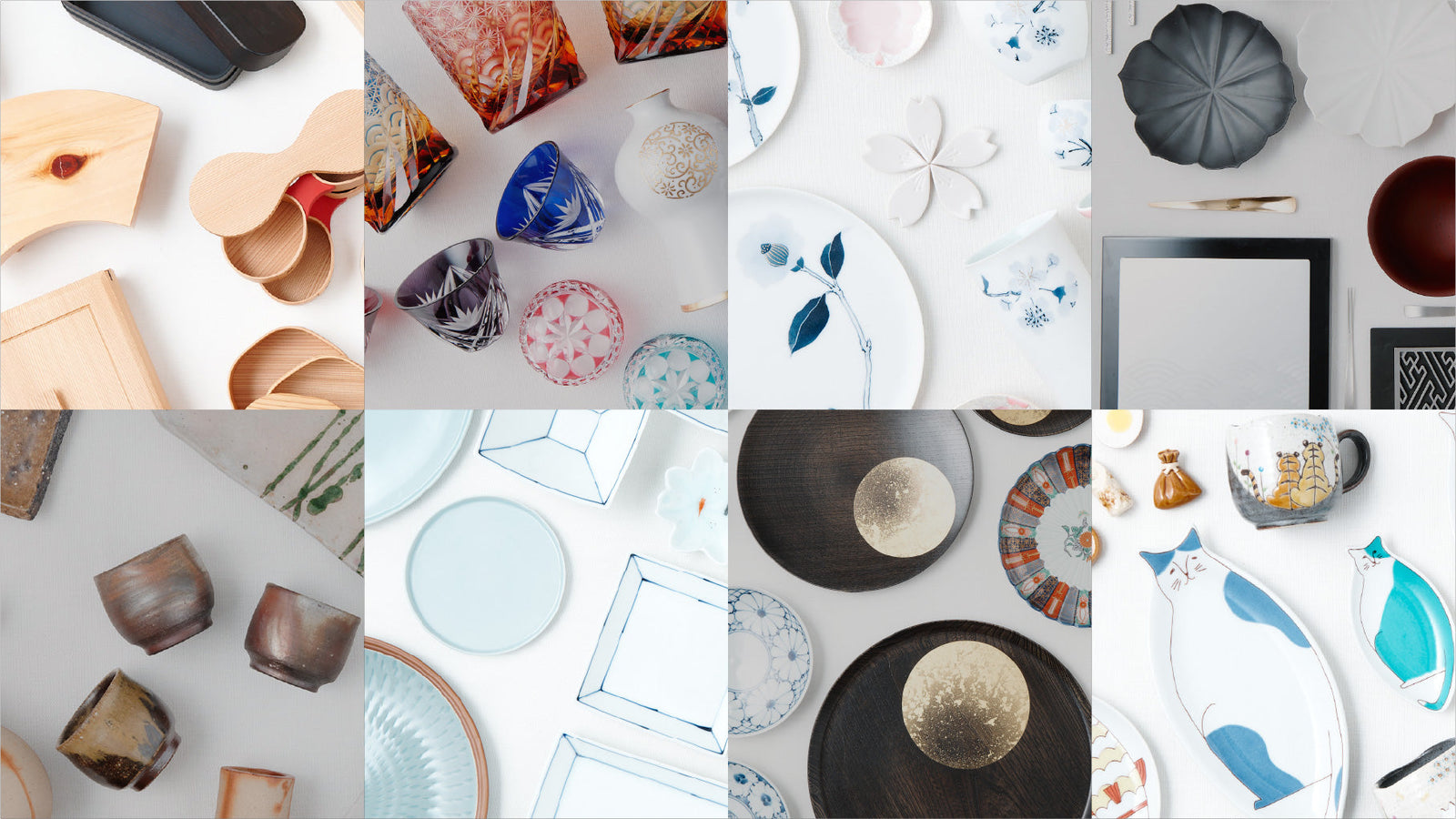
La vajilla japonesa ofrece una amplia gama de formas, materiales y expresiones, desde porcelana refinada hasta lacados con acabados complejos. Si explora la vajilla japonesa por primera vez, la variedad puede resultar difícil de navegar. No siempre queda claro en qué se diferencian las piezas, cómo funcionan juntas o qué elegir para su hogar.
En lugar de abordar la vajilla japonesa solo a través del color y la forma, esta guía introduce una manera más intuitiva de comprenderla. En MUSUBI KILN, organizamos la vajilla japonesa en ocho temas distintos. Cada uno refleja un equilibrio diferente de material, forma e impresión visual.
Al comprender estos temas, resulta más fácil identificar hacia qué se siente naturalmente atraído y abordar la selección con mayor claridad. Ya sea que esté construyendo su primera colección o refinando su mesa japonesa, este marco ofrece un punto de partida útil para elegir piezas que le resulten adecuadas.

Los ocho temas de la vajilla
Moderno

Este tema se define por una sensación de sofisticación urbana y claridad. Favorece una paleta compuesta de negros obsidiana, grises pizarra y blancos calcáreos, a menudo acentuados por acabados mate. En este tema, el bermellón profundo de la laca japonesa, suavizado mediante la técnica tradicional de suri-urushi , aporta un acento arraigado pero refinado sobre un fondo monocromático. Las formas son controladas y geométricas, enfatizando una belleza que encaja sin esfuerzo en una atmósfera contemporánea donde cada objeto cumple un propósito distinto.
Elegante

La vajilla elegante aporta una sensación de ceremonia y luz a la mesa. Este tema se caracteriza por curvas fluidas y gráciles y una delicadeza refinada, como el brillo de tonos joya del vidrio tallado Edo Kiriko o el resplandor translúcido de la porcelana blanca fina con adornos dorados decorativos. Estas piezas añaden glamour a ocasiones formales o ceremoniales.
Tradicional

Este tema es un tributo a la presencia digna de técnicas y motivos que se han utilizado a través de generaciones. Con formas que han permanecido atemporales durante siglos, encontrará los icónicos patrones de estilo old Imarien bermellón intenso y bordes festoneados clásicos inspirados en crisantemos en flor. Estas piezas llevan un peso de herencia que se siente tanto formal como perdurable.
Rústico

El tema Rústico celebra la energía cruda y poderosa de la tierra y el calor transformador del horno. Arraigadas en el espíritu de wabi-sabi, estas piezas resaltan la belleza de la imperfección a través de superficies de arcilla áspera y esmaltes de ceniza natural de variación intensa. Es una experiencia táctil, que ofrece una presencia pesada y cálida en la mano.
Minimalista

El tema Minimalista reduce los elementos visuales a lo esencial. Las superficies son limpias, con poca decoración, y la atención se coloca en la proporción y el espaciado. Celadones pálidos o blancos suaves crean una atmósfera serena y despejada. Estas piezas actúan como un marco silencioso para su comida, enfatizando la tensión de una sola curva o la textura sutil de un esmalte fino sin la distracción de motivos decorativos.
Natural

La tranquilidad de un bosque japonés se lleva al comedor a través de los materiales utilizados en los artículos del tema Natural. Retienen una calidez orgánica definida por la veta suave y pálida del hinoki, ciprés japonés, la fuerza flexible del bambú y la textura terrosa del papel washi . Desde las curvas icónicas de las cajas de madera curvada magewappa hasta las artesanías de bambútejidas a mano, estas piezas se sienten ligeras, transpirables y profundamente arraigadas en el ciclo de la naturaleza.
Encantador

Este tema introduce suavidad tanto en la forma como en la decoración. Son comunes las formas redondeadas, los motivos delicados y las paletas de colores suaves. La asimetría leve y las formas sutilmente contorneadas crean una sensación accesible de comodidad, mientras que los florales pintados a mano y los símbolos estacionales aportan familiaridad emocional a la mesa.
Casual

Marcado por una sensación animada y relajada, el tema casual está hecho para la energía vivaz de un hogar activo. Estas piezas están construidas para la durabilidad y el uso diario, con rayas audaces, colores vibrantes e ilustraciones juguetonas de animales como gatos y peces. Es un estilo sin pretensiones que no se toma demasiado en serio, invitándole a disfrutar la diversión de una comida compartida.
Cómo elegir vajilla japonesa para su hogar
Elegir vajilla japonesa no se trata solo de combinar juegos o conocer tradiciones cerámicas. Comienza al notar hacia qué se siente naturalmente atraído. Puede encontrarse alcanzando consistentemente el peso arraigado a la tierra de un cuenco rústico, o quizás prefiera el brillo que atrapa la luz de un vidrio elegante. Estas preferencias instintivas a menudo permanecen consistentes, formando una “firma de estilo” personal que trasciende fabricantes o regiones específicas.
Al identificar a cuál de los ocho temas regresa con mayor frecuencia, comienzan a surgir patrones. Esto facilita reducir sus opciones, especialmente cuando se enfrenta a muchas opciones similares. En lugar de preguntar qué debería elegir, la pregunta se vuelve más directa: ¿qué piezas se sienten más naturales de usar en su vida diaria?
Navegando el gráfico de temas de vajilla
Para ayudarle a visualizar lo que prefiere, hemos organizado los ocho temas en un Gráfico de temas de vajilla basado en dos ejes intuitivos: Cálido a Frío y Suave a Estructurado. Este gráfico está diseñado para mostrar cómo se relacionan entre sí los diferentes estilos, alejándose de categorías rígidas y hacia un mapa fluido de estéticas.
Puede usar este gráfico para decodificar su propia colección. Al colocar los artículos que ya posee dentro de este marco, puede notar que sus favoritos comparten una “sensación”similar—quizás todos se inclinan hacia lo Cálido y Suave (como Natural o Encantador) o lo Frío y Estructurado (como Moderno o Minimalista).
Al mismo tiempo, el gráfico revela direcciones inexploradas. Con el tiempo, este mapa le ayuda a elegir nuevas piezas con la confianza de que no solo encajarán en su hogar, sino que también armonizarán con la vida que lleva.
Descargue el gráfico y pruébelo usted mismo.
Puesta de Mesa Japonesa: Un Enfoque Minimalista
Comprender la vajilla a través de temas es solo el comienzo. El siguiente paso es aprender cómo estas piezas se reúnen sobre la mesa.
Una de las formas más accesibles de comenzar es a través de una perspectiva básica. En lugar de añadir más, se enfoca en qué dejar fuera—permitiendo que cada pieza se sostenga con intención.
En la estética japonesa, esta idea está estrechamente ligada al concepto de yohaku no bi, o la belleza del espacio vacío. No se trata simplemente de reducir elementos, sino de crear equilibrio entre lo que está presente y lo que no lo está.
Sobre la mesa, esto significa dar a cada objeto espacio para respirar. Un plato no es solo una superficie para la comida, sino un marco. Una puesta no se define por la cantidad, sino por la colocación, la proporción y el ritmo.
Este enfoque se alinea naturalmente con temas como Minimalista, Natural y Elegante, donde la contención y el espaciado suelen desempeñar un papel central. Sin embargo, la idea puede aplicarse a todos los estilos. Una puesta de mesa rústica, por ejemplo, se siente más equilibrada cuando se da espacio entre los elementos, mientras que una puesta encantadora se siente más refinada cuando los detalles no están amontonados.
Para una mirada más profunda sobre cómo aplicar estas ideas en la práctica, lea nuestra guía: Cómo Preparar una Mesa Japonesa Minimalista.
La vajilla japonesa no necesita comprenderse de una sola vez. Al reconocer características que le atraen, el camino de elegir se vuelve gradual y más personal. A través de estos ocho temas, esperamos que esta guía ofrezca una forma de comenzar.
Stay close to the craft
Now and then, a quiet letter — new stories, seasonal notes, and the hands behind the work.
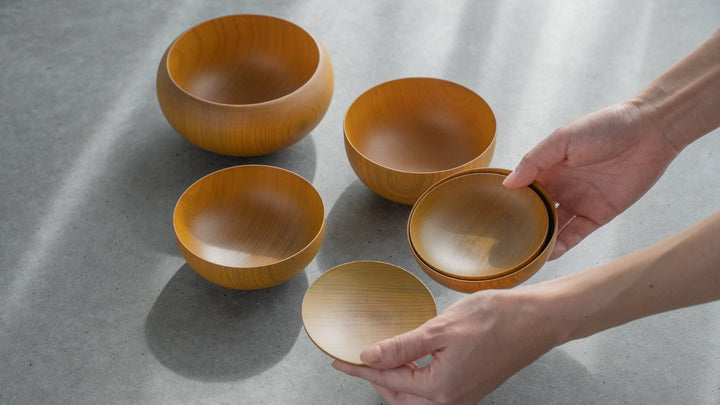
¿Qué es "Oryoki"? La vajilla minimalista
Oryoki, o Patra en sánscrito, conocido como "Tazón Buda" en Occidente. Se refiere a…
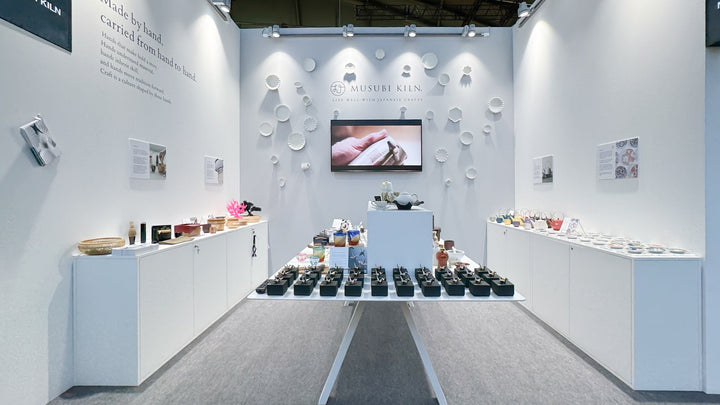
Musubi Lab en Ambiente 2026
Musubi Lab expuso en Ambiente 2026, conectando a compradores globales con vajilla artesanal y…
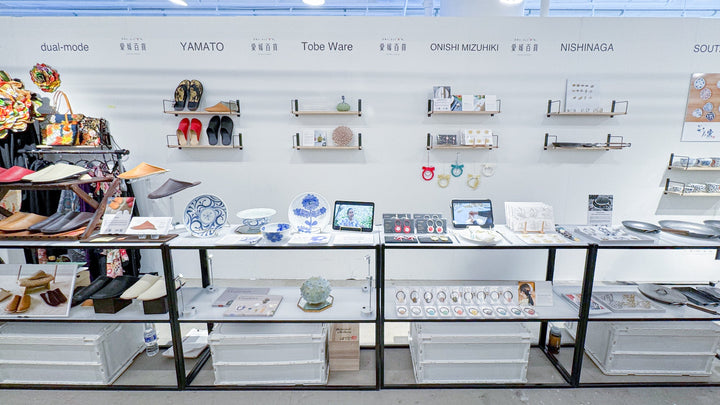
Musubi Lab expuso en Shoppe Object en Nueva York
Descubra cómo Musubi Lab llevó la cerámica Tobe a la feria comercial Shoppe Object…
Leave a comment