

Dentro de Kinokuniya: la cultura de supermercados de alta gama en Japón
Descubra cómo los supermercados japoneses transforman la compra en una experiencia refinada mediante la estacionalidad y el servicio atento.
Las visitas rutinarias al supermercado pueden resultar inesperadamente refinadas. Lo que comienza como una parada rápida para comprar ingredientes para la cena a menudo se convierte en algo más considerado y deliberado, donde la estacionalidad, la artesanía y la precisión silenciosa dan forma a la experiencia.
Los supermercados en Japón no son simplemente lugares para comprar. Son espacios donde la comida cotidiana se eleva con un cuidado notable.
La cultura minorista de Japón ha evolucionado desde tiendas de barrio basadas en relaciones hasta entornos de compra modernos altamente eficientes, pero hoy existe una renovada apreciación por la experiencia.
Con más de 23,000 supermercados en todo el país, el panorama minorista de Japón abarca desde cadenas extensas hasta destinos alimentarios íntimos y de alta gama. Entre ellos, KINOKUNIYA se distingue. Fundado en 1910 como una frutería y reconocido por abrir el primer supermercado de autoservicio de Japón en 1953, ha establecido durante mucho tiempo el estándar de calidad e innovación. Desde sus raíces emblemáticas en Aoyama hasta barrios residenciales refinados como Todoroki, KINOKUNIYA continúa moldeando cómo Japón compra y come.

En una mañana reciente, el equipo Musubi visitó la tienda de Todoroki, a pocos pasos de nuestra oficina, para observar más de cerca cómo este supermercado icónico convierte las compras cotidianas en algo especial.
Antes del Supermercado
Mucho antes de que los supermercados se convirtieran en parte de la vida diaria, las compras en Japón se desarrollaban a lo largo de animadas calles de barrio conocidas como shotengai. Estos corredores bulliciosos estaban bordeados de tiendas especializadas: pescaderías, carnicerías, fabricantes de tofu, vendedores de miso y comerciantes de productos secos, cada uno ofreciendo experiencia perfeccionada a lo largo de generaciones.

Comprar era menos un recado y más un ritual familiar. Los clientes se detenían para conversar sobre la captura más fresca, intercambiaban consejos de cocina y se ponían al día con las noticias locales. Estas interacciones fomentaban un sentido de familiaridad y conexión que se extendía mucho más allá del comercio.
Esta tradición remonta sus raíces al período Edo (1603–1868 d.C.), cuando la cultura mercantil floreció en ciudades como Edo (el Tokio moderno), Osaka e Ise, antes de extenderse por todo el país. Durante siglos, estas calles formaron el corazón de la vida cotidiana, hasta la década de 1960, cuando los supermercados introdujeron un nuevo tipo de conveniencia y transformaron gradualmente la forma en que la gente compraba.
Cuando las Compras se Volvieron Autoservicio
Fundado en Aoyama en 1910 como una frutería, KINOKUNIYA abrió más tarde su supermercado allí en 1953, siendo pionero en una forma completamente nueva de comprar. Inspirado por un supermercado de estilo estadounidense en una base militar de EE.UU., el hijo del fundador, Masui Tokuo, trajo el concepto de autoservicio a Japón, permitiendo a los clientes explorar libremente con precios claramente etiquetados.

Para muchos compradores, esto fue un cambio radical. Quedaron atrás los días de ordenar a través de un mostrador y recibir productos envueltos a mano. En su lugar, los compradores navegaban por pasillos con carritos, seleccionaban artículos ellos mismos y pagaban en cajas centralizadas.


Pero KINOKUNIYA hizo más que introducir conveniencia: redefinió la aspiración. Lanzó la primera panadería dentro de una tienda en Japón, introduciendo panes europeos previamente desconocidos para muchos hogares. En la década de 1960, fue pionero en importar quesos franceses por vía aérea, y para la década de 1970, se había expandido a la charcutería, trayendo un nuevo mundo de sabores occidentales a las cocinas japonesas.


Con el tiempo, la marca evolucionó hasta convertirse en un referente de calidad, definido por un abastecimiento excepcional y un sentido discreto de elegancia. Sin embargo, en su núcleo, permanece arraigada en algo más duradero: sus relaciones con los clientes.
La Tienda que Conoce a sus Clientes
"Este abril marca el 50º aniversario de nuestra tienda de Todoroki. Los clientes a menudo nos dicen: 'Hemos estado comprando aquí durante 50 años'. El tiempo realmente vuela", dice el gerente de la tienda Yamagata Kouji.


"En muchos sentidos, nuestros clientes conocen la tienda incluso mejor que nosotros. Por eso valoramos mucho su voz y la usamos para guiar nuestras mejoras. No es raro que nos recomienden productos que han descubierto en otras tiendas, y si también vemos valor en ellos, podemos decidir ofrecerlos nosotros mismos".
Un ejemplo de esto es la leche A2 de Brown Swiss de Oosasa Farm, ahora en stock tras una recomendación de un cliente. Es un detalle pequeño, pero que dice mucho, evocando el espíritu de las tiendas especializadas tradicionales, donde las relaciones importaban tanto como los productos mismos.
"Este es un barrio donde muchas personas disfrutan de una forma de vida refinada, por lo que damos igual importancia a ofrecer piezas para el uso diario y artículos que parecen adecuados para ocasiones más especiales", dice Kawaoku Masako, quien supervisa las relaciones públicas.
La tienda se mueve sin esfuerzo entre lo cotidiano y lo excepcional. Desde productos frescos y mariscos hasta platos preparados, productos horneados y productos básicos de despensa, la gama es extensa. Sin embargo, a pesar de sus ofertas premium, la atmósfera permanece cálida y accesible, más un lugar de encuentro del barrio que un minorista de alta gama.
En un distrito donde la competencia es feroz, lo que distingue a la tienda no es solo lo que vende, sino cómo conecta.


"Si los compradores tienen preguntas sobre ingredientes o métodos de cocina, nuestro personal siempre está feliz de ayudar", explica Yamagata. "Con la misma frecuencia, nos encontramos conversando sobre la vida cotidiana más allá de las compras. Disfrutamos dar la bienvenida de nuevo a rostros familiares que no hemos visto en un tiempo, y siempre es reconfortante escuchar que están bien nuevamente después de un período de dificultad. También es un placer ver cuánto han crecido sus nietos.
Buscamos ofrecer un nivel de servicio que se sienta personal y sintonizado con la vida diaria de cada cliente, muy parecido a una tienda tradicional de barrio. Sobre todo, queremos que cada visita se sienta genuinamente acogedora".
La Belleza de la Frescura
En Japón, la presentación es una extensión de la calidad. Los productos de temporada se exhiben con la precisión de una instalación de galería: fresas vívidas, cítricos y verduras tiernas dispuestos con un agudo sentido del color y el equilibrio.

En KINOKUNIYA, esta atención al detalle va aún más lejos. Las fresas se inspeccionan individualmente antes de ser reempacadas, asegurando que permanezcan en condiciones impecables a pesar de su naturaleza delicada. La lechuga se revisa hoja por hoja, se enjuaga suavemente para preservar su frescura antes de llegar al estante. Lo que más destacó fue la atención dedicada a mantener la frescura en cada etapa.
Es un nivel de cuidado que resulta fácil pasar por alto y, sin embargo, imposible de no notar una vez que se comienza a observar.
Tras bambalinas, los compradores viajan por todo Japón en busca de especialidades menos conocidas. Las fresas actualmente disponibles de Saitama, justo al norte de Tokio, son uno de esos descubrimientos.

"Ocasionalmente acompaño a nuestros compradores en visitas a las granjas", dice Yamagata. "Vemos cómo se cultivan las frutas y verduras y aprendemos directamente de los agricultores sobre su trabajo. Al hacerlo, podemos compartir la historia detrás de cada ingrediente: la región, el productor y el cuidado que conlleva. Añade una dimensión más profunda a la experiencia de compra".


La tienda ofrece a los clientes no solo productos, sino historias.
Pequeños lujos, embotellados y empacados
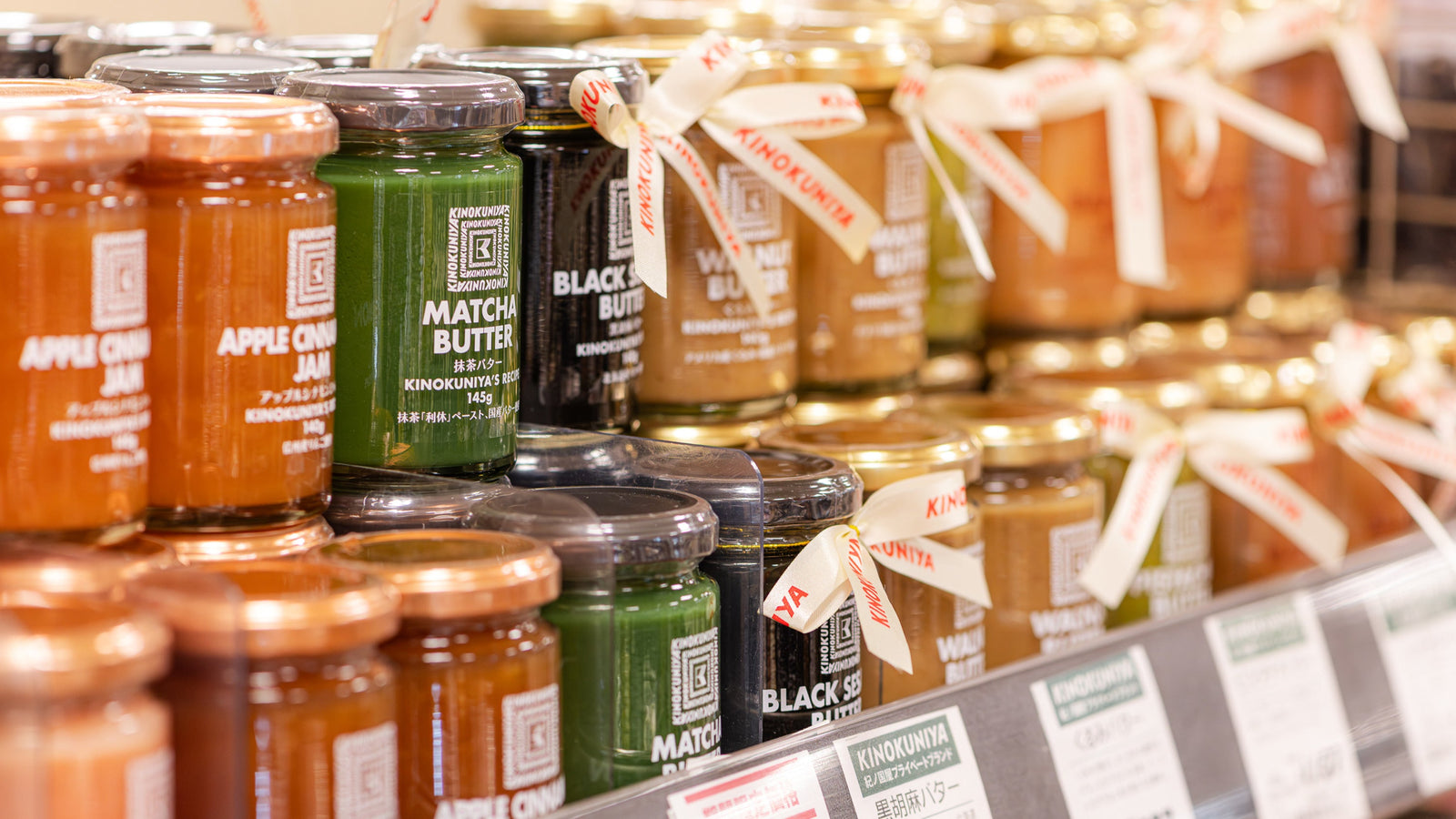
KINOKUNIYALa gama de marca propia de KINOKUNIYA refleja el enfoque de la marca hacia la calidad en productos cotidianos. Abarcando más de 1,200 artículos, la colección incluye desde mermeladas artesanales y productos horneados hasta cafés y condimentos cuidadosamente mezclados, cada uno diseñado tanto para el disfrute diario como para obsequios considerados.


Algunos han alcanzado un estatus casi icónico. Su pudín de natillas, por ejemplo, ha permanecido como bestseller durante más de cuatro décadas, con más de 700,000 unidades vendidas en todas las tiendas solo en 2025.
Otro destacado es su salsa de soja infusionada con trufa, "Lujosa salsa de soja con trufa para Tamago Kake Gohan", diseñada para elevar incluso el plato más simple. Se ha convertido rápidamente en un favorito entre los clientes.


Incluso dentro de un espacio comercial modesto, la tienda invita al descubrimiento. Puede llegar con una lista, pero lo más probable es que se vaya con algo que no había planeado encontrar.
Reinventando la forma de comprar
A medida que evolucionan los estilos de vida, también lo hace KINOKUNIYA. Más allá de sus tiendas tradicionales a nivel de calle, la marca se ha expandido a estaciones de tren, grandes almacenes y centros urbanos, adaptando su formato para satisfacer el ritmo de la vida moderna. Hoy opera 43 tiendas, principalmente en la región de Kanto.
Una de sus empresas recientes más distintivas se encuentra en Kioto, dentro de una casa tradicional machiya bellamente restaurada de 160 años. Inaugurada en la primavera de 2025, "Choshinsho KINOKUNIYA Kyomachiya" reimagina las compras como una experiencia íntima, casi ceremonial. Los huéspedes son recibidos con té, guiados a través de una selección curada de obsequios e invitados a permanecer.


Es, en muchos sentidos, un regreso a algo familiar, donde las compras no se apresuran, sino que se saborean.
La excelencia culinaria de Japón a menudo se asocia con la alta cocina, pero su verdadera esencia se revela con igual viveza en lo cotidiano. Supermercados como KINOKUNIYA ofrecen una mirada a este mundo, a través del abastecimiento reflexivo, la presentación meticulosa y los intercambios silenciosos que se despliegan entre las personas.
Tanto para visitantes como para residentes, entrar en un supermercado japonés se convierte en algo más que una cuestión de conveniencia. Es una invitación a desacelerar, a observar y a interactuar con una cultura que encuentra belleza en lo ordinario y lo aborda con intención.
Venga por lo esencial y quédese por lo que no sabía que estaba buscando.
KINOKUNIYA Tienda Todoroki
7-18-1 Todoroki, Setagaya-ku, Tokio
Horario: 9:30 a.m.–8:30 p.m.

Stay close to the craft
Now and then, a quiet letter — new stories, seasonal notes, and the hands behind the work.
Hanami de flor de ciruelo: un viaje al parque de ciruelos de Ikegami
El equipo Musubi va al Parque de Ciruelos Ikegami de Tokio para disfrutar de…
Rebecca Menasché
El oficio del kissaten: la cultura del café en Japón a través del tiempo
Descubra la cultura del café en Japón a través de las tradiciones kissaten, la…
Nakazawa Hiroko
Un viaje al mundo del bonsái en Tokio
Participe en un taller práctico de bonsái en Tokio en Seikoen y explore la…
Leave a comment