

Koromogae: Por qué los japoneses renuevan sus hogares dos veces al año
Descubra koromogae, la renovación estacional de Japón, y cómo recibir el verano con ropa, vajilla y decoración.

A medida que las temperaturas suben y la brisa húmeda anuncia la llegada del verano, los armarios de todo Japón se abren. Los suéteres gruesos y los pantalones de lana cepillada se guardan, reemplazados por prendas ligeras de lino y algodón. Este ritual, conocido como koromogae, es una tradición japonesa ancestral que marca el cambio de estaciones.
Sin embargo, no solo la ropa cambia. La vajilla que adorna las comidas familiares y la decoración de los espacios de vida también se transforman con las estaciones. En este artículo, exploramos la historia del koromogae y la filosofía japonesa de "dar la bienvenida a la estación" que la sustenta. También presentamos una selección de artículos de MUSUBI KILN perfectamente adecuados para la llegada del verano.
¿Qué es el Koromogae?
El koromogae es la costumbre japonesa de cambiar el guardarropa por ropa apropiada para la estación dos veces al año, tradicionalmente el 1 de junio para el verano y el 1 de octubre para el invierno. En japonés, koromo significa "prenda", y gae significa "cambiar" o "reemplazar".

La práctica se originó en la corte imperial china, donde la vestimenta se cambiaba según las estaciones, y se introdujo en Japón durante el período Heian (794–1185 d.C.). En ese momento, la aristocracia y los miembros de la corte imperial observaban la costumbre el primer día del cuarto y décimo mes del calendario lunar. Durante el período Edo (1603–1868 d.C.), el shogunato Tokugawa institucionalizó los cambios de vestuario cuatro veces al año para la clase samurái, y la costumbre se extendió gradualmente también entre la gente común.
Hoy en día, el momento del koromogae queda a discreción individual. Mientras tanto, "Cool Biz"—una campaña que promueve vestimenta de oficina más ligera, como prescindir de corbatas y chaquetas durante el verano para conservar energía—ha sido promovida por el Ministerio del Medio Ambiente desde 2005 y ahora se adopta ampliamente. Esto también puede verse como una forma moderna de koromogae.
¿Por qué los japoneses "cambian" con las estaciones?
Japón es una nación insular con cuatro estaciones bien definidas, y los japoneses han estado atentos a las transiciones estacionales en cada aspecto de la vida cotidiana. El idioma japonés tiene una larga tradición de expresiones para "dar la bienvenida a la estación". Un ejemplo es la frase geishun (迎春), que significa "dar la bienvenida a la primavera", que aparece en las tarjetas de felicitación de Año Nuevo y cuyo origen se remonta a textos clásicos chinos de hace más de dos mil años. Esto refleja la sensibilidad japonesa de que las estaciones no son algo que llega pasivamente, sino algo que se recibe activamente.
Cambiar el guardarropa facilita la regulación de la temperatura, pero también es una forma de "reinicio mental", una manera de reconocer conscientemente el cambio de estaciones y refrescar el estado de ánimo. En el caso del kimono, la prenda tradicional de Japón, no solo se elige el tipo de tela sino también los patrones para coincidir con la época del año. Flores de cerezo para la primavera, fuegos artificiales para el verano, hojas de arce para el otoño, y camelias para el invierno son solo algunos ejemplos.

Se considera iki, un ideal estético distintivamente japonés que describe la elegancia refinada en apariencia y modales, llevar patrones temáticos de temporada ligeramente antes de la estación real. Esta práctica también revela la inclinación a preparar el corazón para la estación que se aproxima.
Incorporar el concepto de Koromogae en la vida diaria
La idea de "cambiar con las estaciones" se extiende mucho más allá de la ropa. El clima cálido y húmedo de Japón ha inspirado durante mucho tiempo formas creativas de evocar frescura a través del atractivo visual y la sensación táctil.
Considere el hogar: la alfombra que calentaba los pies durante el invierno se reemplaza en verano por una estera de junco fresca o una alfombra de bambú. Las zapatillas de tela dan paso a las hechas de materiales vegetales, y la textura suave y seca bajo los pies aporta un toque refrescante a los días sofocantes.

Particularmente distintiva es la práctica de cambiar la vajilla con las estaciones. El mismo plato puede servirse en cerámica cálida y terrosa durante el invierno, y luego presentarse en recipientes de vidrio translúcido o con tonos azules en verano. Este simple cambio transforma toda la atmósfera de la mesa. Para las comidas de verano, se prefieren colores como blanco, azul y tonos transparentes por su frescura visual. Al igual que con el kimono, los motivos y patrones también se seleccionan según la estación.
La colección de MUSUBI KILN para dar la bienvenida al verano

La colección de verano de MUSUBI KILN incluye recipientes y artesanías tradicionales perfectamente adecuados para su koromogae estacional. Incorpore colores y materiales frescos en su vida diaria y disfrute de la belleza de la estación a través de los ojos.
Taza de té japonesa de celadón Nabeshima
Esta taza de té se elabora utilizando la técnica de celadón Nabeshima, una tradición que abarca más de 360 años. El esmalte verde azulado, hecho de minerales naturales obtenidos en Okawachiyama, emite un brillo místico que se vuelve aún más vívido cuando se llena de té verde. Su textura suave y borde cómodo hacen que cada momento del té sea un poco más lujoso.

Set de platos pequeños Joyful Colors
Inspirado en la belleza natural de Aomori, este conjunto de cuatro platos de vidrio se forma utilizando la técnica de formado por rotación. Su suave translucidez captura la luz bellamente, haciéndolos ideales para mesas de verano. Los patrones de puntos en verde, rojo y azul, junto con un diseño de espiral rosa, añaden acentos alegres a cualquier comida. Estos platos son perfectos para condimentos, postres o incluso como pequeños platillos para baratijas.

Set de sake Ginsai Lapis Blue Seigaiha Wave
Este katakuchi (recipiente vertedor con pico) y ochoko conjunto de copa de sake presenta un rico esmalte azul lapislázuli adornado con patrones de seigaiha "olas" renderizados en sobreesmalte plateado. El motivo seigaiha, que se asemeja a olas ondulantes, ha sido apreciado durante mucho tiempo como símbolo de felicidad tranquila. Los acentos plateados brillan de manera diferente según la luz, aportando una elegancia refrescante a las bebidas de las tardes de verano o reuniones con invitados.

Set de vajilla Musubi Mono Blue Breeze
Este conjunto de vajilla japonesa incluye un plato con un tradicional asanoha (hoja de cáñamo), un plato en forma de hoja, un cuenco de arroz decorado con peces medaka y un cuenco de sopa en laca Yamanaka. La paleta de azul y blanco evoca una brisa suave, mientras que el cuenco de arroz celadón con sus medaka nadando recuerda un arroyo de verano. Este conjunto es ideal para quienes desean disfrutar de auténtica cocina japonesa en una mesa refrescantemente fresca.

Jarrón japonés inspirado en el Monte Fuji
Tejido con finas tiras de bambú a imagen del Monte Fuji, este jarrón es una obra de Suruga Bamboo Basketry—una artesanía tradicional de la prefectura de Shizuoka con más de 400 años de historia. La frescura natural del bambú y su textura nítida aportan una cualidad refrescante a cualquier interior, convirtiéndolo en una adición perfecta para su koromogae de verano. El diseño simple y digno complementa las flores de la estación y se integra sin esfuerzo en cualquier espacio.

Para más vajilla preparada para el verano, explore nuestras publicaciones como Summer Celebration with Celadon, Set for Summer: Musubi Mono Japanese Dinnerware Setsy A Refreshing Table: Recommended Blue Dinnerware for the Summer Season.
Koromogae es más que simplemente reorganizar el guardarropa. Es una forma de prepararse para recibir la siguiente estación, una filosofía japonesa de vida que implica realinear todo el estilo de vida para armonizar con la época del año. Al cambiar recipientes, materiales y colores, los japoneses han tejido durante mucho tiempo el paso sutil de las estaciones en su vida cotidiana. Esta sensibilidad puede ofrecer una fuente de inspiración para quienes viven en climas diferentes, aportando un toque de riqueza a las rutinas diarias.
A medida que se acerca el koromogae de verano, ¿por qué no renovar también su vajilla? Esperamos que nuestra colección de verano traiga una brisa fresca y estacional a su vida.
Stay close to the craft
Now and then, a quiet letter — new stories, seasonal notes, and the hands behind the work.
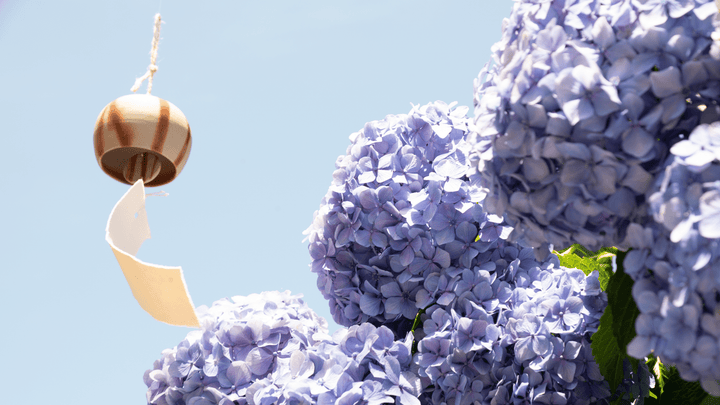
Geshi iluminado por el sol: Observando el solsticio de verano en Japón
Aprenda sobre Geshi, el solsticio de verano japonés, celebrado con ricas tradiciones culturales y…
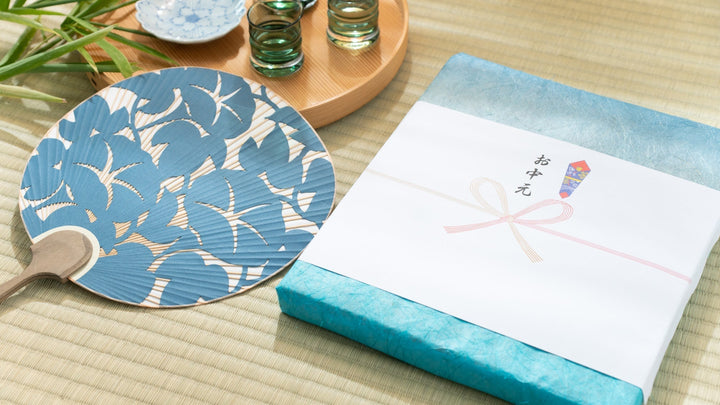
¿Qué es Ochugen? Todo sobre los regalos de verano en Japón
Aprende sobre el ochugen, la tradición japonesa de regalar a mitad de año. Explora…
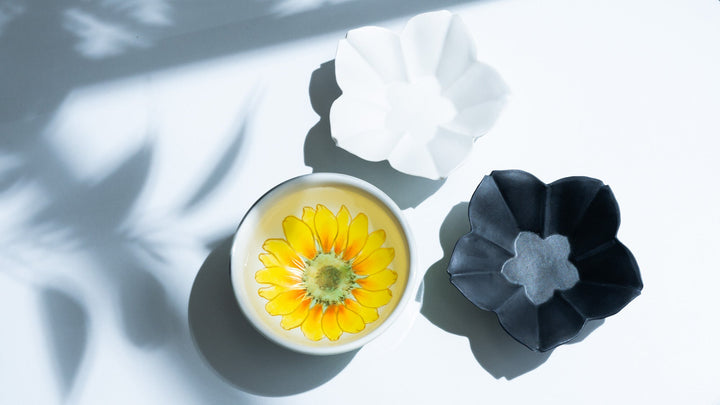
Paleta de verano: La radiante belleza de las flores
Aprenda sobre las vibrantes flores de verano de Japón y cómo cada tipo aporta…
Leave a comment
@Ann – Thank you so much for your lovely comment. We’re glad to hear you enjoyed the article and that the content resonated with you! Marking the passing seasons is one of the things we on the MUSUBI KILN team enjoy, too. May you have a joyful and refreshing summer!
As always, an enjoyable read and inspiring pictures. I always look forward to changing tableware and housewares to match the season—-one reason Japanese aesthetics and koromogae resonated with me from the moment I learned about them!