

Vom Tisch zum Schrein: Das Leben japanischer Essstäbchen
Entdecken Sie die Bedeutung japanischer Essstäbchen – vom alltäglichen Essen über Schreinrituale bis hin zu jahrhundertealter Handwerkskunst.
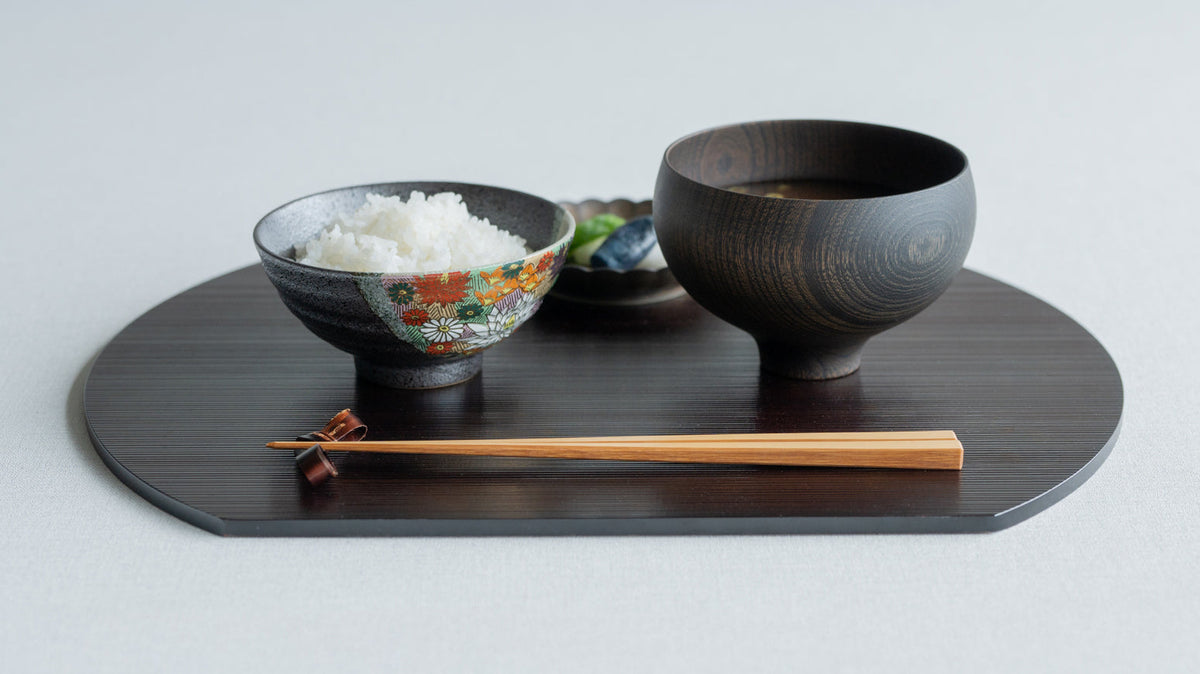
An einem traditionellen japanischen Frühstückstisch fühlt sich bereits vor dem ersten Bissen etwas anders an: eine Reisschale , die in eine Hand passt, und ein Paar Essstäbchen , das auf einer eigenen kleinen Ablageruht. Seit über tausend Jahren Teil des täglichen Lebens, kamen Essstäbchen ursprünglich aus China und nahmen allmählich einen einzigartig japanischen Charakter an. Ein Paar kann ein Leben lang einer Person gehören, eine Hochzeit markieren, eine Rolle in heiligen Ritualen spielen – und schließlich einen eigenen Abschied erhalten.
Wie sich Essstäbchen in Ostasien unterscheiden

In ganz Ostasien mögen Essstäbchen auf den ersten Blick ähnlich aussehen. Nebeneinander gelegt offenbaren jedoch jene aus China, Japan und Korea deutliche Unterschiede in Form und Gestaltung.
Essstäbchen haben sich parallel zur Esskultur jeder Region entwickelt. In China werden Mahlzeiten typischerweise aus großen gemeinsamen Schalen genossen, die in der Mitte des Tisches platziert sind, und die Gäste bedienen sich üblicherweise direkt mit ihren eigenen Essstäbchen, was den gemeinschaftlichen Charakter der Mahlzeit widerspiegelt. Um diese Schalen bequem zu erreichen, sind chinesische Essstäbchen generell länger als jene, die in Japan verwendet werden. Sie haben stumpfe, abgerundete Spitzen und eine nahezu gleichmäßige Dicke von oben bis unten.
In Korea hingegen werden Essstäbchen zusammen mit einem Löffel verwendet, gemeinsam bekannt als sujeo. Während der Löffel für Reis und Suppe verwendet wird, sind die Essstäbchen für Beilagen reserviert. Koreanische Essstäbchen sind typischerweise aus Metall gefertigt und haben eine flache, schlanke Form mit geringer Verjüngung.
Japanische Essstäbchen sind dagegen kürzer und laufen zu einer feinen Spitze zu. Anstatt in gemeinschaftliche Platten zu greifen, werden japanische Mahlzeiten traditionell in individuellen Portionen serviert, wobei toribashi (Servierstäbchen) oft verwendet werden, um Speisen von gemeinsamen Schalen zu übertragen. Ihre spitzen Enden erleichtern es erheblich, feine Fischgräten zu entfernen, zarte Flocken von gegrilltem Fisch zu trennen und Speisen wie Tofu, Sashimi und geschmortes Gemüse aufzunehmen, ohne sie auseinanderzubrechen.
Das richtige Werkzeug für jeden Schritt

Als die japanische Küche verfeinert wurde, entwickelten sich Essstäbchen über ein einzelnes Alltagsutensil hinaus. Spezialisierte Werkzeuge entstanden für jede Phase der Zubereitung, des Servierens und der Präsentation von Speisen.
In der Küche werden lange saibashi zum Frittieren, Rühren und Handhaben von Zutaten über Hitze verwendet. Am Tisch werden toribashi neben gemeinsamen Schalen platziert, damit niemand mit den Essstäbchen hineingreift, mit denen er isst. Und hinter den Kulissen verwenden Köche moribashi– länger und feiner als ein Esspaar –—um ein einzelnes Stück Sashimi oder einen Zweig Garnitur genau dort zu platzieren, wo es hingehört, eine Millimeter-Anpassung, die verändern kann, wie ein ganzer Teller wirkt.
Ein Lebenszyklus für Essstäbchen
Ein Paar Essstäbchen in Japan gehört von Anfang an jemandem. Gewählt, um zu einer bestimmten Hand zu passen, wird es ersetzt, wenn ein Kind wächst, und manchmal als passendes Set einem frisch verheirateten Paar geschenkt. Am Tisch kann es auch symbolische Bedeutung in Ritualen und Feiern annehmen. Und wenn seine Jahre der Nutzung zu Ende gehen, wird es nicht einfach weggeworfen – es kann zu einem Schrein oder Tempel gebracht und mit einem letzten Ausdruck des Dankes verabschiedet werden. Wenige Alltagsgegenstände werden mit solcher Sorgfalt von der ersten bis zur letzten Verwendung behandelt.
Ein eigenes Paar

In Japan sind Essstäbchen zutiefst persönlich. Die meisten Haushalte bewahren ein eigenes Paar für jedes Familienmitglied auf, anstatt ein gemeinschaftliches Set zu teilen – eine Frage der Hygiene ebenso wie der Gewohnheit. Sie sind auch auf die Person zugeschnitten: gewählt, um zur Hand einer Person zu passen für Komfort und Benutzerfreundlichkeit, weshalb Kinder ihr eigenes kleineres Paar erhalten, das gegen ein größeres Set ausgetauscht wird, wenn sie wachsen.
Selbst ein Paar bricht diese Regel nicht. Meoto-bashi– passende Sets, die als Hochzeitsgeschenkegegeben werden – sind zwei individuelle Paare, eines etwas länger und eines kürzer, um jedem Empfänger zu passen. Nach Konvention ist das längere Paar für den Ehemann und das kürzere Paar für die Ehefrau bestimmt. Jede Person isst weiterhin mit ihrem eigenen, aber die beiden werden als ein Set hergestellt und verkauft, bestimmt, für den Rest einer Ehe nebeneinander zu liegen. Es ist ein kleiner Wunsch nach Harmonie, eingefaltet in einen Alltagsgegenstand.
Die Grenze zwischen Menschen und dem Heiligen

Die Art und Weise, wie Essstäbchen am Tisch platziert werden, soll symbolische Bedeutung tragen. In traditionellen japanischen Tischordnungen werden Essstäbchen horizontal vor dem Gast abgelegt. Diese Anordnung wird oft mit der Idee einer spirituellen Grenze assoziiert – bekannt als kekkai– zwischen der Person und der Mahlzeit. Einige Interpretationen deuten weiter an, dass diese Linie die Grenze zwischen der menschlichen Welt und dem Heiligen darstellt. So betrachtet wird Essen als Geschenk der Natur und des Göttlichen gesehen, während Essstäbchen als symbolische Brücke dienen, die beide verbindet.
Diese Idee von Essstäbchen als Brücke ist nicht nur eine moderne Interpretation – sie liegt nahe daran, wie sie begannen. Die frühesten in Japan verwendeten Essstäbchen, etwa zwischen dem dritten und siebten Jahrhundert, waren überhaupt keine Essutensilien, sondern rituelle Werkzeuge: eine einzelne Bambuslänge, in der Mitte gebogen, sodass sie wie eine Zange funktionierte, auf diese Weise geformt, damit Opfergaben an die Gottheiten gehandhabt werden konnten, ohne jemals von menschlichen Händen berührt zu werden.
Im siebten Jahrhundert wurden japanische Gesandte zur chinesischen Sui-Dynastie bei Mahlzeiten bedient, bei denen Essstäbchen verwendet wurden. Es wird angenommen, dass sie die Sitte mit zurückbrachten, und das Essen mit Essstäbchen verbreitete sich von dort allmählich in der allgemeinen Bevölkerung und entwickelte sich im Laufe der Zeit in eine eigene Richtung. Was als Weg begann, respektvollen Abstand zum Heiligen zu wahren, wurde allmählich die Art, wie ein ganzes Land isst.

Diese Symbolik zeigt sich besonders deutlich bei iwai-bashi (festlichen Essstäbchen), die während des Neujahrs und anderer festlicher Anlässe verwendet werden. Anders als alltägliche Essstäbchen sind sie an beiden Enden zugespitzt. Ein Ende wird von der speisenden Person verwendet, während das andere symbolisch für die Gottheiten reserviert ist. Indem die Mahlzeit auf diese Weise geteilt wird, drücken Menschen Dankbarkeit für die Segnungen der Natur aus und beten für Glück im kommenden Jahr.
Hashi Kuyo: Ein Gedenkgottesdienst für Essstäbchen

In ganz Japan halten Schreine und Tempel hashi kuyoab, Gedenkgottesdienste, die Dankbarkeit für Essstäbchen nach Jahren des täglichen Gebrauchs ausdrücken.
Im Hie Jinja, einem der bekanntesten Shinto-Schreine Tokios, wird diese Tradition durch das Hashi Kanshasai begangen, das jährlich am 4. August stattfindet. Das Datum ist als Hashi no Hi (Tag der Essstäbchen) bekannt, ein Wortspiel, das auf den japanischen Lesungen der Zahlen acht (hachi) und vier (shi) beruht. Die Zeremonie dankt den Essstäbchen, die die täglichen Mahlzeiten begleitet haben, und spricht Gebete für Langlebigkeit, gute Gesundheit und Schutz vor Krankheit.
Die Zeremonie beginnt im Inneren der Gebetshalle des Schreins mit dem Klang einer taiko -Trommel, die durch den Raum hallt. Während gagaku, Japans klassische Hofmusik, aufgeführt wird, ziehen Shinto-Priester in zeremonieller Kleidung in das Gebäude ein. Rituelle Opfergaben werden vor den Gottheiten dargebracht, gefolgt von Gebeten, die Dankbarkeit ausdrücken.

Das Hashi Kanshasai wird dann im Freien fortgesetzt, wo ein heiliges Feuer für das hashi kuyoentzündet wird, den Gedenkgottesdienst für gebrauchte Essstäbchen. Nachdem die Priester Bündel von Essstäbchen im Gebet in die Flammen gelegt haben, werden die Teilnehmer eingeladen, die Essstäbchen zu opfern, die sie von zu Hause mitgebracht haben. Während die gut gebrauchten Utensilien im Feuer verschwinden, erhalten sie einen letzten Ausdruck der Dankbarkeit für die Jahre, in denen sie uns gedient haben.
Was bleibt
Essstäbchen erscheinen beim Frühstück, Mittagessen und Abendessen, aufgenommen ohne einen zweiten Gedanken. Doch bis ein Paar das Ende seines Lebens erreicht – oder, im Fall eines hashi kuyo, in Dankbarkeit zu einem Schrein oder Tempel getragen wird – hat es unzählige alltägliche Mahlzeiten begleitet und Rollen weit über das Essen hinaus übernommen. Wenn Sie das nächste Mal ein Paar japanischer Essstäbchen halten, werden Sie sie vielleicht ein wenig anders sehen – nicht einfach als Utensilien, sondern als Objekte, die von Jahrhunderten der Tradition geformt wurden.
Stay close to the craft
Now and then, a quiet letter — new stories, seasonal notes, and the hands behind the work.
Die richtige Essstäbchen-Etikette meistern: Tipps für die Verwendung japanischer Essstäbchen
Meistern Sie elegante Techniken, vermeiden Sie häufige Fehler und tauchen Sie ein in jahrhundertealte…
Essenszeit verbessern: So wählen Sie die besten Essstäbchen aus
Erfahren Sie mit unserem ausführlichen Leitfaden zu den besten Materialien, Größen, Formen, Designs und…
Das Handwerk hinter den Stäbchen: Drei Geschichten der Kunstfertigkeit
Wie Handwerker die besten heimischen Materialien und extreme Detailgenauigkeit einsetzen, um Essstäbchen zu schaffen,…
Leave a comment