

5 Must-Try Japanese Seasonings to Elevate Your Cooking
Discover five essential Japanese seasonings and learn how to use them to elevate everyday cooking with authentic umami.
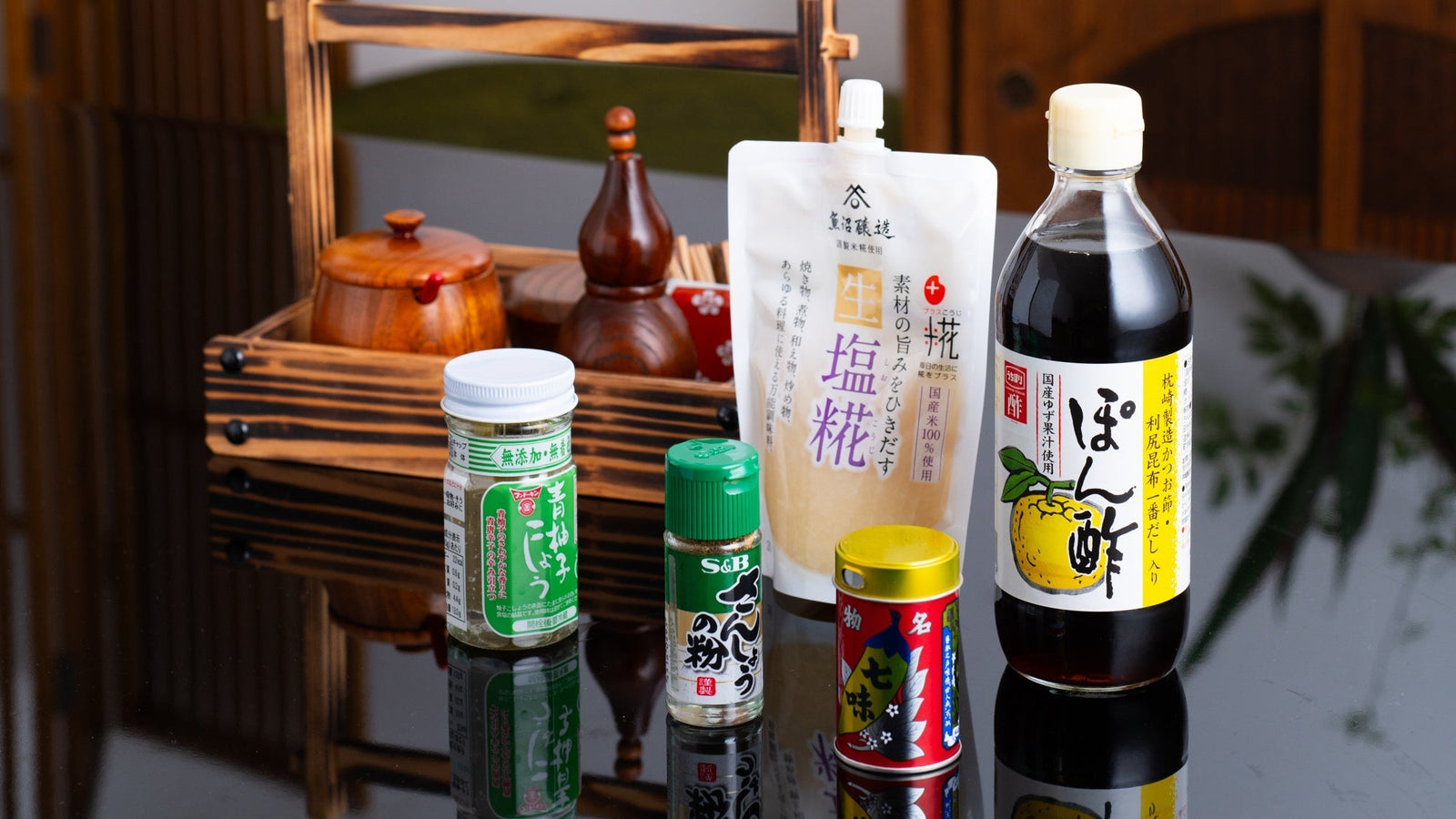
Have you ever savored Japanese cuisine and yearned for just a touch more flavor flair? Beyond the traditional staples like salt, soy sauce, and miso, there are unique Japanese seasonings that can add that extra kick, effortlessly elevating any dish. They're not only wonderful to cook with, but also to drizzle atop finished dishes. Their use is versatile and simple.
Today, the passionate staff from Musubi Kiln introduce their favorite seasonings and how they enjoy them.
Shichimi Togarashi (Japanese Seven Spice)

Shirata-san's Pick: with "Tonjiru" (Pork Soup)


When autumn and winter arrive, many gravitate towards the hearty and nutritious Tonjiru pork soup. While I've experimented with numerous seasonings, Shichimi Togarashi always stands out as the perfect match. Its spicy kick in the steaming broth warms you from the inside, making it ideal for the chilly seasons. It's also a delightful addition to udon noodles and yakitori. Not to mention, it's irreplaceable when mixed with mayonnaise as a dipping sauce for grilled dried squid.
Sansho (Japanese pepper)

Yamashita-san's Pick: with Unadon (Grilled Eel Rice Bowl)

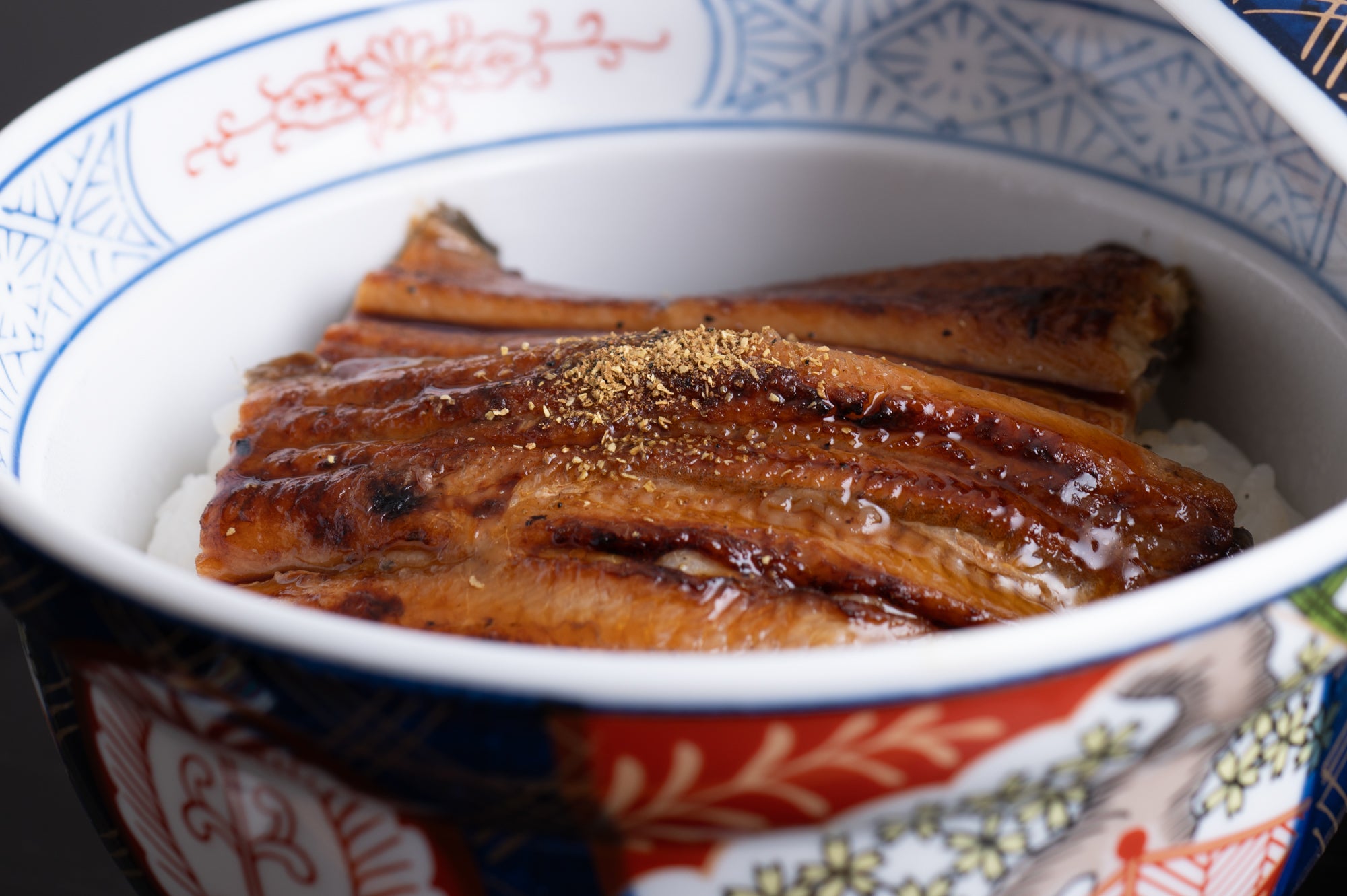
Sansho and eel are a classic pairing, and they are invariably offered together in restaurants. Sprinkling it over grilled chicken or adding it to soup also brings delightful flavors.
Personally, I like to make a Sansho sauce and drizzle it over meat and fish. Combining soy sauce, sugar, Sansho, and sesame oil, along with finely chopped green onions, ginger, and garlic, creates a sauce that is rich in spice and flavor.
Ponzu (Japanese Citrus Sauce)

Aiba-san's Pick: with Yudofu (Tofu Hot Pot)

The ponzu sauce I brought today is currently my favorite. The balance of soy sauce, broth, and yuzu flavor is just perfect. Yudofu, or tofu hot pot, is a simple dish, but the tofu and ponzu mutually enrich each other's natural flavors, making it a nutritious and wholesome meal that often appears on our dining table. This sauce is also great on a variety of other dishes like shabu-shabu, Japanese-style fried chicken, grilled fish, and sashimi such as bonito and flounder. It's delicious on just about anything.
Yuzu Kosho

Tominaga-san's Pick: with Yakitori (Japanese Grilled Chicken)


I love the unique aroma and flavor of Yuzu Kosho, so it's a staple in my fridge for easy culinary enjoyment. It's not just for chicken; it also pairs exceptionally well with pork and fish. It's delicious when used as a dip for hot pot ingredients as well.
Additionally, you can make a Japanese-style dressing by mixing Yuzu Kosho with ponzu sauce and either olive oil or sesame oil.
It's even a tasty accent when added to pasta sauce.
Shio Koji

Umehara-san's Pick: with Cucumber


This time I used a store-bought version, but I usually make my own by mixing dried rice Koji, salt, and water. It's ready after about a week of sitting. I tend to go easy on the salt content.
I frequently use it to marinate meat, both tenderizing it and adding flavor. I also make soup by adding Shio Koji as a replacement for miso. Shio Koji soup has a sweeter taste than miso soup, and you can really taste the flavor of the vegetables, which is something my kids enjoy as well.

When people gather, it's a good idea to place a variety of seasonings on the table and let everyone enjoy their meal with their preferred taste. Transferring spices like Shichimi, Sansho, and Yuzu Kosho into spice containers uplifts the theme of Japanese cuisine and creates a more sophisticated table setting. Find your favorite seasonings and make use of them during regular meals or when you have guests over for dining.
Stay close to the craft
Now and then, a quiet letter — new stories, seasonal notes, and the hands behind the work.
Kombu: Japan’s Seaweed Marvel
Explore the world of Japanese kombu, from traditions to dashi-making tips, varieties, and the…
How to Savor Japanese Somen: A Refreshing Summer Meal
Savor the cool elegance of Japanese somen noodles, silky, refreshing, and perfect for summer,…
Hirata Paku Kayoko
Japanese Strawberries: the Herald of Spring
From Amaou to rare white varieties, learn about Japan’s strawberries, their history, cultivation, and…