Japanese Tekki: Cast Ironware
Nambu Ironware
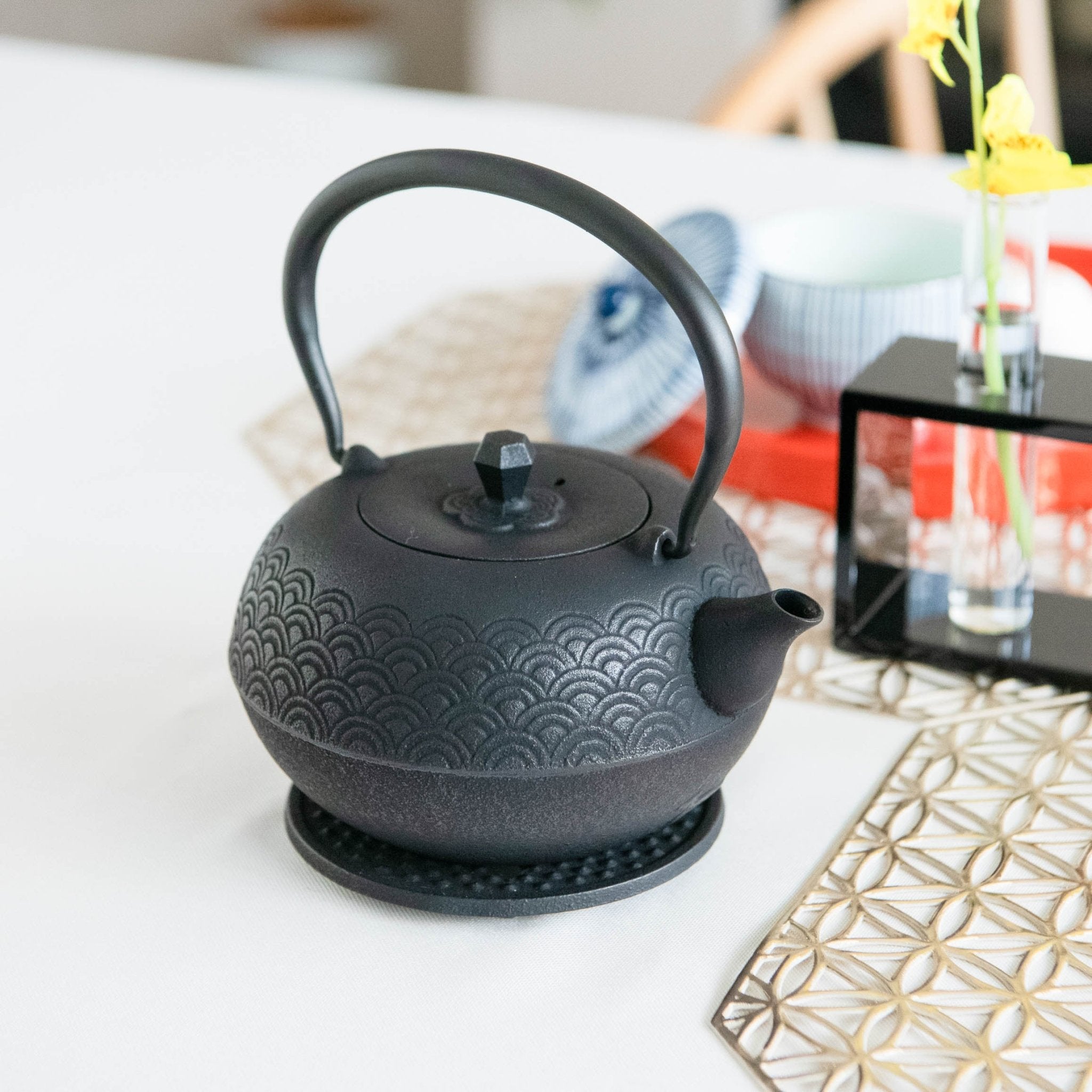
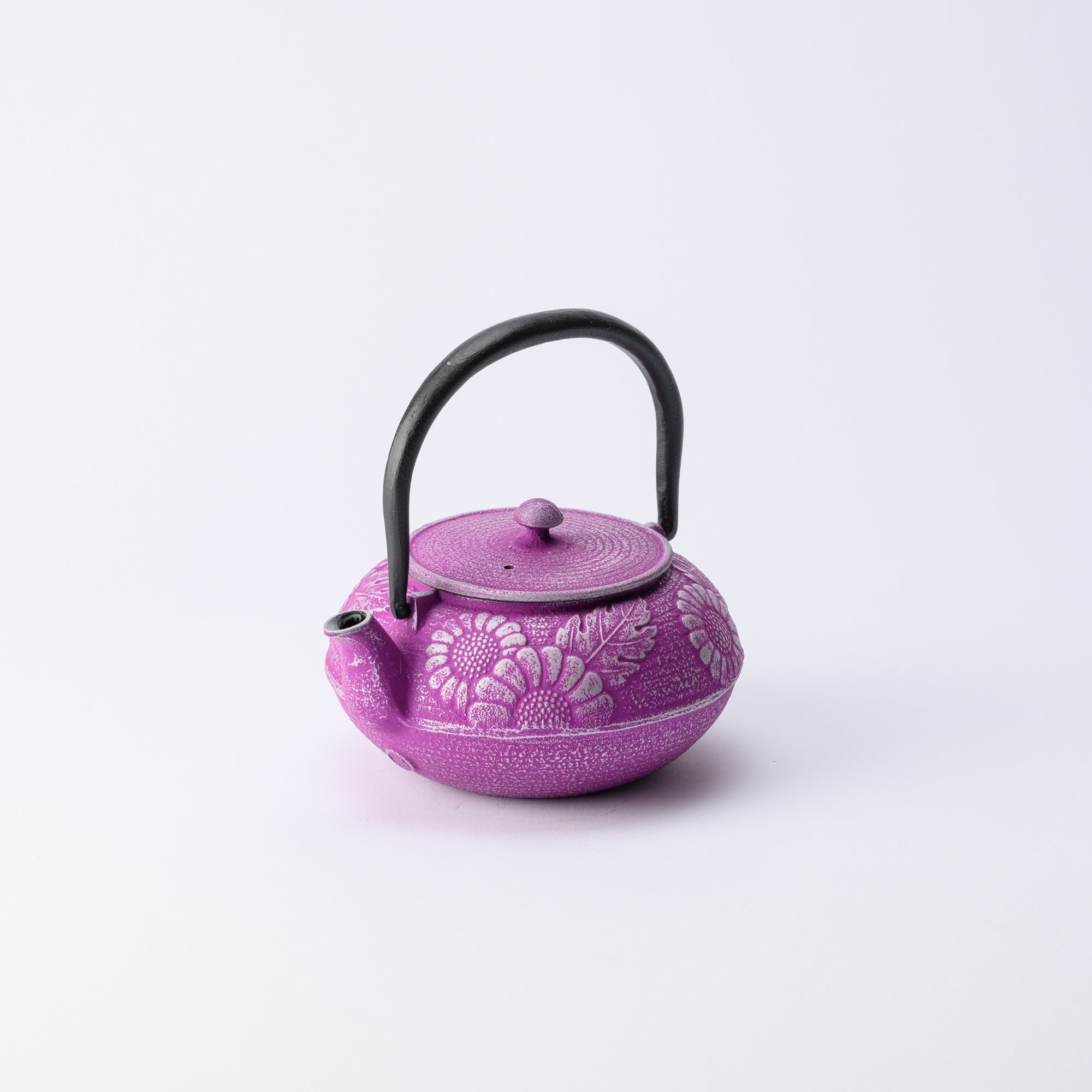
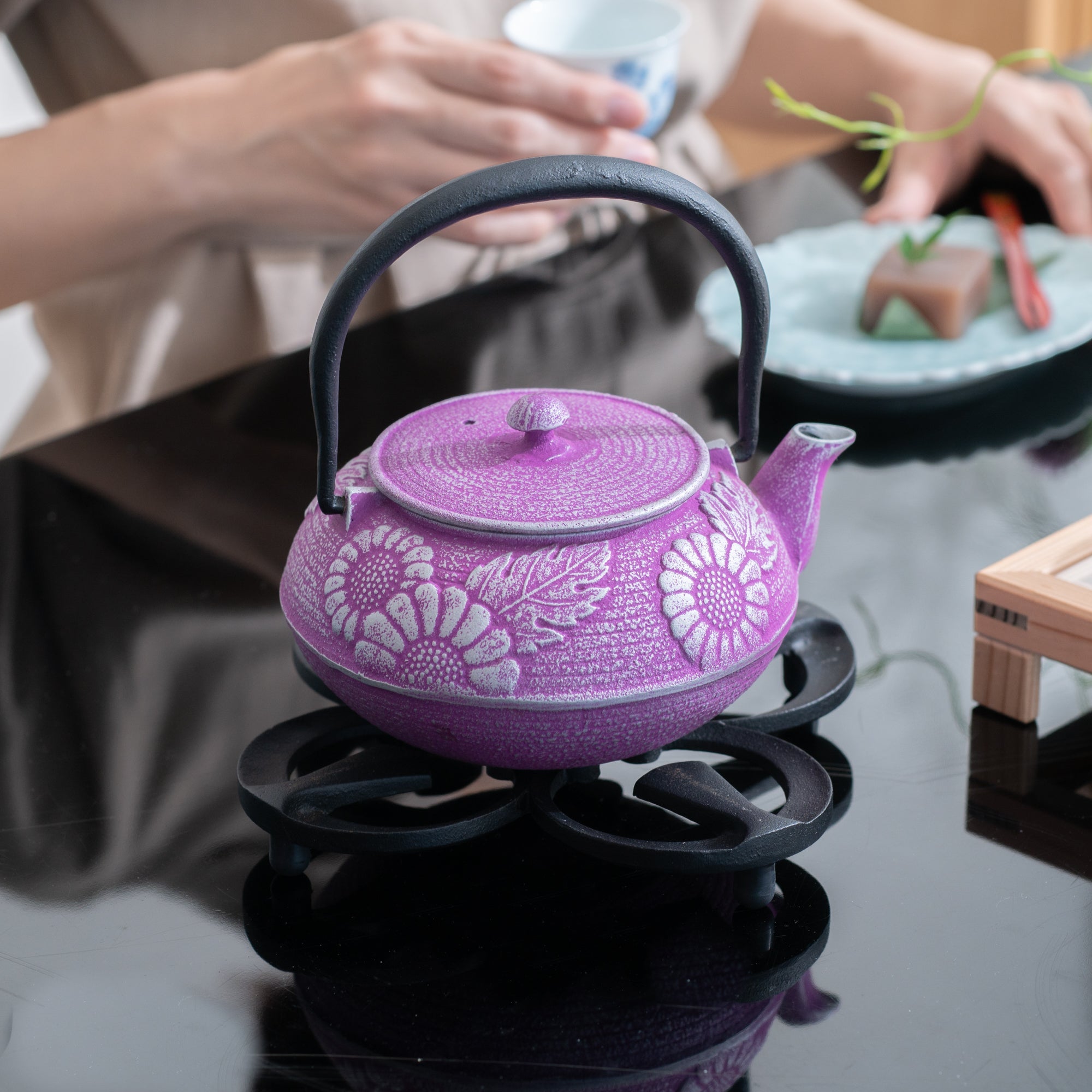
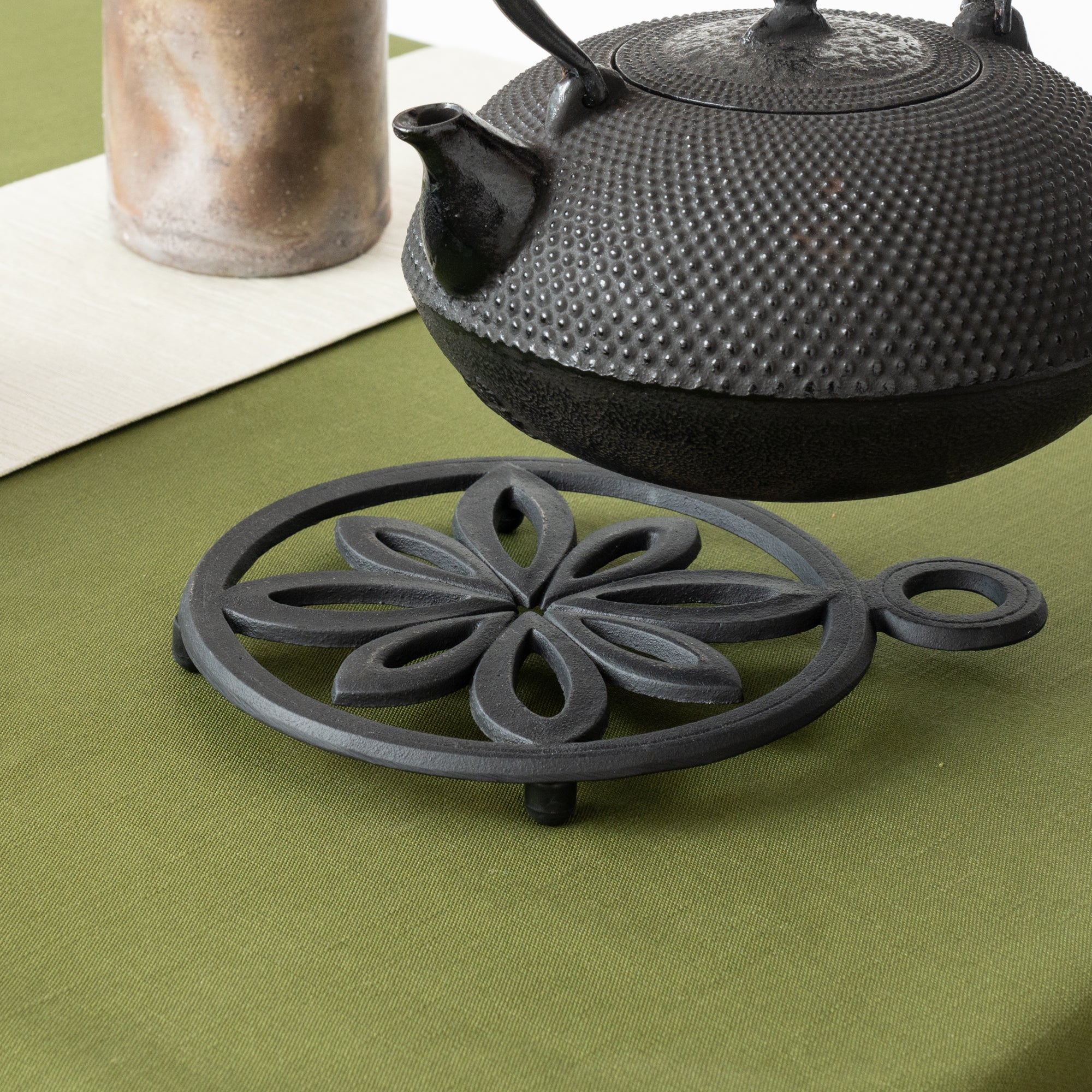
Nambu ironware, a representative of Japanese ironware, is a collective term for the pure iron casting crafts of the Mizusawa region and Morioka City area of Iwate Prefecture. The name comes from the fact that it was made in the area known as the Nambu domain in the past.
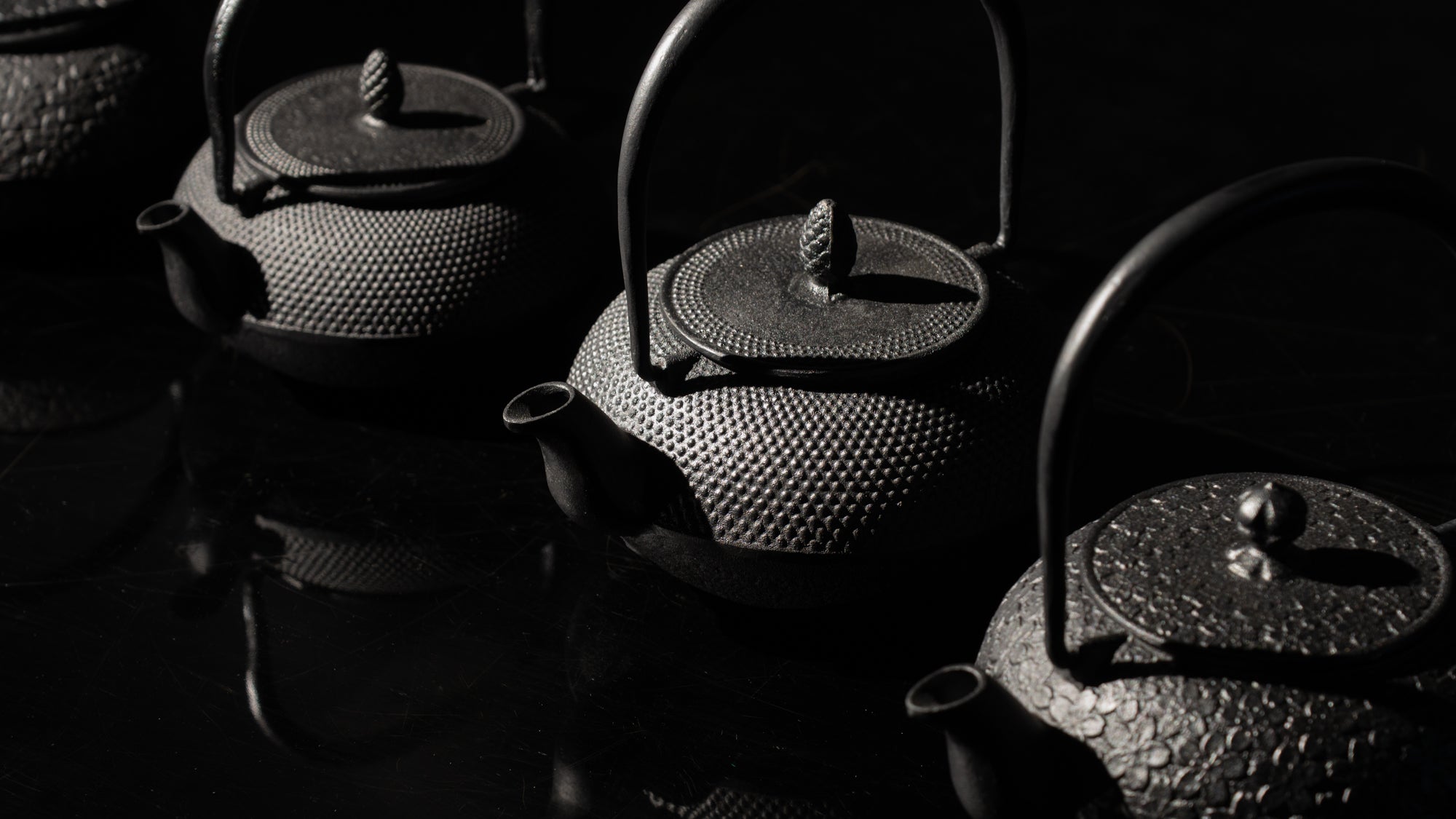
The appeal of Nambu ironware, which has been loved throughout the generations, is not only its simplistic beauty, but also its many functional merits of being durable and easy to use in daily life.
Nambu ironware originated around the 17th century when the Nambu domain in Iwate Prefecture had kettles made for the tea ceremony. Since the Nambu domain lords were devoted to the tea ceremony and Iwate Prefecture was rich in pure iron resources, the casting industry, including tea kettles, began to develop in the downtown area.
In 1908, the production of Nambu ironware for the Emperor Taisho, who visited the Tohoku region, became known throughout the Japanese newspapers, and Nambu ironware became a well-known part of daily life in Japan.
However, the history of casting in the Tohoku region is much older. Cast ironware was already superior in the region of Oshu-Mizusawa in present-day Iwate Prefecture in the late Heian period (794–1185 CE).
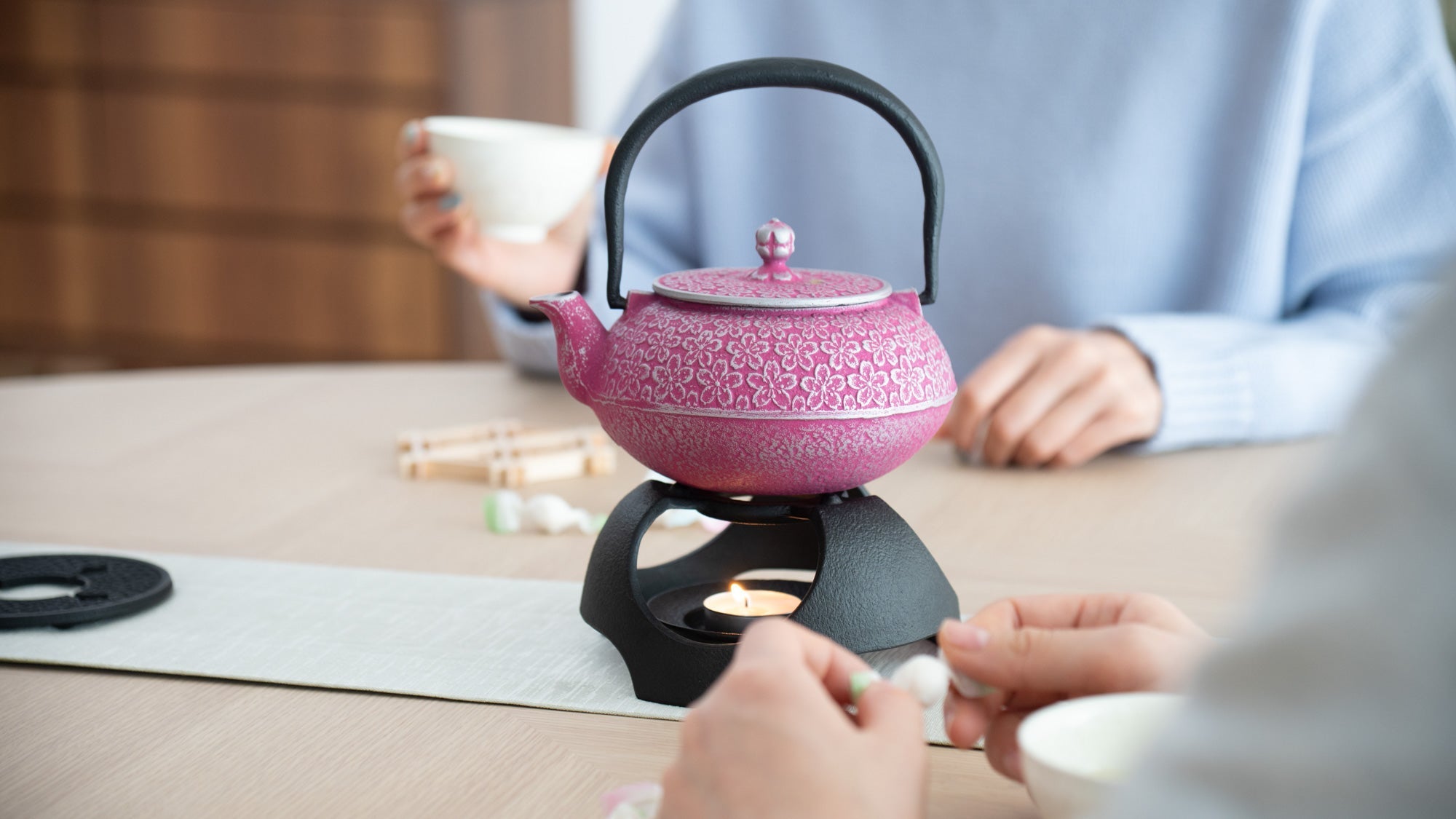
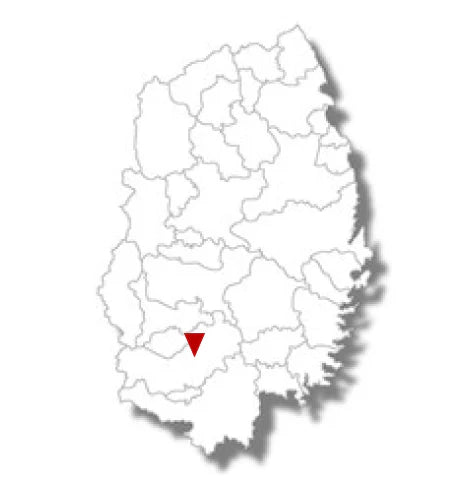
Oshu Nambu Ironware —Mizusawa Japan
Today, there are two main types of Nambu ironware, with two main production areas. One is called Oshu Nambu Ironware, which originated in what is now Oshu Mizusawa, an area formerly known as Haneda Village.
Oshu Nambu ironware originated in the late Heian period (794–1185 CE) when Fujiwara Kiyohira, the lord of Esashi County (present-day Mizusawa area), invited iron casters from Shiga Prefecture to start the industry. The casting industry was developed in the neighborhood of Mizusawa because of the accessibility of fine iron sand, as well as charcoal, high-quality sand, clay, and other casting materials.
In the Muromachi period (1333–1573 CE), the casting industry was firmly established by recruiting casting masters from Kansai and other regions and settling them in Haneda. In the Edo period (1603–1867 CE), the casting industry in Mizusawa became more prosperous, mainly producing iron kettles and pots under the patronage of the Sendai domain (present day Miyagi, Iwate, Fukushima regions). In particular, after the Bakumatsu (the end of Tokugawa shogunate, circa 1853 CE), in addition to daily necessities, the Mizusawa area produced a variety of other ironware products such as cannons and Buddhist altars.
Since the Edo period, Iwate Prefecture has had two ironware production areas, Morioka and Mizusawa. In 1959, a unified organization was established within the prefecture as the Nambu Ironware Cooperative Union, and Mizusawa's Nambu ironware was given the special name "Oshu Nanbu Ironware.”
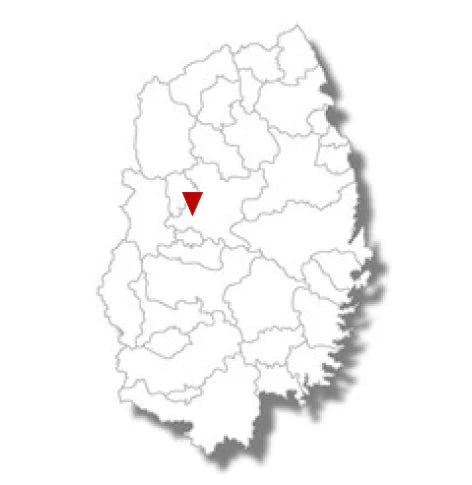
Nambu Ironware —Morioka Japan
Morioka Nambu ironware began later than Oshu Nambu ironware. In the early Edo period, four families under the patronage of the Lord Nambu of the Morioka domain contracted casting as a family business. Each of the four houses had a different specialty in casting, making Buddhist bells, iron pots, tea kettles, and more in their own ways.During World War II, the wartime regime enforced the "Rules for the Restriction of the Manufacture of Cast Iron," which prohibited the manufacture of anything other than military-related products, but after the war ended, the iron casting manufacturers of both Morioka and Mizusawa set up an association to keep the tradition of Nambu ironware alive. Iron kettles, especially, became popular overseas due to their high artistic quality, and Japanese cast ironwork is still attracting attention today.
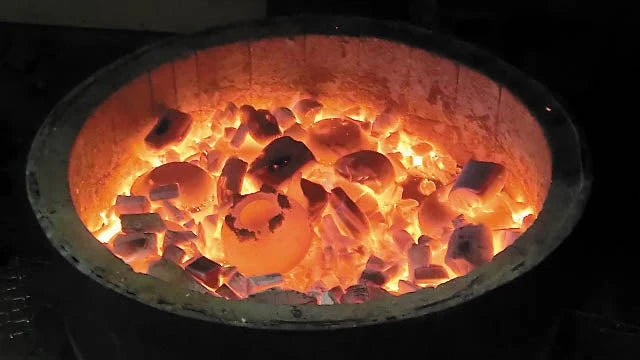
Nambu ironware is made by pouring pure iron into a mold made of sand or clay. The actual process may be more detailed than the following and may take a month or more to complete.
1. Iron Melting and Casting
Molten iron is poured into a sand mold shaped by an aluminum mold. The temperature is raised to about 1,400 to 1,500°C(2552 to 2732°F) in the melting furnace, and the melted iron is placed in the foundry ladle to pour into the sand mold. The degree of iron melting is determined by long years of experience.
2. Kanake-Dome: Rust Prevention
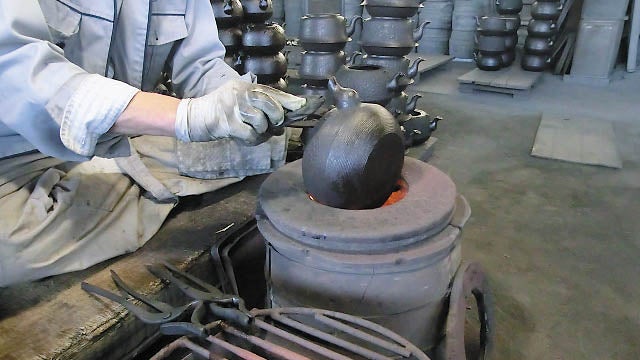
After the casting of ironware has been finished, it is removed from the mold, and the foundry cores are removed and steamed over a charcoal fire at 800°C (1472°F) for about 30–40 minutes to create an oxide film. This is the rust-proofing process unique to Nambu ironware kettles and pots. This process results in a rust-resistant cast iron kettle.
3. Polishing and Coloring
The surface of the cast iron kettle is cleaned after firing, and the spout and casting fin is cleaned in detail with a file or whetstone. Then, the kettle is heated to about 300°C (572°F) and lacquered by hand with real lacquer, followed by a coat of ohaguro (a mixture of acetic acid solution with steel flakes left for more than a year and boiled tea liquid). After that, water is wiped over the surface with a special brush to give it a subtle luster. Finally, a handle is attached to complete the process.
Makers
Related posts
Filters