

Flower Vases
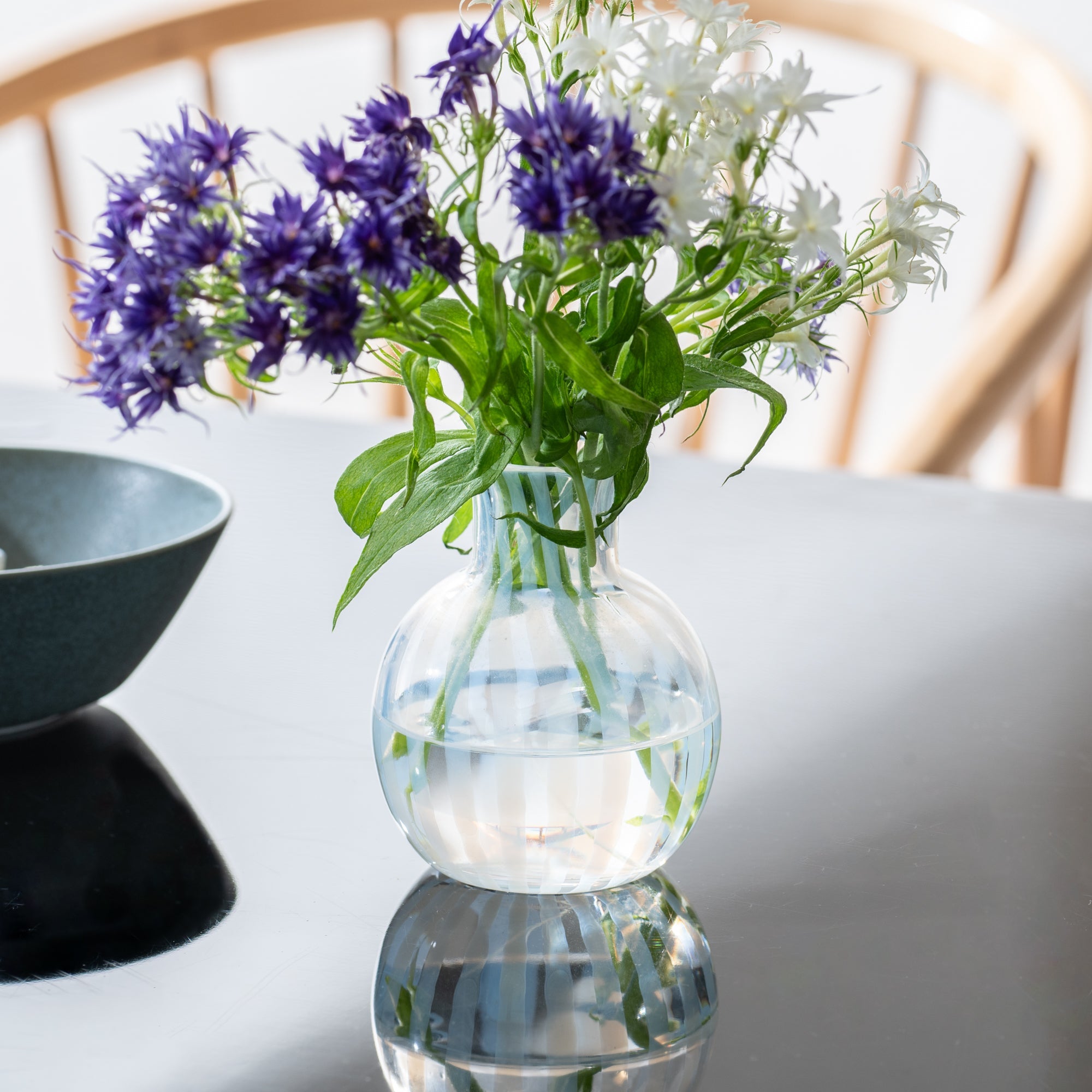
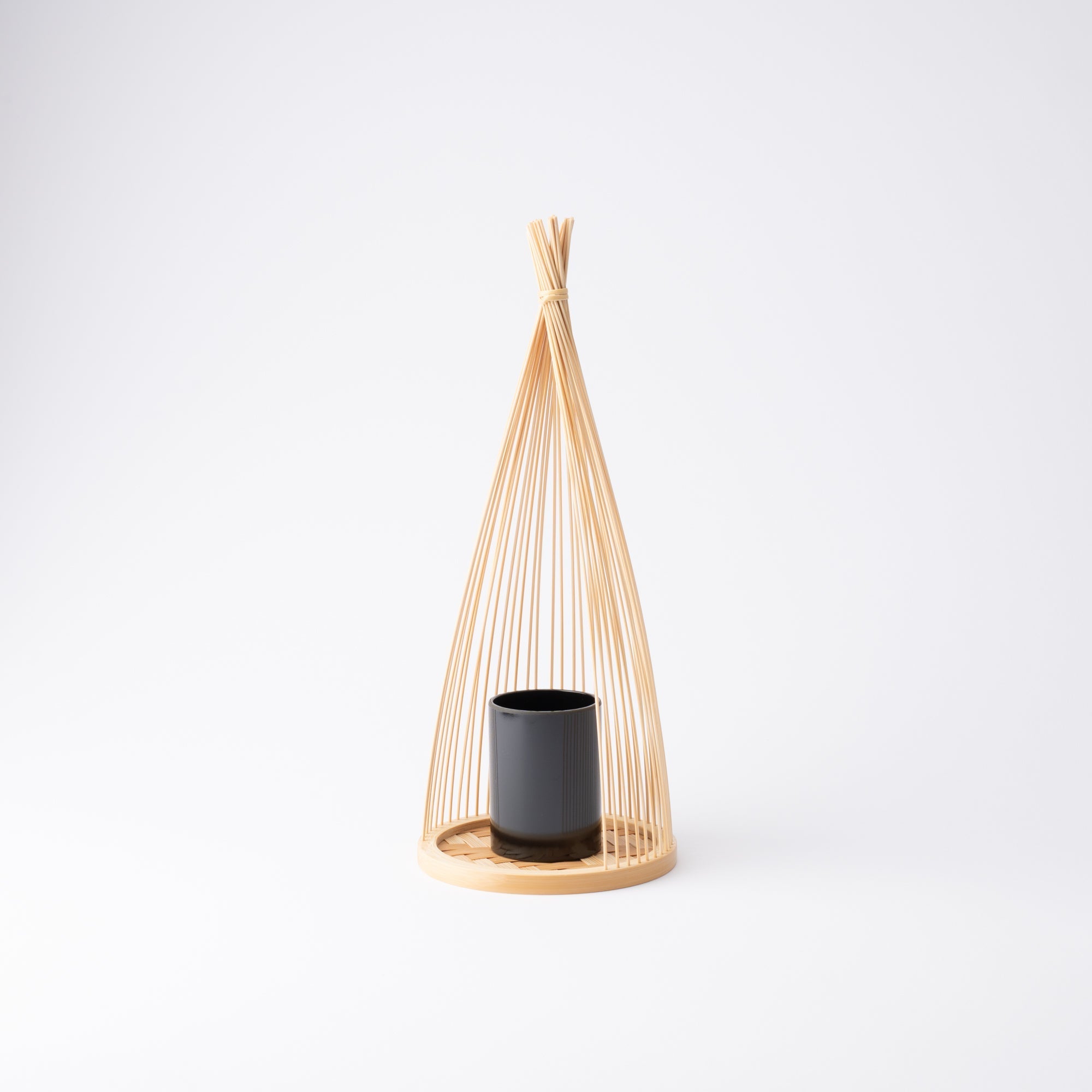
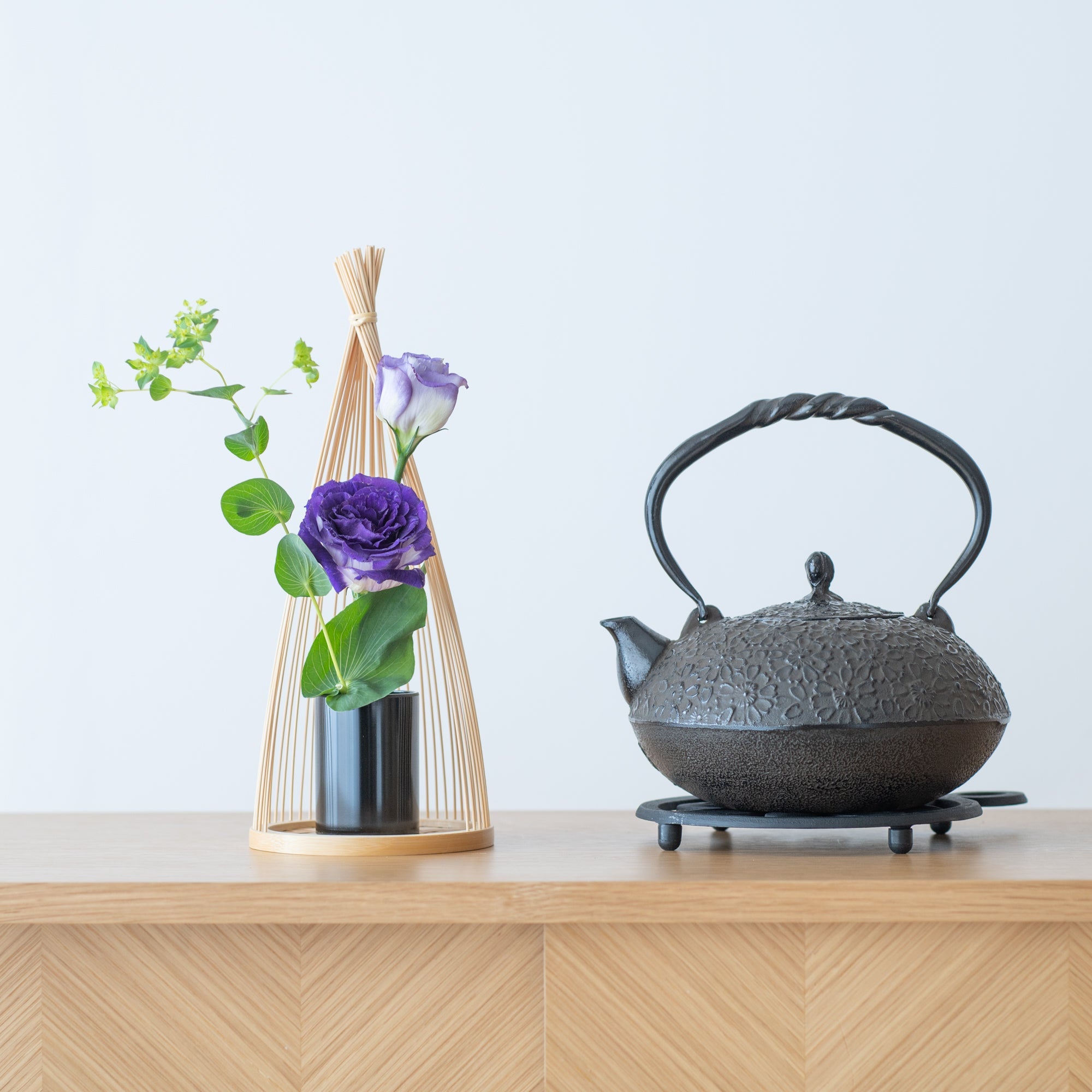
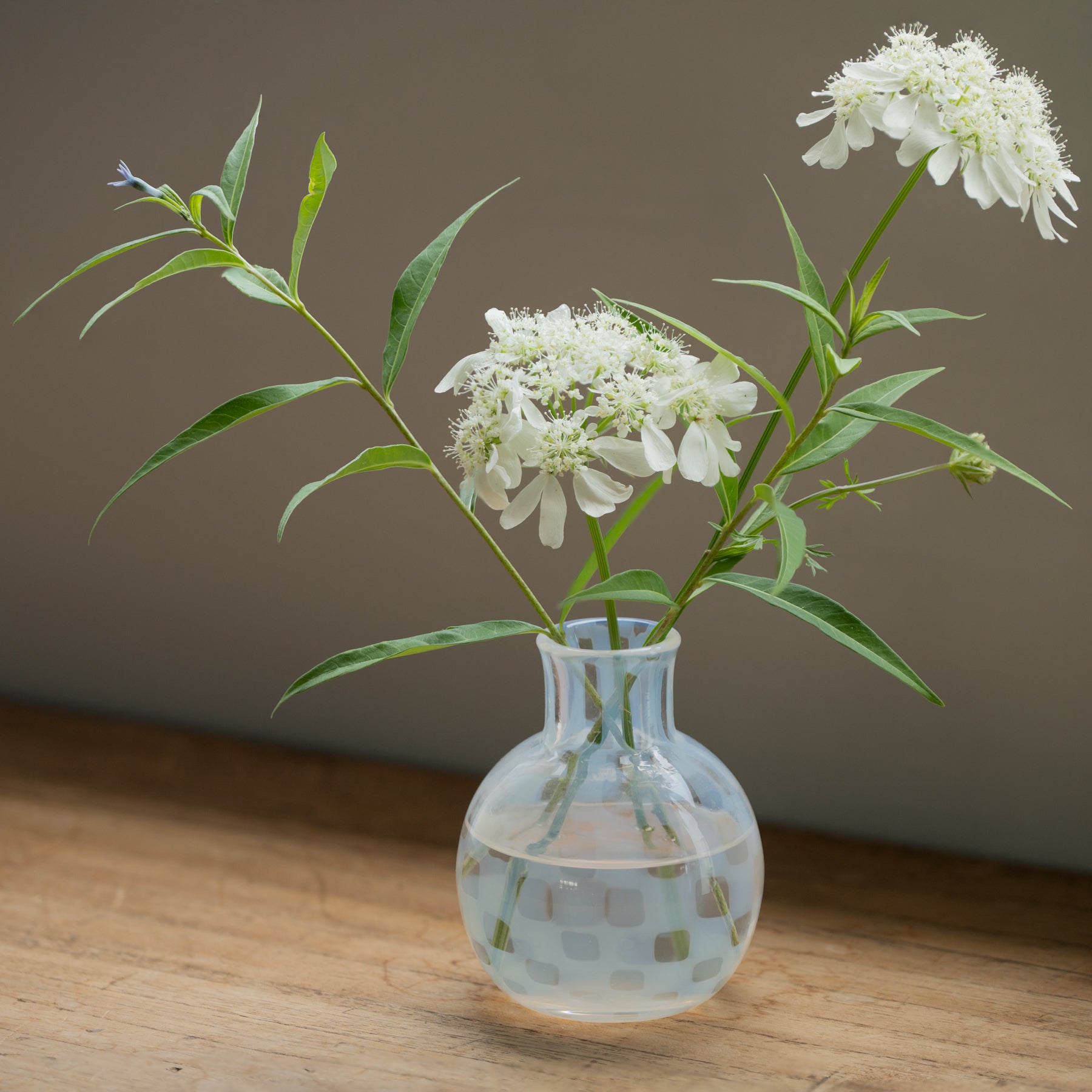
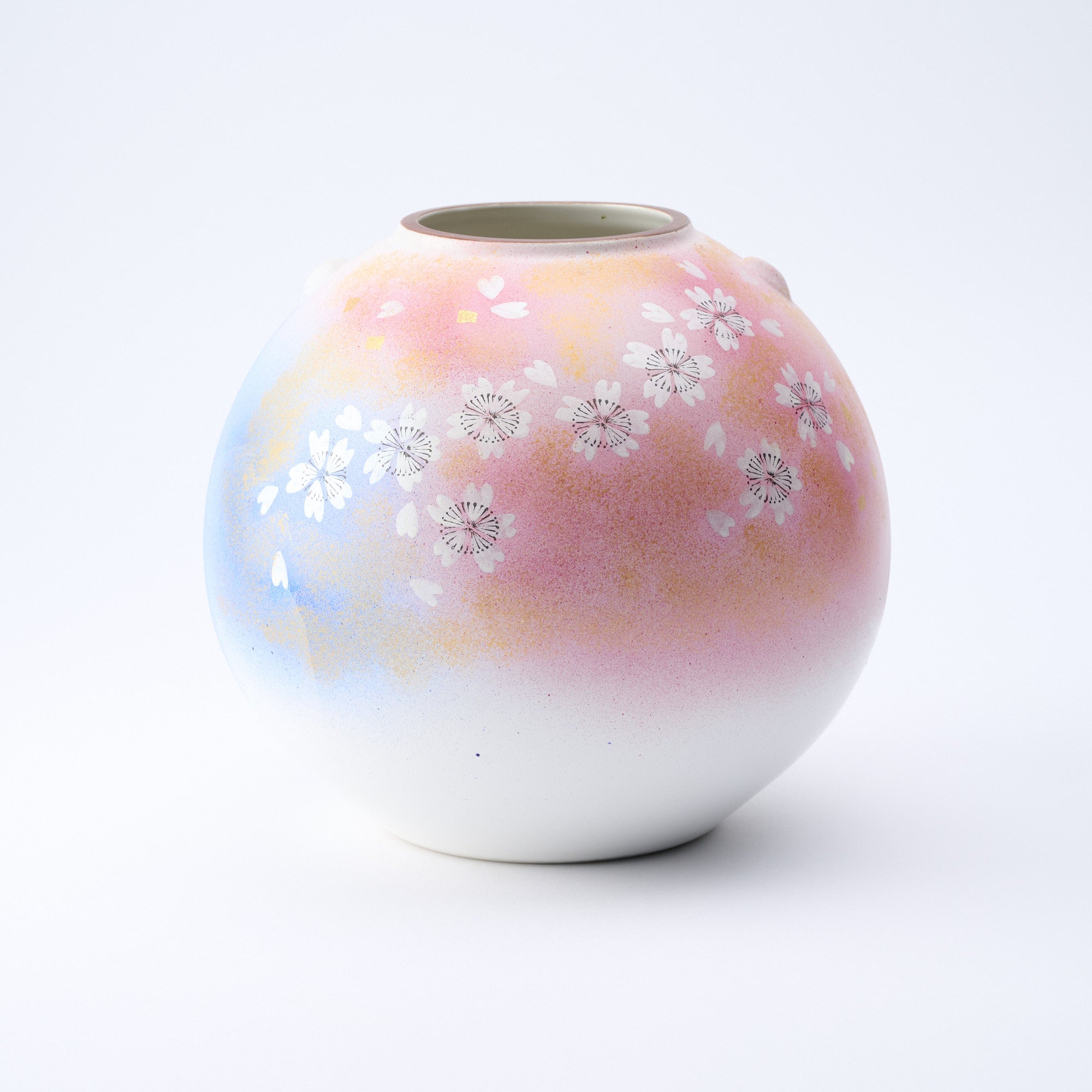
This collection brings together Japanese flower vases crafted in a variety of materials, from hand-painted porcelain to finely woven bamboo. Ranging from small vessels for a single stem to generously sized bouquet vases, each piece is designed to highlight flowers and greenery, while many remain visually striking as a decorative accent in the home.
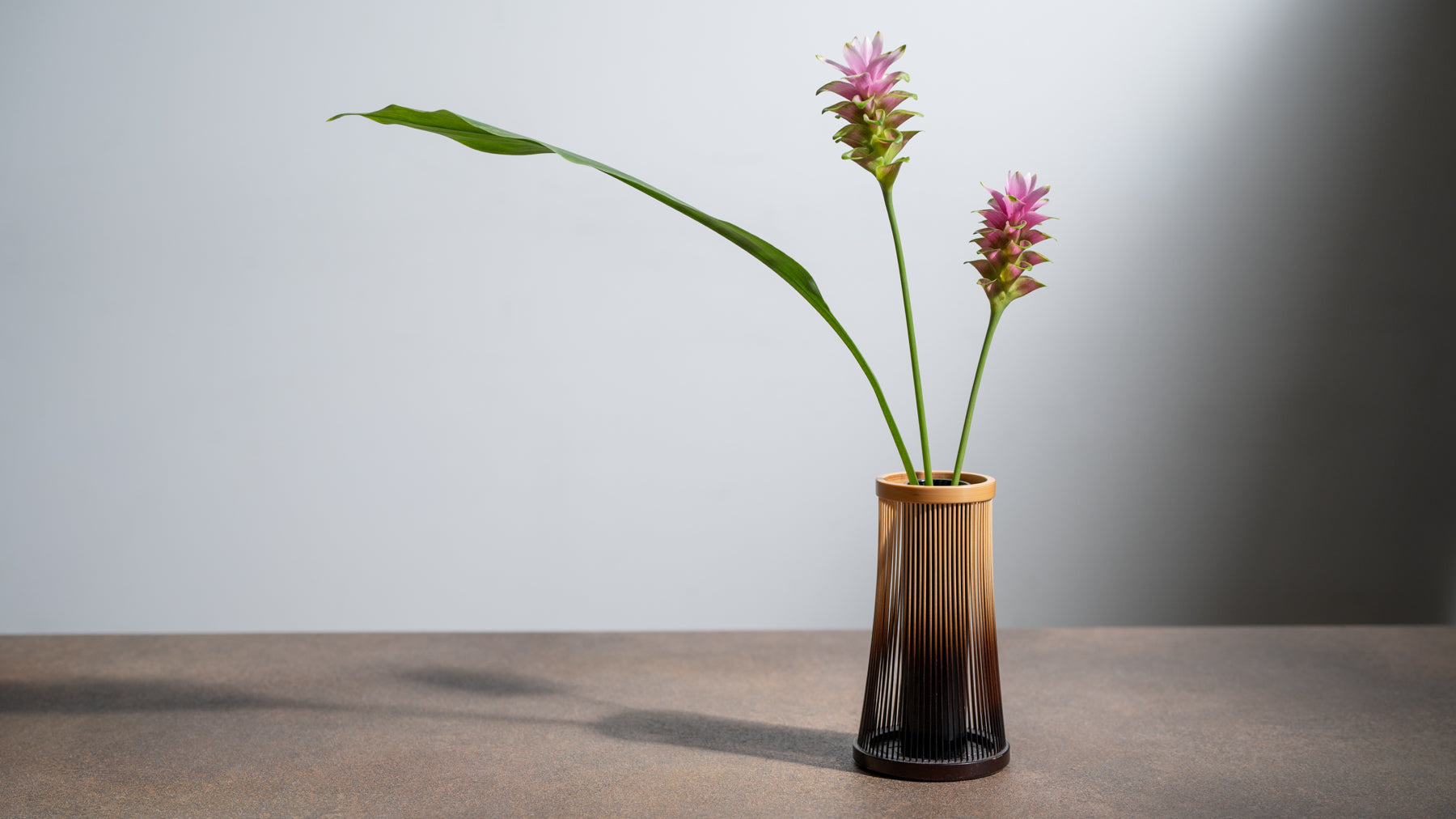
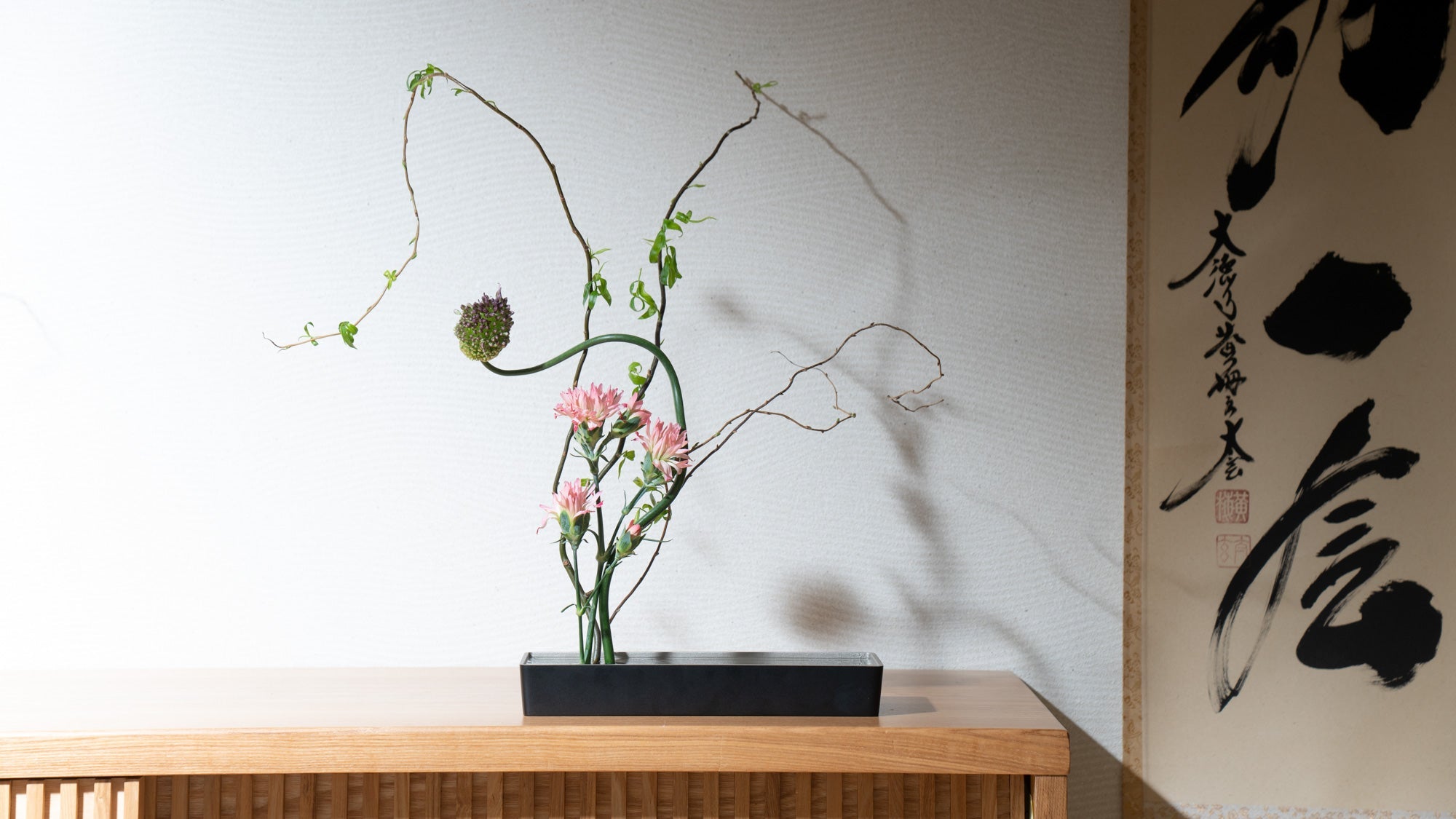
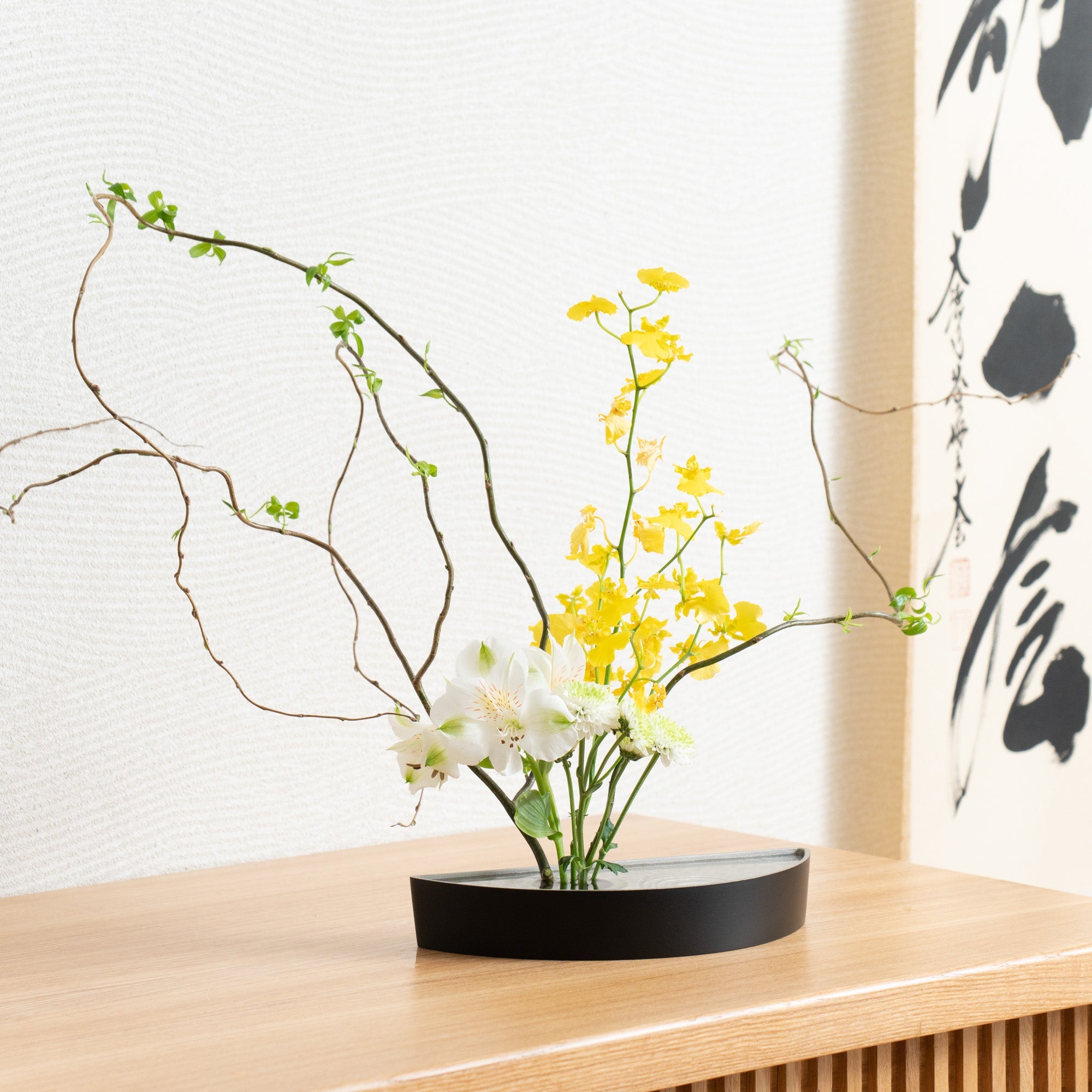
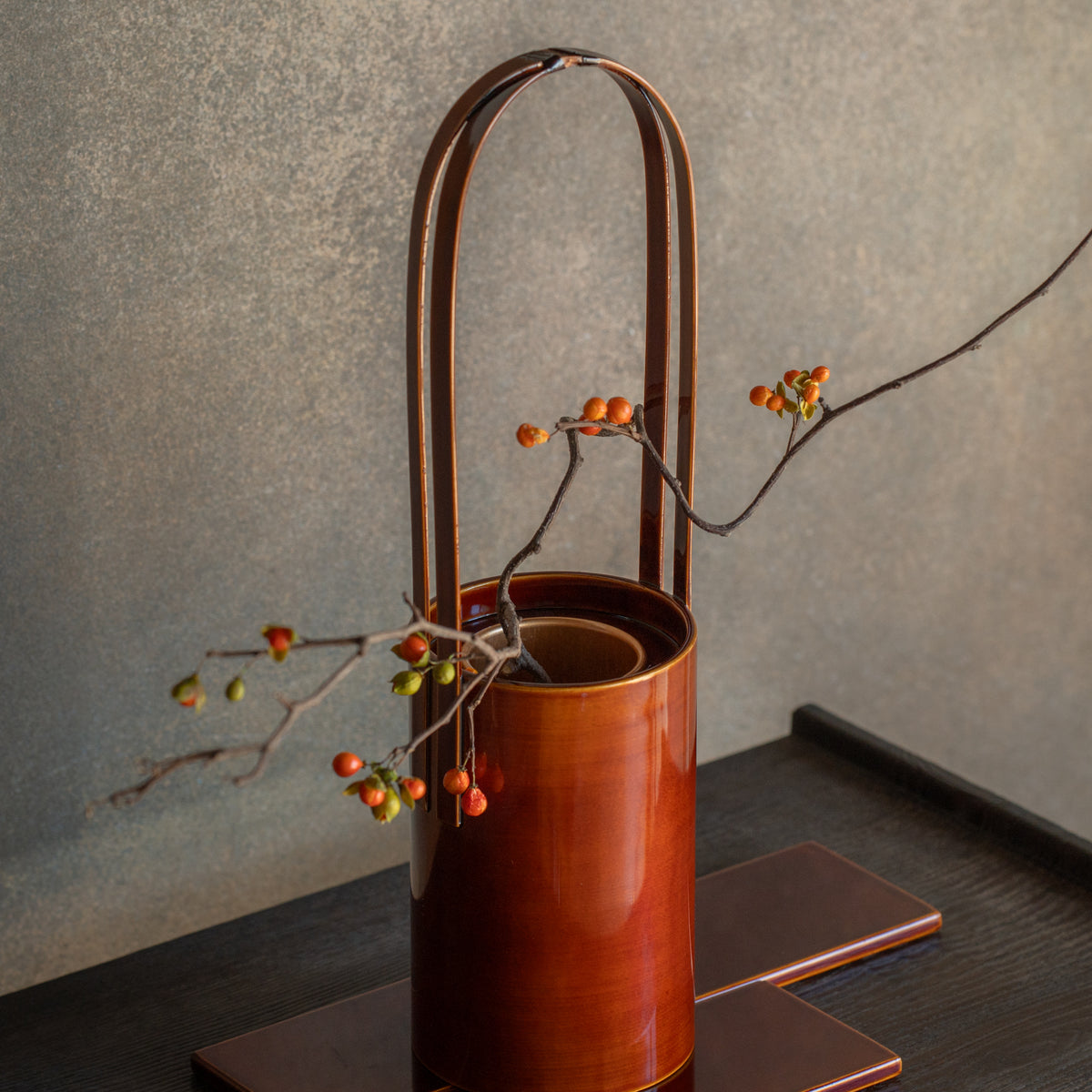
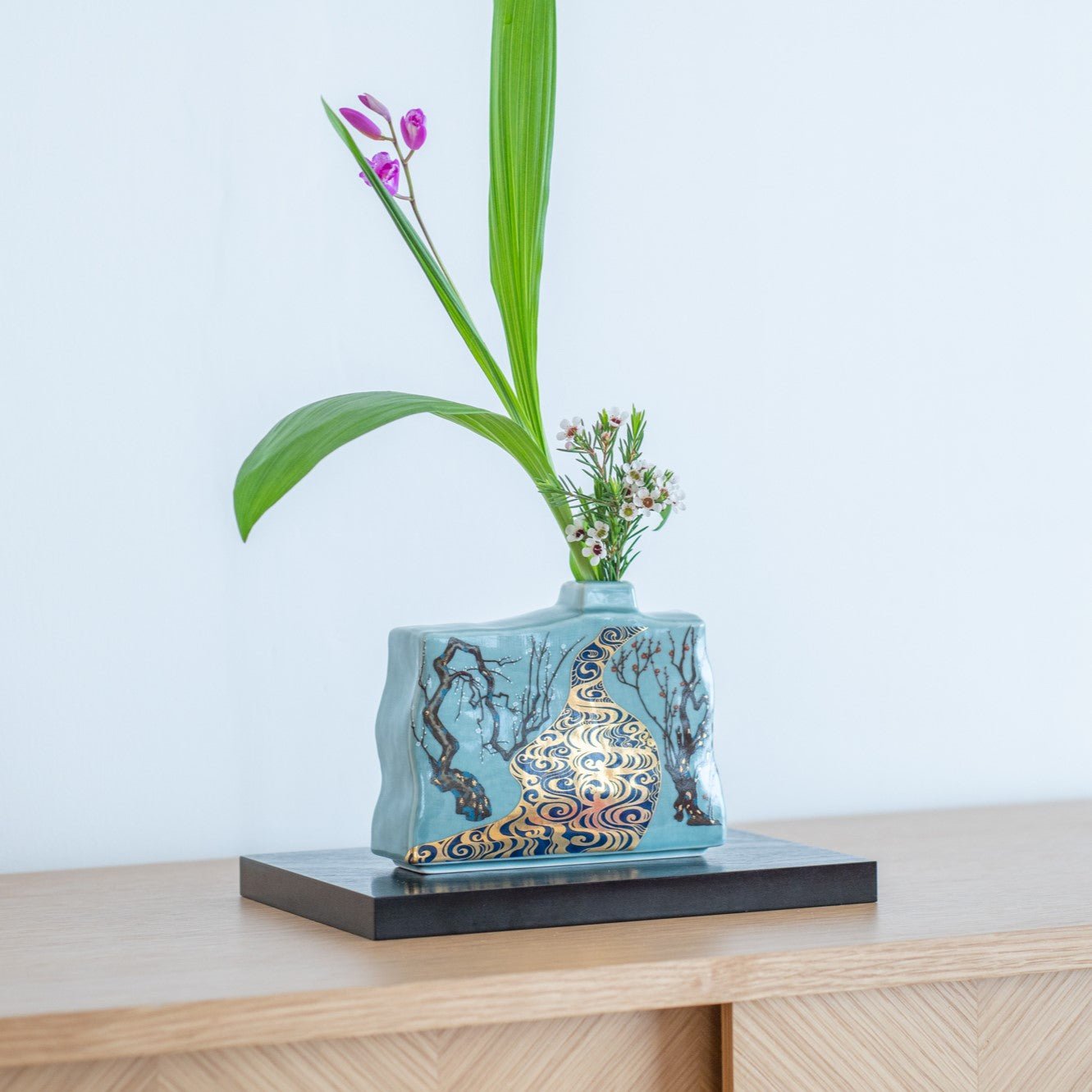
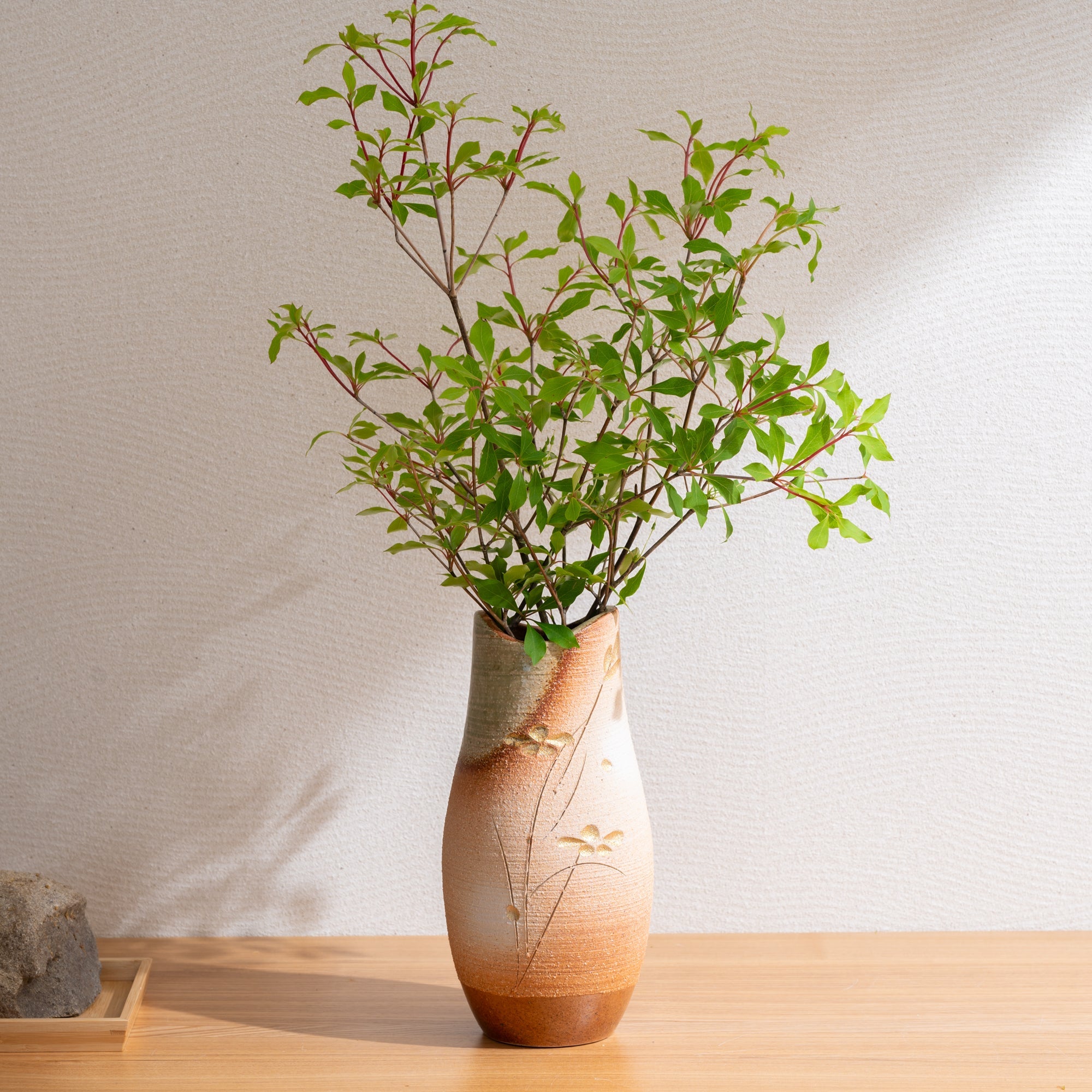
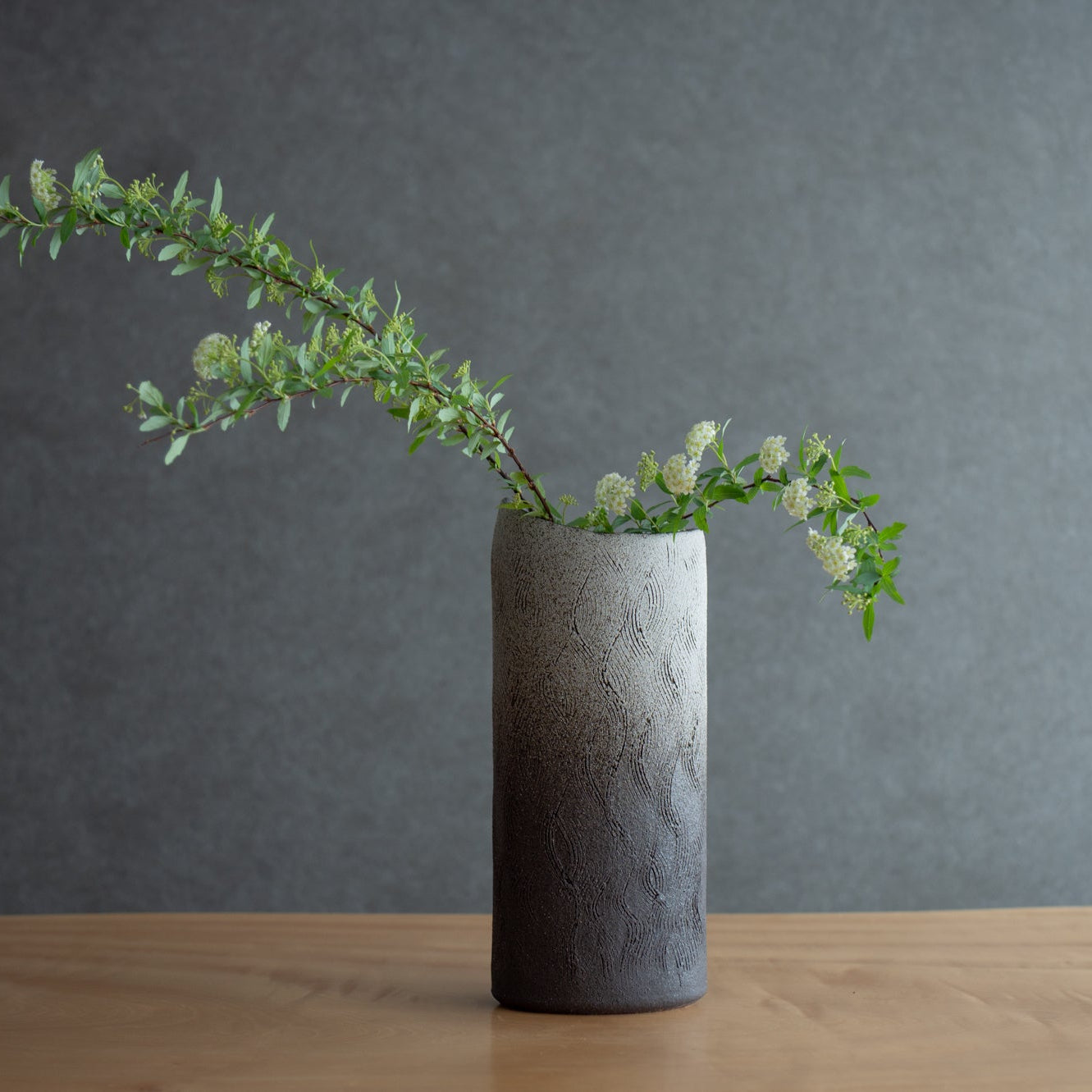
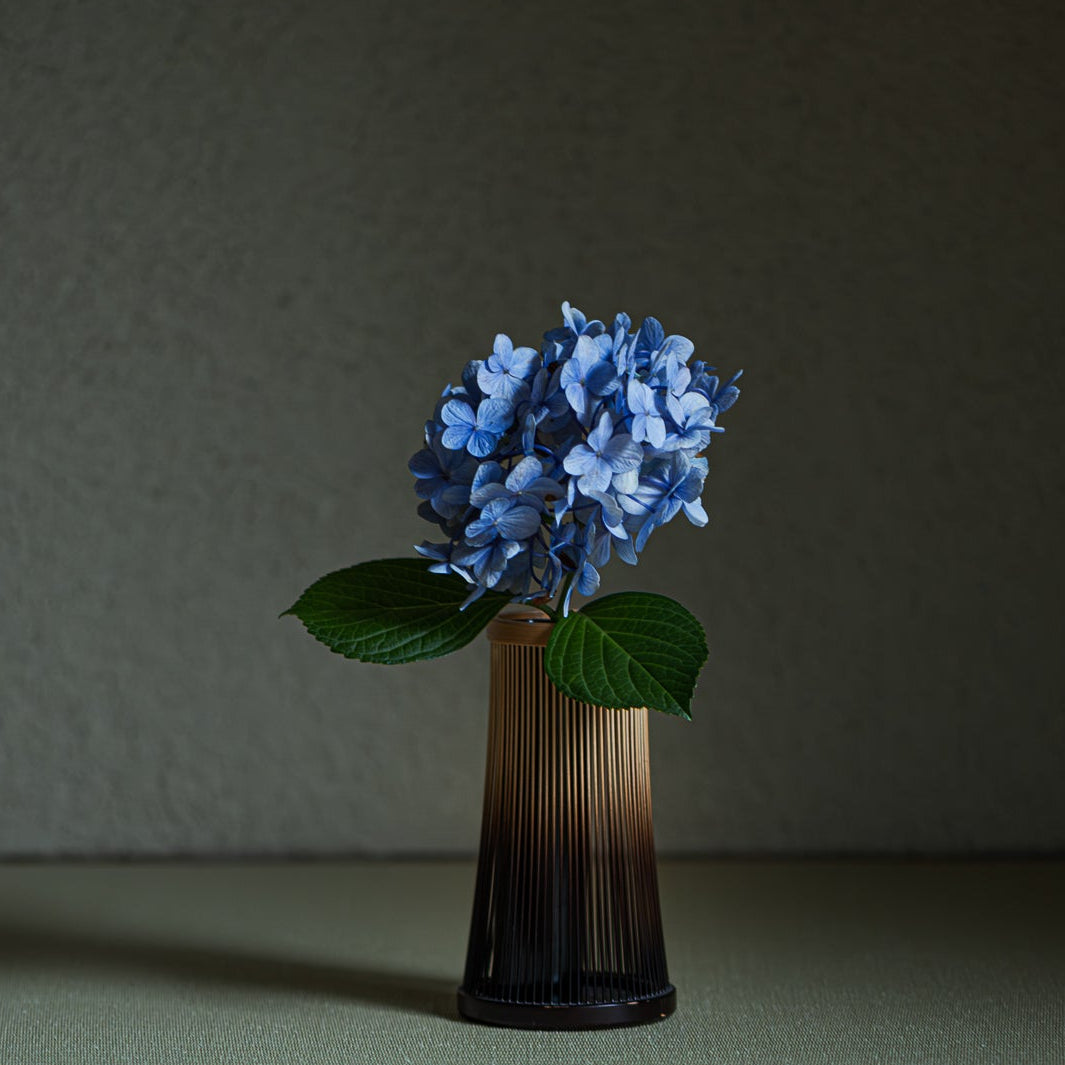
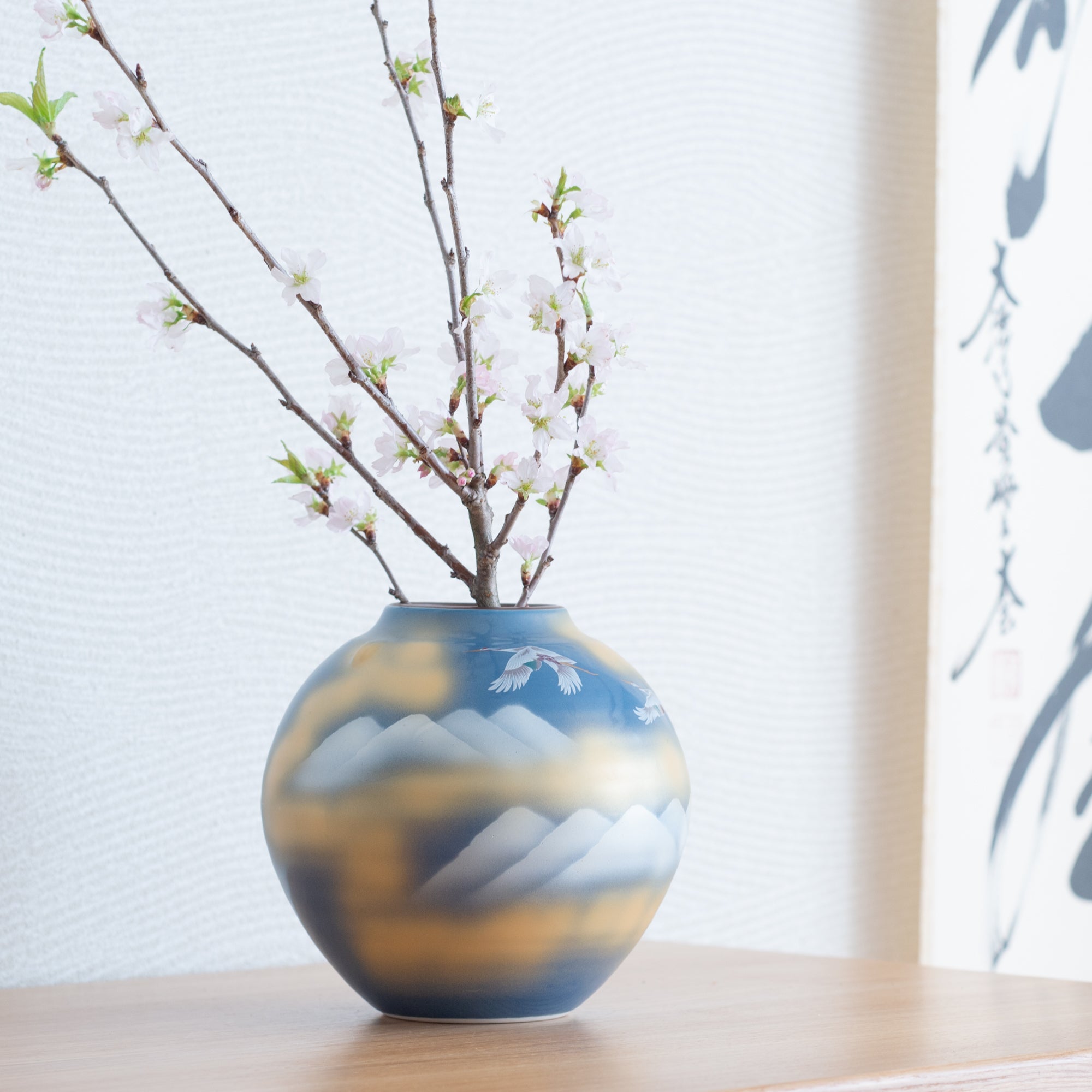
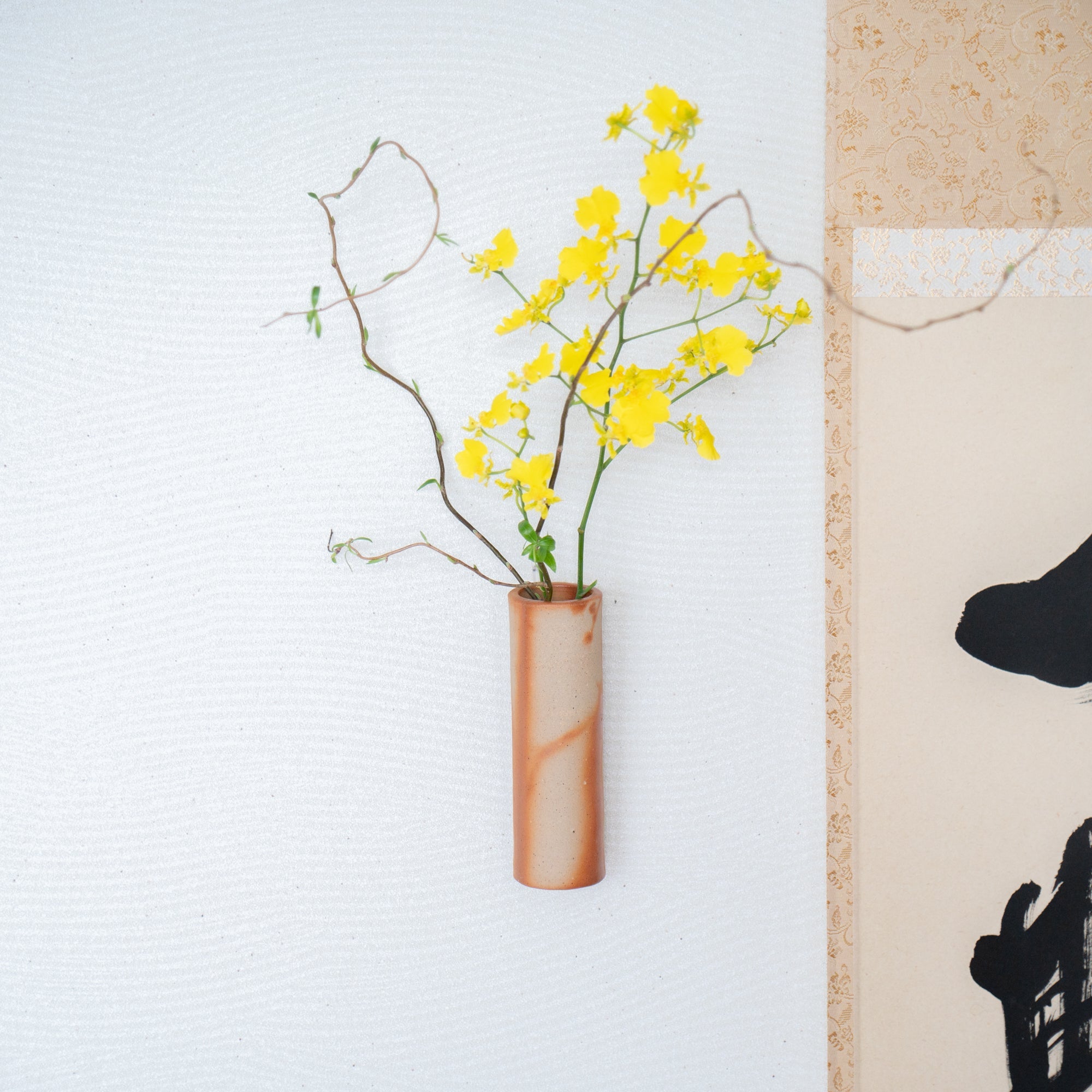
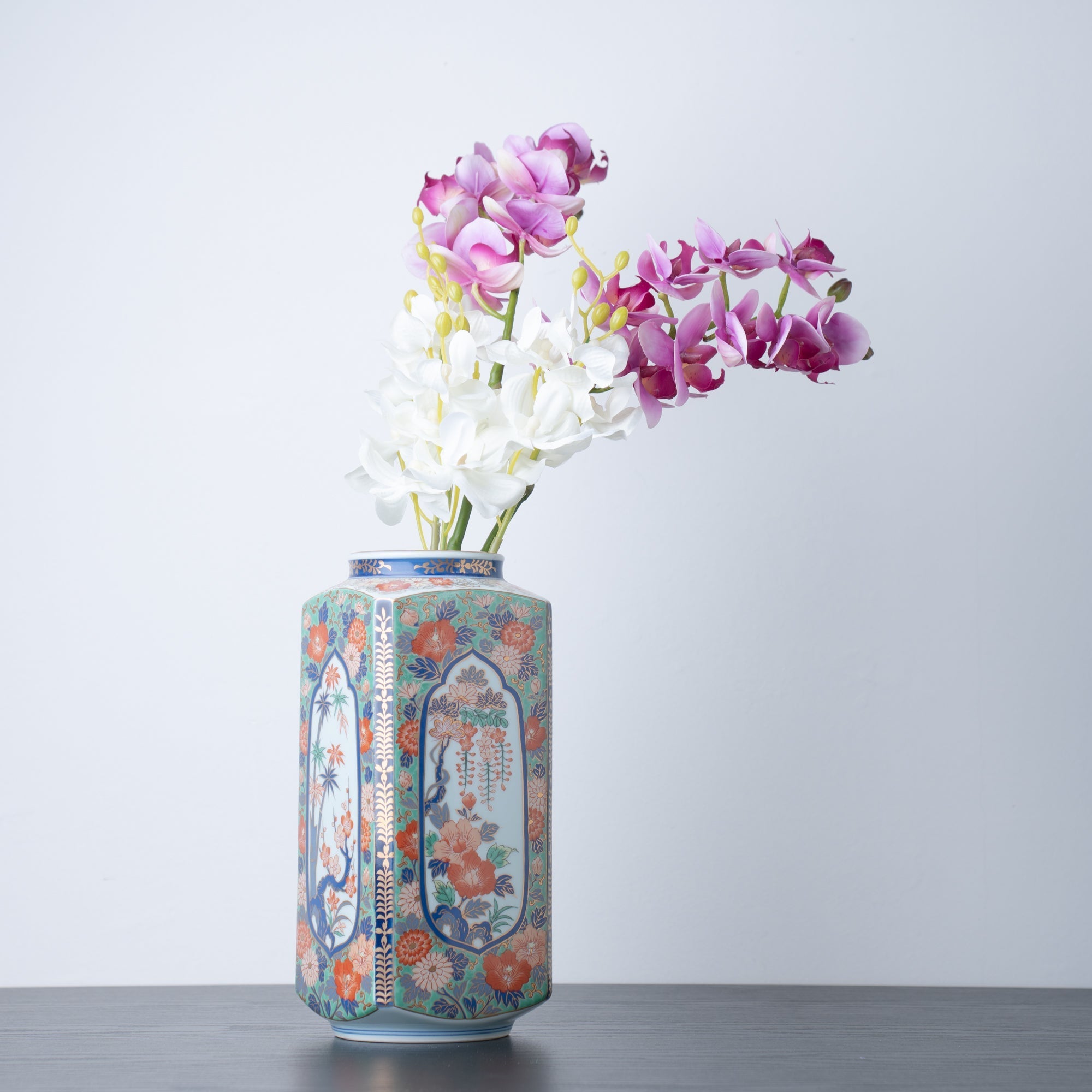
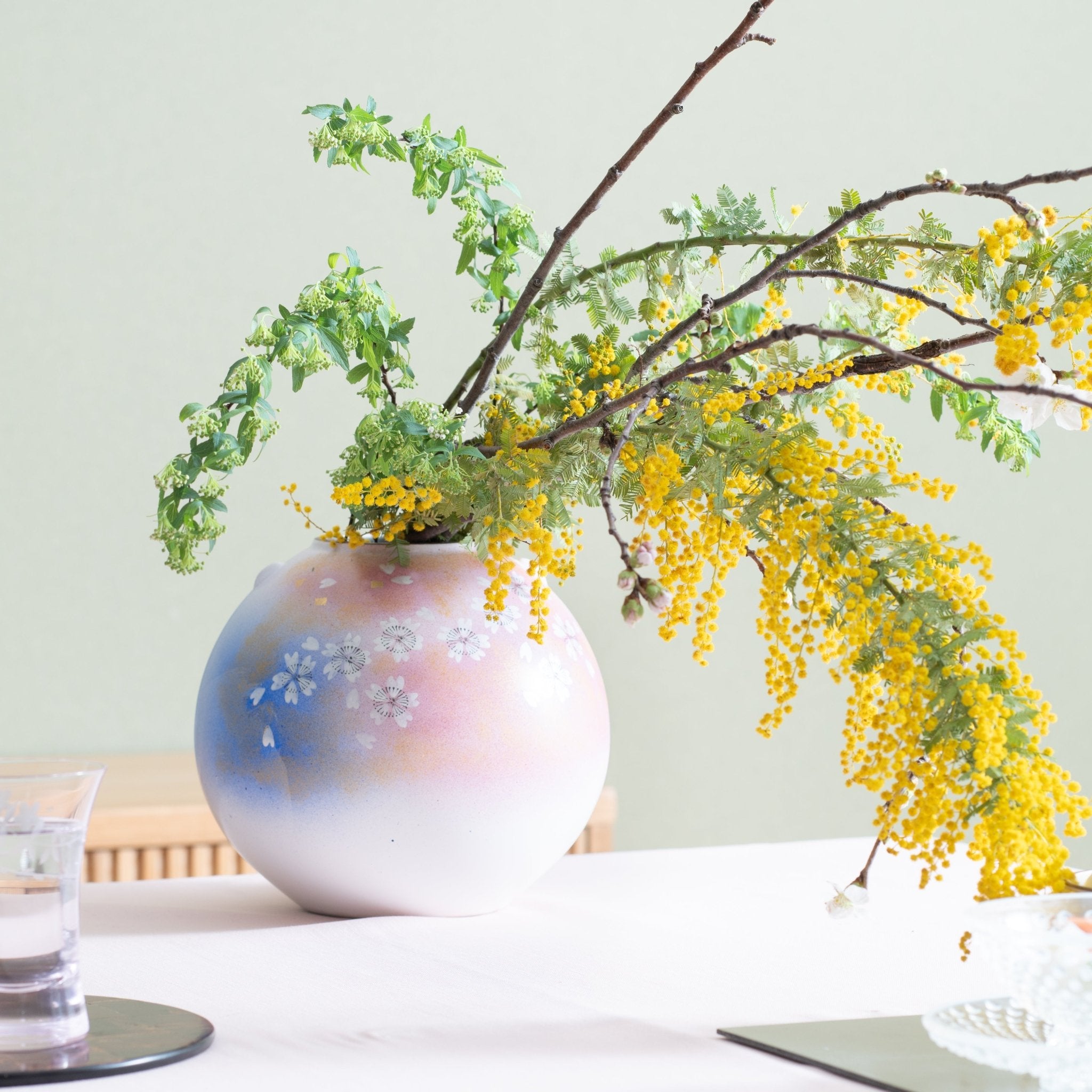
Experiment with different stem lengths to create a sense of balance. Flowers are not the only option. Branches and foliage can also be used to create tall focal points and accents near the rim. Balance does not require symmetry. Slight irregularity often brings a more natural, engaging look.
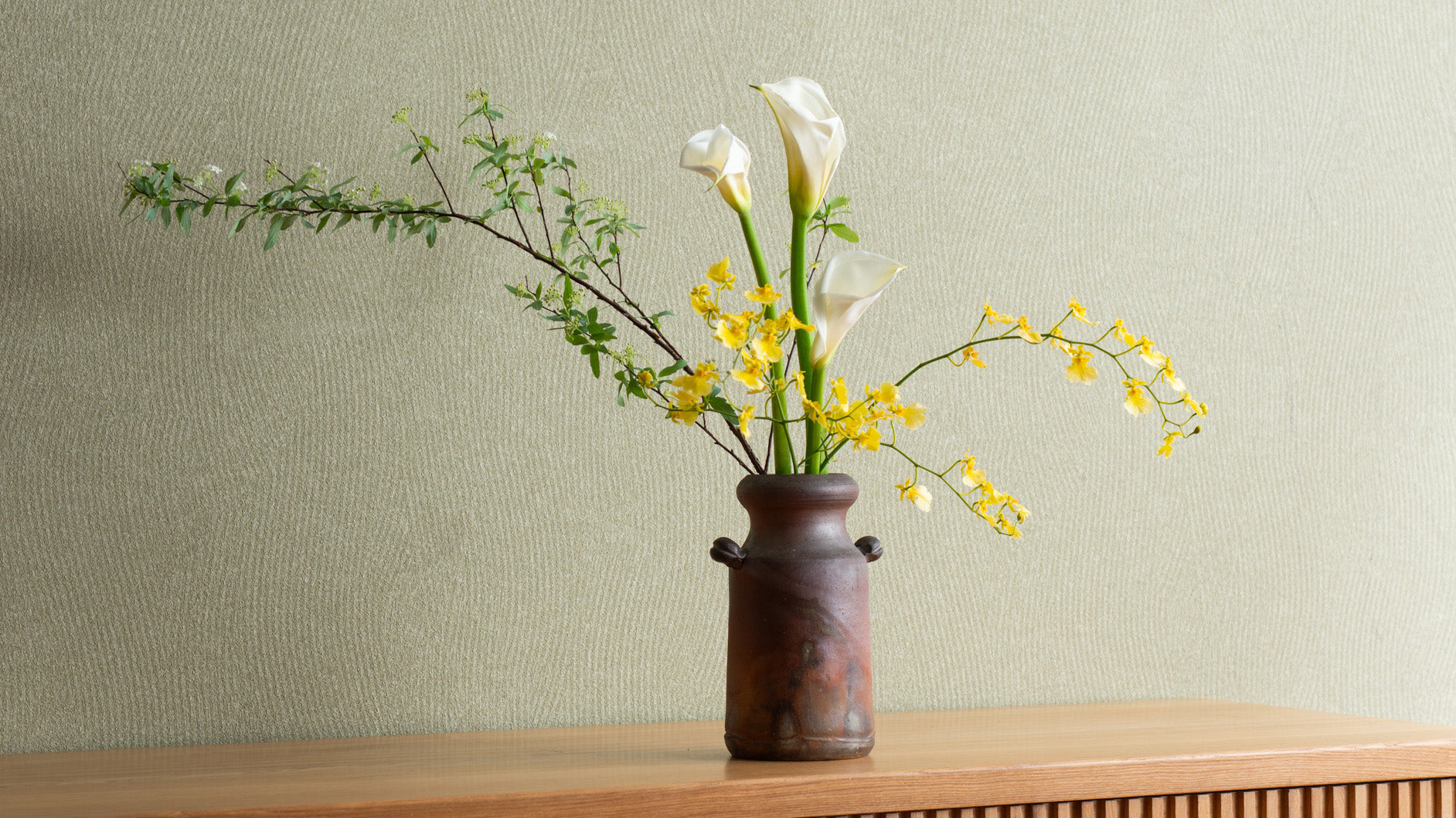
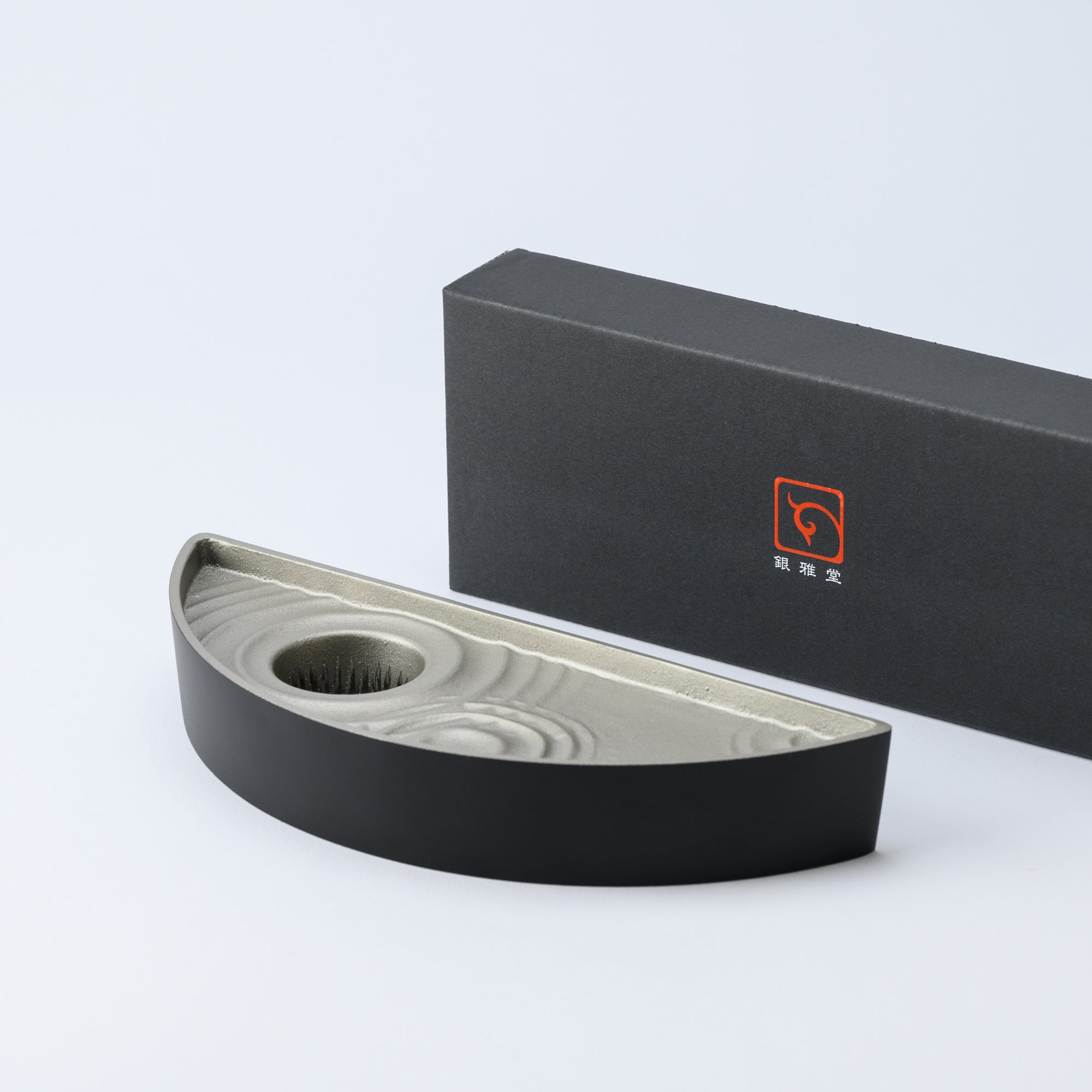
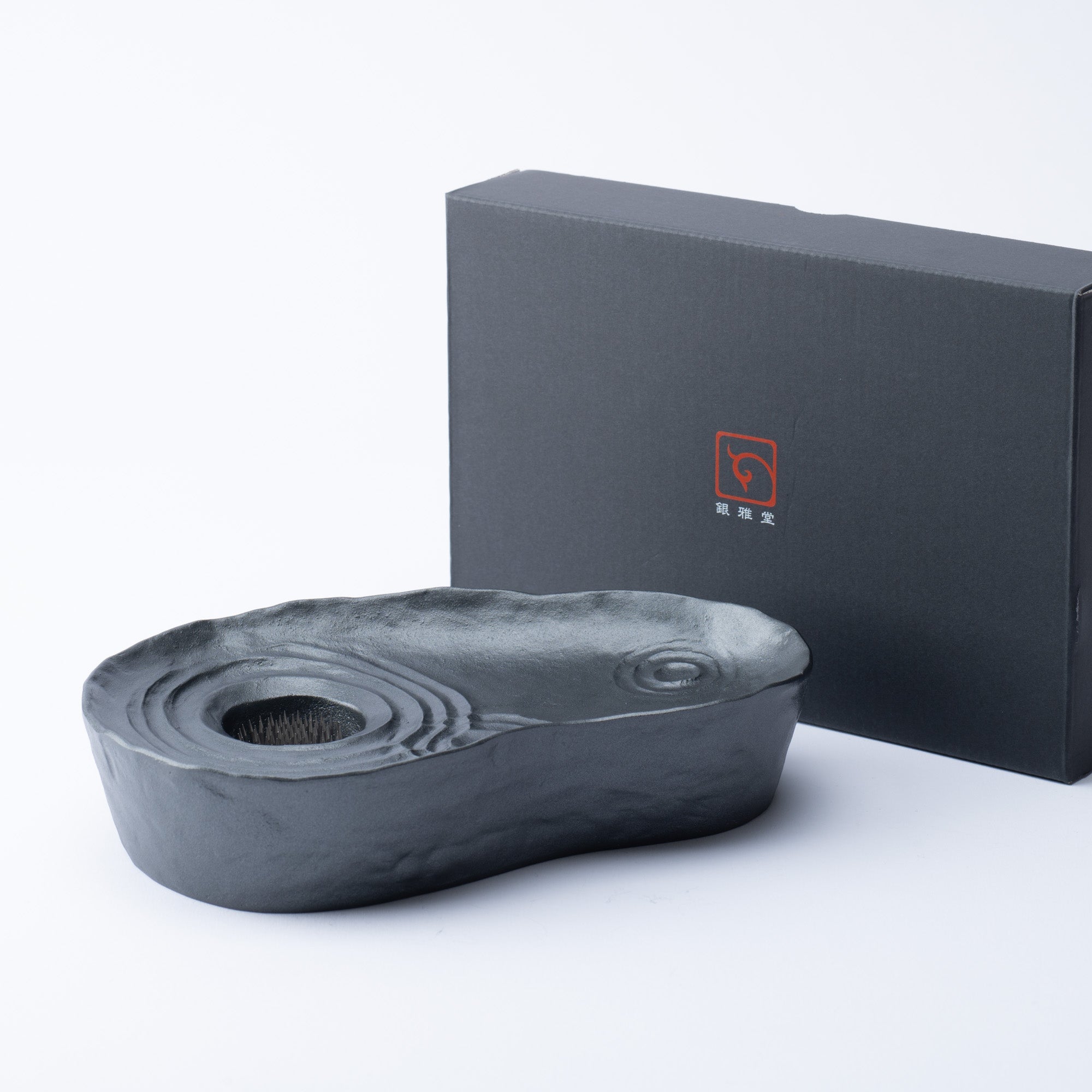
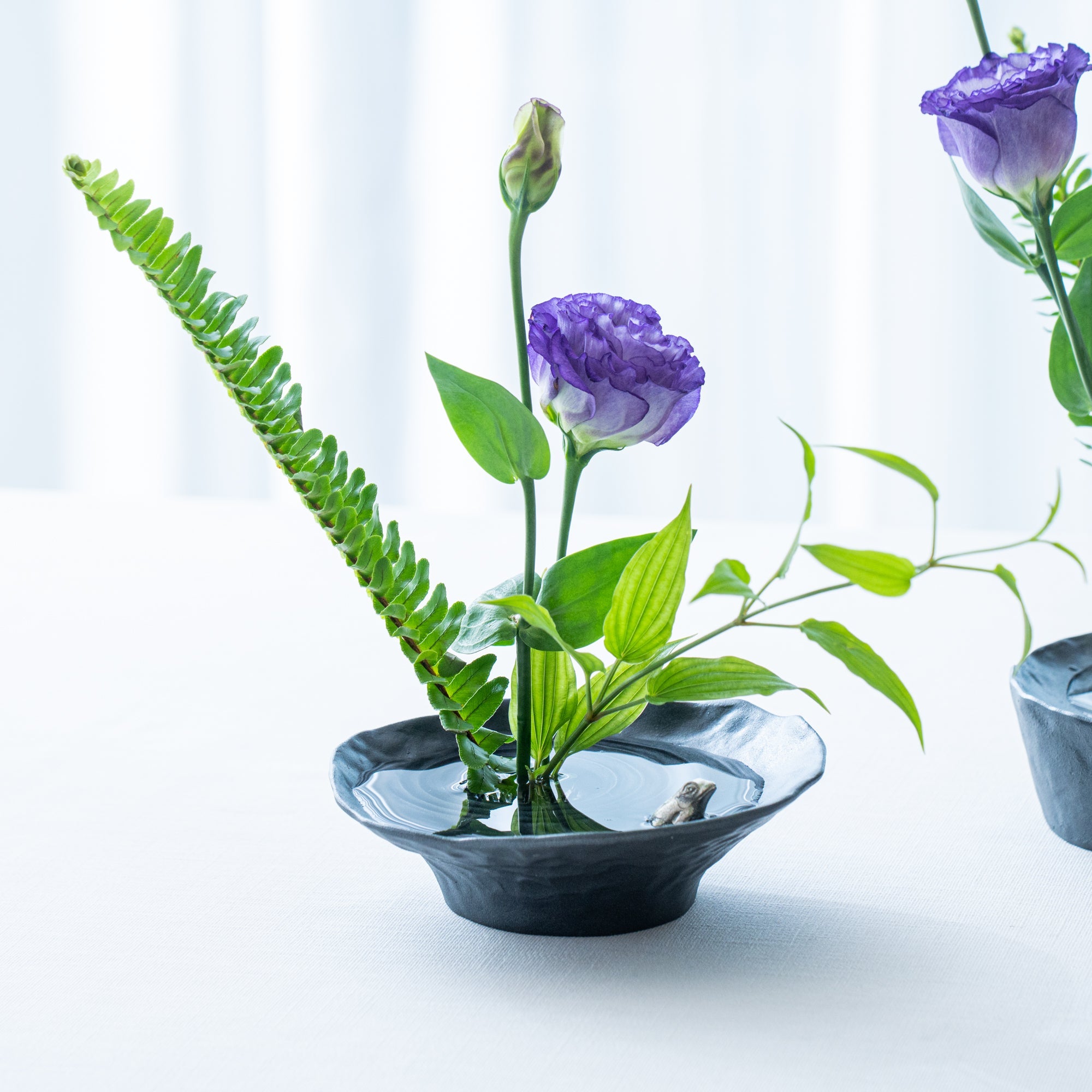
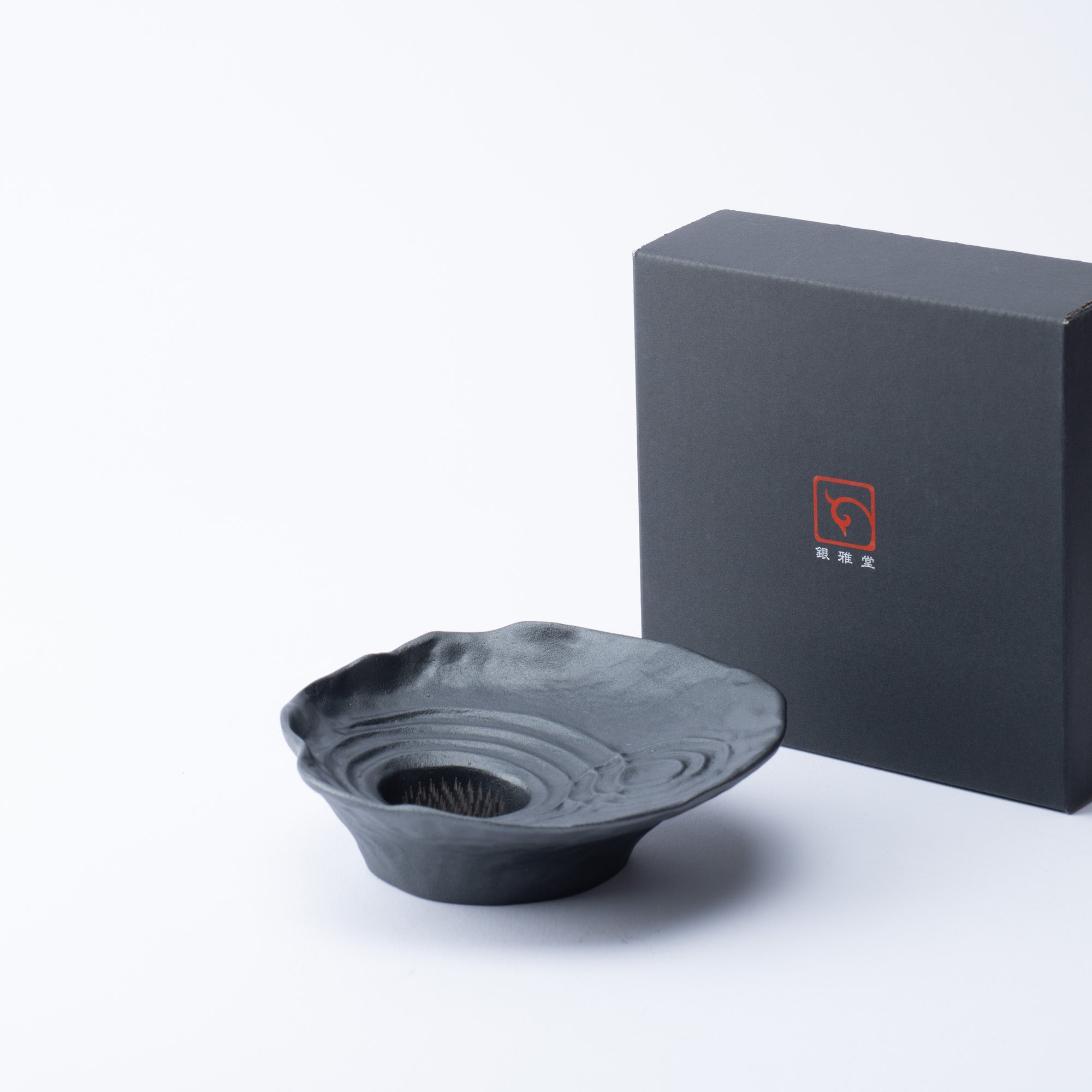
In ikebana, a common guideline is to make the tallest or longest element about twice the height of the vase when using a standard flower vase. When working with a vase fitted with a kenzan, or flower frog, the same proportion applies, using the length of the vase’s diameter instead.
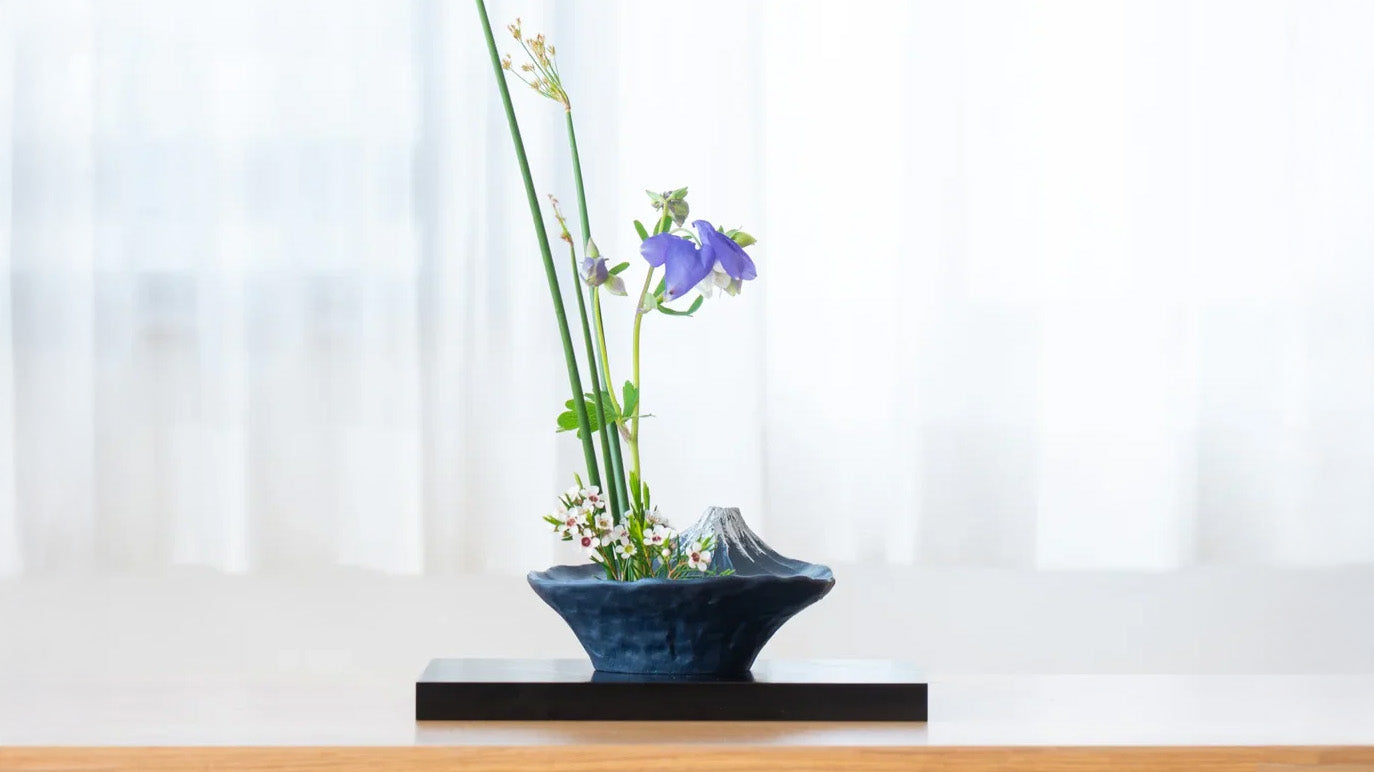
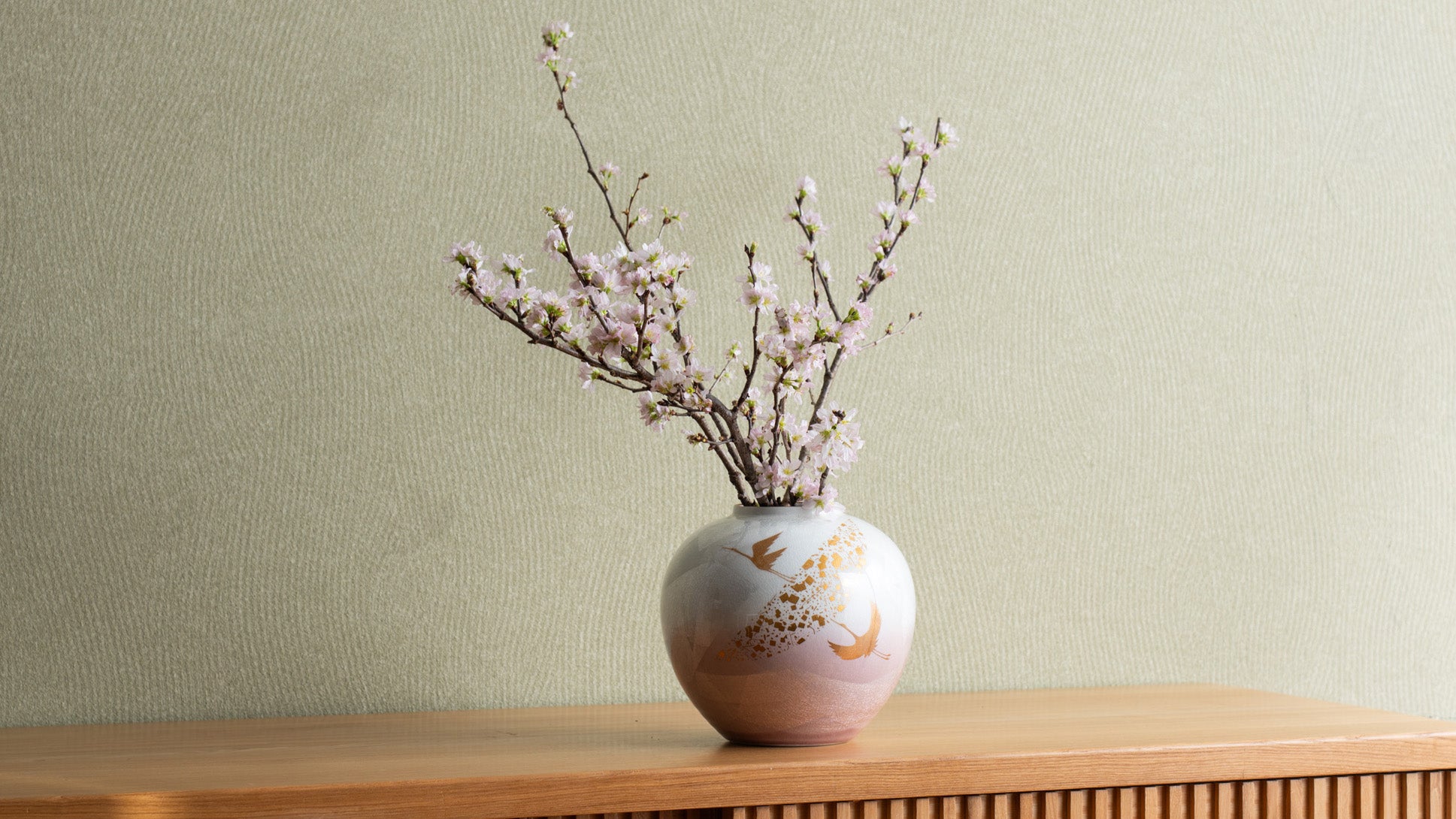
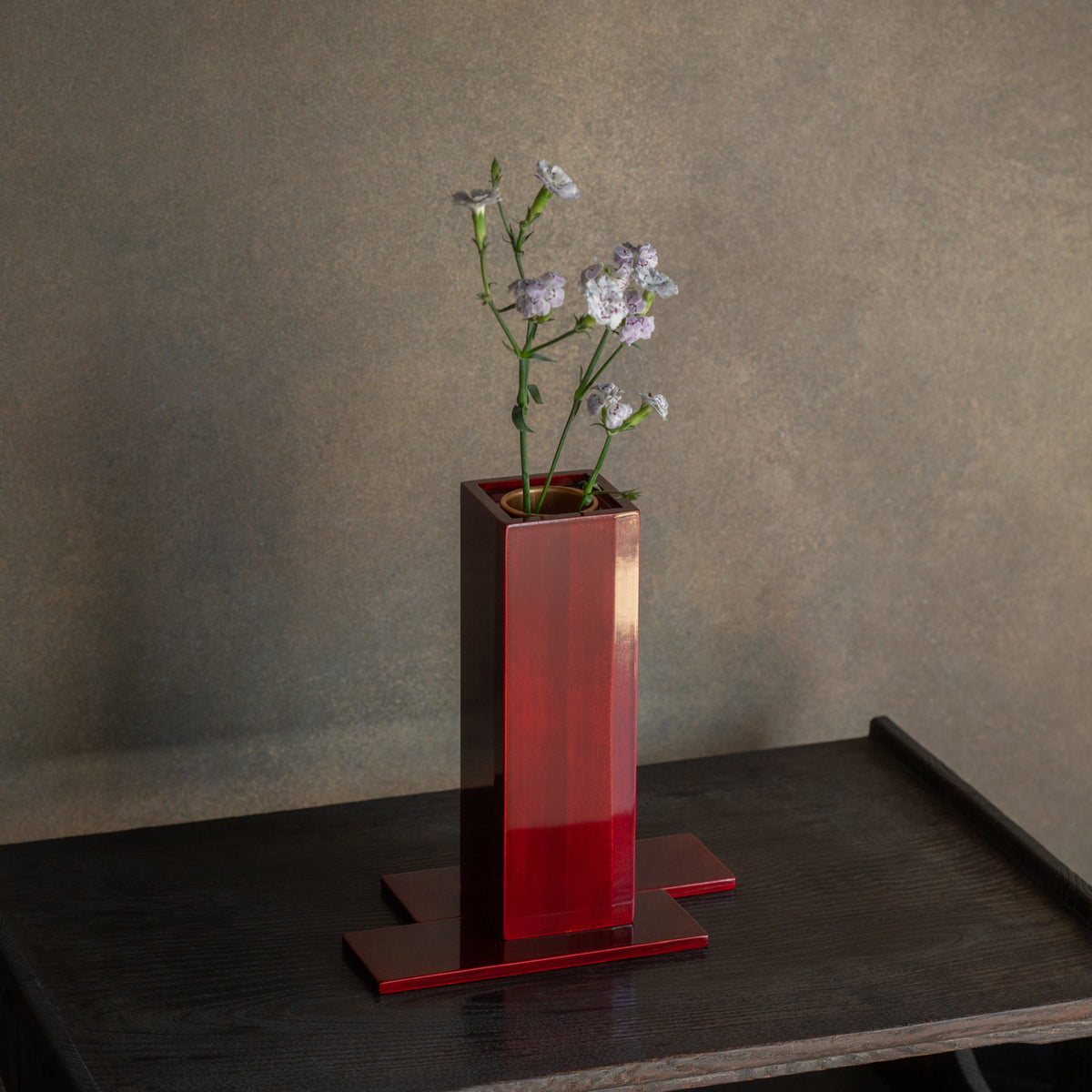
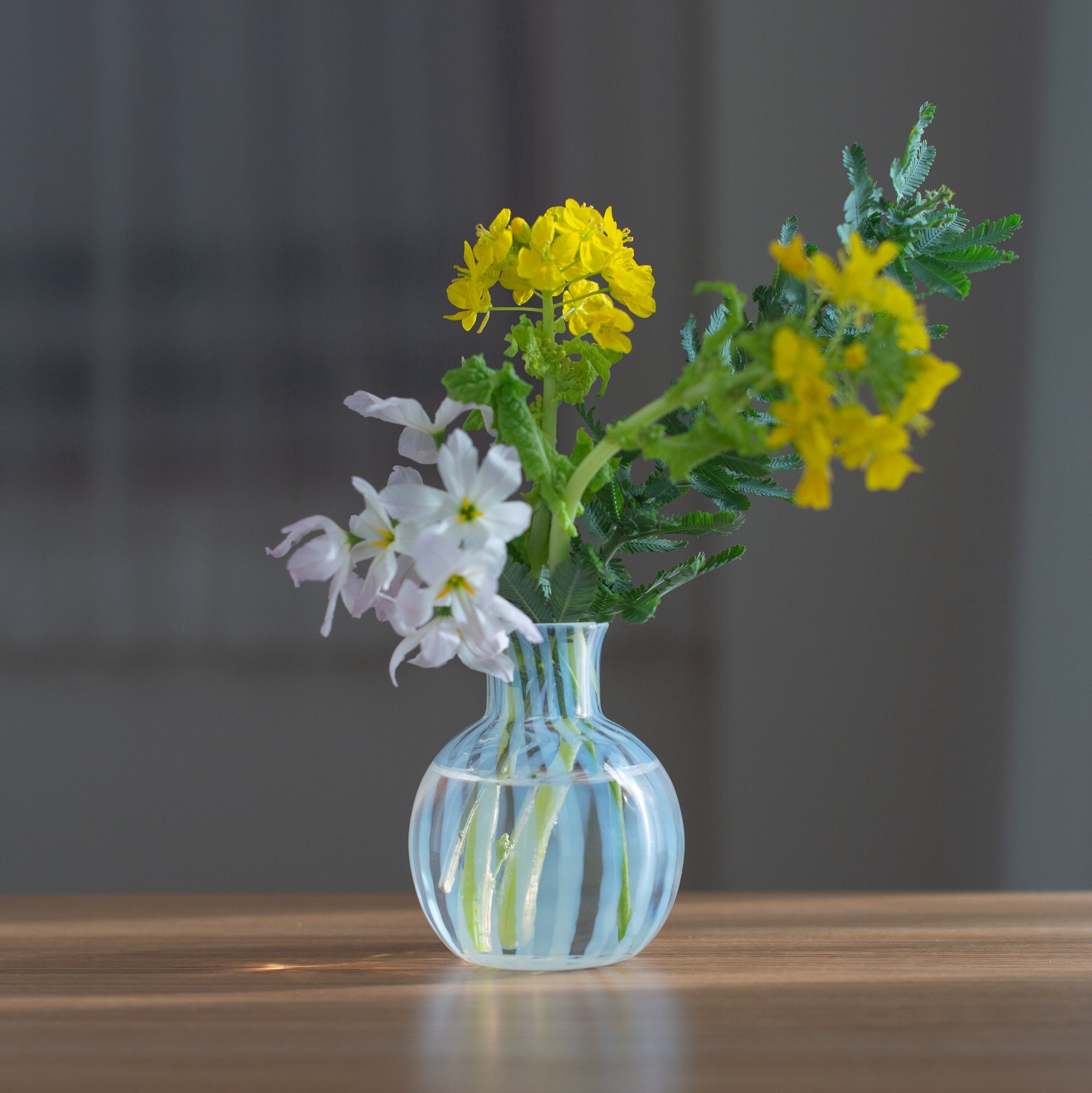
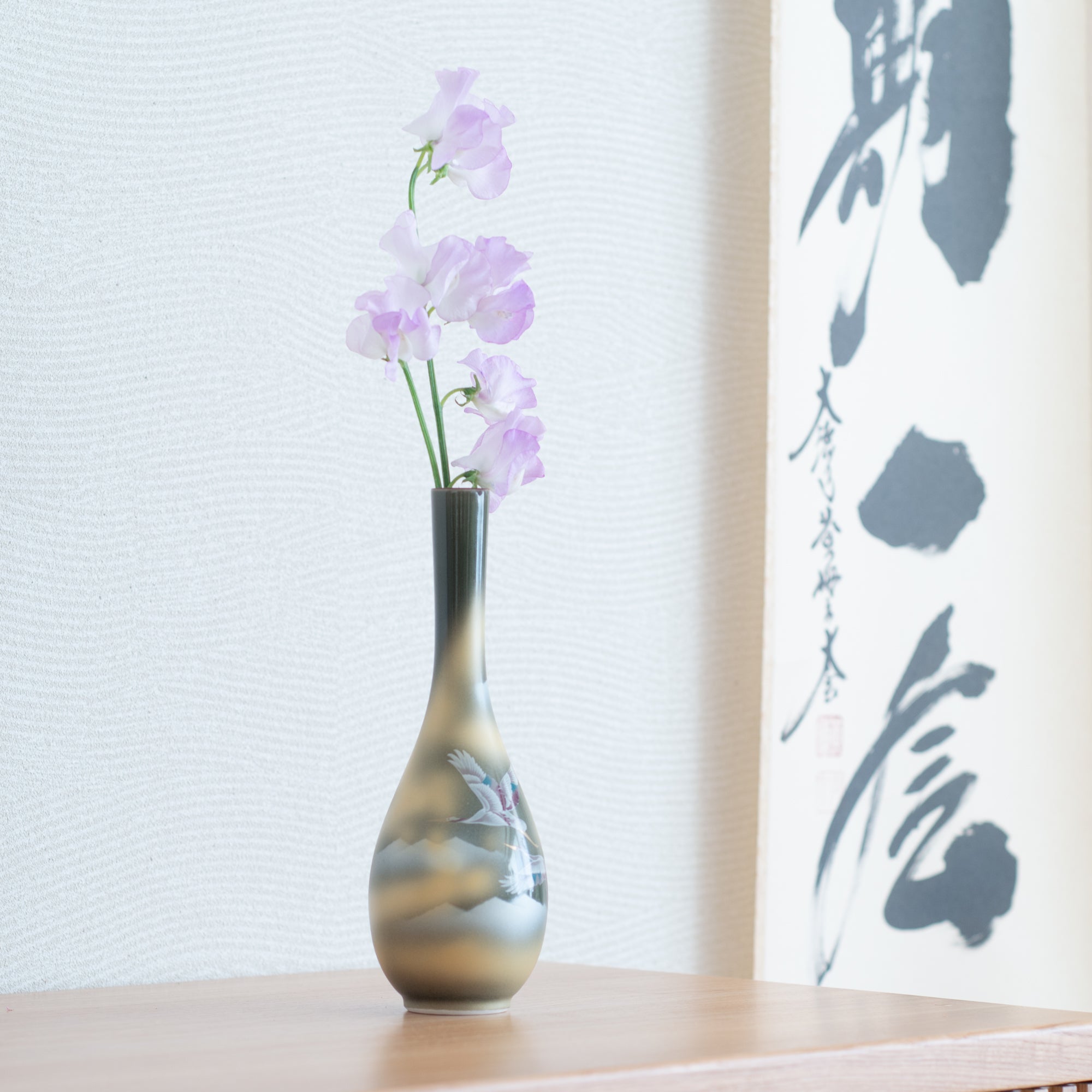
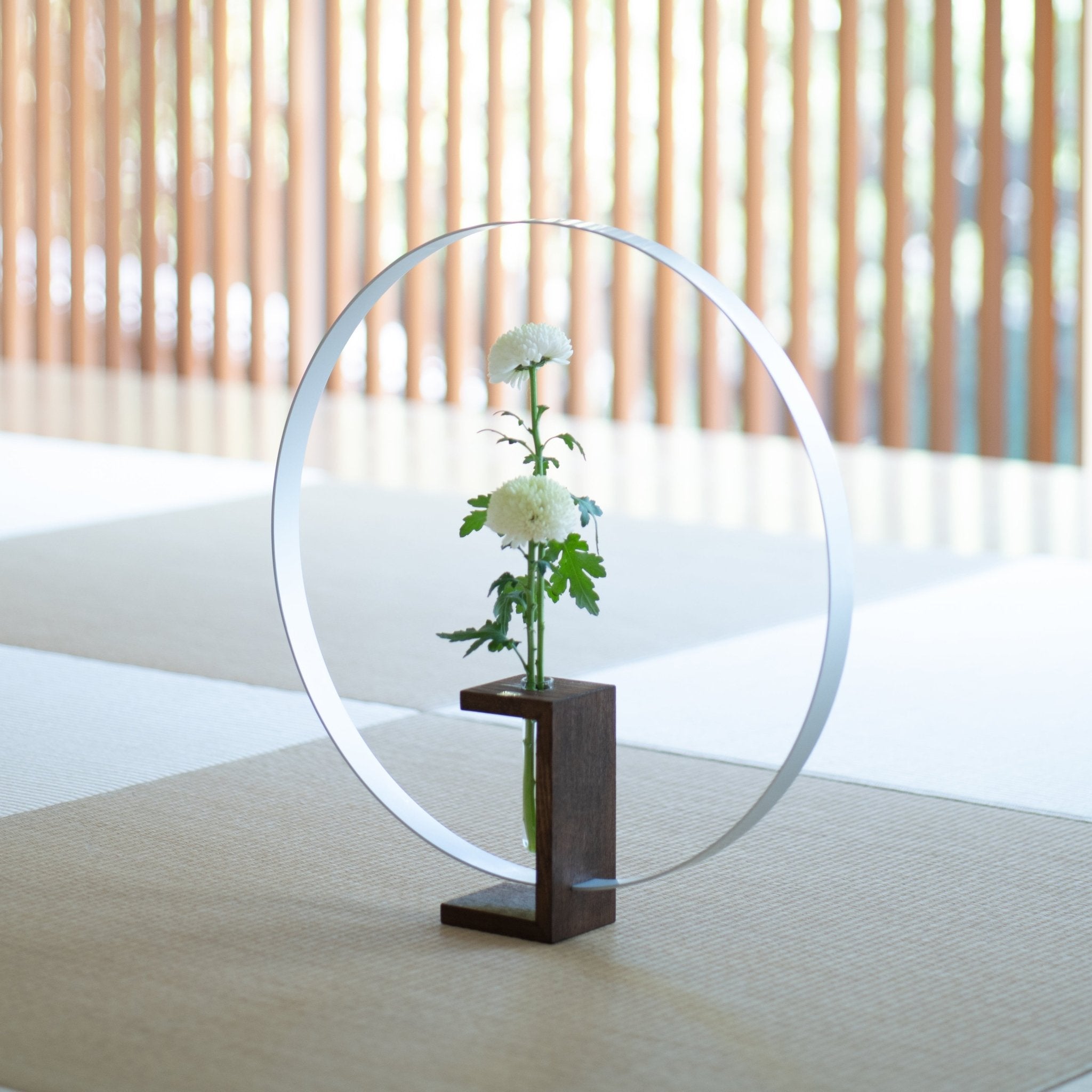
For a minimalist look, avoid overcrowding the vase with too many flowers or greenery. A single seasonal stem or a pared-back arrangement can often create a strong impression, much like the simple displays found in Japanese tea rooms.
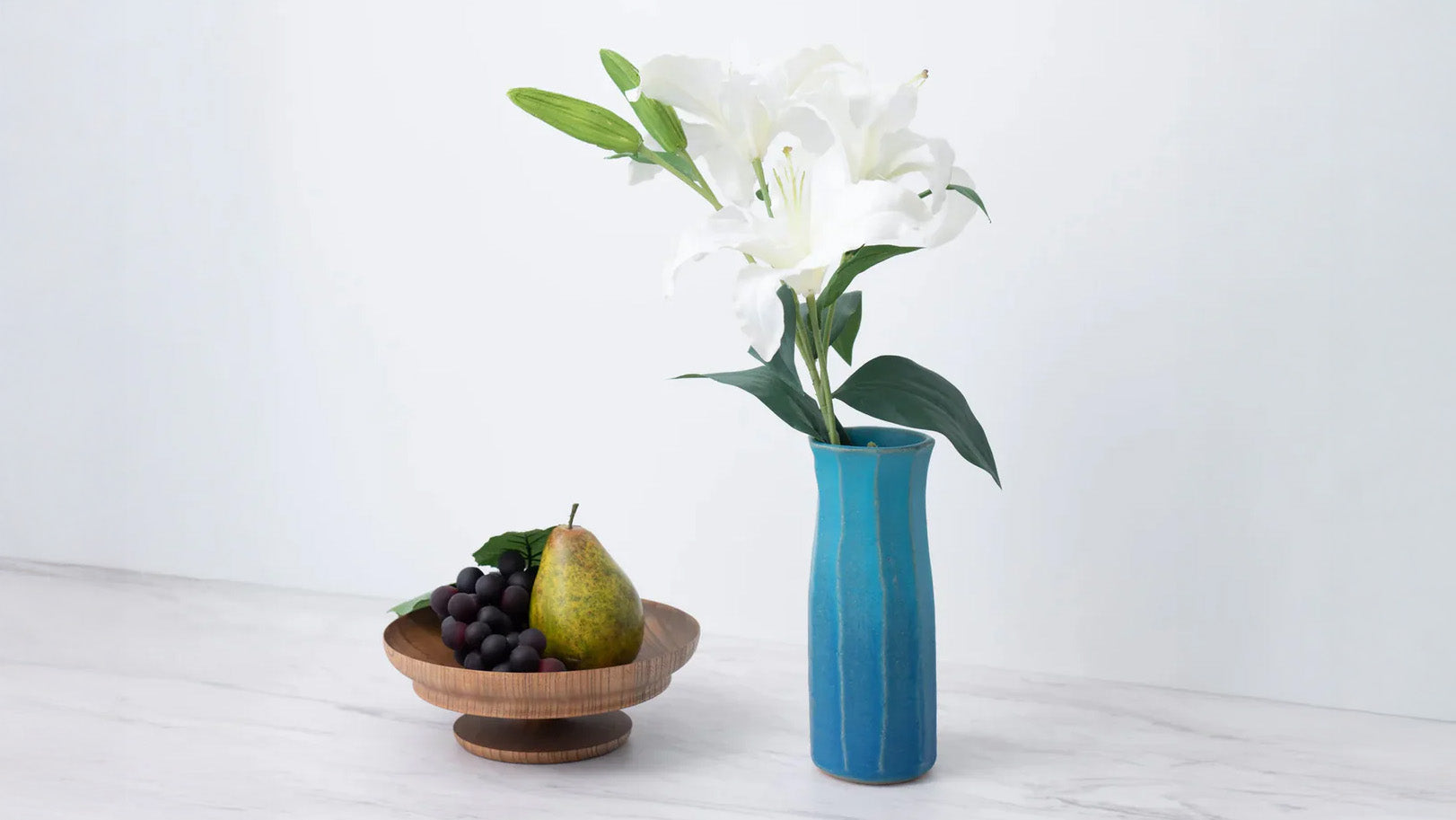
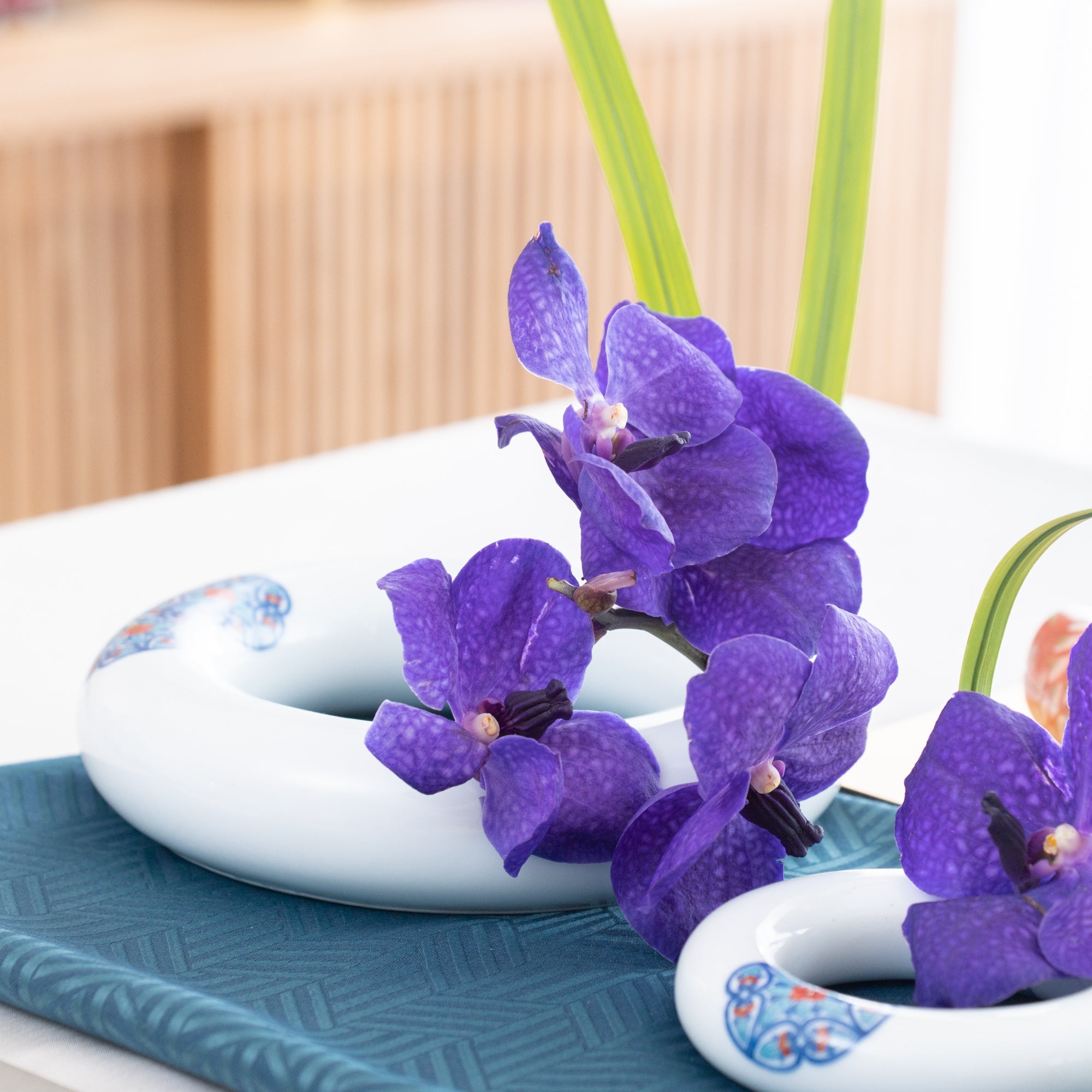
In ikebana, the same principle applies. When using a kenzan, spacing each element deliberately allows form, movement, and negative space to stand out.
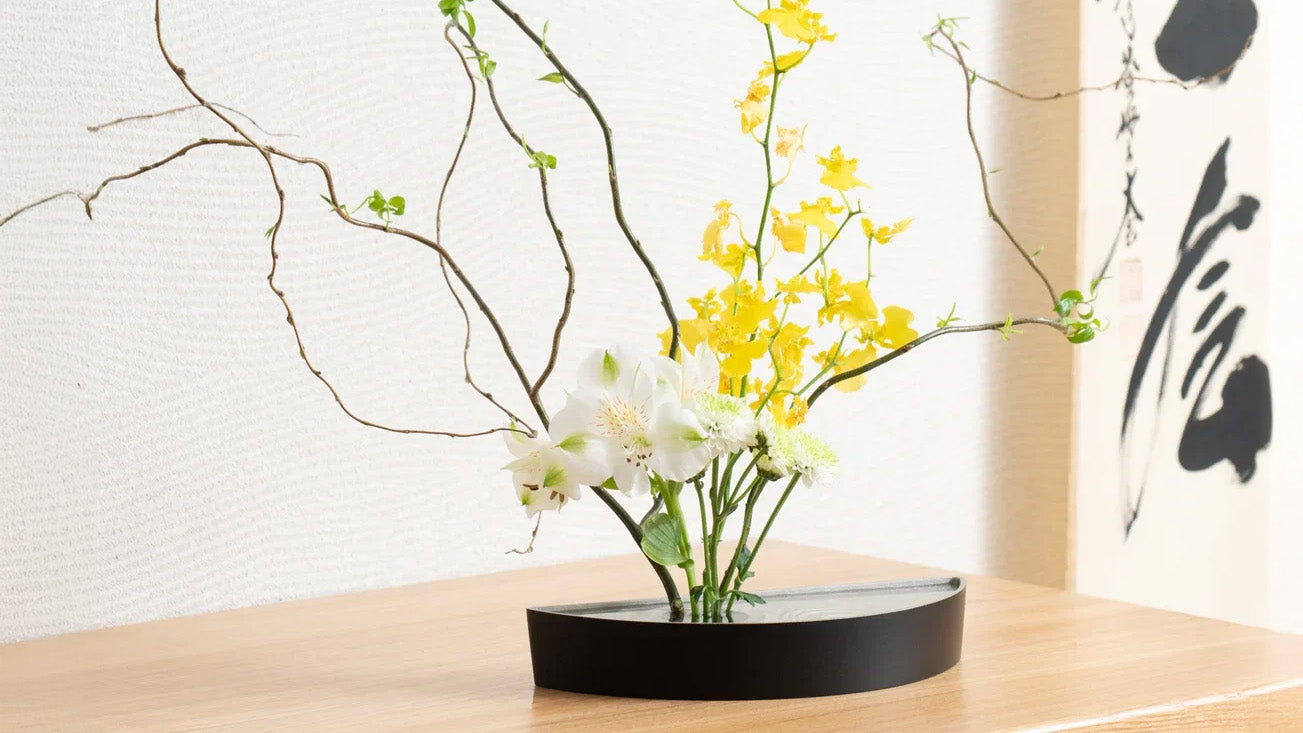
Place your flower vase on a stable, flat surface where it can be easily appreciated, such as an entryway table or dining table. Keep it out of direct sunlight to help flowers stay fresh longer and to protect materials such as bamboo or metal.
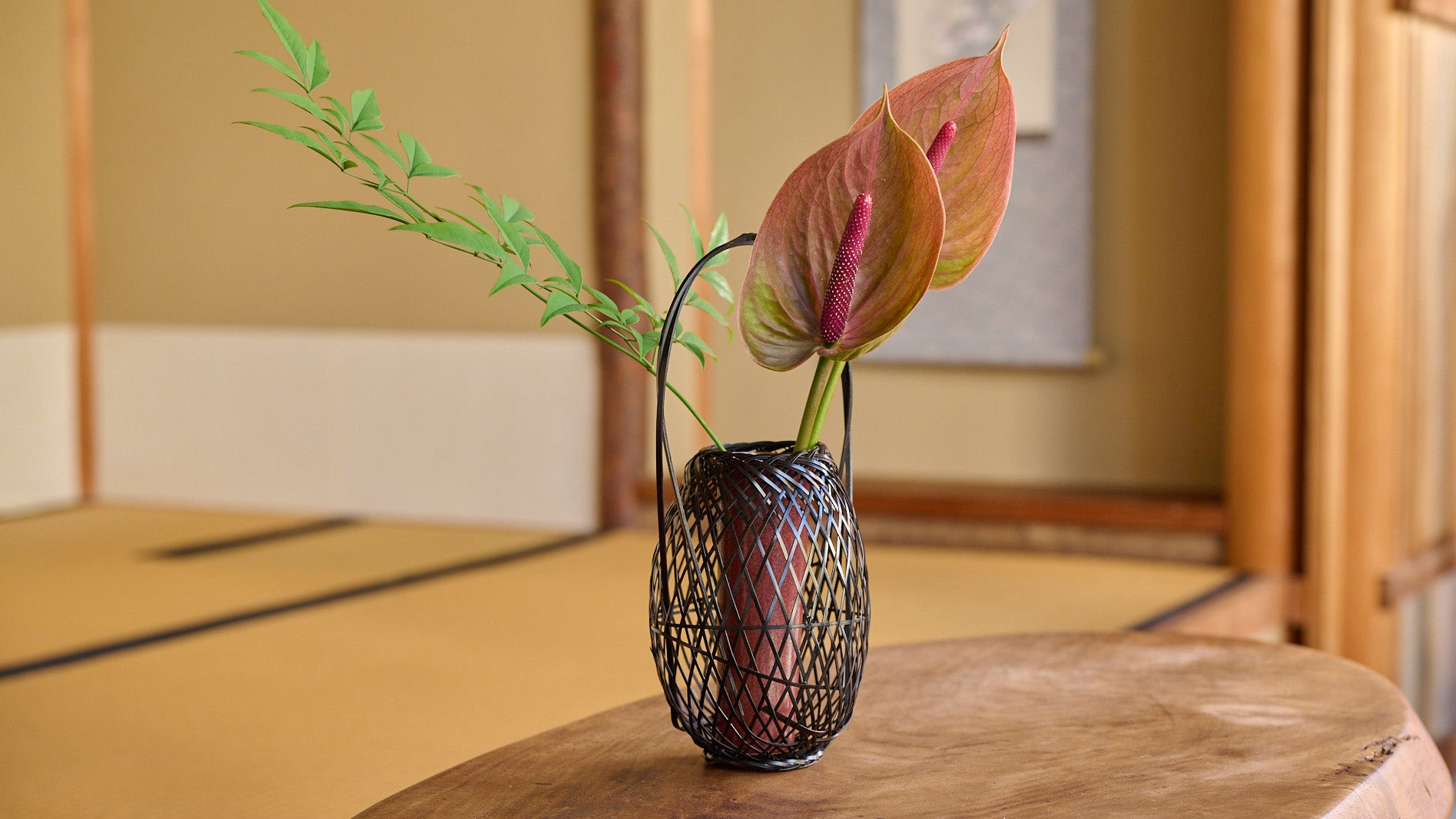
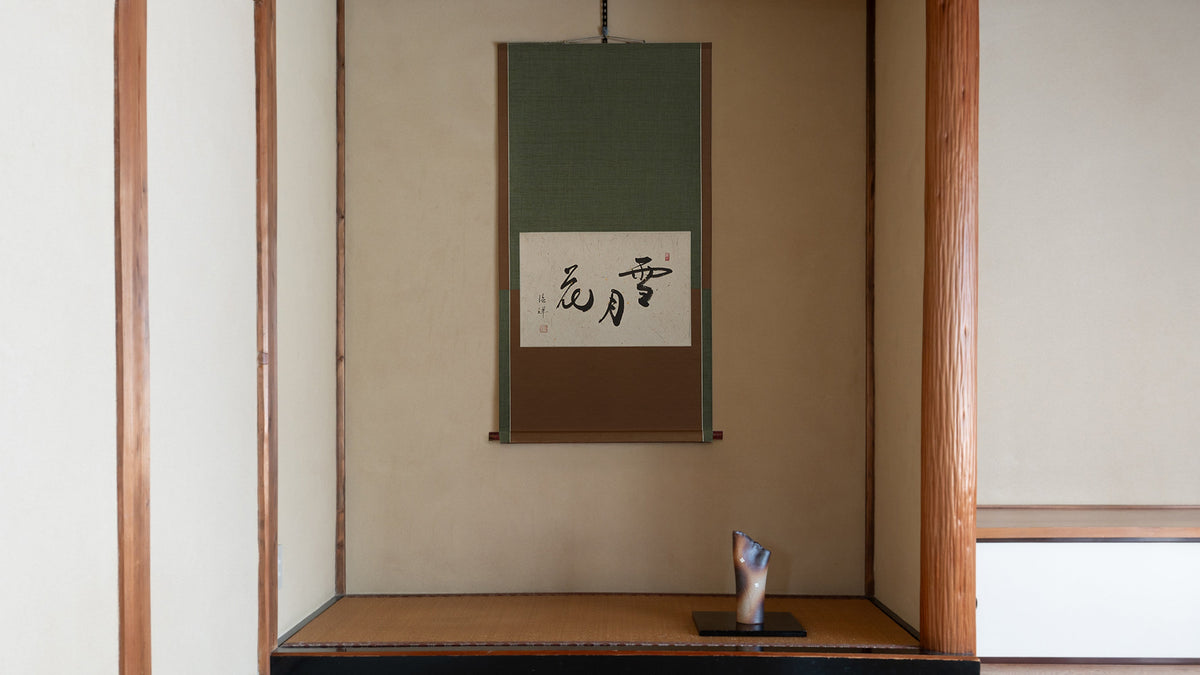
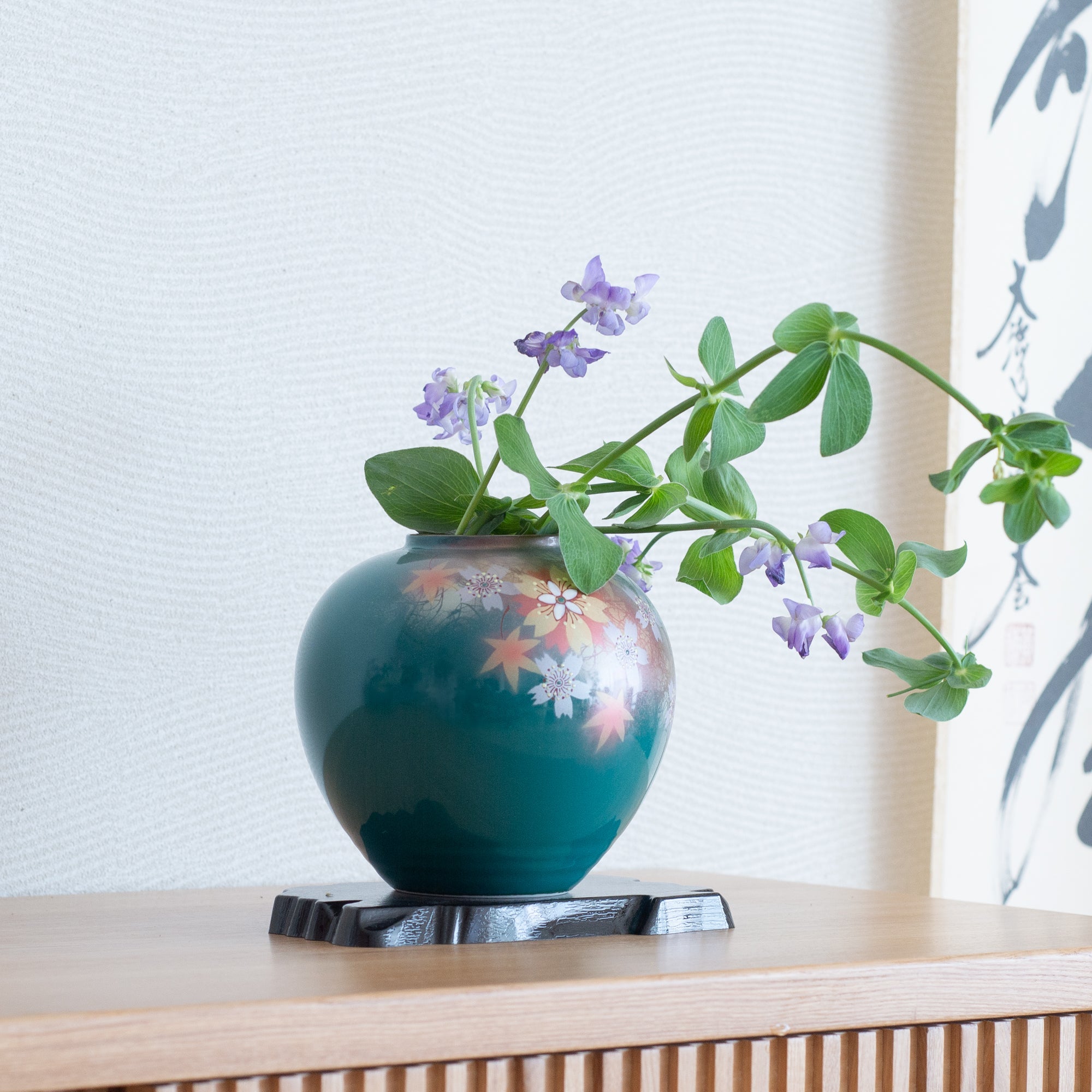
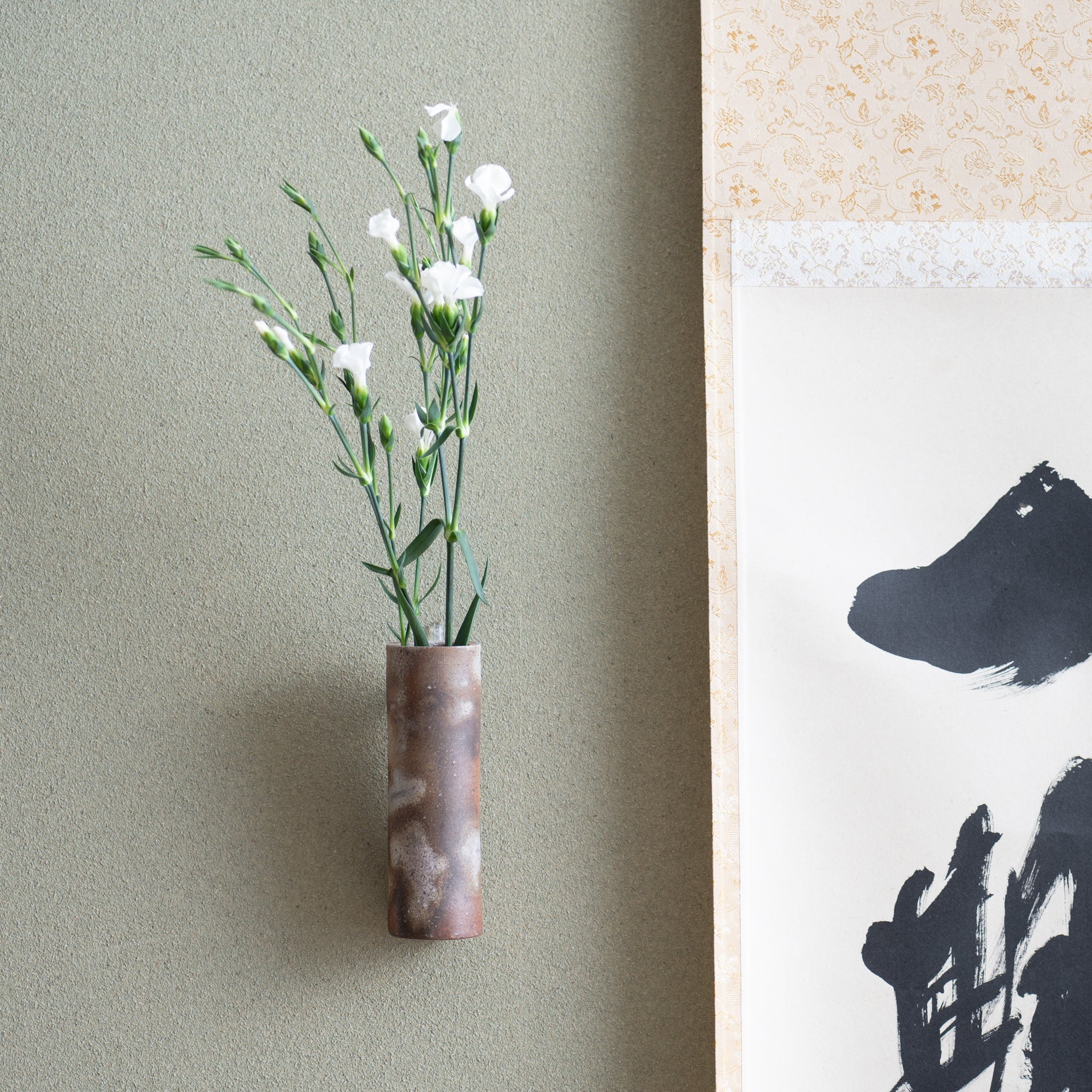
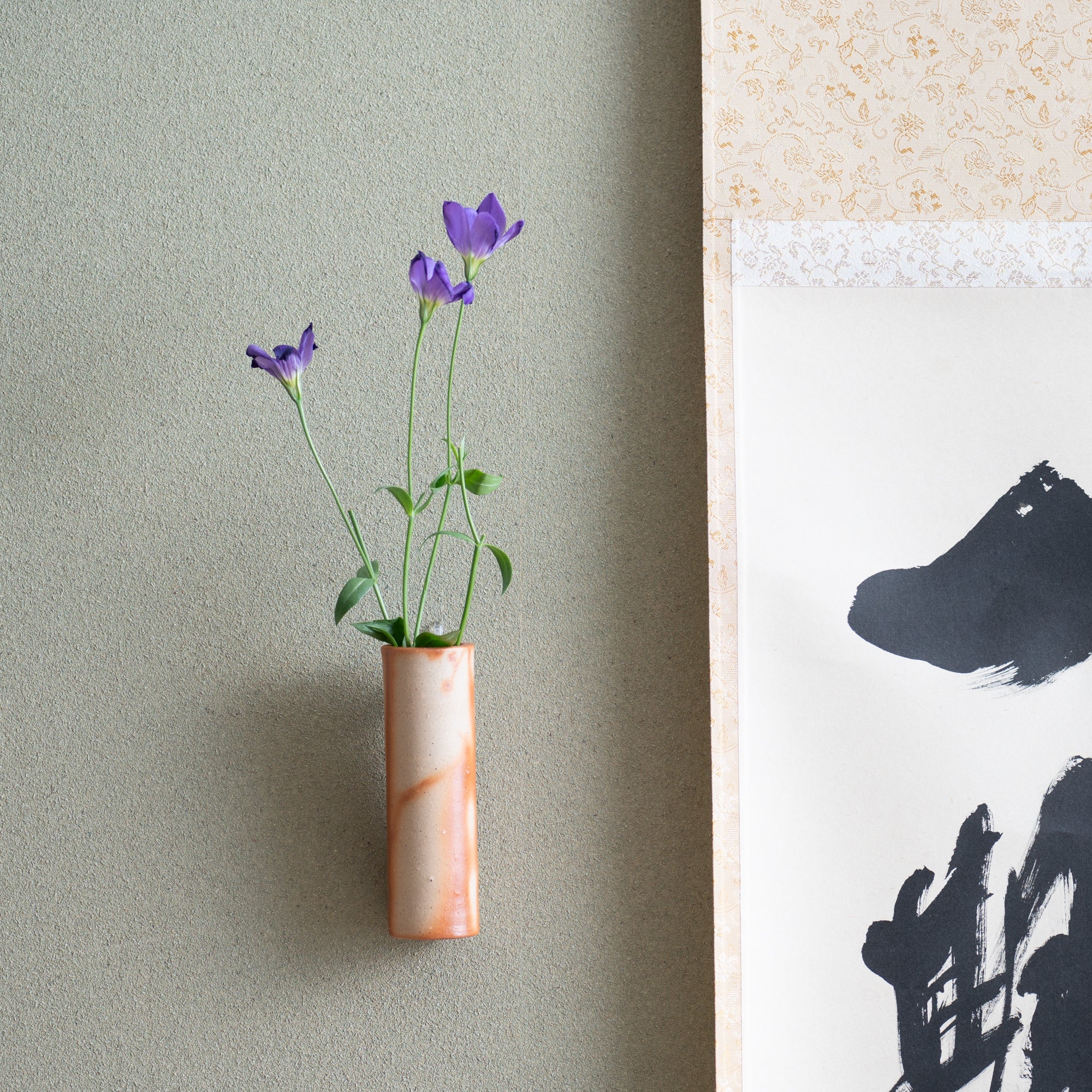
Unlike Western-style floral arrangements, ikebana displays have a defined front and back. Choose a spot where the front is clearly visible, such as against a wall or in a tokonoma, a traditional alcove in Japanese interiors, so the arrangement can be enjoyed as intended.

Related posts
Filters
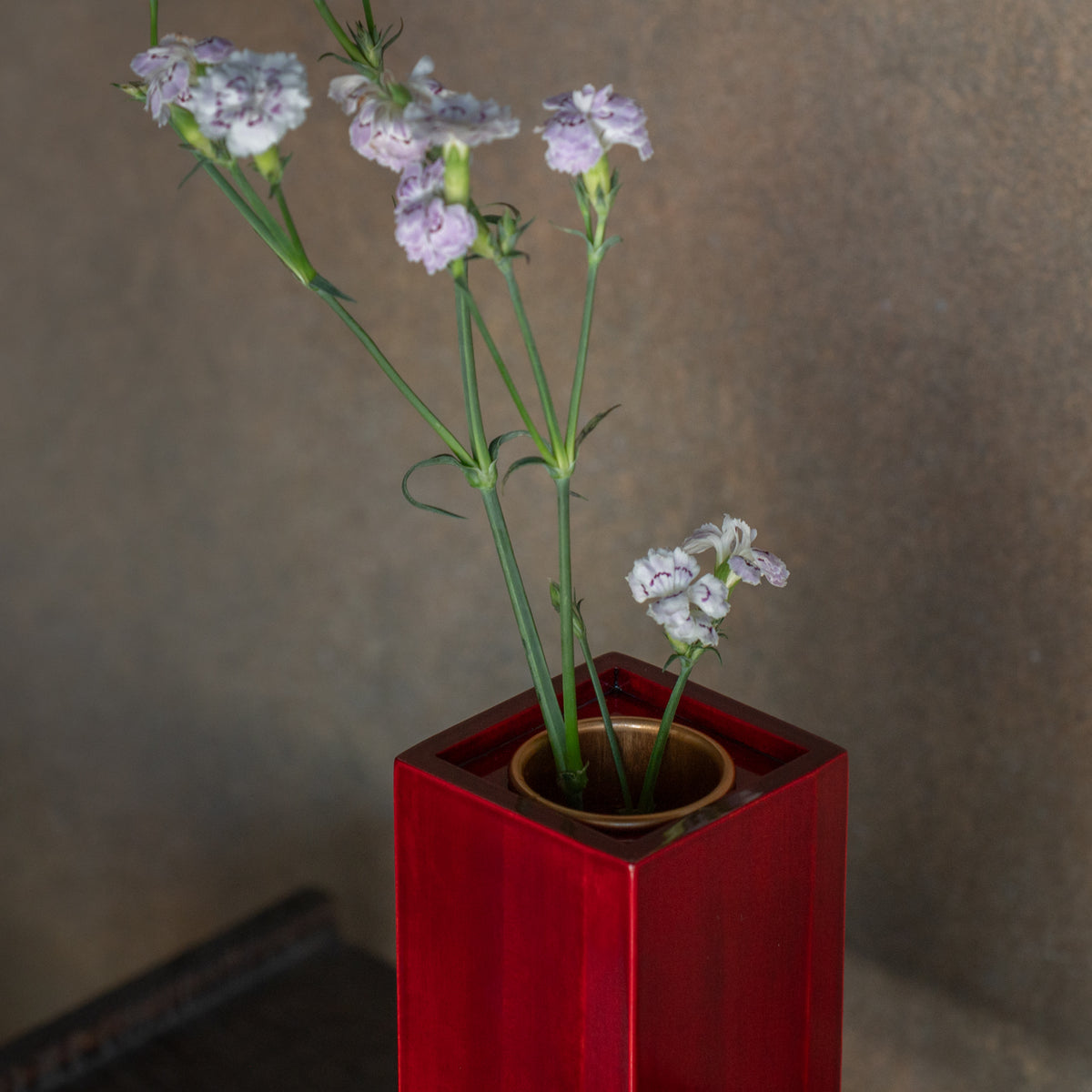
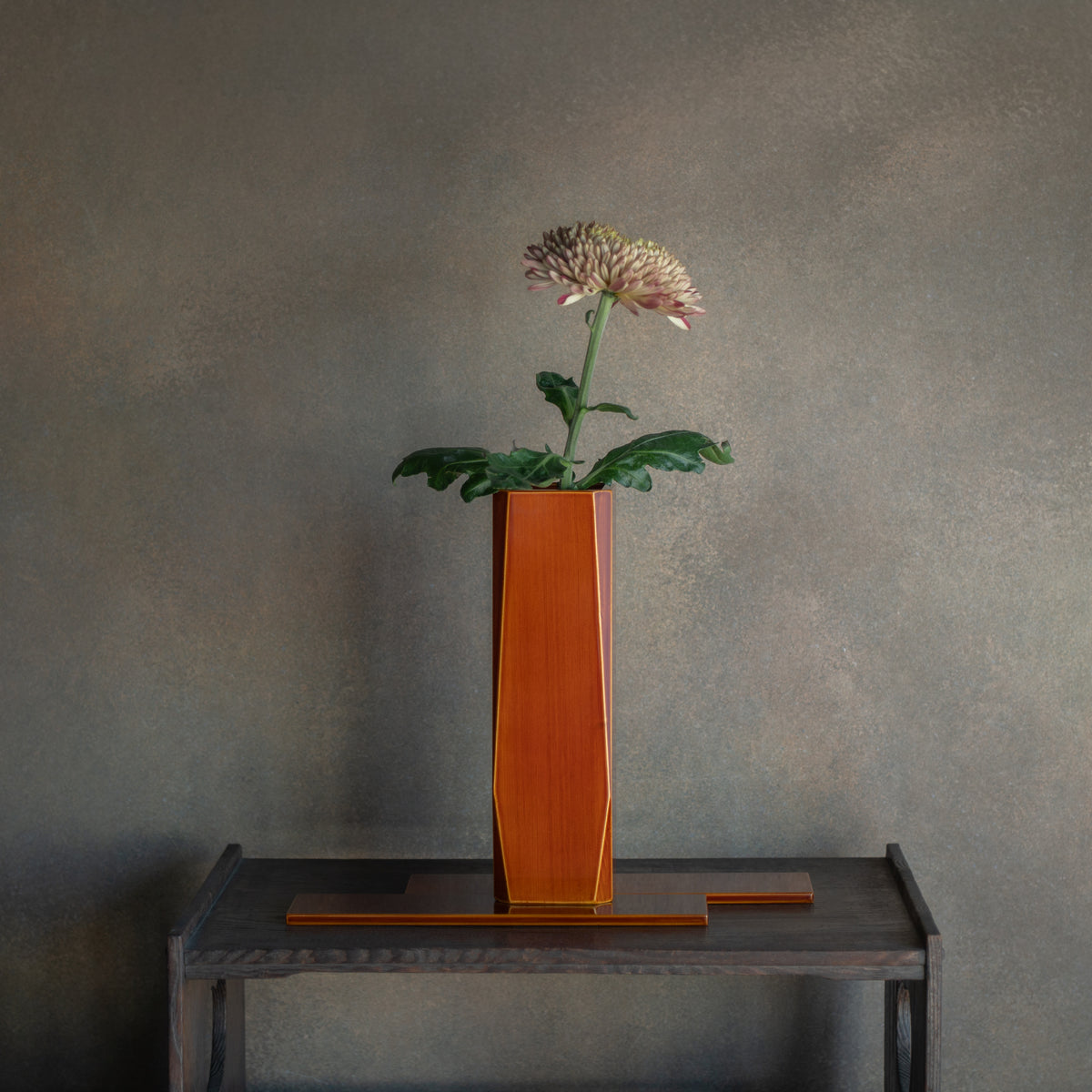
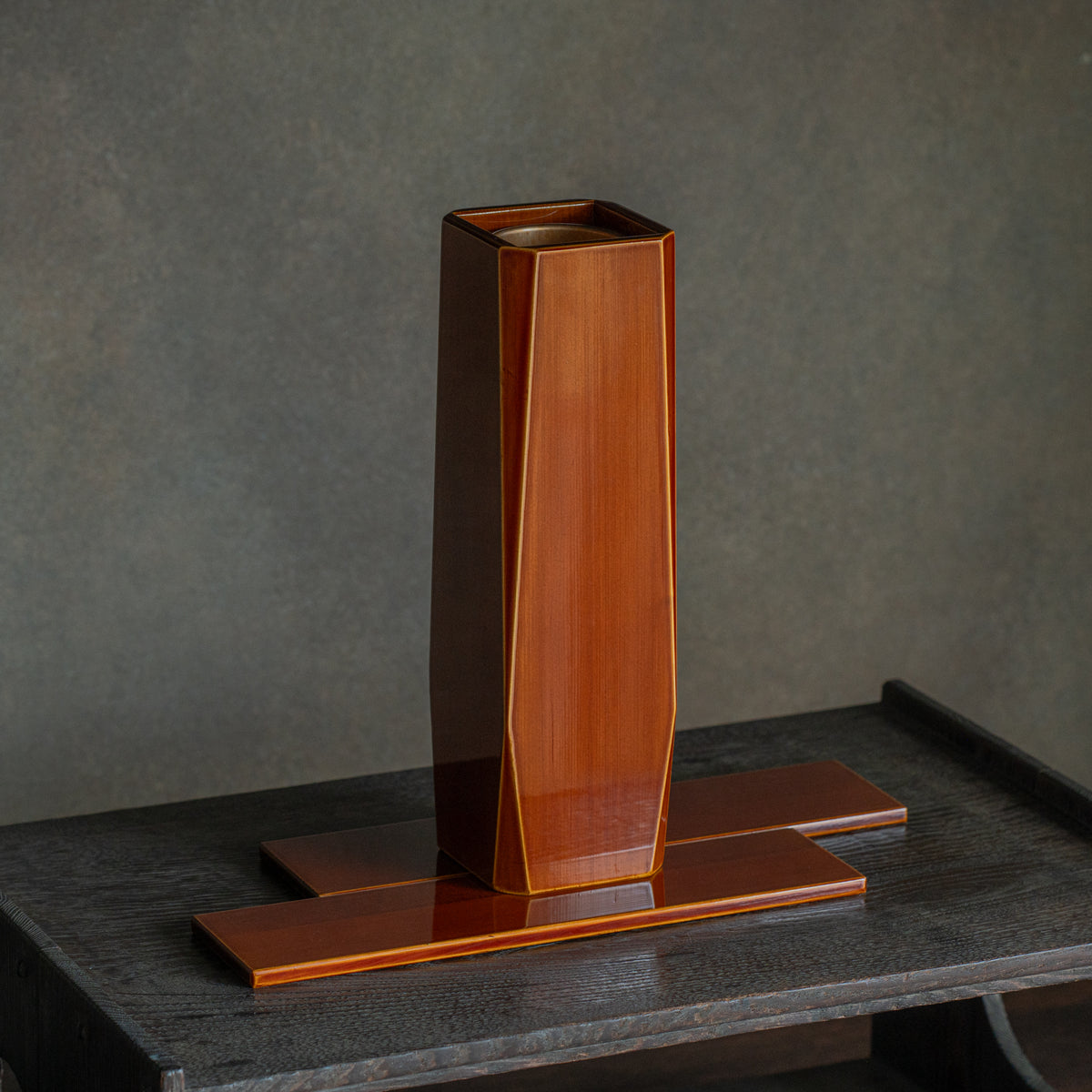
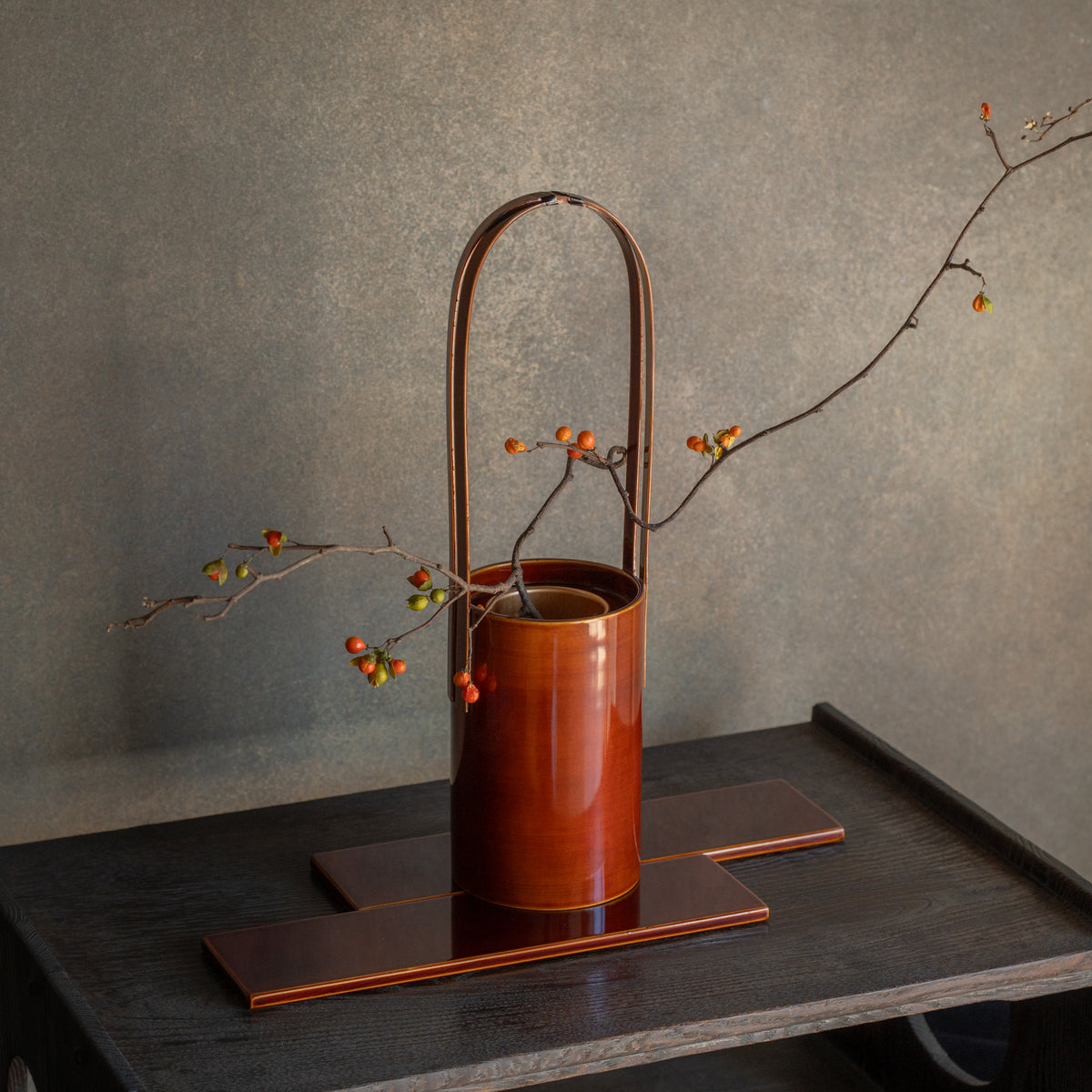

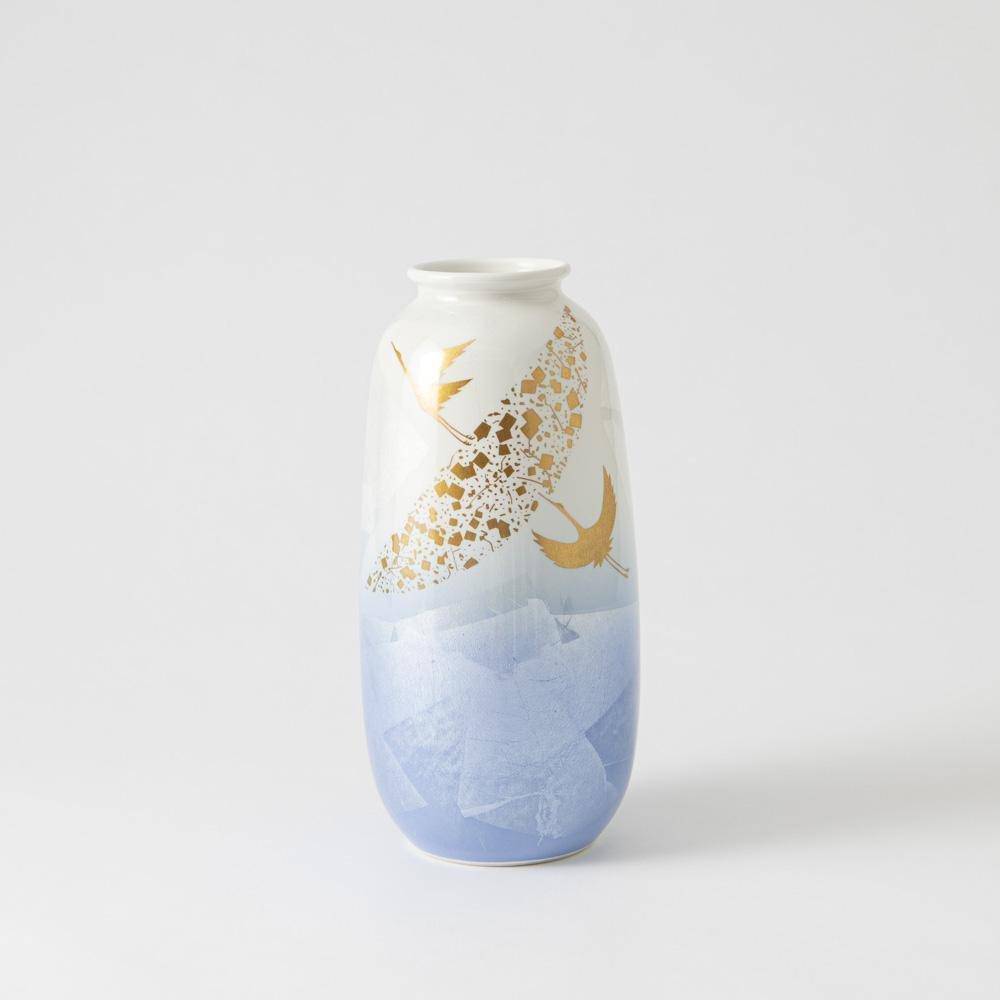
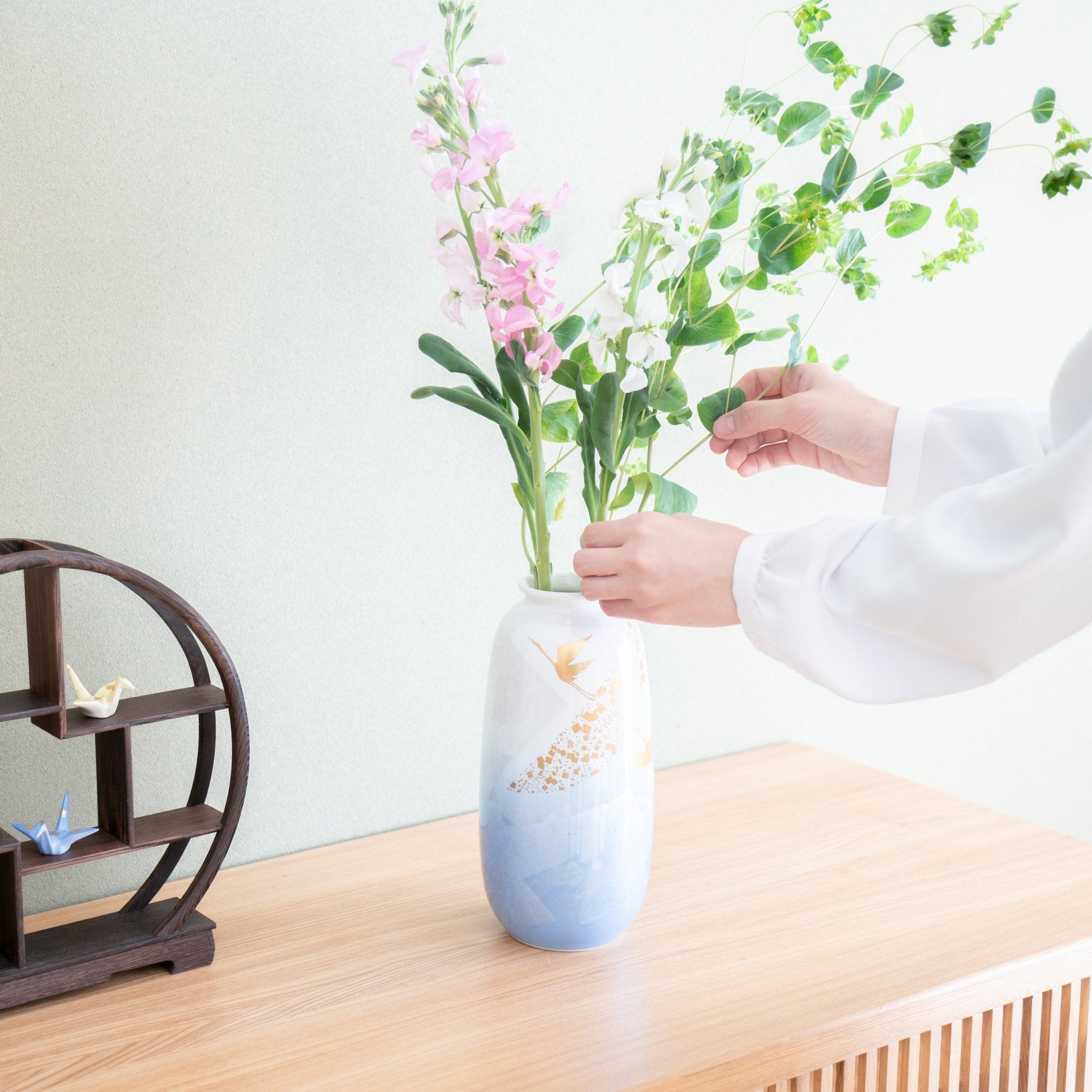
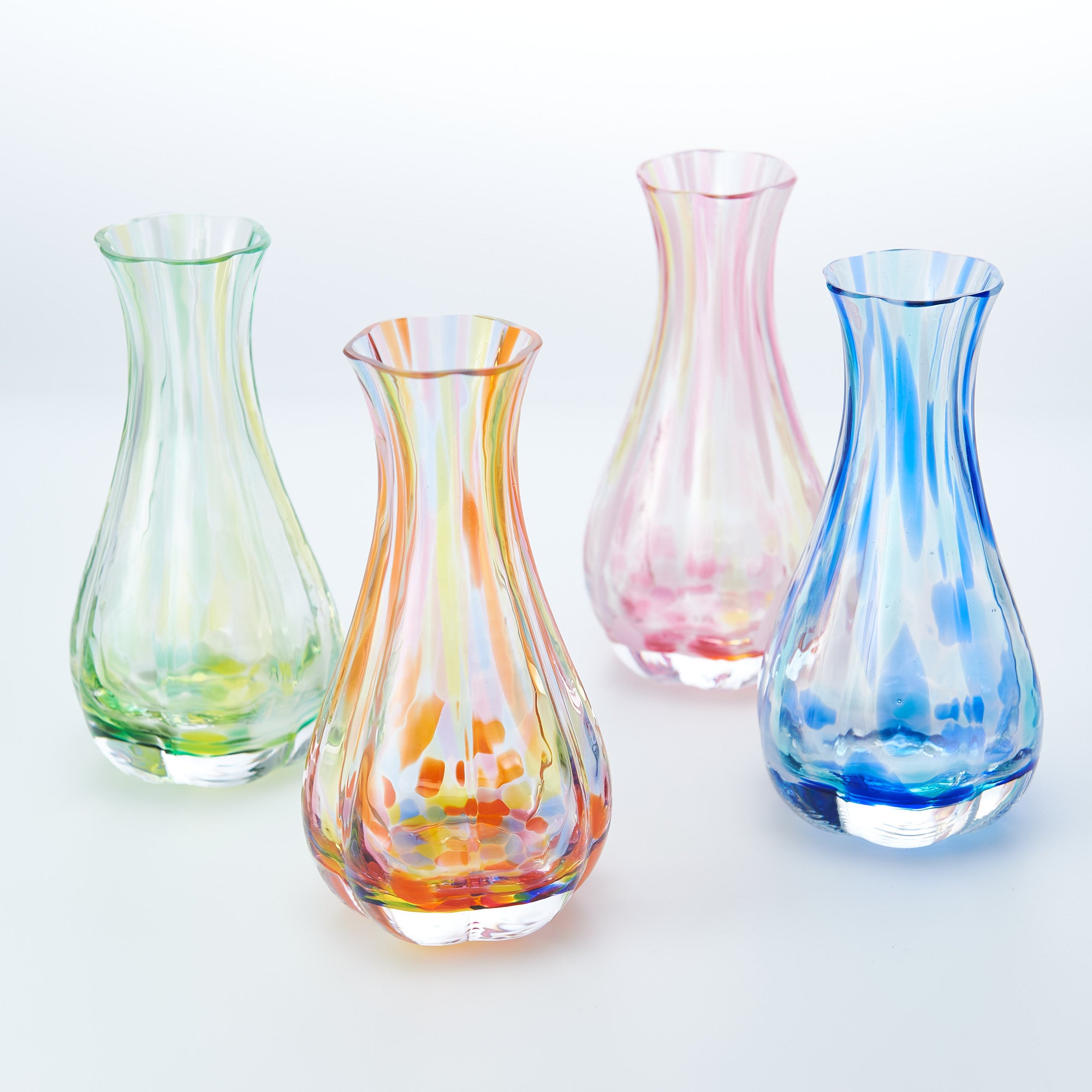
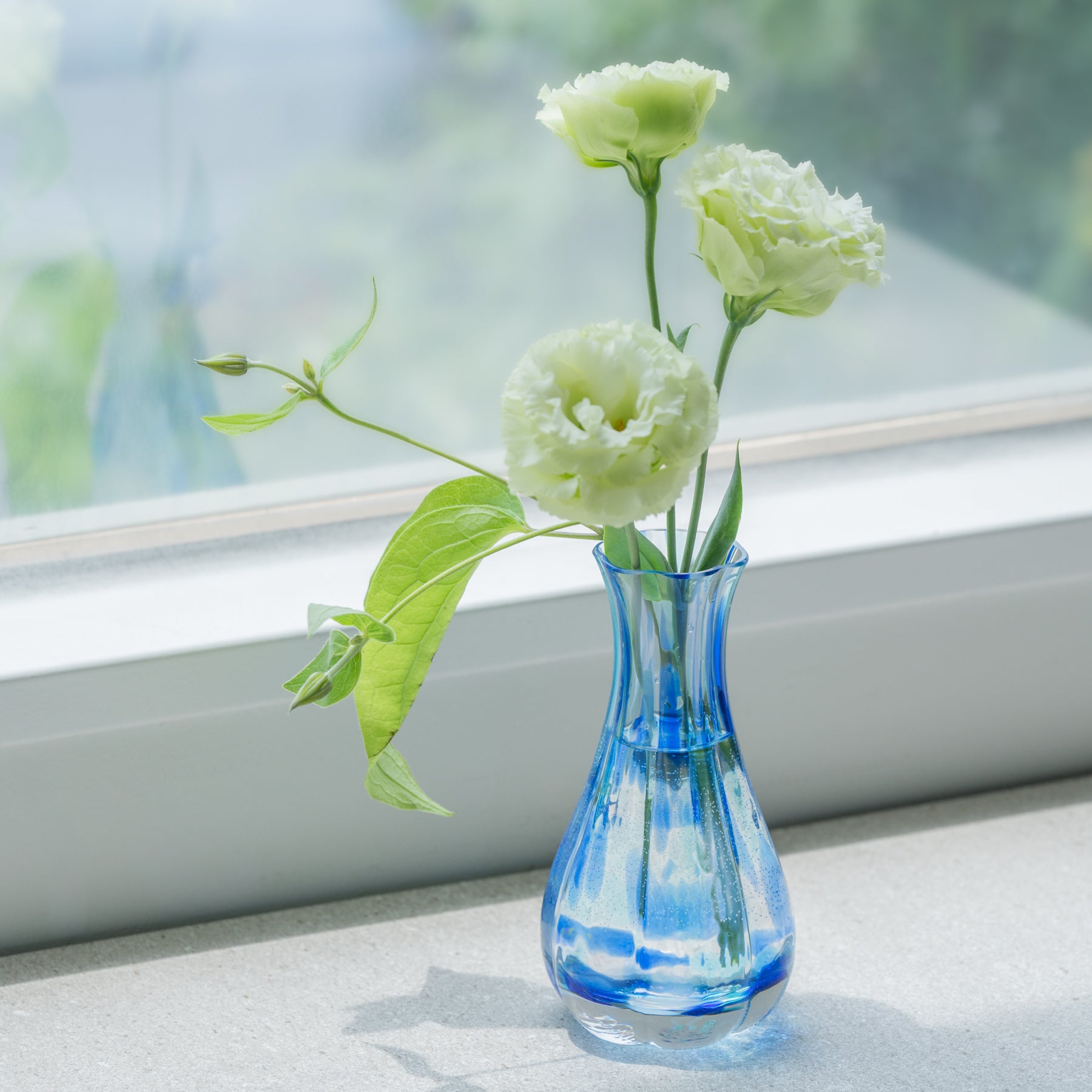
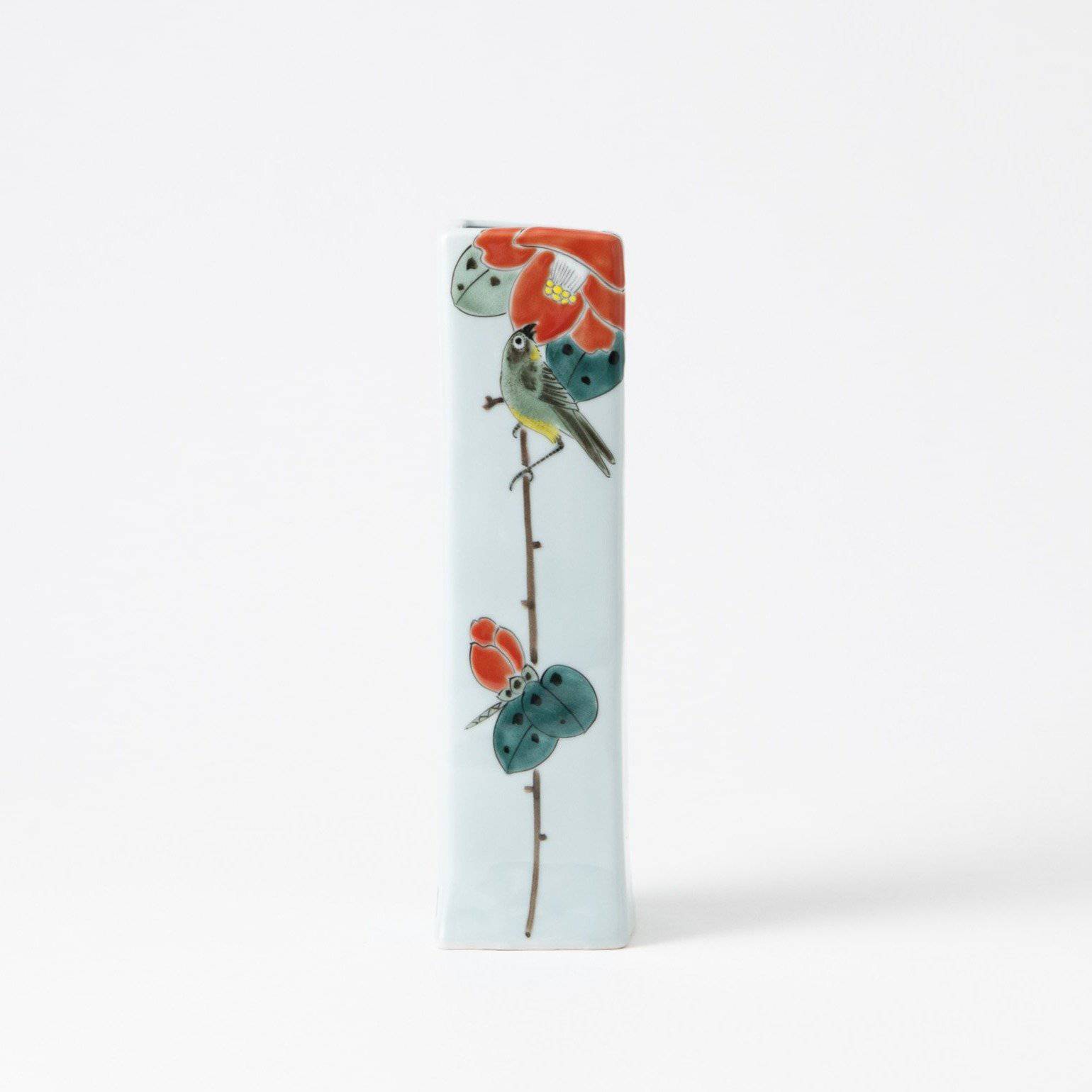
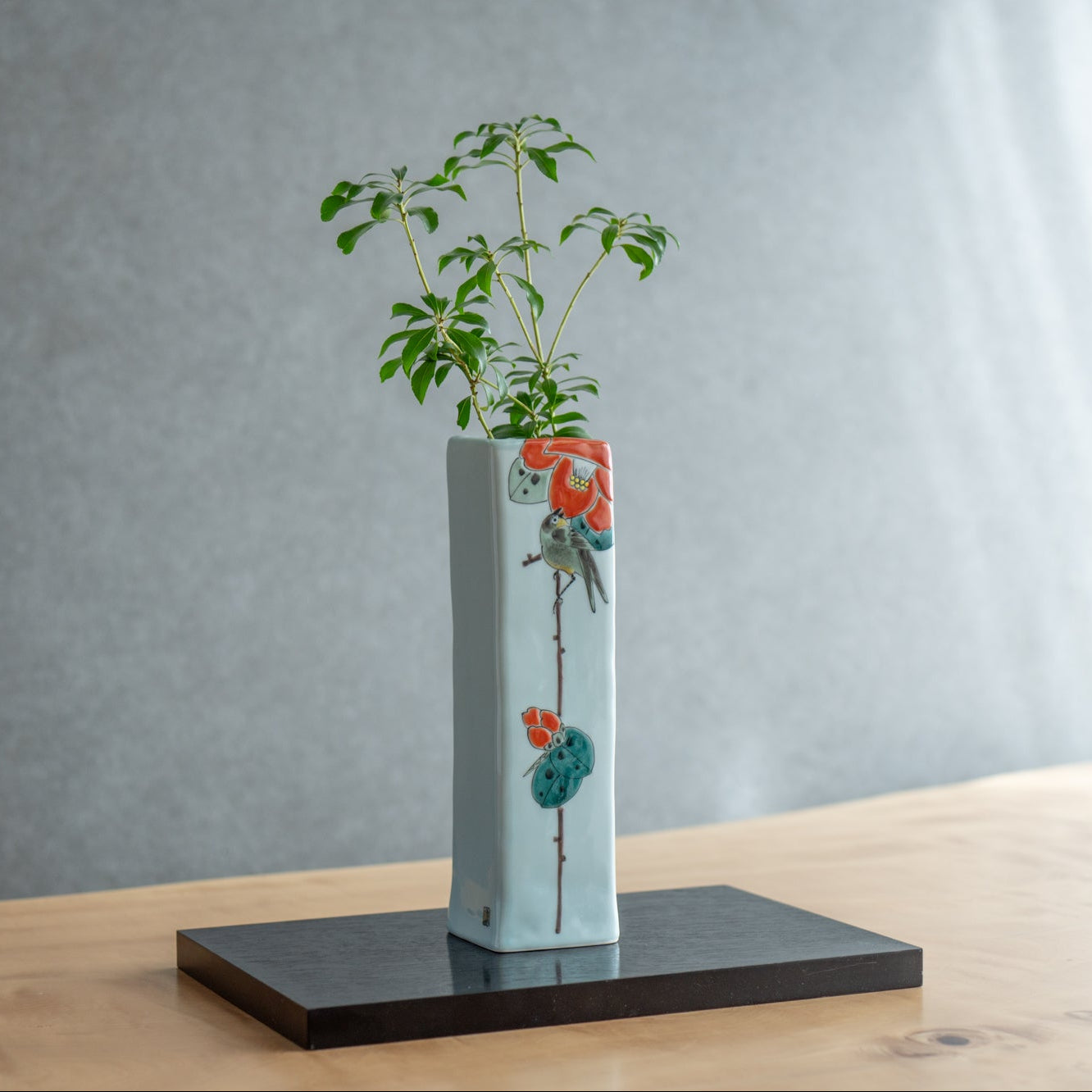
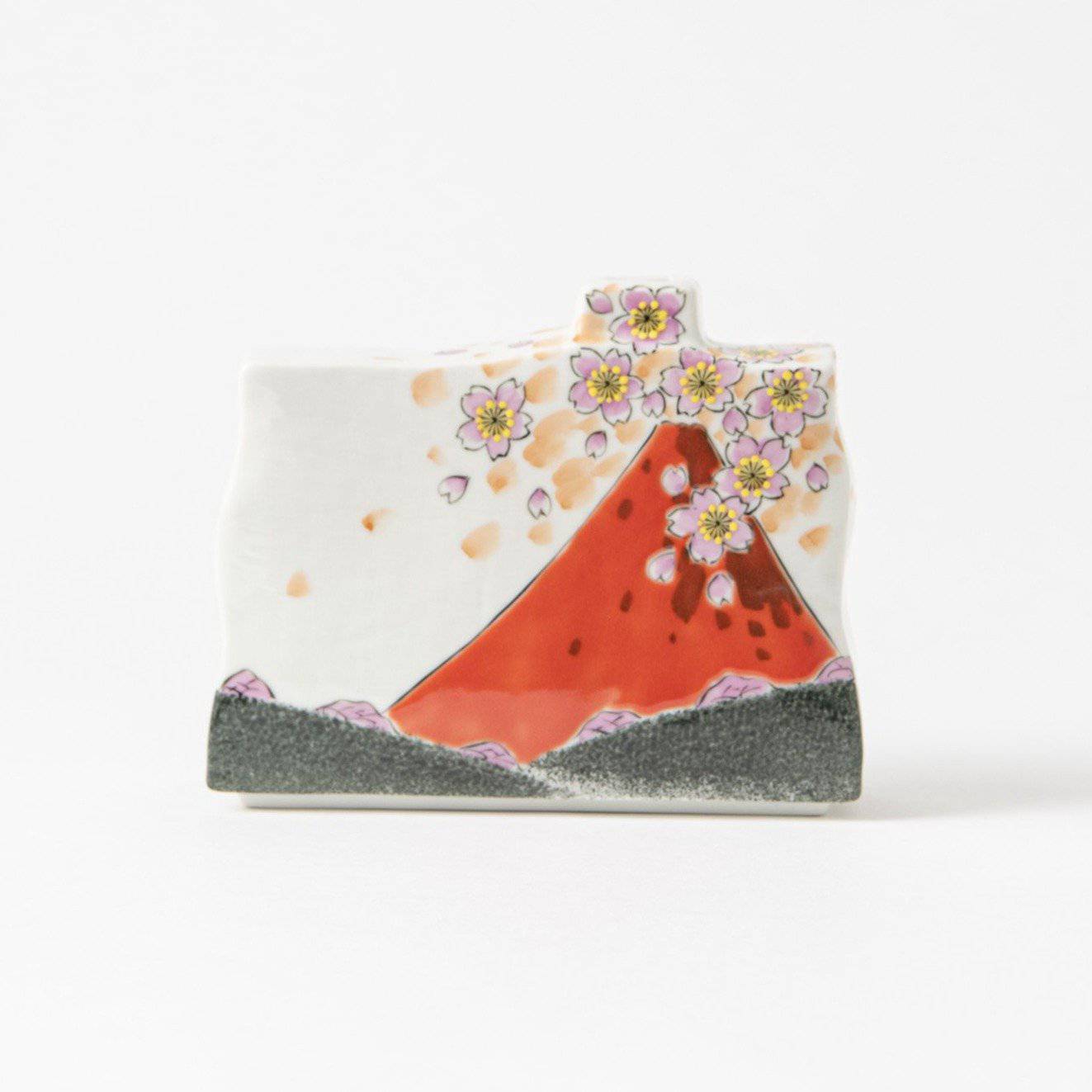
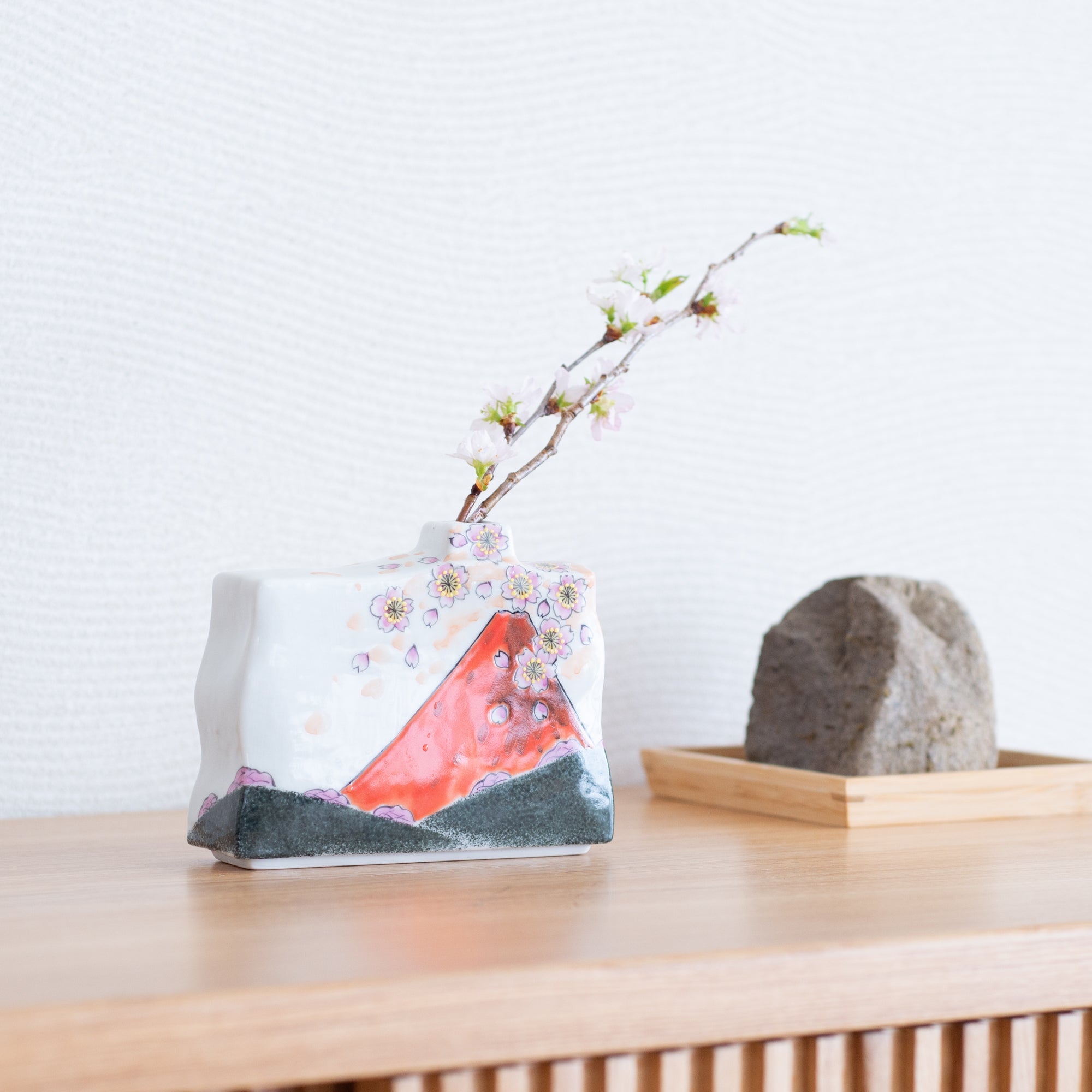
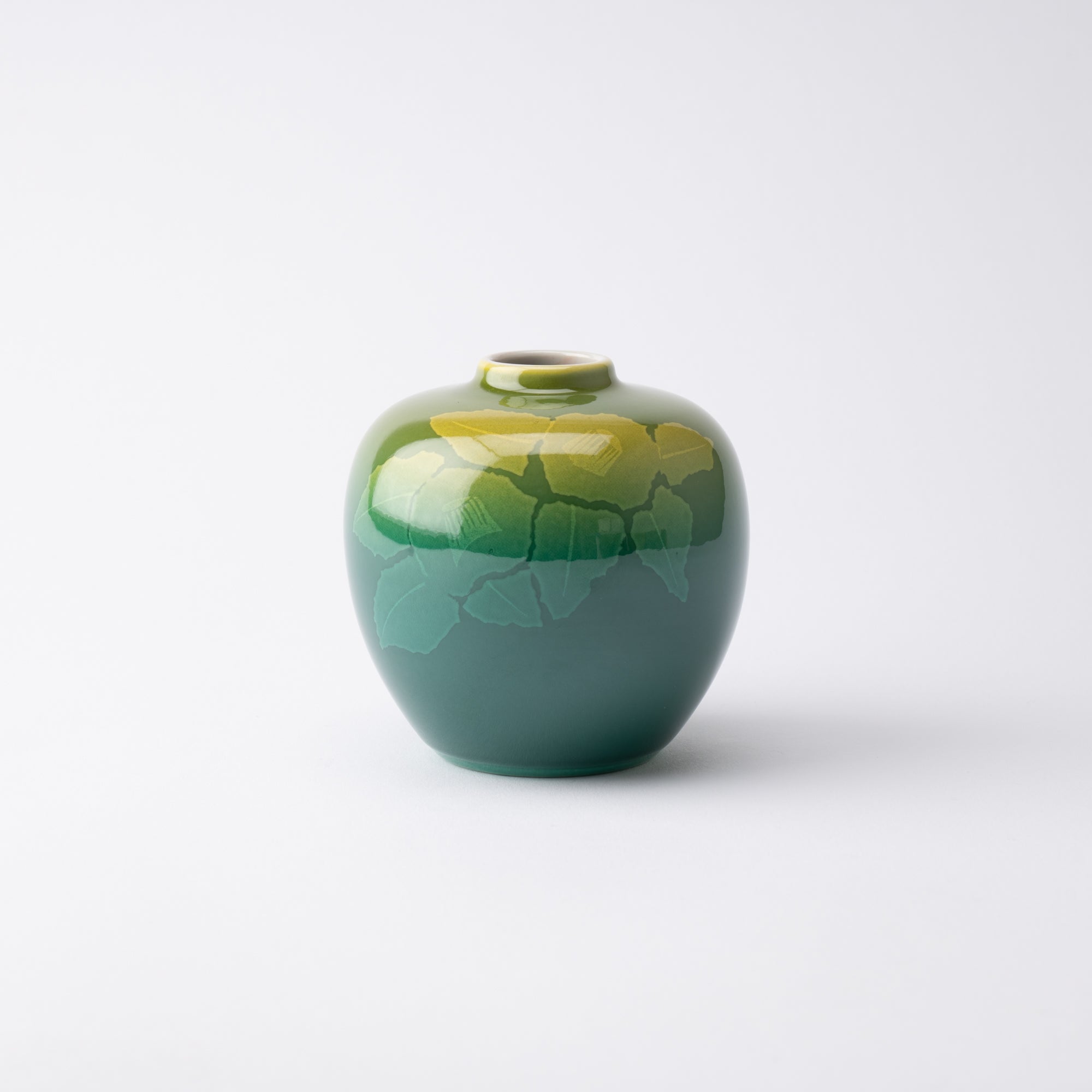
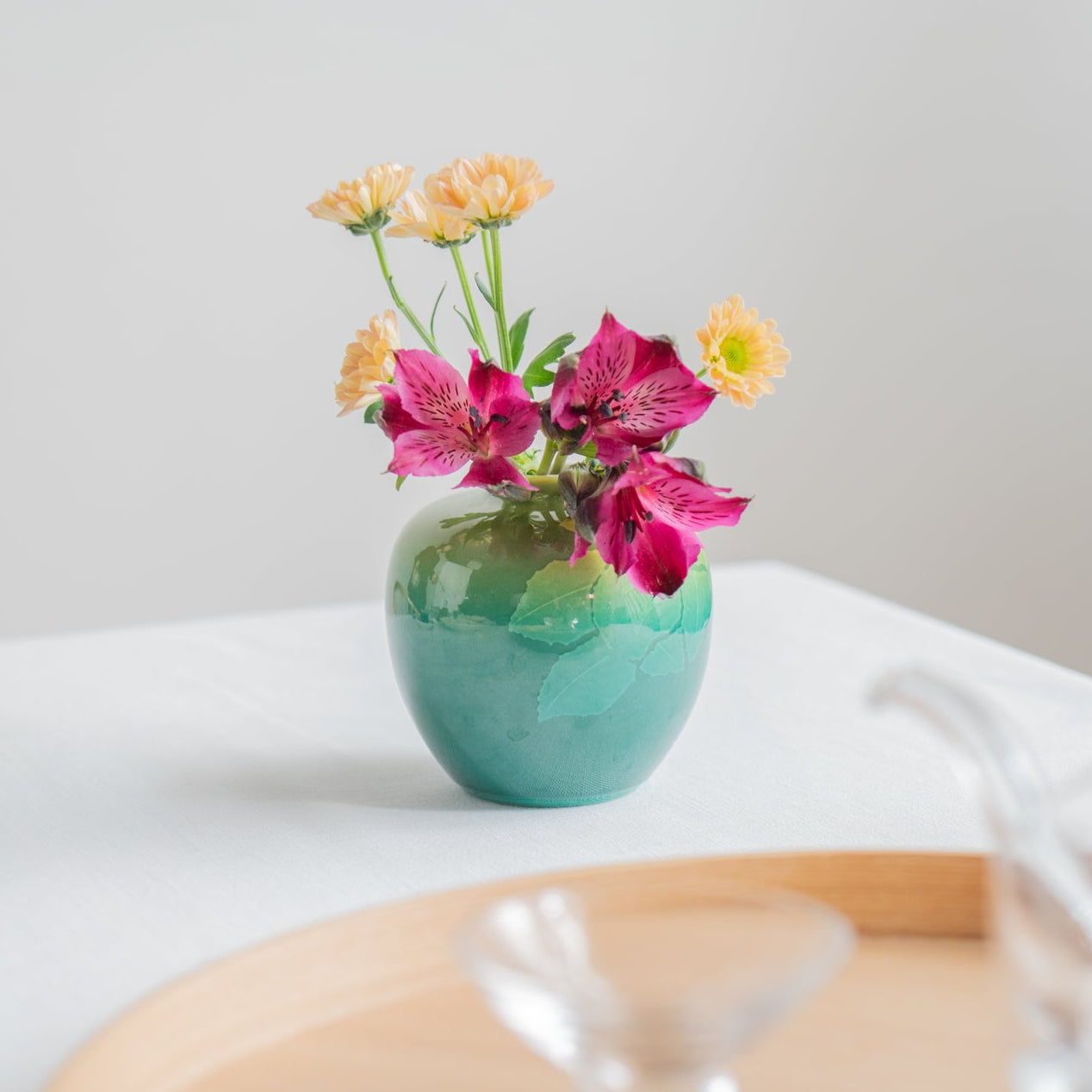
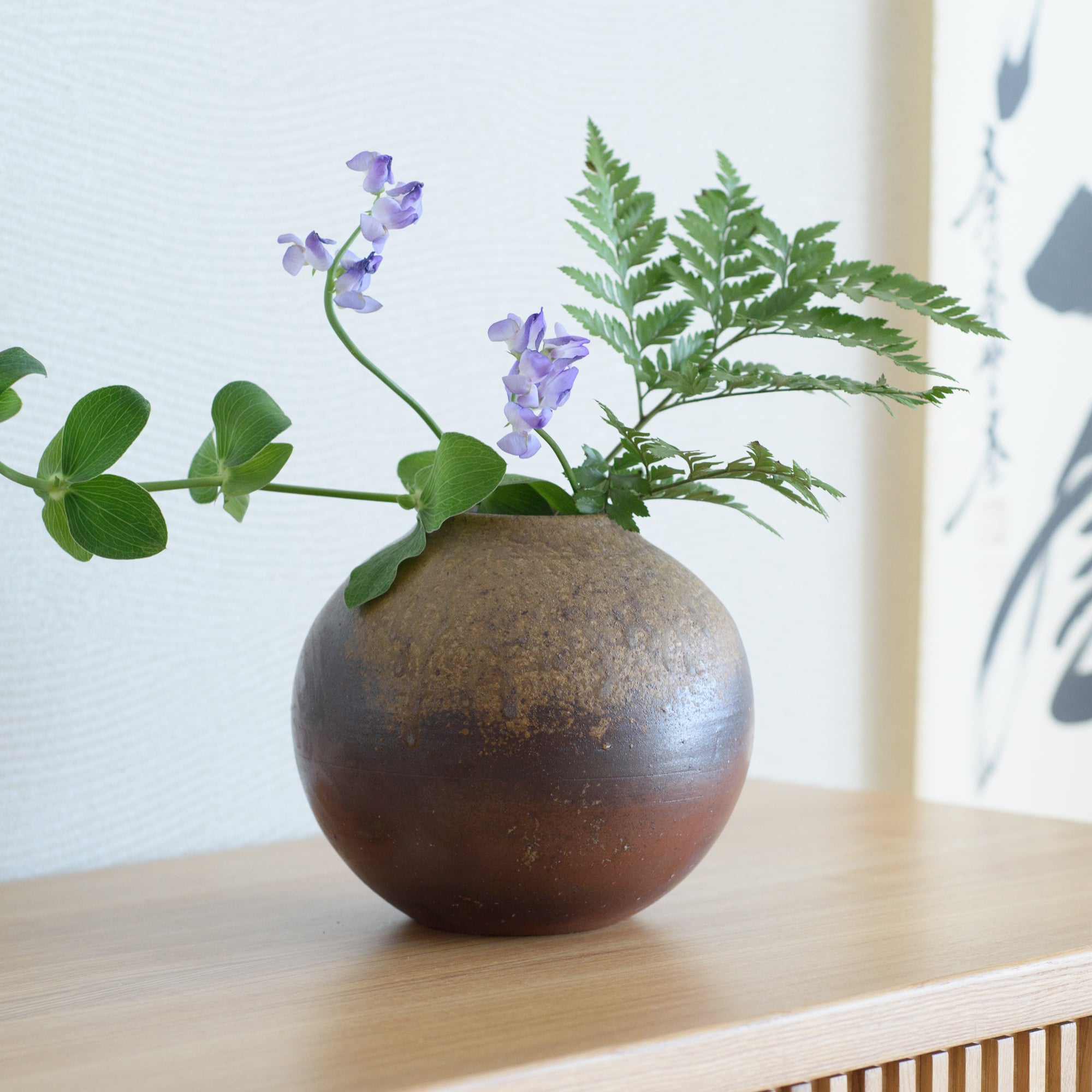
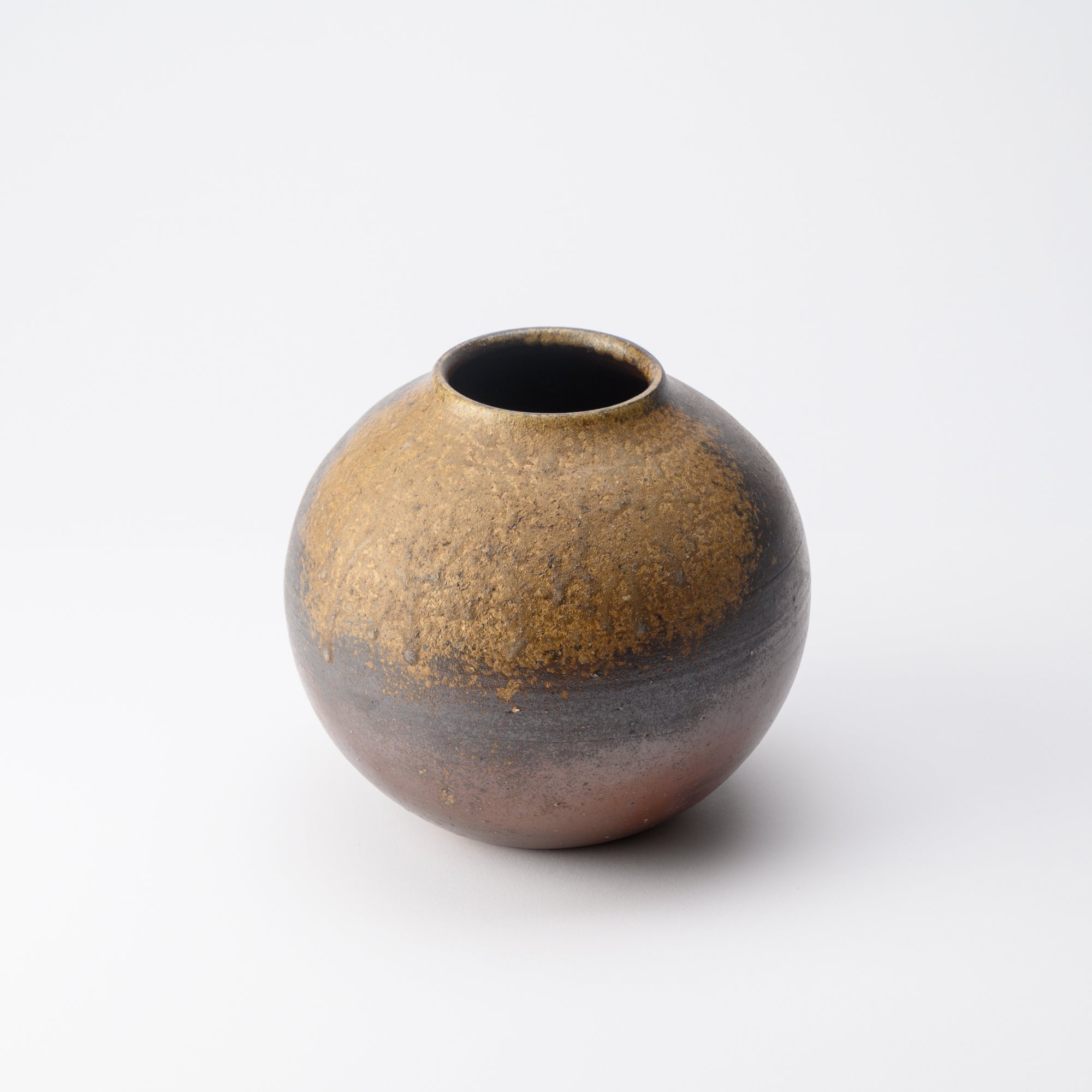
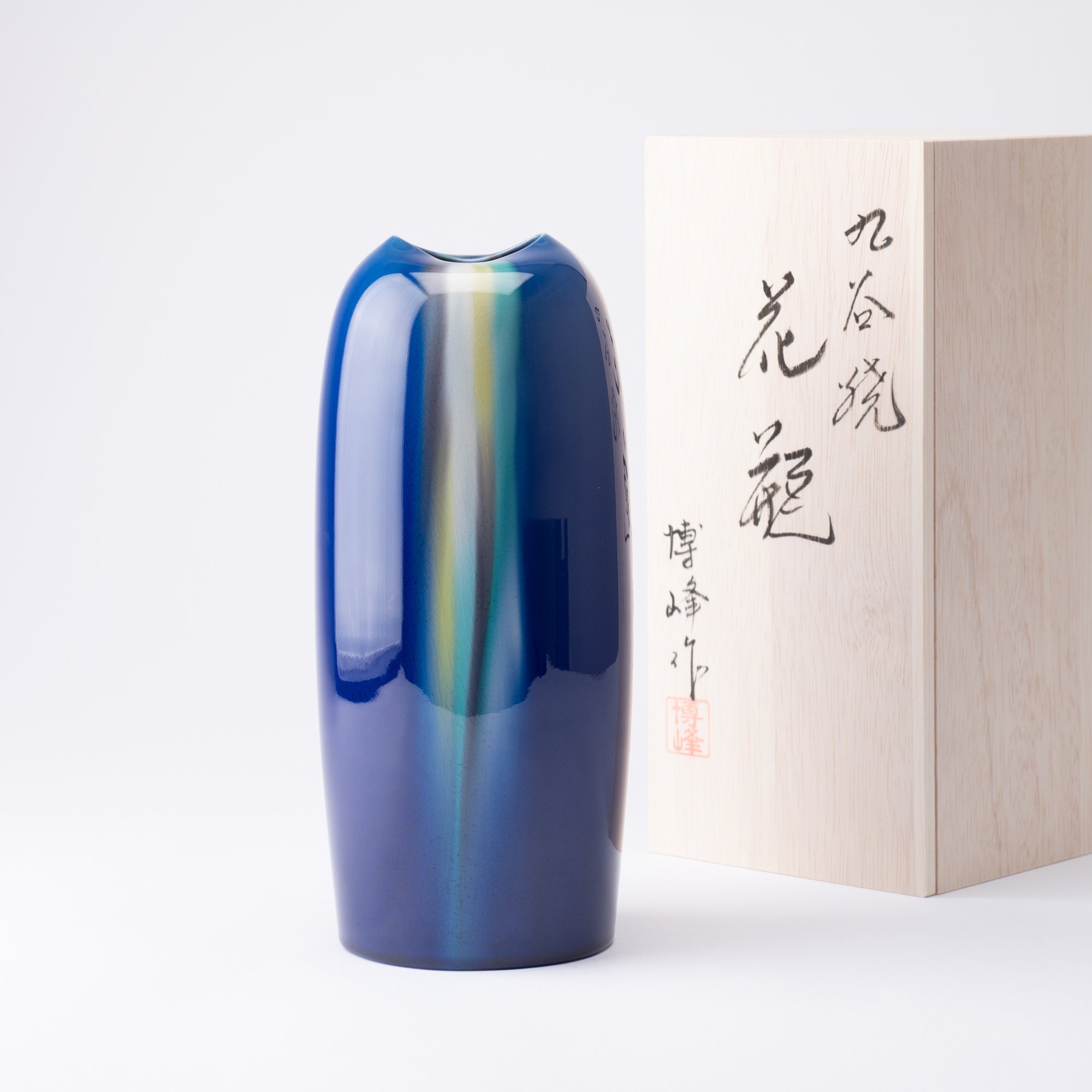
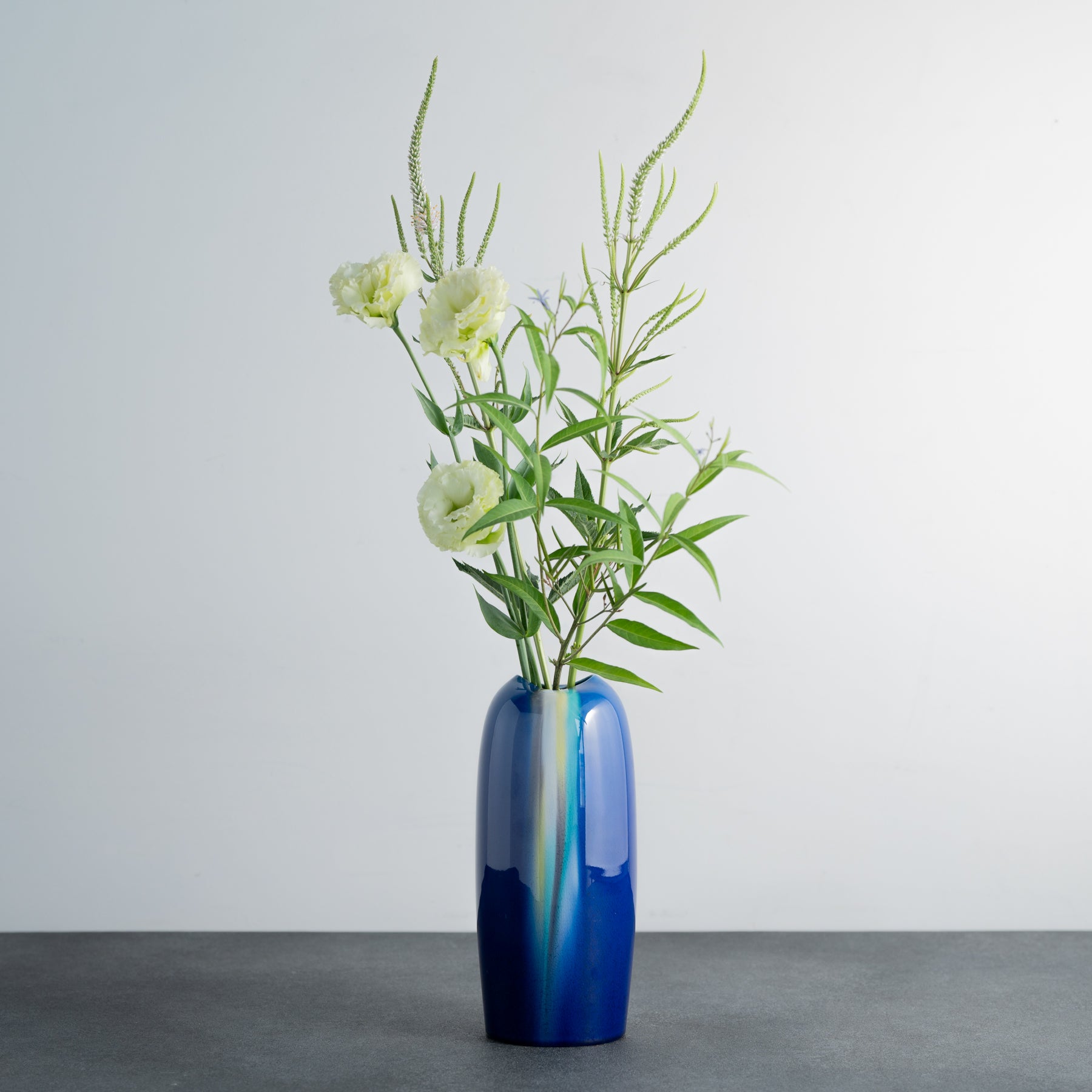
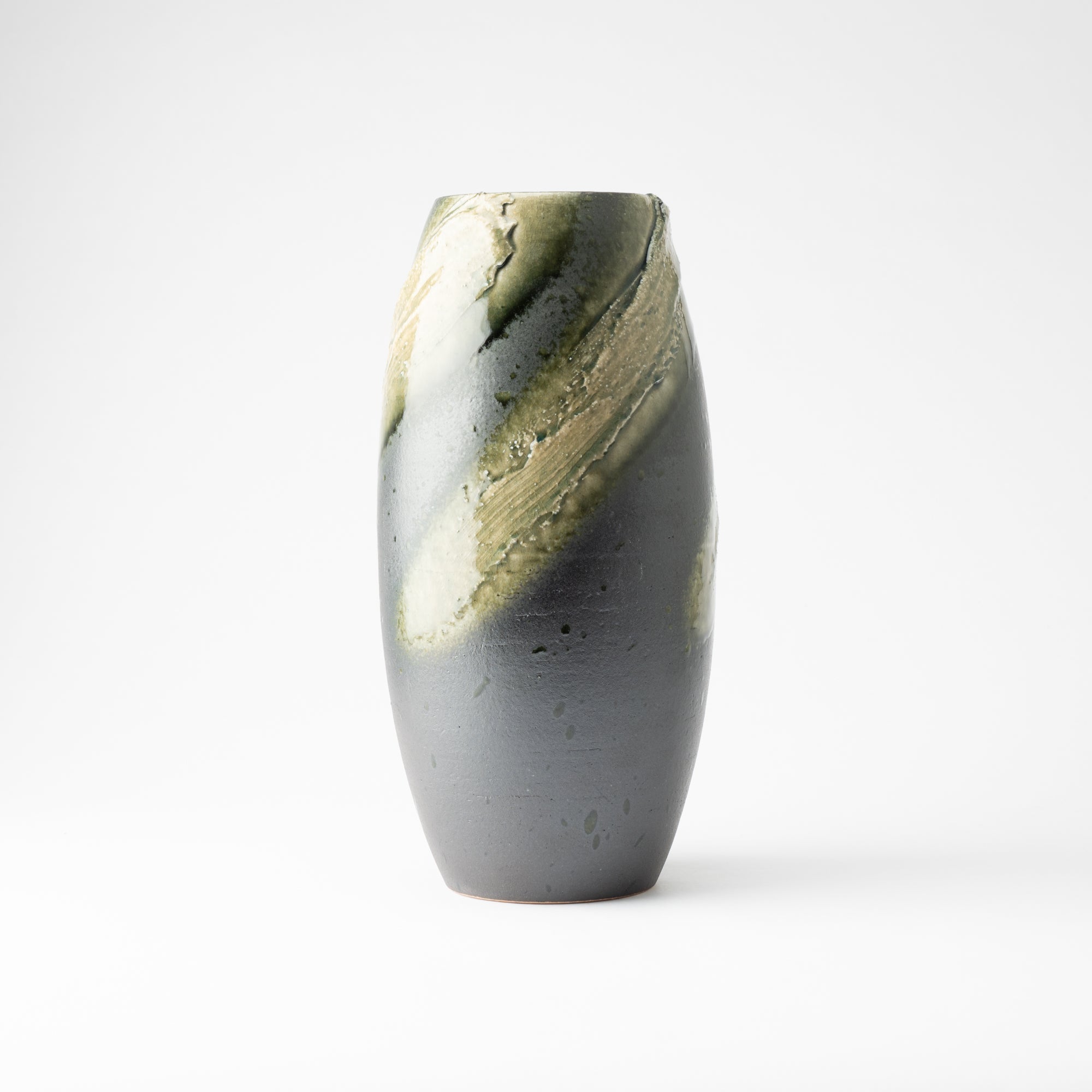
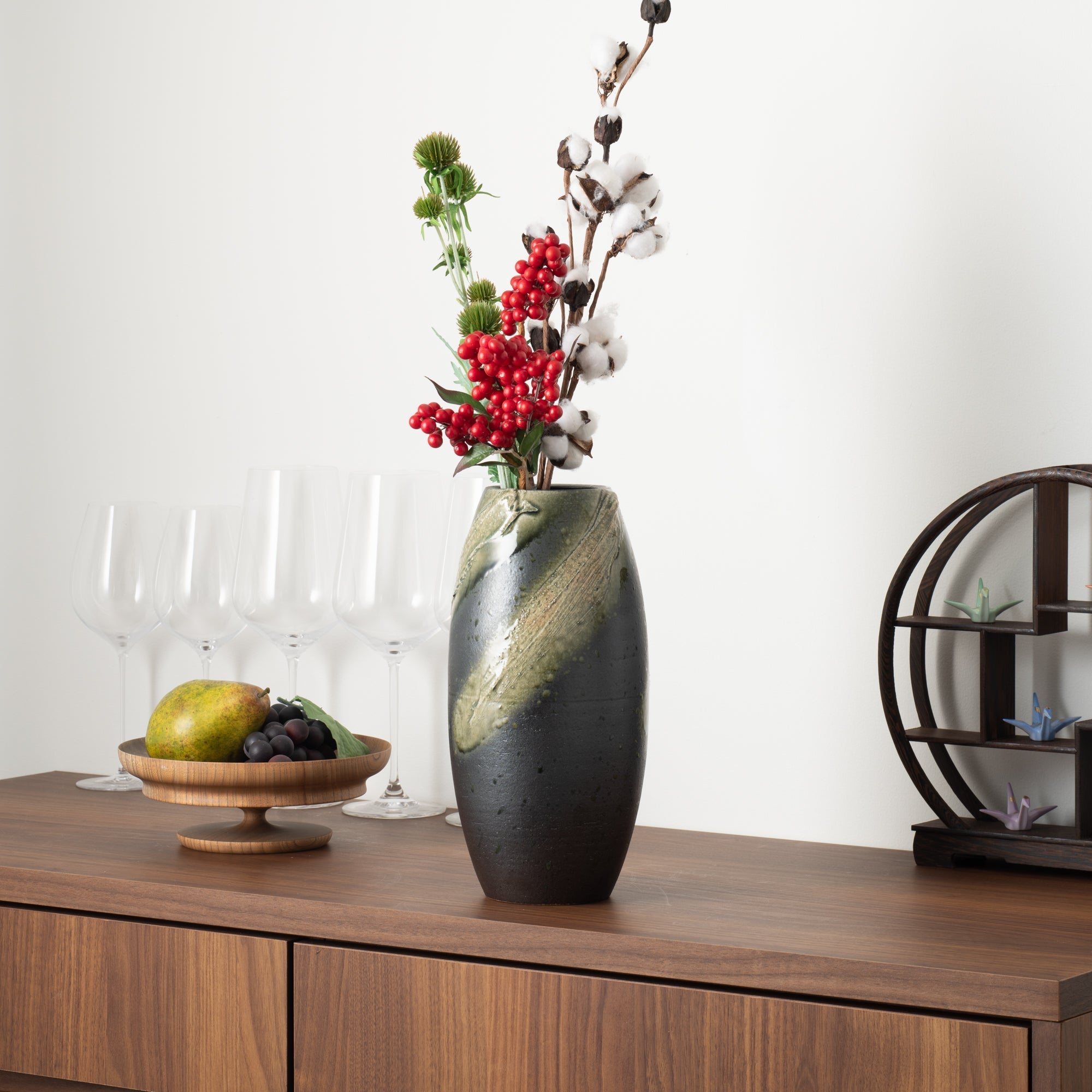
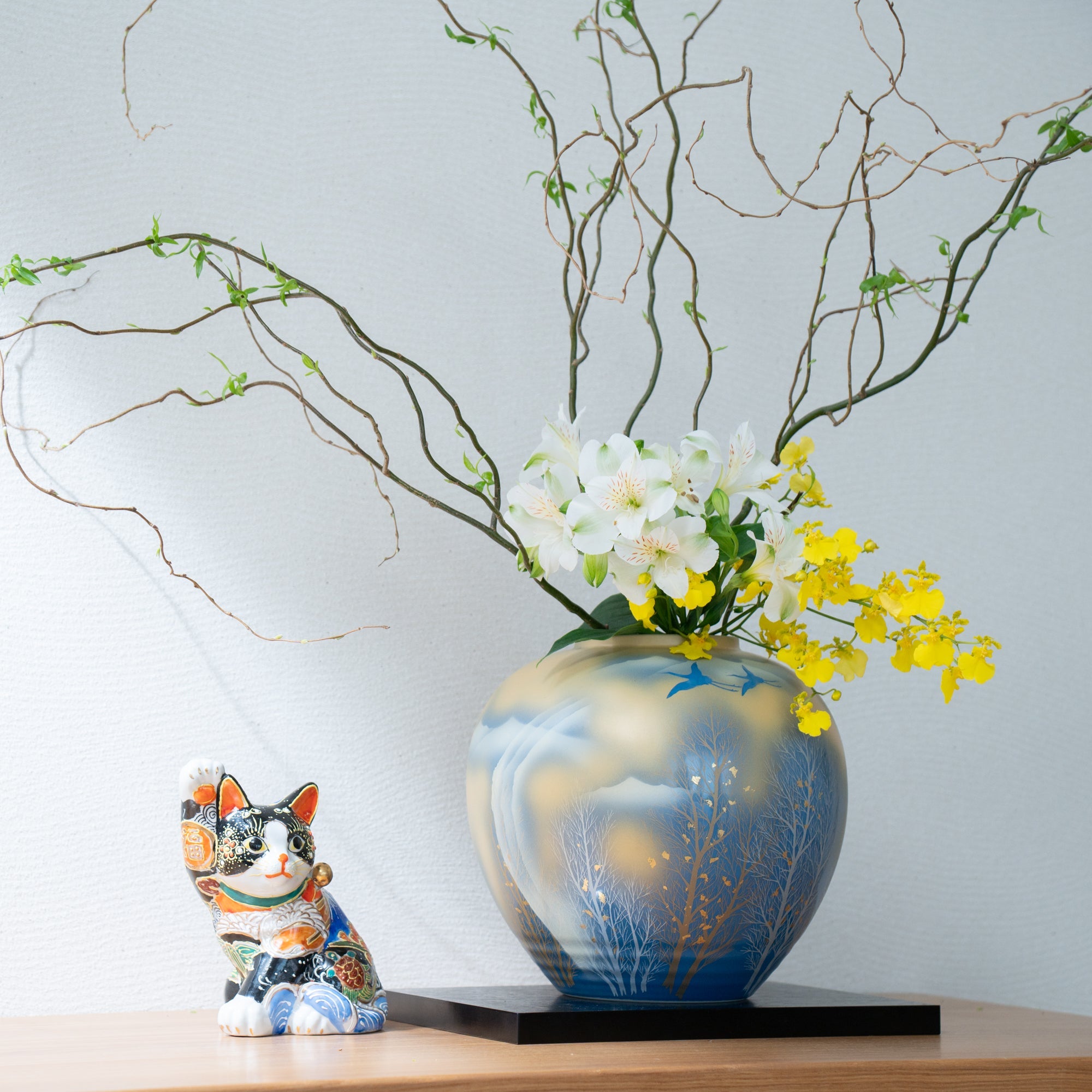
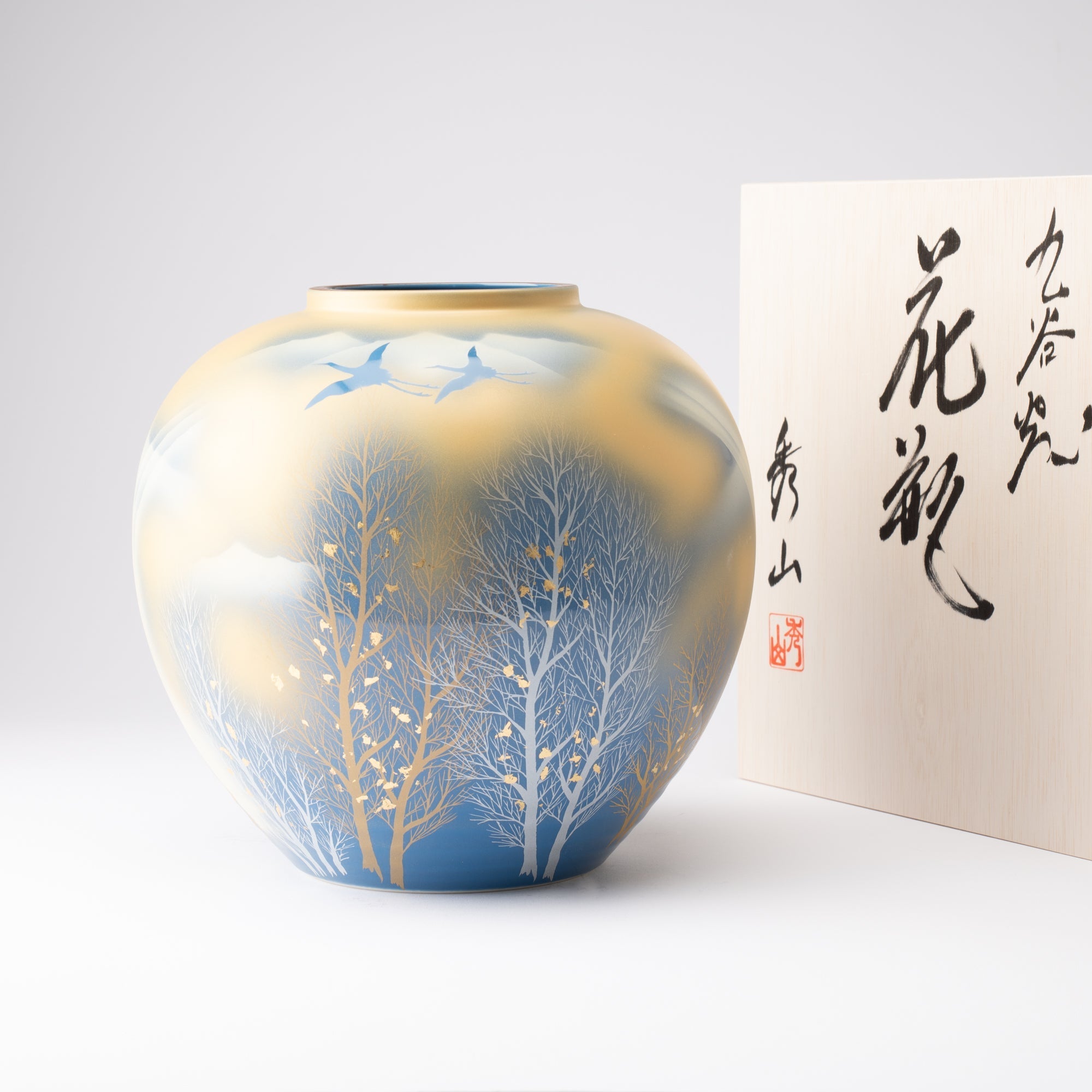


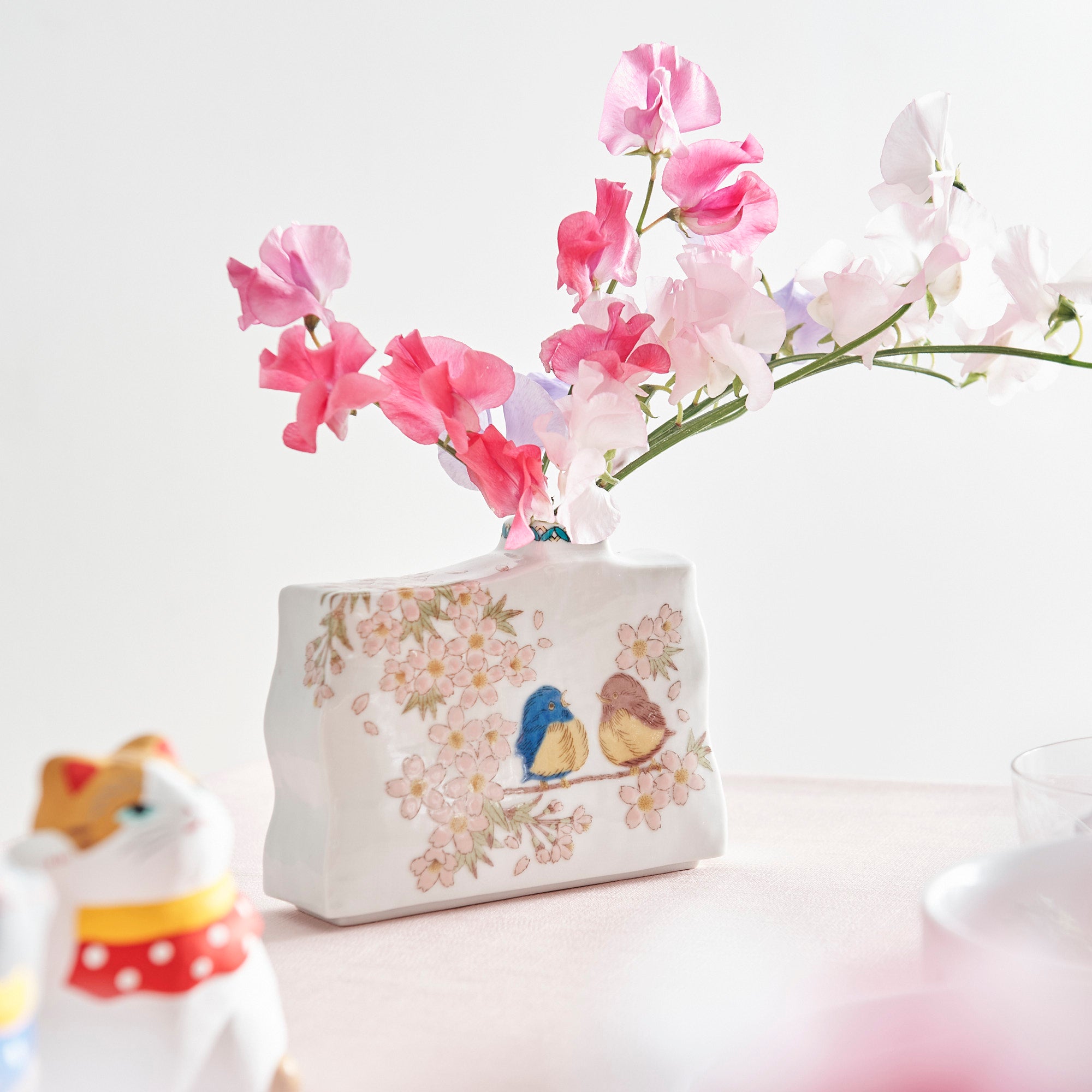
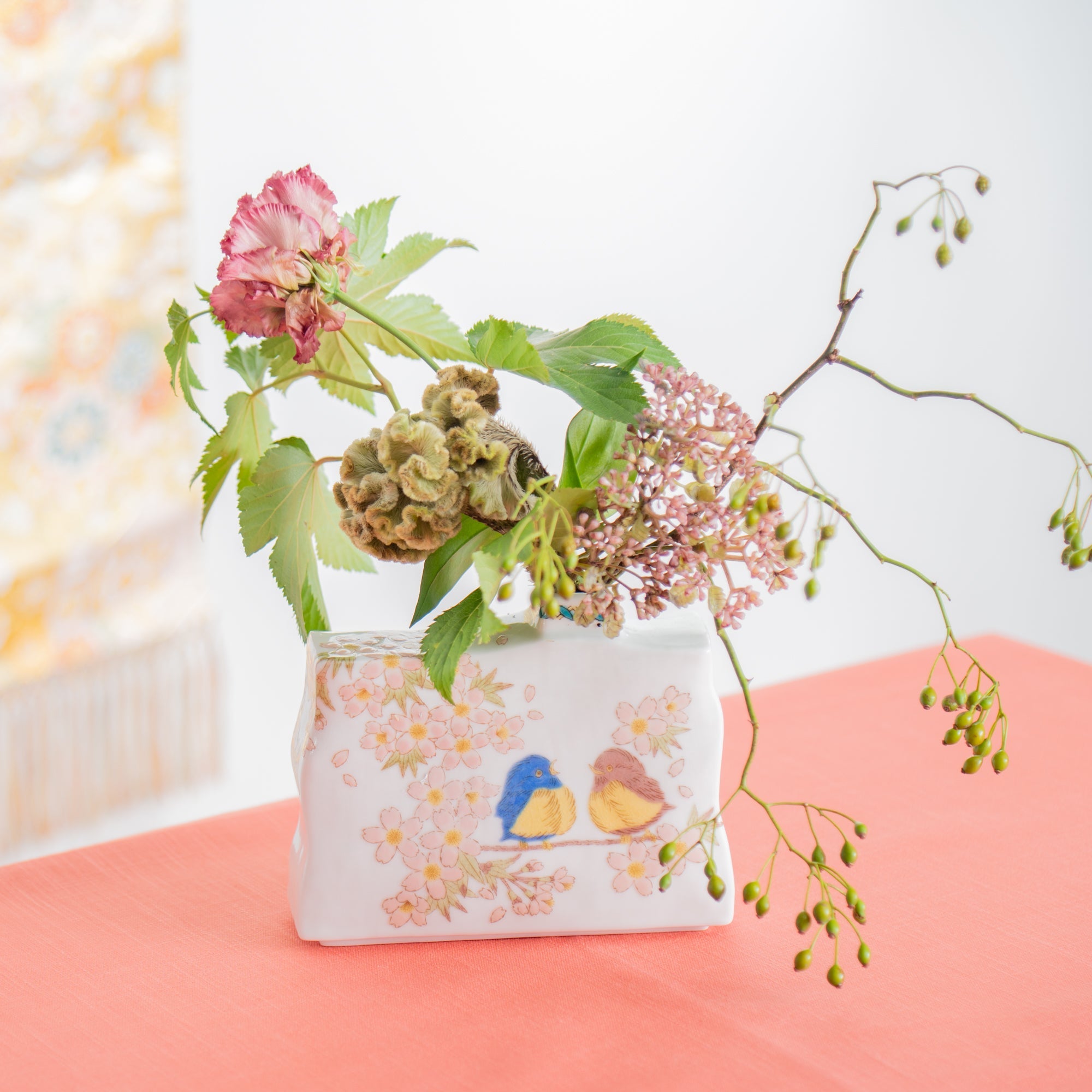
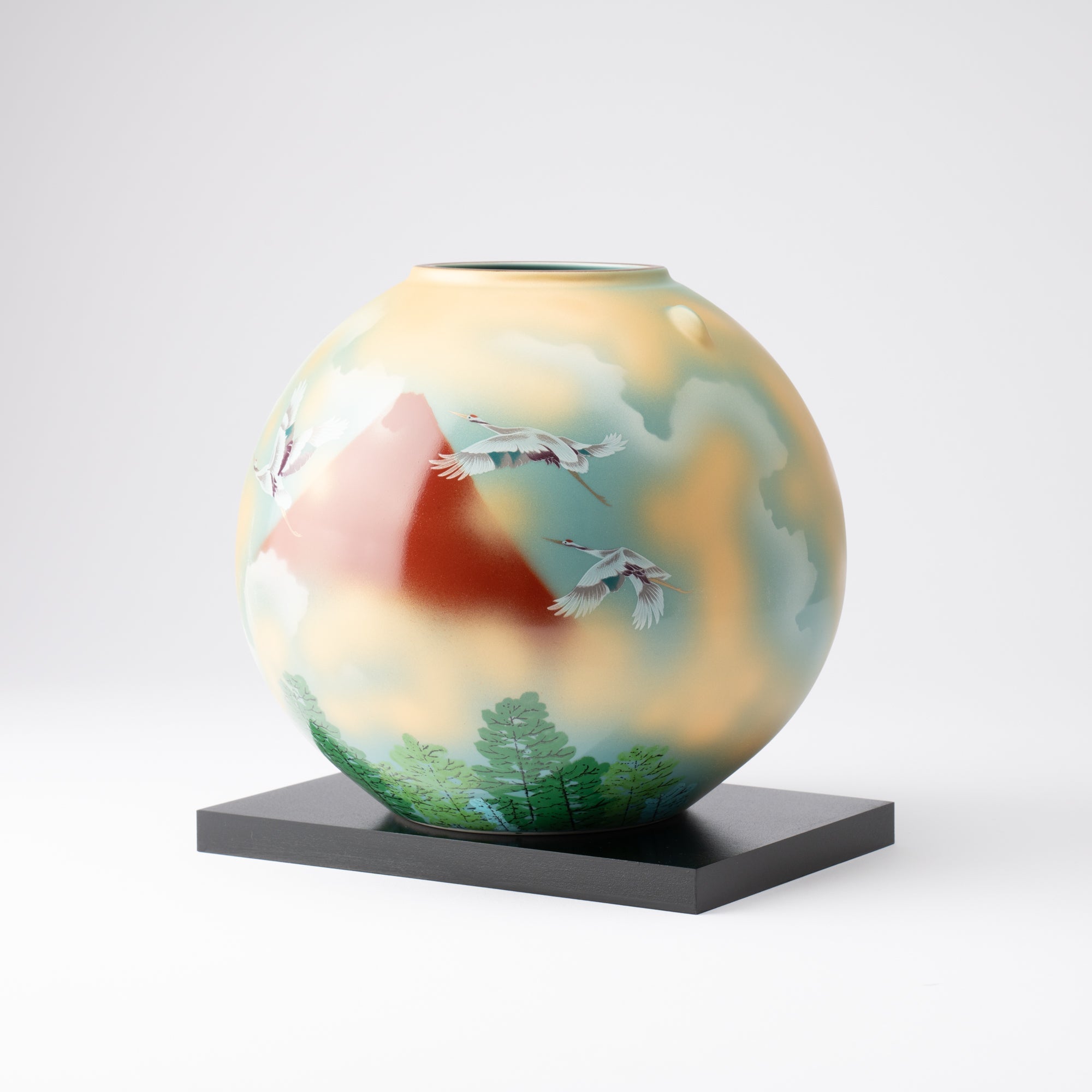
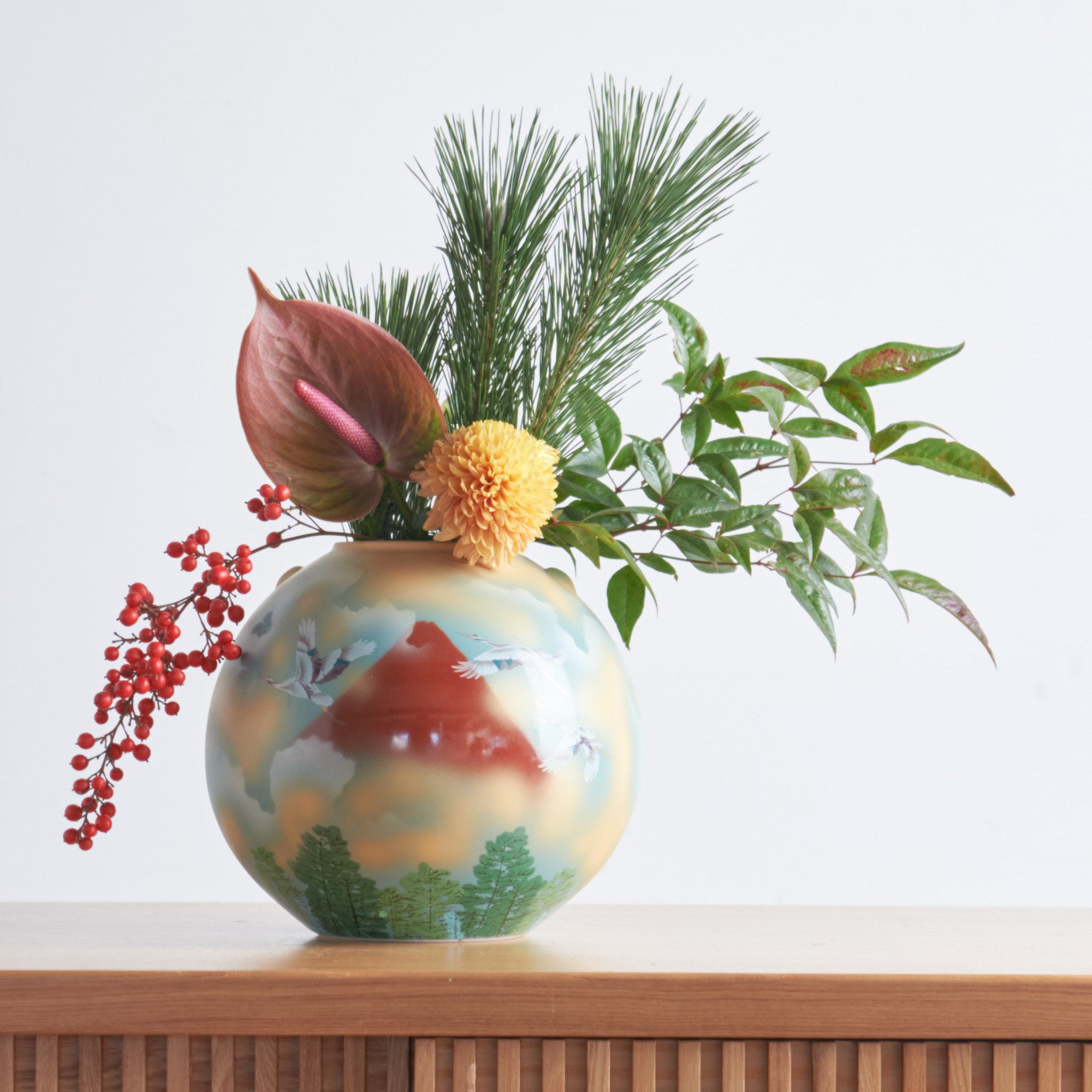


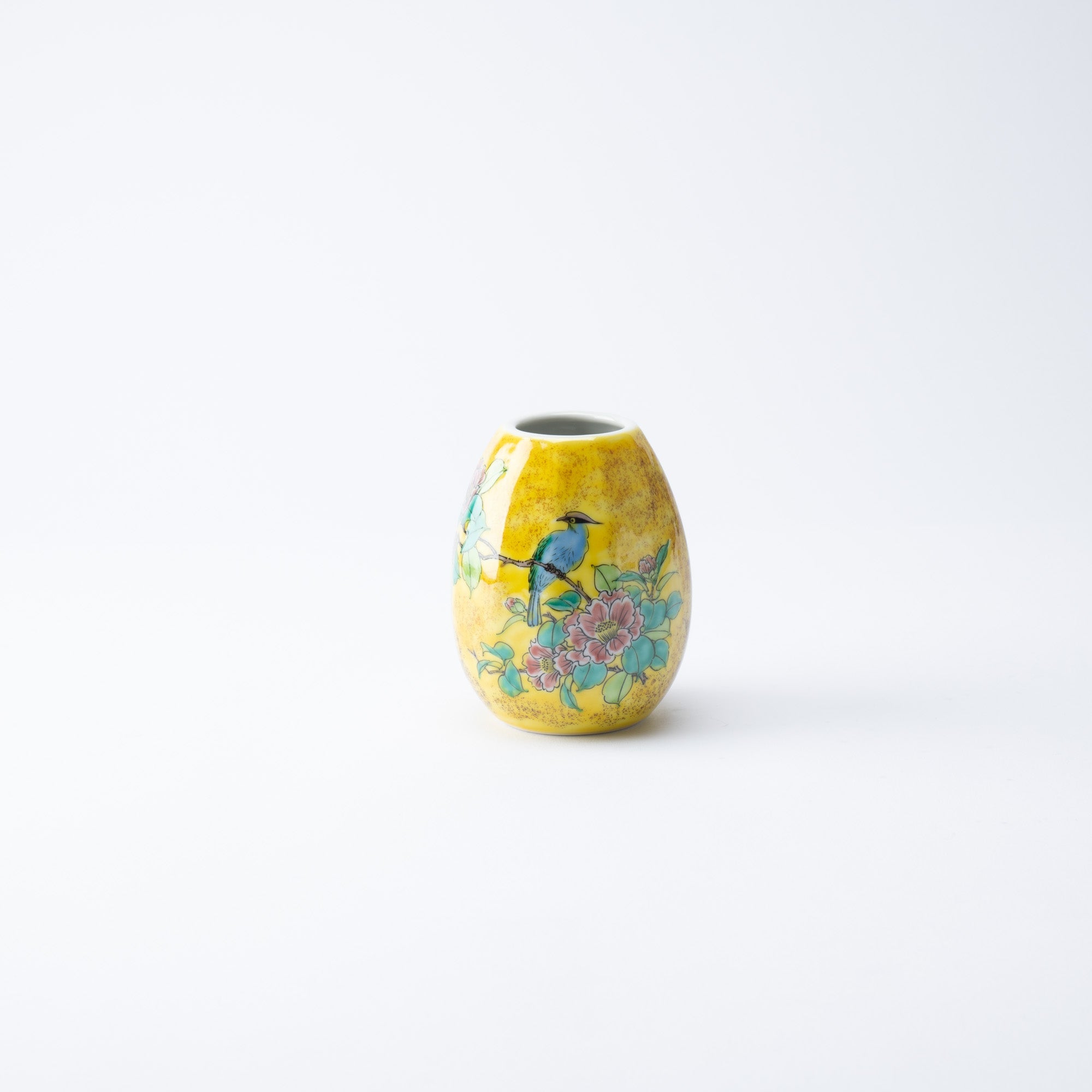
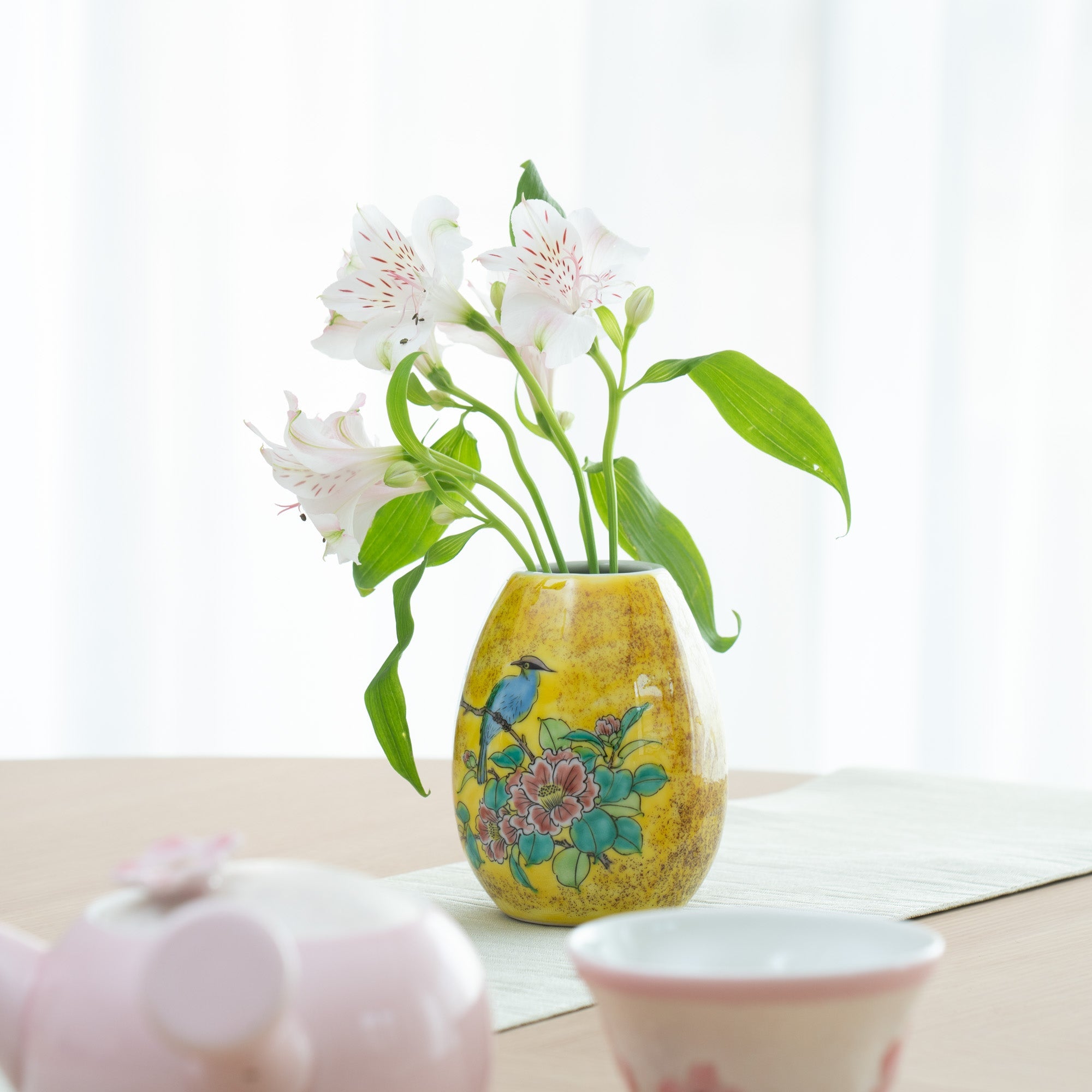
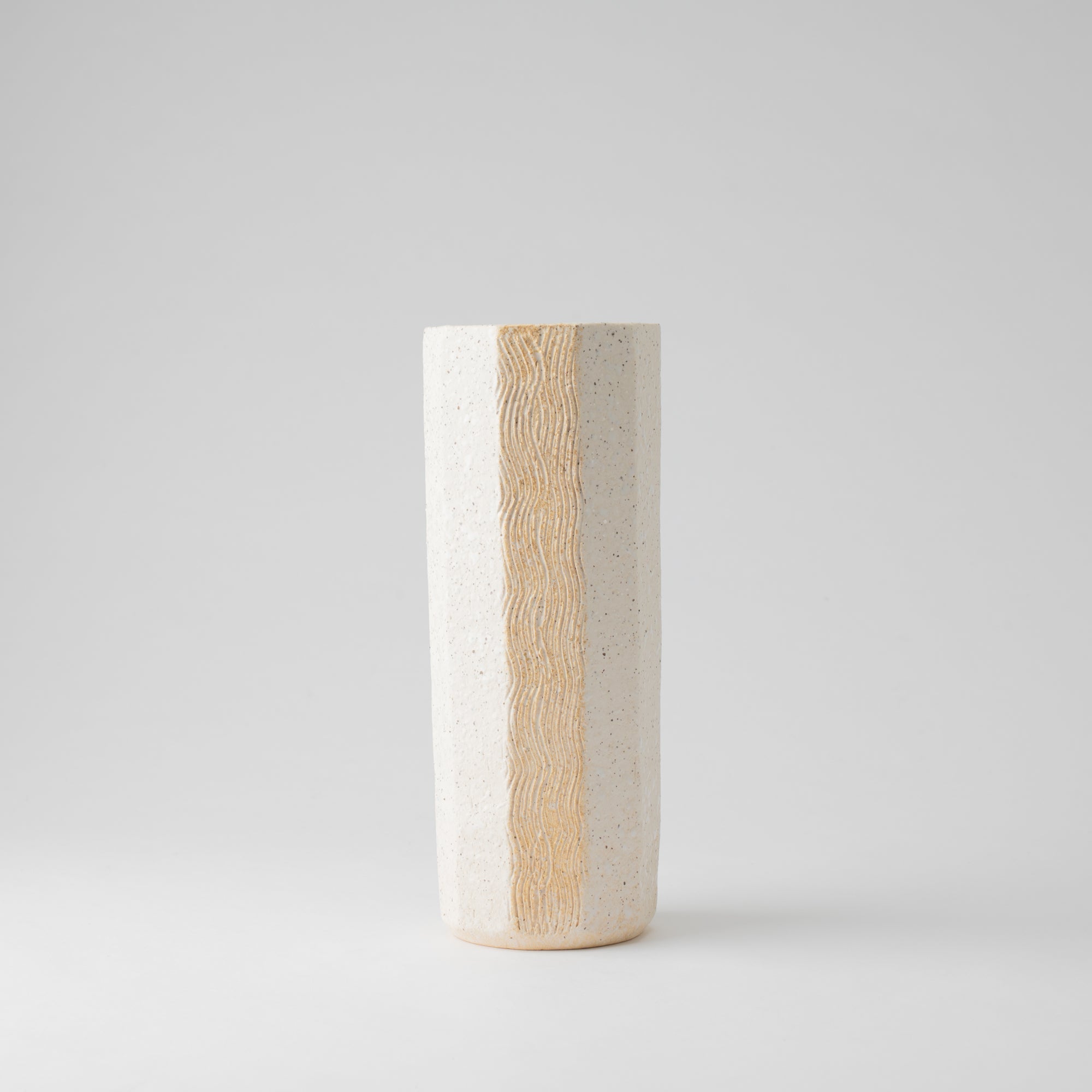
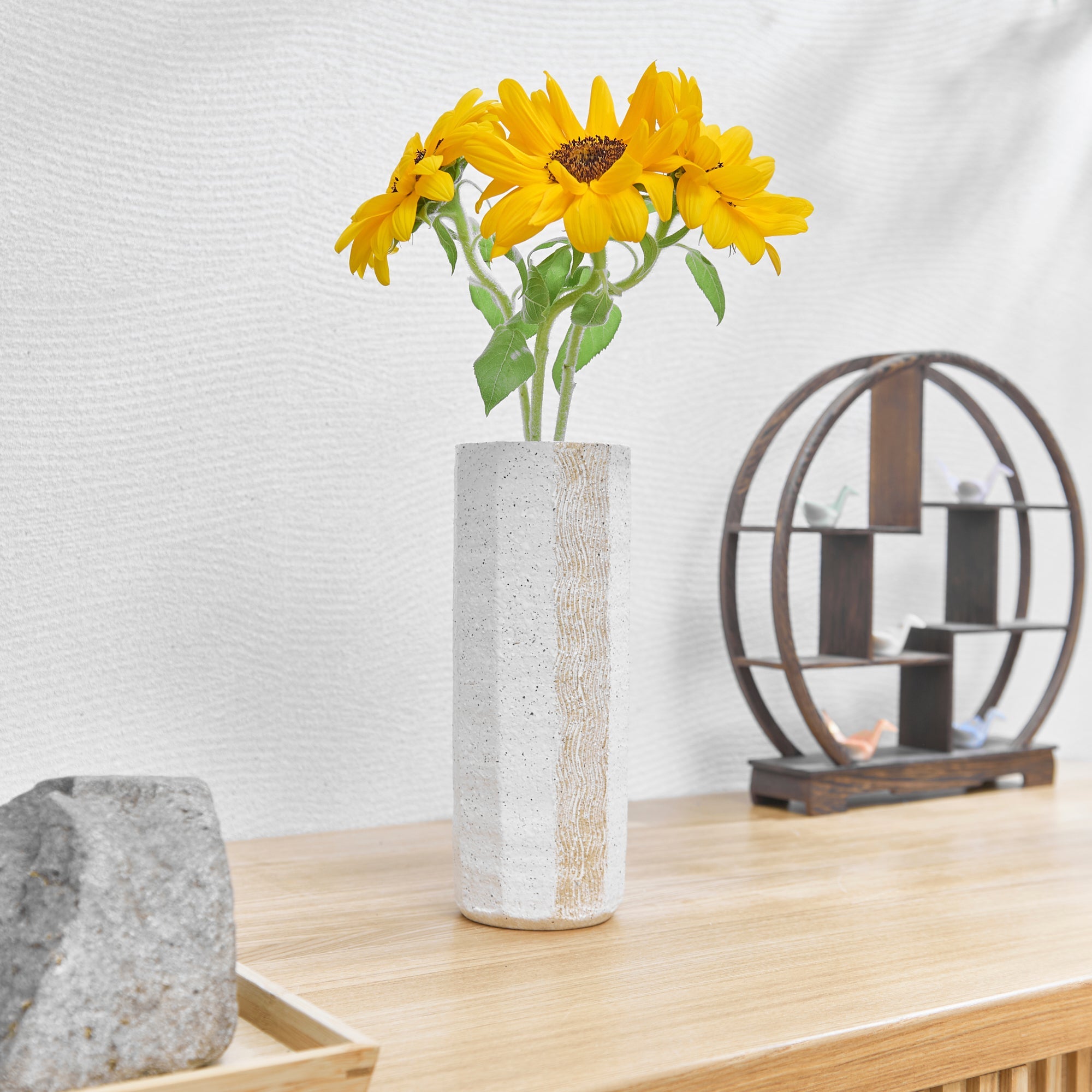
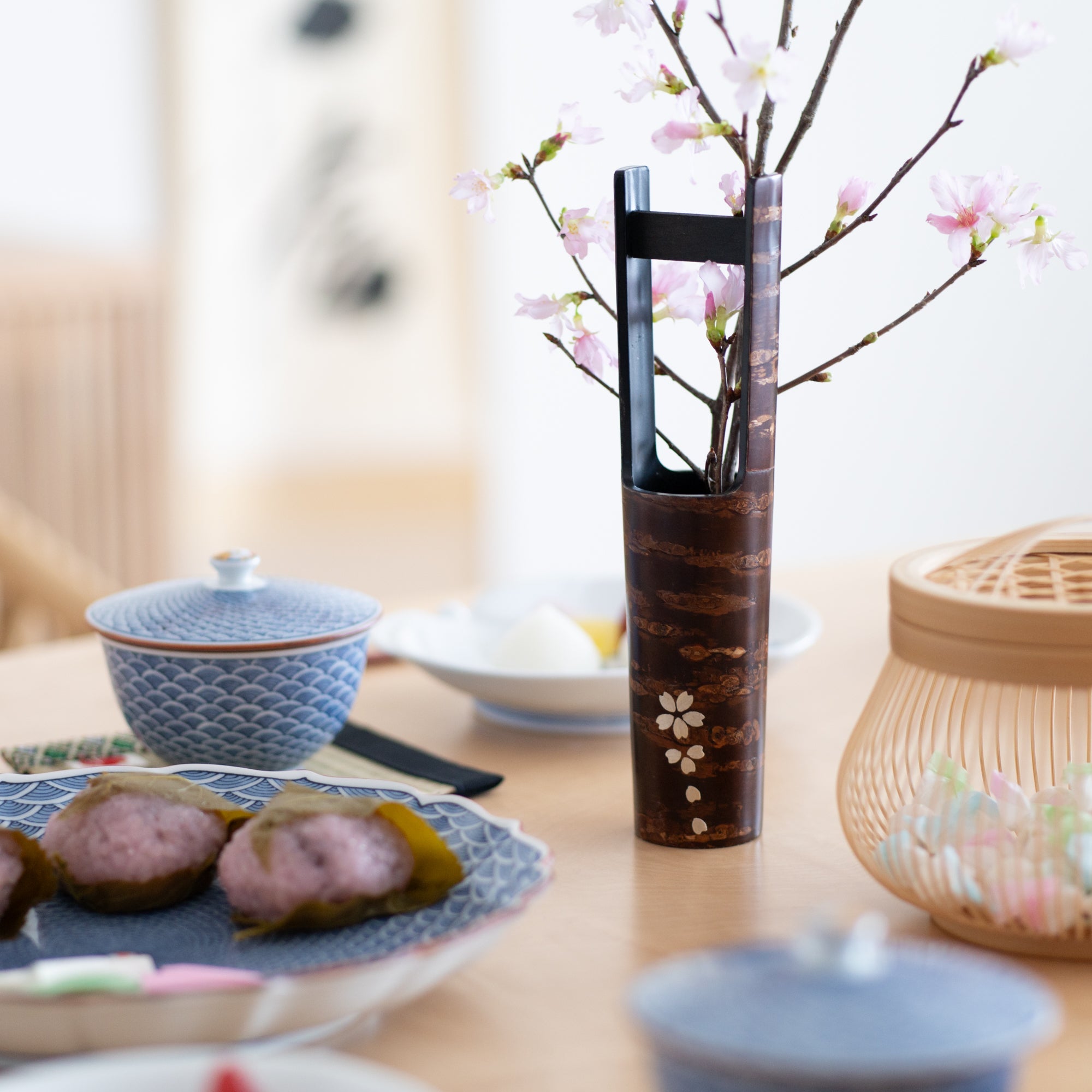
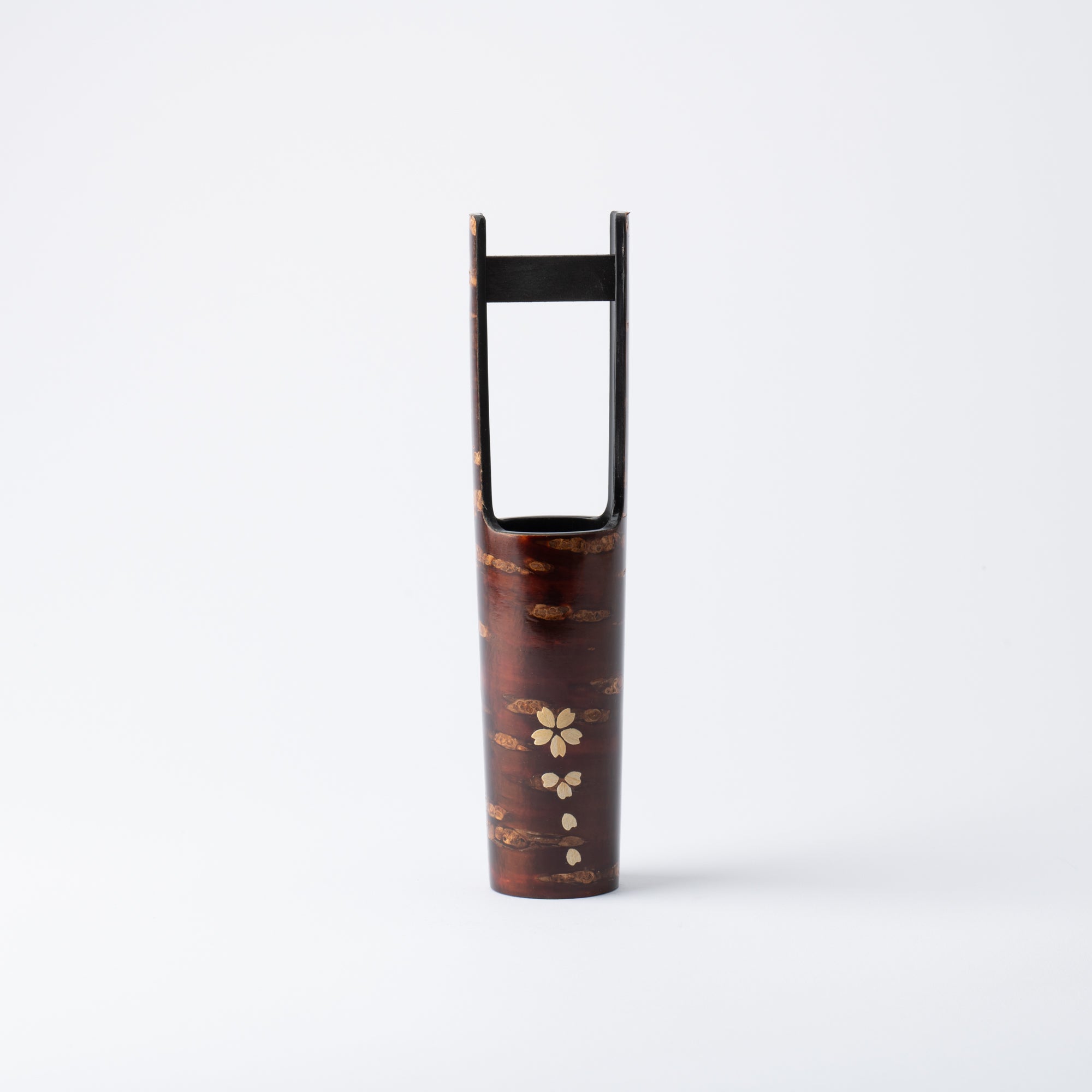
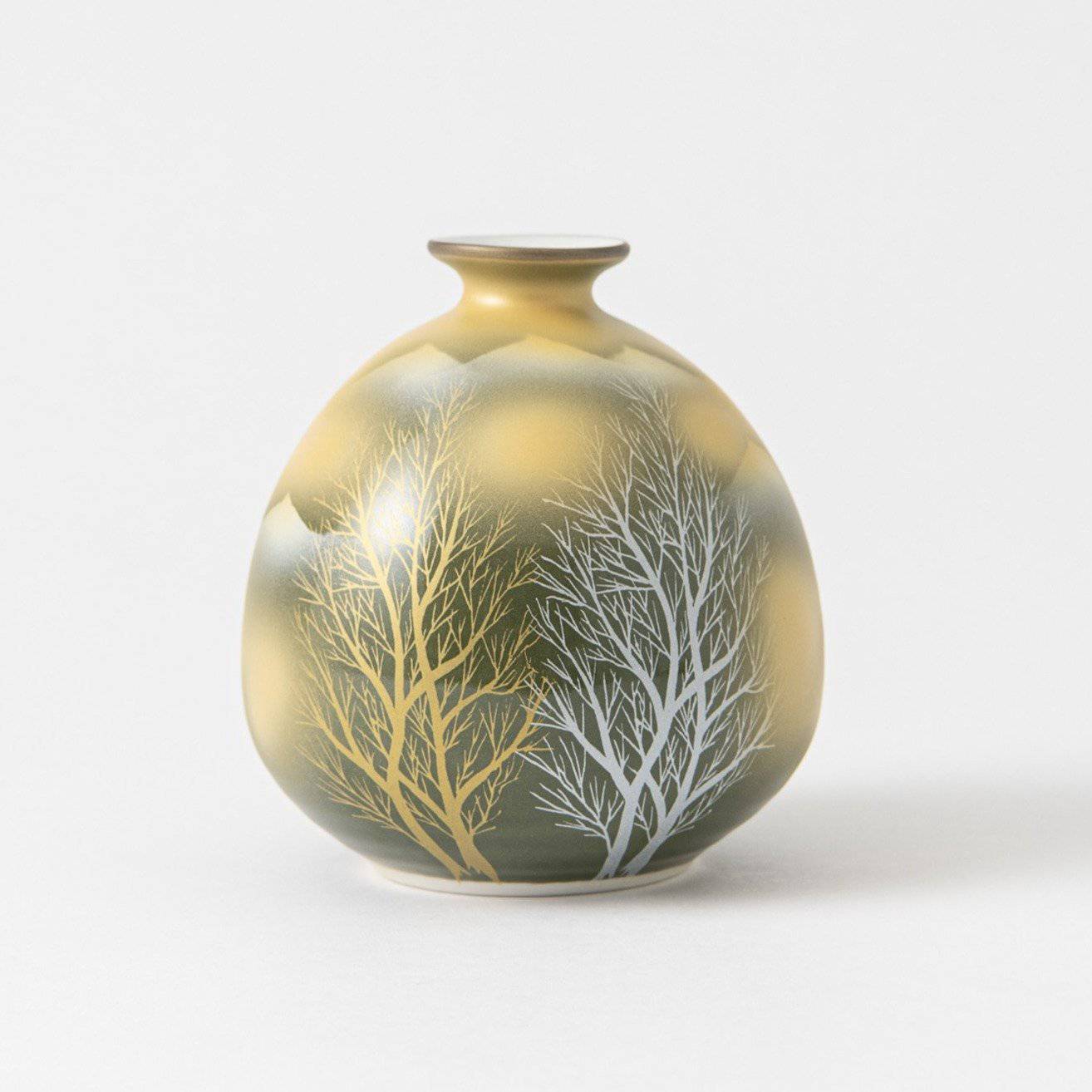
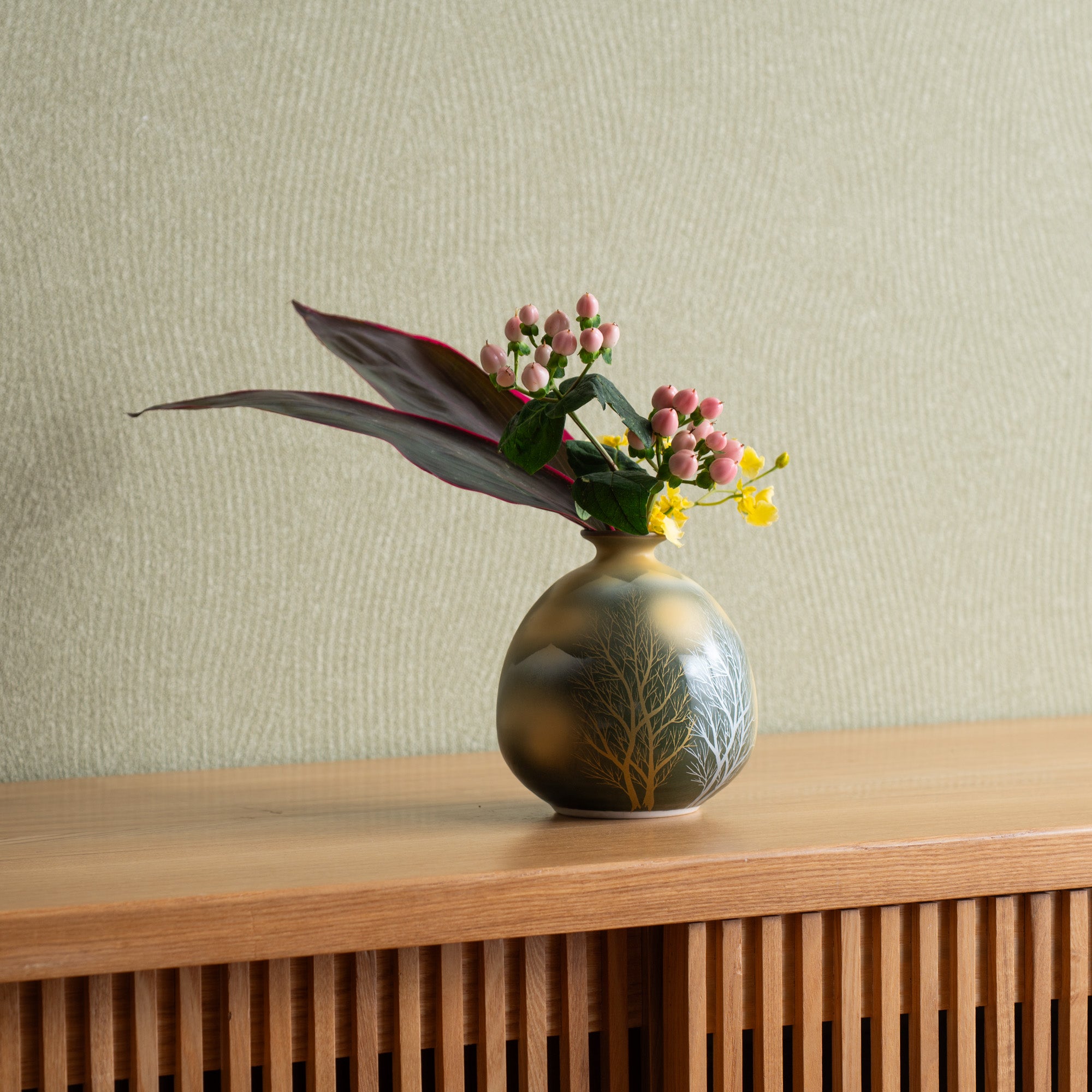
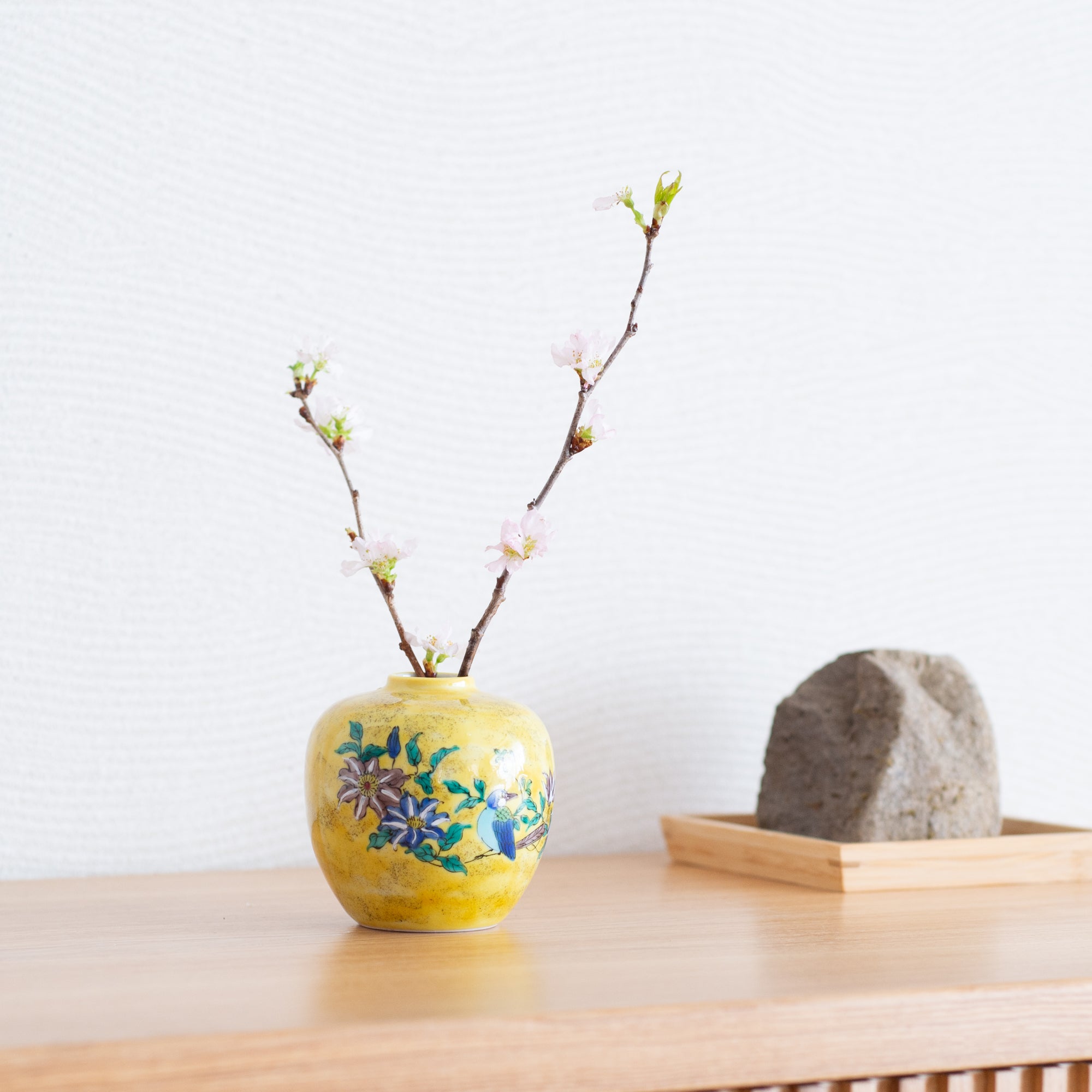
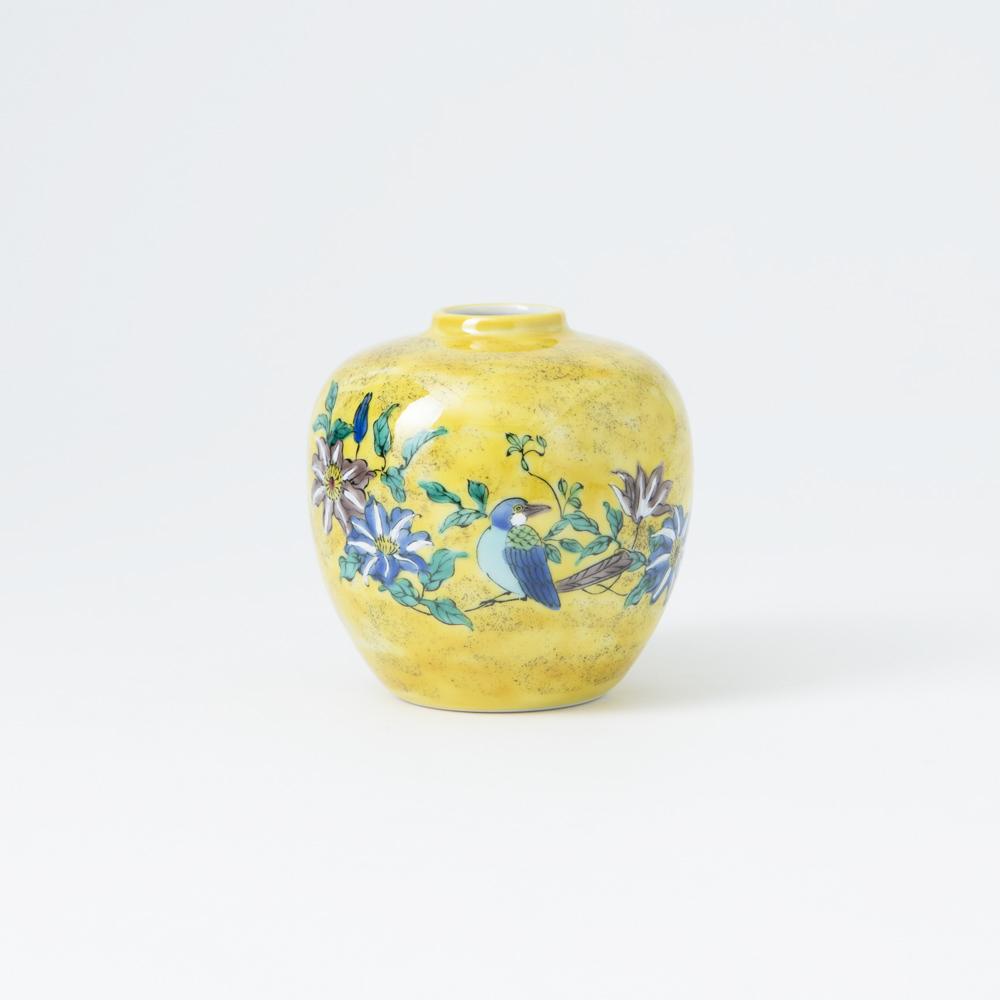


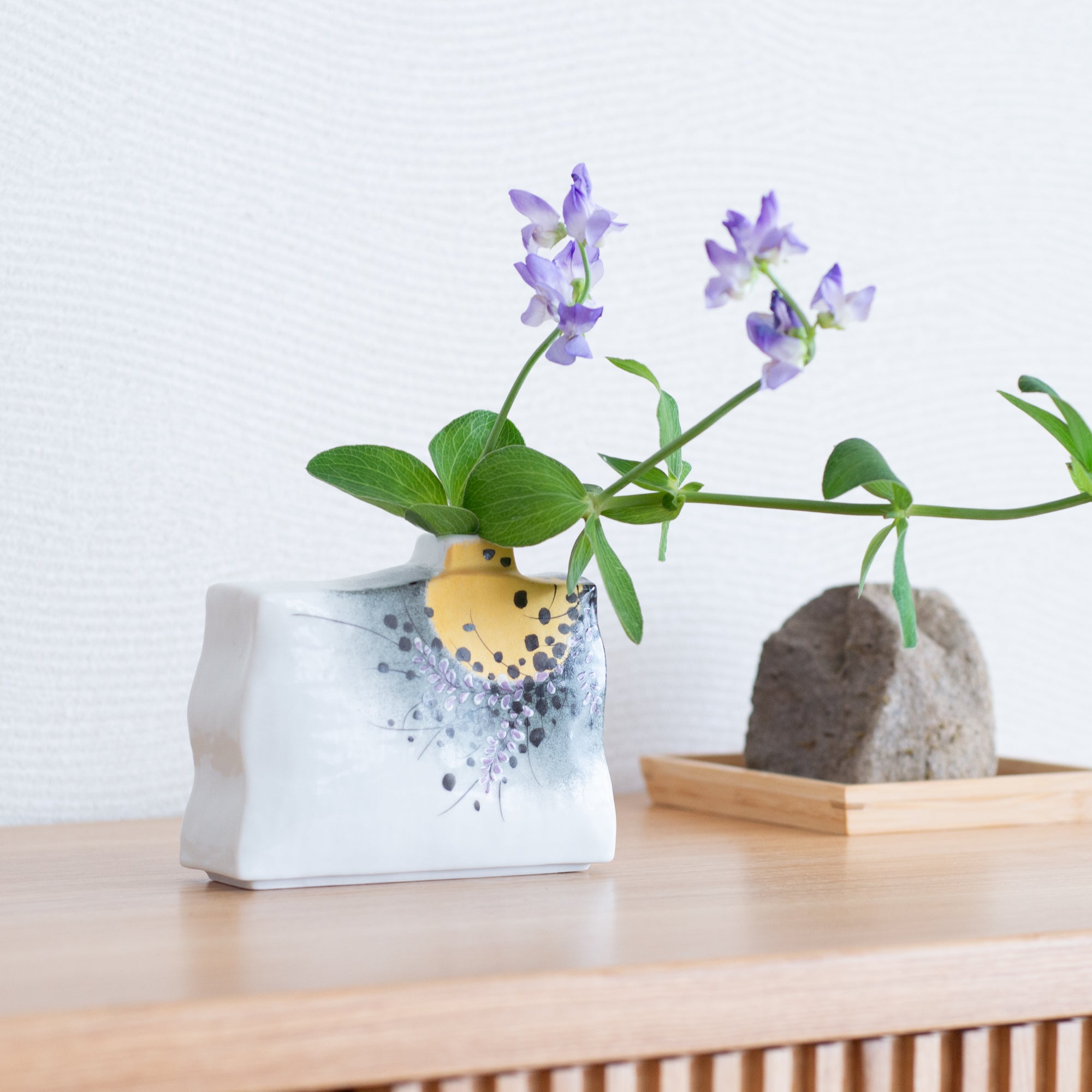
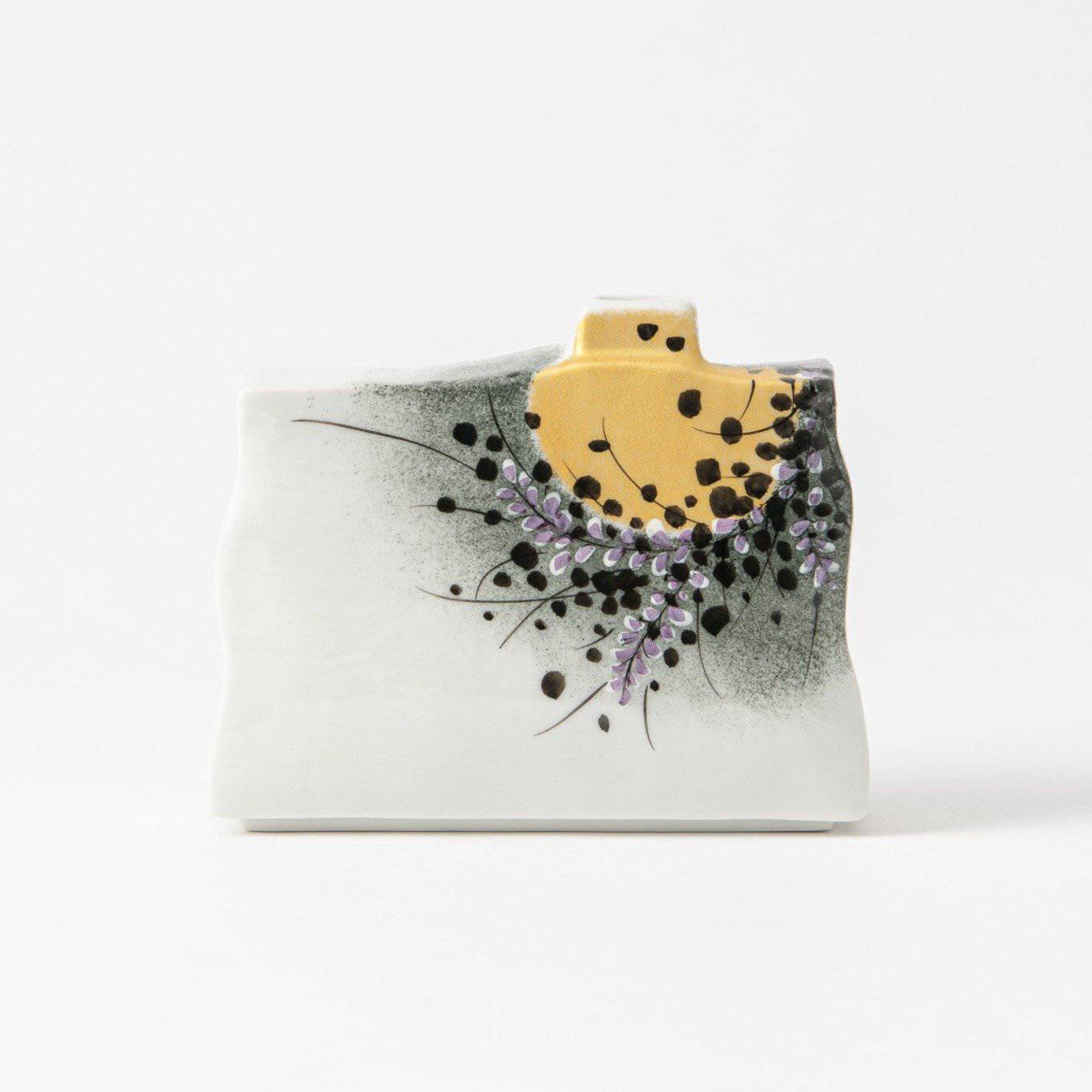
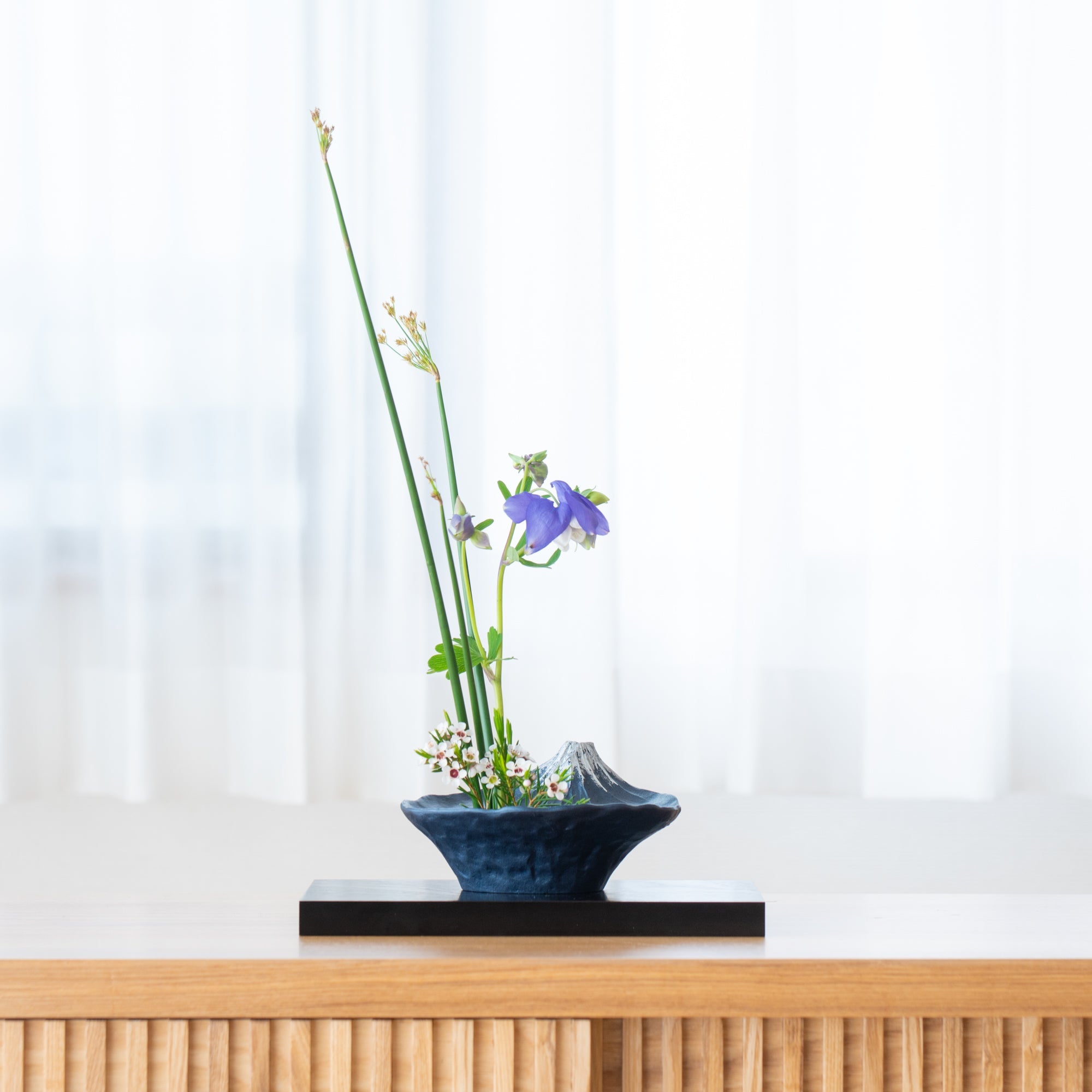

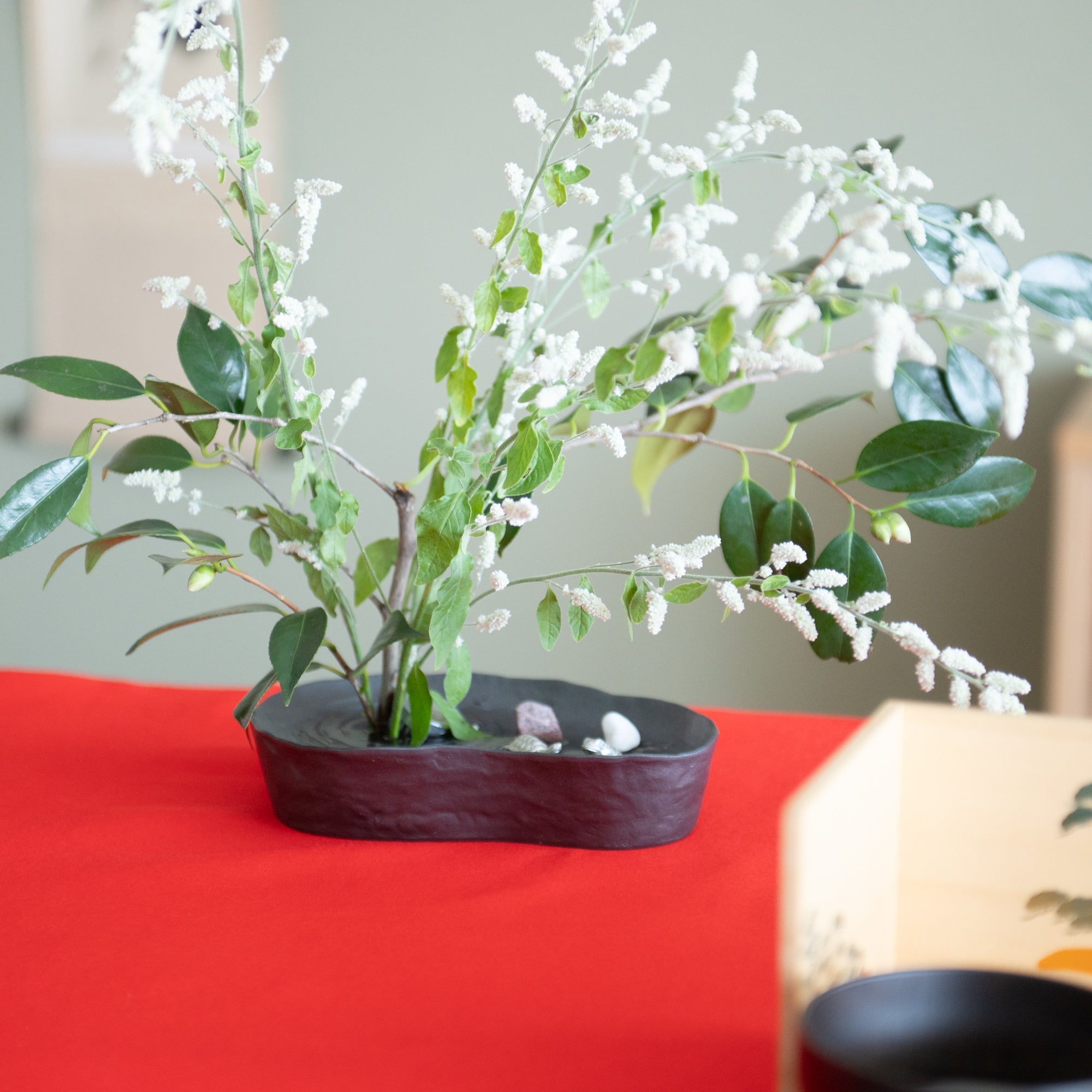

Easy tips to decorate your home with Japanese vases
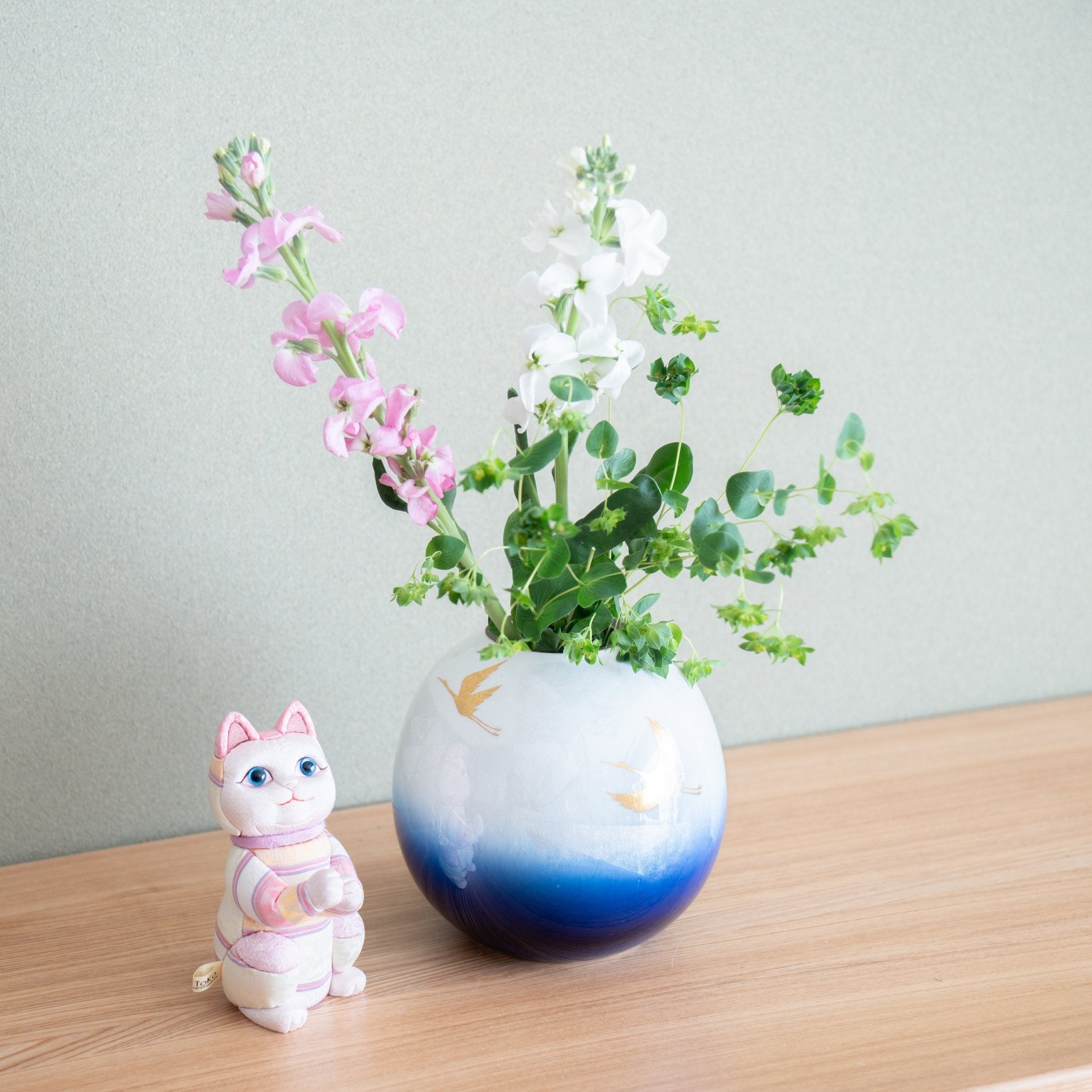
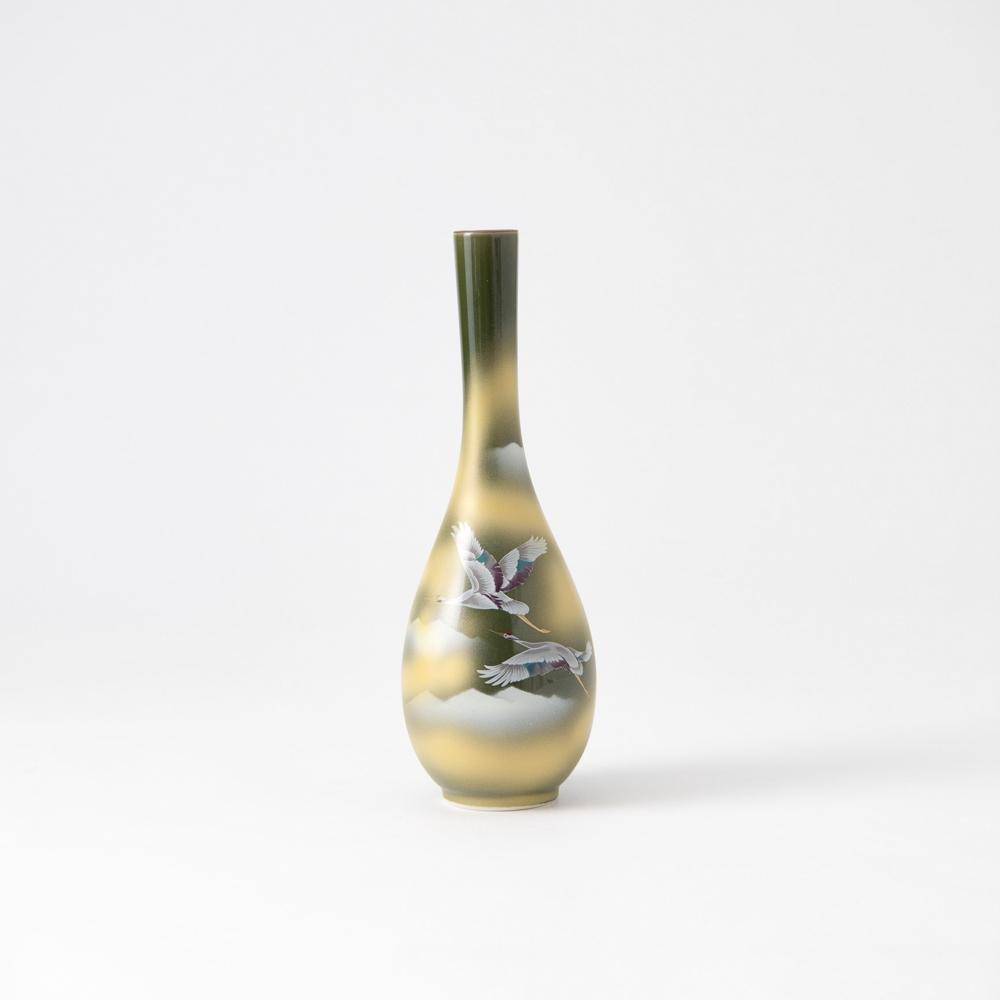
- The smaller the opening of the vase, the better the balance of the flowers. Especially for those who are not used to decorating with flowers, a vase with an opening of about 35 cm (4 in) or less (smaller than a fist) is recommended.
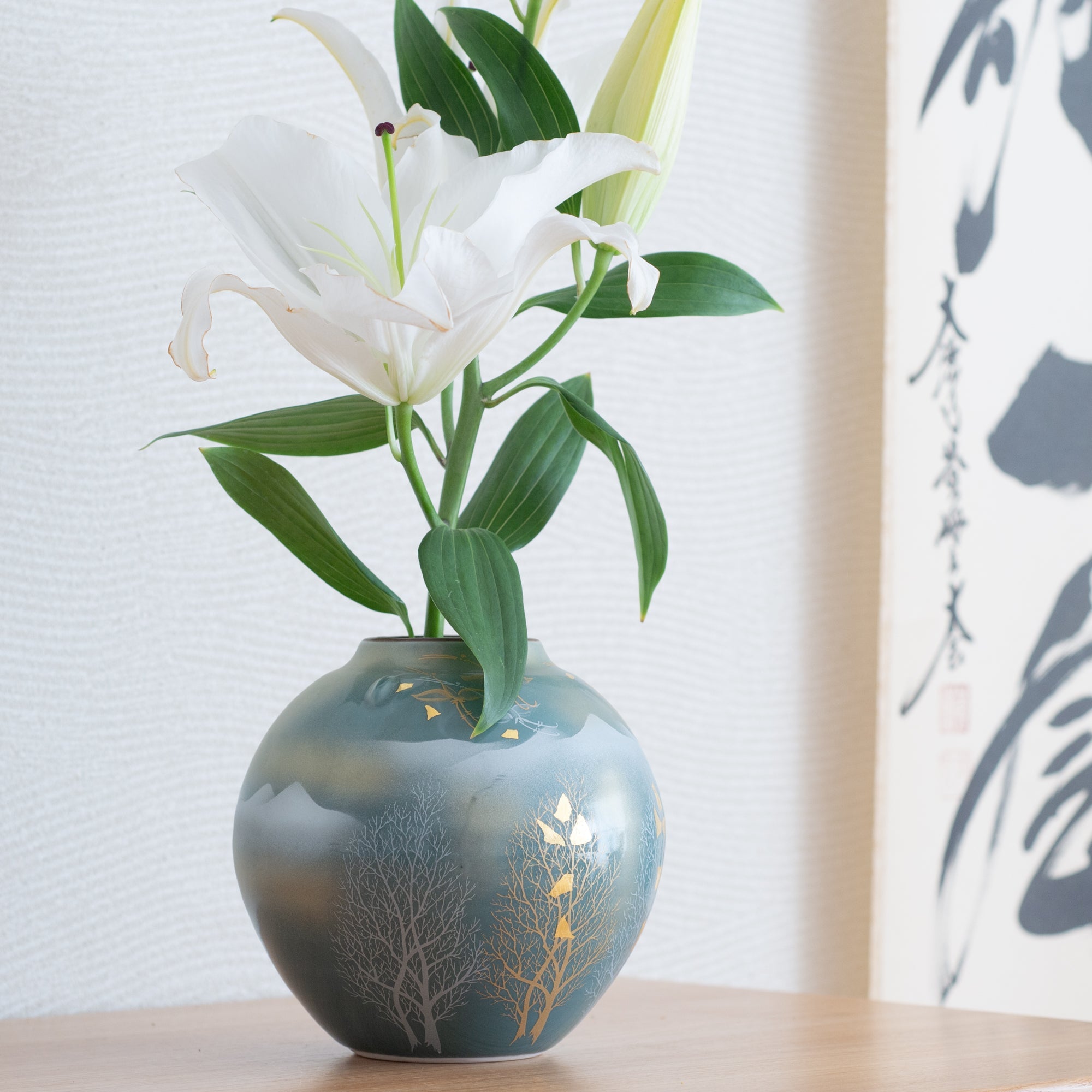
- You can achieve a good balance by arranging the stems so that the height of the vase and the height of the visible part of the plant are in a 1:1 ratio. If you are decorating with flowers that are used for bouquets, a vase that is about 15 to 25 cm (6 to 10 in) in height is a good choice. If you are decorating with tall flowers or flowers with branches, such as lilies, sunflowers, or large roses, a vase with a height of 30 cm (1.2 in) or more is recommended.
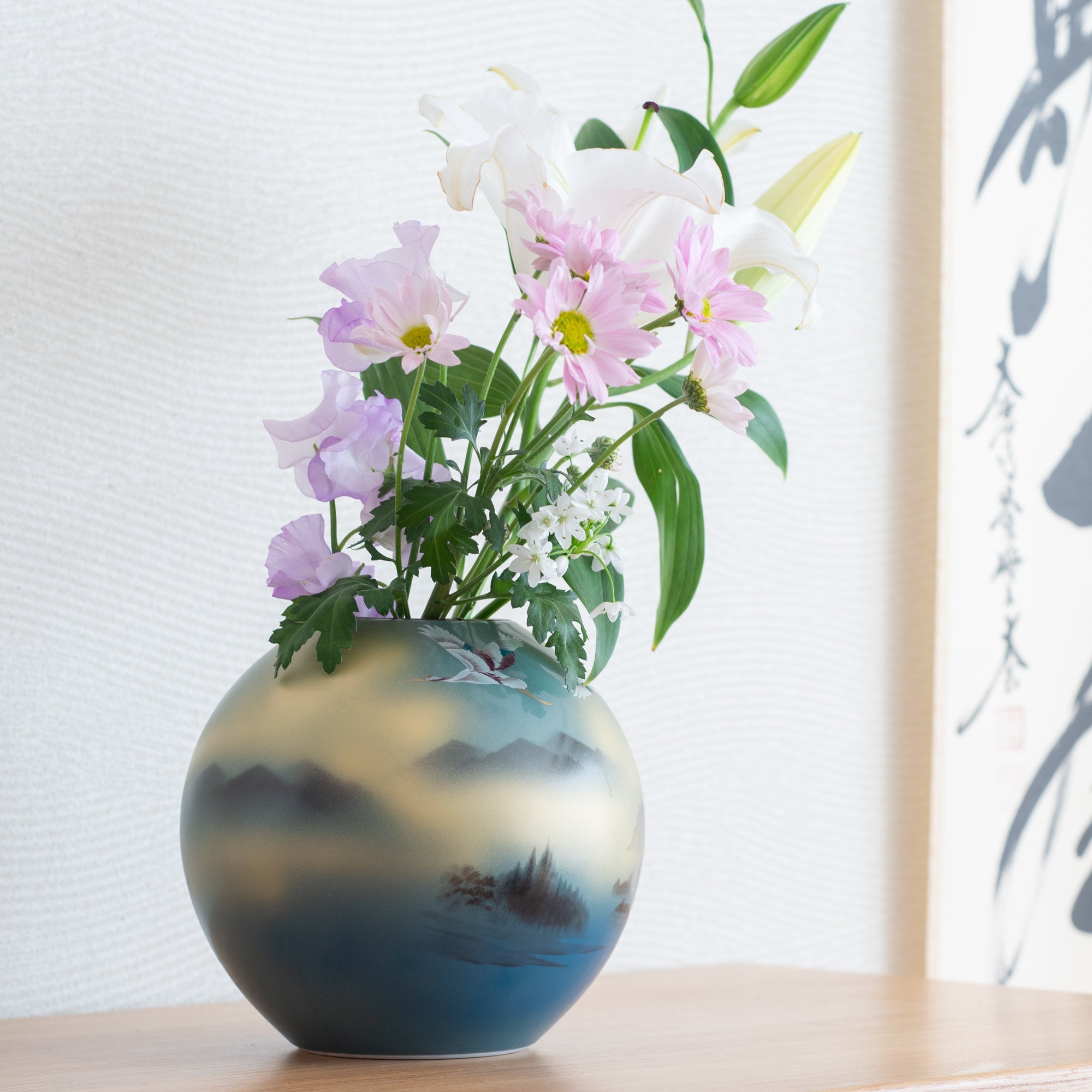
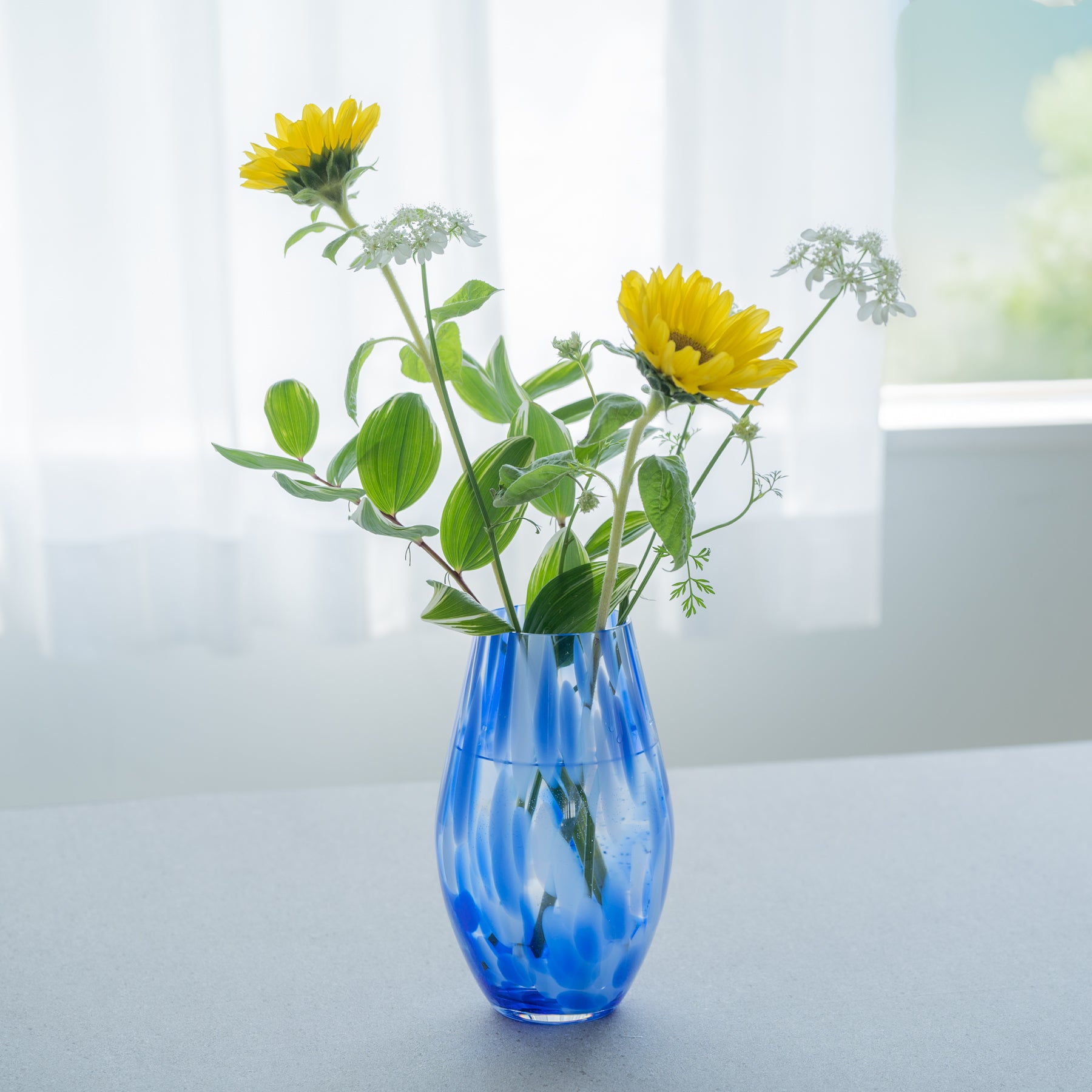
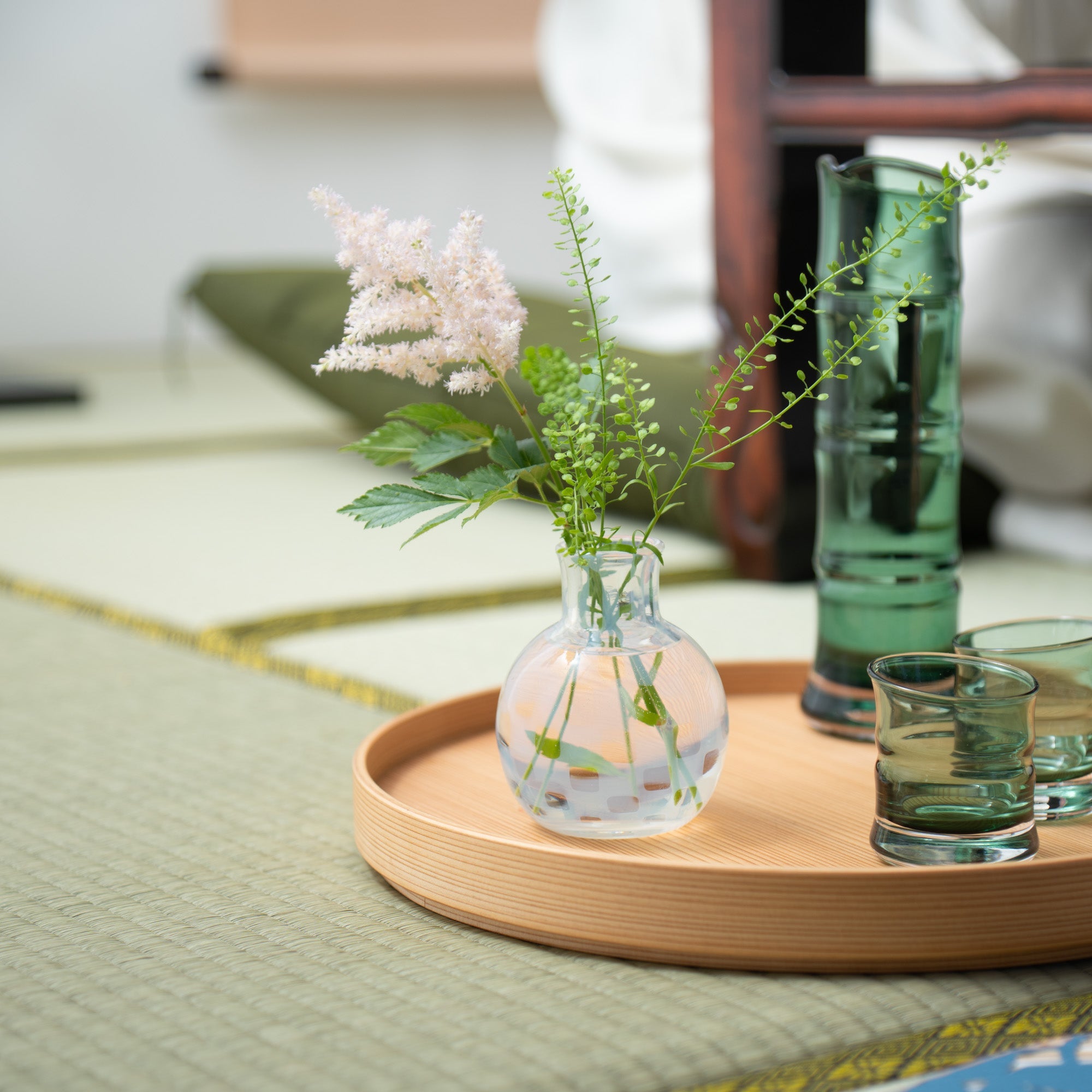
- You can create a sense of unity by including flowers of the similar color as the one used in the vase. For example, if the vase is in a shade of green, it is a good idea to mix something with green leaves.
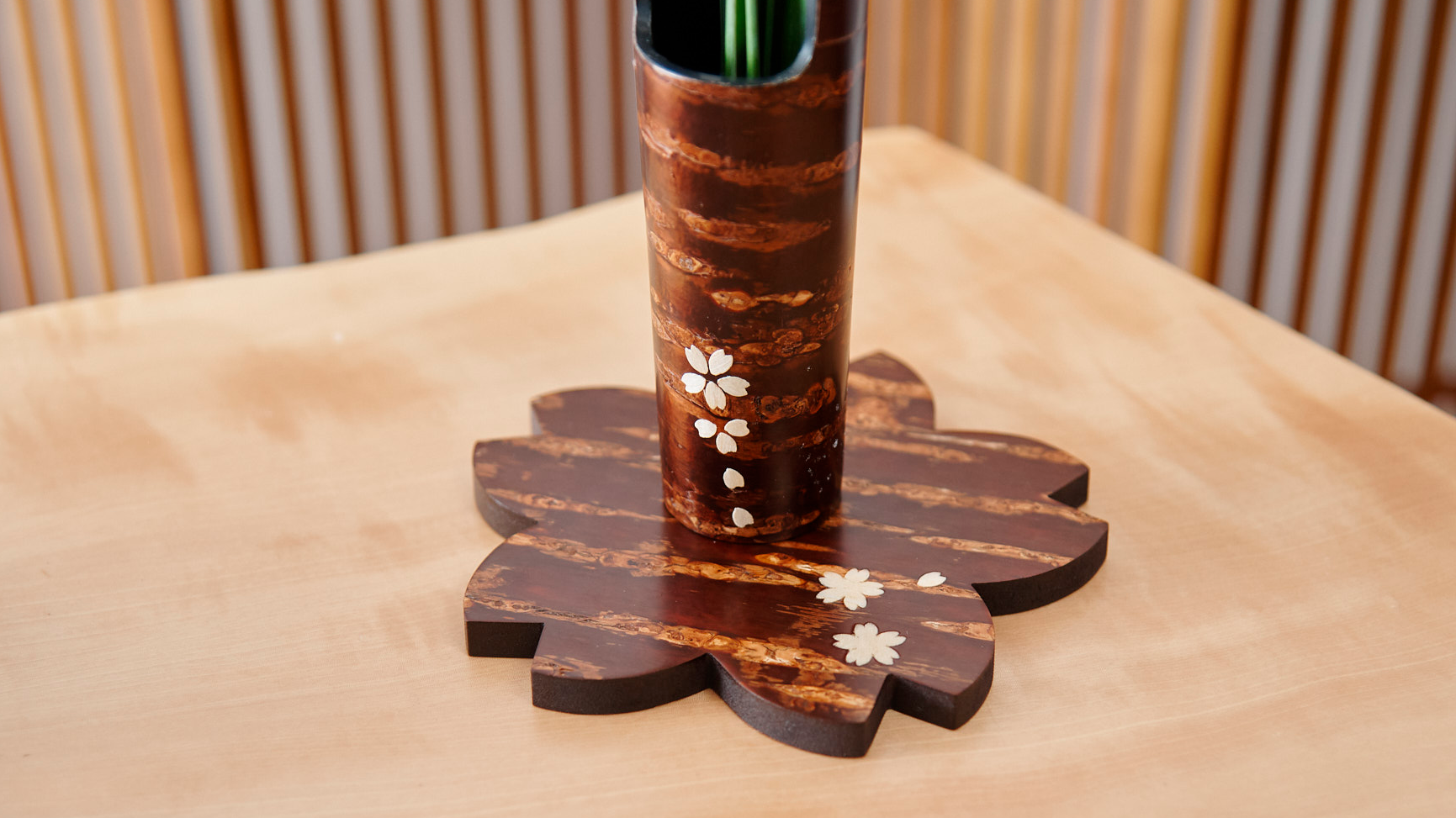
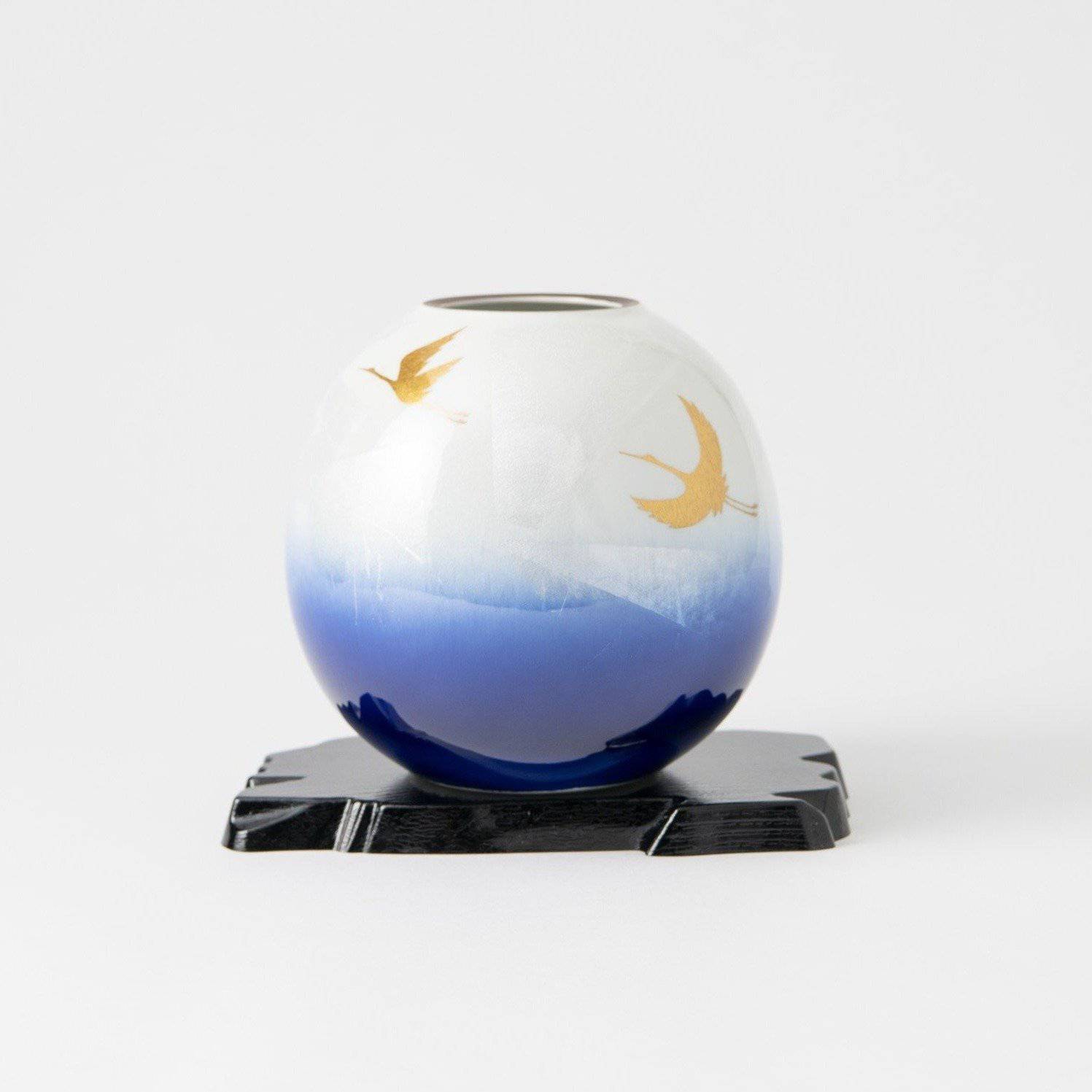
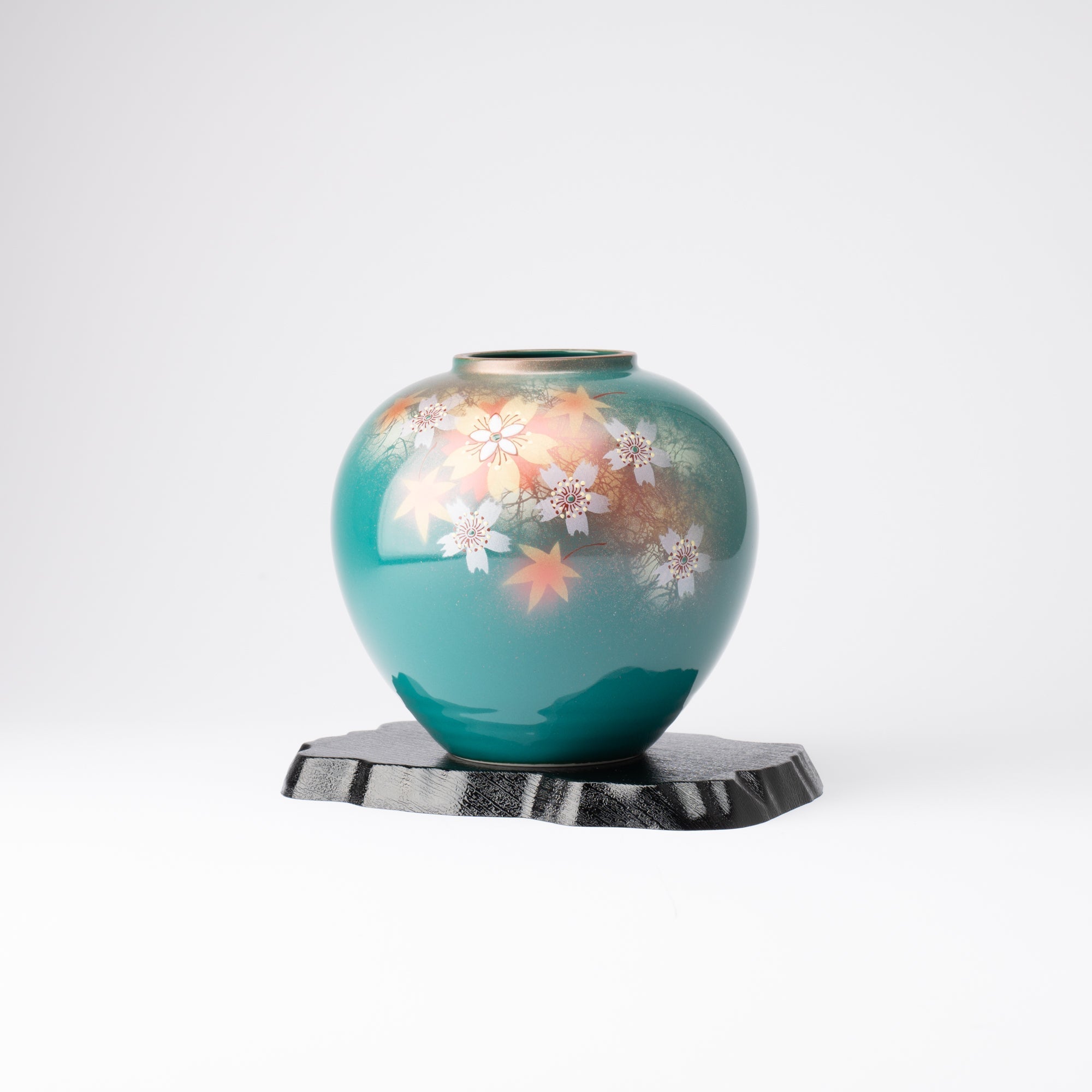
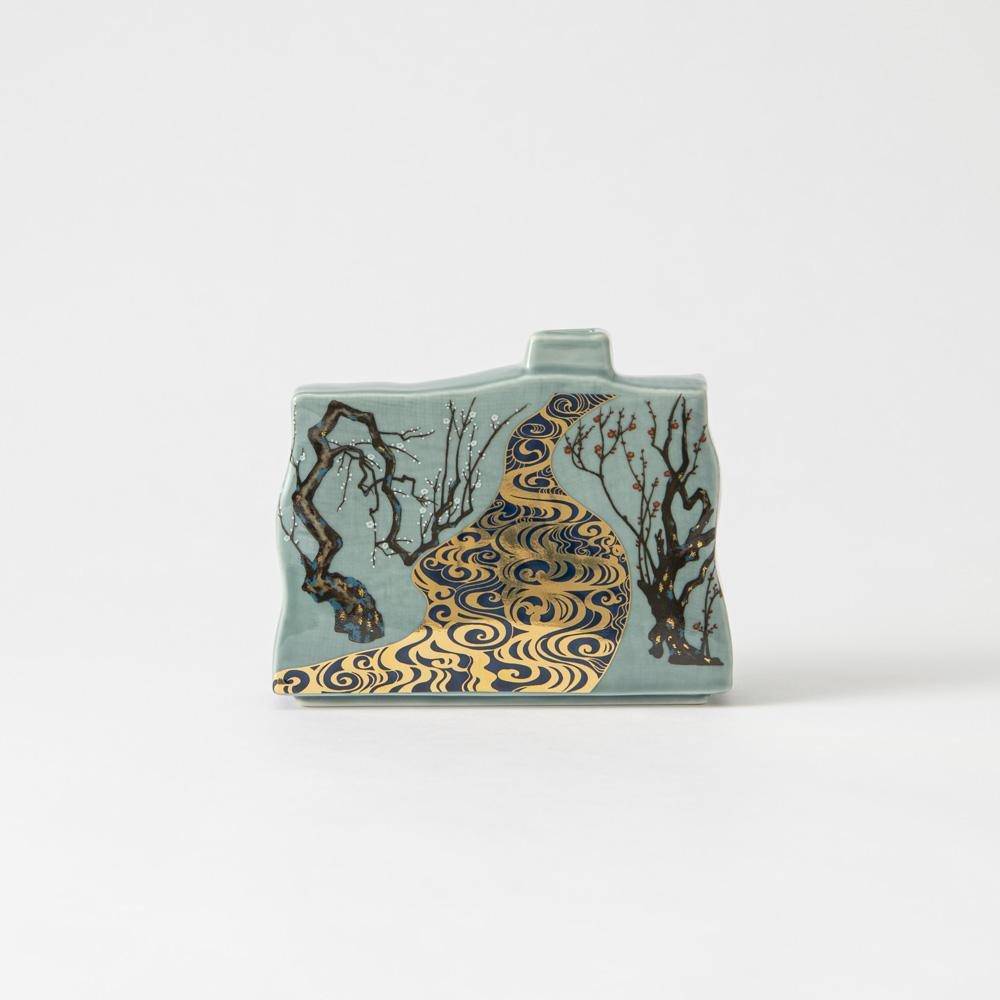
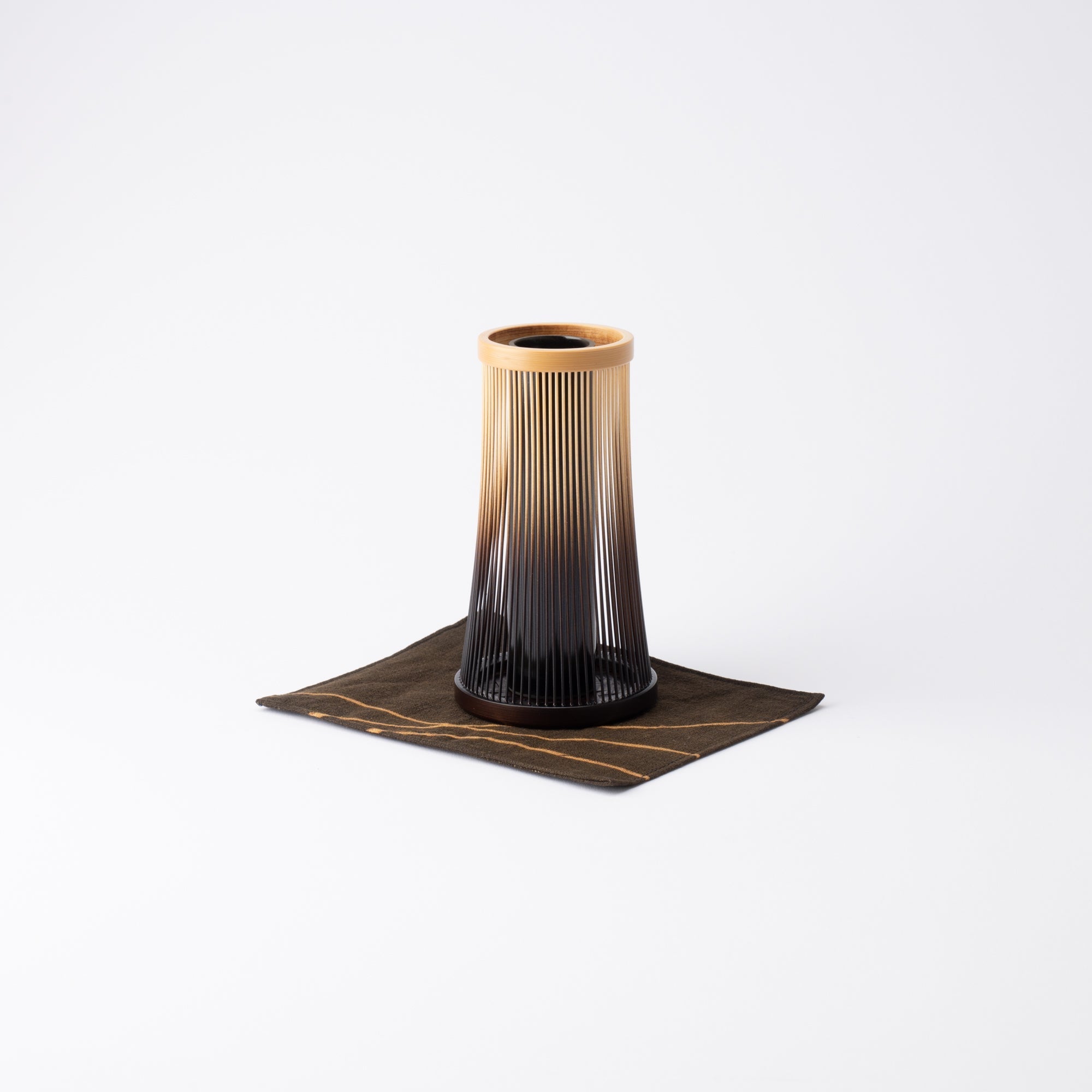
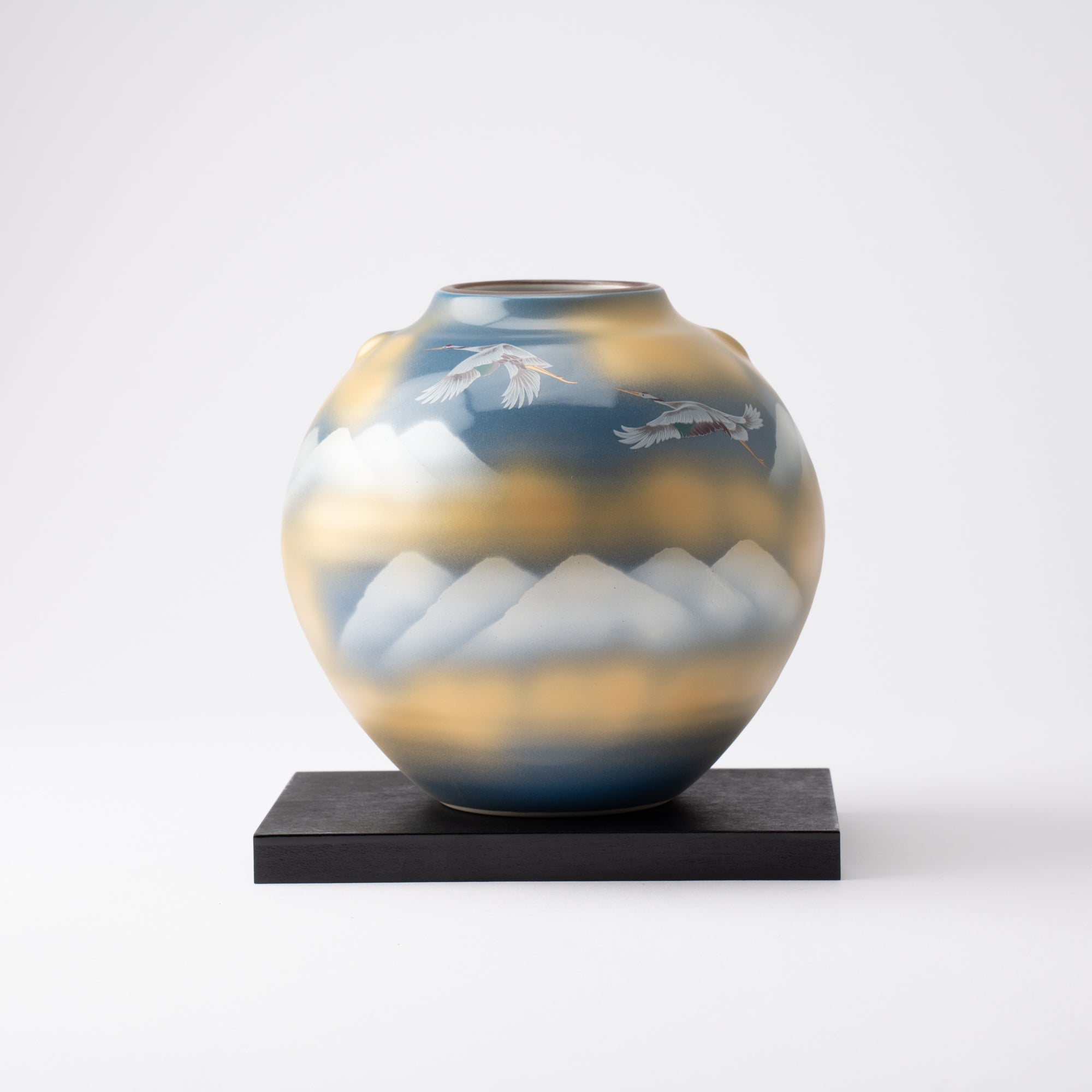
- Place a mat or decorative stand under the vase for a more sophisticated look. A wooden board or flat plate can also be used instead.